















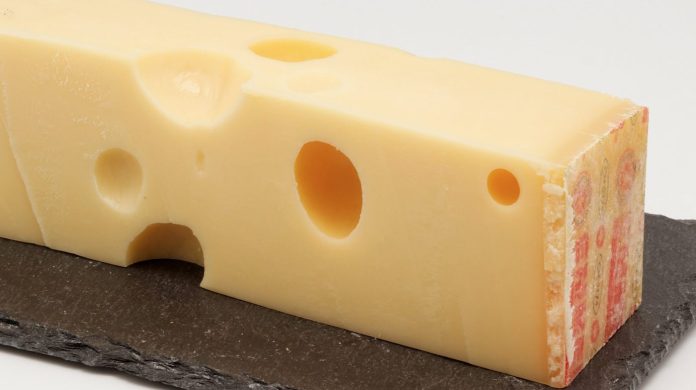
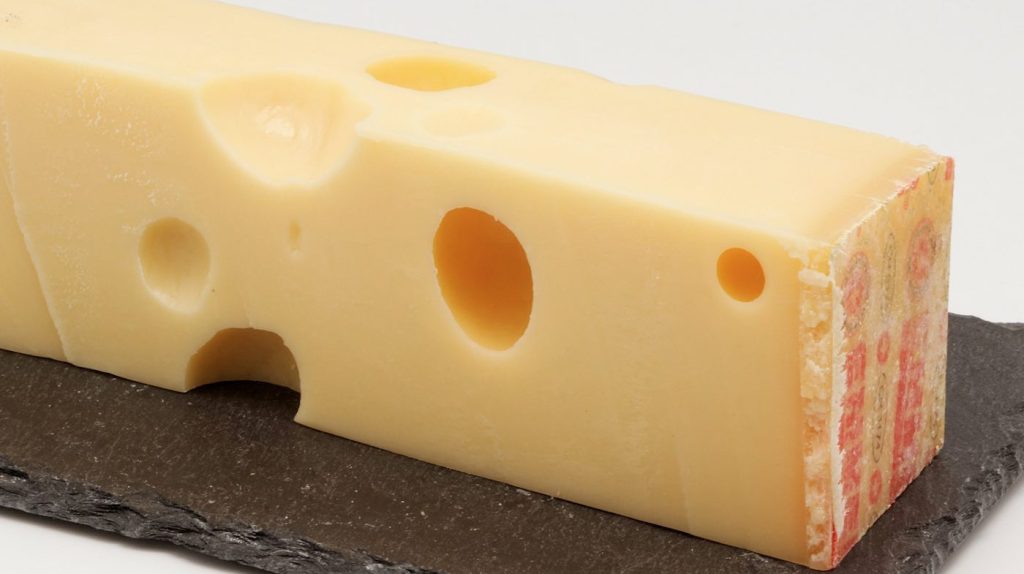
Researchers in Sweden found a link between eating more high-fat cream and high-fat cheeses and a lower risk of developing dementia.
People who consumed 20 grams or more of high-fat cream daily had a 16% lower risk of dementia than those who consumed none.
People who ate 50 grams or more of high-fat cheese—containing more than 20% fat—had a 13% lower risk of dementia than those eating less than 15 grams daily, according to the study.
No association was found for low-fat dairy products, butter, milk or fermented milk, which includes yoghurt, kefir and buttermilk.
The researchers emphasized that the study, published in the journal Neurology, does not prove that eating high-fat cheese and high-fat cream lowers the risk of dementia, it only shows an association.
“For decades, the debate over high-fat versus low-fat diets has shaped health advice, sometimes even categorizing cheese as an unhealthy food to limit,” said Professor Emily Sonestedt, of Lund University.
“Our study found that some high-fat dairy products may actually lower the risk of dementia, challenging some long-held assumptions about fat and brain health.”
Researchers analysed data from 27,670 people in Sweden with an average age of 58 at the start of the study. They were followed for an average of 25 years. A total of 3,208 participants developed dementia during the study.
The participants kept track of what they ate for a week and answered questions about how often they ate certain foods during recent years. They also talked with researchers about how they prepared their food.
A typical serving of cheese is one ounce. Of those who ate more high-fat cheese, 10% developed dementia by the end of the study. Of those who ate less, 13% developed dementia.
After adjusting for age, sex, education and overall diet quality, the research team found that people who ate more high-fat cheese had a 13% lower risk of developing dementia compared to those who ate less.
When looking at specific types of dementia, they found people who ate more high-fat cheese had a 29% lower risk of vascular dementia.
Researchers also found a lower risk of Alzheimer’s disease among those who ate more high-fat cheese, but only among those not carrying the APOE e4 gene variant, a genetic risk factor for Alzheimer’s disease.
The team also compared people who consumed 20 grams or more of high-fat cream daily to people who consumed none. After similar adjustments, researchers found that those who consumed high-fat cream daily had a 16% lower risk of dementia compared to those who consumed none.
Typically, observational studies that show links and associations are not considered useful unless the association reaches above 60%. In that sense, the value of the findings is questionable.
PRO CHEESE: 26 Years of Research Shows Cardiovascular Health in Dairy Lovers is Not Aversely Affected by Choosing Cheese
The healthy user bias is a feature of observational studies that can affect the outcome. It describes a phenomenon whereby people who are willing to make one choice regarding their health are more likely to make others, and that as their potential effects become difficult to separate out of the data.
Intuitively, one would guess a study influenced by healthy user bias would find a negative association with cheese and cream, since those who eat no cheese or cream will usually be making that choice in conjunction with several others to try and improve health, such as exercise or a higher quantity of vegetables at meals.
ALSO CHECK OUT: Trendy Type of Norwegian Cheese May Stave Off Bone Thinning, Shows New Study
People who don’t focus on health in their lifestyle and diet choices won’t exclude cheese cream—an inference because they won’t make any other choices. The results, being counter-intuitive, make the study results compelling even if the association with dementia was small
The fermented foods like yogurt and kefir, generally eaten for health reasons, showing no association only adds to the curious direction the data took.
The team says further research is needed to explore whether consuming certain high-fat dairy offers some level of protection for the brain.
MORE CHEESE NEWS: First Ever Cheese Museum Opens in Paris: ‘It’s Gouda Brie a Delicious Visit’
“These findings suggest that when it comes to brain health not all dairy is equal,” said Professor Sonestedt. “More research is needed to confirm our study results and further explore whether consuming certain high-fat dairy truly offers some level of protection for the brain.”
Sonestedt noted that in Sweden, cheese is often eaten uncooked, while in the United States, cheese is often heated or eaten with meat. She says it is important that studies also be conducted in the United States.
SHARE This With Your Cheese Lovers, And Plan A Fondue Night Maybe…