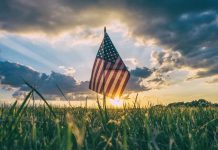
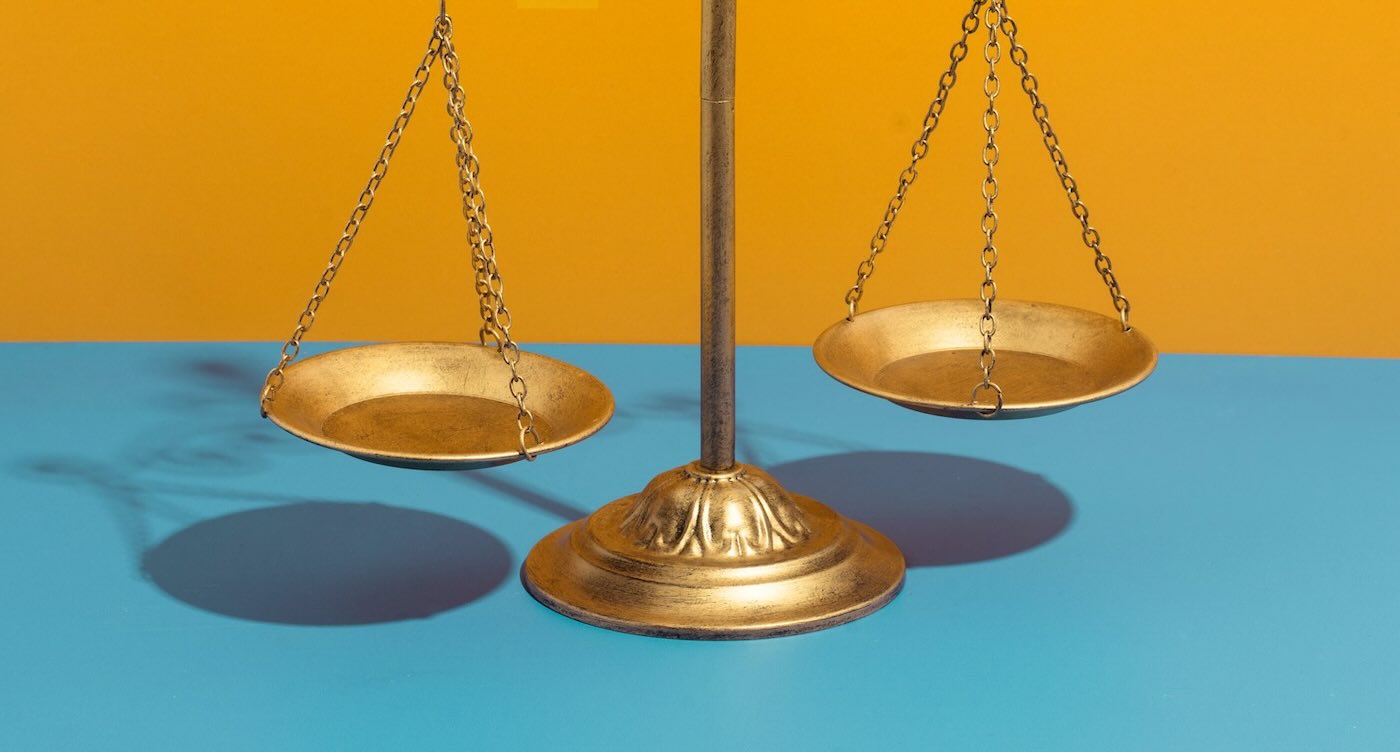
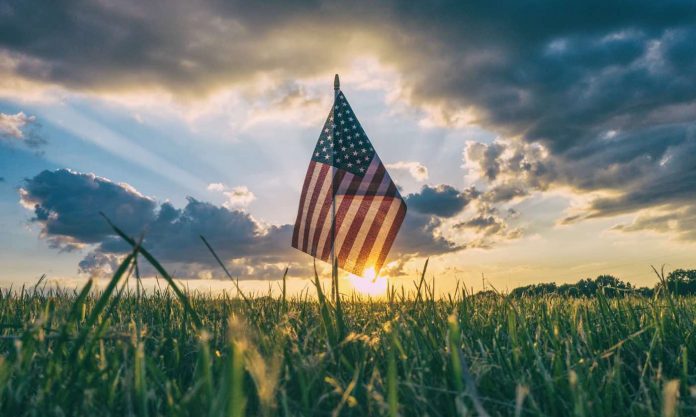
Quote of the Day: “The bedrock of our democracy is the rule of law and that means we have to have judges who can make decisions independent of the political winds.” – Caroline Kennedy
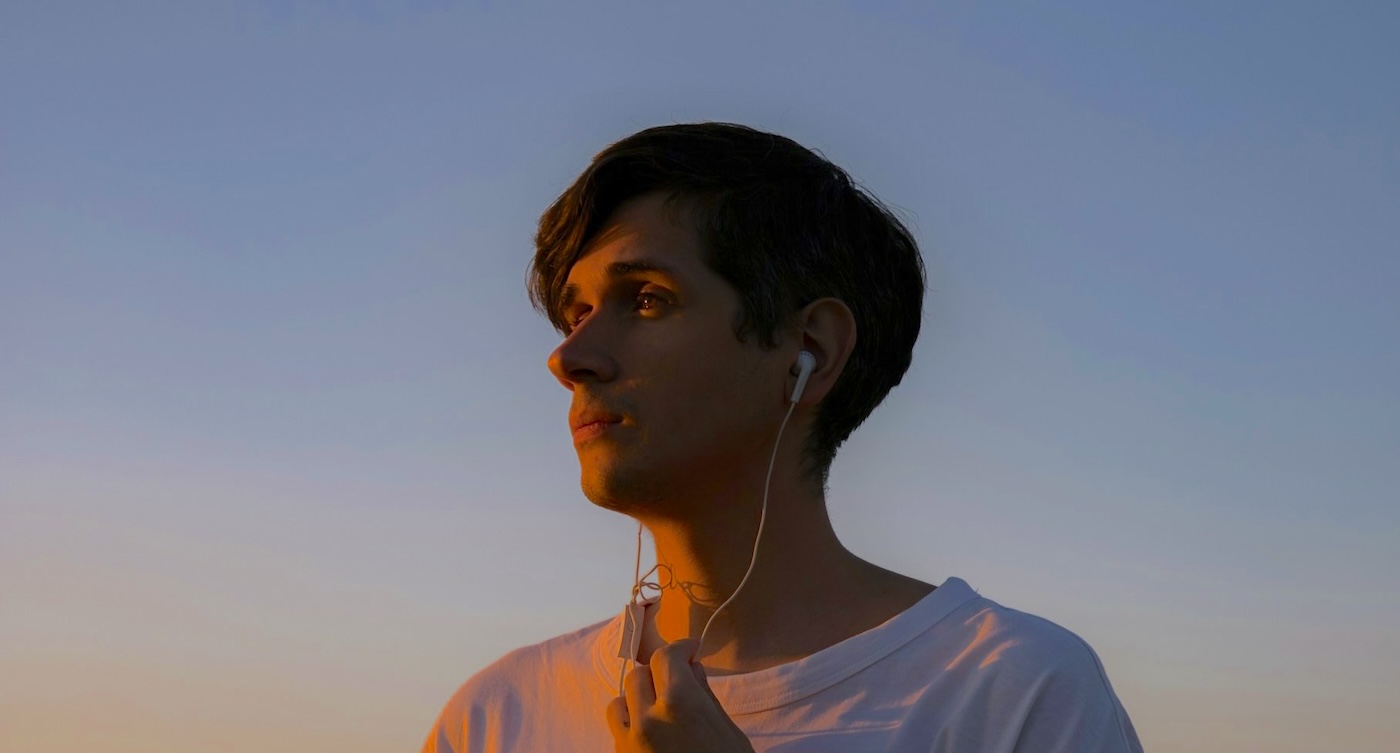
Photo by: Katelyn Perry for Unsplash+
With a new inspirational quote every day, atop the perfect photo—collected and archived on our Quotes page—why not bookmark GNN.org for a daily uplift?
Jeff Bezos' house in Bellevue, Washington, where Amazon was founded - credit, SounderBruce CC BY-SA 4.0
32 years ago today, Jeff Bezos founded Amazon in the garage of his home in Bellevue, Washington. Originally founded as “Cadabra,” it was famously limited to book sales, the nearby distribution chains for which was why Bezos chose Washington for the entrepreneurial project. Fast forward to today, and it can be said to have launched the e-commerce revolution, changing the face of retail forever and becoming the world’s largest “store,” available in dozens of countries. READ some more milestones on Amazon’s way to success… (1994)
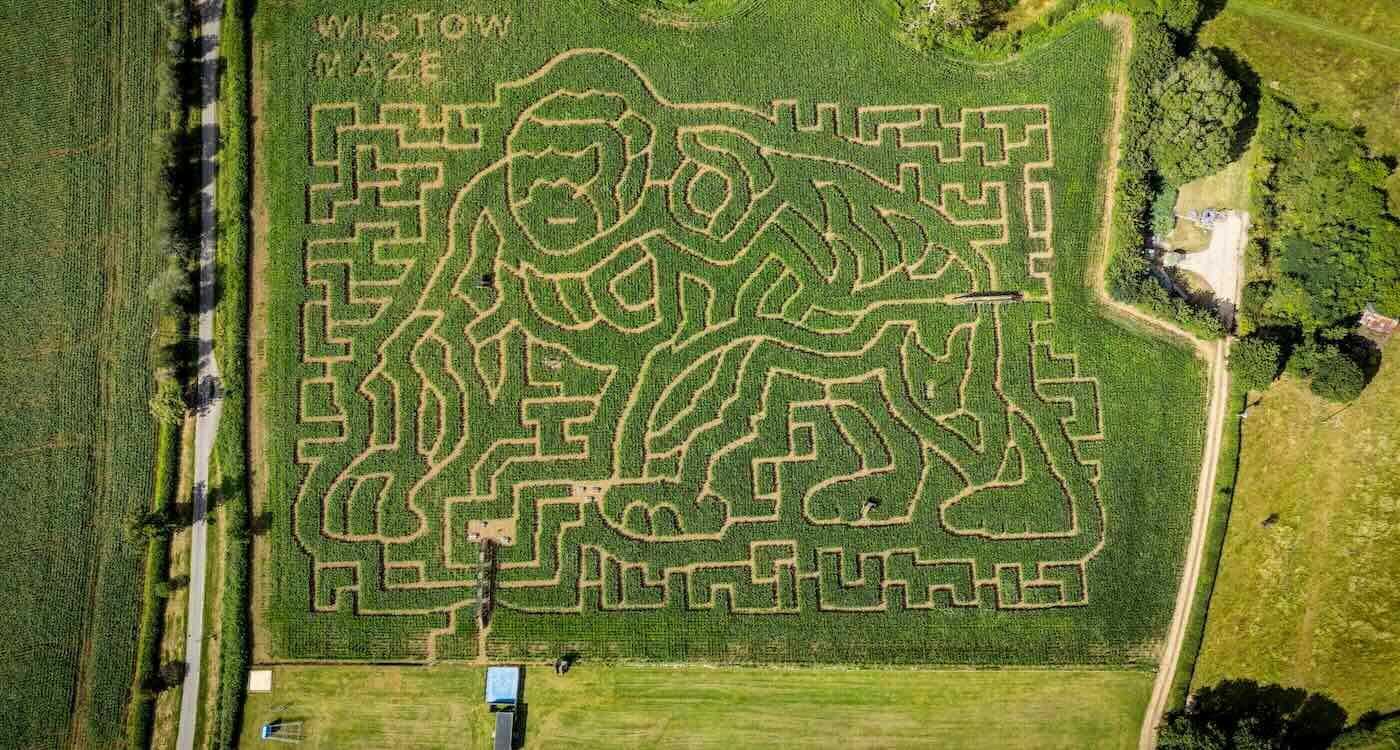
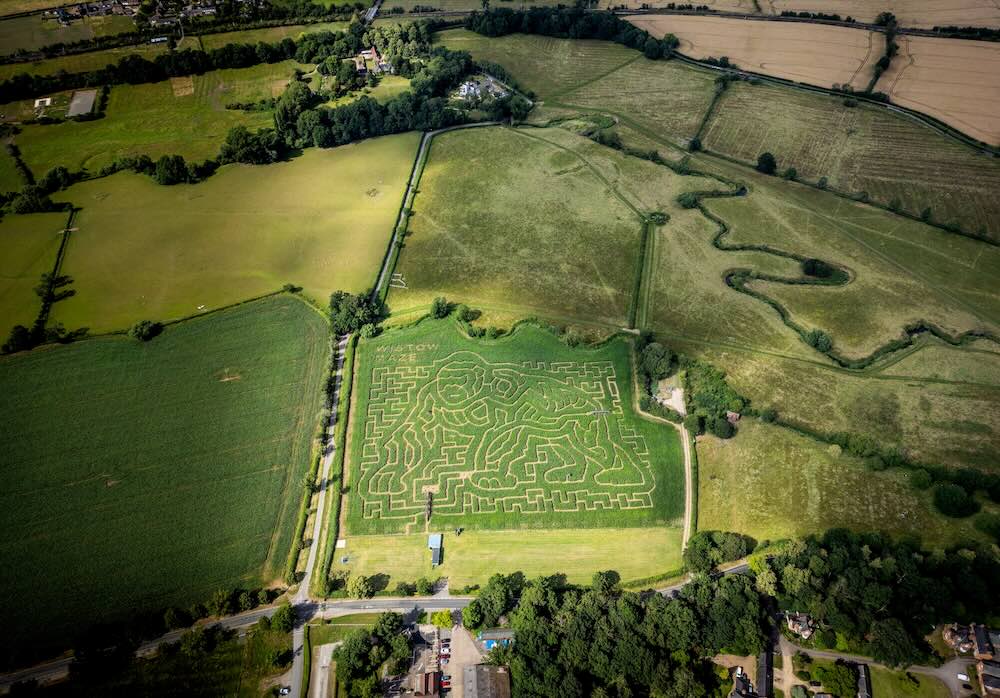
Wistow Maze in Leicestershire, England features mountain gorilla design to celebrate Sir David Attenborough's 100th birthday – Credit Tom Maddick / SWNS
Wistow Maze in Leicestershire, England features mountain gorilla to celebrate Sir David Attenborough’s 100th birthday – Tom Maddick / SWNS
One of Britain’s biggest mazes is celebrating Sir David Attenborough’s 100th birthday by creating a spectacular design in the shape of a mountain gorilla.
Wistow Maze in Leicestershire, England, came up with the design to pay tribute to the legendary broadcaster who hails from their local county, having grown up near the University of Leicester.
The popular award-winning attraction features a winding labyrinth that stretches for three miles and takes around two hours to walk.
Each year the paths for the maze are marked out using GPS, so visitors can wind their way through towering walls of maize and sunflowers.
Each year a new topical design is chosen. Last year, it was designed in the shape of a steam train to commemorate 200 years of the modern British railway system.
It has also been shaped into a Crown to mark the Queen’s Jubilee, and a javelin thrower to mark the Olympics.
This year, its owner has paid tribute to one of Leicester’s most famous sons with a quirky design a gorilla—referencing the naturalist’s famous 1978 televised encounter with the creature in Rwanda.
“We spent almost a year mapping out the design,” said maze owner Diana Brooks. “It has been a lot hard work and effort since then to get it looking right.”
Tom Maddick / SWNS
“He is certainly one of Britain’s national treasures, but it also ties-in nicely to him coming from Leicestershire, too.”
Visitors are encouraged to find 12 quiz boards hidden among the pathways, featuring animals from his pioneering nature series, as well as interesting facts about the famous naturalist and broadcaster.
High-level bridges and towers give visitors stunning panoramic views over the fields, which will eventually blossom with sunflowers.
At the end of the season, the maize is harvested for cattle fodder before being redesigned the following spring.
Wistow Maze is a winner of Leicestershire’s “Best Visitor Attraction” and attracts thousands of visitors each year.
The maze will open daily (10am – 6pm) from July 20 until September 6 as well as the weekend of September 12/13, costing £8.95 for a child and £10.95 for an adult ($10 and $15). A family ticket for two adults and two children is £37.
GO APE FOR THIS By Sharing the Fun on Social Media…
Sami Simons and Loes van Bemmel – Credit: ERJ Open Research / Sami Simons / SWNS
Sami Simons and Loes van Bemmel – Credit: ERJ Open Research / Sami Simons / SWNS
Voice changes measured with a mobile phone can detect an oncoming potentially-deadly asthma attack up to three days in advance, according to new research.
Scientists from Maastricht University in the Netherlands say their high tech app can also provide a vital early warning for symptoms of chronic obstructive pulmonary disease (COPD).
A flare-up of asthma or COPD, known as an exacerbation, is when symptoms like difficulty breathing, coughing, and phlegm become suddenly worse—and sometimes, without prompt medical care, they can become dangerous.
It may soon be possible to use a daily voice-check to monitor for the earliest sign of a flare-up simply by speaking into your phone.
Study leader Dr. Sami Simons explained these sudden exacerbations are not only frightening, they can lead to longer-term deterioration and increase the risk of dying.
“Early on in my career I was told that the voice is different while a flare-up is happening.
“Now, the rise of artificial intelligence means it’s possible to perform sophisticated analysis to find patterns in audio recordings.
“Capturing voice via a mobile phone is the next logical step to detect deteriorations in asthma or COPD at home and on time.”
The study included 38 people with COPD and 35 people with asthma, who were being treated in the Netherlands.
Over the course of 12 weeks, participants were asked to use a specially designed app to record and analyze their voice daily.
Each person would record themselves speaking a long “a” sound, then either reading out a short piece of text or answering a question. They were also asked to complete a daily questionnaire to indicate whether their symptoms were flaring up.
Comparing the voice sounds with the data on symptom flare ups, researchers found that, at the very beginning of a flare up, people’s voices deteriorated in terms of tone, or pitch, the number of pauses, and voice quality.
The findings, published in the journal ERJ Open Research, showed that the measures improved as the flare-ups subsided.
“We found that the voice significantly changes—and this occurs as early as the first day that symptoms deteriorate,” said Dr. Simons, a consultant respiratory physician at Maastricht University Medical Centre.
“As the airways constrict during an exacerbation, the air that passes the vocal folds is limited.
“This weakens the normal vibration of the vocal folds, making it harder to keep the voice steady. As a result, the voice of someone with an exacerbation sounds ‘breathier’ and ‘rough.'”
The app called TACTICAS (Telemonitoring for Asthma and COPD Through voICe AnalysiS) was co-designed with patients and a start-up called Zana Technologies.
It’s currently only available for research purposes, but Dr. Simons and his team have created a website (www.speaktoCOPD.com) to explain how the voice technology works and how people can contribute to the research with their own voices.
The research team developed machine learning algorithms that can detect exacerbations based on voice changes as early as three days before symptoms—and they’re are now testing the technology in two new studies: one in the Netherlands and one in Brazil.
The breakthrough was welcomed by the European Respiratory Society’s Dr. Marc Miravitlles.
“Being able to spot a flare up, or even anticipate it by a few days, could be really valuable in terms of reducing symptoms such as breathlessness or coughing as well as lowering the risk of lung damage, hospital admission or death.”
“This technology could allow better monitoring and care for patients with asthma or COPD via a mobile phone wherever they are in the world,” added Dr Miravitlles, of Vall d’Hebron University Hospital in Barcelona, Spain.
“This is a good example of how new technologies and AI could really improve the quality of life of our patients with chronic respiratory diseases.”
TELL EVERYONE THE NEWS – BY Sharing This on Social Media…
From purple mountain majesties to amber waves of grain, America’s 4 million square miles of jaw-dropping landscapes is matched only by the audacity of its founding premise: 250 years ago, British colonists looking for independencelaunched a radical experiment, betting that a free people could govern themselves—without the rule of a king or queen.
Despite years of political division and cultural friction in pursuing “a more perfect union”, America has a lot to be profoundly thankful for. Here are 250 reasons (in no particular order).
On this historic Semiquincentennial birthday, we look back at the brilliant tapestry of innovation, culture, and community flourishing for two and a half centuries—proving this nation is still a home worth cherishing. Happy Birthday, America!
1. Yellowstone National Park: The world’s very first national park
2. The Chocolate Chip Cookie: Invented in Massachusetts, loved by the world.
3. The Birth of Jazz: America’s greatest original art form
4. Fall Foliage in New England
5. Air Conditioning: Willis Carrier’s invention made living in deserts possible
6. Freedom of Speech (enshrined in First Amendment of the U.S. Constitution
7. The Appalachian Trail: 2,200 scenic miles from Georgia to Maine
8. Motown: The pop-soul Detroit sound that mowed down racial barriers
9. Surfing: Born in Hawaii and became a laid-backculture in California
10. The Comic Book: An American invention that popularized superheroes
11. Craft Beer from thousands of innovative local microbreweries
12. Bob Dylan leading a generation with his protest anthems
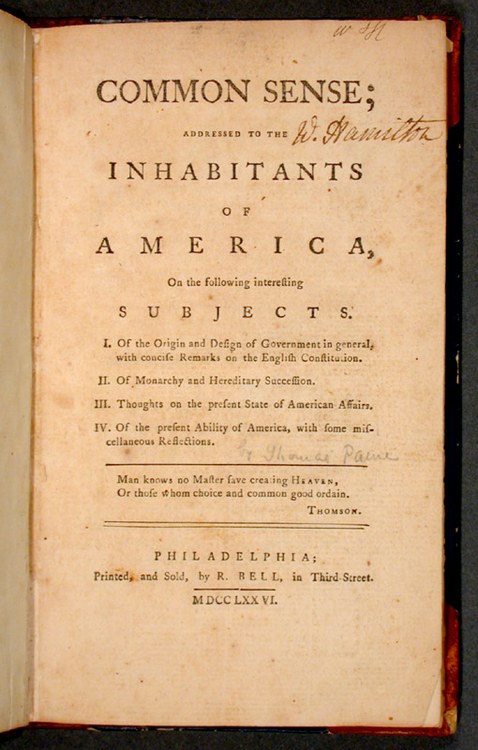
13. The Declaration of Independence: Proclaiming unalienable rights to life, liberty, and happiness
14. Thomas Jefferson: Founding Father who wrote the above document, paid for the Library of Congress, and negotiated the Louisiana Purchase
15. Susan B. Anthony: Faced arrest leading the fight for women’s voting rights
16. Jonas Salk: Refused to patent his polio vaccine, giving it to the world
17. The Peace Corps: Sending Americans abroad to bring humanitarian aid
18. The Rocky Mountains
19. Woodstock: The greatest festival ever held
20. State Fair Food on a Stick: Deep-frying everything from butter to Oreos
21. Pickleball: The invented racquet sport sweeping the nation
22. New Orleans: Creole Culture and the birthplace of jazz
23. Diners: serving breakfast 24 hours a day
24. Route 66: One highway from Chicago to a California pier
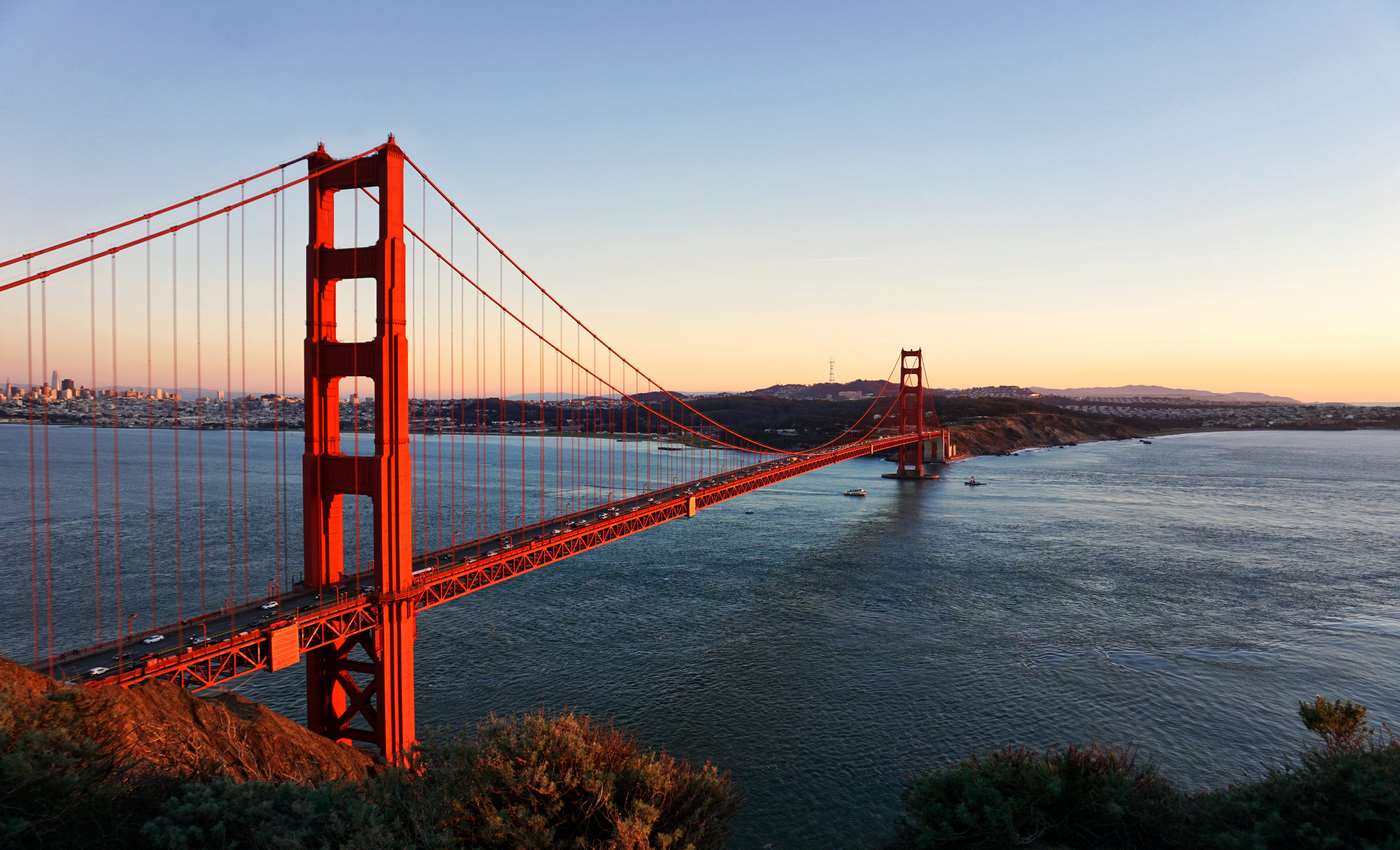
25. The Golden Gate Bridge: Architectural masterwork framed by San Francisco fog
26. Barbecue from Texas, Kansas City, Memphis, or Carolina.
27. Diversity of Landscape: tundra, desert, rainforest, and tropics in one nation
28. Redwood Trees
29. Clam Chowder
Fallingwater – Credit: Daderot
30. Frank Lloyd Wright: 400 buildings, including Fallingwater (above)
31. The Great American Novel: The Great Gatsby
32. Broadway musicals
33. Jackie Robinson: With immense poise he broke Major League Baseball’s color barrier
34. Food Trucks: Mobile kitchens democratizing gourmet food on the street
35. Rock and Roll: A rebellious genre that electrified the world
36. The Sitcom: Brought families together for laughs
37. Napa Valley: World-class wine in America
38. The Personal Computer
39. The Space Shuttle: Reusable rockets
40. Tailgating: Pre-game community party in stadium parking lots
41. The Bill of Rights: Protects crucial individual liberties
42. Bagel with Lox and cream cheese
43. Green Bay Packers’ Lambeau Field: Home of America’s only publicly owned football team
44. KentuckyBourbon
45. Teddy Roosevelt (and Teddy Bears, which were named for him!)
46. Hip-Hop: Musical genre born in the Bronx
47. Adopt-A-Highway: Keeping local roads clean out of civic pride.
48. March Madness
49. Jim Henson’s Muppets
50. The Western: movies about the old west
51. Buffalo Wings: Game-day snack, born in upstate New York.
52. The Blues: Soulful songs of struggle from the Mississippi Delta
53. Hollywood
54. Bluegrass music
55. Stand-Up Comedy: From Mark Twain to Jerry Seinfeld
56. Martin Luther King Jr: Guided the Civil Rights Movement with nonviolence
57. The Assembly Line from Henry Ford
58. Baseball: (The National Pastime)
59. Macy’s Thanksgiving Day Parade
60. The Porch Swing
61. The Gettyburg Address: Lincoln’s immortal 272 words about government of, by, and for the people
62. The Boston Marathon: the nation’s oldest
63. The Pacific Coast Highway: One of the most scenic coastal drives in the world
64. Coachella and Bonnaroo
65. Late-Night Talk Shows
66. Mr. Rogers: Championed kindness for kids on public television
67. Hamilton: invented new way to teach history
68. Apple, inc
69. Sundance Film Festival
70. The Smithsonian: Free museums on the National Mall
71. Henry David Thoreau – From Walden pond to Civil Disobedience
72. The Music Video: invented by MTV
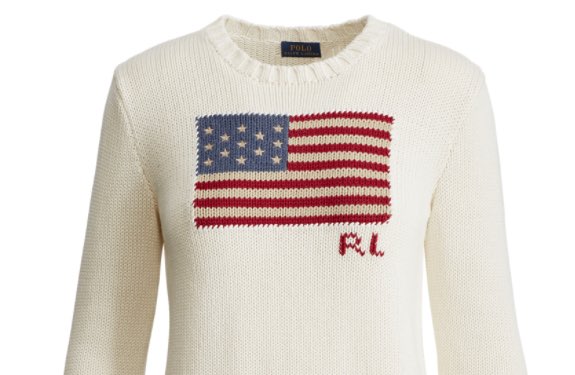
Ralph Lauren sweater
73. Ralph Lauren fashion
74. Freedom of the Press
75. Walt Disney
76. The Apollo Moon Landing and Neil Armstrong’s inspiring first words
77. Silicon Valley tech hub
78. GPS: Developed by the military, but given to the public
79. Lighthouses along the Atlantic coast
80. The Airplane: The Wright brothers proved humans could fly
81. Mammoth Cave: World’s longest known cave, hidden in Kentucky
82. The Liberty Bell in Philadelphia
83. Louis Armstrong’svoice
84. Morgan Freeman
85. George Washington: Won the Revolution but said NO to Presidency after 2 terms
86. Hubble and James Webb Telescopes: Gorgeous views of deep space
87. The Mars Rovers: exploring the red planet
88. The Airstream Trailer: The sleek, silver icon of freedom
89. The National Laboratory System like Los Alamos for scientific research
90. The Great Smoky Mountains
91. Open-Source Software
92. Halloween Trick-or-Treating
93. Southern Biscuits and Gravy
95. The National Science Foundation: Public funding driving discovery
96. The Cotton Gin: Transformed agricultural tech
97. Zion National Park: Massive sandstone cliffs of pink, and red
98. The Transistor: The foundation of all modern microelectronics.
99. Television: Invented by Philo Farnsworth in Rigby, Idaho
100. George Lucas
101. Carlsbad Caverns: Stunning limestone formations in New Mexico
102. Friday Night Lights: High school football games uniting entire small towns
103. The Super Bowl
104. Roadside Attractions: Giant balls of twine and dinosaur statues
105. The NBA
106. Cesar Chavez: His Nat’l Farm Workers group secured migrant laborers’ dignity
107. Lobster Rolls: Atlantic lobster served on a buttered, toasted bun
108. The Seventh-Inning Stretch: Singing “Take Me Out to the Ball Game” with thousands of strangers.
109. Skateboarding: Invented in Southern California
110. The Outer Banks: Pristine white beaches and pirate history galore
111. Red Rocks amphitheater
112. DC monuments on the National Mall
113. Little Free Libraries
114. Winslow Homer paintings
115. Niagara Falls
116. Social Security
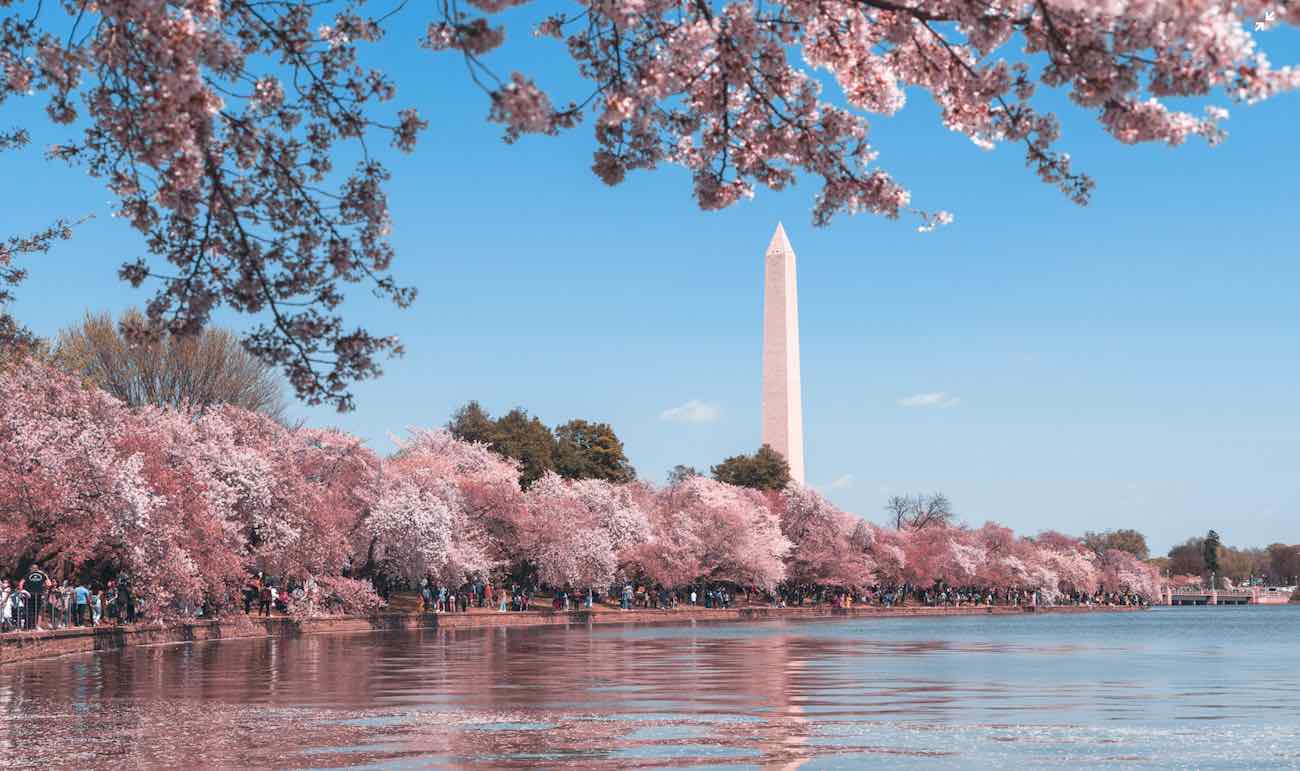
Washington monument with cherry blossoms by Andy He
117. The Cherry Blossoms in DC
118. Title IX Legacy: Funding equal opportunities for female athletes
119. Tex-Mex
120. Paul Newman: His Newman’s Own food products give hundreds of millions to charity
121. The Sports Bar: Where fans of all backgrounds instantly become family
122. Mount Rushmore
123. The Smash Burger
124. Oprah
125. S’mores
126. Key Lime Pie: Florida’s tart, creamy dessert
127. The U.S. Constitution: A resilient, adaptable framework for self-governance.
128. Amelia Earhart
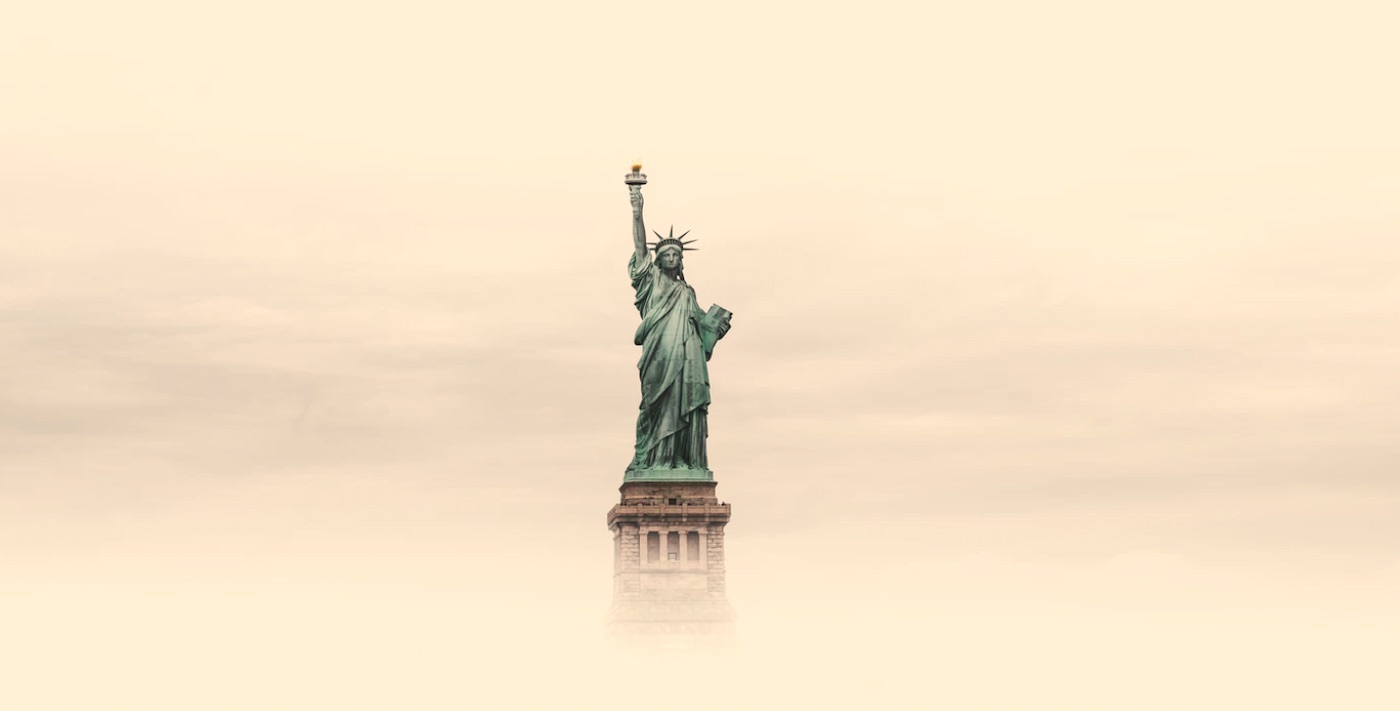
129. The Statue of Liberty
Luke Stackpoole
130. The Civil Rights Movement: Citizens marching to force the U.S to live up to its promises.
131. Thurgood Marshall and Sandra Day O’Connor: Supreme Court pioneers
132. The Underground Railroad: Brave networks of secret routes defying unjust laws for freedom.
133. Charlie Brown: Especially the Christmas special
134. The Separation of Powers: A system of checks and balances designed to prevent tyranny.
135. A Walk-Off Home Run: One of the most dramatic, instantaneous moments in sports
136. The Florida Keys
137. The Spirit of Generosity: Millions giving to charities even in hard times
138. The Great Lakes
139. The Right to Peacefully Assemble: Empowering citizens to protest
140. Robert De Niro and Martin Scorsese
141. Carol Burnett
142. Taylor Swift: Donated $26 million to charity to honor her recent marriage
143. The Federalist Papers: A brilliant masterclass in political philosophy and debate.
144. Daniel Boone: Pioneering the West
145. Dolly Parton: Her Imagination Library gifted 240 million free books to kids
146. Elvis Presley
147. Native American Heritage: The First Americans
148. Johnny Carson’s Tonight Show
149. The Great Seal’s Motto: E Pluribus Unum — “Out of many, one.”
150. The Peaceful Transfer of Power: A foundational election tradition
151. The Getty Museums
152. The Interstate Highway System
Central Park in New York City – Credit: ep_jhu (CC license)
153. Central Park in NYC
154. The Classic Road Trip: Snacks, music, and changing landscapes.
155. Dick van Dyke
156. The Skyline of New York City
157. Medicare for Seniors
158. The Brooklyn Bridge: offering breathtaking pedestrian walks.
159. CharmingCovered Bridges
160. The Hoover Dam: A triumph of 1930s tamed the mighty Colorado River
FREE WILL ASTROLOGY – Week of July 4, 2026
Copyright by Rob Brezsny, FreeWillAstrology.com
CANCER (June 21-July 22):
There are phases when the cosmic energies and I urge you to put others first—even tend to their pain before you tend to your own. But this isn’t one of those times. Right now, sacrificing yourself for the sake of others would obstruct the flow of righteous grace into your life. So then what is the most soul‑honoring path available? Here’s what I think: Summon your inventive brilliance and use it to imagine generous ways to care for yourself. Shower yourself with gifts, treats, and blessings that delight you. Take the loving care you so deftly pour into other people and lavish it wholeheartedly on yourself.
LEO (July 23-Aug. 22):
Most fields of human endeavor work like this: A few people are truly brilliant, a handful are actively harmful, and the majority fall somewhere between “not great” and “pretty good.” That’s true whether you’re talking about engineers, doctors, poets, or astrologers. So it’s inadvisable to assume a physician is wise about your well-being just because they’ve logged 15 years on the job, or to trust your life direction to the first astrologer whose promotion catches your eye. In the coming weeks, dear Leo, discernment like this matters even more than usual. Let your natural hopefulness be balanced by sharp, thoughtful judgment. Don’t just challenge obvious authority. Put every so-called fact, spin, assumption, and official line under your own clear-eyed review.
VIRGO (Aug. 23-Sept. 22):
Architects designing spaces for collective use try to balance two human needs: to see expansively and also have safe places to retreat. Too much exposure creates anxiety; too much enclosure brings claustrophobia. The ideal is to provide both shelter and spaciousness. Let’s use this theme as a metaphor for your life during the coming months. You’ll be wise to create an equilibrium between engagement and privacy, between vastness and protection. Make it easy for yourself to observe the larger scene and also withdraw when needed.
LIBRA (Sept. 23-Oct. 22):
Self-proclaimed “skeptics” love to sneer at astrologers, as if pondering what lies ahead were a violation of scientific purity. And yet economists, sports analysts, trend watchers, and political commentators churn out shaky predictions every day. Honestly, those professionals of probability often create more confusion than those of us who read the heavens. Take weather forecasters, for instance: From Europe to Japan, their models routinely miss sudden floods and twisters and trigger more than a few false alarms. But do the debunkers brand them as charlatans? Of course not. Forgive the outburst, but I’m building to a key foresight: Every forecast, projection, or vision that crosses your path over the next month will miss the mark—except for this one. So free yourself of their meddling.
SCORPIO (Oct. 23-Nov. 21):
Ethnobotanists describe how certain Indigenous traditions work with “teacher plants.” These are flora that offer not only physical benefits but spiritual instruction. They include psychoactive substances, but also ordinary plants approached with extraordinary attention. In the spirit of reinventing your education, Scorpio, I invite you to expand your understanding of who and what your teachers are. What ordinary elements of your daily life might offer wisdom if you engage them with deep respect? What situations at the edges of your awareness could bring lessons that enrich your perspectives? Now is an excellent time to seek new apprenticeships.
SAGITTARIUS (Nov. 22-Dec. 21):
Western science and Western religions may disagree about how the universe began, but both place its birth in the distant past. Tantra and other spiritual paths, by contrast, propose that the universe is born afresh in every instant through the sacred, erotic interplay of God and Goddess. When humans approach love-making as an experimental sacrament, these traditions suggest, we can tune in to the union of those primordial forces and, in a sense, take part in the continual creation of existence. So, are you ready for a bit of world-making erotic play? The current astrological indicators say yes, you are.
CAPRICORN (Dec. 22-Jan. 19):
A common obstacle to healthy intimacy is the belief that a beloved ally should automatically know what you need, without you saying a word. I used to suffer from this delusion myself and worked hard to dissolve it. I no longer unconsciously assume that my companions are so attuned to me that they can always intuit my desires. But I know this bad idea feels romantic to many people, even though it can sabotage even the most promising bond. In the weeks ahead, Capricorn, I invite you to starve this fantasy. Your intimate world is ripe for a fresh infusion of lucid, straightforward honesty.
AQUARIUS (Jan. 20-Feb. 18):
Your next few weeks will be sponsored by CoffeeBeer, the paradoxical elixir that both pumps up your energy and decompresses your defenses. You will be an exemplary role model for this innovative product because you will epitomize what occurs when a sensitive soul gets excited and mellows out at the same time. I also expect you will soon be exploring intriguing opportunities that become available to you because of your supercharged calm. Fortunately, you don’t need to drink actual coffee and beer together to make this happen. The cosmic forces will be conspiring to help you.
PISCES (Feb. 19-March 20):
Finish this sentence, Pisces: “The one thing that really keeps me from being myself is _______.” Is it someone’s opinion, an old story about who you are, a fear of loss, a habit of over-pleasing, a secret shame, or a belief that you’re “too much” or “not enough”? Whatever first pops into your mind is probably closest to the truth. Here’s your next step: Loosen the grip of this stressor by even just 20 percent. I bet your real self will feel relaxed enough to bloom more fully.
ARIES (March 21-April 19):
Archaeologists studying ancient wells have discovered that some weren’t finished in a single effort. Communities might dig to the current water table, use the well for years, then probe further down when water levels dropped or needs increased. This is a useful metaphor for you, Aries. As of yet, you don’t have the ability or tools to reach the deepest layers you aspire to reach. My counsel is to go as far as you can now and gather what you find there. Later, when you’re readier, you will build on what has come before.
TAURUS (April 20-May 20):
The doom‑and‑gloom wing of astrology is exhausting. The superstition that Mercury retrograde causes scrambled messages and dire mix‑ups is dull and misguided. The planet’s apparent backward motion, which is happening right now, shows up about three times every year like clockwork. It’s perfectly normal! In my view, Mercury retrograde isn’t threatening unless you obsess on the idea that it is, in which case, yes, your payment might go astray, and a friend may misunderstand you. But if cultivating relaxed clarity is more fun and productive for you than coping with fearful tension, treat the time between now and July 23 as a rich opportunity to refine, deepen, and upgrade how you communicate.
GEMINI (May 21-June 20):
You Gemini readers have decreed that I must halt all musings about maddening, riddle-drenched ambiguity. You’ve delivered the message to me that you’re tired of wrestling with enigmas wrapped in paradoxes. Straightforward, plainspoken factualness is what you want. Well, OK. (Please remember that I don’t make this stuff up; I simply channel cosmic omens.) Maybe I’ll start obeying your orders next time. But first, I will advise you: 1. Unexpected gifts are coming from people and situations in transition. 2. Tough but friendly interventions will nudge you toward healthy course corrections. 3. Mysterious assistance is on its way.
WANT MORE? Listen to Rob’s EXPANDED AUDIO HOROSCOPES, 4-5 minute meditations on the current state of your destiny — or subscribe to his unique daily text message service at: RealAstrology.com
Quote of the Day: “Those who won our independence… believed liberty to be the secret of happiness—and courage to be the secret of liberty.” – Louis D. Brandeis (Happy Birthday, America!)
Photo by: Jakob Owens (cropped)
With a new inspirational quote every day, atop the perfect photo—collected and archived on our Quotes page—why not bookmark GNN.org for a daily uplift?
Happy Birthday to the United States of America. On this day 250 years ago, the leaders of the Continental Congress of the 13 American colonies voted to adopt the Declaration of Independence, breaking with the King of England to form their own country. Unlike any other founding document, the D of I affirmed that rights are inherent to Man, “endowed” by his creator, and not granted by political structures or sovereigns; that when these structures prove detrimental to the exercise of natural rights, it is the duty of those governed to abolish them. From there, the fledgling nation created the Articles of Confederation to bind the 13 sovereign states in perpetual union and firm friendship. READ the Declaration’s most enduring message… (1776)
A representative for America’s favorite showgirl said that Taylor Swift and Travis Kelce have made donations totaling $26 million to over a dozen nonprofit organizations and charities.
Though it’s not entirely clear when and where the couple will have their wedding, some sleuthing from the Guardian suggests it might be soon, and it might be at Maddison Square Garden.
The donations go mostly to organizations in 4 cities: Nashville, where Swift got her start in the music industry, Kansas City, where her fiancé Kelce has won 2 Super Bowls with the Chiefs, and New York City, the supposed location of their wedding. Other cities such as Los Angeles, also appeared on the list.
The release from the representative stated the following.
“This week, Travis Kelce and Taylor Swift donated $26 million to charities across the United States. They include the following: City Harvest, New York City; Food Bank For NYC; New York Cares; Los Angeles Regional Food Bank; Harvesters – The Community Food Network, Kansas City, MO.”
“The Store, Nashville, TN; Helping Harvest, Reading, PA; Rhode Island Community Food Bank; Feeding America; ASPCA; Dolly Parton’s Imagination Library; Grammy In The Schools; Education Through Music, New York, NY; Answer The Call, New York, NY and Musical Mentors, New York, NY.”
It follows a pattern of Swift making huge donations—particularly to hunger related causes—when her record-setting Eras Tour generated billions in economic activity across the country.
The tour also saw Swift present her tour staff with 6-figure bonuses.
SHARE The News About Taylor’s Big Day, Bigger Wallet, And Even Bigger Heart…
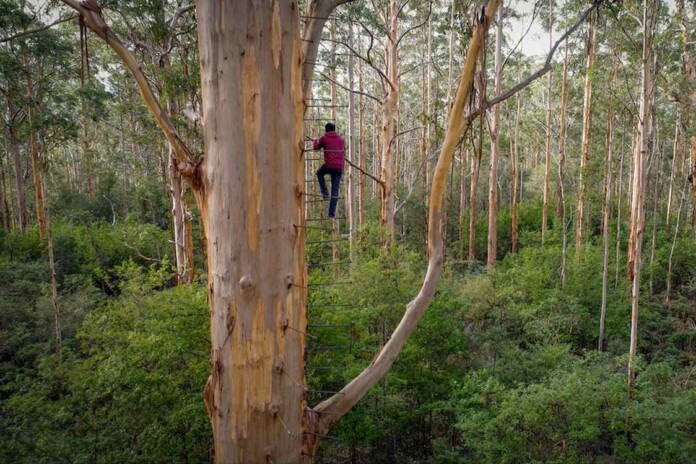
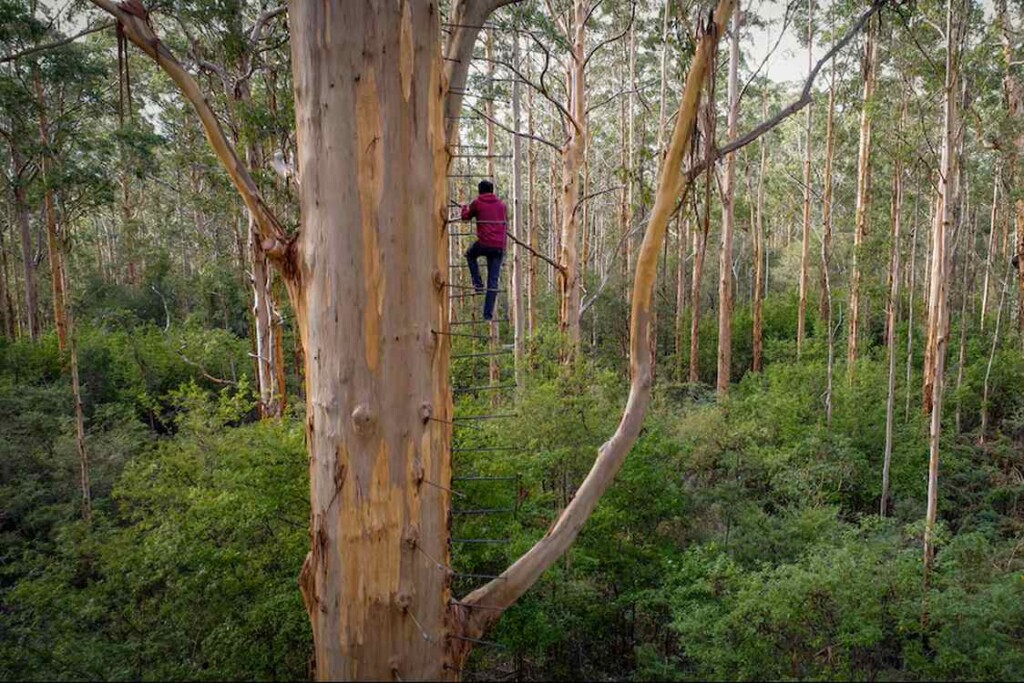
Would you make the climb without a harness? - credit, DBCA supplied to ABC News
Would you make the climb without a harness? – credit, DBCA supplied to ABC News
In one of Australia’s premier wine regions, a woody tourist icon closed for 3 years has reopened to the relief of locals.
The second-tallest “fire-lookout tree” in the world, climbing the Gloucester Tree is something of a rite of passage for locals and visitors to Australia’s far southwest.
Not far from the massive land-locked coastal sand dunes at D’Entrecasteaux National Park, residents of the former timber industry town of Pemberton loved little more than watching sunrise and sunset from the observation platform 200 feet up the Gloucester Tree.
Since 1947, the 250-year-old Eucalyptus, or Karri tree, has worn a curving ladder of pegs stuck into its trunk which once upon a time were used by foresters to survey the vast karri forests for wildfires.
No harnesses or ropes have ever been provided to those looking to climb the tree, a strange relic of a bygone pioneer era in our safety-first society today.
“It is a magnificent view,” said local government president Donelle Buegge. “To watch the sunrise through the canopies of the trees is absolutely incredible.”
Then in 2023, the tree was closed because of safety concerns, dealing a blow to the local tourism industry which relies on outdoorsy types who visit looking to enjoy long-distance hiking trails, the rich forest ecosystem, multiple national parks, and the area’s wine and agricultural operations.
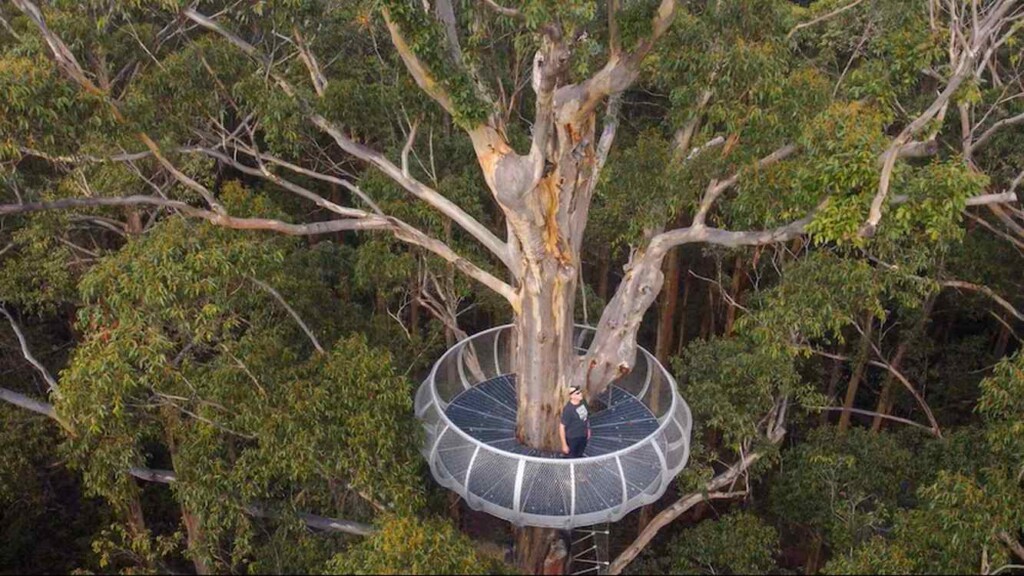
The new observation platform on the Gloucester Tree, Pemberton- credit, DBCA supplied to ABC News
Engineers and arborists re-pegged the tree, along with another of similar age and height called the Dave Evans Bicentennial Tree, in 2023, but it was eventually closed while they evaluated how best to address structural issues.
Recently reopened, a new observation platform has been installed just over 100 feet up, while the one 200 feet, or 61 meters up the trunk remains closed. There are still no harnesses or ropes—climbing is done at your own risk, and although it takes some nerve it’s still substantially safer than Alpine skiing, which kills or injures dozens of people every year.
Tim Foley from the Department of Biodiversity, Conservation, and Attractions, told ABC News that he recognized how important visitation driven by the trees is to the community. Ensuring work was done right to avoid future closures was paramount.
“On an Australian level and probably on the international level, they’re pretty unique … so we’re encouraging people to come visit the sites and also all the other amazing things you can do around Pemberton.”
Pemberton is located 190 miles south of Perth, the capital of Western Australia.
SHARE This Rare Opportunity For An Epic Tree Climb To Anyone Visiting Perth…
You can reduce your diesel engine’s emissions by 60% with THIS surprisingly simple solution—just add water.
In all seriousness, according to a review of studies from around the world published by a research team from Nigeria, mixing small amounts of water into diesel fuel could dramatically reduce harmful emissions while preserving, and in some cases even improving, engine performance.
Diesel engines power the industrial world. They are valued for their strength, durability, and fuel efficiency. Diesel exhaust, however, is a major source of air pollution, releasing gases like nitrogen oxides and particles that can harm human health and contribute to environmental problems.
Now, researchers in Nigeria say a surprisingly simple solution may help tackle that problem.
The research team from the Federal University of Technology Owerri examined evidence on Water-in-Diesel Emulsion (WiDE) technology, an approach that blends tiny water droplets into diesel fuel.
Their findings suggest that this relatively straightforward fuel modification could provide a practical way to make diesel engines cleaner without requiring expensive redesigns.
Nitrogen oxides contribute to the formation of city smog and can irritate the lungs, while particulate matter consists of microscopic particles that can be inhaled deep into the respiratory system. Exposure to these pollutants has been linked to respiratory illnesses and other health concerns, and millions of life-years are lost in urban centers around the world every year because of them.
Modern diesel vehicles often rely on technologies such as catalytic converters and particulate filters to reduce pollution. While effective, these systems can increase both the complexity and cost of engines. The researchers suggest that Water-in-Diesel Emulsion technology may offer a simpler complementary approach.
At first glance, adding water to diesel fuel may sound counterintuitive. Water and fuel are usually considered a bad combination inside an engine.
The key is that the water is not simply poured into the fuel tank. Instead, tiny droplets of water are evenly dispersed throughout the diesel using compounds known as surfactants. Surfactants act like stabilizers, helping the water remain suspended in the fuel and preventing the mixture from separating. According to the review, properly formulated emulsions can remain stable for up to 60 days.
When the fuel is injected into the engine and ignites, something unusual happens. The trapped water rapidly turns into vapor. This sudden expansion creates what researchers call a “micro-explosion,” breaking the fuel into finer droplets and improving the way it mixes with air.
Better mixing leads to more complete combustion. At the same time, the presence of water helps lower peak combustion temperatures inside the engine. This combination delivers two important benefits. Lower temperatures reduce the formation of nitrogen oxides, while more complete combustion reduces soot and particulate emissions.
Compared with conventional diesel fuel, WiDE fuels reduced nitrogen oxide emissions by as much as 67% percent and particulate matter emissions by up to 68% percent.
The benefits were not limited to cleaner exhaust. Many experiments also found improvements in brake thermal efficiency, a measure of how effectively an engine converts fuel energy into useful mechanical power. Higher efficiency means more of the fuel’s energy is used to perform work rather than being lost as heat.
“Water-in-diesel emulsions are a practical and cost-effective way to make diesel engines cleaner,” said lead author Dr. Chukwuemeka Fortunatus Nnadozie. “Because the technology does not require redesigning the engine, it offers an immediate path toward lower emissions in developing and developed countries alike.”
A major factor in the success of WiDE technology is the choice of surfactants.
The researchers found that using combinations of surfactants often produced the most stable fuel mixtures and the best combustion performance. Selecting the right surfactant formulation was identified as one of the most important aspects of making the technology work effectively.
Although the results are promising, the researchers emphasize that additional studies are still needed. Future work could help identify the most effective surfactant combinations and determine how long-term use of water diesel emulsions affects engine components over time.
“This technology can bridge the gap between conventional diesel use and a cleaner energy future,” said co-author Professor Emeka Emmanuel Oguzie. “With proper formulation and testing, it could become an important part of sustainable transportation and industrial power systems.”
For industries that continue to depend on diesel power, a simple blend of water and fuel could offer an unexpectedly effective path toward cleaner air.
SHARE This Remarkably Simple Fix That Could Cut Emissions Enormously…
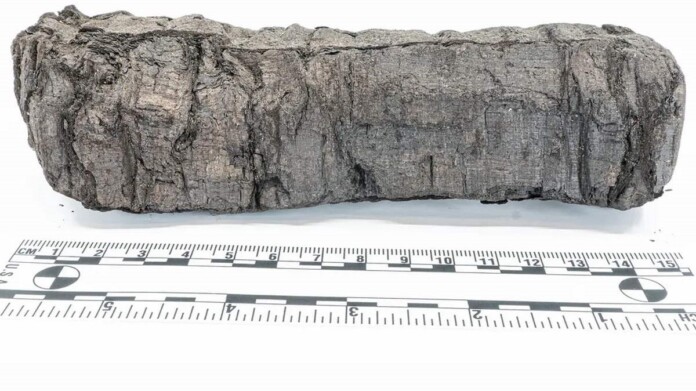
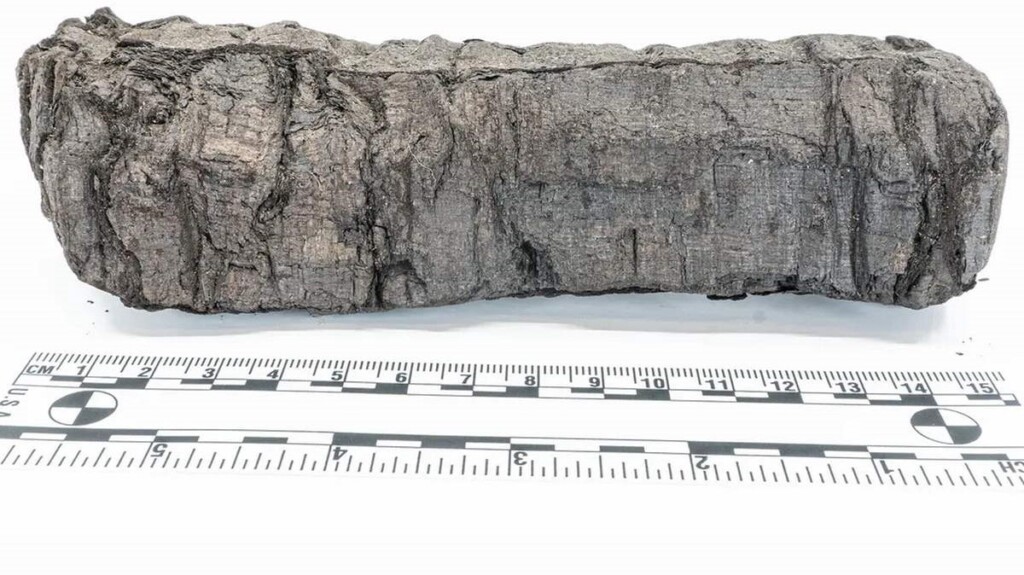
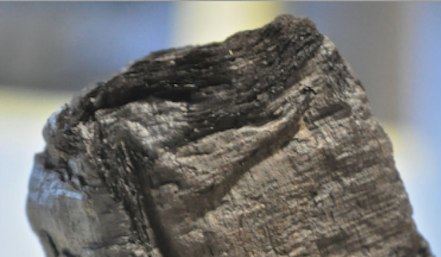
The scroll previously known only as PHerc. 172 was written by the Epicurean philosopher Philodemus. Vesuvius Challenge / Bodleian Libraries, Oxford University
The scroll previously known only as PHerc. 172 was written by the Epicurean philosopher Philodemus. Vesuvius Challenge / Bodleian Libraries, Oxford University
More insights into Classical literature have been recovered from the burned papyrus scrolls destroyed in the same eruption that buried Pompeii.
They include ruminations on Stoic philosophy by an unknown author, and the title “Book 8” from a work called On Gods, by the Greek philosopher Philodemus.
Fruits of major scientific advancements in particle acceleration and AI, the discoveries shed light on what people were reading at the time, of the bibliographies themselves, and the philosophical content.
The papyrus scrolls in question were found in Herculaneum, a city destroyed by Vesuvius’ eruption in a villa that may have belonged to Julius Caeser’s father-in-law.
The collection of 800 scrolls was found 275 years ago, and represents the only intact library known from the Classical World. Many archives of thousands of clay tablets from the ancient kingdoms of Assyria and Babylon have been found, but being made of clay, they tend to last longer than papyrus.
Many scientists have attempted over the years to safely unravel them, or utilize chemical methods to duplicate some of the writing, but all such efforts were met with not only failure, but irreparable damage to the scrolls in some cases.
Today though, using a combination of CT scans and machine learning, a distributed series of efforts are managing to recover bits and pieces of this ancient literature.
None of these efforts have gone farther than the Vesuvius Challenge, which sought to inspire young people to use AI technology to decode the burnt scrolls which started in 2023.
The Challenge’s grand prize was collected by Youssef Nader, Luke Farritor, and Julian Schilliger, splitting a $700,000 bounty for their efforts.
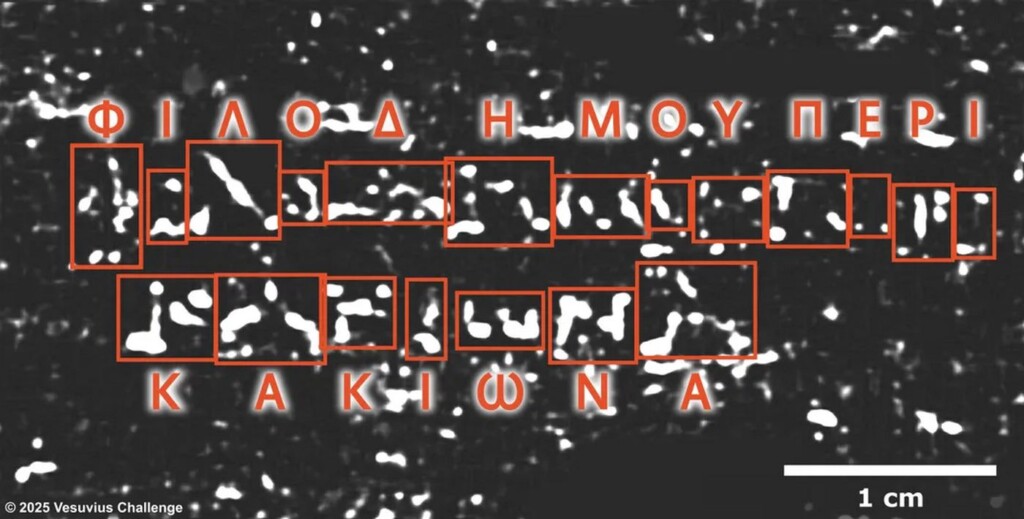
The trio was able to create a deep learning program that took a rolled-up scroll of papyrus that was turned to charcoal in the Vesuvius eruption and decode 4 passages of 140 characters each, with at least 85% of characters legible.
Output of ink detection model revealing the title, with transcribed letters overlaid – credit Vesuvius Challenge, released
Silicon Valley figures Daniel Gross and Nat Friedman created the Vesuvius Challenge in coordination with Brent Seales, a computer science professor at the University of Kentucky, in March of 2023. They offered up to $1 million in cash prizes to any engineers who could program AIs to read the carbonized papyrus.
The scrolls can’t be unrolled—they would simply turn to ash—but some of them held at the Institut de France were imaged at the Diamond Light Source particle accelerator near Oxford by Gross and Friedman. These high-resolution CT scans of the scrolls were then released to anyone who wanted to try to decode them.
Nader, Ferritor, and Schilliger, recovered a page from On Vices, written by Epicurean philosopher Philodemus, a Greek who lived at Pompeii nearly 200 years before Vesuvius’ eruption, and several centuries after the life of Epicurus himself, a prominent Athenian thinker whose ideas have been discovered among the scrolls before.
On Vices has received special attention over the decades, not only because of its philosophical content, but also because in one of its books, Philodemus addresses some of his friends, namely Quintilius Varus, Varius Rufus, Plotius Tucca, and the great Vergil.
Now, scientists led by the University of Naples Federico II have succeeded in fully unwrapping one scroll—almost 1.5 meters (4.9 feet) of text. Work to render legible the 20 columns of text is ongoing. Lead researcher from the university Federica Nicolardi, an assistant professor in papyrology, shared the status of the scroll in a statement released at an international press conference.
“While a few isolated letters were visible, overlapping layers obscured the writing, and the scroll was assigned a readability score of zero. But now, with virtual unwrapping, we can follow sustained arguments across multiple columns. That’s a transformational shift.”
“The scroll’s handwriting and internal references suggest the artifact dates from the second century BC or possibly from the late third century BC—making it one of the oldest scrolls in the collection.”
A close up of a Herculaneum scroll published in Nature
Legible parts so far include references to two concepts of Greek philosophy: “horme” and “phronesis,” the first translated as something like impulse and the second as practical wisdom.
Horme is something to guard against, while phronesis is considered one of the highest virtues in Greek and Stoic philosophy.
“We will inquire into something, but we will not grasp it, if in some way we depart from ourselves and from our own nature,” the scroll reads.
Additional work was done on another scroll which offered up the tantalizing headline On Gods: Book 8. On Gods was not known as a book series, nor was it known to be anywhere long enough to fill up another 7 installments.
Undoubtedly more of these scrolls will be decoded as the years progress as the yet-young methods of their decoding are refined further.
SHARE This Latest Chapter In An Ongoing Effort To Recover Lost Literature…
Quote of the Day: “True independence and freedom can only exist in doing what’s right.” – Brigham Young
Photo by: Jovan Vasiljević
With a new inspirational quote every day, atop the perfect photo—collected and archived on our Quotes page—why not bookmark GNN.org for a daily uplift?
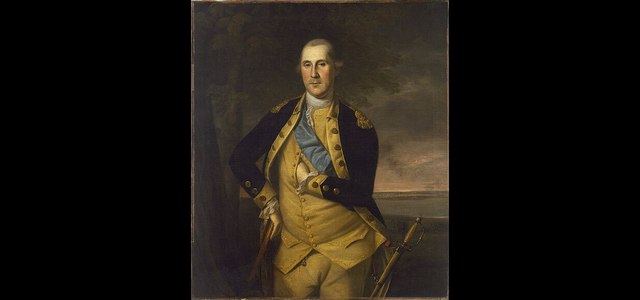
George Washington in the field as general in 1776 - public domain (Copy)
251 years ago today, George Washington assumed command as “General and Commander in Chief of the army of the United Colonies,” having been nominated for the post by John Adams the previous month. Following the engagements at Lexington, Concord, and the Battle of Bunker Hill, Washington’s first act as wartime leader was to drive the British out of Boston thanks to the sneaky placement of heavy artillery on a hill in the city suburb of Dorchester, causing the British garrison commander Viscount Howe to evacuate. READ more about his generalship during the war… (1775)
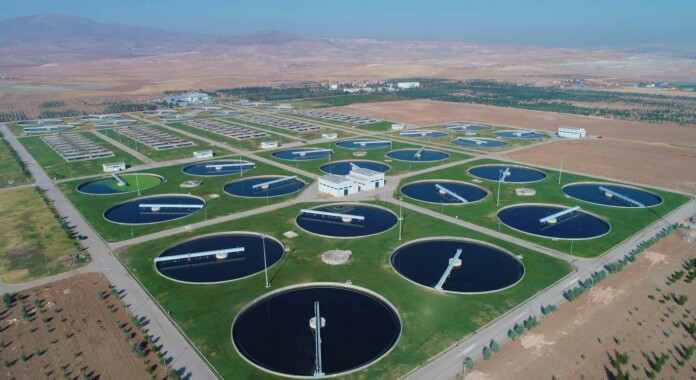
A desalination plant near Ankara, Turkiye - credit, Unsplash
A desalination plant near Ankara, Turkiye – credit, Unsplash
A team of materials scientists in China have developed a solar-powered device that can produce freshwater from seawater with better economics than bottled water.
By creating a weave of nanomaterials and organic polymers which were both durable and highly reflective, they created a device that could absorb 90.2% of incoming sunlight and use it to evaporate water with 47.5% less energy.
After it generated 5 gallons of fresh water every day for a year of testing, the scientists say that at scale it would be cheaper than producing bottled water.
It wasn’t a coincidence that after seawater desalination plants were threatened with destruction during the recent war in the Persian Gulf, virtually all belligerents came to the negotiating table.
The some-400 desalination plants located along the Gulf’s shoreline represent most of the world’s R&D into the technology, which for decades has been stuck with an energy-intensive process known as membrane or reverse osmosis desalination.
Engineering teams around the world have been attempting to develop new methods of seawater desalination to improve drinking water economies around the world’s arid regions; GNN has reported on several.
This new method, pioneered from a team from Beijing-based Institute of Process Engineering (IPE) at the Chinese Academy of Sciences and Shenzhen University, was used in a test to irrigate 50-square feet of vegetables year round.
Membrane desalination forces seawater through a thin membrane that catches the salt particles. It sounds simple, but other steps drive the energy use up to the point that only energy-rich countries like Saudi Arabia can afford to base their entire water supplies around it.
Solar-powered evaporation is another potential method—the one used by the Chinese scientists—but it had been plagued with materials failures. Ultrafine solar-absorbing powders clumped like flour; organic polymers cracked like cheap plastic.
Drawing inspiration from a shirt button, the Chinese scientists constructed nanoparticle spheres that could be threaded together with polymer like yarn pulled through the holes in a button. The resulting structure consisted of billions of these microspheres, and proved extremely robust and durable, even in conditions that simulated a squally coastline.
All the individual spheres reflected light out into each other, boosting the solar-thermal capacity to 90.2%, ensuring the heat radiating out into the water was hot enough to drive evaporation at the highest rate possible.
This device was able to produce 5.3 gallons of WHO-grade drinking water every day to irrigate bok choi, beans, and corn for a year. According to their calculations, the system could do far more if scaled up exponentially, to the point where it would produce, after 2 years of use, drinking water for less than a bottled water plant.
“The team is now working to improve condensation efficiency and reduce system costs, with the aim of scaling up the technology for use in water-scarce coastal areas, islands and remote regions,” SCMP reported.
SHARE This Potentially World-Changing Innovation With Your Friends…
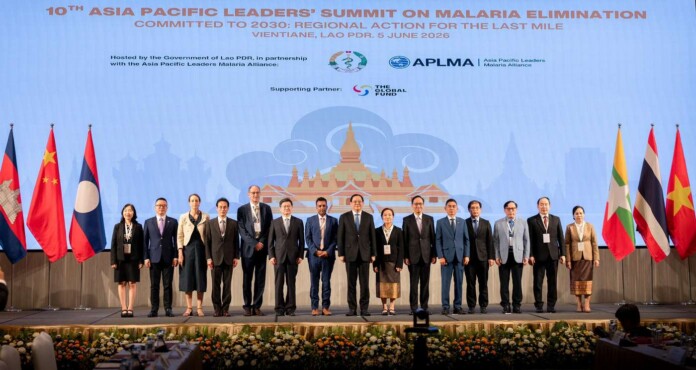
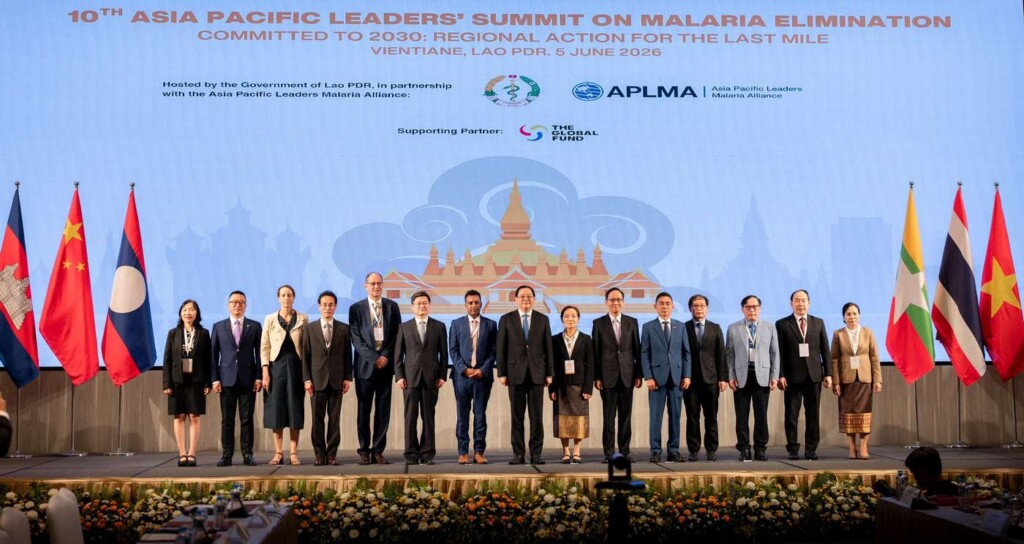
Early in June, international experts joined leaders from Southeast Asia for a summit in Laos, where they discussed the “last mile” of malaria elimination from the eastern-most sector of the region.
Burgeoning economically for decades, Vietnam and Cambodia, but also Laos DPR, have seen malaria transmission fall 67% over the last 15 years.
Asia Pacific Leaders Malaria Alliance (APLMA) attribute this decline to increased surveillance for earlier detection, expanded access to diagnosis and treatment, and years of cooperation between neighboring countries—the borders between which the mosquito does not respect.
“I am proud to reaffirm Lao PDR’s commitment to achieving our national malaria elimination goal by 2030,” Lao Prime Minister Sonexay Siphandone told delegates.
Tough talk, but Siphandone’s goal is more than hope; it’s a reflection of the fact that malaria transmission across these 3 states have fallen to the low hundreds.
To be confirmed malaria free, the transmission-incubation cycle has to be broken for 3 straight years—something recognized as last having occurred in Egypt.
“We are proud of the progress our country has made, and we are under no illusion that the work is completed,” Lao Health Minister Baykham Khattiya said.
Impoverished Myanmar and wealthier Thailand have had much more difficult times combatting malaria. Each possesses broad and remote border regions that are difficult to access for health workers.
At APLMA, leaders were urged to maintain government funding for malaria, as final elimination is not only one of the most complicated parts of the eradication process, but also the most expensive. Amid other public interest groups and funding recommitment decisions, a few cases here or there can easily appear trivial from the halls of power in Vientiane or Phenom Penh.
The previous country to be certified by the World Health Organization as malaria-free was Egypt, and before that Cape Verde, an island nation off the coast of Africa.
SHARE This Tremendous Cusp Of Success For Southeast Asia…
3-year-old Moran (left) and Mr. Cantillo (right) rescued from disaster - credit, office of the Acting President of Venezuela, via SWNS
3-year-old Moran (left) and Mr. Cantillo (right) rescued from disaster – credit, office of the Acting President of Venezuela, via SWNS
A week after two magnitude 7 earthquakes struck Venezuela’s capital of Caracas, search and rescue teams from around the world are still rescuing people from the jaws of death.
This includes Aaron Levi Cantillo, who was trapped under rubble for more than 4 days, and a 3 year old named Klieber Moran, who was rescued by Jordanians visiting to aid in the rescue effort.
It took 43 hours to rescue Cantillo, who had already been trapped for more than 2 days under a collapsed building.
Footage released by the office of the Acting President of Venezuela also showed 3-year-old Moran face down and covered in dust when he was located by snake cameras operated by rescue teams above.
The boy was underneath the Caracas building for 6 days.
The video, filmed on June 30th, 6 days after the earthquakes occurred, shows members of the Jordan International Search and Rescue Team carrying the child to safety after pulling him from the debris.
Among international calls of solidarity, South American leaders from both sides of the political spectrum—who often have nothing good to say about one another—stepped up to help in a big way.
Brazil’s President Lula Da Silva dispatched a team of 71 firefighters, 4 National Civil Defense technicians, 6 specialists from the National Telecommunications Agency and 6 firefighter dogs as well as at least 12 tons of search and rescue equipment, 100 water purifiers, 6.5 tons of medical equipment and a Brazilian Navy portable hospital, operated by 93 Marines and medical specialists.
Chilean President José Antonio Kast sent a Chilean Air Force plane with 37 team members from the Fire Department’s Urban Search and Rescue Group. The following day, a second plane was sent with 16 rescuers, three tons of humanitarian aid, and two tons of firefighters’ equipment.
The National Unit for Disaster Risk Management of neighboring Colombia deployed more than 60 rescuers, 4 rescue dog teams, and 12 metric tons of equipment.
Ecuador’s President Daniel Noboa said that he had ordered the immediate delivery of humanitarian aid, as well as the deployment of 46 urban search-and-rescue personnel, search dogs, and 6 metric tons of equipment.
More than 150 Salvadoran rescue workers and supplies arrived in Venezuela on 26 June as part of El Salvador’s President Nayib Bukele’s pledge to send 300 rescue workers and paramedics and 50 tons of medical supplies.
Mexican authorities provided 250 military rescue crew, rescue dogs, medical supplies, and rescue equipment on board 4 aircraft.
The National Emergency Commission of Costa Rica announced a deployment of 48 specialized rescuers along with approximately 12 tons of rescue equipment and humanitarian supplies.
Other nations, such as Italy, Czechia, France, Germany, Spain, Switzerland, India, Vietnam, Thailand, the UK, Qatar, Jordan, and even Syria, also deployed emergency rescue personnel.
SHARE This Inspiring Response To A Tragic Natural Disaster In South America…
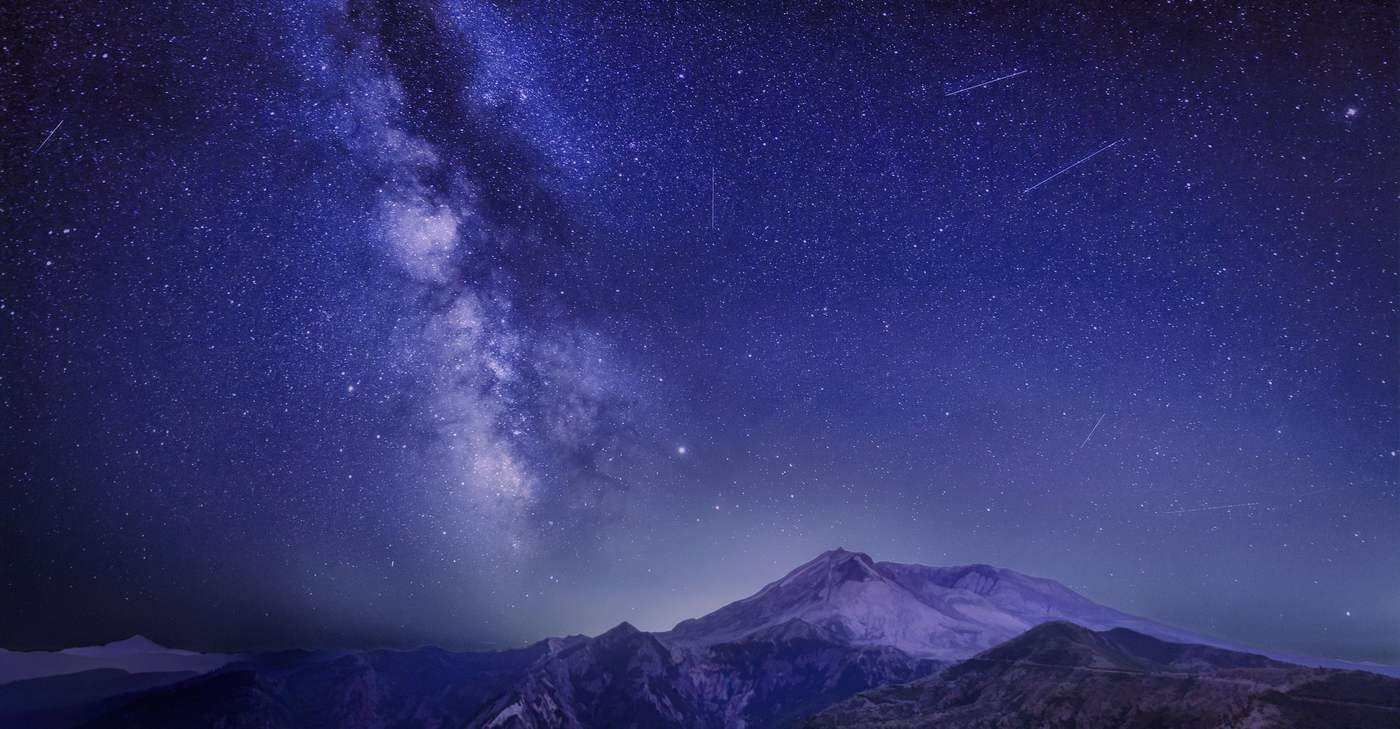
The Southern Delta Aquariids - credit, Diana Robinson, CC 2.0. via Flickr
The Southern Delta Aquariids – credit, Diana Robinson, CC 2.0. via Flickr
With plenty to see across the firmament this month, one event surely stands out for stargazers: when 2 meteor showers bombard the sky over the last nights of July.
The first is the Southern Delta Aquariids, and though they can be seen as early as July 12th, their peak display will come on July 30th/31st. On these nights one can expect to see 20 shooting stars per hour.
Peaking at the same time are the Alpha Capricornids, producing a more modest 5 shooting stars per hour, but are known for bright, streaking fireballs.
These Aquariids can be seen best in the Southern Hemisphere, but are visible in the North—the farther south the better. However the featured image above was taken in Washington state. The Capricornids can be seen well across both.
The only problem is that the moon, though waning, will be very bright and large that night, meaning that some of the gentler meteors won’t be seen. National Geographic recommends that one should look 40 degrees away from the radiant point—the constellation where it appears the shooting stars emanate from.
If conditions aren’t ideal, consider July 11th and 17th, two dates when the beauty of a crescent moon will line up with Venus, and separately with Mars and the so-called Seven Sisters, also known as the Pleiades.
Two hours before sunrise, on the morning of July 11th, the crescent moon will form a triangle with the Pleiades in the east, with Mars sitting just a few finger widths away.
The Pleiades are beautiful to view with a simple pair of binoculars, but if you’re having trouble spotting the cluster of 7 tightly packed asterisms, try using your peripheral vision—a neat trick for identifying things in the dark.
Two hours after sundown on July 17th, look to the west to see the crescent moon sitting just a few degrees below a shining Venus—one of the brightest objects in the evening sky.
SHARE This Great Reason To Get Out In The Night Air This Month…
Quote of the Day: “Patriotism means to stand by the country. It does not mean to stand by the President or any other public official save exactly to the degree in which HE stands by the country.” – Theodore Roosevelt
Photo by: Shelley Pauls
With a new inspirational quote every day, atop the perfect photo—collected and archived on our Quotes page—why not bookmark GNN.org for a daily uplift?
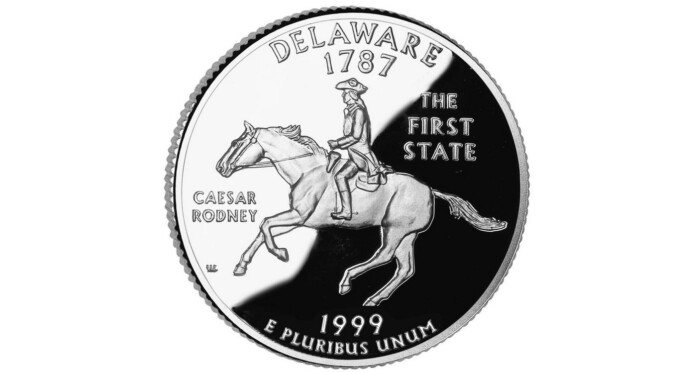
The Delaware Quarter reverse, with Caesar Rodney riding to Philadelphia
On this day, 250 years ago, a dying patriot rode all night through a storm so America could be born. Caesar Rodney, a delegate to the Continental Congress from Delaware, was tending to protests by British loyalists on the night of July 1st when a storm brewed to the north. Suffering from asthma and a facial cancer tumor that would lead to his death 8 years later, a letter arrived stating that Delaware’s vote was tied, 1 vote in favor of independence, 1 against it. Determined not to let this chance slip, Rodney immortalized himself by mounting a horse and riding to Philadelphia as lightning swirled around him. READ more inspiring details about this Founding Father… (1776)