















151 years ago today, a team of like-minded artists put on Paris’ First Impressionist Exhibition. Rejected by the Paris Salon, the artists took their work to No.35 Boulevard des Capucines, the studio of the famous photographer Nadar. Once there, an art critic and satirist called it the “Impressionist Exhibition” leading to the birth of the movement’s name, and fame. Led by the sagely Camille Pissarro, the exhibitors included Renoir, Monet, Manet, Degas, and others. SEE the exhibition’s works… (1874)
Fish Oil Supplements Shown to Be More Effective Than Fish for Getting Optimal Omega-3 Intake


Reprinted with permission from World at Large.
In a fascinating new study, several dozen participants were separated into groups and fed either a fish oil supplement or fish itself, and the supplement proved more effective at delivering omega-3 fatty acids into the body than the actual fish.
It was for years the norm, and likely still is in some quarters, for physicians to recommend trying to get all vital nutrients from foods, and not to rely on supplements.
But the study at least has shown this to be wrong, as both white and oily fish weren’t able to replicate some of the more penetrative effects of omega-3 from a supplement. As a result, those who can’t afford to eat cod or salmon every day may need not worry about it.
The strength of the study is that it was double-blinded and placebo controlled, meaning that neither the participants nor the scientists knew who got the fish oil and who ate fish, and in what combinations, a technique known as the “gold standard” in scientific research.
Analyzing the data after the study had been concluded revealed that a rather complex marker of disease risk called extracellular vesicles had only been improved by the presence of an additional intake of omega-3 from a supplement, and not by the consumption of white or oily fish alone.
Omega-3 fatty acids EPA and DHA are arguably the most important human nutrients for health and longevity. The P.hD. and science researcher Dr. Rhonda Patrick has a database of simple explanations on omega-3 that’s worth a read, and probably the most detailed informational resource on the internet for these valuable nutrients.
The scope of their value in disease prevention and longevity is stunning. For example, one study Dr. Patrick cited shows that non-smokers with low omega-3 levels and daily smokers with high omega-3 levels have similar risk of death from cardiovascular disease, suggesting deficiency in omega-3 fatty acids is as great as risk of death as smoking.
Extracellular vesicles, the culprit in many diseases
In this new paper published in the British Journal of Nutrition, 42 participants were separated into three groups and had their diets controlled by 12 weeks. The first group was fed fish oil supplements plus white fish, the second was fed placebo plus oily fish, and the third placebo and white fish.
The target of the paper was extracellular vesicles, (EVs) the source of an emerging body of literature on disease pathology. EVs are produced and excreted by all cells that have been examined for it. They can’t replicate, but these lipid-like particles do carry fragments of DNA and can enter other cells. For this reason they are implicated in a number of cancers, as well as neurodegenerative diseases, atherosclerosis, neurological problems, chronic inflammation, and aging.
EVs also act as a procoagulant and senolytic, however, and have also been seen to extend the immunological memory of T cells, showing how they aren’t all bad. Their role may be similar to that of inflammatory cytokines TNF-alpha and Interleukin-6, which are implicated in virtually every disease known to man, but also play a role in healing the body through acute inflammation.
EVs are a compelling marker of disease to measure the impact of omega-3 levels, since they are created in comparatively low numbers in most organs and tissues and present a systematic challenge.
It was only the group that received the fish oil supplements which saw a reduction in the circulation of EVs in the bloodstream, while those who ate the kinds of fish recommended for improving omega-3 levels could not replicate this effect.
While the number of participants was small, both the randomized study design and the length of the study period of 3 months contribute to an overall strength of the findings.
In order to raise the levels of omega-3 in the body above the threshold at which the most robust effects are seen, researchers in one analysis found that a range of 1,750 to 2,500 milligrams was optimal and well-tolerated by the body. WaL
British Woman Gives Birth After Receiving Transplant Womb from Sister and Pro Bono Surgery at Hospital
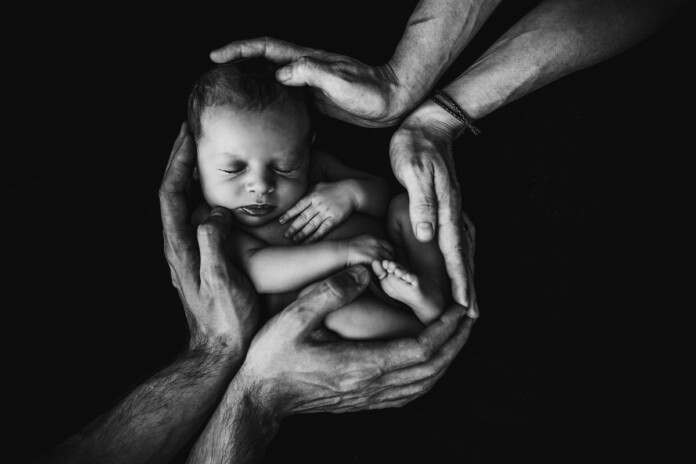
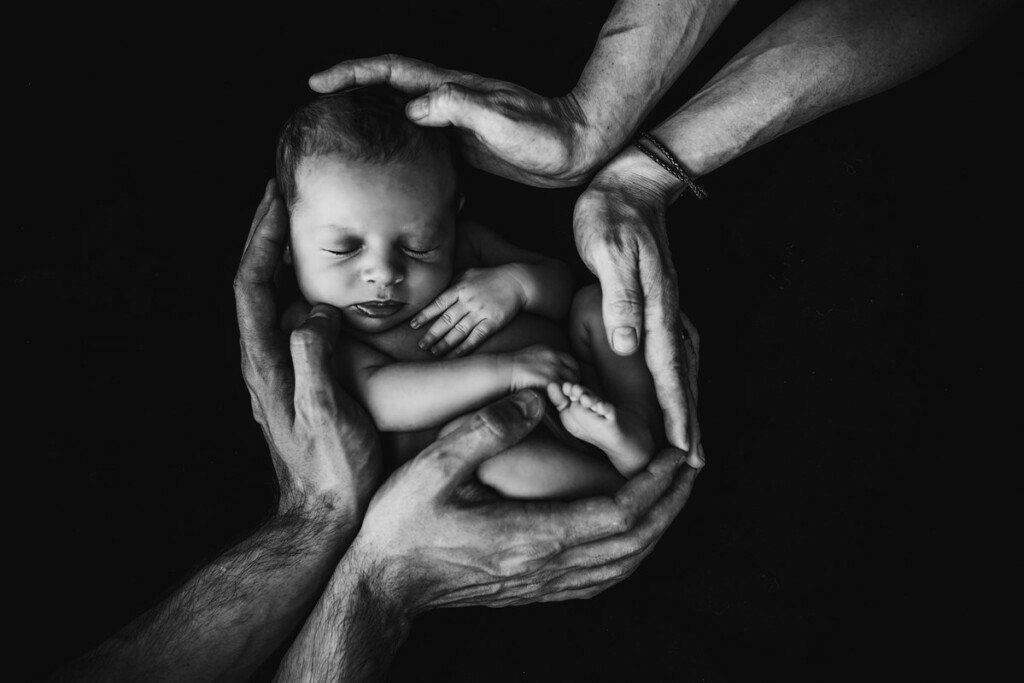
A woman has spoken to the media for the first time after becoming a mother to the UK’s first child born from a transplanted womb.
Grace Davidson was able to have that opportunity thanks to her sister, who donated her womb in what Davidson called “a huge act of sisterly love.”
Born in February, little Amy Isabel was named after her aunt who donated the womb she was conceived in, and given a middle name of the leader of the team that led her surgery.
The first-ever baby born from a transplanted womb was in Sweden in 2014. The procedure has been replicated dozens of times since then, and 65 babies have come into the world as a result.
A charity in the UK that’s currently running a clinical trial of transplant wombs paid for Davidson’s surgery, and the 17-hour marathon procedure was done pro bono by a staff of 30 physicians and surgeons.
“It was quite overwhelming because we’d never really let ourselves imagine what it would be like for her to be here,” Davidson told the BBC. “It was really wonderful.”
Davidson was born with Mayer-Rokitansky-Küster-Hauser (MRKH) syndrome that results in a woman’s womb being missing or underdeveloped. It doesn’t, evidently, preclude the possibility forever of having children, since the ovaries are intact and normal.
Davidson and her husband Angus had originally planned to seek a womb transplant in 2018, but the original donor proved unsuitable. The pair had received confirmation from Davidson’s sister Amy that she would be willing to donate her womb, which she used to have two children, but the pandemic delayed things further.
ALSO CHECK OUT: Texas Woman Sets Record for Donating Almost 700 Gallons of Breastmilk
In February of 2023, Isabel Quiroga at Churchill Hospital in Oxford led a team of 30 in performing the procedure, after which Davidson became pregnant at the first attempt of IVF.
“I’m not often short of words but when the baby came out I was speechless—there were a lot of tears in the theater that day,” said Richard Smith, a gynecological surgeon at Imperial College Healthcare who led the team which retrieved the womb from Amy. “The whole thing is astonishing and incredibly moving.”
MORE MIRACLE BABIES: Miracle Twins Given 10% Chance of Survival Are Now Thriving Thanks to Hero Medics
Professor Smith leads the charity Womb Transplant UK, which is undergoing a clinical trial, of which Grace was a part, that will see 15 transplants done from 5 living, and 10 deceased donor organs. Grace’s surgery was paid for by the charity, and has enough to afford two more, according to the BBC.
HEAR the emotion in their voices in this video report from Reuters…
SHARE This Miracle Birth Born Of A Miracle Of Modern Medicine…
‘We got him!’ Hero Michigan Police Use Heat Cam to Rescue Missing Toddler Wearing Only Diapers on Frigid Night
Spring evening temperatures around Detroit were falling to a high of 40°F when Jackson County state troopers took to the air to search for a toddler who’d gone missing in nothing but his diaper.
The story, which has a happy ending, is a reminder to all parents of just how challenging it can be to keep enough eyes on your child, especially at the end of the day when you’re feeling drained.
“The child was in the living room. They walked out. They come back a few minutes later and the door to the apartment unit was open,” Michigan State Trooper Brandon Franklin, a tactical flight officer, explained to ABC‘s “Good Morning America.”
This was around 8 p.m. on April 5th in Blackman Charter Township, about an hour outside of Detroit.
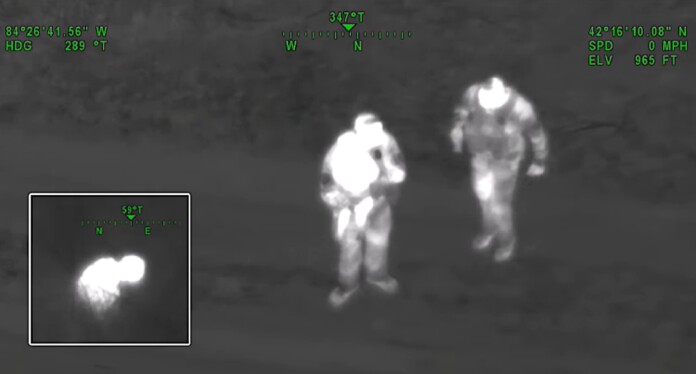
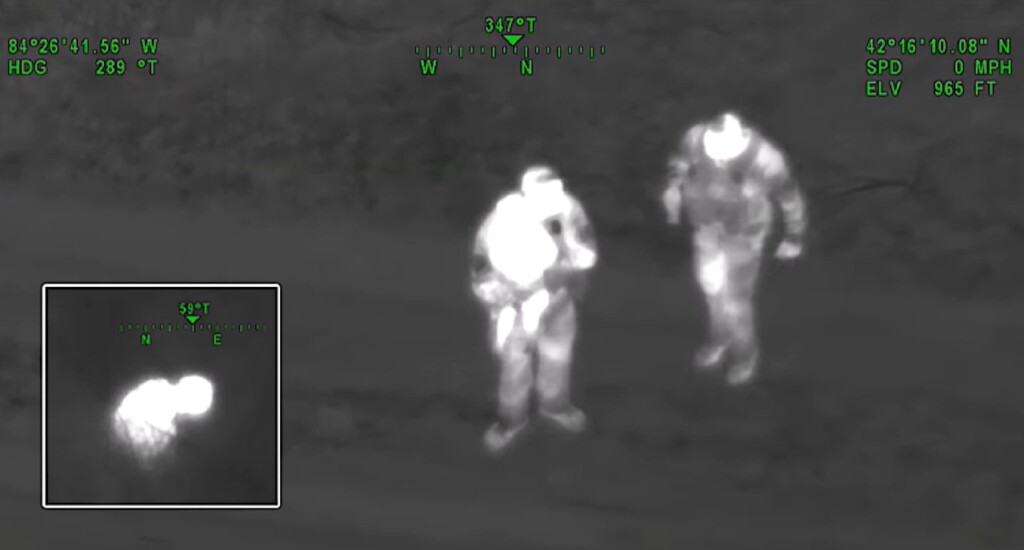
With light and heat rapidly vanishing, Franklin and his co-pilot Cole Martin took to the skies with infrared heat-sensing technology in the hopes of detecting the toddler from above.
As both men are fathers to their own children, they weren’t going to stop while hope remained.
Mercifully, after just 15 minutes of searching, the two men detected a small white-hot figure in a ditch by the highway.
In camera footage released by Michigan State Police, one of the troopers can be heard saying, “We got him!”
OTHER CLOSE SHAVES: Macgyver-Minded Officer Saves Toddler from Bottom of 10-ft Hole with Makeshift Catchpole –WATCH
Awake and alert, the toddler was reunited with his parents.
“Later on at night, it dropped below freezing,” Franklin said. “So if no one would have found this child, the outcome would not have been the same most likely.”
MORE SUCH RESCUES: Toddler Gone Missing in 10-foot-tall Corn Field Is Finally Detected During Nighttime Search for the 3-year-old
Martin added that it was a privilege to have been able to help.
“We train for this and make sure that we leave with happy endings and don’t fall short of that,” Martin added.
WATCH the story below from GMA…
SHARE This Great Search And Rescue Work With Your Friends…
“As cold water to a thirsty soul, so is good news from a far country.” – Proverbs (25:25)

Quote of the Day: “As cold water to a thirsty soul, so is good news from a far country.” – Proverbs (25:25)
Photo by: GWC copyright 2016
With a new inspirational quote every day, atop the perfect photo—collected and archived on our Quote of the Day page—why not bookmark GNN.org for a daily uplift?

Good News in History, April 14

86 years ago today, John Steinbeck’s Pulitzer Prize-winning novel The Grapes of Wrath was published, a story he wrote after interviewing displaced migrants who escaped the Dust Bowl (a period of severe dust storms that greatly damaged the ecology of the Midwestern prairies during the 1930s and the Great Depression). The book won the National Book Award and the Pulitzer Prize for fiction and soon after was made into a celebrated Hollywood film starring Henry Fonda. WATCH a video… (1939)
Talented 3-Year-old is Painting Impressive Artwork Entirely From Memory (LOOK)

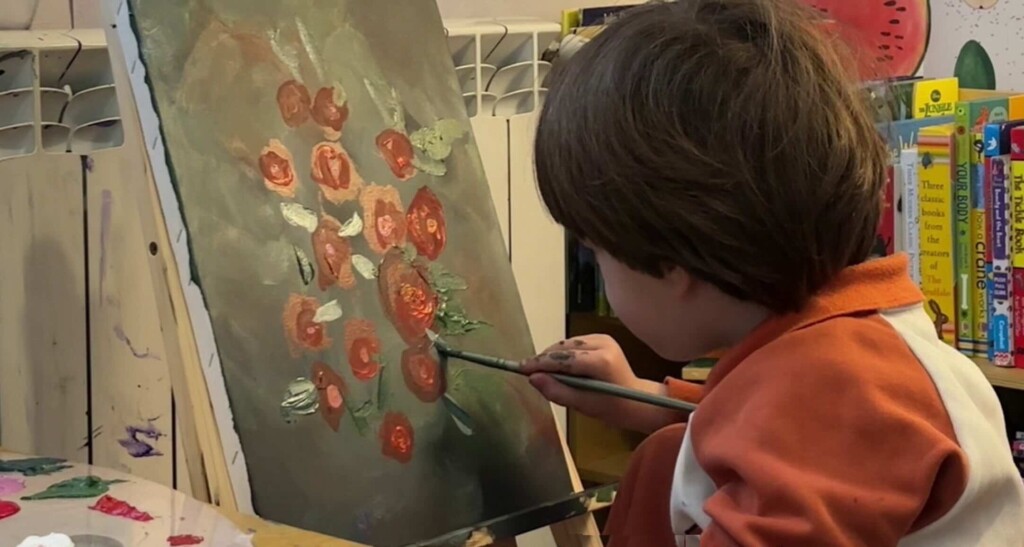
Meet a talented boy who is creating impressionistic paintings of natural scenes from memory.
Now three-and-a-half years-old, Andria mixes his paints by himself and applies them to canvases, but his natural talent became clear when he recreated a seaside scene after a family holiday.
Despite never taking any art classes, the pint-sized prodigy instinctively blends colors and shapes, painting everything from landscapes to animals.
Andria’s mom Mariam Jakhaia, a clinical psychologist from Tbilisi, Georgia, says his artistic development has been all-natural.
“His creativity and attention to detail seem to come instinctively,” she told SWNS news.
She recognized his talent when he was just a baby.
“At seven months old, I introduced him to paints in a playful way so he could mix the colors with his hands. By the time he was one, he was already holding crayons and brushes.
“One day he drew an owl from The Gruffalo (children’s book) and I realized he wasn’t just playing, he was intentionally recreating images.”
“He especially loves the sea, summer, and lush green landscapes—they frequently appear in his paintings, reflecting his fascination with the natural world and his joyful connection to it.”
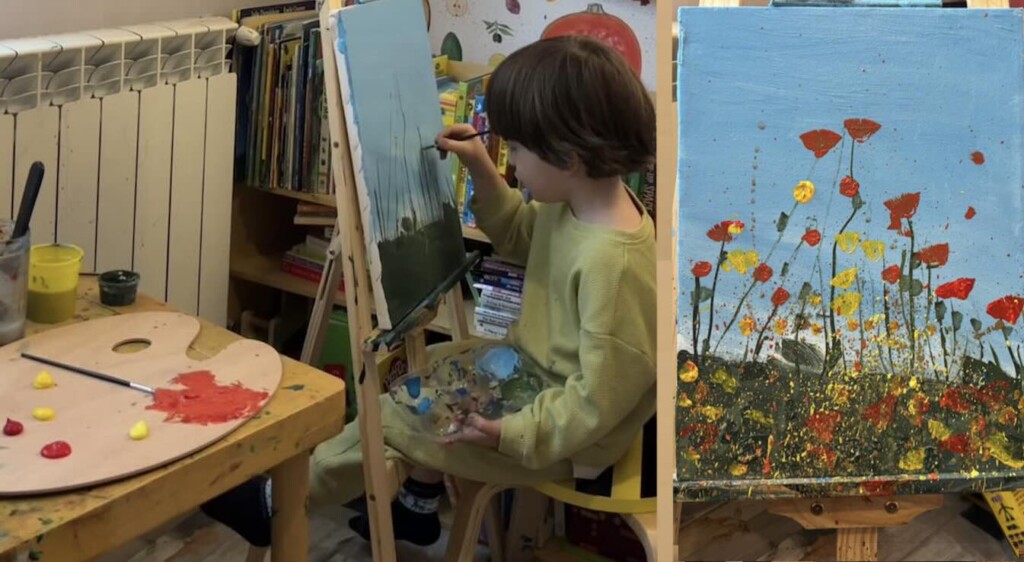
One of Mariam’s proudest moments was when Andria painted an entire ocean scene from memory.
“He had seen the sea, the sand, and palm trees and when we got home he painted it all perfectly from memory.
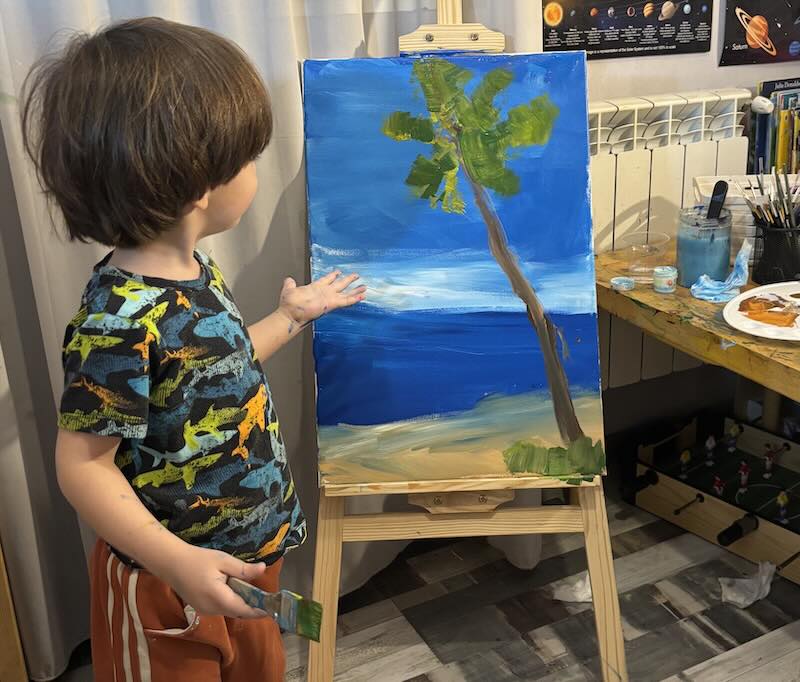
“That’s when I knew I had to invest in better materials for him.”
So far, Andria has created 14 paintings on canvases, which were purchased by his parents.
CHECK OUT THIS KID: 8-Year-old Boy Who Taught Himself to Paint was Invited to Hold an Exhibition–And Counted His First Sales
“We are a low-income family, but we make sure he has books and art supplies to explore his creativity.”
WATCH Andria’s process in the video below…
SHARE THE INSPIRATION On Social Media for All the Young Van Goghs…
Free Service that Finds Lost Pets Already Reunited 40,000 Animals Using QR Codes and Network of a Million People


There’s already an Amber Alert for children—now, one entrepreneur has asked the question, why isn’t there an Amber Alert for pets?
That’s how FidoAlert was born. Using technology, a QR code, and SMS texting, it’s an alert for animals. And the best part is… it’s free.
The pet alert network currently has over a million members across 50 states, with 1.5 million pets registered.
40,000 pets have been reunited with owners using a unique FidoID and QR tag system. When a pet goes missing, an owner can trigger an alert to anyone within a few miles of the pet’s last known location.
If a lost pet is found, the animal’s QR code tag can be scanned which triggers a notification delivered to the owner and up to 10 emergency contacts. The SMS-based alert system—which the company says uses “privacy-protected contact information”—means no app is required to download.
Every owner who registers at the website gets a free pet tag with a QR code and unique pet ID that comes with the ability to be notified when your pet is found, even if you’re unaware of their absence.
“I wanted to create a product as a part of a social mission, where we would make it free to every pet owner,” says Founder John Bradford. “My hope is that every pet owner in America signs up for FidoAlert, so if the unthinkable happens there will be another layer of protection so pets and owners can be reunited.”

“I got the free tags and set up my account almost a year ago…completely free,” said Brenda B. Smith. “A few weeks back our dog snuck out of our yard, and before I even knew he was missing, I got a text from www.fidoalert.com that my dog had been found—and gave a phone number to call to pick him up.”
“I got my tag a long time ago and my large dog broke off his steel chain and thanks to FidoAlert he was found,” said Elizabeth Heeman. “This service is literally a life saver and it really is actually free 100%.”
How it Works:
Pet owners create a profile on FidoAlert.com and register their pet(s), establishing a user profile where pets’ information is managed. After signing up, pet owners can:
- Add emergency contacts that will also be notified if a stranger finds the pet
- Add multiple photos for each pet to aid in proper identification
- Profile info exists in the background, until it is needed to send an alert for a missing pet
- When an alert is triggered, an SMS text is sent to any network members within close proximity to the pet’s last-known location
- Pet owners will occasionally receive alerts from nearby neighbors when member pets go missing.
TabbyAlert is also their cat service that works the same way–with the website providing connections to reunite lost felines and their peeps.
PET REUNION JOY IS REAL:
• Man is ‘Overwhelmed’ as His Bengal Cat is Returned From 16-year Absence After a Phone Call
• Cat Walks Across France Before Reunion With ‘Stunned’ Owners 13 Months Later
• After Serving Together for 4 Years in Iraq, Dog and Army Handler Are Reunited to ‘Live the Couch Life’ in Texas
TELL YOUR PET-OWNING FRIENDS ABOUT THIS By Sharing On Social Media…
Just 1-Minute Daily Exposure to Specific Sound Frequency Can Alleviate Motion Sickness: New Study


A research team at Nagoya University School of Medicine in Japan has discovered that “a unique sound stimulation technology” can reduce motion sickness and may become a simple and effective way to treat this common disorder.
Even a single minute using a device that stimulates the inner ear with a specific wavelength of sound was able to reduce the discomfort felt by test subjects who were asked to do tasks like reading in a moving vehicle.
Takumi Kagawa co-led the study that was published in Environmental Health and Preventive Medicine, which demonstrated the effects of their so-called ‘sound spice’.
“It alleviates symptoms of motion sickness, such as nausea and dizziness,” he said. “The effective sound level falls within the range of everyday environmental noise exposure, suggesting that the sound technology is both effective and safe.”
The discovery is an expansion of recent findings about sound and its effect on the inner ear. Increasing evidence has suggested that stimulating the part of the inner ear associated with balance can potentially improve any spatial imbalance.
Using a mouse model and humans, the researchers identified a unique sound at 100 Hz as being the optimal frequency.
“Vibrations at the unique sound stimulate the otolithic organs in the inner ear, which detect linear acceleration and gravity,” explained co-leader of the study Masashi Kato in a press release. “This suggests that a unique sound stimulation can broadly activate the vestibular system, which is responsible for maintaining balance and spatial orientation.”
To test the effectiveness, the researchers recruited voluntary participants and provided the sound stimulation. Motion sickness was induced by a swing, a driving simulator, or riding in a car.
RELATED: Doctor Who Discovered Natural Way to Treat Vertigo for Free Writes Book On How Sufferers Can Thrive

The researchers then used postural control, ECG readings, and Motion Sickness Assessment Questionnaire results to assess the effectiveness of the stimulation.
Exposure to the 100 Hz sound before being exposed to the driving simulator enhanced sympathetic nerve activation. The researchers found symptoms such as “lightheadedness” and “nausea,” which are often seen with motion sickness, were alleviated.
“These results suggest that activation of sympathetic nerves, which are often disregulated in motion sickness, was objectively improved by the unique sound exposure,” Kato said.
ANOTHER SOLUTION: Woman Makes Drug-free Patches That Treat Nausea, Cramps, Vertigo, Hangovers – And Even Car Sick Pets
Their results suggest a safe and effective way to improve motion sickness, potentially offering help to millions of sufferers. The researchers plan to further develop the technology with the aim of practical application for a variety of travel situations including air and sea travel.
SHARE THE GOOD NEWS On Social Media For Friends With Motion Sickness…
Watch Boy Bid Farewell to Garbage Man After Years of Heartwarming Weekly Chats


This is the moment a nine-year-old boy said goodbye to his local trash collector after greeting him every week on the road outside his driveway for years.
Noah Carrigan had waited for the same garbage man every Tuesday since he was five – forming a sweet friendship.
But when the Florida county government switched to a new waste management company, Noah had to say his final goodbye on March 25.
His mother Catherine Carrigan said the tradition began after Noah became fascinated with the big green truck that arrived every week.
“It started out as something so simple—he was just fascinated by the garbage truck.
“For years, every Tuesday, he would run outside to wave and the garbage man always waved back, honked the horn, and acknowledged him.”
The 41-year-old says Noah’s father is a firefighter, so there’s “a lot of truck-love” in their home.

But, even as he grew older and busier with school, he’d still make time to say hello.
In a heartfelt final meeting, Noah handed the sanitary worker a handwritten note and some gifts, along with a bottle of water to thank him for years of kindness.

“When we told him it was the last time he’d see the garbage man, he immediately ran inside to write a note and grab some of his old garbage truck toys to give him.
“He wanted to say thank you. It was so sweet.

“This man had been part of Noah’s life for years. It was a friendship built on smiles and waves.”
INSPIRING KINDNESS: When Young Waffle House Worker Was Left Alone to Run Entire Restaurant, Empathetic Customers Jump In to Help
“It was like saying goodbye to a part of his childhood. It was so beautiful to witness.
WATCH the video from SWNS news…
SHARE THE SWEET FAREWELL With Friends On Social Media…
“I learned to conserve my anger. Once controlled it can be transmuted into a power that can move the world.” – Mahatma Gandhi

Quote of the Day: “I learned to conserve my anger. Once controlled it can be transmuted into a power that can move the world.” – Mahatma Gandhi
Photo by: Gabriel Lamza
With a new inspirational quote every day, atop the perfect photo—collected and archived on our Quote of the Day page—why not bookmark GNN.org for a daily uplift?

Good News in History, April 13

Today is Vaisakhi, the second most important day of the year on the Punjabi calendar, on which Sikhs from around the world celebrate a triad of events. The first, dating back to before the consolidation of Sikhism, is the first harvest of crops for the year, and as such many Sikh communities hold harvest festivals either in India or in the diaspora nations. Second, it is the day that the 10th Guru of Sikhism, Guru Gobind Singh, created the Khalsa, an order of warrior-poet-holy men to defend to lands of Punjab, and which still marks out men as Sikh devotees today. READ about the third and more about the second below… (1699)
The Beautiful Moment a Mother Chimp Scoops Up Her New Baby the Day After C-Section–LOOK
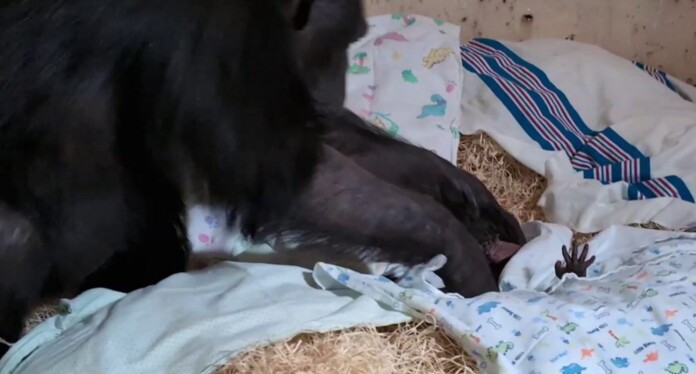
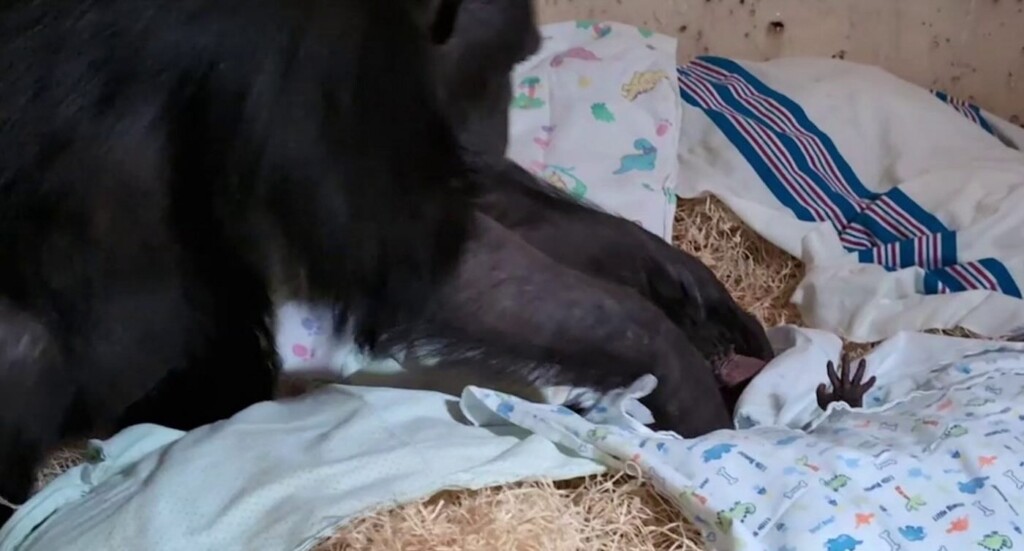
A heartwarming union was captured at a Kansas zoo this week when a chimpanzee mother met her baby for the first time 14 hours after she gave birth via C-section.
Named Mahale, the 30-year-old primate at The Sedgwick County Zoo in Wichita gave birth to her first offspring since her last baby died accidentally two years ago when he was just five weeks old.
The new baby, a female called Kyansa, was named after a mountain in the Mahale National Park in Tanzania, and was featured in a video.
Watching how Mahale immediately pulled her new infant into her arms, cuddling her close, is proof of the strong “positive signs of bonding”, according to caretakers.
“The pair will remain behind the scenes to allow time for Mahale to heal from surgery and for mom and baby to further develop their bond.”
“Another surgical delivery was prescribed in order to reduce the risks sometimes associated with natural births after C-sections.”
Dr. Laura Whisler and Dr. Janna Chibry of College Hill OB-GYN in Wichita, Kansas, performed the cesarean section alongside the Zoo’s veterinary and animal care teams.

Mahale spent the night recovering from anesthesia before being reunited with baby the following morning. (WATCH the sweet moments below…)
Monkeying Around: All 4 Types of Apes Have a Sense of Humor– Researchers Categorize Their Clowning in New Video
The 30-year-old chimpanzee has remained a key figure at the zoo, forming bonds with younger troop members, and being a loving “auntie” to a 1-year-old chimp resident.
SHARE THE MOMENT With Loving Moms On Social Media…
Kermit The Frog Chosen as Inspiring Commencement Speaker for University of Maryland This Year
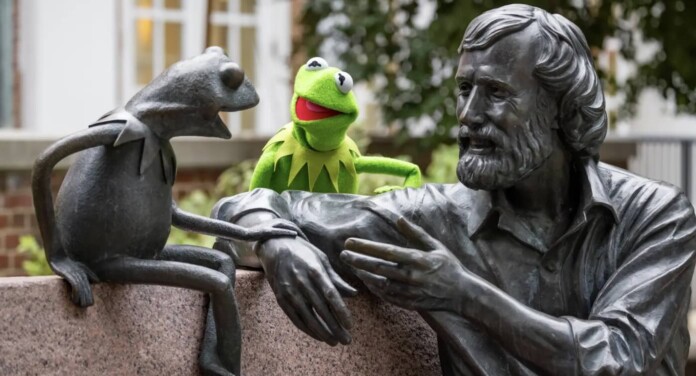
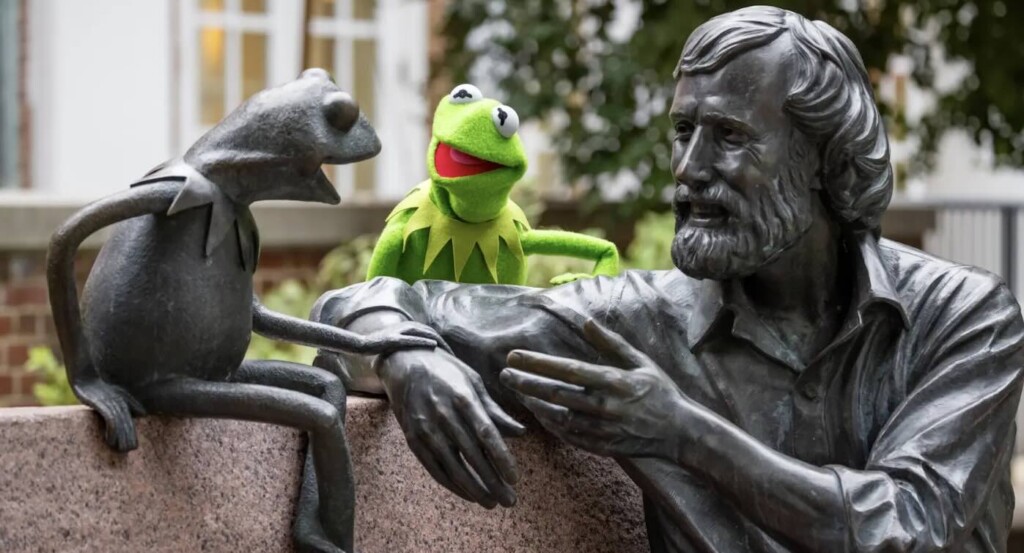
The University of Maryland announced that the beloved Muppet, Kermit the Frog, will deliver the university’s 2025 commencement address to graduates and their families on May 21.
After a sold-out visit to campus last year as part of the Arts and Humanities Dean’s Lecture Series, the legendary frog returns from The Muppets Studio to share an inspiring message with this year’s graduates.
Kermit’s appearance honors the long history between UMD and Muppets creator Jim Henson, who graduated from the school in 1960.
Henson, a home economics major, invented Kermit by building the original frog puppet out of one of his mother’s coats and a ping-pong ball cut in half.
“I am thrilled that our graduates and their families will experience the optimism and insight of the world-renowned Kermit the Frog at such a meaningful time in their lives,” said UMD President Darryll Pines.
“Our pride in Jim Henson knows no bounds, and it is an honor to welcome Kermit the Frog to our campus, 65 years after Mr. Henson graduated from the University of Maryland.”
Kermit sent back a message in response:
“Nothing could make these feet happier than to speak at the University of Maryland. I just know the class of 2025 is going to leap into the world and make it a better place, so if a few encouraging words from a frog can help, then I’ll be there!”
Henson always said he wanted the Muppets to live on without him—and what better way than to speak to “the lovers, the dreamers” who are setting off on their adventures as adults.
The college released this cute video to unveil this year’s chosen speaker…
HOP THIS NEWS OVER TO MUPPET FANS By Sharing On Social Media…
University Develops AI to Detect Invasive Asian Hornets
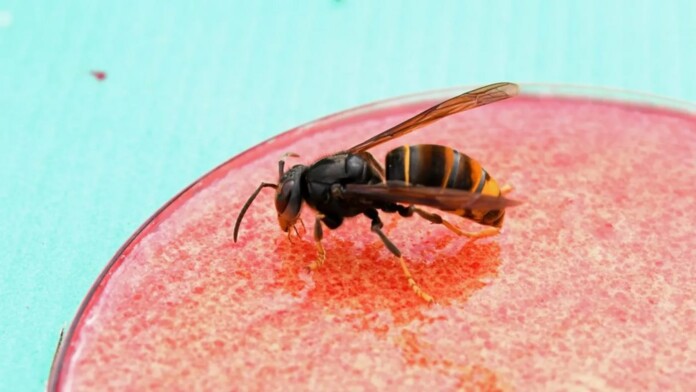
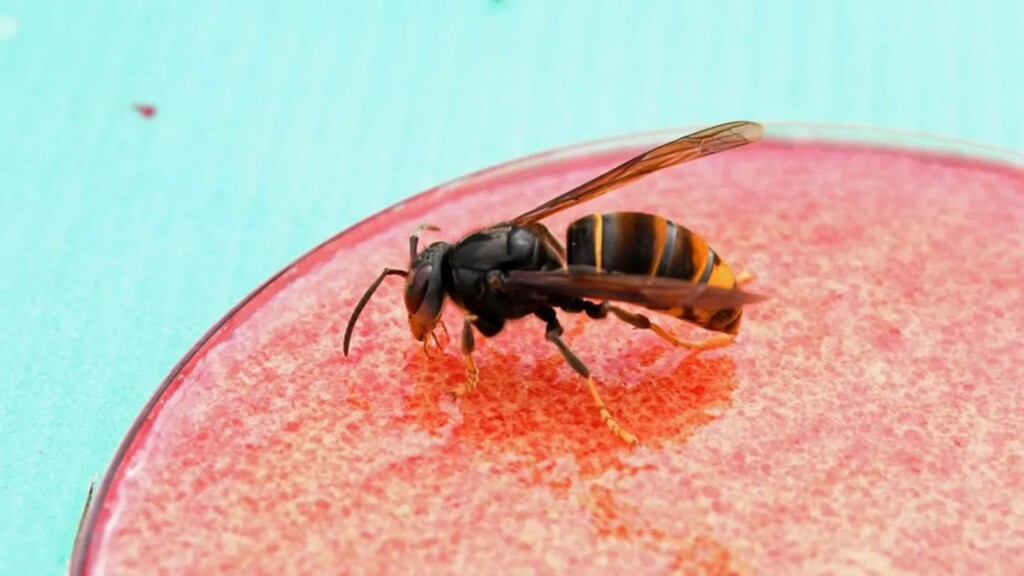
An English university has developed an AI-detection system that can identify a picture of an invasive Asian hornet in yet another innovative and positive application of the emerging technology.
Not quite the “murder hornets” that invaded America a half-decade ago, the Asian hornet is nevertheless an extremely bothersome pest for all the same reasons, including the bug’s ability to wipe out honey bee colonies and cause anaphylactic shock in humans from their stings.
VespAI, could identify the species with “almost perfect accuracy”, said University of Exeter, whose scientists developed the device.
Looking like an upturned punch bowl with a small device mounted on top, it also attracts the insects, which gives a camera the opportunity to take an image and determine what species it is.
Since one single hornet can kill and eat 50 honeybees in a single day, the record-number of Asian hornet sightings in the UK in 2023 spurred the university into finding a way to combat them.
Nests have been found in East Sussex, Kent, Devon, and Dorset, and Dr. Peter Kennedy, who envisioned how AI might be used to defend English shores from the invader, told the BBC that the country’s first line of defense—citizen identification—was highly flawed, with many sightings being misidentified.

“Our system thus aims to provide a vigilant, accurate and automated surveillance capability to remediate this,” he said.
“VespAI does not kill non-target insects, and thus eliminates the environmental impact of trapping, while ensuring that live hornets can be caught and tracked back to the nest, which is the only effective way to destroy them.”
OTHER GOOD AI USES: Artificial Intelligence ‘Can Help Spot Early Signs of Cancer in Chest X-Rays’
Designed to be inexpensive and highly-versatile, the VespAI could be used by scientists and game wardens, but also beekeepers, who would receive an alert if the system detected a creature it believed to be an Asian hornet.
HORNET DEFENSE: Invasive ‘Murder Hornets’ Are Wiped Out in the US, Using Transmitters That Led Back to the Nests
Though only a prototype, it has preformed very well in field tests.
Asian hornets have invaded countries across the European continent, and their stings have hospitalized and even killed residents in agricultural areas.
SHARE This Great Leveraging Of AI To Protect Honeybees…
Your Weekly Horoscope – ‘Free Will Astrology’ by Rob Brezsny

Our partner Rob Brezsny, who has a new book out, Astrology Is Real: Revelations from My Life as an Oracle, provides his weekly wisdom to enlighten our thinking and motivate our mood. Rob’s Free Will Astrology, is a syndicated weekly column appearing in over a hundred publications. He is also the author of Pronoia Is the Antidote for Paranoia: How All of Creation Is Conspiring To Shower You with Blessings. (A free preview of the book is available here.)
Here is your weekly horoscope…

FREE WILL ASTROLOGY – Week of April 12, 2025
Copyright by Rob Brezsny, FreeWillAstrology.com

ARIES (March 21-April 19):
Life is asking you to be a source of generosity and strength for the people and animals in your sphere. I hope you will exude maximum amounts of your natural charisma as you bestow maximum blessings. Soak up the admiration and affection you deserve, too, as you convey admiration and affection to others. Here’s a secret: The more you share your resources, help, and intelligence, the more of that good stuff will flow back your way.

TAURUS (April 20-May 20):
Ceramicist Jun Hamada says that trying to force harmony into her art leads to sterile work. “The most beautiful pieces come from the moments I stop trying to make them beautiful,” she notes. “They emerge from embracing the clay’s natural tendencies, even when they seem to fight against my intentions.” I recommend her approach to you in the coming weeks. Your best results may emerge as you allow supposed flaws and glitches to play an unexpected part in the process. Alliances might benefit, even deepen, through honest friction rather than imposed peace. What will happen when you loosen your attachment to enforced harmony and let life’s natural tensions gyrate?

GEMINI (May 21-June 20):
Gemini-born Frank Lloyd Wright (1867–1959) was a prolific architect who orchestrated many daring designs. Among his most audacious experiments was a project to build a house over a waterfall in Pennsylvania. “It can’t be done!” experts said. But he did it. Before he was ready to accomplish the impossible, though, he had to spend months studying the site’s natural patterns. I bring this to your attention, Gemini, because I believe you are ready to consider your own equivalent of constructing a house over a waterfall. Prepare well! Do your homework!

CANCER (June 21-July 22):
In the early phase of his illustrious career as a photographer, Edward Weston (1886–1958) cultivated a soft-focus, romantic style. But he ultimately converted to stark, uncompromising realism. “The camera,” he said, “should be used for recording life, for rendering the very substance and quintessence of the thing itself.” If there is anything about you that prefers warm, fuzzy illusions over objective, detailed truth, I suggest you switch emphasis for a while. If you like, you can return to the soft-focus approach in June. But for now, a gritty, unsentimental attitude will be essential to your well-being.

LEO (July 23-Aug. 22):
Here’s my mini-manifesto about change, just in time for a phase when change is most necessary and possible for you. 1. Real change is often a slow and subtle process. There may be rare dramatic shifts, but mostly the process is gradual and incremental. 2. Instead of pushing hard for a short time, you’re more likely to change things by persistently pushing with modest strength for a sustained time. 3. Rather than trying to confront and wrestle with a big problem exactly as it is, it’s often more effective to break the seemingly insurmountable challenge into small, manageable pieces that can be solved one at a time through simple efforts.

VIRGO (Aug. 23-Sept. 22):
Textile artist Mei Zhang wondered if the synthetic dyes she used on her fabrics were limited. Might there be a wider variety of colors she could use in her creations? She discovered that her grandmother, using age-old techniques, had produced hues that modern dyes couldn’t replicate. “The most sustainable path forward,” Zhang concluded, “often involves rediscovering what we’ve forgotten rather than inventing something entirely new.” I recommend that counsel to you, Virgo. The solution to a current challenge might come from looking back instead of pushing forward. Consider what old approaches or traditional wisdom you might call on to generate novelty. Weave together fresh applications with timeless principles.

LIBRA (Sept. 23-Oct. 22):
The moon rises about 50 minutes later every day, and always at a slightly different place on the horizon. The amount of light it shows us is also constantly in flux. And yet where and how it will appear tomorrow or ten years from today is completely predictable. Its ever-changing nature follows a rhythmic pattern. I believe the same is true about our emotions and feelings, which in astrology are ruled by the moon. They are forever shifting, and yet if we survey the big picture of how they arise, we will see their overall flow has distinct patterns. Now would be a good time for you to get to know your flow better. See if you can detect recurring motifs. Try to develop more objectivity about how your precious emotions and feelings really work. If you do this correctly, you will deepen and enhance the guiding power of your precious emotions and feelings.

SCORPIO (Oct. 23-Nov. 21):
Research reveals that interludes of productive uncertainty may strengthen our brain’s neural pathways—even more so than if we consistently leap to immediate comprehension. The key modifier to this fortifying uncertainty is “productive.” We must be willing to dwell with poise in our puzzlement, even welcome and enjoy the fertile mystery it invokes in us. Neurobiologist Aiden Chen says, “Confusion, when properly supported, isn’t an obstacle to learning but a catalyst for understanding.” These ideas will be good medicine in the coming weeks, dear Scorpio.

SAGITTARIUS (Nov. 22-Dec. 21):
Persian American author Haleh Liza Gafori translates the poetry of 13th-century Sufi mystic Rumi. One of their joint books is titled Gold. She writes, “Rumi’s gold is not the precious metal, but a feeling-state arrived at through the alchemical process of burning through layers of self, greed, pettiness, calculation, doctrine—all of it. The prayer of Sufism is ‘teach me to love more deeply.’ Gold is the deepest love.” That’s the gold I hope you aspire to embody in the coming weeks, Sagittarius. You are in a resplendently golden phase when you have more power than usual to create, find, and commune with Rumi’s type of gold.

CAPRICORN (Dec. 22-Jan. 19):
The coming weeks will be an excellent time to reframe the meaning of “emptiness” in your life. To launch your quest, I will remind you that quiet interludes and gaps in your schedule can be rejuvenating. Sitting still and doing nothing in particular may be a good way to recharge your spiritual batteries. Relieving yourself of the pressure to be endlessly active could be just what you need to open up space for fresh possibilities.

AQUARIUS (Jan. 20-Feb. 18):
There was a time, many years ago, when I consulted a divinatory oracle every day of my life. Sometimes it was the Tarot or the I Ching. I threw the Norse runes, did automatic writing, used a pendulum, or tried bibliomancy. Astrology was always in the mix, too, of course. Looking back on those days, I am amused at my obsession with scrying the future and uncovering subconscious currents. But employing these aids had a wonderful result: It helped me develop and fine-tune my intuition and psychic powers—which, after all, are the ultimate divination strategy. I bring this to your attention, Aquarius, because I believe you now have an enhanced power to cultivate and strengthen your intuition and psychic powers.

PISCES (Feb. 19-March 20):
The fovea is the part of the eye that enables sharp vision. Humans have just one kind of fovea, which gives them the ability to see clearly straight ahead. Eagles have both a central and peripheral fovea. The latter gives them an amazing visual acuity for things at a distance. This extra asset also attunes them to accurately detect very slow movements. I suspect you will have a metaphorical semblance of the eagle’s perceptual capacity in the coming weeks, Pisces. You will be able to see things you wouldn’t normally see and things that other people can’t see. Take full advantage of this superpower! Find what you didn’t even know you were looking for.
WANT MORE? Listen to Rob’s EXPANDED AUDIO HOROSCOPES, 4-5 minute meditations on the current state of your destiny — or subscribe to his unique daily text message service at: RealAstrology.com
(Zodiac images by Numerologysign.com, CC license)
SHARE The Wisdom With Friends Who Are Stars in Your Life on Social Media…
Good News in History, April 12
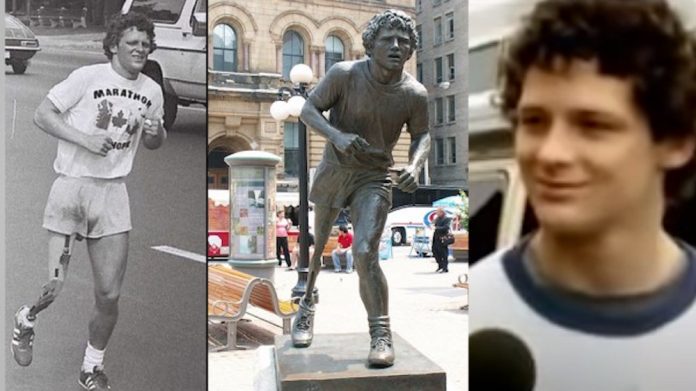
45 years ago today, a young man named Terry Fox began his heroic Marathon of Hope across Canada. In St. John’s, Newfoundland, standing on an artificial leg, he touched his foot into the Atlantic Ocean and began his run hoping to complete a marathon every day until he reached the Pacific coast. WATCH an inspiring video and learn what happened next… (1980)
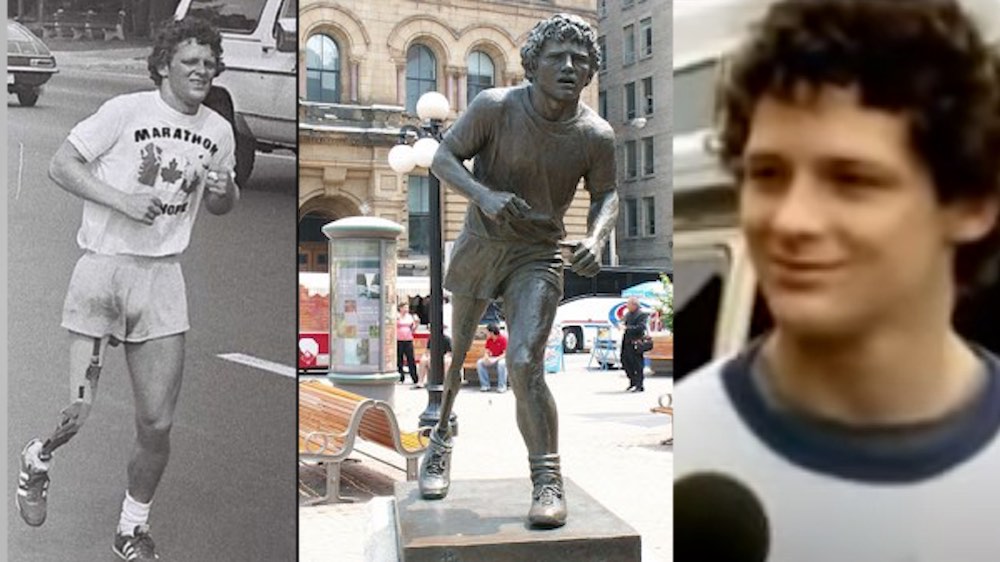
An active teenager, Terry was involved in many sports, but at 18 years old he was diagnosed with osteogenic sarcoma (bone cancer) in his knee and was forced to have his right leg amputated. While in the hospital, Terry was so overcome by the suffering of young child cancer patients that he decided to run across the vast country to raise money for fighting the disease—and it would revolutionize cancer research in Canada.
After 18 months of vigorous training, Terry’s run began with little fanfare and he spent days alone in the sleet and cold rain. Enthusiasm grew though, and money collected along his route began to mount, especially when he reached Ontario. He ran 26 miles (42 km) a day through six provinces until, on September 1st, after 143 days and more than 3300 miles (5,373 km), Terry was forced to stop and enter a hospital, because the cancer had spread to his lungs. An entire nation was stunned when Terry passed away ten months later. The monumental Canadian was gone, but his legacy was just beginning.
In the years since his famous run, The Terry Fox Foundation continues working toward his goal of a world without cancer. Thousands of volunteers organize annual Terry Fox runs across the country every year—and to date, over $750 million has been raised for cancer research in Terry’s name. Before his death, at 22 years old, Fox became the youngest person ever to be awarded The Order of Canada.
MORE Good News on this Date:
- 79 years ago today, the UN’s International Court of Justice opened its doors to hear disputes between nations, when, and if, both parties agree to be bound by its decision (1946)
- The polio vaccine, developed by Dr. Jonas Salk, was declared safe and effective (1955)
- Bob Dylan performed his first major concert at the Town Hall in New York City, a 1500-seat theater known for its outstanding acoustics (1963)
- 44 years ago today, the first Space Shuttle blasted off in a successful test flight of the ship called Columbia (1981)
- East Germany‘s democratically elected parliament met for the first time, acknowledged responsibility for the Nazi holocaust, and asked for forgiveness (1990)
- The US Navy rescued American cargo ship captain Richard Phillips from Somali pirates at sea when snipers shot and killed three of the hostage-takers (2009)
468 years ago, Cuenca was founded in Ecuador, a city of such beauty that it has become known as the “Athens” of South America. Founded on the ruins of the Inca city of Tomebamba (a major administrative center) and the Cañari city of Guapondelig, in 1999 its historic center was declared a UNESCO World Heritage Site.

The first urban civilization that inhabited the plateau where Cuenca now lies were the Cañari, and though the Incas replaced the Cañari architecture with their own, they did not suppress the Cañari or their impressive achievements in astronomy and agriculture. As was customary for the Incas, they absorbed useful achievements into their culture. They renamed the city Tomebamba.
Tomebamba is considered a candidate for the mythical city of gold which the Spanish called El Dorado. The Spanish thought El Dorado was burned by the inhabitants after they heard of the Spanish conquests. Tomebamba’s destruction by its inhabitants prior to the arrival of the Spanish suggests it may have been what the Spanish called El Dorado. (1557)
118 years ago today, the Burmese poet and writer known by the pen name Zawgyi was born. One of the most famous literary figures of that country, Zawgyi, or Thein Han as he was really named, studied at the universities of London, Dublin, and Rangoon, picking up several awards in his early years. He also worked as a diplomat in the post-war period.

He took the name Zawgyi from a magician figure in Burmese folklore, and his poetry reflects this interest in philosophy. His most famous poem, Beda Lann, is one of the only ones that has been accurately translated into English. It compares the struggles of like to ‘Beda’—a hyacinth flower. (1907)
Riding the waves and tossed around,
Beda floats, moving up and down
After being smitten wasn’t left alone in pain
But a tidal wave drowned her again
Sinking down under, doesn’t re-appear
Till a wave surges up a couple of yards afar
Together with it, surfaces the beauteous Ma Beda
While Beda just clenched her teeth,
The unsubdued and unyielding Beda fair,
Still keeps on wearing the flower in her hair
Happy 78th birthday to David Letterman, who on February 1st, 1982, took the reins of NBC’s Late Night and kept them for 33 years before stepping down in 2015. In total he went on the air for 6,080 episodes, surpassing his friend and mentor Johnny Carson as the longest-serving late-night talk show host in American television history. Perhaps unsurprisingly, he now hosts what is essentially a late-night talk show on Netflix, called My Next Guest Needs No Introduction with David Letterman. The first season of which contained a cross-interview with Jerry Seinfeld entitled “You’re David Letterman, you idiot,”

Like so many funny Americans, the start of his career began at the world-famous Comedy Store in Los Angeles. After finishing Light Night he appeared here and there, helping produce the Foo Fighter’s documentary Sonic Highways, and giving the introductory speech of Pearl Jam when they made it into the Rock and Roll Hall of Fame.
My Next Guest premiered in 2018 with Barack Obama as its first guest. Season 3 premiered in 2020, and includes Kim Kardashian, Kanye West, Robert Downey Jr., Dave Chappelle, and Lizzo as guests. It’s been praised, and even nominated for an Emmy, for its insight, set direction, and Letterman’s ability to draw unique moments out of its guests. Now sporting a huge beard, he practices transcendental meditation. (1947)
64 years ago today, Yuri Gagarin became the first human to travel into outer space, orbiting the Earth aboard Vostok 1.
Out of 20 trained cosmonauts, the short Russian pilot—at 5 ft 2—was the best candidate to fit into the tiny capsule. He became an international celebrity and was awarded many medals and titles, including Hero of the Soviet Union, the nation’s highest honor.
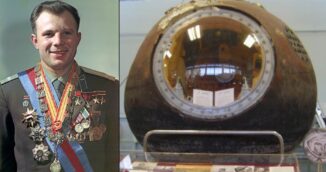
Modest and intellectual, Yuri was said to have quick reactions and an ability to handle celestial mechanics and mathematical formulae with ease. Touring widely abroad at the invitation of about 30 countries, he gained a reputation as an adept public figure, able to answer any question at press conferences, and was noted for his charismatic smile. Because of his popularity, US President John F. Kennedy barred Gagarin from visiting the US during the Cold War.
Gagarin died seven years after his historic orbit when his MiG-15 training jet crashed. He was honored with a 12-mile parade attended by millions of people and his ashes are interred in the walls of the Kremlin.
Born in the village of Klushino (a town later renamed after him), in his youth Gagarin was a foundryman at a steel plant. He later joined the Soviet Air Force as a pilot before his selection for the Soviet space program. Following his spaceflight, Gagarin became deputy director of the Cosmonaut Training Centre, which also was later named after him. He was also elected as a deputy in 1962 and then to the Soviet of Nationalities, respectively the lower and upper chambers of the Supreme Soviet.

The 1964 Soyuz 1 launch, which was rushed due to political pressures, despite Gagarin’s protests that additional safety precautions were necessary, resulted in multiple system failures aboard the spacecraft, which caused it to crash killing his friend, Vladimir Komarov. After the tragedy, the Soviets permanently banned Gagarin from training for and participating in further spaceflights. (1961)
And, 156 years ago today, the North Carolina legislature passed an anti-Ku Klux Klan Law, which prohibited night riding and wearing masks, to combat the racist group’s excessive violence.

Two months later, empowered by the law, Governor Holden declared martial law in two counties and deployed troops after several murders. Although the troops fire no shots, more than 100 men were arrested in the effort to restore order and protect blacks and white Republicans. Two years later, the US Congress held hearings on the Klan and passed a harsh anti-Klan law modeled after this North Carolina statute. (1869)
And on this day 1089 years ago, Beverly Cleary, the beloved children’s book author was born.
 It was Cleary’s own school librarian who took a special interest in her and said that someday she should write for children, the kind of books she longed to read but could not find on library shelves—funny stories about neighborhood kids growing up. And so Ramona Quimby, Henry Huggins, Ellen Tebbits, and The Mouse and the Motorcycle were born.
The neighborhood streets of Klickitat and Tillamook, where her characters play, actually exist in the Portland neighborhood where Cleary went to school.
She became a librarian herself, after having earned a B.A. in English at UC Berkeley. Little boys were bored in her library because there were no books about “kids like us.” Her first book, Henry Huggins was published in 1950 –her last came out in 1999– and she has sold 90 million books. She has also won numerous literary awards, written two autobiographies, and now lives in a retirement community in Carmel, California. (1916)
Her birth date is also “Drop Everything and Read” day, a school program –D.E.A.R. – that allows kids to lie around in classrooms with books of their choosing. April is also National Library Month. She died on March 25, 2021… WATCH a 2016 interview with Cleary about her 100th birthday…
SHARE the Milestones, Memories, and Music…
“Never forget the three powerful resources you always have available to you: love, hope, and forgiveness.” – H. Jackson Brown, Jr.

Quote of the Day: “Never forget the three powerful resources you always have available to you: love, hope, and forgiveness.” – H. Jackson Brown, Jr.
Photo by: Gabriel Lamza
With a new inspirational quote every day, atop the perfect photo—collected and archived on our Quote of the Day page—why not bookmark GNN.org for a daily uplift?

Thousands of Stone Tools Made by Early Humans Around 20,000 Years Ago Found in Cave


In a cave overlooking the ocean on the southern coast of Africa, thousands of stone tools made by early humans are revealing connections between prehistoric peoples of the continent.
Archaeologists that made the discovery called it an “important” find that hints at the ways in which prehistoric people traveled, interacted, and shared their craft.
The caves, part of what archaeologists call the Robberg technocomplex in South Africa, no longer overlook a plain, but are instead in a towering cliff face over a rocky beach, a result of sea level rise following the end of the last Ice Age.
Study lead author Dr. Sara Watson of the Field Museum in Chicago explained that during the period when the blades were made, between 24,000 and 12,000 years ago, the area would have been filled with antelope much like other inland regions of South Africa today.
“Instead of being right on the water like they are today, these caves would have been near vast, open plains with large game animals like antelope,” said Dr. Watson. “People hunted those animals, and to do that, they developed new tools and weapons.”
Dr. Watson and her team published their findings in the Journal of Palaeolithic Archaeology, and show they were able to tell how the tools were made by examining tiny details in the chipped edges of the blades and stones.
The team made the daily climb with all their excavation and photography equipment, weighing up to 50 pounds per person, up a very steep escarpment aided by ropes.
Inside, beneath ancient dust and dirt, they found thousands of stone tools—mostly small, sharp blades, as well as the larger pieces of rock from which the blades were broken off—called a “core.”
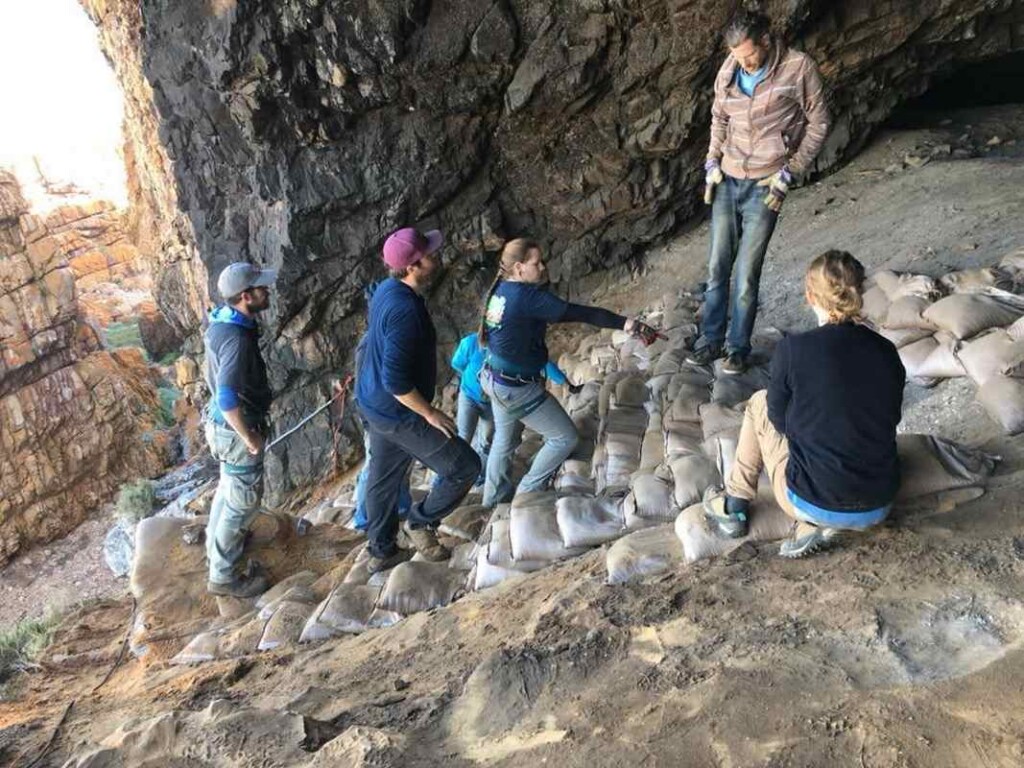
“When your average person thinks about stone tools, they probably focus on the detached pieces, the blades and flakes,” Watson explained. “But the thing that is the most interesting to me is the core, because it shows us the particular methods and order of operations that people went through in order to make their tools.”
MORE NEOLITHIC NOVELTIES: Prehistoric Hunter-Gatherers Heard the Elks Painted on a Cliff ‘Talking’ – (LISTEN)
“Since these are extremely, extremely old sites, from before the end of the last Ice Age, we had to be very careful with our excavation. We used little tiny dental tools and mini trowels so that we could remove each little individual layer of sediment.”
She and her colleagues observed several “distinct” patterns in how the smaller blades had been separated from the cores, and that these patterns had been found throughout southern Africa.
“If we see specific methods of core reduction at multiple sites across the landscape, as an archaeologist, it tells me that these people were sharing ideas with one another.”
ALSO CHECK OUT: Prehistoric ‘Axe Factory’ Found in Britain Triggers Search for More Artifacts
For example, one particular method of breaking tiny bladelets off of a core that Dr. Watson found in the Robberg caves is a style also found hundreds of miles away in locations including Namibia and Lesotho.
“The pattern is repeated over and over and over again, which indicates that it is intentional and shared, rather than just a chance similarity,” she said. “We have a very long and rich history as a species… People living around the last Ice Age were very similar to people today.”
SHARE This Wonderful Work On Prehistoric Africans With Your Friends…
‘Urban Miners’ Are Unearthing the Treasures That Can Be Reused as Buildings Are Demolished


In the Belgian town of Leuven, squads of “urban miners” pick through condemned buildings to ensure that any loads of lumber, bricks, tiles, or stones that may have a second life elsewhere are given that chance.
Trucked off to the “Materialenbank,” they await a buyer willing to give these salvaged materials a new home.
Leuven isn’t the frontier though, and a combination of strict building codes and energy efficiency standards mean the materials have to be up to the standards of a modern European economy that wants to be carbon-neutral by 2050.
In some cases, that’s fine—and little more than a coat of paint or lacquer is needed to prepare the material for resale. In other cases though, the urban miners at the Materialenbank will downgrade a material’s importance. A steel girder will lose its role holding up second floors to merely holding up the roof, while tiles that may have lined the roof will make their way to the basement flooring.
It’s all part of Materialenbank’s commitment to recycling. At the moment the firm is picking through a pair of homes that make up a group of 30 prewar houses and garages near the city’s train station it believes it will be “mining” in the next few years.
These 30 buildings were condemned for demolition in order to open up an additional traffic route to ease congestion and find room for a green space. Materialenbank will arrive with their tools, an expert will give the house a once-over, and then workers will commence picking out the best of what can be reused before carting it off to an airplane hanger-like space it owns on the outskirts of town.
There, all the materials are sorted, restored to whatever state is needed, and sold. A workshop also welcomes entrepreneurs and artisans who want to use the materials to make new products.
The Guardian reports that a group of housing flats close to the city’s De Bruul Park come with beds, kitchen cupboards, and flooring all made from recycled wood; just one example of how businesses and builders in the city are taking up the challenge set down by the local government of keeping whatever comes into the city, in the city.
GREAT RECYCLING STORIES: The UK’s Royal Mint is Now Extracting Gold From Electronic Waste
GNN reported on the work of a Georgia nonprofit doing a very similar thing, and how their sales of salvaged wood thrived during the pandemic when government-enforced business closures meant that new lumber from Canada couldn’t be imported into the US for builders.
Re:purpose Savannah is a 501(c)3 that takes old, condemned buildings apart for their bricks, timber, door frames, metalwork, and other components and sells them to construction firms building new homes for discerning clients. They’ve taken apart beach houses, dairies, bungalows, cottages, and traditional homes in town.
MORE SALVAGE EFFORTS: Veterinarian’s Simple Question Inspires Wave of Donations of IV Fluids That Would Normally Be Thrown Away
Furthermore, much of the wood that Re:purpose pulls down comes from trees no longer used for lumber because they are endangered, or because there are better options for mass timber planting.
These include white and red oak, longleaf pine, sweetgum, walnut, and hickory. Longleaf pine in particular is a very high-quality wood with a tensile strength that’s higher than steel.
SHARE This Great Story Of Urban Recycling With Your Friends On Social Media…