In a decision that one advocacy group said would “make dignity non-negotiable,” Philadelphia schools have adopted a new wellness program that will guarantee recess and bathroom breaks.
The program also prevents teachers from withdrawing access to these through disciplinary measures, and guarantees “movement breaks” for every 90 minutes of seat time in elementary schools.
It was last Thursday that a marathon, 8-hour school board meeting ended with a full adoption of the wellness program advocated by Lift Every Voice, who told the Philadelphia Inquirer that some of their members were sending their students to school in diapers since bathroom breaks were not guaranteed.
This grassroots, Black-led, parent organization said that if that weren’t bad enough, trips to the drinking water fountains could also withheld during classroom hours.
Incredibly, the Inquirer reported, these draconian controls on basic human needs took two years to codify into school regs. When they were adopted, however, the organization celebrated with music and dancing.
“I wish we had done this much sooner. But I’m pleased that we’re doing it today,” said one school superintendent Tony Watlington Jr.
Any sort of collective punishment was also banned, which included silent lunch hours—where the entire school body must eat in silence due to the misbehavior of a single student—and the withdrawal of access to recess and bathroom breaks.
“When we think about children holding their bodies because bathroom access is protected, or sitting for hours without movement, or rushing through silent lunches, that’s not discipline,” Board of Education councilmember Kendra Brooks said. “It’s actually dehumanizing.”
An unrelated measure decided at the same meeting saw the end of school half-days, which according to school district data, was directly correlated with “plummeting” attendance rates.
SHARE This Real Progress To Better Schools And Happier Children…
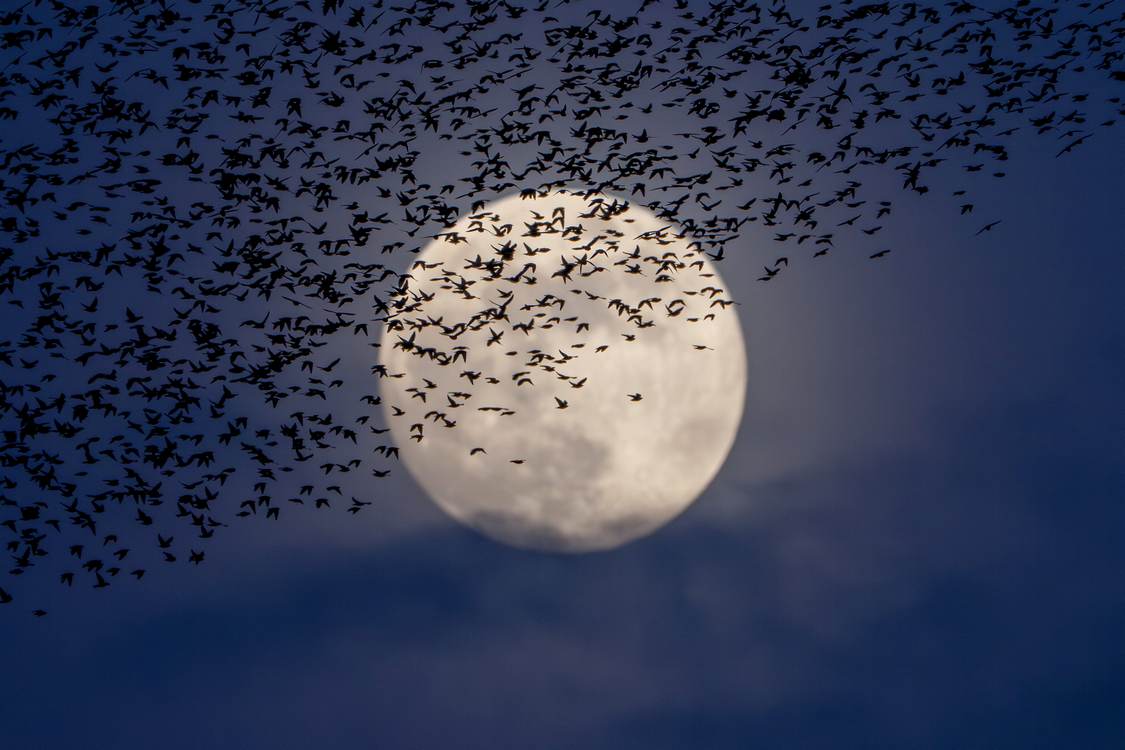
These stunning photos show the moment a huge murmuration of starlings flew in unison across the Worm Moon. // The Worm Moon is named as a signal of spring’s arrival when earthworms emerged from a winter’s hibernation. Remarkable pictures showed the flock of thousands of starlings as they swooped across the skyline as the moon reached its peak. Photographer Tony Nellis captured the scenes as the moon rose over South Shields, Tyne and Wear, on Monday (2/3) night.
– credit, Tony Nellis, via SWNS
These stunning photos show the moment a huge murmuration of starlings flew in unison across March’s full moon.
Remarkable pictures show a flock of thousands of starlings as they swooped across the skyline as the Moon reached its peak.
– credit, Tony Nellis, via SWNS
March’s full moon is known today as a Worm Moon, as it signals spring’s arrival when beetles and other animals emerge from winter hibernation. There are many other recorded names for the March moon, including the Sugar Moon.
The Ojibwe called it thus because it was the time when, provided a maple tree was tapped, the sap which had been too cold during the winter, would begin to run again.
In the UK, photographer Tony Nellis captured the starlings on the wing as the Moon rose over South Shields, Tyne and Wear, last Monday night.
“I couldn’t help think of the phrase ‘the early bird gets the worm’ when I saw the murmuration of starlings flying over the Worm Moon,” he said. “I took loads of pictures of them in the sky and suddenly they swooped down.”
“There were so many birds, the moon was almost blocked out with thousands of starlings silhouetted against it. It was an amazing sight.”
On American shores, the full moon didn’t appear until Tuesday morning, when it coincided with a Lunar eclipse, known colloquially as a “blood moon” which the Brits didn’t see.
SHARE This Beautiful Marriage Of Earth And Moon With Your Friends…
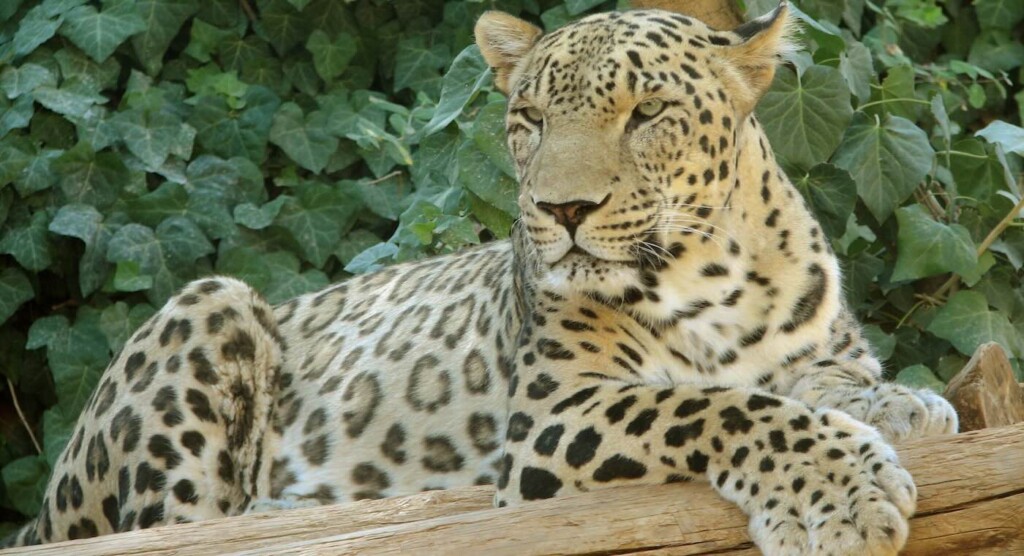
Persian leopard (aka the Anatolian or Caucasian leopard) - Panthera pardus tulliana - by Tamar Assaf / Wikimedia
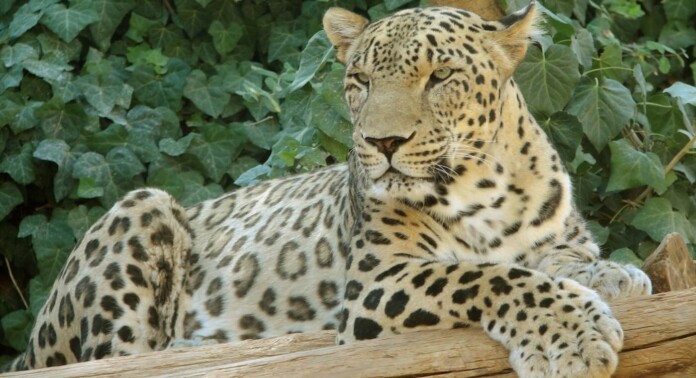
Persian leopard (aka the Anatolian or Caucasian leopard) – Panthera pardus tulliana – by Tamar Assaf / Wikimedia
Last year, a broad network of camera traps in western Turkmenistan was broadened in the hopes of better understanding the populations of an Endangered leopard subspecies.
Powered by a Washington, DC conservation financier, from a country whose citizens are rarely allowed to visit Turkmenistan, the survey produced positive results.
There are now an estimated 60-80 Persian (aka, Caucasian) leopards dwelling in the country’s nature reserves, a growth from previous surveys, and a sign that even though the 1,000 or so members of this subspecies live in increasingly fragmented habitats, they’re managing to pick and prowl their way through the 21st century.
Two key areas are known to host leopards in this reclusive Central Asian country: in the Kopetdag Mountains along the border with Iran, and the Garabogazgol region, which sits along the Caspian Sea and the slim national border with Kazakhstan.
Here, in the Uly-Balkan Range, an area of natural importance, 3 breeding females were recorded in the camera trap survey, a promising sign that shows the animals are recolonizing these ecosystems where conditions have improved over the last few years.
Conservation X Labs, which undertook the camera trap survey, cited increased habitat protections, larger prey populations, and the long-term impact of conservation efforts as reasons for the improvement in leopard numbers.
The Persian leopard is one of the largest-bodied distinct populations of leopards in the world, writes the Central Asia Times.
SHARE This Hopeful Progress For A Beautiful Creature In An Uncertain Region…
Quote of the Day: “The world of reality has its limits; the world of imagination is boundless.” – Jean-Jacques Rousseau
Photo by: Kateryna Hliznitsova for Unsplash+
With a new inspirational quote every day, atop the perfect photo—collected and archived on our Quote of the Day page—why not bookmark GNN.org for a daily uplift?
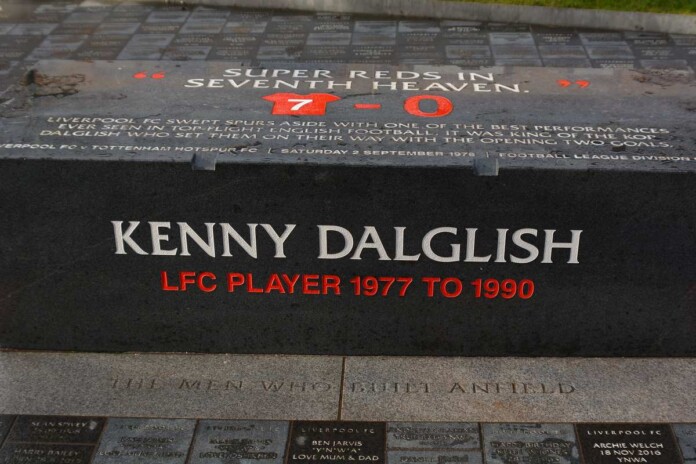
A monument to Kenny Dalglish at Anfield, Liverpool's home stadium - credit Silver Novice CC 2.0.
Happy 75th Birthday to Sir Kenny Dalglish, the greatest Scottish footballer of all time, and an iconic figure in the past and present culture of Liverpool FC. Known affectionately as “King Kenny,” Dalglish spent half his career at Celtic, and the other at Liverpool where he scored 172 goals in over 500 appearances, lifted 6 English First Division titles and 3 European cups, and took over the reins as manager on two occasions, winning trophies during both tenures. READ more about the King… (1951)
Creators of the original “party game for horrible people” are proving themselves to be anything but horrible, as they offer customers a formal refund equal to the additional cost they paid for Cards Against Humanity under U.S. President Trump’s tariff regime.
Via a characteristically snarky, curse-filled announcement on their website, founders of the hugely popular card game will allow anyone to submit a simple form—with proof of purchase—to have a portion of their money returned, if the company ever gets a refund related to the illegal Trump Administration tariffs.
Since its fundraising launch as a Kickstarter campaign in 2011, Cards Against Humanity has exploding on the board-game scene with questions and fill-in-the-blank answers ranging from taboo to vulgar, from disgusting to hilarious.
Earning estimated annual revenues between $40-$50 million, the company’s founders began jumping into the political fray last year following the tariff fiasco.
Recently, a new webpage was created that reads: “In a rare example of the American government still kind of functioning, the Supreme Court has finally declared—after waiting a year for no reason—that Donald Trump’s obviously illegal tariffs are obviously illegal.”
“If you overpaid for one of our games, click the button below and fill out the form. Then, when the Trump Administration gives us our tariff refund, we won’t keep it: we’ll give 100% of the money back to you, our loyal customers, who actually make our business possible.”
Cards Against Humanity is adamant that they, themselves, never raised their own prices even after the tariffs were applied, but told Fast Company magazine that large retail stores would have done so after buying the game from them. As a result, they believe their customers overpaid.
It’s not the first time the game’s cheeky creators have gone to bat for their customers since last April’s tariffs were imposed. In October, the company released a special version called ‘Cards Against Humanity Explains the Joke,’ which added an explanation behind what was written on each card.
Technically, the game became an informational product, and was therefore exempt from tariffs, argued the company.
American firms are seeking some $200 billion in refunds for tariff payments, reported Fast Company. Already, FedEx has announced that they will, accordingly, begin a give-back program to people who overpaid.
Perhaps others will follow suit.
SHARE This Small Business Sticking Up For Their Customers…
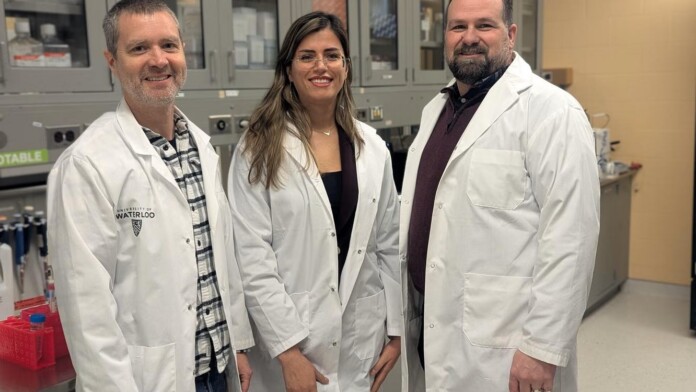
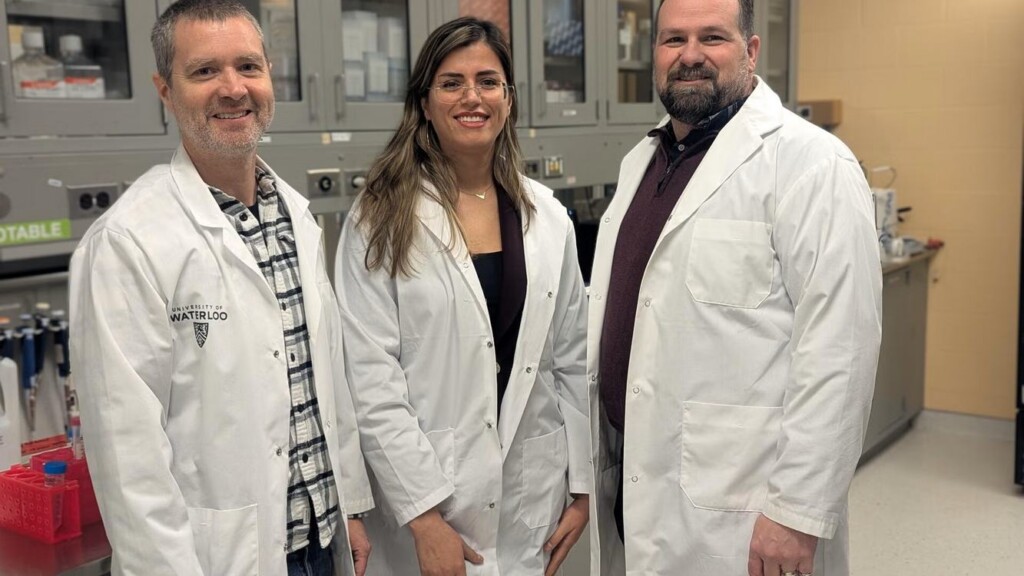
The University of Waterloo research team - credit, released
The University of Waterloo research team – credit, released
A research team led by scientists at the University of Waterloo in Ontario, Canada, is developing a novel tool to treat cancer by engineering hungry bacteria to literally eat tumors from the inside out.
Key to the approach is a bacterium called Clostridium sporogenes, which is commonly found in soil and can only grow in environments with absolutely no oxygen.
The core of a solid, cancerous tumor is comprised of dead cells and is oxygen-free, making it an ideal breeding ground for the bacterium to multiply.
“Bacteria spores enter the tumor, finding an environment where there are lots of nutrients and no oxygen, which this organism prefers, and so it starts eating those nutrients and growing in size,” said Dr. Marc Aucoin, a chemical engineering professor at Waterloo. “So, we are now colonizing that central space, and the bacterium is essentially ridding the body of the tumor.”
But there is a biological catch: when the cancer-eating organisms reach the outer edges of tumors, they are exposed to low levels of oxygen and die without completing their mission to fully destroy them.
To solve that problem, the researchers first added a gene to the organism from a related bacterium that can better tolerate oxygen, enabling it to live longer near the outside of a targeted tumor.
They then found a way to activate the oxygen-resistant gene at just the right time—critical to preventing bacteria from inadvertently growing in oxygen-rich places such as the bloodstream—by leveraging a phenomenon known as quorum sensing.
In simple terms, quorum sensing involves chemical signals released by bacteria. Only when many bacteria have grown in a tumor is the signal strong enough to turn on the oxygen-resistant gene, ensuring it doesn’t happen too soon.
In a previous study, researchers demonstrated that Clostridium sporogenes can be modified to tolerate oxygen. In a follow-up study, they tested their quorum sensing system by making bacteria produce a green fluorescent protein.
Researchers now plan to combine the oxygen-resistant gene and the quorum-sensing timing mechanism in one bacterium and test it on a tumor in pre-clinical trials.
Substantial research will still need to be carried out before any such design can come to market, but it’s striking, if one reads GNN, how many alternative methods for cancer treatment are undergoing such investigations, from “electrical knives” and different combinations of existing treatments like chemotherapy, to CRISPR gene editing and stem cell infusions.
GNN recently reported on the incredible advancements in survival from all kinds of cancers in America, with 7 out of 10 patients now living 5-years or more past diagnosis.
SHARE This Innovative Approach To Tumor Removal With Your Friends…
A landmine warning sign in Croatia - credit, Modzzak, CC BY-SA 3.0
A landmine warning sign in Croatia – credit, Modzzak, CC BY-SA 3.0
In an incredible, bittersweet success story, Croatia has announced it has freed itself from the scourge of landmines, 31 years after the country’s civil war.
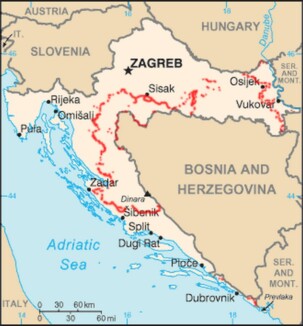
During the breakup of Yugoslavia, 1.5 million landmines were estimated to have been used by all sides of the conflict, spread across an area of 453 square miles, twice the size of Zion National Park in Utah.
Suspected locations of minefields in Croatia marked in red.
Originally, some 5,000 square miles was believed to be contaminated by mines, but for obvious safety reasons it was difficult to get more accurate estimates.
Now, with more than one billion euros spent, the country has eliminated all known minefields using a combination of metal detectors, heavy machinery, and detection dogs.
“Croatia is free of land mines. After nearly 30 years, we have completed demining in accordance with the Ottawa Convention,” Interior Minister Davor Božinović said during an event in Zagreb, referencing the UN convention on the banning of anti-personnel mines, to which Croatia is a party to.
“Almost 107,000 mines and 407,000 pieces of unexploded ordnance have been removed. This is not just a technical success—it is the fulfillment of a moral obligation to the victims of mines and their families. A mine-free Croatia means safer families, better development of rural areas, more farmland, and stronger tourism.”
It’s difficult to ascertain an exact number, but likely tens of thousands of square miles of ground worldwide still contain minefields or areas contaminated by bombs and shells which failed to explode when they were first used.
Recently, Mozambique was declared mine-free in 2015, after clearing nearly 171,000 mines over 20 years.
Landmines and unexploded ordnance are significant impediments to rural development. Often appearing as shiny curiosities half-buried in the grass, children are at especially high risk of death and maiming from these weapons. Demining charities like HALO often pair their mine-clearance work with awareness raising and educational campaigns in school to help children to learn how to identify and stay away from mines and unexploded bombs.
The triumph in Croatia required hundreds of millions of euros in donations from other countries, and tragically claimed the lives of between 40 and 60 demining personnel who worked to make their country a safe place for generations to come.
CELEBRATE Croatia Freeing Itself From The Scourge Of Landmines On Social Media…
A Siberian tiger, closely related to the extinct population from Kazakhstan - Credit: Bastak State Nature Reserve, CC 4.0. BY-SA
A Siberian tiger, closely related to the extinct population from Kazakhstan – Credit: Bastak State Nature Reserve, CC 4.0. BY-SA
Kazakhstan is preparing to reintroduce the tiger to a special habitat in the country’s south, one of the most ambitious rewilding programs anywhere on Earth.
Arm-in-arm with this has been reforestation efforts of riparian woodland around the Ile River and its delta at Lake Balkhash, which last year amounted to 37,000 young trees.
Between 2021 and 2024, 50,000 trees were planted in the Ile-Balkhash Nature Reserve, which last year also become the temporary haunts of a breeding tiger pair from the Netherlands.
“The results of 2025 are the outcome of many years of painstaking work. We are not simply planting trees, we are laying the foundation for resilient ecosystems capable of sustaining themselves,” said Aibek Baibulov, WWF Central Asia Project Manager for Forest Restoration in Kazakhstan.
“Today, we already see that plantings from previous years have reached heights of up to 2.5 meters, their root systems have reached groundwater, and they are forming natural communities. Restoring tugai forests is the basis for the return of wildlife to the region. Without healthy ecosystems, it is impossible to speak of stable animal populations, including the return of the tiger. We are grateful to all our partners and local residents who are contributing to this work.”
The program is being led by the government of Kazakhstan with support from WWF Central Asia and the UN Development Program.
If successful, it would be the first time that tigers were reintroduced to a range country where they are currently extinct. Genetic studies on bones and furs held in national collections revealed that the population of tigers living between Iran, southern Russia, Central Asia, and the areas around the Caspian Sea was extremely similar to Siberian tigers.
To that end, and with cooperation from the Netherlands, Bodhana and Kuma, a male and female Amur tiger pair, were transported from their sanctuary in the Low Countries to a semi-natural holding facility in Ile-Balkhash Nature Reserve where they’ve been growing accustomed to the climate. It’s hoped, but not known, that they will breed.
Their offspring, once fully grown, will be the second-group of tigers released into the reserve, but as Baibulov said, that will be the final mile of a long journey that started years ago when the country had to begin to secure and grow populations of prey species.
Decades of work have seen populations of the saiga antelope bounce back from a perilously low 48,000 individuals in 2005 to a new high of over 1.9 million. Additionally, in 2019, several Bukhara deer were released into the reserve with hopes of reestablishing a healthy population that can sustain tigers, with another 200, give or take a dozen, released over the following years.
The species of tree seedlings planted over the last two years reflect these animals’ feeding habits, and include 5,000 willow seedlings, 30,000 long-leaved oleasters, and 2,000 native popular trees sacred to Kazakhs called turangas, along a 2.4 mile stretch of the banks of Lake Balkhash, the largest lake in Central Asia after the Aral Sea disappeared.
“Already, wild ungulates have been seen foraging on the restored sites, indicating that the ecosystem is beginning to function,” a spokesperson for WWF Central Asia told Live Science in an email. “Each planted seedling is therefore a direct contribution to the future of the tiger in Kazakhstan.”
The stage is set, (or you could maybe say the dinner table) for the return of the protagonist, and the Astana Times wrote just recently that the first wild Amur tigers would be arriving in Kazakhstan from Russia in the coming months, according to Chairman of the Committee for Forestry and Wildlife of the Ministry of Ecology and Natural Resources, Daniyar Turgambayev.
Quote of the Day: “The eternal quest of the individual human being is to shatter his loneliness.” – Norman Cousins
Photo by: Tony Detroit
With a new inspirational quote every day, atop the perfect photo—collected and archived on our Quote of the Day page—why not bookmark GNN.org for a daily uplift?
Teatro Olimpico in Vicenza - credit, CC 4.0. BY-SA via Wiki Didier Descouens
441 years ago today, the Teatro Olimpico, considered by many to be the first modern covered theater in Europe, was inaugurated in the city of Vicenza, northern Italy, with a production of Oedipus Rex. Designed by Andrea Palladio and finished by Vincenzo Scamozzi, it is a UNESCO World Heritage Site, one of only three Renaissance theatres remaining in existence, and a venue that’s still used several times a year. READ about this famous Italian monument and venue… (1585)
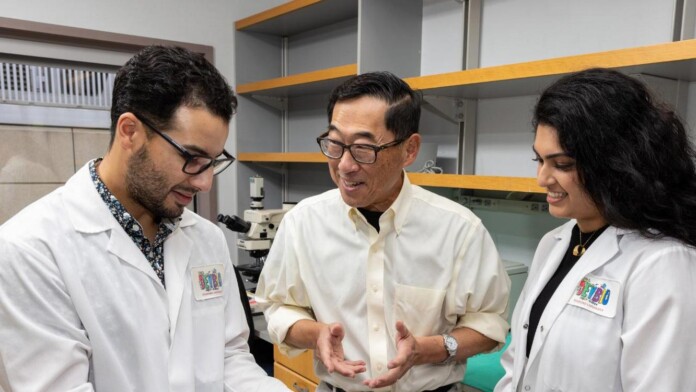
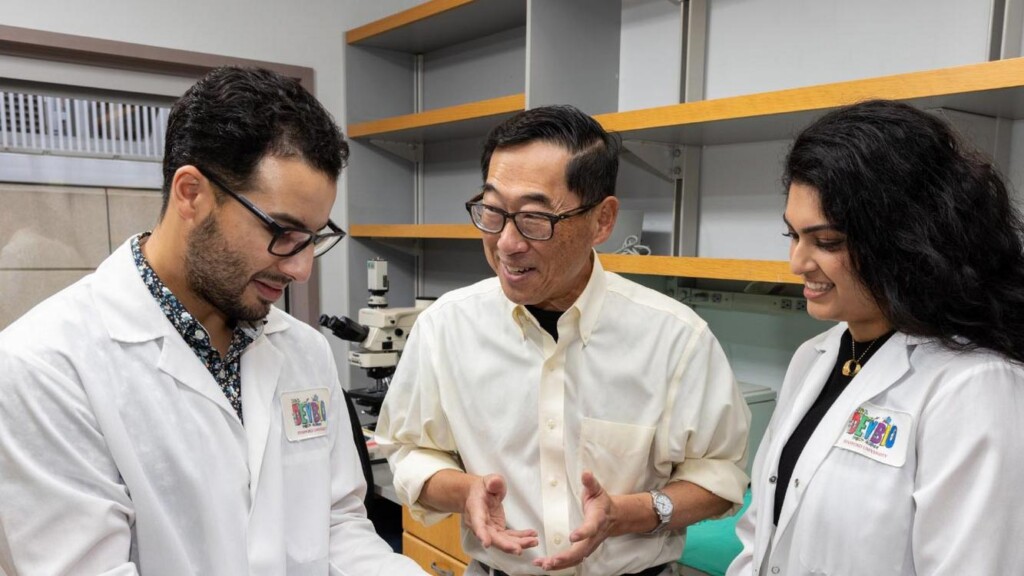
Study team members Stephan Ramos, Seung Kim, and Preksha Bhagchandani - credit, Steve Fisch, Stanford University
Study team members Stephan Ramos, Seung Kim, and Preksha Bhagchandani – credit, Steve Fisch, Stanford University
In an experiment that exceeded scientists’ expectations, mice had their type-1 diabetes cured through a double-transplant method.
Additionally, there was no host rejection of one one of the two types of transplanted cells, and the immune system didn’t attack the other, resulting in a diabetes cure without any side-effects.
Obviously caveats must be drawn from a mouse model such as this, but the results have supercharged the team’s determination to try and see if they can replicate the success in humans.
“The possibility of translating these findings into humans is very exciting,” said Seung Kim, MD, PhD, and multidisciplinary professor at Stanford University.
“The key steps in our study—which result in animals with a hybrid immune system containing cells from both the donor and the recipient—are already being used in the clinic for other conditions. We believe this approach will be transformative for people with type 1 diabetes or other autoimmune diseases, as well as for those who need solid organ transplants.”
Unlike onset, or type-2 diabetes, type-1 is an autoimmune disorder that manifests in the patient’s immune system attacking their own islet cells, located in the pancreas and responsible for producing the hormone insulin, which helps control blood-glucose levels.
This new study from Stanford Medicine saw type-1 diabetic mice receive a transplant of islet cells and blood stem cell from a healthy mouse.
This combination proved to be virtually magical, and for 6 months, the treated mice needed no insulin injection, nor medication to suppress graft-versus-host disease, an immune-system response to transplantation that can be debilitating.
Stanford University described the results of the trial as particularly exciting because the pancreatic islet cells from the healthy donor have “two targets on their backs.” The first is that they’re transplanted cells from a different organism, and the second is that they are the type of cell that the autoimmune disorder spontaneously destroys.
“Just like in human type 1 diabetes, the diabetes that occurs in these mice results from an immune system that spontaneously attacks the insulin-producing beta cells in pancreatic islets,” Kim said. “We need to not only replace the islets that have been lost but also reset the recipient’s immune system to prevent ongoing islet cell destruction. Creating a hybrid immune system accomplishes both goals.”
Using a pre-transplant preparatory drug, used in a previous study of the same kind published by the team in 2022, the mixture of transplanted islet cells and hematopoietic stem cells created an immune system of mixed origin that suddenly snapped back into good working order and prevented type-1 diabetes in 19 out of 19 mice, while another 9 out of 9 mice who had suffered from long-term type-1 diabetes had their disease cured.
For the full six-month follow-up, none of the 9 needed an insulin injection or immuno-suppressant drugs to stop their immune system attacking the transplanted islet cells.
As a side-discovery of the experiment, Dr. Judith Shizuru, a member of the study team, had been working to devise a gentler and more benign, pre-treatment approach to blood stem cell transplantation. This procedure has been used to seemingly cure some cancers, including leukemia and lymphoma, but it requires intense, sometimes life-threatening radiation therapy to wipe out the immune cell population in the patient’s bone marrow.
This allows the time and space for the properly-functioning donated stem cells to take hold, and is being hypothesized as a potential treatment for autoimmune diseases like rheumatoid arthritis and lupus.
Dr. Shizuru applied a method to the mice that was far less vigorous, “knocking back” the bone marrow just enough, which was shown to be successful.
In regards to those other currently-incurable autoimmune diseases, the research holds much promise, but for type-1 diabetes, two factors mean the mouse model doesn’t immediately translate to humans.
The first is that pancreatic islet cells can only be obtained from a deceased donor, while the blood stem cell transplant must come from the same person. Because of the size difference between the animals, it’s unclear how many millions of islet cells would be needed to see the same effect in humans.
Future work will include discovering a way of cultivating pancreatic islet cells in a lab through pluripotent stem cells, or perhaps finding a way to increase their survivability.
SHARE This Exciting Research With Your Friends On Social Media…
Levi's Stadium, which hosted the 2026 Super Bowl, in 2016 - credit, US CBP
Levi’s Stadium, which hosted the 2026 Super Bowl, in 2016 – credit, US CBP
While Bad Bunny may have remained the highlight of Super Bowl LX’s post-mortem, GNN got in touch with the event organizers to unwrap a little of the full-time good behind half-time’s Bad.
The National Football League’s environmental program, NFL Green, contracted ENGIE Impact, a sustainable resource management company, to work with national and local partners in the Bay Area to ensure that carbon emissions from the event were offset, all stadium waste was recycled, and stadium power was green and renewable.
ENGIE Impact also helped organize the NFL Green’s sustainability operations during the last Super Bowl in New Orleans, and a case study on the efforts shows how one of the biggest commercial events in the country can actually have a very small footprint.
250 tons of materials, including trash but also reusable items, were recovered, representing a 5-fold increase from the previous Super Bowl. ENGIE Impact also delivered a carbon-neutral Super Bowl, with funding from the NFL going to purchase offsets for approximately 3,000 additional tons of CO2.
While such precise figures aren’t yet available for this year’s event at Levi’s Stadium in Santa Clara, California, early indications are that similar successes were achieved.
Levi’s Stadium already possess a 3-color waste bin system for the entire complex, and ENGIE Impact ensured that staff would be on hand to answer any questions attending fans might have about where to throw their trash.
ENGIE Impact also organized a fantastic material collection drive far beyond just paper/metal/plastic waste, and GNN got in touch with Ryan Schlar, Director of Sustainable Mobile Operations at ENGIE Impact, to hear what was going on behind the scenes.
“This year, we donated fence mesh that lined the stadium to parks and recreation departments; leftover carpets from tailgate parties were given to schools to repurpose as carpet squares in classrooms; and wayfinding signage with blank back sides was given to artists, as it provides a great canvas for new projects,” he told GNN via email.
“In addition, sometimes materials that are not branded or unique to the event, like scaffolding, can be left and reused for future events. Some banner holders will stay in place at Levi’s Stadium to support FIFA signage for the World Cup this summer.”
Schlar said that this effort was also ongoing in New Orleans last year, and that donations look different for each event depending on what community organizations are in need of.
“We always try to work with and prioritize organizations that can offer a large communal benefit.”
Schlar said that Levi’s Stadium is almost entirely solar powered, while the diesel generators that handle the climate control for the stadium complex use biodiesel which has lower emission rates.
“Success looks different every year because we set the bar based on the stadium’s preexisting baseline,” Schlar said.
ENGIE Impact again organized the purchase of additional carbon offsets—which can come in various forms, such as tree-planting or direct-air capture plants like this one in Iceland—to balance out the carbon emissions generated by the power consumed in the stadium, but being that it’s mostly solar-powered already, the event may have actually been a net-negative emitter.
SHARE This Responsible Event Management Efforts On The Sport’s Biggest Day…
As it often tends to, the fossilized remains of a tiny bird-like dinosaur are rewriting history.
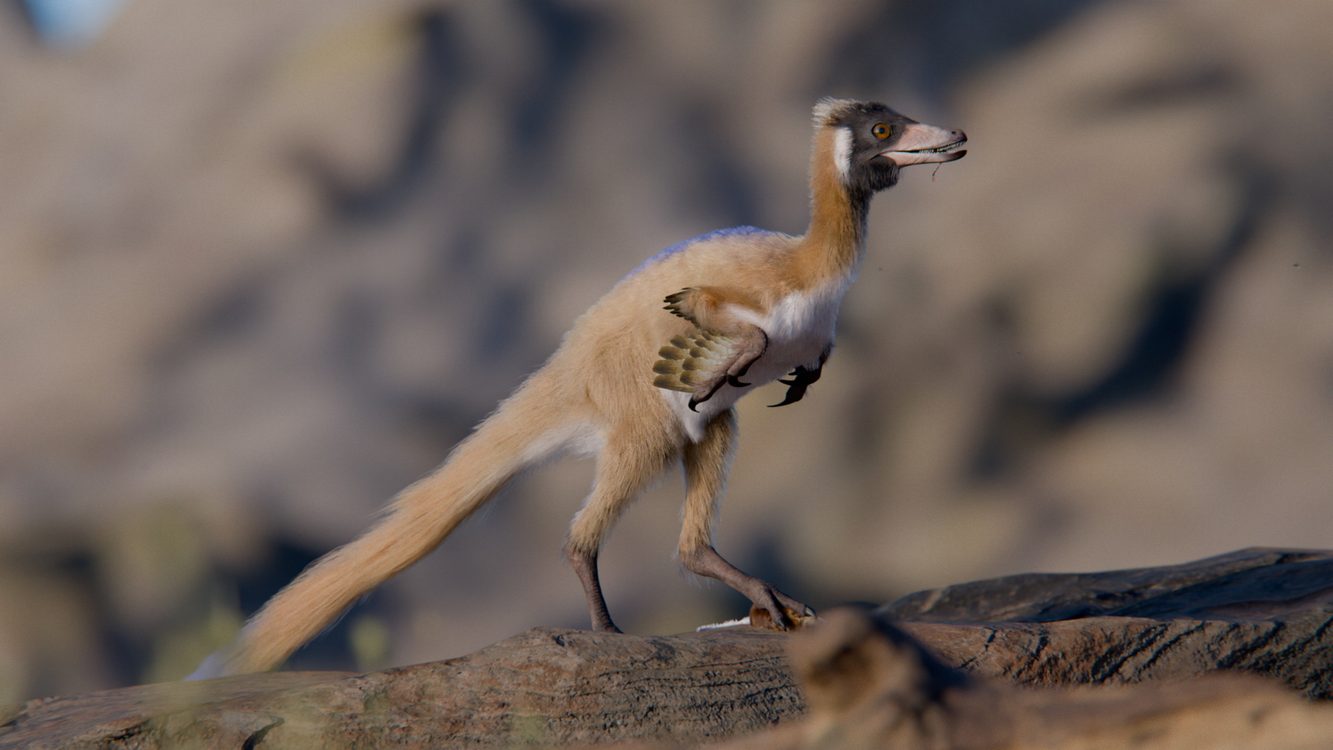
A team of North and South American scientists described Alnashetri cerropoliciensis as the “missing link”—not from dinosaurs to birds, as the phrase has often been used to describe—but for finally understanding a mysterious group of small, widespread prehistoric animals.
Yet further, they team likened the discovery of the dino’s near-complete skeleton to a “paleontological Rosetta Stone.”
Alnashetri belongs to a group of bird-like dinosaurs, known as Alvarezsaurs, that are famous for their tiny teeth and stubby arms ending in a single large thumb claw.
But, for decades, they have remained a mystery because most of the well-preserved fossils were found in Asia, while records from South America were fragmented and difficult to interpret.
In 2014, the almost complete fossil of Alnashetri was discovered in the northern part of Patagonia, Argentina, by an international team led by University of Minnesota Twin Cities researcher Professor Peter Makovicky and his Argentinean colleague Dr. Sebastian Apesteguía.
The newer, more complete specimen allowed the team to finally map the group’s strange anatomy, and they’ve spent the last decade carefully preparing and piecing together the fossils to avoid damaging the small bones.
“Going from fragmentary skeletons that are hard to interpret, to having a near complete and articulated animal is like finding a paleontological Rosetta Stone,” said Dr. Makovicky. “We now have a reference point that allows us to accurately identify more scrappy finds and map out evolutionary transitions in anatomy and body size.”
He says the discovery of the nearly complete skeleton opens up a new understanding of how its lineage evolved, shrank, and spread across the ancient world.
“We have already found the next chapter of the Alvarezsaurid story there, and it’s in the lab being prepared right now,” said Dr. Makovicky.
Microscopic analysis of the bones confirmed the animal was an adult at least four years of age. The largest species are the size of an average human, very small for dinosaurs, and Alnashetri itself weighed less than 2 lbs. making it one of the smallest dinosaurs known from South America.
Unlike its later relatives, Alnashetri had long arms and larger teeth, which the corresponding published research says proves that some Alvarezsaurs evolved to be tiny long before they developed the specialized features thought to be adaptations for an “ant-eating” diet.
The researchers said their worldwide distribution was caused by the breakup of the Pangea supercontinent.
“After more than 20 years of work, the La Buitrera fossil area has given us a unique insight into small dinosaurs and other vertebrates like no other site in South America,” said Dr. Apesteguía, a researcher at Universidad Maimónides in Buenos Aires, Argentina.
SHARE The Deep Insights Gleaned Into This Little Dino On Social Media…
Lunar Eclipse with Full Blood Moon Credit: Dejan Zakic For Unsplash+
Lunar Eclipse with Full Blood Moon Credit: Dejan Zakic For Unsplash+
The full Moon in March will appear orange-red in the early morning sky as a result of a total Lunar eclipse, and North Americans are positioned almost perfectly to see it.
Sometimes called a Blood Moon in the media for the coloration, it should probably be called a coral or a jasper moon, because it doesn’t look like any blood you’ve ever seen.
The eclipse peaks in the early morning hours on Tuesday, March 3rd, with totality occurring around 6:04–7:02 a.m. US Eastern Time (3:04–4:02 a.m. Pacific Time).
The explanation for why the Moon turns orange-red comes from how the light from the Sun breaches the atmosphere. Sunlight contains a full color spectrum, and different wavelengths possess not only different colors, but different properties. Blue light scatters easily, NASA writes, when it comes in contact with the atmosphere, which is why the sky appears blue during the daytime.
As the Earth passes between the Sun and Moon, red light from our star, which moves at a more direct and lower velocity, penetrates Earth’s atmosphere at a shallow angle and is cast on the Moon in red.
The difference between a ‘total’ and ‘partial’ Lunar eclipse is that in the former case, the Moon will pass into the deepest part of Earth’s shadow, known in eclipse jargon as the umbra, and the moment of totality. The Sun, Earth, and Moon will be in perfect alignment, with the shadow from the light of the former falling over the latter.
32 minutes either side of totality, the Moon will still be in Earth’s shadow, but not perfectly centered, and while still appearing orange-red the deepest red coloration won’t be seen. Sometimes that’s as close as the Moon will get to the umbra, and in this case it’s known as a partial Lunar eclipse.
This eclipse will be best viewed across western North America, Central America, and the western part of South America. Australia, New Zealand, and eastern Asia, can see it too.
SHARE This Great Moment To Get Out And Enjoy Nature With Your Friends…
Quote of the Day: “No man is above the law and no man is below it.” – Theodore Roosevelt
Photo by: Planet Volumes for Unsplash+
With a new inspirational quote every day, atop the perfect photo—collected and archived on our Quote of the Day page—why not bookmark GNN.org for a daily uplift?
Vladimir Remek - credit, Frank Leuband CC BY-SA 2.0 de,
48 years ago today, Vladimir Remek became the first person not of Soviet or American citizenry to enter space, when we wore the patch of his native Czechoslovakia up to the Salyut 6 space station onboard the Soyuz 28 mission. He is considered today the first astronaut of the European Union, some 30 years before its existence. Upon his return, he was widely celebrated across his native Czechoslovakia. Remek was only able to travel to space alongside a Russian cosmonaut, which prompted the popular joke: “Why didn’t the Soviets send up two Czechoslovak cosmonauts? Because they would’ve landed in West Germany.” READ about the mission and wider program… (1978)
Rare, mint condition 1st Edition, Charizard Pokémon card from Shadowless Base Set – Hansons Auctioneers / SWNS
Rare, mint condition 1st Edition, Charizard Pokémon card from Shadowless Base Set – Hansons Auctioneers / SWNS
An ultra-rare Pokémon card that cost $2 in 1999 just sold for a whopping $40,000 at auction.
The 1st edition Shadowless Base Set Charizard card is known as the “holy grail” to collectors and enthusiasts, according to Hansons Auctioneers.
The “mint condition” card went under the hammer as part of the UK’s largest ever sale of Pokemon cards, to celebrate the 30th anniversary of the Japanese multi-media franchise that captured the imagination of children and adults around the world.
Back in 1999, you could buy a pack of 11 Pokémon cards at any Woolworths for between $1.50 and $2.
“A Charizard was the rarest holographic in Base Set, so pulling one from a pack was like winning a mini lottery,” said Hansons’ Pokemon specialist David Wilson-Turner, who said 30 years on, Pokémon is undergoing a huge resurgence.
“Only 4,000 to 10,000 cards were produced, most of which were played with and are now dogeared – so to find one in mint condition like this one, which has a grading of 9 (out of 10), makes it all the rarer.”
Rare 1st Edition Charizard Pokémon Card sells for $40k -Hansons Auctioneers SWNS
Prices of rare and sealed products continue to skyrocket, with some cards and booster sets being resold at huge premiums.
“Pokémon is a market that has grown rapidly in recent years,” said auctioneer Charles Hanson, star of TV’s Bargain Hunt.
“It is the strongest it has ever been right now and will only continue to grow.
“Wealthy young people in their 20s and 30s who got into Pokémon when they were children are buying rare cards and prices began to spike a few years ago.”
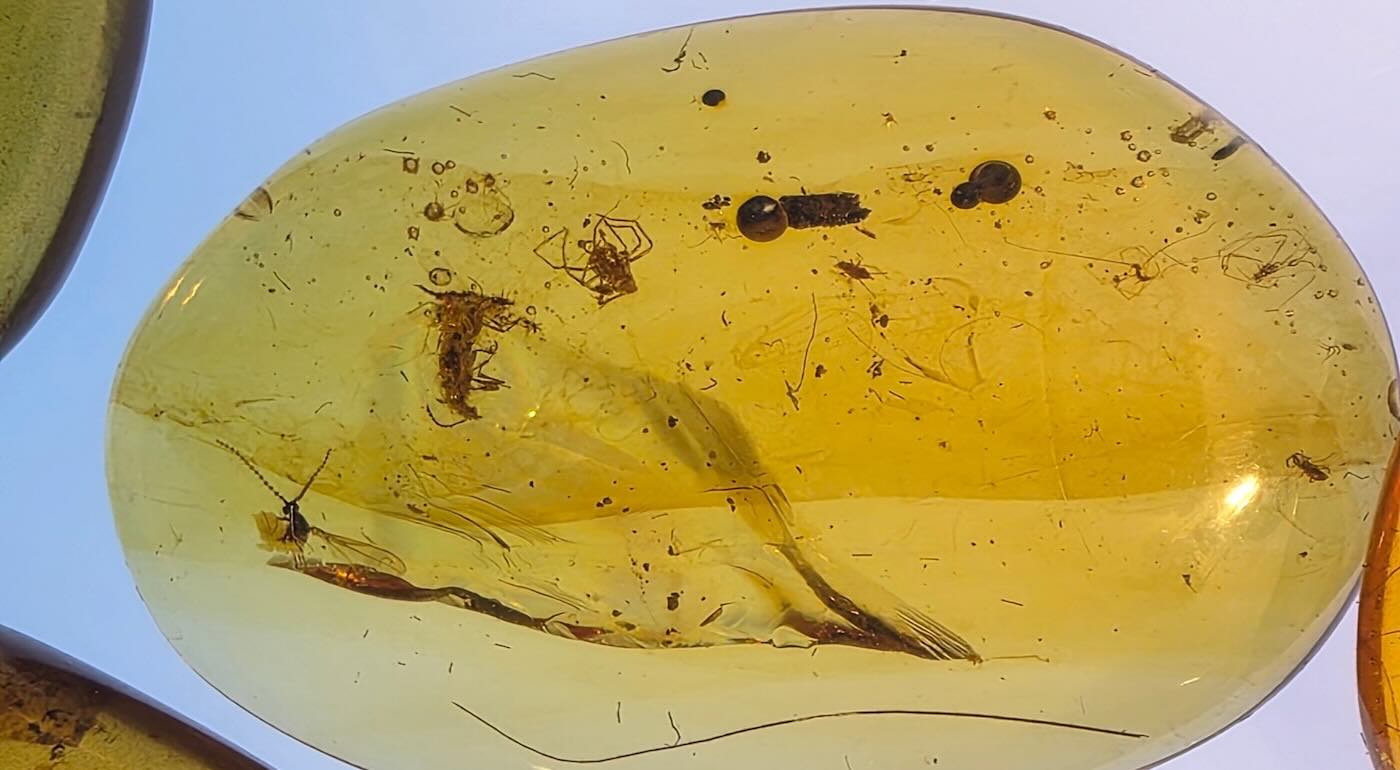
Amber in Case 6 – Credit: Dr Jose de la Fuente / Institute for Game and Wildlife Research
Amber in Case 6 – Credit: Dr Jose de la Fuente / Institute for Game and Wildlife Research
Insects play a critical role in ecosystems but, because they are so rarely preserved as fossils, it’s hard to study their roles from habitats millions of years old.
But fossilized tree resin can occasionally preserve an insect within its amber, freezing a moment in time.
Most rare of all is when the moment in amber contains multiple insects that were living in close proximity to each other–providing a priceless opportunity to learn more about their ecosystems in bygone geological eras.
The biggest question is: Were they pollinators, parasites, predators, or prey—or were they just ‘in the wrong place at the wrong time’?
In a new study, researchers in Spain analyzed six pieces of amber containing fossilized ants that lived alongside dinosaurs during the Cretaceous period.
The samples include several different organisms of different species, a rare phenomenon called ‘syninclusion’.
“Amber inclusions are representative of possible interactions between different organisms shaping the environment,” said study lead author Dr. Jose de la Fuente, of the Institute for Game and Wildlife Research in the city of Ciudad Real. “(They) provide a snapshot of life on Earth millions of years ago.”
Ants are considered particularly important to ecosystems. The earliest ants, which were first found in the Upper Cretaceous period 66 to 100 million years ago, are known as Stem ants and didn’t leave modern descendants. All ants alive today evolved from Crown ants.
Both species are found in the amber samples studied by the scientists, as well as Hell ants, which evolved from Stem ants.
The study, published in the journal Frontiers in Ecology and Evolution, included four pieces of Cretaceous amber around 99 million years old, one piece of Eocene amber from around 34 to 56 million years ago, and one piece of Oligocene amber from around 23 to 34 million years ago.
The scientists used powerful microscopes to examine the amber, and found three of the six pieces of amber contained ants in close proximity to mites.
In one piece of amber the scientists found a Crown ant, wasp, and two mites, so close to the ant that they may have been traveling on it. Another (known as Case 4) contained a Stem ant and a mite, about four millimeters apart (around 1/10 inch).
A further piece also contained three different species of ant close to a mite and some termites, as well as mosquitoes and a winged insect.
In another piece of amber, known as Case 6, the research team found a Stem ant, which seems to have been feeding on something, alongside a probable parasitic wasp and a spider. Another piece contains a Stem ant and a spider, while the other contained a Hell ant, a snail, a millipede, and some unidentifiable insects.
Dr. de la Fuente said the ant-mite interactions in Case 4 may reflect two possible scenarios: First, a relationship where mites attach to ants for free rides to new habitats, or second, one where mites feed on the ant host during transport.
But some evidence points to their relationship being mutually beneficial.
Future research could help clarify that by using micro-CT scanning to look for attachment structures on mites which would have allowed them to clamber onboard ants to travel.
He said the spider in Case 6 could camouflage itself as an ant and may have benefited from proximity to real ants.
It makes a person wonder what Charles Darwin would have perceived—and conceived of—had he been included in this fascinating research project.
We may need to allow our ‘flame’ for Yankee Candles to burn out, now that we’ve learned about this New Jersey small business that gives back to their community in life-changing ways.
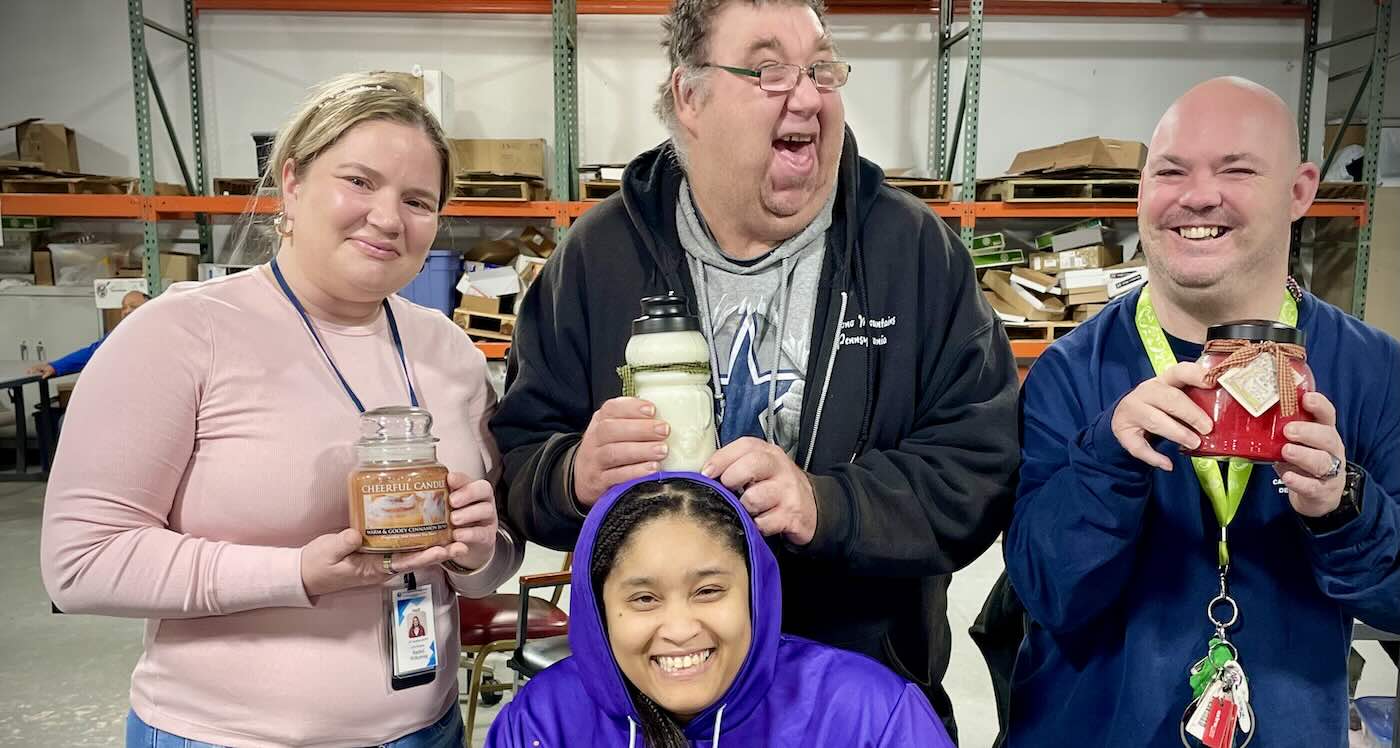
For over 20 years, the family-owned candle company has provided meaningful employment for adults with special needs, hiring them to place the wicks inside their delicious-smelling candles.
Founded in 1991, ‘A Cheerful Giver’ now sells to thousands of retail stores nationwide and has built a loyal following on Amazon.com—and for decades their commitment to inclusive employment has never wavered.
“These team members place the wicks in every candle we pour,” said the owners, Tony and Susan Gross. “They’re the heart of our operation.”
“How much they work is entirely up to them. There’s no pressure, no quotas—just purposeful employment and the pride that comes with being part of something real.”
The employees arrive through a partnership with Career Opportunity Development Inc (CODI), a New Jersey nonprofit founded by a group of loving parents 55 years ago to develop ways for young adults with disabilities to find work, vocational training, and housing.
Located outside of Atlantic City in Egg Harbor, CODI workers are employed in a number of different fields and get competitive wages that support their independence.
Courtesy of A Cheerful Giver
Each day, they work for as little as a few minutes, or as long as 6 hours.
“All of our wickers bring home a paycheck each day for all they’ve accomplished, building a sense of pride and purpose,” wrote Tony and Susan on their website.
“When you buy an A Cheerful Giver candle, you’re supporting a workplace that has given differently-abled individuals the opportunity to contribute, earn, and belong.”
Available in three sizes, every candle is hand-poured with premium paraffin wax, delivering a “powerful scent throw” that has made A Cheerful Giver so popular—and, they ship their products all over the world.
“I was a Yankee Candle zealot until I tried A Cheerful Giver,” said one fan. “The scent throw is unmatched… I can smell it throughout my entire house.”
But what makes the company stand out isn’t just how the candles perform. It’s who makes them.
“At Cheerful Giver, we are more than just another candle we; We are a proud American Company that makes our own products and gives back to ensure we are making a difference in the lives of others.”
RECOMMEND THE CANDLES: Share Their Flaming Good on Social Media…