Quote of the Day: “Nature uses human imagination to lift her work of creation to even higher levels.” – Luigi Pirandello
Photo by: Muralist Ernest Zacharevic paints among shrubbery in Kuala Lumpur
With a new inspirational quote every day, atop the perfect photo—collected and archived on our Quote of the Day page—why not bookmark GNN.org for a daily uplift?
2 years ago today, the chief of the Indian Space Research Organization (ISRO) exclaimed “India is on the Moon!” after the successful landing of Chandrayaan-3, the Indian Lunar lander. In doing so India became the fourth nation to operate on the Moon after the US, Russia, and China, while also beating Japan to our nearest satellite after their attempted mission failed after hitting a crater rim. India is the first-ever nation to visit the South Polar Region. READ more about this event from GNN’s coverage… (2023)
Pulsar B1509-58 and a hand-shaped nebula known as MSH 15-52 - credit, NASA / CXC / Un Hong Kong Zhang et al. via SWNS
Pulsar B1509-58 and a hand-shaped nebula known as MSH 15-52 – credit, NASA / CXC / Un Hong Kong Zhang et al. via SWNS
A coalition of telescopes have allowed astronomers to produce an image of the nebula MSH 15-52 in unprecedented color and detail.
Centered in the middle of the nebula is a pulsar, or the rapidly-spinning, extremely dense remnant of an exploded star. Captured together, some astronomers see in the mixture of the two the image of a hand.
NASA / CXC / Un Hong Kong Zhang et al. via SWNS
In 2009, NASA’s Chandra X-ray Space Observatory released a captivating image of this pulsar, designated B1509-58, located approximately 17,000 light-years from Earth.
Since then, astronomers have used Chandra and other telescopes to continue to observe this object. Now, new radio data from the Australia Telescope Compact Array (ATCA) has been combined with Chandra’s X-ray data to provide a fresh view of this exploded star and its environment, to help understand its peculiar properties and shape.
This tiny object, called a pulsar or neutron star alternatively, is responsible for producing the intricate nebula which spans over 150 light-years, or about 900 trillion miles.
The researchers from Chandra do not fully understand all that the data is showing them.
“One area that is perplexing is the sharp boundary of X-ray emission in the upper right of the image that seems to be the blast wave from the supernova.”
X-ray images of Pulsar B1509-58 and a hand-shaped nebula known as MSH 15-52 – credit, NASA / CXC / Un Hong Kong Zhang et al. via SWNS
“Supernova blast waves are usually bright in radio waves for young supernova remnants like RCW 89, so it is surprising to researchers that there is no radio signal at the X-ray boundary,” some of the study authors wrote in a statement.
Further work is needed to provide better understanding of the complex interplay between the pulsar and the supernova debris.
A patient’s of smell could be restored using radio waves without having to undergo surgery, according to new research.
Worldwide, there are actually very few effective treatments for those who have lost their sense of smell, perhaps from a brain injury. Treatments that do exist often use strong ‘scentas’ or medicines that can cause discomfort in patients.
Now, a new study by researchers in South Korea suggests that a “simple and painless” way to regenerate the olfactory is to utilize radio waves to directly target the part of our brain responsible for smell, without causing pain.
Researchers from Hanyang and Kwangwoon universities asked volunteers with a healthy sense of smell to sit while a small radio antenna was placed near, but not touching, their forehead.
For five minutes, the antenna gently sent out radio waves to reach the smell-related nerves deep in the brain.
Before and after the short treatment, the research team tested how well the patient could smell very faint odors, such as diluted alcohol or fruit scents.
The researchers also recorded the patients’ brain signals to see how active their smell nerves were.
The findings, published in the journal APL Bioengineering, showed that the method improved subjects’ sense of smell for over a week after just one treatment.
“The method is completely non-invasive—no surgery or chemicals needed—and safe, as it does not overheat the skin or cause discomfort,” said study author Professor Jang Yon-woong.
“This study represents the first time that a person’s sense of smell has been improved using radio waves without any physical contact or chemicals, and the first attempt to explore radio frequency stimulation as a potential therapy for neurological conditions.”
One potential weakness in the study pursuant to the idea that the method could help those with olfactory dysfunction is obviously that the patients didn’t suffer from it.
Being that the focus was on people with a normal sense of smell, however, the authors note it could help professionals such as perfumers, chefs, or sommeliers who need to distinguish aromatic subtleties.
Dr. Jang next plans to conduct a similar study on people with olfactory dysfunction such as anosmia, a complete loss of smell, or hyposmia, a reduced sense of smell.
“This will help us determine whether the treatment can truly benefit those who need it most.”
SHARE The News About This Pioneering Smellomedicine With Your Friends…
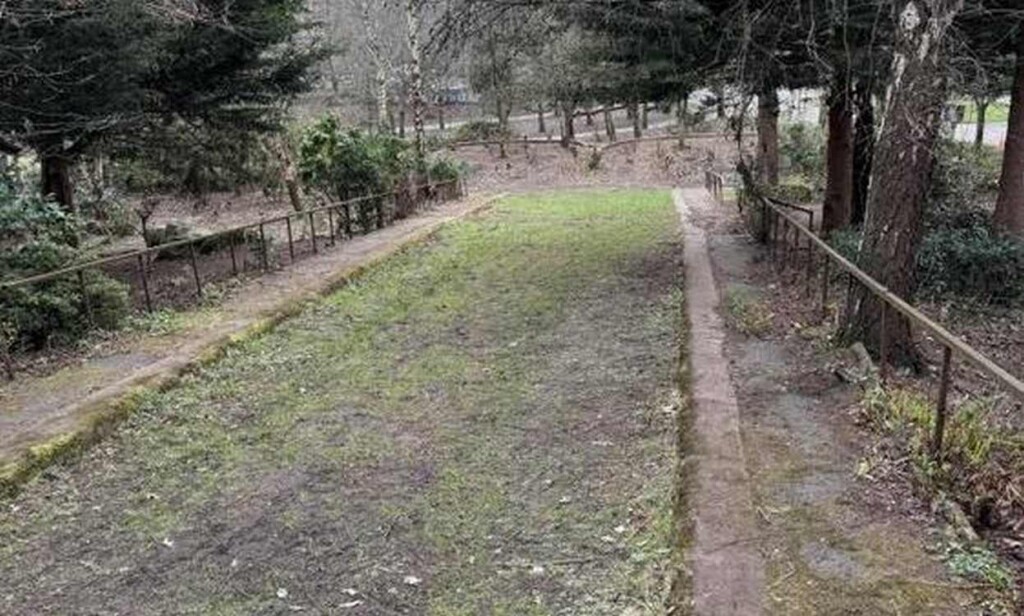
The remains of the slalom run - credit, Dr. Brophy via the Society of Antiquiries of Scotland
The remains of the slalom run – credit, Dr. Brophy via the Society of Antiquaries of Scotland
Though it might make someone feel old, a Scottish skatepark from 1978 is set to undergo archaeological excavation—with help from the city’s skaters who once hung out there.
Kelvin Wheelies in Glasgow was a radical design when it first opened to host the first Scottish Skateboard Championships. It incorporated a half pipe, several bowls, and a dual slalom run.
Just 5 years later, however, a dip in the popularity of skateboarding combined with a lack of maintenance led Kelvin Wheelies to be closed down and eventually buried under ruble and overgrowth in Kelvingrove Park.
Speaking with the Guardian, Dr. Kenny Brophy, a lecturer in archaeology at the University of Glasgow, who’s helping to organize the excavation said it was an opportunity to explore the city’s modern heritage.
“Glasgow city council spent £100,000 building it, which was a large investment at the time and it was designed with skaters in mind, and for teenagers who were involved in an activity that many people deemed to be antisocial and marginal,” he said.
It’s not everyday that archaeologists excavate with the help of people who were active at the site they’re digging down into, but with Kelvin Wheelies, that’s exactly what will happen for the volunteer excavation efforts.
Part of the university’s New Audience’s program, volunteers will work alongside middle-aged skaters who once used the park to dig several trenches down to the original concrete with hand-tools, just as if they were excavating a Roman villa.
Their hope is that they may expose some original 1980s graffiti.
“It’s such a rare opportunity for an archeologist that we’ll be digging the site with people that used it,” said Dr. Brophy said. “We’ll have skateboarders on site who used the park as teenagers and will be re-living that experience at the end of a trowel.”
SHARE This Rare Archaeological Opportunity With Your Friends…
Wang Tianyu, with people perched in his dozer scoop - credit, handout via SCMP
Wang Tianyu, with people perched in his dozer scoop – credit, handout via SCMP
A freak rain event dumped 40% of Beijing’s average yearly precipitation down in a single week, triggering floods.
From out of the chaos, Chinese social media rose to salute the “Bulldozer Hero,” Wang Tianyu, a business owner turned rescuer.
On July 28th far outside the city limits, Wang woke to an urgent phone call from his friend, asking the 35-year-old owner of a construction company to come help rescue an elderly couple that was trapped in a village.
Wang immediately got into his bulldozer and headed to the village through floodwaters 3 feet high.
Along the way, they encountered several others sheltering on the roofs of their homes. Wang would stop, raise the scoop, and allow them to jump down into it. Wang continued working all day ferrying people to the evacuation areas from their lowland homes. At one point, there were 10 people perched in his dozer scoop.
At times he carried firefighters and other rescue personnel out to affected areas in the scoop, before bringing people back the other way. South China Morning Post also reports that he used the bulldozer like a dam to allow rescuers to access flooded areas.
Quote of the Day: “Treat a work of art like a prince. Let it speak to you first.” – Arthur Schopenhauer
Photo by: Barbara Burgess
With a new inspirational quote every day, atop the perfect photo—collected and archived on our Quote of the Day page—why not bookmark GNN.org for a daily uplift?
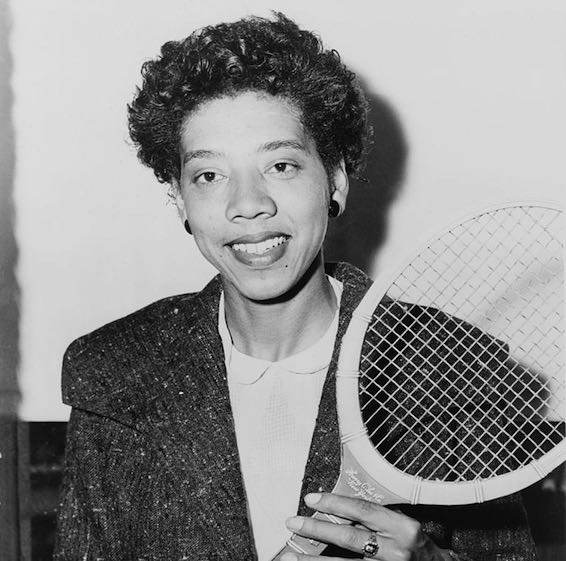
75 years ago today, Althea Gibson became the first black competitor in international tennis, after US officials, bowing to pressure, invited the 23-year-old to play in the National Championships (now the US Open). Born in South Carolina to sharecropper parents who moved to Harlem when Althea was six, their neighbors took up a collection to pay for her tennis lessons. SEE her accomplishments in a short video… (1950)
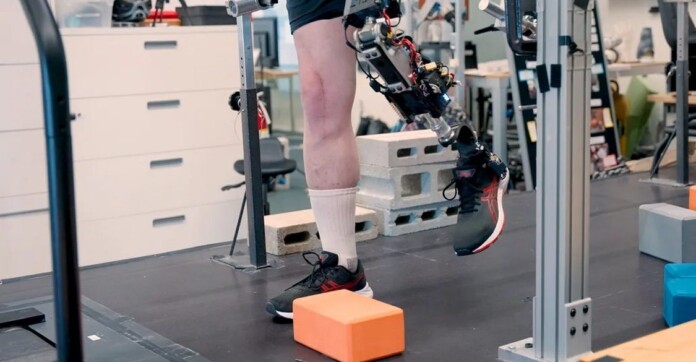
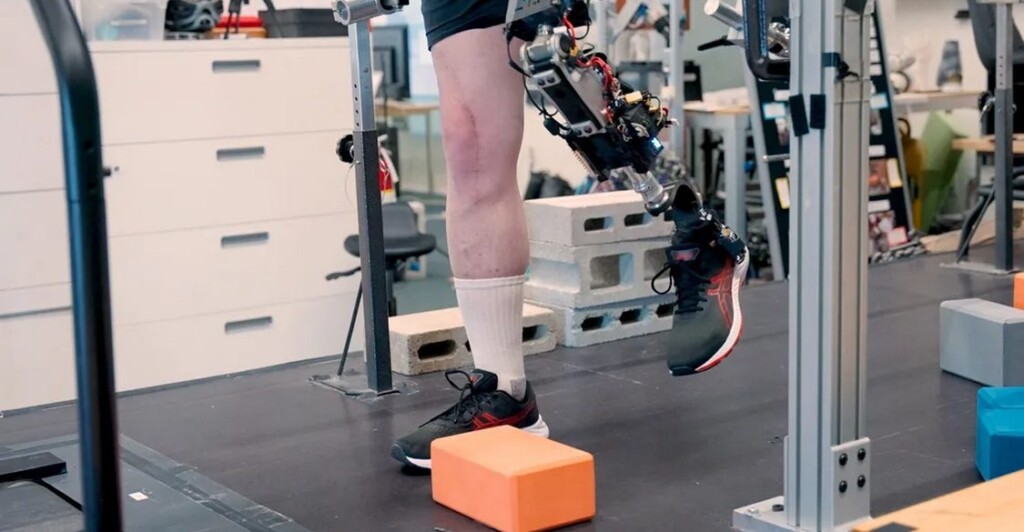
An advance in prosthetics 7 years in the making has jumped into life with a lower-leg device that feels more like a part of the body than any other commercially-available product.
Considered something like a prosthesis in three layers, tests have shown it to grant greater agility, comfort, and sense of “embodiment,” a sensation of oneness that’s usually reserved for upper body prosthetics.
“We actually are pushing the definition of what a prosthesis can be, and that’s why we say it’s a tissue-integrated prosthesis,” said Tony Shu, lead author of the study from MIT’s Yang Center for Bionics. “There’s a part that you will never be able to take off without another surgery.”
The three layers begin with a restoration of the push-pull function of muscles—in this case, with above the knee amputees—which was done by connecting the severed tissue directly to the prosthetic.
Along with being vital for using muscles with force, the push-pull function also gives a sense of “proprioception” or the natural awareness of where limbs are in space at any given moment.
The next layer is that of the bone—a titanium rod drilled directly into the severed femur. Almost all lower-leg prosthetics are a socket or a cup that’s placed over the patient’s stump, placing load on the soft muscle tissue that covers the end of the amputation, opening up the chance for nerve pain and chafing.
By reestablishing the natural load-bearing functions of bone, patients achieved lower fatigue rates and greater mobility.
The third layer is the robotic limb that’s attached to the skeletomuscular implants, which can be replaced as better technology becomes available over the next few decades.
In a series of tests performed at Massachusetts General Hospital/Brigham and Women’s Hospital, Shu was able to compare the fruits his 7 years of work with currently-available prosthetic options.
In tests of walking up and down stairs, as well as avoiding obstacles while walking, the three-layer prosthetic performed substantially better. It also scored higher in patients’ perceptions of whether the object was part of their body or just a tool, known as embodiment.
“Embodiment is actually hugely critical for patient well-being,” Shu says, according to Smithsonian Magazine. “This is one of the first studies that really actually asks a lower limb amputee, ‘How do you feel about your prosthesis?’”
Scientists not involved with the development or the study said the enhanced capabilities on top of a greater sense of agency was a very exciting development, as agency is directly tied to how much amputees trust their prosthetic.
In a way similar to an athlete learning to trust their body again after a bad injury, fully trusting the capabilities of one’s prosthetic may actually go farther than better neuro-muscular integration in allowing patients to unlock more of their missing performance.
WATCH the leg in action below…
SHARE This Really Cool Techno Leg With Your Friends On Social Media…
Rosie Paulik with her father, Buz - credit, courtesy photo
Rosie Paulik with her father, Buz – credit, courtesy photo
A woman who was blessed with a loving father as her pen pal while growing up has decided to share her gift—her father—with the world.
Starting the Dad Letter Project, she’s now connecting the love of letter writing among a group of fathers with a world of lonely, discouraged, or simply curious people.
The story centers around the heartwarming 30 year-relationship of Buz Ecker and his daughter Rosie Paulik. Whatever the event was—a weekend, the week before summer camp, the first day of university, the day she moved into her first apartment, Paulik would receive a letter from her dad in the mail.
Throughout her young life, she received a letter from dad virtually every 10 days, until a box in her house contained 3,500. With so many letters they often began to feel like journal entries, with dad Ecker actively narrating what was happening around him, or even small curiosities like the sandwich he was eating at the time.
Paulik’s 2-year-old son Andrew is now the recipient of the prolific paternal figure, but she began to wonder if Ecker’s gift could be used to spruce up both the world, and her dad’s retirement.
“Sometimes, you just need a dad to remind you that you’re doing great, to offer unsolicited life advice, or to tell you a joke so bad you have no choice but to laugh. It’s like a hug, but on paper,” the project’s website said.
“People wanted to hear from a dad. They wanted to hear from a father figure,” Paulik told ABC News about the Dad Letter Project. “So many people don’t receive anything in the mailbox besides maybe coupons and bills. [The dads] are coming up with words to say for you, they’re putting the address on the envelope, putting a stamp on it and sending it out. It’s so authentic and special.”
Ecker is currently spending his summer in Michigan, and he’s writing sometimes 3 or 4 letters to people a day. Such was the demand that Ecker and Paulik had to find other pen-happy dads to join the program.
Each participant requests a letter based around a topic or event in their lives, which may be somber or celebratory, or something else entirely.
Under cover of darkness in the north Italian city of Brescia, a masked man has become famous for performing “acts of urban love.”
Armed with a paint roller and the moniker “Ghost Painter,” this unknown citizen stalks the city streets, painting over graffiti left by vandals.
Like all Italian cities, going back to the days of the Roman republic and likely earlier, Brescia has seen its fair share of graffiti.
It can seem ludicrous that anyone would get the urge to vandalize the stately facades of buildings between 100 and 400 years old.
Nevertheless, it happens, and Ghost Painter ensures it “unhappens.”
Little is known about Ghost Painter, but he has revealed to passersby that he is in fact a painter by trade, who works during the day and emerges at night, hooded and masked.
“Not all heroes wear capes,” one commenter wrote in Italian while sharing the painter’s Tiktok video that had already racked up 4.7 million views.
TikTok page of Ghost Pitùr (@ghostpitur)
Once his work is done, he pastes a flyer on the wall—a calling card—reading “This is an act of urban love.”
WATCH the masked man in action below…
SHARE This Great Anonymous Hero With Your Friends On Social Media…
A pearl-bordered fritillary - credit, Devon Wildlife Trust
A pearl-bordered fritillary – credit, Devon Wildlife Trust
Two years ago, the UK government gave roughly $15 million to its own conservation organ called Natural England for the purpose of preventing species decline.
Now, its report card has arrived, and its A+ work has seen the recovery of 150 struggling or declining species.
Natural England used the money to fund 63 projects involving 78 different partners across the country.
For the nature lover, the list of wild beneficiaries of the work will gladden the heart. Standout achievements include a breakthrough for the iconic lady’s slipper orchid, with the first known case of natural propagation in the wild after over 30 years of dedicated work to collect seeds.
686 acres of vital nesting islands were created or enhanced for seabirds such as common tern, little tern and Sandwich tern. 56,000 plugs of food plants were laid for butterflies, such as marsh violet for the small pearl-bordered fritillary, and devil’s bit scabious for marsh fritillary, at the new sites.
A grant-funded breeding and supervised release program saw the first wild hatching of a red-billed chough in Kent for the first time in over 200 years. 633 new breeding areas (nest boxes and similar structures) were created through the program for otter, dormouse, bats, willow tits, and other birds.
Wetland habitat creation to benefit water vole – credit, Nottinghamshire Wildlife Trust
A huge focus as well fell on habitat creation or restoration, including over 642 acres of flower-rich grassland meadows, 1,000 acres of floodplain grasslands, 874 acres of broadleaf woodland, and 240 acres of marsh.
215 ponds and streams were dug or restored which became the new haunts of water voles and the rare Eurasian bittern.
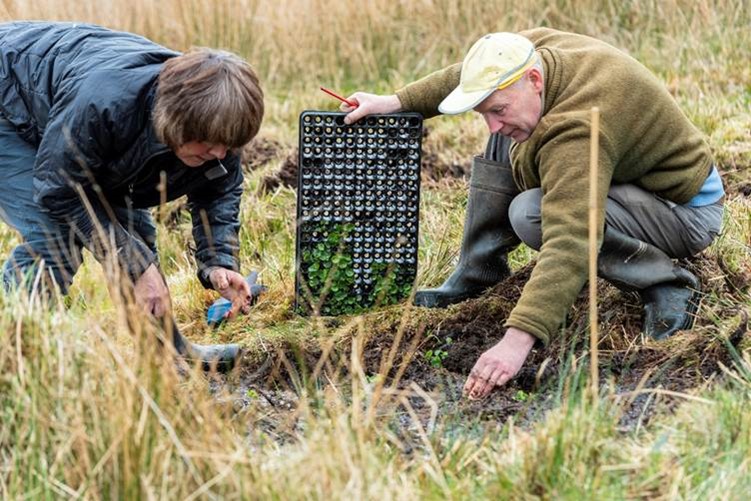
Volunteers were a huge part of these various grant-funded projects. 100,000 hours of volunteer work were donated by members of the public during the 2 years of operations, a component which Natural England said would form a vital backbone if these achievements are to be sustained and built upon.
Volunteers planting marsh violet – credit, Neil Harris, National Trust images
“This and a feeling of real engagement with an amazing natural environment has been a huge psychological boost for me,” said Steve, a volunteer with the ‘White Cliffs and White Chalk’ National Trust project.
“This has been, and continues to be, a great way to gain a better understanding of local ecology and to improve my understanding of the protected areas and species at risk.”
Natural England will shortly be making an announcement about future plans.
SHARE This Brilliant Arrest Of Species Decline In England On Social Media…
Quote of the Day: “I know the joy of fishes in the river through my own joy, as I go walking along the same river.” – Zhuangzi
Photo by: Ivan Stepanov @evil_bumblebee
With a new inspirational quote every day, atop the perfect photo—collected and archived on our Quote of the Day page—why not bookmark GNN.org for a daily uplift?
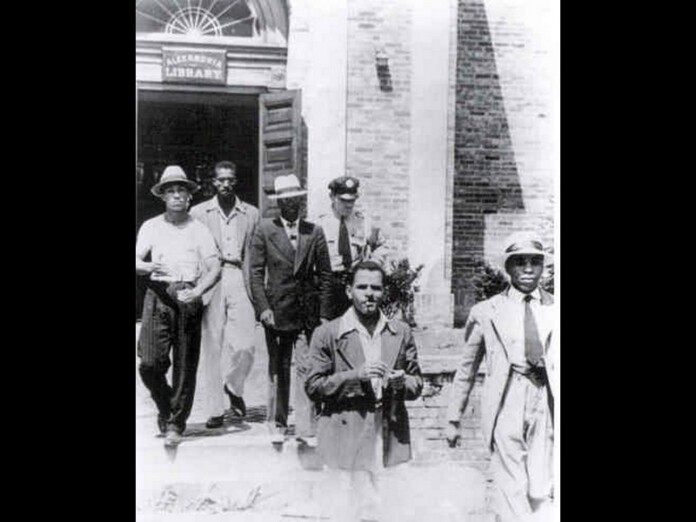
The Alexandria library prostestors led away by the police - public domain (Copy)
86 years ago today, civil rights protestors quietly entered the library in Alexandria, VA to stage a sit-in. One young black man, well-dressed and polite, entered and requested a library card. When he was declined, he picked up a book, sat down, and began to read just 2 minutes before another young African American repeated the same act. This continued until five young men were silently reading at tables, and the flustered library staff called the police. READ all the other details of this lesser-known moment in the Civil Rights Movement… (1939)
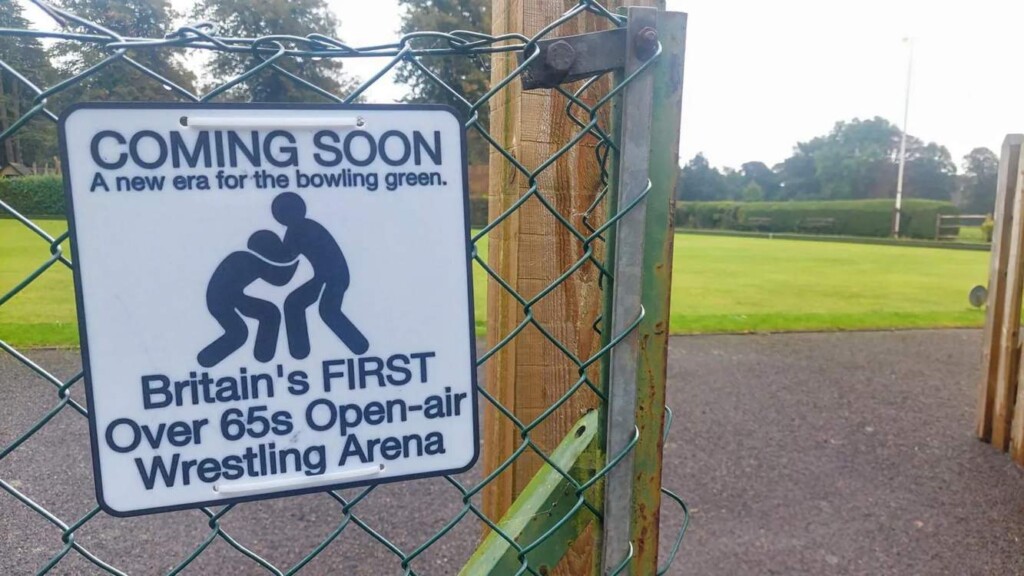
In a provincial English city, a man has taken it upon himself to address what he referred to as a “fun deficit” in town.
By placing humorous signs in the style of public notices and road signs around town, he hopes they will disarm people into seeing issues in a new perspective, whether that’s the fun he focuses on, or poorly managed roads.
Chichester is located in West Sussex, and was actually found in one study to be ranked as the best place to live in the historic county. However, the “Chichester Anti-Recreation Partnership” or CARP, as he refers to himself, says there are significant shortfalls in the amount of things that could be construed by any reasonable person as “fun.”
“I absolutely adore Chichester,” CARP told the BBC, explaining his modus operandai. “But it does have some notable gaps—particularly when it comes to fun and things for younger people to do.”
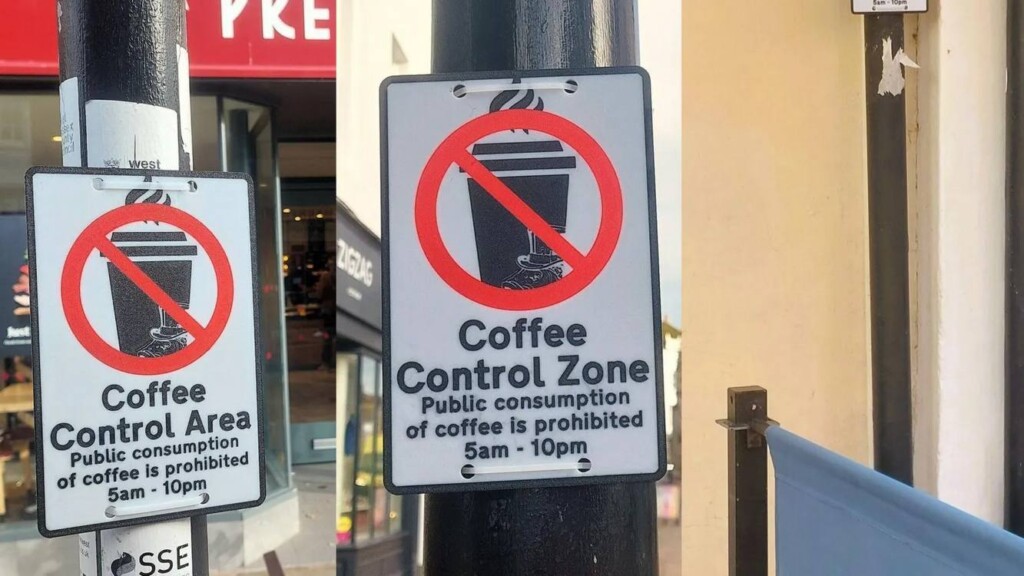
Attempting to brighten up the place, he has for some months been placing trick signs, noting for example that one was entering a “formal attire only zone” or a “coffee control area” monitored between 5:00 a.m. to 10:00 p.m.
“Humor has this unique ability to disarm people—it lowers their defenses and allows them to consider issues from a fresh perspective,” he said. “It reframes problems in a way that’s more approachable and less confrontational, which makes it easier to get your message across and spark discussions.”
– credit CARP, supplied– credit CARP, supplied
BBC spoke with the Chichester City Council, which “doth protest too much,” one might say.
Working hard, they noted, to put on more exciting events for all ages including light shows and concerts after dark, the council said they had been met with appreciation from the citizenry.
They currently run an “after dark” working group to collect views on what young people would like to see in the future. Young people are a very important part of the community, they state, again noting a sum of $1.3 million currently earmarked for play area refurbishment.
CARP, however, isn’t waiting around. His handiwork gains traction on social media, and even though the council takes his signs down very quickly, they can’t stop him from sharing images of them online.
He says he isn’t concerned about what becomes of the signs, so long as they spark a smile, a laugh, a conversation, or, in the best case scenario, action to make Chichester a more fun-focused borough.
SEND Your Friends A Laugh On Social Media With This Funny Story…
The TAR-200 bladder cancer treatment - credit, Johnson & Johnson
The TAR-200 bladder cancer treatment – credit, Johnson & Johnson
Staggering results have been reported from a clinical trial of a new delivery method for chemotherapy drugs used to treat bladder cancer.
Keck Medicine of USC reports that in the majority of cases the cancer disappeared after only three months of treatment, and almost half the patients were cancer-free a year later.
The system is called TAR-200, and is composed of a pretzel-shaped delivery device that’s inserted into the bladder. Its slow release of the drug gemcitabine allows this chemotherapy medicine to stay in the organ for days, compared to mere hours as is the case with the current standard-of-care.
TAR-200 is designed for treating high-risk and treatment-resistant non-muscle-invasive bladder cancer, the most common form.
“Traditionally, these patients have had very limited treatment options. This new therapy is the most effective one reported to date for the most common form of bladder cancer,” said Sia Daneshmand, MD, director of urologic oncology with Keck Medicine of USC and lead author of a study detailing the clinical trial results published in the Journal of Clinical Oncology.
“The findings of the clinical trial are a breakthrough in how certain types of bladder cancer might be treated, leading to improved outcomes and saved lives.”
The trial was a major undertaking—involving 144 locations worldwide and 85 patients who had this kind of bladder cancer, were treated with another immunotherapy drug called Bacillus Calmette-Guérin, and whose cancer returned.
Keck Medicine reports that the TAR-200 was administered every 3 weeks for 6 months, and then 4 times a year for the next 2 years.
In 70 out of 85 patients, the cancer disappeared and for almost half the patients, was still gone a year later. The treatment was well-tolerated, with minimal side effects, the institute concluded.
Daneshmand, who has been researching this method of drug delivery since 2016, said that the trials mark “an exciting moment in history.”
“Our mission is to deliver cancer-fighting medications into the bladder that will offer lasting remission from cancer, and it looks like we are well on our way toward that goal.”
SHARE This Revolution In Bladder Cancer Treatment With Your Friends…
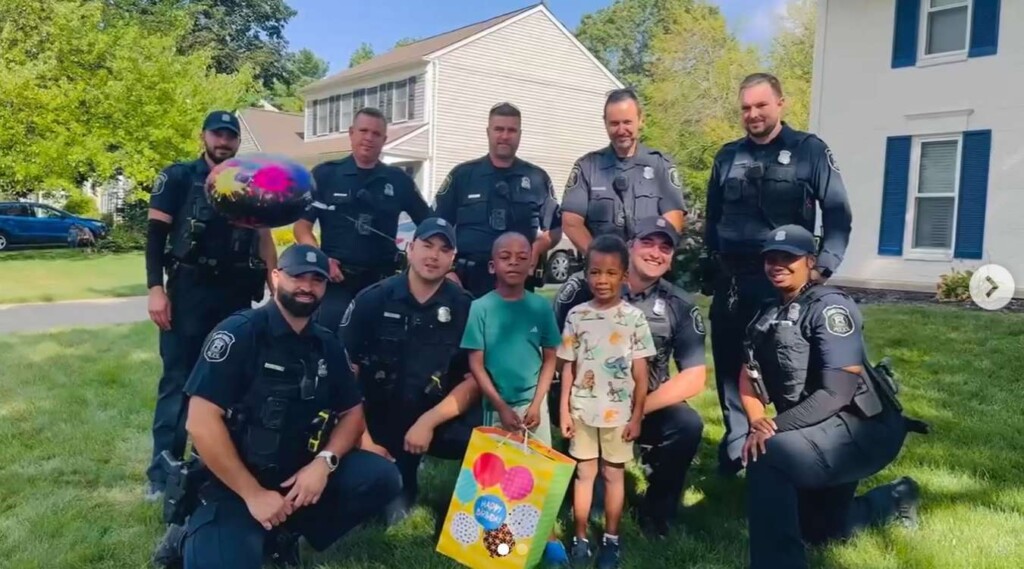
When a precocious 4-year-old called 911 to talk about his favorite sports, the officers ensured he learned a valuable lesson.
From Farmington Hills, Michigan, comes the story of Micah, who dialed emergency services and began chatting about how much he loves soccer and swimming.
The call developed into a friendly chat, but that didn’t stop the station’s dispatchers from sending out Officer Michael El-Hage, to be certain all was well.
It’s actually standard issue to deploy officers in the case of accidental child 911 calls, just in case the child became too shy—or too pressured—to speak about what they had originally called for.
Arriving though, El-Hage found all was well, and was soon chatting away yet again with Micah and his brother Mitch about sports. El-Hage showed the pair the inside of his police cruiser.
“During the visit, we learned Mitch was celebrating his birthday on Sunday—so our day shift team came together to make his special day even more memorable,” the Farmington Hills Police Department wrote in an Instagram post.
Speaking with WDIV, Officer El-Hage explained that he told the boys that he hoped he’d be able to come back Sunday, but truly didn’t know whether it would be possible.
As it happened, he was free, and returned with birthday presents—a new soccer goal and a police cap and badge.
“I just did it for the kids, honestly,” El-Hage said, noting he had a son himself. ”I just see my son there, so being a dad I think every day I can understand that that’s what it’s about for me.”
“While accidental 911 calls do happen, we always want kids to feel safe and comfortable reaching out to us,” the post concluded. “Turning a small mistake into a moment of connection is what community policing is all about.”
On the island of Borneo, forest-dwelling communities have become key to ensuring that orangutans have enough intact forest to survive and thrive down the centuries.
Documented by the Nature Conservancy, which is assisting in establishing and equipping these forest communities for conservation, these communities maintain millions of acres of forests for sustainable economic use and conservation.
This includes logging, but research has shown that when legitimate, transparent logging operations cease, their former land concessions become akin to a no man’s land, and are taken over by illegal logging circuits, poaching, and agriculture.
Instead, by logging small numbers of mature trees one small area at a time over a 30-year time horizon, the forest doesn’t shrink, and the communities can use profits from the hardwoods to sustain their families, and ensure that areas of intact forest remain poacher free.
Areas like the vast Kutai National Park suffer from similar problems as the logging concessions, the Nature Conservancy writes. Their remoteness acts as a curtain to hide illegal activities.
But 80% of orangutans live beyond the borders of protected areas, often very near forest villages. Because of this, an estimated 1.3 million acres of forest habitat is now protected by local forest guardians for the benefit of ecotourism, honey production, scientific research and of course, conservation.
Support from the Indonesian government, which controls the majority of Borneo, the world’s third-largest island, helps the guardians manage their land concessions, while interest from the international community has also led to large-scale donations from companies like Arhaus, a furniture maker.
Matt Miller, the Nature Conservancy’s director of science communications, visited these community concessions, and saw first hand how they view their future as guardians of the forests.
“The communities are the leaders here. They are the key to the conservation of Borneo’s forests and biodiversity,” a local program director told Miller. “We are here to support them. We can provide science and help them shape what they want their future to be. But this is the reflection of their dream.”
SHARE This Encouraging Trend Towards Sustainable Land Management…
Quote of the Day: “The old cathedrals are good, but the great blue dome that hangs over everything is better.” – Thomas Carlyle
Photo by: Gabriel Lamza
With a new inspirational quote every day, atop the perfect photo—collected and archived on our Quote of the Day page—why not bookmark GNN.org for a daily uplift?
Happy 90th birthday to the former Congressman from Texas, Dr. Ron Paul. Before serving three terms as representative of the 22nd and 14th Congressional districts, the country doctor delivered an average of 1 baby per day, amounting to over 4,000 little ones because he was the only OB/GYN in Brazoria County. READ more about America’s most famous Libertarian… (1935)