













94 years ago today, Johnny Cash was born. The American singer-songwriter, guitarist, and author was widely considered one of the most influential musicians of the 20th century and one of the best-selling music artists of all time, having sold more than 90 million records worldwide. Although primarily remembered as a country music icon, his genre-spanning songs embraced rock and roll, rockabilly, blues, folk, and gospel. This crossover appeal won Cash a rare honor: multiple inductions in the Country Music, Rock and Roll, and Gospel Music Halls of Fame. WATCH Cash perform in San Quentin Prison… (1932)
Radioactive Isotopes Being Embedded in Rhino Horns Seen as ‘Magical’ Anti-Poaching Solution
Reprinted with permission from World at Large News
In South Africa, a strategy 6 years in the making to protect rhinos from poaching, as ingenious as it is dramatic, is now being implemented on the ground in the country’s game reserves and parks.
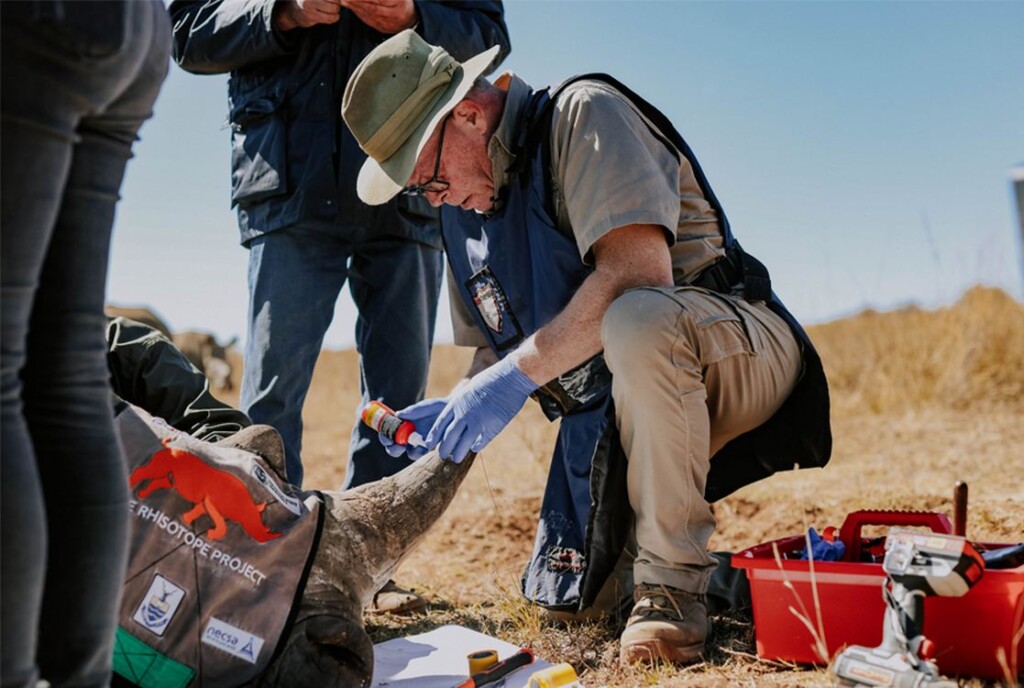
Called the Rhisotope Project, it involves embedding non-harmful radioactive isotopes into the horns of rhinos, thereby rendering them impossible to traffic across borders due to existing infrastructure at seaports and airports to prevent nuclear terrorism and proliferation.
Even if the isotope is found and removed, the residue on the horn—and anything it touches—can be detected. Undertaken by the University of Witwatersrand-Johannesburg, field tests have confirmed that the radioactivity of the isotopes can be identified even if a single horn is hidden inside a standard, 40-foot steel shipping container.
The Rhisotope Project was launched, a release from “Wits” University elaborates, to combat the high levels of illegal poaching of South Africa’s rhinos. Home to the largest population of the rhinoceros species anywhere on Earth, South Africa has been combatting rhino poachers, as they threaten to wipe out the already small populations of white rhino (Ceratotherium simum) and black rhino (Diceros bicornis), classified by the International Union for Conservation of Nature (IUCN) as “Near Threatened” and “Critically-Endangered” respectively.
“Our goal is to deploy the Rhisotope technology at scale to help protect one of Africa’s most iconic and threatened species. By doing so, we safeguard not just rhinos but a vital part of our natural heritage,” Jessica Babich, CEO of the Rhisotope Project, said in a statement.
Roughly 11,000 machines capable of detecting radiation are installed at points-of-entry across the world’s 200-odd countries, and have been designed to allow staff to make such detections with minimal effort and training. By contrast, few places have infrastructure or training programs that specialize in detecting trafficked animal parts.
There was skepticism early on about whether the radioactive material would hurt the rhinos, but other conservationists working to protect the mega mammals have called it “a magical idea”.
A decade in the making
“There was an attempt to use nuclear technology back in 2015/16 when a completely different group was trying to work with NECSA (Nuclear Energy Corporation of South Africa) and some major funding to see if using nuclear technology to protect rhinos was feasible. But it wasn’t, they gave it up very, very quickly because the type of technology they were using wasn’t going to work in the field,” Babich told WaL.
She explained that it was overly cumbersome, and the idea was later put to Professor James Larkin, Chief Scientific Officer of the Rhisotope Project and scientist specializing in radiology at Witwatersrand University. It was he who proposed using isotopes.
“The idea grew out of a question of whether or not radioactivity could be used to ‘poison’ a horn,” Professor Larkin told WaL via email. “From my point of view that is an emphatic ‘no’. I came up with the idea to use radioactive seeds to devalue the horn and make it much easier to track across international borders. So basically the idea, good or bad, is mine”.
NECSA and Wits worked together with the International Atomic Energy Agency (IAEA) to advance Larkin’s idea, and in 2024, inaugurated a testing phase at a rhino nursery in the UNESCO Waterberg Biosphere Reserve in the northern province of Limpopo. The animals were monitored 24/7 for 6 months for any signs that the radioisotopes might have been affecting them.
Then, using a technique known as biological dosimetry, researchers cultured blood samples and examined the formation of micronuclei in white blood cells—a proven indicator of cellular damage. No such damage was found in the 20 rhinos, and represented a major step in the feasibility of nuclear-powered wildlife trafficking prevention.
“We have demonstrated, beyond scientific doubt, that the process is completely safe for the animal and effective in making the horn detectable through international customs nuclear security systems,” Professor Larkin said last summer.
Private rhinos, public good
For the observer, one characteristic of South African wildlands and wildlife that might seem like an impediment to the project is the fact that thousands of rhinoceroses live on privately-owned land.
“Private rhino owners in South Africa are incredibly important. Believe it or not, the vast majority [sic] are privately-owned rhinos—greater than that in national parks like Kruger,” Babich said. “All of the populations are incredible important, but as a not-for-profit company we are actively looking for partners and collaborators to gain funding support so that we can offer to treat as many rhinos as possible as quickly as possible, and we are in discussions with quite a few people and places that would like the technology put in”.
PREVENTING POACHING: India’s Rhino Stronghold Sees 86% Drop in Poaching and Five-Fold Increase in Rhinos
1 kilogram of rhino horn on the black market has been reported widely to cost around $65,000, which would make the double-horned black rhinoceros worth $130,000 dead. As has been repeated exhaustively, the material of a rhino’s horn is the same as that of a human’s fingernails and hair: keratin, a simple, crude protein that confers no medicinal properties despite the horn’s use as a medicinal tea.
Various strategies have been employed to combat rhino poaching, from funneling millions into the arsenals and training camps of anti-poaching security teams, to one man’s quest to breed captive rhinos and farm them for their horns with the intent to flood the market, crash the price, and disincentivize the poachers.
Babich explained that if using radioisotopes does deter poachers, it would save the nation’s private landowners whose lands include rhinos a lot of money that they are otherwise paying to hire, train, and equip anti-poaching security teams, and to de-horn rhinos, another of the common anti-poaching strategies. That, though, has to be done every 18 to 24 months.
“With the isotopes the rhino gets to keep its horn, and we only have to come back after a 5-year period just to top up the dosage, so it will ultimately be more cost-effective in the long-run”.
One of the nuclear scientists from Witwatersrand University involved at the periphery of the project was Professor Nithaya Chetty, dean of the science faculty at Wits. He had previously told Africa News that studies on de-horned rhinoceroses showed that even though it’s somewhat effective at deterring poachers, it negatively affects the rhinos’ social habits and hierarchy.
MORE STORIES LIKE THIS: Nuclear Waste from Unused Weapons Is Being Safely Turned to Glass After Leaking for Years
Having seen the project move from a face-to-face proposal, to a rough idea, to development, testing, success, and deployment, Professor Larkin was contemplative when asked about it.
“Feelings? A certain amount of pride that I have done the research and shown the idea is viable,” he told WaL. “Hope that the idea is taken up at scale and maybe the hope that we have really made a difference to the rhino population and they are around for a few more generations”. WaL
WATCH the testing in action below…
SHARE This Ambitious Way To Protect These Magnificent Creatures…
After Soccer Ball Slams into Seagull, Watch a Player Use CPR to Gently Revive it (WATCH)


A soccer player for an amateur league team in Istanbul had to unexpectedly deputize as an emergency veterinarian during a match in the Turkish city last weekend.
The goalkeeper for a team playing in red went to boot the ball upfield, but instead left the entire pitch in shock when the ball traveled a mere 20 yards and walloped a passing seagull.
The bird hit the turf, seemingly dead.
The event was captured on video and shared on the soccer channel of the social media site Reddit, which revels in amateur league bizarrities, from Turkey more than most, where other recent videos include a referee allowing play to continue with two balls on the pitch, another where a sideline referee had a bicycle thrown at him from the stands, and a third where a referee in a third-tier league was filmed conducting a grass inspection despite more than a foot of snow covering the pitch.
A player wearing number 5 ran over, turned the bird on his back, and was filmed performing CPR in an earnest attempt to save it, while teammates and opposition players surrounded to watch.
At one point, the player seems to give up, but then carries on until he sees signs of life in the bird.
Ferrying the animal off the field, he was directed to the medical staff who entered the pitch through a chain-link fence, took the seagull, and the game was allowed to continue.
Only in Turkey, the headline might have read.
WATCH the seagull saga below…
Goalkeeper in Istanbul's amateur league hit a seagull; a player performed CPR, resuscitated it, and handed it to medical staff.
by u/PrimedGold in soccer
SHARE This Funny-Not-Funny Video Of A Live-Saving Intervention…
Bride Goes Viral on Wedding Night Dancing While Doing Vital Cystic Fibrosis Treatment (WATCH)


A bride who was filmed dancing at her wedding reception while undergoing treatment for cystic fibrosis has gone viral.
“CF doesn’t stop no party ✨” was Dannika Evans’ opinion when she posted the video to her TikTok account, where she was doing her best to dance while wearing a special oscillation vest with a nebulizer stuck between her teeth.
20-year-old Dannika married her fiancé Bo Evans, 23, last June in Sioux Falls, South Dakota.
20 might seem young in this day and age, but cystic fibrosis has the effect of altering the perception of time among patients, particular regarding how much is left.
Parents of children born with cystic fibrosis, a genetic disease that leaves the patient extra-susceptible to lung infections, are often cautioned not to grow too close to them. Mortality from the disease is high among children, but many, like Dannika, make it to adulthood.
In Dannika’s case, a twice-a-day treatment involves a nebulizer and high-frequency chest wall oscillation (HFCWO) vest to help open her lungs, which can often become clogged with overly-thick mucous-like secretions.
The bride-to-be did her treatment combo the morning of the wedding, and expected she might have to do it during the reception that evening.
“Knowing that I had to do treatments the night of my wedding, doing them on the dance floor with everyone I love surrounding me seemed like the best option,” Dannika told PEOPLE Magazine. “While energy was high, we had the time of our lives dancing the night away while I was shaking!”
The video of her dancing amassed 2.2 million views, and thousands of positive comments praising her bravery and attitude.
“As a CF patient myself I feel so much joy seeing other CF people sharing the happy parts of their life,” one comment read.
INSPIRING WEDDING SAGAS:
- Bride’s Venue Burns Down Only for Her Big Day to Rise from the Ashes, ‘It took a village’
- When Tornado Interrupts Wedding They Had First Dance in Basement Shelter: ‘Restored my faith in humanity’
- ‘Miracle’ Drug Has Young Girl Running Dancing and Swimming Again Despite Cystic Fibrosis
“Most of the comments are from ‘CFers,’ respiratory therapists, or parents of CF patients,” Dannika said.
“Knowing that I can reach people just like me, gives me hope to keep posting my life journey with CF. I hope it gives people a new perspective of the disease. Cystic fibrosis can take, take, and take, but you can fight back! With joy, patience, and doing EVERYTHING you can to stay as healthy as possible.”
This does seem to be the prevailing attitude of those who survive childhood, with ‘CFers’ frequently incorporating truly impressive wellness and fitness regimes into their lives and remaining rigorously disciplined to them.
WATCH the video below…
@dannikaspam CF doesn’t stop no party ✨ #cysticfibrosis #weddingday #weddingdance #wedding #trends ♬ Inside Out Joy - Sweet Dreams & D'Michel Leb
CELEBRATE Young Love And Young Resilience With Your Friends…
5,000-yo Bacteria Shows Antibiotic Resistance Is Ancient, Which May Help Us to Combat it


Long before antibiotics were invented, biotics—i.e. bacteria—had developed resistance to them.
When researchers examined a bacterial strain called Psychrobacter discovered in 5,000-year-old layers of cave ice, they found it was resistant to 10 modern antibiotics.
Yet it also showed promising enzymatic activities and could inhibit the growth of ‘superbugs’ resistant to multiple antibiotics, and besides this, its genetics harbored clues to the evolutionary origin of resistance.
Bacteria have evolved to adapt to all of Earth’s most extreme conditions, from scorching heat to temperatures well below zero. Ice caves are just one of the environments hosting a variety of microorganisms that represent a source of genetic diversity that has not yet been studied extensively.
Now, researchers in Romania tested antibiotic resistance profiles of a bacterial strain that until recently was hidden in a 5,000-year-old layer of ice from underground Scarisoara Ice Cave, and found it could be an opportunity for developing new strategies to prevent the rise of antibiotic resistance and study how resistance naturally evolves and spreads. They reported their discovery in Frontiers in Microbiology.
“The Psychrobacter SC65A.3 bacterial strain isolated from Scarisoara, despite its ancient origin, shows resistance to multiple modern antibiotics and carries over 100 resistance-related genes,” said author Dr. Cristina Purcarea, a senior scientist at the Institute of Biology Bucharest of the Romanian Academy.
“But it can also inhibit the growth of several major antibiotic-resistant superbugs and showed important enzymatic activities with important biotechnological potential.”
Psychrobacter SC65A.3 is a strain of the genus Psychrobacter, which are bacteria adapted to cold environments that can cause infections in humans or animals.

Dr. Purcarea and her team drilled a 25-meter ice core from the area of the cave known as the Great Hall, representing a 13,000-year timeline. To avoid contamination, the ice fragments taken from the core were placed in sterile bags and kept frozen on their way back to the lab. There, the researchers isolated various bacterial strains and sequenced their genome to determine which genes allow the strain to survive in low temperatures and which confer antimicrobial resistance and activity.
They tested for resistance of the SC65A strain against 28 antibiotics from 10 classes that are routinely used to or reserved for treating bacterial infections.
“The 10 antibiotics we found resistance to are widely used in oral and injectable therapies used to treat a range of serious bacterial infections in clinical practice,” Purcarea pointed out. Diseases such as tuberculosis, colitis, and UTIs can be treated with some of the antibiotics that the researchers found resistance to, including rifampicin, vancomycin, and ciprofloxacin.
SC65A.3 is the first Psychrobacter strain for which resistance to certain antibiotics— including trimethoprim, clindamycin, and metronidazole—was found, despite it last seeing daylight during the Stone Age. Those antibiotics are used to treat UTIs, infections of lungs, skin, or blood, and the reproductive system. SC65A.3’s resistance profile suggests that strains capable of surviving in cold environments could act as reservoirs of resistance genes, specific DNA sequences that help them survive exposure to drugs.
The team described them as both a threat and a promise.
OTHER INNOVATIVE DISCOVERIES: ‘Music to my Ears’: New Malaria Drug Succeeds in Large Clinical Trial to Combat Resistance
“If melting ice releases these microbes, these genes could spread to modern bacteria, adding to the global challenge of antibiotic resistance,” Purcarea said. “On the other hand, they produce unique enzymes and antimicrobial compounds that could inspire new antibiotics, industrial enzymes, and other biotechnological innovations.”
In the Psychrobacter SC65A.3 genome, the researchers found almost 600 genes with unknown functions, suggesting a yet untapped source for discovering novel biological mechanisms. Analysis of the genome also revealed 11 genes that are potentially able to kill or stop the growth of other bacteria, fungi, and viruses. The first ever antibiotic was penicillin, which was isolated from fungi.
ON THE SUBECT OF BACTERIA: Potential New Source for Drugs to Fight Antibiotic-Resistant Bacteria Found Deep in Arctic Ocean
Such potential is becoming ever more important in a world where antibiotic resistance is a growing concern. Going back to ancient genomes and uncovering their potential highlights the important role the natural environment played in the spread and evolution of antibiotic resistance.
“These ancient bacteria are essential for science and medicine,” Purcarea concluded.
SHARE This Incredibly Unexpected Discovery With Your Friends…
“If you’re going to do something tonight that you’ll be sorry for tomorrow morning, sleep late.” – Henny Youngman

Quote of the Day: “If you’re going to do something tonight that you’ll be sorry for tomorrow morning, sleep late.” – Henny Youngman
Photo by: Joshua Rawson Harris
With a new inspirational quote every day, atop the perfect photo—collected and archived on our Quote of the Day page—why not bookmark GNN.org for a daily uplift?

Good News in History, February 25

298 years ago today, John Wood the Younger, a famous British architect who gave the nation such famous works as the Royal Crescent and the Circus in Bath, was born. His craft and determination in succeeding in his father’s storied reputation as a Bath builder elevated the cityscape to be one of the most striking and romantic of any in Britain. His magnum opus is without question the Royal Crescent, a row of 30 terraced houses laid out in a sweeping crescent of Palladian splendor, considered the finest example of Georgian-era architecture outside London. READ more about his works… (1728)
Good Samaritans Sprang into Action to Save Baby That Fell into Lake Michigan
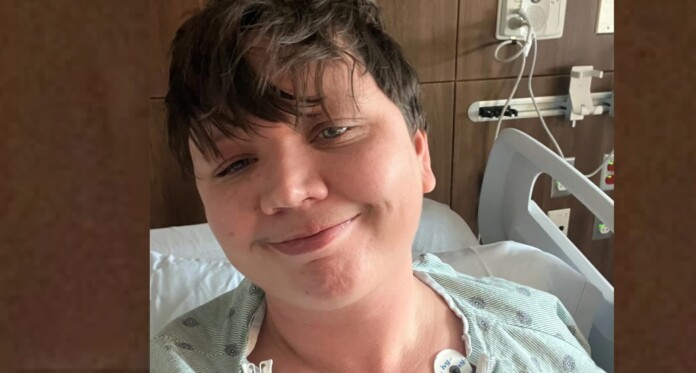
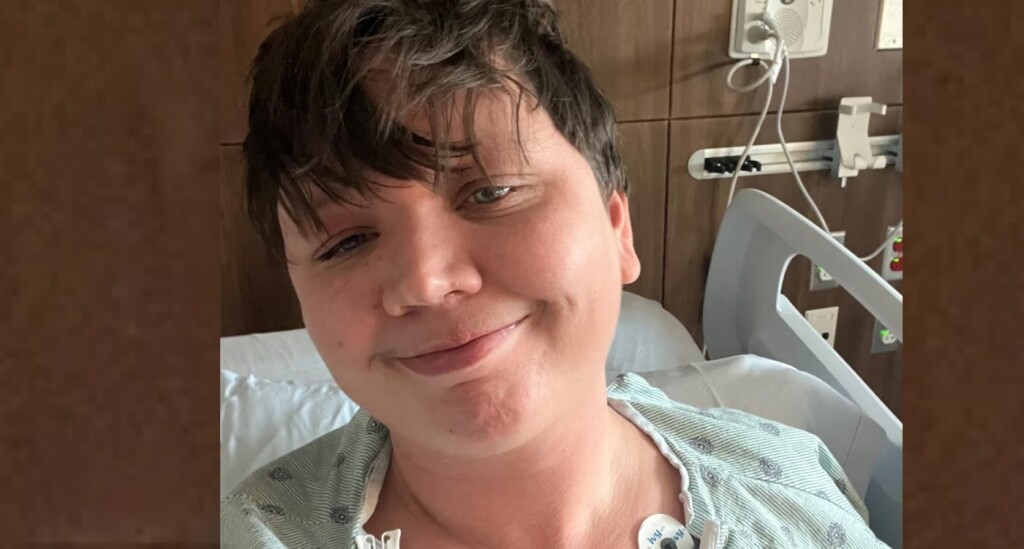
From Chicago comes the story of a pair of heroes rescuing an infant that had been blown into Lake Michigan.
30-year-old Lio Cundiff was on the phone with his aunt at Belmont Harbor when he felt the wind pick up fiercely, followed by a bloodcurdling scream from a woman close by.
Cundiff knew exactly what had happened—the wind caught the bassinet of a stroller, and, as the nursery rhyme goes, down went baby cradle and all—right into the lake.
“I just realized that the lady wasn’t able to help because she was in too much panic, which is understandable. So I’m like, ‘I guess I’m going in,’ and I just jumped,” Cundiff told the Chicago Tribune. “I had no idea what the plan was.”
Reaching the stroller, Cundiff couldn’t get the baby out and had to lift the top half out of the water to stop it from sinking.
Enter Luis Kapost, an American Airlines pilot who was the second on-scene, and paired Cundiff’s impulsive-heroism with a more measured response. Realizing Cundiff was treading water with 30+ pounds of soaking wet stroller, he tossed one arm of his Chicago Cubs jacket to him, which Cundiff admitted helped a lot.
Holding onto the other arm of the jacket, Kapost kept Cundiff afloat until the baby’s nanny arrived to help him lift the stroller out of the water.
First responders arrived to take man and baby to the hospital.
“Yeah, I called work, called my girlfriend. My aunt was on the phone. She heard the whole thing. I just threw my phone down and I guess she called my mom. I was just trying to make sure they all knew I was fine and the baby was good,” Cundiff told local news.
SAVE THE CHILDREN: Hero Stranger Rescues Mom and 3 Kids After Car Flips into Canal Waters: ‘Nobody was around’
Despite the weather being fair, the water was still cold, and at the hospital they discovered that Cundiff was experiencing elevated heart enzymes that concerned the doctors enough to recommend an overnight stay.
Kapost applauded his co-savior.
ALSO CHECK OUT: A Passing ‘Angel’ Rescues Woman 8-Months Pregnant from Her Sinking Car
“That’s the epitome of a hero, someone who’s going to act, to help somebody else they don’t know even though they’re placing their own life in danger,” Kapost told the Tribune. “He’s an absolute rock star.”
As for Cundiff, he admitted that being called a hero felt weird: labeling himself just a server and stand-up comedian in the right place at the right time.
CELEBRATE The Actions Of This Hero And The Follow-On Hero With Your Friends…
Abandoned Las Vegas Airport Dog Finds a Forever Home with the Officer Who Saved Him

A little goldendoodle has a brighter future ahead of him after abusive treatment by his owner saw her arrested, and an officer leap at the chance to adopt.
The story must, unfortunately, include some rather ugly details before one can salute Officer Skeeter Black for his compassion towards animals.
It begins on February 2nd at Harry Reid International Airport in Las Vegas where Jet Blue staff were attempting to inform the dog’s owner she would not be permitted to board as the paperwork for the animal—claimed to be a service animal—hadn’t been completed.
The owner tied her dog to a metal baggage measurement rack and left, prompting the Jet Blue staff to call the police. Officers later confronted the woman, who had proceeded through security checkpoint to the departure hall at gate D1.
A police recounting of the incident claimed she stated the airline would not allow her to fly with the dog while adding it had a tracking device “implying it was acceptable to leave the animal behind and it would return to her.”
The police disagreed, and detained her on misdemeanor animal abuse charges. However, a violent attempt at resisting arrest saw her removed from the airport.
MORE STORIES LIKE THIS: Tiny Disabled Puppy Found in Dumpster Gets New Home in Time for Christmas
“Animal Protective Services took custody of the dog,” the police statement read. “After the mandatory 10-day hold period passed and the owner never returned, Retriever Rescue of Las Vegas stepped in.”
The dog was affectionately renamed Jet Blue, and 10 days after the 10-day hold, Officer Black, who had confronted Jet Blue’s former owner, arrived with his family to fill out the adoption paperwork.
“Bon voyage, Jet Blue and welcome to a new life where you’ll be loved beyond words by Officer Black and his family,” a LVPD social media update read.
SHARE This Story Of A Smiling Reward For An Officer’s Job Well Done, And An Animal That Found A New Home…
China’s Yangtze River Rebounds After Fishing Ban and Investment to Reemploy 200,000 Fishermen


The mighty Yangtze river has experienced a dramatic improvement in ecological health halfway through a 10-year fishing moratorium.
The focus of a $2.7 billion restoration project, this crucial aquatic artery had been severely degraded by decades of damming, overfishing, fragmentation, pollution, and neglect.
Now, a new study reports a tripling of fish biomass, increases in the Yangtze finless porpoise numbers, and disproportionate increases in the amount of large, game fish species.
GNN reported in 2021 on the Yangtze river fishing moratorium. One of the three great rivers of China and the third-longest in the world, its estuary at Shanghai is one of the busiest freshwater ports in the world, while its length and abundance is home to 60% of China’s freshwater fisheries that together employ over 200,000 people.
In many ways, water is a key part of the identity of the Chinese people. Going back as far as 4,000 BCE, society was organized for the first time around the management of water, and the nation’s founding myth—that of the Yellow Emperor taming the raging waters of the Yellow River, stands in testament to the enduring power of China’s rivers both as economic engines, and sacred places.
But like so many rivers around the world, even the Yangtze could not withstand industrialized society. Continual construction of dams, sand mining, dumping from huge factories that stand along its course, and decades of overfishing gradually eroded its ecological integrity.
As the Chinese boom continued into the 21st century, and wealth replaced poverty in much of the country, calls began to ring out for greater protections of the Yangtze, but not before the extinction of the Baiji—a freshwater dolphin native to the river that was worshiped as a goddess.
Perhaps this tragedy was the catalyst for an unprecedented restoration program led by an international team of freshwater biologists. The proposal was a 10 year moratorium on fishing coupled with a massive welfare program to reemploy all the fishermen thusly disposed of their livelihoods.
110,000 fishing boats were impounded with compensation, shoreline mining and extractive industry was halted, and water quality improvements were mandated. The results were succinct. Even halfway through the 10-year ban, 70 years of degradation were seemingly rolled back.
“The seven-decadal biodiversity loss was halted with improvements in fish biomass, body condition, species diversity, and initial recovery of threatened species,” the authors of the study measuring the impacts of the legislation wrote in their abstract.
“Eliminating fishing pressure was likely key to this recovery, in addition to actions targeting water quality improvement, hydrological and riparian habitat restoration, and vessel traffic reduction.”
CHINA CLEANING HERSELF UP: China’s War on Pollution Improved Air Quality 42%, Reduced Global Pollution Average, and Returned 2 Years of Life to Citizens
The study team, which included Chinese and Western biologists, surveyed 57 river sections across the Yangtze basin, comparing data from the pre-ban period (2018–2020) with the early post-ban years (2021–2023).
Overall fish biomass rose by 209%, rising to 235% for game fish like bream. The Yangtze finless porpoise also benefited substantially.
RIVER RESTORATION: Toronto River Once So Polluted it Caught on Fire Now Is Flush with Fish
“Its population rose by one-third, from 445 individuals in 2017 to 595 in 2022. This rebound is likely attributable to a more abundant prey base, reduced mortality from fishing gear and vessel collisions, and lower underwater noise pollution,” Chen Yushun, a professor at the Institute of Hydrobiology, Chinese Academy of Sciences, wrote in the paper.
High up the flow of the Yangtze remains the Three Gorges Dam, a hydroelectric plant and accompanied reservoir so large it changed the equilibrium point of the Earth by a fraction of a percent. This likely puts an upper limit on just how much restoration the river can and will enjoy, as many species will likely have their historic spawning grounds beyond the dam’s reaches.
YOU MAY ALSO LIKE: 4 Dams Set for Removal in Maine Will Open Hundreds of Miles of River for Salmon, Herring and Sturgeon
Hundreds of dams have already been dismantled along the river, unlocking hundreds of miles of habitat connectivity otherwise isolated.
The authors in their paper said similar programs could be used to reverse ecological decline along other major rivers like the Amazon and Mekong.
SHARE This Incredible Return Of Nature Along The Yangtze…
Ancient Egyptian Artifacts Recovered Just One Day After Being Stolen from Australian Museum
Queensland police say they’ve recovered 4 priceless artifacts of ancient Egyptian antiquity that had been stolen from a museum earlier this month.
The world is experiencing a rash of unsolved museum break-ins lately, but thanks to superb policing, this one wasn’t added to the list.
At approximately 3 a.m., a police report stated, a man smashed a window of The Abbey Place Museum and took several artifacts before leaving the scene.
Just a day later, however, police apprehended a certain Miguel Monsalve, after the artifacts were discovered in his camper van near a ferry terminal on Russell Island, Australia.
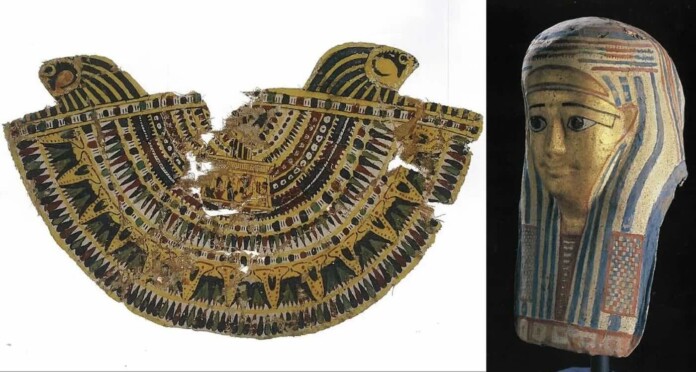
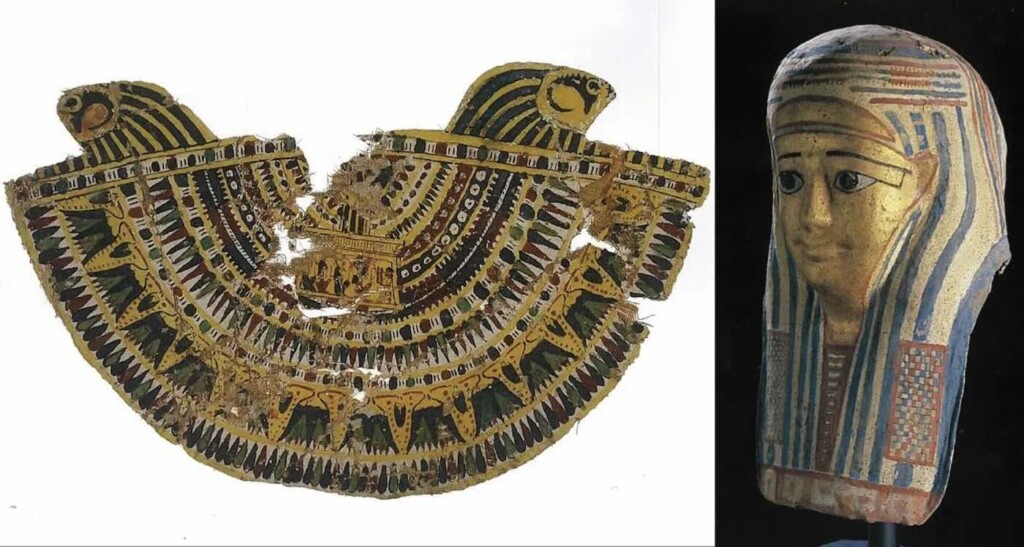
The artifacts included a 2,600-year-old cat figurine, a funerary mask that would have adorned a mummified noble, a bead necklace, and a 3,300-year-old collar.
On the underground antiquities market, the items might be worth as much as $100,000, but some minor damage the objects sustained could have depleted that substantially.
Museum curators sent a message to the thief through ABC News AU that the objects were held at the Abbey Museum for the educational benefit of the community and the state of Brisbane, and that being exposed to the Australian climate would put them at risk of irreparable harm.
THIEVES CAUGHT: Stolen Van Gogh Returned by Sherlock Holmes of the Art World–Seized from Museum During COVID
Fortunately, the short manhunt resulted in an arrest and a recovery of the artifacts. Mr. Monsalve is now being held without the possibility of bail for counts that include breaking and entering and three counts of willful damage.
The Abbey Museum boasts a collection that chronicles “1 million years of human history,” and the artifacts, now recovered, will return to the original purpose of aiding in the telling of that story.
SHARE This Crack Police Work With Your Friends On Social Media…
“Friendship is love without her wings.” – Lord Byron

Quote of the Day: “Friendship is love without her wings.” – Lord Byron
Photo by: Chang Duong
With a new inspirational quote every day, atop the perfect photo—collected and archived on our Quote of the Day page—why not bookmark GNN.org for a daily uplift?

Good News in History, February 24
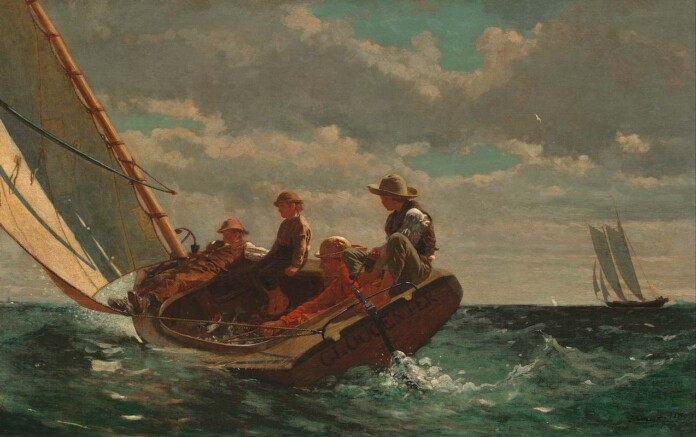
190 years ago today, one of the foremost painters of 19th-century America, Winslow Homer, was born. Born in Boston to a father always seeking to pull off a get-rich-quick scheme, Homer was molded by his mother; a talented watercolor painter who taught him the basics. His most prolific period was when he moved to Maine and began to paint the robustness of fishing and seagoing cultures there, producing iconic imagery of 19th-century America such as The Gulf Stream, The Fog Warning, and Breezing Up (A Fair Wind). READ about the man’s life and see some of his paintings… (1836)
Infecting Mosquitoes with Natural Bacteria Lowered Dengue Risk by 70% in Citywide Experiment
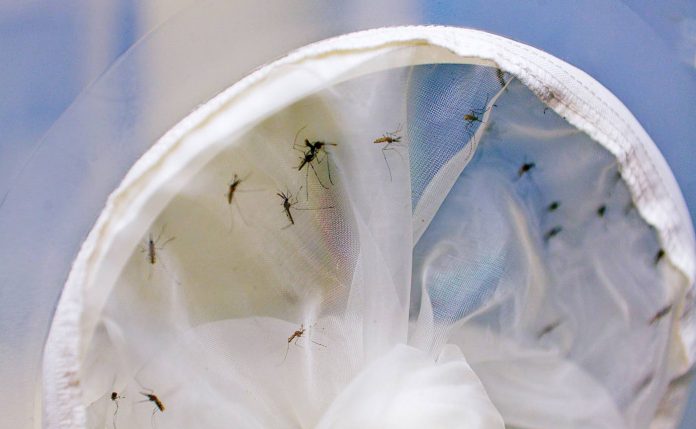
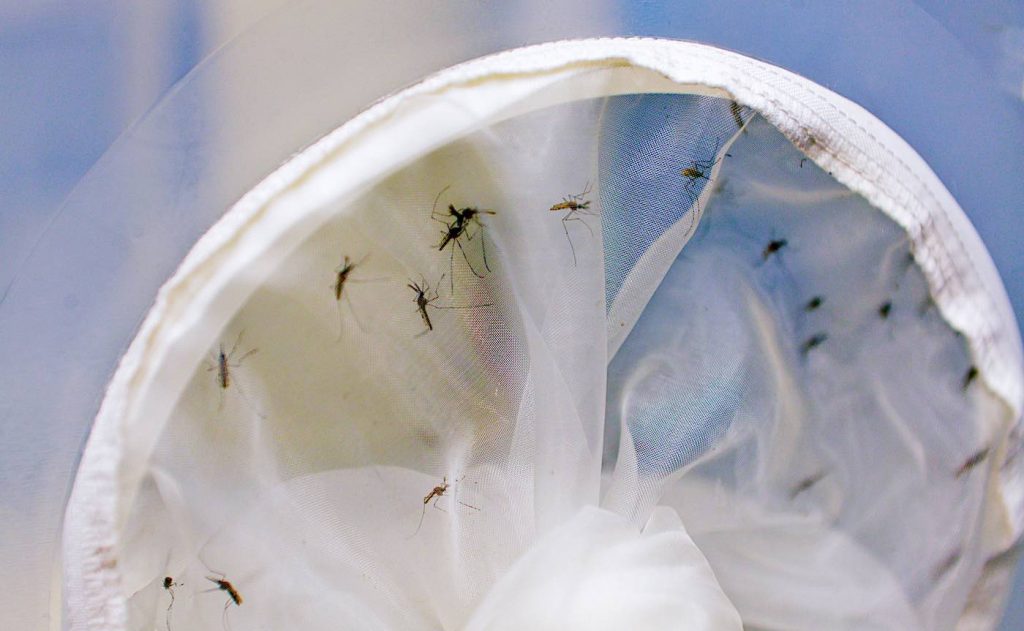
A gold-standard scientific trial revealed an existing mosquito control method works not only to reduce insect numbers, but also the diagnoses of dengue fever in the area.
Dengue, also known as “breakbone” fever, is a severe viral infection spread by mosquitoes that can be debilitating when caught, and lethal if caught again.
In Singapore, populations of Aedes egypti, or the Nile mosquito, are controlled by releasing captive-bred male mosquitoes carrying a kind of bacteria called Wolbachia, found on many insect genera.
The Wolbachia in this case have been modified to make any eggs born via breeding with the infected mosquitoes sterile, a technique known as Wolbachia-mediated incompatible insect technique–sterile insect technique (IIT-SIT) according to Medical X Press.
Even though IIT-SIT is practiced in different parts of the world, there has never been a randomized-controlled trial done on its effectiveness at controlling or reducing the transmission of mosquito-born diseases.
Faculty at the Environmental Health Institute in Singapore’s National Environment Agency, along with a few collaborators, selected 15 densely-populated areas of the city-state and randomly divided them into groups that would receive a transplanted swarm of IIT-SIT male mosquitoes, and others that would receive none.
MOSQUITO CONTROL: ‘Cheaper, More Humane’ Drones Emerge as Key Weapon in Mosquito Control from Poland to Africa
The scientists didn’t know which areas saw the mosquito release when they began to use traps to catch and estimate insect population, and national health statistics to observe the number of dengue fever cases for 20 months.
By study’s end in 2024, the amount of mosquitoes recorded inside the traps set in wards where Wolbachia-infected males were released plummeted 77%. Of residents who tested positive for dengue fever, 21% were recorded in the control areas, while just 6% were found in the study areas—a transmission reduction of around 71%.
SANITARY CITIES: Flint Finishes Replacing 11,000 Lead Pipes, Concluding Activists’ Decade-Long Effort to Secure Clean Water
The study is the first, scientifically-robust evidence that IIT-SIT with Wolbachia is effective at controlling both dengue and the mosquitoes that spread it; invaluable as the world is living through a sort of dengue explosion.
SHARE These Fantastic Results With Your Friends On Social Media…
Diseased Rhino Recovers After Florida Zoo Team Surprise Locals with Pioneering Veterinary Tactics
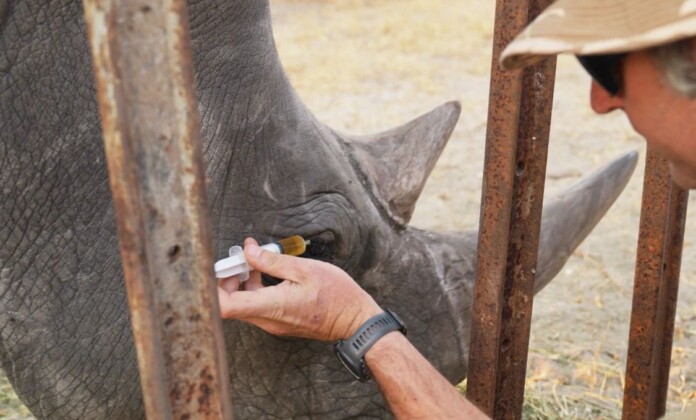
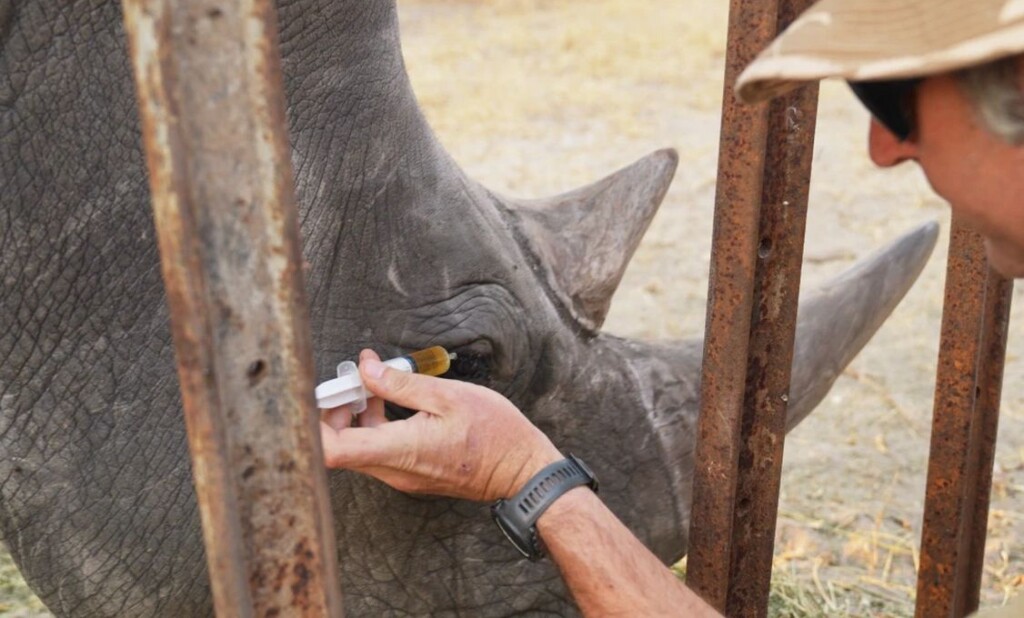
A Florida zoo team recently traveled to Zimbabwe after they were asked to help a white rhino suffering from a parasitic eye infection.
They came up with a “ridiculous idea” to corral the wild animal, earn its trust as if it were a horse or dog, and administer eye drops and other care.
It took place outside of Hwange National Park, where a special project called the Community Rhino Conservation Initiative was ongoing to reintroduce members of the southern white rhino subspecies onto communal lands to give locals a stake in the animal’s future.
The Palm Beach Zoo & Conservation Society CEO Margo McKnight was visiting the area in August of last year when she was alerted to a problem and asked to help: a male rhino named Thunza seemed to be on the verge of scratching himself blind.
“This rhino had bleeding eyes. He was rubbing his eyes,” said the ironically named Mark Butcher, managing director at a local safari lodge supporting the initiative.
“And I was looking at a potential where this guy was gonna lose his eyesight. And this is in a pilot project that’s got fantastic vision for a future for conservation throughout Africa.”
McKnight, along with several animal behaviorists from the Palm Beach Zoo who arrived later, proposed a method they’d been developing with their own animals, where the injured or ill creatures are desensitized to caregiving through their own volition. The essence of what that entailed, however, struck the locals as beyond the pale.
“Believe me, we didn’t think of it; it was a completely ridiculous idea to us,” Daniel Terblanche, a security manager at the safari lodge, told AP. “But without trying all of the things that we could to rectify that situation, we would have been in trouble, I think.”
It entailed coaxing the rhinos into corrals using their favorite food, before gradually helping them grow accustomed to the presence and touch of humans through squirting water on their face, petting them, and pulling gently on their horns.
RHINOS RECOVERING:
- Zero Rhinos Poached in India’s Stronghold for the Second Year on Record
- In a World First, Surgeons Operate on Rhino’s Broken Leg and Fix Her Limp
- 21 Black Rhinos Successfully Moved to New Kenya Home With Space to Breed–Hailing Return of Species After 50 yrs
Within two weeks they were able to get Thunza to come close to them, stay put while the team administered eye drops directly into the infected eye, and train the local security force to do the same in case the infection should return.
The Florida zoo team left excited both about Thunza’s long-term health prospects.
The southern white rhinoceros is the most numerous in the world, and the most widely dispersed across Africa. Like all rhino, they are at severe risk of poaching for their horns, but when measured across the whole of their range, are not considered endangered.
SHARE This Ridiculous Idea That Saved A Rhino’s Eye On Social Media…
Osaka Stunned by Anonymous Gift of Gold Bars to Fix Aging Water Pipes


Have you seen the price of gold recently?
In the Japanese city of Osaka, one man obviously did, and decided to cash in for the sake of his community.
The mayor and his staff were staggered when they discovered an anonymous resident had presented 21 kilograms of gold bars to the city as a contribution to fix Osaka’s dilapidated municipal water piping.
Built in the post-war economic boom, some 160 miles of municipal water pipes need replacing, and the total investment to do so is far more than the gold. But such high quality investment capital being turned over by a private citizen left the honor-conscious Japanese in the city’s government humbled.
“It’s a staggering amount and I was speechless,” Mayor Hideyuki Yokoyama said. “Tackling ageing water pipes requires a huge investment, and I cannot thank enough for the donation.”
In a statement, Yokoyama’s office said they will strictly honor the donor’s wishes that his capital go to replacing water pipes.
CIVIC-MINDEDNESS:
- Thank-You Cards Pile Up with Nowhere to Go After School District Receives Anonymous ‘Transformative’ Donation
- Single Mom Donates Lottery Win Anonymously to Wounded Policeman, But Officers Track Her Down to Reciprocate
- Portland Coffee Shop Raises Over $87,000 to Feed People Losing Benefits as Government Shuts Down
At current rates, the 21 kilos of gold will fetch some 560 million Japanese yen, enough to replace 1.2 miles of pipes.
The third-largest city in Japan, Osaka recorded some 92 cases of pipe leakages, some of which made their presence known by sinkholes appearing along the city’s roadway.
The Guardian’s report on the event said that Osaka’s municipal water system was built even earlier than other cities, and is now aging out that much sooner.
PIPE This Great News Over To Your Friends On Social Media…
Man’s Dream About Having Heart Attack Leads to Real-Life Diagnosis and Life-Saving Surgery

A man who dreamed he died of a heart attack took it as a sign and was soon diagnosed with a dangerous heart condition.
Jeremy Schwartz had a “vivid” dream in which he suddenly died of a heart attack while climbing Ama Dablam, a 22,000-foot mountain he was due to climb during the then-upcoming month of October, in 2025.
Earlier that year, he rode a bicycle across the whole 1,000 mile length of Italy, and completed a solo, 120‑mile circumnavigation of a mountain range in Albania. In short, he was the last 63-year-old you would imagine suffering a heart attack.
Nevertheless, after waking from his dream, Schwartz immediately searched online for a consultant cardiologist and went for an appointment two days later.
“I’ve never had anything like a premonition before. But this dream was so strong and so clear that it left me with an overwhelming sense of importance and urgency,” Schwartz said. “It was so vivid, clear and memorable.”
Schwartz underwent a heart scan, blood tests, an MRI, a CT scan, and an echocardiogram, before being told he had an aortic aneurysm, a dangerous, weakening and bulging of the aorta that can rupture, just a few days before his flight to the mountain in Nepal.
He was transferred from the consultant to Cesare Quarto, a cardiac surgeon at the Cleveland Clinic’s London location, and successfully underwent the David procedure: an open-heart surgery that replaces a diseased aortic root.
Schwartz said his diagnosis came as a “complete shock.”
“I am not a tarot card reader or a spiritualist, and I’m not religious,” said the former executive turned motivational speaker. “I think my subconscious helped make sure I became aware of something that might otherwise have remained hidden.”
The 6-hour surgery was completed without complications, and the staff at the Cleveland Clinic got Schwartz walking almost immediately after surgery.
MORE STORIES LIKE THIS: Taxi Driver Saves His Marriage By Inventing Anti-Snore Pillow That He Dreamt Up in His Sleep
“It is not the first time I have heard a similar story,” said Dr. Quarto. “I strongly believe some patients have an internal alarm bell that starts ringing. Some are able to hear it, and some aren’t.”
Looking back, Schwartz believes several factors may have contributed to the intuition he felt about his upcoming climbing expedition.
About a year earlier, while on a business trip, he recorded a higher‑than‑normal blood pressure reading.
INTERNAL INTUITION: Watch Bus Driver Intervene When Dog Was in the Hands of Dubious Stranger Claiming to Be Its Owner
Additionally, a friend from his local cycling club had died suddenly of a heart attack while riding. And later, he learned on the very day he was scheduled to climb Ama Dablam, another climber on the mountain collapsed and died from a heart attack.
“One of the challenges for men is we often delay taking important medical action,” Schwartz opined. “A lot of these conditions are preventable or treatable if you catch them early.”
“If something feels wrong, it’s not clever or manly to pretend it isn’t. Don’t wait, don’t rationalize, don’t tough it out. Get it checked out. It’s how you get to keep living the life you love.”
SHARE This This Man’s Unconscious Intuition, And The Wisdom To Listen To It…
“The wish for healing has always been half of health.” – Lucius Annaeus Seneca

Quote of the Day: “The wish for healing has always been half of health.” – Lucius Annaeus Seneca
Photo by: Blue Diamond Photography (CC license)
With a new inspirational quote every day, atop the perfect photo—collected and archived on our Quote of the Day page—why not bookmark GNN.org for a daily uplift?

Good News in History, February 23

140 years ago today, an American inventor used electrolysis to extract aluminum from aluminum oxide, a process that eventually resulted in reducing the price of aluminum by a factor of 200, making it affordable for many practical uses from soda cans to the Wright Flyer. As small grains amid clay, it was thought by medieval alchemists to be the grains of dirt from a second, currently forming, earth. Today, more aluminum is produced than all other non-ferrous metals combined. The process was discovered by Charles Martin Hall, who helped found the Pittsburgh Reduction Company, which became the Aluminum Company of America. READ more… (1886)
Moving Companies Offer Free Moves to Domestic Violence Victims in 8 States – Thousands, So Far

Getting out of an abusive relationship is vital, yet packing up and moving out is more than daunting. But, thanks to Meathead Movers, it’s much easier—and doesn’t cost a dime—to leave a spouse or partner behind and start a new future.
For 25 years, California’s largest independently-owned moving company has been helping end domestic violence in their state by offering their moving services for free to those who need it.
Even better, they launched a coalition in 2015 that attracted eight other moving companies in the United States to join them in their mission.
The program they launched, #MoveToEndDV, has inspired over 200 businesses to pledge free services for domestic violence survivors–from moving to self-storage, and even security companies in three California cities that will send a guard during your move.
Last year alone, Meathead Movers completed 106 domestic violence-related moves for free, including eight emergency moves in the cities they serve: San Luis Obispo, Ventura County, Orange County, Fresno and Bakersfield.
Founded by brothers Aaron and Evan Steed, the company is a powerful example of how businesses can create tangible community impact through service.

“These moves became very personal to us,” Aaron told GNN in 2015 when we wrote our first story about the CEO of Meathead Movers. “They made all the employees so proud, and became part of our mission statement.”
Aaron’s compassion inspired the owner of a local moving company in Fort Worth, Texas, to reach out and ask how they could offer free services when they were unable to afford the cost. Aaron suggested dedicating just one day per month, with employees volunteering their labor—the most significant expense. Nearly the entire team stepped up.
Today, that company, Veterans Moving America, works with shelters to provide moving services to survivors in Fort Worth—creating a Texas-sized ripple-effect in their own community.
Other moving companies that have joined #MoveToEndDV include:
Veterans Moving America – Fort Worth
Helping Hands Moving and Maids – Salt Lake City, Utah
We Help! Cincinnati Movers – Cincinnati, Ohio
Elite Moving Services – Des Moines, Iowa
Gentle Giant Moving Company – Boston, Massachusetts
Parks Moving & Storage – Pittsburgh, Harrisburg & State College, Pennsylvania
Always Professional Moving – Phoenix, Arizona
Brown Box Movers – Dallas, Texas
How it works
The moving companies are advised to work with local domestic violence-prevention shelters that will screen victims who are requesting a free move. This is to ensure that the victim—whether male or female—is supported throughout the transition—and to keep movers safe.
“What’s good about that is, they can be vetting the requests for help, supporting the women with counseling, and making sure when we went in, the proper restraining orders were in place, or police were on hand if necessary,” explained Aaron.
In 2020, the National Coalition Against Domestic Violence took over #MoveToEndDV and assumed facilitation of the program. With NCADV’s national resources and support services for shelters and survivors, this partnership has enabled Meathead Movers to reach and support even more individuals impacted by domestic violence.

If you or your business can donate products or services, or funding for #MoveToEndDV, whether for moving support, security services, handyman work, or auto repair, visit their website here.
That sense of doing good becomes contagious, inspiring employees and communities alike to take part in meaningful acts of kindness.
MORE AMAZING GOOD NEWS:
• Sixth Tiny Home Village Ending Homelessness for Veterans Across the US: ‘This place saved me’
• Lowe’s Donates 100 Tiny Homes to Carolina Families Waiting For Rebuilt Housing After Hurricane
“These women are completely abandoning their life as they know it and trying to rebuild from scratch, and businesses are rallying together for them,” Aaron said. “We want them to know that people in the community have their back. We want to do this is communities all over the country.”
SHARE THIS MOVING STORY With Friends–and Victims–on Social Media…