















46 years ago today, Blizzard of Ozz, the debut solo album of the great and lately deceased metal singer Ozzy Osbourne, was released to moderate reviews and success. However it grew to become a staple of the genre, and was ranked as the ninth-greatest heavy metal album of all time by Rolling Stone. It includes the iconic singles “Mr. Crowley” and “Crazy Train,” both of which were sung by the great man in 2025 during his farewell tour, a week before his death at the age of 76 from Parkinson’s disease. READ more about the album… (1980)
New York City is Putting ‘The Park’ Back in Park Avenue – And Adding a Protected Bike Lane (LOOK)


Until the 1920s Park Avenue in Manhattan actually park running through it.
Now, New York City has unveiled a new plan for transforming Park Avenue back into its original natural character, adding trees, benches, and a protected bike lane.
Mayor Mamdani and the NYC Department of Transportation are updating 11 blocks of the wide street, based on feedback from New Yorkers who want more green spaces and safety for cyclists.
The updated boulevard design makes it a “more people-centered corridor” by expanding the avenue’s median, add pedestrian space, seating, and landscaping. Two car lanes are being converted, with one existing southbound vehicle lane being converted into a two-way protected bike lane.
“New Yorkers asked us to make more room for people to walk, bike and enjoy their city, and we listened,” said Mayor Mamdani.
“This final design converts underused median space into vibrant public space while incorporating a dedicated, world-class bike connection that lays the foundation for future bike network upgrades in East Midtown,” explained NYC DOT Commissioner Mike Flynn.
The updated design covers 11 blocks from 46th Street to 57th Street. It would remove one travel lane in each direction and convert a southbound travel lane into a two-way protected bike lane. The expanded medians will accommodate seating, plantings, and public art, with crosswalks connecting along the corridor.

The project area sits directly above the Grand Central Terminal train shed, which is undergoing a major capital rehabilitation by Metro-North Railroad. As the MTA replaces and waterproofs the structure below, the City is using the opportunity to transform the avenue above, aligning major infrastructure investment with a broader vision for public space shaped by community input.
“As more people turn to biking and walking as cleaner, more effective modes of transportation, we must continue updating our infrastructure to keep our riders and pedestrians safe,” said NY Congressman Jerrold Nadler.
COOL: Neighbors Get Swept Up in Man’s Viral Journey to Clean a NYC Street Block Every Day for 100 Days
“I’m grateful to Mayor Mamdani and Commissioner Flynn for advancing this ambitious reimagining of one of Manhattan’s most iconic thoroughfares, and I look forward to seeing work get underway.”
“The reconstruction of the Grand Central Train Shed is part of the MTA’s commitment to modernize the infrastructure that keeps New Yorkers moving,” said MTA Construction and Development President Jamie Torres-Springer.
“This century-old structure made it possible for Midtown to grow into one of the world’s most important business districts—and now, as we rebuild it, we’re thrilled to partner with the city to deliver a greener, more vibrant public space.”
DO YOU LOVE NEW YORK? Share The Reimagined Avenue on Social Media…
Fox Left For Dead After Being Run Over is Now Recovering Thanks to Swimming Lessons

A fox cub that was left for dead after being hit by a car is making a miracle recovery thanks to hydrotherapy swimming sessions.
The young kit, aptly named Chance, was reportedly stuck for days with its back legs unable to function after the accident last June in Nottinghamshire, England.
A member of the public raised the alarm after seeing the injured fox, which a veterinarian initially feared would have to be put down.
But wildlife rescuers took him into their care and started a painstaking rehabilitation program that now includes assisted swims in a hydrotherapy pool normally used by recovering dogs.
Chance was vaccinated before receiving free sessions at the Mansfield Canine Centre, where his designated caretaker Chelsea guides him through the hydrotherapy waters.
According to their website, “hydrotherapy is a highly effective, low-impact treatment used to support dogs with injuries, medical conditions, post-operative recovery, and long-term mobility issues. Using the natural resistance and buoyancy of water, hydrotherapy helps dogs regain strength, improve movement, and recover safely under professional guidance.”

Chance the fox has started using his back legs more to support himself, is regaining sensation and can now kick them while in the water.
To give him the best possible chance of returning to the wild, contact with humans has been kept to a minimum. And, if his recovery continues, rescuers hope he can one day be released back into the English countryside.
SWEET! Man Builds Special Bond With a Fox He Rescued–Now She Wants to Hug Him Every Day (WATCH)
Cathy Fraser, who works at the canine centre, said the transformation had been incredible.
“When you see that it looked like there was no chance he was going to survive, to now, it’s just an incredible journey and to be a part of it is just so lucky.
“It’s amazing that this little act of kindness is going to go a long way to potentially Chance being released and living a full, wild life, like he should.”
Mansfield Wildlife Rescue founder Cheryl Martins said the centre had seen a worrying rise in foxes being struck by vehicles this year. She explained how the super-hot weather has definitely been the main driver.
“A lot of the rodents that they would normally find and hunt are keeping out of the way because of the weather.”
WILDLIFE WONDERS:
• Banjo Player Serenades a Fox in Colorado – Watch It Come Back for an Encore
• Man Reveals Heart-Warming Friendship With Young Fox He Cured of Illness in the Wild
“They’re moving more into towns and cities looking for food, so they’re getting into the busier roads while they’re out searching.”
Fortunately, the rescue centre located in Mansfield is ready to help. They’ve nursed back to health five foxes hit by vehicles this year.
WHO CAN RESIST THAT FACE? Share the Foxy Kindness on Social Media…
Chesapeake Bay Blue Crab Numbers See Encouraging Bounceback in New Survey
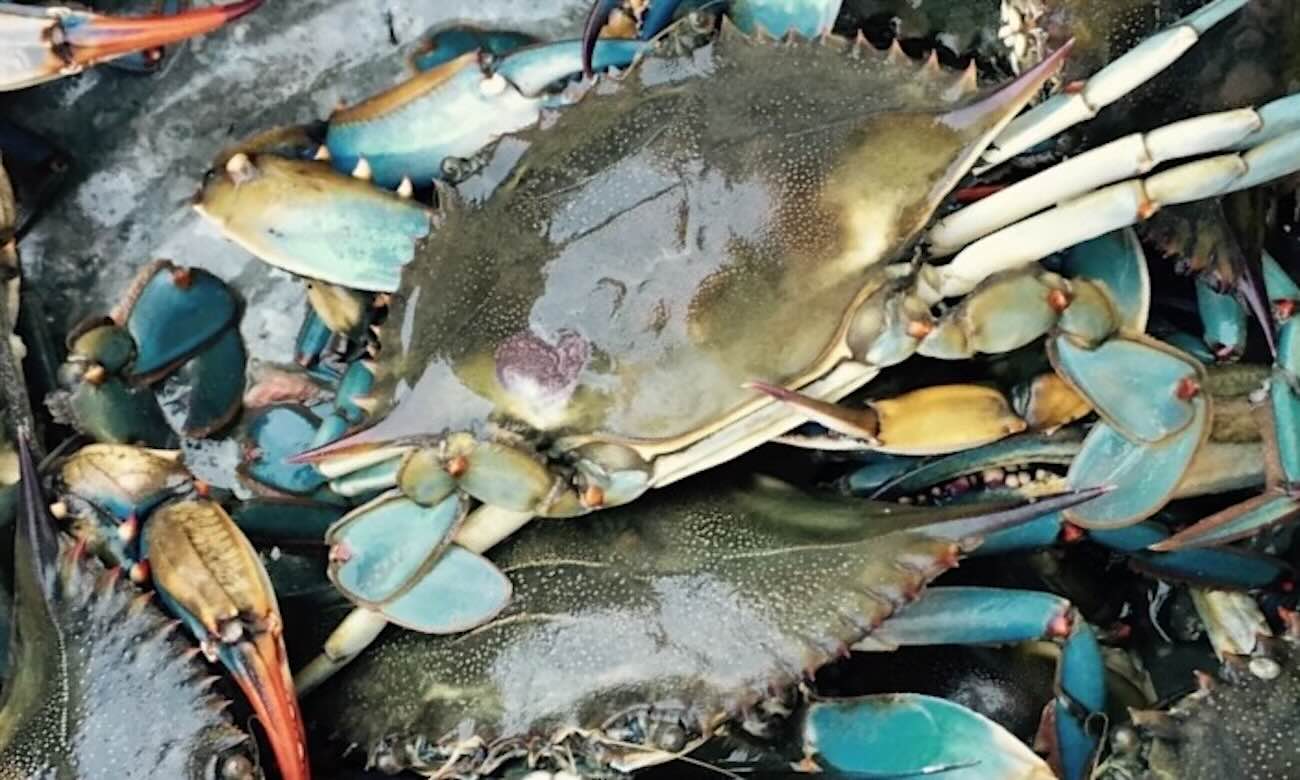
Conservationists working to turn the tide on declining numbers of blue crabs in the Chesapeake Bay, found some good news in their latest field surveys.
After years of worryingly low numbers, the population appears to be responding to some of the measures implemented to build a crustacean comeback.
This year’s field sampling estimated a total population of 349 million blue crabs in the bay—a 46% increase over last year, according to the annual winter dredge survey.
This raised the population overall to the highest it’s been since 2019, says the report from the Maryland Department of Natural Resources and Virginia Institute of Marine Sciences.
The population of juvenile crabs in winter 2025–26 was estimated to be 228 million, which is also the highest since 2019.
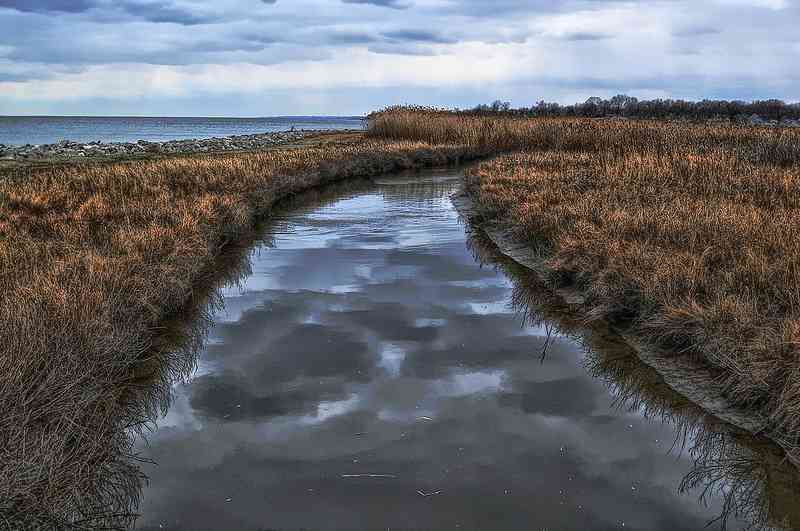
The largest estuary in the US, spanning 200 miles from Maryland to Virginia near Washington DC, the Chesapeake supports more than 3,600 plant and animal species—and the crab remains a cornerstone of the region’s heritage and culture.
In the past 30 years, the surface water temperature of the Chesapeake Bay has increased 1.8 degrees Fahrenheit, but our climate craziness—colder in the winter (which crabs don’t like) and hotter in the summer—isn’t the only cause of the crab conundrum. Human industrialization also plays a role.
MORE GOOD NEWS FROM THE BAY:
• Locally Extinct for a Century, Bay Scallops Thriving Again in Virginia’s Chesapeake
• World’s Largest Oyster Restoration Is Big Success – Fulfilling Virginia’s Promise to Chesapeake Bay Rivers
Also a problem, invasive ‘blue catfish’ are hunting and digging up dormant blue crabs year-round, after having been (stupidly) introduced in the 70s for recreational fishing.
Although recreational and commercial fishing was once a major contributor to falling numbers of blue crabs, the catch limit laws from Maryland and Virginia had solved that issue: separate research from the 2026 Chesapeake Bay Blue Crab Assessment and Advisory report showed no overfishing in the bay.
The numbers can go up and down abruptly, due to many factors, but the neighboring states and federal agencies continue to share data and commit resources to ensure a healthy ecosystem.
And their efforts are paying off. Maryland just released a new report confirming the abundance of underwater sea grasses in the Bay and its tidal tributaries in Maryland last year.
A BAY BEAUTY: Scientists Work to Turn the Tide of Oyster and Seagrass Decline in Chesapeake Bay, Often by Hand
Seagrass coverage—critical for the Bay’s health—expanded from 36,799 acres in 2024 to 41,419 acres in 2025, an increase of nearly 13% in a single year. Bay-wide, acreage reached an estimated 89,385 acres – up 7% from 83,252 acres in 2024.
SHARE THE GOOD NEWS With Crab Lovers on Social Media…
Your Weekly Horoscope – ‘Free Will Astrology’ by Rob Brezsny

Our partner Rob Brezsny, whose latest book is Enlightenment for Rebels: Celebrating Our Wild and Sacred Earthly Selves, provides his weekly wisdom to enlighten our thinking and motivate our mood. Rob’s Free Will Astrology, is a syndicated weekly column appearing in over a hundred publications. He is also the author of Pronoia Is the Antidote for Paranoia: How All of Creation Is Conspiring To Shower You with Blessings. (A free preview of the book is available here.)
Here is your weekly horoscope…

FREE WILL ASTROLOGY – Week of September 19, 2026
Copyright by Rob Brezsny, FreeWillAstrology.com

VIRGO (Aug. 23-Sept. 22):
Now is a time when vices and sins are more likely than usual to sow chaos and spawn big messes. However, since you are reading my oracle in a genteel publication and are almost certainly a refined person of high integrity, I’m confident there will be minimal uproar if I dare my Virgo readers to tap into your raw animal energy and unruly instinctual nature. I believe it’s time to at least experiment with wilder aspects of your deep self.

LIBRA (Sept. 23-Oct. 22):
The Real You and the Semi-Real You have been embroiled in a showdown with the False You. This is as tough and heroic a struggle as you’ve had to deal with in quite some time, though it has often been subtle and partially cloaked. I am of course rooting for the Real You and the Semi-Real You to emerge victorious from the conflict, though I also hope you don’t feel the need to humiliate and crush the False You. That part of you has sometimes served a valuable purpose and doesn’t deserve to be trashed. And what will become of the Semi-Real You after this drama is finished? I suggest you give it a modest place in your repertoire. Like the False You, it sometimes proves to be useful.

SCORPIO (Oct. 23-Nov. 21):
Hummingbirds can fly backward. They’re the only birds capable of sustained reverse flight. This requires extraordinary wing flexibility and energy expenditure, but it gives them access to nectar that forward-only fliers have more difficulty sampling. Let’s treat this as a useful metaphor for you in the coming weeks, Scorpio. It may be that your progress and success won’t always come from advancing. Some rich resources may require the equivalent of reverse flight. Consider returning to conversations you thought were finished, revisiting places you’d mentally filed away as “done,” and extracting value from sources you’ve already passed by.

SAGITTARIUS (Nov. 22-Dec. 21):
In chemistry, catalysts are substances that accelerate reactions without being consumed in the process. A tiny amount of catalyst can dramatically transform how quickly elements combine. An example is the enzyme catalase in our cells, which breaks down hydrogen peroxide (a byproduct of our metabolism) into water and oxygen millions of times faster than it would decompose on its own. I believe you are now in a phase when your catalytic powers are at a peak, Sagittarius. Be careful where you point that potency of yours! Make sure you really want to change what you’re capable of changing.

CAPRICORN (Dec. 22-Jan. 19):
Every species adapts to its surroundings. Even harmful microbes evolve over time in order to survive. Syphilis, for instance, was once ferociously swift and deadly, but that intensity limited how far it could spread. So a gentler strain gradually evolved that allowed its hosts to live longer and pass it on more widely. Let this serve as a metaphor for how you handle your dark moods, odd compulsions, and brief bouts of craziness. Befriend the mild, manageable versions of these states and give them space to be felt and understood. Over time, the harsher, more destructive versions will lose ground and fade from power.

AQUARIUS (Jan. 20-Feb. 18):
Paleontologists know that some dinosaurs traveled in herds with a specific formation: the most vulnerable members gathered in the center, protected by stronger individuals on the perimeter. It was a savvy way to run things, ensuring the group would thrive. I hope you’re willing to borrow some dinosaur wisdom, Aquarius. The coming weeks will be a good time to apply it to your own life. Who or what needs protection? What vulnerable projects or relationships deserve to be surrounded and shielded? Are you willing and able to use your strength to guard what’s tender and growing? Be a shepherd, a steward, a defender.

PISCES (Feb. 19-March 20):
In ancient times, Hawaii’s Coconut Island was renowned for its healing powers—but on one condition. Those who sought its medicinal help couldn’t just expect the local spirits to do all the work, but had to take part in awakening the magic. Legend tells us that a seeker could be cured by swimming three times around the island. This participatory approach to healing mirrors your current situation, Pisces. You are close to a source of renewal, but if you hope to unlock its full strength, you must coax it out with your ingenuity.

ARIES (March 21-April 19):
Realities you’ve been oblivious to will soon pop into view. Hints and signals you’ve been unconsciously pushing away will start flocking toward you. A lingering emotional numbness will thaw, and surges of feelings will pour into your awareness. Warning! At first, it may feel like an overload: too much sopping wet data arriving too quickly for you to organize or interpret. If you’re willing to be patient and focus on slowly metabolizing the influx, though, the apparent chaos will ultimately weave itself into a luminous web of new understanding.

TAURUS (April 20-May 20):
In Peru’s Andean mountains, Indigenous and smallholder farmers cultivate a rich diversity of potato varieties, continuing a farming tradition rooted in the crop’s domestication thousands of years ago. Each variety thrives in slightly different soil, altitude, and climate. By planting many types at once, the farmers ensure that at least some crops will flourish no matter what conditions arise. I suggest you apply this way of thinking to your own life in the coming weeks, Taurus. Diversify your efforts instead of depending on a single plan or expectation. Plan for multiple small initiatives that will evolve with unique growth patterns.

GEMINI (May 21-June 20):
In biology, many organisms survive harsh or unpredictable conditions by entering dormancy. This is a reversible state of greatly reduced metabolism and development. Seeds, spores, and the dormant stages of some small animals can remain viable for years until cues such as water, temperature, light, or nutrients signal that conditions are favorable again. Then they can resume growth, development, or activity, often rapidly. I suspect you may experience a comparable upsurge in the coming weeks, Gemini. A project or aspiration that seemed inert may reawaken and reignite.

CANCER (June 21-July 22):
Novelist Kurt Vonnegut advised us to try some task that scares us every day of our lives. That may be a viable experiment for a Scorpio like him, but is it a wise prescription for us Cancerians, who like to feel secure and protected? Normally, I would say no. I’d recommend that you and I dare ourselves to wrestle with one of our fears no more than once per month. But the coming weeks may warrant a departure from our typical rhythms. I suspect we can fortify our long-term safety and peace through more frequent encounters with unpredictable episodes that rouse our hidden reserves of courage.

LEO (July 23-Aug. 22):
The ancient Greeks believed that the goddess Harmonia presided over the blending of opposites into balanced beauty. Her dad was the god of war and her mom the goddess of love, so she had a lot of practice. In her line of work, tension between different forces could produce elegant unity rather than conflict. In alignment with astrological omens, I’ve appointed Harmonia to be your guardian angel in the coming weeks, Leo. I urge you to call on her dynamically and frequently. Rifts and splits and divisions that have never before been possible to heal are now swayable by the collaborative efforts of you and the goddess.
WANT MORE? Listen to Rob’s EXPANDED AUDIO HOROSCOPES, 4-5 minute meditations on the current state of your destiny — or subscribe to his unique daily text message service at: RealAstrology.com
(Zodiac images by Numerologysign.com, CC license)
SHARE The Wisdom With Friends Who Are Stars in Your Life on Social Media…
Good News in History September 19

51 years ago today, Fawlty Towers premiered on the BBC. John Cleese boldly stepped out into the situational comedy scene without the support of his legendary troupe, Monty Python, and created what the BBC considers “the British sitcom by which all other British sitcoms must be judged.” Capable of withstanding multiple viewings, the BBC continues, the show featuring John Cleese as a high-brow yet largely incompetent hotel owner is “eminently quotable, and stands up to this day as a jewel in the BBC’s comedy crown.” WATCH a video… (1975)
“The little decisions you and I make every day are of such infinite importance.” – C.S. Lewis

Quote of the Day: “The little decisions you and I make every day are of such infinite importance.” – C.S. Lewis, Mere Christianity
Photo by: Astrid Schaffner
With a new inspirational quote every day, atop the perfect photo—collected and archived on our Quotes page—why not bookmark GNN.org for a daily uplift?

Company’s Textile Dyes Work Through Magnetism, Cutting Fashion’s Water-Use, Energy, and Pollution


Hoping to tackle the 50% of textile emissions associated with the dyeing process, a vaunted French startup has created non-toxic dyes that require substantially less water to activate and last just as long.
Additionally, they take hold electromagnetically at room temperature, rather than over long periods at boiling temperatures, and don’t require chemical fixatives.
EverDye’s biowaste and mineral-based pigments rely on static electricity. Carrying a positive charge, they affix themselves upon textiles that are pre-treated to carry a negative charge.
“Textile dyeing is a tough problem because it’s deeply resource-intensive and historically very entrenched,” EverDye CEO Philippe Berlan explained recently.
“Traditional processes need high temperatures to make dyes stick to fibers, and they consume huge amounts of water. On top of that, many dyes are made from petrochemicals and require toxic auxiliaries, which makes it very hard to decarbonise while keeping performance high.”
By contrast, EverDye’s room temperature electrostatic method requires no heating of anything, reducing production costs from energy by 800%.
And that’s the secret to Berland and EverDye’s entrepreneurial approach. The pigments they make cannot compete for traditional dyes as measured in cost per unit, but when the life-cycle costs are considered—the consumption of energy, water, and chemical additives—EverDye makes economic sense even for the lowest-cost dyehouses.
The firm seems to really have ticked every box in their approach to the market. Any operation that wants to add EverDye’s pigments to the production process need change very little hardware. Berland says only employee training is required.
Dyeing accounts for an estimated 20% of global industrial water pollution. Not only are EverDye’s pigments non-toxic, the process uses about 40% less water, and stress testing has shown they last just as long as conventional dyes. Again, all boxes ticked.
MORE GREEN REVOLUTIONS:
- Chinese Scientists Develop New Oil Refining Method That Cuts Energy Use by 90%
- Scientists Unveil Hemp Alternative to Plastic That Can Withstand Boiling Water and Stretch to 1,600% its Size
“Collaborations with brands like AdoreMe have demonstrated that our approach doesn’t compromise on quality,” Berlan told Move the Needle News. “Our pigments achieve vibrant, durable colors that meet the same industry standards for washing and wear as conventional dyes.”
In the summer of 2025, EverDye completed a $17.5 million series A funding round amid substantial investor influence. With it, the company plans to advance its product to industry scale.
COLOR Social Media GREEN With This Sustainable Dye Alternative…
Unsealed for the First Time, This 600-yo Tomb in Peru Was Just Declared the ‘Discovery of the Decade’


An unspoiled, undiscovered tomb containing the remains of an elite society belong to a major Andean civilization has been uncovered in Peru.
Located in the UNESCO World Heritage-listed site of Chan Chan, inside a palatial complex called Utzh An, its contents of 38 skeletons and a wealth of grave goods have remained undisturbed to our day.
Chan Chan was built by the Chimú, an impressive society that reached its zenith in the 15th century with a series of large settlements characterized by substantial irrigation canals and kingly residences. Their highly-stratified society, political organization, and civil infrastructure were all adopted by the later Inca, it’s believed, who conquered the Chimú in the 1460s.
The tomb platform is one of several known to have been built by the Chimú elite, and excavations found a mausoleum measuring 4 feet wide and 16 feet deep at the bottom of a staircase. Therewithin, a single individual, whose skull bears traces of a red pigment, was found. Two secondary chambers branched off either side of the central chamber, one of which contained the remains of 20 people and various artifacts.
These included metal weapons, copper and gold artifacts, ornate jewelry, and colorful textiles, suggesting they belonged to the society’s aristocracy. 17 other skeletons were found in the surrounding tomb platform, above the mausoleum.
Jorge Meneses lead the archaeologists excavating the tomb, and he’s been making the media rounds explaining the significance of the discovery.
“[W]hat was known about elite burials in Chimú society came from looted platforms, private collections, and museum holdings,” he told El Pais. “There was no scientific data on the individuals and their corresponding artifacts and associations.”
ANDEAN ARCHEOLOGY:
- Peru Debuts Discovery of Ancient City Dating Back 3,800 Years Ago and Ready for Visitors
- Hundreds of Newly-Found Structures Reveal True Scope of Hidden Pre-Incan Civilization
- Incredible Discovery Beneath the Southern Amazon Reveals Urban-Agrarian Society Never Seen Before
Meneses told the state-run Andina news agency that the red-painted individual was buried with his body fully extended, an unusual arrangement compared to other Chimú burials, which were characterized by flexed or seated positions.
His body was also missing several bones, suggesting perhaps that the individual had been moved there from another location—a common practice in Chimú and other Andean societies.
Gabriel Prieto, an anthropologist at the University of Florida who wasn’t involved in the research, was interviewed by the New York Times about the news, which he called “the discovery of the decade,” for offering the first undisturbed glimpse of an elite Chimú burial.”
Meneses added that just 7% of Chan Chan has been excavated—making it a veritable Peruvian Pompeii in terms of the possibility for future discoveries.
SHARE This Exciting Peruvian Archeology With Your Friends…
Cataract Surgery Restores Sight for 54-Year-Old Chimpanzee–the First Such Procedure at Chimp Haven
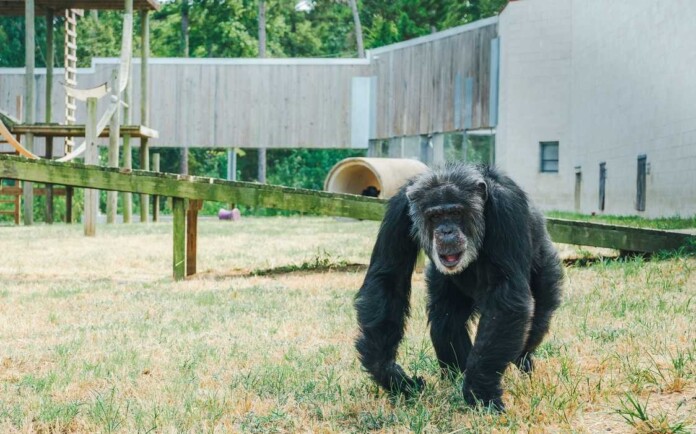
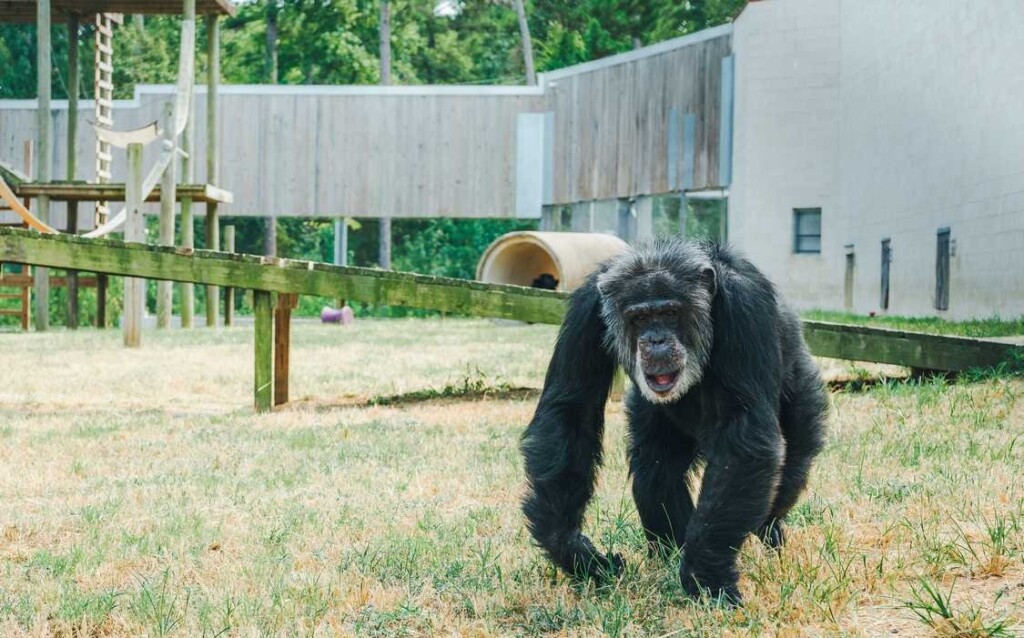
After becoming completely blind from cataracts, a 54-year-old chimpanzee named Pierre is seeing again following a successful surgery at Chimp Haven, the world’s largest chimpanzee sanctuary.
The procedure, the first cataract surgery performed for a resident at Chimp Haven, restored functional sight and allowed Pierre to quickly begin reconnecting with the people, chimpanzees, and activities familiar to him.
As Pierre’s vision had declined, caregivers adapted his daily routines and environment to help him continue navigating as independently as possible. Staff used sound cues and specialized feeding approaches and added handholds, ladders and other supports to areas Pierre used regularly.
Eventually though, it was agreed that a surgical procedure was necessary, something which would require months of preparation.
In preparation for his recovery and potential post-operative needs, the team used positive reinforcement training to teach Pierre to voluntarily present his eyes for care, including positioning that would allow staff to administer eyedrops and closely monitor his eyes if needed. Pierre learned to participate in this care while he was still blind, helping the team prepare to safely provide treatment without compromising his comfort or welfare.
A board-certified veterinary ophthalmologist, Dr. Kenneth Pierce, performed the procedure to remove cataracts from Pierre’s eyes. The results were noticeable almost immediately.
Within hours of surgery, he was responding visually to a longtime caregiver, and within days he was reuniting with Jill, one of his closest chimpanzee companions. Pierre was ultimately able to return to his social group earlier than initially expected.
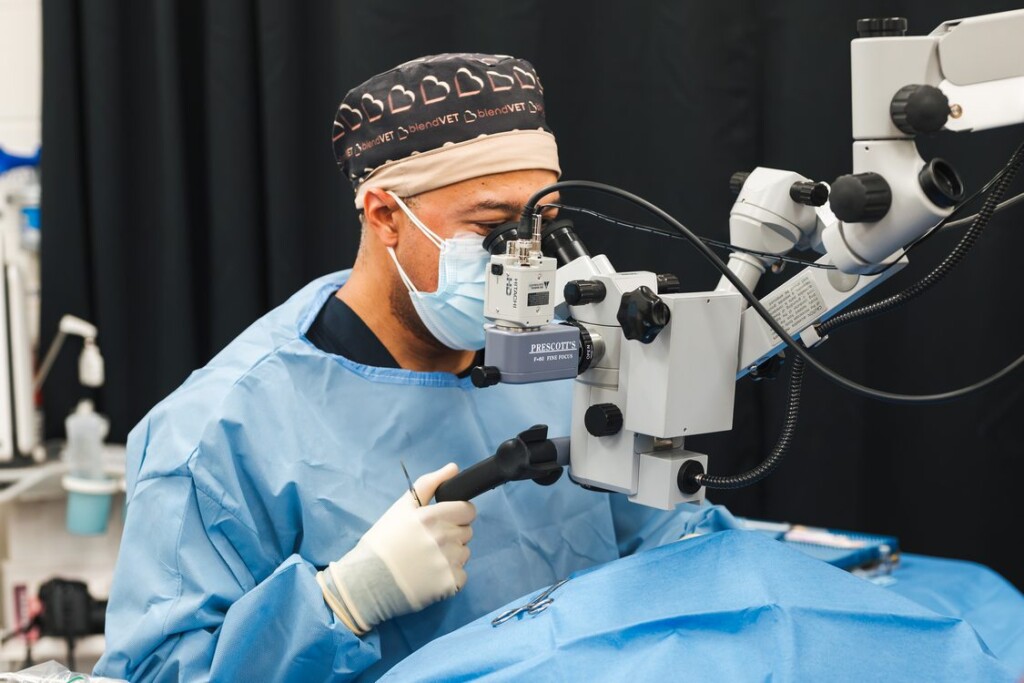
“Pierre’s recovery is a wonderful example of what individualized care can look like for an aging chimpanzee,” said Dr. DaShaunté Coleman, veterinarian at Chimp Haven.
“The surgery itself was only one part of the process. Months of preparation and collaboration across our care teams helped ensure Pierre was comfortable participating in any follow-up care that might be needed and gave him the best opportunity for a successful recovery.”
Among the first people Pierre saw was Colony Director Michelle Reininger, who has known and cared for him for more than 25 years.
“Watching Pierre look at me again was something I will never forget,” Reininger said.
STORIES FROM THE TROUPE: Chimpanzees Share Experiences With Each Other ‘Just Because’–A Trait Once Thought to Be Only Human (WATCH)
As lately as the 1980s, chimpanzees were still widely subjected to medical research trials in the US through captive breeding programs. Ethical debates about this practice became more common as the years went on, while at the same time the National Institutes of Health was required to care for an ever greater number of captive chimps and the complex full-time care they need to thrive.
Varied groups proposed a species-specific sanctuary for chimps of all ages retired from medical research, and in 2000, the Caddo Parish Commission in Northwest Louisiana donated 200 wooded acres of the Eddie D. Jones Nature Park to build the new facility.
Chimp Haven has been providing hundreds of chimpanzees ever since with a large territory to live enriched and fulfilling lives, which includes sophisticated medical care such as what Pierre received.
ALSO CHECK OUT: Diseased Rhino Recovers After Florida Zoo Team Surprise Locals with Pioneering Veterinary Tactics
“Every chimpanzee ages differently, just like people do,” Dr. Coleman said in a statement. “Our goal is to understand what each individual needs and help them remain comfortable, active and connected to their social group as they age.”
“In Pierre’s case, months of preparation made it possible for him to receive this specialized care and get back to the routines and relationships that are important to him.”
SHARE This Old Trog Getting Back To His Life After Eye Surgery…
New Cat Species Identified for the First Time in Over 100 Years–Meet the Tilcayo
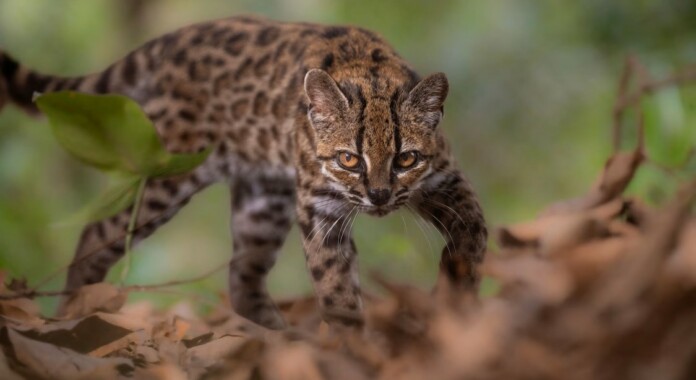

In a story that proves ‘explorer’ is still a good answer to the question “what do you want to be when you grow up?” a whole new cat species has been identified for the first time in over 100 years.
Found in Bolivia, the animal is smaller than the average housecat, but now enters the scientific record because of a National Geographic Explorer’s dedication to wild cats, and a willingness to step outside her field of expertise.
The fruit of that labor is Leopardus tilcayo, an animal which diverged from its nearest common ancestor around 1.4 million years ago, or about as much time as modern lions diverged from the extinct cave lion.
The story began with a phone call in 2016 to Bolivian biologist Paola Nogales-Ascarrunz, founder of the Bolivian Felids Research Program. A man had found a “weird cat,” and had brought it to a wildlife sanctuary. The sanctuary explained to Nogales-Ascarrunz that the man had at first taken the kitten home, but realizing it didn’t have a domesticated bone in its body, brought it to the sanctuary.
Curious, the National Geographic Explorer arrived to see the animal, which struck her immediately as rather unique. It had these long whiskers, small ears, and big rosettes on its fur—suggesting it was a member of the genus Leopardus, and perhaps an oncilla, or tiger cat (a bit of a misnomer because these small felids are related neither to the leopard nor the tiger).
Nogales-Ascarrunz thought it was a Leopardus tigrinus, called tigrinas, oncillas, tigrillos, or little spotted cats, and a species widely dispersed around South America. 3 years later, while preparing a booklet on Bolivia’s cat species, Nat Geo reports, she realized the two animals had substantial differences.
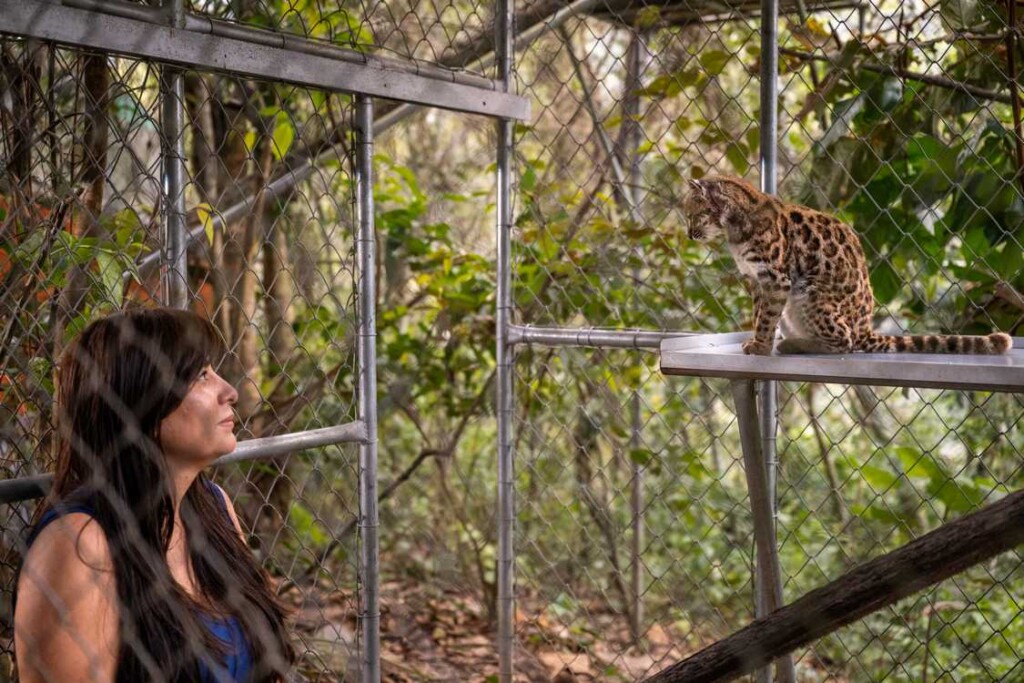
She then embarked on a half-decade long foray into genomic analysis to get to the bottom of the “weird cat’s” identity, and with the help of Eduardo Eizirik, a geneticist at Pontifical Catholic University of Rio Grande do Sul in Brazil, made a startling breakthrough: a species never recorded by science before.
In a paper published yesterday in Cell, Nogales-Ascarrunz, Eizirik, and their co-authors described the first new feline species since 1923, proposing the cat should be called Leopardus tilcayo, in recognition of the indigenous community’s name for the animal.
“We asked the local people, ‘Why do you call it tilcayo?’” Nogales-Ascarrunz told National Geographic Magazine, which broke the story to the world. “And they said, ‘I don’t know! My grandpa called it tilcayo, so I call it tilcayo.”
The only thing scientists know about the lifestyle of L. tilcayo is that it lives in the Yungas forest ecosystem on the eastern slopes of the Bolivian Andes. What it eats or eats it, what it’s reproductive cycle looks like, or how social it is all remain a mystery. Despite this, the investigation into L. tilcayo’s genomics has opened up a whole new conceptual schema for the Leopardus genus, practically redrawing whole branches of its family tree.
“We’ve been working on tiger cats for 25 years or so, trying to sort out the whole genus, Leopardes,” Eizirik told Nat Geo. “What we once thought to be a single species, we’ve started to see that it was actually a species complex.”
MORE AWESOME NEW SPECIES: New Species of Monkey Found in DR Congo Shows How Much There’s Left to Discover
From the first tiger cat species recorded in 1775, to that species being reorganized as two in 2013, now the new study builds on Eizirik’s 2024 work to expand it further to 5 members.
“Our world is extremely complex,” Nogales-Ascarrunz says. “Sometimes we think that most of it is known, that there’s not a whole lot to discover, but in fact, it’s the other way around.”
In 2020, Leopardus contained 8 species: the ocelot, margay, oncilla, kodkod, pampas cat, Geoffrey’s cat, Andean mountain cat, and the southern tigrina. Multiple subspecies exist, at least one of which was recommended in 2024 by Eizirik to be established as a distinct species: the clouded tiger-cat (L. pardinoides).
The tilcayo had evolutionarily separated from its closest cousin among these 1.4 million years ago, giving it time to develop its own ecology, and find its own role in the ecosystem food web.
NEVER STOP EXPLORING: Explorers Become First Ever to Row 2,000 Miles of the Arctic’s Northwest Passage–Led by a Texan
While almost none of these cats are considered endangered outright, their continual division into different species has also divided their perceived populations. At best, the tiger cat section are considered Vulnerable by the IUCN.
These days, when GNN reports that a new species of animal has been identified, it’s often a deep-sea dweller, insect, or some little frog in a far-off forested mountain. But if you think that’s all there is left to find, think again—think about the tilcayo.
SHARE This Incredible News From South America With Your Friends…
Good News in History, September 18

188 years ago today, the Anti-Corn Law League was established in England by the economics-savvy liberals who understood that protectionism is immoral and useless in benefiting the economy. The League, led by Richard Cobden and heavily influenced by economist Daniel Riccardo, succeeded in seeing the Corn Laws of 1815 abolished, laying out the first laizzez-faire arguments against mercantilism to be heard in Europe, and establishing for all time the case study on their use. READ more about this successful political movement… (1838)
Team Sequesters Plastic and Makes New Products Before it Breaks Down in Environment
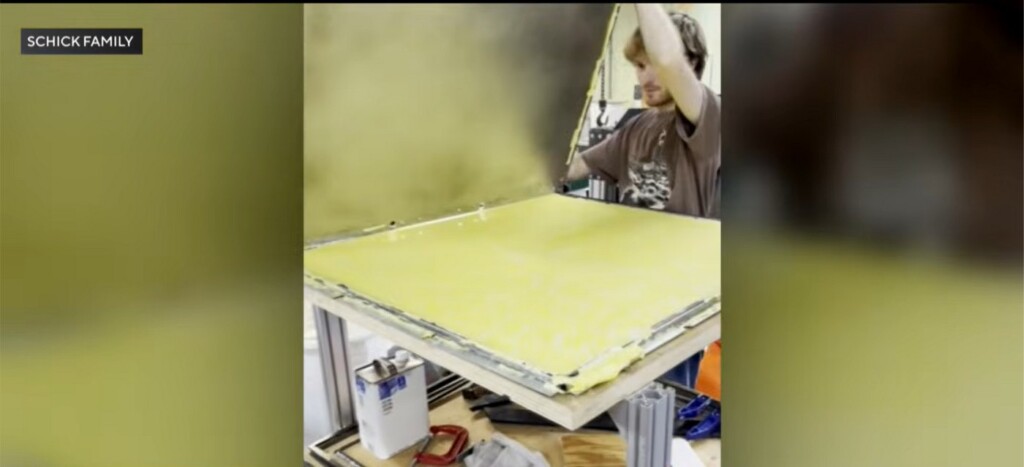
In central California’s city of San Carlos, recycling plastics is a family affair.
Nick Schick and his parents, David and Andrea, work exclusively with products made from hard-to-recycle plastic polymers called thermoplastics.
Unlike water bottles and tote bags, thermoplastics lack conventional recycling methods. In order to stop them from reaching the landfills where they will breakdown into microplastics that poison our bodies and the environment, the Schicks run a chic nonprofit called Peninsula Precious Plastics that “rehomes” the material into new objects.
“Precious Plastics exists to sequester that plastic into reusable objects. So, we’re rehoming the plastic, so it doesn’t end up in places we don’t want,” the young Schick told CBS News SF.
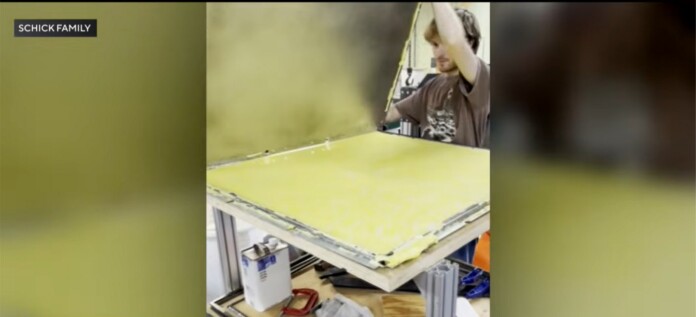
Special community groups divert difficult-to-recycle plastics to Precious Plastics, whose shredder turns them into small granules that can be heat-pressed in molds for new objects like furniture, combs, keyrings, clipboards, and more. But the community engagement doesn’t end there.
“We get these incredible students, engineers, artists, and out-of-the-box thinkers who come up with the ideas to reduce plastic waste,” said Andrea.

One such thinker was Sofie Roux, who had been working in Malawi to set up solar-powered classrooms packed into shipping containers. She contacted Precious Plastics hoping to get desks made out of the plastic.
Her nonprofit got some of the press machines from Precious Plastics, while dad David flew out to Malawi to help them install and work the open-source presses to form and cut their desks out of plastic gathered locally in Malawi.
It was a meeting of minds; a mix with Schicks. Check out Peninsula Precious Plastics and consider getting involved if you’re in the San Carlos area.
WATCH the story below…
SHARE This Little Effort To Make A Big Change At Home And Abroad…
Scientists Solve Mystery Behind Snowfall That Dropped 695 Billion Tons of Ice on Antarctica


A warming pool of tropical ocean water has been shown to be the cause of immense snowstorms over East Antarctica which contributed to a net gain of 695 billion tons of ice between 2021 and 2023.
To put that tonnage into perspective, it’s about 4 years of annual ice loss according to a 2 decade average, and the largest ice mass-gain event yet recorded by the GRACE satellites which monitor Antarctica.
The study is novel in terms of the mechanism used to explain the gigantic snowfall event, as well as the trigger for the mechanisms not necessarily lying in human-caused changes to the global temperature systems.
Over the same two years, sustained warming was observed in the space where the tropical Pacific Ocean meets the Indian Ocean, known as the tropical warm pool (TWP). The warmer than average water temperatures triggered a weather phenomenon called a Rossby wave train toward East Antarctica’s Queen Mary’s Land and Wilkes Land, reorganized moisture transport, and enhanced regional snowfall, thereby temporarily slowing Antarctic ice-sheet mass loss.
Water-vapor tracking simulations showed that, under the influence of the dipole circulation, moist air from the midlatitude Indian Ocean was transported to East Antarctica, allowing more atmospheric rivers to reach the region. This resulted in persistent heavy snowfall over the Queen Mary Land–Wilkes Land region and increased ice-sheet mass.
Atmospheric rivers are exactly what they sound like: a river of moisture that meanders through the atmosphere, and they are capable of transporting enormous amounts of water vapor over long distances. When they reach cold regions such as Antarctica, that moisture can fall as heavy snow.
Atmospheric circulation model experiments confirmed that warming of the TWP was the direct driver of the circulation and snowfall responses, which is notable for its break from existing theories.
Periodic slowdowns in the loss of Antarctic ice mass like what was seen between 2021 and 2023 “is consistent with the expected long-term precipitation response to global warming,” according to the authors. As warmer air drives both atmospheric moisture and poleward shifts in storm paths, it’s expected that there will be occasional blizzards that contribute enormous amounts of ice even as the continent loses ice decade-by-decade.
That was the theory, but the authors say their results point to a different mechanism.
MORE ANTARCTIC STORIES: Bizarre Deep-Sea Creature – a ‘Death Ball’ Sponge – Discovered in One of the Most Remote Corners of the Planet
“We found that this type of multiyear-TWP warming usually oscillates in the historical record,” associate professor and study co-author Qinghua Ding told GNN in an email, in response to a question as to whether the TWP warming was linked to global warming.
“I believe it is not a CO2 favored pattern because global warming does not normally favor such fluctuations. However, we also cannot rule out the possibility.”
The study claimed that the increase in regional snowfall attributable to anthropogenic influence was equivalent to only 9% of the observed snowfall anomaly, indicating that, like Professor Ding’s assessment of the TWP warming, atmospheric moistening caused by global warming was not the primary cause of the snowfall and ice-mass gain.
NOT ALL BAD: Scientists Have Found Climate-Resistant Coral Reefs Around the World Totaling the Size of Wisconsin
Further observations and simulations showed that similar sustained TWP-warming events occur approximately once every decade, and it could be supposed that it triggers similar snowfall levels when it does—and that both act beyond the influence of CO2-emission-induced warming.
It might be worth keeping eyes open between 2031-33 to see if a similar ‘tropical warm pool–East Antarctic Ice Sheet teleconnection pathway’ manifests again, as the Antarctic Ice Sheet is one of the major sources of uncertainty in future global sea-level rise.
SHARE This Important Discovery With Your Friends…
Chinese Scientists Develop New Oil Refining Method That Cuts Energy Use by 90%


Rather than bringing crude oil to boiling point over and over again as is done in traditional distillation refining, Chinese scientists have found a way to separate the mixture molecule by molecule at room temperature, cutting energy use by 90%.
The groundbreaking discovery was done in the lab, and so it can’t be said for certain to be scalable to the global petroleum products industry. If it could, though, it would dramatically reduce the cost and emissions from producing gasoline, diesel, or plastics.
Crude oil and its refined derivates are direct manufacturing inputs for thousands of common, high and low order goods—a fact widely circulated in the aftermath of the closure of the Strait of Hormuz through which one-fifth of the world’s crude is moved.
Researchers in northern China’s Dalian Institute of Chemical Physics have pioneered a method for turning crude oil into refined petroleum called “molecular refining,” which uses a chemical membrane to separate the different molecules found in crude oil and shunts them into different containers.
This is a critical change from the standard distillation method which leverages the slight variations in boiling points between the various chemicals in crude oil to separate them. It requires that crude oil be boiled many times over, requiring huge amounts of heat, and therefore huge amounts of energy.
Each of the scientists’ chemical membranes are specially designed like sieves to allow certain crude oil ingredients to pass through while the rest are filtered out. For example, straight-chain and single-branched alkanes that are used to produce the product ethylene can fit through one sieve because these have a different size from the multi-branched alkanes and cycloalkanes used to make gasoline.
These two separate membranes needed a fair amount of continual tweaking to get right, as the difference in size between these two groups of molecules is only about one-one hundredth of a nanometer. The researchers managed it, however, and then tested the two members with a light sweet crude mixture containing 15 different chemicals.
HEAVY INDUSTRY LIGHTENING UP:
- Canada’s Newest Nickel Mine Will Store 1.5 Millions Tons of Carbon Every Year During Operation
- Cement Kilns Could Become Carbon Negative if Run on Clean Energy as Limestone Absorbs CO2
- In World First, German Steelmakers Power Their Furnace Using Only Hydrogen Instead of Coal
In the lab, it was separated into 3 groups of high-value products with a recovery rate of between 85 and 90%, the authors reported in a study, published in National Science Review.
And because nothing needed to be boiled, vaporized, or condensed, the process used 91% less energy.
A 2021 estimate placed oil refining as the 3rd largest stationary contributor to global CO2 emissions, amounting to around 1.3 gigatons of CO2 per year, reaching at its highest level about 4% of global human-related CO2 emissions. That trumps contributions from large transportation like maritime shipping or aviation, and brings into context how valuable molecular refining could be if established at scale.
REFINE Your Friends’ Social Media Feeds By Sharing This Good Breakthrough…
Students Win James Dyson Award for Device That Screens Students for Concussions in Just 60 Seconds

A trio of students at Harvard University have invented a low-cost, eye-tracking headset designed to help schools quickly screen child athletes for possible concussions.
The invention takes just 2 to 3 minutes to screen for a concussion, or at least indicate sub-concussive trauma may be present, and it won the inventors the James Dyson Award 2026 for the United States.
CDC analysis of the 2017 Youth Risk Behavior Survey found that 15.1% of US high school students—approximately 2.5 million—reported at least one concussion related to sports or physical activity in the prior 12 months.
The interdisciplinary Harvard team consisting of Radhika Saran, Cleo Pontone, and Sophia DeVito wanted to come up with a device that could deliver actionable information on the sidelines in real time that could help coaches make decisions on player welfare which in the heat of a competitive match moment might be difficult.
The CDC advises that athletes with a suspected concussion should be removed from play immediately and kept out until cleared by a healthcare provider. If a minor-age athlete plays just 15 minutes of high-intensity sport with a concussion, it can double the required recovery time.
Saran, Pontone, and DeVito invented “Rumble Rims” which they say closes a gap in concussion care between expensive clinical systems and subjective sideline checks. The system gives schools a more accessible way to track eye movements that research suggests may provide an objective window into concussion-related neurological disruption.
The headset conducts a screening in infrared light which the athlete cannot see. The athlete completes an oculomotor task that captures how the eyes follow, fixate, and move. The coach-facing mobile display then translates complex eye-tracking measurements into real-time guidance that can help inform whether an athlete should be removed from play and referred for professional medical evaluation.
After the game, the recovery dashboard allows repeat testing over time, creating an objective record that athletes, families, and clinicians can use to monitor progress before return-to-play.
“We wanted to give coaches, athletes, and families clearer information at the exact moment of risk,” said Saran, co-creator of Rumble Rims. “If objective tools already exist, they should not be locked inside expensive clinical systems. They should be accessible where young athletes are actually getting injured.”
The team’s sideline-first design process was shaped by user research with athletes, coaches, medical professionals, and physical therapists. Early concepts explored helmets, mouthguards, a black-curtain room, and expandable structures that enclosed the screen, camera, and athlete’s face.
Through testing, the team realized accuracy depended less on building a controlled room and more on controlling the relationship between the eyes and cameras, leading to a headset design that moves with the athlete’s head while keeping the screen separate and setup simple for coaches under sideline pressure.
According to the CDC, about 7 in 10 emergency department visits for sports and recreation-related traumatic brain injuries and concussions are among children ages 17 and under, when the brain is still developing.
YOU MAY ALSO LIKE: Inventor Envisioned a Waterless Toilet for Astronauts, Realized it Could Solve a Global Sanitation Crisis Instead
“As a coach, my primary initiative is to make sure my student athletes are safe,” said Elliot Sawyer-Kaplan, a high school lacrosse coach who contributed his experience and view to the development of Rumble Rims.
“Once we take the emotion out of the decision, it’s not in the coach’s hands, it’s not in the player’s hands. This is so incredibly important for the development of children’s brains.”
Rumble Rims takes home $6,500 from the James Dyson Award national prize to support its next steps in development. The team plans to build and test a higher-fidelity headset prototype, refine the oculomotor test and validate the system with athletes, coaches, trainers, and medical advisors. Long term, they hope to pilot Rumble Rims with schools and youth sports programs.
OTHER ACCOMPLISHED STUDENTS: 3 Teens Win Global Earth Prize for Inventing Tamarind Powder That Easily Removes Microplastics
While the technology is still in development, its focus on objective eye-movement data responds to a clear clinical need: concussion assessment today still often depends on symptoms, history and clinical evaluation, while structural imaging is frequently normal and self-reporting can be incomplete.
The James Dyson Award is organized by the James Dyson Foundation, which since 2002 has supported design, technology, and engineering education program around the world through hundreds of millions in charitable contributions and education/opportunity development projects.
WATCH the students present below…
SHARE These Brilliant Students’ Accomplishments With Your Friends…
“The groves of redwood were God’s first temples.” – William Cullen Bryant

Quote of the Day: “The groves of redwood were God’s first temples.” – William Cullen Bryant
Photo by: Jason Hawke 🇨🇦 for Unsplash+
With a new inspirational quote every day, atop the perfect photo—collected and archived on our Quotes page—why not bookmark GNN.org for a daily uplift?

Good News in History September 17

Happy 41st birthday to The Great 8, Alexander Ovechkin. Playing left wing for the Washington Capitals since 2004, he is quite simply among the greatest goal scorers in the history of ice hockey. He has won the Hart Memorial Trophy for Most Valuable Player three times (in 2008, 2009, and 2013), the Lester B. Pearson Award for Best Player as voted on by the National Hockey League Players’ Association three times (2008, 2009, 2010) and the Maurice “Rocket” Richard Trophy, awarded annually to the NHL’s leading goal scorer, an NHL-record nine times. READ about his life and career… (1985)
Nashville Singer Becomes Local Celebrity Rescuing Foxes and Saving Them from Mange


A Nashville singer-songwriter has become a star—but not because of his guitar playing.
Jerry Vandiver, whose songs have been recorded by country stars like Tim McGraw, moonlights as a volunteer hero to the local red fox population.
As Tennessee suffers from a serious mange epidemic, particularly bad in the area around Vandiver’s adopted home of Nashville, Vandiver has logged thousands of volunteer hours over the last 7 years baiting and trapping foxes before taking them into an animal rescue center.
Mange is not rabies; it doesn’t have to be fatal. Caused by skin mites and manifesting as persistent skin irritation and pain leading to hair loss, rashes, and scabs, it can kill foxes due to secondary infections and is highly contagious through physical contact.
Yet treatment for mange is rather straightforward. The problem is that usually, there isn’t a 78-year-old trapper with a heart of gold in the area who’s willing to wake up at any hour of the night to retrieve a fox trap from the woods and drive it half an hour to Walden’s Puddle Animal Rescue.
Coming to GNN via the Tennessean, Vandiver’s story is an inspiring reminder that beauty is more than just skin deep.
“I’m not the hero, I’m just the ambulance driver,” Vandiver told the paper. “Mange is treatable. If we can catch them, they can have a healthy, happy life. I know how to do that. I can’t walk away from them when I see those pictures.”
The pictures he’s referring to are the dozens he receives every month from concerned citizens of the Nashville suburbs who know that he’s the man to call if there’s a mangey fox in the area. But he wasn’t always the red fox first responder.
Moving to Nashville from his home state of Missouri, Jerry Vandiver built a career in the 1980s as a singer songwriter, with his tunes being recorded by the likes of Phil Vassar and Barbara Mandrell. He’s a Nashville country-scene staple, yet it was when he began to use his performing artist Facebook page as a place to post before-and-after videos of the foxes he would rescue that his star really began to shine.
The Tennessean reports that this change of tune saw his follower count grow from 325 to 5,000. Part of that is a sad story—the increasing number of foxes with mange—and so the increasing amount of content Vandiver was posting about it. In August, he logged 234 volunteer hours catching and driving foxes around. In the whole of 2025, Walden’s Puddle rehabilitated 44 red foxes. By September, they’ve already passed 60.
TENNESSEE TALES: Nashville Public Library Offers Free Digitization of Photos, VHS Tapes–Book Your Appointment Now
Part of this, the nonprofit believes, is a reduction in habitat pushing foxes into closer physical proximity to each other. A family of foxes, which can include a dominant male and female, their young, and even some distant relatives, is called a “leash.” They are family-oriented, and as such, require fairly substantial territories stretching several square miles.
Mange can quickly spread through a leash, and if multiple leashes need to overlap on a single territory because of suburban development, the risk is that much greater. Combined with ingestion of rat poison which can weaken immune systems, a leash faces a very great danger of being consumed by the disease.
Walden’s Puddle recommends to residents concerned for the foxes’ wellbeing to avoid using poisons or setting out food, and to tightly close garbage containers. Reliance on human settlements for food can draw multiple foxes together and risk spreading the disease faster than in the wild.
MORE HEROES TO THE ANIMALS: Couple Converts Their Home into ‘Hedgehog Haven’ to Rehabilitate Over 500 Spiky Critters
Vandiver monitors several areas around his house with trail cameras. If he sees a mange-stricken fox in the footage, he’ll set out a trap and bait. People all over Nashville will contact him on Facebook if they see a fox with mange, he told the Tennessean, and he finds it truly difficult to ignore the image of any fox suffering thusly.
A member at Walden’s Puddle said he puts “foxes before himself,” always; quite something at 78-years-old. Yet he loves the animals, and if the work ever becomes too much, he needs only see the “look back” after returning a fox into the woods to know it was worth it.
Though in his heart he knows it’s the fox checking to see if the perceived threat is pursuing them, he likes to think it’s a way of saying thank you.
WATCH Jerry in action below…
SHARE This Incredible Difference Maker In The Lives Of Tennessee’s Foxes…
Scientists Determine Australia’s Vast Red Deserts Could Fuel a Hydrogen-Powered Energy Revolution
Scientists have revealed that Australia may hold the key to generating ample green energy while creating a major export industry, and that it’s buried underneath their feet.
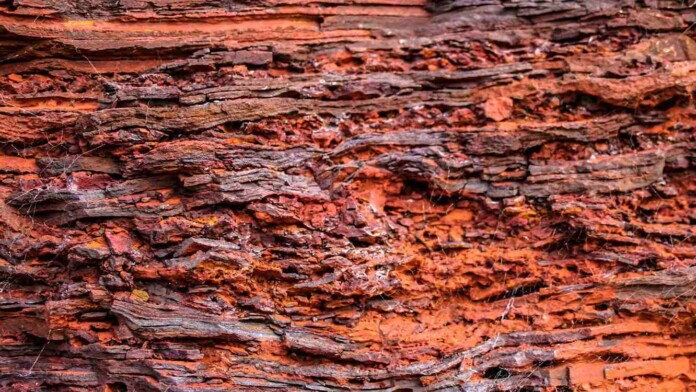
The breakthrough centers on magnetite, a mineral found in Western Australia’s vast iron ore deposits throughout the Pilbara region.
Researchers at Edith Cowan University’s School of Engineering have discovered that when magnetite reacts with hot water deep underground, it can generate hydrogen gas: one of the only proven green energies that can power the heaviest machinery, like jets, ships, and trains.
When not thusly found as a naturally occurring deposit, hydrogen gas can be easily created through electrolysis, but if that process is powered by fossil fuels, then the end product cannot really be called zero emission fuel. If it’s powered by renewable energy such as solar and wind, it can be, but issues exist with scaling and economic viability because of the amount of power electrolysis requires.
The ECU team has found a way to stimulate hydrogen production by injecting a solution into banded iron formations, significantly increasing the potential to harness this resource.
“Australia could be sitting on a massive, untapped energy reserve, and the potential is enormous,” Associate Professor Alireza Keshavarz said in a news release from the university. “There is enough hydrogen for Australia to benefit for generations, and potentially enough for us to become a major exporter of clean energy to the rest of the world.”
To test the theory, researchers exposed magnetite samples to water at temperatures of 200°C and under high-pressure conditions for 60 days, replicating the environment found deep beneath the surface of Australia’s famous red deserts, where the rock is so rich in iron oxides that it appears red.
The research provides one of the clearest insights yet into how natural hydrogen forms underground and the conditions needed to sustain production.
“Western Australia has some of the world’s largest banded iron formations. If we can unlock this resource at scale, it could be transformative for our energy future,” lead author Kaveh Moghanirahimi said.
“We even see the potential for Western Australia to strengthen its energy independence during times of crisis through access to this naturally generated hydrogen.”
Professor Stefan Iglauer, from ECU’s School of Engineering, said the study moves the science closer to real-world hydrogen exploration.
MORE HYDROGEN STORIES: Cutting-Edge Facility Generates Pure Water and Hydrogen Fuel from Seawater for Mere Pennies
“This work helps bridge the gap between laboratory experiments and real geological systems,” Professor Iglauer said.
“Our findings show that hydrogen production depends not only on the amount of magnetite present, but also on how easily water can access fresh mineral surfaces through fractures, pores and permeable pathways.”
The experiment saw a 1.5-gram sample of banded iron slab rock compared with 200 milligrams of magnetite powder. Because of its porosity, the powder produced 5-times more hydrogen gas by weight than the slab.
MEANWHILE IN CANADA: Canada Successfully Exploring for ‘White’ Hydrogen Gas, a Clean Power Source Beneath Existing Mines
The amount of hydrogen was minimal—just one 50th the content of an average raindrop—but 200 milligrams of powdered stone is also quite small, and given that the supposition of the scientists is to use a large section of the Australian continent as a hydrogen deposit, scale would presumably make up for the minimal gas generation.
The research was published in the International Journal of Hydrogen Energy.
SHARE This Interesting Science And Compelling Proposition For The Future Of Australia…