









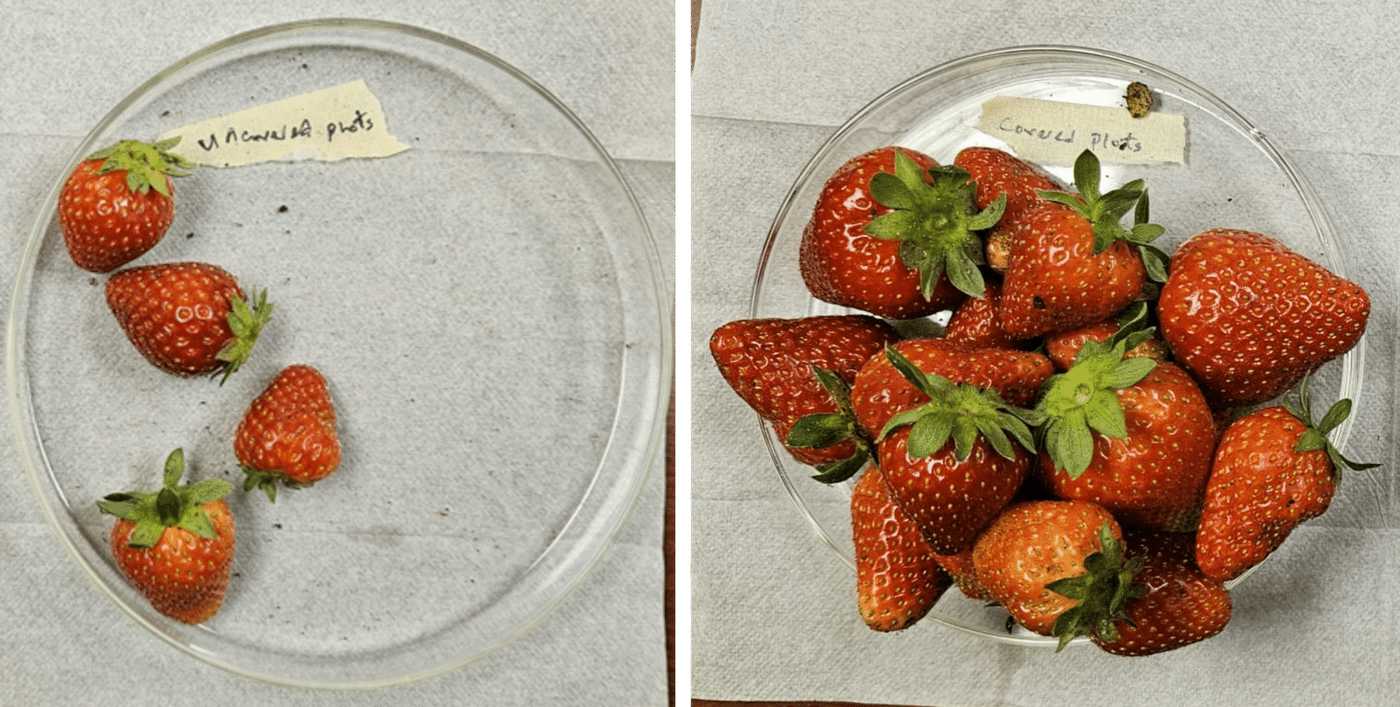
A new textile used to cover strawberry plants more than tripled fruit yields in field tests, without negatively impacting plant health.
Importantly, the technology could also significantly reduce water and pesticide usage in strawberry production.
Known as Plant Armor, the carefully designed fabric is simply draped over a strawberry patch and the material’s 3-dimensional structure prevents insects from reaching the plants beneath. Its multiple layers, however, allow for the penetration of sunlight, rain, and airflow.
Tunnel field tests found that Plant Armor increased strawberry yields by as much as 3.56 times, without negatively impacting relative humidity or light access.
“We expected that Plant Armor’s seemingly opaque fabric would lead to an increase in vegetative biomass at the expense of fruiting—because reduced sunlight would trigger a ‘shade-avoidance’ response, making the plant divert energy toward stem and leaf growth rather than fruit production,” said said Gabriel Olawuyi, a graduate research assistant at North Carolina State University and lead author of a paper on Plant Armor.
“However, we found the fabric did not impede access to light at all, and fruit production increased significantly.”
Plant Armor also provided a consistent warming effect over the 3 seasons that the plant grows, which Olawuyi said helped the bushes reach the fruiting stage earlier than those without the cover.
“Plants require a certain amount of accumulated heat, calculated as ‘growing degree-days,’ to progress through developmental stages including fruiting. Our plant cover has proven to enhance these,” Olawuyi said.
“The plants were in a condition whereby the warmth they need to go through each phenological stage to their production was given to them optimally, and they produced far more than the uncovered plants.”
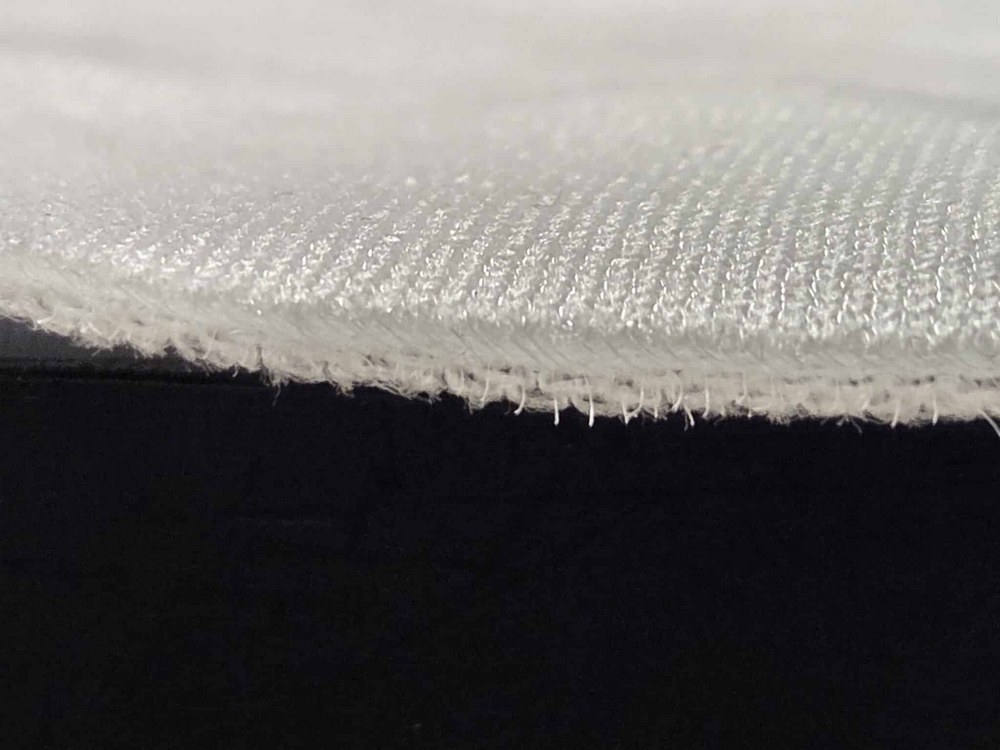
By deterring insects, Plant Armor could also reduce the need for traditional pesticides in agriculture.
Plant Armor was created as a spinoff of efforts to make military uniforms resistant to mosquito bites. This “2.0” version was adopted for growing in what one study author said was down to a good example of the value of researchers staying abreast of interdisciplinary developments.
INNOVATION ON THE FARM:
- Resilient French Farmers Use Warming Climate to Grow the Country’s Own Tropical Fruit
- Ethiopian Farmers Save Thousands by Switching to Solar Irrigation–While Cutting Emissions
- Drones are Saving Hundreds of Fawns From Mower Deaths in Germany (WATCH)
“The path to Plant Armor started with trying to make a cloth to go on a soldier’s chest to make body armor more comfortable,” said co-author R. Michael Roe, William Neal Reynolds Distinguished Professor at NC State.
“Then, through trial and error, we arrive at a product which could triple the output of strawberry farms here in North Carolina. We couldn’t have predicted that when we started. Without all these people here doing research and following the science, we wouldn’t have arrived at this product.”
SHARE This Simple And Brilliant Way To Grow More Food With Fewer Pesticides…