











JoyDrops champions awards-eligible documentary shorts about joy, a counterweight to a category often dominated by tragedy. Good News Network has partnered with JoyDrops to spotlight these films and talk with the filmmakers behind them.
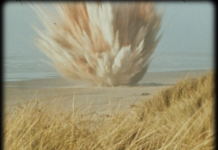
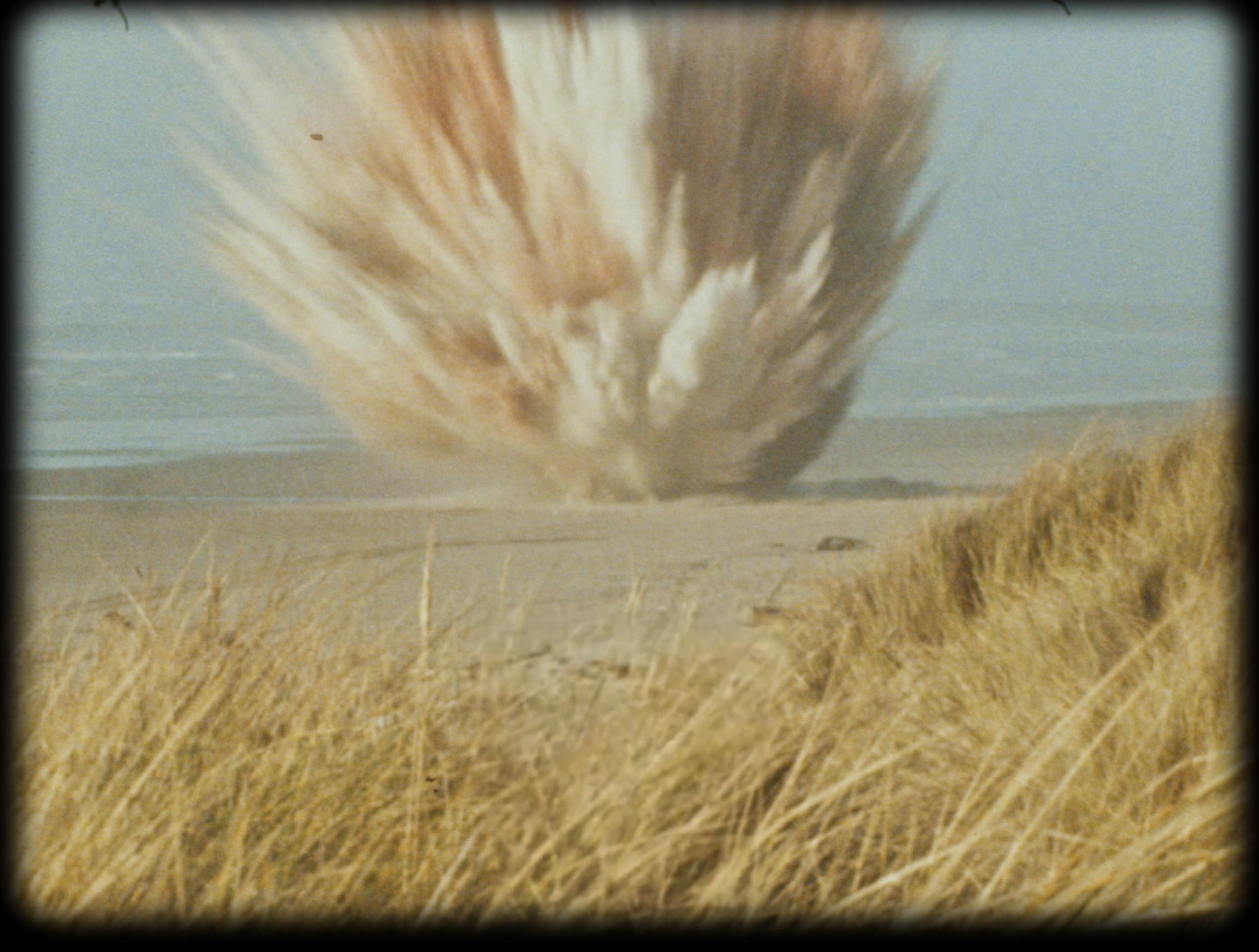
“The blast blasted blubber beyond all believable bounds.”
TV newsman Paul Linnman delivered that line from an Oregon beach in 1970. Fifty-six years later, people still repeat it to him everywhere he goes.
“It is just such a ridiculous, incredible, amazing, very human story,” director Winslow Crane-Murdoch told GNN.
That story is the subject of Oh Whale!, the latest film in GNN’s JoyDrops series.
The film
On November 12, 1970, a massive dead whale washed ashore near Florence, Oregon. The highway department decided the best way to get rid of it was dynamite.
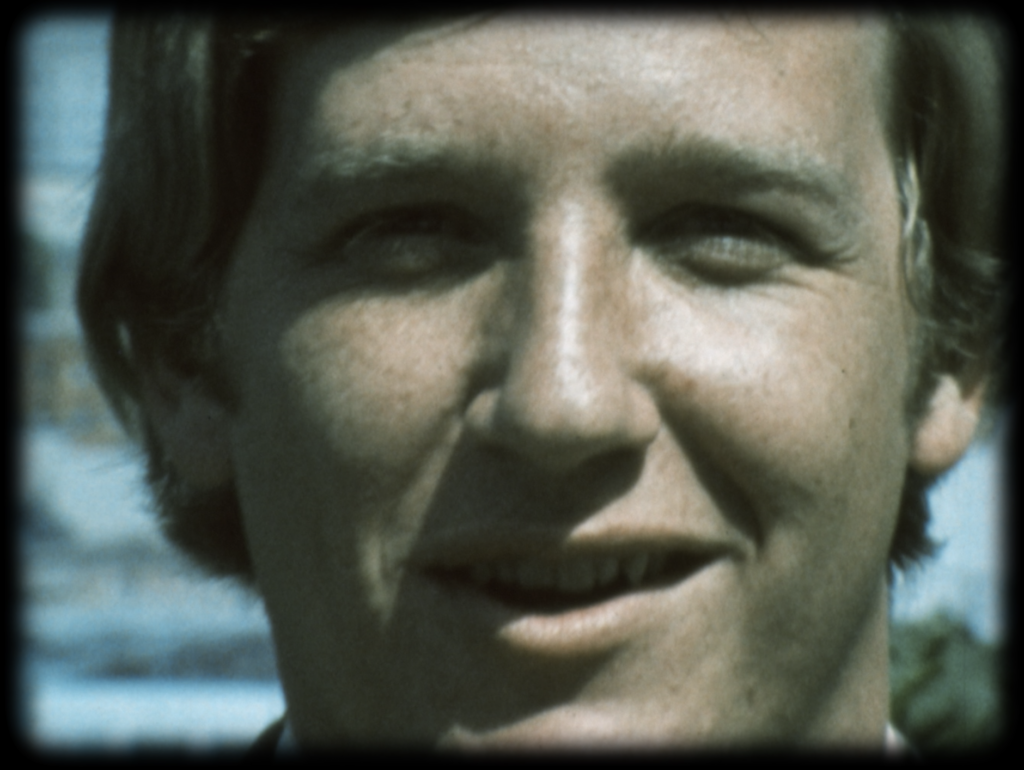
“That was about as bad of an idea as you can imagine it to be,” Crane-Murdoch said. A young Portland newscaster named Paul Linnman was sent to cover it, along with a cameraman named Doug Brazil. When the blast rained blubber across the beach, they ran for their lives. Their report “ended up defining his entire career and becoming one of the most viral news stories of all time.”
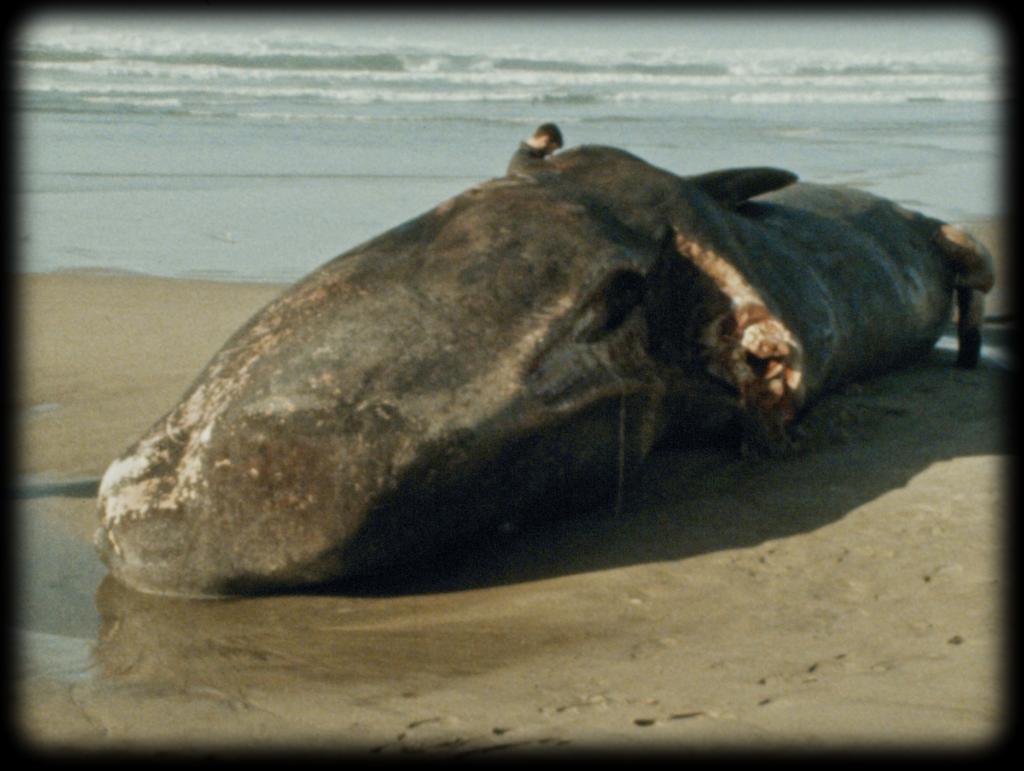
Crane-Murdoch, who moved to Oregon in 2017, first saw the footage on YouTube a few years later, when the station released a remastered version for the 50th anniversary. “I was quite literally blown away, to use a bad pun that we use many times in the film,” he said.
As he dug in, he found a deeper story. For years, Linnman resented being remembered for the whale over everything else he reported. Over time, he came to accept it. Oh Whale! follows that journey.
The film is being released with The New Yorker and Switchboard Magazine.
The audience decides
The clip has gone viral again and again for 56 years. First people requested film reels, then VHS tapes. It became one of the first email attachments and early blog videos, and then a YouTube hit.
Crane-Murdoch credits the craft. Linnman wrote the script once and read it, and the piece aired the next day. Linnman could have told the story many ways, and he chose to make it funny. That choice is a big part of why people are still watching.
“It was a reminder for me of how incredible local news can be,” Crane-Murdoch told GNN.
In the film, Linnman says the producer of a story doesn’t get to choose the response; the audience decides. That turned out to be true for Oh Whale! too. The team expected a fun side project. Instead, it has had a strong festival run, won awards and earned a Critics’ Choice nomination.
“To sit in an audience and to have people laugh and experience joy together has been really powerful,” he said. “It shows that community can be born around any of these stories.”
Nowhere is that clearer than in Florence, which now holds an annual Exploding Whale Memorial Day. Local residents showed up to a Portland screening with a fake stick of dynamite and a whale costume to welcome the crowd.
Joy first
Crane-Murdoch came to Oh Whale! after seven or eight years making The Quiet Epidemic, a feature documentary about chronic Lyme disease. He was burnt out and wanted something lighter, a chance to “fall in love with the craft of making a film again.” He still believes in documentaries that take viewers into hard places, and he plans to return to issue-driven work. But he sees something valuable in films like those on the JoyDrops slate.
“These films actually do have some sort of message at the center of them, but they’re doing it in a way that puts joy first,” he told GNN. “That allows you into these greater conversations, but without having to just enter through trauma.”
Comedy, he found, is harder than it looks. “I was surprised at how hard it was to make,” he said. “To make people laugh is a challenging thing.” The sadder stuff, he said, “can sometimes feel a little bit easier” from a craft standpoint.
The film started out as pure absurdity, but the team found real heart underneath. “The film is about legacy and what we leave behind,” he said. Its logline sums it up: we don’t get to choose our fate, only what we make of it.
Still, his favorite moment brings it back to the absurd. When he asked Doug, the cameraman, for the lesson of the story, the answer was simple: Don’t underestimate the power of explosives.
“We’re grateful to be part of this conversation of films that are trying to bring a little bit of joy into the watching experience,” Crane-Murdoch said, “and give audiences something that is refreshing and fun.”
More from JoyDrops: