












Over the decades, a glacier in Central Asia appears to have been growing when almost every other glacier on Earth has been shrinking.
Now, a scientific expedition has recovered ice cores containing 30,000 years of frozen water in the hopes that somewhere inside lies some indication of how we can help these rivers of ice survive as the planet warms.
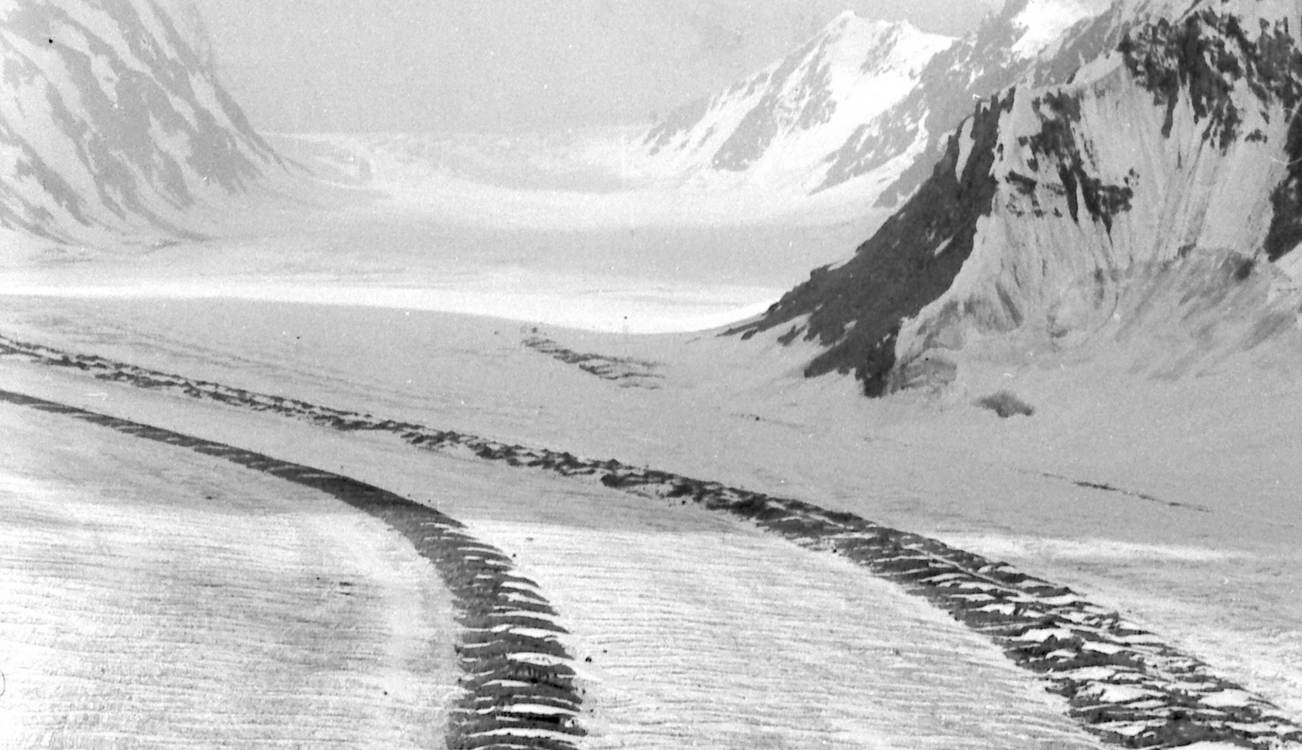
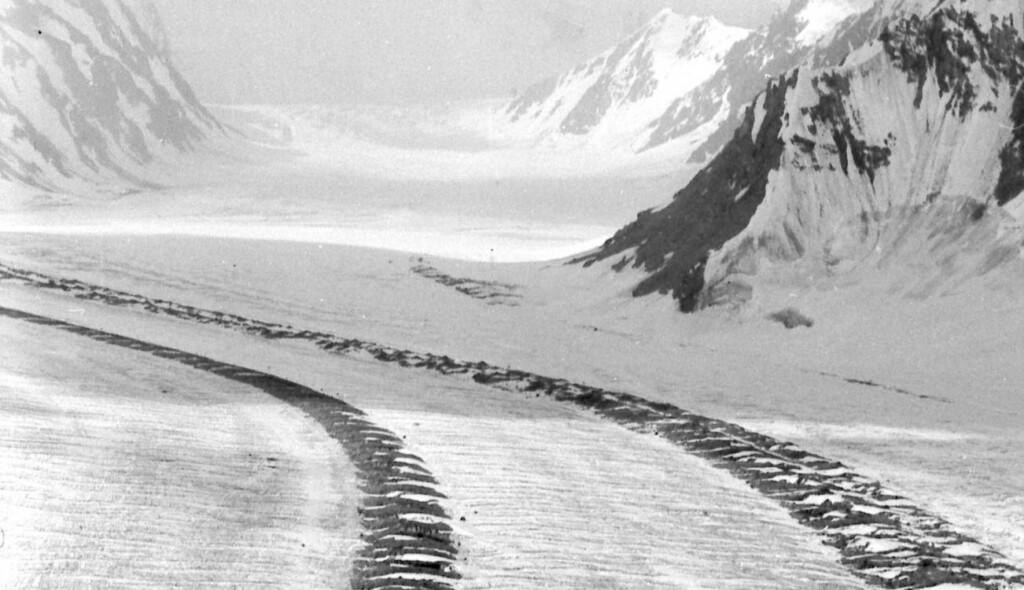
Located in the Pamir Mountains, the Kon-Chukurbashi high-altitude ice cap in Tajikistan defies convention. While a substantial number of glaciers have completely disappeared, it has grown in size, and scientists want to know how and why.
“If we could learn the mechanism behind the increased volume of ice there, then we may be able to apply that to all the other glaciers around the world,” Yoshinori Iizuka, a professor at the University of Hokkaido’s Institute of Low Temperature Science which received one of the two ice cores.
“That may be too ambitious a statement. But I hope our study will ultimately help people,” he told AFP.
An ice core is a long drilled sample of ice from a glacier. After a few meters, the ice thusly drilled formed hundreds, even thousands of years ago, and minute chemical differences, sediment inclusions, and other anomalies can give information about the climate and environment at the time the water froze.
The samples, usually about the same diameter as a soda can, were drilled across 100 meters of ice, equating to some 30,000 years of glacial history.
The glaciers in the Pamirs have proven more resilient than those in other high-altitude ranges, and in fact the Kon-Chukurbashi was the backup target for the international glaciological team who conducted the drilling earlier this year. Their chief aim was the Vanch-Yakh Glacier, but conditions there proved too hazardous for a helicopter ascent.
Vanch-Yakh is the longest glacier to survive beyond the polar regions, and like the Kon-Chukurbashi and other glaciers in the Pamir Mountains, has proved substantially resilient to the decline seen in glaciers elsewhere.
MORE MYSTERIES OF OUR PLANET: Huge Black Diamond Sold for $4.3 Million–and No One Knows Where it Came From or How it Was Formed
AFP were exclusively able to accompany the expedition, where scientists from Switzerland, Tajikistan, Russia, and Japan rucked the ice cores in 20-inch-long segments stacked in trays inside coolers on their backs, down to a 4×4, and finally to a refrigerated truck.
The expedition was funded by a Swiss climate institute, and the Ice Memory Foundation which operates a storage facility for ice cores in Antarctica.
ICY STORIES: ‘Mating Glaciers’ High up in Pakistan’s Mountains Could Yield Climate Change Gamechanger
Speaking with AFP, Russian scientist Stanislav Kutuzov said that he and his team analyzed the first 50 meters of cores in a single day. But starting from 70 meters onward, the ice become filled with dust particles—more than they had ever seen.
What this means—as well as the yellow coloration of the final 5 meters of ice core, will hopefully be revealed soon, as research is still ongoing at the Hokkaido Institute. Just maybe, it will reveal something that can be used to save glaciers before they disappear.
SHARE This Enigma Glacier And Its Unfolding Secrets…