Like so many little girls, Misty Copeland dreamed of being a ballerina.
But her dream was extra-special: she knew that if it ever came true, it would become a historical milestone. Copeland wanted to be the first African-American woman ever chosen as the principal dancer for the prestigious American Ballet Theater.
The Awesome Moment a Nerdy Kid Wins Dance-Off and Shocks His School
Yesterday, the grown-up Copeland was awarded the position, marking the first time in the ABT’s 75-year history that a black woman has received the accolade.
The announcement from Kevin McKenzie, Theater’s artistic director, was captured on cell phone video as he told her, “Take a bow.”
Breaking the news on Instagram was in perfect step with Copeland’s own digital efforts to expand appreciation of ballet to new audiences. She has appeared on the cover of TIME magazine and been highlighted on CBS’s “60 Minutes,” but she is also reaching a new generation of girls through empowering messages on social media and online. Among them, a poignant advertisement made for Under Armour that tells them to never give up.
The ad, viewed more than eight million times, begins with a child’s voice reading a rejection letter from a dance school:
Thank you for your application to our ballet academy. Unfortunately, you have not been accepted.
You lack the right feet, Achilles tendons, turn-out, torso length and bust. You have the wrong body for ballet and, at 13, you are too old to be considered.
The rest of the ad shows Copeland, more than 15 years later, demonstrating the skills that made her a soloist at the American Ballet Theater, before catapulting her to her new role as principal ballerina.
(WATCH the Under Armour video and READ more at the New York Times) – Images by Under Armour
Make Someone’s Heart Dance, Share this Breaking News… (below)
Making the decision to leave a gang isn’t easy—finding a way to integrate yourself into the workforce with a family to support is even harder.
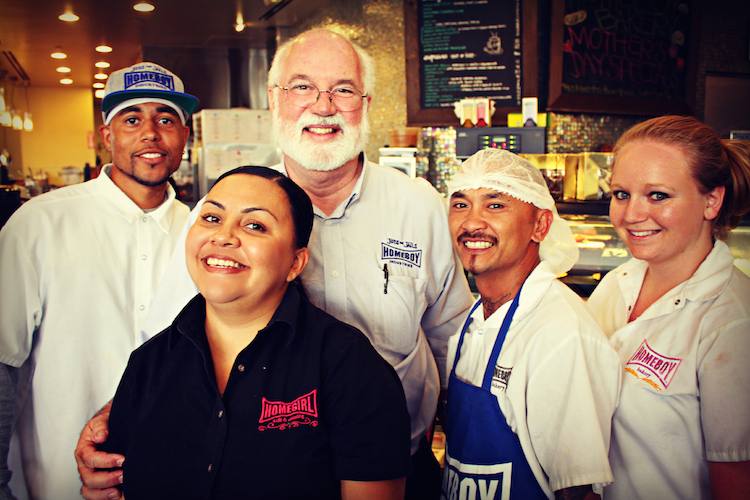
For men and women leaving prison or escaping from gang affiliation, California-based Homeboy Industries has been the place to go for over a quarter century. The nonprofit, which was first founded by Father Gregory Boyle 27 years ago, offers job training and placement, counseling, legal aid, educational programs and even free tattoo removal to over 10,000 men and women each year.
This week, Homeboy Industries was awarded a “Training to Work” grant through the U.S. Department of Labor. The multi-year grant will allow Homeboy to take on 150 new job training applicants in the business, food, construction, and manufacturing fields.
Homeboy Industries struggled for funding in its early days, and hit a major fallout known as “Black Thursday” in April of 2010, but they’ve been on the up-and-up since CEO Thomas Vozzo arrived in 2012, increasing revenues by 30% for the nonprofit organization’s social enterprises HomeboyFoods.com, Homegirl Café & Catering, and Silkscreen & Embroidery.
“We want them to grow in the job they have with us, and once they graduate the program, we help them secure their first job,” said Vozzo. “Having these certifications is the first step in getting potential employers to look past felony records and former gang involvement.”
The Homeboy Campus in Downtown Los Angeles houses Homegirl Café, a full service catering business, and is home to rehabilitation programs offering comprehensive therapy services, GED classes, and the tattoo removal service.
“It takes a huge amount of courage to say, ‘I want to leave the gang life.’ These folks are second and third generation gang members, with parents, aunts and uncles in gangs.” Vozzo said. “They have to make a decision to leave the lives they knew and start over. Once they start seeing that there’s a community here and that other people have made the transformation happen, they want to get to work.”
(WATCH the video below to see how it works) Photos courtesy of Homeboy Industries
Spread the News About This Great Program By Sharing Below:
A man living on the streets came across thousands of dollars twice in the past month and has given it all away.
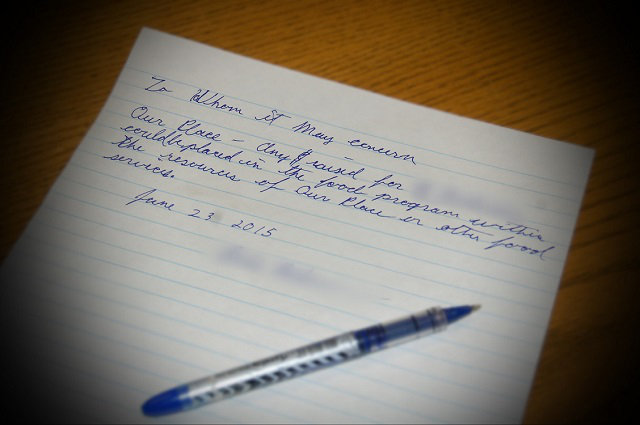
A few weeks ago, the man, who has asked not to be identified, found a suitcase with $2,000 cash inside on a street in British Columbia, Canada. Instead of keeping it, the homeless man, who is in his 60’s, turned the money over to police.
As news spread of his honest gesture, donations flooded into a fundraising site to help him—$5,000 to date, including $255 from a kids’ lemonade stand.
“After hearing this story and seeing how this case touched so many people, I took a personal interest in finding this man, looking for him everywhere while on and off shift,” Constable Alex Bérubé of the West Shore Royal Canadian Mounted Police said. “It’s not easy tracking down a person of no fixed address and no phone, but I kept trying because I needed to tell him about how the community had rallied together to help him.”
After hours of searching, Bérubé finally found him and told him about the money raised – but instead of accepting it, the man insisted the donations go to a local homeless shelter, Our Place.
He did have one request. He needed help in finding a job. The same blog who raised the reward money has vowed to aid in the request.
The man says he wants to shows his gratitude for the community’s support by paying it forward.
(WATCH video below from CTV) – Photo: Royal Canadian Mounted Police – Story tip from Judy Ritchie
For years, headlines have promoted low-fat diets and pushed us toward low-fat meals and snacks on grocery shelves. Fats have been truly maligned, like four-letter words, in the many dire warnings from nutritionists and doctors.
Now, following reviews of the latest scientific and medical literature, a new report has revealed that actually, it’s not the amount—but the type—of fat that matters.
The recent U.S. Dietary Guidelines Advisory Committee, recommended that dietary advice should place the emphasis on consuming healthy types of fat instead of reducing total fat.
Research has shown that when people eat more than the recommended 35% daily total fat, they actually have reduced their risk of cardiovascular disease if unsaturated fats from sources like nuts, avocados, vegetable oils and fish replaced the unhealthy saturated fats and carbohydrates.
“With these quiet statements, the DGAC report reversed nearly four decades of nutrition policy that placed priority on reducing total fat consumption throughout the population,” wrote Dariush Mozaffarian, M.D., of Tufts University in Boston and Dr. David S. Ludwig, M.D., of Boston Children’s Hospital, in this week’s Journal of the American Medical Association.
The panel of nutrition experts who wrote the report also said it was okay to eat an egg a day, reports NPR News. “The scientific evidence now shows it won’t raise the amount of LDL cholesterol – the bad kind of cholesterol — in your blood or raise the risk of heart disease.”
The government panel is hoping its advice will lead to diets rich in vegetables, fruits and whole grains, with limited meats, sugars and processed flours–and a hearty daily portion of healthy fats.
This summer, as you tend to your backyard, rooftop, lawn, or terrace garden, consider making it a place where local wildlife can find refuge, a place where produce can be grown daily without harming the birds, butterflies, and bees. Good News Network polled a flock of experts from around the country for their best advice on how to make your garden the friendliest environment for beneficial wildlife—and a place that is overflowing with human goodies, too.
First, and Most Importantly, Grow Food “Humanely”
That means no chemicals or pesticides.
Aaron von Frank says it starts with the seeds. He co-founded an organic Heirloom Seeds of the Month Club called, GrowJourney, after hearing the United Nations estimate that about 75% of all heirloom seeds have been lost forever over the past century.
“All of our plants are being grown without any synthetic fertilizer, pesticide or herbicides,” he said, describing his gardens in Greenville, South Carolina. “Almost all of them are rare or unusual heirloom varieties that we want to help preserve.”
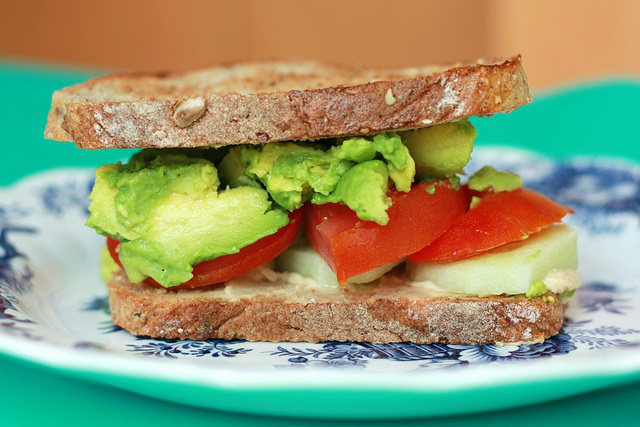
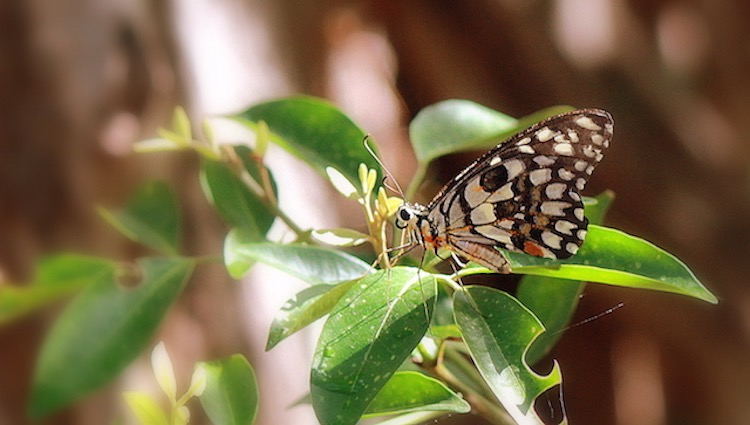
His yard is not only an attractive and relaxing place, but provides him with the freshest, most local food possible. It’s also the habitat for a huge range of organisms, from gold finches to lunar moths and tree frogs, offering pollen and nectar to hundreds of varieties of the crucial pollinators–bees, butterflies, and moths.
“At the end of the day, we get piles of organic produce picked at the peak of ripeness, much of which we’d never be able to find at any grocery store,” said von Frank. “To us, that’s as humane as food gets, and it’s also as humane as a lawn can be.”
Keep It Versatile
It’s possible, he adds, to grow a wide variety of edible plants within a relatively small or narrow space.
“We have multiple lettuce varieties, multiple kale varieties, multiple bean varieties, cilantro, tomatoes, pears, melons, squash, arugula, horseradish, pears, arctic kiwis, yellow wonder strawberries, milk thistle, red strawberries, blueberries, goji berries, blackberries, lambs quarters, corn, sorrel, and chicory,” said von Frank.
Different bird species rely on different layers in your landscape, and different layers serve different purposes for all birds and pollinators, according to California-based Melinda Teves of the Altacal Audubon Society.
“From trees to shrubs to little brush piles on the ground, these serve extremely important purposes,” she said.
Bring In Native Plants
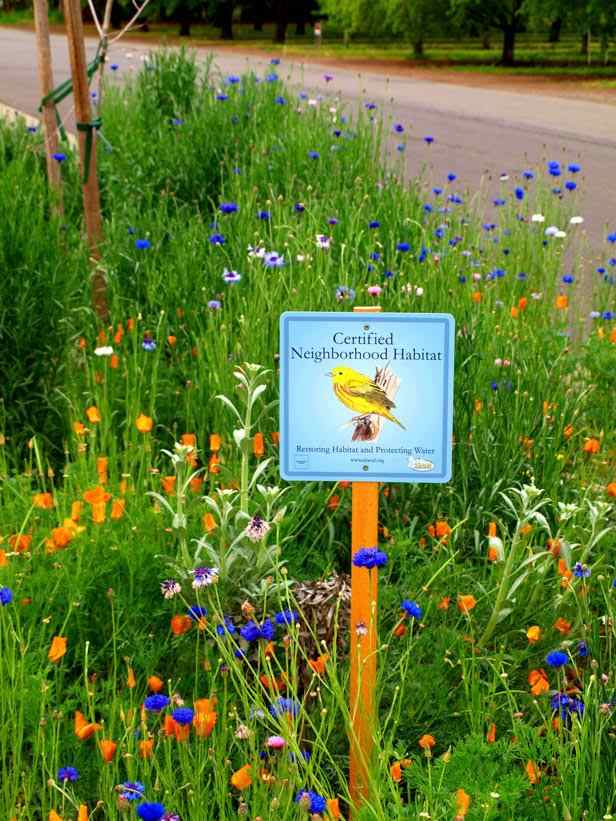
Choose as many native varieties as you can that are specific to your area. The more you cultivate, the more habitat you’re restoring.
“Native plants specific to your area are already adapted to your particular climate, which means their water needs will match what is available,” Teves said. “They also don’t require herbicides and chemicals, which some exotics require.”
Additionally, she says, native plants have evolved alongside native critters for thousands of years, so they are better at providing food and shelter. Plus, in areas like California, you’ll be conserving more water.
Grow A Lot of Veggies
A humane garden is also a comfort to the family food budget.
“One packet of Swiss Chard seeds from Baker Creek Heirloom Seed Company cost $2.50 for 100 seeds. That could buy me one bunch of chard at the grocery,” said Karen Allanach, a U.S. Humane Society representative living in Washington, D.C. She was speaking of the nutritious large-leaf greens that are tasty when sauteed in olive oil with onions and rosemary. “If my chard does as well as it did last year that crop alone will save me a bundle through the summer.”
It’s also a lot of fun for kids who can help pick the food.
“The daily task of watering the garden each evening often turns into an impromptu shower when my son Gavin and his 13-year-old sister play in the sprinkler or have water fights across the yard.”
Provide a Water Source
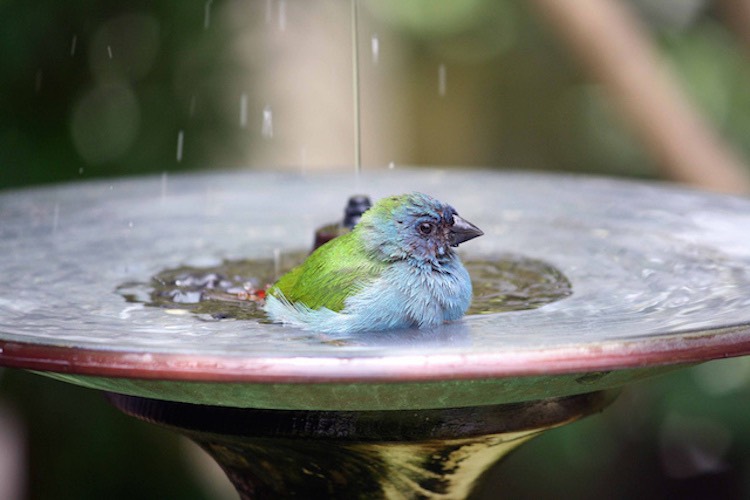
Animals need reliable sources of fresh water in the form of a birdbath or even a small pond—make sure that the bird baths are safely positioned, and that the water is clean. It’s also important for the animals that live inside your home.
Because so many of their natural habitats are being destroyed, bats are actually an endangered species. But, don’t let the threat of rabies prevent you from protecting bats. According to the Humane Society, Bats are rarely rabid—and they are unlikely to be aggressive. If they do contract the disease, they die quickly and don’t cause an ongoing threat.
“Bats are magnificent: They pollinate plants, disperse seeds, and help keep the insect population in check,” according to Allanach. “Return the favor by giving them enough safe places to roost.” Learn how to build your own by clicking here.
Bring the Bird Feeder Inside at Night
Depending on where you live, it’s usually smart to bring in bird feeders at night so that you don’t welcome wildlife that may be a concern, including bears.
“It’ll protect yourself and deter these unwanted animals from rummaging through your yard, potentially ruining what you’ve planted,” says Katherine Blake of Audubon Connecticut, who is currently curating programs for children in surrounding school communities to teach them the importance of urban habitats for wildlife.
Plant for all Seasons
Plant a diverse mixture of vegetation with different bloom and seed times so wildlife will have foods year round.
“You’ll have wildlife viewing opportunities in all seasons, and the animals will be less likely to raid your garden on a full stomach—especially if you fence off the areas you want to remain undisturbed,” said Allanach.
Photo by Distant Hill Gardens, CC
Indeed, adds Blake, by doing so you extend the growing period, as well as the food you’re able to offer birds and pollinators.
“Plants that fruit in the fall are great for migrant birds. Similarly, in the Spring, early blooming plants help pollinators and birds,” she said.
Blake and Teves are recipients of a joint conservation initiative and grant program with Audubon and Toyota called Toyota TogetherGreen by Audubon.
(WATCH the video below for more on Humane Backyards) – Top Photo by Balaji Photography, CC
Use Your Green Thumb to Share This Story With Friends:
Who would’ve thought the color pink could be used to scare off a bunch of heartless poachers.
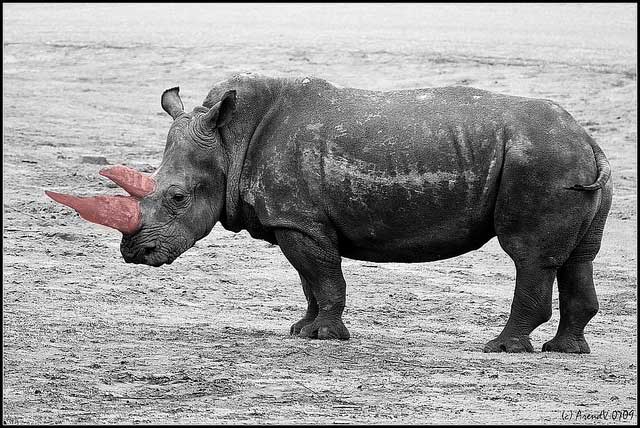
The people behind the Rhino Rescue Project did, and put that thought into action by using a pink dye to render useless the tusks of rhinos in a South African game reserve.
So far, fewer than 2% of the more than 100 rhinos they’ve injected with the mixture since 2011 have been poached. The method, which has been implemented at the Sabi Sand reserve, is now being employed at other wildlife refuges.
The photo above has been digitally altered to symbolize the success of the program, but in real life, the dye is actually invisible to the naked eye because it’s injected inside the horn.
The dye is completely harmless to rhinos, but can make any human who handles it sick, destroying its potential medicinal use. It also shows up on airport scanners—even if the horn has been ground into a powder—making it easier to spot poached horns.
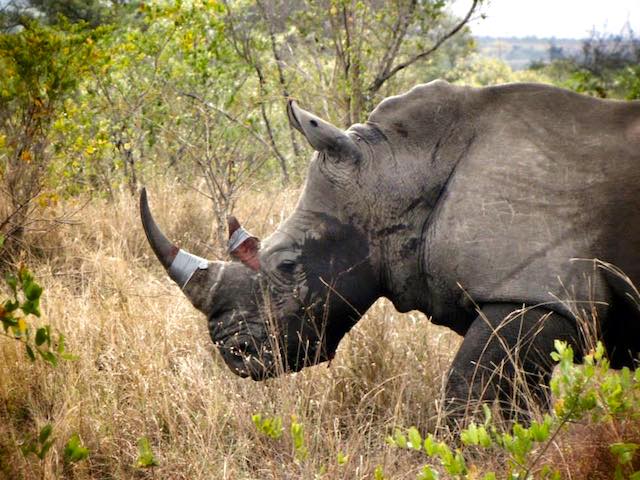
The photo, left, from the Rhino Rescue Project’s Facebook page shows an actual rhino after the process was completed. The bandages cover the injection holes while the horn recovers.
Unlike elephant teeth or tusks, rhino horns aren’t ivory. They’re keratin, made of pretty much the same substance as human fingernails. Because it has a tubular structure, once the dye is injected under high pressure, it spreads throughout the horn and stays inside for a full growing cycle — about three to four years — after which they can be treated again.
A chemical used for killing parasites at the game reserves is added to the pink dye. The substance becomes an irritant to humans, without harming the rhinos.
(WATCH the video below from Barcroft TV) — Photos (top) Arend Vermazeren, CC; (left) Rhino Rescue Project Facebook Page
In real life, Laura Jenkinson is a make-up artist to the stars.
In this case, though, the stars are painted cartoon characters and puppets, and her own face is the canvas.
The London-based artist has painted her face with an array of characters ranging from Kermit the Frog to Spongebob Squarepants (above) and posted them to her Instagram account.
They include Homer Simpson in his natural state, devouring a doughnut
Outdoor athletes looking for a breath of fresh air might soon find it more easily with the help of a new tracking device.
Spec Sensors, a small startup company, is working at designing a pollution sensor small enough to fit in a wearable. The sensor would measure levels of carbon monoxide and other harmful gases, enabling a runner or cyclist to determine whether they’ll be able to enjoy outdoor activity without getting all choked up.
The sensors also have medical applications for people with Asthma or other breathing difficulties.
Developers are working at reducing the size of the sensors, as well as developing an app. The American company is seeking funding in Asia.
Aside from measuring air quality, Spec Sensor says its product can detect formaldehyde, so it could also be used to determine a person’s alcohol level. The sensors can even tell if you have bad breath.
Our bodies are equipped with little wonder molecules that, when properly ignited, are capable of lifting your spirits in ways you never thought imaginable. These naturally occurring wonder drugs are called endorphins. Endorphins are neurotransmitters that offer a variety of health benefits including emotional elation, stress reduction, improved immune systems, and decreased pain. There are simple ways to get your daily dose of endorphins…
Endorphin Energizers
• Laughter: We have all heard that laughter is the best medicine and more and more evidence is proving this adage to be true. Cardiologists at the University of Maryland School of Medicine found that laughter increased blood flow about as much as some cholesterol-lowering medications or light exercise. Although the researchers did not recommend laughter over exercise, they did recommend a combination of both.
Laughing also triggers the release of endorphins and may improve our immune systems. Since laughing offers so many benefits, I recommend every household in existence mandate at least thirty minutes a day of good hearty laughter.
• Chocolate: I absolutely adore chocolate and, when consumed responsibly, it may even be good for you. Scientists have found that dark chocolate contains antioxidants that can help maintain cardiovascular health.
Studies show an array of health benefits from chocolate, but regardless, I am here to say it does wonders for my soul. It helps rev up endorphins and is associated with feelings of comfort and contentment, both of which come in mighty handy in the fast-paced world of parenthood. As with most things in life, moderation is key. Although it is quite tempting to reach for that second helping of chocolate ice cream in times of stress and chaos, just know when enough is enough! (For a P.S.S. –Parent Sanity Saver– use dark chocolate, which contains approximately three times the amount of caffeine as regular milk chocolate products, but you may want to avoid its use too close to bedtime.)
• Chili Peppers: The hotter the better when it comes to chili peppers and endorphins. Bell peppers are relatively mild while habaneros will have you doing a jig! The ingredients from chili peppers are also used to treat arthritic pain when used topically.
*Caution: Avoid use in the very young and very old.
• Exercise: The “runner’s high” experienced by athletes is a sought-after feeling. Although I do not run, I can “ellipticize” my little heart out all for the purpose of achieving that awesome endorphin rush. Remember, exercise is our friend! Regular exercise not only helps our bodies look more fit and tone, it also helps us smile.
• Massage: A professional massage releases endorphins, increases circulation, and stimulates the nervous and lymphatic systems. If you can’t afford one from the pros, three-year-olds are easy to teach!
• Meditation: When our bodies are in a relaxed state, as with meditation, this triggers the outflow of endorphins. It’s easy to do and is free-of-charge. Just close your eyes and concentrate solely on your breath going in and out in a slow and rhythmic process. Meditation also increases blood flow, slows heart rate, and decreases muscle tension. Although it may be next to impossible for most little ones to try this, older kids and teens can benefit.
Happy parents equal happy homes. It is crucial for us to utilize our bountiful endorphin banks to brighten up our days and our children’s lives, so seize one of these opportunities today.
The author is a Doctor of Pharmacy, mother of two, and chocoholic. Her column, The Medicine Mom, features entertaining articles related to family and children’s health. E-mail questions/comments to [email protected] or visit her website at www.themedicinemom.com
You can buy meditation tapes and CD’s; massage, yoga and pilates supplies; and other endorphin energizers at Gaiam.comand GNN will earn a small commission
When Pharrell invited a bunch of kids up on stage during a performance of “Happy” in Leeds, England, he probably wasn’t expecting 7-year-old Dylan Barraclough to become an absolute show-stopper.
Dylan, who is immediately identifiable thanks to his sparkly fedora, started off dancing in the back, but his killer dance moves quickly earned him a place front and center.
“That’s my boy! Go on, do it!” his dad called from behind the camera between whooping laughs.
In the Hindu religion, dogs are considered to be messengers, and are revered specifically for their loyalty and friendship in their relationship with man.
Nepal is having a festival where dogs are honoured for their special friendship wid humans! :)#KukurTihar ^_^China, watch n learn!! #YulinDogMeatEatingFestivalShouldBeStopped !!:) :)
A billionaire entrepreneur is making it his mission to help solve some of the world’s biggest health problems.
Napster co-founder and former Facebook President, Sean Parker, who is estimated to be worth $2.8 billion, announced the creation of the San Francisco-based Parker Foundation.
The foundation will focus on civic engagement and global public health, including innovative treatments for disease. The 35-year-old philanthropist will also continue his funding of work on cancer immunotherapy, malaria eradication, and allergy research.
Most of us are living on the fast track these days: talking fast, eating fast, driving fast, and generally moving fast. What a different state of life this is from just 20 years ago. We even pressure ourselves to keep busy during leisure hours. We want to do everything, and we want to do it all at once.
The people I counsel around the world are experiencing this because they live in, what I refer to as, a “spin-cycle lifestyle.”
The more we rush around in this epidemic of busyness, without keeping our lives in perspective and balance, the less time we take to be kind toward others – and ourselves.
But some people do take the time, and their gestures of compassion can significantly affect people and situations that are whirling around them.
Witness One Woman’s Kindness at the Airport
One such gesture I witnessed recently at the airport. I was leaving Portland, Oregon to fly to Los Angeles. Because of stormy weather, most of the flights were delayed, and some were canceled. As they announced the final boarding for my flight, I noticed a harried man running up to the counter with his briefcase in one hand and his ticket in the other. The ticket agent said that unfortunately his seat had been given away on the overbooked flight.
Everyone in the terminal could hear the extent of his frustration. He had an important meeting in Los Angeles, and he had to get there. I couldn’t help but feel bad for him, because I’ve been in similar situations where I couldn’t afford to miss a flight.
All of the sudden, a woman in her seventies walked up to the angry man and said that she wasn’t in a hurry and would be happy to give him her seat. As you can imagine, the man stopped right in his tracks and looked as if he was about to cry. He apologized to her, to the ticket agent, and to everyone around for his behavior, and thanked the woman for being an angel in his life. He boarded the flight smiling and relieved.
The man never knew it, of course, but the airline got her on another flight just three hours later and also gave her a free, first-class, round-trip ticket to any destination served by the company. Her example shows us how joy can be our constant companion when we walk a path of love and kindness.
There are a few simple ways we can slow down our daily pace and make conscious choices to be kinder and more compassionate toward our fellow humans, and maybe become someone’s angel.
Sleep Enough
Getting a mere six hours (or less) of sleep each night can make you feel more stressed, depressed, and impatient, as well as increases your blood pressure, and makes you more irritable. It’s hard to feel compassionate when you are just trying to get through the day with a short fuse and not enough time to accomplish all you need to do. Research has shown that when you get more sleep on a regular basis, your stress level abates and you become a more compassionate person.
Meditate
Here’s one simple way to meditate: find a special, quiet space in your home. Spend at least 15 minutes there first thing in the morning (and if you can fit in a second session, also do this before going to bed). Sit and close your eyes and focus on your breathing. Inhale and exhale slowly and deeply, focusing on the sound and rhythm of your breathing. Mentally visualize peace and calmness. By doing this your day will start and end on a stress-free note, and you will feel calmer and more compassionate.
What you eat affects your mood. If you want to be kinder and more compassionate, eschew foods made with white sugar and white flour and avoid foods made with artificial flavorings, colorings, and preservatives. Focus on a plant-heavy diet full of foods as close to the way nature made them as possible; these are the foods teeming with antioxidants, nutrients, and fiber. I also take spirulina, a natural superfood supplement, daily. Spirulina grown in Hawaii has over 50 nutrients and trace elements that supports energy, immunity, cardiovascular health, brain health, and more.
Mens sana in corpore sano is a Latin aphorism, usually translated as “A sound mind in a sound body.” In a four-year study on 200 people, Dr. Malcolm Carruthers found that most people could ban the blues with a simple but vigorous 10-minute exercise session three times a week. He found that just 10 minutes of exercise doubles the level of norepinephrine in the body, a chemical key to happiness. It was also discovered in another study that people became more compassionate after exercising outdoors as opposed to indoors.
Look at Nature
Here’s a simple and inexpensive way to become more compassionate: view a photo or an image of a nature scene. You can put it in your home or office and look at it a few times a day. In one study, it was revealed that those people who spent a few minutes a day viewing images of nature, especially expansive views of nature such as an ocean scene or the mountains, became more compassionate. Even better than viewing images of nature is being outdoors in nature and experiencing it firsthand. When you have the choice, exercise outdoors: take a hike in the mountains, walk in your local park, enjoy a brisk walk on the beach, or ride your bike.
When we invite kindness to be our default position each day and seize the moments to extend compassion, our daily path in life will be brimming with light and joy.
A mosque in Ontario is assisting a nearby Catholic church after a traumatic string of vandalism left the Christians with a $10,000 bill for damages.
Muslims from the Sayeda Khadija Centre in Mississauga raised almost $5,000 in one day after the group’s Imam called for donations.
The members of St. Catherine of Siena were shocked when holy books and a statue of Jesus were destroyed, but are already forgiving the 22-year-old who was caught by police.
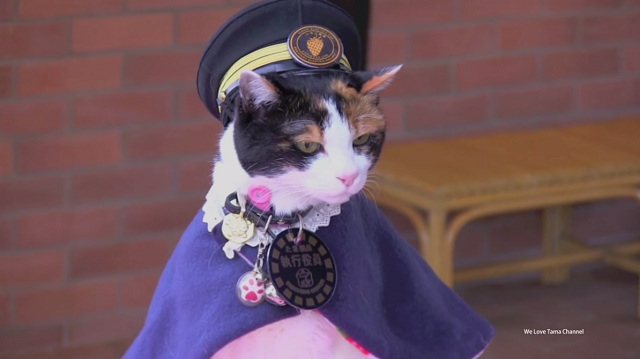
A famous cat conductor who saved a railway from ruin was given a royal send-off by three thousand mourners in a traditional Shinto funeral in Japan on Sunday.
Tama the cat had been attracting travelers to the Kishi train station in western Japan since 2007. The Good News Network featured a video about the Kishigawa railway, which was close to bankruptcy until it turned to this feline for help.
The Japanese consider cats to be harbingers of good fortune, and the 16-year-old calico did not disappoint. In her custom cap and cape, Tama brought in large crowds, boosted tourism, and saved the line.
For her years of service, the status of Shinto goddess was bestowed, and, in keeping with the religious tradition of honoring animal deities, she was posthumously appointed “honorable eternal stationmaster.”
Another calico named Nitama, will reportedly take over Tama’s stationmaster duties.
(WATCH the AP video below, or READ more, w/ photos at the Guardian) – Photo: YouTube
THIS is Conner seeing his bride for the FIRST time as she enters to walk down the aisle. I've NEVER seen my son MORE happy and emotional as he is at this very moment. I warned him the whole time he would need oxygen when he saw her!! lol This is STILL making me cry to watch it! Ugh! lol #proudestmomevermoment #eatdrinkandbecourtney
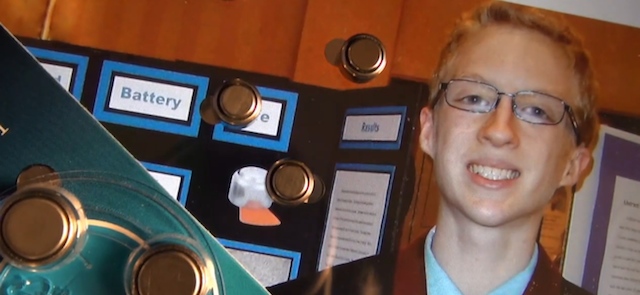
The shoddy battery life in his hearing aid really “bugged” Ethan Manuell. Now it’s possible that millions of people will benefit from his five-minute rule.
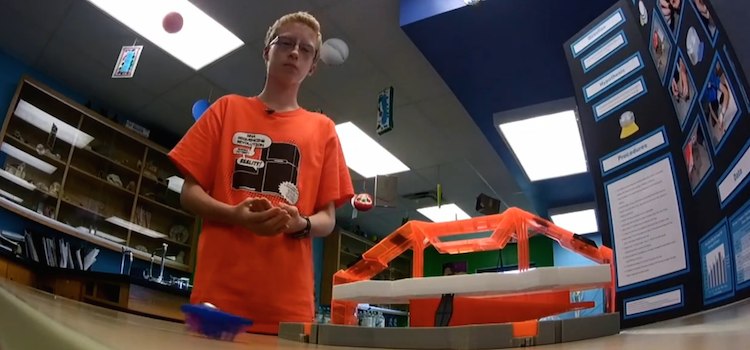
As part of an eighth grade class project, Ethan, who has worn a hearing aid since age four, conducted an experiment using robotic bugs and found that hearing aid batteries will last up to 85% longer when exposed to the air for five minutes before insertion.
“Most people don’t know this, so they just pull the tab off and insert it, like it’s a sticker or something,” said Ethan, who lives in Minnesota with his family.
Ethan’s audiologist, Dr. Mary Meier, has been sharing the news with other patients at the Olmsted Medical Center.
“I keep telling my patients about it, it’s now in the written information we give them when we do the fitting,” Dr. Meier said.
Patients at the Olmsted Medical Center who have tested Ethan’s theory say that their hearing aid batteries are lasting up to two days longer. Currently, hearing aid batteries have to be replaced every 5-7 days. Ethan’s discovery could save the seven million folks in the U.S. who wear hearing aids $70 every year.
Ethan has received accolades for his discovery, including a U.S. Naval Science Award–an added bonus for the kid who said he just wanted to get a good grade.
(WATCH the video below or READ more at USA Today *NOTE auto-playing sound, so adjust your speakers)
Know Anyone With Hearing Aids? Share the Tip … (below)
As consumers are becoming more informed about the pitfalls of mass-produced clothes, fashion-conscious shoppers today want to be able to make responsible choices, and now more than ever they can do so.
Vivienne Westwood and brands such as Maiyet, Stella Jean, Edun, and Raven & Lily, along with a growing number of online ethically conscious emporiums enable the consumer to make conscious choices without compromising on style.
Before 2013, fine art photography was off limits to me. I couldn’t see in a darkroom, much less the settings on a camera, so I was resigned to taking family snapshots on disposable cameras.
But a simple point-and-shoot camera and a 47-inch computer monitor and a little courage changed all of that.
I realized photos didn’t have to be perfect to be interesting–or artistic.
Sometimes I am asked, “How can you take pictures if you’re legally blind?”
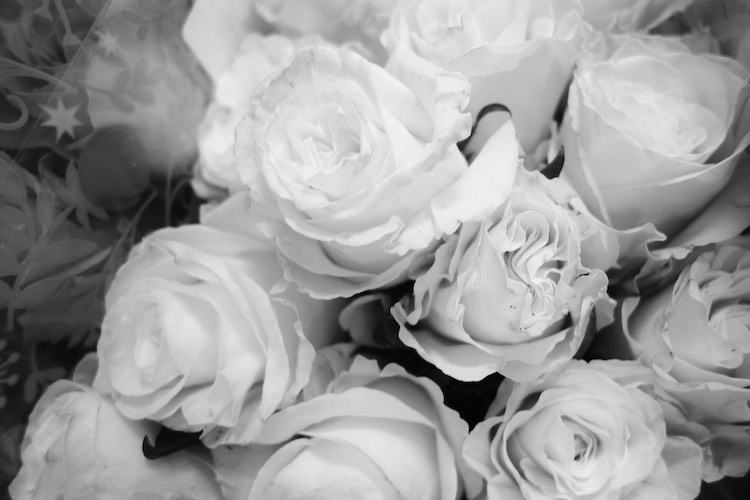
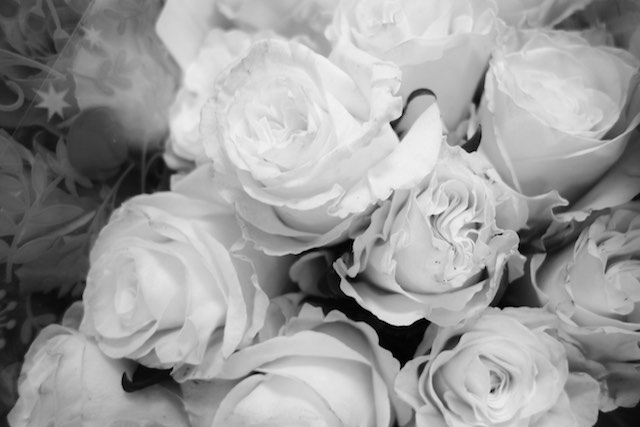
Well, my camera sees for me. Although I love color, I prefer black and white because I see best in high contrast. The world around me is very blurry, and I use my residual vision to work as a photographer. I can see the blurry shape of a subject, and the camera captures what I can’t see while my monitor makes a face or a rose two feet tall, which is easier for me to make out.
In the last 2 years, my photography has been published in literary journals, art magazines, and photography publications around the world.
I want to show the world the fine art photographer that I am, and what is possible when you meet a challenge in a different way.
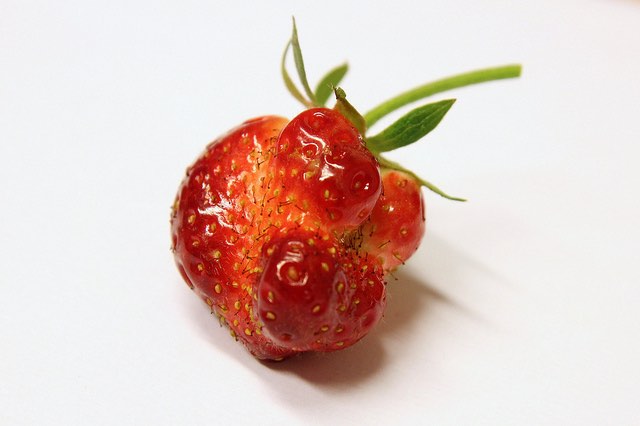
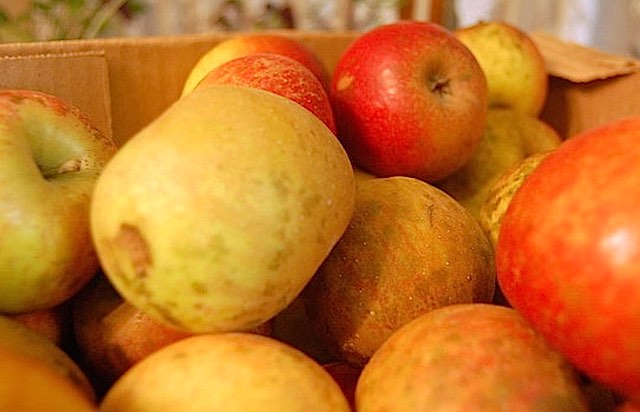
Makers of high-end spirits are buying overripe, misshapen, and undersized fruit directly from farmers across America, doing their part to reduce food waste.
From California to Colorado, Oregon to Michigan, distillers are using tons of fruit that would otherwise go to waste because they are too flawed to be sold to consumers.
“To produce 10,000 cases of artisanal spirits annually, including pear eaux de vie and apple brandy, Clear Creek Distillery partnered with a packing house to buy upwards of 600,000 pounds of pears a year, using up to 30 pounds of fruit for each bottle,” reports Civileats.com.
“It goes from a pear worth two cents to a bottle of spirits that retails for $80.”
(READ the full story from Civil Eats) – Photo by MTSOfan, CC