Quote of the Day: “The more sand that has escaped from the hourglass of our life, the clearer we should see through it.” – Jean Paul
Photo by: Nathan Dumlao
With a new inspirational quote every day, atop the perfect photo—collected and archived on our Quote of the Day page—why not bookmark GNN.org for a daily uplift?
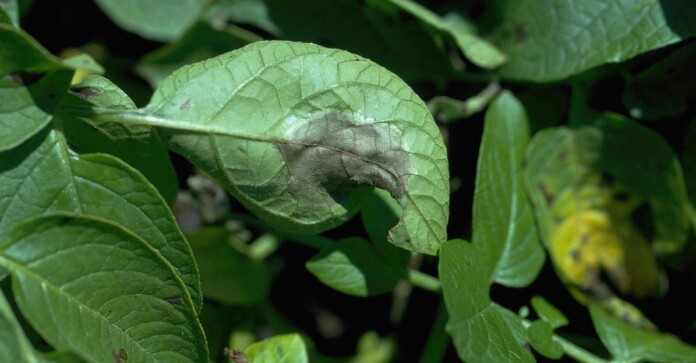
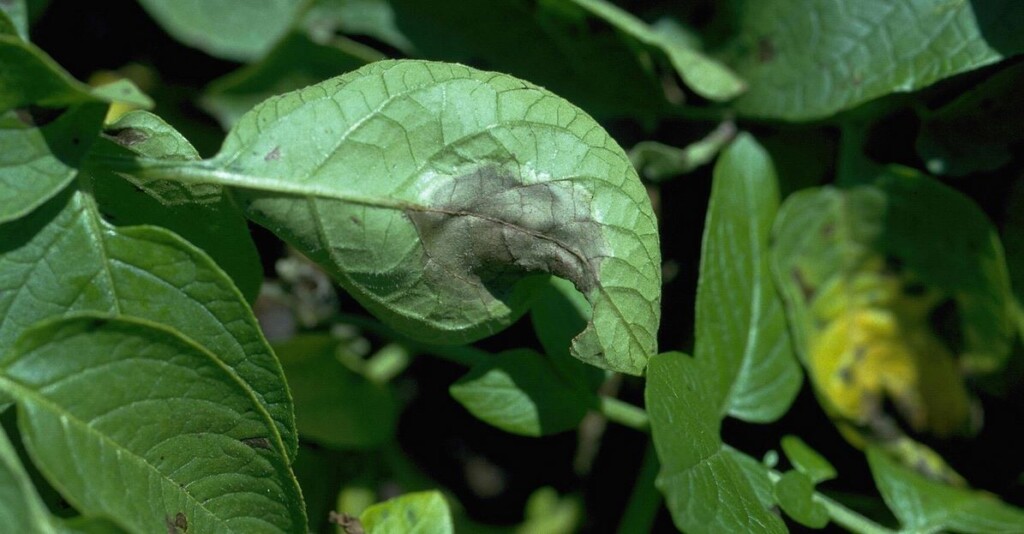
Late blight symptoms on a potato leaf - credit, Howard F. Schwartz, Insect Images - CC 3.0. BY-SA
Late blight symptoms on a potato leaf – credit, Howard F. Schwartz, Insect Images – CC 3.0. BY-SA
A team of Welsh scientists are developing an early-warning system for late potato blight, a water mold that causes nearly $4 billion in agricultural losses every year.
Powered by AI, the smartphone-based application can detect signs of late plight on potato leaves before any manifestation detectable by the human eye appears.
It’s hoped that early warnings like this can help to better secure farmers’ fortunes, as well as the global food supply, as late blight was responsible for three major potato collapses in Europe during the 19th century.
20% of global losses in potatoes are blamed on late blight, which as the name suggests can strike late in the season. Prevention is key, but expensive, and chemical fungicide spraying costs millions, and may be responsible for human health complications and ecosystem biodiversity loss.
The DeepDetect project from Aberystwyth University will work alongside farmers to develop a prototype using image datasets of healthy and diseased potato leaves. The BBC reports that a finished product could be implemented as a national early-warning system beyond Wales, where potatoes are grown across 35,000 acres.
“Potatoes are the fourth most important staple crop globally, and optimal production is essential for a growing global population,” Aiswarya Girija from the Institute of Biological, Environmental and Rural Sciences at Aberystwyth told the BBC.
“Potato blight is therefore not just a farming issue—it’s a food security issue.”
SHARE This Positive Use of AI In Ag With Your Friends…
Taquería El Califa in the León neighborhood, Mexico City - credit kaart_2 @ Mapillary
Taquería El Califa de León, Mexico City – credit kaart_2 @ Mapillary
In cooking, less is often more, and no instance of such a maxim could better prove its veracity than a tiny Mexican taco stand being awarded a coveted Michelin Star.
With just 4 items on the menu, and room inside for just 11 people to eat shoulder-to-shoulder, Taquería El Califa de Leon in the Colonia San Rafael neighborhood of Mexico City has thousands of competitor across the city.
But in the first Michelin guide of Mexico ever published, Chef Arturo Rivera Martínez proved that quality surpasses quantity, and becomes the first taco stand owner to receive the Michelin Star, which indicates “high quality, worth a stop.”
“The secret is the simplicity of our taco,” Rivera Martínez told the Associated Press. “It has only a tortilla, red or green sauce, and that’s it. That, and the quality of the meat.”
Much like pizza and its dough, the quality of a taco starts with the quality of the tortilla, which the Michelin guide claims to be “excellent… elemental, and pure.”
“This taqueria may be bare bones with just enough room for a handful of diners to stand at the counter but its creation, the Gaonera taco, is exceptional,” reads a statement on the Michelin Guide website.
The taco is supposedly named after a famous Mexican bullfighter, Rodolfo Gaonera.
Beyond the tortilla and the thinly sliced meat, seasoned only with salt and lime, the two home-made sauces were described by the Michelin guide as “almost unnecessary” in comparison to the flavor of the other two components.
Mexico has firmly established itself among the pantheon of great food nations. Possessing a variety of traditional and immigrant cultures, often happily blended, and a variety of biomes that permit the cultivation of a wide-variety of produce, it has all the elements needed to create gastro-gold.
“What a joy it is to honor the uniqueness of the Mexican gastronomic landscape in Mexico City,” Gwendal Poullennec, International Director of the Michelin Guides, said in a statement.
“The first and very promising selection is an an illustration of how the country is showcasing its regions, with their cultures and traditions that are as distinctive as they are distinguishable.”
SHARE This Heartwarming, Tummy-Rumbling News With Your Friends…
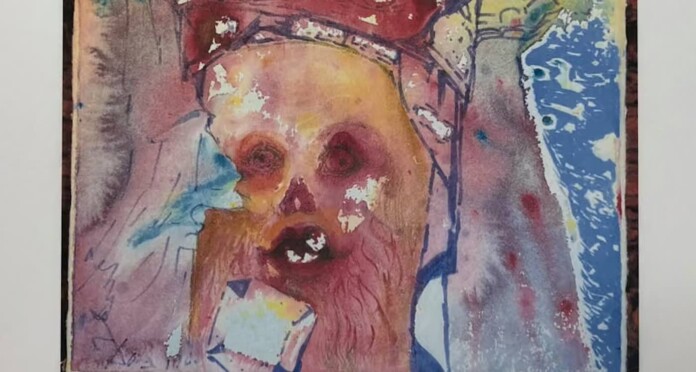
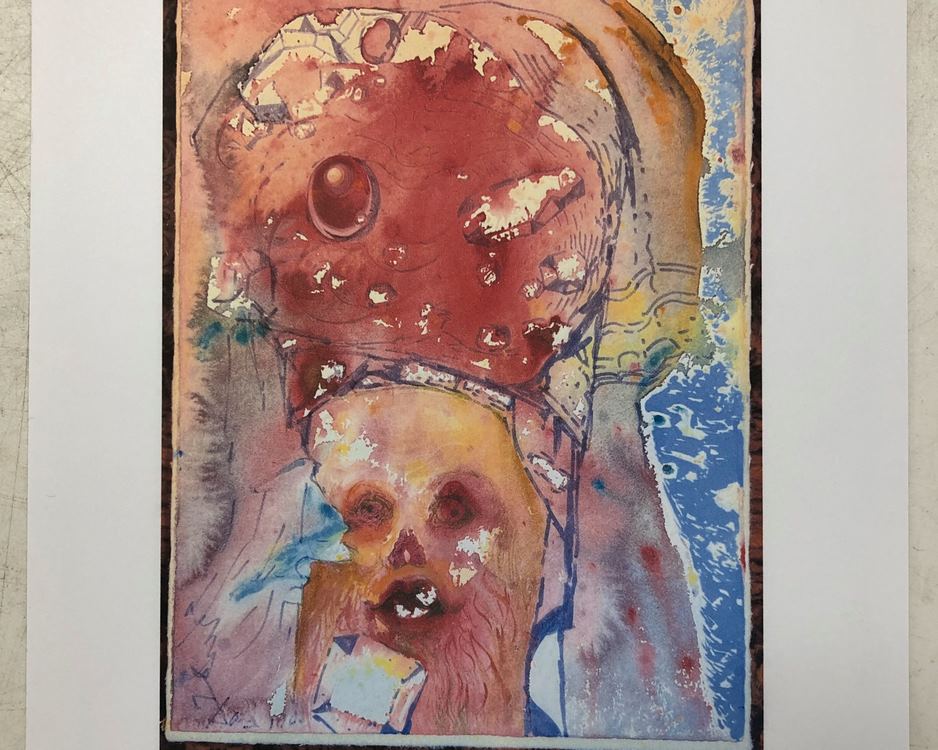
Vecchio Sultano by Salvador Dalí Credit: Cheffins in Cambridge
Vecchio Sultano by Salvador Dalí Credit Cheffins in Cambridge
A frequenter of analog auctions, clever and confidant in his ability to spot forgeries and potential fortunes, recently snapped up a lost, original Salvador Dalí for just £150.
Amounting to $180 or thereabouts, it’s certainly a bargain considering its being re-sold by Cambridge for as much as 200-times that much.
Vecchio Sultano, or Old Sultan, was painted by Dalí in 1966. The mixed-media artwork was one in a whopping commission the great Surrealist painter received for 500 illustrations inspired by The Arabian Nights.
According to the Guardian, Giuseppe and Mara Albaretto were an Italian couple who commissioned the illustrations from Dalí, while Rizzoli, an Italian publishing house, was planning to publish them. However, Dalí abandoned the project with just 100 of the 500 illustrations finished.
Half were retained by the Albarettos, and the other half went unpublished and are presumed lost.
“Dalí was quite obsessed with Moorish culture and believed himself to be from a Moorish line,” Gabrielle Downie, a fine art specialist at Cheffins in Cambridge, told the Guardian.
An antiquities dealer speaking to the Guardian under the auction name John Russel said that he encountered the painting at a purely in-person auction that was clearing out the effects of a London apartment.
In these cases, Russell says, one just shows up and discovers treasures, or trash as the case may be, but you know that no one beyond the room can see what’s being bid on.
“Most of the time, I buy stuff that I like. On this occasion, I was really taking a bit of a punt, because I wasn’t sure I’d have it on the wall, to be honest … I do like some unusual art, but you’d have to love it, wouldn’t you?” said Russell.
On Russell’s point, it is quite a striking departure from Dalí’s associated style and iconography. Despite being listed as an original Dalí, the auction hall was silent apart from Russell and one other bidder who tapped out after the price reached £150.
But priding himself on being able to spot a forgery from years of watching the British television show Fake or Fortune, and a closer examination revealing stickers on the back of the frame that indicated it had been sold at Sotheby’s, confirmed to Russell that it must be an original.
That turned out to be the case—after he went home and bought the Sotheby’s auction catalogue in which Vecchio Sultano had been sold and found that on the occasion of that previous sale, it had been verified as original by a renowned Dalí scholar.
It’s now going up for sale at Cheffins Fine Art and is expected to fetch between $25,000 and $37,000.
SHARE This Lost Dalí Seeing The Light Of Day Again…
Cambodia and Thailand have signed an immediate and unconditional ceasefire on July 28th following an eruption in military skirmishes along a disputed border.
Though tensions remain high and Thai authorities accused Cambodian forces of violating the ceasefire within hours of its initiation, the frontline remains quiet as July comes to an end.
With three major regional wars already stretching across multiple years without obvious conclusions to be seen in any case, it was vital that a prolonged conflict in Southeast Asia did not break out.
Cambodian Prime Minister Hun Manet and Thai Acting Prime Minister Phumtham Wechayachai met in Malaysia to organize a halt to the fighting, with a Malaysian foreign policy team acting as mediators of the deal. The agreement took effect at midnight and was announced by Malaysian PM Anwar Ibrahim.
Manet said it was an opportunity for a sustained peace, and that it was “time to start rebuilding trust, confidence and cooperation going forward between Thailand and Cambodia.”
Artillery fire broke out between the two nations after a landmine explosion injured 5 Thai soldiers along the disputed border in north-northwest Thailand, and southern Cambodia. The International Court of Justice has ruled in favor of Cambodia’s claim to several units across the largely-rural area, but Thailand continues to argue that the claim is based on French colonial maps that have no basis being referred to in a post-colonial world.
Dozens of mostly military personnel on both sides were killed, but AP reports that the Trump Administration, which had been undergoing trade negotiations on both sides in regards to the new US tariff policy, warned that Washington would back out of any talks if a ceasefire was not agreed to.
Thailand and Cambodia, at the moment, stand to receive large tariff rates on exports to the US if no agreement can be reached, and the threat gave both nations a face-saving motif for abandoning the warpath.
Secretary of State Marco Rubio, who was involved in arranging the meeting, applauded the ceasefire declaration while adding he expects the governments of Cambodia and Thailand “to fully honor their commitments to end this conflict.”
The rapid ceasefire agreement, reached without demands or concessions, embodies the principles espoused by the Association of Southeast Asian Nations (ASEAN), a 10-member international bloc which both belligerents belong to. The economic, security, and development partnership prides itself on cooperation and non-aggression.
Many of the 300,000 estimated civilians displaced during the fighting, who had taken up refuge in schools, temples, makeshift encampments, and other public areas, have begun to return to their homes.
CELEBRATE The Triumph Of Peace And Reason Over Bitterness And Conflict…
By Jeff Krause Photography on Flickr – CC BY-NC-ND 2.0
Quote of the Day: “The splendor of Yosemite burst upon us, one wonder after another, and it was glorious. A new era began for me.” – Ansel Adams (1916, age 14)
Ansel was given a Kodak Brownie camera by his parents during this trip, which sparked his lifelong passion for photography and his deep connection with Yosemite.
Photo by: Jeff Krause Photography on Flickr – CC BY-NC-ND 2.0
With a new inspirational quote every day, atop the perfect photo—collected and archived on our Quote of the Day page—why not bookmark GNN.org for a daily uplift?
The Yosemite Valley by Jeff Krause Photography on Flickr – CC BY-NC-ND 2.0
Men of the 9th Marines take cover at Con Thien, public domain
Men of the 9th Marines take cover at Con Thien, public domain
In the trenches of Con Thien, Vietnam, a Marine Corps corporal used to quietly sit and dream about a carousel in a mountain meadow.
His logic was simple: find the complete opposite of his surroundings of death, screaming hot shrapnel, and chaos. Sitting there holding a music box given to him by his sister as a gift, the war—for a sweet, fleeting moment—fell away.
Fast forward almost forty years, and the Carousel of Happiness nonprofit allows thousands of Coloradoans and out-of-state visitors to experience their own little escape on board the ride’s animals that Cpl. Scott Harrison (Ret.) hand-carved in a picturesque valley in Nederland, Colorado.
“I started out just trying to treat myself, but then it just changed into something I could do for others,” Harrison told CBS News’ On the Road with Steve Hartman.
A post at Con Thien, Harrison explains, was as good as a death sentence for a young marine such as himself.
The violence he saw there stayed with him, and despite an alcohol addiction and a houseboat in the middle of the ocean, he couldn’t escape the clinical PTSD that came back with him from Southeast Asian jungles.
There may have been far worse than sleepless nights in store for the former corporal, until he circled back around to those quiet moments with his music box and his mental mountain meadow.
“I thought that if I could actually start making that vision come true, it would keep me on an even keel and make me happier,” Harrison said.
So in 1986, 18 years after he was deployed, he bought a broken-down Looff carousel manufactured just after the turn of the century and began to hand-carve all-new animals in the course of repairing it. In 2010, the carousel opened in a valley in Nederland, Colorado, where today over one million people have ridden on this simple, essential carnival ride.
And though Harrison’s may not be simple—hand-carving and painting is skilled, technical work—it’s absolutely essential.
He was featured in an award-winning documentary Carving Joy, and the Carousel of Happiness podcast features guests and nonprofit staff ruminating on joy, happiness, contentment, positivity, and wellbeing in days when such things seem in short supply.
WATCH the story below from On the Road…
SHARE This Story From The Brilliant Steve Hartman With Your Friends…
Scientists have discovered that pairing wheat with a special soil fungus can significantly enhance its nutritional value.
This partnership leads to bigger grains that are richer in zinc and phosphorus without increasing anti-nutrients that block absorption.
As a result, the wheat becomes a healthier option for human diets. Researchers believe this fungal strategy could offer a natural, sustainable way to fortify global crops with essential nutrients.
Humans have been fortifying crops for around 100 years, attempting to address deficiencies in key nutrients by putting synthetic versions inside staple foods like flour.
A major criticism of fortification is that nutrients added to foods may not have any bioavailability at all. Skim milk fortified with vitamin A and D doesn’t have the bioavailability of whole milk because vitamin A and D are fat-soluble.
When investigators grew different types of wheat with and without the tree-hugging mycorrhizal fungus Rhizophagus irregularis, they observed that those grown with fungi developed larger grains with greater amounts of the essential minerals phosphorus and zinc.
Concurrently, there was no parallel increase in phytate (a compound that can hinder absorption of zinc and iron), resulting in bread with a higher overall bioavailability of zinc and iron compared with wheat grown in the absence of fungi. There isn’t much iron at all in whole wheat bread to begin with, but this method maximizes what little there is.
“Beneficial soil fungi could be used as a sustainable option to exploit soil-derived plant nutrients. In this case, we found potential to biofortify wheat with important human micronutrients by inoculating the plants with mycorrhizal fungi,” said corresponding author Stephanie J. Watts-Williams, Ph.D., of the University of Adelaide, in Australia.
Rhizophagus irregularis is a species of arbuscular mycorrhizal fungus that forms beneficial relationships with the roots of many types of plants. It helps plants take in more nutrients—especially phosphorus and micronutrients—by extending its thin, root-like structures deep into the soil.
This fungus is one of the most widely studied and used in agriculture and ecology because of its broad compatibility with crops and its ability to improve plant growth, health, and soil quality. By boosting nutrient uptake naturally, R. irregularis supports more resilient plants and reduces the need for chemical fertilizers, making it a valuable tool in sustainable farming and reforestation efforts.
Perhaps a better way to think of adding R. irregularis to wheat is as a method of preparation rather than fortification, reminiscent to the ages-old methods of preparing grains and legumes for optimal human consumption like sprouting or fermentation.
The study was published in the journal Plants, People, Planet.
SPROUT Some Positivity On Your Friends’ Social Media Feeds With This Story…
Credit, Richard M. Wicker - Denver Museum of Nature and Science
Credit, Richard M. Wicker – Denver Museum of Nature and Science
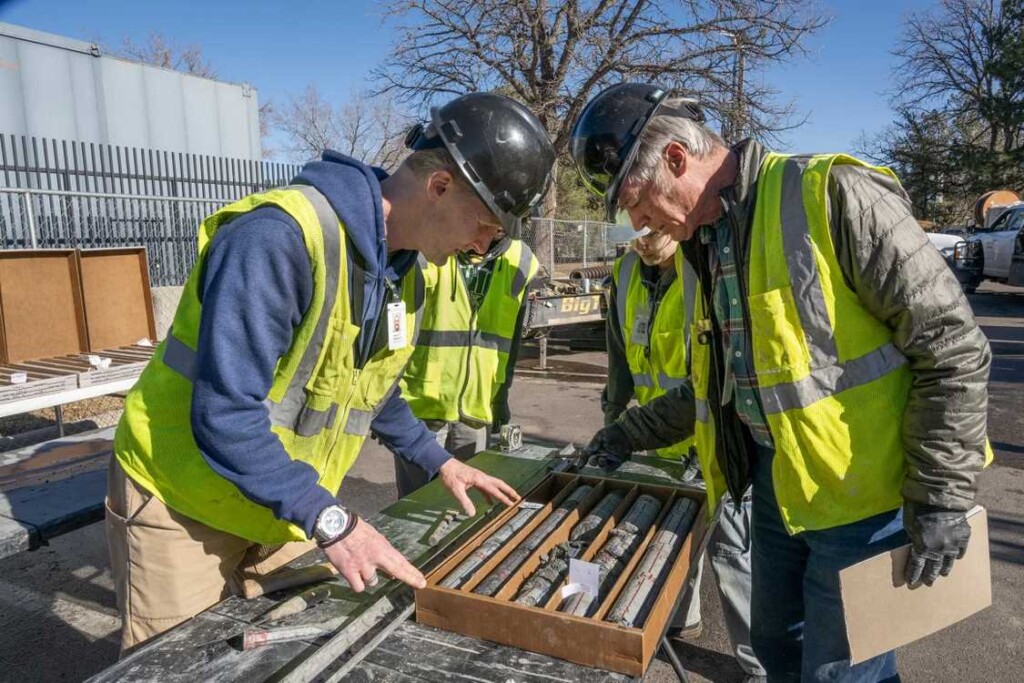
For the staff at the Denver Museum of Nature and Science, examining this newly found vertebrae from a 67-million-year old plant-eating dinosaur was just another day in the office.
The surprise came in the form of its discovery—from right under the museum itself, which seems appropriate.
Months ago, the Denver Museum undertook an exploratory drilling project on-site to determine if it were possible to change some of the building’s utilities over to geothermal energy from fossil fuels.
A drill core sample, explains Dr. James Hagadorn, the museum’s curator of geology, is basically like a doctor using a syringe to draw blood from a patient. The drill extracts a long cylinder of rock and sediment straight down some 800 feet.
At just a few inches in diameter, the circular drill happened to pass perfectly over the fossil, drawing it up with the rest of the dirt, a mind-boggling coincidence the chances of which Hagadorn described as “infinitesimally small.”
As a result, it’s not only the deepest fossil ever found in Denver, but also happens to be the oldest. Dating back to the late Cretaceous Period, it likely belonged to something like a Thesculosaurus or Edmontasaurus, two species that roamed Great Plaints at that time.
Dr. James Hagadorn (left) examines the drill core sample – credit, Denver Museum of Nature and Science
“We knew those dinosaurs were (nearby in other parts of) Colorado or Wyoming, but we didn’t know that they were in Denver, too … but we suspected it right at this time period,” Hagadorn told AP.
“Now, we have another plant eater that’s been cruising around Denver munching on, who knows, gingers and palm leaves and other ferns and plants 67 million years ago.”
Hagadorn said he’d love to drill a hole down 787 feet and excavate the rest of the dinosaur, but, being that it was found beneath the museum parking lot, he doesn’t believe that’s going to happen anytime soon.
“We need parking!”
WATCH the story below from AP…
SHARE This Unlikely Discovery Under The Ground Where the Paleontologists Leave Their Cars…
For frequent American flyers and puzzled first-time visitors from Europe, a major security headache is due to finally to fade away into history’s rearview mirror.
Homeland Security Secretary Kristi Noem announced in early July that passengers traveling through domestic airports can keep their shoes on while passing through security screening at TSA checkpoints.
The new policy will increase hospitality for travelers and streamline the TSA security checkpoint process, leading to lower wait times.
In December 2001 onboard a flight from Miami to Paris, Richard Reid, who became known as the “shoe bomber,” tried to ignite hidden explosives in his shoes, which became the impetus for the eventual TSA rule, introduced 5 years later.
“Ending the ‘Shoes-Off’ policy is the latest effort DHS is implementing to modernize and enhance traveler experience across our nation’s airports,” said Secretary Noem.
“We expect this change will drastically decrease passenger wait times at our TSA checkpoints, leading to a more pleasant and efficient passenger experience.”
As well as being a source of traffic in the TSA lines, the last decade and a half has seen the Shoes Off rule become a major source of confusion as well.
In the two decades following the September 11th attacks, countries which had originally adopted the US’ harsh security screening protocols either gradually abandoned them or only parts of them.
The result was that flying through the Western world became an exercise in disarray, as passengers taking off their shoes would be told to keep them on, only to arrive in another country for a connecting flight and suddenly be told to take them off again.
Presumably most other countries will abandon Shoes Off now that America has, so here’s to shorter airport security lines.
SHARE This Uplifting Outlook On Future Trips To The Airport…
Quote of the Day: “All that you touch, you change. All that you change changes you.” – Octavia Butler
Photo by: Getty Images for Unsplash+
With a new inspirational quote every day, atop the perfect photo—collected and archived on our Quote of the Day page—why not bookmark GNN.org for a daily uplift?
Credit photographer Larry Rosa – at Challenged Athletes Foundation event
Credit photographer Larry Rosa – at Challenged Athletes Foundation event
Physical limitations were off-limits for a blessed and windy day in Sacramento, California.
Dozens of people with various disabilities came down to the Lake Washington Sailing Club to experience the weightlessness of the water.
They used boats that were specifically designed not to tip over, and special rigging for the sails was on hand for those with hands to take control of their surroundings in a unique and new way.
The event was put on by the Challenged Athletes Foundation (CAF), which ensured every participant was accompanied by a sailing pro.
“We have people that sail with no upper arm or leg movement sail with a control, motor control like a wheelchair, that they hook onto their chin,” Jim Tweet, a member of the sailing club who partook in the day’s events.
A polio survivor named Diane Ngo was one of over a dozen who experienced sailing for the first time.
Her attitude was straightforward: bring it on.
“Anything that challenges me to go beyond my comfort zone is why I’m here,” Ngo told CBS News Sacramento. She found that just being on the water and feeling the ability to move around was “exciting.”
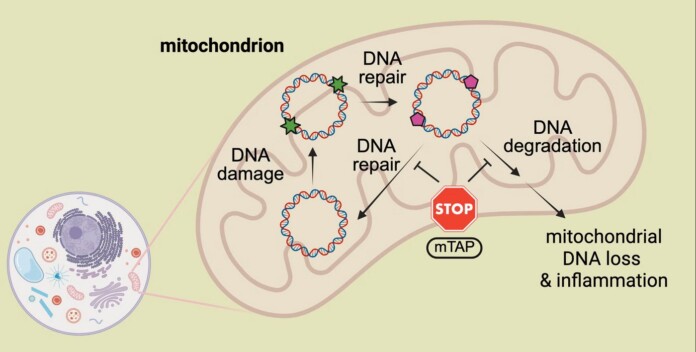
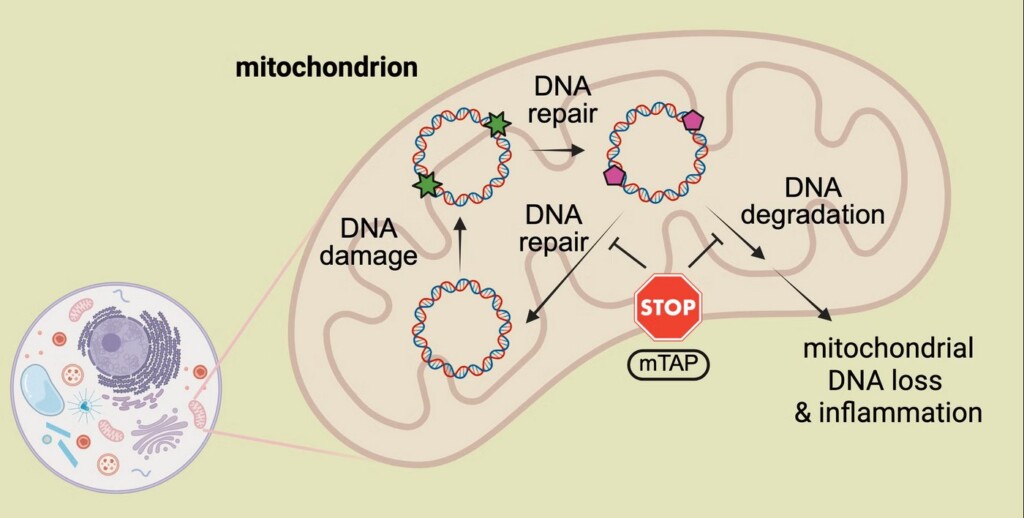
Infographic by Linlin Zhao, University of California Riverside
Infographic by Linlin Zhao, University of California Riverside
A new chemical probe protects healthy cells from DNA damage, preserving them from one of the 8 hallmarks of aging.
The story of this potentially paradigmatic development begins where so much of human health begins: the mitochondria. These organelles are disrespectfully monikered as “the powerhouses” of the cell, but they do so much more than just provide cellular energy.
It’s so important, it even has its own DNA. Mitochondrial DNA (mtDNA) is separate from the DNA housed in a cell’s nucleus. While nuclear DNA contains the vast majority of the genetic code, mitochondria carry their own smaller genomes that are essential for cellular functions.
MtDNA exists in multiple copies per cell, but when damage occurs these copies are often degraded rather than repaired. If left unchecked, this degradation can set off a cascade of failures linked to heart conditions, neurodegeneration, and chronic inflammation.
Published in the German Chemical Society journal Angewandte Chemie International Edition, researchers at UC Riverside developed a chemical probe that binds to damaged sites in mitochondrial DNA and blocks the enzymatic processes that lead to its degradation.
“There are already pathways in cells that attempt repair,” said Linlin Zhao, UCR associate professor of chemistry, who led the project. “But degradation happens more frequently than repair due to the redundancy of mtDNA molecules in mitochondria. Our strategy is to stop the loss before it becomes a problem.”
The new molecule includes two key components: one that recognizes and attaches to damaged DNA, and another that ensures it is delivered specifically to mitochondria, leaving nuclear DNA unaffected.
In lab tests as well as studies using living cells, the probe significantly reduced mtDNA loss after lab-induced damage mimicking exposure to toxic chemicals such as nitrosamines, which are common environmental pollutants found in processed foods, water, and cigarette smoke.
In cells treated with the probe molecule, mtDNA levels remained higher, which could be critical for maintaining energy production in vulnerable tissues such as the heart and brain.
Mitochondrial DNA loss is increasingly linked to a range of diseases, from multi-organ mitochondrial depletion syndromes to chronic inflammatory conditions such as diabetes, Alzheimer’s, arthritis, and inflammatory bowel disease. When mtDNA fragments escape from mitochondria into the rest of the cell, they can act as distress signals that activate immune responses.
“If we can retain the DNA inside the mitochondria, we might be able to prevent those downstream signals that cause inflammation,” Zhao said.
Importantly, the researchers found that the protected DNA remained functional, despite being chemically tagged.
“We thought adding a bulky chemical might prevent the DNA from working properly,” Zhao said. “But to our surprise, it was still able to support transcription, the process cells use to turn DNA into RNA, and then into proteins. That opens the door for therapeutic applications.”
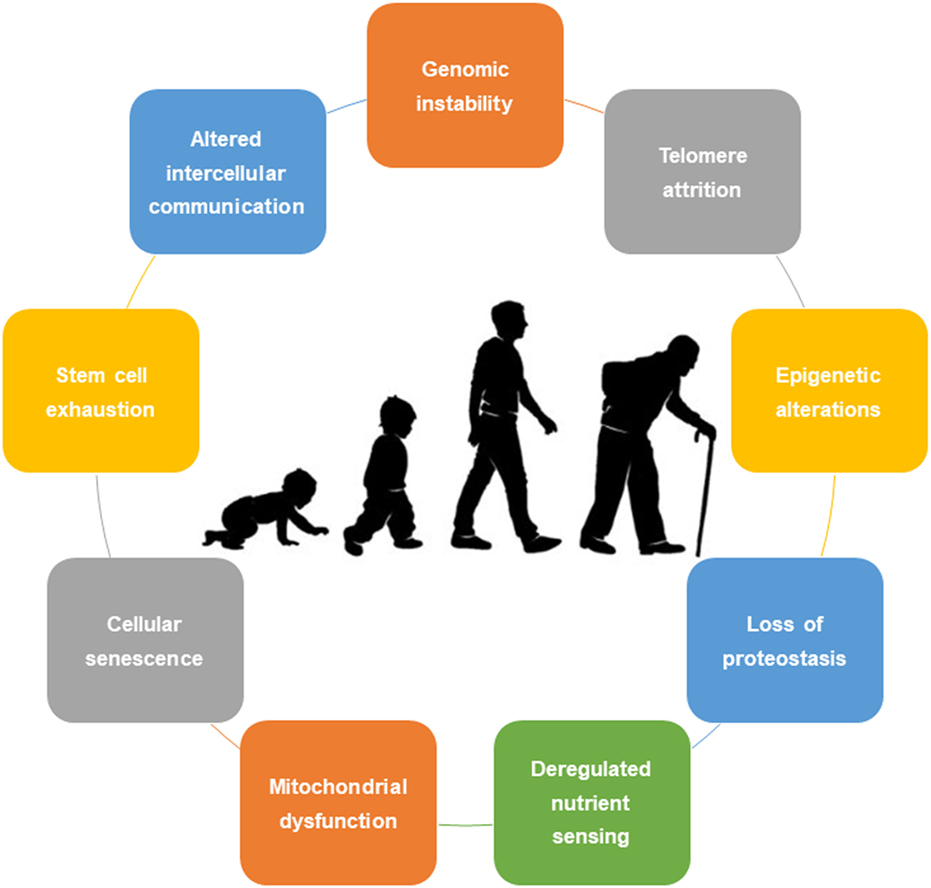
The Hallmarks of Aging – credit Rebelo-Marques et al, Frontiers, CC 4.0. BY-SA
The project builds on more than two years of research into the cellular mechanisms that govern mtDNA processing. While additional studies are needed to explore clinical potential, the new molecule represents a paradigm shift.
Indeed, DNA damage makes up two of the 8 hallmarks of aging first outlined in a landmark paper in 2013, which also includes mitochondrial dysfunction as an antagonistic hallmark, i.e. a result of DNA damage.
“This is a chemical approach to prevention, not just repair,” Zhao said. “It’s a new way of thinking about how to defend the genome under stress.”
TELL Your Friends About This Potential Paradigm Shift In Anti-Aging Technology…
New ways to molecularly tamper with wood has led to a bulletproof, fire resistant, lightweight material that could replace steel, concrete, and carbon fiber.
Appropriately dubbed “Superwood,” the applications seem to be limited only to imagination, and may hold up a high-rise just as sure as it might make better tennis rackets.
In 2018, the Wall Street Journal reports, a pioneering materials engineer found a way to take wood scraps that were no longer useable and treat them with heat and chemicals to alter their molecular makeup.
The boards could then be compressed to the point where the pressure collapses the channels between the lignan that serve as the tree’s circulatory system. This process could take a standard board and render it one-quarter the thickness whilst retaining the increased strength from the treatment process.
Sold now by InventWood, a firm that amassed $50 million in startup money from a mixture of Dept. of Energy grants and private financing, Chief Executive Alex Lau believes it could replace steel I-beams in houses or even the exterior of a laptop computer—all depending on what machines are available to work the Superwood.
During a fire, the wood doesn’t sag like steel does at comparable temperatures, nor does it truly burn; the outside carbonizes into an airtight layer before the interior layers of wood feel the heat.
credit – InventWood
Christopher Mims, reporting at WSJ, says that in his hands the Superwood felt like an “otherworldly object,” due to its combination of lightness and the incredible strength and resistance to lateral force.
GNN has reported before on alternative preparations of wood before, mostly of cross-laminated timber or CLT, also known as “mass timber.” CLT is made by gluing exceptionally thin boards of wood together before heat-pressing them, resulting in properties similar to Superwood.
CLT has been used to build the hilariously-named “plyscrapers,” of Scandinava, as well as a new $2 billion Portland Oregon airport terminal.
The difference maker in Superwood is its light weight and flexibility in addition to tensile strength and fire-resistance similar to CLT.
Today, InventWood is bringing Superwood to market with a 90,000-square-foot manufacturing facility. Its initial offerings will be home sidings, which require minimal certifications, but will hopefully be available in many more products in the not-too-distant future.
It’s A Board, It’s Been Planed, No, It’s Superwood. Let Your Friends Know…
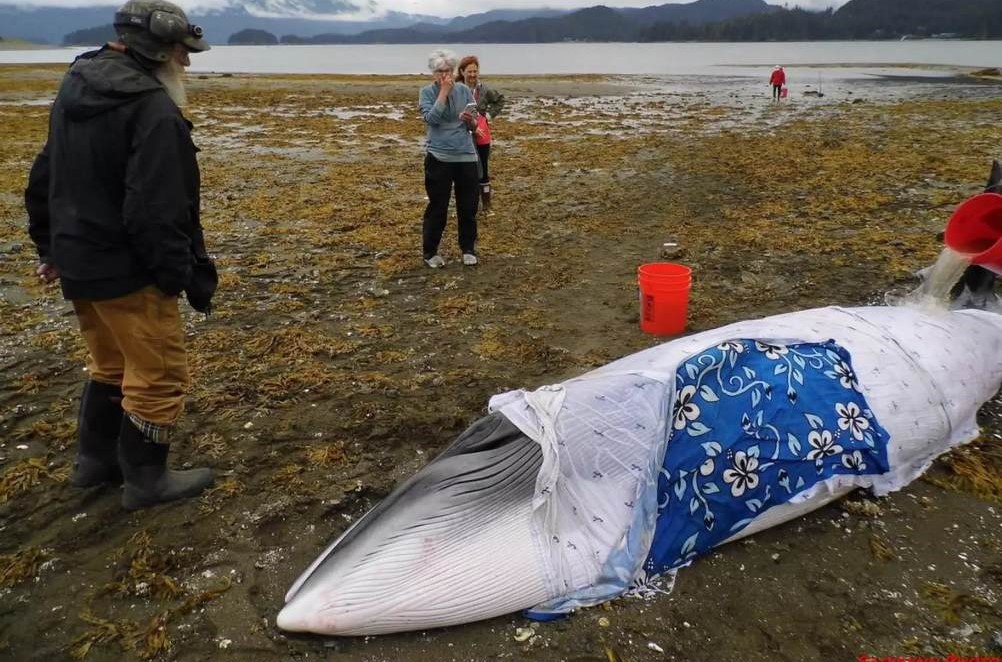
A beached minke whale survived 6 hours on shore to make it back to the water thanks to a helping hand from the locals, according to a report from Alaska.
In the town of Seldovia, on Kachemak Bay, a 15-foot minke whale was beached on the rocks at low tide, believed to be an incidence of poisoning by an algal bloom that could have killed it in just 20 minutes.
Seldovia Village Tribe responded to an Alaska SeaLife Center advisory about the incident, the location of which the center asked to be kept secret. They dispatched their environmental coordinator.
Stephen Payton’s job description includes rescuing beached whales, but this was his first encounter in a 10-year career with a live one.
“I just went out as fast as I could, not really knowing what to expect, and it’s a long ways out there down MacDonald Spit,” he said. “So luckily, one of the locals that was responding was able to pick me up on a four wheeler and drive me.”
When he arrived, a group of about 15 locals had formed a bucket line, pouring seawater onto the whale’s soft underbelly, which along with being substantially scratched up by the rocks, could have become damaged in the Sun’s rays.
The locals had also wrapped wet beach towels around it while they waited to come up with a plan on how to rescue it. Minke whales are the world’s second smallest baleen wheel, meaning, like humpbacks and blue whales, they eat krill using a special filtering organ in their throat. Even still, at 15 feet long, it would have weighed at least 3 tons.
The beast was thrashing around from time to time, and no one felt comfortable trying to manhandle it. But luckily as the tide came back in, it freed the whale which was reported in the area for days afterwards swimming and spouting.
Typically, a minke whale can drown in between 10 and 20 minutes on shore. The way the animal was oriented on the beach, lying on its side with its blowhole facing the sea, was very dangerous. The selfless work from the locals allowed that 20 minutes to become 6 hours, when the tide’s eventual arrival allowed the whale to right itself.
“We are grateful for the calm presence and respect shown by those nearby during this time,” Seldovia Tribe wrote on Facebook. “Moments like these remind us of the powerful connection between our community and the natural world around us.”
SHARE This Human-To-Sealife Compassion With Your Friends On Social Media…
Basillica in San Paolo By Mark Chinnick (CC license)
Quote of the Day: “Metaphors have a way of holding the most truth in the least space.” – Orson Scott Card
Examples of a metaphor: The world is a stage, His words were daggers, Time is money, Life is a journey, Like a fish out of water.
Photo by: Mark Chinnick
With a new inspirational quote every day, atop the perfect photo—collected and archived on our Quote of the Day page—why not bookmark GNN.org for a daily uplift?
Basillica in San Paolo By Mark Chinnick (CC license)
(Submitted by Florida woman who wished to remain anonymous.)
Just before last Christmas, I found an abandoned puppy, a pitbull-mix named Lola.
On my way home to turn off a crock pot at noon (the only time in 4 years that I went home at lunch), I saw Lola at the edge of the woods near our neighborhood.
I only had cat food in the house, so on my way back to work, I slowly approached and put some on the ground.
When I brought food, she started to leave when I approached, but decided she was more hungry than scared.
When the dog started eating, she could not stop wagging her tail.
It was difficult to leave her, but I had to trust in the goodness of the universe that she would still be there when I returned.
I went back to work. After work, I went to the grocery store and purchased dry dog food, a collar, a leash, and a rotisserie chicken, hot off the grill. I returned to the woods where I previously saw her. No Lola.
I went to the edge of the woods where I’d seen her and called out “Come here baby, come on.” From quite a distance away, I could hear her crashing through the woods to get to me.
It was easy to put a collar on her once she trusted me—the hot chicken helped. Next, I drove her straight to our vet.
We don’t know how long she was in the woods, but she had skin problems and worms.
She was chipped but not registered. (The lesson here, dog lovers, is the vet just implants the chip – the owner must register the chip).
The vet determined Lola was a female, about 7 months old. She was given medication that would kill fleas and ticks within an hour or so—and, on that condition, hubby allowed Lola to come home for the night.
I tried every avenue to try to find the owners. We posted pictures on a variety of social media venues along with the Gainesville, Florida, Pet Finder on FaceBook.
The really good news is that a couple who retired from working at an animal rescue organization spotted the picture of Lola. They had 2 dogs, and one had recently had transitioned, so they wanted a companion for Buster, the remaining pet.
Lola in her new home – Courtesy photo
We met a couple of weeks later, and Buster and her new parents took Lola to her new home—a 20-acre fenced farm with other farm animals.
Lola’s new mom updates me on her condition, which was very poor initially but she finally has gained weight, has no more worms, etc.
Hubby and I went to the country to visit Lola a couple of weeks ago and are planning our next get together.
Her new mom keeps telling me that I saved Lola’s life, but we had been grieving the loss of our mastiff and Lola helped heal our hearts.
Imagine walking to the store for ice cream and running into a free opportunity to view Saturn’s rings. That’s what’s happened for thousands of lucky pedestrians, thanks to #PopScope, the urban astronomy movement.
Now in its 11th year, the volunteer-run group just hit a major milestone: Completing 500 pop-ups that have brought 26,000 people closer to the night sky.
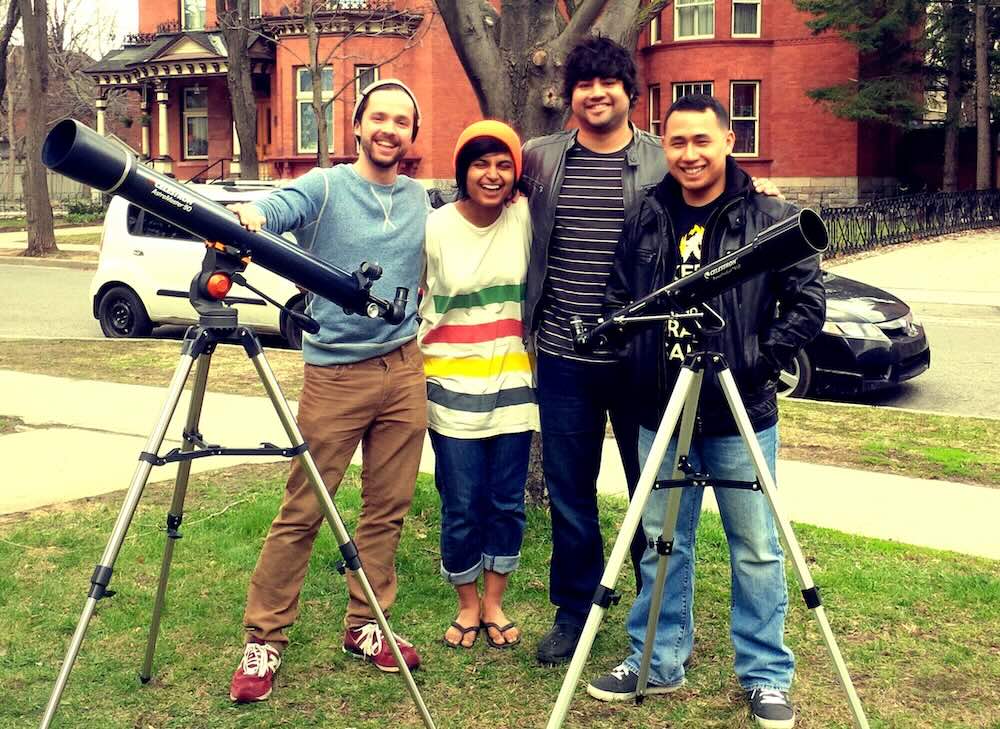
Founded in Ottawa, Ontario in 2014, #popscope (short for pop-up telescope) has expanded to include volunteers in cities across Canada and the U.S. and has hosted pop-ups in Ireland, Malawi, and India.
From the beginning, their urban astronomy model has been simple and powerful: go to a public area, set up an entry-level telescope, point it at an object in the sky, and invite passersby to take a look.
What happens next is magical.
Jaws drop, eyes widen, and whispers are uttered when they encounter our awesome universe.
After initial disbelief that a stranger could be offering something for free, the passerby’s eyes light up when they peer through the eyepiece and see Jupiter’s moons through a light-filled city sky coming into focus.
Founding members and friends at start of the #Popscope journey in Ottawa, Ontario in 2014
“The project has been a labor of love—and deep friendships have formed among the group’s volunteers,” co-founder Michael O’Shea told GNN. “We’re motivated by the look of awe on a stranger’s face when they see Saturn’s rings for the first time, or hear cries of delight when someone views the Moon’s bumpy craters in vivid detail.”
What may start as a conversation about the object in the telescope often turns to other topics, like the phases of the Moon, or how the neighborhood is changing, or maybe just the name of their dog.
Often times guests and volunteers become new friends and offer to stay in touch.
“As we celebrate 500 pop-ups, we remember the many snippets of conversation from guests as we huddled around our telescopes. One person even said his uncle was on Apollo 12…
“Here are some of our favorites that made us smile—and think—as we gazed up into the night sky together.
“I am 55 years old and I’ve never seen anything like this before. Thank you for coming!
“Saturn rings! They look like an emoji! A Saturn emoji!
“You made my night…Best thing that happened to me all day.
“The Moon—It’s like cheese!
“I might be late for my train, but it was worth it to see the moon!”
Special donors have supplied funding and equipment over the years, including Celestron, the Awesome Foundation, and the Social Innovation Lab—helping to provide science to communities that are often underserved by academics and institutions.
Chapters have been set up in Montreal, Baltimore, New York City, Washington, D.C., Boston, Philadelphia and Jacksonville, Florida.
Who knows whether these encounters will inspire kids to start thinking about becoming astronauts. #Popscope just hopes the kids—and adults—keep looking up.
Visit the group’s website, popscope.org, for updates or to volunteer.
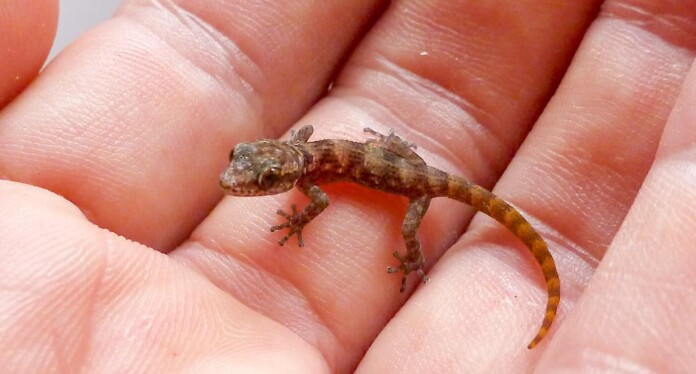
Tiny Leaf-toed gecko (Phyllodactylus maresi) – Photo credit: Island Conservation
Tiny Leaf-toed gecko (Phyllodactylus maresi) – Photo credit: Island Conservation
In a thrilling twist of ecological fate, scientists have confirmed the rediscovery of a tiny gecko species once thought extinct on Rábida Island in the Galápagos.
Thanks to a successful restoration and rewilding project, the discovery marks a major conservation milestone that shines as a beacon of hope for biodiversity recovery efforts worldwide.
The elusive Leaf-toed gecko (Phyllodactylus maresi) was previously only known to have walked the island from 5,000-year-old fossil records.
Its existence has now been officially documented through live specimens collected during expeditions by the US nonprofit Island Conservation—evidence which has been peer-reviewed and published in the journal PLOS ONE this month.
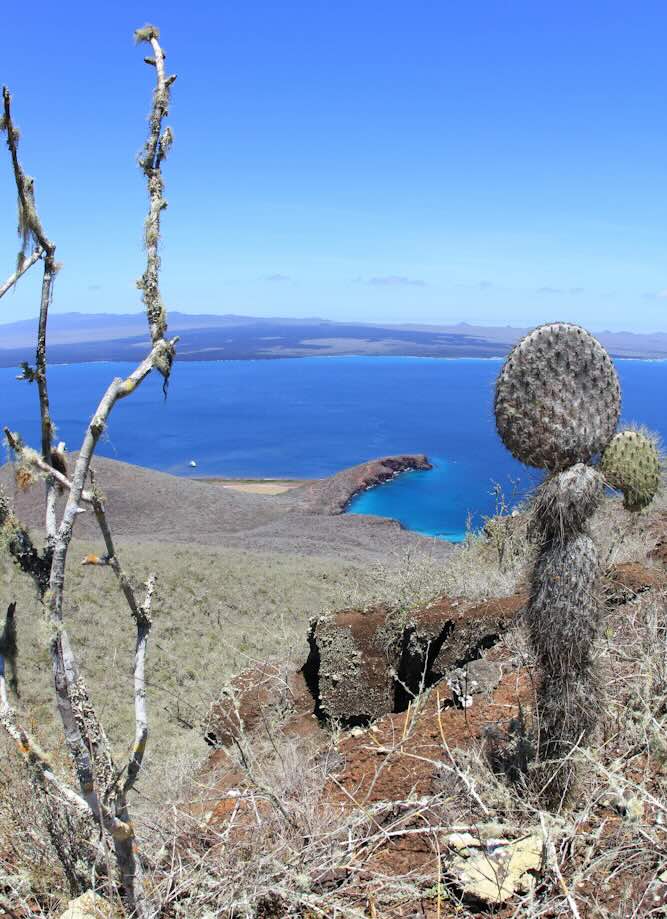
This rediscovery was made possible by a successful, bold conservation intervention in 2011 led by Island Conservation in partnership with the Galapagos National Park, Charles Darwin Foundation, and The Raptor Center.
The partners removed damaging, non-native invasive rodents from Rábida Island, paving the way for native species to bounce back—and within a year of completing the eradication, they discovered the Leaf-toed Gecko long thought extinct.
“The return of this gecko highlights nature’s incredible power to heal itself when given the chance,” said Paula Castaño, Island Conservation’s Impact Program Manager. “It’s another example of the recovery we’ve seen on islands worldwide: when you rebalance an ecosystem, it can bounce back quickly and dramatically.”
Rábida Island in Galápagos – Credit Island Conservation
Researchers from Island Conservation, the QCAZ Museum of Zoology at the Pontifical Catholic University of Ecuador, Re:wild, and the Galápagos National Park Directorate used DNA sequencing and detailed morphological analysis to trace the gecko’s evolutionary roots.
The Rábida population was found to be genetically distinct, yet closely related, to Phyllodactylus maresi from nearby islands. The team designated the Rábida geckos as a unique Evolutionarily Significant Unit—which is a distinct lineage crucial for conservation.
The rediscovery not only reignites hope for other “lost” species but also deepens our understanding of island evolution and biodiversity. Islands are resilient, and when given the chance, can host surprising recovery beyond what anyone thought possible.
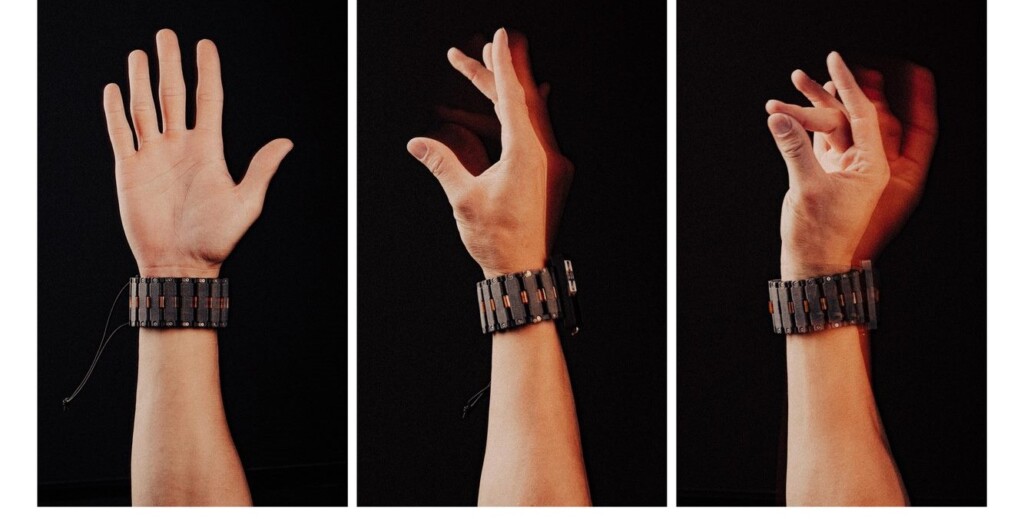
Meta's Neuromotor Interface - credit, Reality Labs, via Springer Press
Meta’s Neuromotor Interface – credit, Reality Labs, via Springer Press
A very sci-fi invention has been introduced by engineers from Facebook’s parent company that translates hand gestures into computer actions.
This includes fine motor movements like dotting a lowercase i, and translating handwriting into computer text is something the interface is particularly good at.
Designed inside Meta’s Reality Labs, it’s one of the first major offerings from the in-house moonshot department since the collapse of the company’s “Metaverse” concept which was once expected to “define the future of social connection” according to CEO Mark Zuckerberg, who renamed his company in its honor.
The Metaverse ended up being less of a future-defining technology and more like a damp squib, with the Reality Labs division of Meta losing $14 billion in 2022 and $15 billion in 2023.
Reality Labs was on the chopping block during Meta’s Year of Efficiency, with perhaps as many as 10,000 layoffs taking place in advance of a direction shift to what almost anyone would admit is a more exciting and marketable business direction: stuff that looks like it’s from Star Trek.
The device can translate the electrical signals generated by muscle movements at the wrist into computer commands without the need for personalized calibration or invasive procedures. The bracelet slips on and off as easily as, well, a bracelet.
Technical engineers Patrick Kaifosh and Thomas Reardon who oversaw its development then used deep learning to create generic decoding models that accurately interpret the muscle movements across different people without needing individual calibration, and the more participants who used it, the more accurate the deep learning decoding model became.
However, accuracy and performance was then further increased with personalization, offering a recipe for building high performance biosignal decoders for many applications.
The bracelet works on a Bluetooth connection, and among the various tasks it proved capable of carrying out, its translation of human handwriting movements into text could be done at a speed of 20.9 words per minute, around 16 fewer than the average mobile phone user’s speed.
As to exactly who benefits most from the device, a variety of disabilities and paralysis situations immediately come to mind, as well as the obvious benefits for below-the-elbow amputees, or someone using multiple computers and/or monitors at the same time.
WATCH the bracelet in action below…
SHARE Meta’s Cool New Gismo With Your Friends Who Love Future Tech…