Quote of the Day: “You cannot shake hands with a clenched fist.” – Indira Gandhi
Photo by: engin akyurt
With a new inspirational quote every day, atop the perfect photo—collected and archived on our Quote of the Day page—why not bookmark GNN.org for a daily uplift?
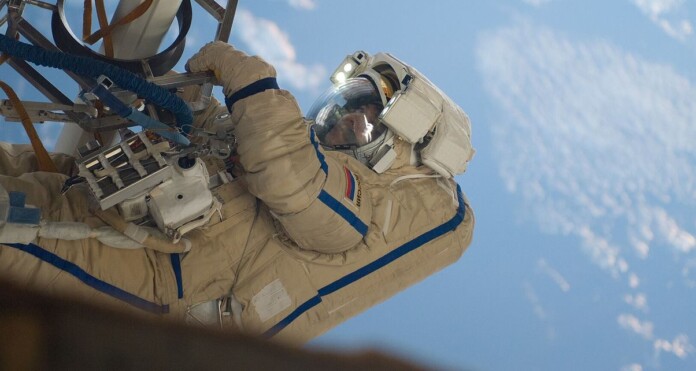
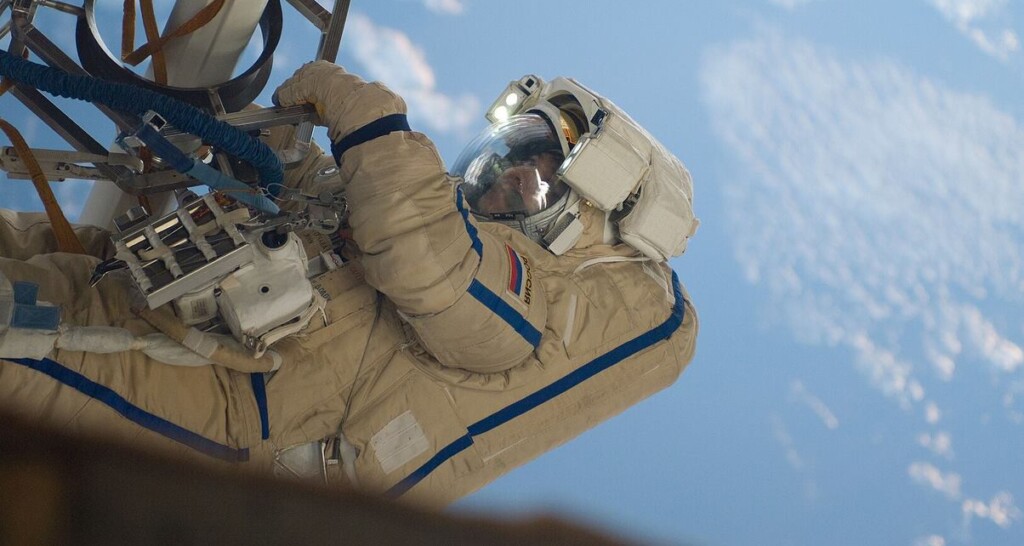
Oleg Kononenko has become the first human to accumulate 1,000 hours of spaceflight over a 16-year career visiting and living aboard the ISS.
The milestone comes on his fifth flight to space and during his third stint as the commander of the ISS. In February he passed the previous record of 878 days, held by fellow Ruscosmos pioneer, Gennady Paldaka.
Arriving aboard the Soyuz MS-24 spacecraft last September alongside cosmonaut Nikolai Chub and NASA astronaut Loral O’Hara, he won’t touch down again for another 4 months, at which point he will become one of the most valuable human biology specimens in the world.
Given that both the Artemis Accords and the Chinese/Rest of World alternative—the International Lunar Research Station initiative—aim to send men and women on longer and longer voyages to space, including semi-permanent habitation of the moon and eventually a journey to Mars, astrophysiology needs to understand what long-term exposure to the rigors of outer space will do to the human body.
To that end, Kononenko, who has routinely spent many hundreds of consecutive days, and even years in low-Earth orbit, will be providing data points “days, months and years,” after his return, says Emmanuel Urquieta, the former chief medical officer of the NASA-funded Translational Research Institute for Space Health (TRISH), led by Baylor College of Medicine.
Speaking with Space Flight Now’s Will Robinson-Smith, Urquieta explains that medicine in space is an emerging field and that how the environment of space affects eye health, bone loss, and blood flow, isn’t well known, nor are the effects of prolonged radiation exposure and prolonged space motion sickness.
Expedition 70 NASA astronaut Loral O’Hara, left, Roscosmos cosmonaut and mission commander Oleg Kononenko, and Nikolai Chub, right, at a press conference in advance of their September 2023 mission to the ISS aboard Soyuz 24 – NASA/Bill Ingalls.
“I’m sure that there will be a lot of research coming up in the future when he comes back to Earth and I’m sure that there will be a very long follow-up with him, you know, days, months, and years after, to try really to understand these very unique data points,” Urquieta said.
“When you extrapolate the data that we have from six-month missions to 900 days, there’s still a huge gap of data that we need to fulfill; that we need to get so that we can safely say that, ‘ok, we have enough data that we can confidently say that we’re able to send someone to Mars and make sure that that person is going to come back as healthy as he or she left Earth.’”
Though born in the Soviet Union and is thus Russian today, Kononenko is from Turkmenistan, and is deeply proud and connected to his homeland.
Across his long career, Kononenko has completed over 18 hours of spacewalks, during which he performed experiments, repairs, and fortifications on the exterior of the ISS Zvezda Service Module.
In December of 2015 he completed a rare night-time re-entry, and owing to distinguished collaboration with his colleagues across the Atlantic, he has received both the NASA Distinguished Public Service Medal and the NASA Space Flight Medal.
CELEBRATE This Man’s Incredible Achievement And Counting With Your Friends…
Passed back in 2021, a law in Washington state that bans single-use polystyrene food and drink containers has come into effect.
Made from tiny hollow beads of different plastics that are extremely friable, polystyrene is arguably the most damaging form of plastic in the environment.
Still permitted to be used in packaging and other applications because of its lightweight, durable, and insulative properties, some estimates suggest polystyrene takes over 1,000 years to completely break down, all the while shedding microplastics into the soil and water.
Recycling polystyrene is possible, but Washington’s Department of Ecology notes that it is expensive to do and that most residential recycling programs don’t accept the foam. Food residue on the material complicates things further, which is one reason why the ban affects takeaway containers, but doesn’t address other uses.
When the foam does end up in recycling facilities it can blow around and contaminate other materials, something that’s also liable to happen in the course of getting it to the facility in the first place.
Violators will be fined but also have access to support and resources that should hopefully help them find ways to replace the foam containers with less harmful ones. This might be replacing foam containers with those of aluminum—which along with being reusable, also insulates food longer.
SHARE This Good News For The Oceans With Your Friends…
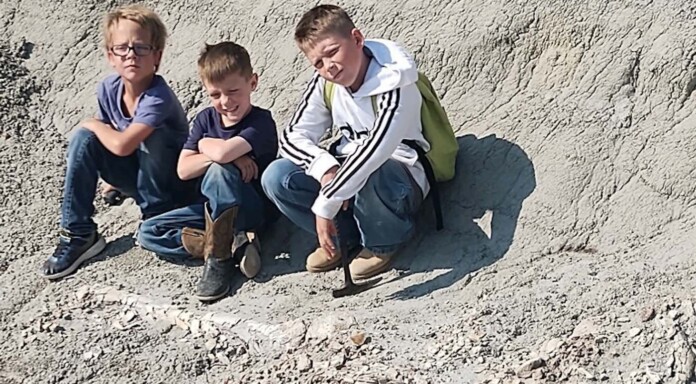
3 cousins pose next to the leg bone of the T. rex discovery – by Sam Fisher
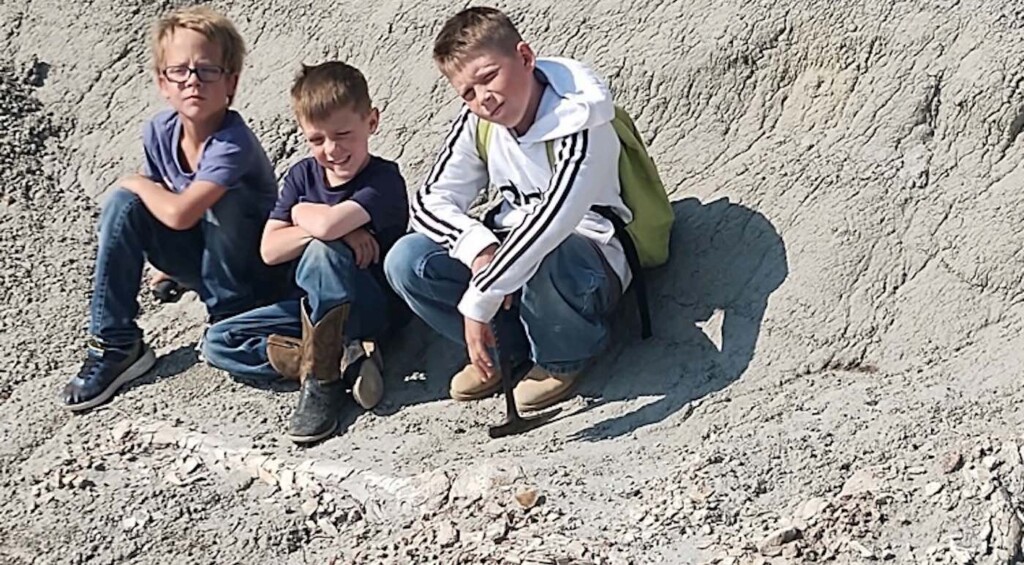
3 cousins pose next to the leg bone of the T. rex discovery – by Sam Fisher
What started as a family hike in North Dakota by two young brothers Jessin and Liam Fisher quickly turned into a once-in-a-lifetime discovery that career paleontologists would kill for.
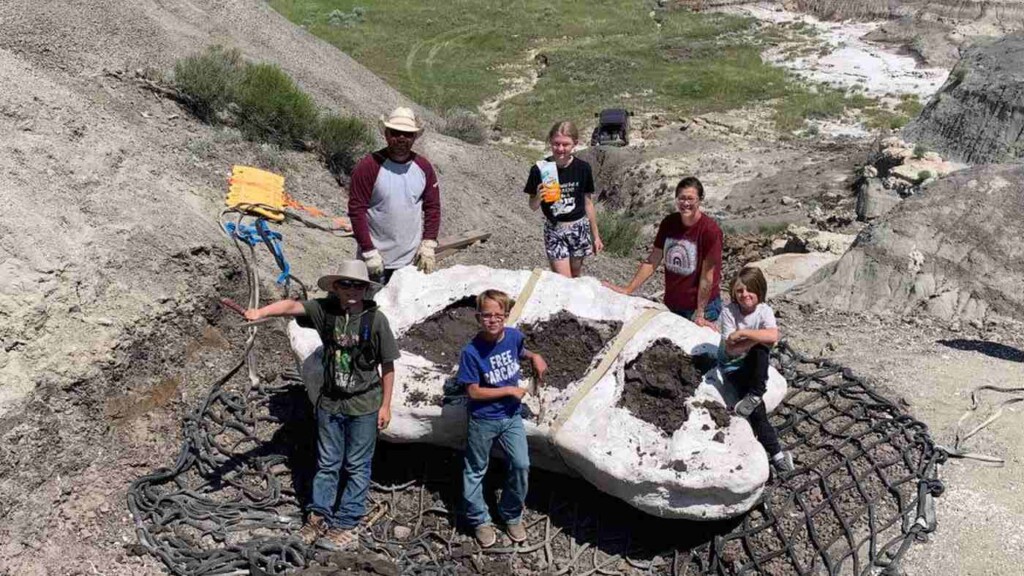
Along with their dad, Sam Fisher, and their cousin Kaiden, they identified the remains of a juvenile T. rex skeleton of about 30% completeness, including almost the entire right leg structure, a few vertebrae, the lower jaw, and the all-important hips and pelvis.
It was back in July of 2022 that the teen trio discovered their Cretaceous counterpart in the Badlands. Dad Fisher actually knew the phone number of the Denver Museum of Nature and Science paleontology curator—Dr. Tyler Lyson, whom he went to high school with.
“I didn’t know it was a T. rex, because all I had were photos, and the knee joint looked like a duckbill,” Dr. Lyson told CNN. “Later, I started looking at the photos a little more closely. And the way in which the bone was breaking up into sheets indicated it might be a meat-eating dinosaur.”
He proposed the idea to some of his paleontology friends, who concurred that it was probably a duckbill, at which point Lyson relegated the idea of a carnivore to “wishful thinking.”
It wasn’t until the following summer that Jessin, Liam, and Kaiden were able to take part in retrieving their discovery from the Earth as permission for excavation had to be obtained from the land managers.
The dinosaur-discovering family returns to the site in July 2023 for the excavation, including (clockwise from upper left) Sam Fisher, Emalynn Fisher, Danielle Fisher, Liam Fisher, Kaiden Madsen and Jessin Fisher. – Courtesy Denver Museum of Nature and Science
It was on the first day of excavations, with the kids front and center, that Lyson and his team found the lower jaw full of teeth—shattering the duckbill hypothesis and sending the whole team onto cloud 9.
“The kids were with us every step of the way, which was great,” Lyson added “We realized it was a T. rex on the first day. We had cameras rolling while it was happening.”
The paleontologists who took part in the excavation believe the ‘Teen Rex’ weighed 3,500 pounds, stood 10 feet tall, and was 25 feet long at the time of its death, according to a Denver Museum Q&A page.
A fully-grown adult T. rex could weigh over 9,000 pounds and stretch over 40 feet from nose to tail.
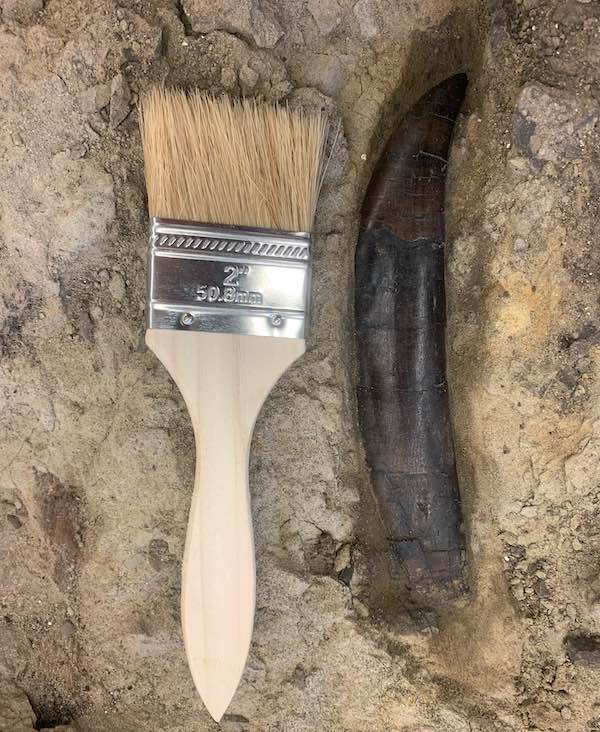
Rooted T. rex tooth found – Credit: Dr. Tyler R. Lyson
“I’m excited for Museum guests to dig into the ‘Teen Rex Discovery’ experience, which I think will inspire the imagination and wonder, not only in our community, but around the world!” said Dr. Lyson in a statement from the museum announcing a new film and exhibit based around the teens’ discovery.
Captured on film in the new 40-minute documentary T. REX, they will be featured alongside their dino on the museum’s Infinity Theater on June 21. With state-of-the-art CGI and cutting-edge paleontological insights, this giant-screen movie offers an unprecedented journey into the world of T. rex and its fellow Cretaceous carnivores.
SHARE These Teens’ Cloud-9 Day In The Badlands Digging Up This Fossil…
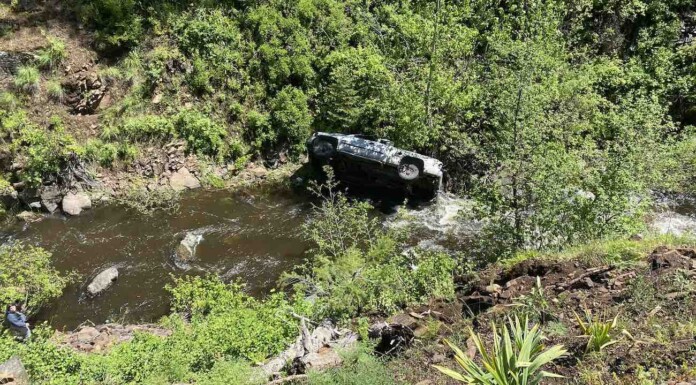
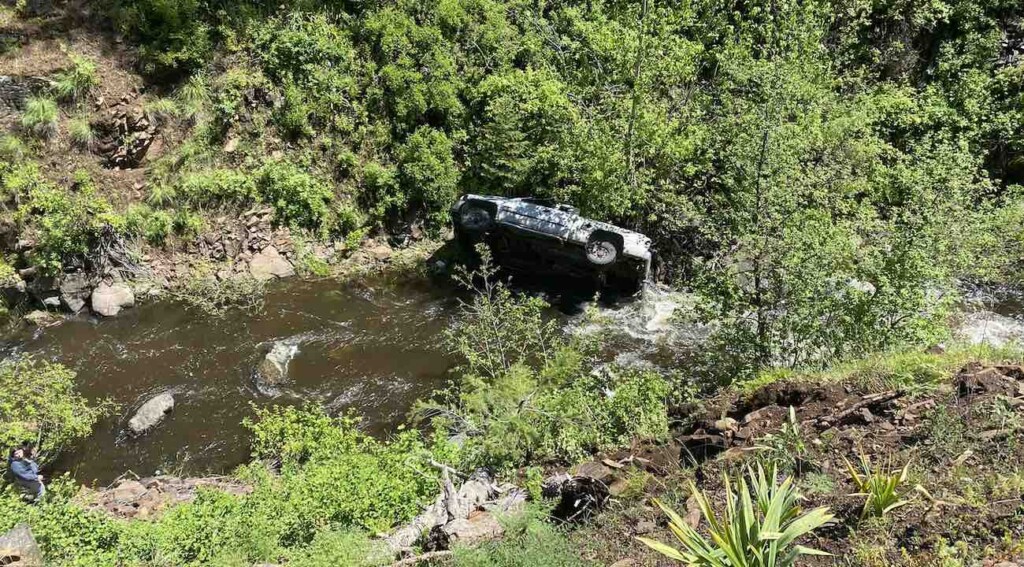
The owner of this pickup has one of his dogs to thank for his life, after a loss of control in the mountains of Oregon saw him turn over into a ravine.
Injured, but alive after his crash on US Forest Service Road 39, one of Brandon Garrett’s four dogs ran to get help.
According to a statement from the Baker County Sheriff’s Office, the dog managed to negotiate 4 miles of wilderness and trails to make its way back to a campsite where some of Garrett’s family had been staying.
He hadn’t returned to camp that night, so they were already worried and on edge, and the appearance of the dog confirmed their fears.
Meanwhile, Garrett was able to crawl approximately one hundred yards from the vehicle, where he spent the night on dry ground. The rest of the party continued to search for him, and family members located his vehicle on the morning of June 3rd, calling emergency services at this time.
Members of the Baker County Search and Rescue Ropes Team set up their rescue equipment and began the difficult task of reaching Garrett. With help from the Forest Services’ chainsaws which cleared their path to him, they loaded and secured him in a rescue basket.
He was connected to a highline rope system and pulled across the ravine, where he was transferred to medical personnel who in turn transported him to the Life Flight helicopter for airlift to a regional hospital. His three other dogs were all unharmed.
With all their experience performing rescues in searches in the mountains, the rescue service members said that without Garrett’s dog, there was a very good chance he would not have been found.
It’s a harrowing reminder that not all heroes wear capes, or clothes at all—some have fur and bark.
SHARE This Man’s Life Saved Thanks To His Outstanding Dog…
Quote of the Day: “Time and memory are true artists; they remold reality nearer to the heart’s desire.” – John Dewey
Photo by: Sathish J – CC license
With a new inspirational quote every day, atop the perfect photo—collected and archived on our Quote of the Day page—why not bookmark GNN.org for a daily uplift?
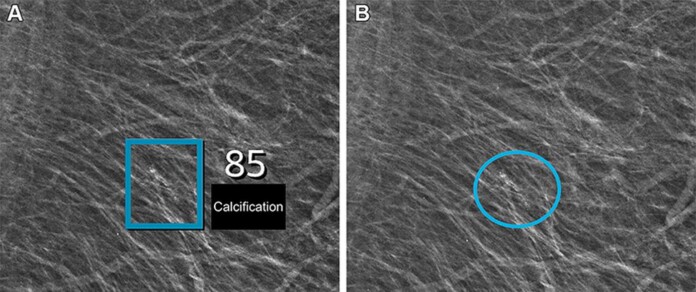
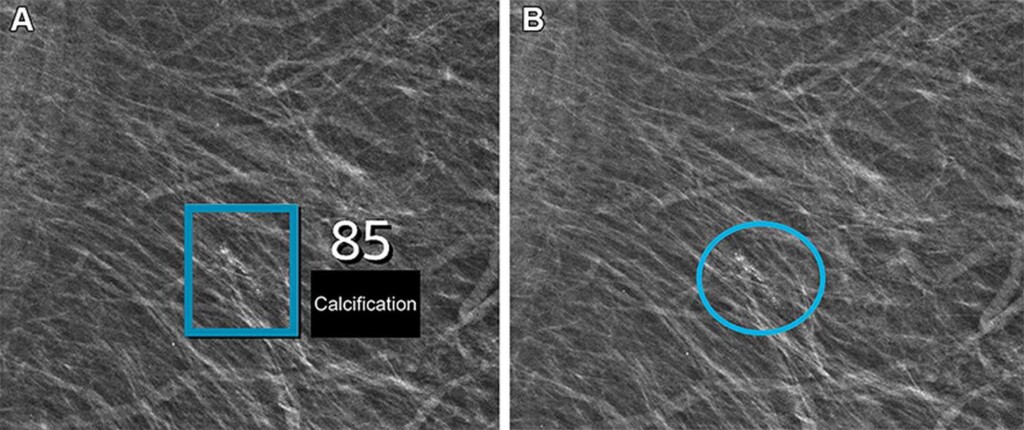
Using AI, breast radiologists in Denmark have improved breast cancer screening performance and reduced the rate of false-positive findings.
The discovery comes 16 months after a study from the same hospital found that AI could diagnosis cancer in chest X-rays at least as good as a board-certified radiologist, but noted that many radiology departments are understaffed.
When used to triage likely normal screening results or assist with decision support, AI also can substantially reduce radiologist workload.
“Population-based screening with mammography reduces breast cancer mortality, but it places a substantial workload on radiologists who must read a large number of mammograms, the majority of which don’t warrant a recall of the patient,” said Dr. Andreas Lauritzen researcher at the Gentofte Hospital in Denmark and lead author of the study
“The reading workload is further compounded when screening programs employ double reading to improve cancer detection and decrease false-positive recalls.”
Compared to screening without AI, screening with the AI system detected significantly more breast cancers (0.82% versus 0.70%) and had a lower false-positive rate (1.63% versus 2.39%).
“In the AI-screened group, the recall rate,” referring to the number of times a patient was asked to return for a follow-up examiniation, “decreased by 20.5%, the radiologists’ reading workload was lowered by 33.4%,” Dr. Lauritzen said.
The positive predictive value of AI screening was also greater than that of screening without AI (33.5% versus 22.5%). In the AI group, a higher proportion of invasive cancers detected were 1 centimeter or less in size (44.93% vs. 36.60%).
“All screening performance indicators improved except for the node-negative rate which showed no evidence of change,” Dr. Lauritzen said.
An improvement of 20% was also seen in the accurate diagnoses of breast cancers in a Swedish study done at Lund University, whereby the labor saving capacity of the device was even higher than in Dr. Lauritzen’s study.
An editorial accompaniment was also pushed alongside this study which praised the abilities of the AI to reduce human workload, and suggested that rather than presenting the possibility that AI can do a radiologists job, the evidence suggested that such AI programs should be developed as labor-saving devices.
SHARE These Rapid Advances In Diagnostic Sciences With Your Friends..
A young man in West Virginia made it into the local paper when news came out that he had graduated from high school with a perfect K-12 attendance record.
Wyatt Chesnut graduated from Riverside High School this year with an attendance that read 100% and a GPA that read 4.2—both of which he credits to his parents and their encouragement.
Speaking with WCHS Eyewitness News, Chestnut said that most people don’t believe him, but the school district provided him with a certificate in recognition of his accomplishment which he happily uses to shut down any arguments.
“Anything you do for 18 years in a row—it’s pretty hard to do, but I never missed a day,” Chestnut said.”
“A lot of trips I missed out on and a lot of sick days. I just rested my head on the desk instead of in the bed,” he added, noting that thanks to what he believes to be a strong immune system, there weren’t many.
Along with his academic participation, he maintained a robust interest in after-school sports, collecting medals in wrestling, and competing in soccer, track and field, and basketball.
On summers and weekends, he frequented the wild and wonderful countryside of West Virginia to fish, hunt, and go camping where he built up a collection of mineral samples.
His aim is to study law enforcement and biology in college with the hopes of being a fish and game warden—turning play and passion into a career, but a degree might be the last thing on which any prospective employer makes a hiring decision for Wyatt, as who could look past a perfect attendance record?
SHARE This Jewel Of His Generation Celebrating Determination And Success…
Qing Bao, the female giant panda soon to grace the National Zoo - credit, Smithsonian National Zoo, and Conservation Biology Institute.
Qing Bao, the female giant panda soon to grace the National Zoo – credit, Smithsonian National Zoo, and Conservation Biology Institute.
In an elaborate announcement video, First Lady Jill Biden broke the news that she’s expecting—the return of giant pandas to the National Zoo.
Following a prolonged period of diplomatic tension with China, all but one zoo in the country was panda-less, but after signing a new 10-year lease agreement for the purpose of scientific research, improving relations, and delighting visitors, D.C. is set to have a new pair of pandas by the end of this year.
2-year-old Bao Li is the son of Bao Bao, the female panda born at the zoo in 2013 to parents who left last year after tensions between the US and China reached a fever pitch.
Bao Li will be joined by Qing Bao, a 2-year-old female who is believed to be a possible breeding partner.
Arriving via FedEx’s special ‘Panda Express’ airline which has been transporting pandas across the world for 15 years, Chinese ambassador Xie Feng dubbed the duo “our new envoys of friendship.”
Washingtonians and visitors to our nation’s capital from across the country will have 10 years to see them under an agreement that will see the National Zoo pay a $1 million per annum lease fee—100% of which goes to panda conservation in China.
“We’ll have a few years just to enjoy these two, and then people can start asking about cubs,” National Zoo and Conservation Biology Institute director Brandie Smith told Axios.
‘Panda Diplomacy’ by China dates back to late Maoist rule in China, when First Lady Pat Nixon told the country of the arrival of the first giant pandas in an American zoo in 1972 after she and her husband’s historic visit to Beijing.
Far from being just a method of warming relations, China’s cooperation with zoos across the world has yielded some of the most important discoveries in panda biology, that have informed conservation and captivity strategies at home.
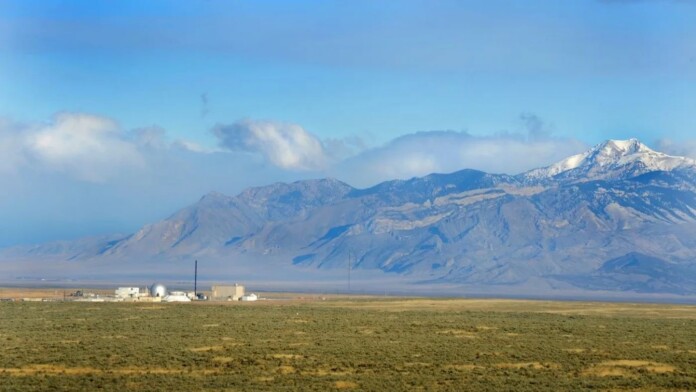
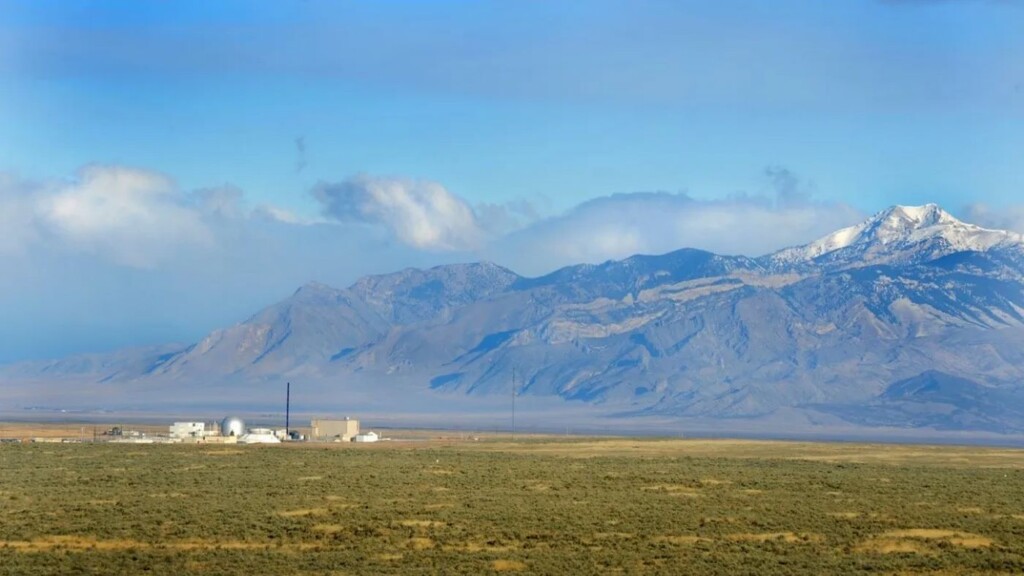
Across the nation, land set aside for the purpose of possibly destroying the world is now welcoming infrastructure meant to save it.
Sites managed by the Dept. of Energy’s nuclear weapons division are now playing host to solar farms that should be able to power thousands of homes.
As part of a government program called Cleanup to Clean Energy, the Idaho National Laboratory, though never having hosted nuclear weapons itself, will soon be the site of a 400-megawatt solar farm spread across 2,800 acres.
Though the project timeline hasn’t been released, a lease was negotiated for the INL project with Massachusetts-based solar developer NorthRenew Energy for 300 megawatts of solar power.
Another developer called Spitfire was awarded a lease for 100 megawatts and another 500 of battery storage, according to Elektek.
Other locations including the Hanford site in Washington state, the Waste Isolation Pilot Plant in New Mexico, the Nevada National Security Site in Nevada, and the Savannah River Site in South Carolina, are all considered strong candidates for the program.
“Working closely with community leaders and private sector partners, we’re cleaning up land once used in our nuclear deterrence programs and deploying the clean energy solutions we need to help save the planet and strengthen our energy independence,” said US Energy of Secretary Jennifer Granholm.
None of these sites ever hosted nuclear weapons, but were instead the sites for testing, training, and production of nuclear weapons materials such as plutonium, or of its disposal.
SHARE This Great, Old Fashioned, Anti-Nuclear News With Your Friends…
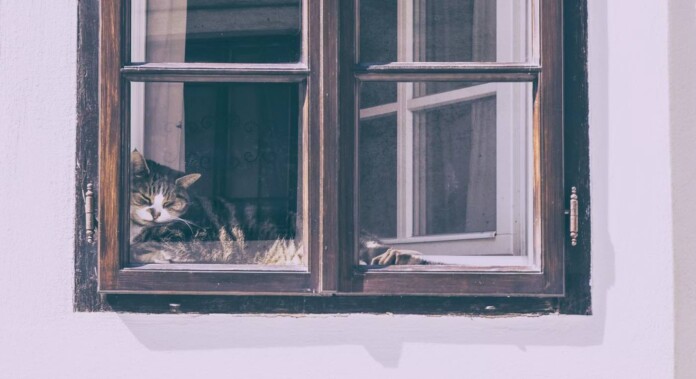
cat in window in Slovenia - by Jonatan Pie pubdomain
Quote of the Day: “Love unlocks doors and opens windows that weren’t even there before.” – Mignon McLaughlin
Photo by: Jonatan Pie
With a new inspirational quote every day, atop the perfect photo—collected and archived on our Quote of the Day page—why not bookmark GNN.org for a daily uplift?
A substance naturally occurring in pomegranates can improve memory and the treatment of Alzheimer’s disease, a new study concluded.
Forgetfulness, difficulty finding words, and confusion about time and place are some of the most common symptoms of Alzheimer’s disease, and researchers at the University of Copenhagen have discovered that an ordinary fruit can help.
Their study on mice with Alzheimer’s shows that urolithin A, which is a naturally occurring substance in pomegranates, can “alleviate memory problems and other consequences of dementia,” said Vilhelm Bohr, Affiliate Professor at the University’s Department of Cellular and Molecular Medicine.
This is good news for patients with dementia – a disease that is difficult to treat.
“Even though the study was conducted on mouse models, the prospects are positive. So far, research has shown promising results for the substance.”
Clinical trials on humans are currently being planned.
Substance improves brain function
The researchers previously discovered that a specific molecule, nicotinamide riboside (NAD supplement), plays a key role in neurodegenerative diseases such as Alzheimer’s and Parkinson’s, as it actively helps remove damaged mitochondria from the brain.
“Many patients with neurodegenerative diseases experience mitochondrial dysfunction, also known as mitophagy. This means that the brain has difficulties removing weak mitochondria, which thus accumulate and affect brain function. If you are able to stimulate the mitophagy process, removing weak mitochondria, you will see some very positive results,” explained Bohr, who was also a previous Department Chair at the US National Institute on Aging.
The new study shows that urolithin A removes weak mitochondria from the brain just as effectively as NAD supplements. (Nicotinamide adenine dinucleotide is a coenzyme central to metabolism.)
The researchers still don’t know how much urolithin A is needed for humans to improve memory and alleviate symptoms.
“We still cannot say anything conclusive about the dosage, but I imagine that it is more than a pomegranate a day,” said Bohr.
He also hopes the substance can be used for preventive purposes with no significant side effects.
“Several studies so far show that there are no serious side effects of NAD supplementation. Our knowledge of urolithin A is more limited, but clinical trials with urolithin A have been effective in muscular disease.”
The study, Urolithin A improves Alzheimer’s disease cognition and restores mitophagy and lysosomal functions, has been published in Alzheimer’s and Dementia.
SHARE THE POMEGRANATE PREVENTION With Friends and Family on Social Media…
2023 saw a record wave of Americans leaving big cities for smaller ones, a trend that grew out of the pandemic when millions of people began working from home.
At the same time, small cities and rural counties have begun offering incentives to help attract some of these 22 million remote workers in the US. Even in Europe, some beautiful Italian towns began paying people in 2021 to move there if you work remotely.
A unique website called MakeMyMove has compiled a new list of top destinations for those ready to make a move. Offering a mix of affordability, reliable internet, and recreational opportunities, these locations range from ‘Hot Spots’ in urban centers to ‘Hidden Gems’ amid tranquil rural landscapes—and many offer incentives.
For instance, tiny Lincoln County, Kansas (population 2,929) was the first to use remote worker recruitment as a way to grow their community. It’s worked out so well, nearly two dozen other Kansas counties are also actively luring new movers with incentives to kickstart economic growth.
The MakeMyMove website also seeks to match people in high-demand professions—like nurses, police officers, and teachers—with towns looking to plug personnel shortages, and willing to offer bonuses for them to move.
Here is the website’s latest Top 10 list of desirable locations to which remote workers may want to move…
1. Wichita, Kansas (Pop. 397,000)
Wichita, Kansas river view by spacefem, CC license
With a median home price of $275,000, Wichita offers remote workers a vibrant arts scene, world-class museums like the Wichita Art Museum, and concerts at the historic Orpheum Theatre.
Nature enthusiasts will love the zoo and scenic biking / hiking trails along the Arkansas River. Plus, Wichita boasts a thriving startup scene, making it ideal for those who want to connect with like-minded individuals.
There are financial offers available for moving to communities within 2-3 hours of Wichita, but none inside the city. For instance, Tasha Jablonski and her family just moved to Lincoln, two hours north of Wichita, and were delighted when the local High School football team showed up to help with the heavy lifting.
“They literally wouldn’t let me pick up a box,” Tasha said. “The greeting and support we received was nothing short of magical. If you’re looking for small town life, this place is a gold mine.”
Lincoln (pop. 2,900) is offering movers $4,500 in cash, $500 toward high speed internet service, a dozen farm fresh eggs every month for a year and other perks. Movers must live there at least one year, earn at least $50,000 a year, and work remotely.
2. Tulsa, Oklahoma (Pop. 413,000)
JustTulsa.com (CC license)
Also located on the Arkansas River, Tulsa’s cost of living is 23% below the national average, but it’s still the 47th-most-populous city in America.
The community’s Art Deco heritage can be explored at the Philbrook Museum of Art, and the Tulsa Arts District is a vibrant hub for galleries, studios, and performance spaces. Foodies will love the diverse culinary scene, and outdoor enthusiasts can enjoy the scenic trails at Turkey Mountain Urban Wilderness or take a day trip to explore the beauty of the Ozarks.
Tulsa is offering $10,000 and other perks to relocate there.
“I always wanted to start my own business, but my idea wasn’t able to come to fruition until I moved to Tulsa,” said Jhonathan Vazquez, an IT analyst. “The resources provided by Tulsa Remote and the local-start up community gave me everything I needed to launch my company. The support systems I have here are so helpful and inclusive.”
3. Columbus, Georgia (Pop. 207,000)
Andrey Nefedov, CC license
With a cost of living 14% below the national average, Columbus is attracting people who want to lower their overhead costs.
Located on the Chattahoochee River across from Alabama, Columbus is the second largest city in Georgia–behind Atlanta which is 100 miles northeast.
From historic neighborhoods to modern developments, Columbus boasts a vibrant downtown with a thriving arts community, and world-class whitewater rafting—it has the longest urban whitewater rafting course in the world.
City leaders are offering $5,000 in cash, plus other perks, to potential movers, who may also like the flourishing tech infrastructure for startups and remote workers.
4. White County, Indiana (Pop. 24,700)
For those craving a rural setting, the Midwestern landscapes of White County, Indiana deliver a quintessential small-town experience—and boasts a cost of living 12% below the national average.
With a median home cost of just $145,500, the charming communities of Monticello, Brookston, and Reynolds offer reliable high-speed fiber internet countywide—and a reward of $7,500 plus other perks for folks who relocate there.
Locals enjoy summer days at the Indiana Beach Boardwalk and Amusement Park on Lake Shafer, or Prophetstown State Park, a nature lover’s paradise. White County’s proximity to major cities like Indianapolis allows for easy access to cultural experiences and professional opportunities.
The incentive wasn’t what convinced Michael Harris to move to White County. “Cathy, the mayor there, helped get my mom’s Medicare benefits and medical care sorted out. She’s been super helpful with a lot of other things, too. It was a great introduction to the community.”
The $7,500 in cash and $3,200 in other amenities from White County Economic Development helped with his move, Harris said, but there were other communities offering more.
“Monticello (pop. 5,500) has everything we wanted: a beautiful location, four actual seasons, quick access to big city culture in Chicago or Indianapolis, nearby medical care, and opportunities to grow my business.”
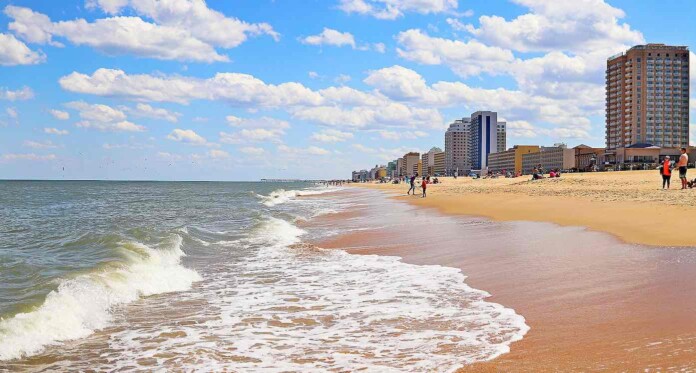
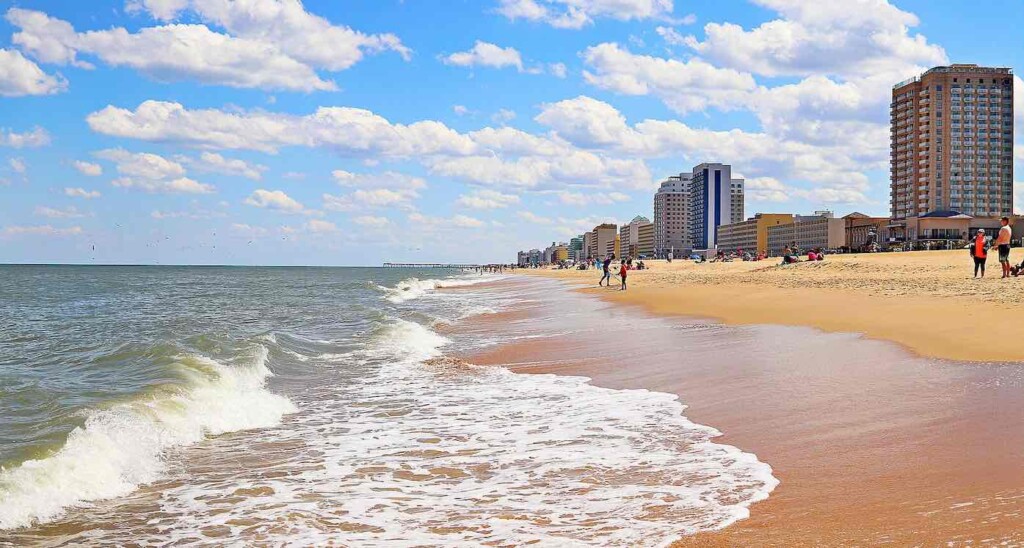
5. Virginia Beach, Virginia (Pop. 459,000)
Virginia Beach Oceanfront by DanRVA – CC license
In this coastal city known for its stunning Atlantic Ocean beaches, the median home price in Virginia Beach is $400,000.
Offering a vibrant boardwalk and endless opportunities for water recreation, including the annual East Coast Surfing Championships, there are no active relocation offers available right now.
Home to several military bases, history buffs will appreciate the city’s Military Aviation Museum, while foodies will delight in the fresh seafood and diverse cuisine. Plus, Virginia Beach (the 42nd most populous U.S. city) offers convenient access to major metro areas like Norfolk and Richmond for a weekend getaway.
6. Bloomington, Indiana (Pop. 79,000)
A college town where Indiana University enrolls over 45,000 students, Bloomington is brimming with intellectual energy and cultural offerings, with world-class museums like the Eskenazi Museum of Art and a calendar packed with live performances, festivals and lectures.
Nature enthusiasts will find solace in the nearby Hoosier National Forest, which offers hiking and biking trails, and Lake Monroe where water recreation abounds. Bloomington’s central location offers easy access to Indianapolis and other major cities for weekend adventures.
With a median home price of $399,450, remote workers can take advantage of an $8,000 incentive package that offers co-working space, entrepreneurial coaching, and more.
7. Pocahontas County, Iowa (Pop. 7,100)
For remote workers who prefer a quiet pastoral setting and lean Conservative politically, Pocahontas County provides small towns where the median home value is an affordable $220,000, and the cost of living is 28% below the national average.
Weekends can be spent exploring the scenic campgrounds at Brushy Creek State Recreation Area, or kayaking and fishing on the nearby expansive Lake Manawa. City life in Des Moines is just a two-hour drive from the middle of the county. It’s also one of the few places in America where water flows in three different directions, a rare natural sciences feature. The community is offering $2,500 in incentives right now in cash and groceries.
8. Bisbee, Arizona (Pop. 4,900)
Living in Bisbee, 92 miles southeast of Tucson, will cost you 11% less than the national average. Situated amidst the Chiricahua Mountains, Bisbee is another community that made Budget Travel’s list of Coolest Small Towns.
The former mining town is now an artist’s haven filled with quirky shops and galleries highlighting the American Southwest, and the Bisbee Mining & Historical Museum, a Smithsonian Affiliate.
There currently is no relocation offer for Bisbee, but stunning clear night skies for stargazing and a laid-back bohemian vibe may be all you need.
9. Metuchen, New Jersey (Pop. 15,000)
The borough of Metuchen offers a big-city advantage, with its location just outside New York City. It boasts excellent commuter options, allowing remote workers to enjoy the excitement of the city while living in a peaceful and small town environment.
Winner of the 2023 Great American Main Street, the historic downtown area has been revitalized in recent years and is filled with charming shops and restaurants. The local arts council hosts a variety of events throughout the year including concerts and outdoor activities.
The median home price in Metuchen is $629,000, but there are no relocation offers available.
10. Yellow Springs, Ohio (Pop. 3,700)
Named one of America’s Coolest Small Towns by Budget Travel, Yellow Springs is a haven for nature lovers and artists alike.
It hosts a “vibrant art scene” with galleries and shops lining the streets, but is also inside the Glen Helen Nature Preserve so residents are literally surrounded by nature and can hike through lush forests.
Additionally, this close-knit community fosters a strong sense of belonging, appealing to those who work from home and are seeking a warm community atmosphere to avoid feeling isolated. The median home price is $462,000, and the town is part of the Dayton Metro area. (There are no current relocation incentives.)
KNOW ANYONE WHO WANTS TO MOVE? Share These Tips on Social Media…
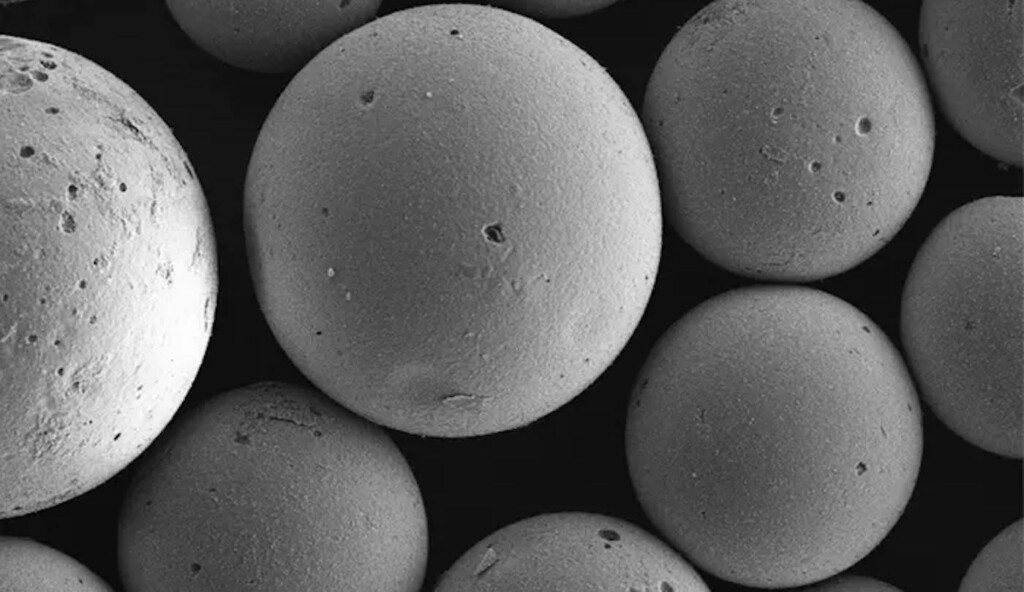
CARBALIVE beads viewed with a scanning electron microscope – CREDIT: University of Brighton / Yaqrit
CARBALIVE beads viewed with a scanning electron microscope – CREDIT: University of Brighton / Yaqrit
Innovative carbon beads, invented by researchers at University College London, reduce bad bacteria and inflammation in animal models, which are linked to liver cirrhosis and other serious health issues.
The study, published in Gut, found that the carbon beads were effective in restoring gut health and had a positive impact on liver, kidney and brain function in rats and mice. They were also found to be safe for human use.
“When the balance of the microbiome is upset, ‘bad’ bacteria can proliferate and out-compete the ‘good’ bacteria that keeps the gut healthy,” explained senior author Professor Rajiv Jalan from the UCL Institute for Liver and Digestive Health.
By excreting endotoxin and other toxic metabolites, they transform the gut environment to make it more favorable for them—and hostile to good bacteria—which triggers gut inflammation, and leakiness in the gut wall, resulting in damage to other organs such as the liver, kidneys and brain.
In cirrhosis, a condition characterized by scarring of the liver in 100 million people currently worldwide, inflammation caused by endotoxins can exacerbate the liver damage. A standard treatment for cirrhosis is antibiotics aimed at controlling bad bacteria, but this comes with the risk of antibiotic resistance and is only used in late-stage disease.
To overcome this, scientists at UCL developed the tiny oral carbon beads, which have a special microscopic physical structure designed to adsorb both large and small molecules in the gut.
In the study, researchers tested the effectiveness of the carbon beads (known by the product name CARBALIVE) and assessed the impact on liver, kidney and brain function in rats and mice.
They found that when ingested every day for several weeks, the beads were effective in preventing the progress of liver scarring and injury in animals with cirrhosis, and they reduced mortality in animals with acute-on-chronic-liver-failure.
The beads, which are licensed to UCL-spinout Yaqrit, were also tested on 28 cirrhosis patients and proved to be safe with negligible side effects. If the same benefits observed in animal models occur in humans, the beads could be an important new tool to help tackle liver disease.
“These novel, engineered carbon beads, which are swallowed and pass through the body unaltered, are smaller than a grain of salt,” said Michal Kowalski, the CARBALIVE product lead at Yaqrit. “They work by absorbing the endotoxins and other metabolites produced by ‘bad’ bacteria in the gut. This prevents these toxins from leaching into other areas of the body and causing damage, as they do in cirrhosis.
“The results in animal models are very positive, with reduction in gut permeability, liver injury, as well as brain and kidney dysfunction.”
The results open the door for further trials to test the efficacy of the carbon beads in humans, one of which is due to start soon. If the beads are proved to be effective at halting or slowing the progression of liver damage, they could be an invaluable tool for treating liver disease and possibly other conditions associated with poor microbiome health.
“I have high hopes that the positive impact of these carbon beads in animal models will be seen in humans, which is exciting not just for the treatment of liver disease but potentially any health condition that is caused or exacerbated by a gut microbiome that doesn’t work as it should,” says Jalan, who teaches Hepatology at UCL.
“This might include conditions such as irritable bowel syndrome, for example, which is on the rise in many countries.”
Thanks to grant funding from a European Union innovation program, they were able to build a factory to manufacture the beads and continue their research into potential uses.
“I’m optimistic that this journey will end with these beads being approved to help treat liver disease and other conditions within the next few years.”
SEND the Good News to Liver Patients on Social Media…
Quote of the Day: “Success is getting what you want. Happiness is wanting what you get.” – Dale Carnegie
Photo by: Omid Armin
With a new inspirational quote every day, atop the perfect photo—collected and archived on our Quote of the Day page—why not bookmark GNN.org for a daily uplift?
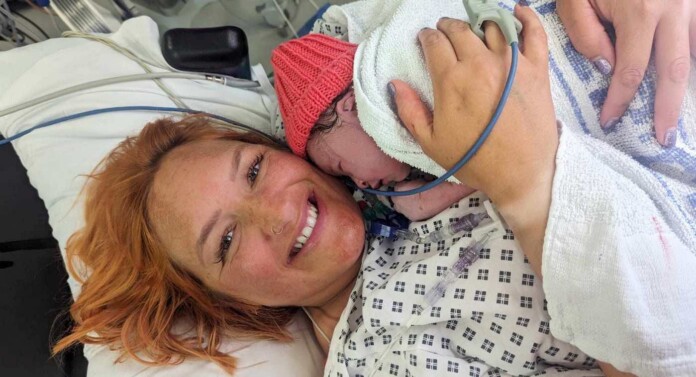
A woman who was facing only a 15 percent chance of conceiving a baby naturally was finally able to give birth to a child–after strangers donated $13,000 for her to undergo IVF.
Gem Baker had always dreamed of being a mom, but she never met the right man with which to start a family.
Furthermore, the now-38-year-old was diagnosed with endometriosis in 2017, which slashed her chances of conception dramatically. She endured eight procedures to remove the endometriosis the following year.
At her fertility clinic in England she was told she had a low egg count and just a 15 percent chance of conceiving.
“My chances were slim,” said the woman from Clacton-on-Sea. “I hit a brick wall. It’s soul destroying.”
She had started looking into in vitro fertilization (IVF)—but was shocked by the cost of it. So, Gem’s friend, Jen, urged her to set up a fundraising page to help pay for it and she agreed after first being apprehensive.
“It just went mental,” she said after donations began pouring in.
She managed to raise 13,000 in total, after being given 3k from her dad. She also invested her savings of 1.5k to reach the total amount needed for the IVF.
She also changed her lifestyle to lose 75 pounds—going from a size 16 to 8—ensuring she would give herself the best chance of conceiving. But, then COVID-19 hit.
Then COVID hit
After delays, due to the pandemic, she finally started her first round of IVF in August 2021. Sadly none of her eggs fertilized after the first round and doctors found an infection on her right fallopian tube.
They realized it was too damaged and removed it in May 2022. After recovering, Gem went for her second round in September and it produced just one egg.
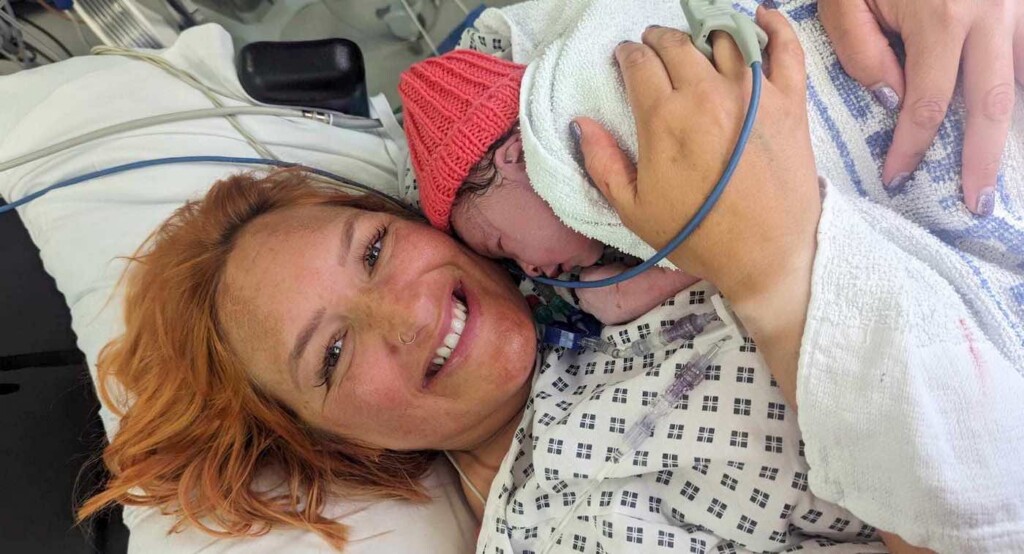
But eight days later she took a pregnancy test—and it was positive. Finally, she was expecting, and months later she welcome her little girl, Clover-Iris, into the world.
“I loved being pregnant,” said Gem, whose family was very supportive.
“I wasn’t incredibly fussy [with sperm donors], but I have a thing for redhead guys, and managed to get one. He is a baker and does charity work. He sounded grounded.”
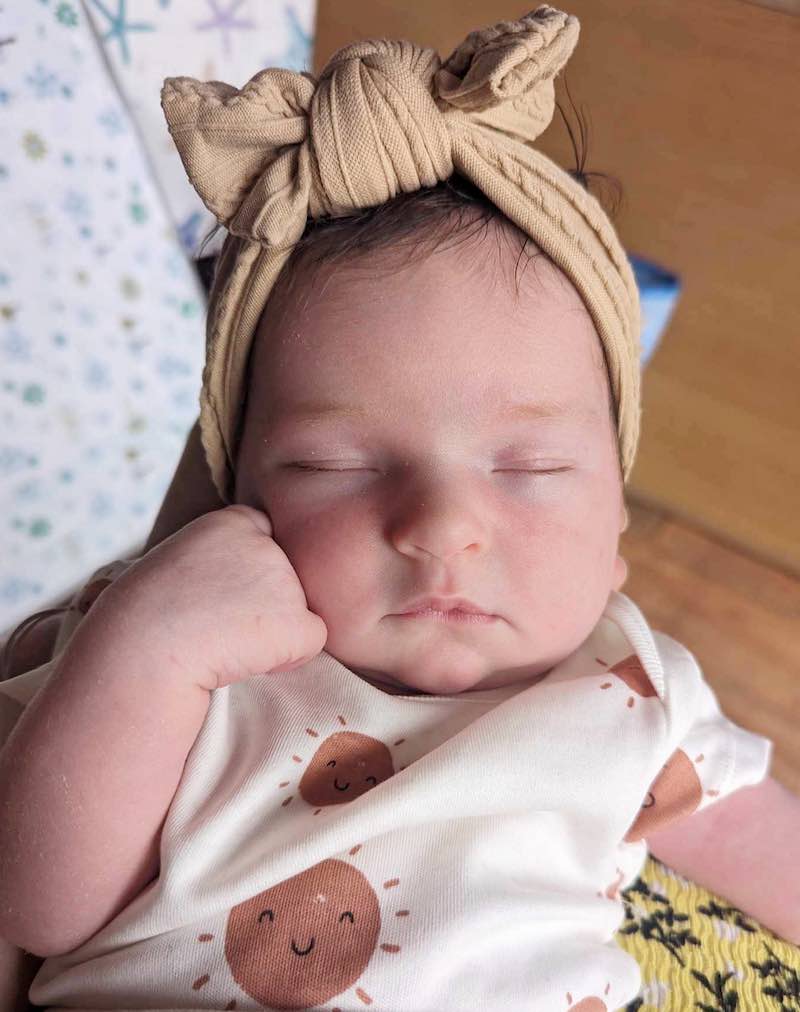
When she first saw the 7lb-8oz baby, Gem said she was astounded: “she looked like me and my dad!”
“She was the spitting image of me as a baby.”
Today Clover-Iris is 11-months-old and her mother described her as “hilarious, inquisitive, and very clever.”
A dad who grew up in public housing has won a stunning home worth 2.5 million in a prize drawing that raised over three million for charity.
Chris Milnes scooped up the magnificent 5,000-sq-ft home after entering the latest Omaze charity drawing without telling his wife and kids.
The thrilled 60-year-old who lives with his wife Jules in West Yorkshire, England, also received a cash prize of £100,000 tax free.
“When I got the call from Omaze to say I’d won something, I thought wow, a couple of grand would go down a treat at the minute,” said the father of three. “I never imagined that I might’ve won a house worth more than a couple of million—it’s crazy!”
“I spent much of my childhood living in a council flat in Leeds. Things like this don’t happen to people like me.”
Chris now plans to sell the luxury home in Dorset, so he can give his children “the start in life I never had”.
OMAZE home in Dorset with Chris and Jules celebrating
“It was a massive surprise to me—but an even bigger one for my wife as she had no idea I’d even entered. To say she was shocked is a bit of an understatement, she was utterly speechless.” (Watch the moment Chris was surprised in a video below…)
The o-mazing 3-tiered home features a kitchen that opens onto a hardwood deck, spa-like bathrooms attached to each of the four bedrooms, and a cinema room. The rainforest-inspired garden also has a hot tub and outdoor shower.
Even though the drawing was open only to UK residents—with tickets starting at just £10—the contest raised a whopping £3,150,000 for BBC Children in Need.
And it was “a lovely coincidence” that when they won, Chris and Jules were living in a town called Pudsey, because the face of the BBC charity is Pudsey Bear.
With this and previous home raffles across the UK, Omaze has raised over £43 million for a variety of good causes. Worldwide, Omaze has raised $170 million by raffling luxury cars, campers, homes—and even lunch dates with celebrities or presidents.
“Omaze gives people the chance to win amazing houses, like this beautiful house in Dorset, whilst also introducing charities to vast new audiences that they wouldn’t otherwise reach,” explained James Oakes, Chief International Officer at Omaze. “It’s a real win-win for both charities and entrants.”
If they did decide to rent it out, it’s estimated the property could achieve a long-term rental value between £5,000-6,000 per month, but instead the couple will buy a new smaller home together in Yorkshire, knowing the contest has changed their family’s lives forever.
“Not only will we be able to afford a new house for us, but we can also get all our children on the property ladder now. It means so much to be able to give them the start we never had.
“My son lives in Australia and we’ve only seen him once in the past 6 years – now we can go and see him whenever we want and fly them all over in style too—it’s just bonkers!”
SPARK SOME DREAMING on Social Media By Sharing The Inspiring Story…
FREE WILL ASTROLOGY – Week of June 8, 2024
Copyright by Rob Brezsny, FreeWillAstrology.com
GEMINI (May 21-June 20):
Off the coast of West Africa is an imaginary place called Null Island. A weather buoy is permanently moored there. Geographers have nicknamed it “Soul Buoy.” It’s the one location on Earth where zero degrees latitude intersects with zero degrees longitude. Since it’s at sea level, its elevation is zero, too. I regard this spot as a fun metaphor for the current state of your destiny, Gemini. You are at a triple zero point, with your innocence almost fully restored. The horizons are wide, the potentials are expansive, and you are as open and free as it’s possible for you to be.
CANCER (June 21-July 22):
When I worked as a janitor at India Joze restaurant in Santa Cruz, California, I did the best I could. But I was unskilled in the janitorial arts. I couldn’t fix broken machines and I lacked expertise about effective cleaning agents. Plus, I was lazy. Who could blame me? I wasn’t doing my life’s work. I had no love for my job. Is there an even remotely comparable situation in your life, Cancerian? Are you involved with tasks that neither thrill you nor provide you with useful education? The coming months will be an excellent time to wean yourself from these activities.
LEO (July 23-Aug. 22):
I foresee two possible approaches for you in the coming months. Either will probably work, so it’s up to you to decide which feels most fun and interesting. In the first option, you will pursue the rewards you treasure by creating your own rules as you outfox the system’s standard way of doing things. In the second alternative, you will aim for success by mostly playing within the rules of the system except for some ethical scheming and maneuvering that outflank the system’s rules. My advice is to choose one or the other, and not try to do both.
VIRGO (Aug. 23-Sept. 22):
Please note that during the next 12 months, I may seem a bit pushy in my dealings with you. I will encourage you to redefine and enhance your ambitions. I will exhort you to dream bigger. There may come times when you wish I wouldn’t dare you to be so bold. I will understand, then, if you refrain from regularly reading my horoscopes. Maybe you are comfortable with your current type of success and don’t want my cheerleading. But if you would welcome an ally like me—an amiable motivator and sympathetic booster—I will be glad to help you strive for new heights of accomplishment.
LIBRA (Sept. 23-Oct. 22):
Three months after Rachel Denning bore her fourth child, she and her husband sold everything they owned and embarked on a nomadic life. They have been roaming ever since, adding three more kids along the way. She says they have become addicted to “the personal transformation that travel extracts.” She loves how wandering free “causes you to be uncomfortable, to step out of the familiar and into the unknown. It compels you to see with new eyes and to consider things you had never been aware of. It removes preconceptions, biases, and small-mindedness.” If you were ever going to flirt with Rachel Denning’s approach, Libra, the next 12 months would be a favorable time. Could you approximate the same healing growth without globetrotting journeys? Probably. Homework: Ask your imagination to show you appealing ways to expand.
SCORPIO (Oct. 23-Nov. 21):
Among the Europeans who first settled in South America were Jews who had been forcibly converted to Christianity by Portuguese and Spanish persecutions. Centuries later, some families resolved to reclaim their Jewish heritage. They led a movement called *la sangre llama*—a Spanish phrase meaning “the blood is calling.” I invite you to be inspired by this retrieval, Scorpio. The coming months will be an excellent time to commune with aspects of your past that have been neglected or forgotten. Your ancestors may have messages for you. Go in search of missing information about your origins.
SAGITTARIUS (Nov. 22-Dec. 21):
If you simply let the natural flow take you where it will in the coming weeks, you would become a magnet for both degenerative and creative influences. Fortunately, you are reading this oracle, which will help ensure the natural flow won’t lead you toward degenerative influences. With this timely oracle, I am advising you to monitor and suppress any unconscious attractions you might have for bewildering risks and seemingly interesting possibilities that are actually dead ends. Don’t flirt with decadent glamour or fake beauty, dear Sagittarius! Instead, make yourself fully available for only the best resources that will uplift and inspire you.
CAPRICORN (Dec. 22-Jan. 19):
Capricorn politician Robert F. Kennedy Jr. is campaigning to be US President. But oops: He recently confessed that a parasitic worm once ate a portion of his brain, damaging his memory and cognitive skills. “The worm is dead now,” he assured us. Why am I bringing this up? Like most of us, you have secrets that if revealed might wreak at least a bit of mayhem. As tempting as it might be to share them with the world—perhaps in an effort to feel free of their burden—it’s best to keep them hidden for now. Kennedy’s brain worm is in that category. Don’t be like him in the coming weeks. Keep your reputation and public image strong. Show your best facets to the world.
AQUARIUS (Jan. 20-Feb. 18):
The English and French word “amateur” comes from amatus, the past participle of the Latin word amare, which means “to love.” According to one definition, an amateur is “someone who pursues sports, studies, or other activities purely for pleasure instead of for financial gain or professional advancement.” In accordance with astrological omens, I encourage you to make this a featured theme in the coming months. On a regular basis, seek out experiences simply because they make you feel good. Engage in lots of playtime. At least part-time, specialize in fun and games.
PISCES (Feb. 19-March 20):
Good news, Pisces: In the coming weeks, one of your flaws will mysteriously become less flawed. It will lose some of its power to undermine you. If you engage in focused meditation about it, you could rob it of even more of its obstructive force. More good news: You will have an enhanced capacity to distinguish between skillful pretending and earthy authenticity. No one can trick you or fool you. Can you handle even more good news? You will have a skillful knack for finding imperfect but effective solutions to problems that have no perfect solution.
ARIES (March 21-April 19):
What potentials should you strive to ripen as the expansive planet Jupiter glides through your astrological House of Connection, Communication, and Education in the coming months? I’ll offer my intuitions. On the downside, there may be risks of talking carelessly, forging superficial links, and learning inessential lessons. On the plus side, you will generate good luck and abundant vitality if you use language artfully, seek out the finest teachings, and connect with quality people and institutions. In the most favorable prognosis I can imagine, you will become smarter and wiser. Your knack for avoiding boredom and finding fascination will be at a peak.
TAURUS (April 20-May 20):
Since 1969, Taurus singer-songwriter Willie Nelson has played his favorite guitar in over 10,000 shows. His name for it is Trigger. Willie doesn’t hold onto it simply for nostalgic reasons. He says it has the greatest tone he has ever heard in a guitar. Though bruised and scratched, it gets a yearly check-up and repair. Nelson regards it as an extension of himself, like a part of his body. Is there anything like Trigger in your life, Taurus? Now is a good time to give it extra care and attention. The same is true for all your valuable belongings and accessories. Give them big doses of love.
WANT MORE? Listen to Rob’s EXPANDED AUDIO HOROSCOPES, 4-5 minute meditations on the current state of your destiny — or subscribe to his unique daily text message service at: RealAstrology.com
Quote of the Day: “A friend may well be reckoned the masterpiece of nature.” – Ralph Waldo Emerson
Photo by: Bagas Muhammad
With a new inspirational quote every day, atop the perfect photo—collected and archived on our Quote of the Day page—why not bookmark GNN.org for a daily uplift?