The French postal service has released a scratch-and-sniff stamp that will fill your letter room or office with the aroma of freshly baked bread as it honors the classic baguette.
The best thing since sliced bread, the baguette was recently honored by UNESCO with the status of ‘Intangible Cultural Heritage,’ or in other words, a standout element in the story of humanity that can’t be pinned down to the words on a page, the outcome of a battle, or the bricks making up a monument.
The stamp was unveiled last Thursday by La Poste on the occasion of Sant-Honore’s feast day—the patron saint of bakers.
“The baguette, the bread of our daily lives, the symbol of our gastronomy, the jewel of our culture”, La Poste says on its website.
It will cost €1.96 and run for a limited time with just under 600,000 copies set for printing. It depicts a baguette wrapped in blue and white ribbons.
The stamp’s ink is coated in microcapsules that burst when the customer scratches it, releasing the scent. La Poste purchases the special ink pre-made, and the smell is derived from a collection of bakeries.
“And the difficulty for us is to apply this ink without breaking the capsules, so that the smell can then be released by the customer rubbing on the stamp,” Damien Lavaud, printer at Philaposte, was quoted as saying by France Bleu, according to France24.
UNESCO attempts to summarize the value and uniqueness of baguettes over other breads with the following description.
Baguettes require specific knowledge and techniques: they are baked throughout the day in small batches and the outcomes vary according to the temperature and humidity.
They also generate modes of consumption and social practices that differentiate them from other types of bread, such as daily visits to bakeries to purchase the loaves and specific display racks to match their long shape.
SHARE This Charming Celebration Of The Greatest Of France’s Modest Achievements…
Quote of the Day: “Love begins by taking care of the closest ones, the ones at home.” – Mother Teresa
Photo by: Kelly Sikkema (cropped)
With a new inspirational quote every day, atop the perfect photo—collected and archived on our Quotes page—why not bookmark GNN.org for a daily uplift?
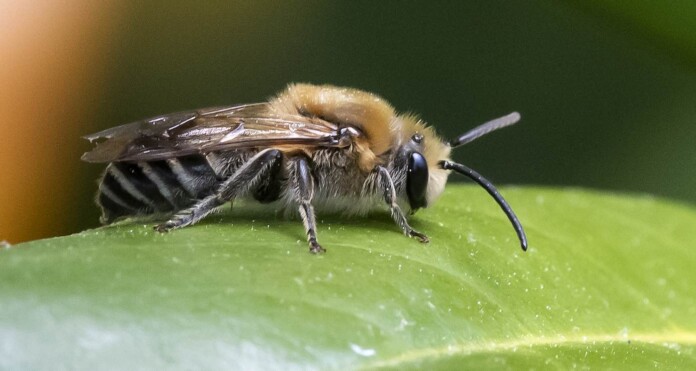
Colletes mining bee on Washington College campus – Credit Pamela Cowart-Rickman
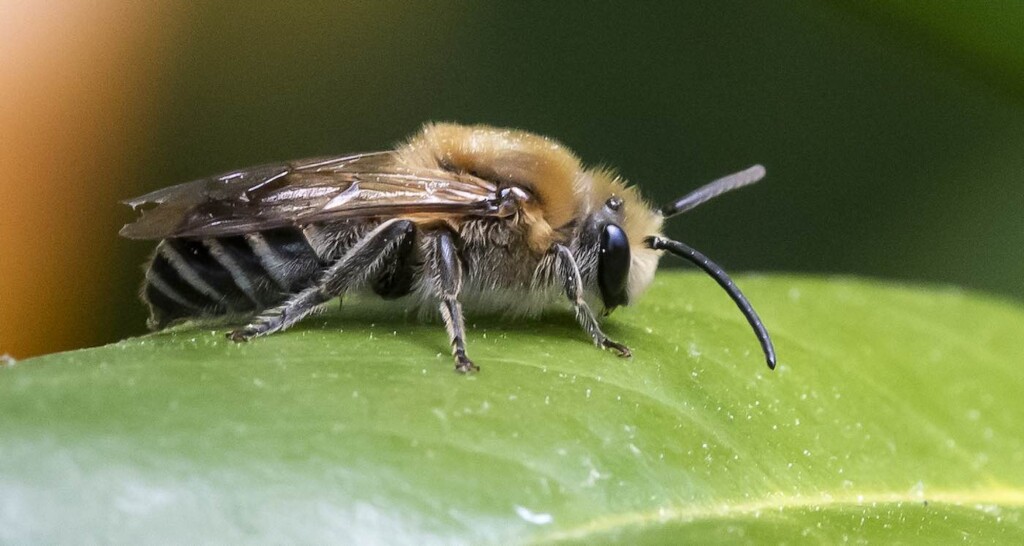
Colletes mining bee on Washington College campus – Credit Pamela Cowart-Rickman
In a charming coincidence, a pair of bee and insect specialists from Washington College are buzzing with excitement about a unique and newly documented population of native bees right on their very own campus.
Although the large group of ground-nesting bees has been noticeable on one corner of the campus for years, recent identification of at least five different species all using the same area has sparked interest from researchers.
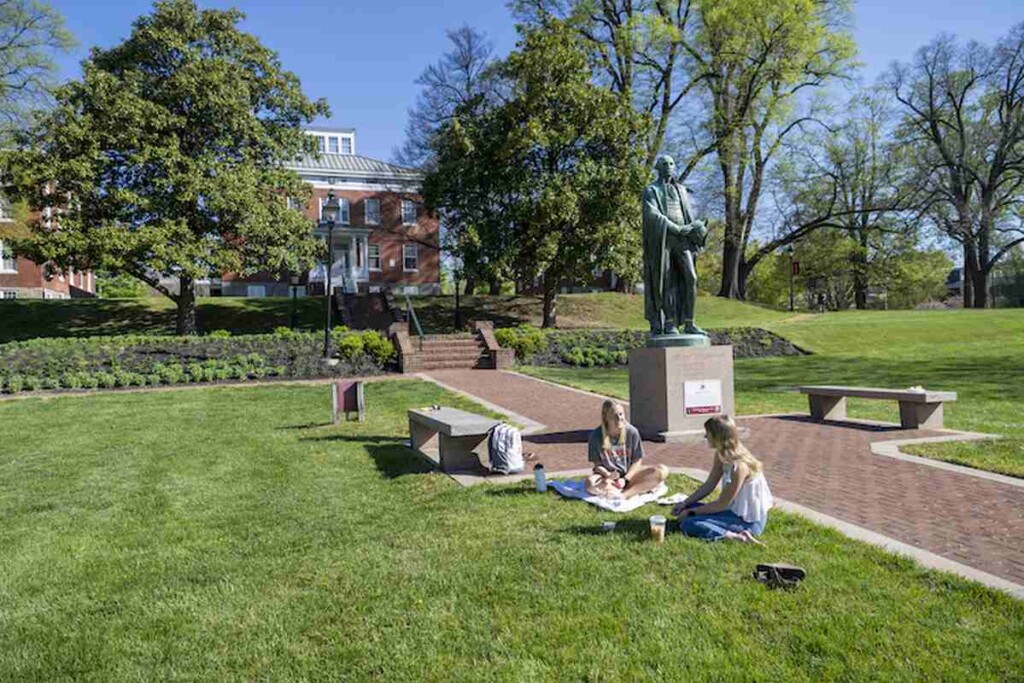
The section of the college green located in front of East and Middle Halls is a hotspot for these vital pollinators, with ground-nesting ‘mining’ bees from the Andrena and Colletes genera thriving on the hill at the base of the halls.
Recently, thanks to her keen eye and love of insects, photographer Pamela Cowart-Rickman realized that the area has multiple species of native mining bees all nesting together, something that has not been well documented.
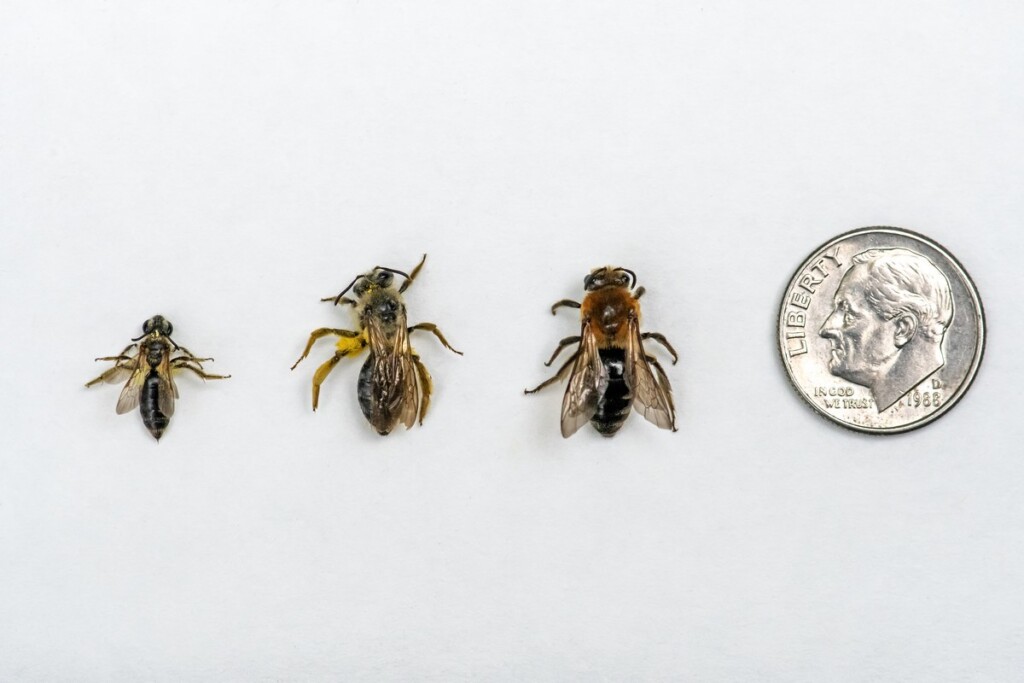
Cowart-Rickman, who studied biology at WC as an undergrad and developed a love of insects has tentatively identified five different species that are all sharing the same nesting grounds. They include four different Andrena (mining bees), one Colletes (cellophane bees), and likely three cuckoo bees in the genus Nomada.
“The Washington College site provides rare nesting habitat for multiple native bee species, several of which are uncommon and unidentified,” said Sam Droege from the US Geological Survey’s Bee Lab.
“We always talk about providing plants to support native bees and other pollinators, but we rarely think about providing adequate nesting habitat for their survival. These native bees provide beneficial pollination to fruiting trees and plants, not only on the College campus, but also the Chestertown community.”
“They have been nesting amongst and on top of each other for several years in this same location,” said Cowart-Rickman of the bees she has spotted. “The various Andrena have the largest nesting area and emerge first in late February. The Colletes have a smaller area and emerge later in late April.”
Several of the species present on Washington College campus – credit Pamela Cowart-Rickman
Cowart-Rickman devotes her free time to photographing insects and has been helping researchers identify and track populations. She has found and documented several species for MD Biodiversity, BugGuide, iNat, and researchers at the Canadian National Collection of Insects.
When she realized what she had stumbled upon right outside her own office building on campus, she reached out to Dr. Beth Choate, deputy director of the Washington College Center for Environment and Society. Choate, who has published research on the abundance of wild bee populations in urban and rural gradients, was also intrigued by the nesting sites Cowart-Rickman had found. The two decided to investigate further.
“On a nice day in the spring, you can see the male bees hovering right at grass level. There were hundreds of these males searching for a female to mate when we were out there,” said Choate.
Females create a small burrow in the ground for rearing young and a ball of pollen and nectar is placed in each to feed the larval bee when it emerges from the egg, Choate explained. Once the males and females mate, the female returns to her nest and lays the egg in the carefully constructed burrow to develop.
The area of the campus where the bees have been found nesting together – credit Matt Lester
“Ground-nesting bees need bare, minimally covered ground in order to dig into the soil. They also prefer sunny and well-drained soil, but it will be interesting to learn what is unique about the soil in this space and why the aggregation has become so large,” said Choate.
“Since ground-nesting bees are solitary and do not form colonies, they generally aren’t as noticeable as this aggregation. Females often create nests near one another; however, an aggregation this large is unique.”
After seeing one of Cowart-Rickman’s nesting bee photos on iNat, and realizing the rarity of the site, Dr. Jordan Kueneman, a researcher with Project GNBee who is working on tracking ground-nesting bees at the Danforth Lab at Cornell University, reached out to Cowart-Rickman about possibly providing further research samples and information.
“We were very excited to learn about the ground-nesting bee aggregations at Washington College, for a myriad of reasons,” said Kueneman. “First, the size of the aggregation is substantial, and multiple species are utilizing areas of the overall site to nest. This scenario is ideal for understanding nesting requirements for bees and how those vary by species.
“Second,” Kueneman continued, “intermixed aggregations of nesting bees are particularly interesting to study from an ecological perspective, as the cost/benefits of varying nesting strategies and behavior can be more easily studied, particularly in the context of phenology, nest architecture, and risk of parasitism.”
He noted that due to its location, the Washington College aggregation can easily provide the opportunity for students and the public to learn about the biology of ground-nesting bees and the value they provide to the environment. He is also hopeful that knowledge of the history of the area and the site’s management can help inform how ground management practices on campus have impacted the population in the past and provide opportunities to explore how current management will impact this population in the future.
Research and monitoring of the aggregation will continue as teams from both schools work together to study what makes this site so appealing to multiple species of bees.
SHARE This Fascinating Bee Behavior With Your Friends On Social Media…
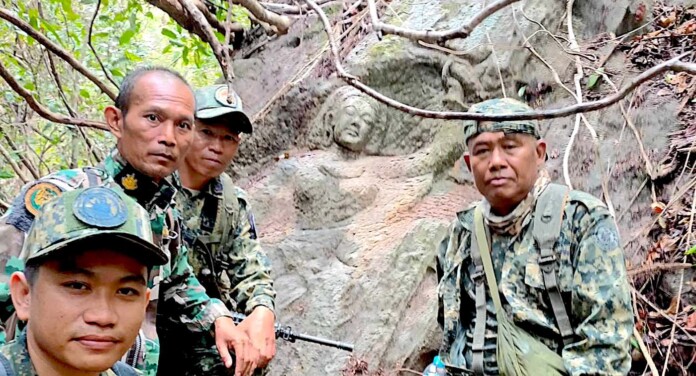
Officials investigating the stone carving – Thailand’s Department of National Parks, Wildlife and Plant Conservation
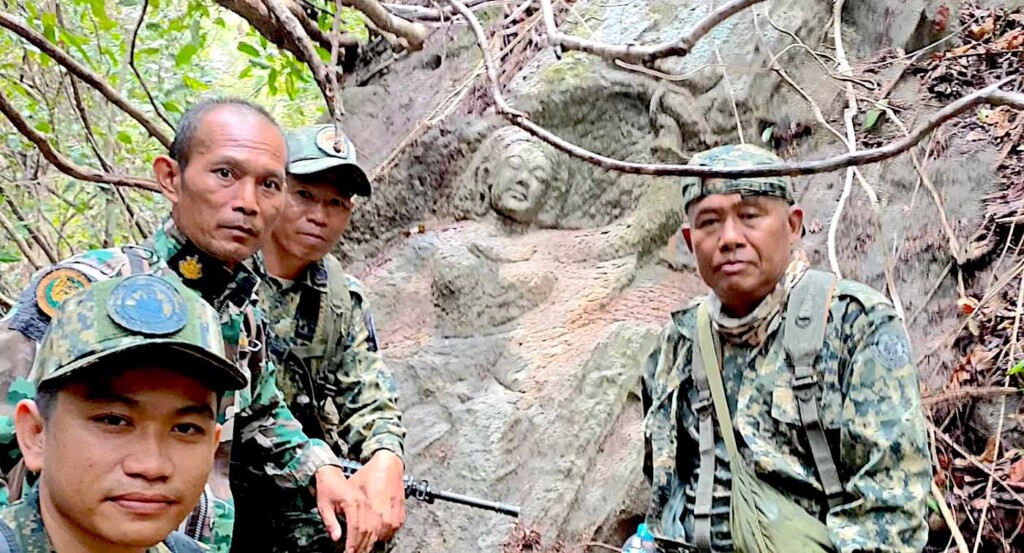
Officials investigating the stone carving – Thailand’s Department of National Parks, Wildlife and Plant Conservation
Three Thai villagers were out looking for mushrooms when they came across this boulder depicting a woman in breathtaking detail.
“Went mushroom hunting and found this,” Pramul Kongkratok, one of the locals, wrote on social media according to theNation Thailand. “I’ve lived here for so long, but just learned we have this around here. It’s a blessing.”
Showing admirable responsibility, Mr. Kongkratok called the Department of National Parks, Wildlife, and Plant Conservation to investigate, who in turn we’re told contacted art and antiquities authorities to ascertain how old the carving might be.
Some theories, however, have quickly emerged: notably that it could have been made in the 6th century during the flourishing of a kingdom called Dvaravati, which was located in modern-day Thailand near the border with Cambodia, exactly the place where the carving was found.
However, the carving style is not really comparable to other examples of Dvaravati reliefs like this one of musicians seated in a row.
Another theory is that it depicts the mother of Lord Buddha, Maya Devi. In part this is because the woman figure is holding a branch of the Bodhi tree, or pipal in Hindi, the tree under which Prince Siddharta Gautama meditated for 7 days and attained Enlightenment.
Rarely depicted alone, and if so, typically lying down in order to illustrate the story of Buddha’s birth—when his mother dreamt the spirit of a white elephant entered her womb, many are as skeptical of the Maya Devi claim as the claim of Dvaravati origin.
In general, the artists living during the golden age of Buddhist kingdoms in South Asia kept significantly conformist carving styles, while this discovery doesn’t.
Smithsonian reports that a Wat, or Thai Buddhist monastery, inhabited by a group of artistically inclined monks, is located less than a mile from where the carving was found in Dong Yai Wildlife Sanctuary.
Whatever the origin, it’s a beautiful carving and a delightful reminder that the world is full of surprises.
SHARE This Delightful Mystery With Your Friends Who Love Asia…
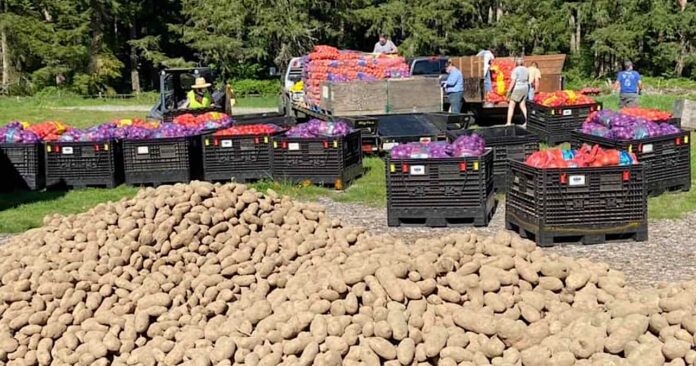
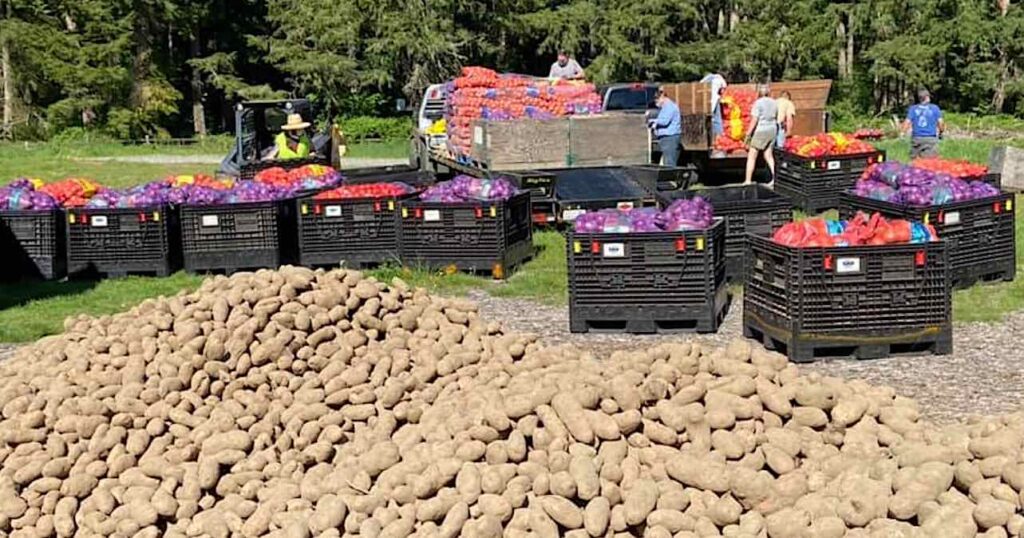
From Canada’s province of Manitoba comes the story of how dozens of volunteers succeeded when presented with a mammoth logistical challenge: giving away 12 million pounds of potatoes.
There are bumper crops, and then there’s whatever happened on Isaiah Hofer’s Manitoba farm last year.
Potatoes were coming out of the ground in such numbers that after fulfilling all his normal deliveries and quotas, Hofer still had 10 million pounds of potatoes left.
“[P]eople that have been in this industry for the last 40 years, they’ve never seen something like this,” said Hofer. “We had at least almost 100,000 bags of surplus potatoes. In potato language, a bag is 100 pounds [45 kilograms].”
He had a few options, including leaving them to rot as fertilizer, turning them into animal feed, or selling at a tiny profit or even a loss in such a flush market. In the end, Hofer followed his heart and resolved to give all of them away to the needy.
In his email inbox, he saw a letter from the industry group Keystone Potato Producers Association which happened to be spotlighting the work of a US food charity outfit Farmlink Project.
Farmlink arose from the government-enforced business closures and supply chain disruptions during the pandemic, and was responsible for connecting farms with surplus food with food banks cut off from usual deliveries.
Since 2020, they have rescued around 100 million pounds of food from going to waste on farms and distributing it to food banks across North America. Contacting some other farmers he knew, Hofer was soon able to offer Farmlink 12 million pounds (5.4 million kg) of potatoes for donation.
Teaming up, Hofer and Kate Nelson, chief marketing officer and a co-founder of Farmlink, began to strategize about how to get rid of the spare spuds, and Foodsharing Ottawa was their first target.
CBC news, reporting on the story, said that there has been a dramatic spike in food insecure households in Canada since last year, and Foodsharing Ottawa’s volunteer executive director Wendy Leung knew that just one of Hofner’s 40,000-pound potato donation parcels could make a huge difference.
Suddenly though, Leung had to swap her typical logistical tools of cardboard boxes, hatchbacks, and shopping carts for a forklift, climate-controlled facility, semi trucks, and a large volunteer workforce if it meant getting hold of the potatoes.
Hofer and Nelson, who were looking at a CAD$30,000 cost for their donation, were able to rely on some contacts who provided packaging and transportation.
Their efforts paid off, and Hofner’s farm saw the departure of 115 trucks carrying the spuds to food banks and charities as far afield as San Diego, California. Many were sent to the populace province of Ottawa.
“Together, I think we actually gave back to over 50 local organizations across the city with countless numbers of individuals and households,” Leung told CBC. “And all these potatoes were claimed actually within eight to nine days.”
In 2020, GNN reported on a similar volunteer effort to rescue 200 tons of potatoes and onions from rot during the pandemic, when EastWest Food Rescue was formed to coordinate the volunteer hauling of the produce from farms in Washington State out to the coastal cities for use in food banks.
SHARE These Heroic Donation Efforts To Feed Millions In Canada…
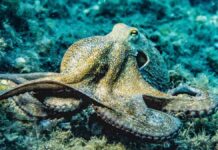
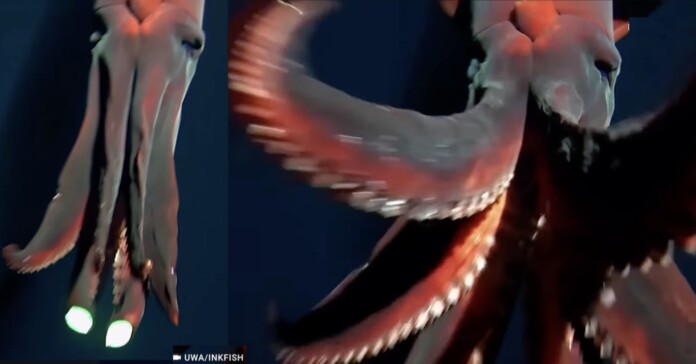
Taningia danae squid with bioluminescent headlights – Credit: University of Western Australia / Inkfish
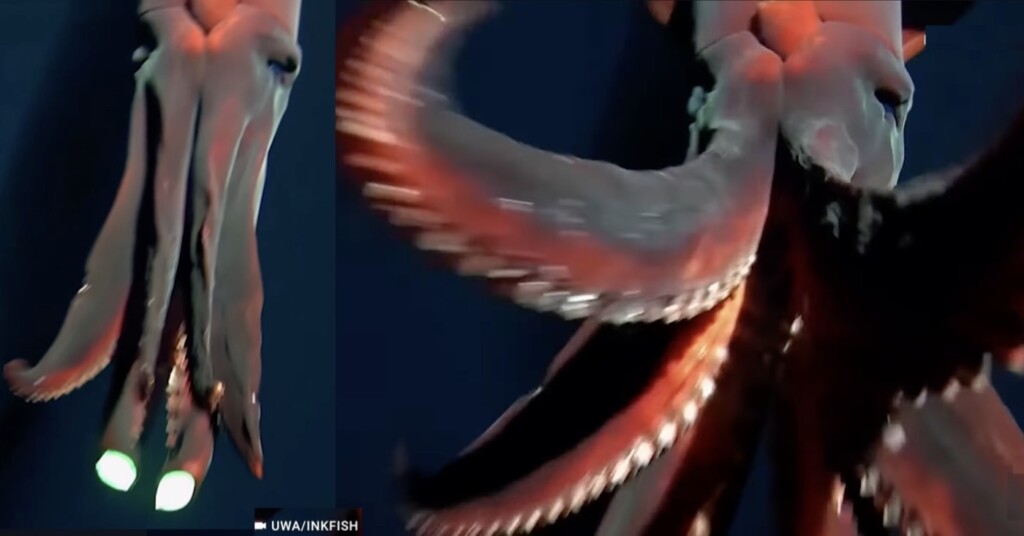
Taningia danae squid with bioluminescent headlights – Credit: University of Western Australia / Inkfish
Australian marine biologists recently captured video of a large, deep-water squid attacking one of their cameras over 3,000 feet below the surface of the ocean.
The deep-sea hooked squid is one of the largest deep-dwelling squid species, but rather than the animal’s size, it was the glowing lights on the end of its tentacles that most interested scientists.
A team from the Minderoo campus of the University of Western Australia’s Deep Sea Research Center was deploying baited, free-falling cameras to record video footage of deep-sea life.
Chief scientist Heather Stewart, from the collaborating Kelpie Geosciences, UK, and an adjunct at UWA, was working in an area known as the Samoan Passage where she let the camera fall to 5 kilometers down before recovering it.
“As we were reviewing the footage, we realized we had captured something very rare,” Stewart said.
They had found a Taningia danae, or deep-sea hooked squid, renowned for having the largest photophores of any animal known. Photophores are bioluminescent organs that form a part of the squid’s hunting strategy—flashing fish with bright light to disorient them in the lead-up to an attack.
“The squid, which was about [30 inches] 75cm long, descended on our camera assuming it was prey, and tried to startle it with its huge bioluminescent headlights,” Stewart added.
Professor Alan Jamieson, director of the Minderoo-UWA Deep Sea Research Center, said observing deep-sea squid in their natural habitat, especially in the mid-water, was notoriously challenging.
“Many records of this species are from strandings, accidental bycatch or from the stomach contents of whales,” Professor Jamieson said.
“The rarity of live observations of these amazing animals makes every encounter valuable in gathering information on geographic locations, depth, and behavior, plus it is such a unique animal that we hardly ever get to see, so we had to share it.”
WATCH the video with narration below…
SHARE This Amazing Encounter Of The Deeps With Your Friends…
Quote of the Day: “We all have our darkness, and the trick is making something noble of it.” – Andrew Solomon
Photo by: Warren Wong
With a new inspirational quote every day, atop the perfect photo—collected and archived on our Quotes page—why not bookmark GNN.org for a daily uplift?
A Cleveland man is being hailed as a hero for his determination to rescue an infant trapped in a burning house.
John Stickovich was on his way to work when the 62-year-old saw a house consumed in fire and smoke, but no fire engines had yet arrived.
In front of the house, Stickovich saw who he assumed was the occupant looking on despondently.
“The mother was sitting on the… lawn with her one baby and I asked her if she was all right and she said, ‘My baby is still in the house,’ and I was thinking to myself, ‘Oh my God, I have to save the baby.’ That’s how it was going to be,” Stickovich told Nexstar’s WJW.
Circling the house, he tried to go in through the side door, but kicking it in, he found the smoke and fire was too much. At the back of the house, another door was already open, and Stickovich crawled in to search for the baby before being driven back out empty-handed.
He asked the mother where she last saw her child, to which she replied that it was next to the baby gate. So plunging once more into the inferno, Stickovich sought in vain with time and oxygen running short. Contemplating what to do, the thought of saving himself emerged, but the hero-to-be squashed it after hearing the infant making a sound.
Throwing himself in the sound’s direction, his arm caught hold of the baby’s leg before the man retreated with all the strength he had left.
The fire had been so severe that two firefighters arriving after Stickovich completed the rescue mission were injured trying to control the blaze. The department said Stickovich’s actions were without doubt the reason that the baby survived.
Treated for smoke inhalation at the MetroHealth Medical Center, Stickovich was able to go home the same day, and WJW Cleveland says that it is believed the city is poised to honor the man for his bravery.
“I feel wonderful that I could save the baby. That mother doesn’t have to mourn her baby. That baby gets to live today,” he said. “Everybody is just calling and saying how great of a job it was, but I mean, I would do it for anybody, it doesn’t matter. And I would hope that somebody would do it for me.”
WATCH the story below from WKYC…
SHARE This Hero’s Incredible Actions With Your Friends On Social Media…
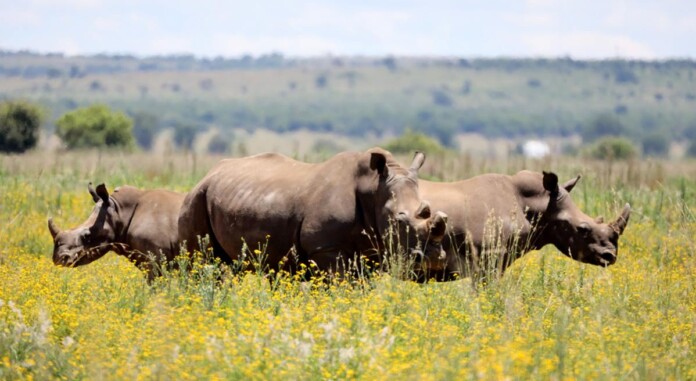
3 of the 2,000 southern white rhino up for auction. credit Platinum Rhino
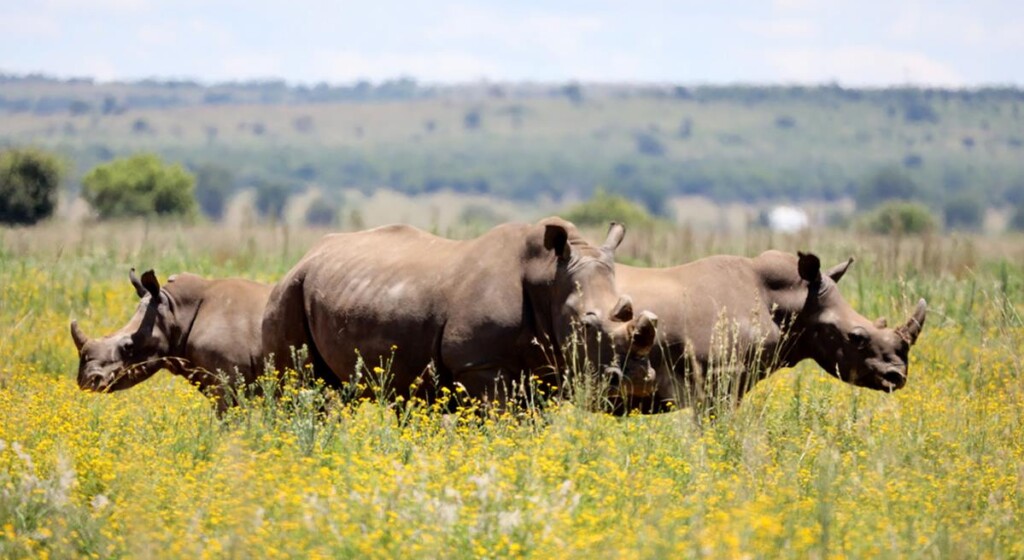
3 of the 2,000 southern white rhinos auctioned – Credit: Platinum Rhino
An ambitious plan to rewild 2,000 southern white rhino into secure protected areas in Africa over the next 10 years has officially begun, with 40 of these majestic beasts on their way to a new home at the Munywana Conservancy in Zululand, KwaZulu-Natal, South Africa.
It’s the first relocation of a continent-wide effort organized by African Parks called ‘Rhino Rewild, and follows the recent acquisition of 2,000 southern white rhino that had been privately owned by a multi-millionaire who dreamed of keeping them in a preserve for the purpose of harvesting their horns to flood the illegal rhino horn trade and crash the price to disincentivize poaching.
Their new home, Munywana Conservancy has a historic foundation: in 2007, over 20,000 acres of land were returned to its ancestral owners, the Makhasa and Mnqobokazi communities as part of South Africa’s land restitution process.
Both communities requested that the land continue to be kept under conservation. Through this legacy, the Munywana Conservancy, now a 79,000-acre (29,866-hectare) reserve, is upheld through a collaboration of community and private landowners.
“We are extremely pleased to receive these 40 rhino from African Parks, to supplement the current population of white rhino at our community conservancy,” said Thokozani Mlambo, Chairperson of the Makhasa Trust, one of the three primary shareholders of the Munywana Conservancy.
“We see this as recognition of the important role that community-owned land plays in conservation, and we are proud to be collaborating in such a significant partnership to rewild rhino across our continent.”
Millionaire breeder John Hume of South Africa was unable to continue financing his venture, when, after years of litigation, the Convention on International Trade in Endangered Species (CITES) remained adamant that they would not grant him an exception for the sale of rhino horn—banned as it has been since 1974, and so facing bankruptcy, Hume put all the animals up for auction in April.
Hume’s 2,000 rhino were approximately 15% of the remaining wild population of southern white rhino.
The white rhino as a species is under extreme pressure due to poaching and habitat loss, and hence the need for well-protected areas for them to thrive. While southern white rhino reached an all-time low of between 30 to 40 animals in the 1930s, effective conservation measures increased the population to approximately 20,000 individuals by 2012.
These mega-herbivores are important in shaping savannahs, which store approximately 30% of the world’s terrestrial carbon. Where rhino are present, there is an increase in both flora and fauna; and thriving wild rhino populations are indicators of ecosystem renewal.
The Munywana Conservancy offers a secure environment to support the rewilding of these animals. With this move, Munywana’s current rhino population will be bolstered, enhancing genetic diversity, aiding future rhino translocations to other locations, and supporting tourism—a key driver of the local economy.
“On behalf of the government of South Africa, we were very supportive of African Parks’ plan to purchase and rewild these rhino and remain a key partner in providing technical and scientific advice and the support needed to carry out this conservation solution in South Africa and on the African continent,” said Ms. Barbara Creecy, the South African Minister of Forestry, Fisheries and Environment.
To achieve a successful outcome of this translocation, the animals’ body condition and parasite adaptation will be closely monitored as they adjust to their new environment. In addition, the conservancy will implement intensive security measures to ensure the safety of the 40 dehorned rhino.
“We believe that both African Parks and the Munywana have the same ethos and guiding principles when it comes to conservation, and in that spirit the Munywana has gladly accepted this donation, enabling these rhino to commence the process of becoming fully wild and free-roaming,” said Dale Wepener, Munywana Warden & Conservation Manager.
The funding for the translocation was provided by the ever-stalwart Aspinall Foundation, with additional help from The Wildlife Emergency Fund.
“We recognize the magnitude and logistical feat of moving 2,000 rhino. This is just the beginning of a long-term partnership with African Parks where we can play our part in making a tangible contribution to the future of the southern white rhino in Africa,” said Damian Aspinall, chairman of WeWild Africa.
SHARE This First Step Of A Long Journey Towards A Wilder Africa…
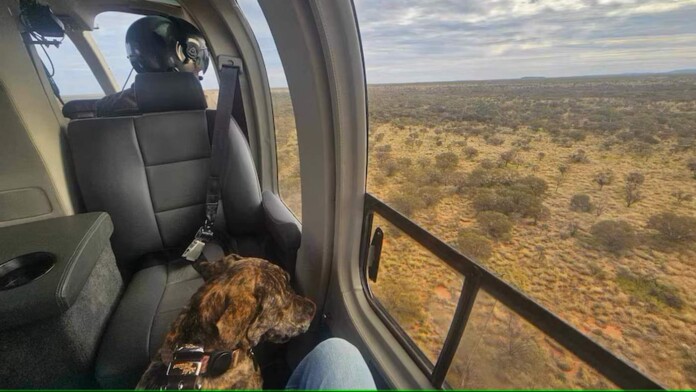
Jamie Rooney is re-united with his dog Rocky in Jack Poplawski's helicopter - Supplied Jamie Rooney
Jamie Rooney is reunited with his dog Rocky in Jack Poplawski’s helicopter – Supplied Jamie Rooney
A helicopter pilot in Australia recently found a man’s missing dog in the Outback in what the owner called a “needle in a haystack rescue.”
For those who’ve never been to cattle country Down Under, it might come as a surprise to know that because the ranches are so vast, farmers will often hire helicopter pilots to round the cattle up for them.
But in late April, pilot Jack Poplawski got a different sort of phone call—a man had lost his dog and was desperate for some help.
Jamie Rooney was driving along in a remote part of West Australia’s Pilbara region near the town of Newman, and, coming across a large creek, he thought he’d let his dog Rocky go for a swim to cool off.
The American Staffordshire terrier was all too happy for the opportunity. It couldn’t have been more than a minute that Rocky was out of sight—as Rooney had gone up to his truck to get something. But returning to the water, Rocky was nowhere to be seen.
After frantically looking around the water, Rooney drove up and down the trails in the area, standing on the roof periodically and calling his dog’s name, but Rocky never turned up.
“Earlier that day, as I was driving past the airport I could see all the helicopters going up … [so] I just went online for rescue helicopters and I just called the number,” Rooney told ABC News Down Under.
On the other end of the line was pilot Jack Poplawski.
“At the start they said, ‘Look, it’s a needle in the haystack’, and I was very worried,” Rooney said. “Once you leave maybe 5-10 minutes out of town [Newman], it’s just nothing. It’s just vast outback land.”
But as a devoted dog owner himself, Poplawski was determined to help, despite the odds.
Flying low over the terrain, Poplawski’s 20-12 vision spotted a set of tracks, which even from his helicopter appeared to the pilot as too large to be a dingo’s. It was minutes later that Poplawski spotted Rocky trotting along a small track.
The reunion in the back of Poplawski’s chopper was emotional, with Rooney left grateful and in tears. The owner says the experience has led him to invest in a GPS tag for Rocky’s collar, as well as a new appreciation for the cattle-mustering pilots of Australia’s Outback.
SHARE This Pilot’s Incredible Eyes And A Happy Ending For A Dog And His Dad…
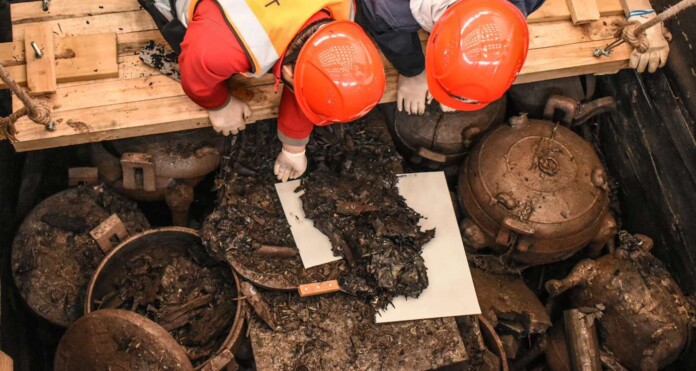
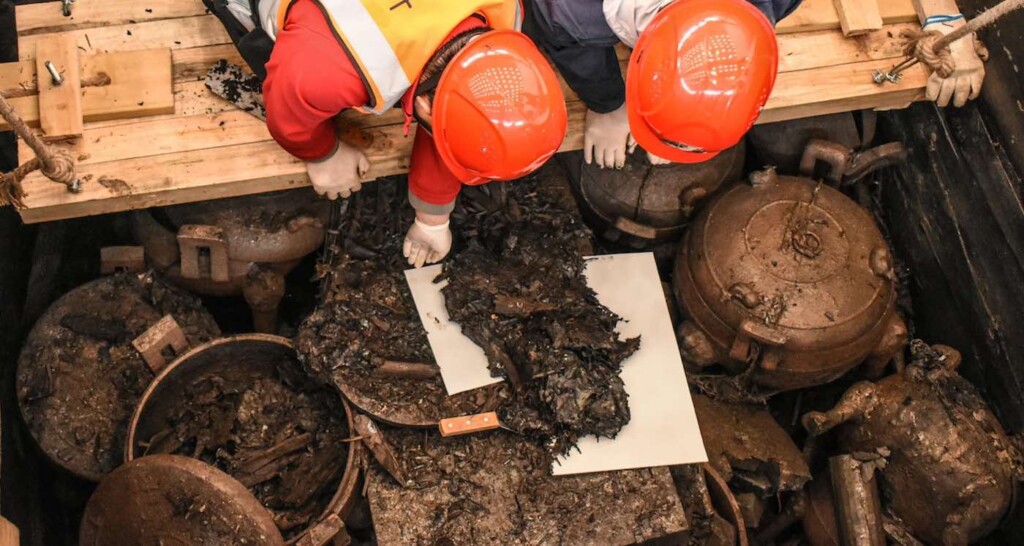
Tomb from ancient China dates back 2,200 years ago – National Cultural Heritage Administration handout
Tomb from ancient China dates back 2,200 years ago – National Cultural Heritage Administration handout
In mid-April, Chinese archaeologists announced they had completed the first stage of excavations on a kingly tomb believed to date back 2,200 years to the state of Chu.
An integral part of fledgling Chinese history, Chu was a powerful kingdom that once conquered and annexed the state where Confucius was born, and the archaeologists believe they know exactly who it is that’s buried inside.
Located in the eastern province of Anhui, work at the tomb began in 2019 because reports had found it was a common target of looters. Excavations have shown it to be the most complex funerary structure from its time ever discovered in China.
Over 3,000 relics, including lacquered wood products, bronze vessels, figurines, chariot and horse pits, and sacrificial remains were all found in addition to a woven bamboo mat that allowed scientists to get a radiocarbon analysis that showed the tomb’s age.
“At present, the on-site work has entered the second stage within the coffin chamber, that is, the excavation and cleaning of the interior of the coffin chamber,” Gong Xicheng, deputy director of the Anhui Provincial Institute of Cultural Relics and Archaeology, told Xinhua.
“Perhaps by then, the identity of the tomb owner will be revealed and the mystery can be solved.”
The history of even ancient China is astonishingly well recorded and researched, and this historical canon suggests that the owner may be King Kaolie who reigned from 262 to 238 BCE in the state of Chu, which lasted from 770 to 228 BCE.
It’s currently the working hypothesis because Kaolie moved the Chu capital to Shouxian County in Anhui province, where the tomb was found. Aside from Kaolie, there were three other kings who ruled Chu from Shouxian, but Kaolie’s reign lines up nicely with the carbon dating from the mats, and the other three kings all had misadventures that meant they probably didn’t have the luxury of a tomb as grand as this one.
The state of Chu emerged from the breaking up of the Zhou Dynasty, one of the four official Chinese dynasties to exist before the common era, and one which saw the establishment of several of Chinese civilization’s foundational texts and beliefs, such as the I Ching, or Book of Change, and early Confucianism.
Excitingly, only one-third of the tomb has been fully excavated, and potentially many more secrets and treasures are waiting to be discovered.
SHARE This Great Archaeological Discovery With Your Friends…
Quote of the Day: “In all things of nature there is something of the marvelous.” – Aristotle
Photo by: Hasan Almasi
With a new inspirational quote every day, atop the perfect photo—collected and archived on our Quotes page—why not bookmark GNN.org for a daily uplift?
The ‘Airbnb of Pools’ is offering a dream summer job for one lucky and talented content creator: make video reviews of pools in all fifty states and earn up to $100k.
Swimply is a company that specializes in neighborhood-driven rental markets of pools, hot tubs and saunas, tennis courts, patios, and other spaces for events and R&R.
With an already enormous list of locations across the country, they need one expert ‘Chief Pools Officer’ to review them.
Applicants should be over 18, and book one pool through the Swimply platform to create a social media-style video review about. Any videos must be submitted by June 15th, and any applications must include tagging and following the company through @swimply and using the hashtag #SwimplyDreamJob.
“With a diverse array of pools across the country, we have something for everyone, and the chief pools officer will be our primary expert and voice on how to find the best aquatic escapes nestled in America’s backyards,” Swimply wrote on its website.
The Chief Pools Officer’s base salary is a little below national standards for executives: $50,000 per annum, but it comes with $50,000 in potential performance bonuses depending on content engagement and feedback.
There is no limit to the number of applications, and all potential candidates will receive a follow-up with Swimply’s CEO Derek Callow, and a “swimming screen test.”
SHARE This Amazing Opportunity With Any Instagram Creators You Know…
credit - Professor Toshiki Furuya, Department of Applied Biological Science, Faculty of Science and Technology, Tokyo University of Science
credit – Professor Toshiki Furuya, Department of Applied Biological Science, Faculty of Science and Technology, Tokyo University of Science
Vanilla, the most widely used flavoring compound in confectionaries and cosmetics, gets its sweet flavor and aroma from the aptly-named chemical compound—’vanillin.’ However, the large-scale production of natural vanillin is essentially non-existent.
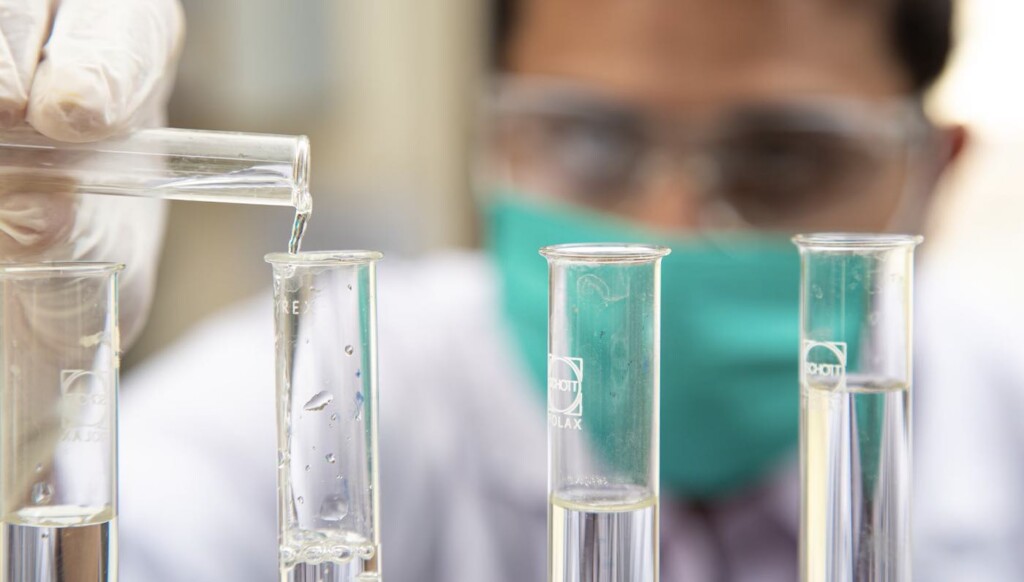
Now, researchers from Tokyo University of Science have genetically engineered a novel enzyme that can convert ferulic acid from plant waste into vanillin in a one-step sustainable process that should cause vanilla prices to plummet and free up land for use in cultivating other cash crops.
The product known as vanilla extract is mainly produced from the seed pods of this member of the orchid family, while the plant itself creates vanillin through the conversion of ferulic acid by a naturally produced enzyme with the chemical abbreviation VpVAN.
However, laboratory biosynthesis of vanillin from plant-derived VpVAN yields only very small quantities of vanillin, and is currently commercially impractical. Furthermore, although chemically derived vanilla essences are available cheaply, they do not match the flavor of natural vanilla extract, and the demand for the latter continues to remain high.
The challenges do not stop here as climatic restrictions for the cultivation of vanilla plants, and the relatively small yield obtained per plant, have led to a dwindling supply and a surge in the price of natural vanilla extract.
Addressing these challenges, Professor Toshiki Furuya from the Department of Applied Biological Science at Tokyo University of Science and his graduate students Shizuka Fujimaki and Satsuki Sakamoto have successfully developed an enzyme that generates vanillin from plant-derived ferulic acid.
“Ferulic acid, the raw material, is a compound that can be obtained in abundance from agricultural waste such as rice bran and wheat bran,” explains Professor Furuya. “Vanillin is generated simply by mixing ferulic acid with the developed enzyme at room temperature. So, the established technology can provide a simple and environmentally friendly method for producing flavor compounds.”
A study presenting their new production method was published on May 10 in Applied and Environmental Microbiology.
Analyzing Ado to figure out why, the researchers were able to predict amino acid changes in Ado which would enable its interaction with ferulic acid. On these lines, they conducted a series of experiments by replacing the amino acids phenylalanine and valine with tyrosine and arginine.
The results were immediate and dramatic. The engineered enzyme did not require any cofactors for conversion, unlike other oxidases, and produced vanillin on a gram scale per liter of reaction solution, with a higher catalytic efficiency and affinity than that of the wild-type enzyme.
The reaction only required mixing the enzyme, ferulic acid, and air at room temperature, making it a simple, sustainable, and economically scalable process. Furthermore, it was also found to convert p-coumaric acid and sinapic acid, which are compounds obtained from the degradation of lignin—the cell that makes wood.
So far, no microbial or plant-derived enzymes have exhibited the ability to convert ferulic acid to vanillin at an industrial scale. Therefore, the enzyme developed in the current study shows considerable potential for enabling the commercial and economically viable production of natural vanillin.
“Harnessing the potential of microorganisms and enzymes to derive valuable compounds under mild conditions from renewable plant-based resources offers a sustainable approach to minimizing environmental footprint,” said Professor Fukuya.
SHARE This Awesome Invention That Should Cause Vanilla Product Prices to Plummet…
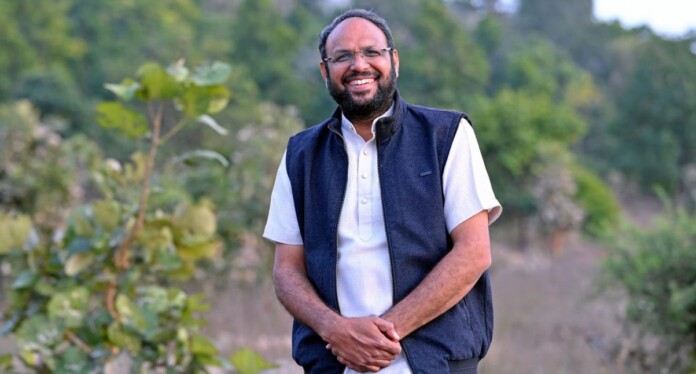
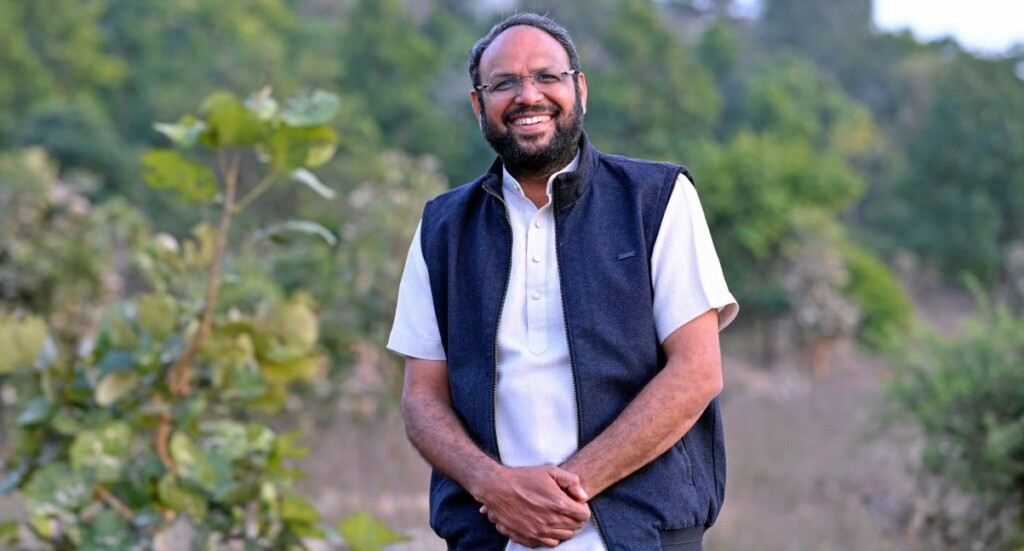
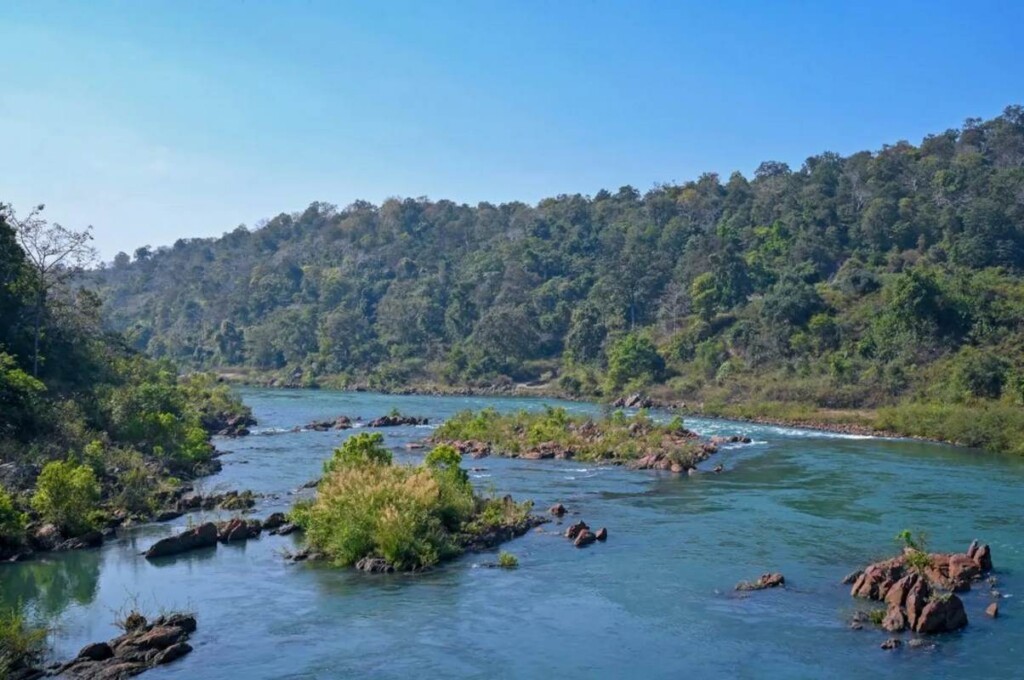
Winning what’s been called the ‘Green Nobel’ an Indian environmental activist has been recognized for saving a 657 square-mile forest from 21 coal mines.
From the New Delhi train station to high-end hotels to the poorest communities, virtually no one in India is free from periodic blackouts. As part of the Modi regime’s push for a developed and economically dominant India, power generation of every sort is being installed in huge quantities.
GNN has reported this drive has included some of the world’s largest solar energy projects, but it also involves coal. India is one of the largest consumers of coal for electricity generation, and Hasdeo Aranya forests, known as the “Lungs of Chhattisgarh,” are known to harbor large deposits.
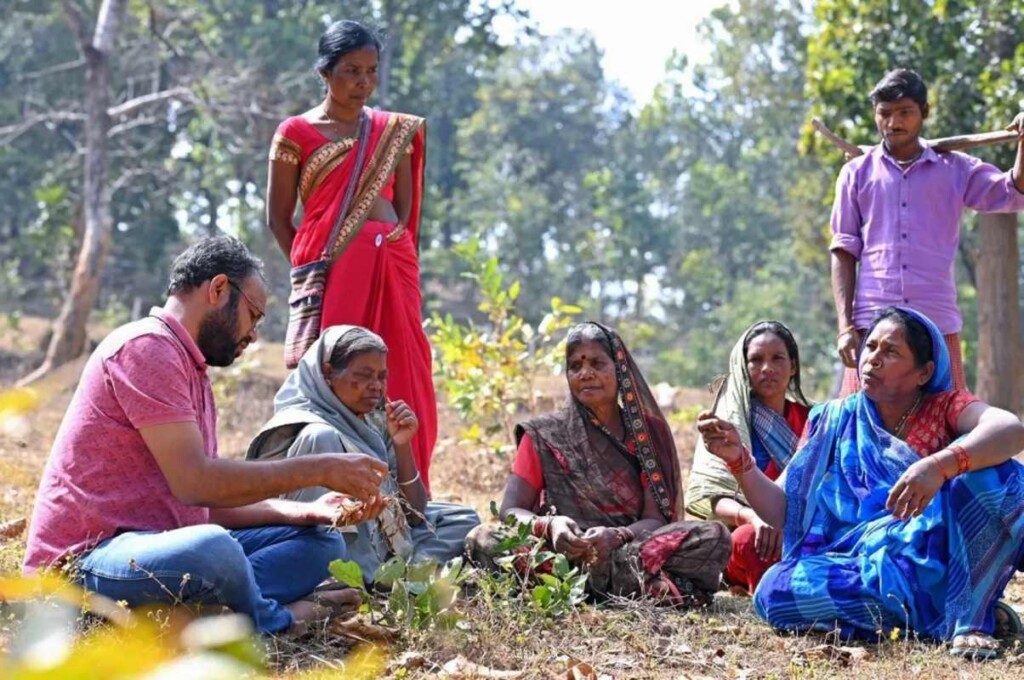
The state government had been investigating 21 proposed coal mining blocks across 445,000 acres of biodiverse forests that provide crucial natural resources to the area’s 15,000 indigenous Adivasi people.
Along with the Adivasi, tigers, elephants, sloth bears, leopards, and wolves, along with dozens of endemic bird and reptile species call this forest home. It’s one of India’s largest intact arboreal habitats, but 5.6 billion metric tons of mineable coal threatened to destroy it all.
Enter Alok Shukla, founder of the Save Hasdeo Aranya Resistance Committee, which began a decade ago advocating for the protection of Hasdeo through a variety of media and protest campaigns, including sit-ins, tree-hugging campaigns, advocating for couples to write #savehasdeo on their wedding invitations, and publishing a variety of other social media content.
Shukla also took his message directly to the legislature, reminding them through news media coverage of their obligations to India’s constitution which enshrines protection for tribal people and the environments they require to continue their traditional livelihoods.
Hasdeo Aranya Forest is one of the most biodiverse in the country – credit Goldman Environmental PrizeShukla worked closely with some 15,000 members of tribal groups in Hasdeo forests – credit Goldman Environmental Prize
Beginning with a proposal to create a single protected area called Lemru elephant reserve within Hasdeo that would protect elephant migration corridors and cancel three of the 21 mining proposals, Shukla and the Adivasi began a 160-mile protest march down a national highway towards the Chhattisgarh state capital of Raipur.
They hadn’t even crossed the halfway mark when news reached them that not only was the elephant reserve idea unanimously agreed upon, but every existing coal mining proposal had been rejected by the state legislature, and all existing licenses would be canceled.
“We had no expectations, but the legislative assembly voted unanimously that all of the coal mines of Hasdeo should be canceled, and the forest should be saved,” Shukla says in recollection to the Goldman Prize media channel.
“That was a very important moment and happy moment for all of us.”
Shukla shares the 2024 Goldman Environmental Prize with 5 other winners, from Brazil, the US, South Africa, Australia, and Spain.
WATCH 4-minute story of Shukla’s fight for Hasdeo…
CELEBRATE This Man’s Success With Your Friends On Social Media…
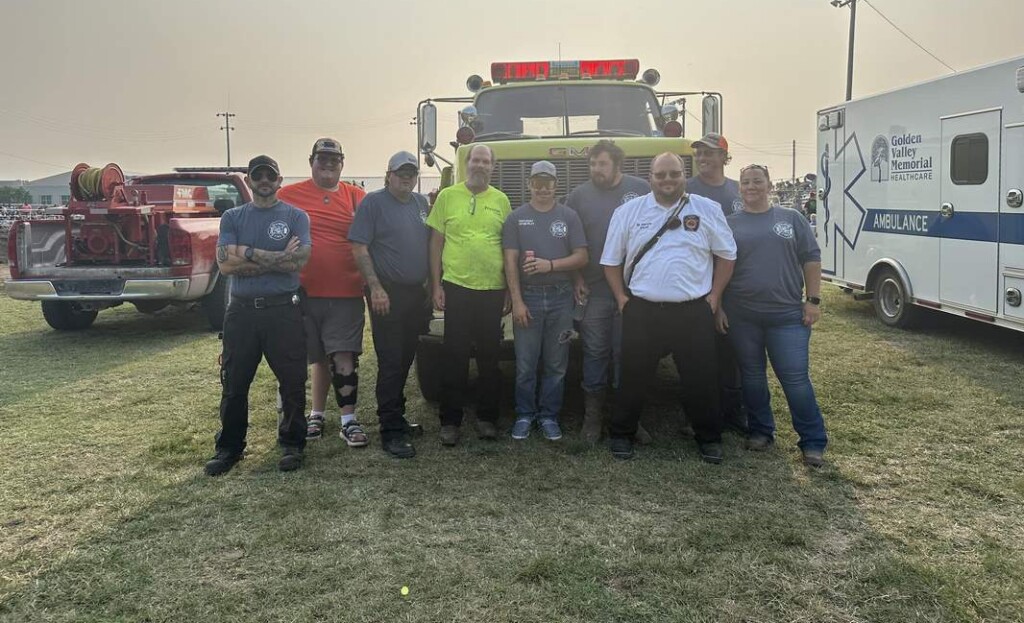
Members of the Calhoun Volunteer Fire Department with their old vehicles - credit Calhoun Volunteer Fire Department
Members of the Calhoun Volunteer Fire Department with their old vehicles – credit Calhoun Volunteer Fire Department
A volunteer fire department that had been surviving on equipment from the 1980s just received a half-million dollar gift from a local resident.
First reported by KMBC, the 28 volunteers that staff the Calhoun Fire Department have learned that the job requires a lot more than rescue and first aid skills, it requires a knowledge of how to make running repairs.
With a single engine manufactured in 1980, many of its components have had to be replaced or patched up.
The department takes pride in their work, but a small budget has always held them back from getting the equipment a job like theirs reasonably requires.
“[The department] needed a lot of work,” said recently-appointed Fire Chief Mark Hardin. “Not many of the trucks were in operation. Not many of them ran. Only one ran at the time.”
Seeing this, a 91-year-old resident named Sam Sloan who is awfully good at making money, but admits he knows nothing about fixing fire engines, wanted to help. He had invested in the structure of Henry County before, but this is the largest philanthropic gesture he’s ever undertaken.
“Never in a million years would I ever expect anything like that for a rural fire department. In March of this year, at the end of our first quarter, we had $169 left in our bank account.”
Hardin says the money should allow them to buy three new fire engines or trucks, and new equipment for all of their volunteers. The existing gear such as coats, hard hats, and other tools are almost all from the 1980s and 90s.
WATCH the story below from KMBC…
SHARE This Inspiring Act Of Local Philanthropy On Social Media…
Quote of the Day: “Care is a state in which something does matter; it is the source of human tenderness.” – Rollo May
Photo by: mhrezaa
With a new inspirational quote every day, atop the perfect photo—collected and archived on our Quotes page—why not bookmark GNN.org for a daily uplift?
Oxford University scientists have discovered proteins in the blood that could warn people of cancer more than seven years earlier than currently possible.
In two studies, they identified 618 proteins linked to 19 different types of cancer, including 107 proteins in a group of people whose blood was collected at least seven years before diagnosis.
The research team discovered that the proteins could be involved at the very earliest stages of cancer, when the disease could be prevented.
The team believes the breakthrough could not only help treat the disease at an earlier stage, but even prevent it altogether.
They used a powerful technique called proteomics which allows them to analyze a large set of proteins in tissue samples at a single point in time, to see how they interact with each other—and find any important differences in proteins between different tissue samples.
In the first study, scientists analyzed blood samples taken from more than 44,000 British people, including more than 4,900 people who were subsequently diagnosed with cancer.
Using proteomics, the researchers analyzed a set of 1,463 proteins from a single sample of blood from each person. They compared the proteins of people who did and did not go on to be diagnosed with cancer to look for differences between them and find out which ones were linked to the disease risk.
The researchers also identified 182 proteins that differed in the blood three years before a cancer diagnosis took place.
In the second study, the team looked at genetic data from more than 300,000 cancer cases to do a “deep dive” into which blood proteins were involved in cancer development and could be targeted by new treatments.
They found 40 proteins in the blood that influenced someone’s risk of getting nine different types of cancer.
While altering the proteins may increase or decrease the chances of someone developing cancer, the researchers also discovered which ones may lead to “unintended side-effects”.
But the team, whose findings were published in the journal Nature Communications, stressed that they will need to do further research to find out the exact role the proteins play in cancer development. They also need to work out which of the proteins are the most reliable ones to test for, what tests could be developed to detect the proteins and which drugs could target them.
“To save more lives from cancer, we need to better understand what happens at the earliest stages of the disease,” said Dr. Keren Papier, co-author of the first study.
“We need to study these proteins in depth to see which ones could be reliably used for prevention,” explained Dr. Papier, a Senior Nutritional Epidemiologist at Oxford Population Health.
“Data from thousands of people with cancer has revealed really exciting insights into how the proteins in our blood can affect our risk of cancer,” said Dr. Papier.
“The genes we are born with, and the proteins made from them, are hugely influential in how cancer starts and grows,” explained co-author Dr Joshua Atkins, a Senior Genomic Epidemiologist.
Thanks to the thousands of people who gave blood samples to UK BioBank, researchers can build a much more comprehensive picture of how genes influence cancer development over many years.
“We’ve predicted how the body might respond to drugs that target specific proteins, including potential side-effects. Before clinical trials, we have some early indications of which proteins we might avoid targeting because of unintended side-effects,” said co-author Dr. Karl Smith-Byrne.
“This research brings us closer to being able to prevent cancer with targeted drugs – once thought impossible but now much more attainable,” said the Senior Molecular Epidemiologist at Oxford,
“To be able to prevent cancer, we need to understand the factors driving the earliest stages of its development,” said another team member Professor Ruth Travis.
“These studies are important because they provide many new clues about the causes and biology of multiple cancers, including insights into what’s happening years before a cancer is diagnosed.”
“We now have technology that can look at thousands of proteins across thousands of cancer cases, identifying which proteins have a role in the development of specific cancers, and which might have effects that are common to multiple cancer types,” exclaimed Prof. Travis.
Dr. Iain Foulkes, an executive director at Cancer Research UK, which funded the work said, “Preventing cancer means looking out for the earliest warning signs of the disease.
“That means intensive, painstaking research to find the molecular signals we should pay closest attention to.”
“Discoveries from this research are the crucial first step towards offering preventative therapies which is the ultimate route for giving people longer, better lives, free from the fear of cancer.”
THINK ABOUT Sharing The Detection News on Social Media…
Even after her death, Lillian Orlich is still serving the students of the Virginia school system where she taught for 67 years before retiring at 89.
In her will, she left them $1 million.
Known as “Ms. O” by generations of students, Lillian passed away on March 7. Within a month, employees at Prince William County Schools learned the news of her generous donation.
It may be surprising that a high school history teacher could save a million bucks, but she never married or had children, and friends say she lived a frugal lifestyle.
She spent most of her career at Osbourn High School in Manassas and Osbourn Park High School in the county outside of Washington, DC. By the time she retired, the students and her colleagues had become her family.
“I don’t have any living relatives,” she once told the Washington Post. “These are my relatives.”
The $1 million donation was paid to SPARK, the education foundation for the PW county schools. It will be used to expand a scholarship she set up with SPARK after retiring six years ago—which has already benefitted dozens of students who received cash grants for college.
The money will also be distributed across the foundation’s six focus areas, which include STEM education; social and emotional learning; digital innovation; school improvement; and particularly on educator preparedness because Orlich was a long-time teacher.
“Lillian Orlich’s devotion to this community is unprecedented because she dedicated her life’s work over the course of the last 3 quarters of a century investing in our future leaders,” said PWCS Superintendent of Schools Dr. LaTanya McDade.
Described as “a true Prince William County legend,” Lillian arrived early every day, often coming to the school at 3 a.m. She even worked through the summers—and for years she brought in food for the staff every Monday, according to the Post.
“The footprints she’s left in our hearts and minds can never be erased and her legacy lives on in the lives of the students and staff she impacted,” said McDade.
“She was the best teacher I ever had,” Michael Simpson told GNN.
Melissa Boyle, President of SPARK, said they were honored and proud to continue her legacy. “This is a rare and an inspirational moment in this school system.”
Shortly after she died at age 95, a memorial service was held for her at Osbourn Park High, in the auditorium named after her.
“Her compassion and unwavering commitment to selfless service has profoundly impacted countless generations,” said one Prince William County School Board member.
INSPIRE EDUCATORS and Family By Sharing This on Social Media…
Stroke is the top cause of disability worldwide—and the second leading cause of death—but the good news is that early intervention can prevent severe consequences, and a new tool could be a game-changer.
Researchers at Brigham and Women’s Hospital developed a new test by combining blood-based biomarkers with a clinical score to identify patients experiencing large vessel occlusion strokes (LVO) with high accuracy.
“We have developed a game-changing, accessible tool that could help ensure that more people suffering from stroke are in the right place at the right time to receive critical, life-restoring care,” said Joshua Bernstock, MD, PhD, a clinical fellow in the Department of Neurosurgery at the Boston hospital.
Most strokes are ischemic, in which blood flow to the brain is obstructed. LVO strokes are an aggressive type of ischemic stroke that occurs when an obstruction occurs in a major artery in the brain.
When blood supply to the brain is compromised, the lack of oxygen causes brain cells to die within minutes, making LVO strokes a major medical emergency requiring swift treatment with mechanical thrombectomy—a surgical procedure that retrieves the blockage.
“Mechanical thrombectomy has allowed people, that otherwise would have died or become significantly disabled, to be completely restored, as if their stroke never happened,” explained Dr. Bernstock.
But brain bleeds cause similar symptoms to LVO stroke—yet treatment for each is vastly different. The new test makes it easy to distinguish one from the other while diagnosing in the field. Here’s how they did it:
Previously, the research team targeted two specific proteins found in capillary blood, one called glial fibrillary acidic protein (GFAP), which is also associated with brain bleeds and traumatic brain injury, and one called D-dimer.
By NAPOLY – matnapo
In this study, they demonstrated that the levels of these blood-based biomarkers combined with the scores observed during field assessment (stroke triage for emergency destination, or FAST-ED) could identify LVO ischemic strokes, while ruling out other conditions such as bleeding in the brain.
“The earlier this intervention is enacted, the better the patient’s outcome is going to be. This exciting new technology has the potential to allow more people globally to get this treatment faster,” said Bernstock, senior author of the study published in the journal Stroke.
In their diagnostic accuracy study, the researchers looked at data from a cohort of 323 patients coded for stroke in Florida and found that combining the levels of the biomarkers GFAP and D-dimer with FAST-ED scores less than six hours from the onset of symptoms allowed the test to detect LVO strokes with 93 percent specificity and 81 percent sensitivity.
Furthermore, the test ruled out all patients with brain bleeds, signaling that the technology may ultimately also be employed to detect intracerebral hemorrhage in the field.
Bernstock’s team also sees promising potential future use of this accessible diagnostic tool in low- and middle-income countries, where advanced imaging is not always available. It might also be useful in assessing patients with traumatic brain injuries.
Next, they are carrying out another prospective trial to measure the test’s performance when used in an ambulance. They have also designed an interventional trial that leverages the technology to expedite the triage of stroke patients by having them bypass standard imaging and move directly to intervention.
“In stroke care, time is brain,” Bernstock said. “The sooner a patient is put on the right care pathway, the better they are going to do.
“Whether that means ruling out bleeds or ruling in something that needs an intervention, being able to do this in a prehospital setting with the technology that we built is going to be truly transformative.”
SHARE THE LIFE-SAVING BREAKTHROUGH With Health Workers on Social Media…