All News - Page 170 of 1691 - Good News Network
Home Blog Page 170

Experimental Type 1 Diabetes Drug Shields Pancreas Cells from the Usual Crippling Immune System Attack

mAb43 (yellow) in beta cells – Credit: Dax Fu lab, Johns Hopkins Medicine

Scientists at Johns Hopkins say that an experimental antibody drug appears to prevent and reverse the onset of type 1 diabetes in mice—and often lengthen their lives.

The drug called mAb43 is unique, according to the researchers, because it targets insulin-making beta cells in the pancreas directly and is designed to shield those cells from attacks by the body’s own immune system cells.

The drug’s specificity for such cells may enable long-term use in humans with few side effects, say the researchers. Such monoclonal antibodies are made by cloning, or making identical replicas of, an animal or human cell line.

The findings, reported in the May issue of Diabetes, raise the possibility of a new drug for type 1 diabetes, an autoimmune condition that affects about 2 million American children and adults and has no cure or means of prevention.

Unlike type 2 diabetes, in which the pancreas makes too little insulin, in type 1 diabetes, the pancreas makes no insulin because the immune system attacks the pancreatic cells that make it, cutting off the body’s ability to regulate blood sugar levels.

Dax Fu, Ph.D., an associate professor of physiology at the Johns Hopkins University School of Medicine and leader of the research team, says mAb43 binds to a small protein on the surface of beta cells, which dwell in clusters called islets. The drug was designed to provide a kind of shield or cloak to hide beta cells from immune system cells that attack them as “invaders.”

The researchers used a mouse version of the monoclonal antibody, and will need to develop a humanized version for studies in people.

64 non-obese mice bred to develop type 1 diabetes were given a weekly dose of mAb43 via intravenous injection when they were 10 weeks old. After 35 weeks, all mice were non-diabetic.

BEAT DIABETES: Dancing or Brisk Walks Can Slash Diabetes Risk By 74%, Even When it Runs in the Family

In five of the same type of diabetes-prone mice, the researchers held off giving weekly mAb43 doses until they were 14 weeks old, and then continued dosages and monitoring for up to 75 weeks. “One of the five in the group developed diabetes, but no adverse events were found,” say the researchers.

When mAb43 was given early on, the mice lived much longer, for the duration of the monitoring period over 75 weeks. Comparatively, the control group of mice that did not receive the drug lived only 18–40 weeks.

Next, the researchers, funded in part by the National Institutes of Health, looked more closely at the mice that received mAb43 and used a biological marker called Ki67 to see if beta cells were multiplying in the pancreas. After treatment with the antibody, immune cells retreated from beta cells, reducing the amount of inflammation in the area. In addition, beta cells slowly began reproducing.

“mAb43 in combination with insulin therapy may have the potential to gradually reduce insulin use while beta cells regenerate, ultimately eliminating the need to use insulin supplementation for glycemic control,” says team member and postdoctoral fellow Devi Kasinathan.

ANOTHER BREAKTHROUGH: New Artificial Pancreas for Type 2 Diabetes Manages Blood Sugar Twice as Well as Jabs –Now Approved in UK

The research team found that mAb43 specifically bound to beta cells, which make up about 1% or 2% of pancreas cells.

Another monoclonal antibody drug, teplizumab, was approved by the U.S. Food and Drug Administration in 2022. It binds to T cells, making them less harmful to insulin-producing beta cells. The drug has been shown to delay the onset of clinical (stage 3) type 1 diabetes by about two years, giving young children who get the disease time to mature and learn to manage lifelong insulin injections and dietary restrictions.

“It’s possible that mAb43 could be used for longer than teplizumab and delay diabetes onset for a much longer time, potentially for as long as it’s administered,” says Fu.

GREAT NEWS: Insulin Prices Now a Thing of the Past in U.S. After Government Initiates Monthly Cost of $35

In an ongoing effort, the Hopkins researchers aim to develop a humanized version of the antibody and conduct clinical trials to test for side effects and its ability to prevent type 1 diabetes altogether.

(Source: Hopkins Medicine)

HAIL THE HOPE By Sharing the Research on Social Media…

Retired Teacher ‘Jumps for Joy’ at 80th Birthday in Surprise Reunion With Her Favorite Kindergarten Student

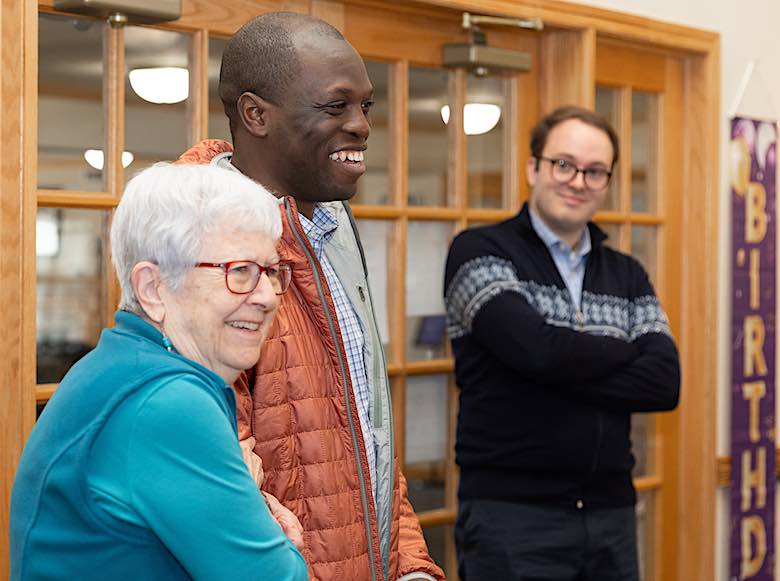
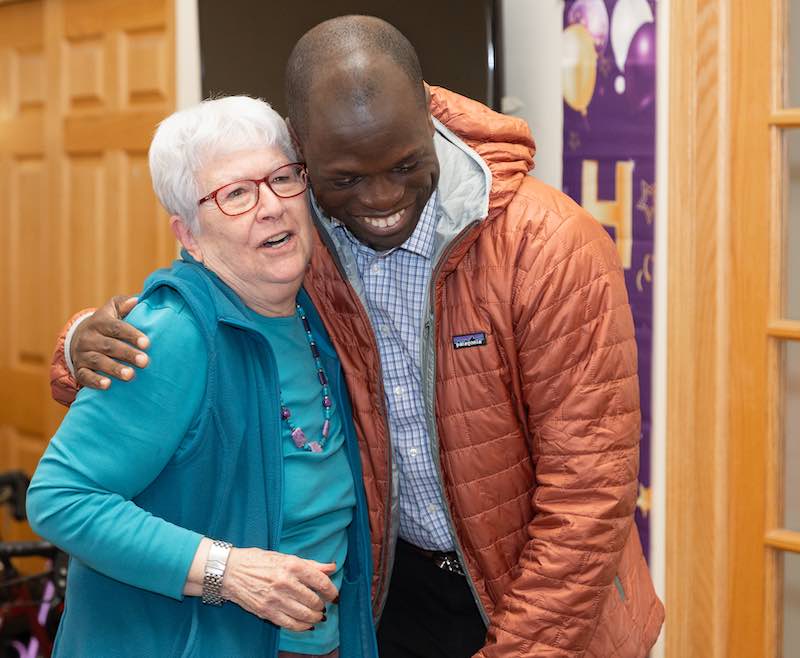
Karen Solomon hugs Seyi Fayanju by Debra Solomon
Karen Solomon hugs Seyi Fayanju – courtesy of Debra Solomon

Debra Solomon could think of no other gift that would delight her mother more than to reunite her with her favorite kindergarten pupil, decades later.

Retired from 27 years of teaching, Karen Solomon was set to celebrate her 80th birthday in April—and her daughter had a great idea, although it was a long shot for success.

“I could think of only one present for my mom, a reunion with her favorite kindergarten student from the 1980s, when she taught at Laning Ave School in Verona, New Jersey.”

She Googled Seyi Fayanju and was able to reach out to him though his faculty page at Stanford University where he now works as a doctor. Luckily, the reunion was set to take place in Kenosha, Wisconsin, and Seyi has some close friends and family in nearby Chicago, so, despite his busy schedule as a doctor in Palo Alto, California, he was hopeful he might be able to make it.

“As luck would have it, the stars aligned and I was flying back from a conference on the East Coast that week, so a Wisconsin stop was added to the schedule!” he told GNN.

“He gave my mom the thrill of a lifetime,” said Debra in an email to GNN.

When the moment was ready, her granddaughter Mira guided Seyi to come through the doorway and stand right behind Mrs. Solomon.

Her daughter asked her about old students from classrooms past—and then Seyi popped out from behind.

“When he appeared, my mom jumped for joy,” said Debra. “Everyone in the room was crying—tears of happiness and love.

Seyi said, “Mrs. Solomon cried, I teared up, and everyone was happy.”

“Mrs. Solomon was a phenomenal teacher, mentor, and friend for my family. When we moved to Verona, New Jersey in the late 1980s, I started in kindergarten with her where she taught us all the usual things people learn at school—but she also modeled kindness and understanding for all the kids in her classes.

“We came from very different cultures. My parents are immigrants from Nigeria, and most of the people at my Newark school were African-American or Latino. I had never met someone who celebrated Hannukah, so I learned about her culture and so much more. I think that it helped me to be more interested in learning about other cultures, which sparked a lifelong love for history and geography.”

CHECK OUT: A Teacher Promised His 1978 Class an Eclipse Party in 50 Years–And He Just Hosted It

He kept in touch with Mrs. Solomon over the years, even after his family moved and she retired. During his first week of college, he sent her an e-mail to say hello and thank her for her guidance. (She was also his third grade math teacher.)

WATCH: Retired Kindergarten Teacher’s Class Return a Decade Later to Surprise Her on Graduation Day: ‘A teacher’s dream!’

During the pandemic, his father asked ‘How is Mrs. Solomon?’ Afraid her email might bounce, he tried sending one anyway, and they connected for a video chat.

“She even wore a bracelet that my parents had given her back in the 1990s as a gift to say thanks.”

Mrs. Solomon enjoyed traveling, and Seyi says he “loved getting postcards from her every summer from cool places like San Diego and San Antonio… I still have them somewhere in my parents’ house.”

“It was great to meet her family and dozens of people who came to the party from her retirement community. I called my Dad in NJ and he said hello and congratulations by phone.

POPULAR TEACHING: High School Math Teacher Named Teacher of the Year For Her ‘One Good Thing’ Classroom Ritual

“It was such a magical afternoon and I am so glad to have been part of this special occasion for her.

“I have been the lucky beneficiary of amazing teaching throughout my life, and feel sad that some of those amazing instructors passed on before I could tell them thank you.

“I think that if people are able, they should take the time to reach out to those teachers, mentors, and coaches that helped them to be better versions of themselves.”

Mrs. Solomon thanked her daughters saying she will never forget the incredible surprise reunion—especially when it turned out to be her favorite student.

SAY THANKS By Sharing The Story With Favorite Teachers on Social Media…

White-Tailed Eagle Breeds in Belgium for First Time in 500 Years

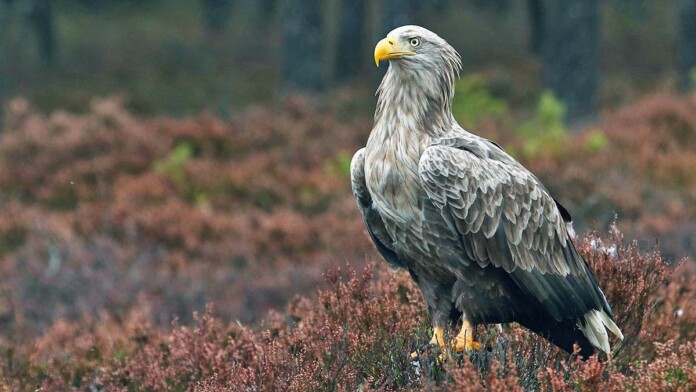
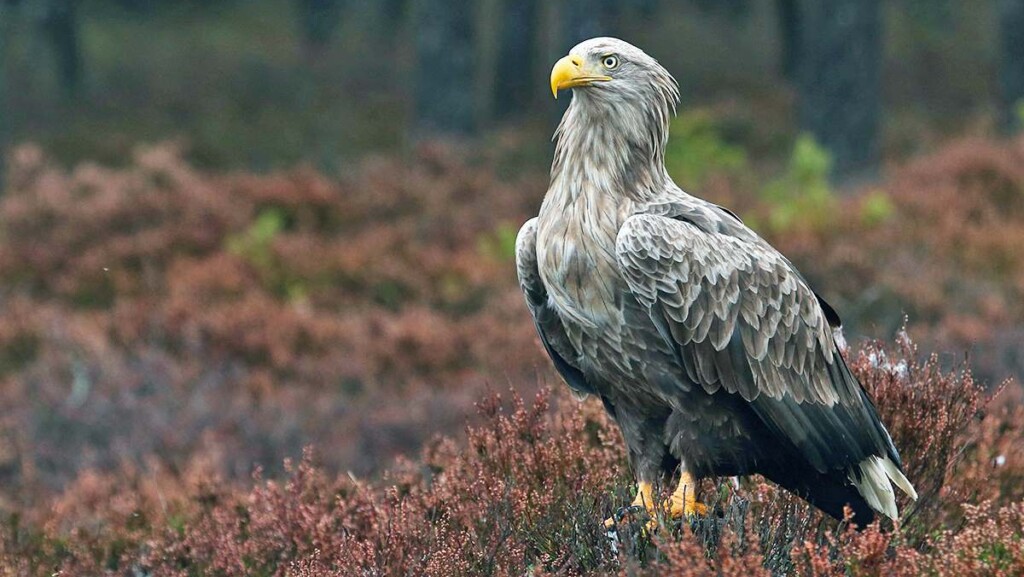
White-tailed eagle adult on the island of Hiiumaa in Estonia - Karl Adami
White-tailed eagle adult on the island of Hiiumaa in Estonia – Karl Adami CC 4.0. SA

White-tailed eagles nesting and breeding in Belgium has been observed for the first time since Florentine explorer Giovanni da Verrazzano became the first European to look upon the island of Manhattan.

That means 500 years ago, and while they are not an endangered bird, it’s a sign of a brilliant comeback from a bird that had been heavily depopulated across most of Western Europe.

One chick was recorded hatching at De Blankaart nature reserve in West Flanders to a pair of mates called Paul and Betty, and a second chick is expected soon.

While parts of Norway, Russia, and Germany will find this bird, also known as the sea eagle or grey sea eagle, a joyous yet not uncommon sight, it’s a rare yuletide passerby in Belgium.

Rushing in to protect Paul and Betty, the local government set up an area around the nest where intruders are threatened with a fine of up to €500,000.

Recently, populations have appeared in eastern France and the Netherlands, and reintroductions have been carried out in Great Britain and Ireland. As one of Europe’s chief eagles, the return of the once widely distributed bird is long overdue.

SIMILAR STORIES: Ospreys Hunted to Extinction Are Now Breeding Across England for First Time in 200 Years: ‘A Tremendous Success’

Numbers fell particularly fast in the 20th century coinciding with an increased agricultural chemical burden that has now been largely lifted off the landscape.

As a result, there are now over 6,000 breeding pairs in Europe, and the species is listed as Least Concern by the IUCN Red List.

BIRDS COMING BACK ALL OVER: Beloved Birds Return to Islands for First Time in 40 Years After Damming Damage Reversed

Still, tell that to the Belgians who for 500 years have almost never seen an animal that was once fairly common to their land.

Iconic for Europeans as far back as 6,000 years, when sea eagle bones were ceremonially interred with human remains, they are present on coats of arms, in Pictish and other carvings, and their talons have been found to with notches cut by Neanderthals.

SHARE This Long, Long Awaited Return Of This Stunning Hunter… 

Less Invasive Way to Collect Blood Is Inspired by Leeches and Needs No Medical Training

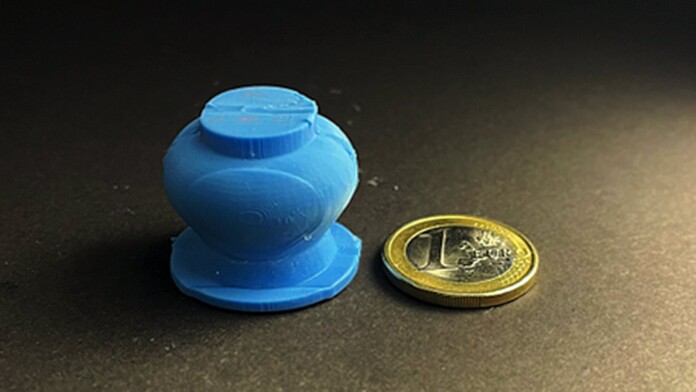
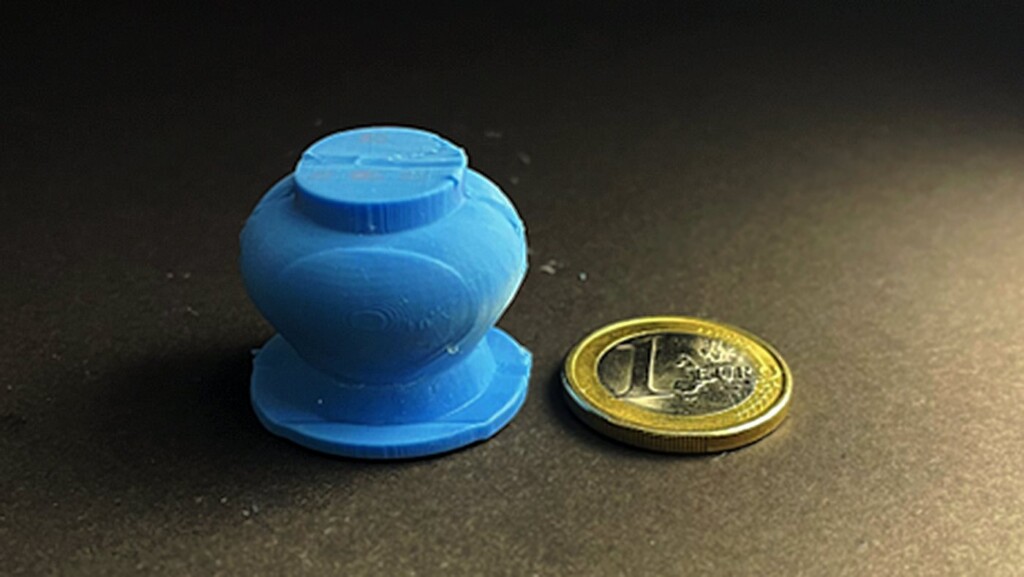
credit - Zoratto et al. Advanced Science 2024
credit – Zoratto et al. Advanced Science 2024

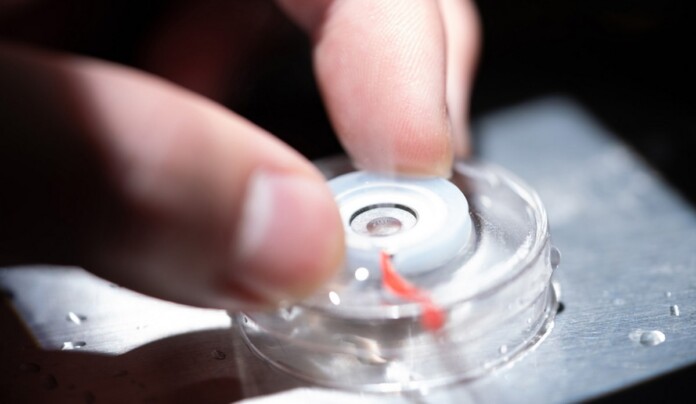
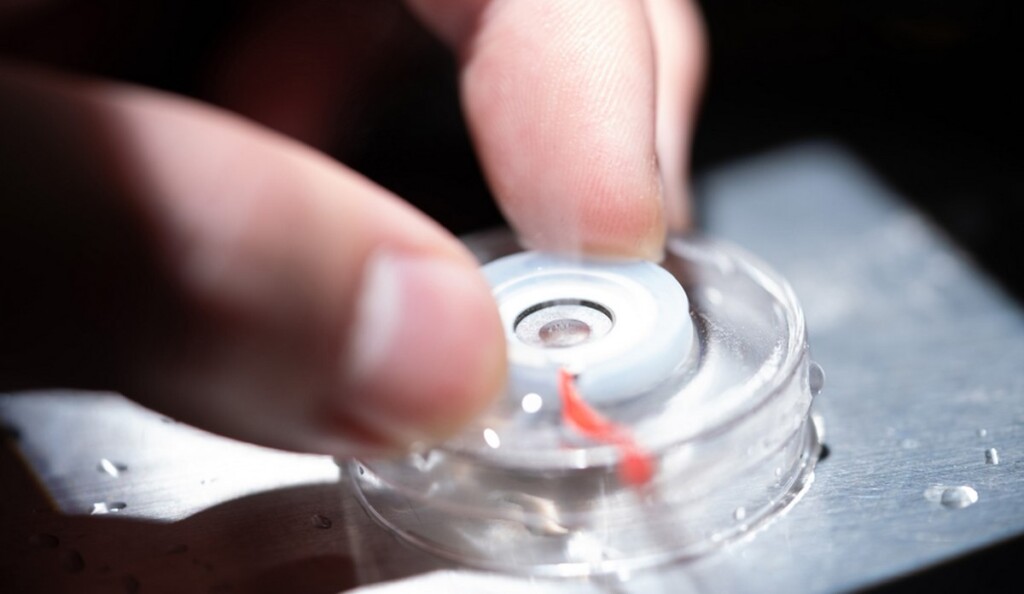
A new blood-draw device that’s painless but more reliable than a finger prick has been developed by researchers in Zurich to help physicians bypass two major problems with taking blood samples.

Needle phobia is a real thing, and can lead to sudden exhaustion, fainting, and dehydration. On the other hand, the classic finger prick device from your childhood was actually never a reliable tool, as it takes too little blood and produces imprecise measurements.

Now, a third option utilizing suction cups and microneedles will hopefully solve all these problems at once and more, since it doesn’t require any medical training to use.

The merest of drawbacks is the ghoulish inspiration the inventors drew from to design the device. Leeches attach to their hosts and suck blood by the creation of negative pressure—in other words, suction.

Rather than designing a tiny robotic leech, the team installed a series of microneedles in the center of a less-than-one-inch suction cup. When placed on an upper arm, the suction allows the needles to draw blood without penetrating very deeply at all into the skin, resulting in little to no discomfort.

The new device is very cost-effective to produce, says Nicole Zoratto, a postdoc at ETH Zurich and lead author of a paper describing her invention.

Zoratto also sees a future application for the new device in low-income regions such as sub-Saharan Africa, where tropical diseases like malaria are diagnosed through blood sampling.

CHECK OUT THIS INVENTION: ‘Wearable Muscles’ Restore Mobility in Those Who Have Trouble Moving Their Arms

No special training is needed, and the micro-nature of the needles means there’s less of a risk of injury from used needles.

Before the device can be widely used on humans the material composition still needs to be optimized, the ETH Zurich press writes. Above all, safety must be tested with a small group of test subjects. As such studies are complex and expensive, the research group is still looking for a partner for further funding, for example, a charitable foundation.

SHARE This Great Inventions With Your Friends Who Hate Needles… 

“Women who seek to be equal with men lack ambition.” – Timothy Leary

Hugo Jones

Quote of the Day: “Women who seek to be equal with men lack ambition.” – Timothy Leary

Photo by: Hugo Jones

With a new inspirational quote every day, atop the perfect photo—collected and archived on our Quotes page—why not bookmark GNN.org for a daily uplift?

Honda to Pour $15 Billion into EV Factory in Ontario–the Largest Auto Investment in Canada’s History

Ontario Premier Doug Ford, Prime Minister Justin Trudeau and Finance Minister Freeland listen as Toshihiro Mibe, President and CEO of Honda Motor Co., speaks to the crowd at Honda of Canada - released by Honda.
Ontario Premier Doug Ford, Prime Minister Justin Trudeau, and Finance Minister Chrystia Freeland listen as Toshihiro Mibe, President and CEO of Honda Motor Co., speaks to the crowd at Honda of Canada – released by Honda.

In late April, Honda Motor Company announced plans to build a comprehensive electric vehicle (EV) value chain in Canada with an approximate investment of CAD$15 billion (USD$11 billion).

Consisting of four manufacturing plants for EVs, EV batteries, and battery components the first will have a production capacity of 240,000 EVs per year when fully operational, while the battery plant will produce around 36 gigawatt-hours per year.

Battery recycling and end-of-use concepts are being taken into account in the project.

Currently in evaluation phasing, the company hopes to build in Alliston, Ontario. In addition to securing the current employment level of 4,200 associates at its two existing manufacturing facilities in Ontario, Honda estimates it will add a minimum of 1,000 new jobs for the EV and EV battery manufacturing facilities.

The investment will also create significant spinoff jobs across all sites, including in the construction sector where it’s estimated that at least 4,000 tradesmen and laborers will be involved.

Honda has begun the process of evaluating the scope of its investment and completing negotiations with its joint venture partners, which includes the Federal Government of Canada who are supporting the work with CAD$5 billion. The work is expected to be finalized during the next six months.

Canadian and Ontario labor unions are scrutinizing the announcement for signs that Honda may employ foreign labor for the construction, when, they say, it should all be going to Canadians due to the presence of public money in the investment.

MORE EXCITING INVESTMENTS: India Approves $7 Billion For 10,000 Electric Buses to Clean Air in 170 Cities

Honda Motor Company, Honda of Canada, and the Canadian Industry Minister, Francois-Philippe Champagne, have all said this will not be the case, with the Honda of Canada President going as far as to suggest a memorandum of understanding be signed on the topic of foreign workers versus unionized workers for the project.

Despite a recent slowdown in the growth of EV sales, especially in the U.S., Honda, the price of which reached a new 52-week high in March, said it was sticking to its goal of selling only EVs and fuel-cell, or hydrogen, vehicles globally by 2040.

Honda of Canada recently fabricated its 10 millionth car—a gasoline-powered CRV.

MORE NEWS LIKE THIS: A Foundry Closure Devastated Tennessee Town but New Lithium Plant Brings Hope, Thanks to 2021 Infrastructure Bill

Honda of Canada workers finishing the 10 millionth vehicle assembled in Canada – credit – Honda

As the first step in achieving this electrification goal in North America, Honda positioned its existing auto production plants in the state of Ohio in the US as its EV hub for production, including the retooling of existing plants, an investment of USD$700 million, and the construction of a joint venture EV battery plant with LG Energy Solution, with an expected investment of USD$4.4 billion, the company said in a statement. 

Honda is the only auto manufacturer outside China that reveals its near neighbor for full supply chain EV production.

SHARE This Massive Undertaking And Good News For Working Canadians… 

Hake Fisheries’ Remarkable Recovery Is a Sign of Hope for Our Oceans

Amy Vann - Unsplash
Amy Vann – Unsplash

After decades of overfishing in the northwest Atlantic Ocean, hake fisheries off the coast of Spain are as large as ever thanks to timely and targeted conservation measures.

It’s believed that these same methods could be used in other saltwater species of economic value and have the potential to increase sustainable catch quotas of existing managed fish.

Mild, flakey, and delicious—perfect for a fry-up—hake is a huge part of Galicia’s economy and gastronomy.

But in 1980, indiscriminate fishing practices were causing catch numbers to plummet, threatening the species, the marine food web, fishermen’s livelihoods, and the cuisine of the region.

Marine conservationists stepped in, and now the stocks are stronger than ever.

Measures such as creating secure breeding areas, enforcing tight catch limits based on scientific evidence, and enlarging fishing net mesh so that juvenile hake can escape to breed, all contributed to this recovery.

Traceable, selective fishing gear also played a role, and the fishermen who cooperated are now being rewarded.

“Reaching this level of recovery and currently having an abundance of northern hake in the Atlantic isn’t an accident,” said Marine scientist Javier López from the conservation org Oceania.

YOU’LL ALSO LIKE: Shrimpers and Crabbers Get Paid to Collect Abandoned Traps, Saving Wildlife from Derelict Fishing Hazards

“It’s the result of careful management, control measures, and favorable ocean conditions. But credit must also go to the fishing sector which has endured these measures,” López told Euro News.

Meanwhile, in the Mediterranean, hake has been slower to recover. In contrast to the Atlantic, the Med is still by and large being overfished. Some Italians believe that it’s overfishing that turned the cuisine and culture of the island of Sardinia into one that focuses quite intensely on meat and dairy products.

MORE SUSTAINABLE STOCKS: True ‘River Monster’ of the Amazon Has Recovered Thanks to New Sustainable Fishing

Hake measures have been implemented more slowly, and though they are increasing, they are still at levels that could suffer sudden declines.

“The sea is generous; with the right measures in place, resources could be replenished. There are limits we must not cross, but if we act wisely, we can be confident that the fish will return,” concluded López.

SHARE This Great News For Sustainable Seas With Your Friends… 

Boy Offered a Dollar to Man He Thought Was Homeless, Gets Richly Rewarded for His Kindness

Kelvin Ellis and Matthew Busbice kindness on surveillance cam

The man in the purple shorts only wanted to step outside for a quiet moment of prayer whilst waiting for his coffee, but ended up attracting the attention of the young man in the grey sweats.

The meeting produced an incredible moment that fortified the man’s faith in humanity.

The story from Baton Rouge starts when Matt Musbice woke up to the fire alarm outside his condo complex. Throwing on whatever clothes he had lying around, he ran outside only to find it had been a false alarm.

Figuring that the rude awakening was irreversible, Busbice decided that regardless of his unkempt appearance, he would go get a coffee and start his day.

It was about that time that young Kelvin Ellis had entered an eyeglass shop next door with his father, but stepped out while the latter was getting his eyes examined.

Meanwhile, Busbice, who had placed his coffee order, went outside for a morning prayer, and stepped aside to the corner of the outdoor sitting area to have as much privacy as possible. That’s when Ellis spotted him.

“And I started to slowly open my eyes, and there’s a kid coming at me, about my height, grey sweats; holds his fist up,” Busbice said, adding that rather than flying into his chin, the fist was holding a dollar bill. “And I go, ‘What?'”

“‘If you’re homeless, here’s a dollar,'” 9-year-old Kelvin Ellis Jr. recalls telling Busbice. “…I always wanted to help a homeless person, and I finally had the opportunity.”

Not only is Busbice not homeless, but he’s developed several outdoor brands that have been sold in deals together worth upwards of 100 million dollars. Ellis on the other hand possessed only that dollar, which he received from his father for good grades.

Busbice told CBS News’ Steve Hartman that he had not felt faith in humanity to that strong of a degree in a very long time.

ALSO CHECK OUT: Oklahoma Teen Overcomes Shyness to Collect and Give Away 54,000 Toys

As a reward, Busbice took Ellis for a snack at the coffee house, then surprised him with a 40-second shopping spree in the sporting goods store BuckFeather, which he currently runs.

Among smaller items, Ellis grabbed a compound bow and a new bike, but said none of it is what he had planned to spend his money on.

MORE GENEROUS KIDS: Ring Camera Video Catches Teenage Trick-or-Treaters Refilling Empty Candy Bowl: ‘It feels really good’ – WATCH

“Joy, because I helped someone,” Ellis said. “Give something away, and you feel like you’ve got a lot of things from it.”

There’s a lot of merit to go around in this beautiful story—Busbice for his generosity, Ellis for his kindness, and the boy’s father for teaching him such valuable wisdom, if indeed he did.

WATCH the story below from WBRZ…

SHARE This Beautiful, Touching Encounter Between These Two Human Beings…

MIT Makes ‘Astonishing’ Discovery That Light Can Vaporize Water Without Heat–for Clean Energy and Desalination

A photomolecular effect experiment in action - MIT Press, released
A photomolecular effect experiment in action – MIT Press, released

It’s not every year that a major discovery is made in the basic natural sciences of Earth, but using painfully precise measurements, MIT has written a new chapter in something that most people probably thought they knew completely: evaporation.

The scientists say the discovery could explain “mysterious measurements” in the literature of clouds which may increase the precision of climate modeling, while also aiding in industrial applications.

In this study, the discovery that evaporation can occur just with light and without heat was so unexpected and surprising that it was subjected to 14 different tests and measurements to try and disprove what the scientists observed.

One consistent finding was that the air temperature above the place at which water molecules were turning into gases would cool down briefly then level out, showing definitively that thermal energy is not required.

“I think this has a lot of applications,” said Professor of Power Engineering at MIT, Gang Chen. “We’re exploring all these different directions. And of course, it also affects the basic science, like the effects of clouds on climate, because clouds are the most uncertain aspect of climate models.”

Other fascinating details from the study include the data point that photoevaporation is strongest when the light arrives at a 45° angle, and/or when the light is on the green spectrum, which is odd, MIT press writes, because that’s the color at which water is most transparent.

Without every leaf being turned over, Chen et al.’s working hypothesis is that when arriving at sufficient angle and force, light particles can knock loose single water molecules.

MORE COOL PHYSICS: Single Atom X-rayed For First Time in Breakthrough That Will ‘Transform the World’

They have named this the photomolecular effect, by analogy with the photoelectric effect that was discovered by Heinrich Hertz in 1887.

Clouds absorb sunlight, but for 80 years, studies have consistently shown that they absorb more sunlight than conventional physics predicts would be possible.

“Those experiments are based on satellite data and flight data,“ Chen explains. “They fly an airplane on top of and below the clouds, and there are also data based on the ocean temperature and radiation balance. And they all conclude that there is more absorption by clouds than theory could calculate.”

MORE RESEARCH IS NEEDED: If Replicated, New Physics Discovery Could Grant Levitation to Any Device via Ambient Pressure Magnetics

Graduate student James Zhang, a co-author on the paper, adds that solar desalination research also shows that there are happenings beyond what conventional physics would predict based on current knowledge of how water acts.

The team believes the photomolecular effect could be behind both mysteries.

Since demonstrating the photomolecular effect at the Proceedings of the Nat. Academy of Sciences, Chen says he has already been approached by companies looking to harness this effect for everything from drying paper in a paper mill to evaporating maple syrup.

SHARE This New Chapter In Evaporation With Your Friends On Social Media…

“Forgiveness is a funny thing. It warms the heart and cools the sting.” – William Arthur Ward

Quote of the Day: “Forgiveness is a funny thing. It warms the heart and cools the sting.” – William Arthur Ward

Photo by: Bas Glaap

With a new inspirational quote every day, atop the perfect photo—collected and archived on our Quotes page—why not bookmark GNN.org for a daily uplift?

Clever Elephant Returns Visitor’s Shoe After it Fell into his Enclosure – Watch

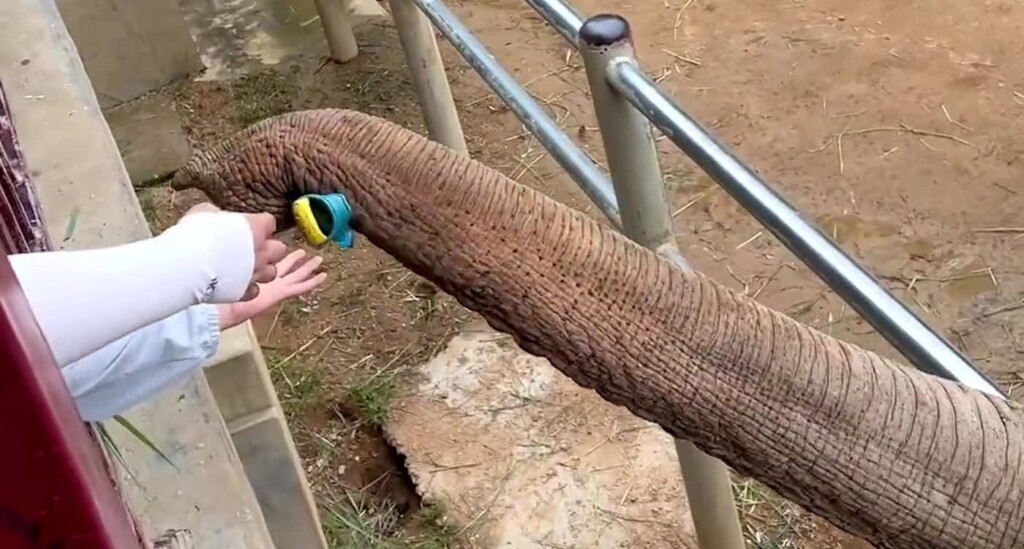
Elephant gives shoe back to child at Shendiaoshan Wild Animal Nature Reserve in China – SWNS

Visitors to a zoo in China captured the moment a clever elephant returned a shoe using its trunk, after it fell into the enclosure.

A video shows the animal stooping to pick up the baby’s footwear and gently lift it back up into the little child’s hand.

The elephant is named Shanmai, which means ‘mountains’, and resides at Shendiaoshan Wild Animal Nature Reserve in Weihai.

According to a staff member, the elephant first thought the shoe was food but when it realized it wasn’t upon picking it up, it returned it to its owner.

LOOK: Rescued Crow Is Boy’s Best Friend, Waiting for Him to Get Home from School Every Day: ‘We’re his flock’

Shanmai’s keeper rewarded the animal’s kind gesture with a watermelon. Watch the moment below…

SHARE THE SMILE With Elephant Lovers on Social Media…

These Are the Strangest Things Americans Put in Salads

salads by Luisa Brimble

What is the oddest thing you’ve ever eaten in a salad?

From marshmallows to meatballs, beef jerky and hotdogs — a new poll has uncovered how Americans are expressing their creative taste buds when it comes to salad toppings.

A poll of 2,000 U.S. adults revealed the strangest salad toppings people have used, with answers including a banana, some peanut butter, peppermint herbs and popcorn. Other quirky toppings are corn, walnuts, and many types of fruit.

Beyond topping oddities, most people point to the classics when asked to name their favorite ingredients. Best toppings include cheese (42%), tomatoes (37%), bacon (30%), croutons (28%) and cucumbers (27%).

What the “perfect” salad looks like

The top three favorite salad dressings are ranch (50%), Italian (30%) and Caesar (25%)—but for 61%, the real main event in a salad is the greens.

The top 5 greens were diverse, with the three favorites being romaine, spinach, and iceberg (though should iceberg really be categorized as a green?) Spring mix was also in the mix, preferred by 30%.

Commissioned by BrightFarms and conducted by OnePoll in celebration of National Salad Month, the study found salads are most enticing depending on their dressing (56%), quality of lettuce (42%), toppings (40%) and the harmony of different flavors (20%).

“If it’s done correctly, a salad can be a perfect meal that combines satisfying flavors, textures, and beautiful colors,” said Jessica Soare, Senior Director of Marketing at BrightFarms.

Results also found that 78 percent of respondents eat at least two salads per week, but nearly half said they’re more likely to eat salads while dining out—praising restaurants for being more creative with ingredients (43%), tasting better because someone else prepares it (34%) and because it takes too much time to prepare salads at home (26%).

“Everyone deserves a fresh salad that makes them feel satisfied about their choices,” concluded Soare.

Do you have any weird salad favorites? Post them in the comments on Social Media…

Ape Treating His Wound Using Medicinal Plant is a World First for a Wild Animal

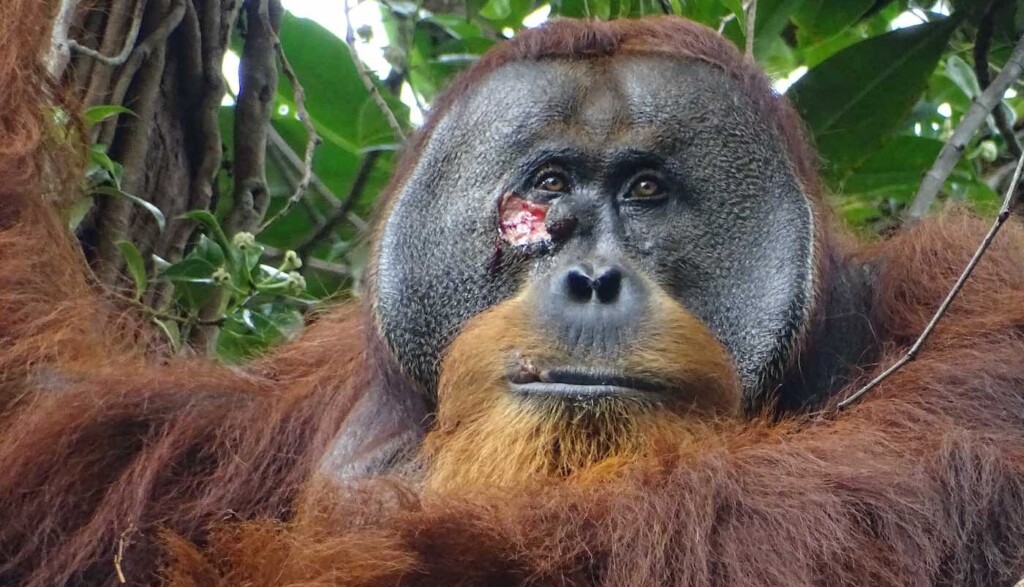
Facial wound on adult male orangutan - Max Planck Institute of Animal Behavior via SWNS
Facial wound on adult male orangutan – Max Planck Institute of Animal Behavior via SWNS

Even though there is evidence of certain self-medication behaviors in animals, so far it has never been known that animals treat their wounds with healing plants. Now, biologists in Indonesia have observed this in a male Sumatran orangutan.

After sustaining a facial wound, he ate and repeatedly applied sap from a climbing plant with anti-inflammatory and pain-relieving properties commonly used in traditional medicine. He also covered the entire wound with the green plant mesh.

The closest relatives to humans, the great apes, are known to ingest specific plants to treat parasite infection and to rub plant material on their skin to treat sore muscles.

A chimpanzee group in Gabon was recently observed applying insects to wounds, although the efficiency of the behavior is still unknown. Wound treatment with a biologically active substance, however, has never been documented before.

Cognitive and evolutionary biologists from the Max Planck Institute of Animal Behavior in Konstanz, Germany—Caroline Schuppli and Isabelle Laumer—conducted the study at the Suaq Balimbing research site in Indonesia, which is a protected rainforest area home to around 150 critically endangered Sumatran orangutans.

“During daily observations of the orangutans, we noticed that a male named Rakus had sustained a facial wound, most likely during a fight with a neighboring male,” says Laumer, the first author of the study.

Three days after the injury Rakus selectively ripped off leaves from a vine with the common name Akar Kuning (Fibraurea tinctoria). He chewed on them, and then repeatedly applied the resulting juice precisely onto the facial wound for several minutes. As a last step, he fully covered the wound with the chewed leaves.

“This and related liana species that can be found in tropical forests of Southeast Asia are known for their analgesic and antipyretic effects and are used in traditional medicine to treat various diseases, such as malaria.

“Analyses of plant chemical compounds show the presence of furanoditerpenoids and protoberberine alkaloids, which are known to have antibacterial, anti-inflammatory, anti-fungal, antioxidant, and other biological activities of relevance to wound healing.”

Observations over the following days did not show any signs of the wound becoming infected and after five days the wound was already closed.

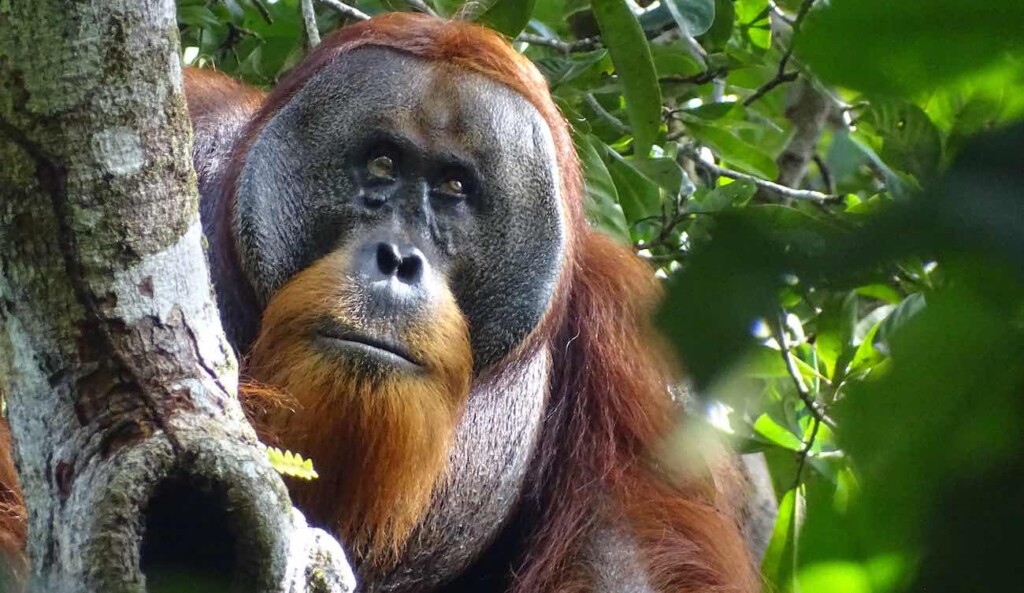
Rakus, 47 days after first treating the wound using the medicinal plant – Max Planck Institute of Animal Behavior via SWNS

“Interestingly, Rakus also rested more than usual when being wounded. Sleep positively affects wound healing as growth hormone release, protein synthesis and cell division are increased during sleep,” she explained.

Like all self-medication behavior in non-human animals, the case reported in this study raises questions about how intentional these behaviors are and how they emerge.

“The behavior of Rakus appeared to be intentional as he selectively treated his facial wound on his right flange, and no other body parts, with the plant juice. The behavior was also repeated several times, not only with the plant juice but also later with more solid plant material until the wound was fully covered. The entire process took a considerable amount of time,” says Laumer.

“It is possible, that wound treatment with Fibraurea tinctoria by the orangutans at Suaq emerges through individual innovation,” said Schuppli, a senior author of the study published in Nature. “Orangutans at the site rarely eat the plant. However, individuals may accidentally touch their wounds while feeding on this plant and thus unintentionally apply the plant’s juice to their wounds. As Fibraurea tinctoria has potent analgesic effects, individuals may feel an immediate pain release, causing them to repeat the behavior several times.”

Since the behavior has not been observed before, it may be that wound treatment with Fibraurea tinctoria has so far been absent in the behavioral repertoire of the Suaq orangutan population. Like all adult males in the area, Rakus was not born in Suaq, and his origin is unknown.

“Orangutan males disperse from their natal area during or after puberty over long distances to either establish a new home range in another area or are moving between other’s home ranges,” explains Schuppli. “Therefore, it is possible that the behavior is shown by more individuals in his natal population outside the Suaq research area.”

This possibly innovative behavior presents the first report of active wound management with a biological active substance in a great ape species and provides new insights into the existence of self-medication in our closest relatives and in the evolutionary origins of wound medication more broadly.

“The treatment of human wounds was most likely first mentioned in a medical manuscript that dates back to 2200 BC, which included cleaning, plastering, and bandaging of wounds with certain wound care substances,” said Schuppli.

(Source: Max Planck Institute of Animal Behavior)

SHARE THIS With Alternative Medicine Fans on Social Media…

Watching Sports Boosts Well-being and Improves Your Health, According to ‘Ground-breaking’ Research

Roger Wilson Stadium Buffalo Bills game – by runneralan2004 (CC license)

Beyond simply providing entertainment and relaxation, watching sports fosters community and belonging, which benefits both individuals and their society.

Despite its recognized positive effects, limited evidence exists on the link between watching sports and well-being. To address this gap, the team of Japanese researchers used a multi-method approach and found that sports viewing activates brain reward circuits, leading to improved well-being.

This is especially true when watching popular sports like baseball or football, which can notably boost both physical and mental well-being.

Their research offers insights for public health policies and individual well-being enhancement.

Led by Associate Professor Shintaro Sato from the Faculty of Sport Sciences at Waseda University, the team found that watching sport—particularly in large crowds—goes “beyond entertainment” by fostering a sense of community and personal belonging.

“This sense of connection not only makes individuals feel good but also benefits society by improving health, enhancing productivity, and reducing crime,” said Professor Sato.

He explained that a significant challenge in well-being research is the subjective nature of measurement procedures, potentially leading to biased findings. These studies focused on both subjective and objective measures of well-being, combining secondary data analysis, self-reports, and neuro-imaging measures to understand the connection.

CHECK OUT: Eight Habits to Take Up by Age 40 if You Want to Live Decades Longer

In the first study, the researchers analyzed large-scale publicly available data on the influence of watching sports on 20,000 Japanese residents. The results of this study confirmed the ongoing pattern of elevated reported well-being associated with regular sports viewing. However, this study was limited by its inability to provide deeper insight into the relationship between sports consumption and well-being.

The second study, an online survey involving 208 participants, aimed at investigating whether the connection between sports viewing and well-being varied depending on the type of sport observed.

The experiment exposed them to a range of sports videos, assessing their well-being both before and after viewing.

The findings underscored that widely embraced sports, such as football, exerted a “more significant” impact on enhancing well-being compared to less popular sports, such as golf.

However, the most ground-breaking aspect of the research emerged in the third study where the team employed neuro-imaging techniques to scrutinize alterations in the brain activity of 14 Japanese participants before and after watching sports clips.

The results showed that watching sports triggered activation in the brain’s reward circuits, indicative of feelings of happiness or pleasure.

LOOK: Lonely Girls Club Gains Thousands of New Members for Picnics, Drinks, and Game Nights

Analysis also revealed that people who reported watching sports more frequently exhibited greater gray matter volume in regions associated with reward circuits, suggesting that regular sports viewing may gradually induce changes in brain structures.

“Both subjective and objective measures of well-being were found to be positively influenced by engaging in sports viewing,” said Prof. Sato.

“By inducing structural changes in the brain’s reward system over time, it fosters long-term benefits for individuals.”

“For those seeking to enhance their overall well-being, regularly watching sports, particularly popular ones such as baseball or soccer, can serve as an effective remedy.”

Prof. Sato says the findings, published in the journal Sport Management Review, have “profound” implications for not only sports fans but in a larger general population irrespective of their relationship to sports consumption.

CHEER ON Couch-Potato Sports Fans By Sharing on Social Media…

“The sun shines into cesspools and is not polluted.” – Diogenes

Quote of the Day: “The sun shines into cesspools and is not polluted.” – Diogenes

Photo by: (public domain)

With a new inspirational quote every day, atop the perfect photo—collected and archived on our Quotes page—why not bookmark GNN.org for a daily uplift?

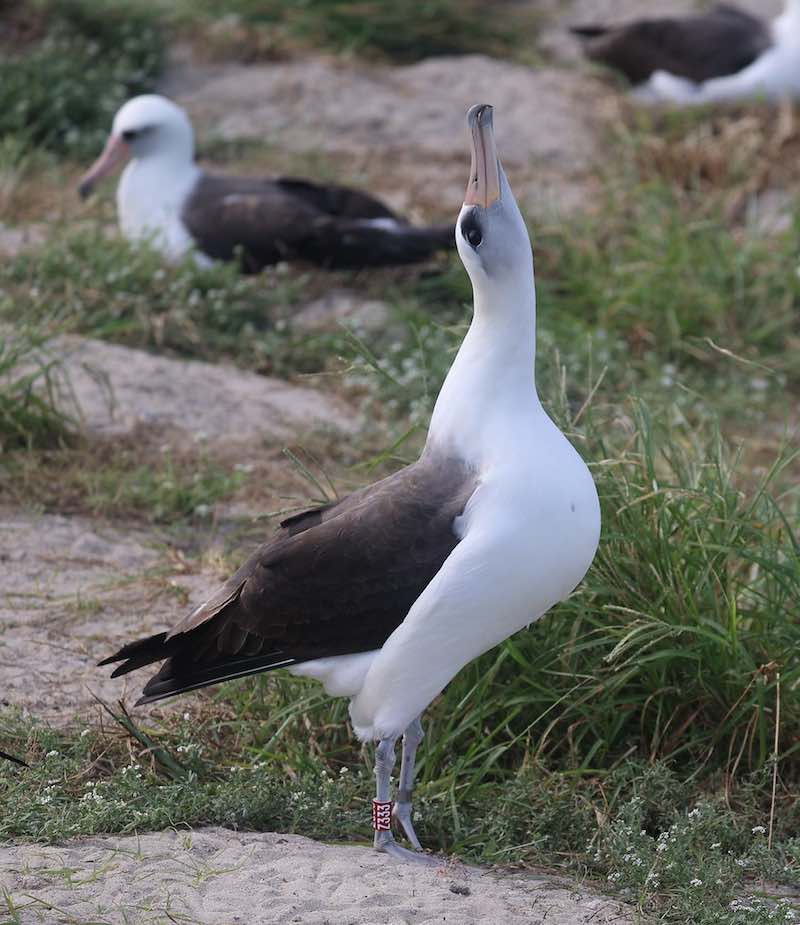
World’s Oldest Bird Named Wisdom Lost Her Mate But is Courting New Suitors at 72

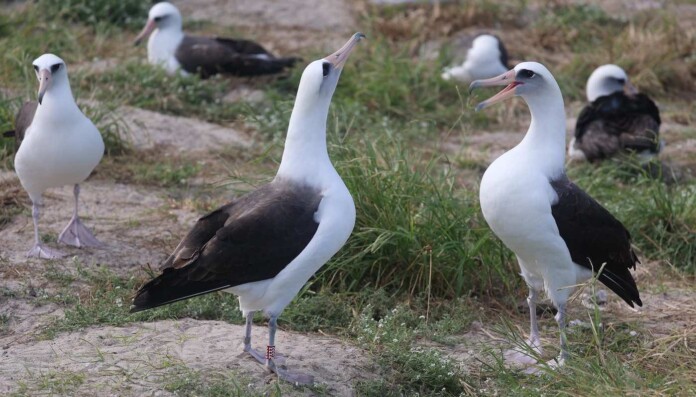
Wisdom the Laysan albatross (on left), the world's oldest bird, in mating dance - USFWS via SWNS
Wisdom the Laysan albatross (on left), the world’s oldest bird, in mating dance – USFWS via SWNS

The world’s oldest bird may have lost her mate, but she’s now courting new suitors in her 70s.

The Laysan albatross named Wisdom, was photographed dancing with potential mates on Midway Atoll National Wildlife Refuge, the seabird’s home.

Thought to be around 72 years old and recognized by her band number Z333, she returned again for nesting season in late November.

Her long-time mate, Akeakamai, has yet to be seen and was absent the last two nesting seasons.

But Wisdom was spotted in the spring socializing with other male birds.

Laysan albatross females lay a single egg in the first half of December, said Jonathan Plissner, supervisory wildlife biologist at the national wildlife refuge.

“She is quite spry for a septuagenarian,” Plissner reported to the U.S. Fish and Wildlife Service. “She was actively courting other birds.”

It is estimated that Wisdom has produced 50-60 eggs and as many as 30 chicks that fledged during her lifetime, according to Plissner.

WATCH: The World’s Oldest-Known Wild Bird—Named Wisdom—Hatches Another Chick at 70

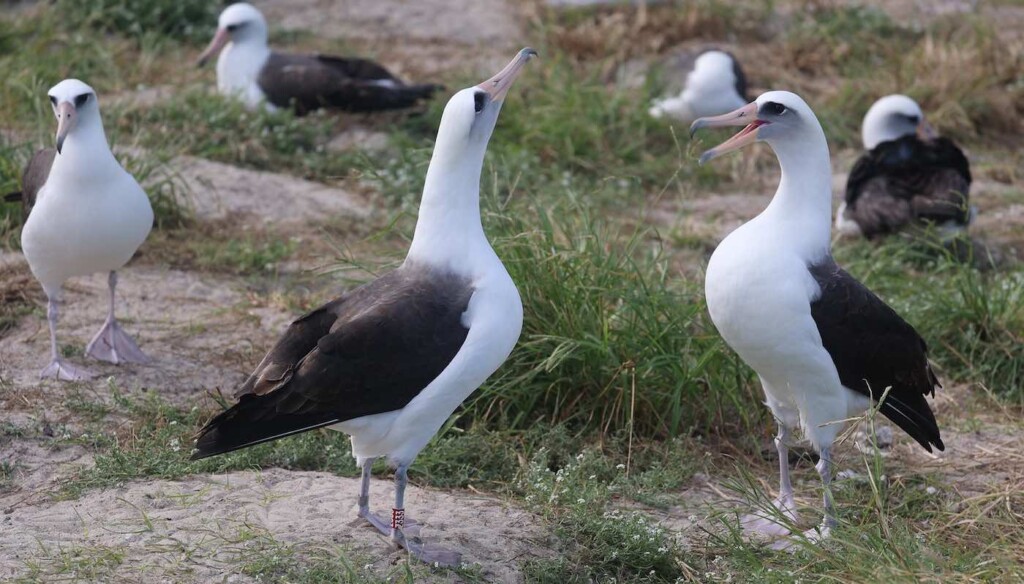
March photo of the ‘spry septuagenarian’ – USFWS / SWNS

Biologists first identified and banded Wisdom in 1956 after she laid an egg. They aren’t known to breed before age 5.

CHECK OUT: Millions of Birds Now Migrating Safely Through Darkened Texas Cities After Successful Lights Out Campaign

Along with Wisdom, millions of seabirds return to Midway Atoll National Wildlife Refuge in the North Pacific Ocean to nest and raise their young.

SHARE the Record-Breaker Bird Update on Social Media…

New Rule Requires US Airlines to Give Automatic Refunds for Canceled or Delayed Flights and Late Baggage 

By Hanson Lu
By Hanson Lu

The White House recently announced it has issued a final rule that requires airlines to promptly provide passengers with automatic cash refunds when owed. The new rule makes it easy for passengers to obtain refunds when airlines cancel or significantly change their flights, and following significantly delayed checked bags, or failures to provide extra services when purchased.

“Passengers deserve to get their money back when an airline owes them—without headaches or haggling,” said U.S. Transportation Secretary Pete Buttigieg. “Our new rule sets a new standard to require airlines to promptly provide cash refunds to their passengers.”

The final rule creates certainty for consumers by defining the circumstances in which airlines must provide prompt refunds. Prior to this rule, airlines were permitted to set their own standards for what kind of flight changes warranted a refund, which differed from airline to airline, making it difficult for passengers to know or assert their refund rights.

Under the new rules, which will start going into effect within six months, passengers are entitled to a refund for:

Canceled or significantly changed flights:
Passengers will be entitled to a refund if their flight is canceled or significantly changed, and they do not accept alternative transportation or travel credits offered. For the first time, the rule defines “significant change.” Significant changes to a flight include departure or arrival times that are more than 3 hours domestically and 6 hours internationally; departures or arrivals from a different airport; increases in the number of connections; instances where passengers are downgraded to a lower class of service; or changes that result in less accessible or accommodating situations to a person with a disability.

Significantly delayed baggage return:
Passengers who file a mishandled baggage report will be entitled to a refund of their checked bag fee if it is not delivered within 12 hours of their domestic flight arriving at the gate, or 15-30 hours of their international flight arriving at the gate, depending on the length of the flight.

Extra services not provided:
Passengers will be entitled to a refund for the fee they paid for an extra service — such as Wi-Fi, seat selection, or inflight entertainment — if an airline fails to provide this service.

The DOT’s (U.S. Department of Transportation) final rule also makes it simple and straightforward for passengers to receive the money they are owed. Without this rule, consumers have to navigate a patchwork of cumbersome processes to request and receive a refund — searching through airline websites to figure out how make the request, filling out extra “digital paperwork,” or at times waiting for hours on the phone. In addition, passengers would receive a travel credit or voucher by default from some airlines instead of getting their money back, so they could not use their refund to rebook on another airline when their flight was changed or cancelled without navigating a cumbersome request process.

Refunds are required to be:

Automatic: Airlines must automatically issue refunds without passengers having to explicitly request them or jump through hoops.

Prompt: Airlines and ticket agents must issue refunds within seven business days of refunds becoming due for credit card purchases and 20 calendar days for other payment methods.

In Cash or original form of payment: Airlines and ticket agents must provide refunds in cash or whatever original payment method the individual used to make the purchase, such as credit card or airline miles. Airlines may not substitute vouchers, travel credits, or other forms of compensation unless the passenger affirmatively chooses to accept alternative compensation.

In the full amount: Airlines and ticket agents must provide full refunds of the ticket purchase price, minus the value of any portion of transportation already used. The refunds must include all government-imposed taxes and fees and airline-imposed fees, regardless of whether the taxes or fees are refundable to airlines.

The final rule also requires airlines to provide prompt notifications to consumers affected by a cancelled or significantly changed flight of their right to a refund of the ticket and extra service fees, as well as any related policies.

Happily, during 2023, the flight cancellation rate in the U.S. was a record low at under 1.2% — the lowest rate of flight cancellations in over 10 years despite a record amount of air travel.

However, in the event that an airline causes a significant delay or cancellation, thanks to pressure from the Biden-era DOT, all 10 major U.S. airlines now guarantee free rebooking and meals—and nine guarantee hotel accommodations. These are new commitments the airlines added to their customer service plans that DOT can legally ensure they adhere to. Find the details displayed on a new web domain that links to DOT: flightrights.gov.

Getting rid of hidden fees

A second rule will require airlines and ticket agents to tell consumers upfront what fees they charge for checked bags, a carry-on bag, for changing a reservation, or cancelling a reservation. This ensures that consumers can avoid surprise fees when they purchase tickets from airlines or ticket agents, including both brick-and-mortar travel agencies or online travel agencies.

The rule will help consumers avoid unneeded or unexpected charges that can increase quickly and add significant cost to what may, at first, look like a cheap ticket.

Airlines must inform consumers that seats are guaranteed: To help consumers avoid unneeded ‘seat selection fees’, airlines and ticket agents must tell consumers that seats are guaranteed and that they are not required to pay extra. The new rule also prohibits airlines from advertising a promotional discount off a low base fare that does not include all mandatory carrier-imposed fees. LEARN all the details from DOT, here.

There are different implementation periods in these final rules ranging from six months for airlines to provide automatic refunds when owed to 12 months for airlines to provide transferable travel vouchers or credits when consumers are unable to travel for reasons related to a serious communicable disease.

FLY THIS GREAT NEWS to Frequent Flying Friends on Social Media…

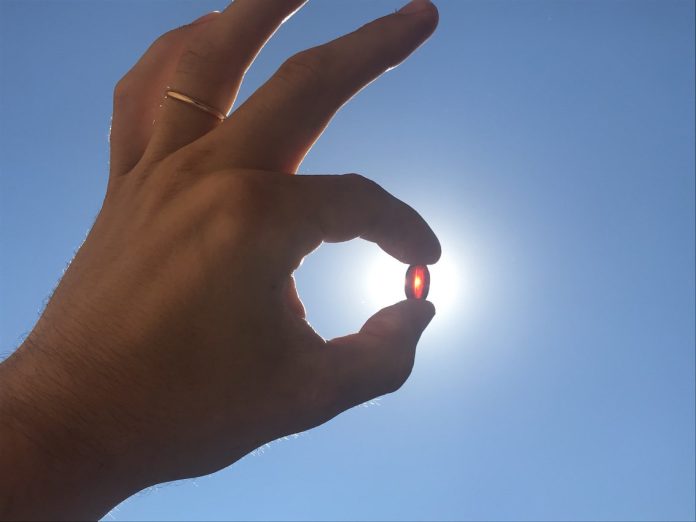
Vitamin D Improves Immunity to Cancer And Reduces Tumor Growth in Mice, Study Finds

(c) Andy Corbley

Researchers have found that vitamin D improves immunity to cancer by encouraging the growth of a type of gut bacteria in lab mice.

Given a diet rich in vitamin D, they had better immune resistance to cancers and improved responses to immunotherapy treatment.

The team found that vitamin D acts on cells in the intestine, which in turn increases the amount of a ‘good’ bacteria called Bacteroides fragilis. This microbe gave mice better immunity to cancer as the transplanted tumors didn’t grow as much.

The team from the Francis Crick Institute, National Cancer Institute, National Institutes of Health and Aalborg University in Denmark reported their findings in the journal Science.

To test if the bacteria alone could give better cancer immunity, mice were split into two groups. One received a normal diet but with Bacteroides fragilis, which improved immune response. The mice placed on a vitamin D-deficient diet were not able to resist tumor growth.

“What we’ve shown here came as a surprise,” said Caetano Reis e Sousa, head of the Immunobiology Laboratory at the Crick, and senior author. “Vitamin D can regulate the gut microbiome to favor a type of bacteria which gives mice better immunity to cancer.”

Previous studies have proposed a link between vitamin D deficiency and cancer risk in humans, although the evidence hasn’t been conclusive—but Bacteroides fragilis is found in our human microbiomes, too.

NEWS FLASH: Vitamin D Supplements May be Fending Off People’s Dementia, New Large Study Shows–Especially in Females

To investigate this, the researchers analyzed a dataset from 1.5 million people in Denmark1, which highlighted a link between lower vitamin D levels and a higher risk of cancer. A separate analysis of a cancer patient population also suggested that people with higher vitamin D levels2 were more likely to respond well to immune-based cancer treatments.

“This could one day be important for cancer treatment in humans.”

“A key question we are currently trying to answer is how exactly vitamin D supports a ‘good’ microbiome. If we can answer this, we might uncover new ways in which the microbiome influences the immune system, potentially offering exciting possibilities in preventing or treating cancer,” said Evangelos Giampazolias, a former postdoctoral researcher at the Crick.

So far, they’ve found that vitamin D helps gut bacteria to elicit cancer immunity, improving the response to immunotherapy in mice.

“These findings contribute to the growing body of knowledge on the role of microbiota in cancer immunity and the potential of dietary interventions to fine-tune this relationship for improved patient outcomes,” added Romina Goldszmid, Stadtman Investigator in NCI’s Center For Cancer Research.

VITAMIN D-LIGHTFUL: Sunshine Could Ward Off Dementia and Strokes: First-Ever Direct Link to Vitamin D Found

Meanwhile, researchers in Japan believe vitamin D could be key in preventing ovarian cancer, after they found it stopped a key transformation in the metastasis of this highly lethal cancer. It actively reversed a process by which ovarian cancer turns the host’s defenses against them, suggesting it could be key as part of a treatment plan for early stage diagnosis.

“We know that vitamin D deficiency can cause health problems, however, there wasn’t enough evidence to link vitamin D levels to cancer risk. This early-stage research in mice, coupled with an analysis of Danish population data, seeks to address the evidence gap,” explained Cancer Research UK’s Dr. Nisharnthi Duggan.

A bit of sunlight can help our bodies make vitamin D—and most people can make enough vitamin D by spending short periods of time in the summer sun.

We can also get vitamin D from our diet and supplements.

SHINE The Light of Prevention For Friends By Sharing on Social Media…

Your Weekly Horoscope – ‘Free Will Astrology’ From Rob Brezsny

Our partner Rob Brezsny, who has a new book out, Astrology Is Real: Revelations from My Life as an Oracle, provides his weekly wisdom to enlighten our thinking and motivate our mood. Rob’s Free Will Astrology, is a syndicated weekly column appearing in over a hundred publications. He is also the author of Pronoia Is the Antidote for Paranoia: How All of Creation Is Conspiring To Shower You with Blessings. (A free preview of the book is available here.)

Here is your weekly horoscope…
FREE WILL ASTROLOGY – Week of May 4, 2024
Copyright by Rob Brezsny, FreeWillAstrology.com

TAURUS (April 20-May 20):
I don’t casually invoke the terms “marvels,” “splendors,” and “miracles.” Though I am a mystic, I also place a high value on rational thinking and skeptical proof. If someone tells me a marvel, splendor, or miracle has occurred, I will thoroughly analyze the evidence. Having said that, though, I want you to know that during the coming weeks, marvels, splendors, and miracles are far more likely than usual to occur in your vicinity—even more so if you have faith that they will. I will make a similar prediction about magnificence, sublimity, and resplendence. They are headed your way. Are you ready for blessed excess? For best results, welcome them all generously and share them lavishly.

GEMINI (May 21-June 20):
In accordance with astrological omens, I recommend you enjoy a celebratory purge sometime soon. You could call it a Cleansing Jubilee, or a Gleeful Festival of Purification, or a Jamboree of Cathartic Healing. This would be a fun holiday that lasted for at least a day and maybe as long as two weeks. During this liberating revel, you would discard anything associated with histories you want to stop repeating. You’d get rid of garbage and excess. You may even thrive by jettisoning perfectly good stuff that you no longer have any use for.

CANCER (June 21-July 22):
Graduation day will soon arrive. Congrats, Cancerian! You have mostly excelled in navigating through a labyrinthine system that once upon a time discombobulated you. With panache and skill, you have wrangled chaos into submission and gathered a useful set of resources. So are you ready to welcome your big rewards? Prepared to collect your graduation presents? I hope so. Don’t allow lingering fears of success to cheat you out of your well-deserved harvest. Don’t let shyness prevent you from beaming like a champion in the winner’s circle. PS: I encourage you to meditate on the likelihood that your new bounty will transform your life almost as much as did your struggle to earn it.

LEO (July 23-Aug. 22):
Ritualist and author Sobonfu Somé was born in Burkina Faso but spent many years teaching around the world. According to her philosophy, we should periodically ask ourselves two questions: 1. “What masks have been imposed on us by our culture and loved ones?” 2. “What masks have we chosen for ourselves to wear?” According to my astrological projections, the coming months will be an excellent time for you to ruminate on these inquiries—and take action in response. Are you willing to remove your disguises to reveal the hidden or unappreciated beauty that lies beneath? Can you visualize how your life may change if you will intensify your devotion to expressing your deepest, most authentic self?

VIRGO (Aug. 23-Sept. 22):
If human culture were organized according to my principles, there would be over eight billion religions—one for every person alive. Eight billion altars. Eight billion saviors. If anyone wanted to enlist priestesses, gurus, and other spiritual intermediaries to help them out in their worship, they would be encouraged. And we would all borrow beliefs and rituals from each other. There would be an extensive trade of clues and tricks about the art of achieving ecstatic union with the Great Mystery. I bring this up, Virgo, because the coming weeks will be an ideal time for you to craft your own personalized and idiosyncratic religious path.

LIBRA (Sept. 23-Oct. 22):
Hidden agendas and simmering secrets will soon leak into view. Intimate mysteries will become even more intimate and more mysterious. Questions that have been half-suppressed will become pressing and productive. Can you handle this much intrigue, Libra? Are you willing to wander through the amazing maze of emotional teases to gather clues about the provocative riddles? I think you will have the poise and grace to do these things. If I’m right, you can expect deep revelations to appear and long-lost connections to re-emerge. Intriguing new connections are also possible. Be on high alert for subtle revelations and nuanced intuitions.

SCORPIO (Oct. 23-Nov. 21):
It’s fun and easy to love people for their magnificent qualities and the pleasure you feel when they’re nice to you. What’s more challenging is to love the way they disappoint you. Now pause a moment and make sure you register what I just said. I didn’t assert that you should love them *even if* they disappoint you. Rather, I invited you to love them BECAUSE they disappoint you. In other words, use your disappointment to expand your understanding of who they really are, and thereby develop a more inclusive and realistic love for them. Regard your disappointment as an opportunity to deepen your compassion—and as a motivation to become wiser and more patient. (PS: In general, now is a time when so-called “negative” feelings can lead to creative breakthroughs and a deepening of love.)

SAGITTARIUS (Nov. 22-Dec. 21):
I assure you that you don’t need “allies” who encourage you to indulge in delusions or excesses. Nor do I recommend that you seek counsel from people who think you’re perfect. But you could benefit from colleagues who offer you judicious feedback. Do you know any respectful and perceptive observers who can provide advice about possible course corrections you could make? If not, I will fill the role as best as I can. Here’s one suggestion: Consider phasing out a mild pleasure and a small goal so you can better pursue an extra fine pleasure and a major goal.

CAPRICORN (Dec. 22-Jan. 19):
I invite you to take an inventory of what gives you pleasure, bliss, and rapture. It’s an excellent time to identify the thrills that you love most. When you have made a master list of the fun and games that enhance your intelligence and drive you half-wild with joy, devise a master plan to ensure you will experience them as much as you need to—not just in the coming weeks, but forever. As you do, experiment with this theory: By stimulating delight and glee, you boost your physical, emotional, and spiritual health.
AQUARIUS (Jan. 20-Feb. 18):
Aquarian author Lewis Carroll said, “You know what the issue is with this world? Everyone wants some magical solution to their problem, and everyone refuses to believe in magic.” In my astrological opinion, this won’t be an operative theme for you in the coming weeks, Aquarius. I suspect you will be inclined to believe fervently in magic, which will ensure that you attract and create a magical solution to at least one of your problems—and probably more.

PISCES (Feb. 19-March 20):
Which would you prefer in the coming weeks: lots of itches, prickles, twitches, and stings? Or, instead, lots of tingles, quivers, shimmers, and soothings? To ensure the latter types of experiences predominate, all you need to do is cultivate moods of surrender, relaxation, welcome, and forgiveness. You will be plagued with the aggravating sensations only if you resist, hinder, impede, and engage in combat. Your assignment is to explore new frontiers of elegant and graceful receptivity.

ARIES (March 21-April 19):
The world’s record for jumping rope in six inches of mud is held by an Aries. Are you surprised? I’m not. So is the world’s record for consecutive wallops administered to a plastic inflatable punching doll. Other top accomplishments performed by Aries people: longest distance walking on one’s hands; number of curse words uttered in two minutes; and most push-ups with three bulldogs sitting on one’s back. As impressive as these feats are, I hope you will channel your drive for excellence in more constructive directions during the coming weeks. Astrologically speaking, you are primed to be a star wherever you focus your ambition on high-minded goals. Be as intense as you want to be while having maximum fun giving your best gifts.

WANT MORE? Listen to Rob’s EXPANDED AUDIO HOROSCOPES, 4-5 minute meditations on the current state of your destiny — or subscribe to his unique daily text message service at: RealAstrology.com

(Zodiac images by Numerologysign.com, CC license)

SHARE The Wisdom With Friends Who Are Stars in Your Life on Social Media…

“Nobody who ever gave his best regretted it.” – George Halas

Quote of the Day: “Nobody who ever gave his best regretted it.” – George Halas

Photo by: Tim Mossholder

With a new inspirational quote every day, atop the perfect photo—collected and archived on our Quotes page—why not bookmark GNN.org for a daily uplift?