












All News - Page 215 of 1719 - Good News Network
Home Blog Page 215

A Mom’s Love Helps Woman Wake From Coma After Five Years

Jennifer Flewellen finally leaves Mary Free Bed Rehabilitation Hospital in Grand Rapids, Michigan

From Grand Rapids comes a story too magical to believe—of a mother’s love creating a medical miracle, and a woman who cared for a comatose daughter in silence for half a decade.

Jennifer Flewellen was 35 when, according to a feature on Good Morning America, she was put into a medically induced coma after crashing her car into a pole. Flewellen had just dropped her three boys off at school, but began to feel light-headed on the way home.

Placed on life-support at a large hospital, nurses were certain she would never recover, and though there are no hard or fast rules for when a person wakes up from a coma, by day 2, physicians were encouraging Flewellen’s mother, Peggy Means, to take her off life-support.

“I remember one respiratory nurse, she told me, ‘Well, you know, she’ll only get worse,’ and I told her, ‘Don’t you ever say that to me again, and never say it around my daughter,'” Means told GMA. “I’d say, ‘It’s very easy to be negative, but we have no room for negativity.'”

Weeks turned to months, which turned into years, but Means’ love for her daughter kept her strong and faithful through the long hours of silence. Means did as much as was possible and then some—transferring her to different care centers, battling with insurance to keep covering the treatment, arguing with hospital administrators, all the while working full time as an industrial sewer, and pampering the unconscious Jennifer with all kinds of TLC.

Means would give her daughter “spa days” even though Flewellen was unresponsive to all stimuli. She would wheel her around the hospital talking to her as if she were awake; recounting the progress of her three sons in school. Visting her nearly every day, this continued for 5 long years, through the pandemic and out the other side.

Then, one day, the truly unthinkable happened. Five years after the fateful crash, Means was sitting with her daughter in a sunny spot outside the hospital telling jokes. Flewellen laughed. Means could hardly believe it.

MORE INCREDIBLE STORIES OF RECOVERY: After Taking Vitamin B2 Baby Becomes Solitary Case of Recovery from Rare Genetic Disease

“I started to wheel her up to the building,” Means said, being scared at first, “and then I thought, she’s laughing, so I stopped and got my phone out.”

After all that time, what Means believed all along with all her heart was true: her daughter was still in there.

“I would ask her questions about the boys and stuff, and she couldn’t she couldn’t speak even a sound, but she could shake her head yes and no,” Means recalled. “I said, ‘Jen, am I your dad,’ and she made a face like, ‘no.’ And then I’d ask about the boys, I’d mix up their names, like one middle name to another one.'”

Flewellen was answering the questions correctly, so Means immediately organized speech therapy.

MORE HEROIC MOMS: ‘Mother Theresa of Vietnam’ Overcame Decades of Homelessness to Help Hundreds of Orphans

And that was the beginning of the end—Flewellen was indeed still there, and as the weeks went by, more and more of her was reemerging, like a butterfly breaking loose of its cocoon.

Mom Peggy Means watches Jennifer Flewellen during a physical therapy session at Mary Free Bed Rehabilitation in Grand Rapids – Mary Free Bed Rehabilitation

GMA says that just 2 to 3% of people left in a vegetative state for that long will ever wake up, but Means is ensuring her daughter will be able to do more than that. She organized occupational, speech, and physical therapy. She has organized surgeries to loosen the rigor mortis-like tension that had set into her joints so she can regain movement.

At Mary Free Bed Rehabilitation Center in Grand Rapids, Michigan, one doctor said that the case study is so rare that Means is basically driving scientific discovery. No one can say for certain how much faculty Flewellen will recover, because the instance is just too rare. But because the answer isn’t known, Means is driving forward with all the love and determination that kept her going through the unresponsive years.

READ ALSO: Man Paralyzed from the Neck Down from Rare Disease Makes Incredible Recovery, Now Back at the Gym

Eventually, Jennifer Flewellen, at age 41, and a new grandmother to a 1-year-old granddaughter, left Mary Free Bed and came home to stay with Means—herself newly retired. Flewellen’s oldest son moved in with the two to help out.

The road to recovery is long—and no one knows where the end will be—but mother and daughter carry on with a mantra given by a nurse practitioner who once told Means that ‘you have to dream it, then you have to believe it.’

WATCH the incredible true story below from GMA… 

SHARE This Example Of The Power Of A Mother’s Love On Social Media… 

Scientists Find Potential Universal Anti-Venom to Treat Snakebites, from Kraits to King Cobras.

Western green mamba (Dendroaspis viridis) by Jon Sullivan, Phototeria Free photos – CC license

By screening billions of human antibodies, scientists may have taken the first steps towards developing a universal antivenom for snakebites. Their screen identified one which counteracts a protein in venom found in a variety of snakes including king cobras and black mambas.

Researchers at Scripps Research Institute then found that the antibody protected mice against this variety of snake venom, and the scientists published their work in the journal Science Translational Medicine.

Everyone knows that hospitals in snake-prone areas carry antivenom which reverses the toxicity of snake bites, but it’s not a very developed or sophisticated field of medicine.

Existing antivenoms involve extracting antibodies from animals which, through exposure therapy, have developed an immunity to the venom of a particular snake.

Obviously though, this provides protection against one single snake species, but in rural communities across the tropics in low and middle-income countries, there may be several snake species that humans come in contact with.

“This antibody works against one of the major toxins found across numerous snake species that contribute to tens of thousands of deaths every year,” says senior author Joseph Jardine, PhD, assistant professor of immunology and microbiology at Scripps Research. “This could be incredibly valuable for people in low and middle-income countries that have the largest burden of deaths and injuries from snakebites.”

Scripps has been ranked several times as first in the United States, and second in the world, for biomedical discoveries, and their faculty includes multiple Nobel laureates.

Like almost all animals, snakes attack humans when they are cornered, surprised, or trying to escape. Nearly all snakes eat rodents, and rural communities often practice agriculture, an environment where rodents thrive. This, unfortunately, puts humans in close proximity to snakes on the hunt for rodents, and leads to death and amputation across Asia, South America, Africa, and Australia.

In the new work, the researchers isolated and compared venom proteins from a variety of elapids—a major group of venomous snakes including mambas, cobras, and kraits. They found that a type of protein called three-finger toxins (3FTx), present in all elapid snakes, contained small sections that looked similar across different species.

In addition, 3FTx proteins are considered highly toxic and are responsible for whole-body paralysis, making them an ideal therapeutic target.

With the goal of discovering an antibody to block 3FTx, the researchers created an innovative platform that put the genes for 16 different 3FTx into mammalian cells, which then produced the toxins in the lab. The team then turned to a library of more than fifty billion different human antibodies and tested which ones bound to the 3FTx protein.

Among the 30 antibodies identified in that screen, one stood out as having the strongest interactions across all the toxin variants: an antibody called 95Mat5.

“We were able to zoom in on the very small percentage of antibodies that were cross-reactive for all these different toxins,” says Irene Khalek, a Scripps Research scientist and first author of the new paper. “This was only possible because of the platform we developed to screen our antibody library against multiple toxins in parallel.”

CURES FOR LOW-INCOME COUNTRIES: Cape Verde Becomes the First African Country in 50 Years to Eradicate Malaria

Jardine, Khalek, and their colleagues tested the effect of 95Mat5 on mice injected with toxins from the many-banded krait, Indian spitting cobra, black mamba and king cobra. In all cases, mice who simultaneously received an injection of 95Mat5 were not only protected from death, but also paralysis.

When the researchers studied exactly how 95Mat5 was so effective at blocking the 3FTx variants, they discovered that the antibody mimicked the structure of the human protein that 3FTx usually binds to.

While 95Mat5 is effective against the venom of all elapids, it does not block the venom of vipers—the second group of venomous snakes, to which almost all poisonous snakes in the United States belong to.

OTHER INNOVATIVE CURES: Cures and Prevention For Some of the Worst Diseases Come From a Surprising Ally – Our Sewers

Jardine’s group is now pursuing broadly neutralizing antibodies against another elapid toxin, as well as two viper toxins. They suspect that combining 95Mat5 with these other antibodies could provide broad coverage against many—or all—snake venoms.

“We think that a cocktail of these four antibodies could potentially work as a universal antivenom against any medically relevant snake in the world,” says Khalek.

SHARE This True Breakthrough In Antivenom With Your Friends… 

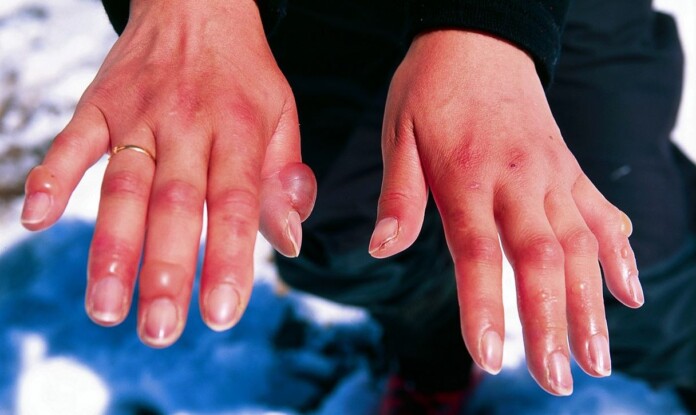
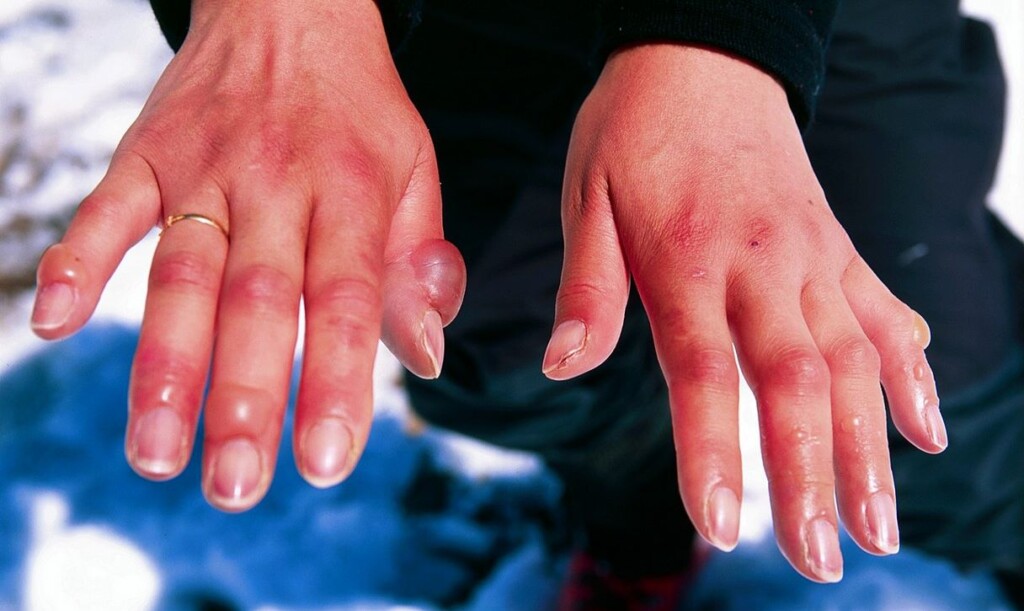
FDA Approves New Drug for A Timeless Illness–Frostbite–to Save Fingers and Toes from Amputation

A mountaineer's hands with second-third degree frost bite - credit Darien and Neil CC 2.0.
A mountaineer’s hands with second-third degree frostbite – credit Darien and Neil CC 2.0.

It’s not a cure for ALS or cancer, but the pharmacists who just developed a “game-changer” treatment for frostbite deserve plenty of congratulations nonetheless.

On February 14th, the FDA approved Aurlumyn (iloprost) injection to treat severe frostbite in adults to reduce the risk of finger or toe amputation.

Frostbite can occur in several stages, and severe frostbite occurs when both the skin and underlying tissue are frozen and blood flow is stopped, sometimes requiring amputation. Iloprost, the active ingredient in Aurlumyn, is a vasodilator (a drug that opens blood vessels) and prevents blood from clotting.

“This approval provides patients with the first-ever treatment option for severe frostbite,” said Norman Stockbridge, M.D., Ph.D., director of the Division of Cardiology and Nephrology in the FDA’s Center for Drug Evaluation and Research. “Having this new option provides physicians with a tool that will help prevent the life-changing amputation of one’s frostbitten fingers or toes.”

Cold is often described as being like a “vice” or as having a “grip” in so small part because once a human’s hands or feet are frostbitten, it’s a bit like a hostage situation. One can’t simply immerse them in nice hot water, because if the ice crystals forming in the blood and tissues are warmed too fast, they will burst, causing intense pain, swelling, tissue damage, and internal bleeding.

However, warm blood from the body’s core can’t arrive at the frostbitten extremities due to the presence of frozen blood and tissue, and the only option is to slowly rewarm the frostbitten area with body heat, but even this may not be able to reverse the damage.

MORE USEFUL DRUGS: FDA Approves the First New Cystic Fibrosis Treatment in Decades

“It’s a game-changer, in my opinion,” Dr. Peter Hackett, a professor of medicine at the University of Colorado Anschutz Medical Campus who specializes in high-altitude and wilderness medicine, told CNN. “It’s a major step forward in frostbite treatment in the United States.”

Existing clot-bursting medications come with high risks of causing internal hemorrhaging, and CNN reports them as being effective for only around 24 hours post-frostbite.

MORE NEWS FOR MOUNTAINEERS: Himalayan Mountaintops Visible for the First Time in 30 Years as Air Pollution Continues to Plummet in India

Canada, Nepal, and Europe have been using iloprost to treat frostbite for years, as it is generally safe, and effective even 3 days after frostbite has set in.

A small clinical trial showed that no frostbitten participants required amputation compared to 60% in those receiving only other medications.

SHARE This New Drug For An Old Disease With Your Friends… 

China is Once Again Sending Pandas to the US—Delighting the San Diego and DC Zoos

Pandas Bai Yun and Zhen Zhen, former residents of the San Diego Zoo – Credit: San Diego Zoo Wildlife Alliance

‘Panda Diplomacy’ is back in action in San Diego as Chinese conservationists and the California zoo signed an agreement that could see giant pandas return for the viewing public as soon as the end of summer.

When China began sending giant pandas alongside diplomatic liaisons, it didn’t just help stabilize relations with contentious neighbors and competitor nations, it contributed immensely to the understanding of these beautiful creatures.

With zookeepers all over the world studying different aspects of panda biology and ethnology, the last 40 years have seen the ability to captively breed and raise pandas improve exponentially.

At the moment, the San Diego Zoo Wildlife Alliance (SDZWA) has already signed an agreement with the China Wildlife Conservation Association, and is filing permits with the US Fish and Wildlife Service to welcome two new giant pandas to their zoo.

The partnership this time around will include research on disease prevention and habitat protection, with a fee paid by SDZWA for the opportunity to host the pandas going directly to giant panda conservation in China.

“We are humbled by the potential opportunity of continuing our collaborative conservation efforts to secure the future for giant pandas,” said Dr. Megan Owen, Vice President of Conservation Science at SDZWA.

Panda lovers rejoiced when, at the first face-to-face meeting between presidents Biden and Xi Jinping in over a year, promises to reduce tensions arrived alongside hints that pandas may return to zoos in San Diego and Washington D.C.

In recent years, China has declined to renew loan agreements with zoos in D.C., Tennessee, and San Diego as a result of perceived antagonism by Washington, and the only place in the US where giant pandas could be seen was Atlanta.

MORE GOOD DIPLOMACY: China Sends Expert Team to Taiwan to Help Care for Sick Panda (Video)

But seeing as giant pandas swear allegiance to no nation, history has shown that collaboration between SDZWA and Chinese research partners has contributed to critically important and far-reaching discoveries as well as scientific contributions that have played a meaningful role in China’s efforts to bring the iconic and beloved giant panda back from the brink of extinction.

These have included critical findings on giant panda reproductive behavior and physiology. Female pandas are receptive to mating just 48-72 hours every year, and it was the San Diego Zoo that conducted the first successful artificial insemination of a giant panda outside China—with longtime San Diego Zoo resident Bai Yun. The cub that was born this way—Hua Mei, survived to adulthood and reproduced 12 times before being sent back to China.

Advances have also included data on nutritional requirements, habitat needs, and genetic research. The efforts include developing a giant panda milk formula and other neonatal conservation techniques that dramatically increased survival rates for nursery-reared cubs from 5% to 95%.

NEWS FROM ZOOS: Doctors Called in for Rare Emergency C-Section on Gorilla in the Zoo–and the Baby Pics Are Incredible

“Pandas in our care and in the care of Chinese colleagues at conservation facilities play an important role as assurance against extinction and loss of genetic diversity in their native habitats, as well as a source population for reintroductions,” said Dr. Owen. “Our partnership over the decades has served as a powerful example of how—when we work together—we can achieve what was once thought to be impossible.”

The IUCN Red List updated the giant panda to “Vulnerable” down from “Endangered” after such conservation efforts increased their populations from 1,000 to 1,800.

SHARE This Great News For Zoogoers And Panda Lovers… 

“Happiness depends more upon the internal frame of a persons own mind—than on the externals in the world.” – George Washington

By Irudayam, CC license

Quote of the Day: “Happiness depends more upon the internal frame of a persons own mind—than on the externals in the world.” – George Washington (1787) Source: MountVernon.org

Photo by: Irudayam (CC license)

With a new inspirational quote every day, atop the perfect photo—collected and archived on our Quotes page—why not bookmark GNN.org for a daily uplift?

By Irudayam, CC license

Overlooked Drug Proven to Be Superior Treatment for Crohn’s Disease–Helping Patients Avoid Surgery

Toby Moore, 28, who was one of the patients treated with Infliximab - SWNS
Toby Moore, 28, who was one of the patients treated with Infliximab – SWNS

A large-scale clinical trial of treatment strategies for Crohn’s disease has shown that offering early advanced therapy to all patients straight after diagnosis can drastically improve outcomes, including by reducing the number of people requiring urgent abdominal surgery for treatment of their disease tenfold.

Crohn’s disease is a life-long condition characterized by inflammation of the digestive tract. Even at its mildest, it can cause symptoms that have a major impact on quality of life including stomach pain, diarrhea, weight loss, and fatigue. It often comes stepwise with conditions like inflammatory bowel disease or ulcerative colitis.

The Cambridge-led research involved 386 patients with newly diagnosed active Crohn’s disease and found that use of the drug infliximab straight after diagnosis showed dramatic results.

Infliximab works by blocking an inflammatory cytokine, the proteins that cause acute inflammatory reactions like swelling, called TNF-alpha, which is found in nearly every disease known to man.

Historical concerns about the cost and side effects of infliximab mean it’s currently only offered when patients experience regular flare-ups that don’t respond to less potent treatments.

To see if this drug was rightly overlooked the researchers conducted a trial in which two groups were assigned either the current UK treatment plan or immediate use of infliximab as soon as possible after diagnosis.

The results, published in The Lancet Gastroenterology and Hepatology, were dramatic with 80% of people receiving the immediate infliximab therapy having both symptoms and inflammatory markers controlled throughout the course of the entire year compared to only 15% of people receiving the usual UK treatment plan.

Two-thirds of patients in the infliximab group had no ulcers seen on their endoscopy camera test at the end of the trial, something known as endoscopic remission and associated with decreased risk of later complications in Crohn’s disease.

Most previous clinical trials of therapies are considered successful if one-third or even less of patients achieve endoscopic remission.

“As soon as a patient is diagnosed with Crohn’s disease, the clock is ticking—and has likely been ticking for some time—in terms of damage happening to the bowel, so there’s a need to start on an advanced therapy such as infliximab as soon as possible,” said Dr. Nuru Noor, of Cambridge’s Department of Medicine.

“We’ve shown that by treating earlier, we can achieve better outcomes for patients than have previously been reported.”

YOU MAY ALSO LIKE: After Taking Vitamin B2 Baby Becomes Solitary Case of Recovery from Rare Genetic Disease

As well as these findings, patients in this group also had higher quality of life scores, less use of steroid medication, and lower number of hospitalizations.

Strikingly, while around one in 20 patients in the conventional treatment arm of the trial required urgent abdominal surgery for their Crohn’s disease, only one in 193 receiving the new approach required the same.

ALSO CHECK OUT: Exciting Clinical Trials of New Stem Cell Injection Treatment Shows Promise for Halting Multiple Sclerosis

The researchers also note that there was no difference in risk of serious infection between treatment strategies, suggesting that infliximab straight after diagnosis was well tolerated, contrary to previous concerns about its safety.

These concerns, says 28-year-old Toby Moore, a paitent in the study who was diagnosed with Crohn’s at age 10, were what prevented him from being given infliximab at any time other than during bad and sudden flare-ups, a decision which he says caused him years of additional suffering and complication.

In terms of financial concerns, the drug has fallen considerably from around £15,000 to around £3,000 per patient per year.

“Up until now, the view has been ‘why would you use a more expensive treatment strategy and potentially over-treat people if there’s a chance they might do fine anyway?’” said Professor Miles Parkes, Director of the NIHR Cambridge Biomedical Research Center.

MORE AUTO-IMMUNE DISCOVERIES: Marathoner Runner Stopped By Lupus is Racing Again Thanks to Amazing Treatment for Autoimmune Disorder

“We now know we can prevent the majority of adverse outcomes, including the need for urgent surgery, by providing a treatment strategy that is safe and becoming increasingly affordable.”

The Cambridge scientists add that while there are other anti-TNF drugs, such as adalimumab, that work in a similar manner to infliximab and are significantly cheaper, more research is required to understand if it would be as clinically effective.

The team believes that their findings are the start of a new treatment path for people suffering with Crohn’s, which may help them spend less time in hospital and more time living life.

SHARE This Immediately With Anyone You Know With Crohn’s Disease… 

A Portland County Transcends its Rehousing Goals With 65% Drop in Homelessness

Levi Meir Clancy - Unsplash
Levi Meir Clancy – Unsplash

Clackamas County in Oregon, one of two counties into which Portland extends, has reduced the rate of homelessness by 65% from 2019 to 2023, a number that officials say reflects a more comprehensive strategy.

According to Clackamas County’s quarterly report on the Supportive Housing Services (SHS) outcomes, the county has rehoused 314 people in six months.

429 people and 223 homeless households were placed in permanent supportive housing, exceeding the stated goal for the period by 20.

“[J]ust over the last couple of months, we’ve placed 30 households in the Rapid Rehousing program through the support of housing services,” said Melissa Erlbaum, executive director of Clackamas Women’s Services. “We’re doing amazing work and partnership with the county.”

According to KATU News, officials also said in the report that SHS prevented 1,369 people, and 591 households from being evicted, which they added is one of the chief strategies for reducing the number of homeless on the street; provide assistance to people on the precipice of homelessness.

UNWINDING HOMELESS KNOTS: Texas Tiny Home Community Thrives With 2,000 Neighbors: Easing Homelessness in Austin

“We work hard to reduce and prevent homelessness early on before it even happens, with rental assistance, and we make sure that we have the resources and the assets up and running to give people housing when they need it,” Ben West, Clackamas County commissioner, told KATU News.

The permanent supportive housing is another component of the approach detailed in the report, and offers the combination of a permanent personal space with the social services necessary to help those who have experienced homelessness to stabilize things.

SHARE This Positive Step In The Right Direction For Portland… 

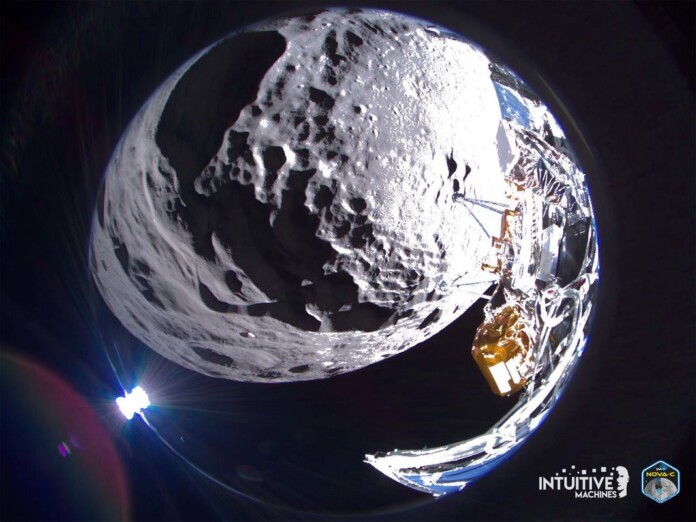
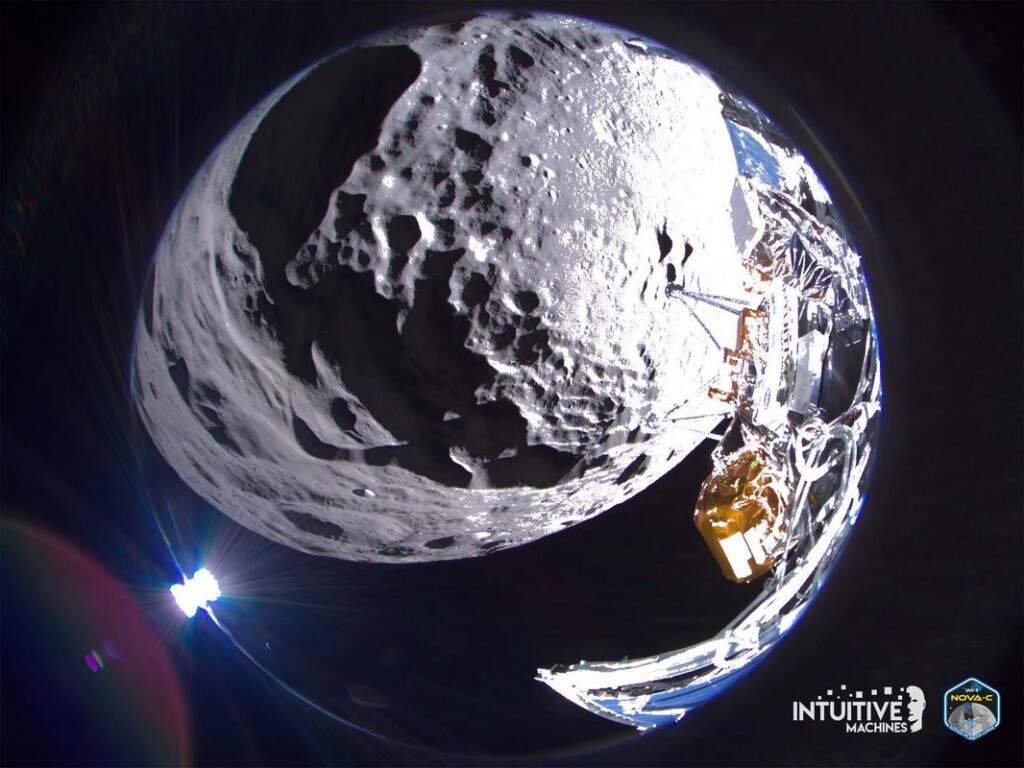
Intuitive Spacecraft Lands on Moon in Nail-Biting Descent of Odysseus–A First for US Company, 50 Years After Apollo

Intuitive Machines’ Odysseus lunar lander captures a wide field of view image of Schomberger crater on the Moon approximately 125 miles (200 km) uprange from the intended landing site, at approximately 6 miles (10 km) altitude - credit Intuitive Machines, released via NASA
Intuitive Machines’ Odysseus lunar lander captures a wide field of view image of Schomberger crater on the Moon at approximately 6 miles (10 km) altitude – credit Intuitive Machines, released via NASA

After a nail-biting descent, a commercial space company became the first in history to conduct the soft landing of a spacecraft on the Moon after their Odysseus lander touched down at 5:24 p.m. CST on February 22nd.

Landing in the area called Malapert A in the South Pole region of the Moon, the Houston-based Intuitive Machines carried a payload for NASA as part of their CLPS (Commercial Lunar Payload Services) initiative, marking the first time NASA has returned to the Moon since the Apollo missions over 50 years ago.

Carrying six NASA science research and technology demonstrations, among other customer payloads, all NASA science instruments completed transit checkouts en route to the Moon.

“For the first time in more than half a century, America returned to the Moon. Congratulations to Intuitive Machines for placing the lunar lander Odysseus carrying NASA scientific instruments to a place no person or machine has gone before, the lunar South Pole,” said NASA Administrator Bill Nelson.

“This feat from Intuitive Machines, SpaceX, and NASA demonstrates the promise of American leadership in space and the power of commercial partnerships under NASA’s CLPS initiative.”

A NASA precision landing technology demonstration also provided critical last-minute assistance to ensure a soft landing. As part of NASA’s Artemis campaign, the lunar delivery is in the region where NASA will send astronauts to search for water and other lunar resources later this decade.

The payload is all about future use and occupation of the Moon, and consists of some pretty important pieces of technology.

The Lunar Node 1 Navigation Demonstrator is NASA’s attempt to pioneer a Global Positioning System (GPS) for the Moon, and uses positional data from spacecraft, ground stations, or rovers to provide navigation data for landers and astronauts. Similarly, a collection of eight retroreflectors left near the landing site will also provide precision laser guidance and ranging to incoming landers for decades to come.

INDIA’S SOFT MOOND LANDING: India Becomes Fourth Nation to Touch Down on the Moon In Mission to Study its South Pole

“In daring to confront one of humanity’s greatest challenges, Intuitive Machines created an entire lunar program that has ventured farther than any American mission to land on the Moon in over 50 years,” said Steve Altemus, CEO of Intuitive Machines. “This humbling moment reminds us that pursuing the extraordinary requires both boldness and resilience.”

It wasn’t all science and government that touched down on the Moon on Friday; this was a commercial payload after all. Among other things were included some sculptures by artist Jeff Koons, and a sample of Colombia Sportswear’s “Omni-Heat” insulative fabric as part of a test to see how well it can contain heat.

MORE SPACE ACHIEVEMENTS: NASA Celebrates World First: Smashing a Spacecraft into an Asteroid to Practice Saving Humanity

A private-private-public partnership seemed poised to make it to the Moon first when the Pittsburgh-based space company Astrobotic launched its Peregrine lunar lander on the inaugural flight of United Launch Alliance’s Vulcan Centaur rocket.

Unfortunately, a crippling fuel leak saw the upper-stage rocket and the capsule steered into a controlled destruction in the atmosphere.

CELEBRATE This Triumph Of American Industry With Your Friends… 

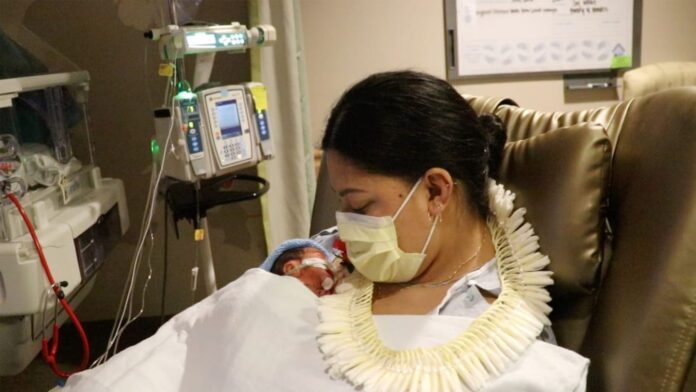
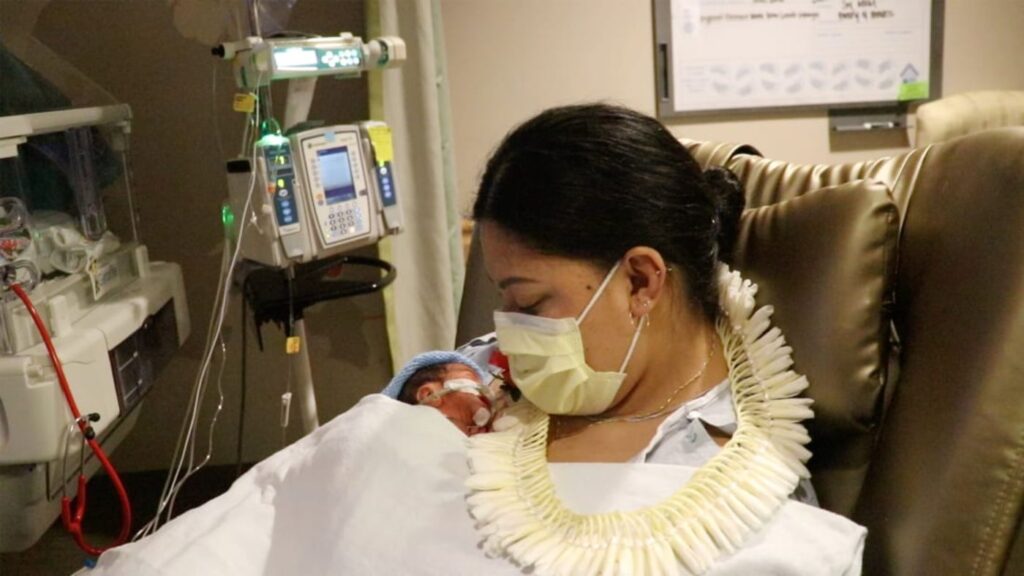
Hug Therapy Helps Premature Babies Develop as Volunteers Sit in for Moms Who Can’t Be There

Hawaii Pacific Health

In a hospital in the Argentine city of Cordoba, a wonderful and obvious initiative is giving babies a more natural environment when they are born into circumstances that are anything but.

Placed in an incubator, with mother and father absent due to work, substance abuse, incarceration, injury, or death, a team of volunteer “huggers” take 2-hour shifts holding babies in their arms to benefit their growth so they aren’t left too long in the machine.

Neither a mother nor a father needs to read the established scientific literature that holding babies speeds their neurological development, helps them gain weight, acclimatize to the world, and sleep more soundly: they would know it instinctively upon holding their newborn.

Hearing them sigh, seeing their hands unclench, and seeing their skin turn from beet-red to a more natural color, is sign enough for most humans to understand the baby is benefiting from the human contact.

For this reason, the Provincial Maternity Hospital of Córdoba welcomes 50 volunteer huggers to spend time hugging prematurely born babies or those whose mothers are absent. The team consists of 49 women and 1 man (go on son!), but 200 applicants are on the waiting list.

“I want [the babies] to be certain that, since they were born, they’ve been loved and accepted. It’s amazing how [valiant] they are, they have such a desire to live,” said Irma Castro, a retired public teacher and volunteer hugger.

Nancy Sánchez Zanón, head of the Maternity Neonatology Department, told El Pais that 1,500 of the 5,200 babies born in their hospital every year require a stay period in the NICU, and about 15% of these need to be hugged for one reason or another.

Zanón’s colleague Ana María Rognone adds that they replicated a similar program at a hospital in Buenos Aires that partnered with UNICEF, but the whole concept came from an infant cuddling program originating in Canada among babies whose mothers were addicted to heroin.

SUPPORTING THE CHILDREN: New ‘Wall of Hope’ in Children’s Hospital Neonatal Ward Helps Families Stay Strong

When babies are hugged, they stop consuming their own energy—the women explain—a survival mechanism for situations when they have to be put down for one reason or another. If this state is left to continue for too long, the infant begins to diminish, but when held in the arms of another, able to feel the warmth of human skin and the beating of a human heart, this survival mechanism is turned off. They typically sigh, relax, and their bodies can start growing again.

“[This contact] promotes neurodevelopment, protection, care, and growth,” explains Zanón. “[A child] is less stressed, because they’re in someone’s arms… they can regulate their temperature more easily… are less prone to sleep apnea, and gain weight faster compared to if they weren’t linked to anyone.”

MORE NEWS LIKE THIS: Lullabies Can Actually Improve the Health of Premature Babies in Hospital –And Their Family’s Health Too

Many of the volunteers, El Pais writes, are mothers themselves, and they admit that the love they give the hospital infants through their hugging is of a different sort. It’s deeply fulfilling and rewarding, but in a different way than what they experienced with their own babies.

It’s part of the hospital’s overall focus on human-centered neonatal care, and a beautiful reminder of the power of love and humanity in a situation when the baby is surrounded by technology and strangers.

SHARE This Heartwarming Example Of Holistic Medicine With Your Friends…

“Little minds are tamed and subdued by misfortune; but great minds rise above them.” – Washington Irving

Quote of the Day: “Little minds are tamed and subdued by misfortune; but great minds rise above them.” – Washington Irving

Photo by: Paul Longhurst

With a new inspirational quote every day, atop the perfect photo—collected and archived on our Quotes page—why not bookmark GNN.org for a daily uplift?

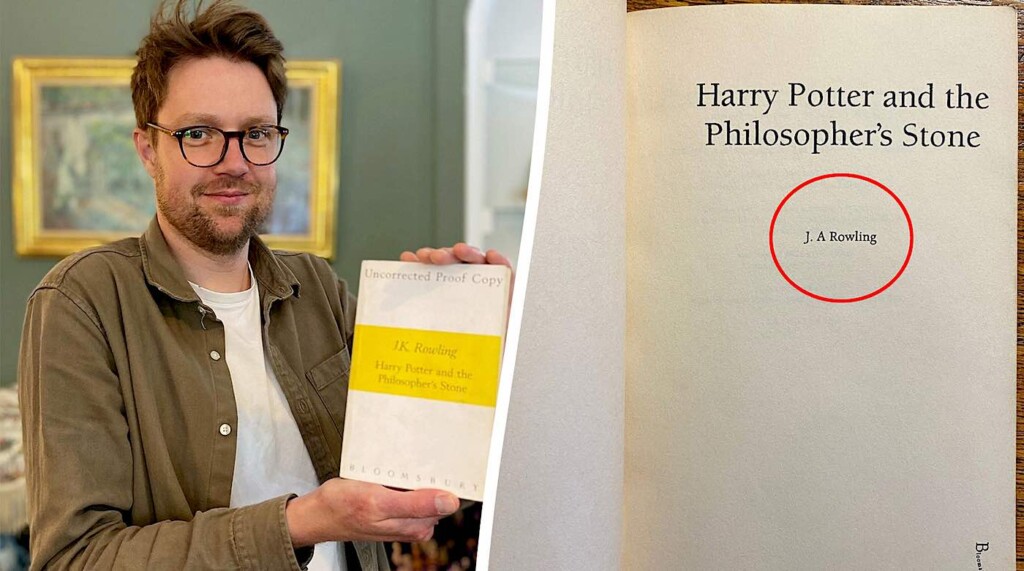
Rare Proof Copy of Harry Potter Book Bought for 15 Cents Could Fetch $15,000 at Auction

Jim Spencer, head of books at Hansons Auctioneers, with the Harry Potter proof copy – SWNS

He found it in a dusty bin on the floor of a used bookstore, where he grabbed three books for 45 cents.

One was an ultra-rare proof copy of the first ever Harry Potter story which he kept on his bookshelf for 30 years, without looking at it—and now it’s set to fetch $20,000 at auction.

He scooped up the copy of Harry Potter and the Philosopher’s Stone—which had a plain white and yellow cover—back in 1997.

The edition is such an early version, it even gets the author’s name wrong, attributing it to J A Rowling and Joanne Rowling—instead of J K Rowling.

The ‘Uncorrected Proof Copy’ was one of only 200 printed by Bloomsbury, and marked the start of the Harry Potter phenomenon.

“In 1997, when I was 26, I lived in Crystal Palace in London,” said the 52-year-old seller. “I didn’t have much money but I always liked to treat myself to a browse in second-hand bookshops on Saturday mornings.

“I dropped into one of my usual haunts looking for some Agatha Christies. Piles of books were all jumbled up in baskets on the floor. The Harry Potter book was among the piles of Agatha Christie, Dorothy Sayers, Ngaio Marsh, etc.

“I bought it as a throw-in with a couple of other titles. I don’t think I even looked at it properly to tell the truth. Since then, it’s followed me round to China, Taiwan, the UK, and now Italy being packed and unpacked—without being read.”

When his kids were turning into Harry Potter movie fans, he went looking for it.

Uncorrected Proof Copy of Harry Potter and the Philosopher’s Stone – Hansons Auctioneers /SWNS

The book will now go under the hammer tomorrow (Feb 26) in Staffordshire, England, at Hansons Auctioneers, with a guide price of between $15,000-$20,000 (£12k-£16k).

The father is now happy that nobody in his household ever read the book, because it preserved the copy in its present condition.

“There are four kids (from 12 to 25) who always, unfortunately—or fortunately in this case—preferred the films.”

LOOK: Artist Makes Incredible Doll Houses of Miniature Film Sets From Harry Potter, Friends, and Jurassic Park

“I was scrolling on the internet one night when a story popped up about the incredible prices achieved for Potter books, so I decided to contact someone to see whether my book might be valuable.”

The 1997 Harry Potter proof copy names the author as Joanne Rowling – Hansons Auctioneers / SWNS

Hansons book expert Jim Spencer has only ever come across one other book like it, which sold at auction last year for almost $24,000 (£18,750).

Jim said, “This book has a story all its own. It’s lived all over the world and cost pennies.

“I am not sure how this one ended up in a London second-hand book shop but you have to remember this was before the first Potter book had even been printed.

“This is the very first appearance in print of the first Potter novel. The title page mistakenly states the author’s name as as ‘J A Rowling’ instead of J K Rowling and, on the other side, ‘Joanne Rowling’.

The fortunate owner is now more than happy to pass it along to another book patron.

“Finding it when I did was just a massive piece of well-timed luck for which I will always be grateful—and more than a tad surprised.”

SHARE THE COOL Story With Book & Harry Potter Lovers on Social Media…
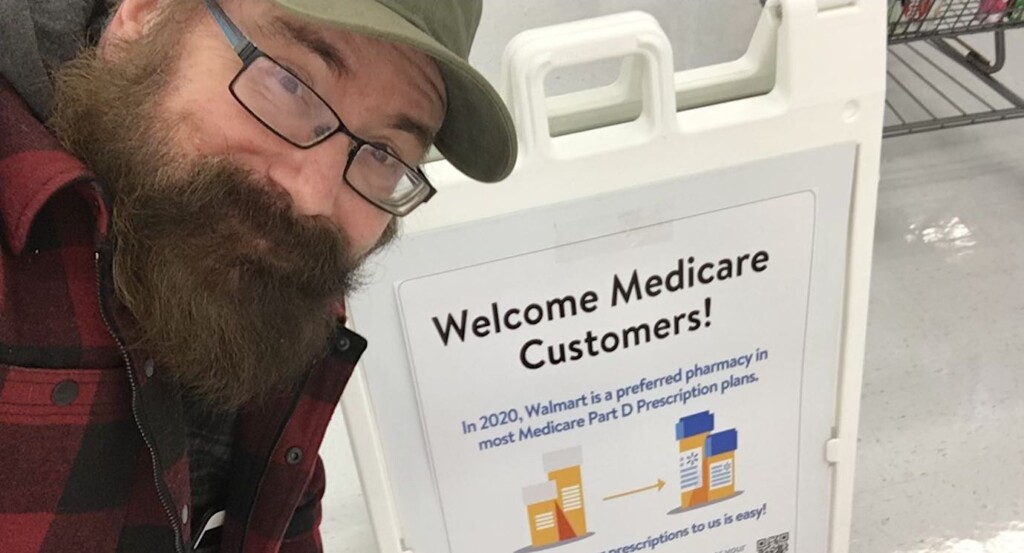
Your Medicare Costs May Go Down Dramatically in 2024, Thanks to U.S. Law Kicking in

Photo by Mike Mozart (CC license)

A big cost and concern for many seniors in the U.S. is the price of prescription drugs and other healthcare expenses—and this year, thanks to The Inflation Reduction Act, their costs may go down dramatically, especially for patients fighting cancer or heart disease.

I learned about the new benefits because my ‘Medicare birthday’ is coming up in a couple months when I turn 65. I was shocked that there were so many positive changes being made, which I never heard about on the news.

Thousands of Americans on Medicare have been paying more than $14,000 a year for blood cancer drugs, more than $10,000 a year for ovarian cancer drugs, and more than $9,000 a year for breast cancer drugs, for instance.

That all changed beginning in 2023, after the Biden administration capped out-of-pocket prescriptions at $3,500—no matter what drugs were needed. And this year, in 2024, the cap for all Medicare out-of-pocket prescriptions went down to a maximum of $2,000.

“The American people won, and Big Pharma lost,” said President Biden in September 2022, after the legislation passed. “It’s going to be a godsend to many families.”

Another crucial medical necessity, the shingles vaccine, which many seniors skip because of the cost, is now free. Shingles is a painful rash with blisters, that can be followed by chronic pain, and other complications, for which there is no cure

In 2022, more than 2 million seniors paid between $100 and $200 for that vaccine, but starting last year, Medicare prescription drug plans dropped the cost for shots down to zero.

Another victory for consumers over Big Pharma affects anyone of any age who struggles with diabetes. The cost of life-saving insulin was capped at $35 a month.

Medicare is also lowering the costs of the premium for Part B—which covers outpatient visits to your doctors. 15 million Americans will save an average of $800 per year on health insurance costs, according to the US Department of Health and Human Services.

Last year, for the first time in history, Medicare began using the leverage power of its large patient pool to negotiate fair prices for drugs. Medicare is no longer accepting whatever drug prices that pharmaceutical companies demand.

Negotiations began on ten of the most widely used and expensive drugs.

Among the ten drugs selected for Medicare drug price negotiation were Eliquis, used by 3.7 million Americans and Jardiance and Xarelto, each used by over a million people. The ten drugs account for the highest total spending in Medicare Part D prescription plans.

Bringing down prescription drug costs doesn’t just save seniors money. Paying lower prices for those drugs will also reduce the federal budget deficits by hundreds of billions of dollars.

MORE PRICE CUTS: U.S. Allows Hearing Aids to Be Sold Over-the-Counter, Saving Americans Thousands

How are all these cost-savings being paid for?

The government is able to pay for these benefits by making sure the biggest corporations in America are paying their fair share of federal taxes.

In 2020, for instance, dozens of American companies on the Fortune 500 list who made $40 billion in profit paid zero in federal taxes.

Starting in 2023, U.S. corporations are required to pay a minimum corporate tax of 15 percent. The Inflation Reduction Act created the CAMT, which imposed the 15% minimum tax on the adjusted financial statement income of any corporation with average income that exceeds $1 billion.

For years, Americans have decried the rising costs of health care—but in the last three years, there are plenty of positive developments.

SHARE THE FANTASTIC NEWS With Seniors and Family on Social Media—to Help Them Realize Their Savings…

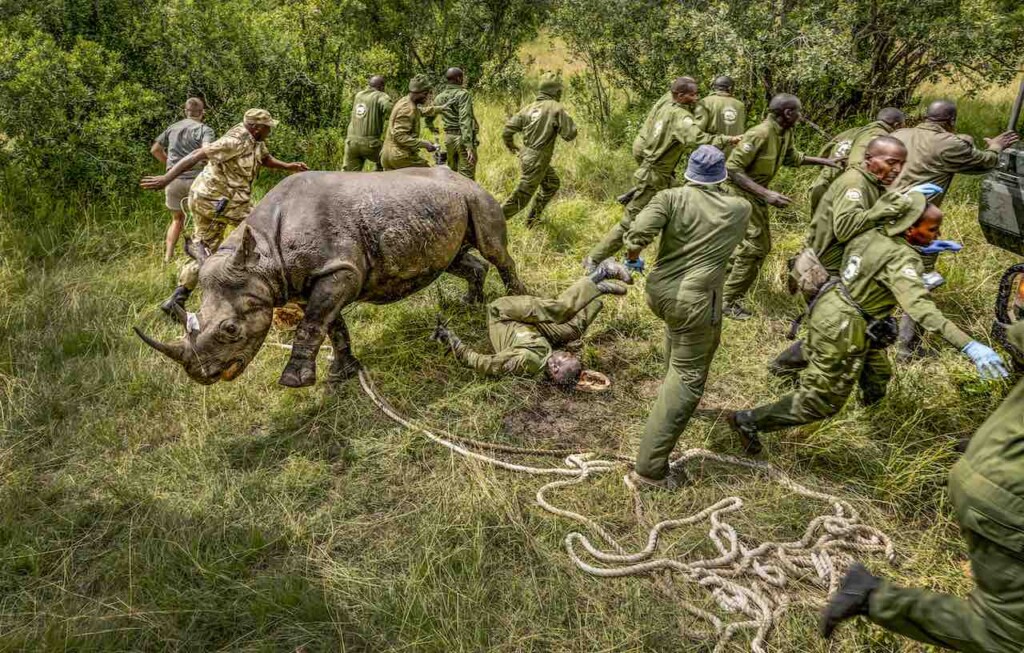
21 Black Rhinos Successfully Moved to New Kenya Home With Space to Breed–Hailing Return of Species After 50 yrs

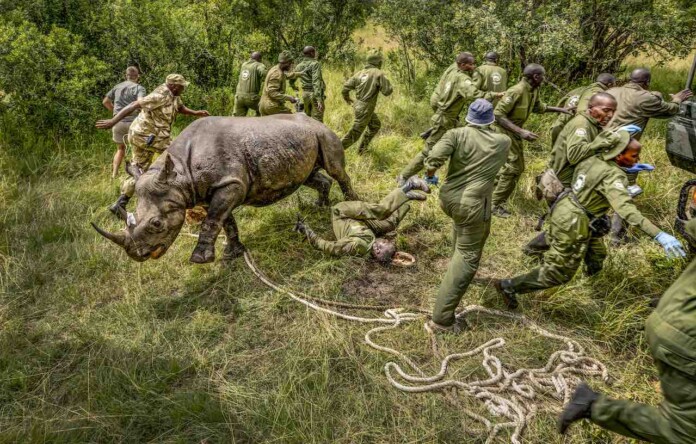
A well-trained crew had just sprung into action to revive a rhino after it stopped breathing—then quickly moved out of the way when the animal sprang back up (and no one was hurt) – Photo by Ami Vitale / Courtesy The Nature Conservancy
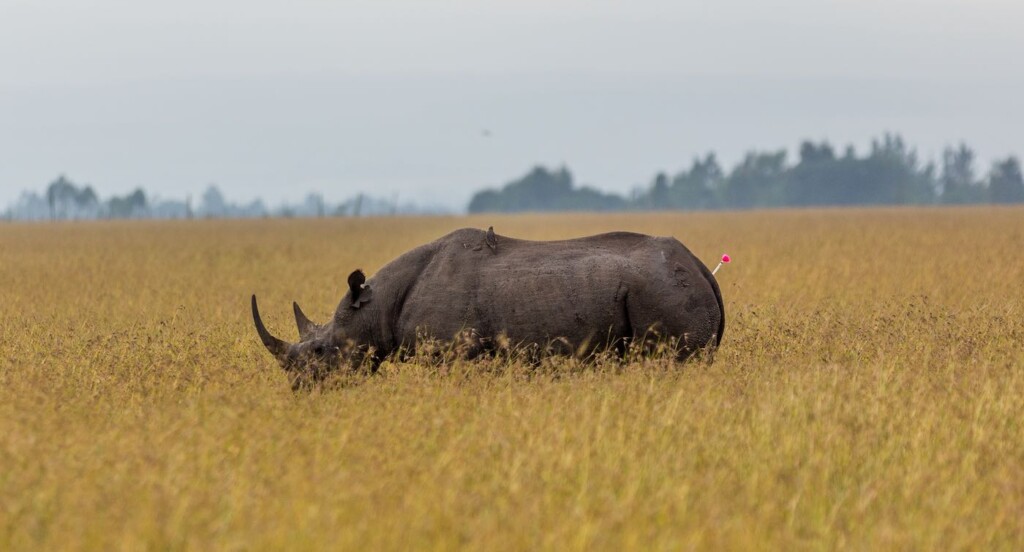
Rhino released in Feb 2024 – by Margaret Southern / Courtesy San Diego Zoo Wildlife Alliance

The Kenya Wildlife Service celebrated the successful transfer of 21 eastern black rhinos to establish a new viable breeding population for the species that was on the brink of extinction decades ago.

In an 18-day exercise executed by highly trained capture and veterinary experts, the Loisaba Conservancy received the 21 rhinos from three different locations, becoming the 17th sanctuary in Kenya where the mammoth animals can roam and intermingle.

“It’s incredibly exciting to be part of the resettlement of rhinos to a landscape where they’ve been absent for 50 years,” said Tom Silvester, CEO of Loisaba Conservancy.

Kenya had 20,000 black rhinos in the 1970s before poachers decimated them for their horns. By the time the Kenya Wildlife Service (KWS) was established in 1989, rhino numbers had declined to below 400.

Since then, Kenya’s eastern black rhinos have made a remarkable comeback and today there are an estimated 1,004 individuals.

Kenya is a stronghold of the eastern sub species of black rhino, hosting approximately 80 percent of the entire world’s surviving population.

“Surpassing the milestone of 1,000 rhinos within four decades is a significant accomplishment,” said Munira Bashir, Director of The Nature Conservancy in Kenya.

The reintroduction this month of these 21 animals this month is a great milestone in Kenya’s rhino recovery action plan, and was made possible by support from The Nature Conservancy, San Diego Zoo Wildlife Alliance, other partners—and the three reserves from where the 21 rhinos originated, Nairobi National Park, Ol Pejeta Conservancy and Lewa Conservancy.

A well-trained crew had just sprung into action to revive a rhino after it stopped breathing—then quickly moved out of the way when the animal sprang back up (and no one was hurt) – Photo by Ami Vitale / Courtesy The Nature Conservancy

“In the recent past, one of the main causes of mortality of rhinos has been territorial fights due to limited space in sanctuaries which has also led to suppressed growth rates due,” explained Dr. Erustus Kanga, the Director General of Kenya Wildlife Service. “I am elated to be associated with this momentous effort to secure more space for this cornerstone species.”

RHINO GOOD NEWS: Specially-Trained Dogs Have Saved 45 Rhinos From Poachers in South Africa—And Counting

Meanwhile, southern white rhinos continue to thrive in Kenya, having increased from 50 individuals that were imported from South Africa in the eighties and nineties to reach the current population of 971 individuals.

Kenya is also playing a critical role in efforts to save the northern white rhino from extinction, as it is host to the only remaining two females of the species left in the world. The international BioRescue project has developed thirty embryos awaiting implantation into surrogate females within the closely-related subspecies of southern white rhino.

“The return of black rhinos to Loisaba, 50 years after the last known individual here was killed by poachers in the 1970s, is a demonstration of how impactful partnerships between governments and conservation NGOs can be for restoring, managing, and protecting our natural world,” said Dr. Max Graham, CEO and Founder of Space for Giants, one of the project partners.

ALSO: Zero Rhinos Poached in Kenya 3 Years Ago – Better Policing is One of the Keys

“And, of course, the return of black rhinos here gives all of us one of the most precious commodities of all: hope.”

SHARE THE HOPE By Reposting the Story on Social Media…
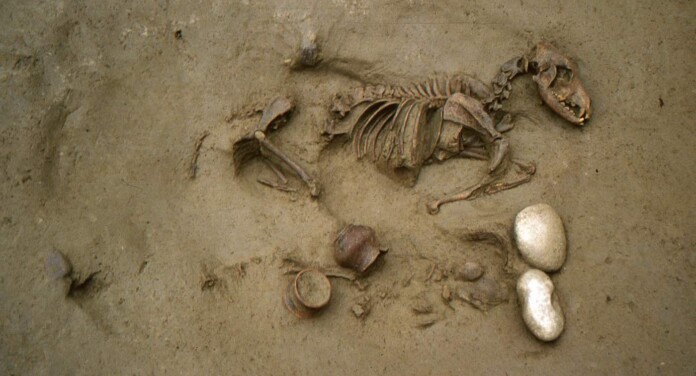
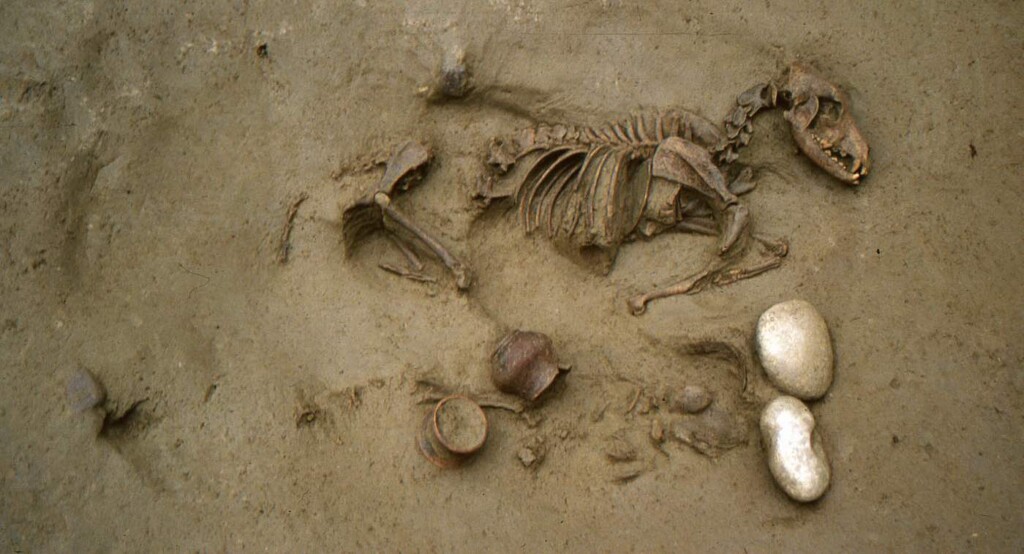
Until Death Do Us Part: Europeans Were Buried With Their Dogs 2,200 Years Ago

Joint interment of a dog and a human – by S.R. Thompson, courtesy of SABAP-VR Soprintendenza Archeologia - Credit Laffranchi et al., 2024 (CC license)
Joint interment of a dog and a human – by S.R. Thompson, courtesy of SABAP-VR Soprintendenza Archeologia – Credit Laffranchi et al., 2024 (CC license)

People from an ancient community in what is now northern Italy were buried with animals such as dogs and horses. The reasons remain mysterious, but might indicate an enduring companion relationship these men and women had with their animals.

A recent study revealed that archaeologists uncovered 161 burials from the Late Iron Age, around 2,200 years ago, and found 10 percent of the people were buried with animals at the site in Seminario Vescovile, near Verona.

The research team looked for patterns that might explain the animal burials, analyzing the demographics, diets, genetics and burial conditions of the interred humans and animals—but the analysis did not lead to any notable correlations.

“The people interred with animals do not seem to be closely related to each other, which would have suggested that this was a practice of a certain family,” said study co-author Dr Zita Laffranchi of the University of Bern in Switzerland.

She said the lack of patterns among the graves mean that “multiple interpretations” of the human-animal co-burials remain possible.

Four of the people were buried with dogs or horses, including a baby next to a dog, a middle-aged man buried with a small dog, and a middle-aged woman buried with an entire horse and a dog skull.

Some of the graves contained the remains of animals used as food, including pigs, a chicken, and part of a cow, which may have represented “offerings to the dead”.

AMAZING: Thousands of Years Ago, a Woman Underwent Two Surgeries to Her Head – and Survived Both Procedures

“Animals like dogs and horses often had religious symbolism in ancient cultures, but at the same time, specific individuals may also have been buried with their animal companions,” explained Dr. Laffranchi.

The Swiss and Italian research team, whose findings were published in the journal PLOS One, also noted that the human-animal burial practices might have been determined by the interplay between different individual traits and societal customs.

This study, entitled ‘Until death do us part,’ is part of the CELTUDALPS research project, exploring burials of horses and dogs with humans, and may hint at unknown rituals and beliefs during the late centuries BCE in Italy.

DON’T BURY THIS HISTORY–Share the News With Friends on Social Media…
“Do exactly what you would do if you felt most secure.” – Meister Eckhart

Quote of the Day: “Do exactly what you would do if you felt most secure.” – Meister Eckhart

Photo by: Paul Matheson

With a new inspirational quote every day, atop the perfect photo—collected and archived on our Quotes page—why not bookmark GNN.org for a daily uplift?

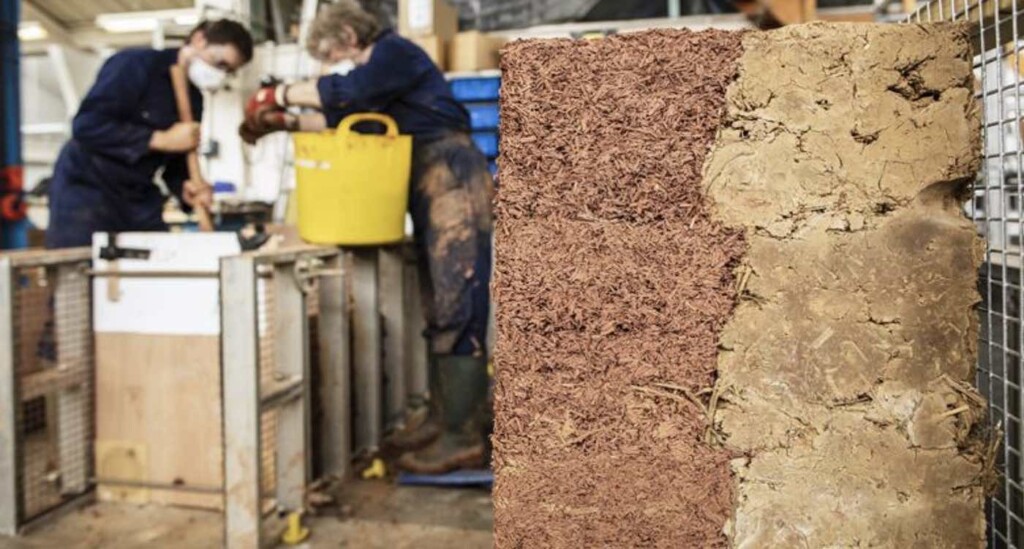
This New Mud Home Built of Hemp and Earth Demonstrates Super Energy Efficiency in the UK

CobBauge house in Fakenham, Norfolk – Hudson Architects / SWNS

This modern British home with its thick mud walls was built as part of an EU project to pioneer the construction of more energy efficient homes.

Architect Anthony Hudson used a centuries-old construction method to build the bungalow, yet it still complies with modern building regulations.

Its walls, erected in Fakenham, Norfolk, are constructed from three simple ingredients: hemp straw, earth, and water. When mixed together, it is known as ‘cob’, so the project was named the CobBauge.

Walls built with cob is thermally insulated to modern standards.

The 3-bedroom project by Hudson Architects was built by local builders Grocott and Murfit in January, and the team has characterized it as being quite inexpensive (although the total cost was not revealed).

Mud is one of the most sustainable construction materials with some old cob buildings in Britain lasting more than 500 years.

The new house features large, south-facing triple-glazed windows for solar warmth in the winter and an air source heat pump to provide additional heating.

It’s part of an EU-funded project to bring mud construction into the 21st century with a focus on net-zero carbon construction—and this is their first regulations-complaint cob building.

CobBauge test wall section at the University of Plymouth, showing the interlocking materials –Hudson Architects / SWNS

After the EU announced it was looking for architects to come up with new ways of using earth in houses, Mr. Hudson leapt at the opportunity.

“The challenge was to create a home using earth as the primary building material, but which could also be thermally insulated,” said the 68-year-old.

“Earth is a very sustainable way to build, especially because it’s so widely available here in the UK.

Although there is still a way to go before mud houses can be put on the mainstream market, Hudson believes that the homes will become the new normal.

“Although the materials are cheap and easy to source, the building method is very time-consuming. At the moment it all has to be done by hand, so labor costs run high.”

CHECK OUT: These Ancient Chinese ‘Skywells’ Are Keeping Homes Cool as Green Architects Learn from the Past

Laying and compacting the first CobBauge lift within the shuttering formwork system – Hudson Architects / SWNS

Their next step is to figure out how to fabricate building techniques to cut that labor intensity down.

“Once we’ve worked that out, my guess is this will be a very attractive method.”

In March, the mud house will be open to the public for viewing, with its “green roof” to support biodiversity and replace the loss of green space on the site.

LOOK: Skyscraper Bursting with 80,000 Plants Opens to the Public in Singapore–LOOK

DOES YOUR FRIEND Need a Housing Option? Share The Hemp Home on Social Media… 
3-Legged Dog Cured of Cancer by Breakthrough FDA-Approved Treatment With 87% Success Rate

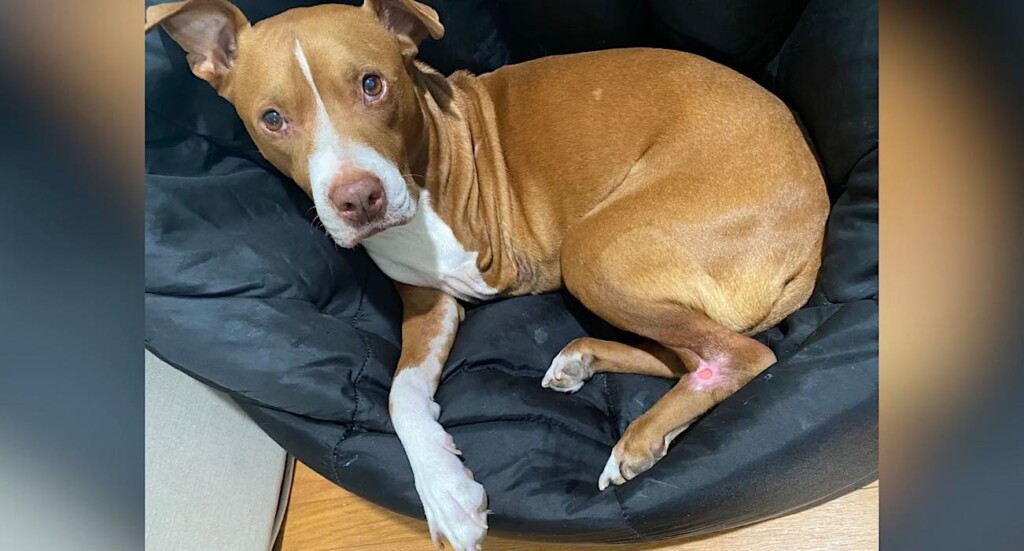
American Pit Bull Annabel Lee in recovery – Courtesy of Alicia Alderson

A 3-legged American pit bull with a heart of gold and sweet disposition captured the hearts of Alicia and Andrew Alderson when they adopted her in 2017.

“It was absolutely love at first sight—she ran into our arms.”

But their journey took an unexpected turn when last year they discovered a 3-centimeter growth on Annabel Lee’s rear left leg—a mast cell tumor.

Traditional surgical options were ruled out due to the eight-year-old’s unique circumstance of already having only three legs. Luckily, a drug approved by the FDA three years ago has been transforming mast cell tumor treatment, and was a perfect fit for the Florida family.

Dr. Emily Moser, at Town and Country Veterinarians and Pet Resort in Gainesville, said Annabel Lee was an ideal candidate for Stelfonta.

“It’s really cool for cases like hers when surgery is not an option,” Moser explains.

Stelfonta was specifically designed to target mast cell tumors in dogs. It induces necrosis within the tumor while promoting rapid healing of the affected site—all with minimal scarring and a response from 87 percent of pups having complete tumor resolution.

CHECK OUT: Bulldog Spontaneously Regrows Part of its Jaw After Removal From Cancer Surgery

In general, the cost of such an injection is likely similar to the cost of surgery to cut out a tumor, but it’s less invasive—and anesthesia, which is risky for some older dogs, is not required.

The Aldersons expressed deep gratitude for the cancer treatment that saved their ‘little cuddle bug’.

Because the couple cannot have children, their pets are beloved family members, and this option ‘gave their little girl back’.

HERO: Dog That Won’t Stop Digging Saves Entire Neighborhood After They Find Dangerous Gas Leak Underground

Today, Annabel Lee is cancer-free and back to her normal, playful self, with likely years of life in her future.

SHARE the Good News With Dog Parents on Social Media…
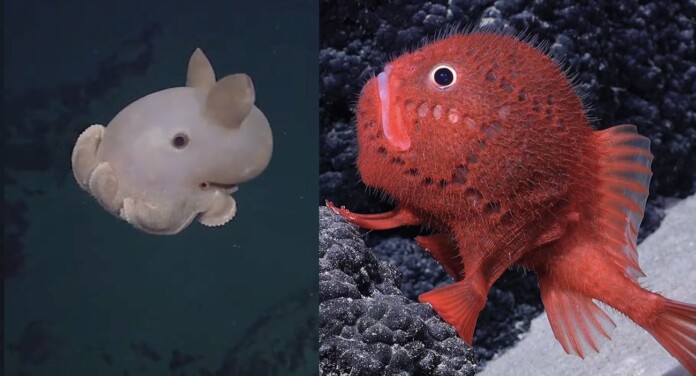
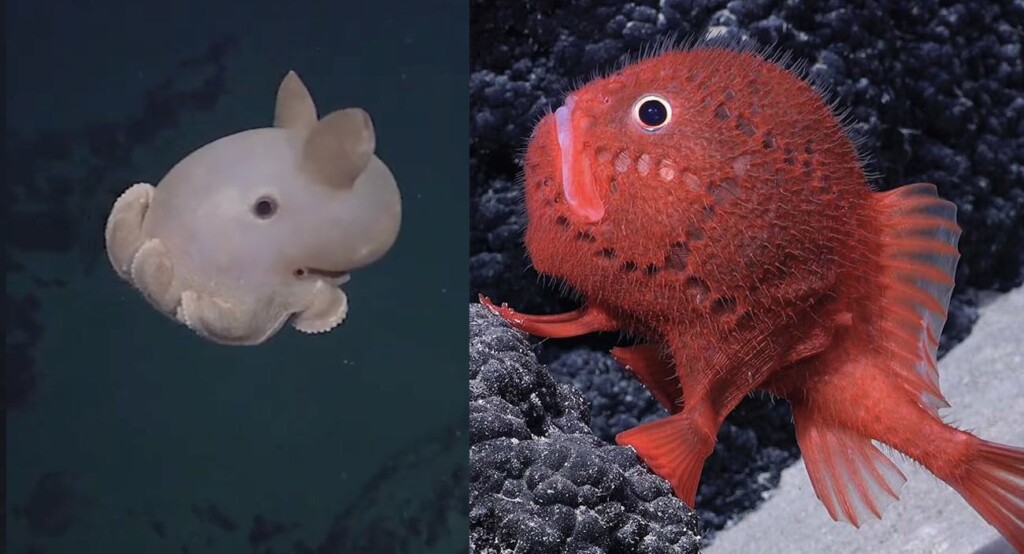
More Than 100 New Species of Stunning Marine Life Found Near Underwater Mountains (LOOK)

Fish in the sea toad family discovered in Nazca-Desventuradas Marine Park – Credit: Schmidt Ocean Institute CC license-cropped

More than 100 new species of alien-looking marine life have been discovered living near huge underwater mountains off the coast of Chile.

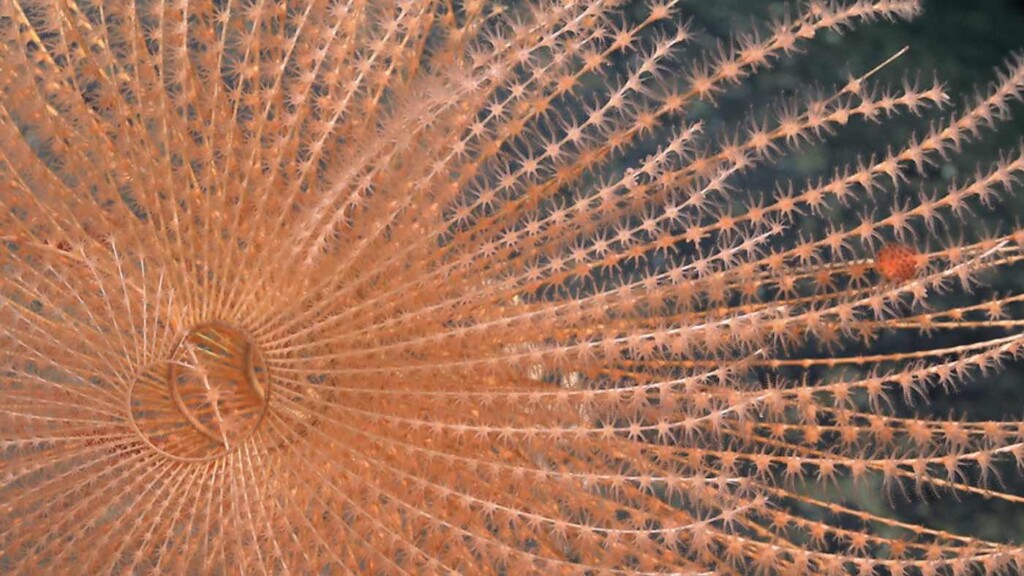
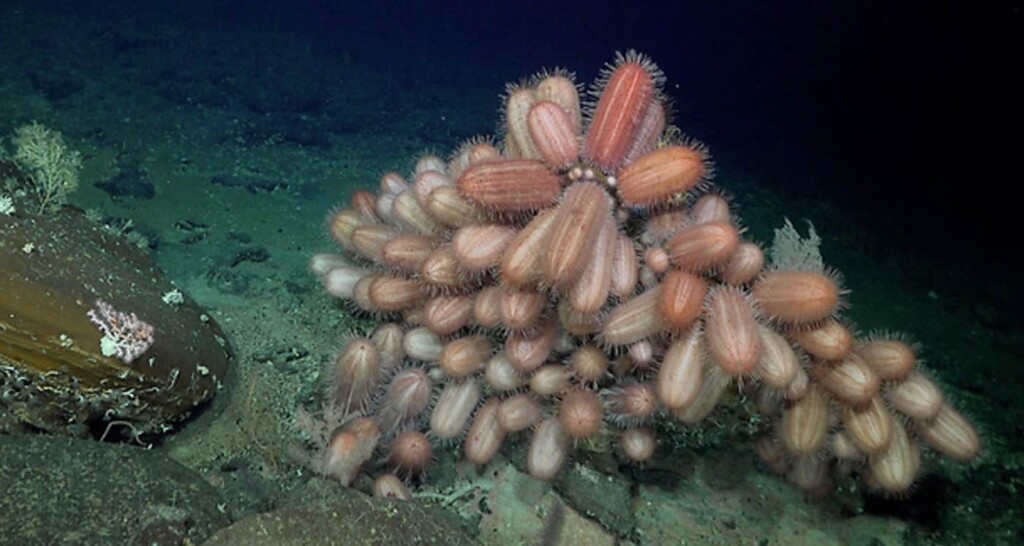
An international team of scientists visited previously unexplored sea mountains—towering at up to 3,530 meters—and found dozens of never-before-seen species, including deep-sea corals, sponges, sea urchins, amphipods, and squat lobsters.

Led by the Schmidt Ocean Institute, the team used a remote-controlled underwater robot to explore the marine life at seafloor depths of up to 4,500 meters deep.

The international research team found that each seamount played host to a vast array of distinct ecosystems, many of which were identified as vulnerable.

These included thriving, deep-sea coral reefs and sponge gardens as well as brightly-colored and mysterious species of fish, lobster and amphipods likely never before seen by human eyes.

“You always expect to find new species in these remote and poorly explored areas, but the amount we found, especially for some groups like sponges, is mind-blowing,” said Dr. Javier Sellanes, of northern Chile’s Universidad Católica del Norte. “We far exceeded our hopes.”

A spiraling coral in a Chile Marine Protected Area – Credit: Schmidt Ocean Institute, CC license

Experts are now analyzing the physiology and genetics of the specimens to confirm whether they are new species to science. (See them in the video below…)

During their expedition, which also included two of Chile’s protected marine areas—the Juan Fernandez and Nazca-Desventuradas parks—the scientists used the underwater robot SuBastian, which is capable of descending to depths of 2.8 miles (4.5 kilometers).

UNDERWATER MYSTERY: Charlotte the Stingray, Single for 8 Years, Celebrated V-day with ‘Impossible’ Litter of Non-Fertilized Eggs

The Salas y Gómez Ridge is 1800-miles-long (2900km) comprised of more than 200 seamounts that stretch from off the coastline of Chile to Easter Island in the southeastern Pacific Ocean.

On their ambitious expedition mapping over 20,000 square miles (52,777 sq km), the team explored the Nazca and Salas y Gómez Ridge, located both inside and outside of Chile’s jurisdiction, to collect data that could be used to support the designation of an international high-seas marine protected area—to save it from mining companies looking for natural minerals, like cobalt, in underwater mountains.

Oblong Dermechinus urchins – Credit: ROV SuBastian / Schmidt Ocean Institute, CC license

A second expedition on the Research Vessel Falkor (too) is set to sail in the coming days to further explore the Salas y Gomez Ridge, with the expedition being live-streamed on the Schmidt Ocean Institute’s YouTube channel. (See some of their astounding video below…)

The California-based nonprofit will also be operating in the Southeast Pacific in the coming year, exploring the waters off Peru.

LOOK: Pristine Coral Reefs Discovered Are Thousands of Years Old And Teeming With Life

“Full species identification can take many years, and Dr. Sellanas and his team have an incredible number of samples from this amazingly beautiful and little-known biodiversity hotspot,” said the Institute’s Executive Director Dr. Jyotika Virmani.

Their partner, the Nippon Foundation, has set a target of finding 100,000 new marine species in the next 10 years for its Nekton Ocean Census Program—and, once identified, these new species will be counted as part of that.

Watch the amazing video from Schmidt Ocean Institute below…

SEND THE MAGICAL Sights to Friends By Sharing on Social Media…

Your Horoscope for the Week – ‘Free Will Astrology’ From Rob Brezsny

Our partner Rob Brezsny, who has a new book out, Astrology Is Real: Revelations from My Life as an Oracle, provides his weekly wisdom to enlighten our thinking and motivate our mood. Rob’s Free Will Astrology, is a syndicated weekly column appearing in over a hundred publications. He is also the author of Pronoia Is the Antidote for Paranoia: How All of Creation Is Conspiring To Shower You with Blessings. (A free preview of the book is available here.)

Here is your weekly horoscope…

FREE WILL ASTROLOGY – Week of February 24, 2024
Copyright by Rob Brezsny, FreeWillAstrology.com

PISCES (Feb. 19-March 20):
Unlike the Pope’s decrees, my proclamations are not infallible. As opposed to Nostradamus and many modern soothsayers, I never imagine I have the power to definitely decipher what’s ahead. One of my main mottoes is “The future is undecided. Our destinies are always mutable.” Please keep these caveats in mind whenever you commune with my horoscopes. Furthermore, consider adopting my approach as you navigate through the world—especially in the coming weeks, when your course will be extra responsive to your creative acts of willpower. Decide right now what you want the next chapter of your life story to be about. You can make it what you want.

ARIES (March 21-April 19):
Aries filmmaker Akira Kurosawa was one of the greats. In his 30 films, he crafted a reputation as a masterful storyteller. A key moment in his development as an emotionally intelligent artist came when he was 13 years old. His older brother Heigo took him to view the aftermath of the Great Kantō earthquake. Akira wanted to avert his gaze from the devastation, but Heigo compelled him to look. Why? He wished for Akira to learn to deal with fear by facing it directly. I think you Aries people are more skilled at this challenging exercise than all the other signs. I hope you will call on it with aplomb in the coming weeks. You may be amazed at the courage it arouses in you.

TAURUS (April 20-May 20):
“When a mountain doesn’t listen, say a prayer to the sea,” said Taurus painter Cy Twombly. My Taurus mentor Audrey advises, “If your mind doesn’t provide you with useful solutions, make an appeal to your heart instead.” This counsel should be useful for you in the coming weeks, Taurus. It’s time to be diligent, relentless, ingenious, and indefatigable in going after what you want. Keep asking until you find a source that will provide it.

GEMINI (May 21-June 20):
Gemini philosopher Ralph Waldo Emerson offered advice that’s perfect for you right now. He said, “Though we travel the world over to find the beautiful, we must carry it with us, or we find it not.” Here’s what I will add. First, you very much need to commune with extra doses of beauty in the coming weeks. Doing so will expedite your healing and further your education—two activities that are especially important. Second, one way to accomplish your assignment is to put yourself in the presence of all the beautiful people, places, and things you can find. Third, be imaginative as you cultivate beauty within yourself. How? That’s your homework.

CANCER (June 21-July 22):
I bet that sometime soon, you will dream of flying through the sky on a magic carpet. In fact, this may be a recurring dream for you in the coming months. By June, you may have soared along on a floating rug over 10 times. Why? What’s this all about? I suspect it’s one aspect of a project that life is encouraging you to undertake. It’s an invitation to indulge in more flights of the imagination; to open your soul to mysterious potencies; to give your fantasy life permission to be wilder and freer. You know that old platitude “shit happens”? You’re ready to experiment with a variation on that: “Magic happens.”

LEO (July 23-Aug. 22):
In February, ancient Romans celebrated the holiday of Caristia. It was a time for reconciliation. People strove to heal estrangements and settle longstanding disagreements. Apologies were offered, and truces were negotiated. In alignment with current astrological omens, Leo, I recommend you revive this tradition. Now is an excellent time to embark on a crusade to unify, harmonize, restore, mend, and assuage. I dare you to put a higher priority on love than on ego!

VIRGO (Aug. 23-Sept. 22):
My poet friend Jafna likes to say that only two types of love are available to us: too little and too much. We are either deprived of the precise amount and quality of the love we want, or else we have to deal with an excess of love that doesn’t match the kind we want. But I predict that this will at most be a mild problem for you in the coming weeks—and perhaps not a problem at all. You will have a knack for giving and receiving just the right amount of love, neither too little nor too much. And the love flowing toward you and from you will be gracefully appropriate.

LIBRA (Sept. 23-Oct. 22):
If the devil card comes up for me in a Tarot reading, I don’t get worried or scared that something bad might happen. On the contrary, I interpret it favorably. It means that an interesting problem or riddle has arrived or will soon arrive in my life—and that this twist can potentially make me wiser, kinder, and wilder. The appearance of the devil card suggests that I need to be challenged so as to grow a new capacity or understanding. It’s a good omen, telling me that life is conspiring to give me what I need to outgrow my limitations and ignorance. Now apply these principles, Libra, as you respond to the devil card I just drew for you.

SCORPIO (Oct. 23-Nov. 21):
A taproot is a thick, central, and primary root from which a plant’s many roots branch out laterally. Typically, a taproot grows downward and is pretty straight. It may extend to a depth greater than the height of the plant sprouting above ground. Now let’s imagine that we humans have metaphorical taproots. They connect us with our sources of inner nourishment. They are lifelines to secret or hidden treasures we may be only partly conscious of. Let’s further imagine that in the coming months, Scorpio, your taproot will flourish, burgeon, and spread deeper to draw in new nutrients. Got all that? Now I invite you to infuse this beautiful vision with an outpouring of love for yourself and for the wondrous vitality you will be absorbing.

SAGITTARIUS (Nov. 22-Dec. 21):
Behavioral ecologist Professor Dan Charbonneau has observed the habits of ants, bees, and other social insects. He says that a lot of the time, many of them just lounge around doing nothing. In fact, most animals do the same. The creatures of the natural world are just not very busy. Psychologist Dr. Sandi Mann urges us to learn from their lassitude. “We’ve created a society where we fear boredom, and we’re afraid of doing nothing,” she says. But that addiction to frenzy may limit our inclination to daydream, which in turn inhibits our creativity. I bring these facts to your attention, Sagittarius, because I suspect you’re in a phase when lolling around doing nothing much will be extra healthy for you. Liberate and nurture your daydreams, please!

CAPRICORN (Dec. 22-Jan. 19):
“Education is an admirable thing,” wrote Oscar Wilde, “but it is well to remember that nothing worth knowing can be taught.” I vociferously disagree with him, as I ponder your future in the coming weeks. I am sure you can learn many things worth knowing from teachers of all kinds. It’s true that some of the lessons may be accidental or unofficial—and not delivered by traditional teachers. But that won’t diminish their value. I invite you to act as if you will in effect be enrolled in school 24/7 until the equinox.

AQUARIUS (Jan. 20-Feb. 18):
The planets Mars and Venus are both cruising through Aquarius. Do they signify that synchronicities will weave magic into your destiny? Yes! Here are a few possibilities I foresee: 1. smoldering flirtations that finally ignite; 2. arguments assuaged by love-making; 3. mix-ups about the interplay between love and lust or else wonderful synergies between love and lust; 4. lots of labyrinthine love talk, romantic sparring, and intricate exchange about the nature of desire; 5. adventures in the sexual frontiers; 6. opportunities to cultivate interesting new varieties of intimacy.

WANT MORE? Listen to Rob’s EXPANDED AUDIO HOROSCOPES, 4-5 minute meditations on the current state of your destiny — or subscribe to his unique daily text message service at: RealAstrology.com

(Zodiac images by Numerologysign.com, CC license)

SHARE The Wisdom With Friends Who Are Stars in Your Life on Social Media…

“Too often we enjoy the comfort of opinion without the discomfort of thought.” – John F. Kennedy

Quote of the Day: “Too often we enjoy the comfort of opinion without the discomfort of thought.” – John F. Kennedy

Photo by: Miguel Henriques

With a new inspirational quote every day, atop the perfect photo—collected and archived on our Quotes page—why not bookmark GNN.org for a daily uplift?