On this day in 1958, the National Aeronautics and Space Administration (NASA) was created. The US Congress was spurred to create the federal agency by the Soviet Union’s launch of Sputnik, the first orbital satellite. Two of the goals were to expand human knowledge of the Earth’s atmosphere and space, and the improvement of space vehicles. It consistently places as the most popular government agency. READ More… (1958)
Last year, GNN reported on the toolkit of patience and garden rakes needed to get through the 100 million-strong crab migration season on Christmas Island.
Taiwan, itself also an island, has found that a healthy dose of compassion and basic materials can protect its own crabs during migration, running from July to September.
The mangrove land crab doesn’t emerge in the numbers of the Christmas Island crab, but nevertheless presents an ethical and ecological conundrum for citizens near Taijiang National Park.
Last year, 10,000 crabs were observed making a short migration from the interior to the beaches to lay their eggs, double the number observed the previous year, thanks in no small part to those compassionate and ethical citizens who’ve solved the conundrum by constructing small bamboo bridges and closing a B road every so often.
During the migration, female crabs head to the beach, but with their bellies full of eggs cannot go swimming as they normally do. Land changes have seen many new waterways block the crabs’ ancestral paths, but locals and national park workers have got around this by building small bridges for the crabs out of bamboo.
Unlike the Christmas Island crabs, the exoskeletons of the mangrove land crab will not puncture a car tire, so motoring prudence hasn’t been widely observed toward these crabs during Taiwan’s rapid industrialization over the last 60 years.
Instead, Taijiang National Park—and a community of local volunteers besides—will simply close roads when these slow moving crustaceans are approaching a crossing point.
“As for the mangrove land crab, it can return all of these nutrient sources back into the land, allowing the coastal forest to become more abundant,” Taijiang National Park Director Chen Jun-shan told Reuters. “So if you protect the land crabs, the entire coastal forest belt can be protected.”
WATCH the story below from Reuters…
SHARE This Simply Compassionate Extra Step To Protect These Hapless Beachgoers…
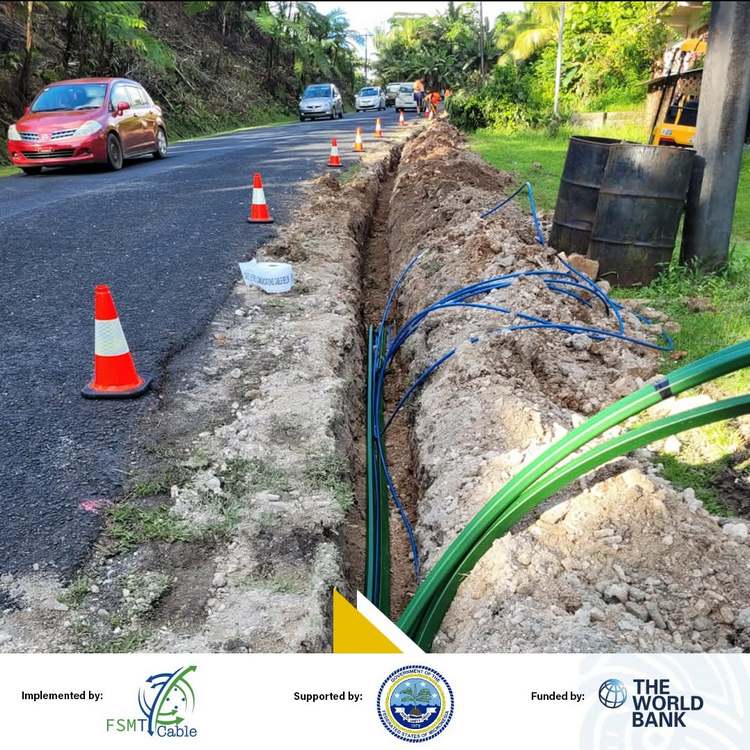
Fiber optic cables being installed in FSM – credit, Digital FSM Project / The World Bank Group
Internet access has increased 20-fold and broadband costs have fallen by 99% on the archipelago of Micronesia thanks to the ending of government monopoly in the sector.
Market liberalization has dropped the cost of internet to $65.00 per Mbps per month to just 78 cents, while more than 1,500 kilometers of undersea fiber optic cables have been laid, and advanced satellite dish networks have sprung up on the most outlying islands.
Made up of more than 600 small islands spread across 2.9 million km² of ocean, telecommunications is both complicated and absolutely necessary on the Federated States of Micronesia (FSM).
For decades, FSM had had but one single telecom provider: FSM Telecommunications Corporation, a government-granted monopoly established in 1984 to provide fixed-line, mobile, and internet across the islands. Its board members were appointed by the head of state and state governors.
In 2014, at the urging of the World Bank Group, the Telecommunications Act ended FSMTC’s monopoly, and since then internet access has increased 2,000%, reaching 88% of the whole population, as competition over the market share brought Kacific, Starlink Pacific, iSolutions Micronesia LTD, and iBoom into the country to offer new telecom products and services.
Satellite technology, which had been largely undeveloped or retarded under FSMTC’s monopoly, has now provided vital and instantaneous communications solutions for the most remote islands in the archipelago, an absolute necessity for digital government services in health care, digital ID, and voting.
It used to cost $705 per megabyte-per-second to use mobile internet data. A rate like that would translate to several hundred dollars every month for basic speeds.
It now costs just $30, while private planning in FSM has seen the archipelago become a landing point for the East Micronesia Cable system, benefiting people across FSM but also neighboring Kiribati and Nauru.
The World Bank has contributed funding and support to a next-level integration of telecom technology across FSM through its Digital FSM Project, which launched in 2020.
ARE You Reading From FSM? Leave Us A Comment Below About Your Experience…
An eastern imperial eagle in captivity - credit AngMoKio CC 3.0. BY-SA
An eastern imperial eagle in captivity – credit AngMoKio CC 3.0. BY-SA
Protection and conservation programs have recorded a banner year for the eastern imperial eagle, as majestic a bird as you’re likely to see in Europe, and the national bird of Serbia.
Emblazoned on the flag of the Balkans nation, 29 breeding pairs were counted out of which 16 helped 25 chicks to hatch and fledge.
The news comes from the Serbian Bird Protection and Research Society (DZPPS) which called it the most successful year since targeted conservation began in 2017. Then, just a single known breeding pair remained in the country.
The news is reminiscent to America sparing no amount of effort to save her own national bird: the bald eagle.
Most birds were sighted in the Banat region along the Tisa River, but expansion has also been recorded into several areas. For the first time, a nesting couple were found in southern Bačka. The population recovery has been aided by additional recolonization of Hungarian lands.
Young fledglings will be fitted with radio transceivers when possible and safe, a method of conservation that will inform where this gradually growing population of eastern imperial eagles are dispersing to, where they’re hunting, and where bachelor males are traveling.
Bird Guides.com wrote that Milan Ružić, Executive Director of DZPPS, described the species as “a symbol of nature conservation in Serbia,” adding that growing public interest in the eagle’s fortunes offered reason for optimism.
The bird is listed as “Vulnerable” by the IUCN, and though was living on the brink in Serbia, is found across Eurasia as far eastward as Hong Kong.
SHARE Serbia Working To Save Its National Bird Within Its Borders…
High schools funded and/or managed by the Bureau of Indian Education (BIE) have achieved the highest average graduation rates yet recorded in its history.
8 high schools saw every senior in the 2025/26 class graduate, while another 13 high schools achieved graduation rates of 90% or higher.
It’s no secret that Native American communities often rank as disadvantaged when measuring for things like literacy and education, medical services, life expectancy, and income levels.
The rise in graduation rates, reports AP, reflects a mixture of different approaches and accounting methods that have put the graduation rate of students at BIE managed or funded schools bang on the national average of 87-88%, eliminating that previous disparity.
“These schools are a testament to what is possible when students, families, educators, and tribal communities work together,” said BIE Director Tony Dearman.
“Our students are showing the nation what Native excellence looks like. Their success reflects the unwavering dedication across our school communities to keep students at the center of everything we do, to ensure they graduate, and to thrive afterward.”
In a statement marking the milestone, the BIE claimed that it had modernized its data systems, using technology to provide schools with pacing guides, instructional resources, real-time dashboards, and reporting tools that enable consistent instruction and early identification of student needs.
AP also quoted BIE officials as addressing data—that they would previously count students changing schools as having left school unfinished. Correcting for this, graduation statistics noticeably rose.
Additionally, remote learning: a relic of the pandemic years, remained in place at BIE schools to aid students with more home responsibilities, either as family caregivers or workers, and more opportunities and exposure to the trades helped technically-inclined students stay engaged.
Graduation rates for Native American students languished at 51% in 2015, a marker of how far the system and the myriad of different nations and approaches have come in a relatively short period of time.
CELEBRATE The Bright Futures Of These Native Nations And Their Children…
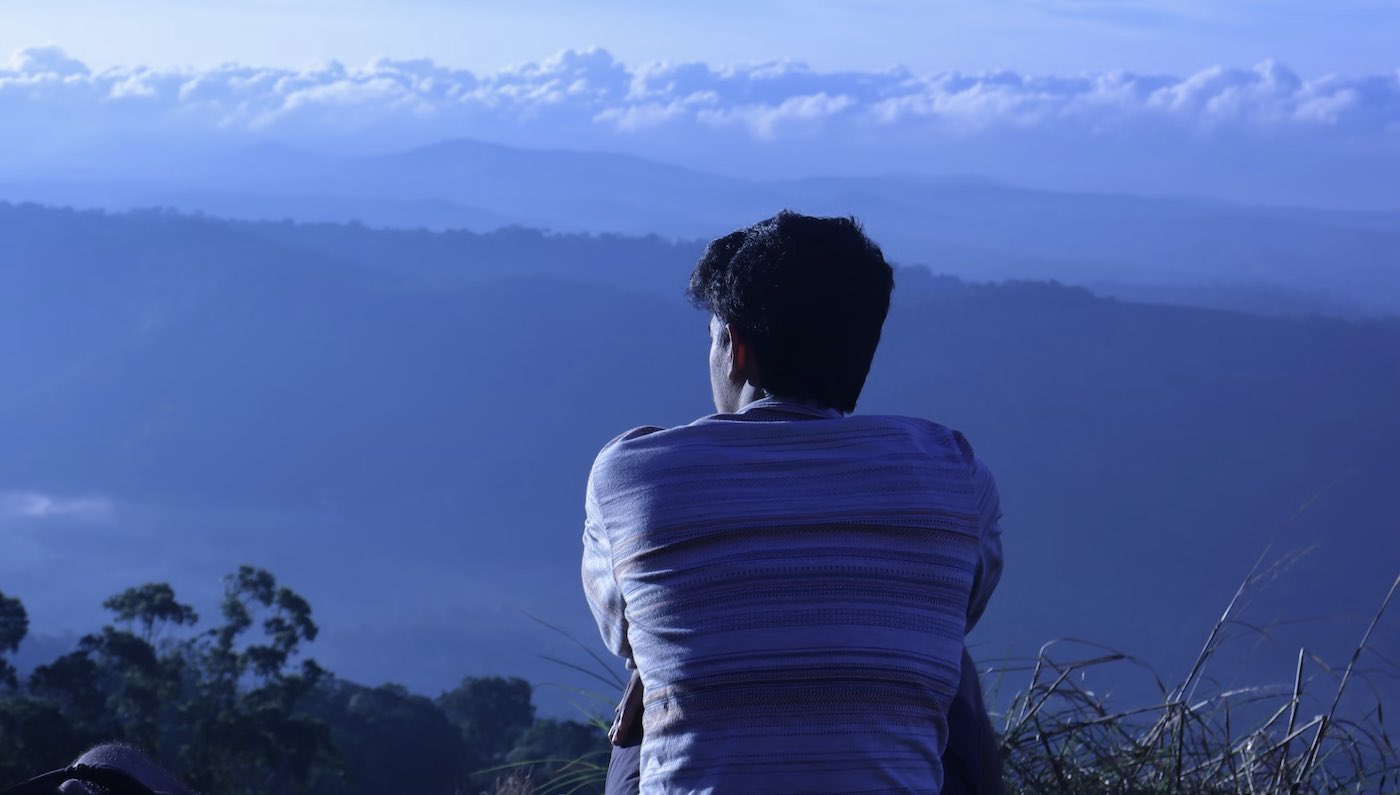
Quote of the Day: “It’s not that I’m so smart, it’s just that I stay with problems longer.” – Albert Einstein
Photo by: Abhijith
With a new inspirational quote every day, atop the perfect photo—collected and archived on our Quotes page—why not bookmark GNN.org for a daily uplift?
133 years ago today, the Vizcaya Bridge, Spain’s only UNESCO World Heritage Site of industrial heritage was completed. Spanning the two banks situated at the mouth of the Nervion River, connecting the towns of Portugalete and Las Arenas, it is the world’s oldest transporter bridge, using a 6-car gondola suspended on steel cables to ferry people and vehicles across the water without disrupting maritime traffic. READ how it was built, and how it works… (1893)
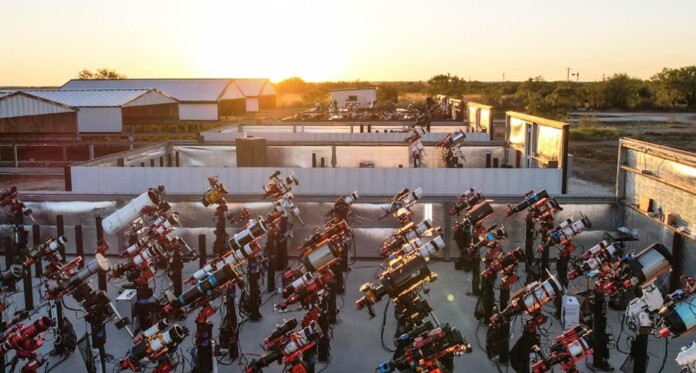
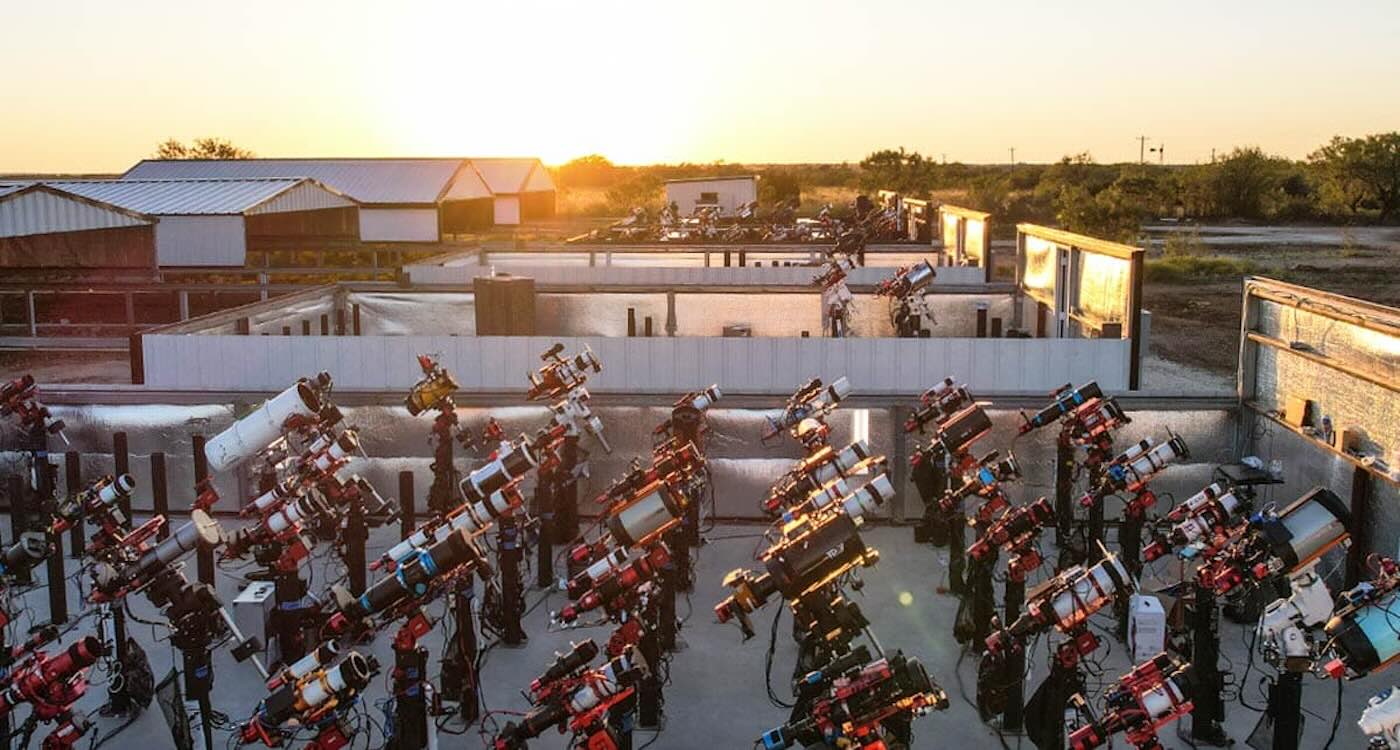
About 80 miles east of San Angelo, Texas, a young astrophotographer named Bray Falls is running one of the largest ‘telescope ranches’ on Earth.
Stargazers from around the world ship their telescope gear to Bray, who hosts hundreds of them on his 40 acres of gently rolling terrain near Rockwood.
The site is rated a ‘dark skies Bortle 1’ zone, offering pristine views of the cosmos free of light pollution.
Bray—who is widely recognized for deep-sky imaging and discovering new nebulae structures—accepts clients’ telescopes, mounts them, and then allows remote positioning of the scopes from the owner’s computer anywhere on Earth for a monthly fee.
The ranch maintains a rental space for nearly a thousand telescopes stored inside a dozen large metal buildings called Starfront Observatories.
Each telescope is securely mounted on a concrete pier, and accurately aligned with the celestial pole to ensure it’s perfectly parallel to Earth’s axis of rotation. The alignment enables the telescope to track the night sky seamlessly.
Starfront Observatories and the Milky Way
During the day, the roofs of the buildings safely protect the scopes, but at night, the fun begins as the roofs roll back to offer the telescopes’ nightly ritual of peering into the depths of the universe, yielding control to their owners thousands of miles away.
With these advanced scopes, owners obtain high-resolution images of whatever they care to look at.
The cost to rent a space for your telescope range ranges between $99 and $149 per month, not including an installation fee or the costs of any on-site tech support or equipment purchases.
The observatory buildings are gated, and equipped with security cameras and 24/7 private security to guard against burglaries.
Artist’s impression of the CD-35 2722 system - credit, ESO/M. Kornmesser
Artist’s impression of the CD-35 2722 system – credit, ESO/M. Kornmesser
As soon as Aleksander Wolszczan confirmed the observation of the first planet outside of our solar system, he immediately reasoned that thousands more would be discovered in the coming decades.
On that prediction the astronomer, now 80, was eminently correct, and the trend has expanded to the point that recent observation seems to include the first recorded moon outside our solar system.
The presented evidence for a moon-like object in the CD-35 2722 star system, however, raises questions about what the word “moon” even means. That’s because unlike moons in our solar system, the newly-found object does not orbit a planet, but a star; and it is a heck of a lot larger than any moon in our neighborhood.
Nevertheless, European Southern Observatory’s Very Large Telescope (ESO’s VLT) found what is the first confirmed “three-tiered system,” of a star with a body orbiting it, and a third, smaller body orbiting that.
Kevin Hoy, an ESO student in Chile and lead author of the study published in Nature, describes the system he spent months analyzing as “super weird” compared to our own.
The biggest object in this young system is the star CD-35 2722, which has about half the mass of the Sun. The star is being orbited by a brown dwarf, an object too massive to be a planet but too small to be a star. This brown dwarf has a satellite, which we usually call a moon, but in this case it’s about as big as Jupiter.
“This system is somewhat hard to define using Solar-System-based words like ‘planet’ and ‘moon,’” states Hoy, who is also affiliated with the Universidad Diego Portales and YEMS, a multidisciplinary research center focused on detecting exoplanets and exomoons.
Hoy and his co-authors have settled on the most technical terminology available, and called the third-order object an “exosatellite.”
“The exosatellite is clearly massive enough to be a planet, but it does not orbit a star, though it orbits an object that orbits a star,” says Hoy. “Being the third wheel in this system makes us want to call it a moon, even if it’s nothing like the small, rocky moons we have in our system.”
“We have a clear delineation between the planets and the Sun in the Solar System, so defining things like moons is simple,” adds Alice Zurlo, YEMS Director and collaborator on the study.
“In the CD-35 2722 system, where we are blurring the lines between stars, planets, and moons, the whole thing becomes more complicated to describe.”
MORE FIRSTS IN SPACE:
Regardless of what to call this object, astronomers have been trying to detect satellites outside our Solar System for years, but none has yet been confidently detected. Therefore, despite the over 6,000 exoplanets discovered to date, only a few exomoon candidates have been spotted and the evidence to support them is limited.
For the CD-35 2722 observations, Hoy, Zurlo, and their team used the CRIRES+ instrument on the VLT, employing the method that was used to find the first exoplanet around a Sun-like star.
They applied this radial velocity method to detect small wobbles on the brown dwarf caused by the gravity of the object orbiting it, finding what the team believe to be strong evidence for this ‘moon.’
“This system is truly unique and represents a breakthrough: the first plausible detection of an exosatellite,” says Zurlo confidently.
Like Wolszczan’s, the detection could herald a rapid acceleration in the identification of exosatellites/moons. 6 of the 8 planets in our solar system have natural moons, so they should be fairly common in the universe. The issue is that they’re small. Our Moon is quite small compared to Earth, but Phobos, the largest satellite of Mars, is just 7 miles across.
SHARE This Brilliant Science And The Breakthrough It Portends In Moonspotting…
71 year old Liu Defang (left) comes to rescue a suicidal jumper - credit, police footage, released to Chinese social media.
71 year old Liu Defang (left) comes to rescue a suicidal jumper – credit, police footage, released to Chinese social media.
From China’s Anhui Province comes a story that reminds us it’s never too late to learn.
71-year-old Liu Defang remembers chatting with her friends while out one day near a bridge in her hometown in Suixi County. She suddenly heard someone shout that a man had fallen into the water.
Social media footage showed that he hadn’t fallen from the bridge, but jumped off in an apparent suicide attempt.
That wasn’t for Ms. Liu to know, however, and without wasting time, the white-haired fitness enthusiast, who had only learned how to swim a few years earlier after retiring from her job, entered the water to try and save what she thought was a drowning man.
Someone quickly found a rigid life preserver and threw it to Liu, who used it to reach the man whom she tried to support. But to her surprise, the man resisted.
Despite being more than twice the man’s age, Liu got control of him and dragged him to the shore where locals were there to lend Liu a hand—who admitted she was exhausted from the ordeal.
Realizing the man and the rescue had created quite a stir, Liu “slipped away” as Alice Yan reported for the South China Morning Post, hoping not to be seen.
“It was not a big deal for me. I did not tell my family for fear that they would worry about me,” Liu was quoted as saying.
Yet local police wanted to know who the Good Samaritan was, and so released the local traffic camera and other surveillance footage of the ordeal on social media, hoping someone would recognize the rescuer.
The video went viral on Chinese social platforms, with hundreds commending her in the comment sections. Sure enough, a relation did recognize her in the video: the very person Liu had most hoped to avoid alerting of her heroics: her brother.
“My brother scolded me severely. He said, ‘You are already over 70 years old. How dare you jump into the river to save others? Why didn’t you think of the consequences?’” Liu said, adding that her daughter shared the same worries.
The yoga adept shrugged her brother’s rebuke off, but did wish she could have said something to the man she saved: that difficulties, whatever they are, always pass in time, and that life is a precious gift that should not be forfeited so easily.
SHARE This Heroic Woman’s Rescue Of A Desperate Man On Social Media…
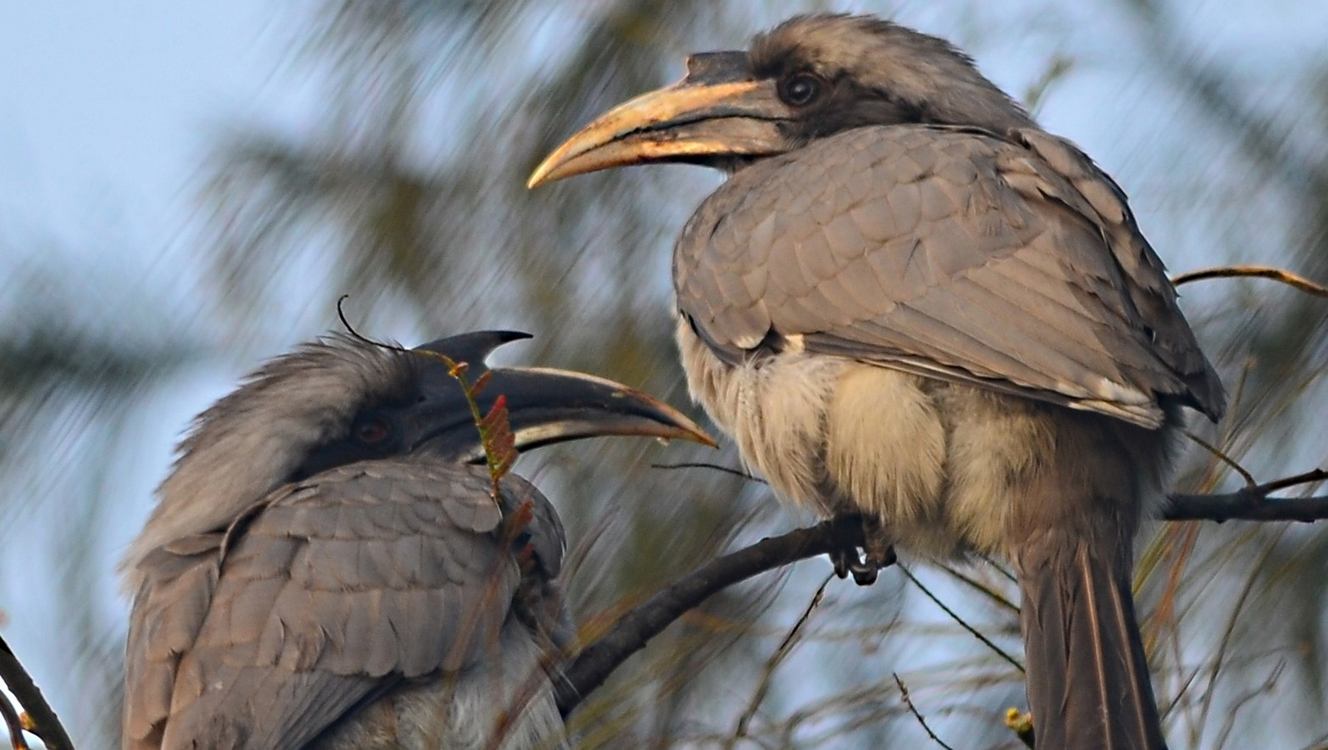
A pair of Indian grey hornbills in northern India - credit, Munish Jauhar, Own work, CC BY-SA 3.0
A pair of Indian grey hornbills in northern India – credit, Munish Jauhar, Own work, CC BY-SA 3.0
For the 4th year in a row, Indian grey hornbills have successfully bred in Gujarat state where they’d been absent for more than 50 years.
Despite being listed as a species of “Least Concern” by the IUCN, the animal has habitat requirements that can see it quickly succumb to displacement.
Indeed even Gir National Park, an internationally renowned reserve stretching 540 square miles across West India’s deserts, hadn’t seen a nesting grey hornbill pair since the 1960s.
But after a strategic reintroduction program was initiated in 2021, these large social birds now number 40-strong and counting.
It’s the 4th year since the program became that nesting pairs have been recorded raising chicks. The bird requires large, mature, native tree species old enough to develop hollows that can fit the 24-inch-long bird inside where they build their nests. They also need an abundant supply of fruit from nearby trees.
Because of this, Indian conservationists describe the Indian grey hornbill as one of the sub-continent’s indicator species, one which owes its flourishing to the flourishing landscape, and its decline to an early landscape decline that may soon come to affect other species.
To attain that arboreal flourishing, areas inside Gir had to undergo years of habitat restoration and careful protection to get them ready for the birds.
The Better India reports that this strategy has seen them successfully reach the point whereby the population can breed in a self-sustaining manner, without future reintroductions required to support the animals.
SHARE This Great Bird Comeback In West India’s Deserts On Social Media…
Quote of the Day: “There is only one corner of the universe you can be certain of improving, and that’s your own self.” – Aldous Huxley
Photo by: Jeremy Bishop
With a new inspirational quote every day, atop the perfect photo—collected and archived on our Quotes page—why not bookmark GNN.org for a daily uplift?
86 years ago today, Bugs Bunny, the wisecracking Warner Bros cartoon character, first debuted in an animated short entitled A Wild Hare. Supervised by Fred ‘Tex’ Avery, it featured a hunter named Elmer Fudd pursuing a wily rabbit voiced by Mel Blanc. The pair became beloved, and their debut received an Oscar nomination for Best Animated Short. WATCH the opening scene and learn more… (1940)
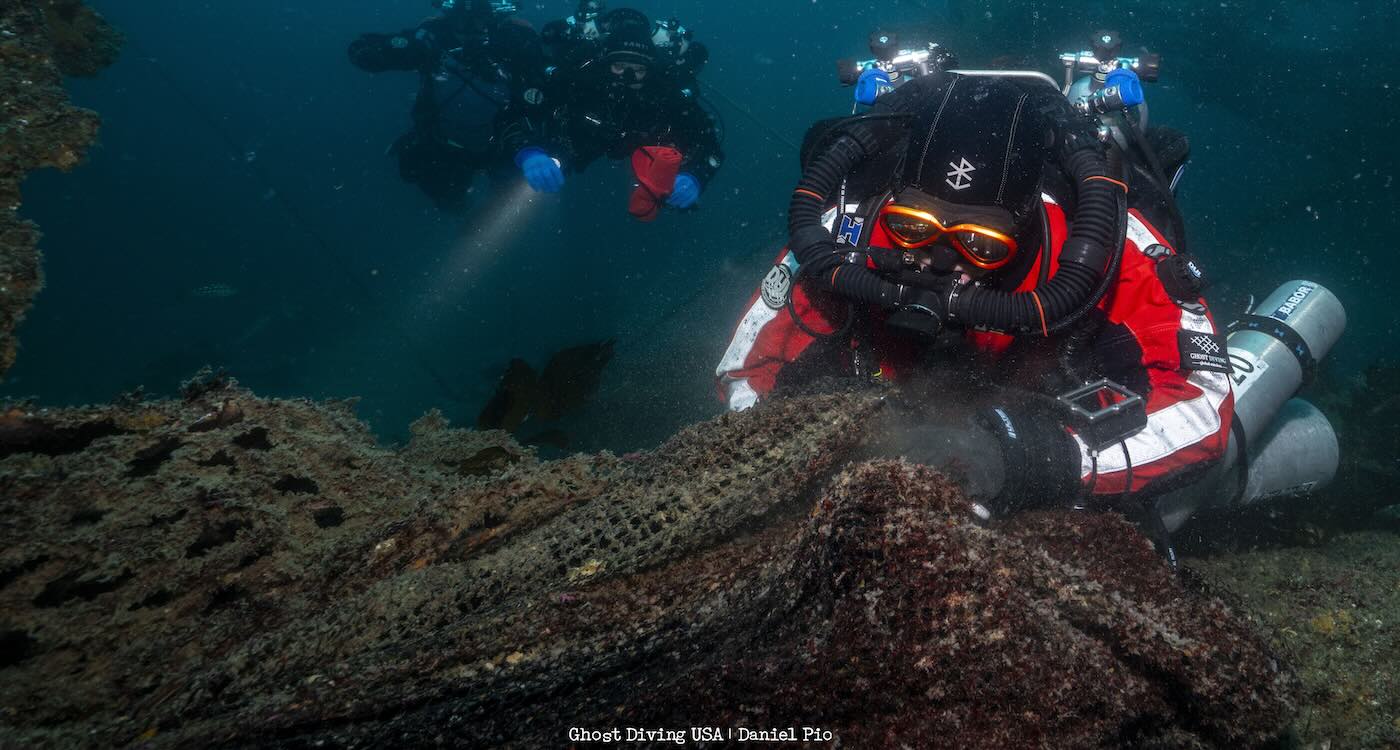
Volunteers recover abandoned fishing nets from ocean floor near Catalina on July 12, 2026 – Credit: Ghost Diving USA
Healthy Seas / Hyundai
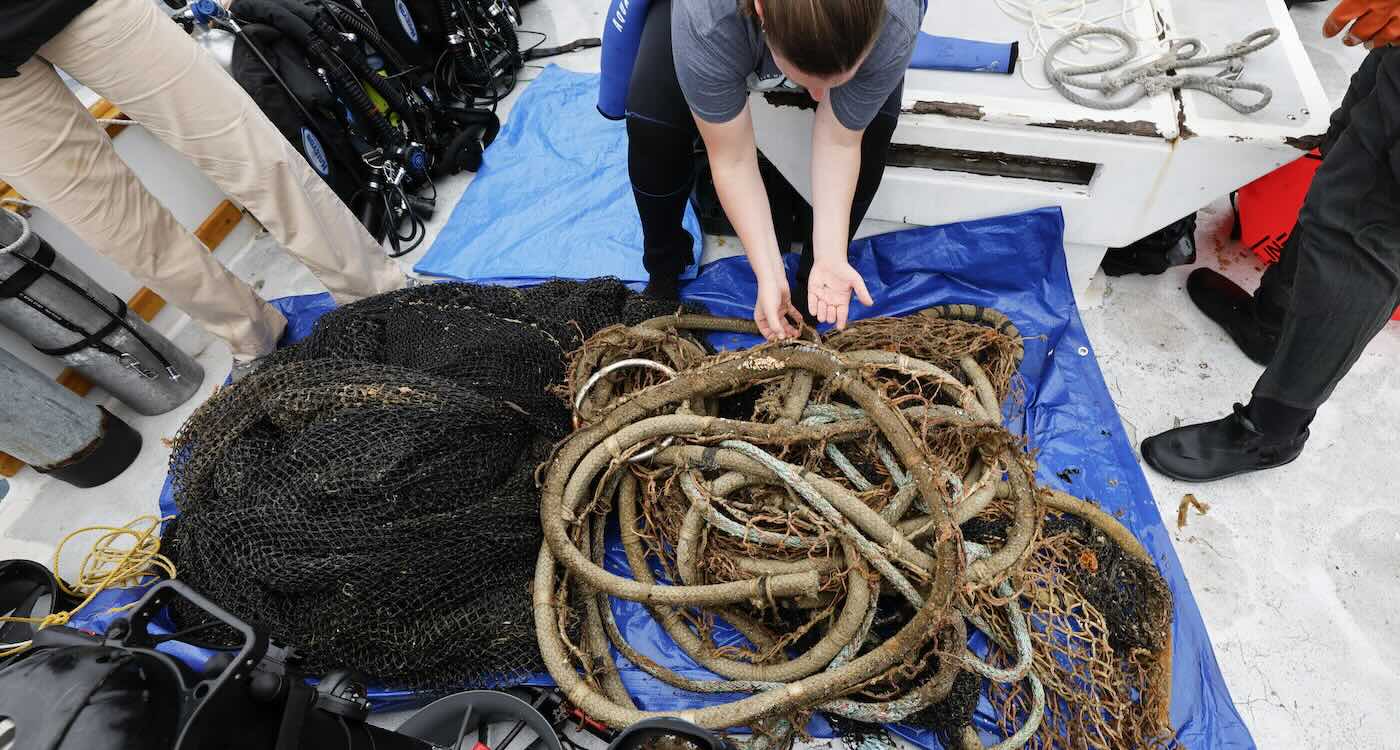
Off the coast of Catalina Island for 15 years, the fishing vessel Midnight Hour has sat on the ocean floor—its sunken wreckage becoming a tangle of abandoned fishing nets, the kind that drift in the current while trapping debris—and marine life.
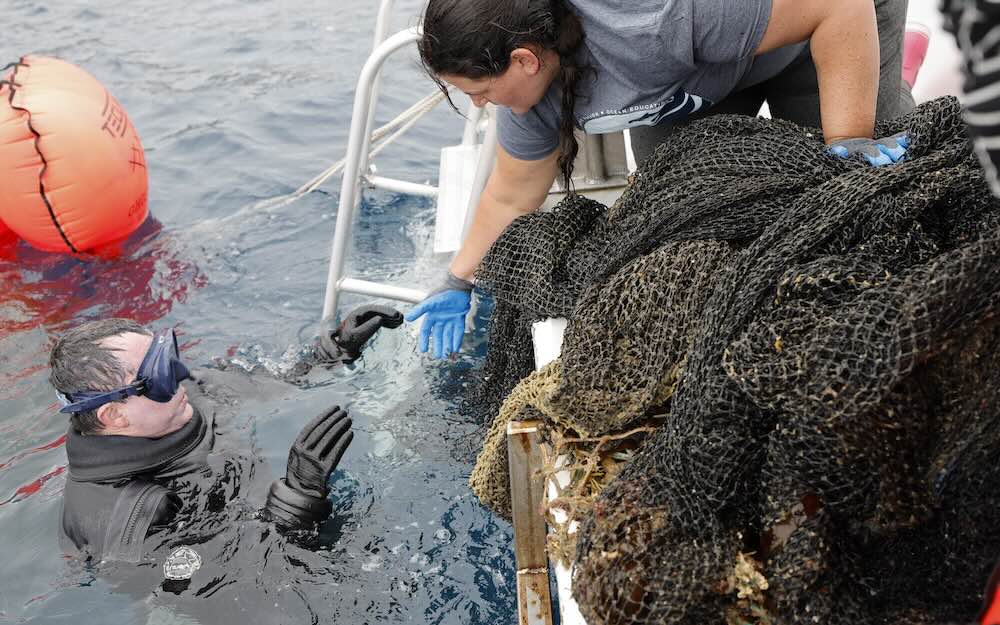
Good News Network joined divers on the water for a mission to collect the “ghost nets” and remove the threat to California wildlife.
We joined members of a partnership that has been around the world recovering tons of the tangled nets—and, perhaps best of all, some of the fibers and plastic are being separated for recycling to become new floor mats in Hyundai cars.
The nonprofit Healthy Seas teamed up with Hyundai and they’re now bringing the mission to America, after years of working together in Europe and Korea.
Under the care of another partner, Ghost Diving USA, divers were able to cut loose the netting at the Catalina wreck site and bring it up for recycling or disposal.
Volunteers recover abandoned fishing nets from ocean floor near Catalina on July 12, 2026 – Credit: Ghost Diving USA
More than 1,300 tons of nets removed
Since 2013, Healthy Seas has recovered more than 1,300 tons of nets and marine debris worldwide. Hyundai began supporting the nonprofit back in 2021—and they orchestrated a nice symmetry by recycling the material from the ocean floor to make new mats for the car floor.
Suitable nylon material gets regenerated into a recycled yarn called ECONYL, which is turned into new products—including floor mats used in many Hyundai models sold in Europe such as the IONIQ, INSTER, SANTA FE, and NEXO.
As the divers work on the wreck site, tangled with heavy netting, every pull brings up debris that’s been collecting for years.
Hyundai reported that across the ten countries where the partnership now operates, it has helped recover more than 320 tons of marine litter.
The mission GNN filmed near Catalina is part of a new initiative called From Sea to Shore, which includes a beach cleanup with Hyundai employees at Huntington State Beach, and an “Ocean Heroes” education workshop for kids at the local Boys & Girls Clubs of Huntington Valley.
“We are connecting different parts of the same story,” said Veronika Mikos, Director of Healthy Seas. “Removing litter from the coast, recovering ghost fishing gear from the ocean, and inspiring children to understand and protect marine life.”
And, inspiring everyone to remember that trash pulled from the ocean doesn’t have to remain trash forever.
WATCH, as our video takes you underwater with divers and on deck with the crew as clean up one corner of this Southern California ocean neighborhood…
SHARE THE STORY With Ocean LOVERS On Social Media…
Air quality continues to improve across Europe, with emissions from most of the major pollutants declining by significant amounts.
“The overall picture remains positive,” according to the annual Assessment Report on European Air Quality 2025, released by the Copernicus Atmosphere Monitoring Service (CAMS), an EU program that has monitored changing air pollution levels for over ten years.
“Air quality continues to improve in Europe, with emissions of key air pollutants declining across the continent as a result of long-standing air quality policies, technological improvements, and cleaner industrial and transport systems,” said the report.
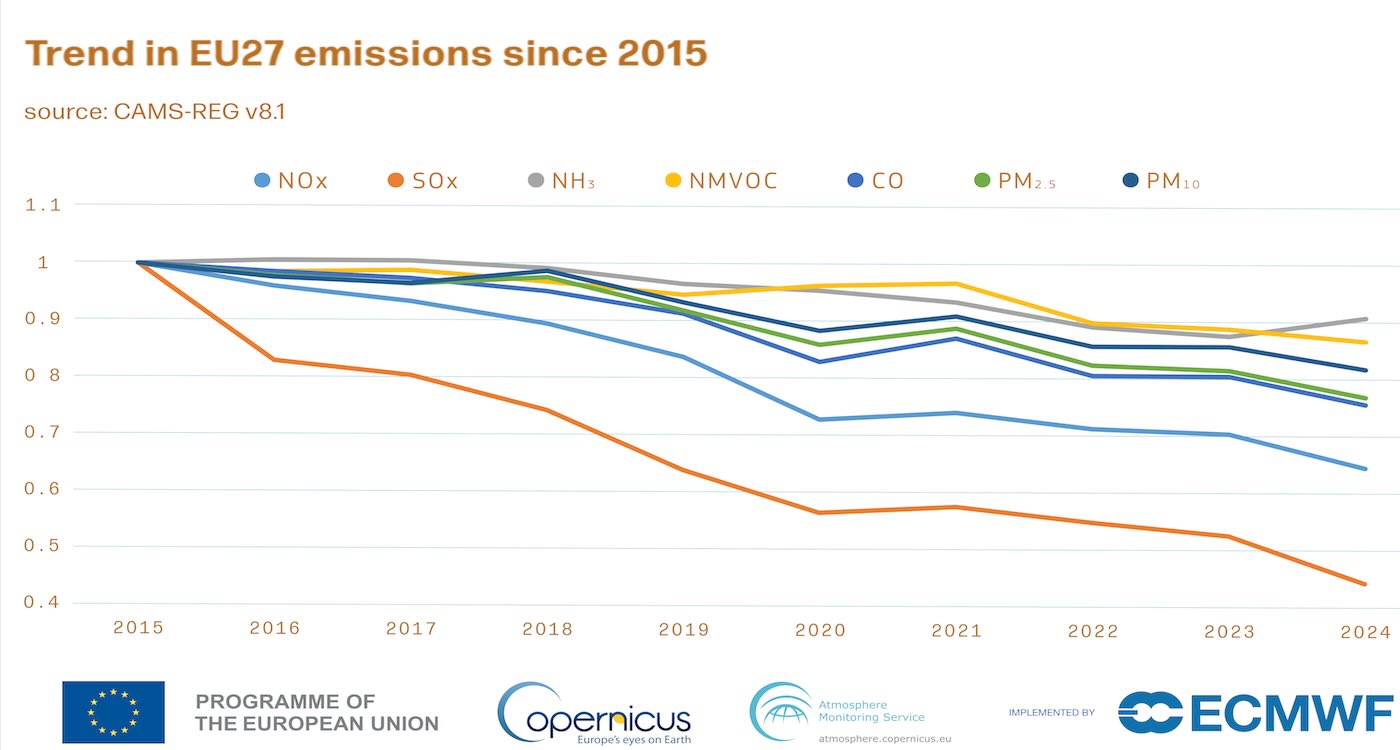
In the past decade, CAMS monitoring shows that emissions of sulphur oxides and nitrogen oxides have fallen by approximately 3-5% per year, across the European Union.
The most significant reductions have been achieved in industry (like smokestack emissions) and road transport (like car emissions).
Since 2015, industrial emissions of sulphur oxides have fallen by 59%, while nitrogen oxide emissions from industry have declined by 39%.
Road transport emissions have also fallen substantially, with reductions of 40% for nitrogen oxides and 34% for fine particulate matter (PM2.5).
Each colored line represents a major pollutant in 10-year trend:
Courtesy of CAMS / Copernicus
The CAMS Air Quality report provides a clear indication that air quality policies are working. At the same time, a deeper dive into the report demonstrates that year-to-year variations in weather conditions can significantly influence pollution levels, even as long-term trends continue to improve.
CAMS is one of six services that form Copernicus, the European Union’s Earth observation program that studies the environment for the ultimate benefit of all European citizens.
The CAMS website says they will continue to not only identify “where pollution occurred” in 120 cities across Europe, “but also the factors that caused it”.
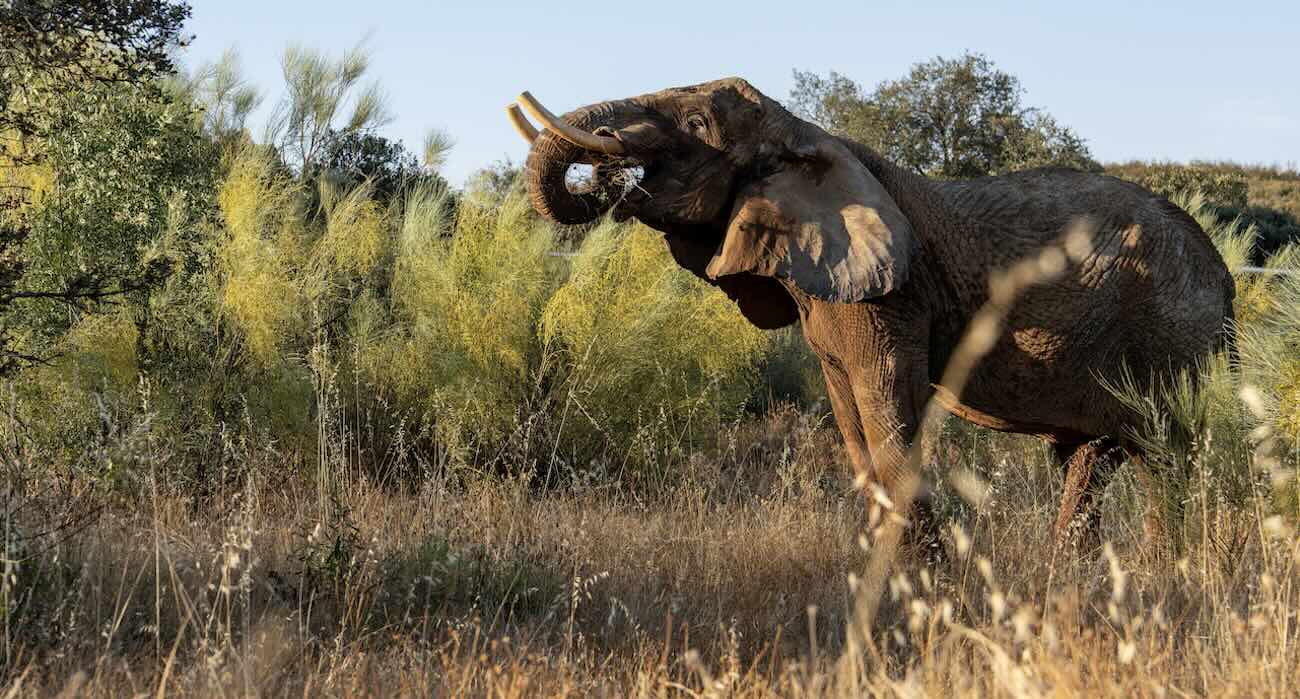
Julie the elephant's first day at Pangea Elephant Sanctuary in Portugal – SWNS
Julie the elephant’s first day at Pangea Elephant Sanctuary in Portugal – SWNS
A lazy retirement was bestowed upon the last circus elephant in Portugal who just became a resident of the country’s first sanctuary dedicated to working pachyderms.
After 40 years of performing, Julie was transported on June 30 from her old circus home to the Pangea Elephant Sanctuary in Alentejo.
Julie was captured as a calf in Africa during the late-1980s, and brought to Portugal where she began performing in circuses in 1988.
In 2018, the Portuguese government passed a law to ban wild animal performances by 2024. Julie didn’t have anywhere to go, until Pangea Elephant Sanctuary reached out to her former owner.
The sanctuary is the first of its kind in Europe, and while it was still being built, they began planned Julie’s move as the first elephant to be welcomed on site.
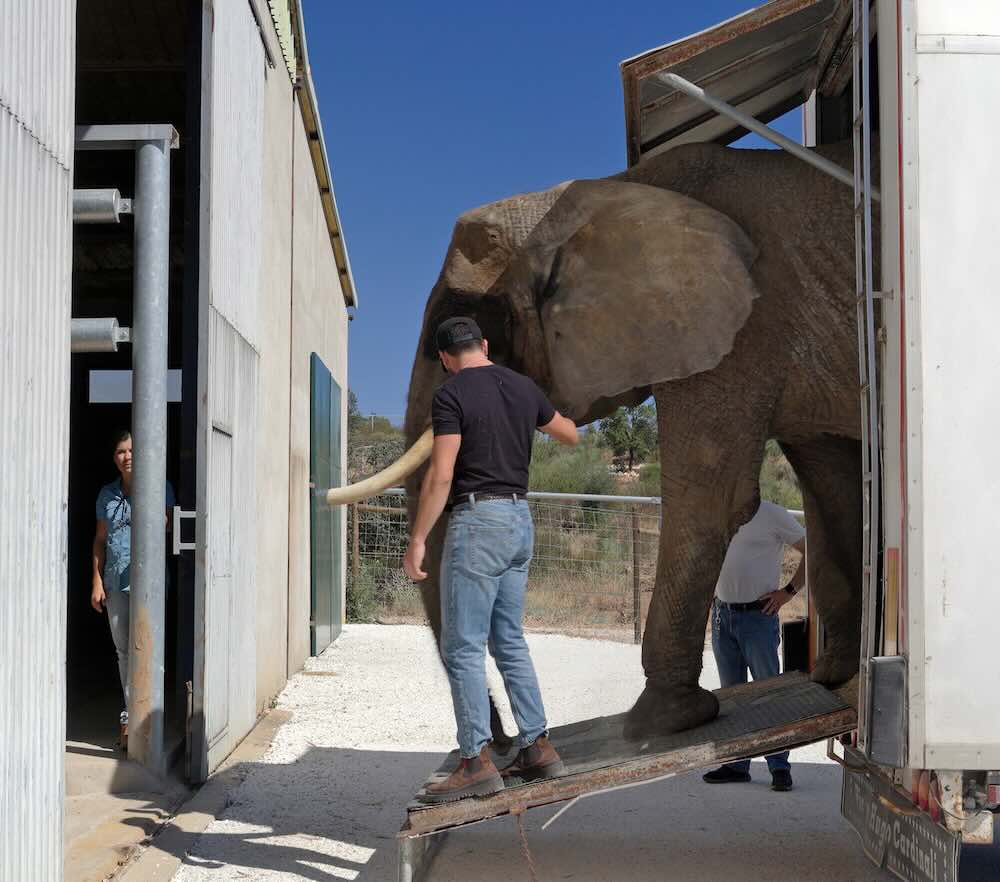
18 months later, after a three hour truck ride from the Víctor Hugo Cardinali circus grounds, Julie made herself at home right away. (See the video at the bottom…)
Julie arrives at Pangea Elephant Sanctuary in Alentejo, Portugal – SWNS
“There couldn’t be a more fitting first resident than Portugal’s last circus elephant,” said the sanctuary’s managing director, Kate Moore.
“Our focus is now to give Julie the best possible quality of life in her time ahead.”
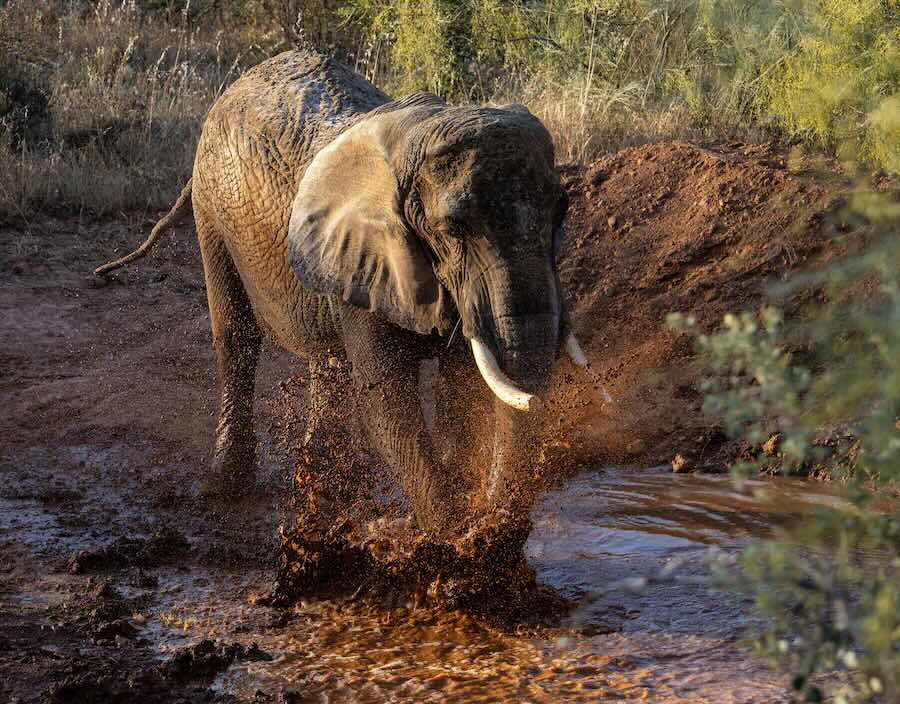
Julie explores a watering hole at Pangea Elephant Sanctuary-SWNS
The sanctuary spans 1,000 acres and hopes to eventually house 20–35 elephants, but has limited occupancy at this stage while they erect more barns and fences.
Pangea, an independent charity registered in the UK and Portugal, was even offered a sponsorship for Julie from an English primary school, which adopted the animal before her move by providing a £100 donation.
Julie is expected to be joined later this year by Kariba, another female African elephant that was also wild-caught—and is now in her 40s like Julie—and is currently living alone at a zoo in Belgium.
With a new inspirational quote every day, atop the perfect photo—collected and archived on our Quotes page—why not bookmark GNN.org for a daily uplift?
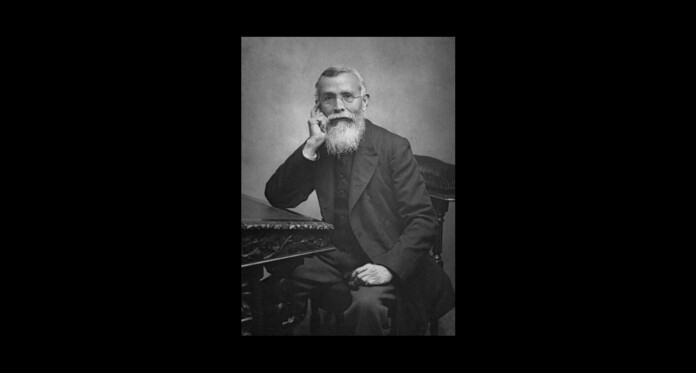
Dadabhai Naoroji in the year he was elected to Parliament- public domain
134 years ago today, Dadabhai Naoroji was elected as the first Indian Member of Parliament in Britain. A merchant, scholar, writer, and political leader who served as a founding member of the Indian National Congress, Naoroji is particularly known for formulating the “drain theory,” which argued that economic exploitation under British rule led to the transfer of wealth from India to Britain. His work was influential among early nationalists and reformers, and he remained a key figure in shaping early Indian political thought. READ more about this pioneering freedom-fighter and some of his work as an MP… (1892)
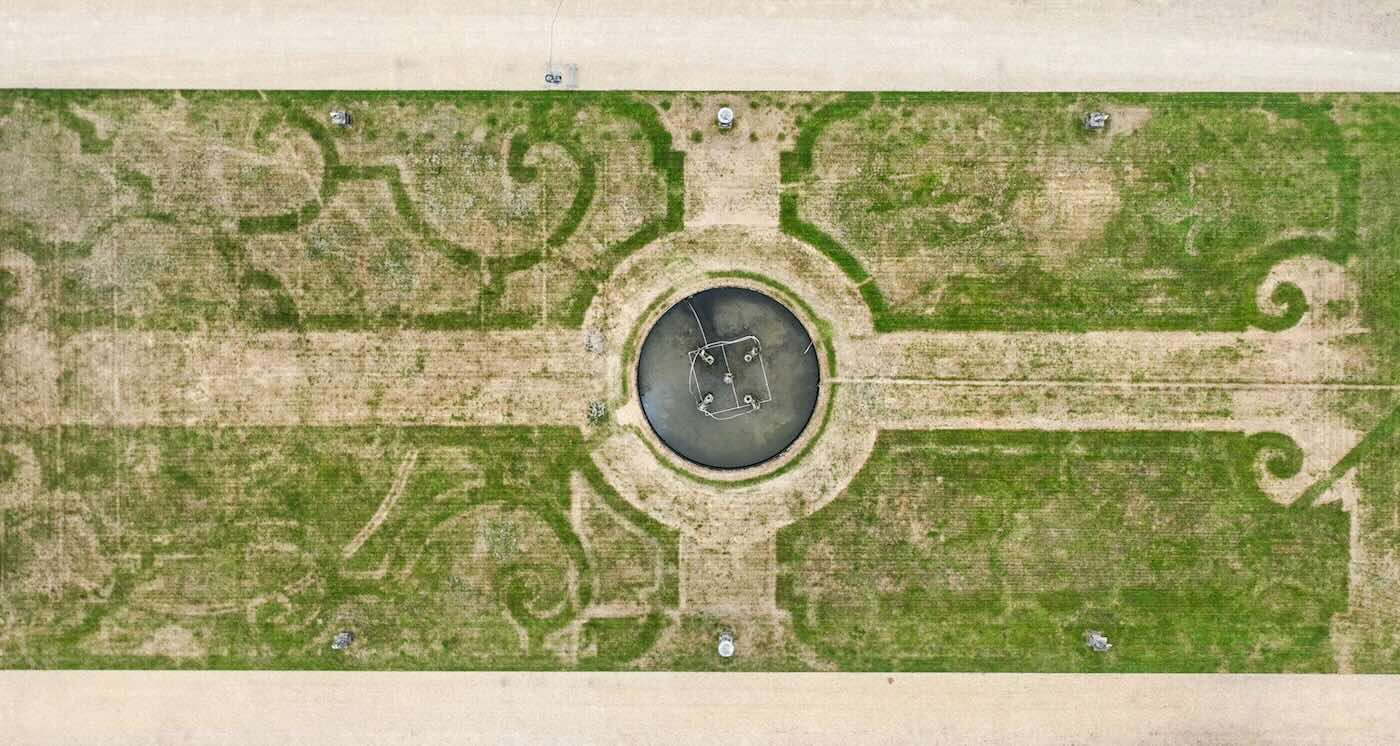
Heatwave reveals historic garden design – Chatsworth House / SWNS
Heatwave reveals historic garden design – Chatsworth House / SWNS
The outline of a ‘lost’ 17th century garden has been revealed at a stately British home following the record heatwave and long drought.
Beneath the parched grass was an ornate garden design being rediscovered after more than 350 years at Chatsworth House in Derbyshire.
It turns out, the ornamental arrangement of flower beds and paths known as ‘The Great Parterre’ was created for the 1st Duke of Devonshire around 1699 and built along the south façade of the English estate.
The elaborate, perfectly symmetrical garden measured 473-ft-long (144m) by 227-ft wide (69m), all of which followed the fashion of the day for formal gardens.
It only flourished for 30 years before being covered over and replaced with a new design around 1730.
A spokesperson for Chatsworth House Trust said after temperatures exceeded 30°C (86°F) in May, June and July, and with the “exceptionally dry” start to July, the lawn was “parched enough for history to reveal itself once again”.
Recent record high temperatures and long periods without rain have revealed the outline of an ornate 17th-century garden design on Chatsworth’s South Lawn – SWNS / Chatsworth House
They further explained: “As the grass that was laid to replace the flowerbeds and paths has shorter roots, it burns more quickly when temperatures are high and dry, creating a contrast and temporarily revealing the swirling patterns of the First Duke’s original garden underneath.”
Chatsworth House / SWNS
Home to the Devonshire family for 16 Generations, the historical garden now makes up the south lawn, part of the 105-acre garden at Chatsworth House.
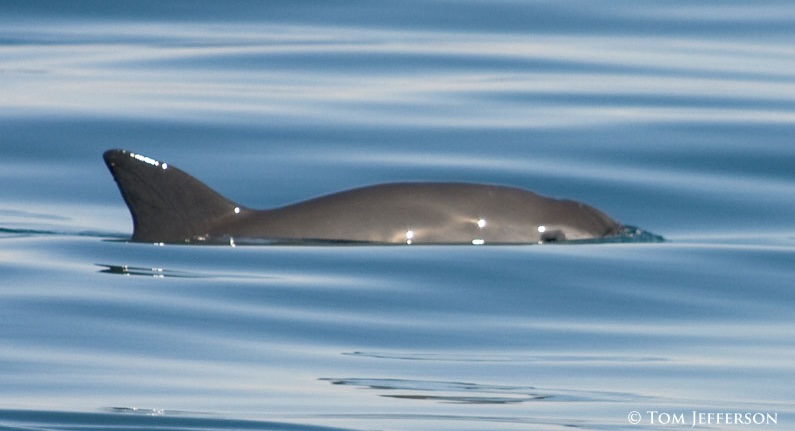
Vaquita, Gulf of California in 2008 – NOAA Fisheries on Flickr (CC BY-NC-ND 2.0)
Vaquita, Gulf of California in 2008 – NOAA Fisheries on Flickr (CC BY-NC-ND 2.0)
The elusive vaquita porpoise swims in the wild only in shallow northern waters of Mexico’s Gulf of California (also known as the Sea of Cortez)—and it’s one of the rarest and most endangered marine mammals on Earth.
With a wild population numbering as low as ten, the vaquita is perilously close to extinction—an outcome caused by their entanglement in gillnets, which are used to illegally catch another banned species for the international black market.
Measuring a compact 5 feet in length, Phocoena sinus is the world’s smallest cetacean (pronounced se·tay·shn)—a group that includes whales, dolphins, and porpoises.
Known for the distinctive dark rings around the eyes and mouth, the vaquita only became known to science in the latter half of the 20th century.
Despite intensive conservation efforts, the vaquita’s future remains uncertain—which is why the new project is so exciting for scholars and students.
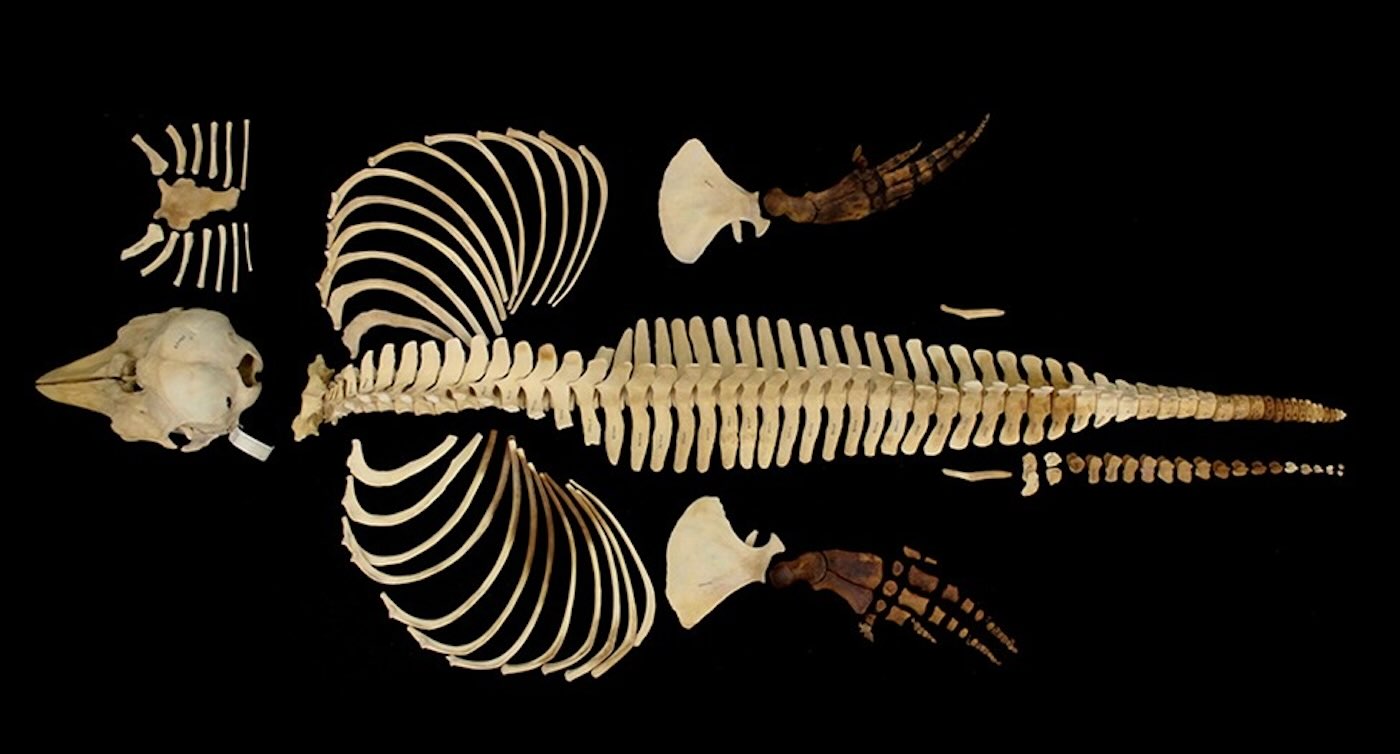
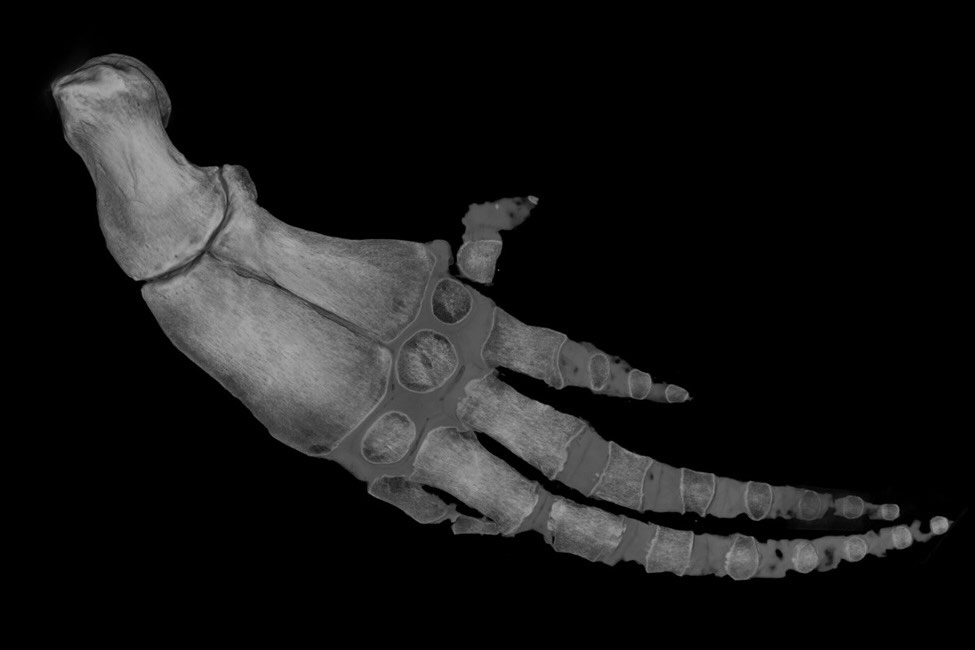
Researchers from Florida Atlantic University—in collaboration with the San Diego Natural History Museum, SeaWorld California, and NOAA Fisheries—have created a highly detailed digital record of a rare vaquita skeleton using advanced imaging technologies.
Rare female vaquita porpoise skeleton – Courtesy: Florida Atlantic University
The team combined medical CT scanning, high-resolution micro-CT imaging, and digital photography to capture the specimen at multiple scales, from overall skeletal structure to microscopic bone detail.
The resulting datasets were reconstructed into precise 3D models that allow the entire skeleton—which was donated to the museum in 1966—to be virtually explored, measured, and studied without having people handling the fragile original specimen.
The project, published in June 2026 in Marine Mammal Science, makes all data freely available through the open-access repository MorphoSource, including photographs, scan data and downloadable 3D meshes.
Vaquita flipper – Florida Atlantic University
“These digital resources can be used for scientific research, education, and public outreach, including the creation of 3D-printed replicas for museums and classrooms,” says the project’s media release.
“By transforming a rare physical specimen into a permanent, shareable digital archive, the study expands access to the world’s smallest porpoise and most endangered marine mammal and provides a new tool for conservation and learning.”
The survival of this species depends on urgent, coordinated international action to eliminate gillnet fishing within the vaquita habitat. Fortunately, such efforts are already underway—and you can support them via the National Marine Mammal Foundation.
SHARE SOME GOOD NEWS With Animal Lovers on Social Media…