F7JG39 High school students watching classmate at woodcutting machine - Credit: JPMorgan-Chase
Quote of the Day: “We all start with gifts. Merit comes from what we make of them” – Jean Toomer
Photo by: JP Morgan-Chase
With a new inspirational quote every day, atop the perfect photo—collected and archived on our Quotes page—why not bookmark GNN.org for a daily uplift?
F7JG39 High school students watching classmate at woodcutting machine – Credit: JPMorgan-Chase
Sunset on Lake Palestine - credit, TexasLand, provided to TPWF as a courtesy
Sunset on Lake Palestine – credit, TexasLand, provided to TPWF as a courtesy
A “gem” of a landscape in eastern Texas has been sold by its multigenerational owners for the purpose of becoming a state park.
The property is the longest remaining, contiguous piece of land on Lake Palestine’s shore, and contains pine woods, short bluffs, wetlands, and a pecan orchard that will all soon be open for camping, kayaking, and other forms of recreation.
Sat across 650 acres in Henderson County, the property has for 80 years been owned by the Pollard Family, which built a business growing pecans there up until present day when the current owner, Sam Pollard, decided to put it on the market for public or private conservation purposes.
“This land is part of my soul,” Pollard, who’s also president of Texas Pecan Nursery, said in a statement. “It means a lot to me that we can leave a legacy for people to enjoy.”
The final price was a largely ceremonial pittance of just $1 million—paid by the Texas Parks and Wildlife Foundation nonprofit which buys land that it believes could become Texas State Park land and holds it until the authorities can afford to buy it off them.
“Opportunities to protect a property like this don’t come along very often, and when they do, timing is critical,” said Anne Brown, executive director of the Texas Parks and Wildlife Foundation, the statement. “TPWF was able to step in and secure this land now so it can ultimately become a place where generations of Texans can enjoy the outdoors.”
The property offers significant potential for both conservation and outdoor recreation. Lake Palestine reaches depths of 58 feet and is popular for boating, paddling, swimming and fishing for bass, catfish, and sunfish. Future park visitors will also enjoy scenic blufftop lake views, wildlife and bird watching, and the property’s existing pecan orchard. It also provides habitat for white-tailed deer, bobcats, waterfowl and a variety of woodland and water-dependent birds.
The statement details that the foundation will hold the property until the Texas Parks and Wildlife Department can acquire it in late 2027, when additional funding from the Centennial Parks Conservation Fund becomes available. The fund was authorized several years ago to expand and improve the state park system and recreation opportunities offered therein.
“We are excited to add this East Texas gem to the Texas State Park system,” said Rodney Franklin, director of Texas State Parks at TPWD. “Families will be able to enjoy lake recreation on Lake Palestine, along with the pecan trees that are a signature of the property. We are grateful to our partners, the Texas Parks and Wildlife Foundation, and to owner Sam Pollard and his family who have generously allowed this special slice of the Pineywoods to be accessible for generations of Texans.”
The department plans to open the future park in phases, beginning with guided access, followed by day use and eventually full day and overnight access. After it purchases the property from the foundation, the department will invite public input to discuss options for the future park.
Once developed, planned amenities include hike and bike trails, traditional and primitive campsites, day-use areas and lakefront access. Habitat restoration will also be an important part of preparing the property for its future as a state park.
SPREAD The Word About This Beautiful Tract Of Texas Set To Become A Park…
Scientists are reporting that a simple adjustment to how people walk can relieve knee arthritis pain as effectively as prescription drugs—while also slowing the deterioration of cartilage.
Nearly a quarter of people over the age of 40 experience painful osteoarthritis, due to degrading joint-cushioning cartilage—and there is currently no way of reversing this damage. The only option is to manage pain with medication, and eventually, joint replacement.
Now, researchers from the University of Utah, New York University, and Stanford are now demonstrating the potential for another option: gait retraining.
By making a small adjustment to the angle of their foot while walking, participants in a year-long randomized control trial experienced pain relief equivalent to medication.
Critically, those participants also showed less knee cartilage degradation over that period as compared to a group that received a placebo treatment.
Published on August 13 in The Lancet Rheumatology, these findings come from the first placebo-controlled study to demonstrate the effectiveness of a biomechanical intervention for osteoarthritis.
“We’ve known that for people with osteoarthritis, higher loads in their knee accelerate progression, and that changing the foot angle can reduce knee load,” said Scott Uhlrich, an assistant professor of mechanical engineering at Utah.
“But there have not been randomized, placebo-controlled studies to show that they’re effective.”
A personalized approach to gait retraining
With support from the National Institutes of Health, the researchers were specifically looking at patients with mild-to-moderate osteoarthritis in the medial compartment of the knee—on the inside of the leg—which tends to bear more weight than the lateral, outside, compartment.
This form of osteoarthritis is the most common, but the ideal foot angle for reducing load in the medial side of the knee differs from person to person, depending on their natural gait and how it changes when they adopt the new walking pattern.
“Previous trials prescribed the same intervention to all individuals, resulting in some individuals not reducing, or even increasing, their joint loading,” Uhlrich said. “We used a personalized approach to selecting each individual’s new walking pattern, which improved how much individuals could offload their knee and likely contributed to the positive effect on pain and cartilage that we saw.”
In their first two visits, participants received a baseline MRI and practiced walking on a pressure-sensitive treadmill while motion-capture cameras recorded the mechanics of their gait. This allowed the researchers to determine whether turning the patient’s toe inward or outward would reduce load more, and whether a 5-degree or 10-degree adjustment would be ideal.
After their initial intake sessions, half of the 68 participants were assigned to a sham treatment group to control for the placebo effect, prescribing foot angles that were actually identical to their natural gait.
After a year, all participants self-reported their experience of knee pain and had a second MRI to quantitatively assess the damage to their knee cartilage.
“The reported decrease in pain over the placebo group was somewhere between what you’d expect from an over-the-counter medication, like ibuprofen, and a narcotic like oxycontin,” Uhlrich said. “With the MRIs, we also saw slower degradation of a marker of cartilage health in the intervention group, which was quite exciting.”
Beyond the quantitative measures of effectiveness, participants in the study expressed enthusiasm for both the approach and the results. One participant said, “I don’t have to take a drug or wear a device…it’s just a part of my body now that will be with me for the rest of my days, so that I’m thrilled with.”
Participants’ ability to adhere to the intervention over long periods of time is one of its potential advantages.
“Especially for people in their 30s, 40s or 50s, osteoarthritis could mean decades of pain management before they’re recommended for a joint replacement,” Uhrlich said. “This intervention could help fill that large treatment gap.”
Participants from both groups returned to the lab for six weekly training sessions, where they received biofeedback—vibrations from a device worn on the shin—that helped them maintain the prescribed foot angle while walking on the lab’s treadmill. After the six-week training period, participants were encouraged to practice their new gait for at least 20 minutes a day, to the point where it became natural. Periodic check-in visits showed that participants were adhering to their prescribed foot angle within a degree on average.
However, the team explained that before this intervention can be clinically deployed, the gait retraining process will need to be streamlined, so it can be eventually prescribed in a physical therapy clinic, and retraining can happen while people go for a walk around their neighborhood.
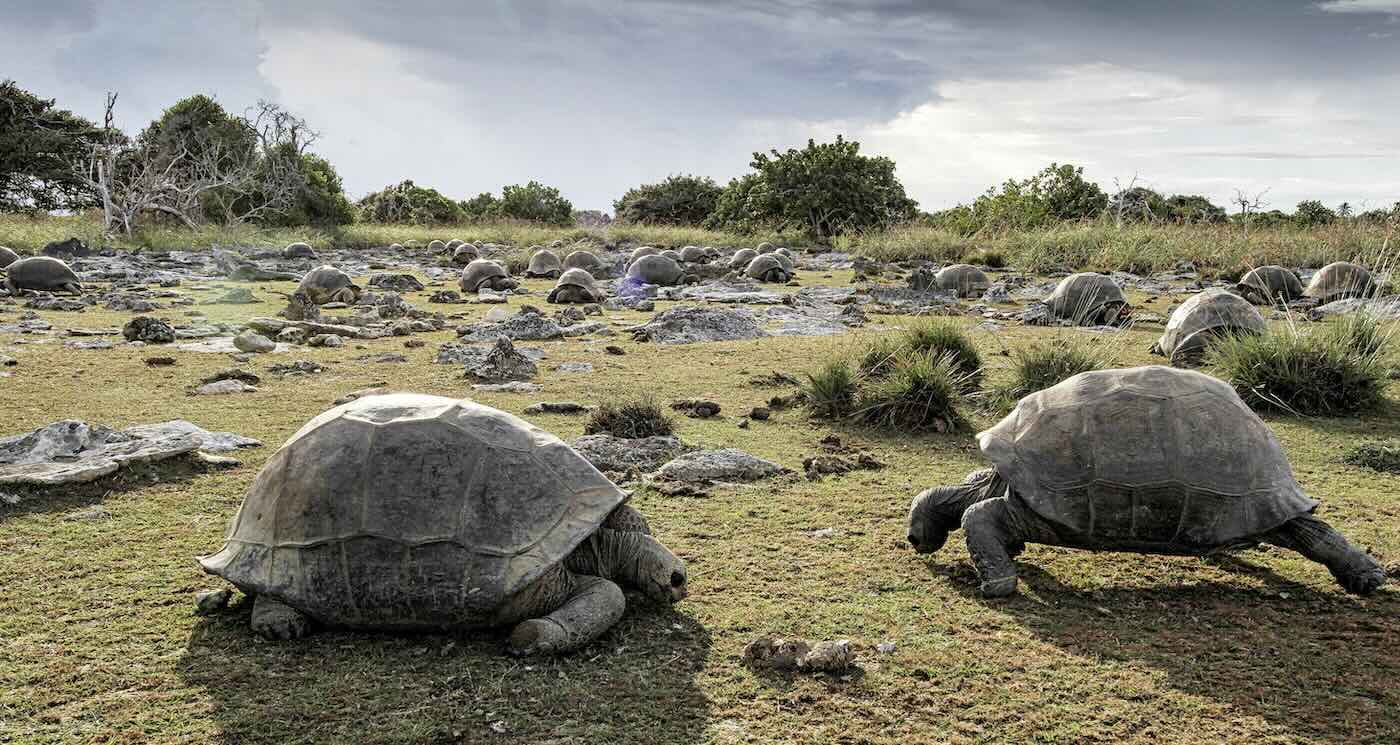
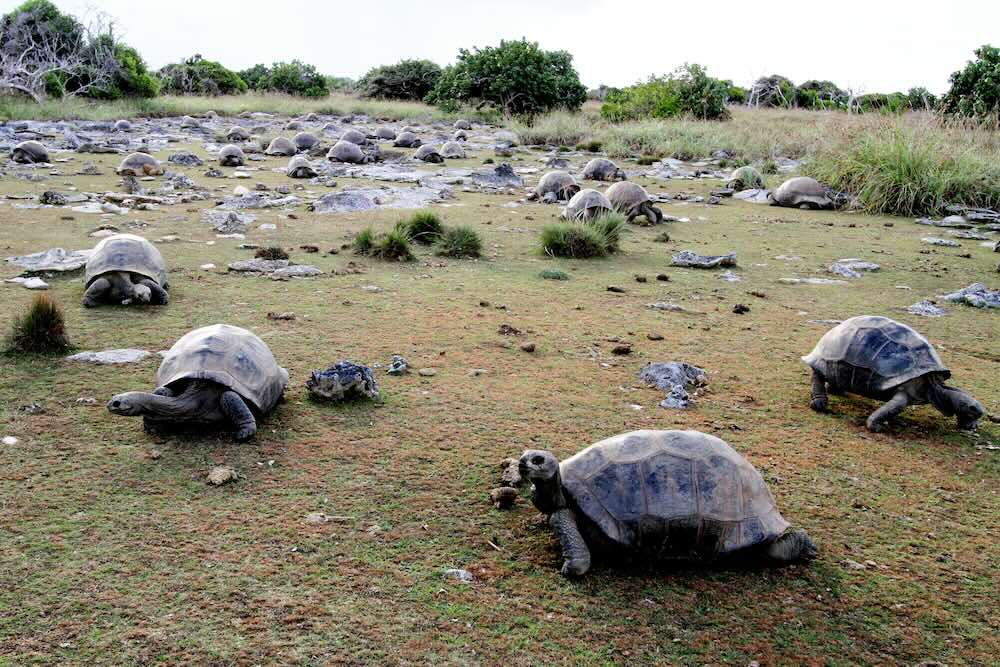
Giant Tortoises in the Seychelles - Credit: Dennis Hansen / SWNS
Giant Tortoises in the Seychelles – SWNS
A landmark survey of the world’s largest free-roaming giant tortoise population has revealed the once-endangered species is now thriving.
The latest count of tortoises on the Seychelles atoll of Aldabra revealed that there are approximately 180,000 living on the islands.
This is the highest figure ever recorded for the species and far exceeds the human population of the Seychelles.
The team, led by the Seychelles Islands Foundation (SIF) and the University of Exeter, analyzed five years of tortoise counts collected between 2018 and 2022.
It is the first update since the widely cited figure of 100,000 tortoises from the late 1990s.
Aldabra Atoll (a ring of coral islands in the Indian Ocean east of Africa) is one of only two places in the world where giant tortoises can be found in the wild, with a much smaller population living in the Galapagos.
“More than 180,000 giant tortoises roaming freely on our atoll is proof of what long-term commitment to conservation can achieve,” said Dr. Frauke Fleischer-Dogley, the CEO of SIF.
“This is wonderful news for Seychelles, for the world, and for everyone who has worked to protect Aldabra.”
The study, published in the scientific journal Ecology and Evolution, found that the population was relatively stable for this period, with a best estimate of almost 183,000 adult and sub-adult tortoises.
Aldabra Atoll giant tortoises – Credit: Dennis Hansen / SWNS
In the 19th century, exploitation of the animals meant there were fewer than 1,000 Aldabra tortoises on the island.
But a recovery program meant the island became a strict nature reserve in 1981 and a UNESCO site in 1982.
Now, researchers are saying it’s one of the greatest conservation success stories of the Indian Ocean, with the new study confirming it.
“Aldabra’s giant tortoise monitoring program is one of the longest running in the region, but the atoll’s dense vegetation makes counting tortoises genuinely difficult in places,” said Dr. Nancy Bunbury, one of the study’s co-authors.
“By modeling what we didn’t see, as well as what we did, we’ve produced the most reliable baseline yet for this iconic Seychelles species, establishing a benchmark we can use to track the population for decades to come.”
Aldabra’s climate is changing, with longer and more frequent droughts predicted to reduce the shade and food available to tortoises, so the conservationists intend to be vigilant.
The study authors say that invasive mammals remain a key threat including feral cats and black rats that prey on tortoise eggs and hatchlings.
The planned eradication of these remaining invasive mammals, the authors say, could lift the last barriers to further growth of the population and help it withstand future climate pressures.
“These results are great news for the tortoises and testament to the fantastic work done in the field,” said Dr Dave Hudson, postdoctoral research associate at the University of Exeter, Cornwall.
“Hopefully we have provided the conservation managers the evidence they need to track future change and act early as the tortoises face increasing pressures from climate change, drought, and invasive species.”
SHARE THE AMAZING NEWS With Turtle-Lovers on Social Media…
Statins may be protecting people from more than just cholesterol, suggests new research from the University of California in San Diego.
Patients with glaucoma who take the cholesterol-busting pills appear less likely to need surgery—and have a reduced chance of the condition worsening, according to the findings.
Called the “silent thief of sight” because the vision loss usually occurs slowly over a long period of time, glaucoma may cause blindness if left untreated, damaging the optic nerve, which transmits visual information from the eye to the brain.
The new study, published online in the British Journal of Ophthalmology, found that people who already have glaucoma who are taking statins appear less likely to need stronger treatments, such as extra eye drops or surgery to keep it under control.
“Statins are prescribed to lower cholesterol levels but studies have indicated that they may also prevent or slow nerve cell death,” said study author Dr. Robert Weinreb.
But their potential role in preventing or slowing down glaucoma—a leading cause of irreversible blindness which permanently damages the optic nerve—is poorly understood.
Dr. Weinreb and his team searched a large global database covering 165 million people and compared more than 210,000 patients who had a record of statin use between 2006 and 2026 with a matched control group of 210,000 people who had no record of using statins. People in both groups had to have a recorded ophthalmological follow up.
A multitude of reduced risk
The findings show that statins were linked to a lower risk of the individual progressing to need glaucoma surgery—or any other treatment.
• Statin use was associated with a 15% lower risk of developing the most common form of the progressive eye disease.
• At five years, statin use was associated with a 36% lower risk of incisional glaucoma surgery and a 55% reduced risk of minimally invasive glaucoma surgery (MIGS), a keyhole procedure to lower the intraocular pressure in the eye.
• Statins were also associated with a 60% lower risk of ‘selective laser trabeculoplasty’ (SLT), a procedure that lowers the pressure in the eye by using laser pulses.
• There was also a 12% reduced risk of (needing) eye drops to reduce the pressure in the eye—linked to statin use.”
And after 10 years, statin use continued to be associated with a lower risk of incision glaucoma surgery, MIGS, SLT, and use of eye drops.
In a separate analysis, more than 30,000 people with glaucoma who were taking statins were compared with almost 250,000 with glaucoma who weren’t taking the drug.
Although these were observational studies, so no firm conclusions can be drawn about cause and effect, the findings add to the growing literature about the neuro-protective effect of statin drugs.
HELP PEOPLE SEE THE GOOD NEWS By Sharing This on Social Media…
With a new inspirational quote every day, atop the perfect photo—collected and archived on our Quotes page—why not bookmark GNN.org for a daily uplift?
In this Oct. 11, 1975 photo released by NBC, Chevy Chase performs during a "Weekend Update" sketch on "Saturday Night Live," in New York. The long-running sketch comedy series will celebrate their 40th anniversary with a 3-hour special airing Sunday at 8 p.m. EST on NBC. (AP Photo/NBC, Herb Ball)
51 years ago today, Saturday Night Live premiered on NBC with George Carlin as host. The seminal comedy television program in American history, SNL has launched the careers of dozens of talented writers, comics, and actors. Broadcast from Studio 8H at NBC’s headquarters in the Comcast Building at 30 Rockefeller Plaza, SNL has aired 1,011 episodes since its debut, making it one of the longest-running network television programs in the United States. READ about its history and watch the first episode monologue… (1975)
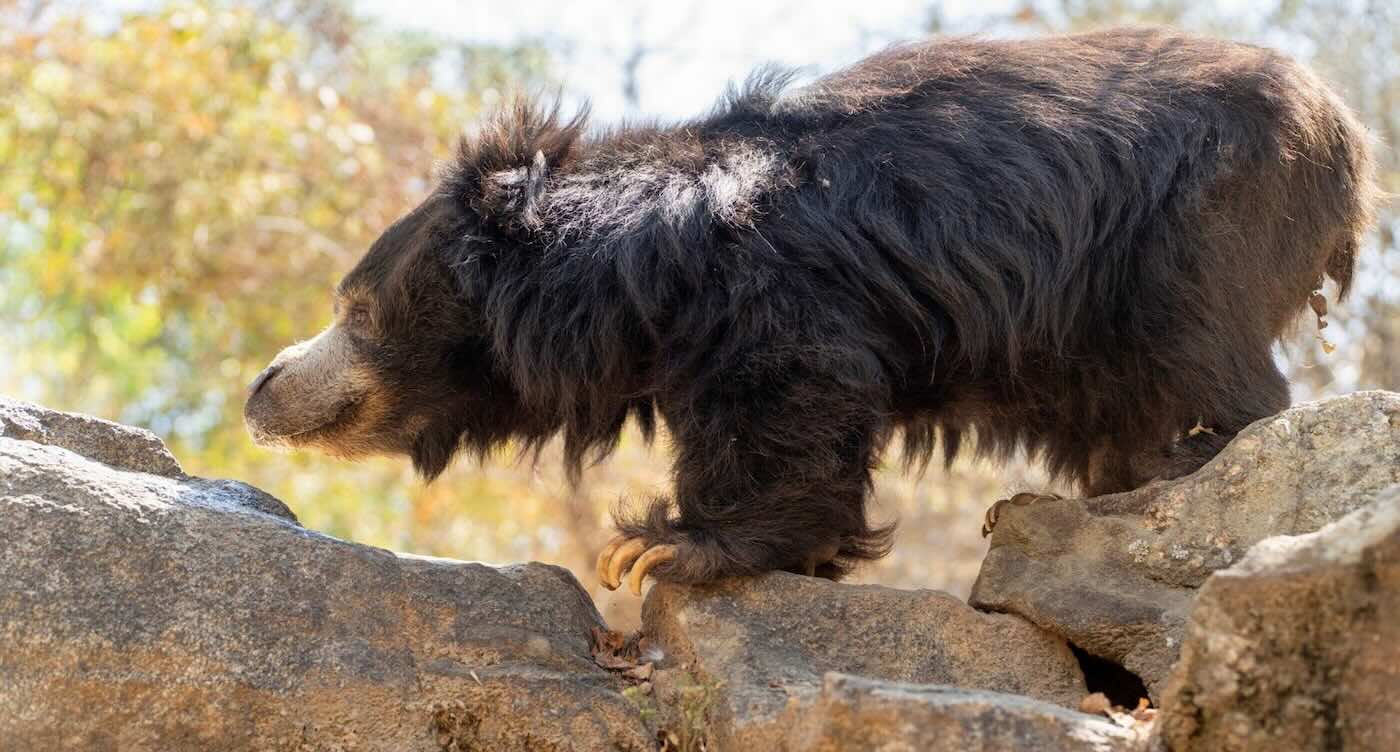
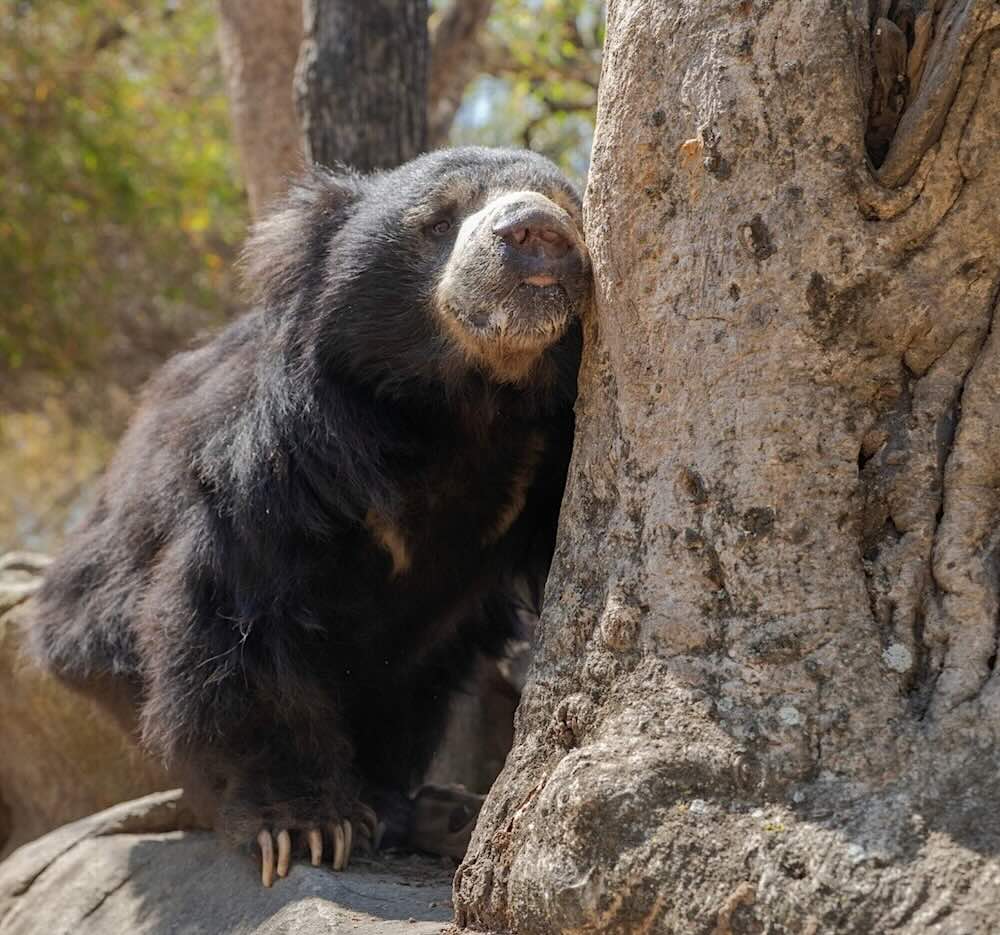
Sloth bear named Odum Credit: Intl Animal Rescue / Wildlife SOS / SWNS
Sloth bear named Odum Credit: Intl Animal Rescue / Wildlife SOS / SWNS
A sloth bear that made headlines when it was given a name by Julia Roberts after being saved from abuse is now flourishing, according to a rescue charity.
The Hollywood star was filming Eat, Pray, Love in India in 2009 when the bear was rescued from people who forced it to dance for tourists and spend the rest of the time in a cage.
She named the bear Odum – believed to be an old family name – after visiting the animal sanctuary 17 years ago.
Ahead of World Sloth Bear Day on October 12, International Animal Rescue has released new pictures of Odum to show his transformation and demonstrate the long-term commitment involved in each rescue.
Now, at age 26, he lives at the Bannerghatta Bear Rescue Centre in India, within the Wildlife SOS’s rescue centre.
“Seventeen years on from his rescue, Odum’s days are calm, perhaps eating a ripe muskmelon, taking a splash in his pool or having a doze in his hammock, which has been specially made for him,” said the staff.
Alan Knight, president of International Animal Rescue, says “Odum’s story illustrates the beautiful outcome that rescue operations can achieve.
“Our responsibility does not cease when an animal has reached safety. As he gets older, he will still require the same amount of patience, kindness and specialized care as was necessary to help him recover all those years ago.”
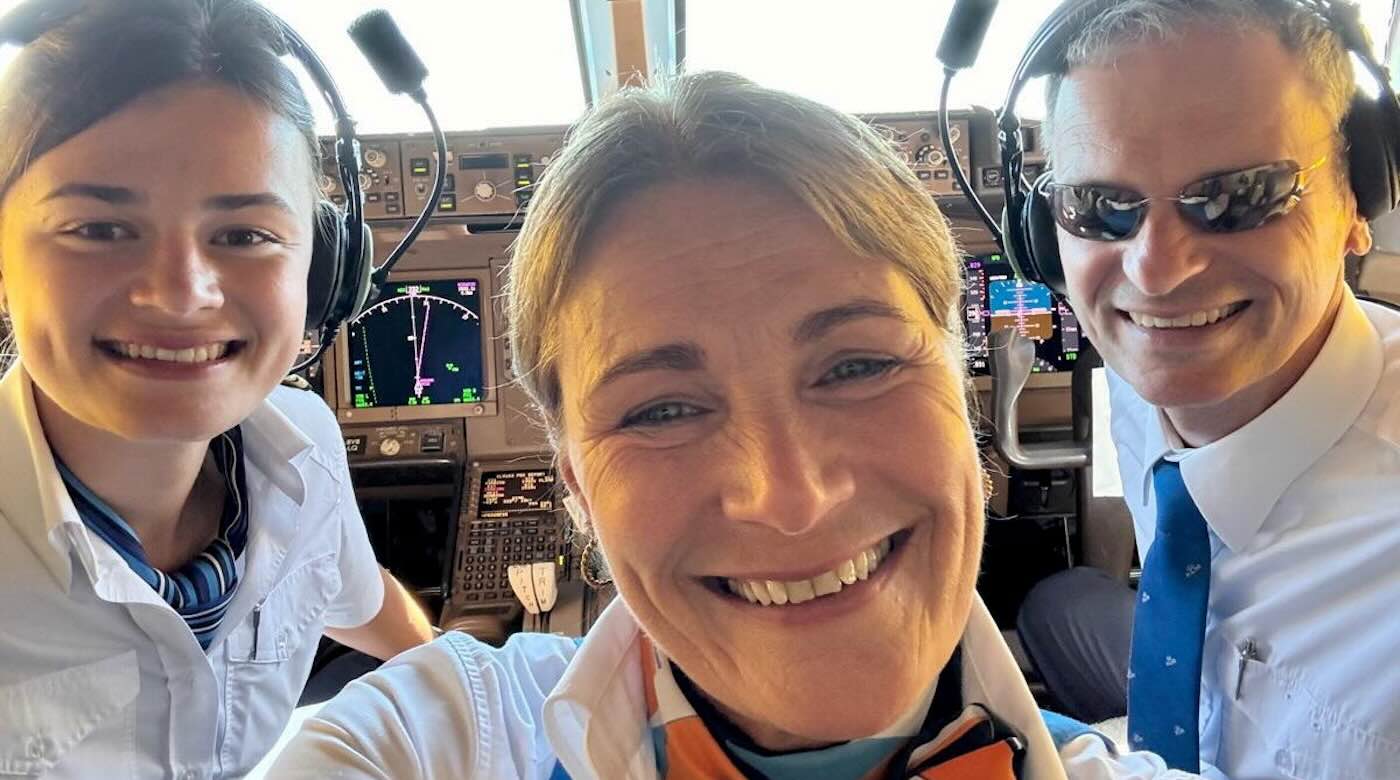
Zoë de Bruijn with her mother Marjan van Nooijen and father Michel de Bruij – via SWNS
Zoë de Bruijn with her mother Marjan van Nooijen and father Michel de Bruij – via SWNS
A young pilot flew a commercial jet alongside her father as captain for the first time—while her mother worked in the cabin crew on the same flight.
22-year-old Zoë took to the skies with both her parents aboard the Dutch airline KLM flying out of Amsterdam.
The unique family’s work shift came as a surprise, with none of the three initially realizing their schedules would put them on the same flight.
Zoë grew up watching her father head off to work in his pilot’s uniform, jetting off to far-flung destinations around the world, and it inspired her own love of aviation.
In August, she found herself sitting alongside him in the cockpit while her mother Marjan looked after passengers just a few meters away.
She said it “felt amazing” to finally share the experience of flying with both her parents.
Zoë de Bruijn with her father in the KLM cockpit – SWNS
“It was such a wonderful experience.
“My parents met while working on a flight, so it really felt like a full circle moment.”
Her dad Michel has been a pilot for 35 years since completing his training in 1992. Fascinated by his career from an early age, his daughter excelled in math and science at school before deciding to follow in her father’s footsteps and pursue a life in the cockpit.
“I remember my dad’s job seemed so mysterious, because I would never know where he was flying to.
“Then as I got older and visited him at work, I fell in love with it.”
Courtesy of Zoë de Bruijn via SWNS
Zoë attended the KLM Flight Academy after being accepted at just 17.
“After two years, I graduated and have been so lucky to be able to fly with my dad five times now and once with my mom.”
SHARE The Inspiring Family Moment With Aspiring Pilots on Social Media…
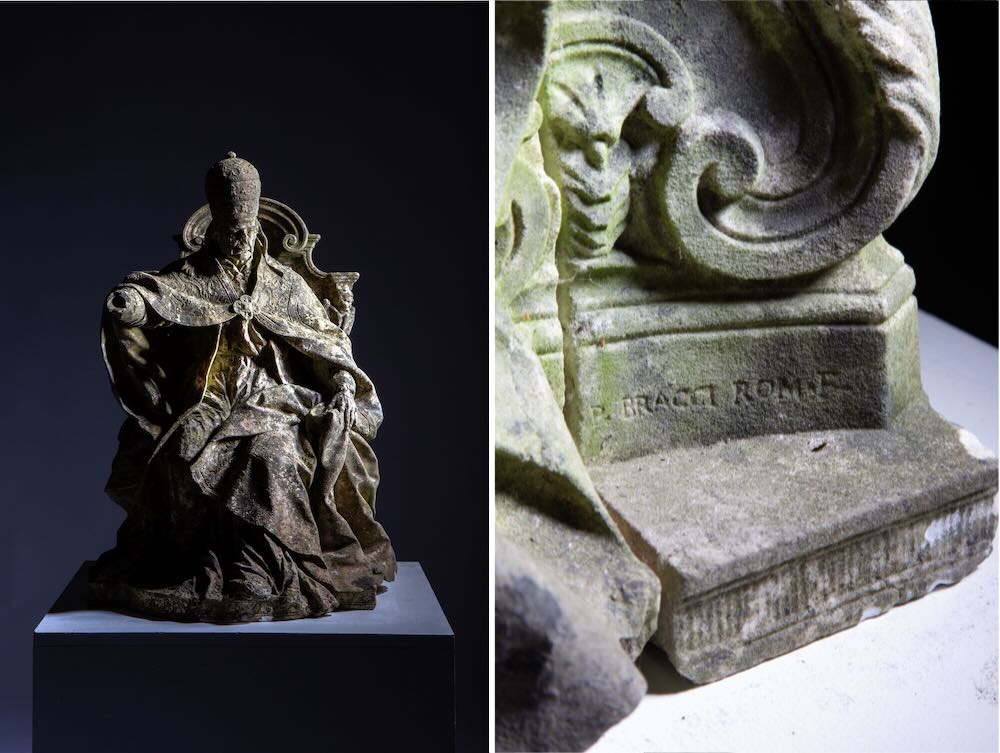
Model by Baroque master Pietro Bracci depicting Pope Clement XII (circa 1736) Woolley & Wallis / SWNS
Model by Baroque master Pietro Bracci depicting Pope Clement XII (circa 1736) Woolley & Wallis / SWNS
A Roman artifact from the Italian sculptor responsible for the Trevi Fountain was discovered in a reclamation yard for a mere 300 British pounds ($400).
The 27-inch-tall (68cm) model was fashioned by Pietro Bracci as a pitch for a giant bronze sculpture of Pope Clement XII, which was commissioned by the Roman Senate to commemorate the pope’s donation to the Capitoline Museums.
While the final full-sized bronze was tragically melted down for scrap metal 60 years later, Bracci’s presentation ‘maquette ’ made of marble—believed to have been completed in the 1730s—quietly survived.
Shipped back to a country estate in England, it fell out of favor and was moved outdoors to become a common garden ornament.
Seeing it sitting among hundreds of architectural cast-offs, a builder with a sharp eye for antiquities spotted its quality in the salvage yard in Wiltshire and took a chance that he may have found a treasure.
It was was put up for auction yesterday by Woolley & Wallis after it was estimated to fetch between $6,600 to $13,300 because of its uniqueness, and artist’s signature.
300-year-old model by Baroque master Pietro Bracci of Pope Clement XII (circa 1736) Woolley & Wallis / SWNS
“It’s an exceptionally exciting discovery,” said the auction house’s furniture specialist Mark Yuan Richards.
“To have a rare eighteenth-century marble figure of Pope Clement XII by Pietro Bracci come to light, and now be offered for sale, is a remarkable opportunity.
“Bracci was one of the great sculptors of eighteenth-century Rome, and this extraordinary survivor offers a tangible connection to the world of the papal court and the artistic splendor of the period.”
FREE WILL ASTROLOGY – Week of October 10, 2026
Copyright by Rob Brezsny, FreeWillAstrology.com
LIBRA (Sept. 23-Oct. 22):
Periodically, you have the cosmic right to receive precisely what you need. Life is duty-bound to deliver a close approximation of full satisfaction. I believe now is one of those times. So please be bold and articulate about naming the specific blessings you require. Write them down, speak them aloud, and pray for them—not as a demand, but as a hearty invitation. Then, for a while, live as if all of creation is indeed honor-bound to respond accordingly, adjusting its behavior so it’s in harmony with the gifts you’ve asked for.
SCORPIO (Oct. 23-Nov. 21):
Every Thursday night, I haul my trash bin out to the street so the collectors can empty it the following morning. Most weeks it’s three-quarters full. But now and then I produce an unusually large haul of debris. On those occasions, I have to turn into a one-person compaction crew: I grab a low-hanging branch of the persimmon tree, hoist myself up, drop down feet-first into the can, and bounce around to squash everything enough to squeeze in the overflow. Consider this my audition to be your role model, Scorpio. According to my reading of the celestial weather, it’s time for you to consolidate and discard at least half a year’s accumulation of obsolete clutter—both the invisible emotional kind and the tangible stuff filling your space.
SAGITTARIUS (Nov. 22-Dec. 21):
Ancient navigators sometimes crossed vast stretches of sea by studying the swells beneath their boats. Their bodies were instruments of perception that enabled them to feel the subtle wave patterns generated by winds and distant islands. Your intuition has a similar sensitivity these days, Sagittarius. I hope you will trust it: what your whole being senses before your rational mind assembles the evidence. I call this fully embodied intelligence. It deserves a key role in your decision-making.
CAPRICORN (Dec. 22-Jan. 19):
I’ve never been a fan of Capricorn poet Kahlil Gibran (1883–1931). The ideas he expressed seem commonplace and sentimental to me. But his book The Prophet is an all-time bestseller translated into over 100 languages. Millions of readers have adored and benefited from his words, and he’s acclaimed as a literary hero in his native Lebanon. So who cares what I think! I’ll just shut up and appreciate the fact that he worked hard and published a lot. His disciplined, painstaking efforts have been widely inspirational. Let’s make him your role model for the coming months. I think you’re primed to create enduring offerings that nourish people’s souls.
AQUARIUS (Jan. 20-Feb. 18):
Think of an aspect of your life that you have always wished you could change but have assumed or feared you could never change. What if, sometime soon, you try to change it, but this time you do it with playful lightheartedness? You resolve to feel zero stress and have as much fun as possible as you try to shift how this problem works. You decide you will use your imagination to dream up unprecedented and even outrageous ways to break your trance and invite sweet liberation to swoop in.
PISCES (Feb. 19-March 20):
Geologists tell us that over time, rocks really do get transformed under sustained pressure. Their material gets reorganized into denser, more stable stuff. This is an apt metaphor for you, dear Pisces. You’re under pressure right now, and it may feel intense. But what if it’s actually reconfiguring you? Maybe the constraints are what you need to make you more focused, more essential, and more real. Not all pressure is bad, and this is proof. Ask yourself: What is this pressure making possible that freedom couldn’t create? Let yourself be reorganized.
ARIES (March 21-April 19):
“Dear Oracle: My secret terror is being ordinary. I need to be special, and lately I’m worried I’m just average and unremarkable. That thought is repugnant to me! Can you offer any advice? —Afraid of Average”… Dear Afraid: The pressure to be extraordinary is exhausting because it’s the wrong goal. Your birthright and your life assignment aren’t about being special in the sense of better-than. You’re simply meant to be vividly, generously, amazingly yourself. In the coming weeks, I invite you to trade the anxious hunt for superiority for the warm, throbbing joy of full self-expression. Shine because it feels fantastic, not to outrank anyone.
TAURUS (April 20-May 20):
Ravens sometimes hide food while pretending to conceal it elsewhere, especially if another raven is observing. They’re strategic and imaginative and aware of how they’re perceived. With their social intelligence as inspiration, I will encourage you to think more consciously about the stories you’re broadcasting. Which precious projects will flourish better if protected from premature scrutiny? Do you have any in-progress blooms that really should continue to incubate before being revealed? Discernment isn’t deception. PS: Conversely, there may be a part of you that deserves greater visibility.
GEMINI (May 21-June 20):
The Taurus philosopher Søren Kierkegaard wrote that life must be lived forward but can only be understood backward. You Geminis are naturally inclined to resist that advice. Many of you analyze experiences while they’re still unfolding. Can I coax you to try a different approach in the coming weeks? As usual, you may be tempted to figure everything out immediately. But the most useful clarity won’t arrive until later, as you survey what has occurred and recognize patterns you couldn’t see in real time. So try to stay curious rather than overly diagnostic. Keep gathering impressions, stories, and clues. Allow events to transpire like chapters in a book whose ending you haven’t reached yet.
CANCER (June 21-July 22):
The Germans have a word, Sehnsucht, for a feeling that my English language can’t quite convey: a deep, sweet, aching longing for something you can’t name. It may be a faraway home you’ve never visited or a wholeness you seem to remember without ever having had it. Most people treat this yearning as a problem to be fixed or numbed. But I think it’s sacred information, Cancerian, and you’re especially fluent in it right now. Don’t rush to resolve the ache or explain it away. Instead, follow it like a scent. What is your Sehnsucht pointing toward? Let it lead you toward the beauty and meaning your soul is homesick for.
LEO (July 23-Aug. 22):
Botanists know that climbing vines have a simple approach. They keep extending their sensitive tendrils until they discover something sturdy enough to support upward growth. Their progress depends on continual experimentation. I love it when you imitate this style of intelligence, Leo, which I think will be especially useful and successful during the coming weeks. So instead of demanding guarantees before beginning a new endeavor, offer exploratory feelers. Ask friendly questions. Test prototypes. The right support system probably already exists, but may not reveal itself until you reach toward it.
VIRGO (Aug. 23-Sept. 22):
One of my favorite Virgos works in a museum cleaning centuries-old paintings with exquisite patience. She uses tiny swabs and gentle solvents to lift away layers of darkened varnish and grime. She’s an expert at making the original colors emerge so vividly that the painting looks newly made. But her work demands artful restraint. If she presses too hard or applies the wrong solvent, she could destroy the very thing she means to reveal. This approach can be your specialty in the coming weeks, Virgo. I hope you will attend to valuables that have been obscured by accumulated grime, like old habits, stale assumptions, and other people’s projections. Your task is to gently lift it all away and let the true colors shine.
WANT MORE? Listen to Rob’s EXPANDED AUDIO HOROSCOPES, 4-5 minute meditations on the current state of your destiny — or subscribe to his unique daily text message service at: RealAstrology.com
Quote of the Day: “Just know, when everything is falling apart, that you are preparing the ground of you for something ripe that can’t yet be tasted.” – Mark Nepo
Photo by: Free Walking Tour Salzburg
With a new inspirational quote every day, atop the perfect photo—collected and archived on our Quotes page—why not bookmark GNN.org for a daily uplift?
63 years ago today, the second, and often considered best film starring James Bond, was released as From Russia With Love. In the film, Bond, played by Sean Connery, is sent to assist in the defection of Soviet consulate clerk Tatiana Romanova in Turkey, where SPECTRE plans to avenge Bond’s killing of Dr. No. by using Romanova as bait in a cleverly laid trap. The film was a critical and commercial success, grossing $78 million worldwide while critics found the film nonsensical, illogical, lurid, mad, and absolutely delightful because of it. READ more… (1963)
From Seattle’s chapter of National Public Radio comes the remarkable story of the kindness of strangers immortalized in an origami crane.
Published through KUOW’s “My Unsung Hero” series, the story begins with a 7-year-old in Japan who had just gotten a new bike.
Young Rika Matsuda was at first very excited because the bike was fast, much faster than her old one. Riding at the park, she was heading straight for the wall when she learned the new bicycle’s brakes didn’t work.
Into the wall she went, falling down and hurting her foot which began to turn purple before long. Seeing the incident, a man, whom Matsuda described as tall, strong, and wearing a suit, approached her. She was nervous and didn’t know if she could trust the stranger, who gave off the air of importance.
“But when he said, ‘Are you OK?’ I knew from his kind and gentle voice that he was a very nice man,” Matsuda recalled in her native Japanese to a translator, who relayed it to KUOW.
The man helped the young girl to her feet, took her to a water fountain where they washed the cut on her foot, and lent her his phone so she could call her grandfather. As they waited for the caretaker to arrive, the man took out a white piece of paper and, like a scene out of Japanese cinema, showed her how to fold an origami crane.
“He was really good at folding origami, and he taught me the right way to make a clean and beautiful crane,” she said. “Maybe he wanted me to think about the paper instead of my foot.”
When Matsuda’s grandfather arrived, the man helped get the bike and its rattled young owner back home. When parting came, the stranger handed the girl the origami crane without saying a word, before disappearing back into anonymity, and eventually, memory.
The memory lived on, though, through the white paper crane which she always kept on her desk, remembering his kindness whenever she looked at it.
A full decade later, and Matsuda was sitting in her high school English class, and the teacher, Benjamin Johnson, used NPR’s “My Unsung Hero” as a teaching workshop, asking each student to write details about an encounter with a Good Samaritan. That’s when Matsuda remembered the crane.
10 years of time had muddied the recollection, but she remembered the man and the crane, and his kindness above all. At that moment, Matsuda was seized by the urge to unfold the origami work and see if the man had written anything on the paper.
The trip home from school was done at some pace, and upon entering her room she carefully unfolded the crane to find—just as her premonition had held—a secret message.
Two characters, containing well-known Japanese idiom.
“We should treasure each time we cross paths with someone because it might never happen again,” Matsuda said, translating. More simply, she said it reminds the reader to “cherish the moment.”
“Then I realized even more how kind and how nice of a man he was,” Matsuda said—a true unsung hero.
SHARE This Incredible Japania Story With Your Friends On Social Media…
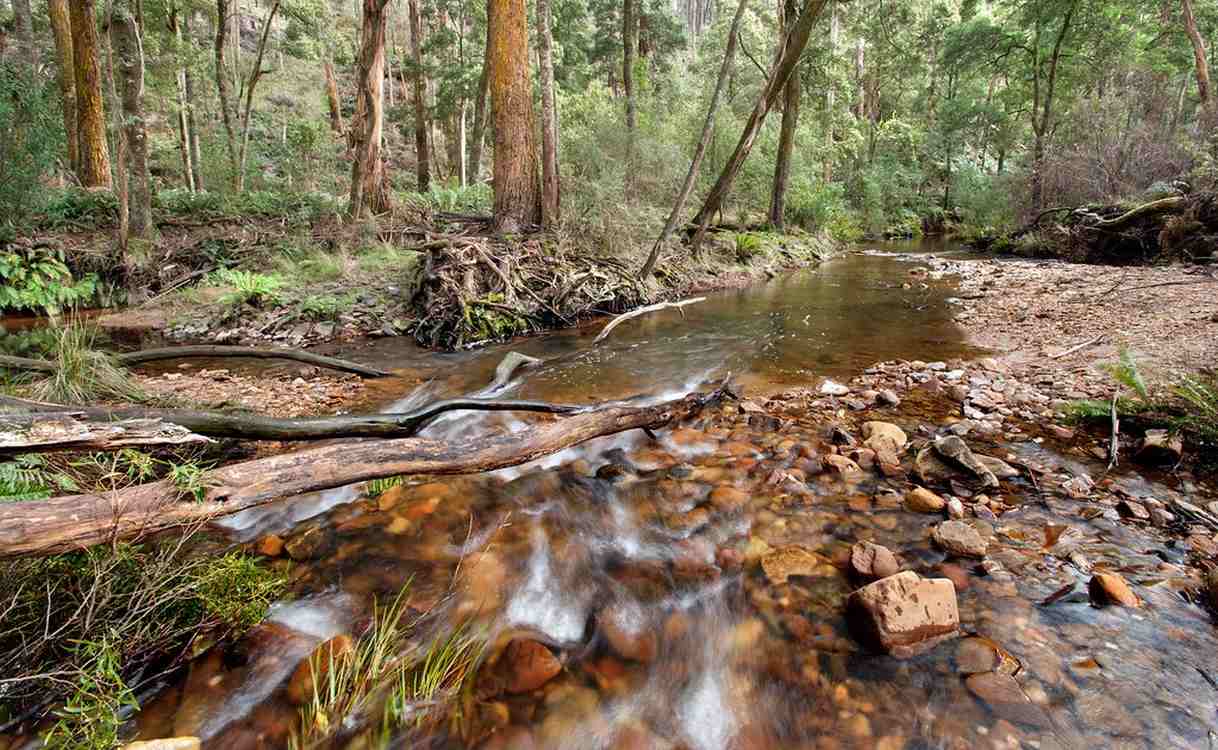
Lederderg River in Wombat Forest - credit, Sandy Scheltema via Victorian National Parks Association, all rights reserved
Lederderg River in Wombat Forest – credit, Sandy Scheltema via Victorian National Parks Association, all rights reserved
More than 250 square miles of forests at the center of Victoria state in Australia have become new national parks.
Parliament passed the law to create the parks back in November 2025, and this week they take effect, creating Mount Buangor National Park, Pyrenees National Park, and the largest: Wombat-Lerderderg National Park.
The Victoria National Parks Association (VNPA) is celebrating the event with fellow private campaigners, Wombat Forestcare and the Wilderness Society, among others.
“Today we get to see the protection these forests deserve. It’s a fantastic day for nature and for Victorians, we have three new national parks! Congratulations to the Carroll Government for getting it done,” said VNPA Executive Director Matt Ruchel in a statement to mark the occasion.
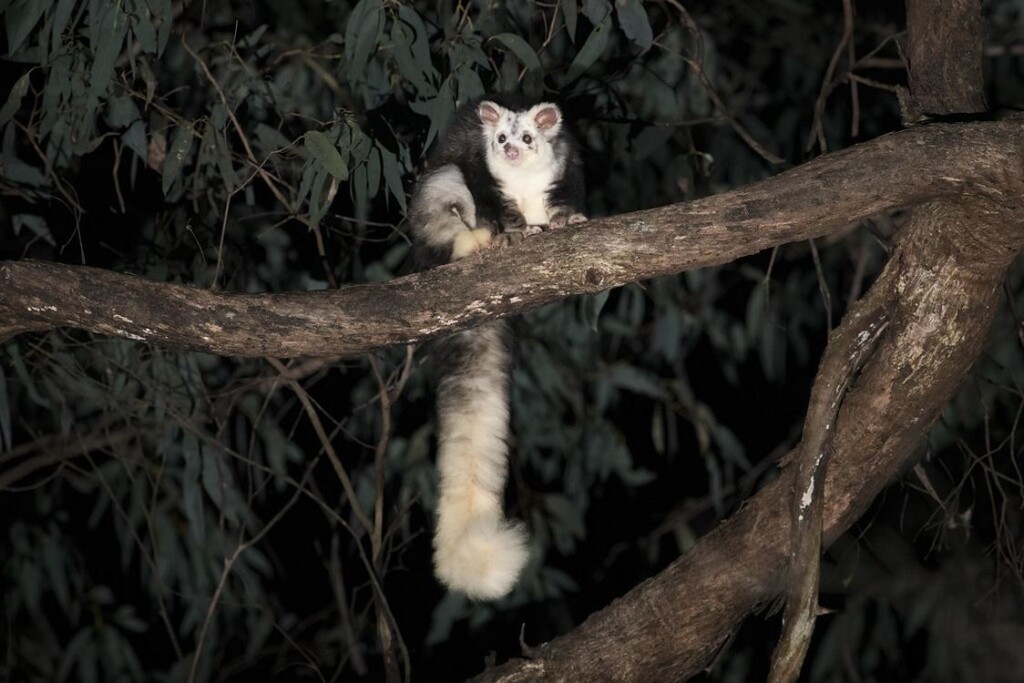
The 3 are Victoria’s first new national parks of substantial size in 15 years, and together protect hundreds of rare and threatened plants, animals, and fungi, including platypuses, greater gliders, goannas, Mount Cole grevilleas, brush-tailed phascogales, mountain skinks, and powerful Owls.
“We are delighted that the state government has officially recognized the importance of these central-west forests for their plants and animals and acted to conserve them,” said Gayle Osborne, a founding member of Wombat Forestcare, one of the groups who campaigned for the parks’ creation.
A greater glider, photographed in the new national park – credit, Justin Cally, Victoria National Parks Association, all rights reserved
“These forests are such important habitat for so many plants, animals, and fungi. If we want our koalas, gliders, and owls to be here into the future we must protect their habitat.”
Wombat Forestcare launched a campaign in 2010, hosting a public conference in Hepburn that brought the community together around a vision for protected forests in the central west. Over the following years, its volunteers produced detailed ecological reports on the landscape zones that are now national park, work that was central to securing the government investigation that recommended their creation.
They lie on lands of the Dja Dja Wurrung, Eastern Maar, Wadawurrung, Wurundjeri, Gunaikurnai, and Taungurung peoples, who have cared for these landscapes for thousands of years.
Parks Victoria now joins them in caring for these forests, and together they will work on management plans over the next 12 months to continue that thousand-year stewardship.
“We’re ready to help shape these plans, to make sure wildlife and people are both looked after and the parks have the resources they need to thrive,” said Ruchel.
“For years we worked with local community groups to search for threatened animals, survey rare plants and, through years of delays, kept writing letter after letter. Today that hard work becomes permanent protection.”
SHARE These New Places To Protect, To Explore, And To Cherish In Australia…
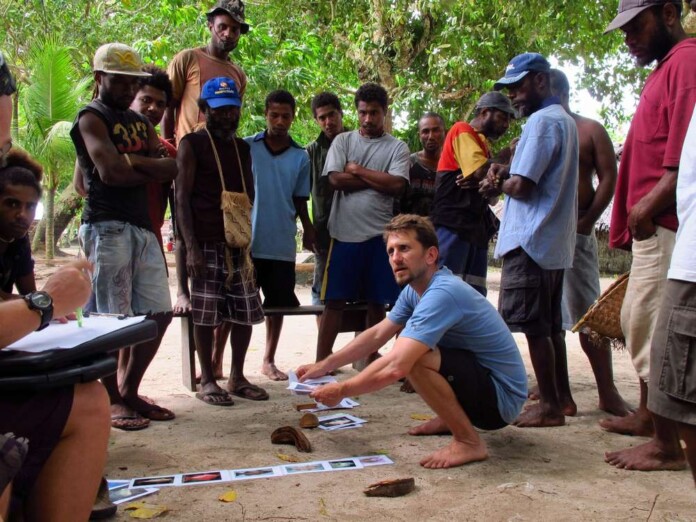
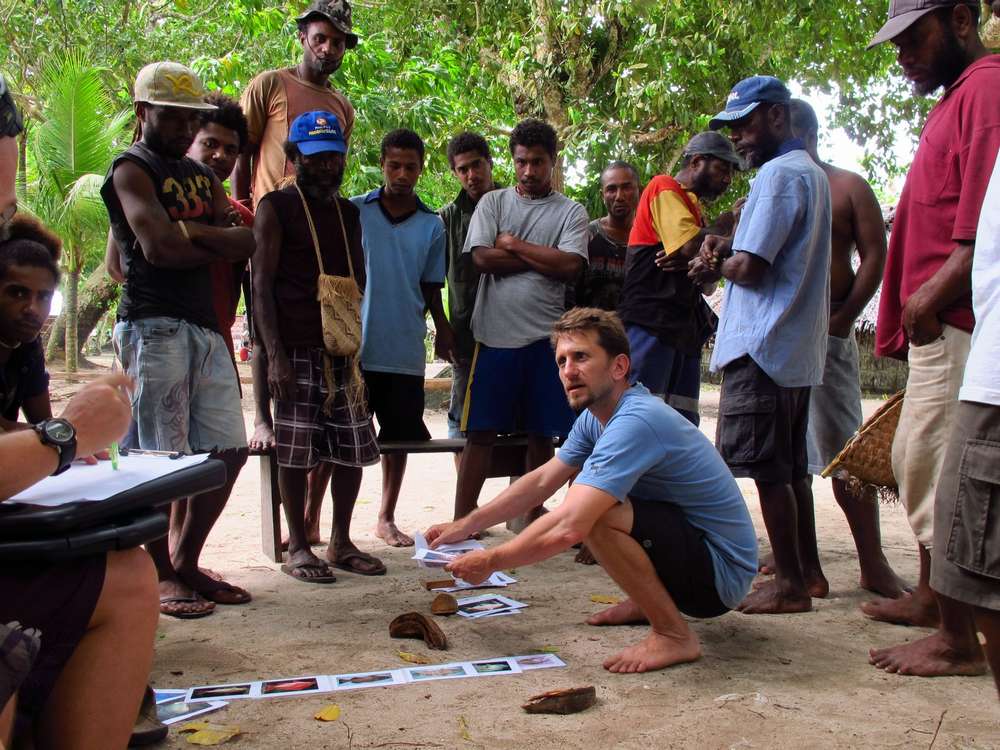
Professor Josh Cinner working on coral reef conservation with local community in Papua New Guinea - credit, supplied
Professor Josh Cinner working on coral reef conservation with local community in Papua New Guinea – credit, supplied
Scientists seeking out why some endangered animals or ecosystems are thriving while others are in decline have made an encouraging determination.
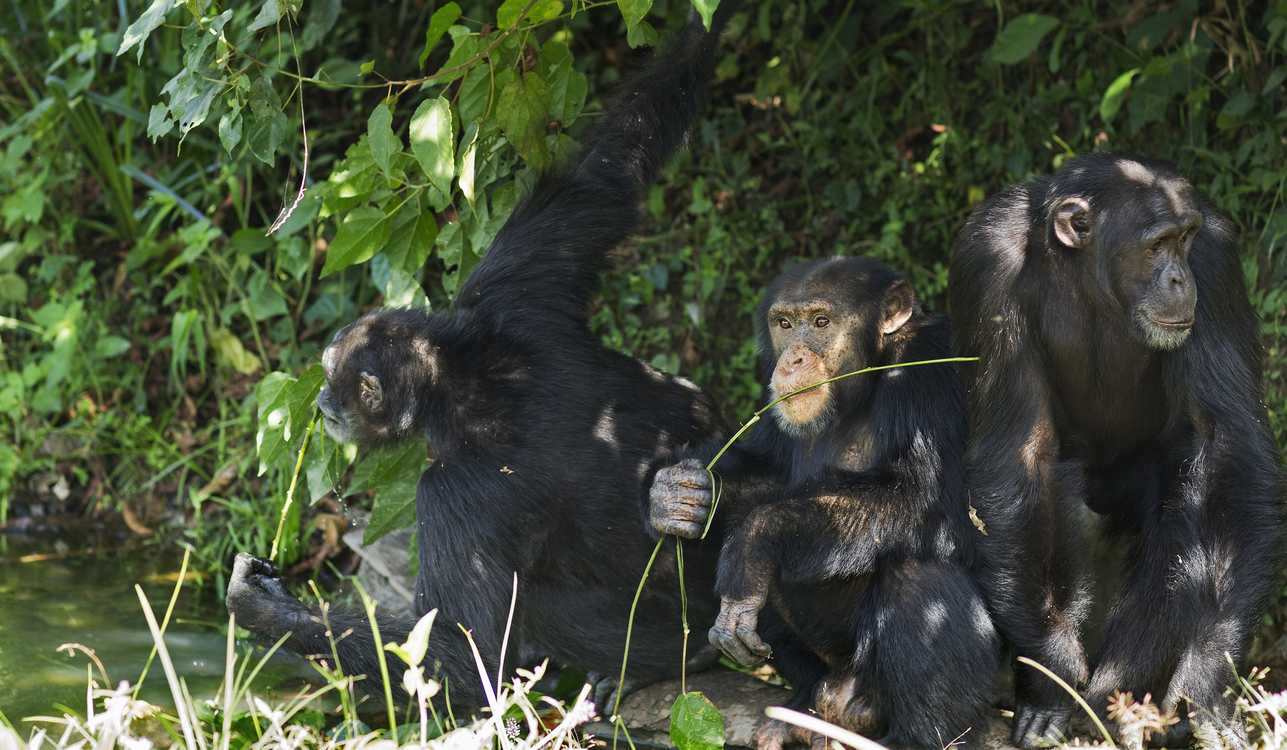
Across a worldwide, cross-section of conservation success stories, they found it wasn’t a question of money, but of the actions of the locals, that determined whether nature flourished or foundered.
Traversing coral reefs in Papua New Guinea, chimpanzees in West Africa, grizzly bears in Canada, and albatross colonies off Tasmania, a University of Sydney study examined the common threads behind these stories with the hopes of developing a framework to replicate their success.
Lead author Dr. Bing Lin from the University’s Thriving Oceans Research Hub said 3 common factors tied these positive conservation stories together.
“Our study examined different species on different continents that are all facing unique conservation challenges. Yet each succeeded against the odds for remarkably similar reasons: local knowledge was valued alongside science, communities played a central role in decision-making, and management adapted to local social and environmental conditions,” Dr. Lin said.
Rather than focus on environmental decline, Dr. Lin and his colleagues reviewed more than 70 studies of environmental and sustainability success, where places, species, and social-ecological systems perform better than expected despite difficult circumstances.
Their review is the first, a statement on the work elaborated, to synthesize seemingly unrelated conservation bright spots and bring them together into a single framework. In doing so, they reveal the common conditions that allow people and nature to thrive against the odds, and offer a way to identify and learn from these unexpected success stories.
“Conservation is often framed as a story of loss and decline, but there are places where ecosystems and the people who depend on them are thriving despite enormous pressures,” Dr. Lin said.
“By bringing together research from around the world, we’ve shown these aren’t simply lucky exceptions. They often share common characteristics that can serve as windows into real-world resilience and help guide conservation elsewhere.”
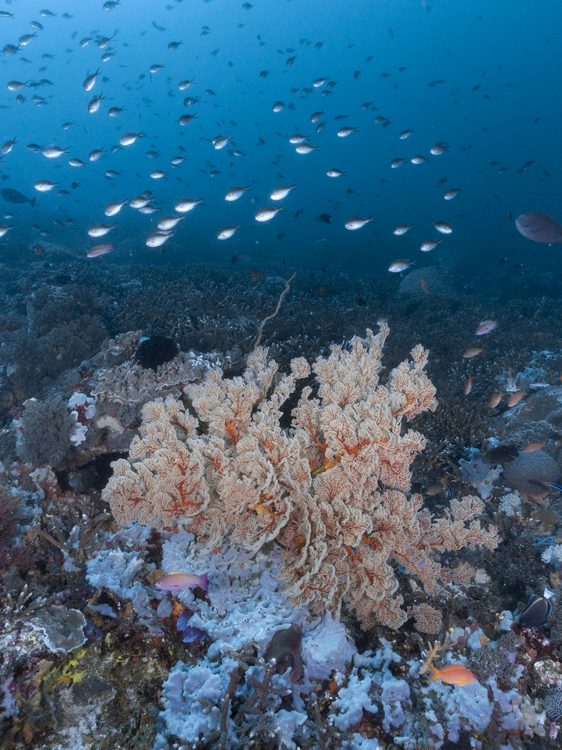
Coral reef bright spot Papua New Guinea – credit, Dr. Bing Lin / University of Sydney
Although every “bright spot” is unique, common themes included a community with the capacity to implement conservation practices despite challenging conditions, and perhaps the alure of more immediate, exploitative gain.
Co-author Professor Josh Cinner, Director of the Thriving Oceans Research Hub, has spent more than 25 years working alongside coastal communities in Papua New Guinea, where one of the world’s richest and most resilient coral reef network is located.
“I’ve always known the place was special, but I was blown away when, out of a rigorous quantitative analysis of nearly 1,700 coral reefs around the world, this site came up as one of our global bright spots,” Professor Cinner said, citing the results of his original landmark bright spots study, published in Nature in 2016.
“These villages have maintained a customary practice of periodically closing parts of their reefs to fishing. It’s similar to fallow agriculture, giving ecosystems time to recover before harvesting resumes.”
Professor Cinner’s subsequent research found the marine protection practice has endured because it is woven into community life. Strong relationships between elders and younger generations, shared responsibility for managing the reefs, and cultural traditions that reward participation have helped sustain abundant marine life.
“At a time when the headline story about coral reefs is that they are in trouble, this bright spot provides an alternative narrative as a story of hope and connection,” Professor Cinner said.
“The environmental success these communities have achieved comes from extensive local experience and genuine local ownership of decision-making, management and enforcement.”
A similar pattern emerged in very different places around the world.
In western Africa, researchers found some populations of “Critically-Endangered” Western chimpanzees were surviving despite widespread regional decline. In addition to those in inaccessible and protected areas, the strongest chimpanzee populations were often found where local communities maintained cultural traditions and social norms that discouraged hunting and supported coexistence with wildlife.
Further south, conservation of Tasmania’s “Vulnerable” shy albatross has shown how close partnerships between scientists, wildlife managers, and policymakers can create more of these bright spots. Collaborative decision-making led to innovative interventions to protect albatross chicks from parasites, expanded conservation programs, and established an enduring process for testing future population management options.
Western chimpanzee (Pan troglodyte versu) – credit, Laville Koivogui via Wikimedia CC 4.0
On the other side of the world, in Canada’s Great Bear Rainforest, First Nations communities have led grizzly bear conservation by placing indigenous stewardship and knowledge at the heart of environmental governance.
“Our framework shows that bright spots arise through a positive interplay of process, people, and place,” Dr. Lin said.
“What we hope our study provides is a way for scientists to identify different types of conditions that support conservation success. By developing a ‘common language’ across disparate global ecosystems, we hope that these bright spots can be compared consistently for improved outcomes globally.”
Professor Cinner said the findings offer a hopeful message at a time when environmental news is often dominated by crisis.
“Our review shows that local conservation bright spots are not isolated miracles. They follow patterns that we can recognize, learn from and apply elsewhere. That gives us real reasons for optimism as we work to protect both people and nature.”
SHARE These Exceptionally Encouraging Results With Your Friends…
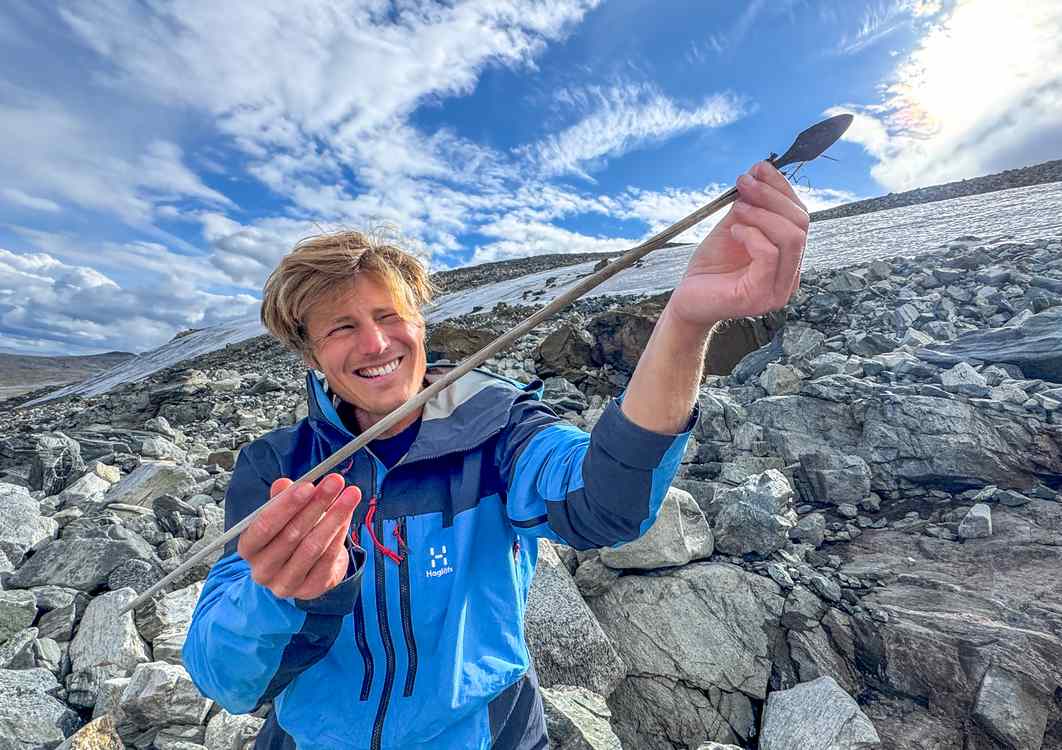
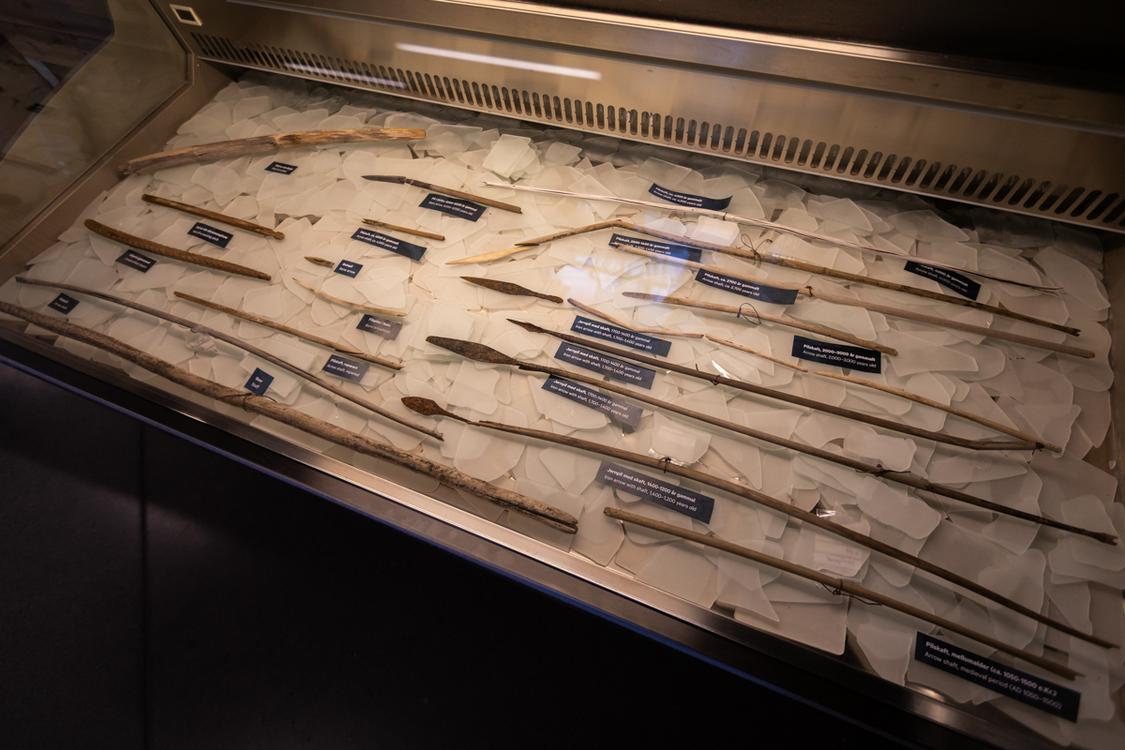
An archeologist holds up a complete arrow with arrowhead and shaft - credit, Espen Finstad, Innlandet County Municipality, Secrets of The Ice
An archeologist holds up a complete arrow with arrowhead and shaft – credit, Espen Finstad, Innlandet County Municipality, Secrets of The Ice
In a mountainous region of southern Norway, scientists are in their 20th year of surveying glaciers for ancient artifacts entombed therein.
The most recent chapter of this long-running saga was the recovery of 48 arrow heads and shafts from different eras and made from different materials, some of which appear like they could have been crafted yesterday.
Organized and conducted in partnership between Innlandet County of Norway and the Oslo Cultural Museum, “Secrets of the Ice” has already yielded 5,000 artifacts, but this season’s fieldwork saw teams recover some of the oldest objects yet.
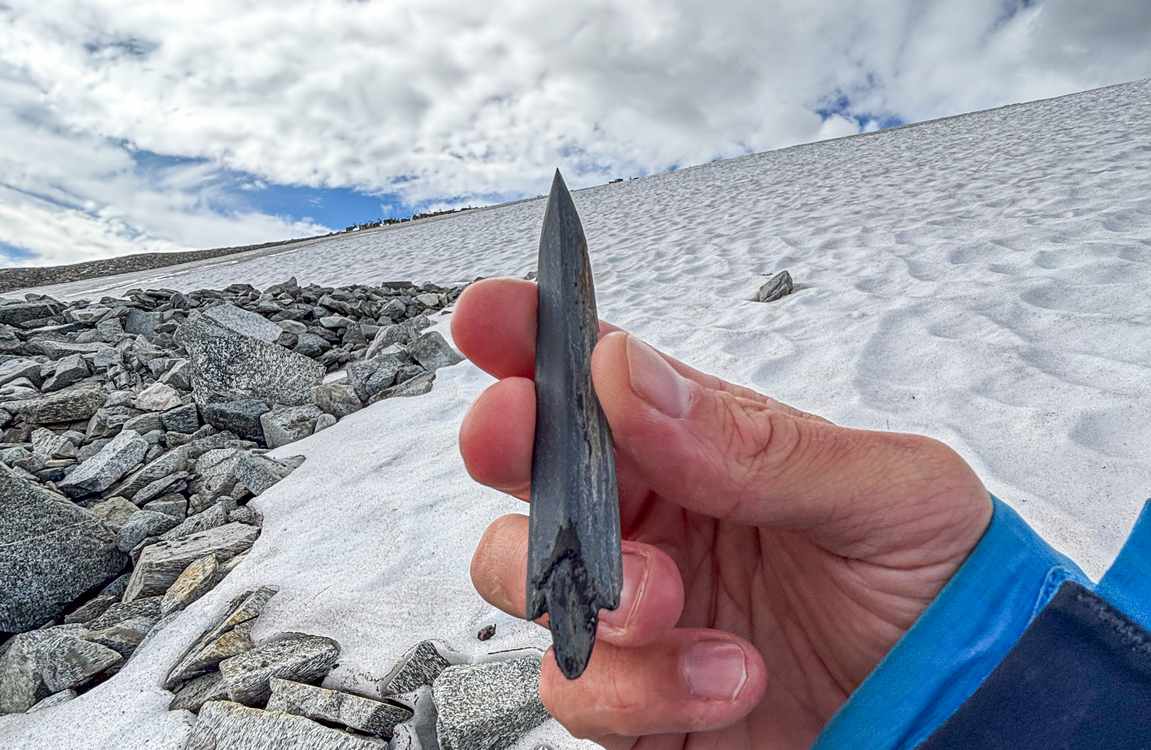
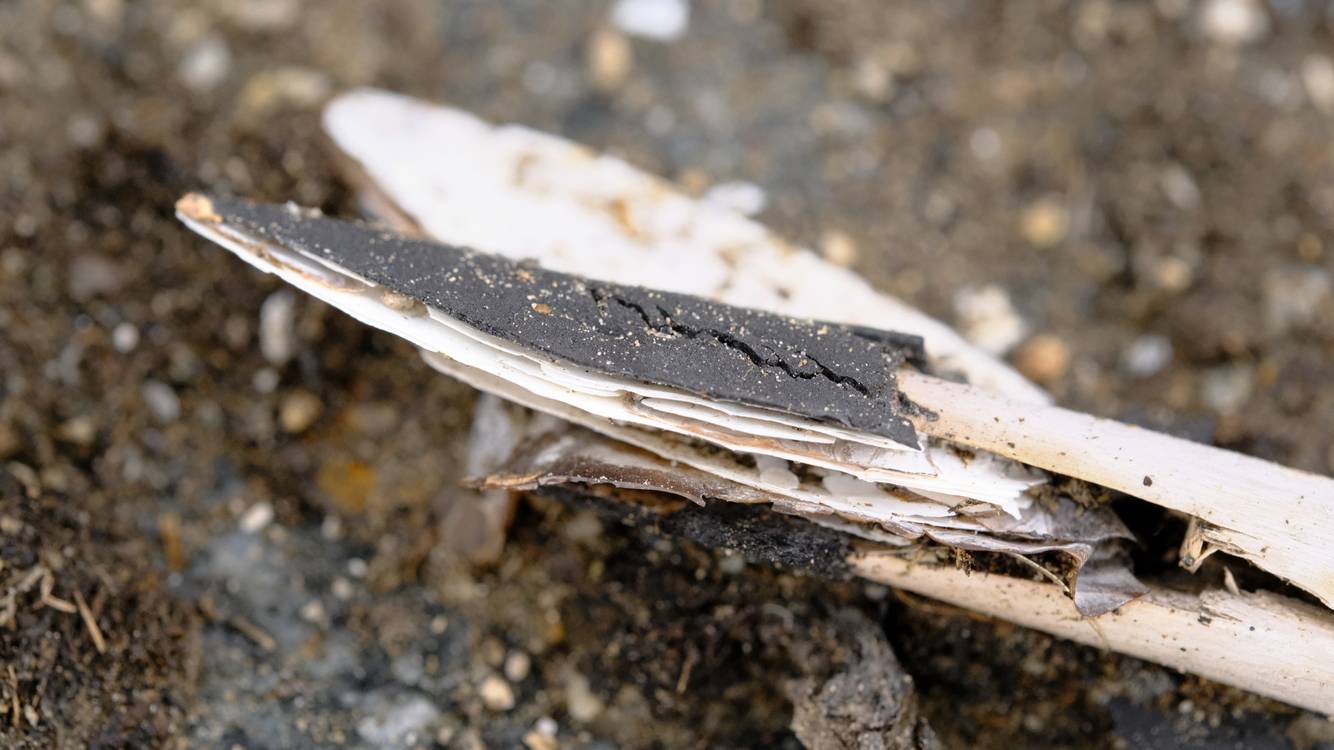
Arrowheads, crafted from slate, bone, and even a freshwater mussel shell, date from as late as 2,000 years ago to as early as 5,000. The slate arrowhead could be 6,000 years old, while the mussel shell arrowhead was found with an intact wooden shaft, and is believed to be around 3,600 years old.
The work focused around the 3 glaciers of Langfonne, Storfonne and Handklefonne, in the Jotunheimen mountains. Here, the glacier ice formed a longer time ago than any others that remain. The ice is older, therefore the artifacts it contains are older too.
“When we began our work in 2006, most of the artifacts we recovered were less than 2,000 years old, with particularly large numbers dating to the Viking Age,” the Secrets of the Ice researchers wrote in a blog post.
A slate arrowhead, approx. 5,000 years old – credit, Åsa Rommetveit Celius, Innlandet County Municipality, Secrets of The IceAn arrowhead made from freshwater mussel shell – credit, Frys film, Innlandet County Municipality, Secrets of The IceSome of the team’s recent finds at the Norwegian Mountain Museum, where artifacts pulled from the ice can go on display in a frigid case in as little as a few days to prevent deterioration – credit, Live Andrea Sulheim, Norwegian Mountain Museum.
While stuck in the ice, the wood and other carbon-based material rots at a glacial pace—pun intended. The lack of oxygen prevents the formation of bacteria, and can mean that some of the objects can appear almost new.
That can change, however, extremely quickly, so many of the finds are placed in frigid, anoxic display cases at a nearby museum while they wait to be catalogued, studied, and perhaps moved 200 miles southwest to the capital of Oslo.
“Now the picture has changed dramatically. Increasingly, the artifacts melting out of the ice are more than 2,000 years old. Many date to the Stone Age and Bronze Age. The oldest are more than 6,000 years old.”
Since the project began in 2006, it has recorded 73 archeological sites and recovered more than 5,000 artifacts from the ice, notably the world’s oldest ski, and a leather shoe from the time of Ancient Babylon.
SHARE This Incredible Suite Of Artifacts From The Deep Ice…
Quote of the Day: “Self-realization demands great struggle.” – Swami Sivananda
Photo by: Getty Images for Unsplash+
With a new inspirational quote every day, atop the perfect photo—collected and archived on our Quotes page—why not bookmark GNN.org for a daily uplift?
Cobb slides into third base for a triple against the Washington Senators at Griffith Stadium, August 16, 1924
On this day, in Game 2 of the 1909 World Series, Ty Cobb stole home base. The details around this famous of all capers are what make it so. Losing Game 1 to the Pittsburgh Pirates, Detroit Tiger’s star and all-time great Ty Cobb was sitting on third base at the top of the second in Game 2, his team already behind by two runs. A reliever had come in named Victor Willis, a giant of a man, who Cobb noticed was paying far too much attention to the batter, giving Cobb the space he needed to steal home before Willis came to his senses. READ more about the circumstances… (1909)
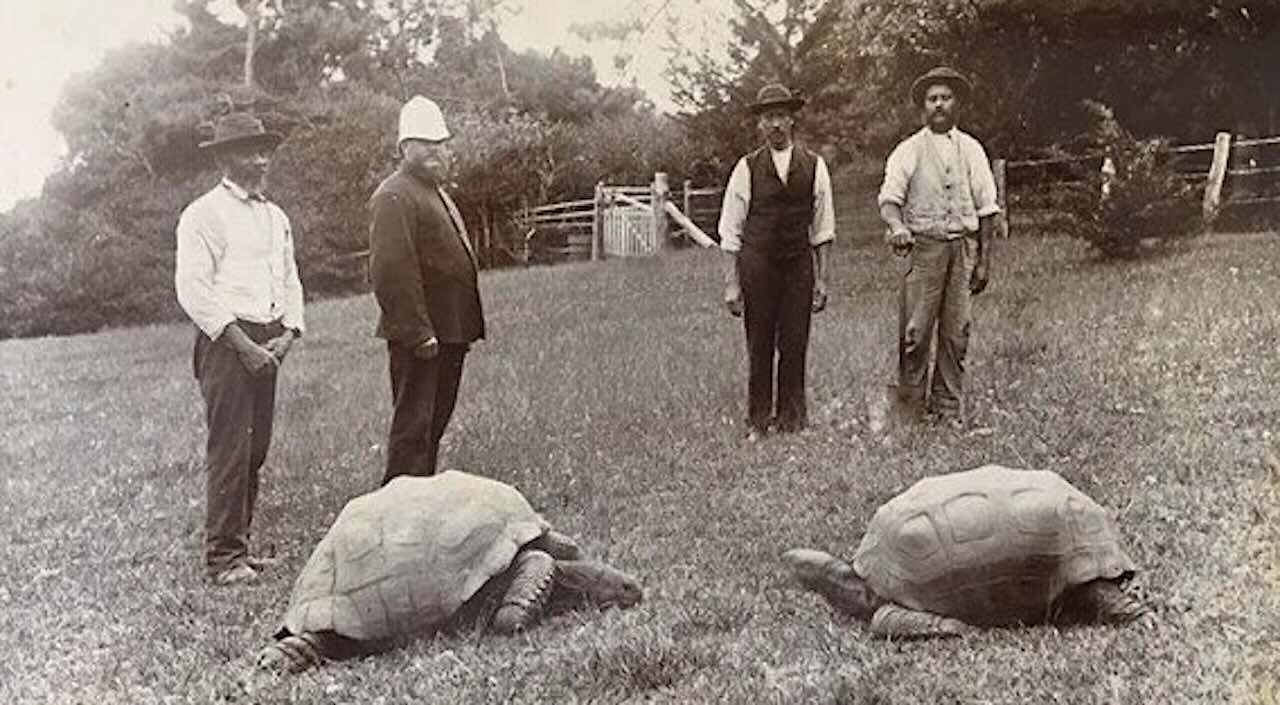
Jonathan (left) arrived in St. Helena as a gift to Sir William Grey-Wilson in 1882
Jonathan (left) arrived in St. Helena as a gift to Sir William Grey-Wilson in 1882
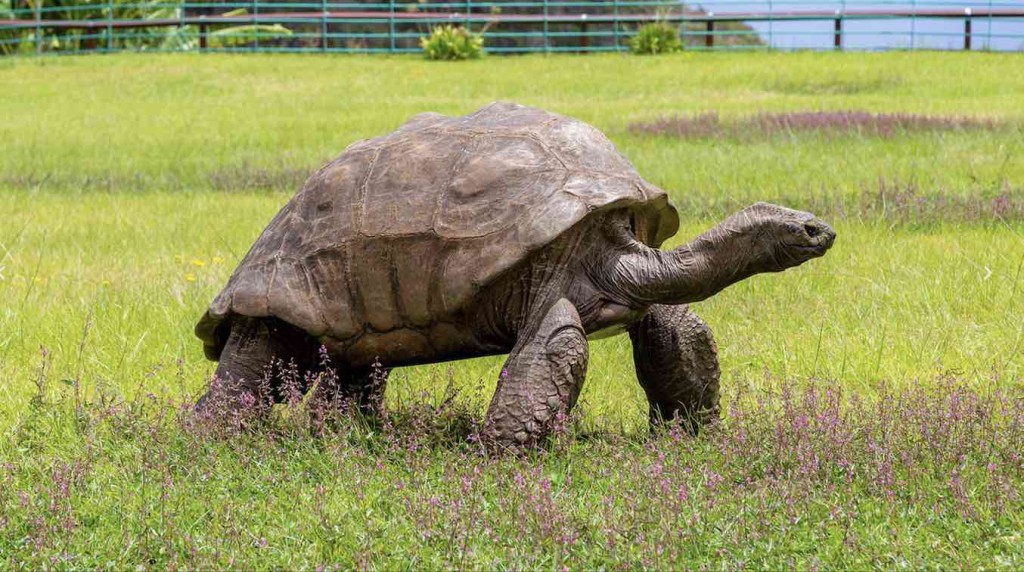
A giant tortoise called Jonathan reinforces what we know about humans and healthy aging, say scientists—especially because Jonathan is nearly 200 years old.
Researchers have been conducting genetic tests on Jonathan who, at an estimated 194-years-old, is believed to be the world’s oldest living land animal.
They say their findings suggest that it’s not just down to good genes, but a lack of genetic wear and tear that have kept him going for nearly 2 centuries.
The study pinpointed 287 unique gene variants that reduce the usual effects of aging in Jonathan, who was born 5 years before Queen Victoria succeeded to the throne.
Jonathan, an Aldabra giant tortoise, is believed to have hatched in 1832, making him a contemporary of Charles Darwin and Charles Dickens. He has lived most of his life on the island of St. Helena, a British Overseas Territory in the South Atlantic Ocean, at the governor’s mansion.
He arrived on St. Helena already fully grown from the Seychelles as a gift.
Jonathan – courtesy of St. Helena Tourism
The giant tortoises of the Galapagos and Seychelles islands are the last survivors of animals that used to dominate the ecology of many of the world’s islands.
Regarding his genes, researchers explained that the 287 identified gene variants control key processes in the body, including repair of DNA damage, reducing inflammation, regulating insulin, and suppressing cancer.
Researchers also compared Jonathan’s epigenome, with those of younger giant tortoises of the same species. They found the switches controlling Jonathan’s DNA repair and metabolism genes were remarkably “very similar” to those in his younger relatives.
Compared to the genome, the epigenome incorporates changes in the expression of genes in response to life stressors, and is a key contributor to the ageing process.
The study, published in the journal Science Advances, marks the first time the epigenome of a giant tortoise has been investigated.
It was led by scientists at longevity research non-profit organization Kallel, who say that cracking the genetic code of a multi-century life offers “unprecedented” insights into extreme lifespan.
“We found that the gene regulators involved in energy production and DNA repair have remained incredibly stable in Jonathan over almost two centuries,” said Cambridge University scientist Dr. Justin Gerlach, who was involved in the study.
“There are few creatures that could tell us more about ageing than the giant tortoises of the Galapagos and Seychelles islands.”
Dr. Gerlach has studied the ecology and conservation of giant tortoises for several decades, but this study is the first in which he’s studied their long lives.
“Nature has already solved the puzzle of ageing in remarkable ways, and Jonathan’s genome provides a blueprint for cellular resilience,” said study senior author Dr. Stephen Clark, founder of Kallel. “Our goal is to take these evolutionary insights and immediately translate them into practical, affordable treatments for everyday people.”
“Aging is the greatest risk factor for nearly every chronic disease we face, and through the generosity of philanthropic partners, we can democratize access to longevity medicine.”
SHARE Jonathan’s Story And What It Might Hold For The Future…