All News - Page 355 of 1714 - Good News Network
Home Blog Page 355

“Enlightenment is intimacy with all things.” – Dōgen Zenji

Quote of the Day: “Enlightenment is intimacy with all things.” – Dōgen Zenji (13th-century Buddhist priest and writer)

Photo by: Prasesh Shiwakoti (Lomash)

With a new inspirational quote every day, atop the perfect photo—collected and archived on our Quotes page—why not bookmark GNN.org for a daily uplift?

7 Healthy Habits Can Almost Halve Our Risk of Dying From Stroke and Protect Against Alzheimer’s

SWNS

Seven healthy habits can almost halve people’s risk of suffering a life-threatening stroke, according to new research.

They include being active, eating better, losing weight, quitting smoking and maintaining normal blood pressure.

The others are controlling cholesterol and reducing blood sugar. They have been dubbed ‘Life’s Simple 7’—and also protect against heart disease and Alzheimer’s.

Lead author Professor Myriam Fornage, of Texas University in Houston, said their study confirmed modifying lifestyle risk factors can even offset a genetic risk of stroke.

Cardiovascular diseases, including strokes, are the world’s biggest cause of death globally.

Fornage and colleagues tracked around 11,500 people in the US aged 45 to 64 for an average of 28 years.

Participants were given a ‘stroke polygenic risk score’—based on blood tests that identified mutations linked to the condition. Those who scored highest and had the worst cardiovascular health had the highest lifetime risk of 25 percent.

But for those who had practiced Life’s Simple 7 it fell by 30 to 45 percent, regardless of their level of genetic risk. It added up to nearly six more years of stroke-free life, for the 6% of cases that occurred in this group.

POPULAR: Microscopic Robots Made from White Blood Cells Could Treat and Prevent Life-Threatening Illnesses

The American Heart Association put together the checklist of 7 factors for optimal heart health.

The findings in the Journal of the American Heart Association offers hope for a possible screening program.

“We can use genetic information to determine who is at higher risk and encourage them to adopt a healthy cardiovascular lifestyle, such as following the AHA’s Life’s Simple 7, to lower that risk and live a longer, healthier life,” said Prof. Fornage.

Strokes happen when a vessel is either blocked or bursts, cutting off blood supply to parts of the brain.

RELATED: Vitamin D Could Help Protect Women Against and Even Reverse Ovarian Cancer

Almost 800,000 people in the US are struck down each year and 137,000 die.

Stroke reduces mobility in more than half of survivors aged 65 and older, but it also occurs in younger adults. In fact, almost four-in-ten hospitalized patients are under 65.

Learn more at the source: UTHealth Houston.

SEND This ‘Simple 7’ Secret to Friends You Love on Social Media…

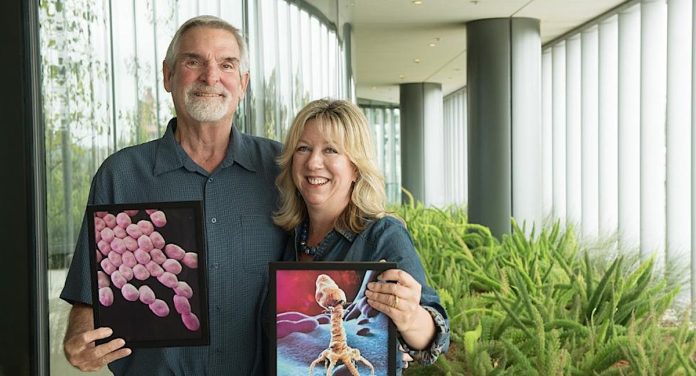
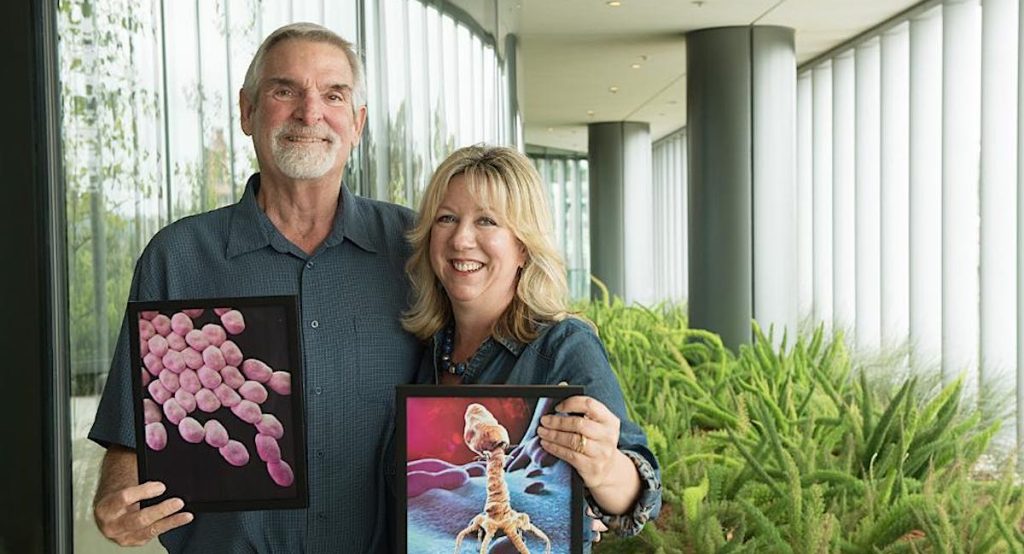
When Antibiotics Failed, She Found a Natural Enemy of Superbug Bacteria to Save Husband’s Life

UC San Diego

Tom Patterson was dying in a U.S. hospital from a massive bacterial infection he’d contracted while traveling in Egypt. Doctors gave him a prognosis of days.

Fortunately, his wife, Steffanie Strathdee, happened to be an infectious disease epidemiologist, who was not going to give up searching for the needle in a haystack required to cure him.

Strathdee spent agonizing months in a bedside vigil at the UC San Diego hospital in 2016 where she served as associate dean of global health science. “I had this conversation that nobody ever wants to have with their loved one,” she recalled during a health and wellness event co-sponsored by CNN.

“I said, ‘Honey, we’re running out of time. I need to know if you want to live. I don’t even know if you can hear me but if you can hear me and you want to live, please squeeze my hand.’ I waited and waited, and all of a sudden, he squeezed really hard.”

From that moment, Strathdee was determined to find a cure—even if it meant turning conventional disease intervention on its head.

After sifting through mountains of medical research, she finally found something that gave her hope: phage treatment. Phages are naturally occurring viruses that literally eat bacteria.

Strathdee reached out to the Tbilisi, Georgia researcher whose work she’d discovered online and learned that although the protocol isn’t mainstream, long-term studies conducted in the U.S. and abroad had already indicated the treatment showed promising efficacy in some cases.

However, with more than 10 million-trillion-trillion unique phages on the planet, identifying a handful that specifically fed on the Acinetobacter baumannii afflicting Tom was a task akin to finding one tiny star in a huge galaxy.

The deadly superbug is nicknamed Iraqibacter because wounded combat troops sometimes contracted it in Iraq—and it ranks No. 1 on the World Health Organization’s list of dangerous pathogens. Undaunted, Strathdee quickly began networking to get Tom the treatment he so desperately needed to survive.

LOOK: Bride and Groom Betrothed to History After She Wore a Wedding Dress Made From the Parachute That Saved Him

Help from Texas A&M, the FDA, and the U.S. Navy

Her first task was appealing to scientists to track down and purify samples of phages that fed on the specific strain of bacteria that was killing Tom. Texas A&M University biochemist Ryland Young, who’s been tracking phages for more than four and a half decades, was eager to help. Researchers from the U.S. Navy soon signed up for the mission as well.

Strathdee’s plea to the FDA to fast-track a “compassionate use” order allowing doctors to implement an experimental treatment was granted in record time. A scant three weeks later, Tom was injected with his first intravenous dose of a purified “phage cocktail” from the team at Texas A&M. Seeing no negative effects, he received his second IV dose, courtesy of the U.S. Navy, two days later.

The miraculous results were like something straight out of an episode of House (minus the fractious Hugh Laurie character, of course). Not long after his second phage IV push, Tom, who had become comatose, was able to raise his head and kiss his daughter’s hand.

UC San Diego

A Promising Phuture for Phage

Tom Patterson is thought to be the first U.S. patient with a systemic superbug infection to be successfully treated via intravenous phage therapy.

RELATED: Newlyweds Become Medical Researchers To Find Cure For Wife’s Severe Genetic Prion Disease

Since Patterson’s recovery six years ago, in conjunction with Dr. Robert “Chip” Schooley, the eminent UC San Diego infectious disease specialist who spearheaded her husband’s care, Strathdee has opened the Center for Innovative Phage Applications and Therapeutics (IPATH), a facility that treats and counsels patients afflicted with drug-resistant infections.

With Schooley set to launch clinical phage trials in the insidious antibiotic-resistant bacteria Pseudomonas aeruginosa that’s associated with cystic fibrosis, Strathdee is also working to establish a worldwide “phage library” with hopes of streamlining the process of sourcing, purifying, and cataloging a curated collection of infection-specific phages.

While there are lingering and sometimes debilitating effects from his battle with the superbug, these days Patterson is living a happy and productive life, for which both he and Strathdee are profoundly thankful. “We’re not complaining! I mean every day is a gift, right?” Strathdee told CNN. “People say, ‘Oh, my God, all the planets had to line up for this couple,’ and we know how lucky we are.”

(To learn more about this couple’s amazing story, read their memoir: The Perfect Predator: A Scientist’s Race to Save Her Husband From a Deadly Superbug.)

DON’T Quit Sharing This Story of Triumph on Social Media…

Your Inspired Weekly Horoscope From Rob Brezsny: A ‘Free Will Astrology’

Our partner Rob Brezsny provides his weekly wisdom to enlighten our thinking and motivate our mood. Rob’s Free Will Astrology, is a syndicated weekly column appearing in over a hundred publications. He is also the author of Pronoia Is the Antidote for Paranoia: How All of Creation Is Conspiring To Shower You with Blessings. (A free preview of the book is available here.)

Here is your weekly horoscope…

FREE WILL ASTROLOGY – Week of July 23, 2022
Copyright by Rob Brezsny, FreeWillAstrology.com

LEO (July 23-Aug. 22):
A Leo astrologer I’ve known for years told me, “Here’s a secret about us Lions. No matter what happens, despite any pitfalls and pratfalls, my ego will stay intact. It ain’t gonna crack. You can hurl five lightning bolts’ worth of insults at my skull, and I will walk away without even a hint of a concussion. I believe in myself and worship myself, but even more importantly: I trust my own self-coherence like I trust the sun to shine.” Wow! That’s quite a testimony. I’m not sure I fully buy it, though. I have known a few Leos whose confidence wavered in the wake of a minor misstep. But here’s the point of my horoscope: I encourage you to allow a slight ego deflation in the coming days. If you do, I believe it will generate a major blossoming of your ego by August. And that would be a very good thing.

VIRGO (Aug. 23-Sept. 22):
Virgo poet Claude de Burine described how one night when she was three years old, she sneaked out of the house with her parents’ champagne bucket so she could fill it up with moonlight. I think activities like this will be a worthy pursuit for you in the coming days. You’re entering a favorable phase to go in quest of lyrical, fanciful experiences. I hope you will make yourself available for marvels and curiosities and fun surprises.

LIBRA (Sept. 23-Oct. 22):
There is a distinction between being nice and being kind. Being nice is often motivated by mechanical politeness, by a habit-bound drive to appear pleasant. It may be rooted more in a desire to be liked than in an authentic urge to bestow blessings. On the other hand, being kind is a sincere expression of care and concern for another. It fosters genuine intimacy. I bring these thoughts to your attention because I think that one of Libra’s life-long tasks is to master the art of being kind rather than merely nice. And right now is an especially favorable phase for you to refine your practice.

SCORPIO (Oct. 23-Nov. 21):
You sometimes feel you have to tone down your smoldering intensity, avert your dark-star gazes, conceal your sultry charisma, dumb down your persuasive speech, pretend you don’t have so much stamina, disguise your awareness of supernatural connections, act less like a saint and martyr in your zealous devotions, and refrain from revealing your skill at reading between the lines. But none of that avoidance stuff usually works very well. The Real You leaks out into view. In the coming weeks, I hope you won’t engage in any of the hiding behavior I described. It’s a favorable time to freely pour forth your Scorpionic blessings.

SAGITTARIUS (Nov. 22-Dec. 21):
There could be interesting and important events happening while you sleep in the coming nights. If a butterfly lands on you in a dream, it may mean you’re prepping for a spiritual transformation in waking life. It could be a sign you’re receptive to a breakthrough insight you weren’t previously open to. If you dream of a baby animal, it might signify you’re ready to welcome a rebirth of a part of you that has been dormant or sluggish or unavailable. Dreams in which you’re flying suggest you may soon escape a sense of heaviness or inertia.

CAPRICORN (Dec. 22-Jan. 19):
How to be the best Capricorn you can be in the coming weeks and months: 1. Develop a disciplined, well-planned strategy to achieve more freedom. 2. Keep clambering upwards even if you have no competitors and there’s no one else at the top. 3. Loosen your firm grasp and steely resolve just enough so you can allow the world to enjoy you. 4. Don’t let the people you love ever think you take them for granted. 5. Be younger today than you were yesterday.

AQUARIUS (Jan. 20-Feb. 18):
In the next seven to eight weeks, I’d love for you to embody an attitude about intimacy articulated by author Hélène Cixous. Here’s her aspiration: “I want to love a person freely, including all her secrets. I want to love in this person someone she doesn’t know. I want to love without judgment, without fault. Without false, without true. I want to meet her between the words, beneath language.” And yes, dear Aquarius, I know this is a monumental undertaking. If it appeals to you at all, just do the best you can to incorporate it. Perfection isn’t required.

PISCES (Feb. 19-March 20):
I periodically consult a doctor of Chinese Medicine who tells me that one of the best things I can do for my health is to walk barefoot—EVERYWHERE! On the sidewalk, through buildings, and especially in the woods and natural areas. He says that being in direct contact with our beloved earth can provide me with energetic nourishment not possible any other way. I have resisted the doc’s advice so far. It would take the soles of my feet a while to get accustomed to the wear and tear of barefoot walking. I bring this up, Pisces, because the coming weeks will be an excellent time for you to try what I haven’t yet. In fact, anything you do to deepen your connection with the earth will be extra healing. I invite you to lie in the sand, hug trees, converse with birds, shout prayers to mountains, and bathe in rivers or lakes.

ARIES (March 21-April 19):
You are entering the Season of Love’s Renewal. To celebrate, I offer you a poem by eighth-century Tamil poet Andal. Whatever gender you may be, I invite you to visualize yourself as the “Snakewaist woman” she addresses. Here’s Andal, bringing a fiery splash of exclamation points: “Arouse, Snakewaist woman! Strut your enchantment! Swoop your mirth and leap your spiral reverence! As wild peacocks shimmer and ramble and entice the lightning-nerved air! Summon thunderheads of your love! Command the sentient wind! Resurrect the flavor of eternal birth!”

TAURUS (April 20-May 20):
Tips to get the most out of the next three weeks: 1. Work harder, last longer, and finish with more grace than everyone else. 2. Be in love with beauty. Crave it, surround yourself with it, and create it. Be especially enamored of beautiful things that are also useful. 3. Taste the mist, smell the clouds, kiss the music, praise the earth, and listen to the moon in the daytime sky. 4. Never stop building! Keep building and building and building: your joy, your security, your love, your beauty, your stamina, your sense of wonder.

GEMINI (May 21-June 20):
Gemini astrologer Astrolocherry says that while Geminis “can appear naive and air-headed to onlookers, their minds usually operate at light speed. They naturally absorb every surrounding particle of intellectual stimuli. They constantly observe their interactions for opportunities to grow their knowledge.” I believe these qualities will function at peak intensity during the next four weeks, Gemini—maybe even beyond peak intensity. Please try to enjoy the hell out of this phase without becoming manic or overwrought. If all goes well, you could learn more in the next four weeks than most people learn in four months.

CANCER (June 21-July 22):
Naeem Callaway founded Get Out The Box, an organization that mentors at-risk youth in low-income and rural communities. Here’s one of his central teachings: “Sometimes the smallest step in the right direction ends up being the biggest step of your life. Tiptoe if you must, but take the step.” Even if you don’t fit the profile of the people Callaway serves, his advice is perfect for you right now. For the time being, I urge you to shelve any plans you might have for grandiose actions. Focus on just one of the many possible tasks you could pursue and carry it out with determined focus.

WANT MORE? Listen to Rob’s EXPANDED AUDIO HOROSCOPES, 4-5 minute meditations on the current state of your destiny — or subscribe to his unique daily text message service at: RealAstrology.com

(Zodiac images by Numerologysign.com, CC license)

SHARE The Wisdom With Friends Who Are Stars in Your Life on Social Media…

“The media only writes about the sinners and the scandals, but that’s normal, because a tree that falls makes more noise than a forest that grows.” – Pope Francis

Quote of the Day: “The media only writes about the sinners and the scandals, but that’s normal, because a tree that falls makes more noise than a forest that grows.” – Pope Francis

Photo by: John Salzarulo

With a new inspirational quote every day, atop the perfect photo—collected and archived on our Quotes page—why not bookmark GNN.org for a daily uplift?

Berlin’s Derelict Airport Undergoes Transformation to Become a Sustainable Neighborhood

The old Tegel Airport. - Tegel Project / Berlin TXL
Schumacher Quartier – Berlin TXL

With 580 acres of ex-airport real estate now available, the area is being dreamed of as a sustainable neighborhood of wide open green spaces, bike lanes, and affordable efficient housing.

After old Tegel Airport in Berlin was closed down in favor of a new, more modern one, workers started clearing the ground for the Schumacher Quartier, a project that has been brewing since 2017, and which seeks to address car pollution, housing shortages, and many other modern urban issues.

Schumacher Quartier will provide upwards of 5,000 homes for more than 10,000 people, together with the corresponding amenities such as schools, daycare centers, shopping facilities, and lots of greenery. A further 4,000 homes are planned for the neighboring districts.

The charter for the design incorporates the desires of housing for everyone, urban green space and public areas, an open educational landscape, climate-friendly and water-sensitive urban development, guaranteed environmentally-friendly mobility, and participation from the community members.

SIMILAR: Abandoned Airport Turned into Sensory Experience Park Providing Green Refuge in Crowded Taiwan City

Over the past few years, cities around the world have snapped at the opportunity to turn large derelict spaces into new, innovative, sustainable neighborhoods.

It’s happening in Utah, Kuwait, Taichung, The Bronx, and probably many more locations.

The old Tegel Airport. – Tegel Project / Berlin TXL

“The Schumacher Quartier is planned in such a way that the streets and squares belong to the people again, rather than to cars,” said Constanze Döll, press secretary for the Tegel Projekt.

“We want to let people rediscover the public space… for socializing, playgrounds, places to relax and talk. Important locations in the neighborhood, like the kindergarten, school, bakery, supermarket, can be reached easily by foot.”

Next to the residential areas will be a commercial zone utilizing some of the old airport’s infrastructure called the Urban Tech Republic, ideal for tech sector entities to set up offices, and a huge city park stretching across 50% of the 5-square-kilometer space.

Another key feature will be the environmental-incorporations into the homes. All will be built from mass-timber construction that’s locally sourced. This should reduce the carbon footprint from construction by 80%. Rooftop gardens will be installed to absorb rainwater, and Fast Company Magazine reports there is to be something called a “sponge city” that will specifically soak up water from heavy rainstorms to be used in Quarter’s water supplies.

RELATED: A New Neighborhood is Being Built in Utah That Looks Like a European ‘One-Car Town’

The city park will be the location of an introduction program for 14 endangered species that are capable of living near urban environs, such as broad-winged bats and nightingale grasshoppers.

The first campus is slated to be finished in 2027, as work is still ongoing to clear existing debris, including an old World War II airfield around which hazardous waste disposal personnel have already cleared 5,000 defunct munitions such as artillery shells.

WATCH their artistic renderings…

Help Your Friends DREAM Of Future Cities Like This On Social Media…

Wild Bison Return to UK After Thousands of Years – And Are Ready to Tear S*!# Up

/ Wilder Blean / Kent Wildlife Trust

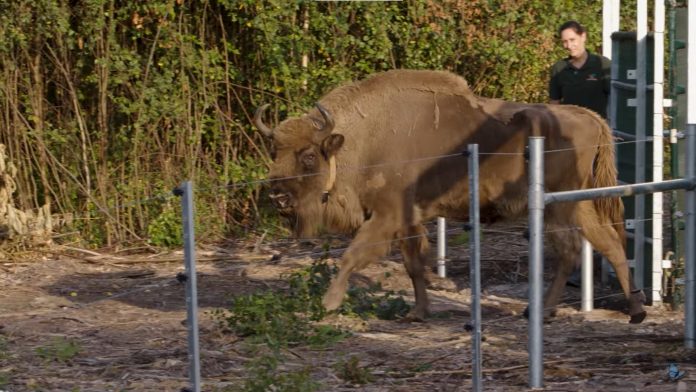
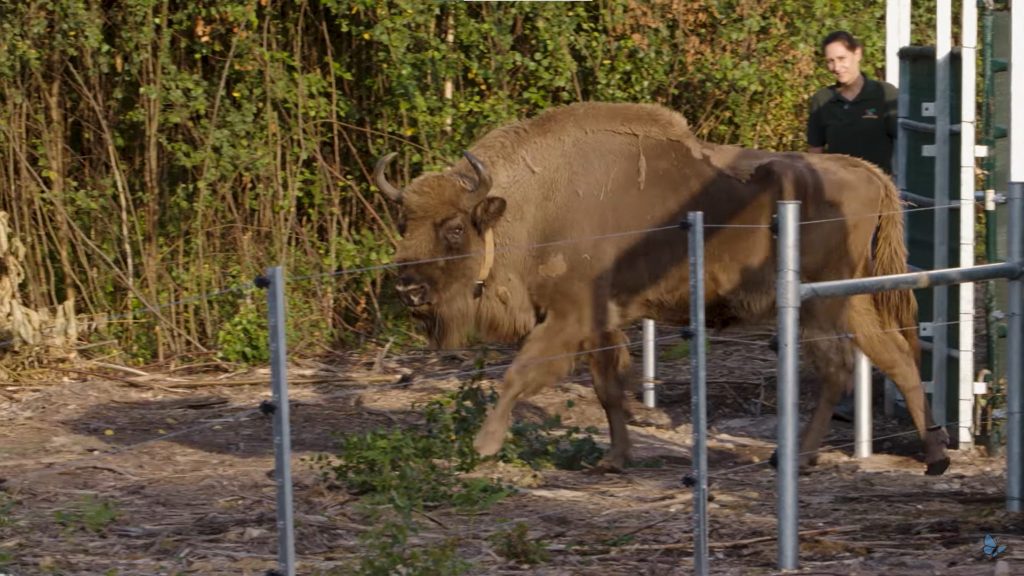
Wild European bison have been released in southeast England where they will roam unperturbed by humans on Great Britain for the first time in 6,000 years.

It’s the culmination of several years of planning by the Kent Wildlife Trust, which want to unleash the bison’s powers of creation and destruction upon a non-native woodland in order to create a more British landscape in the long run.

The target is West Blean Woods, as part of a project GNN reported on in 2020 called “Wilder Blean.” There stands a commercial forest of non-native conifer trees. The bison love gnawing on bark, which will act as a food source while they inevitably kill a fair amount of these invasive trees.

These deaths, combined with the trampling of their hoofs, and their habit of rolling around taking dust baths, will open up space in the canopy and the understory to allow light and native plants to take hold.

“The restoration of naturally functioning ecosystems is a vital and inexpensive tool in tackling the climate crisis,” said Evan Bowen-Jones, CEO at Kent Wildlife Trust (KWT).

“We want Wilder Blean to mark the beginning of a new era for conservation in the UK. We need to revolutionize the way we restore natural landscapes, relying less on human intervention and more on natural engineers like bison, boar and beaver.”

CHECK OUT: Irish Metalhead Turns His Ancestral Estate into Model of Rewilding: It Naturally Grew Into Biodiverse Eden

Known as a keystone species, similar to krill in the ocean, tigers in India, or bees in a meadow, bison provide services that allow the ecosystems they live in to operate at a much higher capacity in terms of ecosystem activity. In conservation terms, a keystone species is one that plays a role in the preservation of other species, and the ecology as a whole.

In an unexpected way, the attempted restoration of bison in the English ecosystem is more about halting England’s current species loss than it is about restoring some kind of Stone Age ecology to the island. Their fur makes them a kind of walking seed bank, dispersing seeds around as they change the shape of the forest through their habits.

All this provides habitat and food for insects and plants, the basis of the food web, onto which glom on birds, and larger species like deer, badgers, and fox.

“I cannot wait to see how the bison start to shape the Blean over a 5, 10, 20 year period as they settle into their new home and start throwing their weight around,” Tom Gibbs, a bison ranger at the site, told The Guardian.

European bison with calves – Pryndak Vasyl, CC license

A step up

Originally the plan was for the bison to come from Poland and the Netherlands, but Wilder Blean introduced a matriarch and two young females from Scotland and Ireland respectively where they lived in wildlife parks under strong human supervision.

A bull male will be brought over from Germany shortly after, and all animals will be collared with GPS tracking devices to monitor their preferred areas, which plants they feed upon, and more.

The total extent of the project at the moment is 200 hectares, or 440 acres, 110 acres of which will be available at the start after the bull arrives.

RELATED: Conservation Success for European Bison is ‘Living Proof’ That Ambitious Biodiversity Targets Work

The bison will soon be joined by other grazing animals, including Exmoor ponies, iron age pigs and longhorn cattle, whose ancestors, the auroch, would have roamed Great Britain around 3,000 BCE.

These herbivores natural behaviors complement the bison in managing the landscape.

The Brits will undoubtedly be hoping a more natural woodland, replacing the large blocks of conifers, will sequester more carbon and water, and help to keep the landscape and the climate that little bit cooler as they swelter under the current heatwave.

WATCH the matriarch claim her new surroundings…

SHARE This Milestone In Rewilding With Your Friends…

More Young Adults are Renting Next Door to Retired Folks – With Intergenerational Benefits

Michael Wortis, left, and Siobhan Ennis are roommates. / Siobhan Ennis

The latest housing trend in America has nothing to do with décor, or “open concepts,” but rather the rise of intergenerational roommates.

Described as separated by at least one generation, intergenerational roommate arrangements are growing in the United States, and intergenerational houses have quadrupled since 1971.

Pick your explanation—growing isolation among the elderly, eternally rising rents almost anywhere near a coastal city, average life-expectancy increasing, an aging population, decreased birth rate, or rising college tuition, the fact of the matter is that older folks have space available, and tend to be happy to have a young person around.

In March 2021, there were 59.7 million U.S. residents who lived with multiple generations under one roof.

“It was perfect—Judith has become like my family,” said Nadia Abdullah, a 25-year-old robotics student in Massachusetts who in 2019 moved in with the 64-year-old attorney, Judith.

CHECK OUT: 95-Year-old Holocaust Survivor Has a Roommate: a 31-Year-old Granddaughter of Nazis

The arrangement of $700 a month plus help around the house has put her just 6-miles from Boston, and 30 minutes from her robotics job in Beverly Mass.

Judith and Nadia were matched together thanks to Nesterly, a renting hub specifically designed to create intergenerational roommates.

“Through Nesterly, I lived with Sarah while attending Harvard,” writes a young Nesterly reviewer named Kaplan who provided the exact sort of insight into the service one would imagine. “She provided the type of repository of knowledge you just can’t Google—showing me how to garden, to gut a fish, and inject French Romanticism into life.”

The Washington Post details that an opera singer and other musicians in training were able to live rent-free in a retirement community on the arrangement that they perform concerts for the residents every so often.

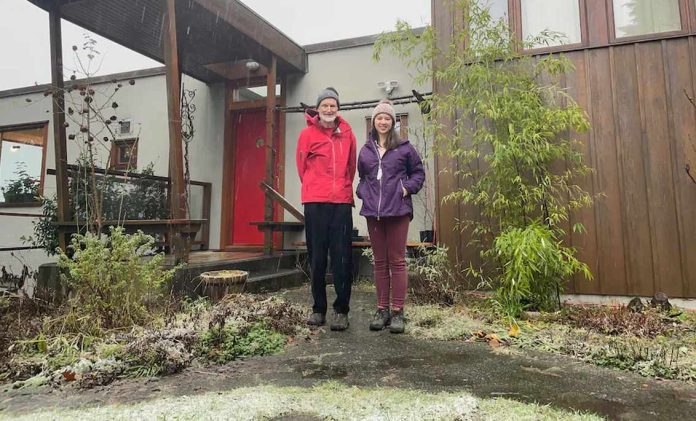
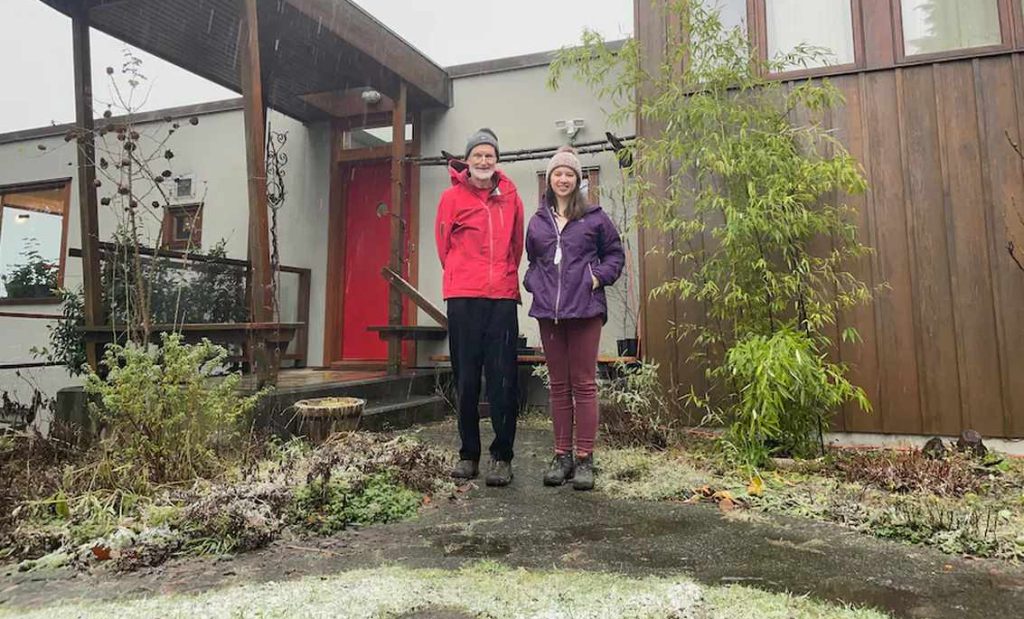
Canada HomeShare is a similar service that paired 85-year-old Michael Wortis, a retired physics professor from Burnaby, B.C., with 27-year-old Siobhan Ennis, a health sciences graduate student who by moving in with Wortis got to bail out of a shared home with 3 extra roommates.

RELATED: Young Neighbor Invites Ailing 89-Year-Old Woman to Move In

Biologically-speaking, an arrangement such as Ennis and Wortis is kind of the natural state of humanity.

While almost all animals rapidly die off after they become too old to procreate, humans are capable of living decades beyond the point of infertility. Scholars believe this is because our intelligence and life experiences, imparted into the next generation, acts as a secondary way to ensure our genetics are passed on; i.e. if you can live long enough to explain to your children and grandchildren exactly which mushrooms they can eat, which snakes are poisonous, how to hunt with a bow and arrow, those offspring will have a better chance of survival than a parallel family unit who lose their parents early on.

SHARE The Wisdom Of This Trend On Social Media…

A ‘True Lassie’ Helped a Rescue Team Find His Owner Who Fell 70 Feet in Tahoe Forest

- KCRA3 - Nevada County Search and Rescue
– KCRA3 – Nevada County Search and Rescue

A Nevada man may owe his life to the intelligence of his border collie after the real-world “Lassie” led search and rescue to him.

The man had fallen 70 feet down a steep slope in the Tahoe Forest, breaking his hip and some ribs. The next day he managed to crawl his way to a patch of cell service and call for help.

Search and Rescue pinged the location of his last call, while a friend of the victim told the searchers “look for Saul.”

That advice paid off when, scouring the remote country, the searchers came upon a black and white border collie jumping up and down and spinning around in circles.

Saul had run about 200 yards away through the woods to find the Search and Rescue team, and as sure as Lassie, led them to his owner who had erected a little shelter under a camouflage tarp.

RELATED: Determined ‘Lassie’ Dog Leads New Hampshire Police Back to Scene of Owner’s Car Crash Down a Hill

“At first we didn’t believe it because it sounded like a movie,” said Sgt. Dennis Haack of the Nevada County Sheriff’s Office Search and Rescue. “When they came back and actually described it to us, the reality was that they had followed the dog directly to the victim.”

The team got a helicopter to the scene to transport the man to safety. Saul was taken to the nearby town of Grass Valley where he “was given a well-deserved dinner,” while his owner receives treatment.

WATCH KCRA3 cover the story…

LEAD Your Social Media Friends To Read This Border Collie’s Heroics…

Good Gardening Week 3: Which Are Your Go-To Plants or Flowers? — Share Tips and Photos

GNN Managing Editor, Andy Corbley, in his garden in Vergiate, Italy

Welcome back to Good Gardening! In our Week 2 discussion thread, we wanted to find out what people were growing at this very moment. We took it to social media and shared photos

Brandi Lanai took the plunge into fruit growing and bought the Dwarf lemon tree of her dreams. Managing Editor Andy shared an old Italian trick about adding coffee grounds and chopped banana peels to the soil of a lemon tree to boost fruit production. She also added that she wanted to take up vegetable growing, but is a total novice. (Send her tips!)

Brandi Lanai’s lemon tree.

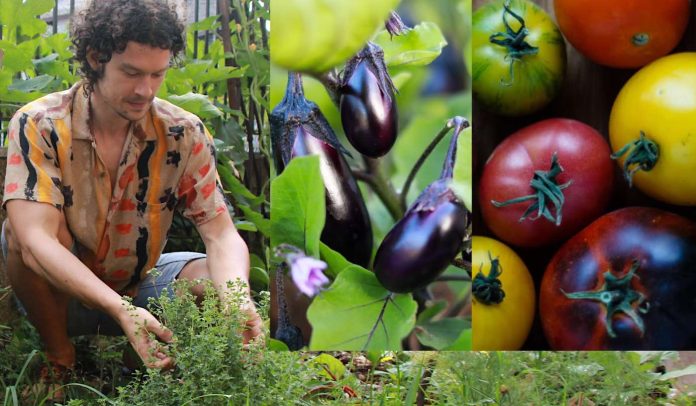
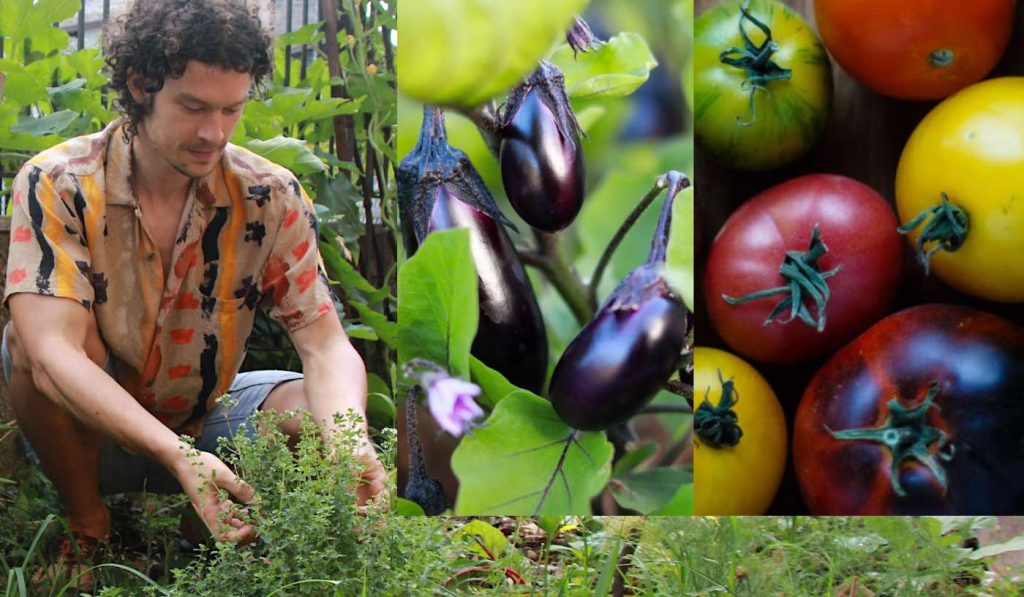
Our experts Llyn and Chris from The Sharing Gardens wrote in to tell us they were growing “open-pollination” varieties, as in, varieties whose genetics could still be altered via pollination, as part of their mission to save their own seeds. Their crazy heirloom varieties will make your jaw drop.

Llyn and Chris’ heirloom vegetables.

“All gardeners know better than other gardeners,” — Unattributed Chinese Person.

Topic Week 3: Which Are Your Go-To Plants or Flowers?

Question 1: Which vegetables or flowers can you never go without when planting?

Question 2: Why? Is it the flowers, the fruit, the pollinators they attract, the leaves?

Question 3: Have you learned any secrets from experience about growing certain plants?

Tell Us Here in The Comments… or, send your questions, tips, and photos to [email protected]Join our Facebook Good Gardens thread every Friday on the GNN Facebook Page

Good gardening rules

  • Positive attitude required.
  • Green thumbs can help novice greenhorns.
  • Share your gardening photos and resources.
  • Garden jargon encouraged!

“Your soul knows the geography of your destiny. You can trust it will take you where you need to go.” ― John O’Donohue

Quote of the Day: “Your soul knows the geography of your destiny. You can trust it will take you where you need to go.” ― John O’Donohue

Photo by: GWC

With a new inspirational quote every day, atop the perfect photo—collected and archived on our Quote of the Day page—why not bookmark GNN.org for a daily uplift?

Botswana Cuts HIV Transmission Rates to Children from 40% to 1% in ‘Groundbreaking Achievement’

- WHO/Letso Leipego
– WHO/Letso Leipego

The WHO recently-celebrated Botswana for their “groundbreaking achievement” of stopping the transmission of HIV between moms and their newborns.

The national program has reduced such occurrences from 40% to below 1% since it was launched 23 years ago.

Botswana still struggles with high HIV infection rates, but in the country’s central health district, just four babies have been born with HIV all year, and in 7 other health districts, there’s been no such transmissions.

“This is a huge accomplishment for a country that has one of the most severe HIV epidemics in the world—Botswana demonstrates that an AIDS-free generation is possible,” said Dr. Matshidiso Moeti, WHO Regional Director for Africa.

“This groundbreaking milestone is a big step forward in ending AIDS on the continent.”

Globally, 15 countries have been certified for eliminating mother-to-child HIV transmission. None of them had an epidemic as large as Botswana. In 1999 the HIV prevalence rate was as high as 30%.

CHECK OUT: World’s Second Person Cured of HIV: 40-Year-old Man is Confirmed to Be 30 Months Virus-Free

“The progress on prevention of mother to child transmission of HIV in this region is truly a public health success, with more than 1.7 million new infections in children averted since 2010,” said Mohamed Fall, UNICEF Regional Director for Eastern and Southern Africa. “We applaud Botswana for this remarkable achievement.”

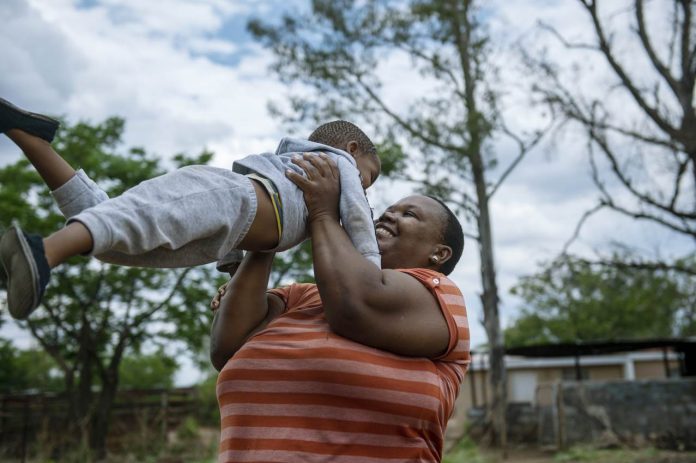
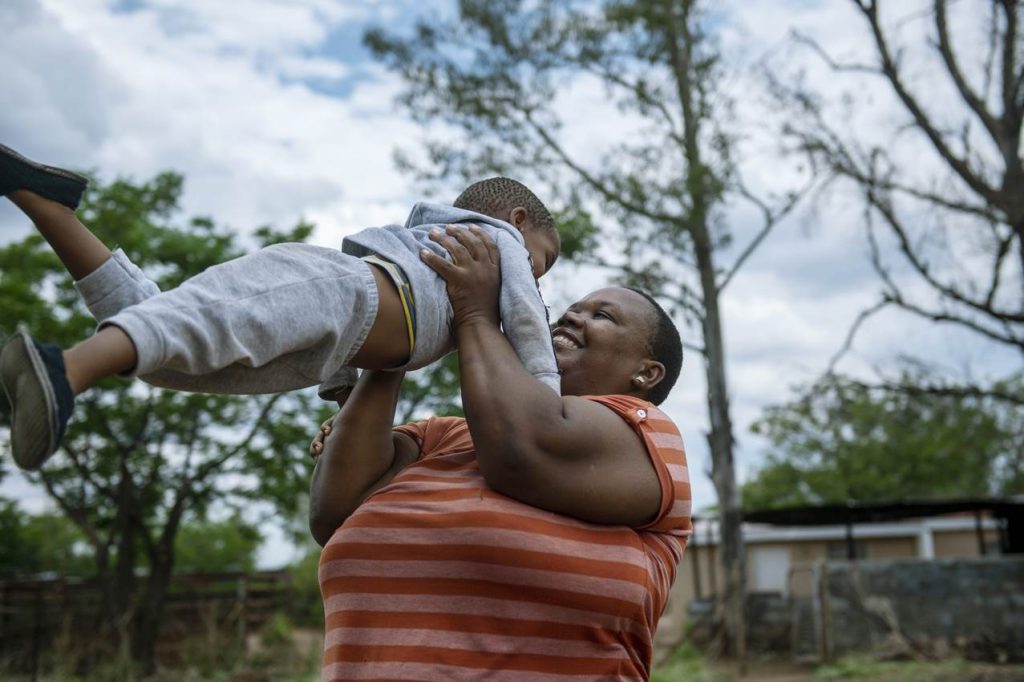
Pictured above, Dora is a poultry farmer in the village of Serowe who is HIV-positive. When she was pregnant she worried she would transmit the virus to her baby. She waited anxiously for the HIV test result and she could not be happier when it came out negative. That is the story of a fortunately large number of mothers in the country.

The program is really rather simple. It encourages pregnant women to test for HIV, and will put positive mothers immediately on antiretroviral therapy for the duration of the pregnancy. The newborn is also given antiretroviral therapy for 6 months after birth.

SIMILAR: Study of 1,000 Couples Shows HIV Drug Treatment Has Eliminated All Risk of Transmitting HIV Infection

Negative women continue to be tested throughout the duration of their pregnancy.

Botswana is aiming to have an HIV-AIDS-free generation by 2030.

CELEBRATE This Amazing Achievement With Your Friends On Social Media…
Large Dose of Iron Could be Used to Kill Off Drug-Resistant Prostate Cancer, Scientists Believe

- SWNS
– SWNS

Large doses of iron could be used to kill off drug-resistant prostate cancer cells, scientists believe.

This could be especially prevalent since while there are a variety of treatments, and these usually work at first, some cancers develop resistance after 18-24 months and that dramatically limits the available options.

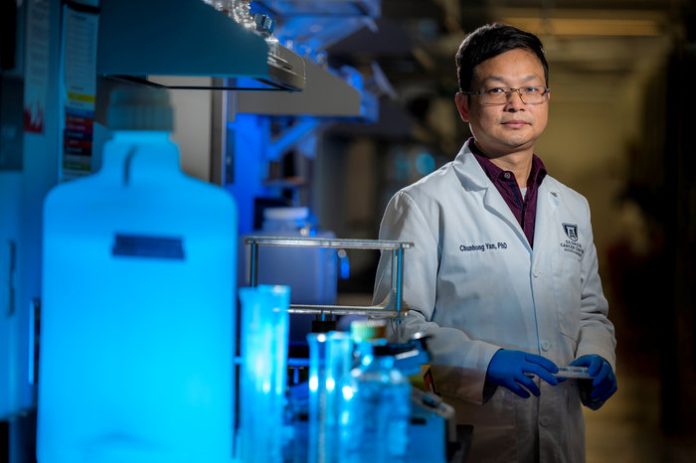
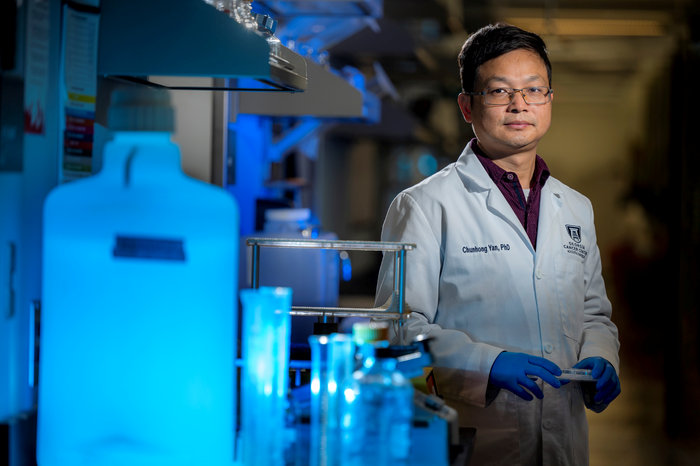
However, a team of scientists led by Dr. Chunhong Yan of the Medical College of Georgia are hoping to use iron to fight this stubborn disease in a process called ferroptosis, taken from the Latin word for Iron (ferro) and the word for cell death “optosis.”

Iron is important for red blood cells carrying oxygen around the body but large amounts of it can be lethal to cells.

It produces a lot of toxic free radicals, or reactive oxygen species (ROS) which damage the fat component of the cellular membrane.

Lipids, or fats, are important for energy storage and for internal cell signaling. Free radicals cause them to lose their flexibility and efficiency until the cell dies, though exactly why is unclear.

SIMILAR: Prostate Cancer Breakthrough Could Stop the Tumor Spreading After It Becomes Resistant to Current Therapy

Prostate cancer cells are unusually resistant to this destruction because their lipids are already changed to have the energy they need to grow and spread.

But Dr. Yan’s team has found a gene called ATF3 that can lower the stress threshold of prostate cancer cells and make them more vulnerable to a new iron compound called JKE-1674 which induces ferroptosis.

“When the cell takes up iron, it goes through different processes, which generate a lot of ROS,” said Dr. Yan. “What we are trying to do is take advantage of this side effect to treat prostate cancer.”

Working on a $1.1 million idea development award from the U.S. Department of Defense, his team has also found that combining a chemotherapy drug with one of the body’s natural mechanisms can also help kill prostate cancer cells.

The drug is called bortezomib and it helps activate the ATF3 gene while the compound JKE-1674 inhibits a process called glutathione peroxidase 4, which separates iron and free radicals and allows cells to repair.

Dr. Yan said clinical trials have shown that bortezomib is not very effective at treating prostate cancer on its own but that when combined with JKE-1674 it becomes a powerful weapon.

The next steps are to conduct experiments on mice and see whether advanced prostate cancer can be neutralized using ferroptosis.

REAL ALSO: Men Free of Prostate Cancer Had Guts Fortified By Microbes Found in Yogurt

The scientists have a genetically engineered mouse that produces more ATF3 and they want to see whether this makes prostate cancer cells more vulnerable to ferroptosis as well.

Dr. Yan wants to develop a therapy that could progress quickly from the lab to a clinical trial and help combat what is one of the most common form of cancers in men across the world.

SHARE This Good Cancer News With Your Friends… 

These Micro-robots Can Clean Teeth By Shapeshifting into Toothbrush or Floss Forms

In a few years, you may just be throwing away your dental care kit, replacing it with a totally science-fiction shapeshifting robot that acts as a toothbrush, rinse, and dental floss in one.

The technology is poised to offer a new and automated way to perform the mundane but critical daily tasks of brushing and flossing for those who have difficulty doing so, such as amputees or the disabled, quadriplegics, or the elderly.

The building blocks of these microrobots are iron oxide nanoparticles that have both catalytic and magnetic activity. Using a magnetic field, researchers could direct their motion and configuration to form either bristle-like structures that sweep away dental plaque from the broad surfaces of teeth, or elongated strings that can slip between teeth like a length of floss.

In both instances, a catalytic reaction drives the nanoparticles to produce antimicrobials that kill harmful oral bacteria on site.

Experiments using this system on mock and real human teeth showed that the robotic assemblies can conform to a variety of shapes to nearly eliminate sticky plaque that lead to cavities and gum disease.

Developed by a multidisciplinary team at the University of Pennsylvania, their findings have established a proof-of-concept for the robotic system in the journal ACS Nano.

“Routine oral care is cumbersome and can pose challenges for many people, especially those who have hard time cleaning their teeth” says author Hyun (Michel) Koo, a professor in the Department of Orthodontics in Penn’s School of Dental Medicine.

SIMILAR: Scientists Created a Mint That Whitens Teeth (Better Than Gels) And Rebuilds Tooth Enamel at the Same Time

“You have to brush your teeth, then floss your teeth, then rinse your mouth; it’s a manual, multi-step process. The big innovation here is that the robotics system can do all three in a single, hands-free, automated way.”

“Nanoparticles can be shaped and controlled with magnetic fields in surprising ways,” says Edward Steager, an author from Penn’s School of Engineering and Applied Science.

“We form bristles that can extend, sweep, and even transfer back and forth across a space, much like flossing. The way it works is similar to how a robotic arm might reach out and clean a surface. The system can be programmed to do the nanoparticle assembly and motion control automatically.”

Disrupting oral care technology

“The design of the toothbrush has remained relatively unchanged for millennia,” says Koo.

The teams innovation arose from a bit of serendipity. Research groups in both Penn Dental Medicine and Penn Engineering were interested in iron oxide nanoparticles but for very different reasons. Koo’s group was intrigued by the catalytic activity of the nanoparticles. They can activate hydrogen peroxide to release free radicals that can kill tooth-decay-causing bacteria and degrade dental plaque biofilms.

Meanwhile Steager and engineering colleagues were exploring these nanoparticles as building blocks of magnetically controlled microrobots.

With support from the university, the Penn collaborators married the two applications in the current work, constructing a platform to electromagnetically control the microrobots, enabling them to adopt different configurations and release antimicrobials on site to effectively treat and clean teeth.

“It doesn’t matter if you have straight teeth or misaligned teeth, it will adapt to different surfaces,” says Koo. “The system can adjust to all the nooks and crannies in the oral cavity.”

The researchers optimized the motions of the microrobots on a complex topography of the tooth surface, interdental surfaces, and the gumline, using 3D-printed tooth models based on scans of human teeth from the dental clinic. Afterwards, they trialed the microrobots on real human teeth that were mounted in such a way as to mimic the position of teeth in the oral cavity.

CHECK OUT: Protein ‘Motors’ Can Swim Around Wounds to Kill Bacteria –And Deliver Lifesaving Drugs

On these various surfaces, the researchers found that the microbots could effectively eliminate biofilms, clearing them of all detectable pathogens. The iron oxide nanoparticles have been FDA approved for other uses, and tests of the bristle formations on an animal model showed that they did not harm the gum tissue.

Indeed, the system is fully programmable; the team’s roboticists and engineers used variations in the magnetic field to precisely tune the motions of the microrobots as well as control bristle stiffness and length. The researchers found that the tips of the bristles could be made firm enough to remove biofilms but soft enough to avoid damage to the gums.

Similar: Microscopic Robots Made from White Blood Cells Could Treat and Prevent Life-Threatening Illnesses

To advance this technology to the clinic, the Penn team is continuing to optimize the robots’ motions and considering different means of delivering the microrobots through mouth-fitting devices.

They’re eager to see their device help patients.

“We have this technology that’s as or more effective as brushing and flossing your teeth but doesn’t require manual dexterity,” says Koo. “We’d love to see this helping the geriatric population and people with disabilities. We believe it will disrupt current modalities and majorly advance oral health care.”

BRIGHTEN Someone’s Day By Sharing This On Social Media…
Duck alla Pest Control—This Horde of Ducks Have Been Protecting 140 Acres of Vineyards for a Half Century (WATCH)

- Africa News.
– Africa News

An antique vineyard in South Africa has ditched toxic pesticides for a horde of hungry ducks, as they attempt to make their wines more sustainable.

In reality, Vergenoegd Löw, the wine estate outside Cape Town, South Africa, has been running ducks through their grape vines since the 1970s, but recently they’re trying to introduce this method of pest control to their industry allies.

The idea first came from east Asia where ducks are used to clear harmful invertebrates out of rice paddies, and it’s become so successful on the estate, that a quacking 1,600 ducks are used.

“I call our ducks the soldiers of our vineyards,” managing director Corius Visser told CNN. “They will eat aphids, they will eat snails, they will eat small worms; they keep (it) completely pest-free.”

Vergenoegd Löw use a species called Indian runner ducks, a flightless variety that have a peculiar straight-backed walking gait, a strong sense of smell, and a voracious appetite for pests.

SIMILAR: Why Butterflies Are Swarming Thanks to Local Vineyards

Now he’s eager to sell 750 ducks to other vineyards in order to create a more sustainable reputation for the South African wine industry.

5 days a week they are herded through 140 acres of grape vines eating as they go, and leaving behind fertilizer in the form of their droppings. Once work is done, they take an annual leave during the harvest season when they enjoy open farm pasture and a lake to swim in. If they stayed year-round, they would eat the grapes as well.

“The world is moving away from more conventional farming to (being) a bit more organic,” Visser explains. “For Vergenoegd, it’s a big goal… to have less influence on the Earth, the soil and the environment.”

Visser hopes they can increase the price point of their wines resulting from the work that goes into caring for the ducks. The estate even sells a line of wines called “Runner Duck.”

The increased margin, it’s hoped, can then be put back into yet more sustainable options. As of now Vergenoegd Löw uses the duck eggs in their restaurant, manages a 34-acre wetland as a carbon sink, and generates electricity using solar panels.

READ ALSO: California Vineyards That Once Used Only Toxic Chemicals to Protect Vines Now Use Nesting Owls

Vineyards in California are using owl boxes to encourage barn owls to make their homes in the middle of the grapes as a way to control rodent populations. Owls can eat a stunning number of individual vermin per day, and it’s just another example of a nature-based solution that allows farms to fit more snugly into a natural environment.

WATCH Africa News 2016 report on the ducks…

QUACK All About This Sustainable Alternative On Social Media…

“Never lose an opportunity of seeing anything that is beautiful; for beauty is God’s handwriting – a wayside sacrament.” – Ralph Waldo Emerson

“Never lose an opportunity of seeing anything that is beautiful; for beauty is God’s handwriting – a wayside sacrament.” – Ralph Waldo Emerson

Check out more inspiring thoughts every day on our homepage, where we will be adding a new quote each day juxtaposed over a beautiful photo. We are collecting and archiving them on our Quote of the Day page. So why not bookmark GNN.org for a daily uplift?

(Image by Stanley Zimny, CC)

The World’s First Boat Elevator Helped Turn Scottish Canals Into Green Veins of Joy

The Ratho Bridge Inn - Visit Scotland
The Ratho Bridge Inn – Visit Scotland

After more than a century of disuse, Scotland’s old coal barge canals have been transformed into peaceful, green arteries of recreation and birdlife.

Part of a repurposing of commercial canals across Europe, Scotland’s are now a major tourist attraction, linking lovely destinations with a mosaic of art installations, natural beauty, and small towns with the big cities the canals were built to supply with coal.

The Caledonian to the north, the Union and Crinan to the east, and the Monkland, which ran parallel to the Forth and Clyde; these canals in the early 19th century funneled endless streams of coal to Glasgow which played a major role in igniting the industrial revolution.

Pack animals would walk along each shore with ropes attached to a coal barge and tug it along, but following the rise of steam-powered locomotives, the canals fell into redundancy.

Smithsonian details jurisdiction over their maintenance and use was passed across many organizations, none of them ever looking upon these once-mighty lines of production as anything other than a burden or, arising from Alfred Nobel’s dynamite factory in Glasgow, a polluted sore of mercury and other toxic material.

SIMILAR: Amsterdam is Enjoying Quieter Canals as Boats Go Electric Years Ahead of Diesel Ban

Looking for big engineering projects to fund in order to usher a totally modern Scotland into the new millennium, the Scottish Government approved a seriously cool project, a giant rotating boat elevator to connect the Union and Forth of Clyde canals.

The Falkirk Wheel – Visit Scotland

Known as the Falkirk Wheel, it was the world’s first rotating boat lift, but it’s birth was twinned with a national clean up effort, which between 1999 and 2003 hauled out old cars, discarded tires, and countless tons of contaminated soil, until the canals were safe enough to paddle in.

Almost instantly, the canals as a recreational resource exploded into life.

George McBurnie, an architect who worked on the Falkirk Wheel, said the opening was “absolutely ballistic,” and that the canals were “just awash with people celebrating.”

This single invention created a chain reaction in society. Boating clubs, crew team boathouses, began popping up along the canals, while waterfront cafes and property began to boom. Industrial metal girder and red brick manufacturing plants began thriving art districts.

CHECK OUT: Huge Supply of Water is Saved From Evaporation When Solar Panels Are Built Over Canals

Today the waters of the canals are safe enough to swim in. The green spaces, the return of aquatic wildlife, and the relaxing lifestyle that arose in the wake of their recovery has had planners from France and Germany visiting to learn and inform their own canal revivals.

One study even found that people in Glasgow living within 750 yards of a canal have lower risks of heart disease, diabetes and hypertension that the rest of the public, independent of socio-economic factors.

WATCH The Falkirk Wheel In Action Below…. 

CHANNEL This Story To Your Friends’ Social Media Feeds…

Kākāpō Population Soars to its Highest Number in Almost 50 Years

Sinbad the Kakapo. Credit Jake Osborne CC 2.0.

A conservation program that started in the 1970s for the New Zealand Kākāpō has increased the crazy parrot’s numbers to the highest recorded since it began.

Following the second-most successful breeding season on record, the population has reached 216 birds after 55 chicks survived childhood to become juveniles.

Science adviser at the kākāpō recovery program Dr. Andrew Digby, explains that they’re doing everything they can to keep genetic lineages as diverse as possible, since over-fathering by dominant males can be a problem.

He explained to the New Zealand press that if a male was found to be fathering too many chicks, it would be relocated to another island.

RELATED: New Zealand Penguin Hospital Saves Endangered Birds That Would Be ‘Functionally Extinct’ Without Help

The reason for the bird’s dire plight came as so often did in Oceania by the introduction of animals like foxes, cats, stoats, and rats, which decimated the numbers of this ground-dwelling, flightless parrot.

As big as mailboxes, the “KAH-ke-poh” is the world’s only flightless parrot, its heaviest parrot, and also is nocturnal, the only parrot to have a harem breeding system, and is also possibly the world’s longest-living bird, with a reported lifespan of up to 100 years.

Setting the definition for unique, adults possess a distinct facial build with owl-style forward-facing eyes with surrounding discs of specially-textured feathers complete with whiskers, and a large grey beak. Their short legs, large blue feet, and relatively short wings and tail round off a combination of traits that make it unique among parrots.

Their entire species is confined to four small islands off the coast of New Zealand that have been cleared of predators.

SIMILAR: Hawaii’s State Bird Soars Back From Brink of Extinction After Only 30 Birds Left on Islands

Dr. Digby explained that their numbers are such that the program can afford to take a step back and “let them do their own thing a bit more.”

SQUAWK About This Great Species News To Your Friends…

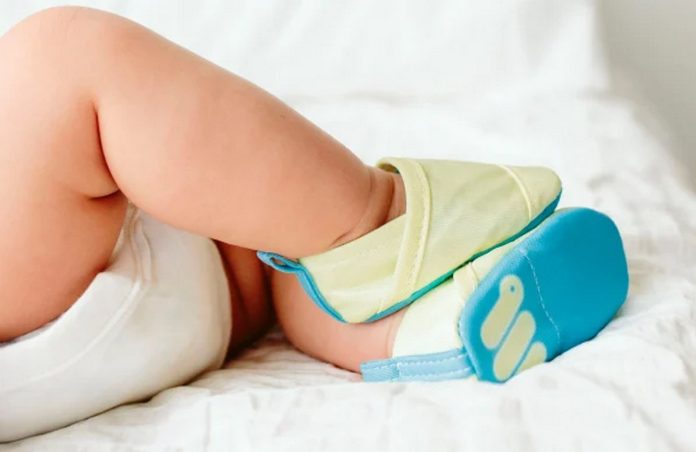
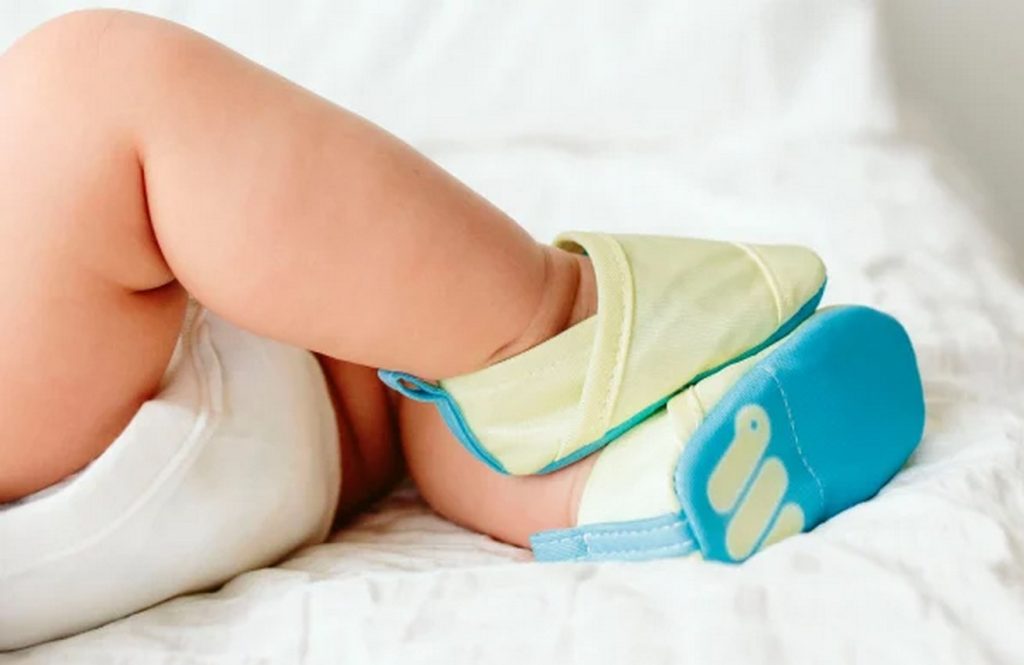
These Baby Shoes Dissolve In Water After Your Infant Outgrows Them, Saving Space in Landfills

Woolybubs. Released.

A husband and wife in Oregon have designed baby shoes that melt away into water after an infant outgrows them.

The silky fabric is actually made of a kind of water-soluble plastic that covers detergent pods, cosmetic products, and pill coatings, but is designed to last through the use of two infants so as to retain hand-me-down potential.

Known as “Woolybubs,” the shoes start at $34 for crawlers, and $40 for walkers, and Jesse Milliken and Wife Meghan took pains to ensure that just because they dissolve in water, doesn’t mean they’re fragile. They’re baby tested, and baby approved, and no matter how much an infant feels it’s necessary to chew on them, they will not break apart.

Landfill waste among the textile and fashion industries is extreme, and nowhere is this more apparent than infant-through-Kindergarten clothing, when the clothes have a best-by date guaranteed by the child’s physical growth.

The founder’s claim that 300 million pairs of shoes end up in landfills each year, each taking 40 years to decompose.

As parents of three, this made the Millikens feel guilty for all the unnecessary landfill waste they were contributing. Husband Jesse decided to leave his position at Nike to bring his footwear experience to the niche of baby-booties, and Woolybubs was born.

RELATED: Shoes Made From Coffee Grounds and Recycled Plastic Bottles Are Not Only Waterproof But Super Comfy

“It took us almost a year to develop this fabric that was durable enough,” Jesse Milliken told Fast Company. “It’s kind of ironic to use the word durable for babies, but durable enough to last and stand up to baby wear and tear, and then ultimately still break down and degrade in the right conditions.”

The silk-like material utilizes polyvinyl alcohol, or (PVA), a biodegradable and water-soluble plastic in every component so that it dissolves altogether in boiling water.

The Millikens are commissioning a study to investigate whether the PVA used in their shoes turns into totally nothing, or as some researchers believe, a solution that requires special bacteria to break apart. This point is debated. If it’s true, then the dissolved plastic would remain in the water supply long after it’s dumped down the drain since wastewater plants aren’t designed to account for a PVA solution.

However other researchers have found it does both dissolve and biodegrade, leaving nothing harmful in its wake.

SIMILAR: Fashion Designer Makes Shoes that Grow into Apple Trees, Instead of Growing Landfills

Still, for those toddlers who begin to walk, they’ve designed a shoe made of 100% recycled plastic that can be shipped back to the company for future recycling when the toddler outgrows them, and Woolybubs have commissioned a separate study to look at whether their shoes will biodegrade in landfills or compost piles.

“We are always looking for innovative solutions to improve the environmental impact to the planet,” Milliken says.

WATCH what they have to say…

CRAWL Over To Your Friends’ Social Media And Share This Sustainable Shoe…

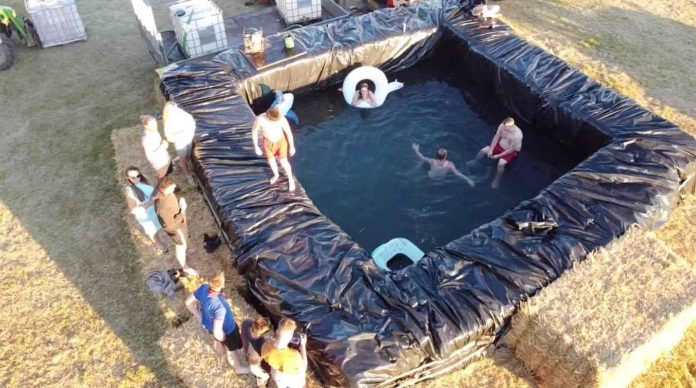
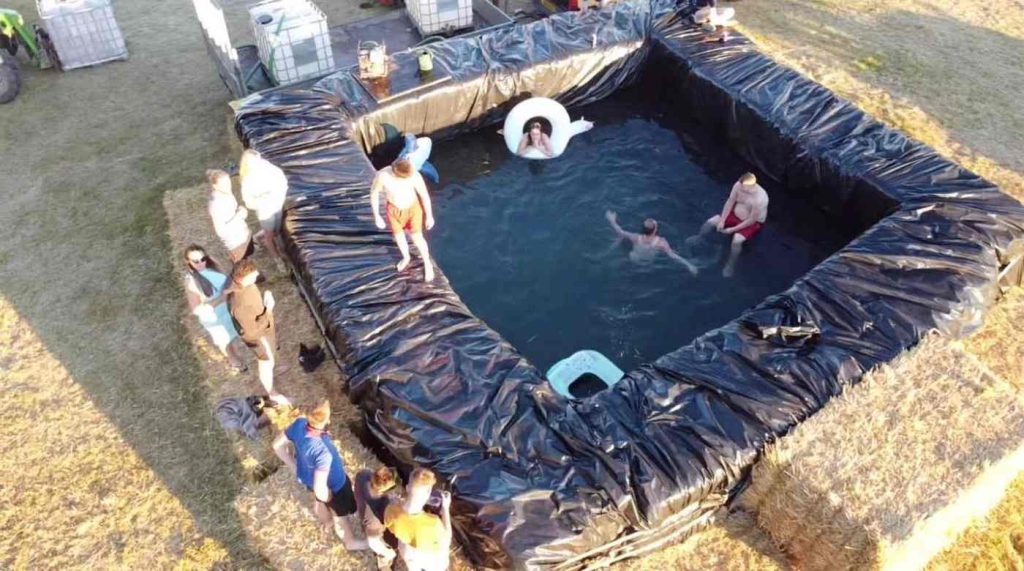
Baling Water: These Young Farmers Built a DIY Swimming Pool With Hay Bales to Beat the Heatwave

- SWNS
– SWNS

A group of farmers found an epic way to keep cool—by making a DIY swimming pool using hay bales.

Jack Smith and his friends spent four days building their own pool so it was ready in time for the heatwave.

They spent two days building the project, using hay bales and hay bale wrap to create a pit which they lined with big tarps, and then two more days filling it with water.

Europe is sizzling under a record-breaking heatwave, and Britain is no exception. Many countries are experiencing wildfires and are recommending their citizens, especially young and elderly, to stay cool and don’t take risks in the heat.

The pals plan to keep the pool as long as possible for summer use on behalf of everyone who helped construct it.

WATCH: Watch This Fun-Loving Owl Have an Absolute Hoot When It Discovers Children’s Inflatable Pool

“We were at the pub and it was boiling, so we thought the next day we’d build a pool as a kind of hangover cure,” said smith, a farmer from Uttoxeter, Staffordshire. “The whole project took four day, and there was about 13 of us working on it together—we couldn’t have done it without working as a team.”

“We’re really happy with the result—it’s the perfect way to cool down in the heat. We’re hoping to keep it for the rest of summer, but already the water pressure has caused some leaks in the bales,” he added. “We’ve patched them up for now though, so hopefully that does the trick!”

WATCH the farmers use all their know-how to built an awesome swimming pool

SPLASH This Cool Project Over To Your Friends’ Social Media…