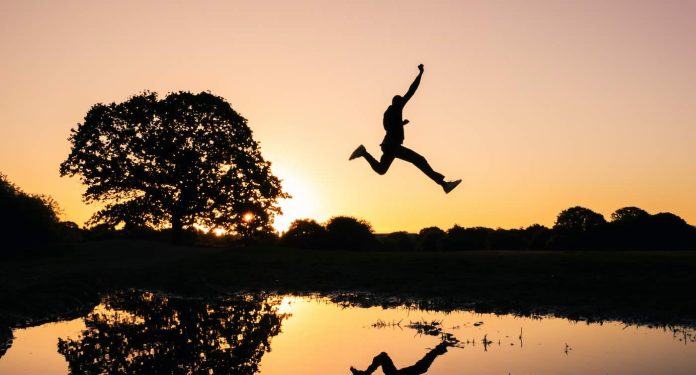
Quote of the Day: “Luck will carry someone across the brook if they are not too scared to leap.” – Danish proverb
Photo: Kid Circus
With a new inspirational quote every day, atop the perfect photo—collected and archived on our Quotes page—why not bookmark GNN.org for a daily uplift?
For centuries, people have been using mindfulness meditation to try to relieve their pain, but neuroscientists recently showed it does actually work—by interrupting communications from the pain to the brain.
Researchers measuring the effects of mindfulness on pain perception and brain activity showed that meditation interrupted the communication between brain areas involved in pain sensation and those that produce the sense of self.
The study, published in PAIN, details a proposed mechanism whereby pain signals still move from the body to the brain, but the individual does not feel as much ownership over those pain sensations, so their pain and suffering are reduced.
“One of the central tenets of mindfulness is the principle that you are not your experiences,” said senior author Fadel Zeidan, PhD, associate professor of anesthesiology at UC San Diego School of Medicine.
“You train yourself to experience thoughts and sensations without attaching your ego or sense of self to them, and we’re now finally seeing how this plays out in the brain during the experience of acute pain.”
On the first day of the study, 40 participants had their brains scanned while painful heat was applied to their leg. After experiencing a series of these heat stimuli, participants had to rate their average pain levels during the experiment.
Participants were then split into two groups. Members of the mindfulness group completed four separate 20-minute mindfulness training sessions. During these visits, they were instructed to focus on their breath and reduce self-referential processing by first acknowledging their thoughts, sensations and emotions but then letting them go without judging or reacting to them.
Members of the control group spent their four sessions listening to an audio book.
On the final day of the study, both groups had their brain activity measured again, but participants in the mindfulness group were now instructed to meditate during the painful heat, while the control group rested with their eyes closed.
Researchers found that participants who were actively meditating reported a 32% reduction in pain intensity and a 33% reduction in pain unpleasantness.
“We were really excited to confirm that you don’t have to be an expert meditator to experience these analgesic effects,” said Zeidan. “This is a really important finding for the millions of people looking for a fast-acting and non-pharmacological treatment for pain.”
When the team analyzed participants’ brain activity during the task, they found that mindfulness-induced pain relief was associated with reduced synchronization between the thalamus (a brain area that relays incoming sensory information to the rest of the brain) and parts of the default mode network (a collection of brain areas most active while a person is mind-wandering or processing their own thoughts and feelings as opposed to the outside world).
One of these default mode regions is the precuneus, a brain area involved in fundamental features of self-awareness, and one of the first regions to go offline when a person loses consciousness.
Another is the ventromedial prefrontal cortex, which includes several sub regions that work together to process how you relate to or place value on your experiences. The more these areas were decoupled or deactivated, the more pain relief the participant reported.
“For many people struggling with chronic pain, what often affects their quality of life most is not the pain itself, but the mental suffering and frustration that comes along with it,” said Zeidan. “Their pain becomes a part of who they are as individuals—something they can’t escape—and this exacerbates their suffering.”
By relinquishing the self-referential appraisal of pain, mindfulness meditation may provide a new method for pain treatment. Mindfulness meditation is also free and can be practiced anywhere. Still, Zeidan said he hopes trainings can be made even more accessible and integrated into standard outpatient procedures.
“We feel like we are on the verge of discovering a novel non-opioid-based pain mechanism in which the default mode network plays a critical role in producing analgesia. We are excited to continue exploring the neurobiology of mindfulness and its clinical potential across various disorders.”
A carpet cleaner in Maryland has a secret. There’s nothing else to call it but a superpower, but you would never know it unless you took him to the UN headquarters.
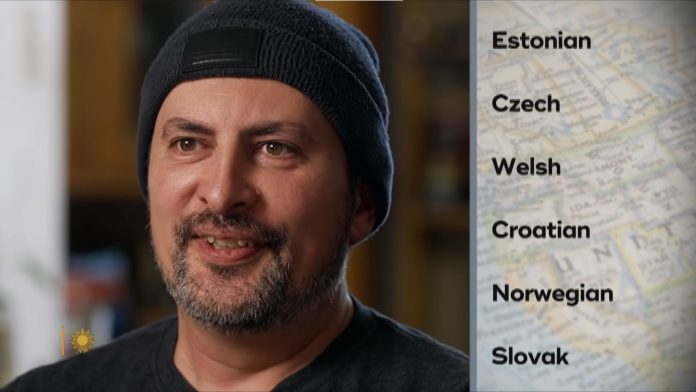
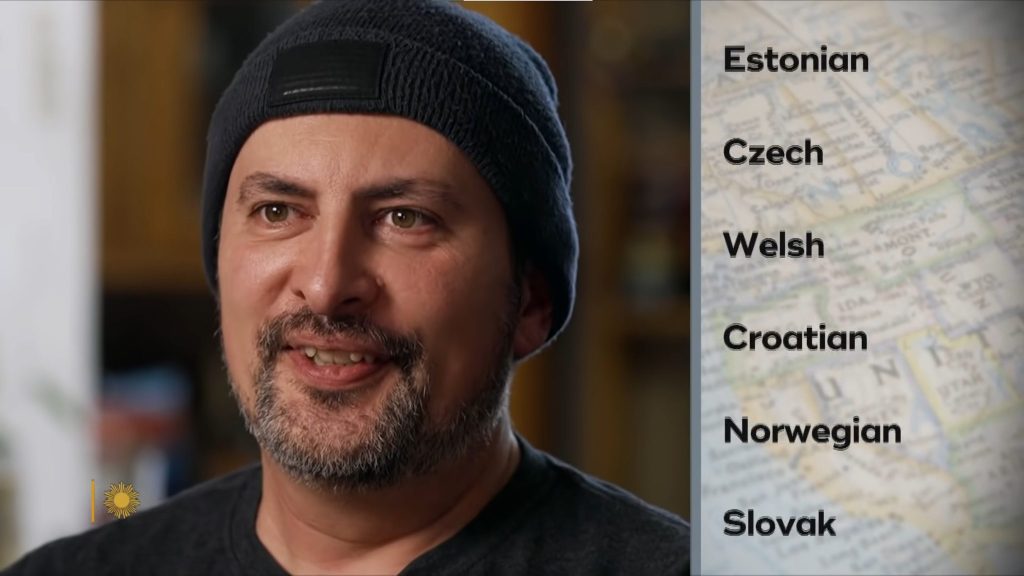
Vaughn Smith of Gaithersburg, Maryland is a “hyperpolyglot,” a person who speaks 11 languages or more. In a basic sense, it means learning languages comes easy.
How easy? Smith has got 40 under his belt.
While it’s not uncommon to meet someone from, say, Belgium or Switzerland who can speak 4 or 5 European languages, the Washington Post recently confirmed that Smith is fluent or can carry a conversation in essentially all the languages of Europe, including Welsh, Irish Gaelic, and Scottish Gaelic.
But he hasn’t stopped at the Old World, the reserved and kindly man knows several tribal languages including Lakota, Salish, Navajo, and Nahuatl, while from the far East he knows Japanese, Mandarin, Sinhalese, and Indonesian, and Amharic (Ethiopian) Hebrew, and Arabic, from the middle of the map.
The draw, he says, is to connect with people—people are happier and kinder when you can speak their language. He and his mother both suspect that he is autistic to a degree, as he had a difficult time participating in school and interpreting people’s feelings. But much like his ability to speak 40 languages, the passerby probably wouldn’t suspect that he was on the spectrum.
Autistic savantism is well-documented, and it’s poetic—almost a paradox that his disorder may have given him a special ability that seems tailor-made to helping him connect with other people.
WATCH The video below… *Note to Those Outside the U.S: View video at CBS.com…
TRANSLATE This Amazing Story Into Your Language On Social Media…
When a 12-year-old was saddened after a schoolyear yielded him just 2 signatures in his year book, A-lister Paul Rudd stepped up to support the youngster.
It’s a superhero update to a story GNN covered in June—of young Brody Ridder from the Denver suburbs who had to sign his own yearbook in lieu of friends after a year of intense bullying.
A flood of well-wishes and support for the teen arrived after his mom Cassandra posted about his tribulations on Facebook, including Marvel’s Antman himself, Paul Rudd.
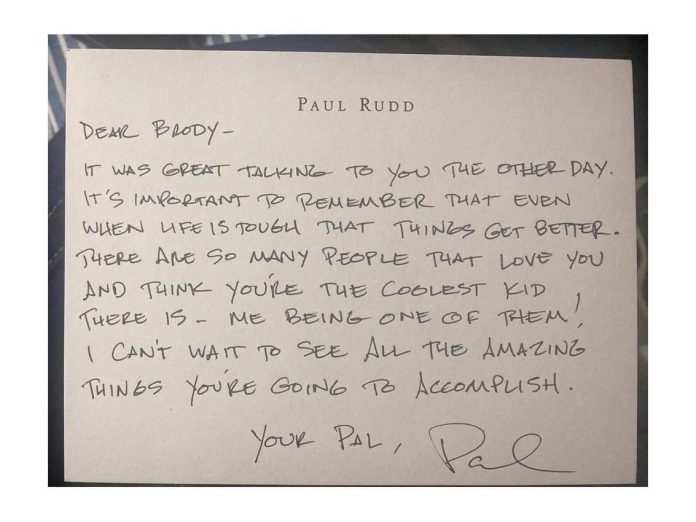
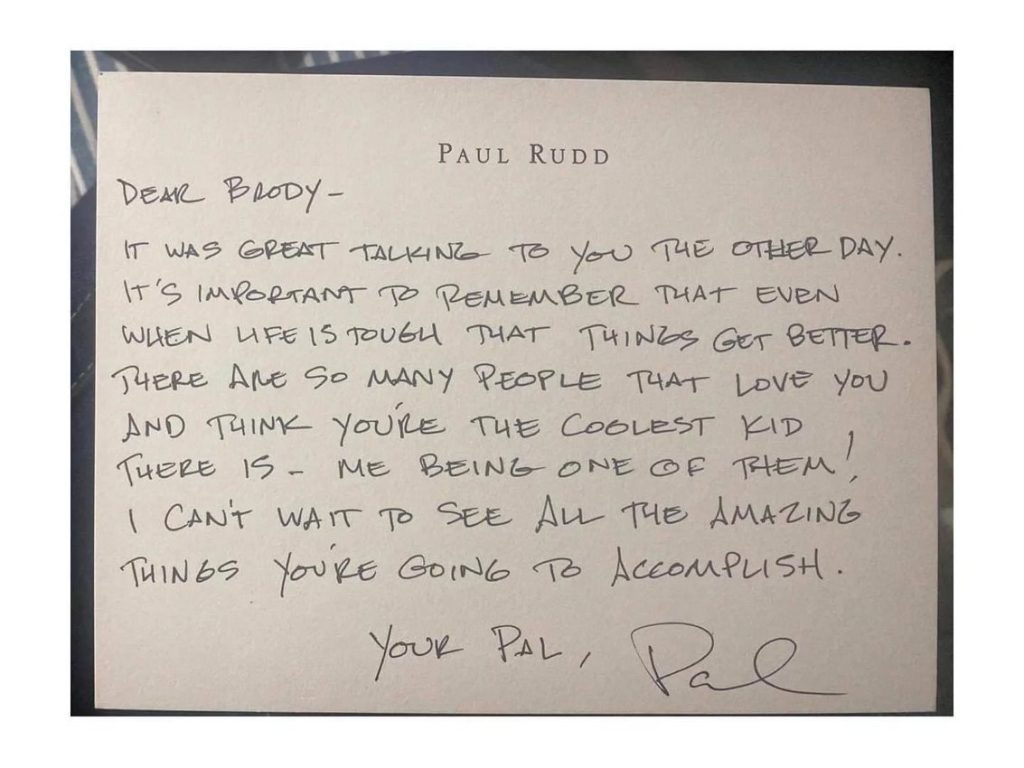
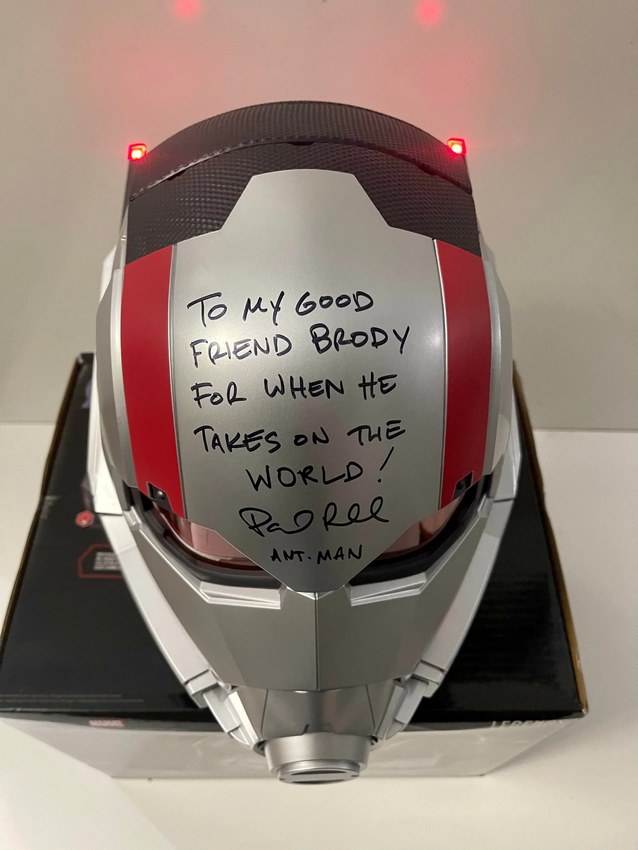
Rudd had a video call with Brody last month, and sent him a handwritten note afterwards with a replica helmet of the one Rudd wears as the Antman character in Antman, and Avenger’s Endgame.
– Cassandra Ridder
“It’s important to remember that even when life gets tough that things get better,” wrote Rudd. “There are so many people that love you and think you are the coolest kid there is — me being one of them!”
According to Brody’s mom Cassandra, her son keeps the helmet on a special display stand in his room, and is very proud of it.
Cassandra is currently in talks with several non-profits about potential bullying awareness and prevention campaigns based in spreading messages of kindness and compassion. She also reports Brody is excited about the next school year and making the effort to try and make new friends.
WATCH The two have a video call below…
SHARE This Super Story of Kindness and Thoughtfulness…
James Webb telescope / Credit: NASA, ESA, CSA, and STScI
James Webb telescope / Credit: NASA, ESA, CSA, and STScI
The dawn of a new era in astronomy is here as the world gets its first look at the full capabilities of NASA’s James Webb Space Telescope.
The full set of the telescope’s first full-color images and spectroscopic data, which uncover a collection of cosmic features elusive until now, released Tuesday to an eager and adoring public, some of whom have waited thirty years to see them.
“Today, we present humanity with a groundbreaking new view of the cosmos from the James Webb Space Telescope – a view the world has never seen before,” said NASA Administrator Bill Nelson.
“These images, including the deepest infrared view of our universe that has ever been taken, show us how Webb will help to uncover the answers to questions we don’t even yet know to ask; questions that will help us better understand our universe and humanity’s place within it.”
Infrared vision, something the Hubble Space Telescope can’t do, is necessary to see the earliest, i.e. farthest away scenes of the universe.
“The Webb team’s incredible success is a reflection of what NASA does best. We take dreams and turn them into reality for the benefit of humanity. I can’t wait to see the discoveries that we uncover—the team is just getting started!”
Indeed Webb is already booked for more than 6,000 hours of research time across dozens of different projects by various astronomers to look at everything from “high red-shift quasars,” to exoplanets, to asteroids in our own solar system.
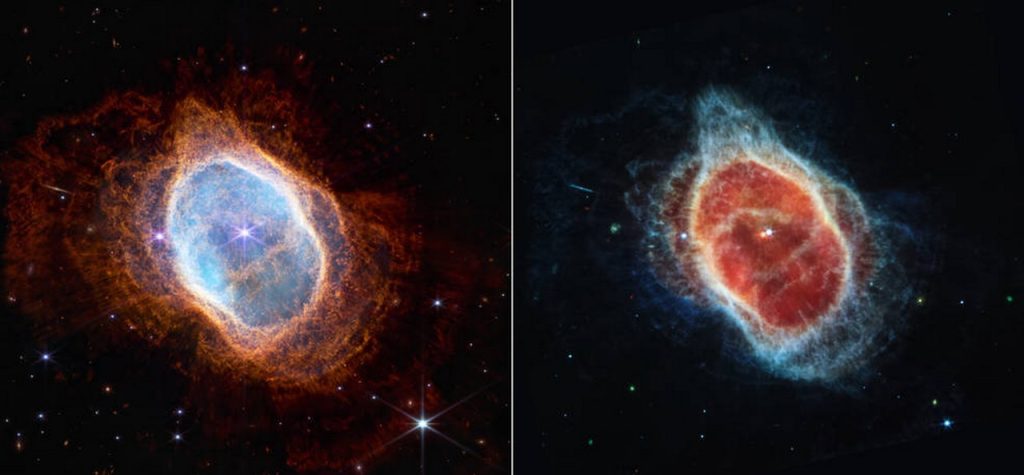
Southern Ring Nebula imaged with two different Webb instruments. credit / NASA, ESA, CSA, and STScI
Webb’s first observations tell the story of the hidden universe through every phase of cosmic history—from neighboring planets outside our solar system, known as exoplanets, to the most distant observable galaxies in the early universe.
“It took decades of drive and perseverance to get us here, and I am immensely proud of the Webb team,” said Thomas Zurbuchen, associate administrator for NASA’s Science Mission Directorate. “These first images show us how much we can accomplish when we come together behind a shared goal, to solve the cosmic mysteries that connect us all. It’s a stunning glimpse of the insights yet to come.”
Webb’s first observations were selected by a group of representatives from NASA, the European Space Agency, the Canadian Space Agency, and the Space Telescope Science Institute. They reveal the capabilities of all four of Webb’s state-of-the-art scientific instruments.
SMACS 0723: Webb has delivered the deepest and sharpest infrared image of the distant universe so far—and in only 12.5 hours. For a person standing on Earth looking up, the field of view for this new image, a color composite of multiple exposures each about two hours long, is approximately the size of a grain of sand held at arm’s length. This deep field uses a lensing galaxy cluster to find some of the most distant galaxies ever detected. This image only scratches the surface of Webb’s capabilities in studying deep fields and tracing galaxies back to the beginning of cosmic time.
WASP-96b (spectrum): Webb’s detailed observation of this hot, puffy planet outside our solar system reveals the clear signature of water, along with evidence of haze and clouds that previous studies of this planet did not detect. With Webb’s first detection of water in the atmosphere of an exoplanet, it will now set out to study hundreds of other systems to understand what other planetary atmospheres are made of.
Southern Ring Nebula: This planetary nebula, an expanding cloud of gas that surrounds a dying star, is approximately 2,000 light years away. Here, Webb’s powerful infrared eyes bring a second dying star into full view for the first time. From birth to death as a planetary nebula, Webb can explore the expelling shells of dust and gas of aging stars that may one day become a new star or planet.
Stephan’s Quintet: Webb’s view of this compact group of galaxies, located in the constellation Pegasus, pierced through the shroud of dust surrounding the center of one galaxy, to reveal the velocity and composition of the gas near its supermassive black hole. Now, scientists can get a rare look, in unprecedented detail, at how interacting galaxies are triggering star formation in each other and how the gas in these galaxies is being disturbed.
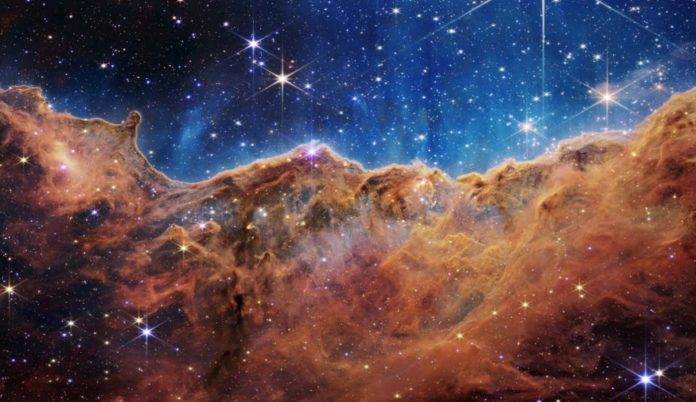
Carina Nebula: Webb’s look at the ‘Cosmic Cliffs’ in the Carina Nebula unveils the earliest, rapid phases of star formation that were previously hidden. Looking at this star-forming region in the southern constellation Carina, as well as others like it, Webb can see newly forming stars and study the gas and dust that made them.
WATCH Zurbuchen’s emotional explanation from Reuters…
RING In The New Era Of Space Exploration On Social Media…
Quote of the Day: “To a brave man, good and bad luck are like his left and right hand. He uses both.” – St. Catherine of Siena
Photo: Andrew Moca
With a new inspirational quote every day, atop the perfect photo—collected and archived on our Quotes page—why not bookmark GNN.org for a daily uplift?
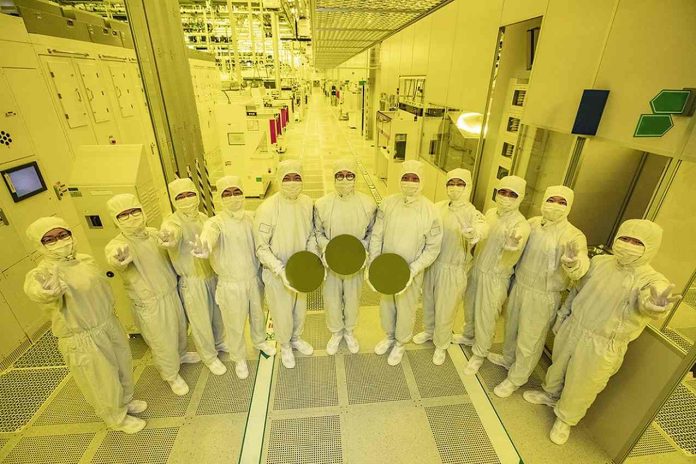
The leaders of Samsung Foundry Business and Semiconductor R&D Center / Samsung. Released
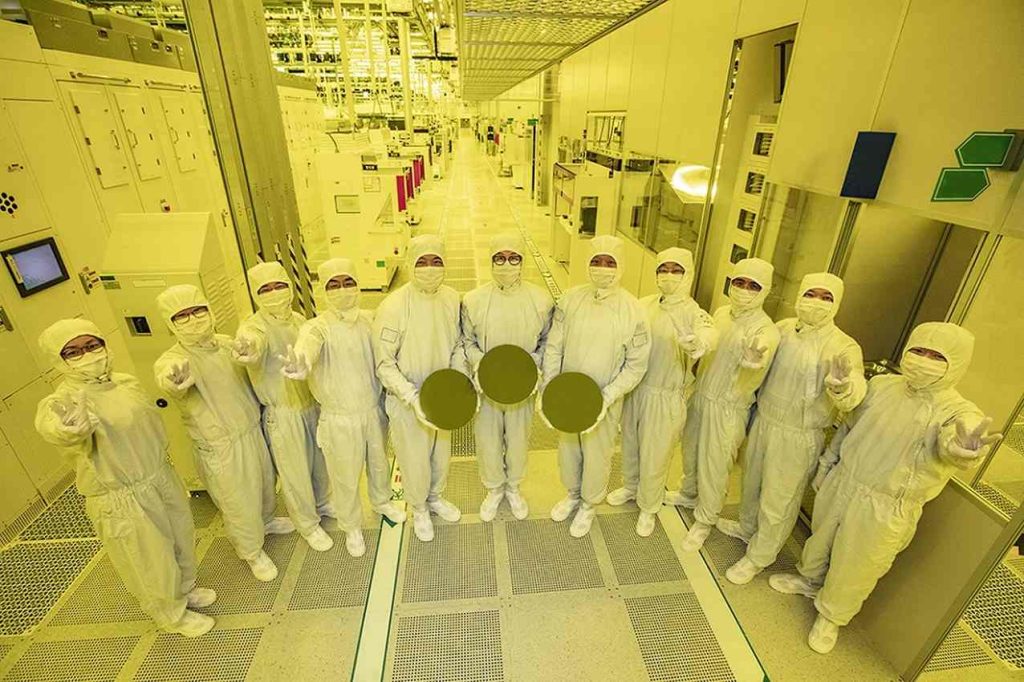
The leaders of Samsung Foundry Business and Semiconductor R&D Center / Samsung Released.
Samsung Electronics announced that it has started initial production of its 3-nanometer semiconductor chips, down from their previous 5-nanometer.
The company is starting the first application of this nanosheet transistor with semiconductor chips for high performance, low power computing application and plans to expand to mobile processors.
Compared to 5nm process, the first-generation 3nm process can reduce power consumption by up to 45%, improve performance by 23% and reduce area by 16%, while the second-generation 3nm process is expected to to improve these even more.
“Samsung has grown rapidly as we continue to demonstrate leadership in applying next-generation technologies to manufacturing… We seek to continue this leadership with the world’s first 3nm process,” said Dr. Siyoung Choi, President and Head of Foundry Business at Samsung Electronics.
“We will continue active innovation in competitive technology development and build processes that help expedite achieving maturity of technology.”
This smaller, more powerful computer chip is the company’s best attempt to compete with the Taiwan market dominance of chips and integrated circuits.
A 3nm chip opens up huge variety of possibilities for tech manufacturers to save space in the circuit boards of their devices, and combined with a mass-production plant they are hoping to have operational in Texas by 2024, Samsung is poised to help along another diminution in device size and price.
As technology nodes get smaller and chip performance needs grow greater, chip designers face challenges of handling tremendous amounts of data to verify complex products with more functions and tighter scaling. To meet such demands, Samsung has said they hope to provide a more stable design environment to help reduce the time required for design, verification and sign-off process, while also boosting product reliability.
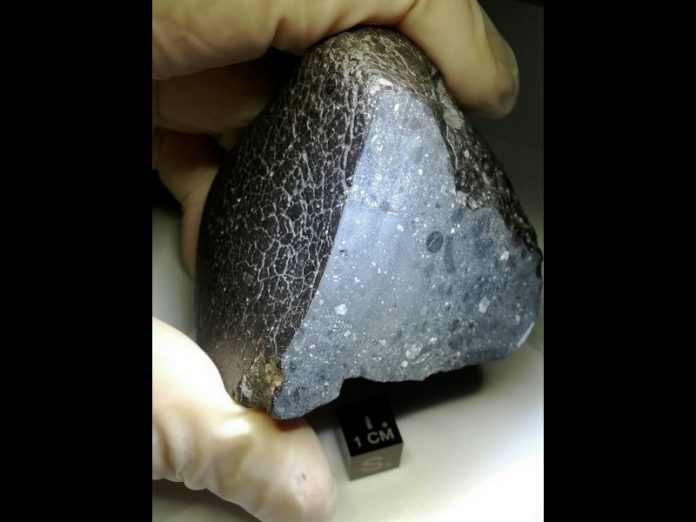
Artificial intelligence has traced the world’s oldest Martian meteorite to the precise crater on the Red Planet where it originated.
Nicknamed “Black Beauty,” it formed almost 4.5 billion years ago and contains more traces of water than any other Martian meteorite, adding to evidence that the planet was once habitable.
The famous space rock, measuring less than two inches long and weighing about 11 ounces, was found in the western Sahara in 2011.
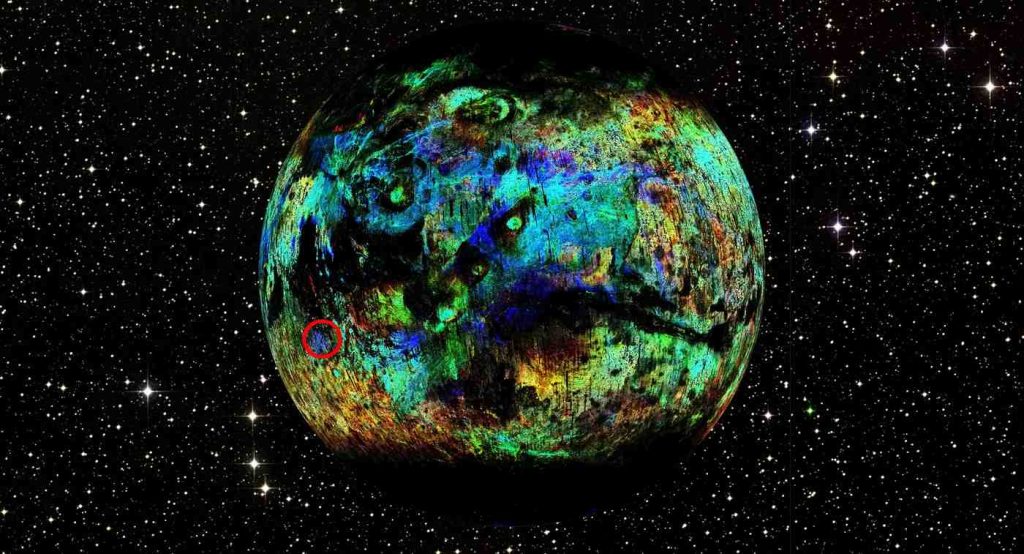
An international research team used a supercomputer to track its creation on the red planet in a region known as Terra Cimmeria-Sirenum. A machine-learning algorithm identified about 90 million impact craters through analyzing thousands of high-resolution images from a range of Mars missions to find Black Beauty’s ejection site.
When it was attached to Mars it formed part of a primordial crust that hosted oceans of water. Then, a meteorite smashed into Mars and catapulted Black Beauty into the atmosphere on a collision course with the Sahara Desert.
Martian surface impact craters, with Karratha in red – SWNS
The dust settled
That impact crater has been named Karratha after a city in the Pilbara area of Western Australia renowned as a site of some of the oldest rocks on earth, and according to the International Astronomical Union naming customs that state small impact craters must be named after cities with less than 100,000 in population.
Karratha Crater can be found in the southern hemisphere of the planet, where there are many gullies that could have been carved by flowing rivers. For that, the team wants NASA to priorities the area around Karratha Crater as a future landing site on Mars, as it may contain some of the oldest rocks and sediments on Mars, offering a look into the earliest, potentially wettest, Martian environment.
“For the first time, we know the geological context of [a] Martian sample available on Earth, 10 years before the NASA’s Mars Sample Return mission is set to send back samples collected by the Perseverance rover currently exploring the Jezero crater,” said lead author Dr. Anthony Lagain, of Curtin University, Perth.
“Finding the region where the ‘Black Beauty’ meteorite originates is critical because it contains the oldest Martian fragments ever found, aged at 4.48 billion years old, and it shows similarities between Mars’ very old crust, aged about 4.53 billion years old, and today’s Earth continents.”
The authors explain how the technology will identify the source of other Martian meteorites—and billions of impact craters on Mercury, the Moon, and other bodies. It also paves the way to locate the ejection site of the more than 300 Martian meteorites that have landed on Earth, to assemble the most exhaustive view of the Red Planet’s geological history.
“We are also adapting the algorithm that was used to pinpoint Black Beauty’s point of ejection from Mars to unlock other secrets from the Moon and Mercury,” said co-author Professor Gretchen Benedix, also from Curtin.
“This will help to unravel their geological history and answer burning questions that will help future investigations of the Solar System such as the Artemis program to send humans on the Moon by the end of the decade or the BepiColombo mission, in orbit around Mercury in 2025.”
SHARE This ‘Impactful’ Story With Your Friends Earthling…
People consistently underestimate how much others in their social circle might appreciate an unexpected phone call, text or email just to say hello.
Additionally, the more surprising the connection, the greater the appreciation.
In a paper published by the American Psychological Association, researchers conducted a series of experiments involving more than 5,900 participants that explored how accurate people are at estimating how much others might appreciate an attempt to connect and what factors might play into that level of appreciation.
“People are fundamentally social beings and enjoy connecting with others,” said lead author Peggy Liu, PhD, of the University of Pittsburgh.
“There is much research showing that maintaining social connections is good for our mental and physical health. However, despite the importance and enjoyment of social connection, our research suggests that people significantly underestimate how much others will appreciate being reached out to.”
In one experiment, half the participants were asked to recall the last time they reached out to someone in their social circle “just because” or “just to catch up” via email, text or phone, after a prolonged period of not interacting with them. The rest of the participants were asked to recall a similar situation where someone reached out to them.
Participants were then asked to indicate on a 7-point scale (1=not at all, 7=to a great extent) how much either they or the person they reached out to (depending upon the condition) appreciated, felt grateful, felt thankful or felt pleased by the contact.
A surprising result followed: people who recalled reaching out thought the gesture they recalled was significantly less appreciated than those who recalled receiving a communication.
In a second experiment, participants sent a short note, or a note and a small gift, to someone in their social circle with whom they had not interacted in a while, rather than a text or call, and again both groups were asked for a rating of appreciation.
Across all experiments, those who initiated the communication significantly underestimated the extent to which recipients would appreciate the act of reaching out. The researchers also found one interesting variable that affected how much a person appreciated a reach out.
“We found that people receiving the communication placed greater focus than those initiating the communication on the surprise element, and this heightened focus on surprise was associated with higher appreciation,” said Liu.
“We also found that people underestimated others’ appreciation to a greater extent when the communication was more surprising, as opposed to part of a regular communication pattern, or the social ties between the two participants were weak.”
Many people have lost touch with others in their lives, whether they’re friends from high school or college or co-workers they used to see at the water cooler before work went remote. This is true now more than ever, as there was the impact of the COVID-19 pandemic, but now the amount of remote workers, business closures, lay offs, and inter-state translocation is also especially high.
Initiating social contact after a prolonged period of disconnect can feel daunting because people worry about how such a gesture might be received. These findings suggest that their hesitations may be unnecessary, as others are likely to appreciate being reached out to more than people think.
“I sometimes pause before reaching out to people from my pre-pandemic social circle for a variety of reasons. When that happens, I think about these research findings and remind myself that other people may also want to reach out to me and hesitate for the same reasons,” Liu said.
“I then tell myself that I would appreciate it so much if they reached out to me and that there is no reason to think they would not similarly appreciate my reaching out to them.”
REACH OUT To Your Distant Friends Just Like In This Study…
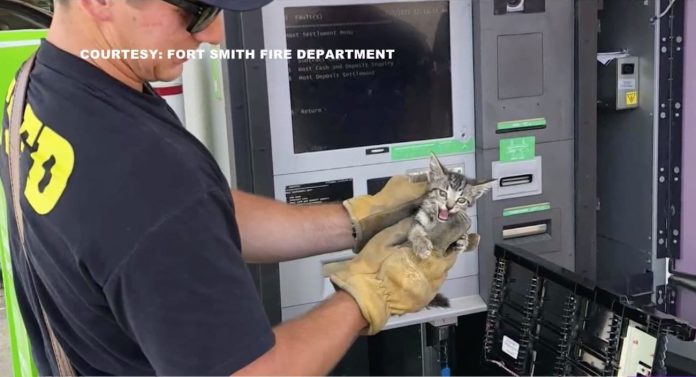
Cats are known for getting themselves stuck in all manner of places, but for the staff at Fort Smith Animal Haven, an ATM was a first.
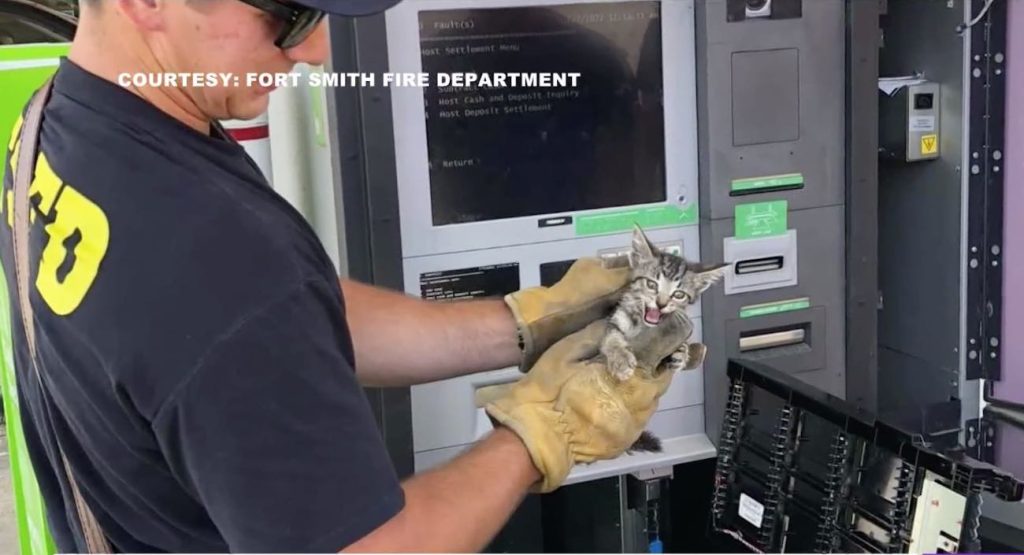
A grey tabby had to be withdrawn from an ATM by Fort Smith Fire Department in Arkansas, after someone probably heard a meow inside the machine.
After arriving at the shelter, “Cash” surprised everyone with his story.
“Probably trying to find shade is why, but I can’t tell you how,” Alexis Bloom, a cat and kennel tech at Fort Smith Animal Haven, told local news.
“This is actually my first experience with a cat getting stuck in an ATM,” added vet tech Ashley Deane. “You know, I never thought that somebody would be able to go up and make a withdrawal and get a cat out instead of some cash, so now we have both.”
The tabby was hungry, cranky, in need of a bath, and a name. Cash was a pretty obvious choice for the little would be cat-burglar.
After a week or so, the kitten has made a full recovery, and is getting up to a healthy weight before he can receive his vaccinations and socialize with other kittens on his way to a foster home. No doubt cash will be a popular withdrawal after his story made headlines, but the shelter said there are plenty of loving animals in need of a home, all of which can be found on their adoption program website.
Recently GNN reported on a kitten (another grey tabby) stuck in a Pepsi Co. vending machine outside of a Walmart, proving that there is virtually no machinery too enclosed for a kitten to infiltrate.
Quote of the Day: “Faith is like radar that sees through the fog—the reality of things at a distance that the human eye cannot see.” – Corrie Ten Boom
Photo: Ricardo Gomez Angel (cropped)
With a new inspirational quote every day, atop the perfect photo—collected and archived on our Quotes page—why not bookmark GNN.org for a daily uplift?
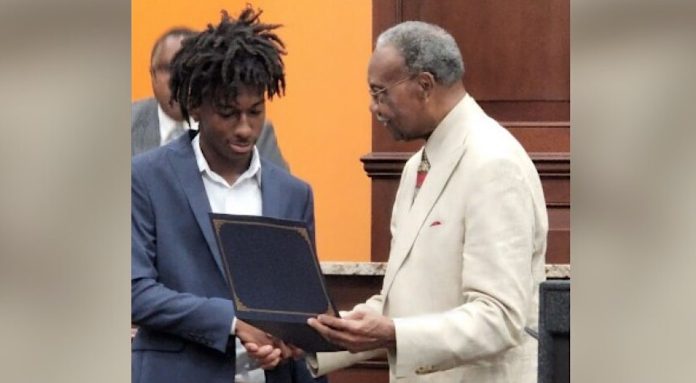
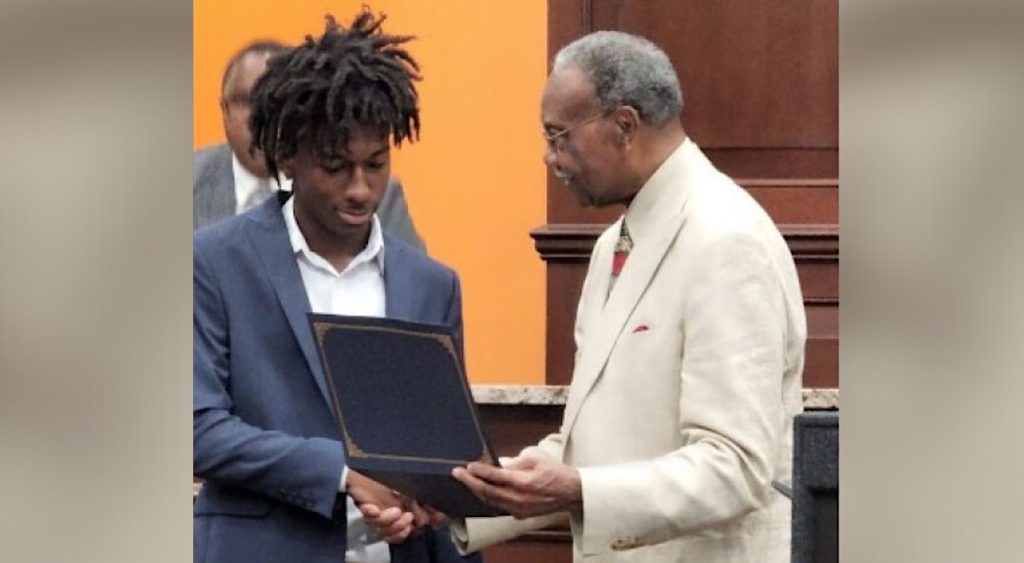
Corion Evans receives award – Moss Point Police Department
Corion Evans receives award – Moss Point Police Department
The right place at the right time—that’s where 16-year-old Corion Evans was when a car full of three teenage girls drove into a river in Mississippi.
Now hailed as a hero, the powerful young swimmer rescued all three girls plus a police officer who had jumped in to help, but ended up swallowing water.
It was 2:30 AM on the I-10 boat ramp in Moss Point, Mississippi when, following their GPS, three teenage girls drove their car off a boat ramp and floated 25 yards out into the Pascagoula River before it started sinking.
They managed to get out of the car and onto the roof, according to ABC news. Evans heard them crying for help, and took off his shirt, shoes, and his left his phone behind him as he jumped into the water.
“I was just like, ‘I can’t let none of these folks die,'” Evans, who said he had been a strong swimmer since age 3, told local news at the time. “‘They need to get out the water’. So, I just started getting them, I wasn’t even thinking about nothing else.”
Moss Point Police Officer Gary Mercer arrived on the scene, and he too swam out to aid in the rescue.
Evan’s friend Karen Bradley also jumped in, and as the rescuers were helping the victims to shore, the story took another unlucky turn. Denver news reported that Officer Mercer was too close to a struggling victim and was pushed under where he inhaled water.
“I turned around. I see the police officer,” Evans said. “He’s drowning. He’s going underwater, drowning, saying, ‘Help!” So, I went over there. I went and I grabbed the police officer and I’m like swimming him back until I feel I can walk.”
Evans and Bradley helped the three girls and officer to the shore, while describing the ordeal as very tiring.
“The police department and I commend Mr. Evans’s bravery and selflessness he displayed by risking his own safety to help people in danger,” Moss Point Chief Brandon Ashley said in a statement. “If Mr. Evans had not assisted, it could have possibly turned out tragically instead of all occupants rescued safely.”
Despite a bout of vomiting from water inhalation, all four are expected to make a full recovery. Evans and Officer Mercer afterwards were given certificates of commendation from the City of Moss Point.
Many lessons can be drawn from this story: don’t trust your GPS around poorly marked waterways, don’t get too near a drowning person, not all heroes wear capes, and keeping yourself capable of swimming 75 yards might save your life, or someone else’s.
WATCH Local news coverage below…
DIVE Into Social Media To Give This Hero The Recognition He Deserves…
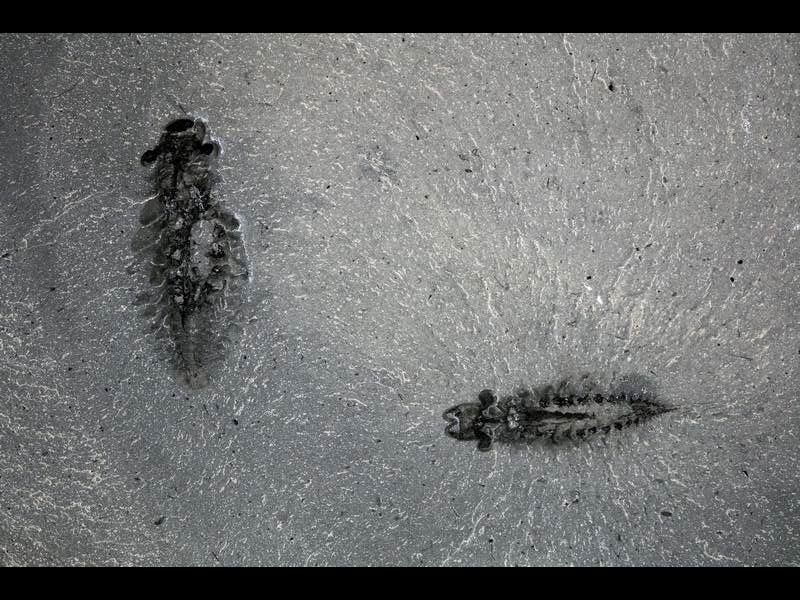
The world’s oldest brain has been found in the remains of a three-eyed prawn that swam the oceans more than half a billion years ago.
Its complete central nervous system is still visible, providing unprecedented insights into the ancestors of insects, spiders and crustaceans.
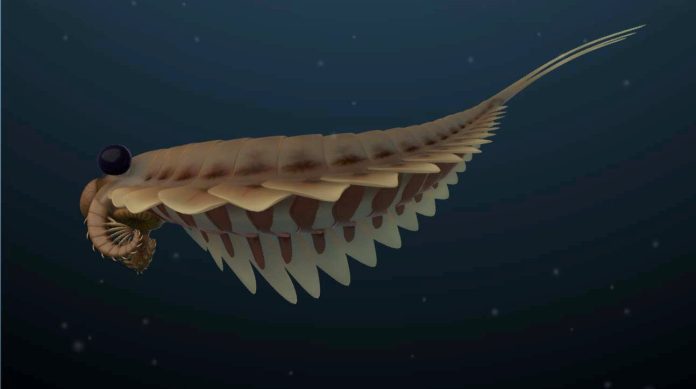
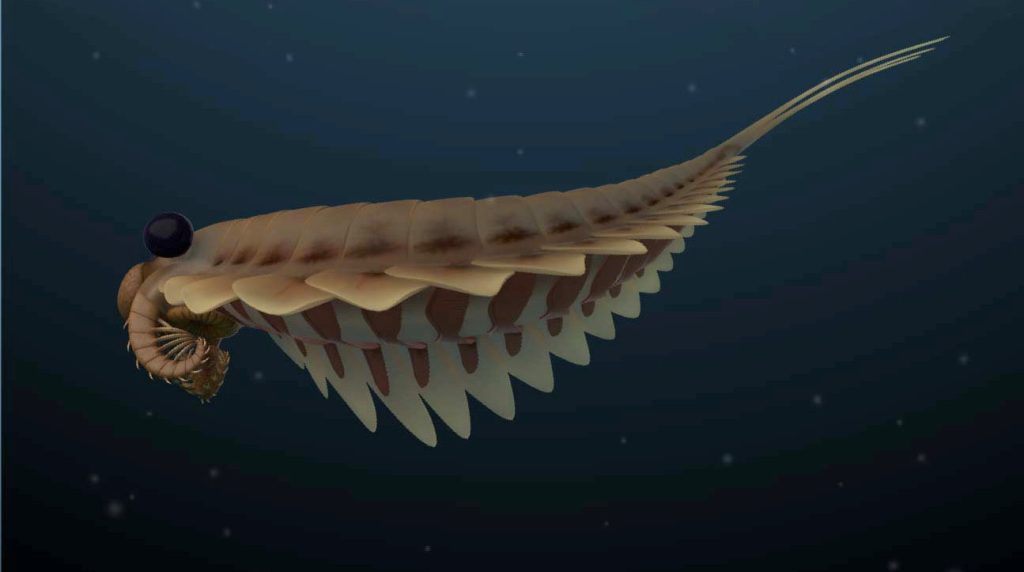
Named Stanleycarishirpex, it was described as “the stuff of nightmares.” It had two eyes “on stalks” with a bigger one in the middle, and spiked claws.
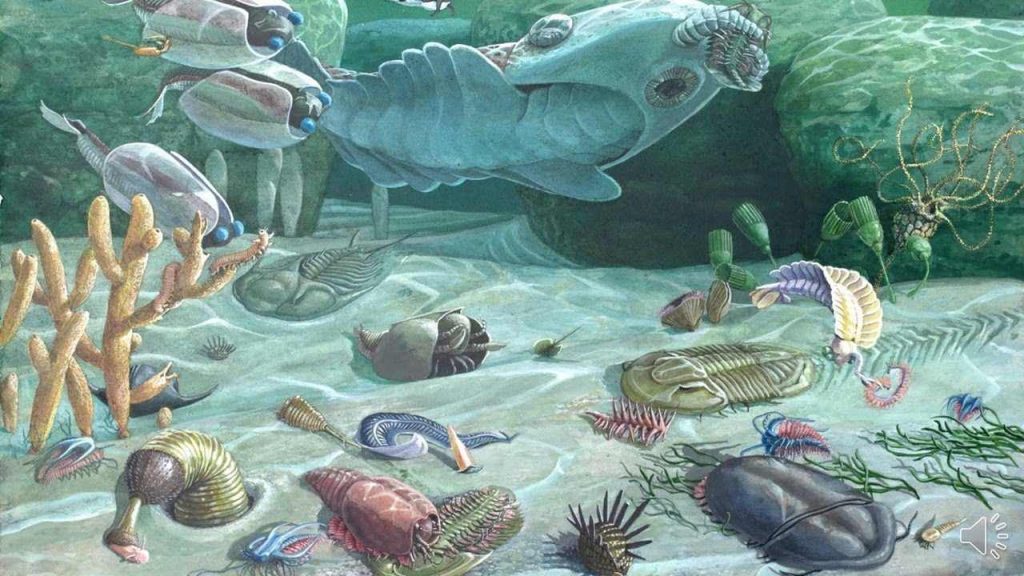
It lived during the period known by paleontologists as the Cambrian Explosion, a time of rapid evolution in shallow seas when most major animal groups emerge in the fossil record.
The creature was a member of the radiodonts, a type of early arthropod—essentially creepy crawlies with jointed limbs, and at 3-feet in length, were actually the apex predators of their time, equivalent to the great white shark.
Despite Stanleycaris‘ bizarre appearance, it is the contents of its head that has scientists most excited.
– SWNS
A thinking man’s shrimp
The new specimens provide a glimpse into what the ancestral nervous system looked like. Finding any fossilized soft tissue is rare, and this is very unique.
In 84 out of 268 individuals unearthed at Burgess Shale, a prehistoric graveyard in the Canadian Rocky Mountains, the brain and nerves are still preserved—even after 506 million years, and an analysis of their makeup was published in Current Biology.
Most fossils are bone and or hard body parts such as teeth or exoskeletons turned into mineral casts, while brains and nerves are made of fatty like substances that normally don’t survive.
“We can even make out visual processing centers serving the large eyes and traces of nerves entering the appendages,” said lead author Joseph Moysiuk, a University of Toronto PhD candidate. “The fine details are so clear it is as if we were looking at an animal that died yesterday.”
The central nervous system coordinates all neural and motor functions. In vertebrates, it consists of the brain and spinal cord.
In arthropods the brain is more condensed with a chain-like series of interconnected masses of nervous tissue resembling a string of beads. Stanleycaris‘ brain was composed of two segments, the protocerebrum and deutocerebrum.
They connected with the eyes and frontal claws respectively, and control vision and antenna signals in arthropods today.
“We conclude a two segmented head and brain has deep roots in the arthropod lineage,” said Moysiuk, based at the Royal Ontario Museum. “Its evolution likely preceded the three segmented brain that characterizes all living members of this diverse animal phylum.”
In modern arthropods, such as grasshoppers and other insects, the brain also has a tritocerebrum.
Repeated copies of many arthropod organs can be found in their segmented bodies. Working out how they line up is key to understanding diversification.
“These fossils are like a Rosetta Stone, helping to link traits in radiodonts and other early fossil arthropods with their counterparts in surviving groups,” said Moysiuk.
The Cambrian Explosion was when life gave everything a shot. – credit Professor Drew Muscente , Cornell University / YouTube
Bottom dweller’s nightmare
In addition to a pair of stalked eyes, Stanleycaris had a big central peeper at the front of its head; a feature never before seen in a radiodont.
“The presence of a huge third eye in Stanleycaris was unexpected,” said co-author Professor Jean-Bernard Caron. “It emphasizes these animals were even more bizarre-looking than we thought. It also shows us the earliest arthropods had already evolved a variety of complex visual systems like many of their modern kin.”
“Since most radiodonts are only known from scattered bits and pieces, this discovery is a crucial jump forward in understanding what they looked like and how they lived.”
During the Cambrian, radiodonts were among the biggest animals. Anomalocaris, dubbed the ‘weird wonder,’ was at least 3ft 3in, making it a veritable sea monster. Radiodont means ‘radiating teeth’. The unusual animals were named after their toothy, circular jaws. They were adapted to the dim light of deep water.
At no more than eight inches, Stanleycaris was much smaller. But it would have been an impressive killer at least three times the size of most rivals.
“With large compound eyes, a formidable looking circular mouth lined with teeth, frontal claws with an impressive array of spines, and a flexible, segmented body with a series of swimming flaps along its sides, Stanleycaris would have been the stuff of nightmares for any small bottom dweller unfortunate enough to cross its path,” said Moysiuk.
Most were collected in the 1980s and 1990s and now sit in an extensive collection of fossils from Burgess Shale—a World Heritage site—housed at Royal Ontario Museum.
In a rare moment of return for East Coast Native Americans, the Onondaga Nation has had 1,023 acres of ancestral land in New York state returned to them.
The land in the Tully Valley includes the headwaters of Onondaga Creek, more than 45 acres of wetland and floodplains, and approximately 980 acres of forests and fields.
The agreement is a result of the March 2018 Natural Resource Damage Assessment and Restoration (NRDAR) settlement between the Natural Resource Trustees and Honeywell International, Inc.
Honeywell, manufactures of household appliances like air conditioners, were found to have been polluting Onondaga Lake in the Tully Valley, Central New York, for almost 100 years, and it had begun to spill into neighboring Onondaga lands.
They have settled on orders to pay $5 million dollars to the Natural Resource Trustees, give the 1,023 acres of land over to the Onondaga, restore several hundred acres of polluted area, and construct 18 projects related to conservation and recreation, of which 7 have been completed.
“It is with great joy that the Onondaga Nation welcomes the return of the first substantial acreage of its ancestral homelands. The Nation can now renew its stewardship obligations to restore these lands and waters and to preserve them for the future generations yet to come,” said Onondaga Nation Chief Tadodaho Sidney Hill.
For the Onondaga people, Onondaga Lake and Onondaga Creek are sacred. They are considered living relatives, central to the Onondaga worldview and spirituality, the tribe detailed in a statement.
Secularly, the cold waters of Onondaga Creek support a small population of brook trout, a population which may be fully restored with proper stewardship. The wetlands, floodplains, forests and fields are home to wildlife such as great blue heron, songbirds, waterfowl, hawks, bald eagles, frogs, bats, and other mammals including white-tailed deer.
“We look forward to drawing upon the Onondaga Nation’s expertise and Indigenous knowledge in helping manage the area’s valuable wildlife and habitat,” said Sect. of the Interior, Deb Haaland.
It’s more common now than ever that tribal nations are recovering rights to use their ancestral lands as they always had, but for tribes in the super-developed Mid-Atlantic region, these opportunities are rare.
However as the Onondaga point out, recent world-wide land surveys have shown that 80% of the world’s biodiversity is currently located in areas stewarded by indigenous peoples, or lands contested as such, despite the fact this amounts to less than half the land of the planet.
As such, they are keen to show what indigenous stewardship can bring to the biodiversity of America’s East Coast, and the current plan with state officials is to turn the Onondaga Lake and Tully Valley into a wildlife sanctuary, but one with ample opportunities for recreation, as Honeywell were ordered to construct many boat launching sites along the lake and rivers.
WATCH the local news report below…
CELEBRATE This Indigenous Victory On Social Media…
Being a ‘weekend warrior’ boosts health just almost as much as working out every day, according to new research.
People who cram exercise into one or two sessions on the weekend lower their risk of premature death as much as peers who spread exercise through the week.
Both groups are less likely to succumb to cardiovascular disease, cancer, diabetes and other killer diseases than couch potatoes, say scientists.
The findings published in JAMA Internal Medicine are based on more than 350,000 adults in the U.S. followed for just over a decade, on average. An earlier analysis from more than 63,000 Britons by another team came to the same conclusion.
At least 150 or 75 minutes of moderate or vigorous intensity respectively is advised for 18 to 64-year-olds in both countries.
Out of almost 22,000 deaths, there were 8 and 15 percent fewer in weekend warriors and regularly active individuals, respectively.
“We found they had similar all-cause and cause-specific mortality, suggesting when performing the same amount of physical activity, spreading it over more days or concentrating it into fewer days may not influence outcomes,” said study author Professor Yafeng Wang, of Jiangnan University, China.
It has implications for those who struggle to find time owing to work or family commitments, and who may find it easier to fit less frequent bouts of physical activity into a ‘busy, busy’ lifestyle.
The international team, including British scientists, looked at links between the weekend warrior and other physical activity patterns and deaths from all causes, cardiovascular disease and cancer.
“The findings underscore that regular physical activity has been associated with lower risks of all-cause and cause-specific mortality compared with physical inactivity.” said Wang.
“Most importantly, these findings suggest that whether the recommended amount of moderate to vigorous physical activity is spread out during the week or concentrated into fewer days, there may be no significant difference in health benefits.”
“For people with fewer opportunities for daily or regular physical activity during their work week, these findings are important.”
RUN This Story Over To Your Fellow Warriors’ Social Media…
Quote of the Day: “It’s fun to get together and have something good to eat at least once a day. That’s what human life is all about—enjoying things.” – Julia Child
Photo: Wasa Crispbread
With a new inspirational quote every day, atop the perfect photo—collected and archived on our Quotes page—why not bookmark GNN.org for a daily uplift?
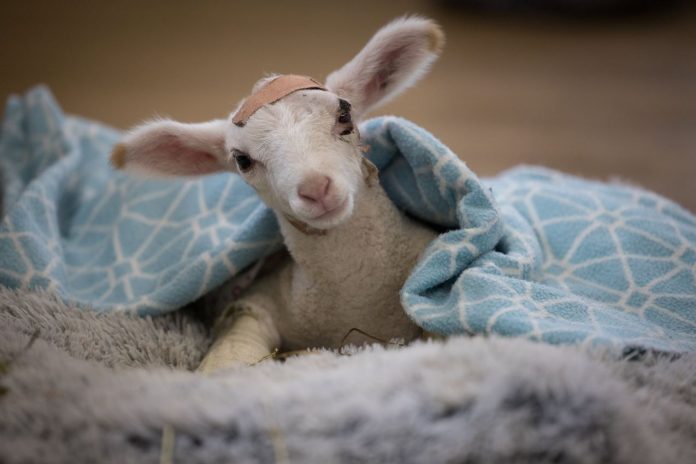
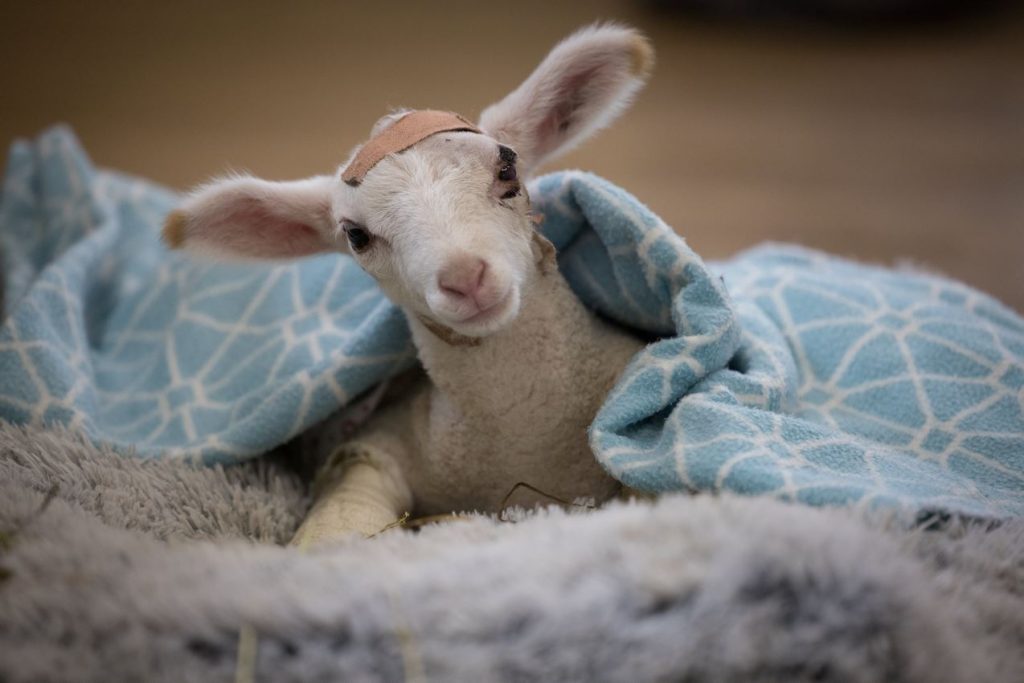
A newborn lamb has been documented making an incredible recovery after falling off a speeding truck in Australia.
The youngster, named Constable Sam, fell through a gap in a vehicle travelling along a busy highway in Victoria, Australia on March 14.
The lamb, who was born the very day of his accident, broke both of his front legs in two places and suffered a fractured skull and a critical injury to one eye as a result of his fall.
Highway officials rushed him to farm sanctuary Edgar’s Mission after finding him injured on the side of the road.
Volunteers at the non-profit site performed surgery on his skull and legs and cleaned his wounds in the hope of keeping the lamb alive. Afterwards, it was a matter of feeding the little survivor and getting him to trust his hooves again. The house cats were there for support.
Three months following his harrowing fall, Constable Sam has made an incredible recovery and was recently adopted out to a forever home with two of his friends.
“His fractured skull is fractured no more and his once critically injured left eye appears to have not lost its sight,” said Edgar’s Mission in a statement. “His wobbly legs are now strong and infused with a sense of victory and his wagging tail is unable to conceal his joy for the newfound and splint-free mobility that is now his.”
WATCH the recovery, and if you played the Rocky theme it wouldn’t be wrong…
SHARE This Remarkable Recovery Story From A Lucky Lamb…
The Lesson: For some people, especially those shot into stardom through acting or professional sports, it’s easy for the passion they have for their craft to proceed without a deeply-rooted purpose. When one day that passion is no longer available, they have nothing to look inward at to find a new path through life.
Notable Excerpt: “Even if it felt like a purpose, sports in general, it still ends at a very early age for a lot people too, you still have a whole life, you’re still defined and to keep exercising your passion. So what does it translate into? It’s interesting even like, pro guys, I’ve seen it, it’s like “how did that happen?” And then there’s some others that have really successfully transitioned to other businesses, or broadcasting, or coaching, and they’ve been really successful at it, so it didn’t matter really what, but it was something they fell into.”
The Guest: Jai Khanna attended the University of California at Davis on an athletic scholarship, playing collegiate baseball for the Aggies from 1988-1993. Jai settled at Writers & Artists Agency in 1996, where he was promoted to Talent Agent, working with a variety of clients, including working on the James Gandolfini team and the ‘The Sopranos,’ to nurturing Eva Mendes into an in-demand star.
Jai then moved over to famed Brillstein Entertainment Partners to be involved in over 100 film and TV transactions, credited on 25+ films and helped raise over $300 million in project financing. In 2020, Jai launched Oakhurst Entertainment. Oakhurst has already produced several films with a full development slate on the horizon tackling themes of mental health, immigration and climate change. Indiaspora Forum recognized him as one of the “100 Influential Indian American Leaders in the US” and the Asian American Business Development Center named him one of the “Outstanding 50 Asian Americans in Business.”
The Podcast: Livin’ Good Currency explores the relationship of time to our lives. It gives a simple, straight-forward formula that anyone can use to be present in the moment—and features a co-host who knows better than anyone the value of time (see below). How do you want to spend your life? This hour can inspire you, along with upcoming guests, to be sure you are ‘Livin’ Good Currency’ and never get caught running out of time.
The Hosts: Good News Network fans will know Tony (Anthony) Samadani as the co-owner of GNN and its Chief of Strategic Partnerships. Co-host Tobias Tubbs was handed a double life sentence without the possibility of parole for a crime he didn’t commit. Behind bars, he used his own version of the Livin’ Good Currency formula to inspire young men in prison to turn their hours into honors. An expert in conflict resolution, spirituality, and philosophy, Tobias is a master gardener who employs ex-felons to grow their Good Currency by planting crops and feeding neighborhoods.
A town in Finland is using sand to store heat from renewable energies to provide home heating during winter.
Water heating can only store 100°C of heat, obviously, while sand can reach 500°C, or nearly 1000° Fahrenheit.
Tens of thousands of cubic meters of sand are heated from the generation of electricity with solar panels or wind turbines. Packed tightly in insulated silos, the sand can retain this heat for months without losing it. For Finns living through a 5-month long winter, it’s a vital load off the power grid.
The company behind this innovation, which can also use the heat to generate electricity as well as home heating, is called Polar Night Energy, and the first commercial sand-based heat storage facility has already been bought and made operational by Vatajankoski, an energy utility based in Western Finland.
Now in July, the facility is primed for its first commercial winter in Vatajankoski’s district heating network in Kankaanpää, Finland. The storage has 100 kilowatts heating power and 8 megawatt hours capacity.
For Euro governments, now in the midst of a full blown energy crisis, the sand tech has several attractive elements, such as an investment cost of less than 10 euro per kilowatt hour of capacity, little to no emissions or hazardous materials, and minimal, automated running costs.
The BBC reports that Finnish energy authorities are looking to scale the solution from 8MWh to 8GWh
“This innovation is a part of the smart and green energy transition. Heat storages can significantly help to increase intermittent renewables in the electrical grid,” said Markku Ylönen, co-founder of Polar Night Energy. “At the same time we can prime the waste heat to usable level to heat a city. This is a logical step towards combustion-free heat production.”
And not a moment too soon, as Finland’s Government’s recent decision to join NATO has seen them lose all access to Russian natural gas, the standard home heating energy source.
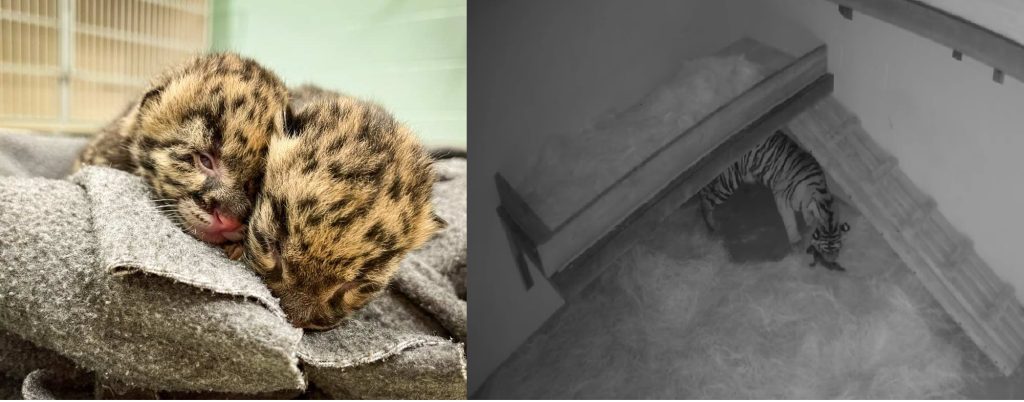
Lola, the Oklahoma City Zoo’s 11-year-old female Sumatran tiger, gave birth to two cubs on the afternoon of Saturday, July 2 at the Zoo’s Cat Forest habitat.
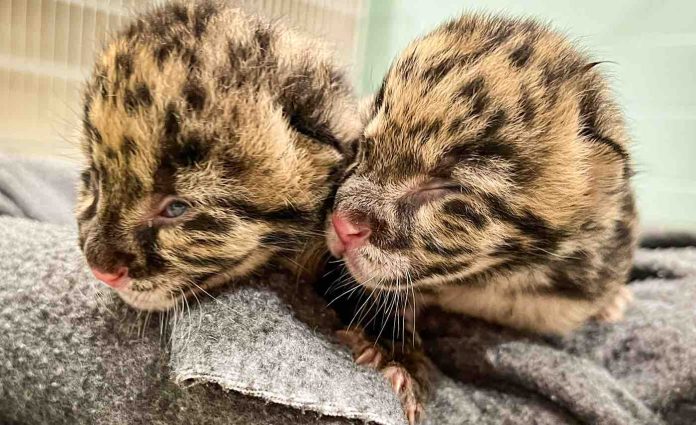
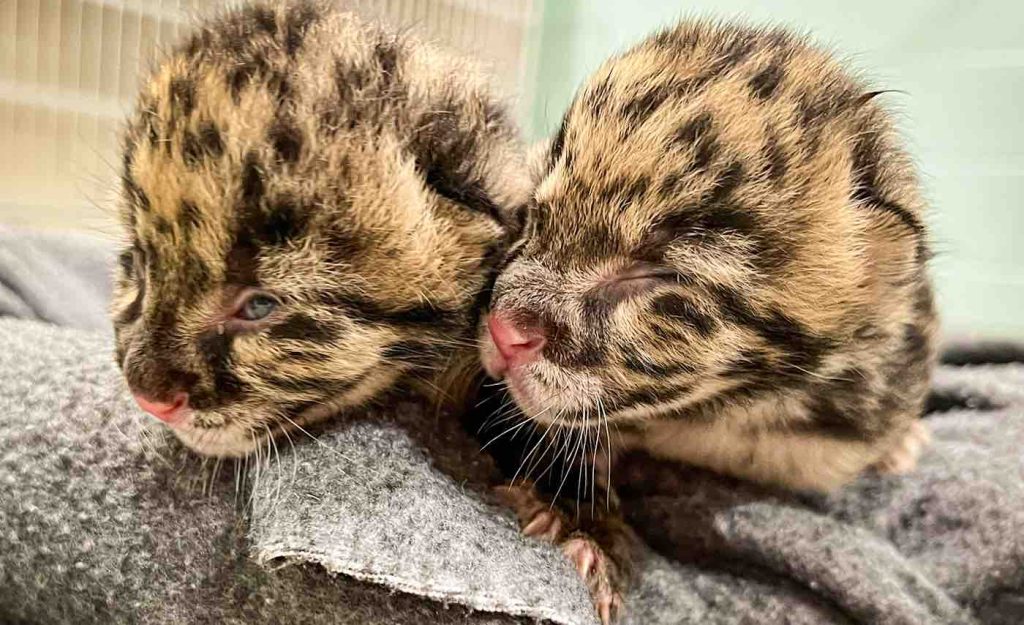
OKC wasn’t the only zoo celebrating twins, as the Nashville Zoo announced that Jewels the clouded leopard had just given birth to a male and female cub four days later.
The two zoos are both heavily involved in conservation work with their respective big cat species, as the clouded leopard is considered Vulnerable, and the Sumatran tiger subspecies Critically-Endangered.
According to the OKC Zoo’s carnivore care team, Lola and her cubs are doing well and spending time together behind-the-scenes to bond.
Caretakers will continue to monitor Lola and her offspring by video, and in a few weeks the veterinary care team will conduct physical exams on each of the cubs to obtain their weights and measurements as well as determine their gender.
“Lola has proven to be an extremely attentive and nurturing mother to these new additions to our animal family,” said Tyler Boyd, OKC Zoo’s curator of carnivores.
“Throughout her pregnancy and birth of these cubs, she has participated in ultrasound monitoring and training sessions with her caretakers that allowed us to be as prepared as possible for their arrival. So far, Lola is doing an excellent job and the cubs are spending plenty of time nursing and bonding with mom.”
It’s the second litter of cubs born to Lola and her mate Kami, taking the tiger total there to 5.
In contrast, Nashville Zoo said they now have 16 clouded leopards in their care, bringing their total birth celebrations to 42 since 2009, according to local news.
Nashville Zoo – Facebook
The Zoo is also a founding member of the Clouded Leopard Consortium, a program based out of Thailand dedicated to saving clouded leopards and their habitat, and has been involved in the conservation of this cat species since the Zoo’s inception.
Also active in protecting the 500 Sumatran tigers left in the wild, OKC Zoo used funds donated by guests through the Zoo’s Round Up for Conservation program to allow the non-profit Rainforest Trust to purchase 13,000 acres of rainforest in central Sumatra where these tigers live.
WATCH Lola bear her twins, and the Nashville Zoo’s squeaking Leopard cubs…