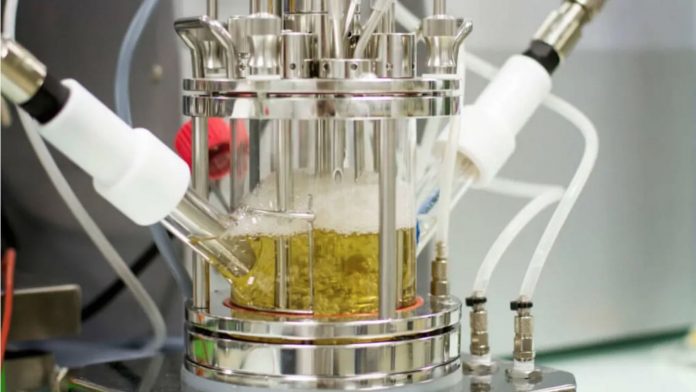
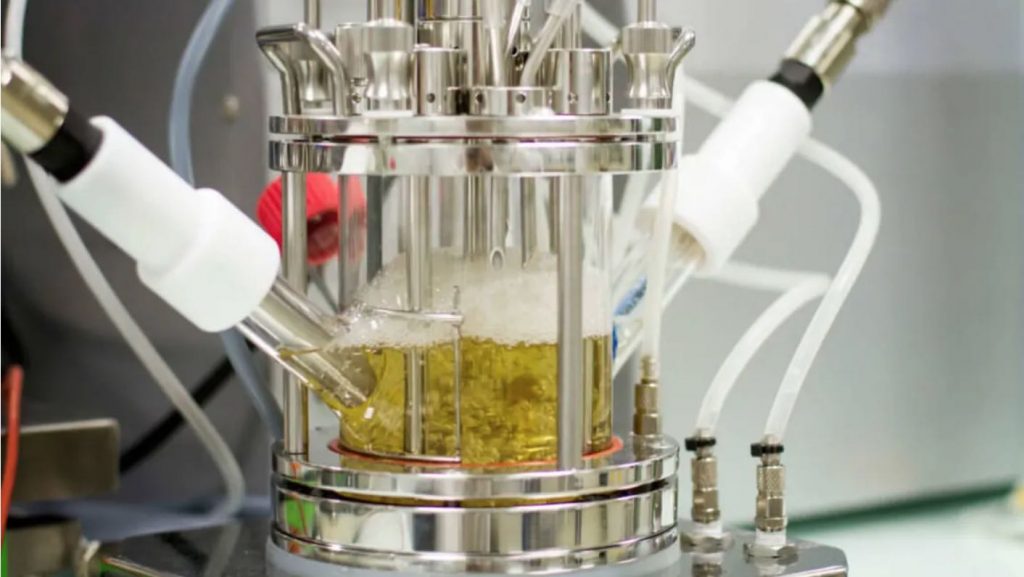
Sometimes solving the most complex technology and engineering challenges, as you might have guessed, involves looking towards nature for solutions. Such is the incredible case with the Teslagram—a currently-unhackable security fingerprint created after studying a butterfly’s wing.
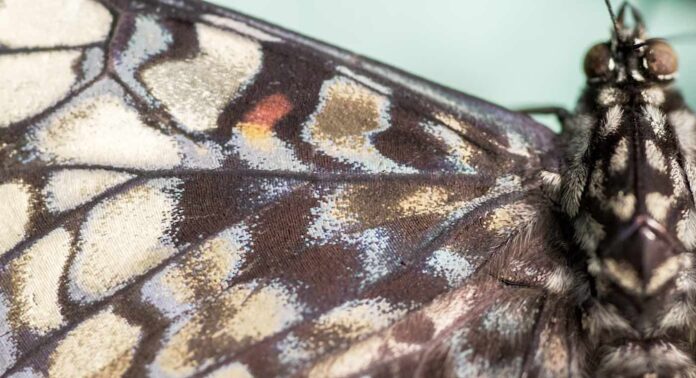
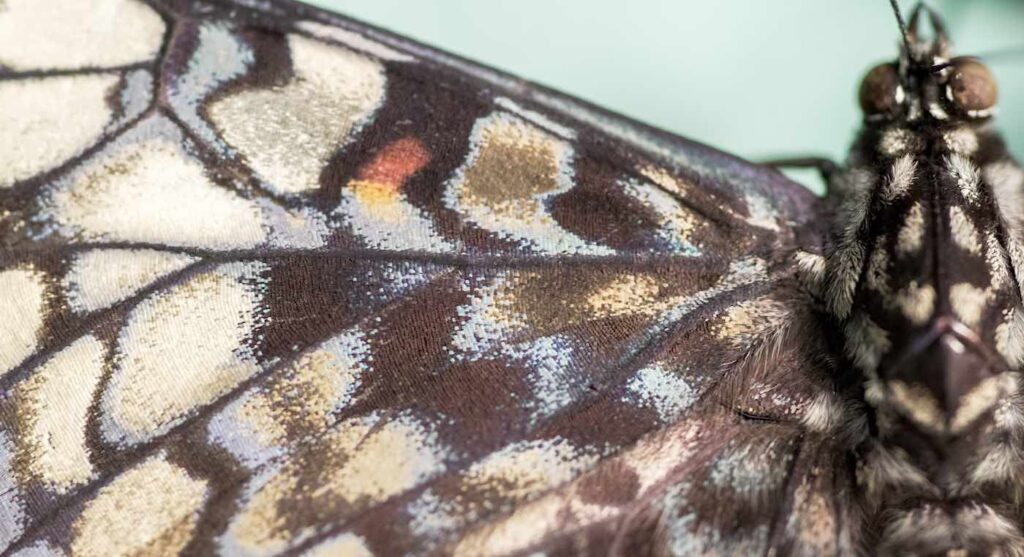
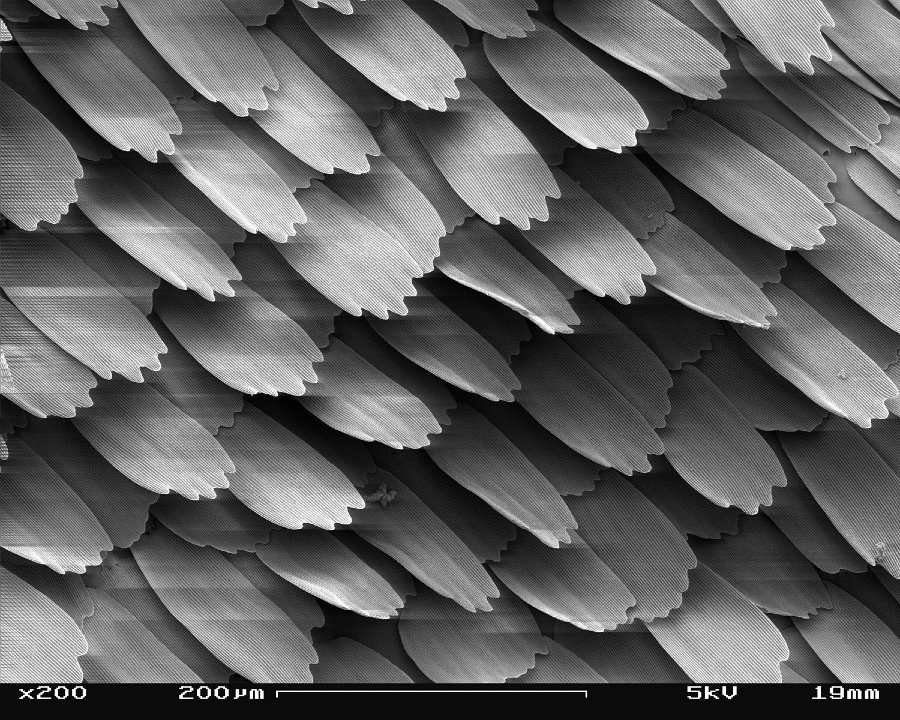
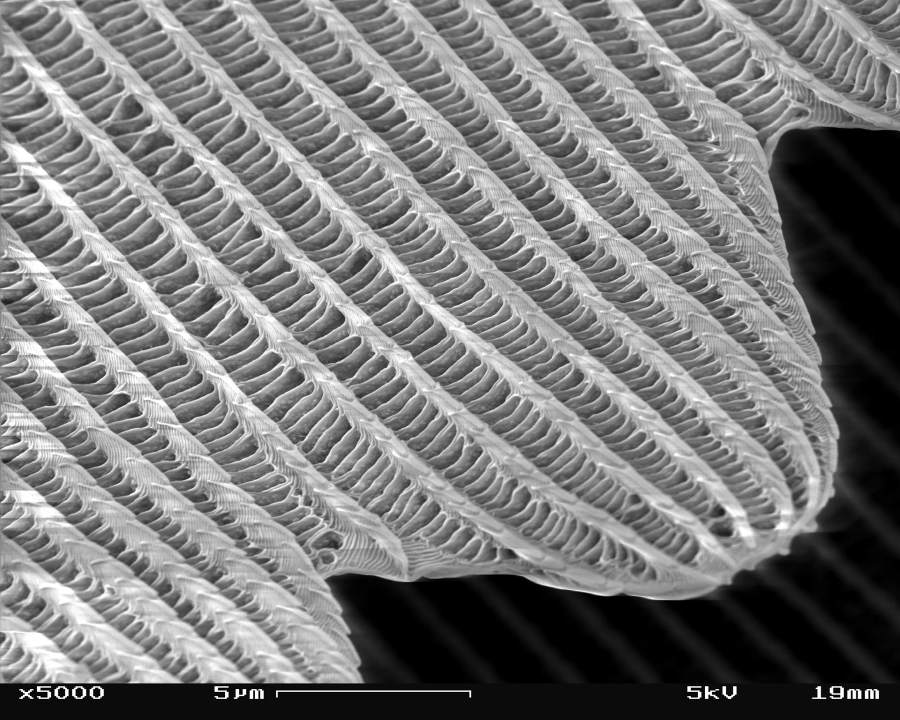
The wings of this most charismatic insect are cloaked in tiny scales—up to 200,000 of them, which contain a lattice-work of chitin ribbons unique to each scale. It was these scales which a Serbian technology student at the Institute of Physics, Belgrade, thought could serve as the ultimate form of security code or authenticity stamp.
Fingerprints, QR codes, bar codes, and more are all coming up against their best-by dates, according to the Teslagram inventor, Marija Mitrovic Dankulov.
In an interview with Free Radio Europe, she highlights the story of a hacker named “starbug” taking a photograph of the German Defense Minister, and managing to zoom in at a high-enough resolution to copy her fingerprint.
While analyzing butterfly scales under an extremely powerful electron microscope, a colleague of Dankulov’s, Dejan Pantelic, realized that a human fingerprint could not compare to the intricacies of the unique latticework within each scale.
Dankulov and Pantelic, along with some of their colleagues then came up with the idea of the Teslagram, named after the great Serbian inventor Nicola Tesla.
SecretDisc, CC license
A butterfly scale would be attached to a product, and the details upon it would be entered into a database like a fingerprint—only one which would be extraordinarily difficult to copy maliciously using known technology.
“Let’s say a museum wants to loan a very valuable art piece out to some gallery,” Dankulov tells FRE. “Currently, when that artwork is returned, the museum has to pay some specialist to ensure that what they got back was the original artwork.”
This is the same principle for other luxury goods like jewels, watches, or designer clothing, all of which lose millions every year in market sales to counterfeiters.
Along with being much harder to read, as they require an electron microscope, butterfly scales, as anyone who has ever been next to a child trying to catch a butterfly has reminded them, are extremely fragile, and any tampering with the Teslagram would make it unreadable.
Currently the Teslagram is being trialed by a Serbian company called Vlatcom, which is utilizing them for their security cards to enter and exit the buildings.
Another advantage of using butterfly scales are that almost all of the butterflies native to Serbia are in no danger of becoming endangered, and because a single insect can provide so many scales, very few of them need to kept in the lab. Currently Dankulov and her team have a small butterfly aviary where species are allowed to live their normal life-cycle.
Some technological challenges remain, such as how to affix the scale so it doesn’t become damaged through normal wear, and how to offer cheaper and more flexible reading technologies that don’t involve an electron microscope.
SecretDisc, CC license
Saying that, the group recently teamed up with a second firm called Quadra Graphic that have helped them build infrastructure for creating ID cards and readers to allow people to access the powerful Teslagram.
(WATCH the video for this story below.)
FLUTTER This Science Story Over to Fascinated Friends…
Combining a vertical farm and office space into a single 51-storey concept out of Chinese mythology, an Italian architect is completing the Shenzhen skyline with a stunning “farmscraper.”
With a façade that features a vertical hydroponic farm extending the entire height of the building, the Jian Mu Tower was designed for a leading Chinese supermarket to be a place where tenants can grow, sell, buy, or consume produce in the same place they work.
Located in the south Chinese city of Shenzhen, the Turin-based Carlo Ratti Associati has unveiled plans to build a 650-foot (218-meter) tower in which 100,000 square feet (10,000 sq. meter) of the glass exterior is dedicated to producing food—590,000 pounds of it per year, which would also contain around a million square feet for office space, a supermarket, gardens, and food court.
Hydroponic gardening involves using a nutrient rich water vapor rather than soil, and allows plants to be grown in tubes stacked vertically.
Working with ZERO, an Italian-based company that specializes in innovative approaches to agriculture, Jian Mu’s farm is optimized to produce everything from salad greens to fruits to aromatic herbs, while remaining efficient and sustainable.
An AI agronomist would oversee most of the hydroponic systems, regulating water and nutrients, planning planting and harvest cycles, and other matters.
The building, designed as the new headquarters of supermarket chain Wumart, where the entire production chain can be “showcased in a clean, and technologically exciting way,” was named and designed after a mythical tree that separated heaven from earth in Chinese folklore.
According to traditional belief, the project page explains, heaven is round while the Earth is square. The skyscraper echoes this principle with its rectangular base that gradually morphs into a tubular form as it rises.
“The vertical hydroponic farm embraces the notion of zero food miles in the most comprehensive sense,” Carlo Ratti told Dezeen. “Crops cultivated in the tower are sold and even eaten in the same location, which helps us conserve a great deal of energy in food distribution.”
The sun will help the crops to grow, which in turn will shade the interior offices from the sun, reducing the air conditioning load, while the moist sub-tropical China air would aid in supplying moisture to the plants.
“Small-scale urban farming is happening in cities all over the world – from Paris to New York to Singapore. Jian Mu Tower, however, takes it to the next level,” writes Ratti, who is also a professor at MIT.
“Such approach has the potential to play a major role in the design of future cities, as it engages one of today’s most pressing architectural challenges: How to integrate the natural world into building design.”
The concept reveal video below is nothing short of utopian science fiction, as deserves a watch.
On a prison yard 70 miles away from Cal State LA’s campus, the university celebrated its newest graduates.
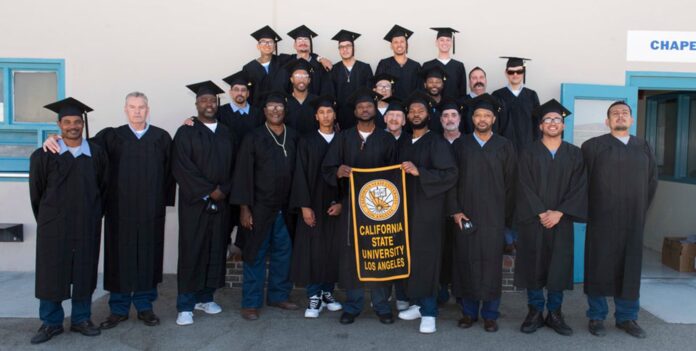
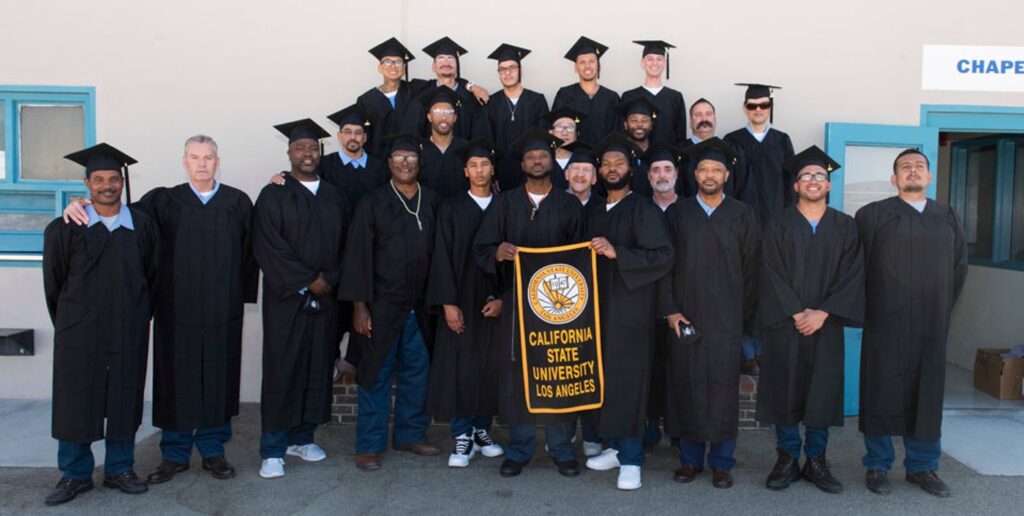
25 incarcerated men received bachelor’s degrees during a commencement ceremony at California State Prison, Los Angeles County in Lancaster last Tuesday, marking the culmination of a unique and powerful journey.
“Today, an education to me, means freedom, redemption, and opportunity,” graduate Dara Yin said during his student address at the ceremony. “The freedom to create better lives. A redeeming quality in the sense that we can step out of an identity that was destructive and into the person our mothers always meant for us to be. The opportunity to show that we are not our worst decisions, that we crave to be a part of the larger society so that we can put to use our unique combination of lived experience and education.”
Cal State LA’s Prison B.A. Graduation Initiative is the first in-person bachelor’s degree completion program for incarcerated students in California. It was started in 2016 with support from President Barack Obama’s Second Chance Pell federal pilot program and is also supported by the Andrew W. Mellon Foundation. Through the program, the students earned a Bachelor of Arts in Communication, with a focus on organizational communication.
The graduates wore black caps and gowns over their blue prison uniforms at the October 5 outdoor ceremony on the yard of the prison’s progressive programming facility (PPF). PPF is a voluntary program that houses men who demonstrate good conduct and a dedication to personal growth.
Friends and family of the graduates gathered with officials from the California Department of Corrections and Rehabilitation (CDCR) and Cal State LA faculty, staff, and administrators to celebrate the graduates.
“I am struck by the resilience and dedication you have demonstrated as you embarked on your educational journey,” Cal State LA Provost and Executive Vice President Jose A. Gomez said to the graduates. “You didn’t give up, you didn’t quit. I speak for everyone at Cal State LA—the faculty, staff, administrators, alumni, and our community—when I say that we are so proud of you.”
Robert Huskey/Cal State LA
Professor David Olsen, chair of the Department of Communication Studies, served as emcee for the ceremony, which featured moving student speeches and performances, as well as remarks from CDCR leaders.
“This program is so unique—it is one of the only of its kind in the country and the nation has been watching you,” said Brant Choate, director for CDCR’s Division of Rehabilitative Programs. “Because of your efforts, you have set the stage and example that this works. This opportunity is going to be available to thousands in the future in California and across the country. Thank you for all you’ve done.”
During the ceremony, five of the graduates performed a piece they wrote, directed, choreographed, and rehearsed under the guidance of Cal State LA Professor Kamran Afary.
Titled When I Becomes We [Ubuntu], the men used spoken word, rhythmic language, and movement to explore their personal transformations and experiences completing their degrees during the COVID-19 pandemic.
Afary watched proudly from the audience as the graduates performed. “I am overjoyed and so emotional today,” said Afary, who is one of the 15 faculty members in the Department of Communication Studies who taught the students during their time in the program. “It’s been a wonderful journey and an honor to have been able to watch them grow.”
Drawing on expertise from across the university, Cal State LA’s pioneering prison education initiative is a collaboration between the university’s Center for Engagement, Service, and the Public Good, the Department of Communication Studies in the College of Arts and Letters, and the College of Professional and Global Education.
In July, the first nine graduates from Cal State LA’s Prison B.A. Graduation Initiative were able to participate in commencement ceremonies on the Cal State LA campus. All had their life sentences commuted by Gov. Jerry Brown or Gov. Gavin Newsom, or were released due to changes in the law.
Several attended Tuesday’s ceremony, returning to Lancaster to watch their friends and former classmates earn their degrees. It was Tin Nguyen’s first time stepping foot on the yard since he was released on a rainy December morning in 2019. When he entered the prison’s gates again on Tuesday, he said he felt like throwing up.
But his anxiety quickly turned to elation. Under bright sunshine and blue skies, Nguyen felt joy seeing his friends achieve their accomplishments.
“Look at us now,” Nguyen said. “We are transformed men—assets to society both in here and out there. I am proud of them and so amazed at how far we have come.”
Cal State LA’s B.A. program has equipped the incarcerated and formerly incarcerated students with critical thinking capacity, public speaking abilities, and writing skills and experiences that have fostered personal transformations.
“Other schools prepare you to execute a task,” said Samuel Nathaniel Brown, one of the graduates who received their degrees this week. “This school prepared us to change the world.”
Brown co-founded, with his wife Jamilia Land, the Anti-Violence, Safety, and Accountability Project (ASAP), which aims to dismantle systemic racism and end the cycle of violence in communities.
After being incarcerated for over two decades, Brown will soon become the thirteenth student in Cal State LA’s prison education program to be released from prison.
During the ceremony, Brown and his fellow graduates crossed a stage in their caps and gowns with their heads held high as their names were read. Gomez congratulated the Class of 2021 and instructed them to turn their tassels from the right to the left, marking their symbolic transition to university graduates. Of the 25 names called, two were not present at the ceremony because they had been transferred to another facility.
By the end of fall, 37 incarcerated and formerly incarcerated students in Cal State LA’s B.A. program will have earned their bachelor’s degrees. Some have enrolled in master’s degree programs in communication studies and counseling, others have started businesses or are giving back to their communities through nonprofits. All want to strive to make the world better.
At the closing of his remarks, Yin challenged his fellow graduates to consider their degrees as just the beginning.
“Imagine what else we could do? Find the answers to poverty? Homelessness? Help rebuild our K-12 schools? Put an end to kids joining gangs,” Yin asked. “Impossible? Not if you ask us.
Imagine if those answers are here among the incarcerated—among those that have changed and reclaimed their positive standing in society. Imagine that it starts today.”
Established during Obama and Clinton, shrunk in some places and expanded in others by Trump and by Congress, and now restored to their original size, the whirlwind journey of Bears Ears and Grand Staircase–Escalante National Monuments seems to have come to an end.
Another national monument which escaped widespread attention at the time, Northeast Canyons and Seamounts National Monument (NCS), also had protections returned to it that had been been reduced under the Trump Administration.
In what was the largest reduction in federally-owned land for purposes of recreation and conservation in the nation’s history, the shrinking of Bears Ears and Grand Staircase–Escalante (GSE) ruffled more then a few feathers.
Investigative reporting revealed a flurry of mining and fishing rights claims, lawyers from environmental groups and Tribal Nations filed suits, local Utah residents argued the legality of suddenly locking them out of more than 60% of their entire county, and Patagonia clothing even got involved.
However it didn’t even take 24 hours for Biden to put the decision under review, and after what was likely a largely for-show tour of the areas to gather opinions, Biden signed a proclamation restoring the monuments to their original size following Sec. of the Interior, Deb Haaland’s, recommendation.
“By restoring these national monuments, which were significantly cut back during the previous administration, President Biden is fulfilling a key promise and upholding the longstanding principle that America’s national parks, monuments, and other protected areas are to be protected for all time and for all people,” the White House stated.
In Bears Ears, an area characterized by “deep sandstone canyons, broad desert mesas, towering monoliths, forested mountaintops dotted with lush meadows, and the striking Bears Ears Buttes,” the total conserved area now includes both the original boundary, and the 11,000 acres which were not originally included but which Trump added, to a total of 1.36 million acres.
GSE, which wasn’t protected under Obama, was in 1996 described as “a geologic treasure” and the last place in the Lower 48 to be mapped. There one can find bold plateaus, multihued cliffs, narrow slot canyons, and 600 species of bees. It has been restored to 1.87 million acres following a 47% reduction by Trump.
Lastly NCS, a unique marine environment that serves as a breeding ground for Blue Whales off the coast of New England, and which was not shrunk at all, had commercial fishing restored in its 5,000 square miles. Under Biden-Harris, the only Atlantic Ocean national monument will be restricted to very limited fishing rights once again, with crab and lobster catch phased out by 2023.
“The President’s action will ensure that our children, and our children’s children, will be able to experience the wonder, history, and beauty of these extraordinary public lands and waters as we do today,” Chair of the White House Council on Environmental Quality, Brenda Mallory, said.
SHARE This Hopeful Conservation News in Your Feeds…
Quote of the Day: “Often, the best explanation for ‘the good old days’ is a bad memory.” – Steven Pinker
Photo: by Milivoj Kuhar
With a new inspirational quote every day, atop the perfect photo—collected and archived on our Quotes page—why not bookmark GNN.org for a daily uplift?
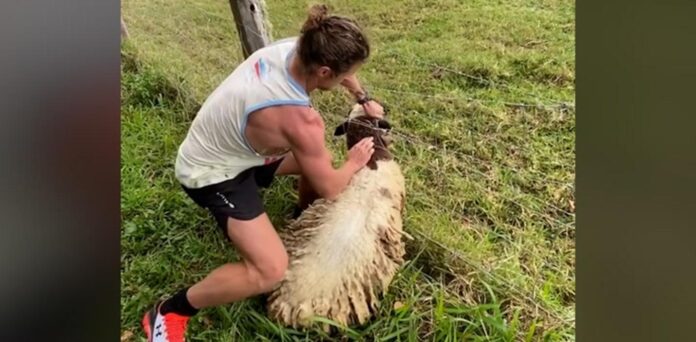
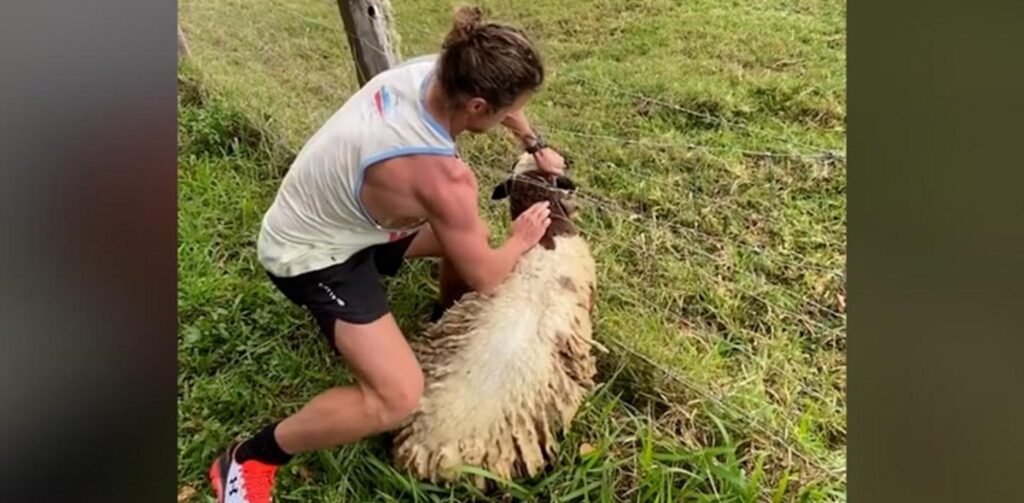
What does one do on seeing an animal in distress? If you’re former Aussie rugby player Nick “Honey Badger” Cummins, you go right to its aid.
In the viral video—which now has more than 16 million hits on Twitter—Nick switches on the emergency lights of his car, then jumps out and runs to help a black and white sheep entangled in a barbed-wire fence.
The sheep is having difficulty freeing itself, so Nick calms the distressed animal, then works at separating its horns from the wire.
The sheep is free. Now Nick just has the not-so-easy task of getting the animal away from road traffic and back in its field.
“Usually, they go into a sort of hypnotized state when you have them like this,” Nick says to his friend as he holds onto the sheep’s hooves.
A dementia suffering pianist whose spontaneous composition went viral last year has fulfilled a lifelong dream of conducting a symphony orchestra—which played his own songs.
81-year-old Paul Harvey became well-known last September after his son Nick had recorded him improvising a two-minute piece from four notes—F natural, A, D, and B natural—and posted the footage on Twitter.
Nick posted the clip online to show how musical ability can survive memory loss ,and Paul captured the hearts of the British nation when he played the piano from his home in Sussex live on the television.
It was recorded by BBC Philharmonic orchestra as a single, with proceeds going to the Alzheimer’s Society and Music for Dementia, which campaigns for people with the condition to have free access to music as part of their care.
To mark a year since he played his composition on breakfast tv, Paul was invited to conduct the BBC Philharmonic orchestra playing two of his compositions at the studio in Salford.
SWNS
He spent an emotional afternoon with the orchestra, during which he conducted both Four Notes, while his son Nick played the piano, and an older composition of his called Where’s the Sunshine.
Paul, a former music teacher and classical pianist, said, “It was magical, it was very, very special to work with such wonderful musicians.
“It made me feel alive, I couldn’t believe that an orchestra was playing my music and I was standing in front of it conducting them.
“I hadn’t conducted in such a long time before this, it was a real thrill.”
Paul was born in Stoke-on-Trent and studied piano at the Guildhall School of Music.
He became a composer—his Rumba Toccata is still used in grade 6 piano exams—and a concert pianist, appearing on the BBC Home Service in 1964.
But he decided to become a music teacher shortly before his eldest son Nick was born.
He spent 20 years teaching at the Imberhorne school, a comprehensive in East
Grinstead whose former pupils include Cutting Crew’s Nick Van Eede, famed for his hit ballad (I just) Died in Your Arms.
Five years ago, Paul moved into sheltered accommodation as part of his dementia care.
SWNS
Nick, who joined Paul on the trip—organized by Music For Dementia—said he had seen his dad “come alive again” since the video of him playing piano went viral.
And he supported calls for music to be a key part of dementia sufferer’s care.
He said, “It moved dad and me and my two brothers beyond compare.
“It was a dream come true for dad to conduct and play with the an orchestra of that calibre as an 81 year old. It’s what dreams are made of.
“It was like an out-of-body experience.
“My dad is still reeling, he was having memories of what had happened over the last few days.
“His short term memory is generally shot to pieces but when big events like this happen it’s like a branding iron on his brain.
“From my experience with dad, the right piece of music at the right time can be absolutely incredible.
“You don’t have to be a talented musician to enjoy it though. Just listening to music, it starts to trigger memories of the past and gives people that connection.
“Dad was having a particularly bad day at the time. It was fascinating how getting dad at the piano at that time brought dad back to me.
“For the first time in years he has got active again. It really brought him back to life again. He’s playing the piano more than he has in the eight years.”
They’ve famously survived the vacuum of space, and even returned to life after being frozen for decades in Antarctic moss. But as hard as it is to kill the bizarre microscopic animal, the tardigrade, it’s harder to find one fossilized. In fact, only two have ever been discovered and formally named—until now.
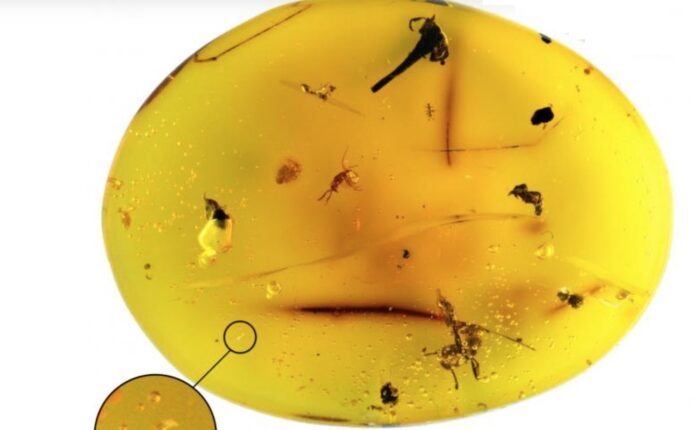
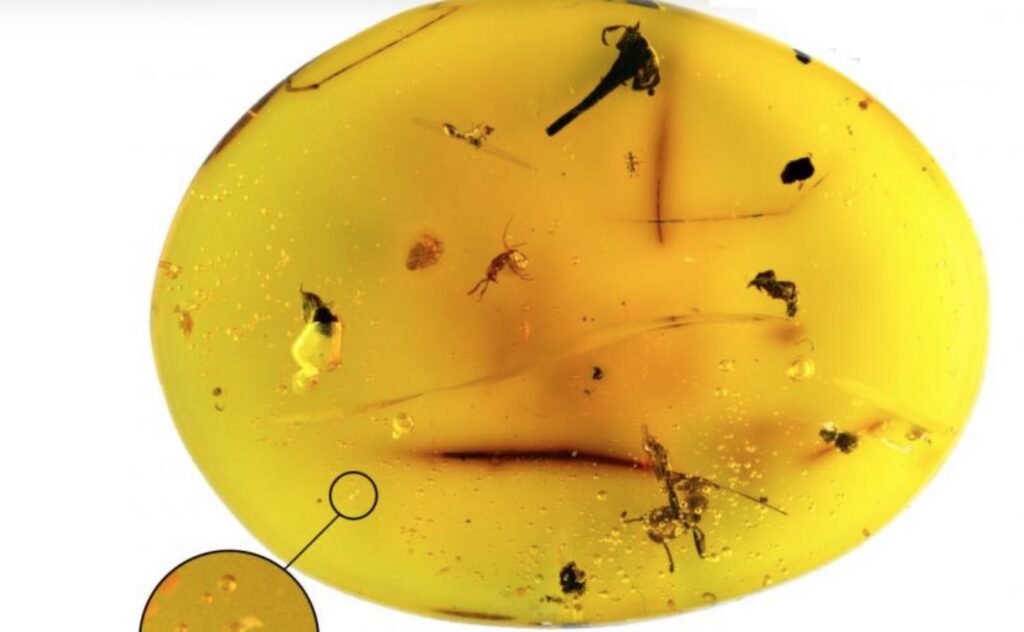
Lead researchers at New Jersey Institute of Technology and Harvard University have described just the third fossil tardigrade on record—a new genus and species Paradoryphoribius chronocaribbeus gen. et sp. nov. (Pdo. chronocaribbeus), which is fully preserved in 16-million-year-old Dominican amber from the Miocene.
Measured at just over half a millimeter, the specimen has been identified as a relative of the modern living tardigrade superfamily, Isohypsibioidea, and represents the first tardigrade fossil recovered from the Cenozoic, the current geological era beginning 66 million years ago.
Researchers say the pristine specimen is the best-imaged fossil tardigrade to date— capturing micron-level details of the eight-legged invertebrate’s mouthparts and needle-like claws 20-30 times finer than a human hair. The new fossil is deposited at the American Museum of Natural History Division of Invertebrate of Zoology.
“The discovery of a fossil tardigrade is truly a once-in-a-generation event,” said Phil Barden, senior author of the study and assistant professor of biology at New Jersey Institute of Technology. “What is so remarkable is that tardigrades are a ubiquitous ancient lineage that has seen it all on Earth, from the fall of the dinosaurs to the rise of terrestrial colonization of plants. Yet, they are like a ghost lineage for paleontologists with almost no fossil record. Finding any tardigrade fossil remains is an exciting moment where we can empirically see their progression through Earth history.”
“At first glance, this fossil appears similar to modern tardigrades due to its relatively simple external morphology,” said Marc A. Mapalo, lead author of the study and graduate student at Harvard’s Department of Organismic and Evolutionary Biology. “However, for the first time, we’ve visualized the internal anatomy of the foregut in a tardigrade fossil and found combinations of characters in this specimen that we don’t see in living organisms now. Not only does this allow us to place this tardigrade in a new genus, but we can now explore evolutionary changes this group of organisms experienced over millions of years.”
Tardigrades, or water bears, are renowned for their unusual appearance and self-preservation abilities—certain species are known to survive extreme conditions by curling into a dehydrated ball and entering a state of suspended animation where their metabolism is virtually paused, known as cryptobiosis.
Rare tardigrade fossil finds such as Pdo. chronocaribbeus, the team suggests, could provide new molecular estimates that offer fresh insight into major evolutionary events that have shaped the more than 1,300 species found across the planet today, such as the miniaturization of their body plan into one of Earth’s smallest-known animals with legs.
Perhaps the greatest challenge in unearthing tardigrade fossils, however, is their size.
“It’s a faint speck in amber,” said Barden. “In fact, Pdo. chronocaribbeus was originally an inclusion hidden in the corner of an amber piece with three different ant species that our lab had been studying, and it wasn’t spotted for months.”
Barden says tardigrades’ microscopic non-biomineralized bodies are also uniquely suited to preservation in amber derived from plant resin, which is capable of safely enveloping and preserving organisms as minute as water bears and even individual bacterium.
“This particular mode of fossilization helps explain the patchy fossil record,” explained Barden. “Fossil amber with arthropods trapped inside is only known from 230 million years ago to the present… that’s less than half of the history of tardigrades.”
Placing the discovery on the Tardigrade Tree
While it is estimated that tardigrades diverged from other panarthropod lineages before the Cambrian 540 million years ago, only two definitive tardigrade fossils have formally been described, both from Cretaceous fossil deposits in North America.
To explore Pdo. chronocaribbeus andits place on the tardigrade ancestral tree, Mapalo used high-powered laser confocal fluorescence microscopy to finely image the specimen. The team then compared it across a range of morphological features associated with major tardigrade groups alive today—including key identifiers such as body surface, claws, buccopharyngeal apparatus, and egg morphology.
“The fact that we had to rely on imaging techniques usually reserved for cellular and molecular biology shows how challenging it is to study fossil tardigrades,” said Javier Ortega-Hernandez, assistant professor of organismic and evolutionary biology at Harvard. “We hope that this work encourages colleagues to look more closely at their amber samples with similar techniques to better understand these cryptic organisms.”
The team’s analysis places Pdo. chronocaribbeus in one of three core classes of tardigrade, Eutardigadra, and makes it the first definitive fossil member of the superfamily called Isohypsibioidea—a diverse species that today inhabits aquatic and land environments and is typically characterized by their distinct claws that vary in size leg-to-leg.
“We are just scratching the surface when it comes to understanding living tardigrade communities, especially in places like the Caribbean where they’ve not been surveyed,” said Barden. “This study provides a reminder that, for as little as we may have in the way of tardigrade fossils, we also know very little about the living species on our planet today.”
The French firm that has taken an enzyme found in decomposing leaves and tweaked it, so it can decompose plastic instead, has now opened a demonstration plant where they are showing their recycling process can achieve the goals they predicted 18 months ago.
Photo by Carbios
Several obstacles have prevented humanity from getting control of the plastic pollution problem. Mechanical recycling is expensive to run, while market demand for costly recycled plastic is low. Plastic collection around the world is still under 25%, and some plastic polyesters remain without a recycling method.
As GNN reported in 2020, the technology from Carbios solves many of these problems, and they’re confident their demonstration plant will win the support of corporations like PepsiCo, L’Oreal, and Nestle.
At the new Carbios plant in Clermont-Ferrand, a reactor about the size of a cargo van has the capacity to process around 100,000 ground up plastic bottles in just 10-16 hours—that’s around two tons of ground-up PET (polyethylene terephthalate), the most common form of plastic bottle.
It breaks down the polymers—long complicated molecules, into monomers—smaller, simple building blocks, separating the two major components of polyethylene glycol from terephthalic acid, in a matter of hours; exactly as they predicted in 2020.
One major advantage this enzymatic method offers over mechanical recycling is that the end product of plastic monomers is actually far closer to the original material manufacturers use with petroleum to make new bottles, than if they bought chopped-up plastic.
Using the experience gained at this plant, Carbios will improve the upcoming industrial-size plant forecasted to open 2025.
While their recycled plastic monomers cost more than mechanically-recycled plastic, the method can reduce the greenhouse gas emissions by 30%, thanks to a reduced reliance on heavy industry, which is attractive to corporations that need to demonstrate their environmental responsibility.
As enzymatic recycling advances as a technology, a chance for more complex plastics like polypropylene, or those found in artificial clothing could eventually be tackled.
RECYCLE The Good News And Share It With Your Friends On Social Media…
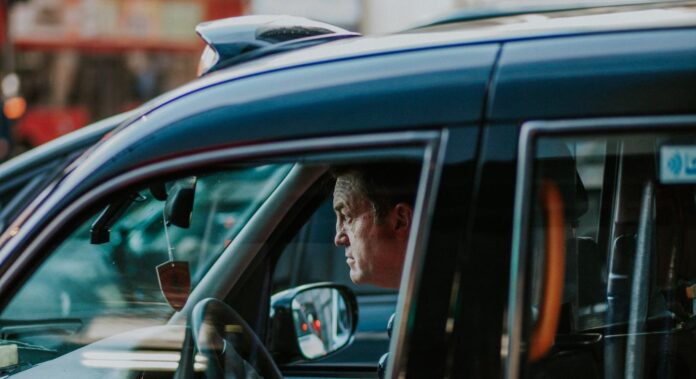
An iconic fixture in any London street scene for decades, the black taxi cab and their extraordinary cabbies are the focal point of a new expedition into Alzheimer’s research.
Cabbies have an incredible knowledge of London streets that seems to confer some protection against Alzheimer’s Disease—this could be be clinically relevant to struggling patients, or those seeking to mitigate their risks.
For those on the outside, it may seem that behind the wheel of the black cabs are just regular people who help move us along to our destinations bit by bit. But hidden within their brilliant brains is a map of London’s streets that for decades has put GPS technology to shame.
“The Knowledge,” as it’s called in the cabbie exam, was established for horse and buggy cabbies in 1865.
It stands among the hardest mental examinations one could ever undergo, as it involves the repeat retrieval from memory of minute details from between 25,000 and 56,000 London streets, depending on who’s reporting, from Trafalgar Square to the tiniest residential lanes.
University College London and Alzheimer’s Research UK are coming together to study the brains of these cabbies, as it’s found that the hippocampus, master of the brain’s short-term memory and spatial memory systems, is enlarged in the brains of cabbies.
Brain-gain
For Alzheimer’s disease, the hippocampus is the first and principal victim of its effects. Furthermore, cabbies’ hippocampi continue to enlarge the more years they put into the job, presenting the hypothesis that perhaps there’s something we can do to replicate the effect in the general population.
“Maybe there’s something very protective about working out your spatial knowledge on a daily basis, like these guys do,” said Research lead, Prof. Hugo Spiers according toEuro Weekly News.
“It may not necessarily be spatial, but just using your brain rather than Google Maps might actually help—in the same way that physical fitness is important.”
At UCL’s department of experimental psychology, Spiers was part of the team which 20 years ago found that, like birds and squirrels, cabbies’ hippocampi gradually got bigger.
Indeed research has found for years that any animal that requires a detailed spatial knowledge of their territory experiences growth in the hippocampus, from voles to pigeons.
Alzheimer’s Disease results from Tau proteins, in particular amyloid-beta, building up around the neurons in the hippocampus. Over time and in layman’s terms, a brain drain occurs as the proteins interfere with the firing of neurons, leading to loss of brain tissue, and a breakdown in the critical functions of the hippocampus.
Spiers and his team hope to study the “brain gain” which occurs from putting one’s powers of memory through the rigors of The Knowledge.
To glean more information on the mechanisms that cause these gains, Spiers has recruited thirty of London’s cabbies to drive around on their routes hooking up to MRI machine that will allow the researchers to gather real-time observations of the workings within the hippocampus.
“It’s been a joy to help [the research team] with this work and feel that I’m able to use my brain to help scientists combat dementia,” said Robert Lordan, taxi driver, and author of the book The Knowledge: How to Train Your Brain like a London Cabbie.
SHARE ‘The Knowledge’ of This Hopeful Research Finding…
Quote of the Day: “Great minds discuss ideas; average minds discuss events; small minds discuss people.” – Eleanor Roosevelt (born 137 years ago)
Photo: by Mateus Campos Felipe
With a new inspirational quote every day, atop the perfect photo—collected and archived on our Quotes page—why not bookmark GNN.org for a daily uplift?
Researchers studying naturally occurring antibiotics have isolated one which eradicated the bacteria that causes Lyme disease, potentially offering a revolutionary treatment for the pathogen in both humans, and the natural environment.
Hygromycin A, which the scientists found in a screen of soil microbes, was found to clear the infection of B. burgdorferi, the bacteria found in tiny worm-like parasites which cause much of the worst effects of the disease, without harming the rest of the microbiome in live mice and human cells.
A debilitating disease that can put some people out of action for years, Lyme disease affects 500,000 Americans annually, costing an excess of $3 billion in medical care, and much more from lost labor hours. It drives a variety of pathologies, some minor, some major, and is treated principally by non-selective antibiotics which wreck havoc on the beneficial bacterial communities we all carry on our skin and in the gut.
After infecting mice with B. burgdorferi, hygromycin A, was administered twice a day for five days. Using a PCR test which stimulates rapid replication of even single cells, the treatment proved to clear every last trace of the infection.
Furthermore, in vitro tests on human cells found that even at completely unnecessarily-high doses, its therapeutic index was up there with some of the safest over-the-counter medicines.
Hygromycin A targets these worm-like spirochetes, which along with Lyme disease, also cause other diseases. Another spirochete cleared by hygromycin A is called T. pallidum, which not only causes syphilis, but has been a notable recipient of antibiotic resistance.
A super drug
Broad-spectrum antibiotics, along with killing our beneficial microbes, were shown in the paper to be strongly linked with blooms of harmful bacteria cropping up in the dead spaces left by an antibiotic like amoxicillin or doxycycline. They have also led to antibiotic resistance in many common pathogens.
By contrast, hygromycin A treatment resulted in a rise of harmless species like lactobacillus.
“Lyme disease is on the rise and, in many locations, limits our ability to enjoy outdoor activities,” the authors write. “A more permanent solution would require eradicating the source of the disease. We show that baits containing hygromycin A clear B. burgdorferi infection in mice, the principal host of the pathogen.”
However the good news didn’t stop there for the team, as they began to reason that because hygromycin A selectively targeted spirochetes, the tiny parasites mentioned earlier, it could be possible to inoculate entire ecosystems against Lyme disease, since hygromycin A is also a naturally-occurring soil microbe, and therefore already has an established place in the terrestrial web of life.
They referenced a study which looked at how a parasite bait containing the common broad-spectrum doxycycline was spread across an area and eradicated the Lyme disease-causing pathogen in 87% of mice, and 94% of ticks.
“This is far above levels required to reduce infection below the… the percentage of infected ticks and mice needed to sustain the infectious cycle in the wild,” the authors note.
“Doxycycline, however, is an essential part of our shrinking antibiotic arsenal, and spreading it on large territory is unfeasible due to the risk of selecting for resistant micro-organisms. Hygromycin A, with its limited activity against non-spirochetal organisms, would make an ideal reservoir-targeted antibiotic against B. burgdorferi.“
Not only could they be on a path of eliminating Lyme disease in humans, but perhaps in the natural environment as well, which along with numerous other enormous benefits, would allow people in prone areas to wear shorts and t-shirts on a summertime hike again, which merits some celebration.
CURE Negativity—This Story With Your Friends on Social Media…
Four brave women in South Africa have successfully overturned a set of antiquated marriage laws that denied women equal property rights.
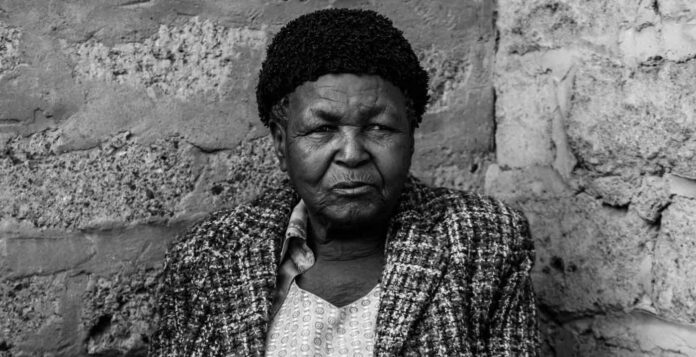
Around 400,000 elderly black women will now have equal access to matrimonial property, thanks to Elizabeth Gumede, Thokozani Maphumulo, Matodzi Ramuhovhi, and Agnes Sithole, and the Legal Resources Centre (LRC) in Durban.
Land ownership and property rights are integrally connected to the power of self-determination. This is particularly important for a class of persons historically oppressed by society and the law—elderly black women.
In April, the Constitutional Court struck down a piece of legislation which unfairly discriminates against such women. The Court ruled that a section of the Matrimonial Property Act 88 of 1984 is unconstitutional and invalid to the extent that it maintains and perpetuates discrimination in marriages of black couples entered into before 1988, automatically denying them community property.
The LRC represented Ms. Agnes Sithole and the Commission for Gender Equality in the case, which vindicated the rights of approximately 400,000 elderly black women in South Africa.
The above case is the third in a trilogy of legal challenges brought by the Legal Resources Centre in the cases Gumede, Ramuhovhi and Sithole, challenging the laws. The affected women belong to a generation of black women who were born, raised and married under apartheid – during a time when laws actively prevented their access to freedom of movement, education, and the right to hold property.
Women bore the laborious and expensive task of applying to a court for redistribution of property if the marriage ended, but the court cases and the Recognition of Customary Marriages Act (RCMA) Amendment Bill recently passed by parliament reverses this discrimination.
In 2008, the LRC represented Ms. Gumede who was married in 1968 which was therefore governed by the apartheid-era law that stipulated the husband to be the owner of all family property. Her divorce would have left Ms. Gumede vulnerable and homeless in her old age.
In 2017, the LRC represented Ms. Maphumulo, who faced eviction from her home upon her husband’s death.
On 2 March 2021, the RCMA Amendment Bill was passed by parliament to give effect to the Gumede and Ramuhovhi orders. The amendment will ensure that the default position for all customary marriages will be in community of property, unless stipulated otherwise in an antenuptial contract.
Finally, in the Sithole case, 72-year-old housewife Ms. Sithole, the judgment “unpacks societal dynamics such as patriarchy, gender stereotyping, and inflexible application of oppressive cultural practices which perpetuates intersectional discriminatory consequences for black women,” according to a statement from the LRC.
The LRC has relentlessly fought for this financial freedom for historically oppressed women. Access to land and property are essential to securing financial freedom, as well as individual agency and autonomy. The potential of women to own and control land will foster their power of self-determination; eliminate dependence; and enable them to participate meaningfully in society.
“The trilogy of cases have secured a community of property regime for black women, strengthening their right to security of tenure and financial freedom by ensuring that a husband and his wife/wives equally share the right of ownership and other rights to family property and house property without discrimination.”
(File photo by Nkululeko Mabena)
SHARE The Good News For Gender Equality on Social Media…
Ever picked up a time-saving ‘life hack’ from an online video? Today might be a good day to start because a new study suggests that those little tips and tricks save people almost four hours of effort every week.
That’s according to a survey of 2,002 Americans, 41% of whom have described life hacks to be useful efficiency shortcuts.
One-quarter of those familiar with life hacks even claim having six hours per week to spare after using the shortcuts.
Conducted by OnePoll on behalf of Minute Rice, the survey also found that the most popular life hacks were those focused around cooking or the kitchen, with 54% saying they use them regularly.
Cooking hacks that ranked high included batch cooking meals for the whole week (41%), boiling potatoes with skins on for easier removal (40%) and using microwaveable rice (39%).
Six in 10 respondents say they watch life hack videos on the internet, with 42% of people saying they’ve shared their own life hack tips online at some point.
Like all skills, some life hacks require practice; respondents revealed that it takes them an average of three attempts to get a life hack right.
33% have learned tips for make-up, 33% have organized their kitchen better, and another third have found tips to make gardening more enjoyable.
“Anything that gives us time back in our day, from cooking hacks to back-to-school hacks should be embraced. Because when we save time on daily life tasks, we can slow down and enjoy time with those who matter most,” said Erica Larson, Senior Brand Manager of Minute Rice.
30 Most Successful Life Hacks
1) Drying a wet smartphone in rice
2) Adding baking soda to boiling water to help remove egg shells easier
3) Laying a wooden spoon across a pot to keep it from boiling over
4) Cleaning jewelry with toothpaste or Dawn dish soap
5) Cleaning stains with baking soda and vinegar
6) Putting tea bags in shoes to remove the smell
7) Using WD40 to clean the headlights on my car
8) Keeping extra trash bags in every trashcan to keep from having to go get them to replace
9) If vacuum cord keeps coming out of the outlet, push prongs closer together to make it tighter
10) Putting cold water on an onion to stop the tears in your eyes
11) Peeling ginger or hardboiled eggs with a spoon
12) Putting a potato on a broken light bulb to remove it
13) I polish my boots with banana peel and it makes them shinier
14) Adding tomatoes to hot water for easy pealing
15) Transform plastic bottle to flower vases
16) Nail polish on keys to identify them
17) Putting the Saran wrap in the freezer so it doesn’t stick together when you use it.
18) Shaking a hard boiled egg in a mason jar to peel it
19) Using old tissue box to store plastic bags
20) Using a carabineer to attach dog leash to my waste or poop bags to the leash.
21) Using a potato masher to break up frying hamburger
22) Using candle to fix a difficult zipper
23) Using pot lid to get cheese sauce out of packet.
24) Using the spring from my pen, on my phone charger at the stress point
25) Using vinegar/baking soda to polish silver.
26) Using Vinegar to clean shower head
27) Wrapping lettuce in a few pieces of paper towels to keep it fresh longer
28) Removing candle wax using ice cubes
29) Cleaning stains with lemon and vinegar
30) “I always use unflavored string floss to slice food items like block cheese, cakes, and dough like homemade cinnamon rolls. It’s a lot cleaner and more precise. It doesn’t tear up the food and makes a very nice presentation, especially for guests. I actually keep floss in my kitchen for this purpose.”
SHARE The Hacks to Make Life Easier For Your Friends…
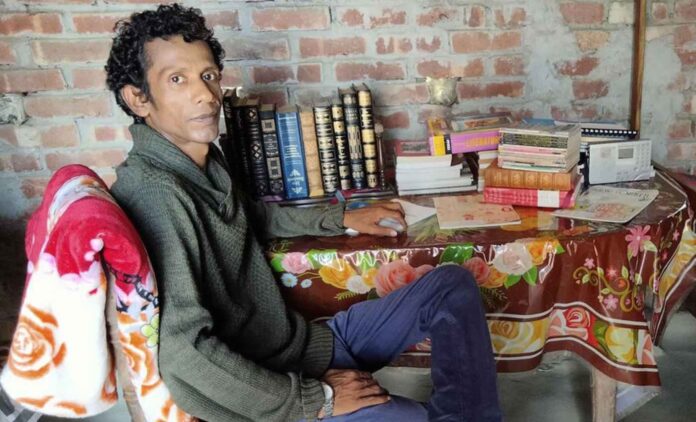
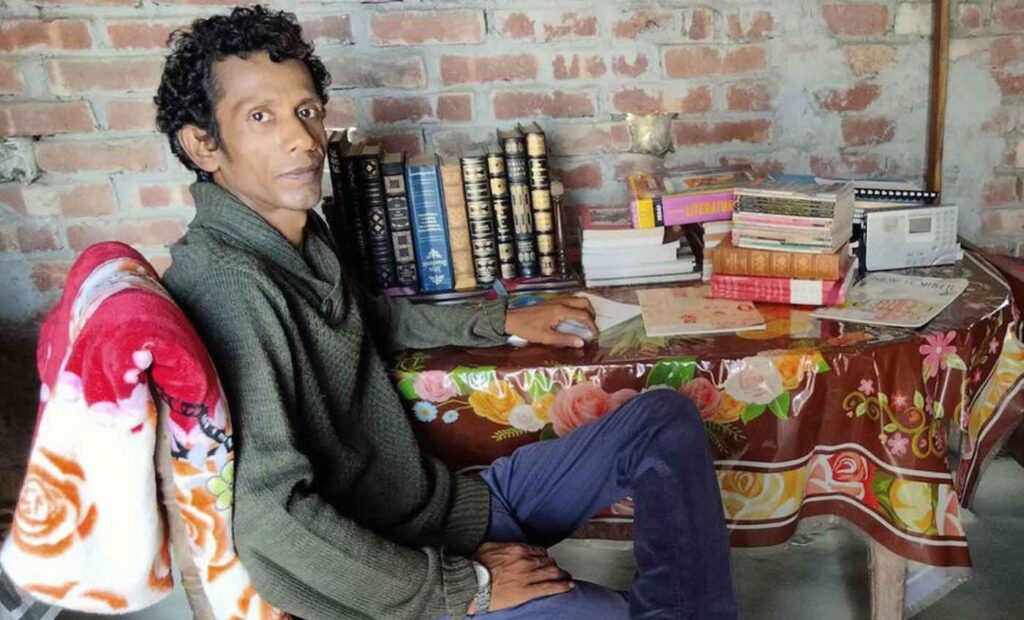
America, I am sending you good wishes from a small Bangladeshi village on the 20th anniversary of your great tragedy. I knew nothing about you before 2001, when 9/11 shook you, and turned the world around. Twenty years later, I know much more about you—your people, and history—and want to say thank you.
I first heard about America when I was in junior high school. Our geography teacher showed us a world map, his finger stopped on the line that read USA. “This is America,” he said. We were curious why the teacher mentioned specifically ‘America,’ but he did not explain it to us any further.
Then in 2001, when I was about to finish the 10th grade, we watched the horror of 9/11 on a black and white TV in our village, and I saw America for the first time. While watching the huge plume of smoke and the towers falling down, I saw the Americans. It was the first time I heard them speak, something compelled me to speak like them and I started learning English.
We had no satellite television channels other than the government run TV station. We had no paved roads and electricity let alone internet, so learning English was tough.
After I found a radio set with my uncle, I tried to connect it with some English broadcasting channels. Thus, I discovered Voice of America. By listening to VOA’s ‘Learning English’ programs, I developed my English a bit.
I wrote a letter to VOA asking for some books. They sent me some booklets and magazines and a beautiful photo of Washington DC. I bought some grammar books and started reading English dailies in Bangladesh. As my English developed, I started to learn about America and its people.
In 2010, our village was electrified. There were color TV sets with multiple channels. I bought a smartphone and connected with the internet provided by a phone company. I opened a Facebook account and tried to reach over to the Americans. Although many of them did not respond, some were friendly and answered me, including a Virginian.
My new Virginia friend and his kindhearted wife sent me a great many books and small gifts. The gifts were often related to American history, culture, and literature. The books played a vital role in my life. I read Uncle Tom’s Cabin, which helped me learn of the American Civil War.
The couple included some fine works of great American writers, including Washington Irving and John Steinbeck. While reading The Grapes of WrathI felt like I was moving with the Joad family to California. That Steinbeck story added another American history lesson to my list—the Great Depression. I posted some of my already-learned history notes in a Facebook Group and reached out to some more Americans.
I corresponded with my Texas friend though Facebook Messenger. He told me about the Texas-Mexico war at the Alamo. I came to know that everything is BIG in Texas through photos he sent me. Rodeos, ranchos, and rattlesnakes were part of our discussion almost every day.
He also sent me books, magazines, pens, and school stationery that enriched my knowledge about cowboy culture. When I hold the colorful pens, I feel a sense of my own American dream while studying, teaching, and writing stories about his country.
Then, I moved to California virtually, when I met a friend from the ‘Grizzly Bear State’. From the Spanish settlers to the gold rush, my California friend brought me more US history lessons. Through our conversations, I discovered a wild America, far from Bangladesh. He introduced me to the giant Sequoia forests, Death Valley National Park, roadrunners, California quail, and the sun and surf of the beaches.
I was unstoppable and met more Americans. One of them served in the U.S. Army. My Army friend brought me world history—the Vietnam War, Korean War, Gulf War, Cuban missile crisis, and more. He was stationed in Iraq during the war there. We corresponded about his experience fighting for his country, while leaving everybody back on the US shores. It seemed the life of a soldier is very hard.
If America did not exist, I would not be who I am today. Now, from my tiny village, I can explore the American wilderness, walk the trails among sequoias, and argue with my friends about why Native Americans are called Indians. Now I understand Martin Luther King Jr.’s role during the civil rights movement and can share my thoughts about him with other people around the world.
I want to thank all these good citizens who brought America—its people, culture, and history—to me here in Bangladesh. I thank you very much, dear friends, and thank you, America!
Rezaul Karim Reza is a freelance writer based in Rangpur, Bangladesh, whose works have appeared in the Christian Science Monitor, Reader’s Digest, and History Is Now Magazine.
(Edited from the original essay published in the CS Monitor)
Quote of the Day: “The supernatural is only the natural of which the laws are not yet understood.” – Agatha Christie
Photo: by Sharon McCutcheon
With a new inspirational quote every day, atop the perfect photo—collected and archived on our Quotes page—why not bookmark GNN.org for a daily uplift?
FREE WILL ASTROLOGY – Week beginning October 8, 2021
Copyright by Rob Brezsny, FreeWillAstrology.com
LIBRA (Sept. 23-Oct. 22):
“Some people are crazy drunk on rotgut sobriety,” wrote aphorist Daniel Liebert. I trust you’re not one of them. But if you are, I beg you to change your habits during the next three weeks. According to my reading of the astrological omens, you have a heavenly mandate to seek more than the usual amounts of whimsical ebullience, sweet diversions, uplifting obsessions, and holy amusements. Your health and success in the coming months require you to enjoy a period of concentrated joy and fun now. Be imaginative and innovative in your quest for zest.
SCORPIO (Oct. 23-Nov. 21):
Scottish Poet Laureate Jackie Kay, born under the sign of Scorpio, writes, “It used to be that privacy came naturally to everybody and that we understood implicitly what kind of things a person might like to keep private. Now somebody has torn up the rule book on privacy and there’s a kind of free fall and free for all and few people naturally know how to guard this precious thing, privacy.” The coming weeks will be a good time for you to investigate this subject, Scorpio—to take it more seriously than you have before. In the process, I hope you will identify what’s truly important for you to keep confidential and protected, and then initiate the necessary adjustments. (PS: Please feel no guilt or embarrassment about your desire to have secrets!)
SAGITTARIUS (Nov. 22-Dec. 21):
“All our Western thought is founded on this repulsive pretense that pain is the proper price of any good thing,” wrote feisty author Rebecca West (1892–1983). I am very happy to report that your current torrent of good things will NOT require you to pay the price of pain. On the contrary, I expect that your phase of grace and luck will teach you how to cultivate even more grace and luck; it will inspire you to be generous in ways that bring generosity coming back your way. As articulated by ancient Chinese philosopher Sun Tzu, here’s the operative principle: “Opportunities multiply as they are seized.”
CAPRICORN (Dec. 22-Jan. 19):
“If you don’t ask, the answer is always no,” declares author Nora Roberts. In that spirit and in accordance with astrological omens, I urge you to be bold and lucid about asking for what you want in the coming weeks. In addition, I encourage you to ask many probing questions so as to ferret out the best ways to get what you want. If you are skilled in carrying out this strategy, you will be a winsome blend of receptivity and aggressiveness, innocent humility and understated confidence. And that will be crucial in your campaign to get exactly what you want.
AQUARIUS (Jan. 20-Feb. 18):
“Few persons enjoy real liberty,” wrote poet Alfred de Musset. “We are all slaves to ideas or habits.” That’s the bad news. The good news is that October is Supercharge Your Freedom Month for you Aquarians. I invite you to use all your ingenuity to deepen, augment, and refine your drive for liberation. What could you do to escape the numbness of the routine? How might you diminish the hold of limiting beliefs and inhibiting patterns? What shrunken expectations are impinging on your motivational verve? Life is blessing you with the opportunity to celebrate and cultivate what novelist Tim Tharp calls “the spectacular now.” Be a cheerful, magnanimous freedom fighter.
PISCES (Feb. 19-March 20):
The brilliant Piscean composer Frédéric Chopin (1810–1849) wrote, “I wish I could throw off the thoughts that poison my happiness, but I take a kind of pleasure in indulging them.” What?! That’s crazy! If he had been brave enough and willful enough to stop taking pleasure in indulging his toxic thoughts, they might have lost their power to demoralize him. With this in mind, I’m asking you to investigate whether you, like Chopin, ever get a bit of secret excitement from undermining your own joy and success. The coming weeks will be a favorable time to dissolve that bad habit.
ARIES (March 21-April 19):
Aries poet Anna Kamieńska said her soul didn’t emanate light. It was filled with “bright darkness.” I suspect that description may apply to you in the coming weeks. Bright darkness will be one of your primary qualities. And that’s a good thing! You may not be a beacon of shiny cheer, but you will illuminate the shadows and secrets. You will bring deeper awareness to hidden agendas and sins of omission. You will see, and help others to see, what has been missing in situations that lack transparency. Congratulations in advance!
TAURUS (April 20-May 20):
“There is something truly restorative, finally comforting, in coming to the end of an illusion—a false hope.” So declared author Sue Miller, and now I’m sharing it with you, Taurus—just in time for the end of at least one of your illusions. (Could be two, even three.) I hope your misconceptions or misaligned fantasies will serve you well as they decay and dissolve. I trust they will be excellent fertilizer, helping you grow inspired visions that guide your future success. My prediction: You will soon know more about what isn’t real, which will boost your ability to evaluate what is real.
GEMINI (May 21-June 20):
Afghan-American novelist Khaled Hosseini writes, “People mostly have it backward. They think they live by what they want. But really what guides them is what they’re afraid of—what they don’t want.” Is that true for you, Gemini? The coming weeks will be an excellent time to meditate on that question. And if you find you’re motivated to live your life more out of fear than out of love, I urge you to take strenuous action to change that situation! Make sure love is at least 51 percent and fear no more than 49 percent. I believe you can do much better than that, though. Aim for 75 percent love!
CANCER (June 21-July 22):
“Sometimes dreams are wiser than waking.” Oglala Lakota medicine man Black Elk said that, and now I’m passing it on to you. It’s not always the case that dreams are wiser than waking, of course, but I suspect they will be for you in the coming weeks. The adventures you experience while you’re sleeping could provide crucial clues to inform your waking-life decisions. They should help you tune into resources and influences that will guide you during the coming months. And now I will make a bold prediction: that your dreams will change your brain chemistry in ways that enable you to see truths that until now have been invisible or unavailable. (PS: I encourage you to also be alert for intriguing insights and fantasies that well up when you’re tired or lounging around.)
LEO (July 23-Aug. 22):
“Don’t hope more than you’re willing to work,” advises author Rita Mae Brown. So let me ask you, Leo: How hard are you willing to work to make your dreams come true, create your ideal life, and become the person you’d love to be? When you answer that question honestly, you’ll know exactly how much hope you have earned the right to foster. I’m pleased to inform you that the coming weeks will be a favorable time to upgrade your commitment to the work and therefore deepen your right to hope.
VIRGO (Aug. 23-Sept. 22):
“To be truly visionary, we have to root our imagination in our concrete reality while simultaneously imagining possibilities beyond that reality.” This shrewd advice comes from author bell hooks. I think it should be at the heart of your process in the coming days. Why? Because you now have an extraordinary potential to dream up creative innovations that acknowledge your limitations but also transcend those limitations. You have extra power available to harness your fantasies and instigate practical changes.
WANT MORE? Listen to Rob’s EXPANDED AUDIO HOROSCOPES, 4-5 minute meditations on the current state of your destiny — or subscribe to his unique daily text message service at: RealAstrology.com
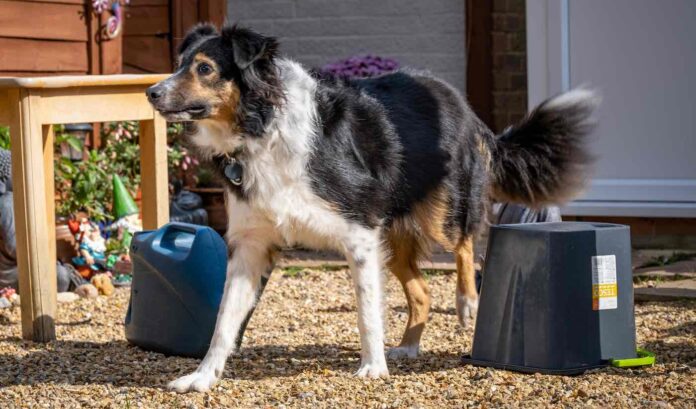
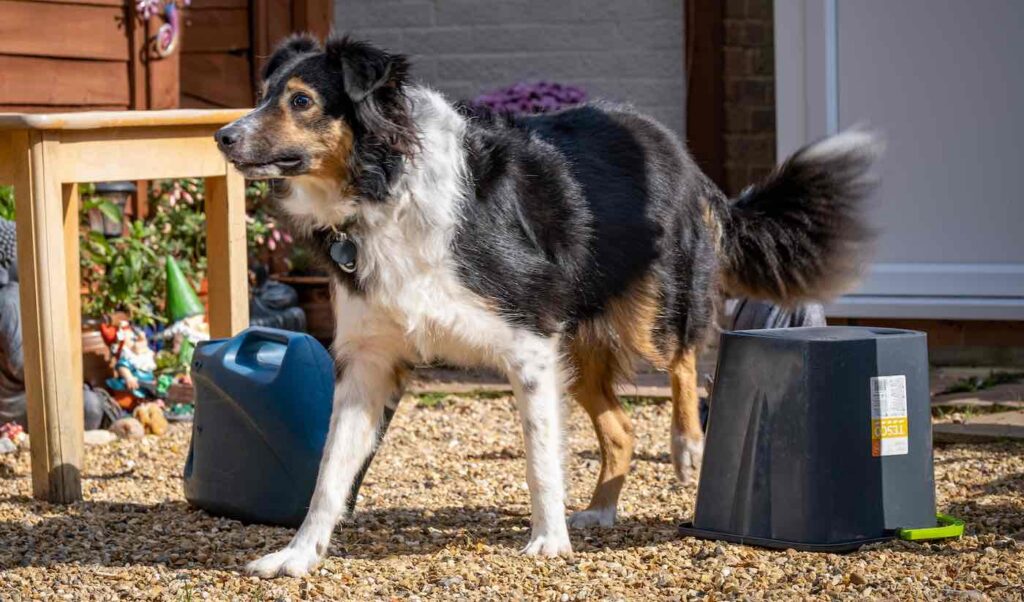
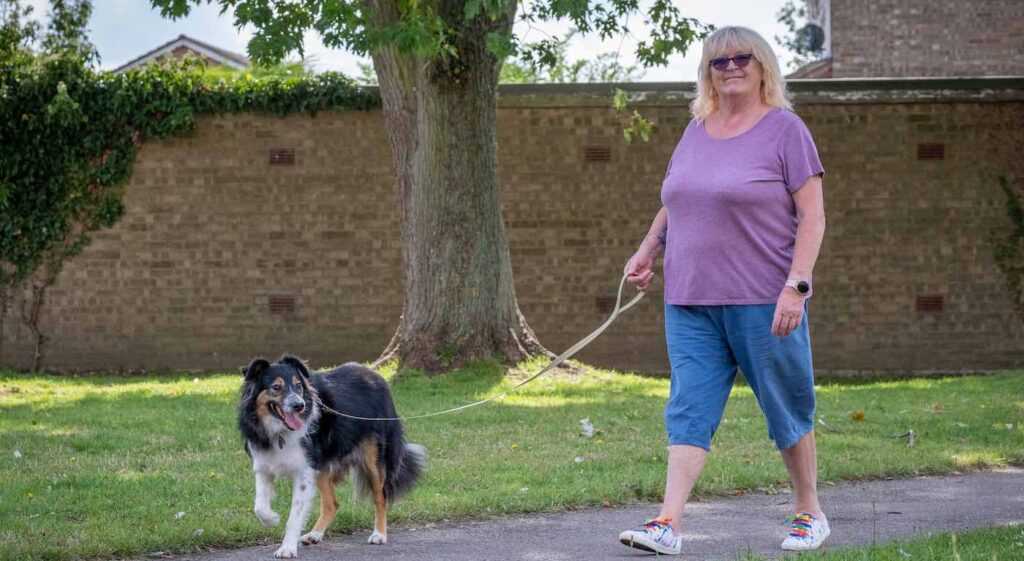
An incredible dog whose owner didn’t know he was blind for over nine months has been declared a “medical mystery” by a veterinary expert.
Border Collie Dave “never puts a foot wrong” and can even navigate around puddles despite his blindness—leaving vets completely baffled.
Jane Downes, 69, says that her pooch has always come when called and happily plays with other dogs despite his undeveloped retinas leaving him completely blind.
Believed to be five or seven years old, Dave had been with Jane for almost a year before she made the discovery.
“No one’s got any answers. It’s just a conundrum and really strange.”
“He’s a blind dog that can see. Maybe it’s a sixth sense, who knows?”
Jane bought Dave from an animal rescue centre in February 2020, when no issues were raised regarding his sight—even after a check-up at the local vet.
Jane, from Waterbeach, Cambs, said, “He jumped into the back of the car and I brought him home.”
“On a couple of occasions he walked into things but I put that down to him being a sheepdog who more than likely lived in a barn rather than a house.”
When Dave stumbled over a step at a pet shop in Cambridge, the owner suggested to Jane that her dog might be blind, so she took him to a specialist vet.
SWNS
Turns out, Dave had been sightless from birth.
After the revelation, Jane called on the help of Cambridge University’s David Williams, a top veterinary ophthalmologist, who organized two obstacle course challenges for Dave.
He told a local newspaper: “I see a lot of blind dogs and they all bump into objects in a way that Dave didn’t—so at present he is a medical mystery. Just because I’ve been doing this for 33 years, it doesn’t mean I’ve seen everything, and this I can’t explain.”
Next week, McDonald’s is making school day mornings a little brighter for educators and showing their appreciation with a free breakfast Thank You Meal.
Teachers, administrators or school staff can simply head to any participating McDonald’s during breakfast hours from Oct. 11-15 and show a valid work ID for a free breakfast.
“Together with our Owner/Operators, we’re proud to serve the people who make our communities a better place, and this is an important time to say thank you to some of our everyday heroes,” said Joe Erlinger, President, McDonald’s USA. “We were honored to give away 12 million free Thank You Meals to first responders and healthcare workers last year and now, with educators going above and beyond, we’re excited to recognize them in a way only McDonald’s can.”
They can get one Thank You Meal per day, which comes with an entrée breakfast sandwich—either an Egg McMuffin, a Bacon, Egg and Cheese or Sausage Biscuit—and also hash browns, with a hot or iced coffee or soft drink.
Last year McDonald’s launched the “Thank You Meal” program to recognize first responders and healthcare workers at the height of the pandemic. This year, they wanted to honor another essential group “as a small token of appreciation”.
“As a former teacher, this Thank You Meal means the world to me, and I know it will touch my customers and my employees,” said Stefanie Cabrera Bentancourt, a McDonald’s Owner/Operator in Miami, Florida. “Educators are the backbone of our communities. They’ve done so much for us, and it’s an honor to join my fellow Owner/Operators across the country to celebrate them.”
Say thank you to your favorite teacher on social media…
They are also inviting the public to honor a special educator in their lives, by sharing on Twitter, TikTok, or Instagram how they inspired you by using #ThankYouMeal through Oct. 15.
Local Owner/Operators will then be surprising some of the teachers with a breakfast delivery to their school.
“We’ll celebrate select educators across the country in big and small ways,” said a company statement that mentioned how they had donated supplies and financial help in the past.
SHARE This on Social Media With Educators So They Can Get a Free Breakfast…
A brand of salami known as Galileo is celebrating 75 years of making the cured meats by welcoming salami fans into their family with a chance to win a unique culinary experience in a seaside region of Italy.
But don’t worry, you don’t have to speak Italian.
All you have to do is simply share a photo of yourself on Instagram using the hashtags #GalileoFamily and #Sweepstakes and tag @GalileoSalame.
If you follow the rules of the contest, you are automatically entered for a chance to win a weeklong trip for two to Italy to explore the history and culinary riches of the seaside region of Le Marche, known for its agricultural products, vegetables, meats, grapes, olives and truffle hunting.
“For the better part of a century, we’ve been curing authentic Italian salame with the idea of family and tradition,” said Jeremy Kross, Brand Manager at Galileo, a company that was started in 1945 by Frank Sorba in San Francisco. “The ‘Welcome to the Family’ program celebrates our Italian heritage and, of course, the deliciousness of salame.”
The winners will learn about the history of the Galileo brand and explore incredible destinations there like Ancona, a city and seaport that sits along Italy’s Adriatic coast; Mount Conero, known as a “small piece of heaven” on the Adriatic Sea with some of the clearest water; and finally, San Marino, said to be the world’s oldest surviving republic.
While in Sant’Angelo in Vado, the winners will visit La Tavola Marche, a unique hands-on culinary experience where guests can immerse themselves in Italian culture and food. The company says that crafting Italian meats in the Bay Area where the temperate climate is like that of northern Italy, makes it the ideal location in America to cure salami.
There’s no purchase necessary, but you do need a public Instagram account. Simply post an Instagram photo of yourself and use the hashtags #GalileoFamily and #Sweepstakes and tag @GalileoSalame. Don’t use the likeness of any famous person, though, as it states in the official rules here.
The trip for two will last for seven days, six nights, and is valued at $7,500 U.S. The contest ends on October 21, after which they will do a random drawing to determine the winner.