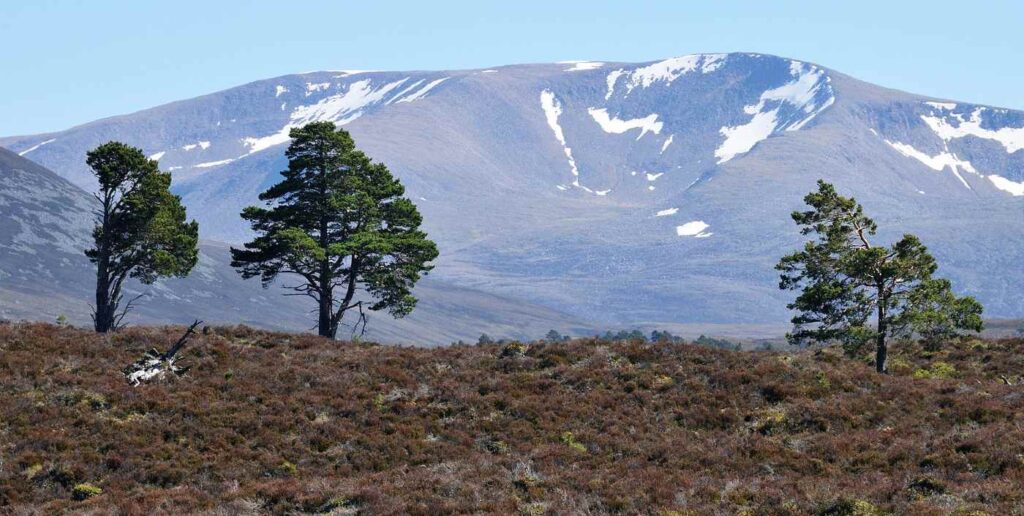
Quote of the Day: “It’s not that some people have willpower and some don’t… It’s that some people are ready to change and others are not.” – James Gordon
Photo: by Ricardo Rocha
With a new inspirational quote every day, atop the perfect photo—collected and archived on our Quotes page—why not bookmark GNN.org for a daily uplift?
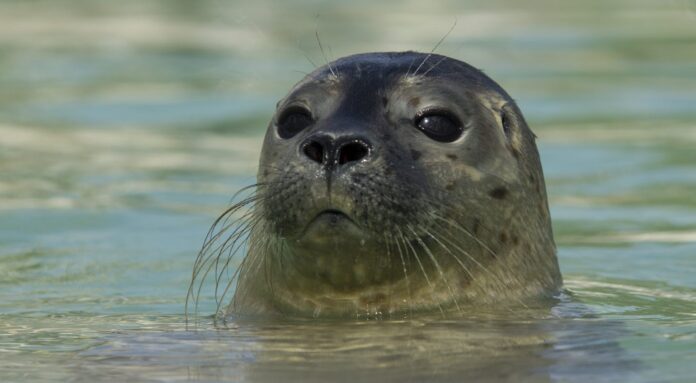
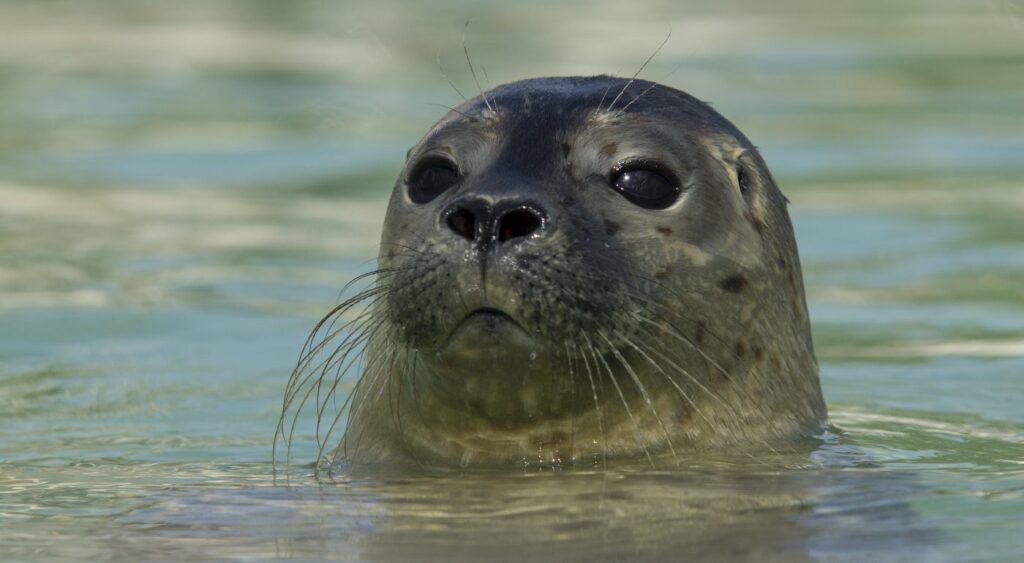
Seals are one of the very few mammals to change the tone of their voices, allowing them to mimic humans like a parrot, scientists have found.
The sea creatures change the pitch of their calls depending on the sounds of their surroundings, according to a new study.
Seals can be taught to copy human speech like parrots, barking catchphrases in gruff accents like “come over here.”
But while vocal learning, the ability to mimic sounds, is a rare trait among mammals, only a few species can adjust their voice’s pitch to sound higher or lower.
Now scientists at the Max Planck Institute for Psycholinguistics have found seal pups are on the short list of animals with volume control.
Senior author Dr Andrea Ravignani said, “By looking at one of the few other mammals who may be capable of learning sounds, we can better understand how we, humans, acquire speech, and ultimately why we are such chatty animals.”
Eight harbor seal pups aged one to three weeks old who were being held in a Dutch rehabilitation center before being released back into the wild were studied by the researchers.
They recorded noises from the nearby Wadden Sea before playing them back to the pups at volumes ranging from no sound to 65 decibels, but keeping the same tone height as the animal’s calls.
They then recorded the pup’s spontaneous calls to see whether they changed their tone of voice to match the sea sounds.
“This is astonishing, as few other mammals seem capable of that.”
Pups did not however produce more or longer calls when exposed to different levels of sea sounds.
Dr Ravignani said of the findings, published in the Philosophical Transactions of the Royal Society B: Biological Sciences, “To date, humans seem to be the only mammals with direct neural connections between the cortex—the outer layer of the brain, and the larynx—what we use to produce tone of voice’.
A study has managed to reverse the symptoms of Alzheimer’s disease in mice by administering drugs currently used to treat hypertension and inflammation in humans.
In this study, scientists at IRB Barcelona led by Dr. Aloy have characterized three stages of Alzheimer’s disease, namely initial, intermediate, and advanced.
For each of these stages, they have analyzed the behavior of the animals, studied the effects on the brain (specifically the hippocampus at the tissue level), and performed a molecular analysis to measure gene expression and protein levels.
The approach adopted has allowed them to describe the development of the disease at a level of detail hitherto unknown and also compare it with healthy aging.
“What we have observed is that, although Alzheimer’s disease shares some features of accelerated ageing, it is also affected by totally different ageing processes,” says Dr. Aloy. “This disease is caused by the abnormal accumulation of certain proteins, and we have seen that, in some cases, this is not caused by overproduction but by an error in their removal,” he adds.
Chemical Checker: detection of the most promising molecules
Having characterized the disease, the scientists used the Chemical Checker, a computational tool developed by the same research group to find drugs already on the market with the capacity to reverse the effects at the cellular level.
This tool has allowed them to identify a series of possible candidates, which were tested in various mouse models of Alzheimer’s disease.
Four drugs—two non-steroidal anti-inflammatories, dexketoprofen and etodolac, along with two anti-hypertensives, penbutolol and bendroflumethiazide, proved effective at reversing the disease and neutralizing symptoms in these mice. They published the study in Genome Medicine.
“Epidemiological studies already indicated that people who regularly take antiinflammatories show a lower incidence of Alzheimer’s disease, but this had not been correlated with a specific medication or mechanism.
“The results that we are publishing are most promising, and we hope that further research can be done on them because they could give rise to a paradigm shift in the treatment of this disease,” says Dr. Aloy.
Early diagnosis of the disease
In addition to paving new avenues of research for the treatment of Alzheimer’s disease, the characterization of the distinct stages of this condition published in this study favors early diagnosis.
Diagnosing Alzheimer’s disease at an early stage, when damage to the brain is still minimal, is one of the main research focuses to tackle this condition and to reduce symptoms.
n-paper-gomez-cc9d2ff6458703857a4775cd2ecac4a2c29ac54c-s1600-c85 Moran Eye Center, the University of Utah (1)
Moran Eye Center, the University of Utah
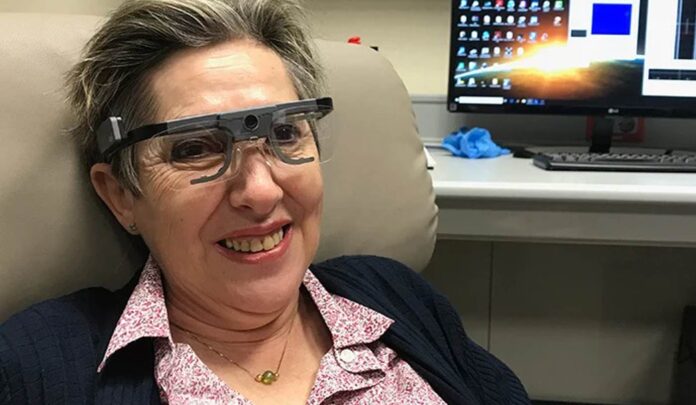
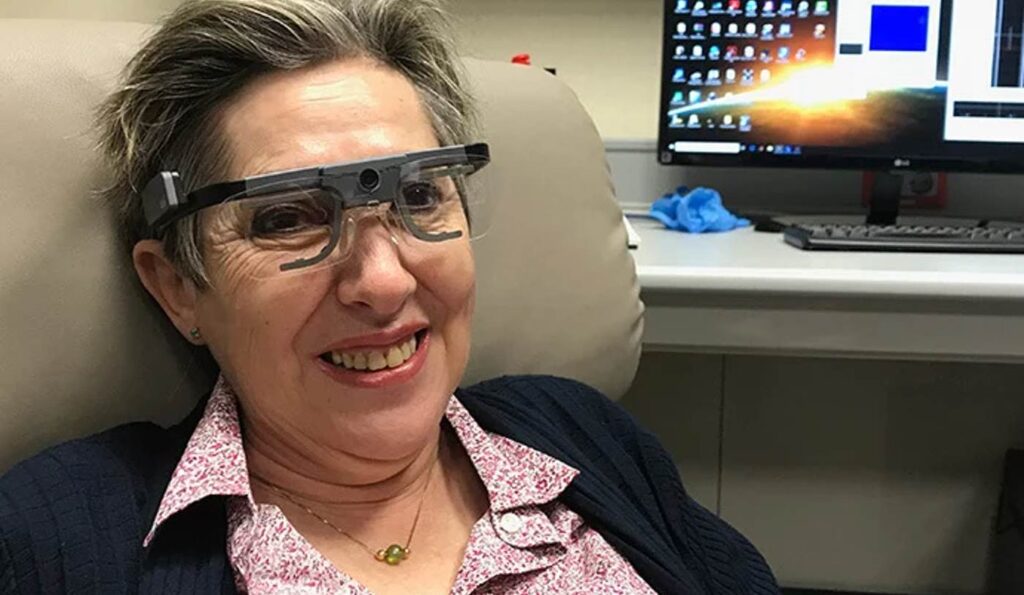
A “long-held dream” of science was realized when a team of researchers from Spain and Utah coordinated to restore basic vision to a blind women by connecting a camera to an array of microchips to her brain.
Sightless for 16 years, 57-year-old Berna Gomez was able to identify letters and the edges of objects, as well as play basic video games, and was so instrumental in proving both safety and efficacy of the treatment that the scientists named her a co-author in the corresponding paper.
If vision could be bypassed by technology, it would represent one of the largest developments in the history of prosthesis, potentially restoring the sight of 148 million blind people worldwide.
Rather than one’s eyes observing the environment, a camera would map the information onto the visual cortex. The camera was (it’s still early days) duct-taped to a pair of glasses, and a microchip with 96 electrodes was implanted through a procedure called a minicraniotomy. After, and during a 6-month series of experiments in Spain, Gomez was able to differentiate between the letters “I” and “L” as well as “O” and “C.”
“These results are very exciting because they demonstrate both safety and efficacy,” said one of the lead researchers, Eduardo Fernández of Miguel Hernández University, in a statement.
“One goal of this research is to give a blind person more mobility,” said Dr. Richard Normann Ph.D. one of the study leads. “It could allow them to identify a person, doorways, or cars easily. It could increase independence and safety. That’s what we’re working toward.”
The electrode array stimulated neurons to produce phosphenes which in turn produced white points of light in Gomez’ vision.
A critical feature of the breakthrough—published in The Journal of Clinical Investigation—was the complete lack of observed side-effects of sticking a microchip on a part of the human brain, which was not found to interfere at all with normal functioning of the neurons in the cortex.
She was able to play a small video game, in which the baby character from The Simpsons, Maggie Simpson, appears for a moment with a gun in either her left or right hand, disappearing shortly after and leaving Gomez to press a button regarding which hand held the firearm. Gomez observed the offending infant correctly almost every time.
“We have taken a significant step forward, showing the potential of these types of devices to restore functional vision for people who have lost their vision,” Hernandez said.
GIVE an Eyeful of This Hopeful Research to Friends…
The UK’s fancy with re-wilding has taken a corporate turn, as a green investment company looks to generate long-term capital appreciation for investors, through re-wilding programs and the jobs they create.
By taking advantage of the growing carbon capture market, businesses looking to offset or reduce their emissions, and the new Environmental Land Management schemes from the British government, the fund hopes to pair the financial power of the corporate world with the inestimable value of the natural one.
Working in three areas of the UK, The Real Wild Estates Company (RWE) hopes to create 100,000 acres of re-wilded country by 2030, in traditional southern English estate country, the Scottish Highlands, and the North English Moors.
RWE will be hired by landowners and investors looking to turn degraded “marginal land” back into wild area for profit, with the help of Tamworth hogs, beavers, and wild cattle. By using marginal land, jobs through ecosystem recovery are created where there were no jobs before and the fund will not target farmland.
Additionally, they will claim earnings through the UK’s recently-released Environmental Land Management Fund, that will pay rural Brits for a wide variety of services to the land on their property, including ensuring clean air and drinking water, restoring heritage buildings, storing carbon, protecting and improving populations of native species, and more.
RWE is backed by the L’Oreal Fund for Nature Regeneration, which is managed by Mirova Natural Capital, a leading sustainable investment fund.
The charity Rewilding England recently released a report that details a 54% increase in full-time employment across 33 rewilding projects totaling 80,000 acres.
“Localized nature-based economies could be transformative for reversing nature loss, tackling climate breakdown, and ensuring prosperous and revitalized communities across rural and coastal areas,” said Rebecca Wrigley, Chief Executive of Rewilding Britain.
The report looks at the example of the the Isle of Arran in Scotland, where rewilding the offshore marine environment has led to two kayak businesses opening up, and 12,000 visitors to its education center; while on Wild Knepp, a grand rewilding project on a 3,500 acre estate reached an annual turnover of around $1.2 million (£800,000) from camping, safaris, and a wild produce shop.
“We all think this is new but it’s been happening around the globe very successfully for a long time,” Julian Matthews, founder of the Real Wild Estates Company, told the Guardian. “My goal with the Real Wild Estates Company is to make restoring nature profitable and viable.”
Having launched last Friday, it will be interesting to see the company’s first earnings report—a key calendar date for investors to survey whether a potential investment is profitable or not. In the wake of the COP26 summit, not far from where RWE plans to restore Scottish wildland, positive accounts could draw a massive capital influx.
(WATCH the Rewilding Britain video below to learn more about the rewilding process.)
During spooky season in Italy, you’ll often hear people say, “Dolcetta or Scherzetta,” meaning “a little sweet or a little joke.” Well, a great-grandmother in the UK recently had three little sweeties arrive at her door, and they gave her the best Halloween of her life.
When three children by the names of Jessie, Olivia, and Walter arrived at the Newcastle home of 86-year-old Brenda Burdon, she said with regret that she didn’t have any treats to give them.
The children replied, “It’s okay, because sometimes making people happy and getting a nice big smile is reward enough.”
They went to the shop, bought some chocolates, a card, a pack of muffins, and a £10 note—which they brought to her door the very next day.
The kids addressed their card to “The Kind Lady.”
Alongside doodles of pumpkins and smiley faces, they wrote, “Thank you for being so kind. Hope your life gets better as you go on… “
Danny Parker
Burdon’s family said they’ve been amazed at the kindness of the kids, and that the senior has been “lost in happiness” since meeting the trio.
Danny Parker
Danny Parker, Brenda’s grandson, told the BBC the family has bought the kids some presents in exchange for their generosity—and are keen to return the money so the children can spend it on something nice for themselves. That’s a sweet move indeed.
TREAT Your Friends to This Story of Halloween Kindness…
Quote of the Day: “It doesn’t matter what we are. It matters what we do.” – Michelle Hodkin (The Evolution of Mara Dyer)
Photo: by Nghia Le
With a new inspirational quote every day, atop the perfect photo—collected and archived on our Quotes page—why not bookmark GNN.org for a daily uplift?
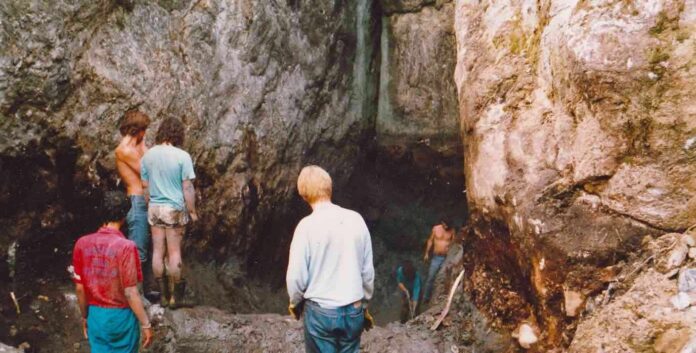
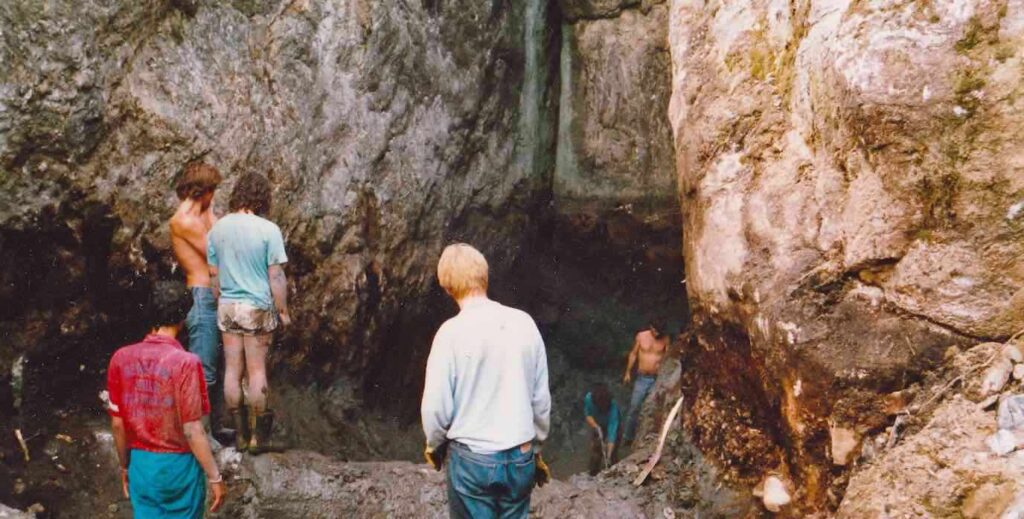
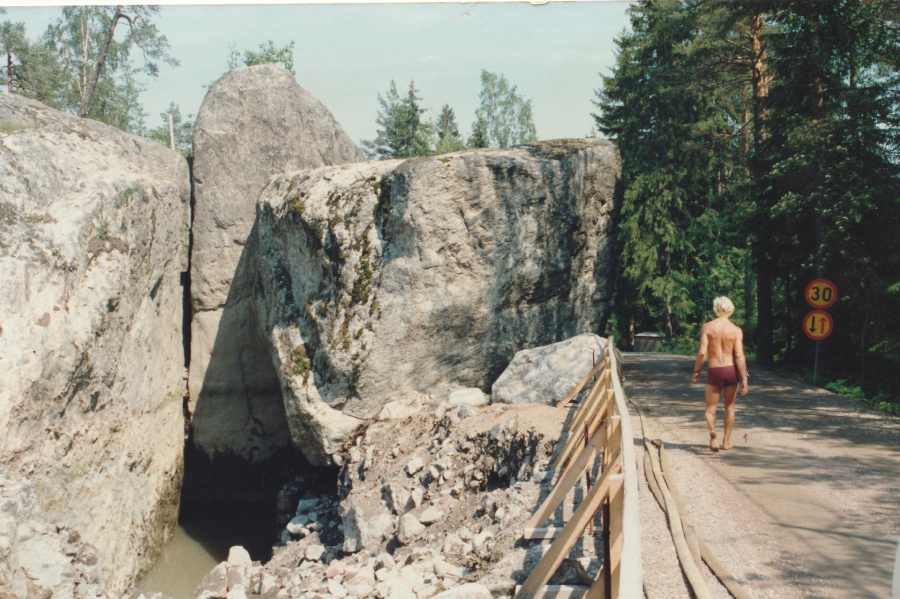
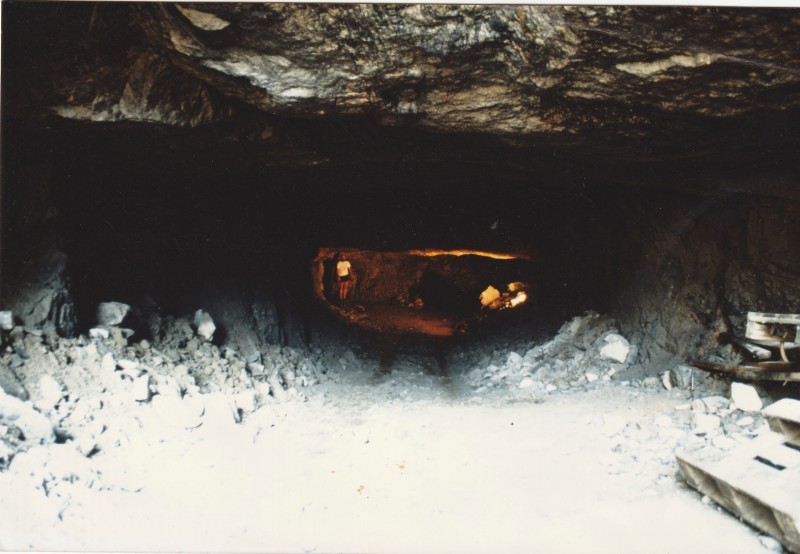
Original members of the Temple Twelve at the cave entrance. See SWNS story SWBRtreasure. A team of treasure hunters are “on the brink” of unearthing the ‘Lemminkäinen Hoard’ - a hidden stash of gold, jewels and ancient artefacts thought to be worth up to £15 BILLION. The hoard would represent the largest and most valuable trove ever discovered and is believed to contain over 50,000 gemstones including rubies, sapphires, emeralds and diamonds, and at least 1,000 artefacts dating back thousands of years. It is thought to include several 18-carat gold life-size statues in human form, supposedly all lying within the massive Sibbosberg cave system 20 miles east of Finland’s capital, Helsinki. The hoard, said to be entombed in an underground temple in Sipoo, has remained illusive for three decades despite countless official explorations and the efforts of more than 100 professional prospectors from across the world.
SWNS
A team of treasure hunters are “on the brink” of unearthing the Lemminkäinen Hoard—a hidden stash of gold, jewels, and ancient artefacts thought to be worth up to £15 billion ($20.4 billion).
The hoard would represent the largest and most valuable trove ever discovered and is believed to contain over 50,000 gemstones including rubies, sapphires, emeralds, and diamonds, and at least 1,000 artefacts dating back thousands of years.
It is thought to include several 18-carat gold life-size statues in human form, supposedly all lying within the massive Sibbosberg cave system 20 miles east of Finland’s capital of Helsinki.
The hoard, said to be entombed in an underground temple in Sipoo, has remained elusive for three decades despite countless official explorations and the efforts of more than 100 professional prospectors from across the world.
But now, after 34 years and more than 100,000 hours of painstaking excavation, a group of 12 ‘penniless’ friends believe they are only meters away from the treasure, and expect to get into the cave next summer.
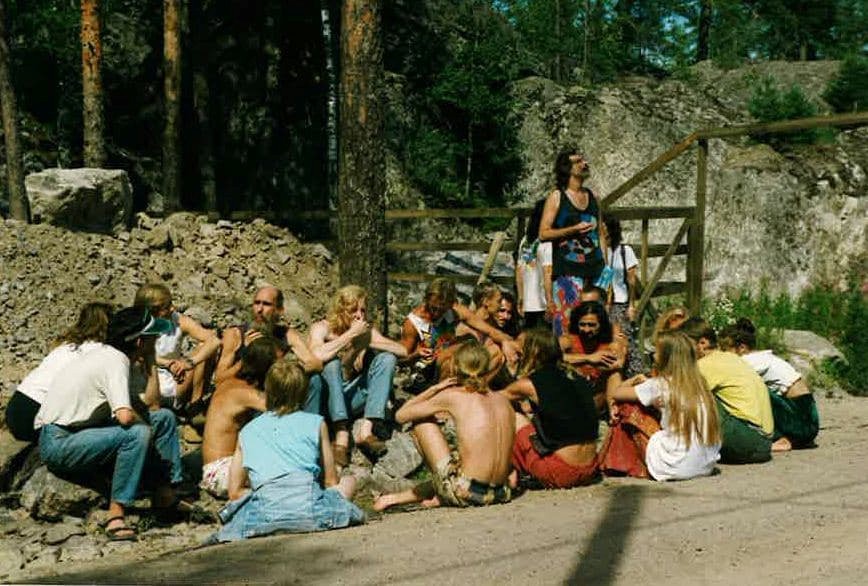
The pals, dubbed the ‘Temple Twelve’, began searching in 1987 and have dedicated their summers to finding the treasure ever since, dedicating six hours a day, seven days a week, to digging through the labyrinthine cave complex near Helsinki.
SWNS
Made up of members from Finland, Sweden, Norway, the Netherlands, Australia, Russia, America, and Germany, the team is a truly international group with zero archaeological experience.
Historian and author Carl Borgen, the world’s leading authority on the Lemminkäinen Hoard, has chronicled the lives of the Temple Twelve and their bounty in his book Temporarily Insane.
Speaking from his home in Amsterdam, he said, “I understand that significant progress at the temple has been made and that the crew are feeling especially excited about the months ahead.
“There is now talk in the camp of being on the brink of a major breakthrough, which in real terms could be the discovery of the world’s largest and most valuable treasure trove.
“So far, the Temple Twelve, as they have become known, have been able to remove several huge square granite rocks blocking the entrance to the cave, and have cleared the cave of hundreds of tonnes of smaller rocks and sediment.”
The treasure’s alleged existence first emerged in 1984, when local landowner Ior Bock claimed that his family were direct descendants of Lemminkäinen, a prominent figure in Finnish pagan mythology.
According to Bock, who was murdered by a personal assistant in 2010, the chamber on his large estate was sealed up with huge stone slabs in the 10th century to protect the treasures within from invading Swedish and Swiss armies.
Ior Bock, SWNS
His family had been keepers of the secret and ‘guardians of the cave’ since then, prompting Bock to reveal the temple’s existence to ensure its untold story would not die with him, beginning the ‘Bock Saga’.
The original team of 24 “like-minded strangers”—12 men and 12 women—joined forces with Bock in 1987 to become the site’s first and only permanent, self-funded excavation team.
Remarkably, 34 years after excavations first commenced, two of the original 24 remain despite at least half of the group having died or retired.
No hard evidence of the hoard has yet been found, but the Temple Twelve believe they have the tenacity to locate and remove the giant granite slabs from the temple door.
SWNS
Using rudimentary tools including spades and buckets, the group has so far removed several four-tonne blocks from the cave’s entrance and have excavated around 400 tonnes of sediment below it.
The remaining sediment, and the granite slabs covering the temple door, could be removed within a matter of months thanks to a recent ‘donation’ of dynamite, they say.
Finnish weather means the digging season is confined to the summer months before the cave starts filling with freezing rainwater.
SWNS
The group has to pump out more than 1.5million litres of water annually at the start of every season.
When digging resumes next year, the team is confident they will get into the cave entrance between May and September. We’ll keep you posted on what they find.
COULD You Dedicate Your Life to a Saga Like This? Share This Story…
Researchers have developed a new method to remove old cells from tissues, thus slowing down the aging process.
No-one knows why some people age worse than others and develop diseases—such as Alzheimer’s, fibrosis, type-2 diabetes, or some types of cancer—associated with this aging process. One explanation for this could be the degree of efficiency of each organism’s response to the damage sustained by its cells during its life, which eventually causes them to age.
That’s why scientists at the Universitat Oberta de Catalunya (UOC) and the University of Leicester have embarked on their recent work.
Specifically, they have designed an antibody that acts as a smart bomb able to recognize specific proteins on the surface of these aged or senescent cells. It then attaches itself to them and releases a drug that removes them without affecting the rest, thus minimizing any potential side effects.
The results of this work open the door to the development of effective treatments to delay the progress of age-related diseases and even the aging process itself in the longer term, with the aim of increasing the longevity and, above all, the quality of life of people at this stage of their lives.
“We now have, for the first time, an antibody-based drug that can be used to help slow down cellular senescence in humans,” noted Salvador Macip, the leader of this research and a doctor and researcher at the UOC and the University of Leicester.
“We based this work on existing cancer therapies that target specific proteins present on the surface of cancer cells, and then applied them to senescent cells,” explained the expert.
All living organisms have a mechanism known as “cellular senescence” that halts the division of damaged cells and removes them to stop them from reproducing. This mechanism helps slow down the progress of cancer, for example, as well as helping model tissue at the embryo development stage.
However, in spite of being a very beneficial biological mechanism, it contributes to the development of diseases when the organism reaches old age. This seems to be because the immune system is no longer able to efficiently remove these senescent cells, which gradually accumulate in tissues and detrimentally affect their functioning.
Laboratory experiments previously carried out with animal models showed that eliminating these cells with drugs successfully delayed the progress of the disease and the decline associated with age itself. This was done using a new type of drug, known as senolytics. However, they lack specificity and have side effects, hindering their use in humans.
The drug designed by Macip and his team is a second-generation senolytic with high specificity and remote-controlled delivery. They started from the results of a previous study that looked at the “surfaceome,” the proteins on the cell’s surface, to identify those proteins that are only present in senescent cells. “They’re not universal: some are more present than others on each type of aged cell,” said Macip.
In this new work, published in Scientific Reports, the researchers used a monoclonal antibody trained to recognize senescent cells and attach to them. “Just like our antibodies recognize germs and protect us from them, we’ve designed these antibodies to recognize old cells. In addition, we’ve given them a toxic load to destroy them, as if they were a remote-controlled missile,” said the researcher, who is the head of the University of Leicester’s Mechanisms of Cancer and Aging Lab.
Treatment could start to be given as soon as the first symptoms of the disease, such as Alzheimer’s, type-2 diabetes, Parkinson’s, arthritis, cataracts, or some tumors, appear. In the long term, the researchers believe that it could even be used to achieve healthier aging in some circumstances.
A “genetic goldmine” that could help crops survive global warming has been unearthed—in the driest desert in the world.
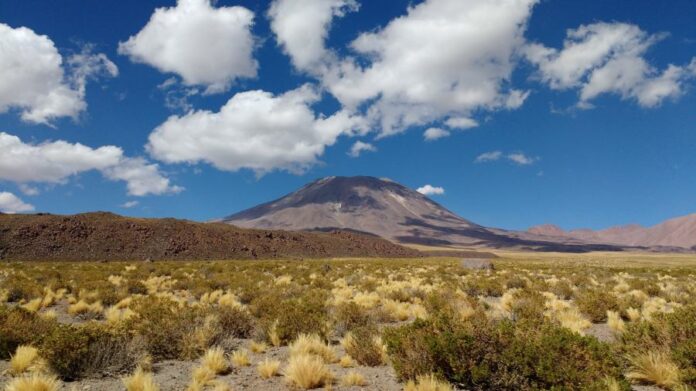
Plants growing in the Atacama Desert in northern Chile hold the key to coping with climate change, according to new research.
They have evolved genes that enable them to thrive in the most Mars-like region on Earth.
Most are closely related to staple foods such as grains, legumes, and potatoes.
It opens the door to engineering hardier fruit and vegetables, say scientists.
Lead author Professor Gloria Coruzzi, of New York University, said, “In an era of accelerated climate change, it’s critical to uncover the genetic basis to improve crop production and resilience under dry and nutrient-poor conditions.”
The coastal desert—sandwiched between the Pacific coast and the Andes mountains—is an arid plateau. Yet at springtime, a little corner is covered in a carpet of flowers. The purple pata de guanaco and yellow ananuca are among more than 200 species of plants that bloom.
They thrive in an inhospitable environment that averages just 0.01 centimeters of rainfall a year.
Other varieties include grasses, annuals, and perennial shrubs.
Mesquite trees, buckwheat bush, ferns ,and black sage have deep roots and fleshy leaves that retain the moisture.
The toughest plants on Earth
SWNS
Now an international team is getting to the bottom of a phenomenon that has baffled scientists for decades.
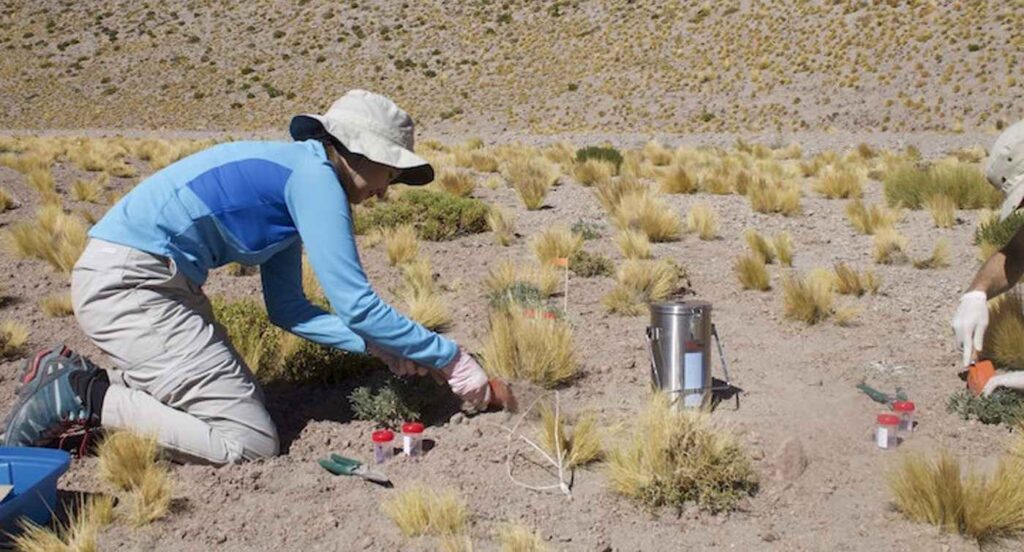
They established an unparalleled “natural laboratory” that identified specific genes and microbes that power the toughest plants on the planet.
It is hoped the findings in Proceedings of the National Academy of Sciences will help feed the world in the coming decades.
Co-lead author Prof Rodrigo Gutierrez, of The Pontifical Catholic University of Chile, said, “Our study of plants in the Atacama Desert is directly relevant to regions around the world that are becoming increasingly arid, with factors such as drought, extreme temperatures, and salt in water and soil posing a significant threat to global food production.”
Analysis showed some species developed growth-promoting bacteria near their roots.
The adaptive strategy optimizes the intake of nitrogen—critical for growth—in the nutrient-poor soils of the Atacama.
Genes whose protein sequences were adapted were then identified by comparing the plants with 32 similar ‘sister’ species.
This was done through a technique called phylogenomics that reconstructs an organism’s family tree.
Prof Corruzi said, of the findings, published in Proceedings of the National Academy of Sciences, “The goal was to use this evolutionary tree based on genome sequences to identify the changes in amino acid sequences encoded in the genes that support the evolution of the Atacama plant adaptation to desert conditions.”
Some of the riverbeds in Atacama have been dry for about 120,000 years.
Daytime temperatures are around 25 degrees Celsius—dipping to minus two at night. NASA has investigated it for clues to potential life in the Martian sub-surface.
Co-author Dr Gil Eshel, of NYU, said, “This computationally intense genomic analysis involved comparing 1,686,950 protein sequences across more than 70 species.
“We used the resulting super-matrix of 8,599,764 amino acids for phylogenomic reconstruction of the evolutionary history of the Atacama species.”
The study identified 265 candidate genes whose protein sequence changes were selected by evolutionary forces.
These mutations could underlie plant adaptation to the desert conditions.
They include genes involved in response to light and photosynthesis, which may enable plants to adapt to the extreme radiation.
Similarly, the researchers uncovered genes involved in the regulation of stress response, salt, detoxification and metal.
They may be related to withstanding a nutrient-poor environment.
Most studies on plant tolerance have been based on lab experiments using a few model species – missing the ecological context.
Co-author Dr Viviana Araus, a member of Prof Gutierrez’ lab, said: “By studying an ecosystem in its natural environment, we were able to identify adaptive genes and molecular processes among species facing a common harsh environment.”
The surprising blossom in the Atacama is known locally as the “flowering desert.”
Prof Gutierrez said: “Most of the plant species we characterised in this research have not been studied before.
“As some Atacama plants are closely related to staple crops, including grains, legumes, and potatoes, the candidate genes we identified represent a genetic goldmine to engineer more resilient crops, a necessity given the increased desertification of our planet.”
The desert is also an astronomer’s paradise. With its crystal clear skies and bone dry air, some of the most powerful telescopes in the world are housed there.
Spain is a country rich in history, and so perhaps it’s not surprising to see pastoral and agricultural traditions carried on in the face of modernization.
How they are carried on though will give someone a start, like seeing thousands of sheep clog the roads of the capital of Madrid, en route to winter pastures.
As sure as Pamplona has the Running of the Bulls, Madrid has its own traditional day. Spanish law allows farmers to use ancient migration routes regardless of how those routes have changed overtime, and in 1994 it became clear that meant putting rush hour on hold to cross animals from the north down to the warmer south of the country.
The roads were alive, writes Reuters, with the sound of bells, as thousands of onlookers snapped photos and brought their city-dwelling kids to see the yearly spectacle, which was cancelled last year due to COVID-19.
Shepherds guided their flocks in traditional dress, while some played music and others danced.
Children used to seeing traffic jams and hearing car horns got a joyful reminder of the sights and sounds of the countryside during the event, where it’s easy to stand close enough to touch the sheep as they go by.
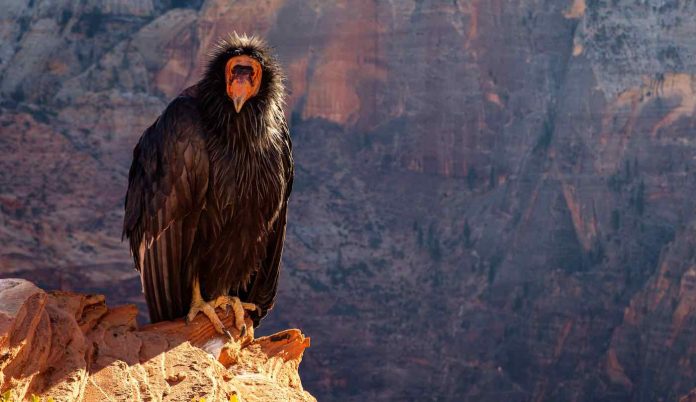
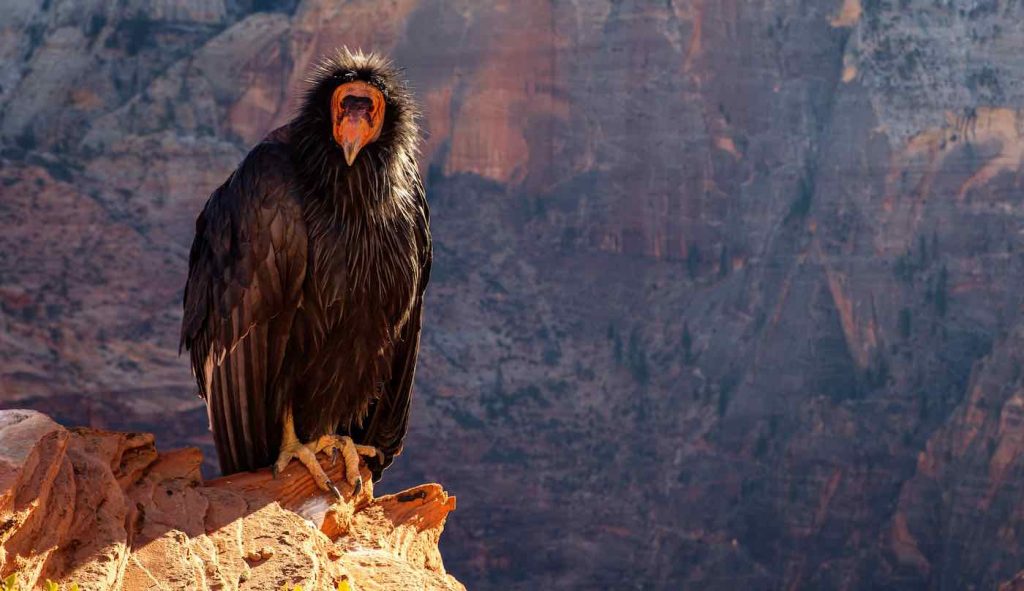
The temptation to quote Jurassic Park must have been irresistible for conservation scientists at a San Diego Zoo breeding program for critically-endangered California condors, when it was discovered that two females had conceived through “parthenogenesis,” also known as a virgin birth.
The scientists looked around at the 467 males to see who might have mated with the birds, and announced the first virgin birth ever observed in condors only after every male in the breeding program was tested.
Furthermore, it was the first time asexual reproduction was ever recorded where a female of any species was known to have access to a mate.
Only around 500 California condors live in the southwestern United States and in Mexico.
Several breeding programs, established for decades, are returning them to other parts of the country. The Yurok Tribe and the U.S. Fish and Wildlife Service announced two years ago they’d be returning the bird to the Pacific Northwest, including to Redwood National Park.
The phenomenon of parthenogenesis is extremely rare, but has been documented several times in other species, such as sharks, rays, snakes, lizards, and some others.
🚨BREAKING NEWS🚨
Scientists at SDZWA discovered two California condor chicks have hatched from unfertilized eggs. This sort of asexual reproduction, known as parthenogenesis, is a first for the species and provides new hope for their recovery. Read more: https://t.co/m5MZhqt21lpic.twitter.com/vRxGbKZy2S
— San Diego Boo 👻 Wildlife Alliance (@sandiegozoo) October 28, 2021
It’s a natural form of asexual reproduction in which an embryo that is not fertilized by sperm continues to develop, containing only genetic materials of the mother, usually when a cell fuses with the embryo and begins to act like sperm.
“This is truly an amazing discovery,” said Oliver Ryder, Ph.D., Director of Conservation Genetics at San Diego Zoo Wildlife Alliance, who co-authored the study.
“We were not exactly looking for evidence of parthenogenesis, it just hit us in the face. We only confirmed it because of the normal genetic studies we do to prove parentage.”
The chicks, both male, hatched in 2001 and 2009, and both mothers had previously raised chicks in the traditional way and would go on to do so again.
Parthenogenesis in avians has only been observed in turkeys in 1965 and 1968 and again in 1924 and 2008, in finches and domestic pigeons respectively, though the latter two eggs never survived to hatch.
It really captures what Jeff Goldblum’s character in Jurassic Park meant when, upon learning the scientists had cloned only female dinosaurs, he warned that “Life, uh, finds a way.”
LET Hopeful News Soar–Share This News With Others…
With a new inspirational quote every day, atop the perfect photo—collected and archived on our Quotes page—why not bookmark GNN.org for a daily uplift?
Time spent alone during the pandemic led to positive effects on well-being across all ages, new research has found.
The study of more than 2,000 teenagers and adults found that most people experienced benefits from solitude during the early days of the global Covid-19 pandemic.
All age groups experienced positive as well as negative effects of being alone. However, the researchers found that descriptions of solitude included more positive effects than negative. On average, well-being scores when participants were alone were 5 out of 7 across all ages, including adolescents aged 13-16.
Some study participants talked about worsening mood or wellbeing, but most described their experiences of solitude in terms of feeling competent and feeling autonomous. 43% of all respondents mentioned that solitude involved activities and experiences of competence—time spent on skills-building and activities, and that was consistent across all ages. Meanwhile, autonomy—self-connection and reliance on self—was a major feature particularly for adults, who mentioned it twice as often as teenage participants.
Working age adults recorded the most negative experiences with more participants mentioning disrupted well-being (35.6% vs 29.4% in adolescents and 23.7% in older adults) and negative mood (44% vs 27.8% in adolescents and 24.5% in older adults). Experiences of alienation, or the cost of not interacting with friends, were twice as frequent among adolescents (around one in seven, or 14.8%) as when compared to adults (7%) with older adults mentioning it most infrequently (2.3%).
Dr Netta Weinstein, Associate Professor of Psychology at the University of Reading and lead author of the paper said, “Our paper shows that aspects of solitude, a positive way of describing being alone, is recognized across all ages as providing benefits for our well-being.
“The conventional wisdom is that adolescents on the whole found that the pandemic was a negative experience, but we see in our study how components of solitude can be positive. Over those first few months of the pandemic here in the UK, we see that working adults were actually the most likely to mention aspects of worsening well-being and mood, but even those are not as commonly mentioned as more positive experiences of solitude.”
Weinstein said, “We know that many people reconnected with hobbies and interests or increasingly appreciating nature on walks and bike rides during that time, and those elements of what we describe as ‘self-determined motivation’, where we choose to spend time alone for ourselves are seemingly a critical aspect of positive wellbeing.” She explained that the findings suggest that “casual inferences about loneliness based on age and stage miss the reality of our nuanced lived experiences.”
The results, published in Frontiers in Psychology today, come from a series of in-depth interviews where participants from the UK answered open questions about their experiences of solitude. The team of researchers coded the answers to find shared experiences and measured quantitative data about two aspects of wellbeing associated with solitude, self-determined motivation (the choice to spend time alone) and peaceful mood.
The researchers note that the findings were taken from one phase of the Covid-19 pandemic during the summer of 2020, and recommend that follow-up data looks at experiences of solitude during challenging periods such as this one, and also more commonplace periods where daily solitude may look and feel different.
“We went outside and just after we took a couple of pictures they had to run. It was pretty exciting.”
Royal National Lifeboat Institution lifeboatman Leigh Hanks said, “We hope the pagers didn’t disrupt Ashley and Cheryl’s special day too much, although I’m sure it’s something they’re both used to.
“It’s not the first time the pagers have gone off at a crew wedding, and I’m sure it won’t be the last.”
Leigh added that the conditions for the rescue were “challenging” but the crew rescued all three adults and three children, who got stranded on a paddleboarding trip in the southwest of England.
The group were uninjured and taken back to the shore following the rescue on October 28.
Later in the afternoon, the lifeboat crew drove past the seaside wedding venue again while on a training exercise—and were pictured giving a wave to the newlywed couple. Here at GNN, we’re so glad the day worked out for everyone.
RESCUE These Volunteers’ Awesome Story—Share This….
Joining Canada in North America and Uruguay in South America, Luxembourg became the first European country to legalize the growing of cannabis for recreational use.
Some nations, such as the Netherlands and Portugal, allow medicinal use and other specifics, but this small country has agreed that it’s time to let adults make their own decisions about what substances they want to consume.
Under a new suite of legislation, adults in Luxembourg will be able to cultivate up to four plants for personal use, and carry up to three grams on their person. It is still illegal to consume in public, though fines will be drastically reduced.
Limits on the THC content of the cannabis will be abolished. Sales and distribution will also be unregulated, opening new avenues of taxable income for the government to use on “addiction prevention, education, and health care,” officials said.
“We thought we had to act, we have an issue with drugs, and cannabis is the drug that is most used and is a large part of the illegal market,” said Justice minister Sam Tanson.
“We want to start by allowing people to grow it at home. The idea is that a consumer is not in an illegal situation if he consumes cannabis and that we don’t support the whole illegal chain from production to transportation to selling where there is a lot of misery attached. We want to do everything we can to get more and more away from the illegal black market.”
As has been the case with 11 of the 50 U.S. states, each progressive decision to decriminalize and deregulate has made it easier for subsequent legislative bodies to take the plunge. As such, Luxembourg’s neighbor, Germany, who’s welcoming a new government that includes the Green Party, is thought to be a likely follower, as they have supported recreational use of cannabis in the past.
This September in Europe, the Tesla Model 3 became not only the best-selling electric car, but the best-selling automobile on the continent.
Extraordinarily, the popular electric 4-seater beat out a true European staple of people-movers, the Renault Clio, by 6,000 sales, and bettered the number-two selling electric car by about 15,000 sales.
Having largely debunked the old claim that the manufacture and electricity consumption of electric cars created as much if not more emissions than internal combustion vehicles, the electric vehicle industry is speeding forward into the wider automotive field.
Last Monday, Hertz, the second-largest rental firm in the U.S, announced that it had placed an order for 100,000 Tesla cars for its fleet, an announcement which caused the Tesla stock to explode in value to levels higher than companies that make and sell thousands more cars per year than Tesla does.
“The new Hertz is going to lead the way as a mobility company,” Hertz’s interim CEO, Mark Fields said in a release, “starting with the largest EV rental fleet in North America and a commitment to grow our EV fleet and provide the best rental and recharging experience for leisure and business customers around the world.”
To this end, they hope to have all 100,000 cars by next December, and to have one-fifth of their fleet electrified by the same date. They have also announced plans to install tens of thousands of charging points—we can assume there will be at least one for every Hertz office—to make it more feasible to rent outside major cities.
It’s a big gamble, as Hertz had to file for bankruptcy during the pandemic, and was only saved by a large investor bailout.
With investors coming in from both the tech and growth-oriented buyer class, Tesla has been able to expand at a rapid pace, and their sales are up 77% in Europe in 2021 compared with the same period last year. The American company is currently constructing a Tesla “Gigafactory” in Germany—where they will be able to increase production for the hungry European market.
DRIVE Over These Soaring Sales Numbers to Social Media…
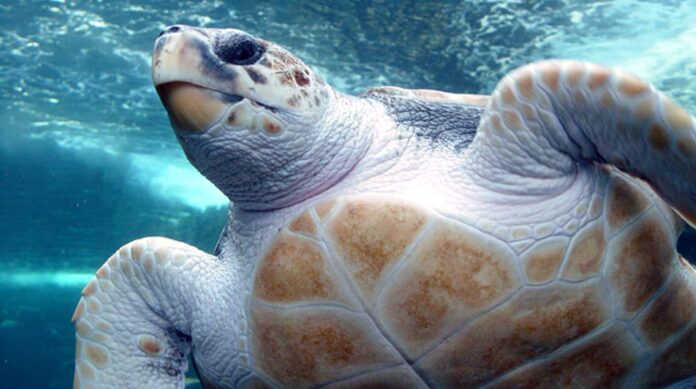
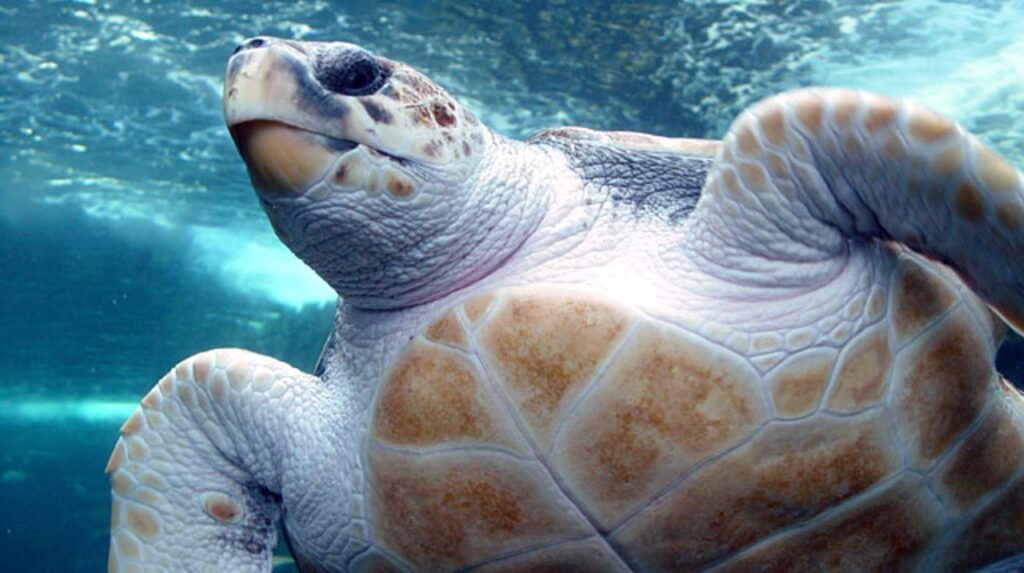
The West African nation of Cape Verde has seen a dramatic increase in the number of loggerhead sea turtle nests on its beaches.
Increasing nearly 2,000% from 2015 to 2020, it places the archipelago as the world’s second-most visited nesting spot for the large marine reptiles.
Boots-on-the-ground work and a changing of economic fortunes have allowed the islanders of Cape Verde to see the turtles as a much-needed part of their marine ecosystem, rather than a slow-moving lunch box as had been the case in leaner times.
During the last six years, nest counts on the islands of Sal, Maio, and Boa Vista have risen from 10,725 to nearly 200,000, while poaching has also significantly fallen.
“With environmental education, watching over 180 kilometers of beaches and applying new legislation that criminalizes hunting and consumption of turtles, the catch rate has decreased significantly, from 8.25% in 2015 to 1.54% in 2020,” said Gilberto Silva, Cape Verdean Minister of Agriculture and Environment.
During nesting season, hundreds of members from local NGOs patrol the beach, counting nest sights under the light from the stars, and guarding the turtles from potential poachers. They will also measure them and secure a tracking chip so their nesting patterns and movements can be studied.
Another feature of the dramatically successful conservation program is the punishment for poachers. The Guardian reports that after new environmental laws passed in 2018, they are often sentenced to long hours of community service during which they have to follow around the NGO workers, and aid in the loggerhead conservation program.
This offers the chance for poachers to see the sea turtles as a natural treasure rather than a profitable one.
“Conservation efforts in Cape Verde began 20 years ago—that’s the time it takes for baby turtles to come back as adults,” Albert Taxonera, founder and co-director of one of the turtle-protecting NGOs, Project Biodiversity, told The Guardian. What is for certain—these new numbers are good news indeed.
Quote of the Day: “Sometimes, being true to yourself means changing your mind. Self changes, and you follow.” – Vera Nazarian
Photo: by Aaron Burden
With a new inspirational quote every day, atop the perfect photo—collected and archived on our Quotes page—why not bookmark GNN.org for a daily uplift?
Reprinted with permission from World At Large, a news website of nature, politics, science, health, and travel.
Philippe Rouzet, CC license
A pair of anthropological forces are driving humans towards the consumption of wild mushrooms, a trend that deserves both examination and celebration as wild mushrooms not only represent a nutrient-dense food source, but also a connection to forests and ancestral traditions.
The first is that regardless of the fact that during the 19th and 20th centuries, 12 crops and 14 animal species came to provide what is today around 98% of the world’s dietary content, reported incidence of wild mushroom foraging has increased globally by about 2100% over the last 56 years.
The second is that forest ecosystems are beginning to be preserved for their roles as centers of production for nutrient dense foods that are often difficult to cultivate, or are at minimum easier to do so in a forest system. The International Union of Forest Research Organizations estimates that a third of the global population rely on forested biomes for their food, fuel, and medicine.
Mushrooms are one of these foods, and the 90 species that are commercially cultivated in a $50 billion-a-year industry, pale in comparison to recent catalogues of edible mushrooms which total 2,000 that can be picked up and eaten—and an additional 200 that are nutritious but which require pretreatment of some kind.
With this wild mushroom harvesting boom comes the advice of every father in America about how “80% of mushrooms are poisonous”. On the bright side, many edible mushrooms have a poisonous doppelganger, and so the differences between them are normally well-documented.
In his book, Wild Edible Fungi author Eric Boa details how the vast majority of recognized edible mushrooms cannot be cultivated, and must therefore be gathered from the woods by hand, making it prized as food and an income source for locals in Northern Italy and the hills of China alike.
Nutrient dense and unique
Furthermore, long-term studies of mushroom picking in the mountains of Switzerland have shown that picking wild mushrooms has no impact on future harvests. That’s partly because mycelial structures are dramatically resilient.
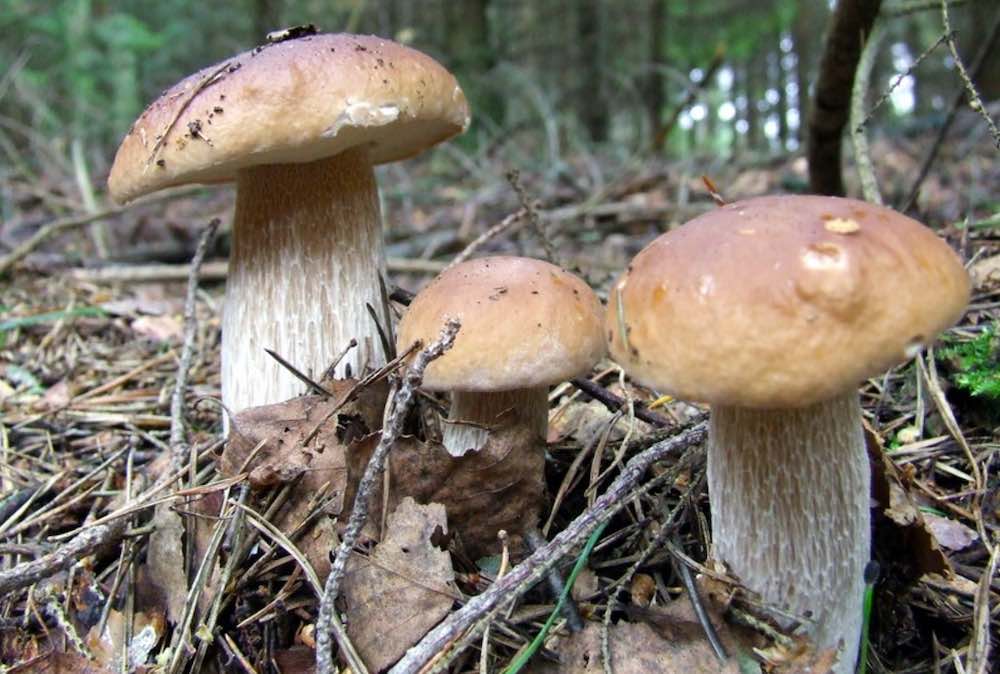
Boletus edulis -Tocekas, CC license
Like a bio-internet, mycelial networks represent the main bulk of the biomass of the fungal kingdom, one of the six kingdoms of life. They weave through the soil and connect trees, soil microbes, and other plants to the animals above through the deployment of the mycelium’s fruiting body, that which we call the mushroom.
This incredible form of life has been shown to transfer information and nutrients between plants, taking payment in the form of carbohydrates from trees in order to protect them from pests and bacteria.
As a food item they are excellent sources of many important micronutrients and phytonutrients such as vitamin B2, 3, and 5, a host of minerals like copper and selenium, and a variety of carotenoids, indoles and polyphenols, which serve as anticancer, antioxidant, and anti-inflammatory agents.
Mushrooms cultivated for the supermarket likely contain negligible amounts of vitamin D, but due to the fungal presence of a substance called ergosterol, a wild mushroom which has exposure to UV light can contain up to 1,500 IUs of vitamin D3 and D2, something which is very rare in most unfortified foods.
Medicinal effects
A study of 663 elderly Chinese found that those who consumed two servings of mushrooms per week had a reduced risk of mild cognitive impairment, while two epidemiological studies found a prevention in the growth of amyloid proteins in the brains of older people which cause Alzheimer’s.
That’s only what Harvard decided to note on their website, but the depth of medical studies on mushrooms is breathtaking.
Studies have shown that Reishi mushroom, which is considered a valuable remedy in Chinese medicine, protects the liver, significantly inhibits allergic reactions, and activates immune cells, particularly ones which kill tumor cells.
A South Korean study found that white blood cells treated with the chaga mushroom showed 40% less DNA damage than those which didn’t. Like the scratching of a disk, DNA damage drives many of the chronic diseases in our society.
In the journal Agriculture and Food Chemistry Lion’s Mane mushroom, commonly sold as a supplement in stores, was shown to confer too many protective effects to list, and was described as having exceptional nutritional and health-promoting aspects.
These are just some of the species cultivated for commercial sale and consumption. Like animals, fungi evolved special defense mechanisms against pathogens, like penicillin, and those which live in a wild environment—rather than a controlled one—are likely to be far-richer in these health-promoting compounds.
Gathering mushrooms is a wonderful excuse to go walking in the forest—and joining local community foraging groups to learn first hand from experts about mushroom species is a wonderful way to start foraging, instead of looking at a guidebook.
SHARE This to Organize a Mushroom Hike With Friends and Local Experts…