Every Friday morning in Barcelona, a special kind of bus collects kids on their way to school in the Eixample district.
Dubbed the “Bicibus” or Bike Bus, it’s more like a caravan or an escort, one which started when five families decided to ride their bikes to school to advocate for bike lanes and safer, quieter roads. More and more families joined in until it became a weekly event.
“It all started with a group of five families, a lot of determination and a deep sense of the greater good,” Mireia Boix, a parent of a 5-year-old son who takes the Bicibus, told NPR in an email.
Three “stops” along the way allow kids and their parents to join the Bicibus, and all modes of pedal-powered transport are welcomed, whether that’s a scooter or roller blades.
The parents are hoping their ever-growing convoy of kids will lead the authorities to construct a school-friendly bike lane away from the main traffic flow. The route the Bicibus takes every Friday goes down Entença Street, a busy thoroughfare where three schools are located. The ride takes 25 minutes from start to finish, but 20,000 cars pass along Entença every day, and as the Bicibus grew, it acquired its own police escort.
It’s a relief, Boix details, to know that her son has a safe way to get to school, as plying the road as a solo cyclist is more dangerous than going by bus or car.
“Bicycles are a means of transportation and if a 5-year-old can ride a bike to school it means that every one else could. If the population uses their bikes, there will be a healthier, quieter and overall better city to live in,” Boix said.
Social media is filled with pictures and videos of the petit peloton, and some of the kids even sport Bicibus jerseys.
Something special is happening in Barcelona. It started last month when some parents organized a bike ride to school for just five kids. Now entire neighborhoods are joining. They call it Bicibús – or Bike Bus. pic.twitter.com/qIxsQEervG
Quote of the Day: “Champions have the courage to keep turning the pages because they know a better chapter lies ahead.” – Paula White
Photo: by Kourosh Qaffari
With a new inspirational quote every day, atop the perfect photo—collected and archived on our Quotes page—why not bookmark GNN.org for a daily uplift?
In an attempt to diffuse religious tensions in the country, the Bangladeshi parliament plans to amend the constitution so they can return to a secular framework, removing Islam as the state religion.
Fatih Yürür
Originally designed to be a secular nation, not tied to any one holy book, the Constitution of Bangladesh was meant to establish a state based on a melting pot of liberal culture with Bengali-distinct linguistic traditions.
That goal was undermined, as is so often the case in fledgling states, through a military junta by Ziaur Rahman. Islam was then introduced as the state religion to dominate Hindus, Buddhists, and Christians using military dictatorships, established first in 1975.
But the current government is ready to turn (back) the page.
“Bangladesh is a secular country; people of all religions shall live together in Bangladesh,” said Prime Minister Sheikh Hasina, who controls 280 of 300 seats in parliament.
She added, “Religion may be personal, but festival is universal. And people in Bangladesh have always celebrated such festivals together.”
Hasina, who brought down the last military regime (which had killed her father), has survived 19 assassination attempts. Now, the longest serving prime minister of the South Asian country, her latest action is expected to face little resistance beyond street agitations.
The decision to secularize the nation is not only a response to attacks on Hindus, but is meant to return equilibrium to religious freedoms for residents in the country—the right to choose to attend any church or mosque or temple with equal dignity for all.
SHARE This Historic Declaration With Friends on Social Media…
In a negotiation, how tough should your first offer be? New research shows the first offer can have a significant impact on the eventual outcome, and if you try to drive too hard a bargain, it could backfire.
Whether you’re buying a house, a car, or second-hand furniture, it’s likely you will need to negotiate the price, so being able to negotiate effectively could save you significant cash.
Behavioral economist Professor Lionel Page from the University of Technology Sydney (UTS) said opening offers in real-world negotiations are sometimes intended to signal the “toughness” of the buyer—but whether this strategy actually works was not known.
“This experiment allowed us to study whether and how the level of the opening offer influences the beliefs of buyers and sellers, their actions and the final bargaining outcome,” said Professor Page.
The researchers conducted the experiment using a bargaining game where players exchanged offers for a split of $10. The aim was to mimic the start of a typical negotiation process.
They found that the success or failure of a negotiation depended not only on the final offer on the table but also on the emerging dynamics of the bargaining process.
“The intermediary offers made during a negotiation can be interpreted as suggesting either kind and compromising intentions, or unkind and uncompromising ones,” said Professor Page.
“And the perception of these intentions can, in turn, influence the final outcome. Low offers are perceived as disrespectful, so players react negatively and can be spiteful in their counter-offers.
“In a substantial number of cases, the responder chose a ”punishing” counter-offer that was lower than what he believed was the buyer’s minimum acceptable amount,” he said.
This means it is not the best strategy to always be as tough as possible in a negotiation.
Previously there has been two conflicting views on first offers in negotiations, said Professor Page.
One view is that a low opening offer works as an “anchor” that moves the final offer in the direction of the first offer.
The second is that a more reasonable initial offer achieves a better outcome because it doesn’t sour the atmosphere and endanger the agreement.
Professor Page said their study—published in Theory and Decision—showed support for both these ideas.
“We found that there is a small window where an offer is lower than an equal split, but not so low that it triggers negative emotions. It was viewed as ‘fair game’ to start the negotiation at this point.”
So in summary to strike a good bargain your opening offer needs to be not too hard, or you risk a spiteful counter-offer, but not too soft either, or you might be taken for a ride.
At COP26, many of the parties to the Paris Climate Agreement have doubled-down on their commitments to reducing forest-loss and emissions.
Three days into the 2021 United Nations Climate Change Conference, and fortunately most of the major stories of real note are positive ones. So far there have been commitments to conservation and indigenous people’s rights that deserve mention—including an expansion of the Galapagos Marine Reserve.
Let’s take a look at the good news so far in more detail.
Green energy and financing
South Africa, a major carbon emitter, has signed a financing deal with some G7 countries worth $8.5 billion to help end its reliance on coal, as it’s the 12th largest consumer in the world.
40 parties including the US, India, Australia, Turkey, the EU, and China have signed onto a UK-led initiative to increase worldwide access to affordable renewable energy by 2030.
UK Chancellor of the Exchequer Rishi Sunak said that by 2023 the island nation will be the first to force all publicly traded companies to release plans on how they intend to achieve net zero.
Japan, a major coal and oil consumer, has announced an additional $10 billion in climate financing over the next few years.
450 global firms will form the Glasgow Financial Alliance for Net Zero, and announce membership on Wednesday, while the managers of 40% of the world’s total investable assets have signed up to 2050 net-zero goals including limiting global warming to 1.5C.
A Lake Michigan-sized area of ocean, connecting the Galapagos and the Cocos Islands off Costa Rica, has been added to the Galapagos Marine Reserve, totaling 23,000 square miles, about 8-times the size of Yellowstone, and protecting a “marine superhighway” of transiting sharks, rays, tuna, turtles, and whales.
World leaders who control roughly 85% of the world’s forests have pledged to end forest-loss in this decade, for which they have apportioned $19.2 billion in private and public money.
$1.7 billion has been apportioned by the UK, US, Germany, Norway, and the Netherlands to give directly to indigenous peoples to aid in their substantial contribution to forest and land conservation.
President Biden joined 100 nations in the signing of a plan to cut methane emissions by 30%, which will be accomplished through the scaling back of fossil fuel production. Though CO2 is the principle warming agent, methane, which is more potent but lasts only 12 years in the atmosphere, is being considered as a way to buy time for CO2, which can stay in the atmosphere for up to 1,000 years, to be reduced or captured.
Right at the start of the conference India, which has up until this point been without a major emissions reduction target, committed to zeroing national emissions by 2070. Experts speaking with The Guardian said that “this demonstrates real leadership from a country whose emissions per capita are about one-third of the global average.”
The COP has routinely disappointed activists and green politicians in the past, but there’s a sense from the pledges undertaken that this year has generally gotten off to a solid start.
If you’re like me, you never learned how to spell “sous chef” in school. Sean Sherman, on the other hand, has an altogether different meaning for the words.
Known on social media as The Sioux Chef, Sherman, who grew up on the Pine Ridge Indian Reservation and is a member of the Oglala Lakota, is reconnecting the denizens of North America with native flavors and ingredients, and working to inspire a generation of indigenous chefs to reclaim their culinary past.
Pine Ridge in South Dakota contains some of the poorest communities in the country, and its out of that environment that Sherman got his first job in the restaurant industry as a dishwasher at a local steakhouse.
As he fostered a love of cooking, which saw him move to Minneapolis to study Japanese and French cuisines, Sherman realized he didn’t know indigenous recipes.
“What were my Lakota ancestors eating and storing away? How were they getting oils and salts and fats and sugars and things like that?” Sherman remembered asking himself in an interview on PBS News Hour. “So it took me quite a few years of just researching, but it really became a passion.”
These years of researching, talking to tribal elders, and consulting written material produced The Sioux Chef’s Indigenous Kitchen, which in 2018 won Sherman the coveted James Beard Award for Best American Cookbook.
“Part of our challenge to ourselves was to cut out colonial ingredients, so we stopped using dairy, wheat flour, cane sugar,” he said.
Following the book, Sherman opened his restaurant Owamni in Minneapolis, and created the North American Traditional Indigenous Food Systems (NATIFS), a professional Indigenous kitchen and training center that seeks to create an educational space for native chefs to hone and develop their skills, and reconnect with their cooking heritage.
He cooks with ingredients like hyssop, a shrub similar to thyme or marjoram, cedar, dandelion, mushrooms, native squashes, corn ash, sunchokes, sassafras leaves, bergamot, wild rice, and berries.
His choices of meats mirror those hunted by his ancestors—bison and deer species, river fish, and game birds.
“But we’re at a point now where we can reclaim it and evolve it for the next generation. To be able to share culture through food will be really healing.”
An international team of researchers has announced the naming of a new species of human ancestor, Homo bodoensis. This species lived in Africa during the Middle Pleistocene, around half a million years ago, and was the direct ancestor of modern humans.
The Middle Pleistocene (now renamed Chibanian and dated to 774,000-129,000 years ago) is important because it saw the rise of our own species (Homo sapiens) in Africa, our closest relatives, and the Neanderthals (Homo neanderthalensis) in Europe.
However, human evolution during this age is poorly understood, a problem which paleoanthropologists call “the muddle in the middle.” The announcement of Homo bodoensis hopes to bring some clarity to this puzzling, but important chapter in human evolution.
The new name is based on a reassessment of existing fossils from Africa and Eurasia from this time period. Traditionally, these fossils have been variably assigned to either Homo heidelbergensis or Homo rhodesiensis, both of which carried multiple, often contradictory definitions.
“Talking about human evolution during this time period became impossible due to the lack of proper terminology that acknowledges human geographic variation” according to Roksandic, lead author on the study.
Recently, DNA evidence has shown that some fossils in Europe called H. heidelbergensis were actually early Neanderthals, making the name redundant. For the same reason, the name needs to be abandoned when describing fossil humans from east Asia according to co-author, Xiu-Jie Wu (Institute of Vertebrate Paleontology and Paleoanthropology, Beijing, China).
Further muddling the narrative, African fossils dated to this period have been called at times both H. heidelbergensis and H. rhodesiensis. H. rhodesiensis is poorly defined and the name has never been widely accepted. This is partly due to its association with Cecil Rhodes and the horrendous crimes carried out during colonial rule in Africa—an unacceptable honor in light of the important work being done toward decolonizing science.
The name “bodoensis” derives from a skull found in Bodo D’ar, Ethiopia, and the new species is understood to be a direct human ancestor. Under the new classification, H. bodoensis will describe most Middle Pleistocene humans from Africa and some from Southeast Europe, while many from the latter continent will be reclassified as Neanderthals,
The co-first author Predrag Radovic (Faculty of Philosophy, University of Belgrade, Serbia) says of the research, published in Evolutionary Anthropology, “Terms need to be clear in science, to facilitate communication. They should not be treated as absolute when they contradict the fossil record.”
The introduction of H. bodoensis is aimed at “cutting the Gordian knot and allowing us to communicate clearly about this important period in human evolution,” according to one of the co-authors Christopher Bae (Department of Anthropology, University of Hawai’i at Manoa).
Lead author Dr. Mirjana Roksandic at the University of Winnipeg agrees, saying, “Naming a new species is a big deal, as the International Commission on Zoological Nomenclature allows name changes only under very strictly defined rules. We are confident that this one will stick around for a long time, a new taxon name will live only if other researchers use it.”
Quote of the Day: “It’s not that some people have willpower and some don’t… It’s that some people are ready to change and others are not.” – James Gordon
Photo: by Ricardo Rocha
With a new inspirational quote every day, atop the perfect photo—collected and archived on our Quotes page—why not bookmark GNN.org for a daily uplift?
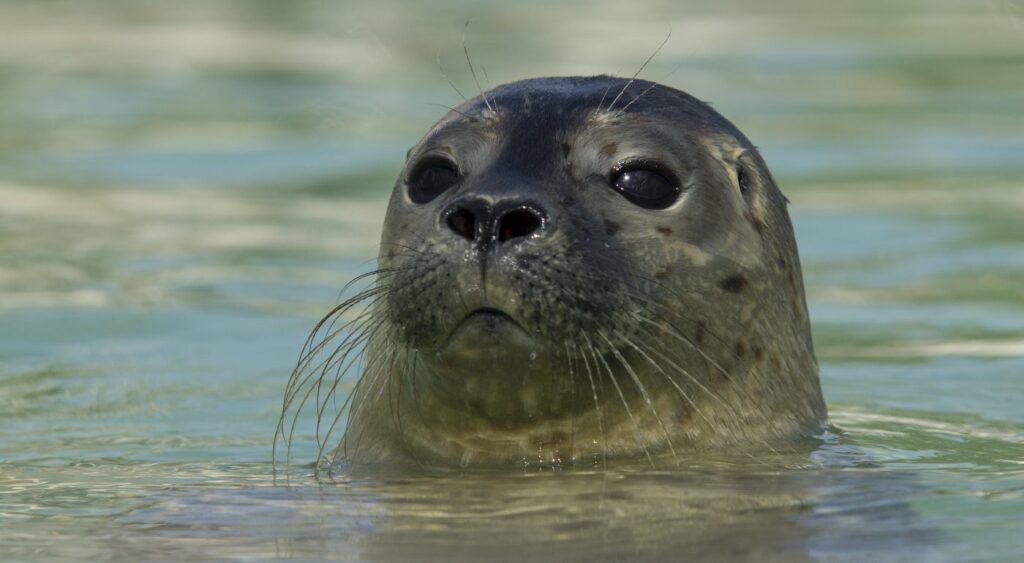
Seals are one of the very few mammals to change the tone of their voices, allowing them to mimic humans like a parrot, scientists have found.
The sea creatures change the pitch of their calls depending on the sounds of their surroundings, according to a new study.
Seals can be taught to copy human speech like parrots, barking catchphrases in gruff accents like “come over here.”
But while vocal learning, the ability to mimic sounds, is a rare trait among mammals, only a few species can adjust their voice’s pitch to sound higher or lower.
Now scientists at the Max Planck Institute for Psycholinguistics have found seal pups are on the short list of animals with volume control.
Senior author Dr Andrea Ravignani said, “By looking at one of the few other mammals who may be capable of learning sounds, we can better understand how we, humans, acquire speech, and ultimately why we are such chatty animals.”
Eight harbor seal pups aged one to three weeks old who were being held in a Dutch rehabilitation center before being released back into the wild were studied by the researchers.
They recorded noises from the nearby Wadden Sea before playing them back to the pups at volumes ranging from no sound to 65 decibels, but keeping the same tone height as the animal’s calls.
They then recorded the pup’s spontaneous calls to see whether they changed their tone of voice to match the sea sounds.
“This is astonishing, as few other mammals seem capable of that.”
Pups did not however produce more or longer calls when exposed to different levels of sea sounds.
Dr Ravignani said of the findings, published in the Philosophical Transactions of the Royal Society B: Biological Sciences, “To date, humans seem to be the only mammals with direct neural connections between the cortex—the outer layer of the brain, and the larynx—what we use to produce tone of voice’.
A study has managed to reverse the symptoms of Alzheimer’s disease in mice by administering drugs currently used to treat hypertension and inflammation in humans.
In this study, scientists at IRB Barcelona led by Dr. Aloy have characterized three stages of Alzheimer’s disease, namely initial, intermediate, and advanced.
For each of these stages, they have analyzed the behavior of the animals, studied the effects on the brain (specifically the hippocampus at the tissue level), and performed a molecular analysis to measure gene expression and protein levels.
The approach adopted has allowed them to describe the development of the disease at a level of detail hitherto unknown and also compare it with healthy aging.
“What we have observed is that, although Alzheimer’s disease shares some features of accelerated ageing, it is also affected by totally different ageing processes,” says Dr. Aloy. “This disease is caused by the abnormal accumulation of certain proteins, and we have seen that, in some cases, this is not caused by overproduction but by an error in their removal,” he adds.
Chemical Checker: detection of the most promising molecules
Having characterized the disease, the scientists used the Chemical Checker, a computational tool developed by the same research group to find drugs already on the market with the capacity to reverse the effects at the cellular level.
This tool has allowed them to identify a series of possible candidates, which were tested in various mouse models of Alzheimer’s disease.
Four drugs—two non-steroidal anti-inflammatories, dexketoprofen and etodolac, along with two anti-hypertensives, penbutolol and bendroflumethiazide, proved effective at reversing the disease and neutralizing symptoms in these mice. They published the study in Genome Medicine.
“Epidemiological studies already indicated that people who regularly take antiinflammatories show a lower incidence of Alzheimer’s disease, but this had not been correlated with a specific medication or mechanism.
“The results that we are publishing are most promising, and we hope that further research can be done on them because they could give rise to a paradigm shift in the treatment of this disease,” says Dr. Aloy.
Early diagnosis of the disease
In addition to paving new avenues of research for the treatment of Alzheimer’s disease, the characterization of the distinct stages of this condition published in this study favors early diagnosis.
Diagnosing Alzheimer’s disease at an early stage, when damage to the brain is still minimal, is one of the main research focuses to tackle this condition and to reduce symptoms.
n-paper-gomez-cc9d2ff6458703857a4775cd2ecac4a2c29ac54c-s1600-c85 Moran Eye Center, the University of Utah (1)
Moran Eye Center, the University of Utah
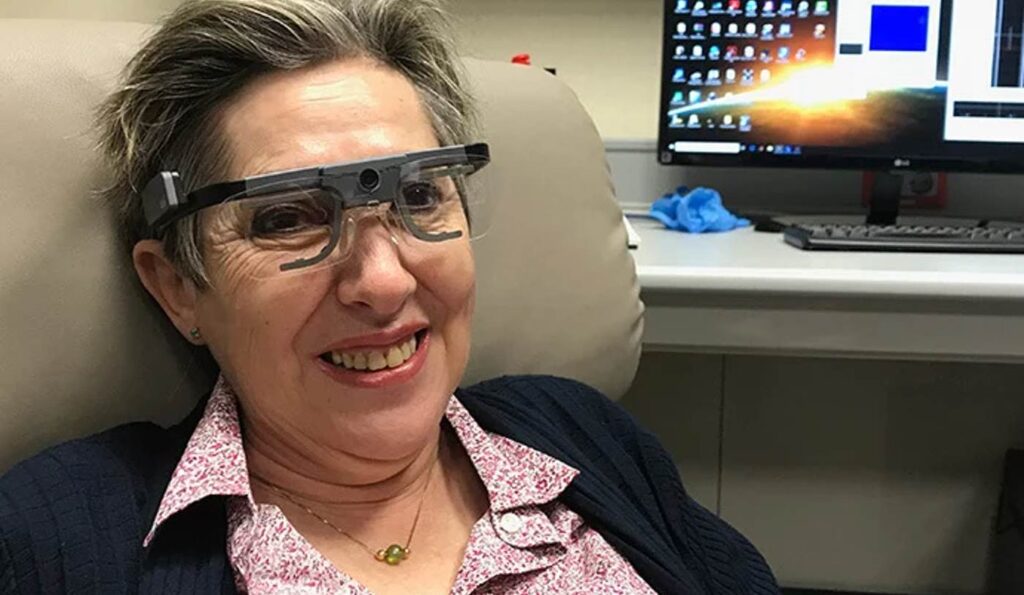
A “long-held dream” of science was realized when a team of researchers from Spain and Utah coordinated to restore basic vision to a blind women by connecting a camera to an array of microchips to her brain.
Sightless for 16 years, 57-year-old Berna Gomez was able to identify letters and the edges of objects, as well as play basic video games, and was so instrumental in proving both safety and efficacy of the treatment that the scientists named her a co-author in the corresponding paper.
If vision could be bypassed by technology, it would represent one of the largest developments in the history of prosthesis, potentially restoring the sight of 148 million blind people worldwide.
Rather than one’s eyes observing the environment, a camera would map the information onto the visual cortex. The camera was (it’s still early days) duct-taped to a pair of glasses, and a microchip with 96 electrodes was implanted through a procedure called a minicraniotomy. After, and during a 6-month series of experiments in Spain, Gomez was able to differentiate between the letters “I” and “L” as well as “O” and “C.”
“These results are very exciting because they demonstrate both safety and efficacy,” said one of the lead researchers, Eduardo Fernández of Miguel Hernández University, in a statement.
“One goal of this research is to give a blind person more mobility,” said Dr. Richard Normann Ph.D. one of the study leads. “It could allow them to identify a person, doorways, or cars easily. It could increase independence and safety. That’s what we’re working toward.”
The electrode array stimulated neurons to produce phosphenes which in turn produced white points of light in Gomez’ vision.
A critical feature of the breakthrough—published in The Journal of Clinical Investigation—was the complete lack of observed side-effects of sticking a microchip on a part of the human brain, which was not found to interfere at all with normal functioning of the neurons in the cortex.
She was able to play a small video game, in which the baby character from The Simpsons, Maggie Simpson, appears for a moment with a gun in either her left or right hand, disappearing shortly after and leaving Gomez to press a button regarding which hand held the firearm. Gomez observed the offending infant correctly almost every time.
“We have taken a significant step forward, showing the potential of these types of devices to restore functional vision for people who have lost their vision,” Hernandez said.
GIVE an Eyeful of This Hopeful Research to Friends…
The UK’s fancy with re-wilding has taken a corporate turn, as a green investment company looks to generate long-term capital appreciation for investors, through re-wilding programs and the jobs they create.
By taking advantage of the growing carbon capture market, businesses looking to offset or reduce their emissions, and the new Environmental Land Management schemes from the British government, the fund hopes to pair the financial power of the corporate world with the inestimable value of the natural one.
Working in three areas of the UK, The Real Wild Estates Company (RWE) hopes to create 100,000 acres of re-wilded country by 2030, in traditional southern English estate country, the Scottish Highlands, and the North English Moors.
RWE will be hired by landowners and investors looking to turn degraded “marginal land” back into wild area for profit, with the help of Tamworth hogs, beavers, and wild cattle. By using marginal land, jobs through ecosystem recovery are created where there were no jobs before and the fund will not target farmland.
Additionally, they will claim earnings through the UK’s recently-released Environmental Land Management Fund, that will pay rural Brits for a wide variety of services to the land on their property, including ensuring clean air and drinking water, restoring heritage buildings, storing carbon, protecting and improving populations of native species, and more.
RWE is backed by the L’Oreal Fund for Nature Regeneration, which is managed by Mirova Natural Capital, a leading sustainable investment fund.
The charity Rewilding England recently released a report that details a 54% increase in full-time employment across 33 rewilding projects totaling 80,000 acres.
“Localized nature-based economies could be transformative for reversing nature loss, tackling climate breakdown, and ensuring prosperous and revitalized communities across rural and coastal areas,” said Rebecca Wrigley, Chief Executive of Rewilding Britain.
The report looks at the example of the the Isle of Arran in Scotland, where rewilding the offshore marine environment has led to two kayak businesses opening up, and 12,000 visitors to its education center; while on Wild Knepp, a grand rewilding project on a 3,500 acre estate reached an annual turnover of around $1.2 million (£800,000) from camping, safaris, and a wild produce shop.
“We all think this is new but it’s been happening around the globe very successfully for a long time,” Julian Matthews, founder of the Real Wild Estates Company, told the Guardian. “My goal with the Real Wild Estates Company is to make restoring nature profitable and viable.”
Having launched last Friday, it will be interesting to see the company’s first earnings report—a key calendar date for investors to survey whether a potential investment is profitable or not. In the wake of the COP26 summit, not far from where RWE plans to restore Scottish wildland, positive accounts could draw a massive capital influx.
(WATCH the Rewilding Britain video below to learn more about the rewilding process.)
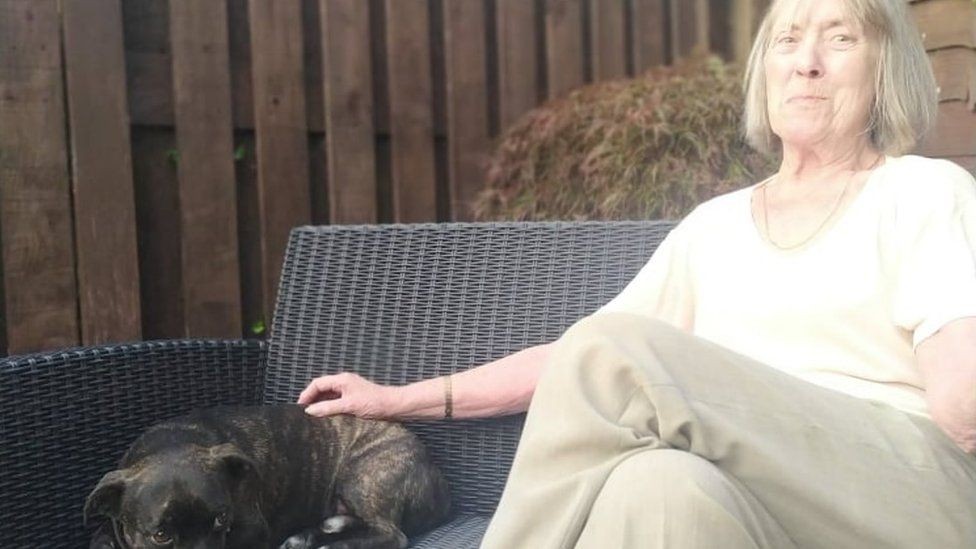
During spooky season in Italy, you’ll often hear people say, “Dolcetta or Scherzetta,” meaning “a little sweet or a little joke.” Well, a great-grandmother in the UK recently had three little sweeties arrive at her door, and they gave her the best Halloween of her life.
When three children by the names of Jessie, Olivia, and Walter arrived at the Newcastle home of 86-year-old Brenda Burdon, she said with regret that she didn’t have any treats to give them.
The children replied, “It’s okay, because sometimes making people happy and getting a nice big smile is reward enough.”
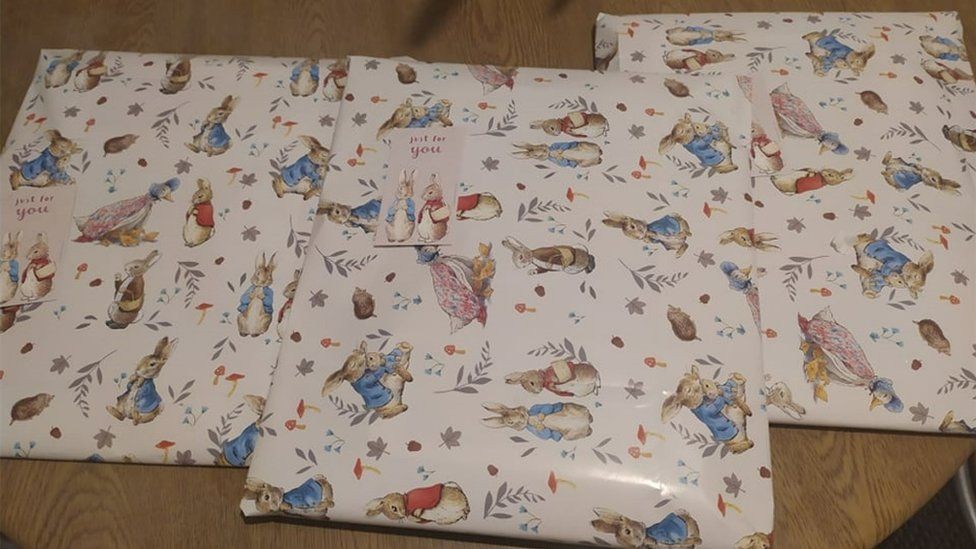
They went to the shop, bought some chocolates, a card, a pack of muffins, and a £10 note—which they brought to her door the very next day.
The kids addressed their card to “The Kind Lady.”
Alongside doodles of pumpkins and smiley faces, they wrote, “Thank you for being so kind. Hope your life gets better as you go on… “
Danny Parker
Burdon’s family said they’ve been amazed at the kindness of the kids, and that the senior has been “lost in happiness” since meeting the trio.
Danny Parker
Danny Parker, Brenda’s grandson, told the BBC the family has bought the kids some presents in exchange for their generosity—and are keen to return the money so the children can spend it on something nice for themselves. That’s a sweet move indeed.
TREAT Your Friends to This Story of Halloween Kindness…
Quote of the Day: “It doesn’t matter what we are. It matters what we do.” – Michelle Hodkin (The Evolution of Mara Dyer)
Photo: by Nghia Le
With a new inspirational quote every day, atop the perfect photo—collected and archived on our Quotes page—why not bookmark GNN.org for a daily uplift?
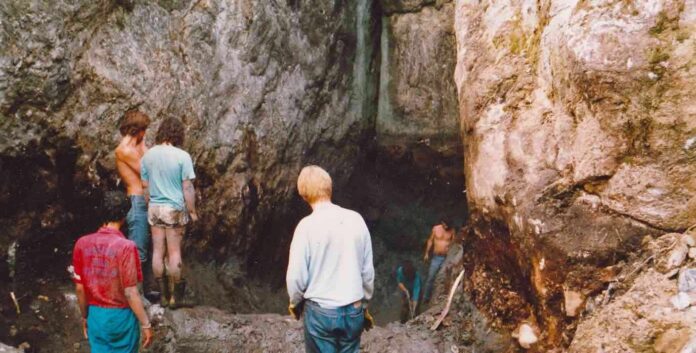
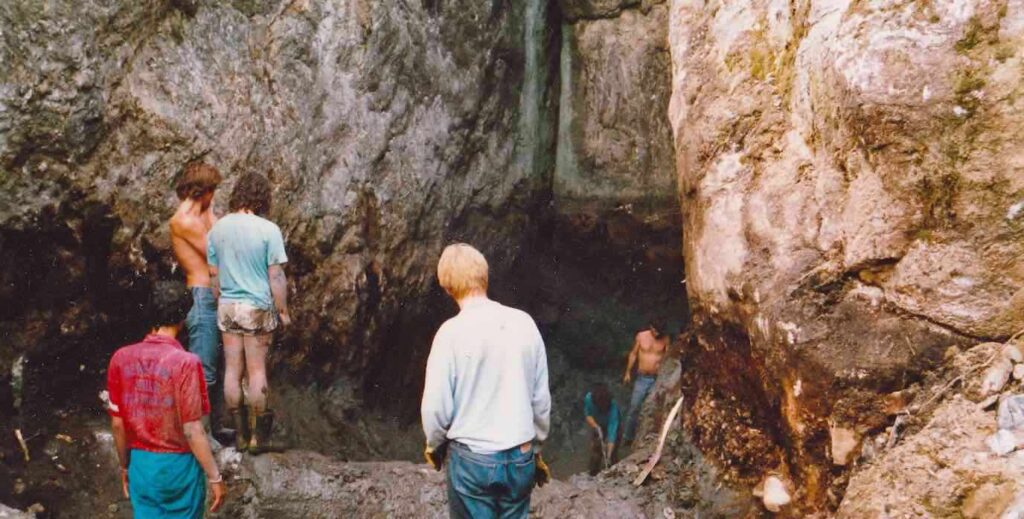
Original members of the Temple Twelve at the cave entrance. See SWNS story SWBRtreasure. A team of treasure hunters are “on the brink” of unearthing the ‘Lemminkäinen Hoard’ - a hidden stash of gold, jewels and ancient artefacts thought to be worth up to £15 BILLION. The hoard would represent the largest and most valuable trove ever discovered and is believed to contain over 50,000 gemstones including rubies, sapphires, emeralds and diamonds, and at least 1,000 artefacts dating back thousands of years. It is thought to include several 18-carat gold life-size statues in human form, supposedly all lying within the massive Sibbosberg cave system 20 miles east of Finland’s capital, Helsinki. The hoard, said to be entombed in an underground temple in Sipoo, has remained illusive for three decades despite countless official explorations and the efforts of more than 100 professional prospectors from across the world.
SWNS
A team of treasure hunters are “on the brink” of unearthing the Lemminkäinen Hoard—a hidden stash of gold, jewels, and ancient artefacts thought to be worth up to £15 billion ($20.4 billion).
The hoard would represent the largest and most valuable trove ever discovered and is believed to contain over 50,000 gemstones including rubies, sapphires, emeralds, and diamonds, and at least 1,000 artefacts dating back thousands of years.
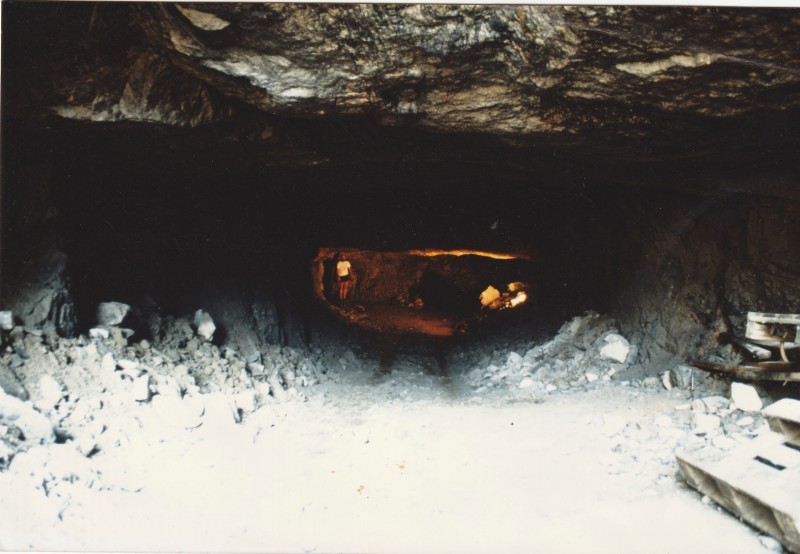
It is thought to include several 18-carat gold life-size statues in human form, supposedly all lying within the massive Sibbosberg cave system 20 miles east of Finland’s capital of Helsinki.
The hoard, said to be entombed in an underground temple in Sipoo, has remained elusive for three decades despite countless official explorations and the efforts of more than 100 professional prospectors from across the world.
But now, after 34 years and more than 100,000 hours of painstaking excavation, a group of 12 ‘penniless’ friends believe they are only meters away from the treasure, and expect to get into the cave next summer.
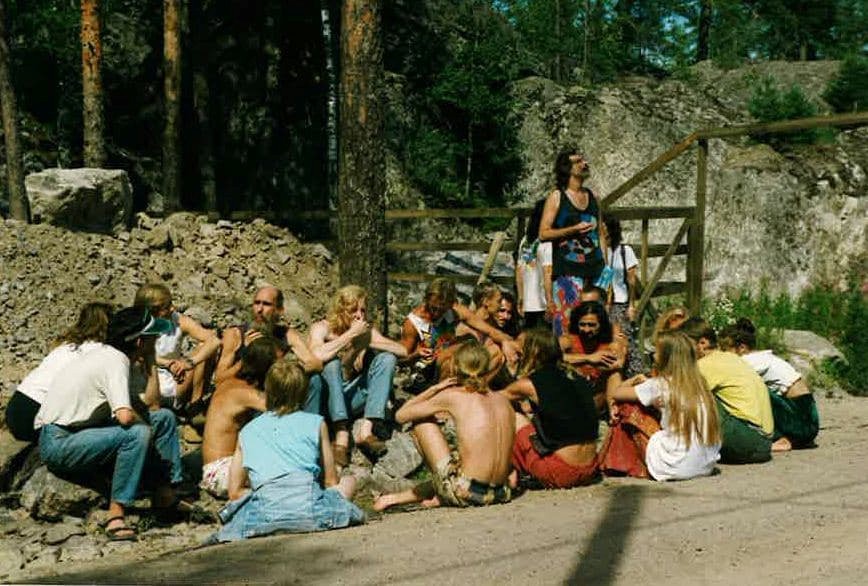
The pals, dubbed the ‘Temple Twelve’, began searching in 1987 and have dedicated their summers to finding the treasure ever since, dedicating six hours a day, seven days a week, to digging through the labyrinthine cave complex near Helsinki.
SWNS
Made up of members from Finland, Sweden, Norway, the Netherlands, Australia, Russia, America, and Germany, the team is a truly international group with zero archaeological experience.
Historian and author Carl Borgen, the world’s leading authority on the Lemminkäinen Hoard, has chronicled the lives of the Temple Twelve and their bounty in his book Temporarily Insane.
Speaking from his home in Amsterdam, he said, “I understand that significant progress at the temple has been made and that the crew are feeling especially excited about the months ahead.
“There is now talk in the camp of being on the brink of a major breakthrough, which in real terms could be the discovery of the world’s largest and most valuable treasure trove.
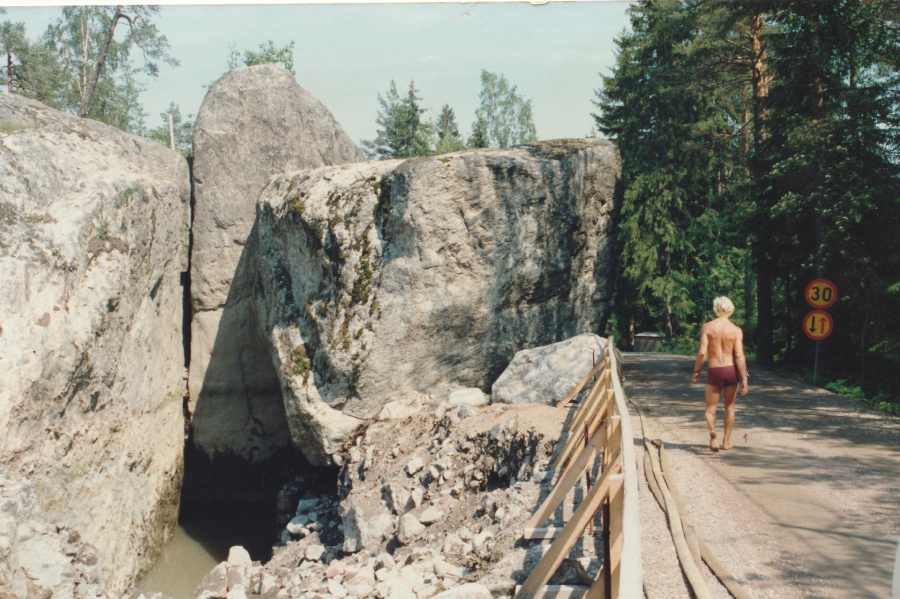
“So far, the Temple Twelve, as they have become known, have been able to remove several huge square granite rocks blocking the entrance to the cave, and have cleared the cave of hundreds of tonnes of smaller rocks and sediment.”
The treasure’s alleged existence first emerged in 1984, when local landowner Ior Bock claimed that his family were direct descendants of Lemminkäinen, a prominent figure in Finnish pagan mythology.
According to Bock, who was murdered by a personal assistant in 2010, the chamber on his large estate was sealed up with huge stone slabs in the 10th century to protect the treasures within from invading Swedish and Swiss armies.
Ior Bock, SWNS
His family had been keepers of the secret and ‘guardians of the cave’ since then, prompting Bock to reveal the temple’s existence to ensure its untold story would not die with him, beginning the ‘Bock Saga’.
The original team of 24 “like-minded strangers”—12 men and 12 women—joined forces with Bock in 1987 to become the site’s first and only permanent, self-funded excavation team.
Remarkably, 34 years after excavations first commenced, two of the original 24 remain despite at least half of the group having died or retired.
No hard evidence of the hoard has yet been found, but the Temple Twelve believe they have the tenacity to locate and remove the giant granite slabs from the temple door.
SWNS
Using rudimentary tools including spades and buckets, the group has so far removed several four-tonne blocks from the cave’s entrance and have excavated around 400 tonnes of sediment below it.
The remaining sediment, and the granite slabs covering the temple door, could be removed within a matter of months thanks to a recent ‘donation’ of dynamite, they say.
Finnish weather means the digging season is confined to the summer months before the cave starts filling with freezing rainwater.
SWNS
The group has to pump out more than 1.5million litres of water annually at the start of every season.
When digging resumes next year, the team is confident they will get into the cave entrance between May and September. We’ll keep you posted on what they find.
COULD You Dedicate Your Life to a Saga Like This? Share This Story…
Researchers have developed a new method to remove old cells from tissues, thus slowing down the aging process.
No-one knows why some people age worse than others and develop diseases—such as Alzheimer’s, fibrosis, type-2 diabetes, or some types of cancer—associated with this aging process. One explanation for this could be the degree of efficiency of each organism’s response to the damage sustained by its cells during its life, which eventually causes them to age.
That’s why scientists at the Universitat Oberta de Catalunya (UOC) and the University of Leicester have embarked on their recent work.
Specifically, they have designed an antibody that acts as a smart bomb able to recognize specific proteins on the surface of these aged or senescent cells. It then attaches itself to them and releases a drug that removes them without affecting the rest, thus minimizing any potential side effects.
The results of this work open the door to the development of effective treatments to delay the progress of age-related diseases and even the aging process itself in the longer term, with the aim of increasing the longevity and, above all, the quality of life of people at this stage of their lives.
“We now have, for the first time, an antibody-based drug that can be used to help slow down cellular senescence in humans,” noted Salvador Macip, the leader of this research and a doctor and researcher at the UOC and the University of Leicester.
“We based this work on existing cancer therapies that target specific proteins present on the surface of cancer cells, and then applied them to senescent cells,” explained the expert.
All living organisms have a mechanism known as “cellular senescence” that halts the division of damaged cells and removes them to stop them from reproducing. This mechanism helps slow down the progress of cancer, for example, as well as helping model tissue at the embryo development stage.
However, in spite of being a very beneficial biological mechanism, it contributes to the development of diseases when the organism reaches old age. This seems to be because the immune system is no longer able to efficiently remove these senescent cells, which gradually accumulate in tissues and detrimentally affect their functioning.
Laboratory experiments previously carried out with animal models showed that eliminating these cells with drugs successfully delayed the progress of the disease and the decline associated with age itself. This was done using a new type of drug, known as senolytics. However, they lack specificity and have side effects, hindering their use in humans.
The drug designed by Macip and his team is a second-generation senolytic with high specificity and remote-controlled delivery. They started from the results of a previous study that looked at the “surfaceome,” the proteins on the cell’s surface, to identify those proteins that are only present in senescent cells. “They’re not universal: some are more present than others on each type of aged cell,” said Macip.
In this new work, published in Scientific Reports, the researchers used a monoclonal antibody trained to recognize senescent cells and attach to them. “Just like our antibodies recognize germs and protect us from them, we’ve designed these antibodies to recognize old cells. In addition, we’ve given them a toxic load to destroy them, as if they were a remote-controlled missile,” said the researcher, who is the head of the University of Leicester’s Mechanisms of Cancer and Aging Lab.
Treatment could start to be given as soon as the first symptoms of the disease, such as Alzheimer’s, type-2 diabetes, Parkinson’s, arthritis, cataracts, or some tumors, appear. In the long term, the researchers believe that it could even be used to achieve healthier aging in some circumstances.
A “genetic goldmine” that could help crops survive global warming has been unearthed—in the driest desert in the world.
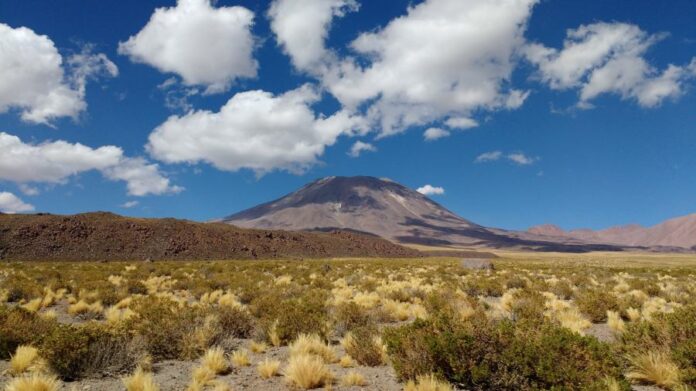
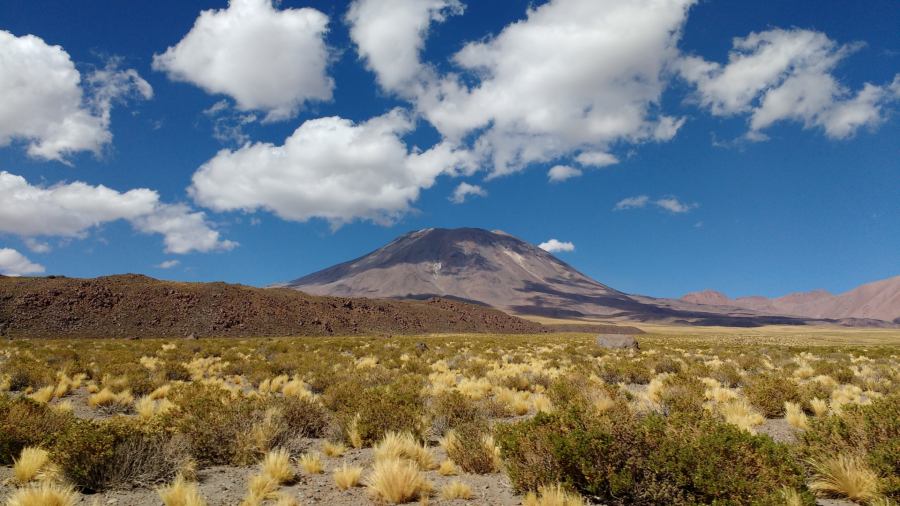
Plants growing in the Atacama Desert in northern Chile hold the key to coping with climate change, according to new research.
They have evolved genes that enable them to thrive in the most Mars-like region on Earth.
Most are closely related to staple foods such as grains, legumes, and potatoes.
It opens the door to engineering hardier fruit and vegetables, say scientists.
Lead author Professor Gloria Coruzzi, of New York University, said, “In an era of accelerated climate change, it’s critical to uncover the genetic basis to improve crop production and resilience under dry and nutrient-poor conditions.”
The coastal desert—sandwiched between the Pacific coast and the Andes mountains—is an arid plateau. Yet at springtime, a little corner is covered in a carpet of flowers. The purple pata de guanaco and yellow ananuca are among more than 200 species of plants that bloom.
They thrive in an inhospitable environment that averages just 0.01 centimeters of rainfall a year.
Other varieties include grasses, annuals, and perennial shrubs.
Mesquite trees, buckwheat bush, ferns ,and black sage have deep roots and fleshy leaves that retain the moisture.
The toughest plants on Earth
SWNS
Now an international team is getting to the bottom of a phenomenon that has baffled scientists for decades.
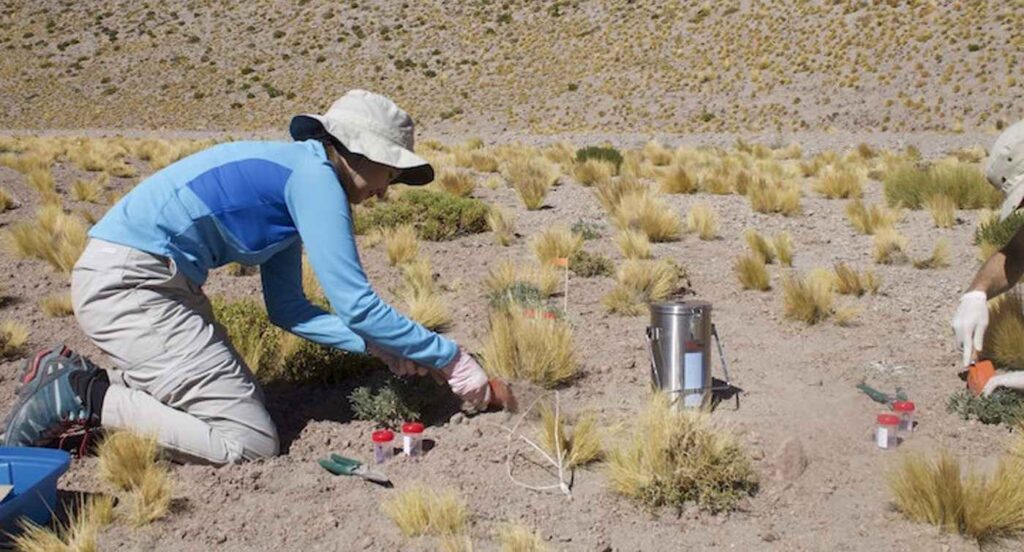
They established an unparalleled “natural laboratory” that identified specific genes and microbes that power the toughest plants on the planet.
It is hoped the findings in Proceedings of the National Academy of Sciences will help feed the world in the coming decades.
Co-lead author Prof Rodrigo Gutierrez, of The Pontifical Catholic University of Chile, said, “Our study of plants in the Atacama Desert is directly relevant to regions around the world that are becoming increasingly arid, with factors such as drought, extreme temperatures, and salt in water and soil posing a significant threat to global food production.”
Analysis showed some species developed growth-promoting bacteria near their roots.
The adaptive strategy optimizes the intake of nitrogen—critical for growth—in the nutrient-poor soils of the Atacama.
Genes whose protein sequences were adapted were then identified by comparing the plants with 32 similar ‘sister’ species.
This was done through a technique called phylogenomics that reconstructs an organism’s family tree.
Prof Corruzi said, of the findings, published in Proceedings of the National Academy of Sciences, “The goal was to use this evolutionary tree based on genome sequences to identify the changes in amino acid sequences encoded in the genes that support the evolution of the Atacama plant adaptation to desert conditions.”
Some of the riverbeds in Atacama have been dry for about 120,000 years.
Daytime temperatures are around 25 degrees Celsius—dipping to minus two at night. NASA has investigated it for clues to potential life in the Martian sub-surface.
Co-author Dr Gil Eshel, of NYU, said, “This computationally intense genomic analysis involved comparing 1,686,950 protein sequences across more than 70 species.
“We used the resulting super-matrix of 8,599,764 amino acids for phylogenomic reconstruction of the evolutionary history of the Atacama species.”
The study identified 265 candidate genes whose protein sequence changes were selected by evolutionary forces.
These mutations could underlie plant adaptation to the desert conditions.
They include genes involved in response to light and photosynthesis, which may enable plants to adapt to the extreme radiation.
Similarly, the researchers uncovered genes involved in the regulation of stress response, salt, detoxification and metal.
They may be related to withstanding a nutrient-poor environment.
Most studies on plant tolerance have been based on lab experiments using a few model species – missing the ecological context.
Co-author Dr Viviana Araus, a member of Prof Gutierrez’ lab, said: “By studying an ecosystem in its natural environment, we were able to identify adaptive genes and molecular processes among species facing a common harsh environment.”
The surprising blossom in the Atacama is known locally as the “flowering desert.”
Prof Gutierrez said: “Most of the plant species we characterised in this research have not been studied before.
“As some Atacama plants are closely related to staple crops, including grains, legumes, and potatoes, the candidate genes we identified represent a genetic goldmine to engineer more resilient crops, a necessity given the increased desertification of our planet.”
The desert is also an astronomer’s paradise. With its crystal clear skies and bone dry air, some of the most powerful telescopes in the world are housed there.
Spain is a country rich in history, and so perhaps it’s not surprising to see pastoral and agricultural traditions carried on in the face of modernization.
How they are carried on though will give someone a start, like seeing thousands of sheep clog the roads of the capital of Madrid, en route to winter pastures.
As sure as Pamplona has the Running of the Bulls, Madrid has its own traditional day. Spanish law allows farmers to use ancient migration routes regardless of how those routes have changed overtime, and in 1994 it became clear that meant putting rush hour on hold to cross animals from the north down to the warmer south of the country.
The roads were alive, writes Reuters, with the sound of bells, as thousands of onlookers snapped photos and brought their city-dwelling kids to see the yearly spectacle, which was cancelled last year due to COVID-19.
Shepherds guided their flocks in traditional dress, while some played music and others danced.
Children used to seeing traffic jams and hearing car horns got a joyful reminder of the sights and sounds of the countryside during the event, where it’s easy to stand close enough to touch the sheep as they go by.
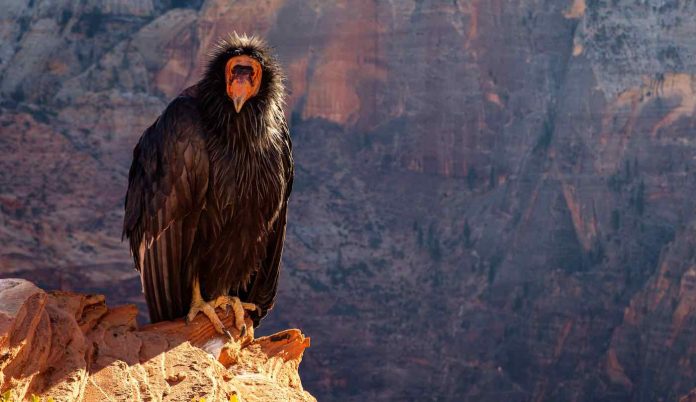
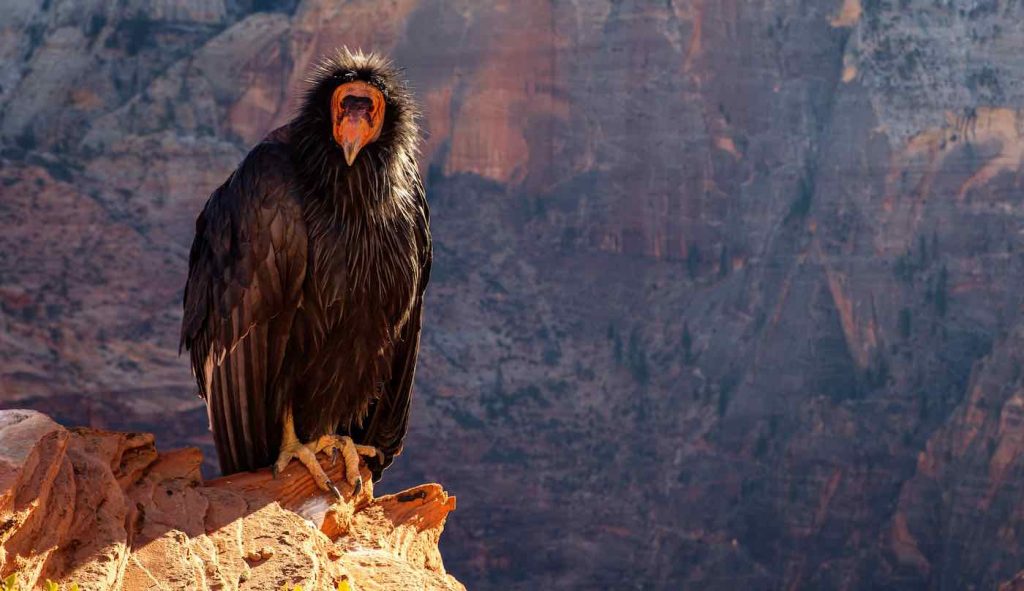
The temptation to quote Jurassic Park must have been irresistible for conservation scientists at a San Diego Zoo breeding program for critically-endangered California condors, when it was discovered that two females had conceived through “parthenogenesis,” also known as a virgin birth.
The scientists looked around at the 467 males to see who might have mated with the birds, and announced the first virgin birth ever observed in condors only after every male in the breeding program was tested.
Furthermore, it was the first time asexual reproduction was ever recorded where a female of any species was known to have access to a mate.
Only around 500 California condors live in the southwestern United States and in Mexico.
Several breeding programs, established for decades, are returning them to other parts of the country. The Yurok Tribe and the U.S. Fish and Wildlife Service announced two years ago they’d be returning the bird to the Pacific Northwest, including to Redwood National Park.
The phenomenon of parthenogenesis is extremely rare, but has been documented several times in other species, such as sharks, rays, snakes, lizards, and some others.
🚨BREAKING NEWS🚨
Scientists at SDZWA discovered two California condor chicks have hatched from unfertilized eggs. This sort of asexual reproduction, known as parthenogenesis, is a first for the species and provides new hope for their recovery. Read more: https://t.co/m5MZhqt21lpic.twitter.com/vRxGbKZy2S
— San Diego Boo 👻 Wildlife Alliance (@sandiegozoo) October 28, 2021
It’s a natural form of asexual reproduction in which an embryo that is not fertilized by sperm continues to develop, containing only genetic materials of the mother, usually when a cell fuses with the embryo and begins to act like sperm.
“This is truly an amazing discovery,” said Oliver Ryder, Ph.D., Director of Conservation Genetics at San Diego Zoo Wildlife Alliance, who co-authored the study.
“We were not exactly looking for evidence of parthenogenesis, it just hit us in the face. We only confirmed it because of the normal genetic studies we do to prove parentage.”
The chicks, both male, hatched in 2001 and 2009, and both mothers had previously raised chicks in the traditional way and would go on to do so again.
Parthenogenesis in avians has only been observed in turkeys in 1965 and 1968 and again in 1924 and 2008, in finches and domestic pigeons respectively, though the latter two eggs never survived to hatch.
It really captures what Jeff Goldblum’s character in Jurassic Park meant when, upon learning the scientists had cloned only female dinosaurs, he warned that “Life, uh, finds a way.”
LET Hopeful News Soar–Share This News With Others…
With a new inspirational quote every day, atop the perfect photo—collected and archived on our Quotes page—why not bookmark GNN.org for a daily uplift?