All News - Page 471 of 1716 - Good News Network
Home Blog Page 471

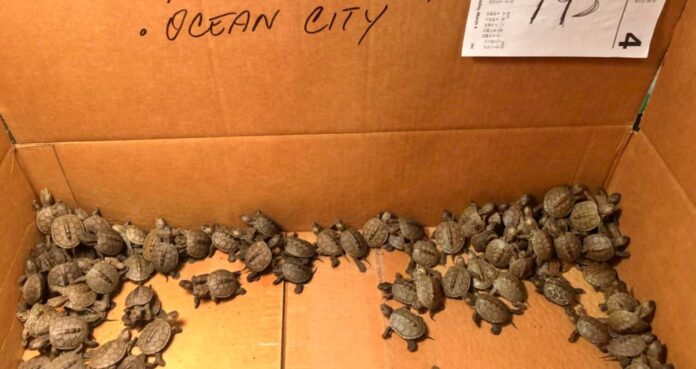
Folks in New Jersey Are Caring For More Than 800 Baby Turtles Rescued From Storm Drains

turtle hatchlings released stockton university lester block facebook social media
Stockton University; Lester Block/Facebook

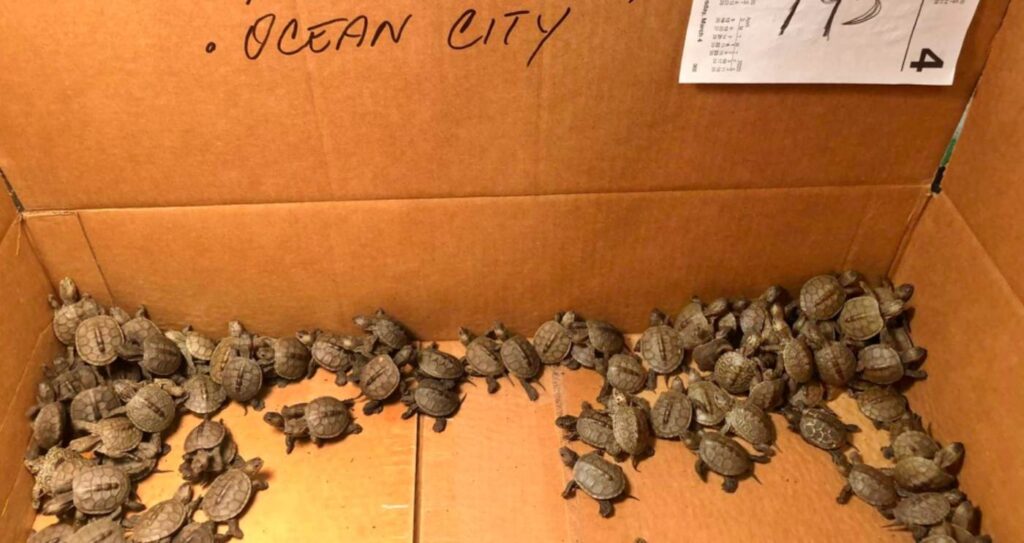
Hundreds of diamondback terrapin hatchlings have been rescued from underground storm drains along the Jersey Shore.

Small terrapins can slip into drains when attempting to cross the street, and these ones were found surviving off their yolk sacs.

Volunteers successfully rescued a total of 826 baby turtles using a specially crafted scooper made from a telescopic aquarium net attached to a bamboo pole.

RELATED: New Technology for Saving Endangered Sea Turtles Uses Decoy GPS Eggs to Catch Poachers – And it Works

Now staff at Stockton University in Galloway, NJ are caring for and rehabilitating them under their Head Start program.

Once the creatures are ready—in about a year—they’ll be placed back in the wild where they can thrive.

HATCH This Hopeful News Story in Your Friends’ News Feeds…

Study Arts and Science Together Like Da Vinci Did, And You’ll Get Best Outcome, Researchers Say

Pixabay

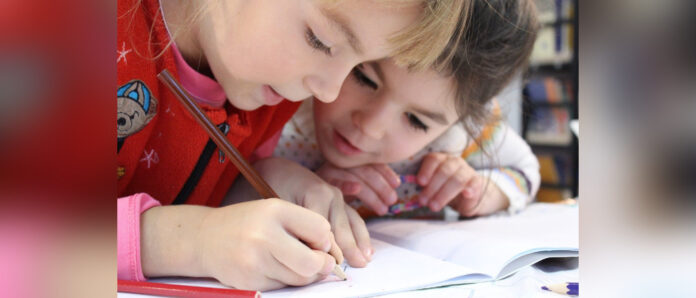
A radically reformed approach to education, in which different subjects teach connected themes, like climate change or food security, is being proposed by researchers who argue that it would better prepare children for the future.

In a newly published study, education researchers from the Universities of Cambridge and Edinburgh argue that there is a compelling case for a drastic shake-up of the school curriculum, so that subjects are no longer taught independently of one another. Instead, they argue that the arts and sciences should ‘teach together’ around real-world problems, and in a manner rooted in pupils’ lived experiences.

The model draws inspiration from Renaissance polymaths like Leonardo Da Vinci, who worked across disciplinary boundaries in pursuit of deeper knowledge. Similar, ‘trans-disciplinary’ approaches are already used in well-regarded education systems such as Finland’s. The idea also echoes recent calls by the youth campaign, Teach the Future, to break down subject silos to teach climate change.

The academic paper, in the journal Curriculum Perspectives, also presents evidence from two recent projects in which pupils appeared to benefit from an approach to teaching which blurred subject boundaries.

Creating ‘Math-Artworks’ and Growing Food

One, which invited South African teenagers from disadvantaged settings to create ‘math-artworks’, produced evidence that as well as increasing their familiarity with key mathematical principles, the project also enabled pupils to understand more about the relevance of maths in their own lives.

In the second case study, elementary school children in Aberdeen showed a deeper understanding of food security and environmental protection issues after learning to grow food in their school grounds.

Pam Burnard, Professor of Arts, Creativities and Education at the University of Cambridge, said: “If we look at the amazing designs that Da Vinci produced, it’s clear he was combining different disciplines to advance knowledge and solve problems. We need to encourage children to think in a similar way because tomorrow’s adults will have to problem-solve differently due to the existential crises they will face: especially those of climate, sustainability… “

READ: 37 Years Ago She Began Making Braille Children’s Books to Cut the Cost By 90% And Donate Them Worldwide

Dr Laura Colucci-Gray, of the University of Edinburgh’s School of Education and Sport, said: “The nature of these problems calls for a radically different approach to knowledge. We are proposing a move from the idea of a curriculum as something children are just ‘given’ to a curriculum ‘in-the-making’, in response to transformations that will define their lives.”

STEAM Learning over STEM

The paper contributes to an emerging field called ‘STEAM’ education. This seeks to reinsert the ‘A’ of arts into national attempts to encourage the uptake of STEM subjects (science, technology, engineering and mathematics), in response to a critical skills gap in related areas of the economy.

Some educationists argue that the emphasis on STEM is devaluing other subjects, and that arts disciplines are also powerful tools for delivering the problem-solving skills society needs. “For education to reflect that requires a major shift away from linear conceptions where subjects are taught separately, and towards a situation where they are inseparable,” Burnard said.

In their alternative model, the researchers suggest giving schools greater freedom to determine how to meet general study targets set by the curriculum. Teachers and leadership teams would make collective decisions and share practices about how to engage pupils with unifying, cross-curricular themes, such as environmental sustainability.

MORE: World’s First 3-D Printed School Poised to Be Built in Madagascar For Half the Price of Traditional

They add that this might also involve the imaginative use of space and resources, and closer links between schools and their communities to connect learning to pupils’ lived experiences beyond the classroom.

Evidence is also emerging that a transdisciplinary approach enhances pupils’ acquisition of key skills. In the math-artwork project cited in the study, students in South Africa were asked to create art which showed the links between maths and the world around them. Subsequent analysis of the 113 submissions showed that pupils had applied principles such as measurement, ratio and proportion, and geometry in their creations.

The researchers also found, however, that participants had engaged deeply with the meaning of maths at a level rarely seen in conventional lessons. One especially powerful example, by a 16-year-old male student, was entitled The Stressed Vitruvian Man, inspired by Da Vinci’s The Vitruvian Man. Like Da Vinci, the young artist’s work was partly a study of the proportions of the human body, but at the same time, the student used it to comment on both the potential, and dangers, of creating a society built on mathematical principles alone.

CHECK OUT: Africans Are Being Empowered to Write and Edit Wikipedia Articles About Their Own Countries and Culture

Similarly, the elementary school pupils in Aberdeen showed a deepened understanding of issues like food production and natural resource management when they were given the opportunity to take responsibility for a small piece of land in their school. Researchers found that the survival of plants became personal to the pupils, rather than just an abstract concept that they had learned about in science lessons. It also introduced them to other, related ethical challenges which those lessons rarely address: such as how to produce enough food when space is limited.

Any attempted reimagining of education along transdisciplinary lines would require children’s attainment to be measured differently, the researchers add. “It would require a system of testing which measures how children are internalising ideas and what they are expressing—not just what they know,” Burnard said. “That may be an uncomfortable idea for some, but it is the sort of radical thinking we need if education is going to prepare young people for the future.”

Source: University of Cambridge

SHARE the Results of This Fascinating Study With Friends…

Rome Colosseum Visitors to Finally Get Gladiators’ View With Hi-Tech Ampitheater Floor

Ministero della Cultura

A plan to give the Roman Colosseum a new floor has been approved by the Italian government—meaning visitors will soon have an opportunity to stand right where gladiators once fought.

The 2,000-year-old arena hasn’t had a floor since the 19th century, when it was removed by archaeologists to reveal an impressive network of tunnels where gladiators and animals were held before rowdy events.

The hi-tech floor will be wooden and sustainable, Culture Minister Dario Franceschini announced—with the engineering firm Milan Ingegneria winning the $22.2 million bid to design it.

“[The floor is] another step forward toward rebuilding the arena,” Franceschini said, “an ambitious project that will aid the conservation of the archaeological structures while getting back to the original image of the Colosseum.”

Intended to be completed by 2023, cultural events could take place in the Colosseum once the new floor has been completed.

MORE: Irish Farmer Stumbles Onto ‘Untouched’ Ancient Underground Tomb of Stone Near Dingle

The design is completely reversible, and if a new one is made in the future, then the 32,200 square-foot floor could be entirely removed without damage to the ancient building.

This iconic landmark of Rome dates back to the first century and the Flavian dynasty who, it seems, had a predilection for blood spots. Since then, it’s been a quarry for building materials, a place of shelter for animals, and of course, an archaeological excavation site.

After being closed for much of last year during Italian lockdowns, the Colosseum re-opened to members of the public a couple of weeks ago.

(WATCH the video showing the new floor design below.)

SHARE This Story With Friends You’d Like to Go on a Roman Holiday With…

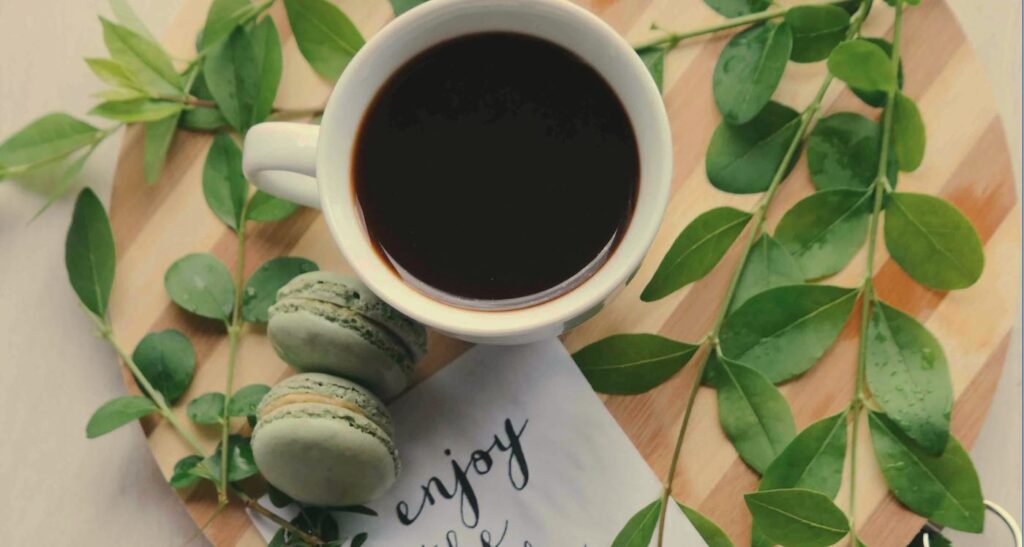
“Be happy for this moment. This moment is your life.” – Omar Khayyam

Quote of the Day: “Be happy for this moment. This moment is your life.” – Omar Khayyam

Photo: by Brigitte Tohm

With a new inspirational quote every day, atop the perfect photo—collected and archived on our Quote of the Day page—why not bookmark GNN.org for a daily uplift?


From Miniature Sushi to Tiny Cakes, Mom Makes Exquisite Dollhouse Food — LOOK

SWNS
SWNS

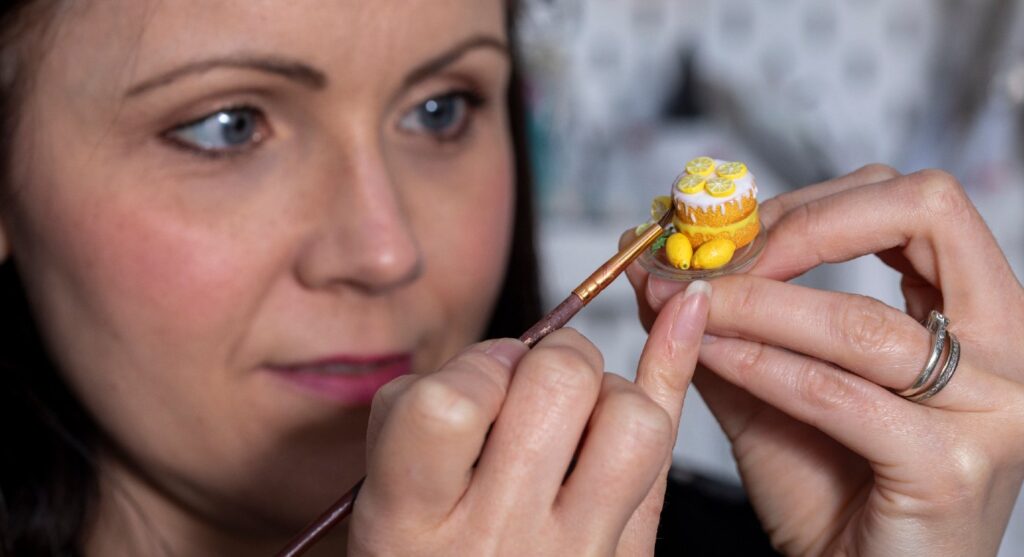
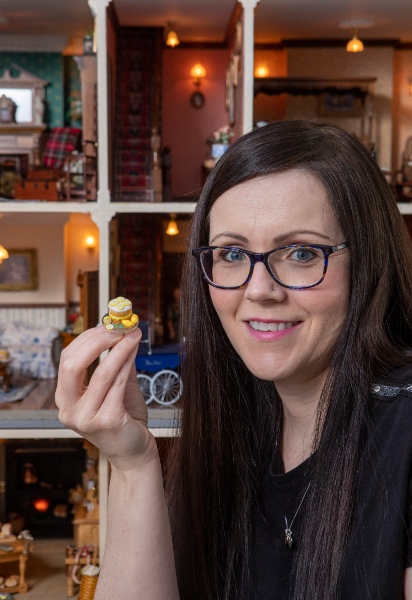
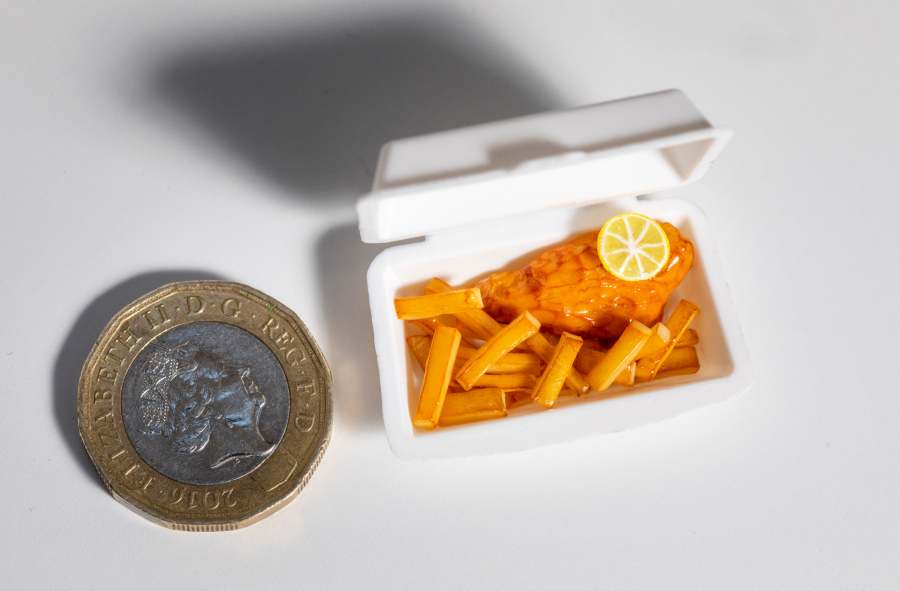
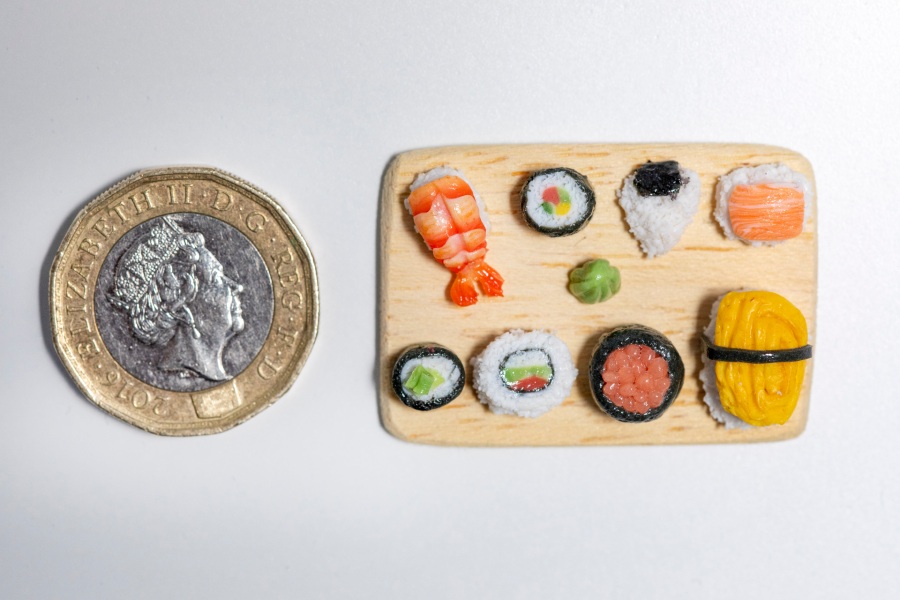
A Scottish dollhouse enthusiast creates tiny dishes—including takeout and sushi—which are sold to collectors as far away as America.

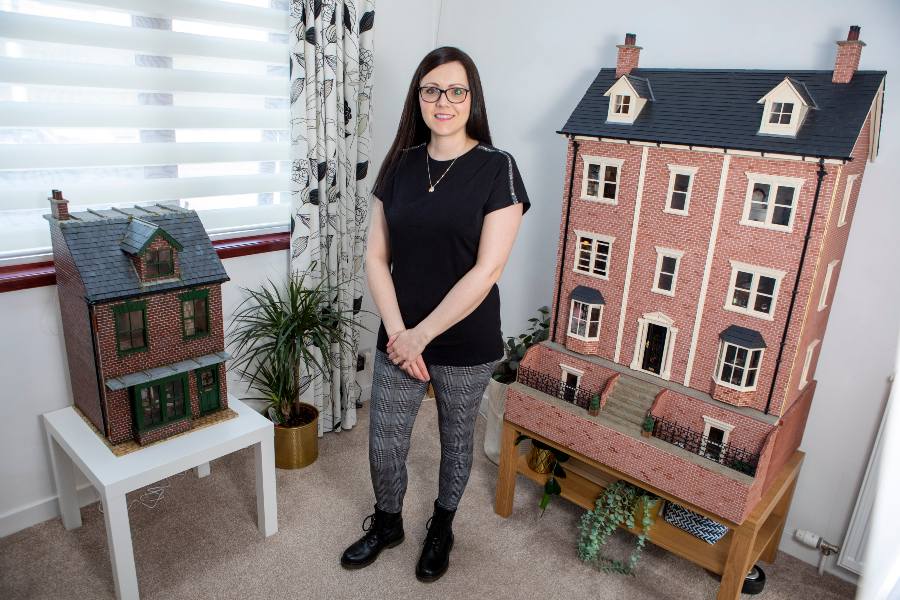
41-year-old Roz MacLean started selling tiny meals no bigger than a large coin in November 2019, after she made one for her mom’s dollhouse.

Her designs have included everything from fish and chips to full roast dinners.

The pharmacy technician taught herself how to make the minuscule designs four years ago by watching YouTube videos.

She makes the unique items out of polymer clay by molding them into shapes.

Then she uses chalk pastels, blades, and even a toothbrush to get the details before she puts them in the oven for 30 minutes where they set at home in Inverness.

After uploading the items to Etsy, a website focused on handmade or vintage items, Roz started to get attention for the designs, with people around the globe requesting custom designs.

SWNS

The price of the tiny meals ranges depending on the design and can range from $7 to $35.

Mother-of-two Roz said: “I’ve always loved miniature items, it’s always fascinated me making things so tiny. The idea of making meals just came from a love of food, and how much fun it would be to design these meals.”

SWNS

It’s a time-consuming hobby, says Roz, who explains: “If someone requests a decorative cake, it can take a while… [Every design] takes hours, and sometimes a full day to make one meal.

SWNS

Now her family home even has a tiny food workshop in the spare bedroom, and her two young boys, aged 9 and 4, sometimes help with the designs.

CHECK OUT: FREE Master Classes in Nature Writing With Top Journalists and Authors Now Offered on Zoom

SWNS

“I love doing it and I’m enjoying just building up my shop,” Roz said of her hobby that brings in a few pennies—and more importantly, so much joy.

SWNS

SHARE This Story With Friends Who Love Tiny Things…

Homeless Nigerian Boy Becomes U.S. Chess Champion at 10-Years-old After Immigrating to US

Kayode Adewumii
Kayode Adewumii

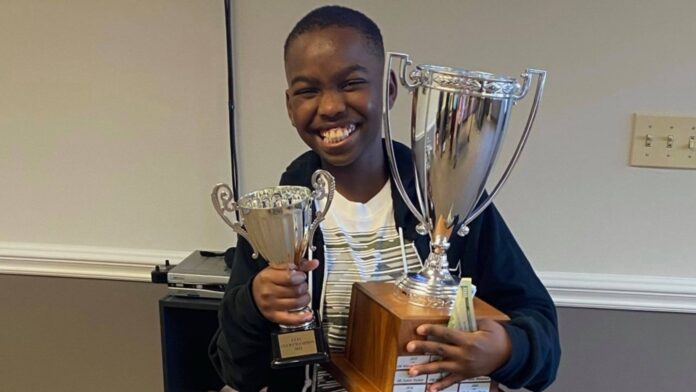
Tanitoluwa Adewumi—more commonly known by his nickname “Tani”—may be just 10 years old, but he’s already become an official Chess National Master, with an impressive rating of 2223.

The 28th-youngest person ever to achieve such a title in a States, Tani was only introduced to the game of chess a few years ago, while living with his family in a homeless shelter.

In 2017 Tani, his parents, and brother became refugees after fleeing Nigeria to escape violent attacks on Christian families like theirs. They began residing in a shelter in Manhattan.

With the help of a local pastor, Tani started attending a local elementary school. It was there that one of his teachers, Russell Makofsky taught his class how to play chess—and Tani was immediately drawn to the game.

As it so happened, the teacher also taught a chess club at the school. When Tani could not afford to pay the program fees, Makofsky waived the costs and welcomed the youngster into the club.

When he competed in his first chess tournament, he got the lowest score of any student. But just one year later, Tani took home the state championship trophy—after beating 73 of New York’s best players in grades K–3.

RELATED7-Year-Old Becomes Certified Barber So She Can Offer Free Haircuts To Kids in Her City

Tani is a prodigy, for sure: he is the first competitor ever to win a state championship on his first try—rated 1,587 and closing, which is roughly half as high as the world’s best player.

CHECK OUTGirl Who Wanted to ‘Be Closer to Her Dad’ Becomes Youngest Female to Hike Mount Kilimanjaro

For a while, the 10-year old was spending every night on the floor of his homeless shelter, practicing for the national chess championship in May and dreaming of becoming the world’s youngest Grandmaster.

WATCHBlind 6-Year-old ‘Prodigy’ Who Taught Himself to Play Piano Has Become an Internet Star

Thankfully, a GoFundMe page that was set up by his teacher raised over $250,000—which has helped get Tani and his family out of the shelter and into a home of their own in Connecticut. We’ll be sure to let you know this official national master’s next move…

Make Your Move to Share This Amazing Story To Social Media…

A Monarch Visitation After Girl’s Death Has Dad Now Sending Milkweed Seeds to All Who Want to Help Butterflies

Captain Tucker, CC license

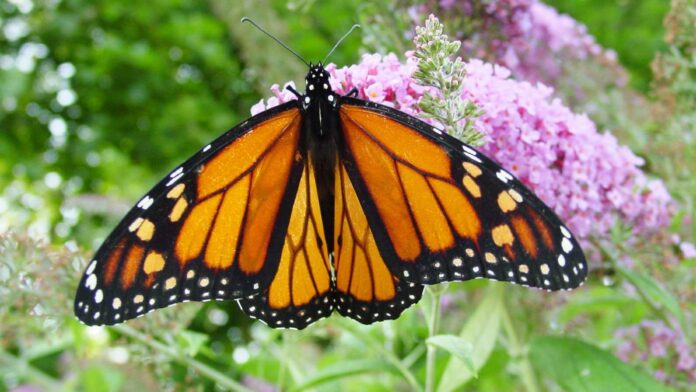
A week after Frank O’Donnell laid his 15-year-old daughter Keri to rest, he got a backyard visit from a monarch butterfly. Its bright orange and black wings, Keri’s favorite colors, brought him an unexpected ray of solace in a dark time.

Whether or not the butterfly was a cosmic messenger, O’Donnell took it as a sign Keri was reaching out to let him know her love was still there. To honor that love, O’Donnell planted a memorial garden in her name.

In time, the doting dad began to so strongly identify monarch butterflies with his daughter that he started to study them. In doing so, he learned his beloved Lepidoptera species was in danger of going extinct.

“Monarchs, to me, are Keri,” O’Donnell said. “I love seeing the other butterflies too, but the monarchs are what reminds me of her, just because of that one monarch that visited the week after her funeral,” he told The Boston Globe.

To do his part to prevent them from disappearing, O’Donnell started growing milkweed—monarchs’ favorite foodstuff—along with other butterfly-attracting plants in Keri’s garden.

In addition to four caterpillars he found on his home turf, O’Donnell adopted a batch of monarch larvae from the conservation group Monarch Watch. Over the course of several weeks, he raised the brood in a specially outfitted garden shed festooned with photos of Keri.

In all, 27 butterflies grew to adulthood and were set free to roam the garden flora before flitting away to set off on their impressive 3,000-mile migration to Mexico.

MORE: While in Lockdown Citizen Scientists are Going Outside Observing Insects, Helping Boost Their Recovery

At season’s end, when O’Donnell gathered up the milkweed pods, he was left with a substantial supply of seeds. As a way to keep the monarch species and the memories of his daughter alive, he decided to share his bounty with anyone who asked.

Hundreds of requests came in from across the country. For O’Donnell, every new generation of monarchs is a testament to enduring love that transcends the bonds of earth and heaven.

“I guess I’ve become more spiritual, not necessarily in a religious sense, but you know, nature does a lot of stuff,” O’Donnell told the Globe. “And, I honestly do believe that she’s around. Every once in a while, you’ve got like a little tingle and you know, it’s just like, somebody is paying attention.”

CHECK OUT: Large Blue Butterflies Were Extinct in England, But Now Those Beauties Are Back After 50 Years

Requests for milkweed seeds from Keri’s garden can be emailed to [email protected].

FLUTTER This Story Over to Pals on Social Media…

Solar-Rich California Hits 95% Renewable Energy On a Recent Day Across 80 Percent of the State

Mary, CC license
Mary, CC license

For approximately four seconds on April 29, California got 95% of its power from renewable energy—with the Golden State using about 90% renewables in the afternoon hours during a period of warm, cloudless weather.

While caveats such as not including Sacramento or Los Angeles in the percentage dampens the milestone, it still means over 29 million people were contributing virtually nothing towards climate change as far as their electricity needs were concerned. California follows another major population center, South Australia, which recently fulfilled 100% demand with renewables.

The clean energy counter also didn’t include the Diablo Canyon nuclear plant, which indeed at the moment is producing nothing more than steam as emissions. Combine it with the geothermal, hydroelectric, and biomass production, and 100% of the state grid was occupied with these renewables during the daylight hours.

“It sends chills down my spine. It’s amazing,” said Elliot Mainzer, president and CEO of the California Independent System Operator, which runs the state’s main power grid. “These types of transitions aren’t always pretty. But we’re getting a lot of renewable generation online, making a real dent in the state’s carbon emissions,” he told the LA Times.

Mainzer recently urged the state to construct another 10,000 megawatts of renewables, an equivalent of one-eighth of the entire state baseload power, in order to cover the gaps in the grid that led to rolling blackouts last year.

MORE: Endangered Trout May Soon Return to Los Angeles

Covering gaps in renewables input is important for two reasons. The first is that electricity is the only resource that must be consumed as soon as it’s produced. That means estimations of demand more or less must always be perfect. The second is that whereby fossil fuels are by themselves a form of storage, renewables most often have no form of storage, and the electricity they generate goes into the grid immediately upon production.

To help navigate around these natural flaws in renewable energy, California has been a key leader in coordinating with other states in the west to share surplus power across state lines, creating a more robust grid, removing more need for fossil fuels, and taking advantage of other states’ resources.

For example, California is much sunnier than Wyoming, but Wyoming has the most consistent wind power of any state. Utility companies in each place can exchange on the basis of covering the baseload power with the strengths of the other, and aid them with their own surpluses in return, reducing fossil fuel input and increasing grid stability.

RELATED: In 24 Years California Has Cut Toxic Air Pollution By 78%, Resulting in 82% Fewer Attributable Deaths

Until cost-effective and scalable storage technology is widely implemented, this is the best method for protecting against blackouts and drops in supply due to changing weather.

POWER Up Some Good News in Your Pal’s Lives—Share This Story…

Uganda Joins African Nations Using Drones to Deliver Life Saving Medical Supplies to More Than 22 Million People

Makerere University Infectious Disease Institute

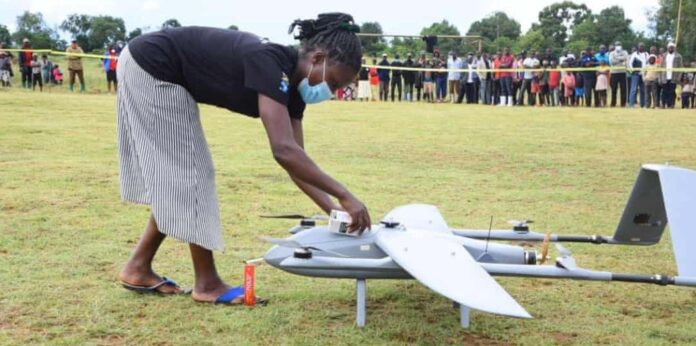
On the 84 remote islands that make up Uganda’s Kalangala District on the surface of Lake Victoria, medical experts are tackling one of Africa’s worst provincial HIV crises with the help of cargo drones.

Uganda isn’t alone in the project, as Rwanda and Ghana also use medical supply drones to reach far off communities, and together the technology promises a faster and more reliable way to deliver life-saving drugs and supplies to more than 22 million Africans.

Using these drones is being called a “game changer,” and while Victoria is a lake, it’s so big that a passenger ferry needs 16 hours to cross it. Adding up the time for stops and navigation around the islands, and trying to distribute medical supplies by boat becomes an enormous undertaking.

Home to around 67,000 people, Lake Victoria’s islands have an HIV incidence rate of 18%, far above the national average of 5.6%. Getting antiretroviral drugs to HIV-positive patients can prevent the virus from crippling the immune system, and the 4.5 foot wingspan of the cargo drones can carry a kilogram of these supplies at a time—to a distance of about 150 kilometers (105 miles).

Developed by the Academy For Health Innovation Uganda and costing around $5,500 each, the drones launched last week for the first time—and will go on to supply 78 separate community groups and health facilities across the widely scattered Ssese islands, with about 200 scheduled flights per month.

MORE: Inspired by Marvel’s Mythical ‘Wakanda’, Ugandan Village is Built on Shea Butter and Solar Power

“Using medical drones is a huge step for us as a health sector in improving service delivery especially in hard to reach areas,” said Uganda’s director general of health services Henry Mwebesa, according to the Guardian. “It’s very useful. Once it’s successful we can adopt it for other facilities and replicate it in other places.”

CHECK OUT: Traps That Once Snared Uganda’s Wildlife Are Turned into Intricate Art With ‘Snares to Wares’

“Thanks to the support and coordination of our partners, including Johnson & Johnson, this program will help gather the information and data needed to help make this future a reality, while also helping to deliver lifesaving care to people in need,” said Parkes-Ratanshi, director of the project for the Academy.

FLY This Hopeful Story Over to Friends on Social Media…

“A sense of meaning is the most important thing in life. That’s what sustains people throughout their lives: the sense that their life has a meaning…” – Viktor Frankl

Quote of the Day: “A sense of meaning is the most important thing in life. That’s what sustains people throughout their lives: the sense that their life has a meaning…” – Viktor Frankl

Photo: by Timothy Eberly

With a new inspirational quote every day, atop the perfect photo—collected and archived on our Quote of the Day page—why not bookmark GNN.org for a daily uplift?


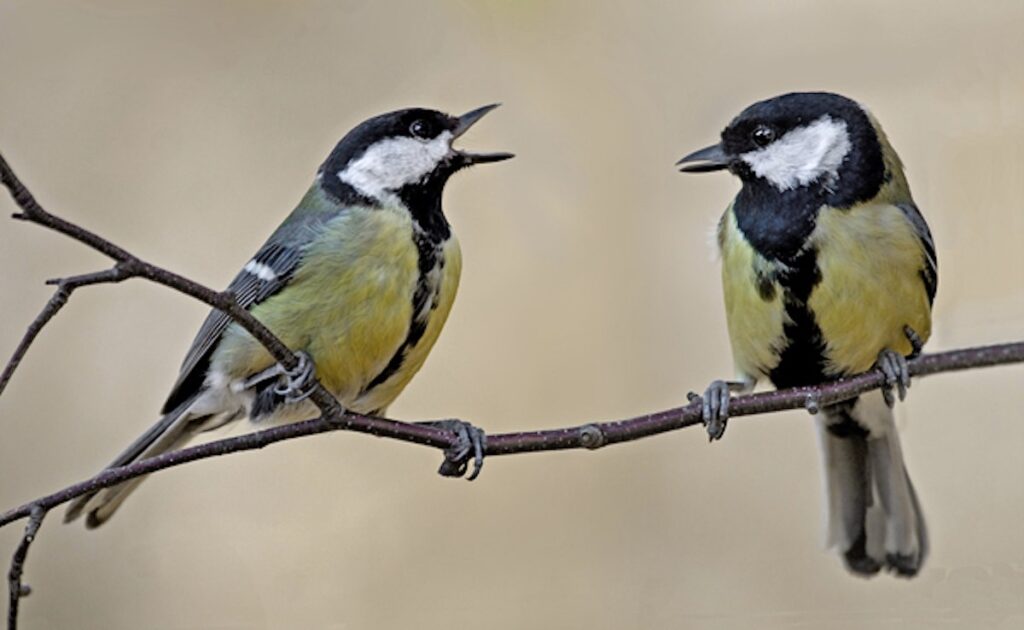
Rare Evidence Proves Birds Are Able to Change Their Culture to Become More Efficient

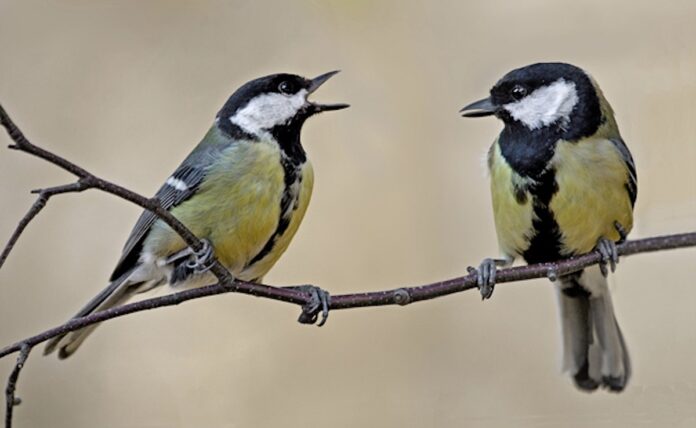
Great tits by Shirley Clarke - Fordingbridge Camera Club, CC license

Birds are able to change their culture to become more efficient, according to new research from Max Planck Institute of Animal Behavior.

Great tits by Shirley Clarke – Fordingbridge Camera Club, CC license

In animals, “culture” is considered to be any behavior that is learned from others, shared by members of the group, and persistent over generations. Cultural traditions are known to exist in many animal groups, including primates, dolphins and whales, rodents, and birds.

Great tits provide a classic example of animal culture. In the 1920s, birds in a town in Great Britain were observed to open the foil tops of milk bottles to steal cream. This behavior spread over 20 years, until birds throughout the country were doing the same.

In 2015 scientists experimentally confirmed that great tits were able to maintain cultural traditions. A new way of feeding—what scientists refer to as an innovation—could be taught to a single bird, and that solution would be learned by other birds and gradually spread throughout populations.

But for great tits, and other animals with cultural traditions, it was still not known if groups can change. Once a tradition has taken root, are animals condemned to repeating the same behaviors or can they pivot to more efficient ones?

POPULAR: ‘Like a Beautifully-tuned Instrument’: 2000 Microphones Unlock the Mystery of Why Hummingbirds Hum

Now, the new study has demonstrated that more efficient behaviors can outcompete an established inefficient behavior. It pinpoints a fundamental process—population turnover—as crucial for the ability of animals to change their traditions. Published in the journal Current Biology last month, the study, which involved teaching wild-caught birds to solve puzzles and fine-scale tracking of their behavior, provides quantitative support for the evolution of culture.

“Experimental evidence of cultural change in animals is pretty rare, so we were surprised and excited by the outcome,” says first author Michael Chimento, a doctoral student in the Research Group of Cognitive and Cultural Ecology at the Institute.

RELATED: Toolmaking Cockatoo Taught His Mates How to Craft Tools – And Stunned Scientists

The research team led by senior author Lucy Aplin, who is a Max Planck Research Group Leader and also a principal investigator at the Custer of Excellence ‘Centre for the Advanced Study of Collective Behavior’ at the University of Konstanz, studied populations of great tits caught from forests around Konstanz. Because wild great tits form changeable social groups during winter, when conditions are harshest, the scientists thought that immigration could play a part in cultural evolution.

“These fluid groups could influence how their culture changes, as new group members might see solutions to problems with clearer eyes, because of their lack of experience,” says Chimento.

LOOK: New Bird Song That ‘Went Viral’ Across This Species of Sparrow Was Tracked by Scientists For the First Time

The researchers used captive populations of wild-caught great tits to ask how fluid social groups might change a socially learned feeding tradition. They created 18 groups of birds, each with an automated puzzle-box that gave a reward.

When a bird solved the puzzle, the type of solution, time of solution, and identity were recorded using RFID, infrared, and computer vision technology. Each group had a tutor that was trained on a relatively inefficient puzzle solution, which then spread through the group. Then, half of the groups were kept static, and in the other half, group members were gradually replaced with new birds from wild over the course of 4 weeks.

Despite both types of groups innovating a more efficient solution, fluid groups were much more likely to adopt it as their preferred behavior. The original residents, who were experienced with the puzzle, were generally the ones who innovated the efficient solution, but didn’t adopt it as their preferred behavior. The inexperienced immigrants, on the other hand, picked up on this innovation and did adopt it, amplifying the available social information. Birds in fluid groups were able to solve the puzzle-box faster than in static groups, despite having less overall experience.

“Great tits seem to do well in and among human-made habitats, compared to other species,” says Chimento. “Our study shows how their fluid social dynamics might be part of their secret to success and contribute to their flexibility.

(Source: University of Konstanz)

FLY This Fascinating News to Your Flock on Social Media…

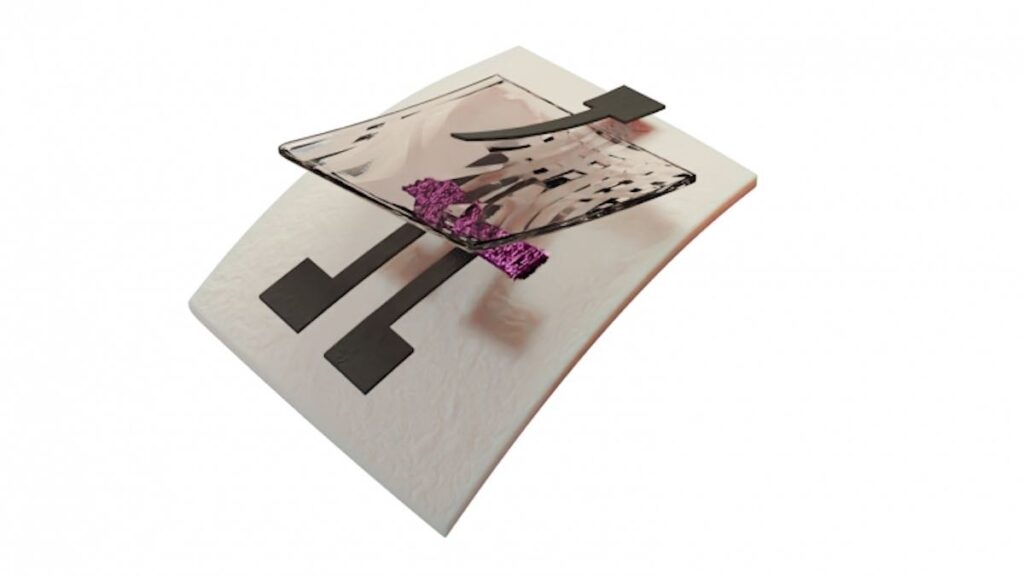
World’s First Fully-Recyclable Electronic Transistor Produced By 3D Printers at Duke University

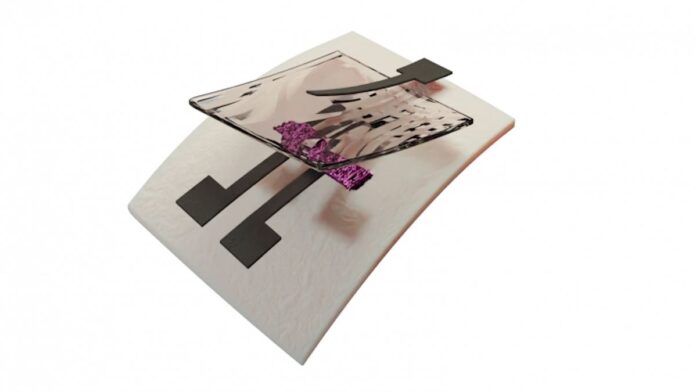
Duke University - 3D rendering of printed, recyclable transistor

Engineers at Duke University have developed the world’s first fully recyclable printed electronics. Their recycling process recovers nearly 100% of the materials used—and preserves most of their performance capabilities for reuse.

Duke University – 3D rendering of printed, recyclable transistor

By demonstrating a crucial and relatively complex computer component—the transistor—created with three carbon-based inks, the researchers hope to inspire a new generation of recyclable electronics.

“Silicon-based computer components are probably never going away, and we don’t expect easily recyclable electronics like ours to replace the technology and devices that are already widely used,” said Aaron Franklin, the Addy Professor of Electrical and Computer Engineering at Duke. “But we hope that by creating new, fully recyclable, easily printed electronics and showing what they can do, that they might become widely used in future applications.”

Even though the ever-growing pile of discarded electronics is now on the decline, less than a quarter of it each year is recycled, according to a United Nations estimate.

Part of the problem is that electronic devices are difficult to recycle. Large plants employ hundreds of workers who hack at bulky devices. But while scraps of copper, aluminum and steel can be recycled, the silicon chips at the heart of the devices cannot.

LOOK: 3D-Printing Teen Makes Hundreds of Ingenious Devices to Alleviate Ear Pain for Healthcare Workers

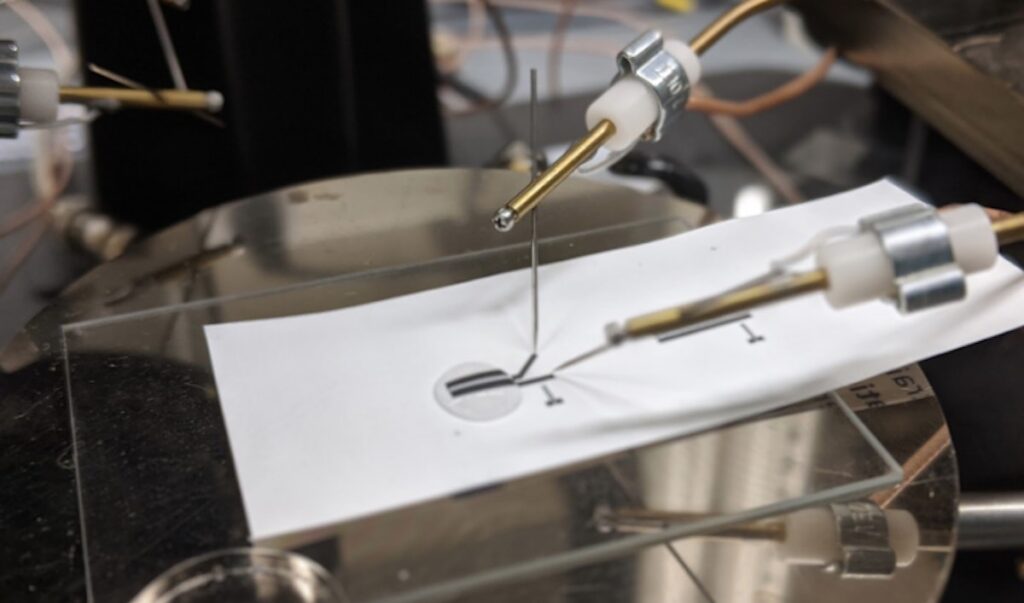
In the new study, published April 26 in the journal Nature Electronics, Franklin and his laboratory demonstrate a completely recyclable, fully functional transistor made out of three carbon-based inks that can be easily printed onto paper or other flexible, environmentally friendly surfaces. Carbon nanotubes and graphene inks are used for the semiconductors and conductors, respectively. While these materials are not new to the world of printed electronics, Franklin says, the path to recyclability was opened with the development of a wood-derived insulating dielectric ink called nanocellulose.

3D printing electronics – Duke University

“Nanocellulose is biodegradable and has been used in applications like packaging for years,” said Franklin. “And while people have long known about its potential applications as an insulator in electronics, nobody has figured out how to use it in a printable ink before. That’s one of the keys to making these fully recyclable devices functional.”

RELATED: First Ever 3D-Printed Cornea Could Restore Vision for Millions of People

The researchers developed a method for suspending crystals of nanocellulose that were extracted from wood fibers that — with the sprinkling of a little table salt — yields an ink that performs admirably as an insulator in their printed transistors. Using the three inks in an aerosol jet printer at room temperature, the team shows that their all-carbon transistors perform well enough for use in a wide variety of applications, even six months after the initial printing.

The team then demonstrates just how recyclable their design is. By submerging their devices in a series of baths, gently vibrating them with sound waves and centrifuging the resulting solution, the carbon nanotubes and graphene are sequentially recovered with an average yield of nearly 100%. Both materials can then be reused in the same printing process while losing very little of their performance viability. And because the nanocellulose is made from wood, it can simply be recycled along with the paper it was printed on.

LOOK: 6 Billion Face Masks Used Daily—But Scientists Have a Genius Way to Turn Them Into Roads

Compared to a resistor or capacitor, a transistor is a relatively complex computer component used in devices such as power control or logic circuits and various sensors. Franklin explains that, by demonstrating a fully recyclable, multifunctional printed transistor first, he hopes to make a first step toward the technology being commercially pursued for simple devices. For example, Franklin says he could imagine the technology being used in a large building needing thousands of simple environmental sensors to monitor its energy use or customized biosensing patches for tracking medical conditions.

POPULAR: California Highway Becomes First State Road Made From Recycled Plastic in the US

“Recyclable electronics like this aren’t going to go out and replace an entire half-trillion-dollar industry by any means, and we’re certainly nowhere near printing recyclable computer processors,” said Franklin. “But demonstrating these types of new materials and their functionality is hopefully a stepping stone in the right direction for a new type of electronics lifecycle.”

GENERATE Some Buzz By Sharing the ‘Current’ News on Social Media…

7 in 10 Americans Agree That 2020 Made Them a Better Person – Here’s How

According to a new survey, 74% of Americans say 2020 has made them more aware of the needs of others—and more selfless than ever before.

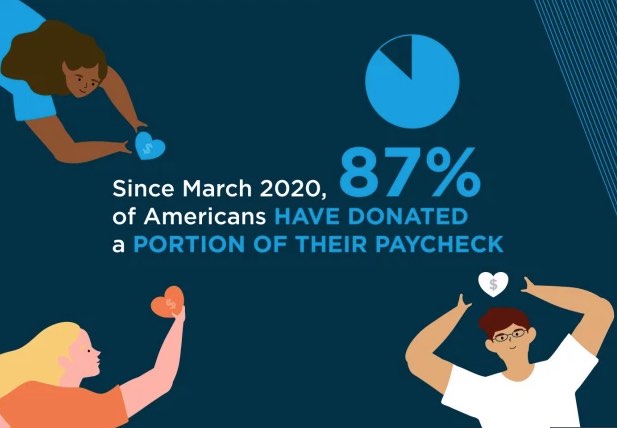
A poll of 2,005 Americans revealed that since March 2020, people are more often embracing the idea of neighborly love. Some examples include:

OnePoll

87% of Americans have donated a portion of their paycheck, even though three in five experienced financial difficulties.

41% have helped a stranger across the street. 38% have gone out of their way to take out their neighbor’s trash, and 31% have walked their neighbor’s dog.

And, for those who live in snowy climates, one-third have shoveled out a neighbor’s car in the past year.

In general, seventy-two percent said they found themselves caring about the health and well-being of others significantly more in the past year.

RELATED: Retirees Share Top 40 Pearls of Wisdom With Our Younger Generations

The survey, conducted by OnePoll in conjunction with Eyes of Hope, the charitable arm of VSP Global, aimed to discover how people are dealing with the impacts of the pandemic.

“It’s been incredibly meaningful to see how the challenges of the last year have caused us to care even more for each other,” stated Pat McNeil, a spokesperson for VSP Eyes of Hope.

“This study validates what we’ve been hearing from our employees and charitable partners: people are looking to better the lives of others and their communities because they envision a greater purpose after such a devastating year.”

ALSO: 68% of Americans Think Their Mom is ‘The Cool Mom’

TOP Ways People Were Selfless
Volunteered my time for those less fortunate – 50%
Donated money to a charity – 48%
Helped a stranger across the street – 41%
Taken out the neighbor’s trash – 39%
Shoveled out my neighbors’ car – 38%
Reached out to a friend – 32%
Bought something for a stranger – 19%

Ultimately, while 2020 has been a difficult year for many, it’s heartening to hear that the experience has made a large majority a better person overall.

SPREAD Some Positivity By Sharing the Survey on Social Media…

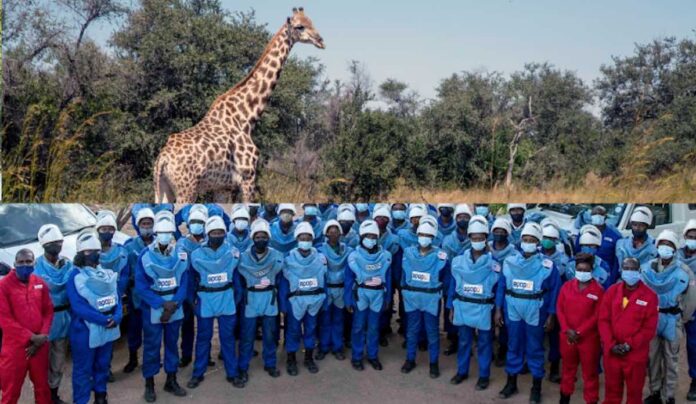
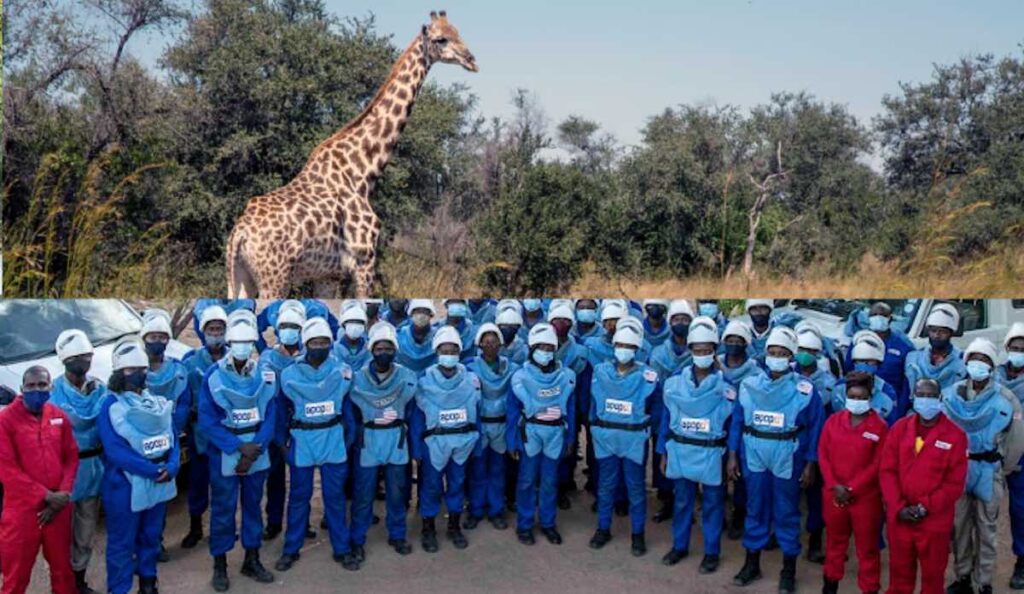
U.S. Donation Kicks Off Landmine Clearing in One of the Largest Conservation Areas in the World

APOPO / David Brazier

A new project to demine seven million square meters of land, including a critical area inside the largest contiguous wildlife area in the world, is underway, thanks to a grant from the U.S. Government.

APOPO / David Brazier

Removing the landmines laid four decades ago will help protect African species such as elephants, pangolins, and lions in a wildlife corridor that spans South Africa, Mozambique, and Zimbabwe.

The Dutch organization called APOPO (translated to English as Anti-Personnel Landmines Detection Product Development) has been tasked by the Zimbabwean government with clearing the dense minefield that includes the massive wildlife corridor inside the Great Limpopo Transfrontier Park, an effort that will also support opening up eco-tourism opportunities.

The grant allows APOPO to protect not only animals in the Sengwe Wildlife Corridor but also the local human populations and their livestock. With additional funding, APOPO aims to finish clearing the minefield by Zimbabwe’s 2025 landmine-free deadline.

Hero Rats

APOPO is the global non-profit best known for having trained African giant pouched rats to detect landmines for over 20 years—but in this effort they are using manual deminers more appropriate for the dense minefields in the Sengwe frontier.

“We are very enthusiastic and honored to take part in clearing the heavily mined areas along the Zimbabwe, Mozambique border to allow not only local communities use their land freely and without fear, but to allow safe movement for endangered wildlife and support overall conservation efforts,” said the Zimbabwe Program Manager for Anti-Persoonsmijnen Ontmijnende Product Ontwikkeling.

RELATED: This Rat Sniffs For Landmines In Cambodia–And Has Just Won A Gold Medal For His Life-Saving Work

The group has already cleared 45,000 square meters, and estimates it will find and destroy about 15,300 anti-personnel landmines planted during the 1970s Zimbabwe Liberation War by the Rhodesian Army which wanted to protect their border—laying about 2,500 mines per kilometer.

Tens of thousands of people live in close proximity to these landmines, which limit their access to resources such as water, grazing areas, and roads. One of the poorest, driest areas in Zimbabwe, up to 100 cattle are lost on this minefield each year, pushing some households into poverty.

LOOK: These Specially-Trained Dogs Have Saved 45 Rhinos From Poachers in South Africa—And Counting

The wildlife corridor extends into the famous Kruger National Park in South Africa, and Zimbabwe’s Gonarezhou National Park.

Kruger receives a massive influx of tourists (over 1.8 million visitors each year), which could potentially travel up the Sengwe Corridor and into Gonarezhou, which currently receives virtually no international tourists. If even a small fraction of the Kruger tourists made it to Gonarezhou, the positive economic implications for Zimbabwe would be significant.

POPULAR: African Elephant Poaching Has Fallen By More Than 50% Over the Course of the Last 6 Years

Zimbabwe is a USAID Resilience Focus country where the American government agency provides economic opportunities for communities that are susceptible to climate change and significant economic stresses, while conserving natural resources for sustainable livelihoods.

SHARE This Massive Good News on Social Media…

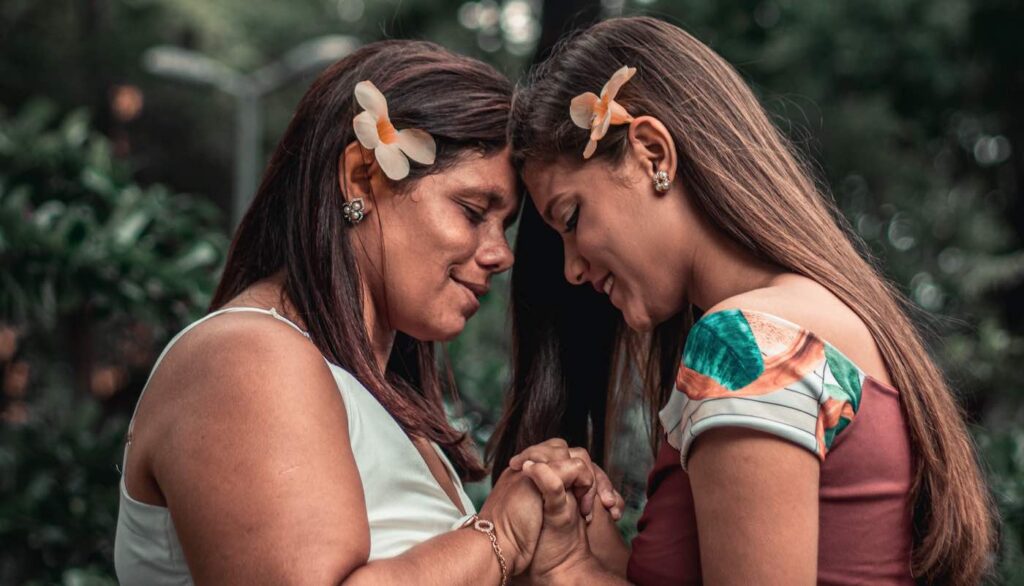
“A mother is the truest friend we have, when trials heavy and sudden fall upon us; when adversity takes the place of prosperity; when friends desert us, still will she cling to us, and endeavor by her kind counsel to dissipate the clouds of darkness.” – Washington Irving

Photo by Jonatas Domingos / Unsplash.

Quote of the Day: “A mother is the truest friend we have, when trials heavy and sudden fall upon us; when adversity takes the place of prosperity; when friends desert us, still will she cling to us, and endeavor by her kind counsel to dissipate the clouds of darkness.” – Washington Irving

Photo: by Jonatas Domingos in Brazil

With a new inspirational quote every day, atop the perfect photo—collected and archived on our Quote of the Day page—why not bookmark GNN.org for a daily uplift?


Sheep vs. Lawnmowers: UC Campus Tests Which is Better to Maintain Grounds

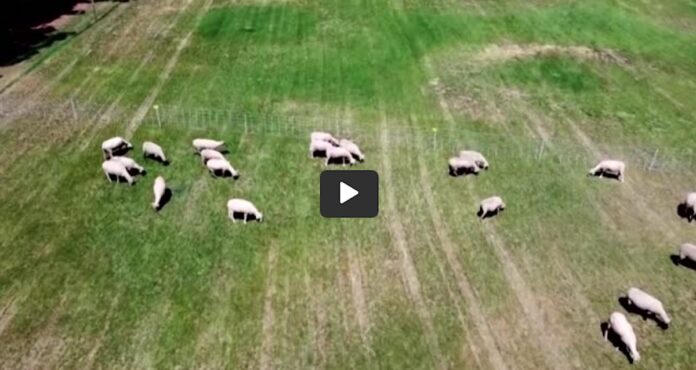
Sheep were grazing the University of California–Davis campus this week in an academic experiment to see if the ewes can eat weeds and grass, fertilize, and control pests, as well as—or better than—using conventional landscaping methods.

The woolly ewes are part of a multidisciplinary study to explore the possibilities of saving the campus money and resources at the same time.

“My interest is taking the science on green infrastructure and sustainability and designing it so it’s interactive, beautiful and practical,” said A. Haven Kiers, assistant professor of landscape architecture in the College of Agricultural and Environmental Sciences, who is leading the project.

Kiers has hired student sheepherders to watch over the sheep’s three-day stay on the grassy area along Old Davis Road, adjacent to the UC Davis Arboretum.

WATCH: World’s Oldest-Known Wild Bird—Named Wisdom—Hatches Another Chick at 70

Kiers is a longtime proponent of green infrastructure such as green roofs you can grow plants on, and urban landscapes that are aesthetically pleasing as well as ecologically productive. The grazing sheep pilot project is a natural outgrowth of that research.

She said she is bringing to the campus her concept of Nature HEALS (for health, engagement, aesthetics, landscapes and sustainability) to emulate a historical practice throughout France—and even at the White House and in Central Park—and bring a pastoral setting to UC Davis, and hopefully spawn that idea for other campuses and municipalities at a grander scale.

The sheep put in a full day’s work from Wednesday to Friday this week, snacking from 8 a.m. to 5 p.m. For the control, the adjacent traditionally-landscaped acre of grassland was maintained by campus in the usual way. The grass height and condition will be assessed on each site before and after grazing.

LOOK: Watch the Thundering Return of Bighorn Sheep to Nevada Land They Haven’t Roamed for 100 Years

There are four breeds of sheep, that are all being used for their wool, taking part in the study: Suffolk, Hampshire, Southdown and Dorset, said Matthew Hayes, who manages the sheep for UC Davis.

No worries about cleanup, either. “It (the manure) only stays for 10 days, and it actually attracts insects that are beneficial for the landscape.”

Watch a Reuters video on the project…

In a proposal she presented to campus, Kiers said, “Sheep can eliminate invasive plants and restore native grasses, reduce carbon emissions, introduce beneficial insects attracted to their waste products, and improve soil health without compacting the soil. Culturally, the addition of sheep to a green space can add pastoral beauty to a site, provide a sense of place, inspire urban agritourism, serve as a living educational tool, and promote mental health.”

RELATED: 220 Sheep Saved From Australian Bushfires After Heroic Pup Herds Them to Safety

There is however, little peer-reviewed evidence to support those claims as they apply to urban lawn landscapes, she added. Kiers aims to change that with her research, which will continue intermittently throughout the summer—and she hopes to spread the idea to other parts of campus—and the world—in the future.

SHARE This Story to Graze on Your Social Media Pages… 

This Week’s Inspiring Horoscopes From Rob Brezsny’s ‘Free Will Astrology’

Our partner Rob Brezsny provides his weekly wisdom to enlighten our thinking and motivate our mood. Rob’s Free Will Astrology, is a syndicated weekly column appearing in over a hundred publications. He is also the author of Pronoia Is the Antidote for Paranoia: How All of Creation Is Conspiring To Shower You with Blessings. (A free preview of the book is available here.)

Here is your weekly horoscope…
FREE WILL ASTROLOGY – Week beginning May 7, 2021
Copyright by Rob Brezsny, FreeWillAstrology.com
TAURUS (April 20-May 20):
Taurus poet Vera Pavlova writes, “Why is the word yes so brief? It should be the longest, the hardest, so that you could not decide in an instant to say it, so that upon reflection you could stop in the middle of saying it.” I suppose it makes sense for her to express such an attitude, given the fact that she never had a happy experience until she was 20 years old, and that furthermore, this happiness was “unbearable.” (She confessed these sad truths in an interview.) But I hope you won’t adopt her hard-edged skepticism toward YES anytime soon, Taurus. In my view, it’s time for you to become a connoisseur of YES, a brave explorer of the bright mysteries of YES, an exuberant perpetrator of YES.

GEMINI (May 21-June 20):
In indigenous cultures from West Africa to Finland to China, folklore describes foxes as crafty tricksters with magical powers. Sometimes they’re thought of as perpetrators of pranks, but more often they are considered helpful messengers or intelligent allies. I propose that you regard the fox as your spirit creature for the foreseeable future. I think you will benefit from the influence of your inner fox—the wild part of you that is ingenious, cunning, and resourceful.
CANCER (June 21-July 22):
“The universe conspires in your favor,” writes author Neale Donald Welsch. “It consistently places before you the right and perfect people, circumstances, and situations with which to answer life’s only question: ‘Who are you?'” In my book Pronoia Is the Antidote for Paranoia: How the Whole World Is Conspiring to Shower You with Blessings, I say much the same thing, although I mention two further questions that life regularly asks, which are: 1. What can you do next to liberate yourself from some of your suffering? 2. What can you do next to reduce the suffering of others, even by a little? As you enter a phase when you’ll get ample cosmic help in diminishing suffering and defining who you are, I hope you meditate on these questions every day.
LEO (July 23-Aug. 22):
The poet Anne Sexton wrote a letter to a Benedictine monk whose real identity she kept secret from the rest of us. She told him, “There are a few great souls in my life. They are not many. They are few. You are one.” In this spirit, Leo, and in accordance with astrological omens, I invite you to take an inventory of the great souls in your life: the people you admire and respect and learn from and feel grateful for; people with high integrity and noble intentions; people who are generous with their precious gifts. When you’ve compiled your list, I encourage you to do as Sexton did: Express your appreciation; perhaps even send no-strings-attached gifts. Doing these things will have a profoundly healing effect on you.

VIRGO (Aug. 23-Sept. 22):
“It’s a temptation for any intelligent person to try to murder the primitive, emotive, appetitive self,” writes author Donna Tartt. “But that is a mistake. Because it is dangerous to ignore the existence of the irrational.” I’m sending this message out to you, Virgo, because in the coming weeks it will be crucial for you to honor the parts of your life that can’t be managed through rational thought alone. I suggest you have sacred fun as you exult in the mysterious, welcome the numinous, explore the wildness within you, unrepress big feelings you’ve buried, and marvel adoringly about your deepest yearnings.
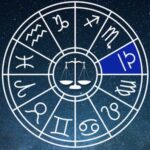
LIBRA (Sept. 23-Oct. 22):
Science writer Sharman Apt Russell provides counsel that I think you should consider adopting in the coming days. The psychospiritual healing you require probably won’t be available through the normal means, so some version of her proposal may be useful: “We may need to be cured by flowers. We may need to strip naked and let the petals fall on our shoulders, down our bellies, against our thighs. We may need to lie naked in fields of wildflowers. We may need to walk naked through beauty. We may need to walk naked through color. We may need to walk naked through scent.”

SCORPIO (Oct. 23-Nov. 21):
As Scorpio author Margaret Atwood reminds us, “Water is not a solid wall; it will not stop you. But water always goes where it wants to go, and nothing in the end can stand against it.” According to my reading of the astrological omens, being like water will be an excellent strategy for you to embrace during the coming weeks. “Water is patient,” Atwood continues. “Dripping water wears away a stone. Remember you are half water. If you can’t go through an obstacle, go around it. Water does.”
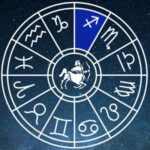
SAGITTARIUS (Nov. 22-Dec. 21):
In a letter to a friend in 1856, Sagittarian poet Emily Dickinson confessed she was feeling discombobulated because of a recent move to a new home. She hoped she would soon regain her bearings. “I am out with lanterns, looking for myself,” she quipped, adding that she couldn’t help laughing at her disorientation. She signed the letter “From your mad Emilie,” intentionally misspelling her own name. I’d love it if you approached your current doubt and uncertainty with a similar light-heartedness and poise. (PS: Soon after writing this letter, Dickinson began her career as a poet in earnest, reading extensively and finishing an average of one poem every day for many years.)
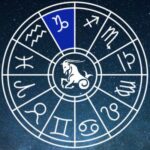
CAPRICORN (Dec. 22-Jan. 19):
Now is a favorable time to celebrate both life’s changeableness and your own. The way we are all constantly called on to adjust to unceasing transformations can sometimes be a wearying chore, but I suspect it could be at least interesting and possibly even exhilarating for you in the coming weeks. For inspiration, study this message from the “Welcome to Night Vale” podcast: “You are never the same twice, and much of your unhappiness comes from trying to pretend that you are. Accept that you are different each day, and do so joyfully, recognizing it for the gift it is. Work within the desires and goals of the person you are currently, until you aren’t that person anymore.”
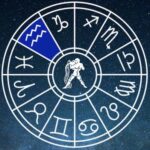
AQUARIUS (Jan. 20-Feb. 18):
Aquarian author Toni Morrison described two varieties of loneliness. The first “is a loneliness that can be rocked. Arms crossed, knees drawn up; holding, holding on, this motion smooths and contains the rocker.” The second “is a loneliness that roams. No rocking can hold it down. It is alive, on its own.” Neither kind is better or worse, of course, and both are sometimes necessary as a strategy for self-renewal—as a means for deepening and fine-tuning one’s relationship with oneself. I recommend either or both for you in the coming weeks.
PISCES (Feb. 19-March 20):
The valet to England’s Prince Charles puts toothpaste on his toothbrush and washes all of his clothes by hand. I could conceivably interpret the current astrological omens to mean that you should pursue similar behavior in the coming weeks. I could, but I won’t. Instead, I will suggest that you solicit help about truly important matters, not meaningless trivia like shoelace ironing. For example, I urge you to ask for the support you need as you build bridges, seek harmony, and make interesting connections.
ARIES (March 21-April 19):
Created by Leonardo da Vinci in the 16th century, the Mona Lisa is one of the world’s most famous paintings. It’s hanging in the Louvre museum in Paris. In that same museum is a less renowned version of the Mona Lisa. It depicts the same woman, but she’s unclothed. Made by da Vinci’s student. Renaissance artists commonly created “heavenly” and “vulgar” versions of the same subject. I suggest that in the coming weeks you opt favoring what’s earthy, raw, and unadorned—over what’s spectacular, idealized, and polished—as your metaphor of power.

WANT MORE? Listen to Rob’s EXPANDED AUDIO HOROSCOPES, 4-5 minute meditations on the current state of your destiny — or subscribe to his unique daily text message service at: RealAstrology.com

(Zodiac images by Numerologysign.com, CC license)

SHARE The Wisdom With Friends Who Are Stars in Your Life on Social Media…

Luxury Hotel Chain Thanks 100 Healthcare Heroes With All-Inclusive Vacations

These days, heroes come with face masks instead of capes—but a luxury resort chain in Mexico has rewarded 100 health care superheroes with free spa vacations to say thank you for their great hearts during the worldwide pandemic.

The last year of COVID has put their professionalism, resilience, and determination to be of help to others on full display.

As a token of appreciation for all their hard work—and even putting their lives at risk—Velas Resorts is giving 100 healthcare heroes a much-deserve vacation on a Mexican beach.

During April the public voted for their favorite stories among 350 nominations, choosing who would get the chance for an all-inclusive stay of 4 days and 3 nights in the luxury resort, with food and drinks prepared by its premiere chefs and restaurants.

The campaign, called “Let’s Be Thankful” unearthed heartwarming and inspiring stories included that of M. Snider, a practitioner nurse, and mother of two daughters, 3 and 5, who has worked extra shifts to cover colleagues having Covid-19 causing her to miss valuable time with her children in their younger years.

POPULAR: Couple Spends Nearly $100k Turning School Bus Into Dream Home — Now They’re Raffling It Off

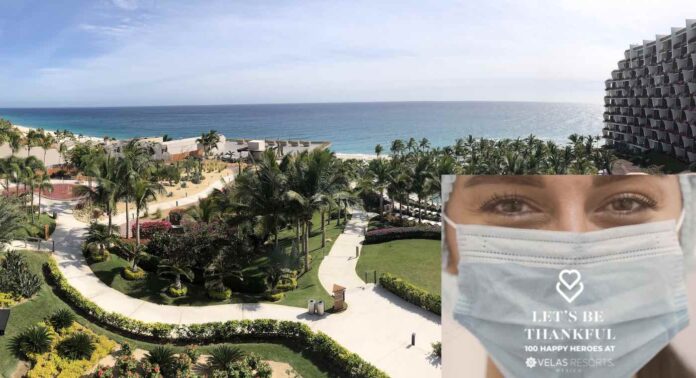
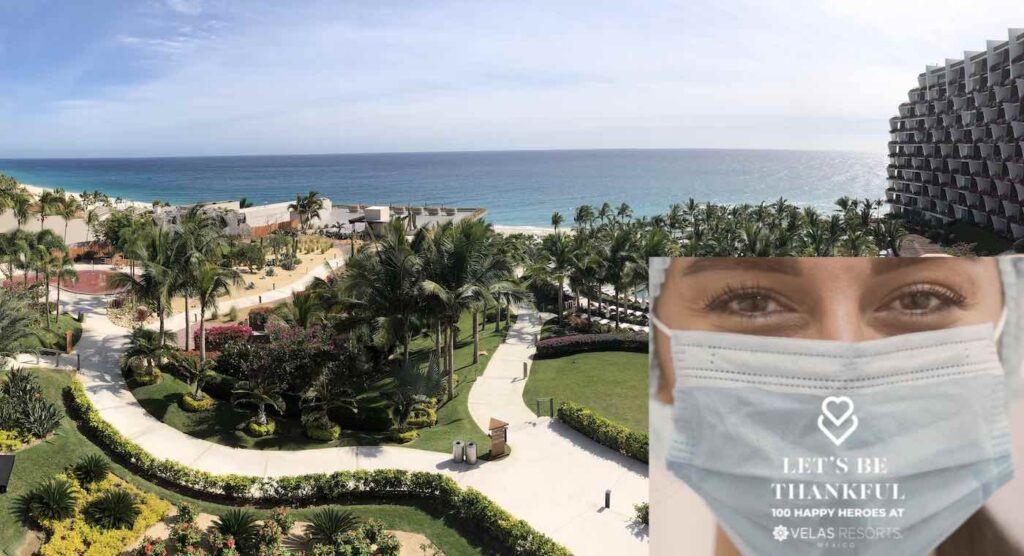
The voting period closed on April 30th and last week the 100 heroes were announced, and received their vouchers for the Velas Vallarta resort in Puerto Vallarta. Other Velas resort properties include Los Cabos (pictured bleow), Riviera Maya, and Riviera Nayarit.

Velas Resort in Cabo

Mexican airline Aeromexico joined in the initiative to give away roundtrip flights for the medical personnel chosen.

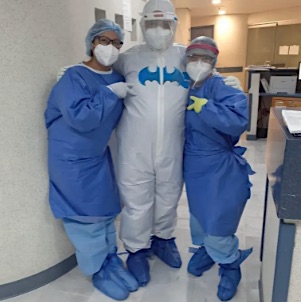
Carlos Alberto Espinoza Casillas was one of the winners. His nomination included a photo describing the neurosurgeon’s habit of wearing a special Batman adorned suit he created to give hope to his patients.

Velas resorts

The nomination for Dr. Vanessa Hernandez of Monterrey, Mexico read, “She became our own ‘Dr. Fauci,’ giving clear guidance and directives, administering hundreds of COVID tests, running contact tracing operations and keeping our operation (with 1000 employees) functioning and safe, preserving the well-being and livelihood of our employees.”

“She has worked tirelessly for the last year, even when her husband was hospitalized with COVID. As a frequent visitor to Velas resorts, I know that she would love it and deserves a few days in paradise.”

RELATED: Research Says That the Simple Act of Planning a Trip Can Help Boost Your Mental Health

Dr. Yannick Poulin. Dr. Poulin has been working in the intensive care unit of the Sherbrooke CHUS Hospital for a year without ever taking a vacation. He has been the one who has been taking care of people with COVID with serious symptoms. He has put his personal life on the line every day to help people. What Dr. Poulin wanted us to remember is that we must cherish every little thing in life and most of all enjoy it… We would like to thank him publicly for his dedication to our patients here in Canada.”

Read more inspiring stories at 100heroes.velasresorts.com.

SHARE the Kindness For Heroes on Social Media…

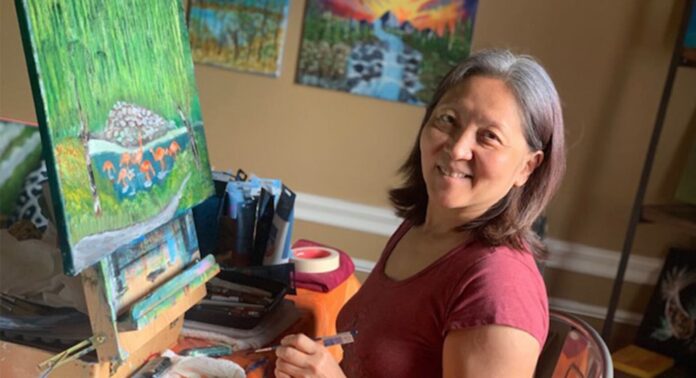
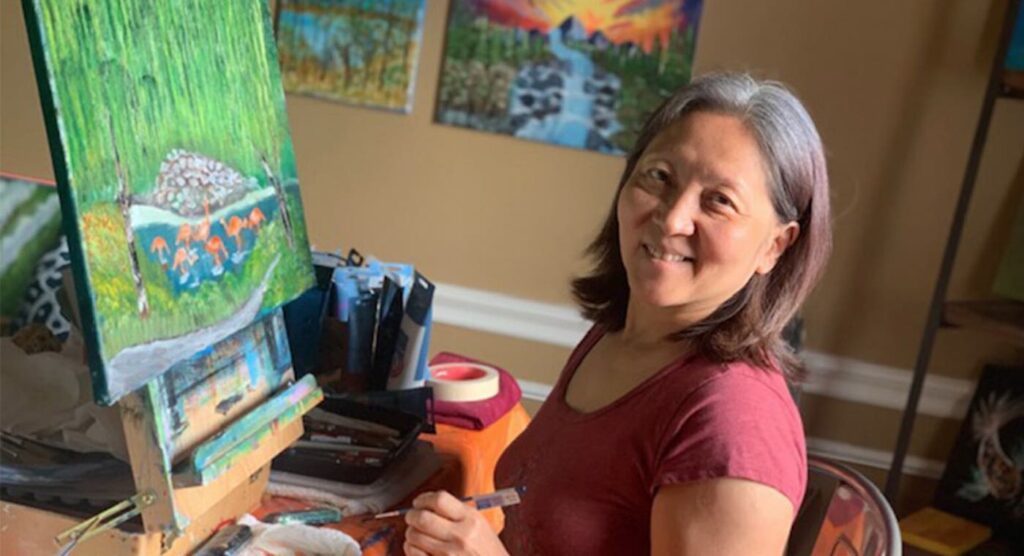
In Learning to Use Her Left Hand Following a Stroke 60-Year Old Chen Lie Discovers She’s an Expert Painter

At the age of 60, Chen Lie suffered a hemorrhagic stroke which arrived “without my invitation or permission.” But the temporary paralysis of her entire right side gave her an opportunity to blossom on her left side.

Without invitation or expectation, a startling new skill would change her life.

As part of her recovery she had to re-learn how to do everything—from brushing her teeth to using a fork or pen—with her left hand, resulting in much frustration.

One day in a fit of boredom, and for the first time in her life, she picked up one of her grandchild’s paint brushes and just started putting color on the canvass. Happiness dawned on Chen as she suddenly could paint lovely natural scenery, despite having never painted or practiced a day in her life.

“I never picked up the paint brush before,” Chen told Good News Network. “I had nothing else to do so I just picked up the paint brush, and I just tried to put the color on the paper.”

The brush stroke

After her 2017 stroke, Chen completed in-patient therapy in Texas before moving to New York to enroll in an experimental robotic-assisted therapy program at the Feinstein Institutes for Medical Research on Long Island in late 2018.

The robotic arm essentially allowed Chen to complete far more repetitions in physical therapy then would be possible without it, allowing her to regain movement faster.

“Every time we recovered something [during rehab] we would tell them the good news,” Chen said. “They thought it was a wonder I could do something like painting.”

LOOK: Art Historians Discover Place Where Van Gogh Painted His Last Masterpiece

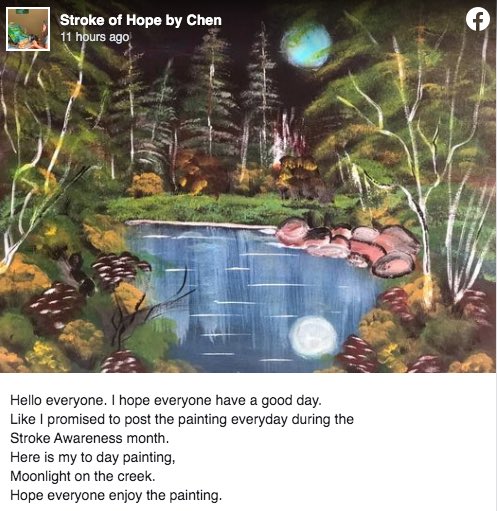
Chen—whose favorite painters include America’s beloved Bob Ross—has completed a whopping 500 paintings to date. During the month of May, which is National Stroke Awareness Month, she is painting one every day and posting a picture of it on her professional artist/advocacy Facebook page, Stroke of Hope, to help raise awareness.

“Actually, at the beginning I just put the colors on the canvass and then the more and more I did it, I read about how to paint, I read about color; it’s a lot of research for me to do,” says Chen, who considers it something like an occupation at this point.

“I’ve gained a lot of knowledge, so besides the hand painting, the brain keeps thinking; that’s good for stroke [victims] to not let the brain rest; keep thinking; keep searching for the knowledge.”

A stroke of hope

The influence of Bob Ross is there to see in a professional video her family made telling her story, while she uses “the ole’ fan brush,” as the gentle man himself used to say, to effortlessly paint evergreen trees covered in snow.

Chen Lie painting, Stroke of Hope – FB

The first post she made on Facebook was of an image of Cabo San Lucas in Mexico City, which she described as “top of my travel list.”

“I’ve never seen her paint,” says Chen’s daughter Liana. “Growing up she was always busy working, I never even saw her have a minute to do any of her hobbies. And now after the stroke it’s nice to see her doing something she loves.”

“It’s like a job for her! She’ll sit early in the morning, five days a week, the dedication is that real and that strong that she’ll sit in the morning, take a [lunch] break, rest a little bit, and go back into it,” she told GNN.

POPULAR: Amazing Bubble Wrap Artist Creates Masterpieces by Injecting Paint Into Each Bubble

Stroke Awareness Oregon had contacted the family to see if it were possible to include in an auction some of her paintings to raise money for awareness and rapid response programs for stroke victims in the state.

“It goes to a good cause, which is what mom’s dream really is with the Stroke of Hope, really putting the word out there that it’s not over once you have the stroke.” said Liana.

WATCH her inspiring stories and see some paintings…
SHARE the Hope And Beauty For Stroke Awareness Month…

“When one door closes, another opens; but we often look so long and so regretfully upon the closed door that we do not see the one that has opened for us.” – Alexander Graham Bell

Quote of the Day: “When one door closes, another opens; but we often look so long and so regretfully upon the closed door that we do not see the one that has opened for us.” – Alexander Graham Bell

Photo: by Marita Kavelashvili

With a new inspirational quote every day, atop the perfect photo—collected and archived on our Quote of the Day page—why not bookmark GNN.org for a daily uplift?