Quote of the Day: “How important it is in life not necessarily to be strong, but to feel strong… to measure yourself at least once.” – Jon Krakauer
Photo: by Hudson Hintze
With a new inspirational quote every day, atop the perfect photo—collected and archived on our Quote of the Day page—why not bookmark GNN.org for a daily uplift?
When a pet goes missing, owners frantically search every Lost & Found website, bombard social media with pleas for help, and post rewards in hopes their fur baby will find its way home. Stories with happy endings are always the best ones—but this tale has a twist.
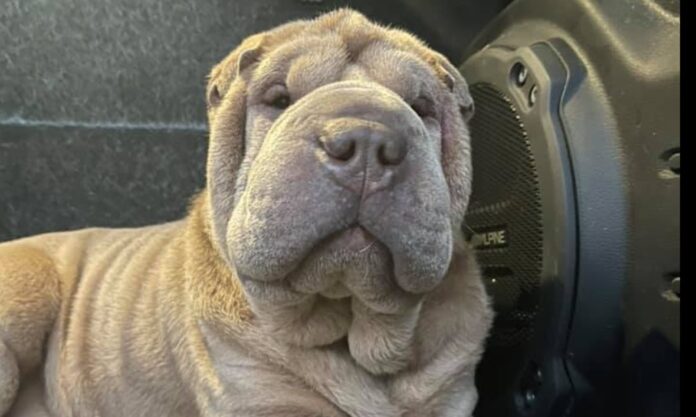
Brayden Morton’s Shar-Pei Darla didn’t just disappear, she was dognapped outside his home in Cranston, British Colombia. Her abductors loaded her into a pickup truck and drove off.
Morton immediately posted word of the incident to social media. It was shared more than 30,000 times. A $5,000 reward offer followed.
Lots of tips poured in but when Morton got a call from a woman who sounded clearly distraught—he could hear her crying in the background—he knew he’d found the dognapper.
Instead of lashing out, he comforted and reassured the woman instead. They arranged to meet at the parking lot of a local mall. The woman, still in tears, gave Darla back to Morton and apologized. She hadn’t acted alone, but she was truly remorseful for her role in the crime.
Looking at her, Morton had an epiphany. He realized she was a drug user—she admitted the whole plot was a means to get money to buy drugs—and the reason Morton knew was that he’d once been an addict himself.
Clean and sober since May of 2015, Morton’s personal journey back from addiction began at the Top of the World Ranch Treatment Center. After successfully completing the program there, Morton took a volunteer staff position.
Eventually, he went on to become an intervention counselor working in the field. (These days, he runs Find the Right Rehab, a company whose goal is to pair addicts with facilities that will afford them the best possible treatment outcomes.)
Morton had the reward money with him when he went to collect Darla, but rather than hand it over to the woman, Morton gave her what might turn out to be a life-changing choice instead: If she was willing to go into rehab treatment, he’d pay for it.
They’ve been talking it over since that day, and he’s waiting to hear back on what she’s decided. Even knowing from his own experience that an addict will quit only when he or she is truly ready, Morton remains hopeful she’ll take him up on the offer.
But there’s more to the story. While Morton was searching for Darla, a tipster had given him information on another possible suspect. Morton was able to track the man down but learned he wasn’t involved in the dognapping. He was, however, down on his luck and had no place to live.
As an act of kindness, Morton paid for a week’s stay at a hotel. From there, thanks to social media, the good deed snowballed. Once they learned of his generosity, not only did Morton’s Facebook cronies pick up the tab for another week’s rent, they found the man a job.
For a tale that started out so badly, this one continues to unfold in unexpected and heartening directions. For Morton, being reunited with his beloved dog is truly a blessing, but it’s not the only one he’s taken away from the experience.
The road to recovery is long and hard, and without a safety net, homelessness can happen to almost anyone, sober or not. Having the ability to connect with people who are still struggling as he once did and being able to make a difference in their lives has given Morton a unique perspective that’s made him truly thankful.
“I would say honestly, more than anything… it was exactly what I needed in my life at that point in time. Those people helped me immensely. [They] really warmed my heart and humbled me,” Morton told the Cranbrook Daily Townsman. “I’m just as grateful for those two relationships that I made in this whole ordeal and I’m happy that I was able to meet [them].”
SHARE This PAWsome Story of Real Generosity With Pals…
Nearly six in 10 American kids admit to stealing one of their parent’s old outfits to wear to school, according to a new poll.
A survey of 1,000 kids ages 5-18, and their parents, reveals that nostalgia for the fashion of their parents’ era is strong—with three in four kids saying they think their parents’ sense of style as a teenager was actually “cool.”
Kids aren’t just longing for styles of the past, but implementing them into their own wardrobes, with 63% of kids saying that they love retro fashion and find inspiration from the past for their daily school outfits.
And 67% said they would take “mom jeans” over skinny jeans any day.
Parents have noticed this “retro and reimagined” phenomenon, too. Four in five parents polled say they often see their kids wearing an outfit similar to one they would have worn when they were in school.
This back-to-school season, retro styles, DIY self-expression, and personalization are emerging as key trends, and 99% of parents say it’s at least somewhat important to involve their kids in purchasing decisions when it comes to back to school shopping.
More than half (51%) also think their child’s generation actually has a better fashion sense than their own.
Yet, the survey, conducted by OnePoll on behalf of Zulily, found that it’s not just retro styles that are trending this back-to-school season.
A second phenomenon revealed by the poll shows that kids see style as a way to express their confidence.
Ninety percent think being able to express their personal style helps them feel more productive at school, and nearly half of kids (48%) think a cool or fashionable outfit is essential to their success at school.
More importantly, wearing new clothes brings joy to most kids (79%) and helps 57% feel more confident.
Additionally, ninety percent of kids said it is important for them to define their unique personal style to set them apart from their peers.
Another nine in ten feel that how they dress is an expression of their personal brand, sparking the “glue guns and glitter bombs” trend toward customization and personalization.
Seventy percent (70%) of kids say they add personal touches to articles of clothing to make them feel more distinctively special.
And outfits make an impression; 41% of kids polled said they’re likely to notice other kids’ outfits at school.
A world-first, pain-free diabetes test could soon be in the hands of consumers following $6.3 million in funding to establish the first manufacturing facility for the device.
Funded by the Australian Government’s Modern Manufacturing Initiative, the world-class facility will help transition two decades of lab research to retail shelves to benefit more than 460 million people living with diabetes globally.
University of Newcastle physicist and research leader, Professor Paul Dastoor said the first devices are due to roll off the production line by 2023.
For patients afflicted with diabetes, who have up till now had to finger prick multiple times a day in order to monitor their glucose levels, this grant could not have come at a more appropriate time.
Saliva glucose biosensor: How it works
The saliva test makes painful finger-prick testing for type 1 and type 2 diabetes obsolete, representing the first major innovation since the blood glucose test was developed in the 1960s.
Professor Dastoor attributes this, in part, to inspiration from his wife, who as a primary school teacher helped young children in her care to monitor their blood glucose levels.
“It’s a heartbreaking scenario when the lunch bell rings and everyone runs to the playground, bar an unfortunate few who stay back to surrender their finger for blood testing at every meal time,” Professor Dastoor said.
“Our vision was to create a world where no one needs to bleed in order to eat.”
With saliva glucose concentrations 100 times lower than in blood, this was easier said than done.
“One of our key challenges was the sheer unavailability of glucose in saliva. It exists in minute concentrations, so you need to develop an incredibly powerful platform to detect it. Saliva also contains a plethora of other substances, so you’ve then got to tune out a lot of ‘noise’ to ensure results are accurate,” Professor Dastoor said.
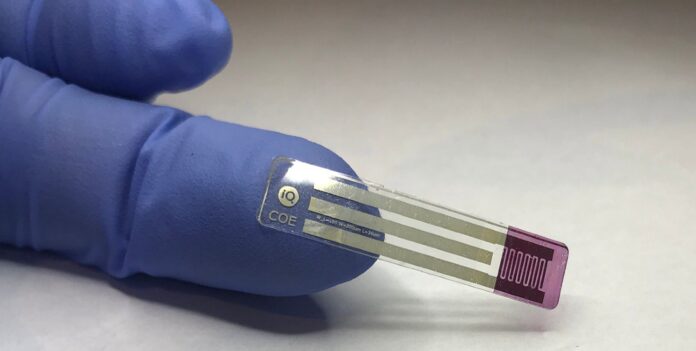
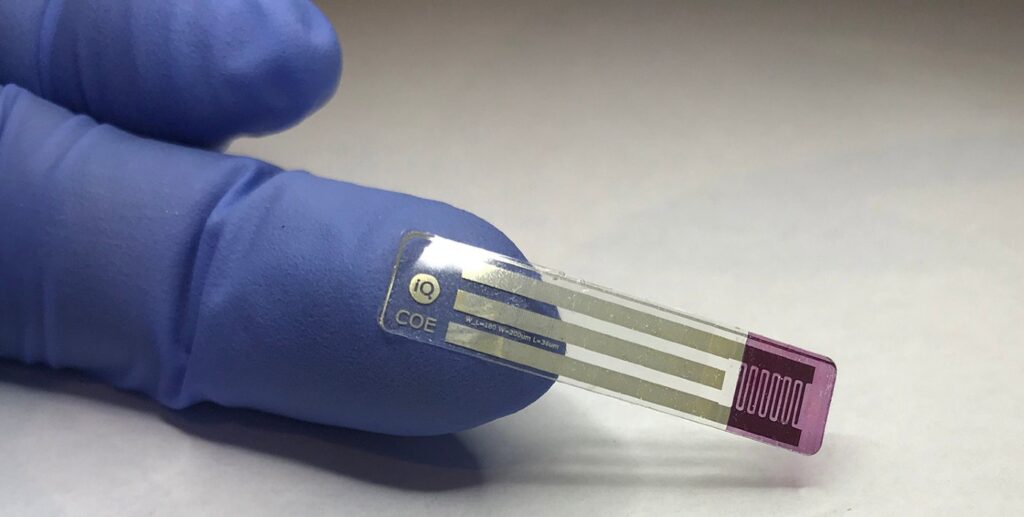
Professor Dastoor said the sensor, similar in size to a stick of chewing gum and considerably thinner, was incredibly powerful, detecting substances that exist in saliva in minute concentrations.
“With this highly sensitive platform, we can now detect glucose at the levels found in saliva, for the first time,” he explained.
Coated with a natural enzyme—Glucose Oxidase—the biosensor interacts with saliva, producing a reaction that generates an electrical current. This current can be detected and measured to reveal highly accurate glucose levels which could be delivered via a smartphone app and the data stored in the cloud.
Other applications
Professor Dastoor said the sensor could be developed for application across 130 indications including tumour markers, hormones, and allergens.
“The biosensor is a ‘platform technology’, which means it will be widely applicable to detect a variety of substances that identify a range of diseases. We’re already looking for the substances that identify cancer, hormones and allergies,” he explained.
The sensor could also help with new diagnostic tests urgently needed to help eradicate COVID-19. (His team are partnering with the Wyss Institute for Biologically Inspired Engineering at Harvard University to help develop the sensor platform as a non-invasive COVID test.)
“The Wyss Institute have developed a clever antifouling coating that can be incorporated into the biosensor platform, offering a new diagnostic tool for COVID-19 that can be printed onto plastic strips at massive scale.”
“To see the biosensor on shelves, changing lives will be immensely satisfying, it’s why we do the work we do,” Professor Dastoor said of this next step for his team’s breakthrough technology.
(WATCH the University of Newcastle video for this story below.)
A kid moved away from his friends and the familiarity of New Jersey to California, then immediately grabbed a local problem by the scruff of the neck with a brilliant invention.
Along with potentially winning himself a career in advertisement television with an excellent reveal video and excitable timbre, an 11th grade San Francisco student has invented a fire-activated extinguisher to protect the property of those he loves now that he lives in a state that has a wildfire “season.”
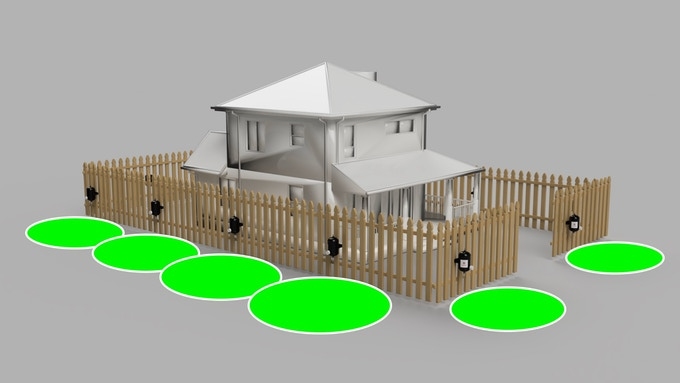
A single device is capable of protecting fire-risk areas in one’s house, while multiple can form a defensive perimeter around one’s entire property against low to moderate intensity fires.
“Over the past three years, there have been almost 7,500,000 acres of wildfire in California alone, destroying nearly 50,000 structures,” describes Arul Mathur, inventor of the Fire-Activated-Canister-Extinguisher, or F.A.C.E.
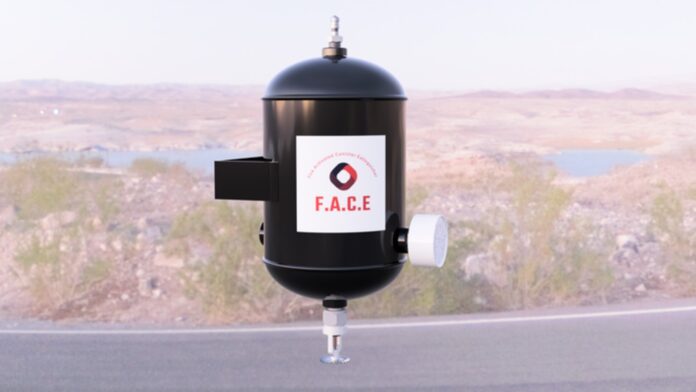
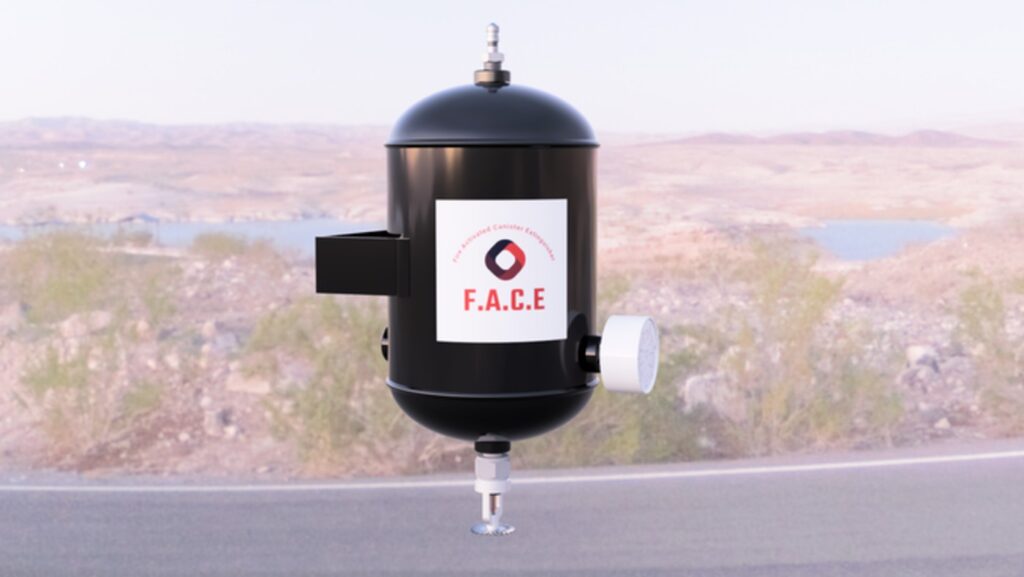
When a sensor on the device heats up to a certain temperature, a glycerin element bursts within, releasing an eco-friendly fire-retardant spray 5-6 feet in all directions with the aid of a sprinkler. The retardant can be re-filled quite easily, and the only other human-controlled aspect is the initial introduction of air-pressure into the canister which can be done manually through a valve at the top.
Mathur planned to introduce the device via Kickstarter, which saw his goal of $10,000 reached in less than a day, and came with an offer of $99 for F.A.C.E, that will now go up on retail for $120 when production begins.
F.A.C.E; Kickstarter
The only existing market alternative for F.A.C.E is a manual extinguisher, or an automatic sprinkler system, which unless it can be installed during construction of the house, will normally cost between $1 to $3 dollars per square foot, amounting to many thousands for a family home.
Mathur wrote in his Kickstarter that every penny of profit will go to providing F.A.C.E. donations to fire risk areas. Indeed 5-6 feet of spray isn’t enough to stop large fires, but if enough are placed in strategic areas, neighborhoods or rural communities can work together to prevent brush fires from becoming wildfires, or living room fires from becoming house fires.
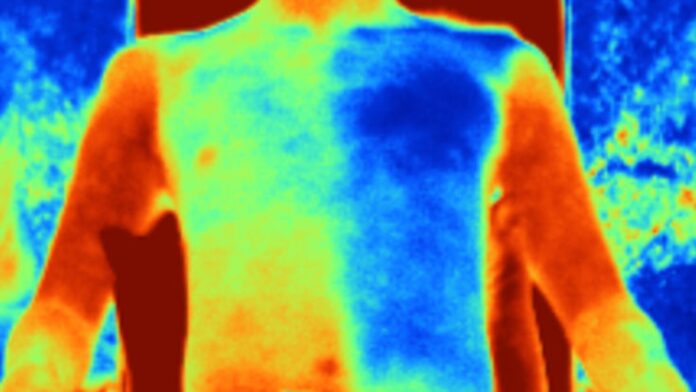
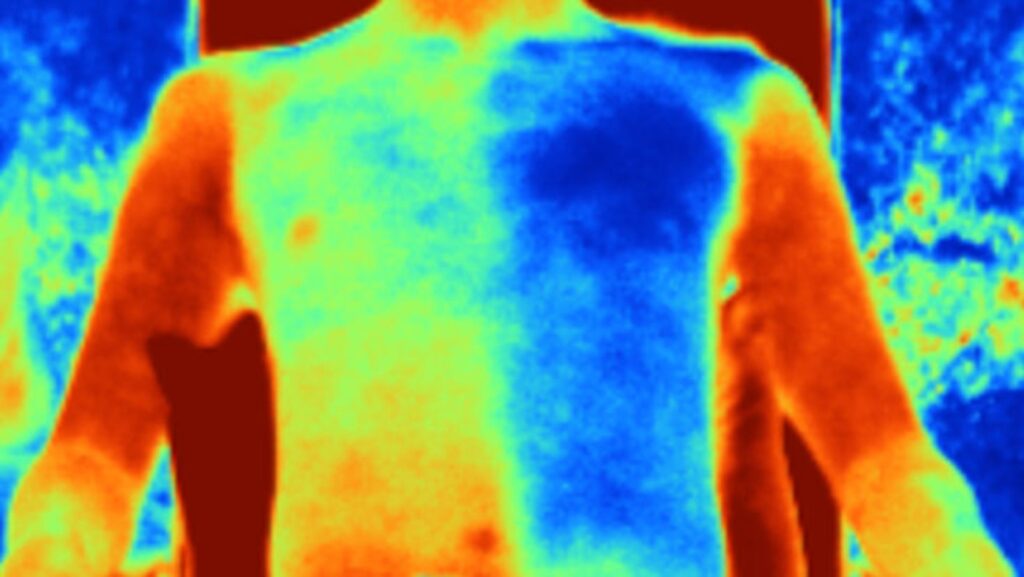
Infrared shows the effectiveness of the new material (R) compared to regular cotton (L); S. Zheng et. al, Science 2021
It’s pretty easy to make clothing designed to keep you warm, either with natural inspirations or synthetic designs, but making something designed to keep you cool is much harder.
While objects like cars and buildings can be coated in ultra-white paint or mirrors that reflect the sun’s rays, a pair of Chinese scientists have figured out how to make a normal t-shirt keep your skin temperature 5°C cooler.
The scientists say it can be mass produced at only a fractional increase in cost, promising a generation of outdoor workers or beachgoers a way to ease the effects of unmitigated climate change.
Within the rays of the sun, near-infrared electromagnetic radiation (NIR) is one component that heats up whatever the sun sets its gaze on. They also cool when they are emitted, but if water vapor is in the air, the NIR are absorbed within and keep the surrounding air temperature hot.
Human skin naturally emits a different electromagnetic radiation, called mid-infrared, which instead of being trapped in water particles, goes directly out of our atmosphere.
Ma Yaoguang of Zhejiang University and Tao Guangming of Huazhong University of Science and Technology created a synthetic fiber blend that contains particles of titanium dioxide to reflect the NIR, and that also contains polylactic acid which absorbs body heat and ejects it through the shirt as MIR to cool the wearer.
When a trialist donned a vest, half of which was white cotton and the other half the cooling fabric, thermal imaging showed the part of his body underneath the artificial fabric remained 5°C (9°F) cooler after he sat in a lawn chair under the sun for an hour.
Infrared shows the effectiveness of the new material (R) compared to regular cotton (L); S. Zheng et. al, Science 2021, 10.1126
There’s some doubt, reports Science, of whether the motion of fabric will diminish the effect, as MIR-emitting material of any kind has only ever been tested when it remains flat and motionless towards the sun. A billowing t-shirt curved to the shoulders and arms of a human being may result in different outcomes over a vertical midday sun.
But the scientists also noted that material and production costs are only about a tenth higher than cotton, so anything that gets us closer to protective clothing for hot periods is hopeful indeed.
HELP Pals Cool Down in the Heat; Share This Promising Story…
Quote of the Day: “The fishermen know that the sea is dangerous and the storm terrible, but they have never found these dangers sufficient reason for remaining ashore.” – Vincent Van Gogh
Photo: by Thomas Lipke
With a new inspirational quote every day, atop the perfect photo—collected and archived on our Quote of the Day page—why not bookmark GNN.org for a daily uplift?
This is the heartwarming moment villagers showed great teamwork to retrieve a crashed pickup truck from a steep hill.
The vehicle was traveling along the slope when the driver lost control and skidded off the dirt road in Chiang Mai province in northern Thailand.
More than fifty locals volunteered to pull the old vehicle that rolled over the hills and was stuck on the edge of a cabbage field terrace.
They helped the driver out of the truck before trying thick ropes around the truck to pull it. After almost an hour, the vehicle was successfully towed back to the road.
Resident Malinee Laowang, a niece of the driver, said: “I saw the pickup truck toppled down the hill and flipped multiple times.”
“I remember running towards the car and smashing the windows open with a rock to let my relative out. More villagers came to help us even without asking.”
Malinee’s uncle narrowly survived the crash and only suffered minor cuts and bruises and the car was dragged back to the driver’s home.
Malinee added: ‘My uncle was not seriously hurt and his car would be repaired. I would like to thank the villagers for helping us out.’
(WATCH the video for this story below.)
SHARE This Awesome Act of Kindness With Pals on Social Media…
Setting goals and achieving them is the path that’s transformed one Olympic contender from a 17-year-old with a gig under the “golden arches” to a world-class athlete taking her shot at bringing home a gold medal at the Tokyo games.
Quanesha Burks was raised by her grandparents. As a teen, she worked long hours at McDonald’s, earning what she could to help support her family. Even so, she says she happily went to work each day because she saw her labors as an investment in a bigger game plan that included attending college.
From early on, Burks excelled at sports. In high school, she realized her athletic prowess might be the ticket to a college scholarship. Initially, her choice of sport was a toss-up between basketball and track, but once she’d taken third at the 2012 USATF National Junior Olympics, her course was set.
After researching the requirements for a full ride, Burks set her goals down on paper and stuck to them. By the time she graduated from Hartselle High School, she’d earned 11 state track titles and a scholarship to the University of Alabama.
With an impressive NCAA indoor long jump title in 2015 followed by an outdoor win in 2016, Burks racked up All-America Honors, but even with her many achievements, her road to the Olympics has had its own share of hurdles.
In 2018, Burks finished a disappointing fourth at the World Athletics Indoor Championships. The following year, her beloved grandfather passed away one week prior to the U.S. Outdoor Track and Field Championships. Understandably, her performance suffered.
By the time 2020 rolled around, Burks was back in a winning groove. Then the COVID-19 pandemic shut down most sporting events, leaving her and other hopeful athletes in limbo. She continued to train until a bone injury sidelined her for nearly three months.
“It felt like all the odds were against me,” Burks told Sports Illustrated. “At one point, my coach told me, ‘I don’t know if you’re going to physically be able to go to the trials.’ The doctors didn’t know if I would be back in time… I was facing so much, but I kept going back to when I worked at McDonald’s. I had my goals set and I knew I could do it.”
Although forced to refrain from her usual rigorous activities, Burks remained determined to achieve her Olympic dreams. To keep her spirits up, she recorded a series of positive affirmations and posted them to her TikTok page.
During the trials for the Tokyo Olympics, her tenacity paid off. At age 25, with a long-jump personal best of 6.96 meters, Burks took an overall third, securing her spot on the Team USA roster.
“It’s a blessing to be like one from my hometown in a small community, really just representing myself, but Hartselle, the University of Alabama and the state of Alabama,” Burks told CBS News-19. “Knowing that I’m representing us in Tokyo is just a blessing, it’s an honor and I’m so proud of the other Olympians.”
While Quanesha Burks is well aware she might not be a high-profile as some of her teammates, she reasons it’s because she’s taken a different path to get where she is—and that’s fine with her.
“I didn’t have everything laid out for me. I didn’t have all the eyes on me. I feel like still to this day I get overlooked. That’s okay,” she told Sports Illustrated. “I just know it all starts with your confidence within. Everything I’ve become is because of my mindset and my determination… It’s been a journey and it all started with a little girl working at McDonald’s and here I am.”
Although scoring the cover of a Wheaties box would be nice, even if she doesn’t medal at Tokyo, Burks hopes it’s her legacy of hard work and determination that will ultimately serve as an inspiration for other up-and-coming Olympians working a day job until they can live the dream.
And who needs “special sauce” when you’ve got that?
SHARE the Hope—Pass on This Inspiring Story to Others…
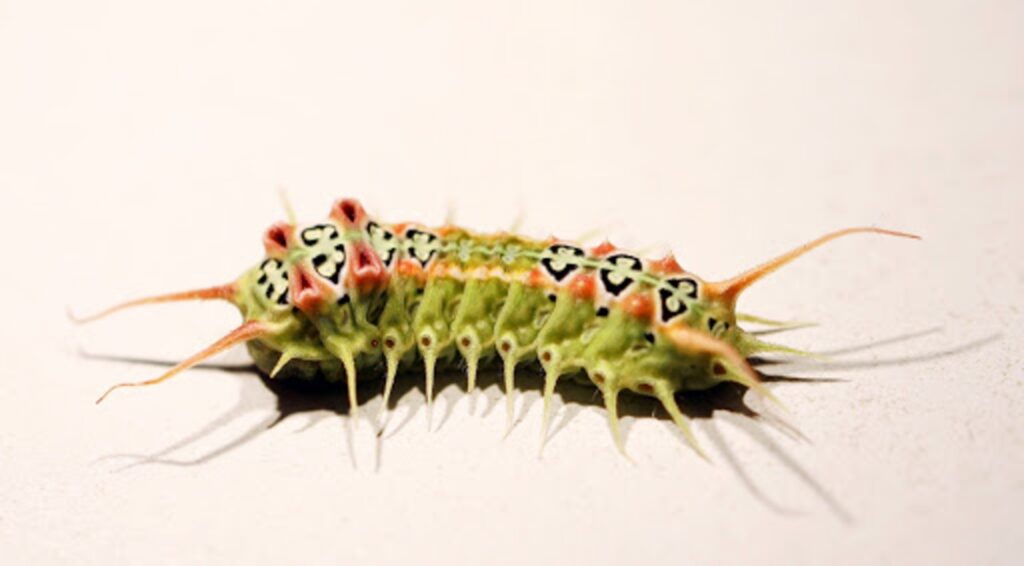
The venom of one Australian caterpillar shows promise for use in medicines and pest control, researchers say.
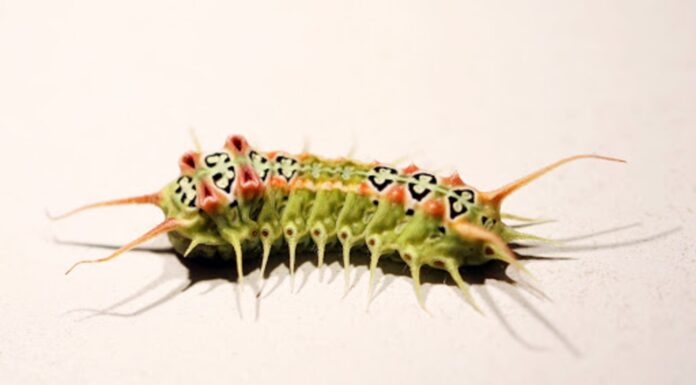
The Doratifera vulnerans is common to large parts of Queensland’s south-east and is routinely found in Toohey Forest Park on Brisbane’s southside.
Dr Andrew Walker at the Institute for Molecular Bioscience has been researching the striking looking caterpillar since 2017.
Venomous caterpillar has strange biology
“We found one while collecting assassin bugs near Toowoomba and its strange biology and pain-causing venom fascinated me,” Dr Walker said.
Unlike The Very Hungry Caterpillar that charmed generations of children around the world, this caterpillar is far from harmless.
“Its binomial name means ‘bearer of gifts of wounds’,” Dr Walker said.
Caterpillar venom similar to spiders
Dr Walker’s research found the caterpillar has venom toxins with a molecular structure similar to those produced by spiders, wasps, bees, and ants.
The research also unlocked a source of bioactive peptides that may have uses in medicine, biotechnology or as scientific tools.
“Many caterpillars produce pain-inducing venoms and have evolved biological defences such as irritative hairs, toxins that render them poisonous to eat, spots that mimic snake eyes or spines that inject liquid venoms,” Dr Walker said.
“Previously researchers had no idea what was in the venom or how they induce pain.”
Venom with stunning complexity
“We found that the venom is mostly peptides and shows stunning complexity, containing 151 different protein-based toxins from 59 different families.”
The researcher team synthesized 13 of the peptide toxins and used them to show the unique evolutionary trajectory the caterpillar followed to produce pain-inducing venom.
“We now know the amino acid sequences, or the blueprints, of each protein-based toxin,” Dr Walker said.
“This will enable us to make the toxins and test them in diverse ways.”
Venom which can kill bacteria
Some peptides already produced in the laboratory as part of Dr Walker’s research showed very high potency, with potential to efficiently kill nematode parasites that are harmful to livestock, as well as disease-causing pathogens.
The research is published in the Proceedings of the National Academy of Sciences of the USA, and “unlocks a new source of bioactive peptides that may have use in medicine, through an ability to influence biological processes and promote good health,” he said.
“First, we need to work out what the individual toxins do, to inform us about how they might be used.” We’ll keep you updated on this poison that may well be a cure as the research develops.
The little helicopter that the Perseverance rover brought along to Mars has repaid its big brother for the tagalong—snapping aerial images of the Red Planet the rover can then use to help its journey across the Jezero Crater.
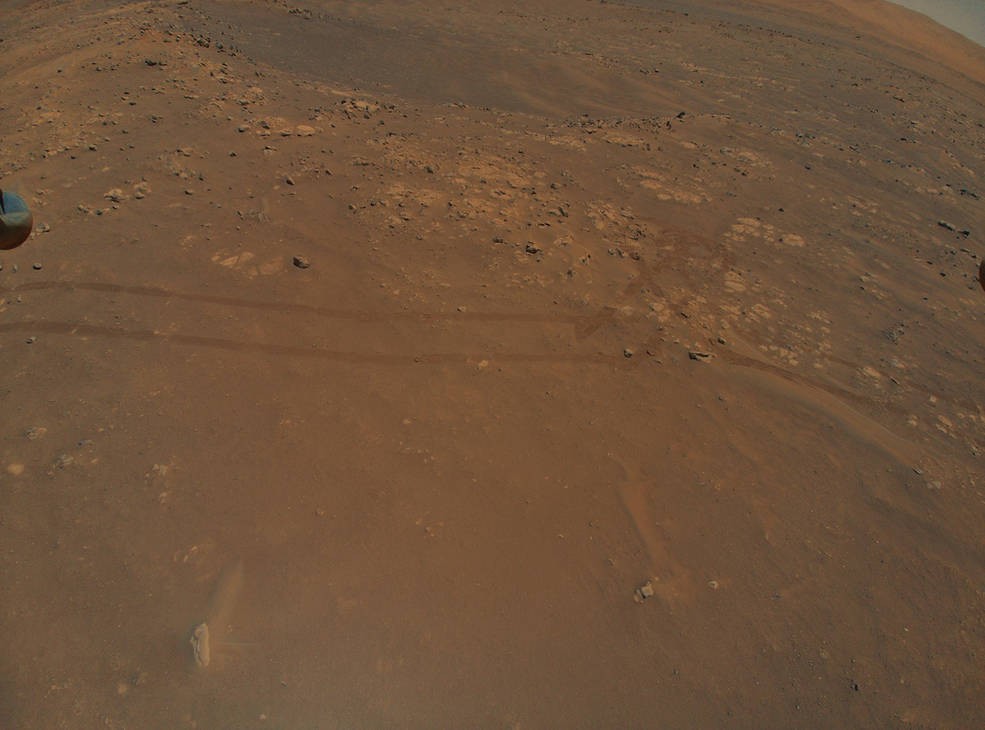
Having performed the first ever rotary flight on Mars earlier this year, NASA’s Ingenuity Helicopter is now on its ninth flight—and on July 5th, it revealed details about the over-and-underlying geography of Mars that will be crucial to completing the rover’s mission.
During its recent two-minutes and forty-six seconds in the air, the helicopter quadrupled its own record for distance covered, and also broke records for cruising speed and time as it moved over an area called Séítah—which will be difficult for a rover like Perseverance to navigate due to the soft sand there.
Rover tracks, NASA/JPL-Caltech
It also snapped amazing images of rippling sand, shadows, rock, and other Utah-like terrain features.
Dunes, NASA/JPL-Caltech
“We’re hoping the color images will provide the closest look yet at ‘Pilot Pinnacle’, a location featuring outcrops that some team members think may record some of the deepest water environments in old Lake Jezero,” wrote Ingenuity team members on the project website.
Indeed this most recent flight, and the photos that took three days to be beamed back and processed, revealed some high-value science targets like the so-called Raised Ridges that NASA scientists believe could be the key to finding remains of ancient life in a lakebed that’s billions of years old.
Raised Ridges, NASA/JPL-Caltech
“Spying the ridges in images from Mars orbiters, scientists have wondered whether water might have flowed through these fractures at some point, dissolving minerals that could help feed ancient microbial colonies,” write NASA.
Bedrock, NASA/JPL-Caltech
Other areas found during Flight 9 include open sand dunes of which Perseverance must avoid at all costs—or risk getting stuck—and images of Martian bedrock, which looks like an interesting feature to be later checked out by the rover.
“Our current plan is to visit Raised Ridges and investigate it close up,” Perseverance Deputy Project Scientist Ken Williford said. “The helicopter’s images are by far better in resolution than the orbital ones we were using. Studying these will allow us to ensure that visiting these ridges is important to the team.” That’s an important detail when the mission’s schedule is tight and power resources are limited.
SHARE These Far-Out Photos With Pals on Social Media…
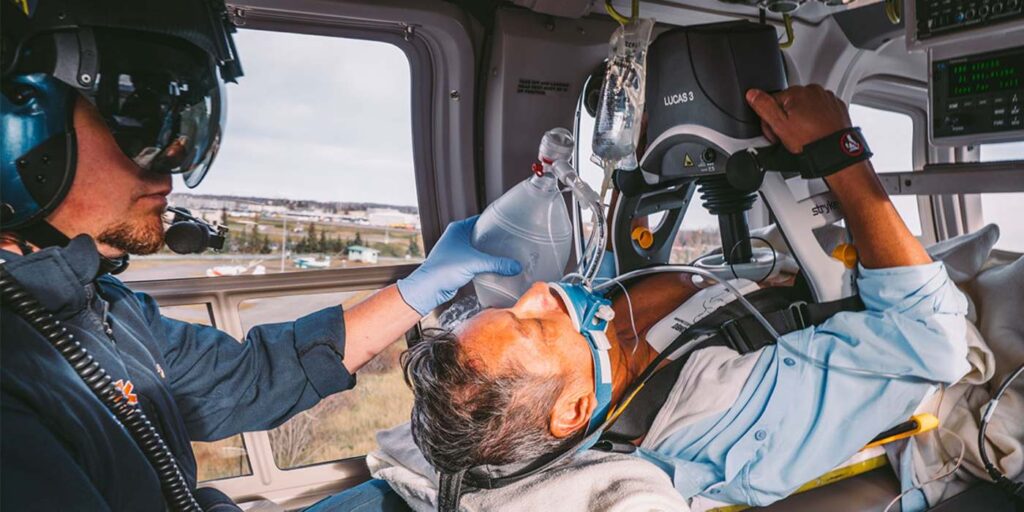
Normally limited to listening to your every request for music to play in your living room or assembling things in a factory, a robot paramedic that can perform CPR will soon be joining first responder teams across the south of England.
For the very first time, an automaton has been made that can perform the life-saving chest compression—a vital part of sustaining oxygen flow through the body during cardiac arrest.
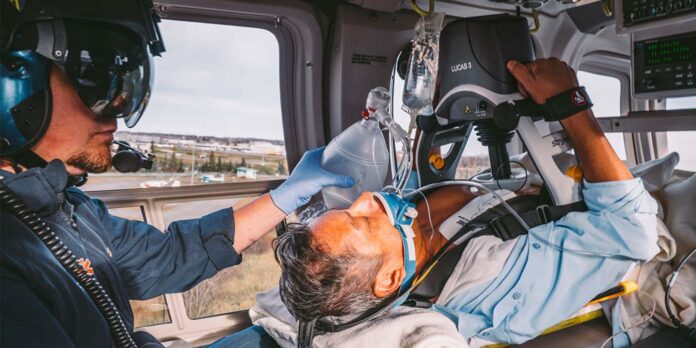
Called the LUCAS-3, its performance of CPR will free up paramedic hands for other tasks, which could be essential for ensuring patient survival.
The South Central Ambulance Service (SCAS) will be the first one to receive the robot, which costs £12,000 ($17,000), for their servicing of Hampshire, Berkshire, Buckinghamshire, and Oxfordshire. The SCAS Charity funded the purchasing of 28 for the purpose of equipping their ambulances.
An SCAS spokesman said: “Once paramedics arrive and begin CPR or take over from bystanders who may have initiated it, the transition from manual compressions to LUCAS can be completed within seven seconds, ensuring continuity of compressions.”
LUCAS works through Bluetooth connectivity, and performs CPR according to various inputs such as time between compressions, force of compressions, or according the guidelines of medical institutions.
Dr. John Black, medical director at SCAS, said: “We know that delivering high quality and uninterrupted chest compressions in cardiac arrest is one of the major determinants of survival to hospital discharge but it can be very challenging for a number of reasons.”
“People can become fatigued when performing CPR manually which then affects the rate and quality of compressions, and patients may need to be moved from difficult locations, such as down a narrow flight of stairs, or remote places which impedes the process.”
LUCAS’ big day has finally come, but it’s taken as long is it takes a student to finish medical school before he was ready for the jump to live action—the current iteration is based on a model that was first tested by the University of Warwick back in 2014.
CURE Your Friends With a Little Good News—Share This Story on Social Media…
Quote of the Day: “If you want to control things in your life so bad, work on the mind. That’s the only thing you should be trying to control.” – Elizabeth Gilbert
Photo: by Callum Shaw
With a new inspirational quote every day, atop the perfect photo—collected and archived on our Quote of the Day page—why not bookmark GNN.org for a daily uplift?
If you had the choice of seeing the world by going on a trip or bettering the world by staying home and focusing your energies there, which would it be? For the youthful kindred spirits of one close-knit Maine community, the answer was obvious.
The island of Islesboro lies three miles off the mainland. Its population numbers about 700 full-time residents. While comprised of only a baker’s dozen students, this year’s high school graduating class—eight from the island and five who ferried in from the mainland—was larger than usual.
Traditionally, Islesboro’s Central School seniors hold fundraising events to finance a once-in-a-lifetime class trip at the end of their final semester. Former student destinations include Paris, Iceland, Norway, and Panama.
The Class of 2021 had already garnered close to $8,000 in donations by the time their hopes of a journey to Greece, Japan, or South Korea were quashed by COVID-19 travel restrictions. With their plans curtailed, the group decided to spend the money they’d earned a whole lot closer to home by reinvesting it in their community.
As 18-year-old senior Liefe Temple explained, per a group consensus, it would have felt strange to indulge in the luxury of foreign travel when they knew their neighbors were suffering such extreme day-to-day duress.
“We could really see how the whole world and the island, too, was struggling,” he told the Associated Press, “So it felt really good to do that with our money—to give it back to the people who gave it to us.”
The bulk of students’ earnings was donated to the Island Community Fund in aid of residents whose livelihoods were broadsided by the COVID-19 pandemic. Another portion was put to good use funding coronavirus vaccination clinics. (The rest will go to philanthropic causes as yet to be determined.)
“There [is] a strong sense of pride in these students. That’s because their decision demonstrated an awareness of the hardship in their community and a willingness to do something about it,” Community Fund president Fred Thomas told AP.
The geography of the post-COVID-19 landscape has shifted. Not literally, of course, but figuratively. We’re all living in a very different place from where we were prior to the onset of the pandemic.
How we chose to move forward in this strange new world will define the days ahead—but if the unselfish worldview of Isleboro’s Senior Class of 2021 is any indication, the future looks to be in pretty fine hands.
Over the past 30 years, the incidence of dementia has declined an average of 13% every decade in people of European ancestry living in the U.S. or Europe.
Using this trend, researchers at Harvard T.H. Chan School of Public Health estimate that 15 million fewer people could develop dementia by 2040 in high-income countries than if the incidence of the disease remained steady.
“As the populations of the U.S. and Europe age and life expectancy increases, the prevalence of dementia and Alzheimer’s disease has dramatically increased, due to the larger pool of people in the ages of highest risk,” said Lori Chibnik, assistant professor in the Department of Epidemiology at Harvard Chan School.
“However, our analysis shows that the incidence, or rate of new cases, has been declining, translating into fewer new dementia and Alzheimer’s disease cases than what we would have expected.”
The results of this study were published in Neurology journal, and noted that 47 million people worldwide live with dementia. Due to the rapidly aging population, the number of people living with the disease is expected to triple over the next 30 years, as is the expected socioeconomic burden associated with dementia.
Previous analyses suggested a decline in incidence over the last 40 years, but most studied smaller populations.
In the current study, Chibnik and her co-authors aggregated data from seven studies that included more than 49,000 individuals with up to 27 years of follow-up.
In addition to showing a total decline in incidence, the researchers also saw consistent trends across different populations from North America and Europe.
In both men and women, incidence decreased, although men had a greater reduction (24%) than women (8%).
The reasons for the decreased incidence are not clear, although several medical interventions that influence blood pressure, cholesterol, and inflammation may have contributed.
The researchers note due to the ethnic background of the participants included in the study, the results may only apply to a minority of the world population, and they recommend that future analyses include more diverse populations.
“The steady decline in incidence over three decades suggests that preventive efforts involving lifestyle education and health interventions such as blood pressure control and antithrombotic medication can offset at least part of the growing burden of dementia from global gains in life expectancy,” said Chibnik.
“Providing this evidence of a decline is the first step toward elucidating the factors at play behind that decline and eventually effective interventions to promote brain health.” We’ll be sure to keep you updated on more positive news from Chibnik and the team.
Source: Harvard T.H. Chan School of Public Health; Featured image: Maria Magdalens, CC license
SHARE This Hopeful Finding With Pals on Social Media…
With tiger families, it’s the mother who provides the parental care. After giving birth to cubs, for two years they stay near her side, learning hunting and survival skills. Then they head off on their own.
But since a tigress died of unknown causes at Panna Tiger Reserve in India this May, the father tiger has been exhibiting “rare behavior” by caring for the four cubs beyond the usual protector role. He’s been observed hunting a sambar deer and sharing the prey with the young. He’s been heard calling to the cubs in communication.
The 8-month-old cubs are being carefully monitored by conservationists, and currently look healthy, active, and neither hungry nor stressed, Mongabayhas reported.
“The tiger visits these cubs regularly, and his behavior shows that he is not a threat to the cubs. We have seen the cubs playing with the male tiger and sharing kills,” Panna Tiger Reserve director Uttam Sharma told Mongabay-India.
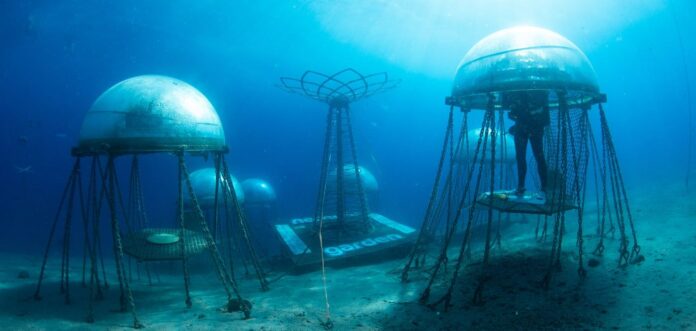
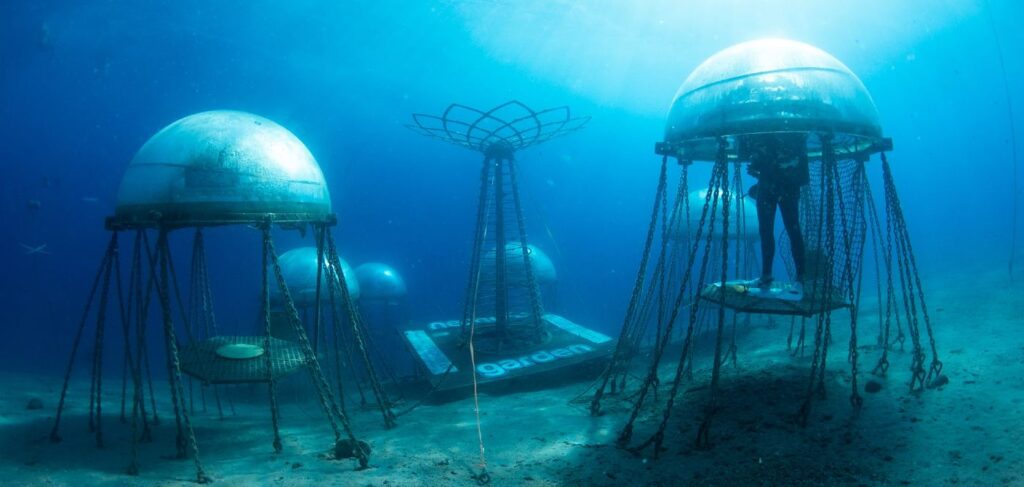
From the ancient rice terraces of Yunnan to modern vertical hydroponics, agriculture comes in many different forms. Now a group of Italian brainiacs have created the world’s first underwater garden for terrestrial plants.
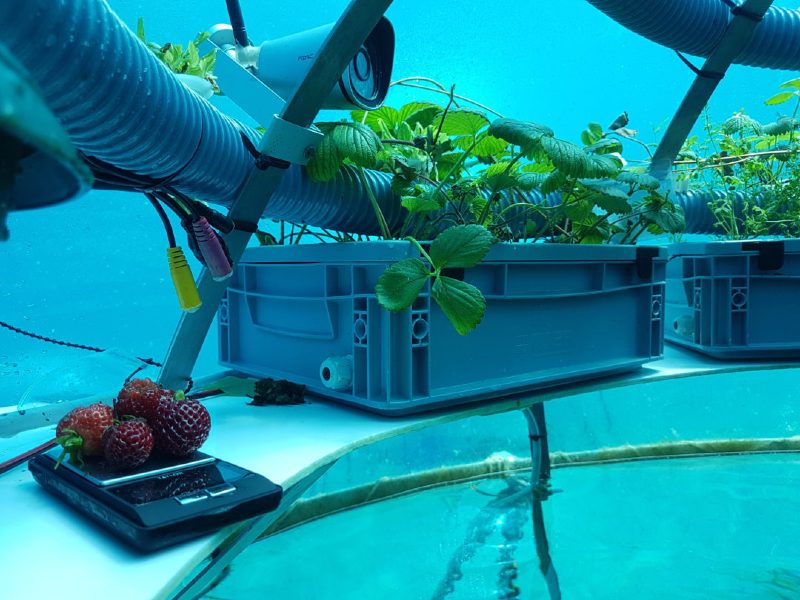
Seaweed and kelp have been cultivated along shorelines for centuries, but in small submersible glass domes, pots of basil, lettuce, tomatoes, and even zucchini flowers, green peas, aloe vera, and mushrooms are growing like in any other home garden.
Called Nemo’s Garden, the project was launched by the Ocean Reef Group as a means to experiment with food supply diversity, should climatic changes make parts of Italy too dry to farm.
The large self-sustaining, totally-contained biospheres would in theory be scalable, and perhaps in the future might look like the underwater city from Star Wars: The Phantom Menace.
The challenges inherent in growing plants underwater, given that they are normally at home in soil, was but one hurdle Nemo has had to overcome. The six air-filled greenhouses (or should that be bluehouses?) suffered major storm damage in October 2019, and before they could be fully repaired, COVID-19 had all the researchers sheltering in place.
Yet the team never gave up hope, as Euronewsreports, and the months of abandonment did not harm the facility in any way. June 6th saw the garden fully-operational again, including their livestream where one can watch the plants literally grow.
The biospheres, which sit eight meters under the surface off the coast of Noli in Liguria, use solar energy for their minimal electrical needs, and evaporated seawater condenses on the glass of the ceiling which waters the plants. A diver swims under and up into the air pocket of the pod to harvest what’s ready to eat.
The project website says that increased pressure like that found under the ocean is actually beneficial to the speed at which plants can germinate, though they admit very little research has been published on the topic—after all, not so many people are currently trying to grow strawberries underwater.
The conditions create a really intense flavor in the vegetables, and also allow the plants’ environment to be completely controlled, with nothing impacting their life that the growers don’t want.
Nemo’s Garden, OceanReef
For now Nemo’s Garden is essentially a research lab, but if the idea were expanded, it’s expected to be able to reinforce food security for the peninsula, and the world.
(SEE Inside Nemo’s Garden in the video below.)
SHARE This Fascinating Food Project With Pals on Social Media…
A selfless teenager has carried out a random act of kindness every single day since the start of the pandemic.
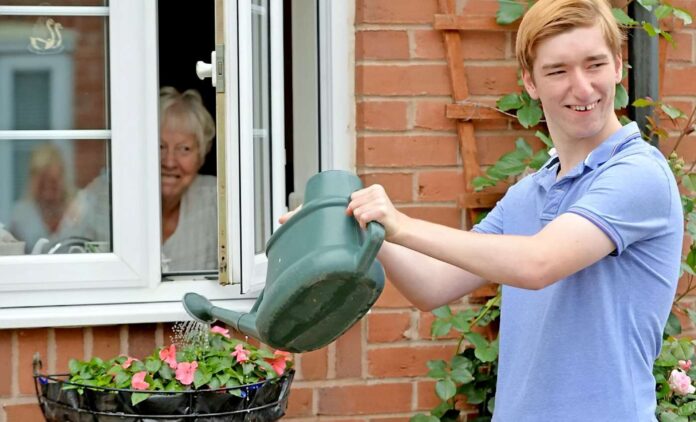
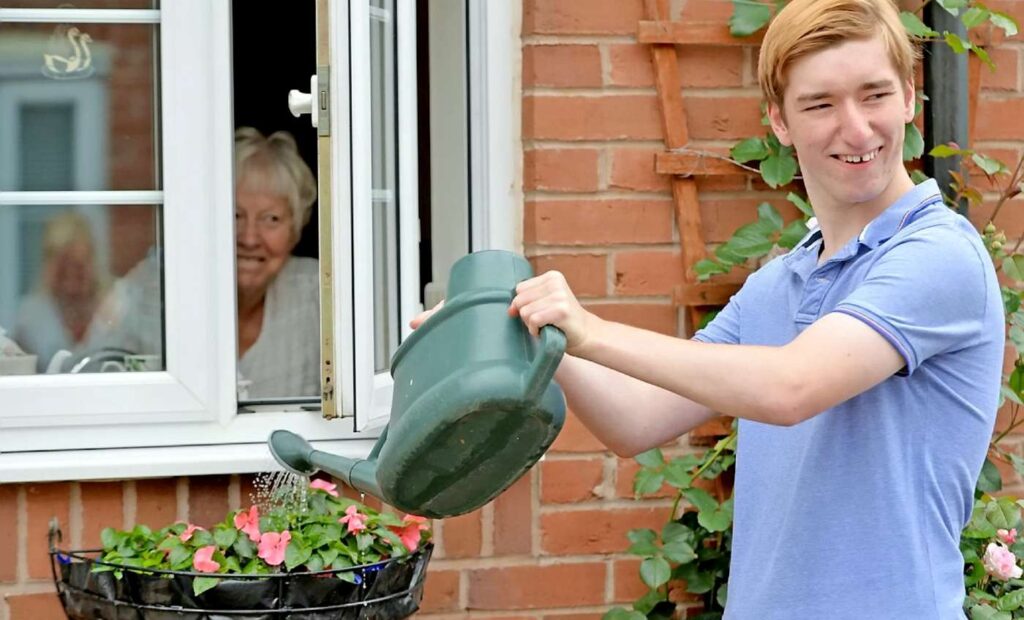
18-year-old Sebbie Hall, who has learning difficulties, began his kindness marathon after he wanted to gift his own iPad to a pal so they could Zoom in early 2020.
His proud mum Ashley asked him to think about what skills he could use to raise cash, to which he answered: “I can be kind.”
Since then the teen, who also has a rare chromosome anomaly, has performed at least one act of kindness every day—more than 1,600 in total.
British Prime Minister Boris Johnson has thanked him for his “wonderful determination” while actress Joanna Lumley said his kindness has “stolen my heart.”
Sebbie has walked neighbor’s pets, watered gardens, posted mail for isolating locals, washed cars—and even a boat—and baked cakes for nurses.
He’s handed out PPE, collected unwanted Halloween pumpkins and turned them into soup and pies for needy people, and given warm coats to the homeless.
The teen has also handed out lottery tickets bought with his pocket money to strangers, given 100 roses to 100 women to make them smile, and helped at food banks.
Not only that but his deeds attracted a staggering £28,000 ($39,000) in donations, which he has given to countless charities.
The money pledged by people inspired by his kindness has paid for 300 families to get adapted IT devices and funded a disability rugby team.
It’s paid for three IT suites for youngsters to use to find work, bought communication kit for kids at four specialist schools, and set up a disability arts hub.
The teen—who was told that he would never walk or talk—has defied those expectations and his own nervousness about speaking to strangers.
Sebbie, from Lichfield, Staffordshire, put it simply: “Kindness is my superpower. I’m not stopping. I want to raise more money and make people more happy.”
Mom Ashley added: “It’s hard for any young person to go up to random strangers and speak to them, and even harder for Sebbie because he finds it really hard to find words himself.”
“But he somehow found this inner strength of being kind.
“It’s given him a position within his own community and a confidence that he didn’t have before.
SWNS
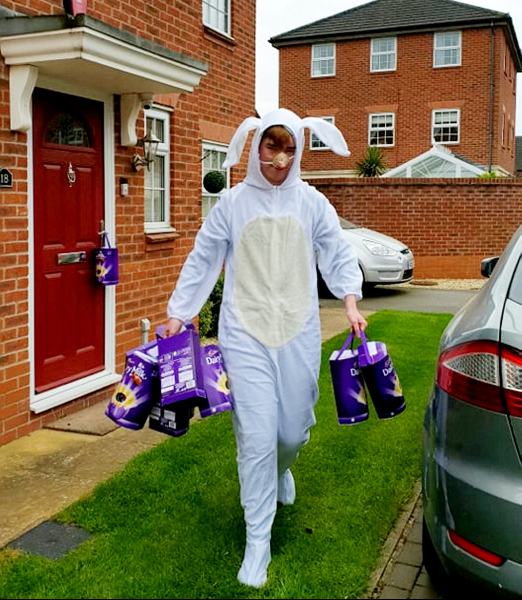
Other sweet gestures this selfless teen has done? He handed out 365 donated Easter eggs to random houses dressed as a bunny, and left made-up secret Santa bags on 80 doorsteps last December. The school pupil has written poems for friends and delivered toiletries to the women’s refuge.
Now he is currently raising money for to set up physical therapy suites by running two miles every day. Three cheers for Sebbie—who’s an inspiration for so many.
SHARE the Generosity—Send This Uplifting Story to Pals on Social Media…
Quote of the Day: “Without leaps of imagination or dreaming, we lose the excitement of possibilities. Dreaming, after all is a form of planning.” – Gloria Steinem
Photo: by Jr Korpa
With a new inspirational quote every day, atop the perfect photo—collected and archived on our Quote of the Day page—why not bookmark GNN.org for a daily uplift?
E-X-T-R-A-O-R-D-I-N-A-R-Y spells extraordinary, and when you look it up in the dictionary don’t be surprised if you see a picture of Zaila Avant-garde next to the entry.
At 14, Zaila recently became the first African American—and the first from Louisiana—to take home top honors at the 96th Annual Scripps National Spelling Bee.
Zaila correctly tackled “retene,” “ancistroid,” and “depreter” in preliminary rounds.
After asking for clarification—“Does this word contain the English name Murray, which could be the name of a comedian?”—she clinched the title by putting the seven letters of the word “murraya” (defined as “a genus of tropical Asiatic and Australian trees having pinnate leaves and flowers with imbricated petals”) in their proper order.
Winning is a grand achievement to be sure, but what makes Zaila’s feat even more remarkable is that she only recently set her sights on spelling tournaments.
In 2019, she tied for 370th place in the Scripps competition. Not bad for her first time out, but Zaila was determined to do better. In short order, the homeschooled teen embarked on a regimen of intensive training that included tutoring and targeted study programs.
“For spelling, I usually try to do about 13,000 words (per day), and that usually takes about seven hours or so,” Zaila told the Associated Press. “We don’t let it go way too overboard, of course. I’ve got school and basketball to do.”
Indeed, spelling is only one of this prodigy’s pursuits. In addition to her dictionary prowess, Zaila already has three basketball-related Guinness World Records under her belt, has co-starred in a TV spot with NBA basketball superstar Steph Curry, and has more than 77,000 Instagram followers.
Even with her impressive list of interests, Zaila’s immersive approach to spelling definitely paid off. As footage of her enthusiastic reaction shows, she was overjoyed with the win.
“It felt like really good to become a winner simply because of the fact that I’ve been working on it for like two years and then to finally have it like the best possible outcome was really good,” Zaila told Good Morning America.
Although she’s set her sights on a Harvard degree with possible career paths at NASA or with the NBA, since taking the Scripps title, Zaila has been offered full-ride college scholarships to three Louisiana universities. She also received a congratulatory Twitter shout-out from former president Barack Obama.
Three Guinness World Records and now the national spelling bee champ! Congrats, Zaila—your hard work is paying off. We’re all proud of you. https://t.co/UaYoRMGirZ
Zaila, who is taking her well-earned place in the spotlight in her stride, considers being a positive role model one of the most important aspects of her championship status.
“I’m hoping that in a few years I’ll see a whole lot more African American females, and males too, doing well in the Scripps Spelling Bee,” Zaila told AP. “You don’t really see too many African Americans doing too well in spelling bees and that’s a bit sad because it’s a really good thing … and kind of is a gate-opener to be interested in education.”
And—not that we need to spell it out for you—that’s just one of the many things that make this amazing teen absolutely P-H-E-N-O-M-E-N-A-L.
(WATCH the winning moment below from PBS.)
SHARE Avant-Garde’s Excellent Feat On Social Media…