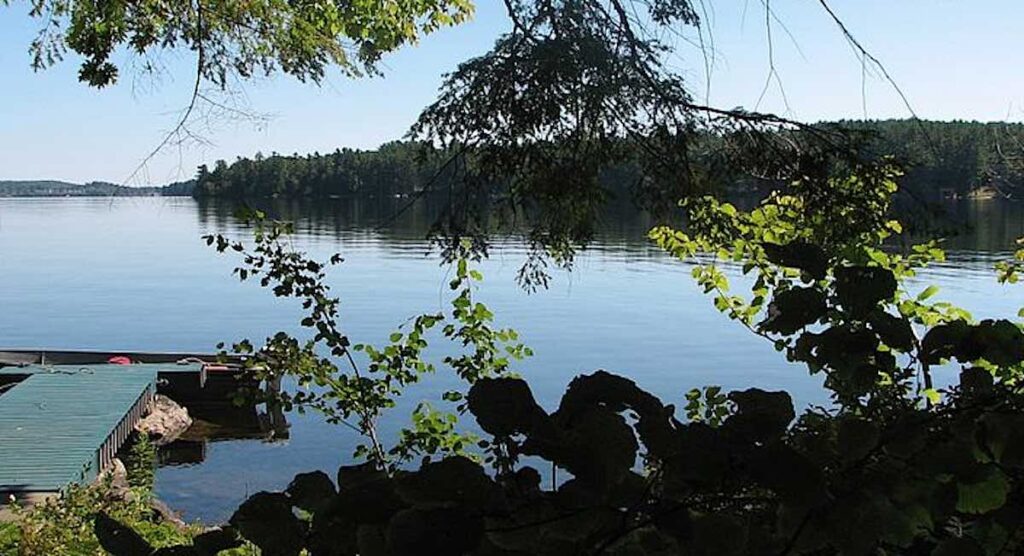
Quote of the Day: “Lack of direction, not lack of time, is the problem. We all have twenty-four hour days.” – Zig Ziglar
Photo: by Michael Coury
With a new inspirational quote every day, atop the perfect photo—collected and archived on our Quote of the Day page—why not bookmark GNN.org for a daily uplift?
John Austin has been delighting people his whole life with a talent for talking backward.
Since the age of five, when he accidentally played the Mary Poppins record backwards and learned to sing with it, this 51-year-old has been speaking apparent gibberish—but now with smartphones, he can play it backward so others can confirm that his translation is spot-on.
For instance, instead of ‘How are you doing?’, he says it backward: “Gniod uoy era woh“?”
Austin uses an iPhone app, Reversercam, and records himself saying something backwards. When anyone hears the playback, that’s when they become true believers.
Living in Charlotte, North Carolina, he created a name for himself, Backwords Dude, on YouTube, and has captivated audiences on TV and the internet with his incredible ability to take phrases—and even entire songs—and flip them around in his brain to recite them backwards.
Like Elon Musk, John says he has Asperger’s, which is on the autism spectrum: “I have always been ashamed of this talent because it shows I am different and I was told that was bad by family, teachers, friends, and peers,” writes Austin on his YouTube channel.
But then he typed ‘talking backwards’ into a google search and was “shocked” at what he found: A couple of guys in Hollywood were doing the same thing, and becoming known for their talent.
So John started making his own videos, and now his YouTube channel has over 16,000 subscribers.
In this video John visits New York City where he shows off his skill for people in Union Square who are stunned and amazed…
Cooling paper by Ruby Wallau/Northeastern University
Turning on the air conditioning to its highest setting can bring sweet relief. But your resulting energy bill? Not so much. What if your home could stay cool all on its own—no electricity required?
Cooling paper by Ruby Wallau/Northeastern University
That’s the premise of Yi Zheng’s new invention. The associate professor of mechanical and industrial engineering at Northeastern University in Boston has created a sustainable material that can be used to make buildings or other objects able to keep cool without relying on conventional cooling systems.
Zheng envisions this material, dubbed “cooling paper,” covering the roofs of houses, warehouses, and office buildings.
Not only does the light-colored material reflect hot solar rays away from the building, it also sucks heat out of the interior, too—heat that is emitted from electronics, cooking, and human bodies.
Cooling paper is, in fact, made of paper, and the porous microstructure of the natural fibers inside absorbs the indoor warmth and re-emits it away from the building.
Zheng, who studies nanomaterials, got the idea when he looked at a bucket full of used printing paper. He recalls thinking to himself, ‘How could we simply transform that waste material into some functional energy material, composite materials?’
So, with the help of a high-speed blender from his home kitchen, Zheng made a pulp out of paper waste, mixed with the material that makes up Teflon. Then he formed it into water-repelling “cooling paper” that could coat homes. Then, he and his team tested its capacity to keep cool under various temperature and humidity conditions.
Zheng and his colleagues found that the cooling paper can reduce a room’s temperature by as much as 10 degrees Fahrenheit (6 C). He selected materials that would reduce the cost of deploying the new technology to cool homes.
Yi Zheng (center) by Ruby Wallau/Northeastern University
The cooling paper isn’t just eco-friendly in its ability to reduce your energy footprint. It’s also recyclable. The material can be used, exposed to solar radiation, weather, and varying temperatures, then reduced to a pulp (again) and reformed without losing one iota of its cooling properties. Zheng has tried it. And the recycled cooling paper performed just as well as the original.
“I was surprised when I obtained the same result,” Zheng says. “We thought there would be maybe 10 percent, 20 percent of loss, but no.”
The process for creating and testing the new material was described in a paper published last month in the American Chemical Society journal Applied Materials & Interfaces—and Zheng was awarded a National Science Foundation CAREER Award grant for his research.
Even though styrene occurs naturally in foods such as strawberries, cinnamon, and coffee, when it is strung together with other chemicals to create foam insulation or packaging to protect sensitive electronics, it becomes almost impossible-to-recycle. A second new plant is set to change that in Europe.
Courtesy PolyStyreneLoop
Being 98% air, polystyrene foam is not cost-effective to store or ship, but a huge new recycling plant in the Netherlands has overcome this issue in order to recycle expanded polystyrene (EPS) waste.
The PolyStyreneLoop plant in Terneuzen, Netherlands, scheduled to open this week, was built to prove the technical and economic feasibility of a large-scale, closed-loop solution for the recycling of EPS waste.
The PSLoop facility will start by recycling EPS foam insulation using a process based on a technology that turns it into a new high quality raw material. All kinds of impurities, such as cement or glue residues, as well as the additive HBCD, will be safely removed while the valuable bromine is recovered.
“This plant showcases how the EPS industry is always looking for ways to boost its recycling capabilities,” said Lein Tange, Co-Director of PolyStyreneLoop. “The purpose of this plant is to pave the way for the construction of similar EPS recycling plants in the rest of Europe.”
Benefitting from a European Union grant, it has been built by a Dutch nonprofit organization whose members comprise more than 70 industry representatives from the whole polystyrene foam value chain.
The Terneuzen plant will have the capacity to recycle 3,300 metric tons of polystyrene foam demolition waste coming from Netherlands, Germany, and other countries, proving the technical, and economic viability of a new recycling process in which polystyrene foams containing HBCD can be fully integrated in the circular economy rather than filling up landfills.
“It’s a real plus that we can do this with about the same energy input as mechanical recycling and the energy we use comes solely from windmills,” said Jan Noordegraaf, co-director of the plant.
Though the PSLoop plant will recycle EPS building and construction waste, later, it will also recycle extruded polystyrene, also known as Styrofoam, used to make cups, plates, and packaging.
The Netherlands isn’t the only place EPS is being recycled, in the UK, Molygran has been recycling that nation’s polystyrene, accepting any grade of white expanded polystyrene, “undecorated, clean and dry”. They reported in January 2020 that enthusiastic recyclers were mailing EPS from around the UK, contributing to their staggering total of 37 tons removed from landfills the previous year.
And, because EPS is 98% air, 37 tons is a lot to celebrate…
Quote of the Day: “If there is any one secret of success, it lies in the ability to get the other person’s point of view and see things from that person’s angle, as well as from your own.” – Henry Ford
Photo: Jusdevoyage
With a new inspirational quote every day, atop the perfect photo—collected and archived on our Quote of the Day page—why not bookmark GNN.org for a daily uplift?
The Passamaquoddy Tribe reacquired 140 acres of their ancestral territory, thanks to help from The Nature Conservancy which granted them funds to purchase Pine Island, known to them as Kuwesuwi Monihq.
Vladi-private-islands.de
The largest island on Big Lake, Maine, the place has deep historical and cultural significance to the Passamaquoddy community. The small tribe of 3,700 Native Americans had lived there for at least 10,000 years.
“The Tribe felt this land loss was an injustice,” explains Indian Township’s Chief William Nicholas. Today with the island’s return, he continues, “There is no doubt that the Ancestors are jumping all over the place over there.”
Because of its cultural significance, regaining this stolen treaty land has been a high priority for the Tribe. Then, the island came up for sale.
“For $449,000 you could buy 143 acres of forests with sweeping views of the rugged shoreline of Big Lake in Maine… a unique property steeped in history … with only two owners in the last 95 years,” wrote the real estate agent.
Chief Nicholas contacted First Light—a collective of advocates working to serve as a bridge between conservation organizations and tribal communities. First Light and The Nature Conservancy in Maine partnered with the Tribe to remedy an historical injustice and reacquire the island.
In March, they used the $355,000 raised to finally bought the island back.
“The Passamaquoddy People have dwelled on and cared for Kuwesuwi Monihq for countless generations,” said Corey Hinton, Esq., Passamaquoddy Citizen and Lead Attorney.
“The return of the island to the Tribe will allow us to return home and to resume our stewardship of this special place.”
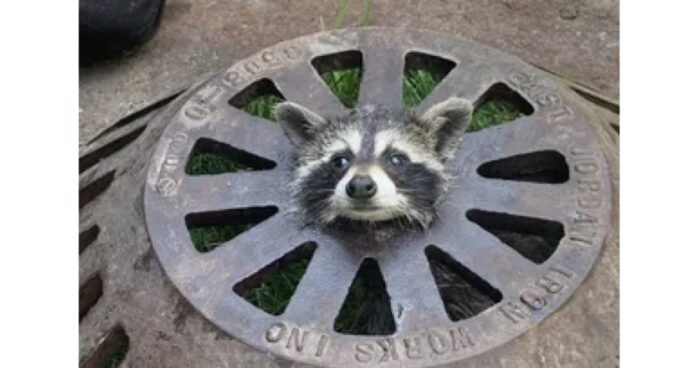
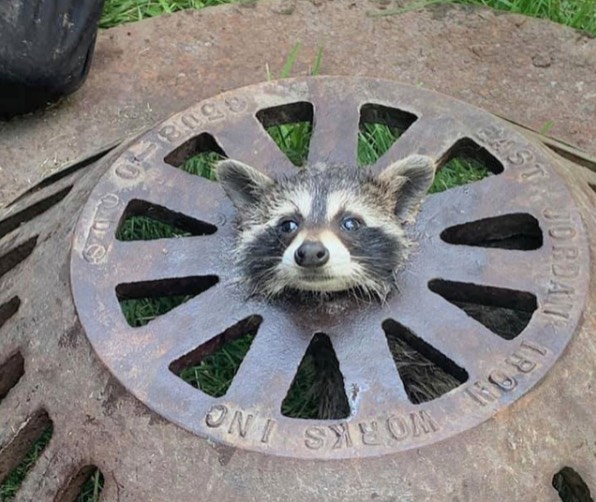
Firefighters near Detroit came to the rescue of a small raccoon struggling with quite the predicament.
By Lt. Brian Lorkowski – Harrison Township Fire Department
Macomb County Animal Control called the Harrison Township Fire Department and when they arrived they were perplexed to see the raccoon with its head stuck in a sewer cover.
Veteran firefighter Lt. Brian Lorkowski took a photo while they figured out what do do.
First, they tried putting soap around the animal’s neck, but that didn’t work. They considered cutting into the cast iron cover, but it would be too risky.
“We were trying all different kinds of options to not try and hurt it, but it was stuck in there really good,” Lorkowski told MLive.
Finally, they asked a homeowner bring some cooking oil. They were able to pull out the body, and free the animal at last, without any injury.
FREE WILL ASTROLOGY – Week beginning June 10, 2021
Copyright by Rob Brezsny, FreeWillAstrology.com
GEMINI (May 21-June 20):
I’m glad you’re not on the planet Saturn right now. The winds there can blow at 1,000 miles per hour. But I would like you to feel a brisk breeze as you wander around in nature here on Earth. Why? Because according to my interpretation of the current astrological omens, winds will have a cleansing effect on you. They will clear your mind of irrelevant worries and trivial concerns. They’ll elevate your thoughts as well as your feelings. Do you know the origin of the English word “inspire”? It’s from the Latin word inspirare, meaning “blow into, breathed upon by spirit.” Its figurative meaning is “to inspire, excite, inflame.” The related Latin word spiritus refers to “a breathing of the wind” and “breath of a god”—hence “inspiration; breath of life.”
CANCER (June 21-July 22):
Cancerian author Franz Kafka put his characters into surreal dilemmas. In his novella The Metamorphosis, for example, the hero wakes up one day to find he has transformed into a giant insect. Despite his feral imagination, however, Kafka had a pragmatic relationship with consumerism. “I do not read advertisements,” he said. “I would spend all of my time wanting things.” In accordance with astrological omens, I invite you to adopt his earthy attitude for the next two weeks. Take a break from wanting things, period. Experiment with feeling free of all the yearnings that constantly demand your attention. Please note: This break in the action won’t be forever. It’s just a vacation. When you return to wanting things, your priorities will have been realigned and healed, and you’ll feel refreshed.
LEO (July 23-Aug. 22):
Author Umberto Eco declared that beauty is boring because it “must always follow certain rules.” A beautiful nose has to be just the right shape and size, he said, while an “ugly nose” can be ugly in a million different unpredictable ways. I find his definition narrow and boring, and prefer that of philosopher Francis Bacon, who wrote, “There is no excellent beauty that hath not some strangeness in the proportion.” Poet Charles Baudelaire agreed, saying, “That which is not slightly distorted lacks sensible appeal: from which it follows that irregularity—that is to say, the unexpected, surprise and astonishment—is an essential part and characteristic of beauty.” Then there’s the Japanese concept of wabi-sabi, which reveres beauty that’s imperfect, transitory, and incomplete. Beginning now, and for the rest of 2021, Leo, I encourage you to ignore Eco’s dull beauty and cultivate your relationship with the more interesting kind.
VIRGO (Aug. 23-Sept. 22):
One of the more evocative passages in J. R. R. Tolkien’s novel The Return of the King is about the warrior Éowyn. It says, “Then the heart of Éowyn changed, or else at last she understood it. And suddenly her winter passed, and the sun shone on her.” I’m predicting a comparable transformation for you in the near future, Virgo. There’ll be some fundamental shift in the way your heart comprehends life. When that happens, you will clearly fathom some secrets about your heart that have previously been vague or inaccessible. And then the sun will shine upon you with extra brilliance.
LIBRA (Sept. 23-Oct. 22):
Libran actor and author Carrie Fisher had more than the average number of inner demons. Yet she accomplished a lot, and was nominated for and won many professional awards. Here’s the advice she gave: “Stay afraid, but do it anyway. What’s important is the action. You don’t have to wait to be confident.” I hope you’ll employ that strategy in the coming weeks, dear Libra. The time is favorable for you to work hard on your number one goal no matter what your emotions might be at any particular moment.
SCORPIO (Oct. 23-Nov. 21):
Scorpio author Fyodor Dostoevsky (1821–1881) had a gambling addiction for many years. At one point, he lost so much money betting on roulette that he had to take drastic measures. He wrote a novella in record time—just 16 days—so as to raise money to pay his debt. The story was titled The Gambler. Its hero was a not-very-successful gambler. Is there a comparable antidote in your future, Scorpio? A gambit that somehow makes use of the problem to generate the cure? I suspect there is.
SAGITTARIUS (Nov. 22-Dec. 21):
In her poem “Escape,” Michelle Tudor addresses a lover: “Inside of you: a dream raging to be set free.” She implies that she would like to be a collaborator who provides assistance and inspiration in liberating her companion’s dream. The coming weeks will be an excellent time for you to make a similar offer to an ally you care for—and to ask that ally to do the same for you. And by the way: What is the dream inside you that’s raging to be set free? And what’s the dream inside your comrade?
CAPRICORN (Dec. 22-Jan. 19):
Author Martha Beck has helpful counsel for you to keep returning to during the coming weeks. “It isn’t necessary to know exactly how your ideal life will look,” she writes. “You only have to know what feels better and what feels worse. Begin making choices based on what makes you feel freer and happier, rather than on how you think an ideal life should look. It’s the process of feeling our way toward happiness, not the realization of the Platonic ideal, that creates our best lives.”
AQUARIUS (Jan. 20-Feb. 18):
Aquarian author James Dickey celebrated “the holy secret of flowing.” But he added, “You must be made for it.” In other words, he implied that the secret of flowing is a luxury only some of us have access to. And because we “must be made for it,” he seemed to suggest that being in possession of the secret of flowing is due to luck or genetics or privilege. But I reject that theory. I think anyone can tap into the secret of flowing if they have the desire and intention to do so. Like you! Right now! You’re primed to cultivate a robust relationship with the holy flow.
PISCES (Feb. 19-March 20):
Why do humans enjoy much longer life spans than other higher primates? Here’s one reason: grandmothers. Anthropologists propose that earlier in our evolution, families with elder females especially thrived. The grandmothers helped care for children, ensuring greater health for everyone as well as a higher rate of reproduction than grandmother-less broods. Their longevity genes got passed on, creating more grandmothers. Lucky! Having older women around while growing up has been key to the success of many of us. In accordance with astrological omens, I invite you to celebrate and honor the role your own grandmothers and female elders have played in your life. And if you’re a grandmother, celebrate and honor yourself!
ARIES (March 21-April 19):
Aries actor Leonard Nimoy became mega-famous by playing the role of Spock, an alien from the planet Vulcan in the Star Trek franchise. He always enjoyed the role, but in 1975 he wrote an autobiography called I Am Not Spock. In it, he clarified how different he was from the character he performed. In 1995, Nimoy published a follow-up autobiography, I Am Spock, in which he described the ways in which he was similar to the fictional alien. In the spirit of Nimoy’s expansive self-definition, Aries, and in accordance with current astrological potentials, I invite you to make it clear to people exactly who you and who you aren’t.
TAURUS (April 20-May 20):
The poet Rumi declared, “A lover has four streams inside, of water, wine, honey, and milk.” With that in mind, Taurus, I will recommend that you seek a boost in the honey department. Your passions and feelings have been flowing along fairy well, but lately they’ve lacked some sweetness. As a result, you’re not receiving as much of the sweetness you need from the world around you. So your assignment is to intensify the honey stream within you! Remember the principle, “Like attracts like.”
WANT MORE? Listen to Rob’s EXPANDED AUDIO HOROSCOPES, 4-5 minute meditations on the current state of your destiny — or subscribe to his unique daily text message service at: RealAstrology.com
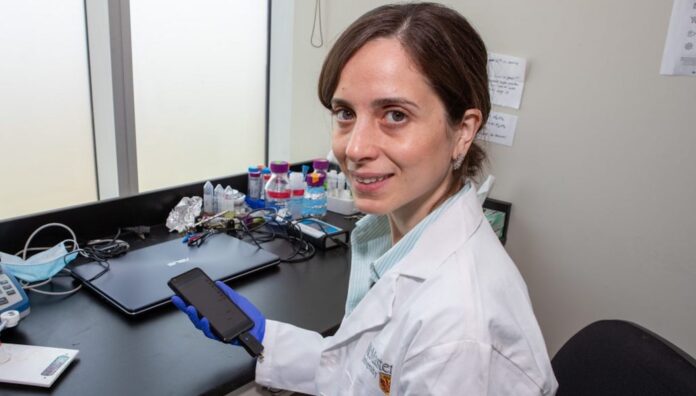
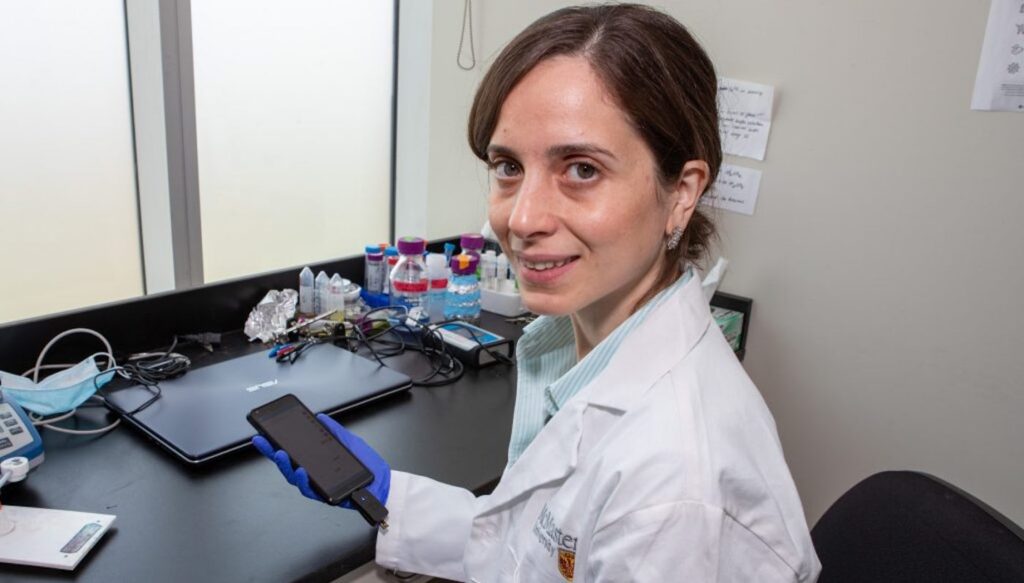
Biomedical engineer Leyla Soleymani – by Georgia Kirkos, McMaster University
An odor-based test that sniffs out vapors emanating from blood samples was able to distinguish between benign and pancreatic and ovarian cancer cells with up to 95 percent accuracy, according to a new study from researchers at the University of Pennsylvania and Penn’s Perelman School of Medicine.
The findings suggest that the Penn-developed tool — which uses artificial intelligence and machine learning to decipher the mixture of volatile organic compounds (VOCs) emitting off cells in blood plasma samples — could serve as a non-invasive approach to screen for harder-to-detect cancers, such as pancreatic and ovarian.
The results of the study were presented at the annual American Society of Clinical Oncology meeting on June.
“It’s an early study but the results are very promising,” Johnson said. “The data shows we can identify these tumors at both advanced and the earliest stages, which is exciting. If developed appropriately for the clinical setting, this could potentially be a test that’s done on a standard blood draw that may be part of your annual physical.”
The Penn research team is currently working with VOC Health to commercialize the device, along with others, for research and clinical applications.
The electronic olfaction — “e-nose” — system is equipped with nanosensors calibrated to detect the composition of VOCs, which all cells emanate. Previous studies from the researchers demonstrated that VOCs released from tissue and plasma from ovarian cancer patients are distinct from those released from samples of patients with benign tumors.
Among 93 patients, including 20 patients with ovarian cancer, 20 with benign ovarian tumors and 20 age-matched controls with no cancer, as well as 13 patients with pancreatic cancer, 10 patients with benign pancreatic disease, and 10 controls, the vapor sensors discriminated the VOCs from ovarian cancer with 95 percent accuracy and pancreatic cancer with 90 percent accuracy. The tool also correctly identified all patients (a total of eight) with early-stage cancers.
The technology’s pattern recognition approach is similar to the way people’s own sense of smell works, where a distinct mixture of compounds tells the brain what it’s smelling. The tool was trained and tested to identify the VOC patterns more associated with cancer cells and those associated with cells from healthy blood samples in 20 minutes or less.
The team’s collaboration with Richard Postrel, CEO and chief innovation officer of VOC Health, has also led to an improvement in detection speed by 20-fold.
To expedite the commercialization process, Postrel asserts that “initial prototypes of commercial devices able to detect cancer from liquids and vapors will be ready soon and be provided to these Penn researchers to further their work.”
In related news, researchers from McMaster and Brock universities in Canada are developing a device that lets patients monitor their own blood for the unique biomarkers of prostate cancer, pictured below, courtesy of Georgia Kirkos at McMaster.
Biomedical engineer Leyla Soleymani – by Georgia Kirkos, McMaster University
In a related effort with VOC Health, Johnson, along with his co-investigator Benjamin Abella, MD, a professor of Emergency Medicine, were awarded a two-year, $2 million grant by the National Institutes of Health National Center for Advancing Translational Sciences for the development of a handheld device that can detect the signature “odor” of people with COVID-19, which is based off the cancer-detection technology applied in this study.
PUT This Amazing Development Under the Nose of Friends on Social Media…
Quote of the Day: “No matter what he does, every person on earth plays a central role in the history of the world. And normally he doesn’t know it.” – Paulo Coelho
Photo: Quino Al
With a new inspirational quote every day, atop the perfect photo—collected and archived on our Quote of the Day page—why not bookmark GNN.org for a daily uplift?
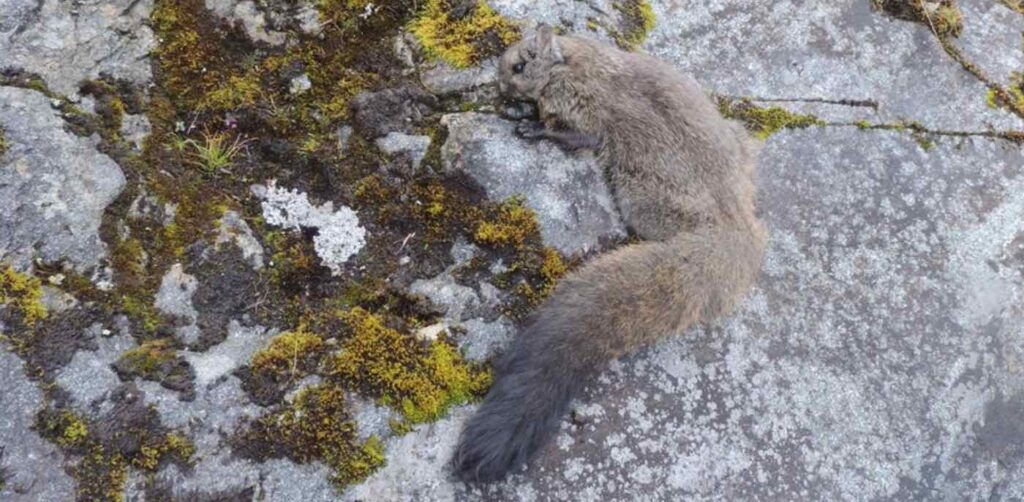
Eupetaurus Cinereusl/Wildlife Conservation Society
Eupetaurus Cinereusl/Wildlife Conservation Society
The world is growing smaller all the time as mass communication and transit links the continents in a web of social media and overnight layovers. Yet even with all this globalization, there are still natural secrets to uncover for those willing to look.
Incredibly, a species of gliding squirrel (Eupetaurus cinereus) that was last seen in 1994 was cross-referenced with museum specimens and found to actually be three squirrels, not one.
University of Wyoming squirrel expert John Koprowski remarked to National Geographic “that there were two relatively large animals that had gone unreported shows how little we know about the natural world.”
The Yunnan woolly flying squirrel and the Tibetan woolly flying squirrel now take their place in the scientific record alongside the newly reclassified Western woolly flying squirrel.
The first new squirrel lives in the mysterious gorges of Yunnan, thousands of miles from the territory of the second, who lives at altitudes of 16,000 feet at the intersection of India, Tibet, and Bhutan.
Li Quan
Helgen and his colleagues visited museums around the world to gather information on the woolly flying squirrel, and examined 24 specimens in total. The differences in the shape of the skull and color of the fur gave rise to the notion that what they were looking at were actually three different species, two of which are now newly described, not just different populations.
All three woolly flying squirrels use their tails—which are nearly as long as their bodies—like rudders to steer their gliding descents, and in the rain it doubles as an umbrella. At 5.4 pounds and three feet long from nose to tail, they are one of the largest gliding mammals, and survive mostly by using a pair of tall teeth to gnash juniper leaves and pine needles.
Understandably hard to spot, the grey plush fur that keeps the squirrels warm at sub-zero temperatures perfectly camouflages them with the stones of their mountain environment. It’s hard enough spotting a snow leopard among the rocks of the mountainside, let alone a squirrel.
“This is only the beginning,” Helgen told National Geographic. “Now that they’ve been named, scientists can learn more about how they live.”HELP Good News Take Flight—Share This Story With Friends…
For an unborn child, spina bifida, a birth defect in which the spinal cord fails to develop or close properly, is a devastating diagnosis. Until recently, doctors were unable to attempt to correct the condition until after the baby was born. Even with post-partum medical intervention, the outcome wasn’t always good.
Now, however, thanks to some stunning advances in prenatal surgery, operations performed in utero are delivering much more promising results.
Doctors theorize the longer spinal tissue is left exposed to amniotic fluid in the womb, the greater the damage to the nerves, which can lead to permanent paralysis of the legs, loss of sensation, and lack of function in the kidney, bladder, and bowels.
Corrective procedures performed during the second trimester (usually between 23 to 26 weeks) are reported to minimize nerve damage and mitigate long-term health issues, giving many spina bifida babies the hope of leading close to normal lives.
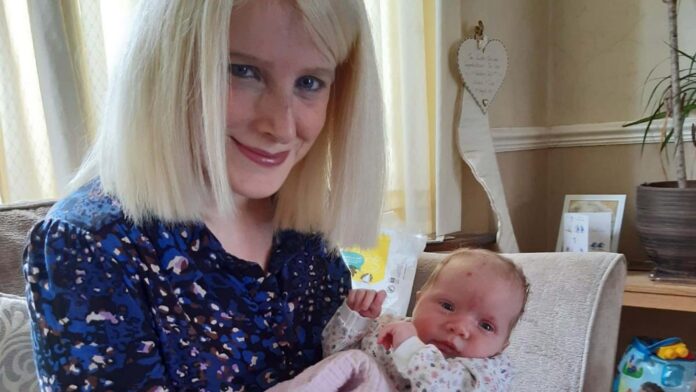
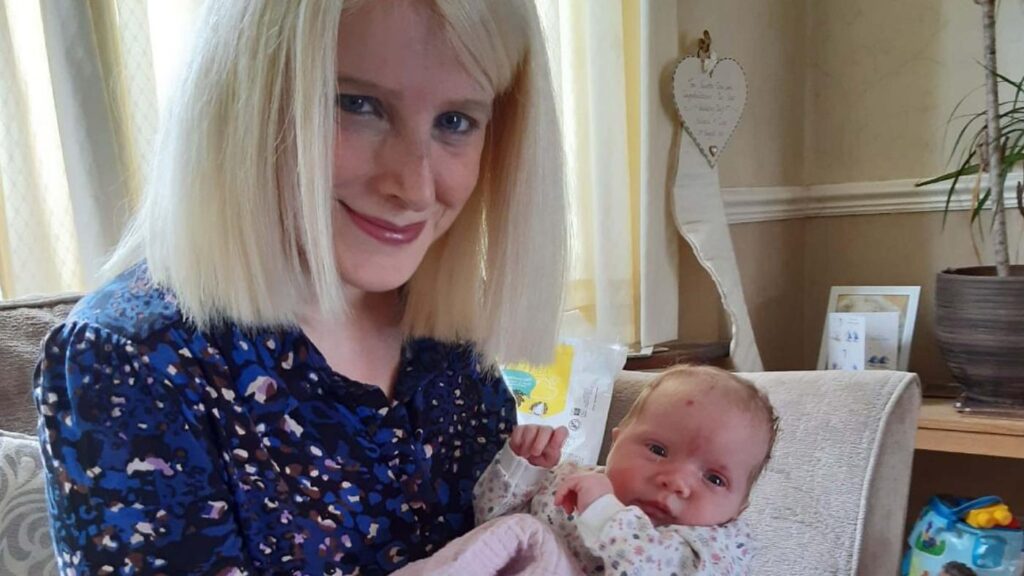
Helena Purcell, a mom-to-be in the U.K., learned her unborn daughter had spina bifida as well as hydrocephalus (an abnormal build-up of fluid in the brain) during a routine 20-week scan. Half the baby’s spine was exposed by a large lesion. She was told the chances her child would ever walk were slim and she’d likely be incontinent her entire life.
Within days of hearing that bleak prognosis, Helena was tested by the National Health Service (NHS) to see if she qualified for their life-changing in utero surgery program—and was approved. “I knew if I didn’t get the operation the quality of her life would be very different,” Purcell told the BBC.
Purcell was 23 weeks into her pregnancy when she arrived in Belgium where the surgery was to be performed. Close to 30 specialists and clinicians from the University College London Hospitals, Great Ormond Street Hospital for Children, and the University Hospitals Leuven took part in the procedure.
The team included fetal and pediatric surgeons, neurosurgeons, anesthesiologists, obstetricians, radiologists, and a scrub team. There were even neonatologists on hand in the event Purcell’s baby needed to be delivered (which she did not).
Three months later, Helena’s daughter Mila (short for Milagro which means “miracle” in Spanish) was born. While she still has some fluid retention in the brain, her development is otherwise good.
“I cannot explain the massive difference [this] has had for my family. The NHS doctors are heroes in my eyes, and the surgery they did is just mind-blowing,” Purcell told Sky News. “If it wasn’t for them then Mila would be paralyzed… I am just so grateful that she has had this chance.”
Helena Purcell with baby Mila/GOSH
Pre-Born in the U.S.A.
The NHS reports that since January 2020, 32 British babies and their mums have undergone the dual surgical procedure, but the operation is being successfully performed in America as well.
A 20-week ultrasound revealed Mallorie and Chris Deruyter’s son, Max, had spina bifida. The Wisconsin couple’s doctors sent Mallorie to Lurie Children’s Hospital of Chicago for further treatment.
While the operation—known as “closed fetoscopic repair”—is much less invasive than earlier procedures, Mallorie still ran a risk for the premature delivery the surgery sometimes induces.
“When I initially heard that, I actually thought there’s no way I’m going to have surgery. I just thought it was absolutely crazy,” Mallorie toldWGN News 9. “And then the more research I did the more I realized this is going to give him the best life.”
After the seven-hour operation, helmed by Fetal neurosurgeon Dr. Robin Bowman and pediatric surgeon Dr. Aimen Shaaban, mother and the unborn baby were doing well. The Deruyters went home to Green Bay but were set to return to Lurie for a C-section when the pregnancy reached 39 weeks.
The baby had other plans. Mallorie went into labor and Max arrived at 3 a.m. just hours before the scheduled C-section, with no complications.
Back home, Max is thriving. “The chance of a really normal life for him really looks apparent,” Chris told WGN. “You can see he’s going to be a thriving, happy young little boy. I don’t think we would have done it any other way.”
3D Printing Brings a New Level of Accuracy
Meanwhile in Florida, along with MRIs and ultrasounds, surgeons are using pioneering 3D printed “virtual” babies as tools to better guide them through the complex procedure.
Orlando Health Winnie Palmer Hospital for Women and Babies in Florida is one of the state-of-the-art facilities employing the new technology. Working in conjunction with Orlando-based Digital Anatomy Simulations for Healthcare (DASH), 25 fetal models have been created since 2018.
“The 3D reconstruction of the fetus can really educate the surgeon on the real-life shape, size, and location of the spinal lesion, as well as prepare the surgeon to have the appropriate equipment ready to treat this condition surgically,” Dr. Samer Elbabaa, Orlando Health’s medical director of pediatric neurosurgery said in a statement.
“It’s a level of detail that we are not able to see in traditional imaging, but that is extremely valuable in these cases where we cannot actually see the defect ahead of surgery.”
“The fetal models not only help surgeons plan for things like where to make an incision and how to repair the defect but also help reduce the duration of the surgery to limit the developing baby’s exposure,” DASH CEO Jack Stubbs stated.
Jocelyn Rodriguez, a patient at Winnie Palmer found out the baby she and her husband Jared were expecting had spina bifida when she was 18 weeks along. The couple says the 3D technology allowed them to better understand what was going on with the pregnancy, and also feel more positive about moving forward with the procedure.
While Jocelyn hasn’t reached her due date, subsequent checkups since the surgery reveal the baby’s condition has vastly improved.
“She has been kicking, wiggling her toes, moving her ankles,” she said. “She loves to have hiccups. I mean, just everything that we could have wished for has definitely happened.”
SHARE This Exciting Breakthrough With Friends on Social Media…
Unable to attract bees and other pollinators to its golden pollen, Cypripedium wardii, an orchid species native to Tibet and China, creates “fool’s gold” pollen, a sugary snack that entices insects among its petals whereby they become covered in real pollen.
Pseudopollen, as it’s called, has been observed in orchids before, a species whose true pollen is not edible. For many bees, pollen is a key source of protein—and while nectar is sweet, it can’t sustain them forever.
The beautiful Cypripedium family of orchids are known as “lady’s slipper” orchids, thanks to an upturned bowl-shaped petal arrangement lying at the bottom of their flowers.
This bottom flower contains small hairs that breakdown into a dust that appears like normal pollen.
Orchids are notorious grifters. Not only do some species make this pseudopollen, but others release pheromones that smell like receptive bee or fly females.
A lady’s slipper orchid/Orchi, CC license
It wasn’t known that they gave anything back at all to pollinator, as they don’t produce nectar. If they didn’t produce nectar or scents, and their pollen wasn’t edible, how did orchids reliably secure the service of pollinators?
In a study currently awaiting peer review, researchers at the Chinese Academy of Sciences observed 12 solitary bee a hoverflies arrive at C.wardii in the mountains of Sichuan, and begin interacting with the pseudopollen. Later dissection revealed that the pollinators were consuming the fool’s gold for food.
An analysis of the pseudopollen showed they contained lipids, or fats, indicating their nutritional value to the bees.
Speaking with Scienceon the topic, one botanist thought the only ones deceived by the pseudopollen has actually been the botanists, and that the pollinators know full well the fool’s gold has a benefit to them.
PLANT This Fascinating Flower News in Friends’ News Feeds…
A pregnant mom is being hailed a hero after saving four kids from drowning.
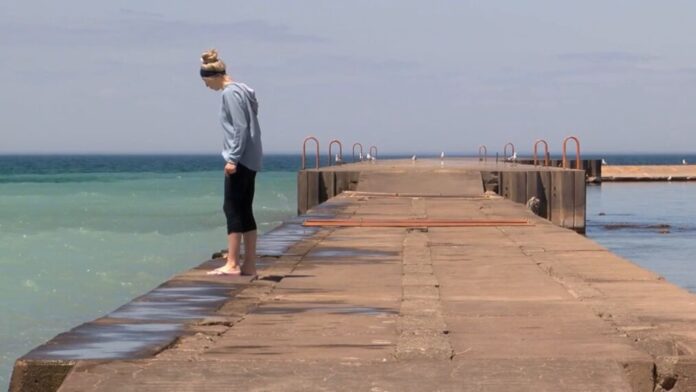
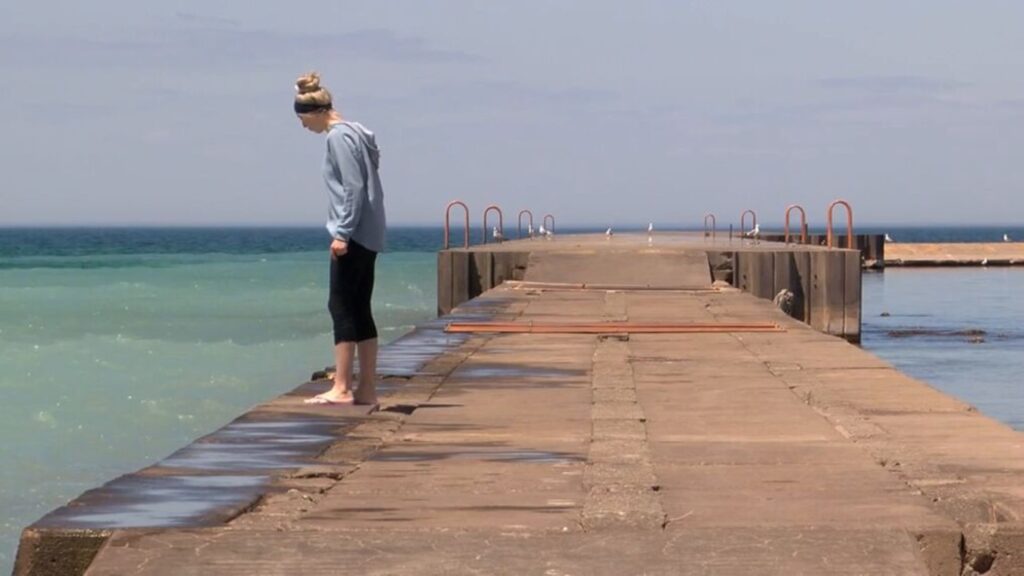
27-year-old Alyssa DeWitt decided to take her kids to First Street Beach Pier at Lake Michigan on Tuesday afternoon.
“I almost didn’t, I sat in the van for about five minutes thinking the wind was really strong, and I didn’t really know if it was a good idea,” said the stay-at-home mom from Manistee, Michigan.
On the beach she noticed a group of girls, all under 15, going into the water and became concerned for their safety.
“I happened to look up and saw one of the girls waving her arms towards me and immediately knew something was wrong,” she said. “I got up, pulled my kids out of the water and ran out onto the pier.”
SWNS
She called 911 but, she says, “I didn’t know if [they] could hear me and I didn’t have time to wait and find out,” she said.
No-one else was on the beach. She was the only one who could help. Alyssa laid on her stomach, despite being five months pregnant, and began trying to pull the girls over the rocky and slippery pier.
“Every time I’d get one of them halfway up, a big wave would come smashing into us and knock them back down or almost pull me over,” she said.
“My turning point was when one of the little girls looked at me and said, ‘I’m going to die.’ That was it for me and I was like ‘I’m not going to let you die, I’m going to get you out of this water, I promise.’”
She managed to pull all three girls out of the water and over the pier before the group set off back towards the shore to rescue a fourth girl who had managed to get closer to shore but couldn’t stand because her leg was injured.
“I honestly do not know how I did it, it was pure adrenaline at that point,” Alyssa said.
“Right after I got everybody onto the beach, the ambulance and the police cars came flying into the parking lot.”
Alyssa sustained a swollen wrist but she and the baby were both fine when she went to the hospital to get checked out.
She said another hero of the day is her six-year-old daughter, who managed to keep her two-year-old brother safe during the ordeal.
“Between me screaming into the phone that I needed help and me screaming to the kids what I needed them to do to get them out, I was also turning around and screaming to my son not to come because it wasn’t safe,” she said.
“He was very scared and repeatedly tried to run to me on the pier.”
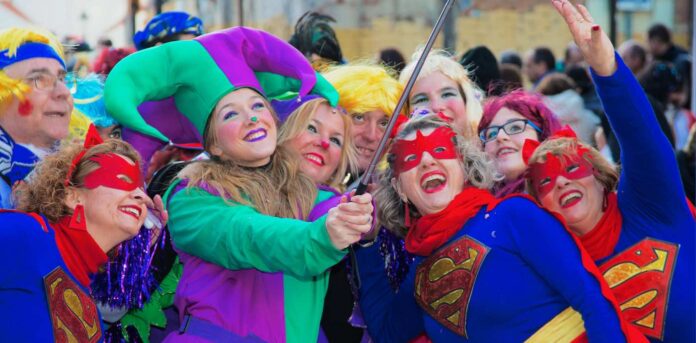
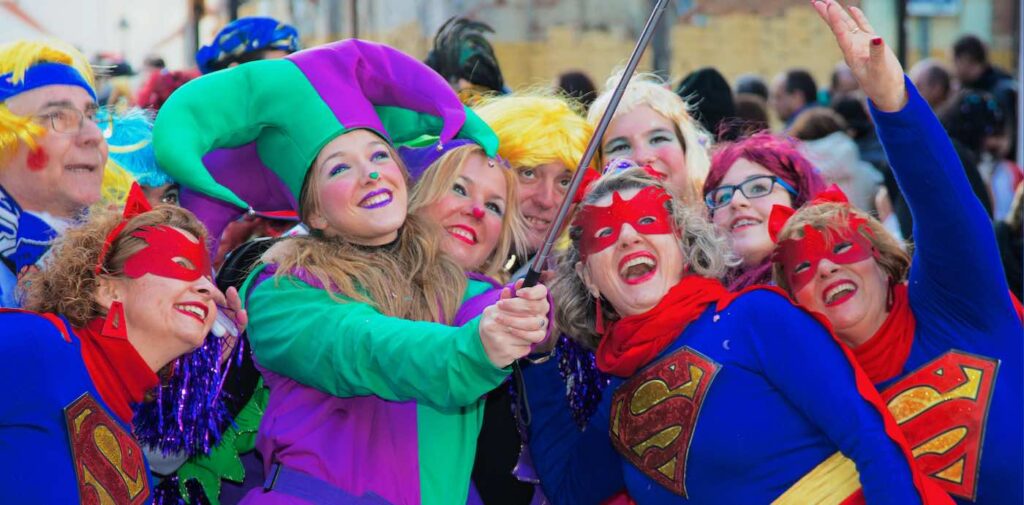
“My daughter would pick him up and take him back to the sand and she was so calm and I’m extremely proud of her, she did a great job.” This super-hero mom did extremely well too.
Quote of the Day: “Life moves pretty fast. If you don’t stop and look around once in a while, you could miss it.” – Ferris Bueller’s Day Off(premiered 35 years ago today)
Photo: The film’s Ferrari
With a new inspirational quote every day, atop the perfect photo—collected and archived on our Quote of the Day page—why not bookmark GNN.org for a daily uplift?
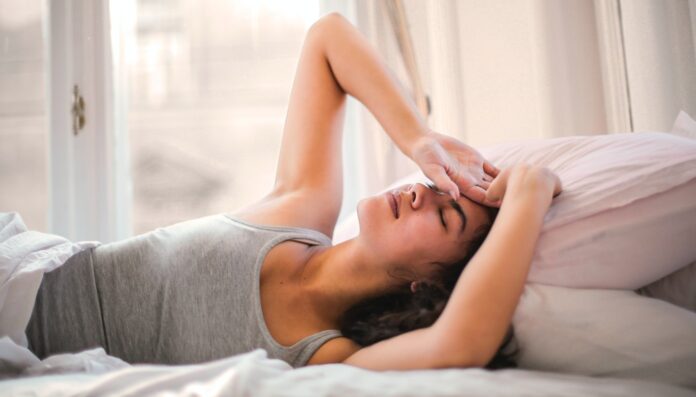
Inspired by techniques used to train deep neural networks, a neuroscience professor has argued for a new theory of dreams: the overfitted brain hypothesis.
The hypothesis, from Erik Hoel at Tufts University, suggests that the strangeness of our dreams serves to help our brains better generalize our day-to-day experiences.
“There’s obviously an incredible number of theories of why we dream,” says Hoel. “But I wanted to bring to attention a theory of dreams that takes dreaming itself very seriously—that says the experience of dreams is why you’re dreaming.”
A common problem when it comes to training AI is that it becomes too familiar with the data it’s trained on—it starts to assume that the training set is a perfect representation of anything it might encounter. Data scientists fix this by introducing some chaos into the data; in one such regularization method, called “dropout,” some data is randomly ignored.
Imagine if black boxes suddenly appeared on the internal screen of a self-driving car: the car that sees the random black boxes on the screen and focuses on overarching details of its surroundings, rather than the specifics of that particular driving experience, will likely better understand the general experience of driving.
“The original inspiration for deep neural networks was the brain,” Hoel says. And while comparing the brain to technology is not new, he explains that using deep neural networks to describe the overfitted brain hypothesis was a natural connection. “If you look at the techniques that people use in regularization of deep learning, it’s often the case that those techniques bear some striking similarities to dreams,” he says.
With that in mind, his new theory suggests that dreams happen to make our understanding of the world less simplistic and more well-rounded—because our brains, like deep neural networks, also become too familiar with the “training set” of our everyday lives. Hoel’s theory is laid out in a review in the journal Patterns.
To counteract the familiarity, he suggests, the brain creates a weirded version of the world in dreams, the mind’s version of dropout. “It is the very strangeness of dreams in their divergence from waking experience that gives them their biological function,” he writes.
Hoel says that there’s already evidence from neuroscience research to support the overfitted brain hypothesis. For example, it’s been shown that the most reliable way to prompt dreams about something that happens in real life is to repetitively perform a novel task while you are awake. He argues that when you over-train on a novel task, the condition of overfitting is triggered, and your brain attempts to then generalize for this task by creating dreams.
But he believes that there’s also research that could be done to determine whether this is really why we dream. He says that well-designed behavioral tests could differentiate between generalization and memorization and the effect of sleep deprivation on both.
Another area he’s interested to explore is on the idea of “artificial dreams.” He came up with overfitted brain hypothesis while thinking about the purpose of works of fiction like film or novels. Now, he hypothesizes that outside stimuli like novels or TV shows might act as dream “substitutions”—and that they could perhaps even be designed to help delay the cognitive effects of sleep deprivation by emphasizing their dream-like nature (for instance, by virtual reality technology).
While you can simply turn off learning in artificial neural networks, Hoel says, you can’t do that with a brain. Brains are always learning new things—and that’s where the overfitted brain hypothesis comes in to help. “Life is boring sometimes,” he says. “Dreams are there to keep you from becoming too fitted to the model of the world.”
A 3-D printed electronic nose has been developed that ‘sniffs out’ Covid in just seconds.
The device smells chemicals in infected individuals, opening the door to large-scale testing across the world.
Scientists say it could be used at airports, offices, factories, and even football, rugby, and cricket grounds.
Project leader Professor Noam Sobel explained: “The e-nose generates a pattern in every odour—it characterizes the smell of Covid-19.”
Rapid diagnosis is key to bringing the pandemic under control, said Sobel. It will enable people to attend mass gatherings and travel, as well as return to school or work.
The instrument, called Pen3, has been trained to identify VOCs (volatile organic compounds) in the inner nasal passage, rather than in the breath.
Experiments on 503 people—27 of whom were later deemed to have COVID-19—found it was up to 94 percent accurate.
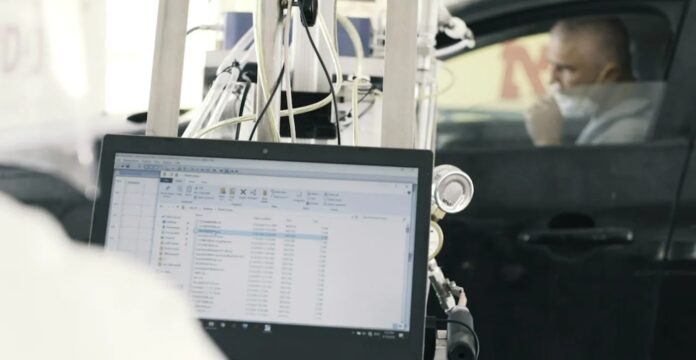
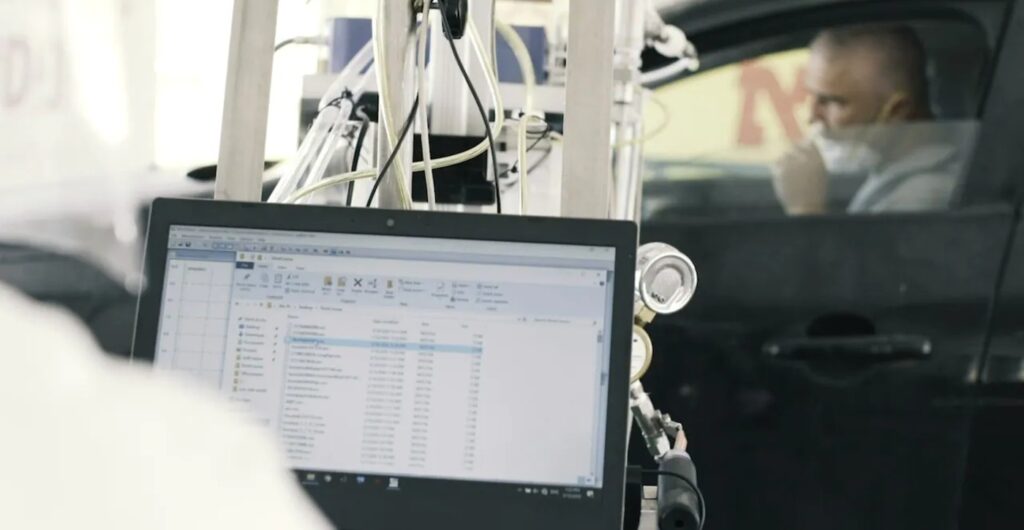
They were recruited at a drive-thru testing station Tel Aviv, organized by Israel’s Red Cross.
Sobel, of the Weizmann Institute of Science in Rehovot, Israel, explained: “Every disease has an odor because they change metabolic processes. Metabolites have a smell.”
Pen3, which is designed to be 3D printed, has a gas unit and an array of sensors. A sampling valve connected to software fits snuggly into the nostril.
An electric lift on a wheelchair raised it to the level of each volunteers’ window. They did not even have to get out of the car.
Sobel further explained: “When a compound interacts with the sensors, this results in an oxygen exchange that leads to a change in electrical conductivity.”
Dogs can also use their noses to pick up Covid’s scent, but the scale of the crisis makes them an unrealistic tool, he said.
Those who took part in the initial tests were handed the sampling valve and instructed to hold it against a nostril opening for 80 seconds.
They were told to breath normally, but only through their open mouth. They then drove 30 feet to undergo the official PCR COVID-19 test.
“It was a shot in the dark,” said Sobel, “but the payback will be so huge… We get an answer in 80 seconds. We are obtaining meaningful data. We are actually measuring differences between people. We are gaining information that may open a path to rapid diagnosis.”
The peer-reviewed study in PLOS ONE shows there is a specific COVID-19 “body odor” that is detectable with Pen3.
“Given our current results,” said Sobel, “an optimized ‘eNose’ may be able to provide effective real-time diagnoses in locations such as airports, the work-place, and cultural events,” helping speed up both social and economic recovery. That’s hopeful news indeed.
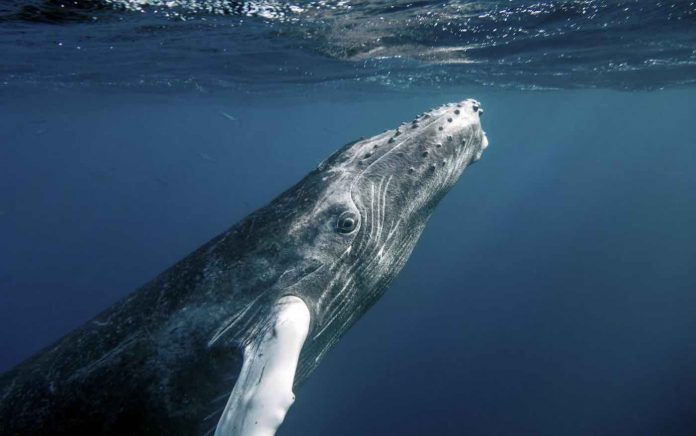
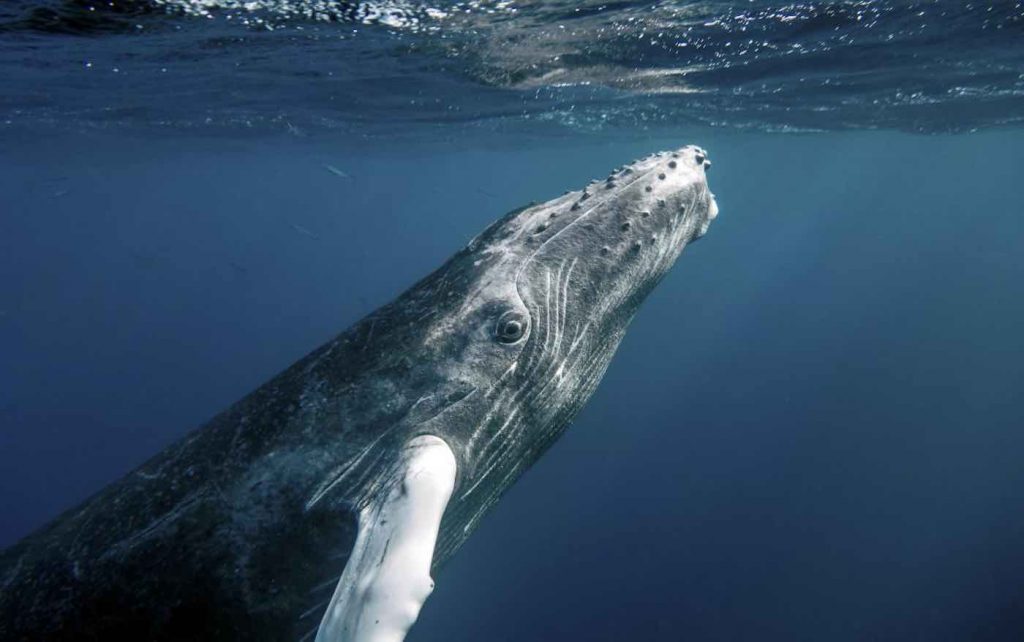
The U.S. administration has announced it will be officially protecting 116,098 square nautical miles of the Pacific Ocean as critical habitat for three populations of endangered humpback whales.
The final rule could begin to help protect migrating whales from ship strikes, entanglement in fishing gear, and oil spills.
The action was prompted by a 2018 legal victory by the Center for Biological Diversity, Wishtoyo Foundation, and Turtle Island Restoration Network—which sued over the federal failure to designate critical habitat as required by the Endangered Species Act.
“Pacific humpbacks finally got the habitat protections they’ve needed for so long. Now we need to better protect humpbacks from ship strikes and entanglement in fishing gear, their leading causes of death,” said Catherine Kilduff, an attorney with the Center in a statement. “To recover West Coast populations of these playful, majestic whales, we need mandatory ship speed limits and conversion of California’s deadly trap fisheries to ropeless gear.”
The Center for Biological Diversity also sued the federal government in January for failing to protect endangered whales from speeding ships using California ports. The organization is also co-sponsoring the California Whale Entanglement Prevention Act (Assembly Bill 534), which would require the state’s commercial Dungeness crab and other trap fisheries to convert to ropeless gear (also known as “on-demand” or “pop-up buoy” gear) by the end of 2025.
One population of endangered humpback whales that feeds off California’s coast contains fewer than 800 individuals, leaving them vulnerable to threats from humans.
This rule is a win, as it designates a total of 224,030 square nautical miles for the two endangered and one threatened populations, but overlapping habitat means 116,098 square nautical miles will be protected.
Specifically, the rule designates 48,521 square nautical miles of critical habitat off the coast of California, Oregon, and Washington for the humpback population that winters in Central America.
The Mexico population got 116,098 square nautical miles in the North Pacific Ocean, including Bering Sea and Gulf of Alaska—regions that also made up the 59,411 square nautical miles listed for the Western North Pacific humpback population.
“Today is a good day for humpback whales and the ocean all living things depend on,” said Todd Steiner, executive director of Turtle Island Restoration Network. “Designating 116,000 square miles of critical habitat in the ocean is something to celebrate, but whales, turtles, and dolphins still need additional protection from industrial fishing and ship strikes to recover and thrive, so we won’t be resting on our laurels.”
Critical habitat protection will help safeguard ocean areas essential for migrating and feeding. The designation will ensure that federally permitted activities do not destroy or harm important whale habitat. Evidence shows that endangered or threatened species that have protected critical habitat are twice as likely to be recovering as those without it—and that’s good news indeed.
HELP Your Friends Out of Their Bad News Hump—Share This Positive Story…
Celebrating with alcohol may leave many suffering with the dreaded hangover. But according to a study published in the Journal of Food Science, the amino acids and minerals found in the extract of a specific vegetable may alleviate alcohol hangover and protect liver cells against toxins.
Researchers at the Institute of Medical Science and Jeju National University in South Korea analyzed the components of young asparagus shoots and leaves to compare their biochemical effects on human and rat liver cells. “The amino acid and mineral contents were found to be much higher in the leaves than the shoots,” says lead researcher B.Y. Kim.
Aphiwat Chuangchoem
Chronic alcohol use causes oxidative stress on the liver as well as unpleasant physical effects associated with a hangover. “Cellular toxicities were significantly alleviated in response to treatment with the extracts of asparagus leaves and shoots,” says Kim. “These results provide evidence of how the biological functions of asparagus can help alleviate alcohol hangover and protect liver cells.”
According to HowStuffWorks, in an informal trial the scientists also found that volunteers who imbibed a drink containing the extract reported fewer hangover symptoms.
Asparagus officinalis is a common vegetable that is widely consumed worldwide and has long been used as an herbal medicine due to its anticancer effects. It also has antifungal, anti-inflammatory, and diuretic properties.
So while a trial utilizing asparagus extract on human cells isn’t the same as you taking it upon yourself to eat a steamed plate of the greens before a night out, it can’t hurt to try?
While paddling the iconic Danube River, what this Hungarian couple wasn’t expecting to find was two rare white-tailed eagles, stuck together and at risk of drowning.
Likely the eagles were clasped in this way after fighting. Klaudia Kis and Richard Varga knew they had to take action.
They helped the pair out humanely, using a rope, before continuing their journey from the Black Sea near Romania to Germany’s Black Forest.