All News - Page 505 of 1736 - Good News Network
Home Blog Page 505

Watch the Lifesaving Moment a Man Topples Backwards Off a Balcony—But a Bystander Catches His Foot

SWNS

This is the incredible moment a man escaped almost certain death when he toppled backwards off a balcony—but gets saved when a bystander catches his foot.

SWNS

CCTV footage shows a group of men lining up to collect their labor pensions on the second-floor balcony of a bank in Kerala, South India.

In the video, one of the men can be seen slowly swaying back and forth before leaning backwards and tumbling off the concrete balcony ledge.

A quick-thinking bystander springs into action—grabbing his foot as he goes over.

Others can be seen rushing over to the aid of the unconscious man, eventually pulling him back to safety.

CHECK OUT: Trucker Hero Pulls Over When He Sees ‘Frantic’ Man Running Up Highway After Wreck Flings His Toddler into the Dark

The man, known locally as Binu, was later taken to the nearest hospital. It’s reported that he did not sustain any injuries and is now safe—with his black-out having been caused by an unexplained medical episode.

Here at GNN, we’re wishing him the best of health.

(WATCH the SWNS video of Binu being saved below.)

SHARE This Harrowing Rescue Story With Your Pals…

Chimps From Two Czech Zoos are Zooming Each Other Every Day

Sheku Koroma
Sheku Koroma

If there was anyone in our society who didn’t know how to use Zoom, they do now. The demand for the superior video call platform has obliterated all others over the course of the pandemic, and its popularity is even crossing the species boundary.

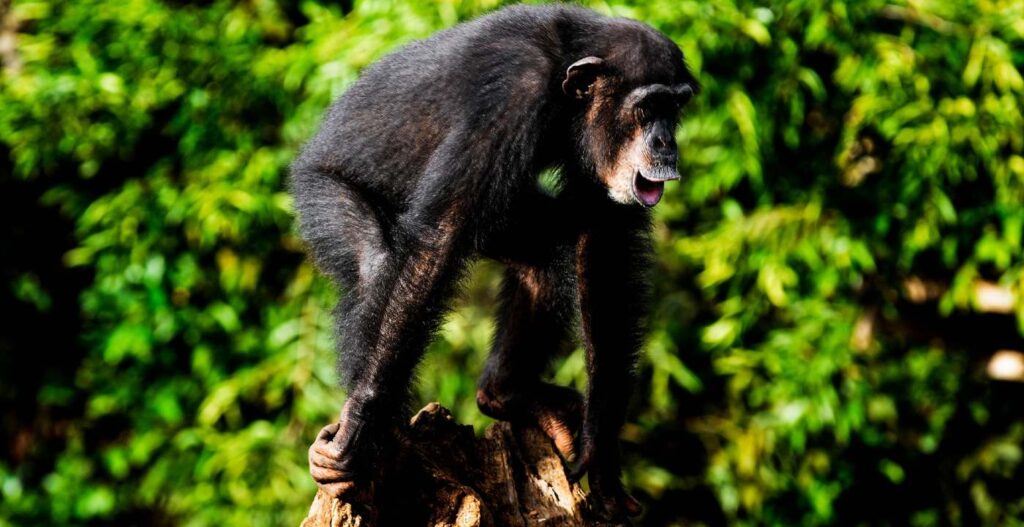
Chimpanzees at two Czech zoos are, like the rest of us, staying in contact via Zoom, as the zoo staff seek to give them some company and stimulation during the long hours of isolation.

Chimp gang Dingo, Babeta, Bonnie, Suzi, Chispi and Mat at Safari Park Dvur Kralove have had their lives Zoom-displayed on giant screens in front of the simians at a Brno Zoo enclosure 90 miles away, and vice versa.

There are no confusions over whether the default speaker is selected, or if the mute button is on, as the sound off entirely, but that hasn’t stopped the two groups from enjoying the company of their cousins.

MORE: Nat Geo Series Follows Rescued Chimpanzees in Sanctuary Where High Jinx is Job One

Reuters reports that it didn’t always seem like a family reunion. “At the beginning they approached the screen with defensive or threatening gestures,” said Gabriela Linhartova, one of the ape keepers at Dvur Kralove Zoo east of Prague.

“It has since moved into the mode of ‘I am in the movies’ or ‘I am watching TV’. When they see some tense situations, it gets them up off the couch, like us when we watch a live sport event,” she said.

CHECK OUT: Jane Goodall Gets Tender Hug From Chimp Before its Release

While observing the others’ day-to-day lives, the chimps have taken to other human behaviors, such as shoveling things like peanuts into their mouths while they watch— reminding this author of the “junk food movie nights” of his childhood.

READ: Adorable Pictures Show A Critically Endangered Female Chimpanzee Cradling Her Newborn Baby

There is a live stream on the zoo’s website where the calls—streamed daily from 8AM to 4PM CET—will continue until the end of this month at least.

(WATCH the Arirang News segment about the chimp friends below.)

GO APE for the Good News—Share This Sweet Webcam Feed With Pals…

Just One Day After Completing CPR Training, a Teen Saves Her Friend’s Life Using Procedure She’d Just Learned

A'zarria Simmons left; Torri'ell Norwood right/Torri'ell Norwood

Even though CPR is one of the most important lessons we can learn, it’s also something we hope we’ll never have to use. Can you imagine just completing a life-saving training course and then having to test out your skills the very next day—on your best friend?

A’zarria Simmons left; Torri’ell Norwood right/Torri’ell Norwood

St. Petersburg teen Torri’ell Norwood was behind the wheel of her car when it was T-boned by a speeding driver. The crash hurled the car containing 16-year-old Norwood and her three passengers across someone’s front lawn, where the car barreled into a tree.

After the force of the impact crushed Norwood’s door, she was forced to climb through her window to get out. Two of her passengers, both unhurt, were also able to extricate themselves from the vehicle.

The crashed car/Torri’ell Norwood

But as they started to make their way clear of the wreckage, Norwood realized that her friend A’zarria Simmons was still in the car.

“When I turned around, I didn’t see A’zarria running with us,” Norwood told CNN. “So, I had to run back to the car as fast as I can. She was just sitting there unresponsive.”

Simmons had hit her head on a rear passenger window. The blunt-force trauma resulted in life-threatening injuries.

After pulling Simmons from the car, Norwood checked her vital signs. Unable to detect a pulse, she immediately began employing the CPR techniques she’d so recently learned on Simmons.

MORE: Teen Collects 30,000 Pairs of Shoes to Donate ‘Dignity’ to LA Homeless

Norris had administered 30 compressions and two rescue breaths when Simmons regained consciousness. Paramedics arrived shortly thereafter and transported Simmons to the nearest Florida hospital.

Norwood learned her lifesaving skills at Lakewood High School’s Athletic Lifestyle Management Academy. Her instructor, Erika Miller, was both awed and astonished by her student’s stellar performance.

Miller noted that most of her former students never have cause to use their CPR training until they’re studying to become nurses or EMTs. “But not while they were still a student of mine or definitely not within 24 hours,” she told CNN, adding proudly: “This is what every teacher dreams of, you know, that somebody listens, pays attention, learns something.”

CHECK OUT: Teen from Wildfire-Hit Town Wins $250k Scholarship for Awesome Explanation of Quantum Tunneling

When Simmons woke up in the hospital, she didn’t remember the accident, but there’s little doubt she’ll ever forget the BFF who’d paid attention in class—and saved her life.

SHARE This Story of Teen Serendipity With Pals…

“When everything seems to be going against you, remember that the airplane takes off against the wind, not with it.” – Henry Ford

Quote of the Day: “When everything seems to be going against you, remember that the airplane takes off against the wind, not with it.” – Henry Ford

Photo by: David Vilches

With a new inspirational quote every day, atop the perfect photo—collected and archived on our Quote of the Day page—why not bookmark GNN.org for a daily uplift?

How to Turn Plastic Waste From Your Recycle Bin Into Profit

Nathan Shaiyen/Michigan Tech, CC license

This article, by Joshua M. Pearce of Michigan Technological University, has been republished from The Conversation under a Creative Commons license.

Nathan Shaiyen/Michigan Tech, CC license

People will recycle if they can make money doing so. In places where cash is offered for cans and bottles, metal and glass recycling has been a great success. Sadly, the incentives have been weaker for recycling plastic.

But now, several technologies have matured that allow people to recycle waste plastic directly by 3D-printing it into valuable products, at a fraction of their normal cost. People are using their own recycled plastic to make decorations and gifts, home and garden products, accessories and shoes, toys and games, sporting goods and gadgets from millions of free designs.

This approach is called distributed recycling and additive manufacturing, or DRAM for short.

As a professor of materials engineering at the forefront of this technology, I can explain—and offer some ideas for what you can do to take advantage of this trend.

How DRAM works

The DRAM method starts with plastic waste—everything from used packaging to broken products.

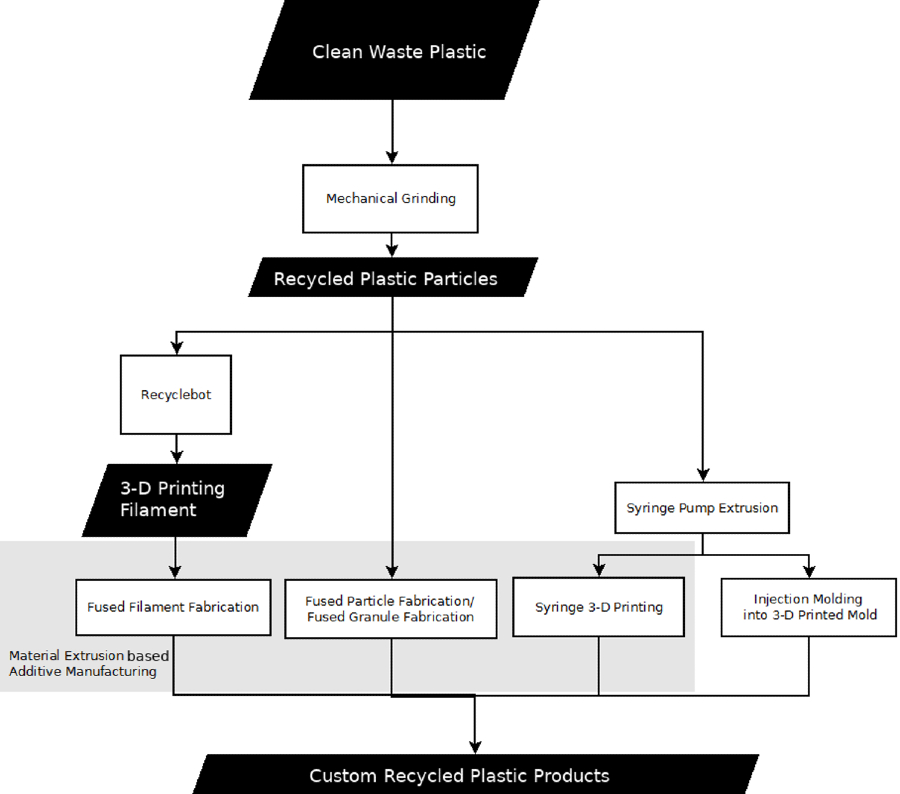
From trash to treasure – the DRAM flowchart. Joshua M. Pearce, CC license

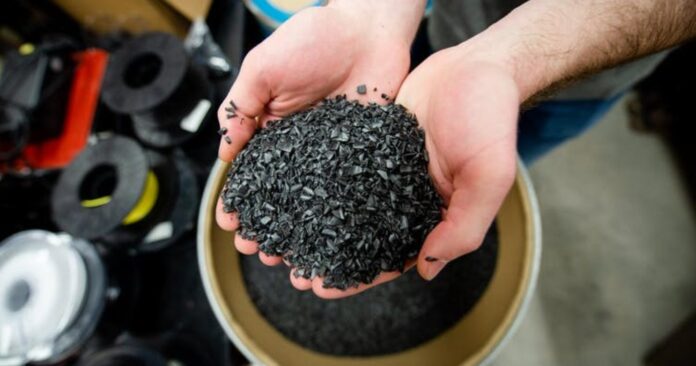
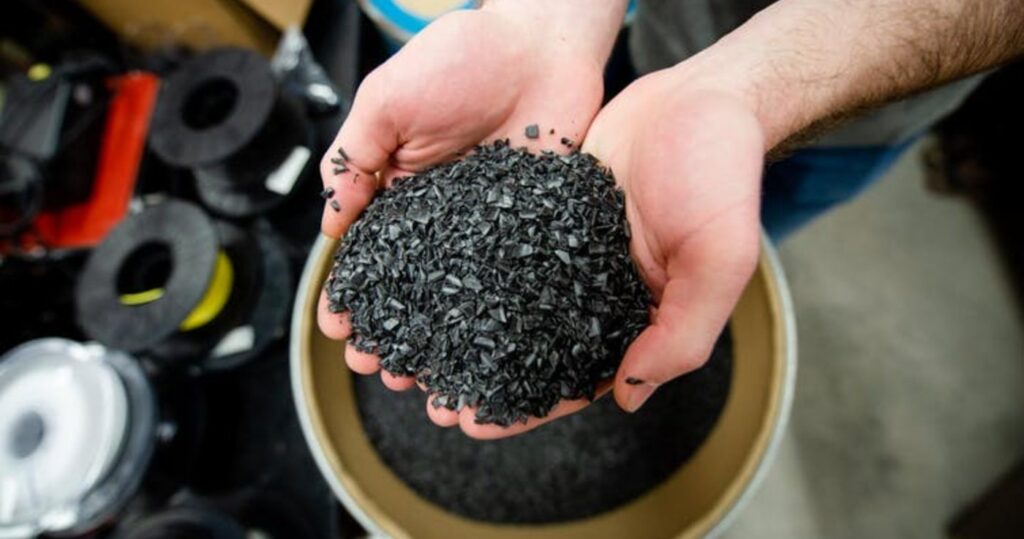
The first step is to sort and wash the plastic with soap and water or even run it through the dishwasher. Next, the plastic needs to be ground into particles. For small amounts, a cross-cut paper/CD shredder works fine. For larger amounts, open-source plans for an industrial waste plastic granulator are available online.

Next you have a few choices. You can convert the particles into 3D printer filament using a recyclebot, a device that turns ground plastic into the spaghetti-like filaments used by most low-cost 3D printers.

Filament made with a 3D-printable recyclebot is incredibly cheap, costing less than a nickel per pound as compared to commercial filament, which costs about US$10 per pound or more. With the pandemic interrupting global supply chains, making products at home from waste is even more appealing.

CHECK OUT: We Use 6 Billion Face Masks a Day—But Scientists Have a Genius Way to Turn Them Into Roads

The second approach is newer: You can skip the step of making filament and use fused particle fabrication to directly 3D-print granulated waste plastic into products. This approach is most amenable to large products on larger printers, like the commercial open source GigabotX printer, but can also be used on desktop printers.

Granulated plastic waste can also be directly printed with a syringe printer, although this is less popular because print volume is limited by the need to reloading the syringe.

My research group, along with dozens of labs and companies throughout the world, has developed a wide array of open source products that enable DRAM, including shredders, recyclebots and both fused filament and fused particle 3D printers.

RELATED: Scientists Turn Plastic Waste Into Valuable Commodities, to Create a Bigger Market for Waste Materials

These devices have been shown to work not only with the two most popular 3D printing plastics, ABS and PLA, but also a long list of plastics you likely use every day, including PET water bottles. It is now possible to convert any plastic waste with a recycling symbol on it into valuable products.

Furthermore, an “ecoprinting” initiative in Australia has demonstrated DRAM can work in isolated communities with no recycling and no power by using solar-powered systems. This makes DRAM applicable anywhere humans live, waste plastic is abundant and the Sun shines – which is just about everywhere.

Toward a circular economy

Research has shown this approach to recycling and manufacturing is not only better for the environment, but it is also highly profitable for individual users making their own products, as well as for small- and medium-sized businesses. Making your own products from open source designs simply saves you money.

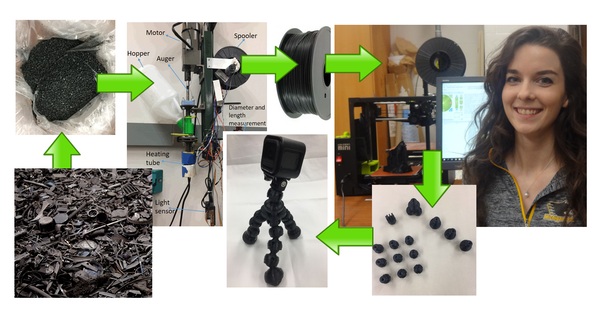
From waste to filament to a camera tripod. Joshua M. Pearce, CC license

DRAM allows custom products to be made for less than the sales tax on conventional consumer products. Millions of free 3D-printable designs already exist—everything from learning aids for kids to household products to adaptive aids for arthritis sufferers. Prosumers are already 3D-printing these products, saving themselves collectively millions of dollars.

One study found MyMiniFactory users saved over $4 million in one month alone in 2017 just by making toys themselves, instead of purchasing them. Consumers can invest in a desktop 3D printer for around US$250 and earn a return on investment of over 100% by making their own products. The return on investment goes higher if they use recycled plastic. For example, using a recyclebot on waste computer plastic makes it possible to print 300 camera lens hoods for the same price as a single one on Amazon.

Individuals can also profit by 3D-printing for others. Thousands are offering their services in markets like Makexyz, 3D Hubs, Ponoko, or Print a Thing.

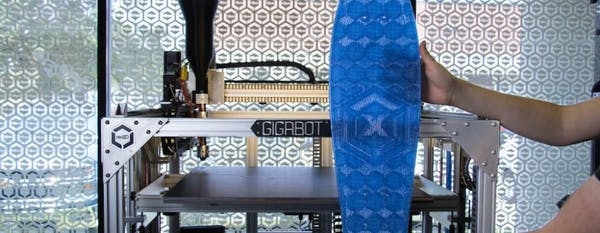
The Gigabot X 3D printer makes larger items. Samantha Snabes/re:3D, CC license

Small companies or fab labs can purchase industrial printers like the GigabotX and make returns by printing large sporting goods equipment like snowshoes, skateboard decks and kayak paddles from local waste.

Scaling up

Large companies that make plastic products already recycle their own waste. Now, with DRAM, households can too. If many people start recycling their own plastic, it will help prevent the negative impact that plastic is having on the environment. In this way DRAM may provide a path to a circular economy, but it will not be able to solve the plastic problem until it scales up with more users. Luckily we are already on our way.

3D printer filament is now listed in Amazon Basics along with other “everyday items,” which indicates plastic-based 3D printers are becoming mainstream. Most families still do not have an in-home 3D printer, let alone a reyclebot or GigabotX.

MORE: The Ever-Growing Pile of Electronic Waste is Now On the Decline, Study Finds

For DRAM to become a viable path to the circular economy, larger tools could be housed at neighborhood-level enterprises such as small local businesses, makerspaces, fabrication labs or even schools. France is already studying the creation of small businesses that would pick up plastic waste at schools to make 3D filament.

I remember saving box tops to help fund my grade school. Future students may bring leftover plastic from home (after making their own products) to help fund their schools using DRAM.

The ConversationWritten by Joshua M. Pearce, Wite Professor of Materials Science & Engineering, and Electrical & Computer Engineering, Michigan Technological University. Read the original article here.

DON’T WASTE the Good News—Share This Story With Pals…

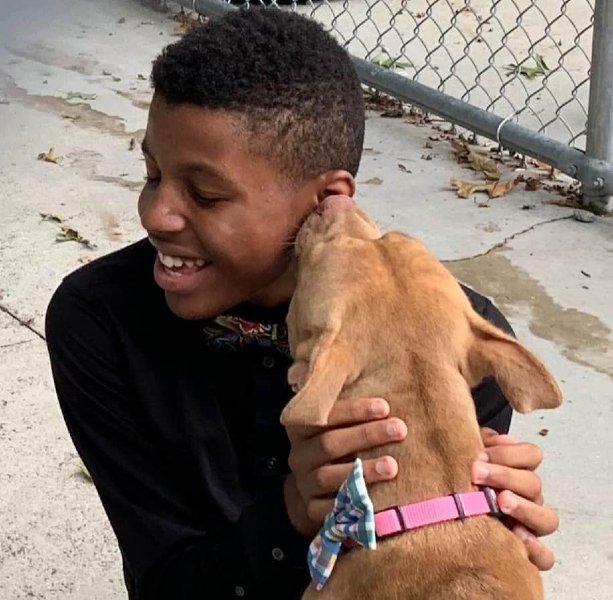
This Teen Makes Tiny Bow Ties for Shelter Dogs to Help Them Look Spiffy and Get Adopted

For rescue pups to get adopted, they need to stand out from the pack. One teenage boy has made it his mission to make sure they do—and he does it by providing his canine pals with slews of adorable bowties that he sews himself.

Joy Brown

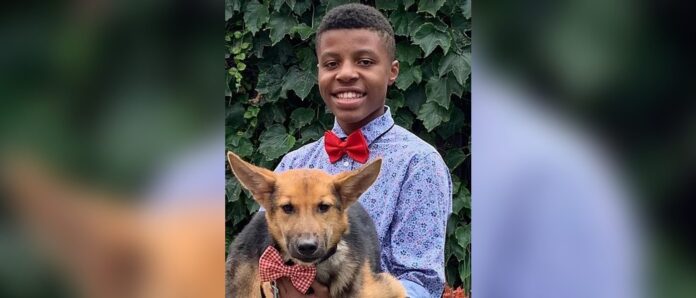
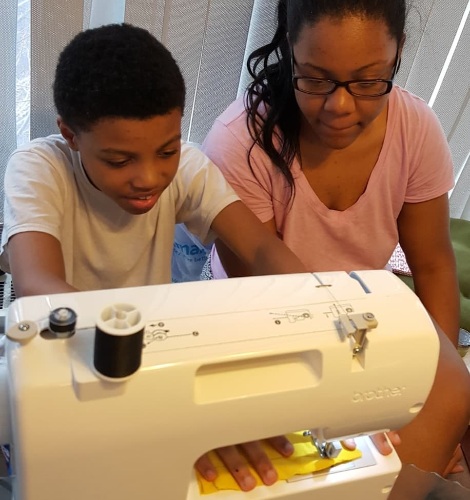
Darius Brown’s sister, Dazhai, taught him to sew when he was 8. The youngster’s first project, a Teenage Mutant Ninja Turtle-themed bowtie, proved so popular with his peers, Darius knew he’d found his niche.

Darius with his sister in 2015/Joy Brown

According to his mom, Joy, her son’s new passion was something of a godsend. Diagnosed at an early age with speech and fine-motor skills disorders, she noticed Darius’s abilities steadily improve as he painstakingly pursued his new craft.

“He was so determined. He sat and watched Dazhai for months and took it all in,” Joy told The Washington Post. “He started out cutting fabric and pretty soon, he was running the sewing machine by himself.”

When Darius learned about all the family pets left homeless by 2017’s Hurricane Irma, he was inspired to invest his emerging talent in helping them get adopted.

He soon delivered his first batch of 25 rescue bowties to New York City’s ASPCA animal shelter, which had become a refuge for a large influx of dogs and cats displaced by Irma.

“I saw how happy the people at the shelter were to get the bowties and how much the dogs liked them, and I decided to make more,” he told the Post. “I came up with a goal to give bowties to an animal shelter in every state.”

The young haberdasher to the furry set estimates he’s sewn in the neighborhood of 600 bowties for rescue animals since he started out. Pets in Washington D.C.-area shelters and eight U.S. states—so far—have been the beneficiaries of Darius’s paw-inspiring handiwork.

MORE: Labradoodle Has Incredible Bond With 7-Year-old Who Was Adopted Into the Family at the Same Time – LOOK

Darius especially likes to focus his attentions on older animals and pets with disabilities, since he knows they’re often the hardest to find homes for. Shelter directors acknowledge that Darius’s bowties have made a huge difference in getting more of their low-profile pets adopted.

With a little help from his mom, Darius brought his Beaux and Paws brand to life on Facebook and Instagram. The Browns also set up a GoFundMe campaign to help defray the cost of Darius’s sewing supplies.

RELATED: Teen Collects 30,000 Pairs of Shoes to Donate ‘Dignity’ to LA Homeless

As demand for his “collar-ful” wares grew, Darius broadened his operations by starting up his own entrepreneurial website, Sir Darius Brown. He earmarks a portion of all profits to the ASPCA.

As much of a dog lover as Darius is, the apartment complex in which the Brown family currently lives doesn’t allow them. So, for now, his dreams of having a canine companion of his own to keep him company will have to remain on hold.

CHECK OUT: Boys Make $250,000 From Genius nvention—And Donate Thousands to Animal Shelters

One day, however, Darius hopes to captain his own foster facility and surround himself with tail-wagging love. He also plans to expand the Beaux and Paws inventory to include brightly colored and boldly patterned doggie sweaters and vests for the well-heeled hound, taking his bowties for bow-wows to the big-time, all while showing off adoptable pets to their best advantage.

Featured image: Dazhai Brown Shearz

PAW This Good News About a Great Kid Over to Your Friends…

Trying to Stop the Epidemic of Veteran Suicides, Plant Medicine Company Builds Mental Wellness Value Chain

As GNN and others have reported, the effectiveness of plant medicines like cannabis and psilocybin to treat chronic anxiety, treatment-resistant depression, and PTSD is no longer deniable.

Now a Canadian former-hospital administrator has pounced on that evidence, founding a company that specializes in utilizing plant medicines to give veterans, police, paramedics, ambulance staff, and firefighters the treatment they need to get back on the path to mental health and wellness.

Allied Corporation is utilizing the legalized state of cannabis in Canada, and in 14 U.S. states, to get quality-tested cannabis and CBD products for mental health and wellness into the hands of these heroes who are, tragically, some of the most commonly afflicted cohorts in society.

According to reports from the American Psychiatric Association, depression causes a $200 billion loss in workplace productivity every year, while the CDC finds 200 million work days are lost to mental health-related sick days. The statistic that Callum Hughes, CEO of Allied, is interested in, however, is 17 suicides a day according to the Canadian Department of Veterans Affairs.

Hughes calls it 22—which may include Canadian veteran suicides in addition to those from south of the border. Call it 17 or call it 22, it’s between 17 and 22 too many in Hughes’ opinion.

Hughes had 10 years within the administrative and QA centers of hospital infrastructure when he came to learn about cannabis for treating things like PTSD in the run-up to the country’s eventual legalization of the drug.

“Myself and the Chief Operating Officer, he’s a Canadian veteran, we really started to realize along with some of the peer positions that I was in contact with that cannabis was very effective for chronic pain and getting off medication like morphine, oxycodone—drugs like this—but also for trauma survivors in the veteran cohort,” Hughes told GNN. 

In founding Allied Corp, Hughes looked to create a total supply-chain, from wide-scale production and quality testing, to bringing different products to market through vendors selling direct to veterans or first responders, to cutting-edge research in Israel and Austria looking to expand the field of applied plant medicine even further.

“We’re right in the corner for commercial scale-up, so it’s a real exciting time for the company’s journey,” Hughes explained.

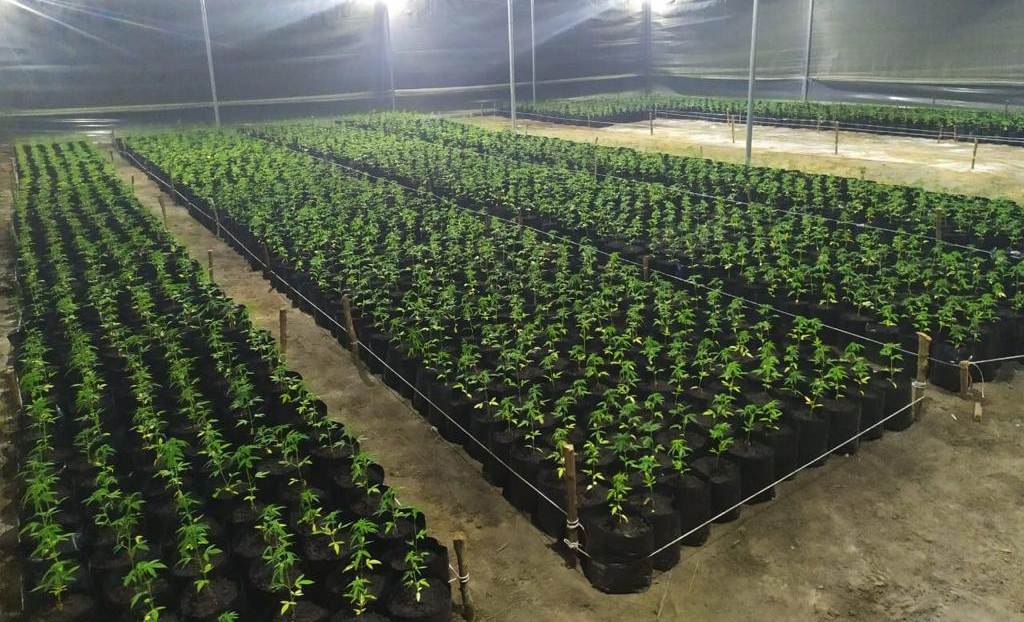
Colombia’s green hills

Allied Corp

Allied’s primary production occurs in a country one would never associate with wide-scale legalized production of cannabis due to its traumatic history with other drugs: Colombia.

Why there? “The special nature of the temperate climate in Colombia, the strains that we have registered… and the cannabinoid profile tested as higher in the Colombian climate as opposed to in North America,” said Hughes.

Allied’s production in Colombia is vast and cost-effective—producing 10 psychoactive strains and 10 non-psychoactive at around ten cents per gram.

“We traveled to Colombia in 2019 and acquired a large-scale farm down there. We entered out genetics to the Ministry of Agriculture and proceeded in what they called ‘seed evaluation,'” he continued. “[It was] the first time ever, as it was communicated to us, that a company presented to the Ministry… passed all 20 out of 20 strains that were submitted.”

This has allowed the company to launch a line of several CBD-infused products in addition to their pharmaceuticals.

“Tactical Relief is a CBD-infused tincture targeted at the veteran cohort,” explains Hughes, adding that the CBD content in the Colombian-grown cannabis is much higher than equivalent strains in the U.S. “Equilibrium Bio is an athlete-focused brand, we have an electrolyte rehydration drink as well as a tincture and athletic rub… all infused with CBD.”

Changing times

Allied Corp

Allied also does a variety of charity events to help veterans, police, and first responders get on the path back to mental health and wellness, including regular healing retreats that offer traditional therapy, and also supplementary activities like meditation and yoga.

Oms, colorful cushions, and breathing exercises maybe aren’t what people associate with veterans, but Allied’s website is smattered with hyperlinks to studies proving the effectiveness of things like meditation for helping recovery from trauma.

“One of our brand ambassadors was a 17-year Green Beret and United States veteran who has really overcome his story with PTSD, so it’s an authentic message brought to market by authentic people,” explains Hughes.

MORE: Cannabis Compound Inhibits COVID-19 Replication in Human Lung Cells, Study Says

Now a publicly traded company on various stock exchanges, Allied’s waves of success crests during a period where the mental health and wellness of many in the United States has perhaps never been poorer.

As government-mandated travel restrictions and business closures continues to spike mental health problems across the country, like gold in a recession, demand in plant medicine is trending the opposite direction.

“We’ve seen an increase in demand on the people level. And if you look around the whole COVID thing, people’s mental health was generally affected by that,” said Hughes. “The increase in cannabis and CBD sales has been reported to us from our distributor partners from the U.S.”

RELATED: Georgia Lab Experiments Shows CBD Reduces Plaque And Improves Cognition in Early Onset Alzheimer’s

Recently, GNN reported the success of another cannabis and psilocybin-based corporation. It’s a growing field, and the advantage of having access to public funding is that companies like Allied Corp allow the average person’s interest and belief in plant medicines to be channeled into investments.

Featured image: Kat Geb, CC license

GROW the Good News In Your Friends’ News Feeds—Share This Story…

11-Year-Old Boy Stumbles Upon 2,500-Year-Old Fertility Amulet In Israel

Facebook/Israel Antiquities Authority

That kids love rock collecting is a given. Finding an unusual stone is every junior geologist’s dream. But turning up an ancient relic? Now, that’s pretty amazing.

Facebook/Israel Antiquities Authority

Zvi Ben-David was on a family hike near Israel’s Besor River when something out of the ordinary caught his eye. When the 11-year-old snapped the artifact up, he likely had no idea he was in for an Indiana Jones moment.

The small object he’d unearthed was in fact a 2,500-year-old fertility amulet. “The figurine that Zvi discovered is so rare that only one such example exists in the National Treasures collection,” the Israel Antiquities Authority (IAA) posted on their Facebook page.

Worn smooth over centuries, the diminutive statuette depicting a bare-breasted woman is just 2.75 inches tall and 2.36 inches wide (7 centimeters by 6 centimeters).

MORE: Ancient Biblical Scrolls and Rare Coins of ‘Immeasurable Worth for Mankind’ Discovered in Desert Cave

Considered a good-luck icon during the late First Temple Period (the era between the time King Solomon’s Temple was built circa 957 BCE and destroyed circa 587 BCE), such amulets were thought to bring prosperity and protection.

Facebook/Israel Antiquities Authority

Though a small country in area, Israel is home to 37 registered archaeological sites. Thanks to its being the location of the Bronze Age settlement of Tel Gamma, as well as its mention in The Book of Samuel, Nahal Besor is steeped in both historic and biblical meaning. For decades, archeologists have steadily striven to uncover the region’s hidden secrets.

Ben-David’s mom, Miriam, is a professional tour guide. Immediately realizing the item’s historic significance, she alerted the IAA to her son’s discovery. The organization was delighted by the find and the finder as well.

RELATED: When 8-Year-old ‘Queen’ Finds Authentic Ancient Sword in a Lake, Her Fans Rally to Forge Her a Replica

“The exemplary citizenship of young Zvi Ben-David will enable us to improve our understanding of cultic practices in biblical times, and man’s inherent need for material human personifications,” the IAA stated on Facebook. “The whole Ben-David family deserves a huge shoutout. Don’t you agree?”

Facebook/Israel Antiquities Authority

Indeed, we do. “Mazel tov!”

SHARE This Lucky Find of a Story With Friends…

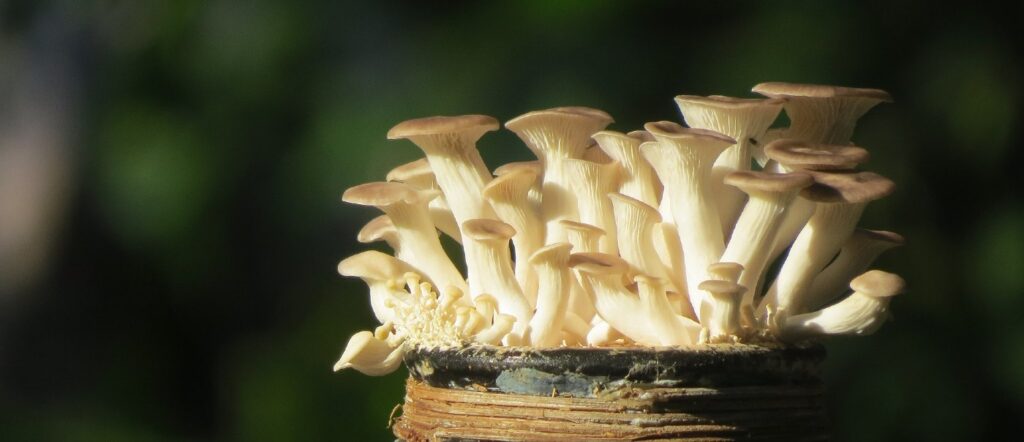
Growing Mushrooms at Home is Everyone’s New Pandemic Hobby

Oyster muhsrooms grown in coffee grounds, phạm Lộc

Home-grown mushroom kits are seeing an explosion in demand, giving people something to do, watch, and cheer on while they’re stuck at home.

Oyster muhsrooms grown in coffee grounds, phạm Lộc

Lockdown and travel restrictions has led to a resurgence in the popularity of crafts, gardening, baking, and other at-home hobbies. Remarkably, half of Canadians grew their own food to some degree last year—17% of whom did so for the first time.

For many of these beginner horticulturalists, mushrooms represented a super-easy way to start things off with, especially if they didn’t have any soil to utilize. The Guardian reports that some companies are seeing 300%-400% increases in sales of starter kits for genera like oyster mushrooms, a beautiful gilled fungi that grows horizontally on logs, trees, and hills in nature.

People like Willoughby Arevalo, a mycologist from Vancouver, have noted the stratospheric rise in mushroom kits sales. Author of DIY Mushroom Cultivation, he credits their fast daily growth, compared to the slow plodding of windowsill herbs, as one of their strongest appeals.

MORE: Stanford Designer is Making Bricks Out of Fast-Growing Mushrooms That Are Stronger than Concrete

“It’s relatively low-barrier. They’re more expensive than making your own once you have the system set up to do so, but they’re not that expensive,” said Arevalo to the National Post (starter kits typically range from $25-$35). “And it can really bring a sense of amazement to be able to share space with these mushrooms as they fruit.”

Some have taken it farther than simply something to marvel at. The Guardian reports on one Australian man and his wife using the pandemic time to transform their laundry room into an environment for growing almost $500 worth of blue, tan, white, and Queensland oyster mushrooms every few months.

“Sharing them is such a nice thing, and we’ve been swapping them with people for backyard eggs or sourdough bread,” George Clipp from Melbourne told the Guardian. “They’re like an alternative currency, which is pretty cool.”

RELATED: Dutch Man Invents Coffin That Turns Bodies Into Mushrooms: ‘We are nutrients, not waste’

Fears of food shortages, as found in Canadian home growers, drove on the cultivation of produce for some during the pandemic, so Clipp’s remark about currency isn’t far off the mark. If the pandemic were worse, and supply chains were impossible to maintain, having so many pieces of food, rich in various minerals and B vitamins, becomes far more than just a home-hobby.

SHARE the News With Pals Who Need a New (Delicious) Hobby…

“Vitality shows in not only the ability to persist, but the ability to start over.” – F. Scott Fitzgerald

Quote of the Day: “Vitality shows in not only the ability to persist, but the ability to start over.” – F. Scott Fitzgerald

Photo: Istanbul, Turkey, by ZEKERIYA SEN

With a new inspirational quote every day, atop the perfect photo—collected and archived on our Quote of the Day page—why not bookmark GNN.org for a daily uplift?


Georgia Lab Experiments Shows CBD Reduces Plaque And Improves Cognition in Early Onset Alzheimer’s

Bret Kavanaugh

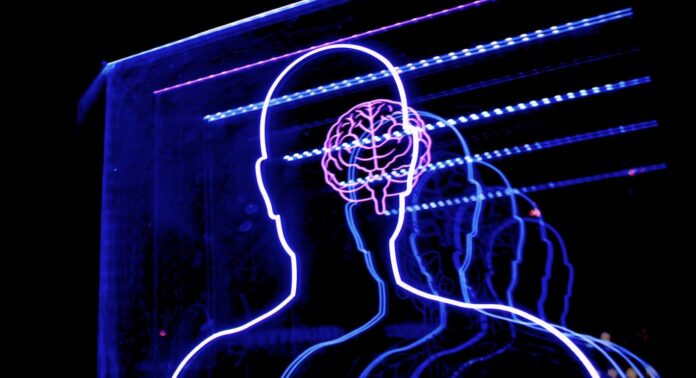
A two-week course of high doses of CBD helped restore the function of two proteins key to reducing the accumulation of beta-amyloid plaque, a hallmark of Alzheimer’s disease, and improved cognition in an experimental model of early onset familial Alzheimer’s—a form of Alzheimer’s that doctors know for certain is linked to genes—investigators report.

The proteins TREM2 and IL-33 are important to the ability of the brain’s immune cells to literally consume dead cells and other debris like the beta-amyloid plaque that piles up in patients’ brains—and levels of both are decreased in Alzheimer’s.

The researchers report for the first time that CBD normalizes levels and function, improving cognition by more than seven-fold as it reduces levels of the immune protein IL-6 in mice, which is associated with the high inflammation levels found in Alzheimer’s, says Dr. Babak Baban, immunologist and associate dean for research in the Dental College of Georgia and the study’s corresponding author.

He joined colleagues at the Medical College of Georgia, writing in the Journal of Alzheimer’s Disease.

“Right now we have two classes of drugs to treat Alzheimer’s,” says Dr. John Morgan, neurologist and director of the Movement and Memory Disorder Programs in the MCG Department of Neurology. One class increases levels of the neurotransmitter acetylcholine, which also are decreased in Alzheimer’s, and another works through the NMDA receptors involved in communication between neurons and important to memory.

“But we have nothing that gets to the pathophysiology of the disease,” wrote the coauthor.

The DCG and MCG investigators decided to look at CBD’s ability to address some of the key brain systems that go awry in Alzheimer’s.

CHECK OUT: Archive of GNN Stories on Cannabis, Here

They found CBD appears to normalize levels of IL-33, a protein whose highest expression in humans is normally in the brain, where it helps sound the alarm that there is an invader like the beta-amyloid accumulation. There is emerging evidence of its role as a regulatory protein as well, whose function of either turning up or down the immune response depends on the environment, Baban says.

In Alzheimer’s, that includes turning down inflammation and trying to restore balance to the immune system. That up and down expression in health and disease could make IL-33 both a good biomarker and treatment target for disease, the investigators say.

RELATED: Cannabis Compound Inhibits COVID-19 Replication in Human Lung Cells, Study Says

CBD also improved expression of triggering receptor expressed on myeloid cells 2, or TREM2, which is found on the cell surface where it combines with another protein to transmit signals that activate cells, including immune cells. In the brain, its expression is on the microglial cells, a special population of immune cells found only in the brain where they are key to eliminating invaders like a virus and irrevocably damaged neurons.

Low levels of TREM2 and rare variations in TREM2 are associated with Alzheimer’s, and in their mouse experiments, supported by the National Institutes of Health, TREM2 and IL-33 were both low.

Increasing Helpful Proteins By 7 and 10 Fold

They found CBD treatment increased levels of IL-33 and TREM2—sevenfold and tenfold, respectively.

MORENew Alzheimer’s Treatment Shows Real Promise in Slowing Cognition Decline Using Antibody in Human Trials

Both are essential to a natural, ongoing housekeeping process in the brain called phagocytosis, in which microglial cells regularly consume beta amyloid, which is regularly produced in the brain, the result of the breakdown of amyloid-beta precursor protein, which is important to the synapses, or connection points, between neurons, and which the plaque interrupts.

CBD’s impact on brain function in the mouse model of early onset Alzheimer’s was assessed by methods like the ability to differentiate between a familiar item and a new one, as well as observing the rodents’ movement.

People with Alzheimer’s may experience movement problems like stiffness and an impaired gait, says Dr. Hesam Khodadadi, a graduate student working in Baban’s lab. Mice with the disease run in an endless tight circle, behavior which stopped with CBD treatment, says Khodadadi, the study’s first author.

ALSO: New Study Says Infrared Lasers Destroy Harmful Plaques in Alzheimer’s Brains

Next steps include determining optimal doses and giving CBD earlier in the disease process. The compound was given in the late stages for the published study, and now the investigators are using it at the first signs of cognitive decline, Khodadadi says. They also are exploring delivery systems including the use of an inhaler that should help deliver the CBD more directly to the brain. For the published studies, CBD was put into the belly of the mice every other day for two weeks.

A company has developed both animal and human inhalers for the investigators who also have been exploring CBD’s effect on adult respiratory distress syndrome, or ARDS, a buildup of fluid in the lungs that is a major and deadly complication of COVID-19, as well as other serious illnesses like sepsis and major trauma. The CBD doses used for the Alzheimer’s study were the same the investigators successfully used to reduce the “cytokine storm” of ARDS, which can irrevocably damage the lungs.

Familial disease is an inherited version of Alzheimer’s in which symptoms typically surface in the 30s and 40s and occurs in about 10-15% of patients.

ALL NATURAL: Possible Breakthrough in Alzheimer’s Research: ‘Love Drug’ Oxytocin Found to Reverse Damage in Mice Brains

CBD should be at least equally effective in the more common, nonfamilial type Alzheimer’s, which likely have more targets for CBD, Baban notes. They already are looking at its potential in a model of this more common type and moving forward to establish a clinical trial.

Plaques as well as neurofibrillary tangles, a collection of the protein tau inside neurons, are the main components of Alzheimer’s, Morgan says. Beta-amyloid generally appears in the brain 15-20 years or more before dementia, he says, and the appearance of tau tangles, which can occur up to 10 years afterward, correlates with the onset of dementia. There is some interplay between beta amyloid and tau that decrease the dysfunction of each, Morgan notes.

The Food and Drug Administration is scheduled to make a ruling by early June on a new drug aducanumab, which would be the first to attack and help clear beta amyloid, Morgan says.

(Source: Augusta University media)

SHARE the News With CBD Communities on Social Media…

Dr. Patch Adams Known For Wearing a Clown Nose Has a Foot Amputated—And He Says He’s Thrilled—Watch

Facebook

For those unfamiliar with the iconic physician Patch Adams, he has for the last 50 years devoted his life to giving free medical care to thousands of patients.

Robin Williams was chosen to play him in the movie Patch Adams, which was perfect for a doctor who often wears a clown nose and jokes relentlessly when he meets with patients, because he knows the healing power of laughter.

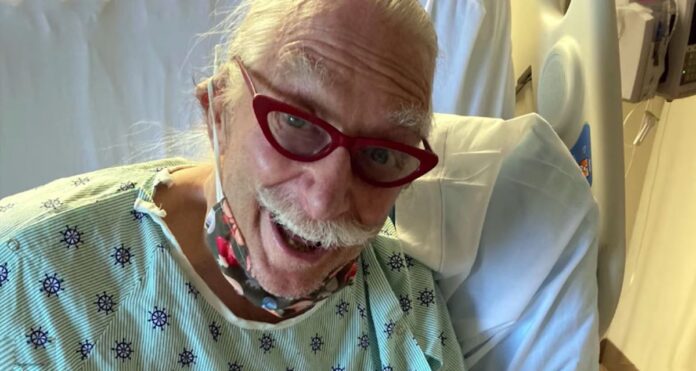
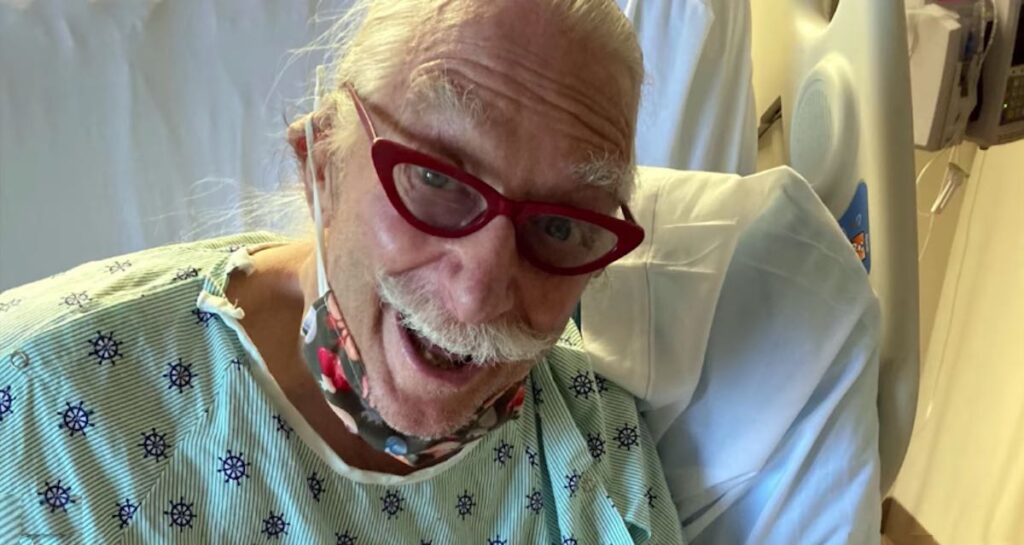
This week, the doctor himself was wearing a hospital gown when he made a video announcing that he had his lower leg amputated—and was thrilled with the idea that he could have a new nickname, ‘Stumpy.’

The founder of a healthcare center, Gesundheit! Institute in West Virginia, he was stricken six months ago with a nasty recurring case of MRSA (methicillin-resistant staphylococcus aureus). After three operations on his foot, he realized “it was time to amputate.”

“With the MRSA in there, I would not have a foot healthy enough to dance or to clown, which are two of my favorite things.”

The 75-year-old cheerfully described the miracle of today’s prosthetics, which allow people to run and do anything that anyone else does. Plus, he now has a new prop in his comedy toolkit.

Facebook

“What’s beautiful is, it looks like a little TV screen on the end,” he said, describing his new shorter leg. “And, I’ve been thinking of all kinds of opportunities for clowning.”

“I can have hiding little characters that sit on that screen… like a nice ‘mooning’ picture.”

He realized, “there’s all this “negativity” around amputation,” so he has already begun joking with the hospital staff, calling his new schtick ‘Fun With Amputation’.

In a way, this has been his message for health care providers all along: lighten the mood and you will lighten the struggle.

WATCH his engaging and inspiring message below….

If you’d like to write to him, his address is PO BOX 307, URBANA, IL 61803 — and check out his Facebook page to follow his weekly videos about his joyous recovery. If you want to donate to his hospital you can do so on his website, www.patchadams.org.

DON’T Clown Around – Share His Uplifting Message About ‘Ability’ on Social Media…

Vitamin D Supplements Protect Black Population Against COVID-19, According to New Research

Michele Blackwell

Having higher levels of ‘the sunshine vitamin’ was shown to reduce the risk of infection in the Black population, a new study has revealed.

Michele Blackwell

Almost half of Americans are vitamin D deficient, according to David O. Meltzer, MD, PhD, the chief of hospital medicine at University of Chicago Medicine. But more than three quarters of people with darker skin have low levels of this crucial nutrient.

He was inspired to examine the data on Covid-19 cases, after seeing an article more than a year ago reporting that people taking vitamin D supplements had much lower rates of viral respiratory infections.

The study analyzed over 3,000 patients in the city who had had their vitamin D measured within two weeks of a Covid-19 test.

Levels of at least 30 ng/ml (nanograms per milliliter) are usually considered “sufficient”, but black participants with that level of vitamin D had more than two and half times greater risk of catching Covid than those who had 40 ng/ml or more.

RELATED: Anyone in These States Can Get a Covid-19 Vaccine, Thanks to Several Native Tribes

They had a 7.2 percent chance of testing positive for the virus—2.64 times higher than the general population.

Vitamin D can be obtained through eating egg yolks, salmon, or meat or taking supplements, but it is also produced naturally by the body when skin is exposed to to sunlight.

People with darker skin, are more often deficient because having more melanin in their skin reduces their ability to synthesize vitamin D from the sun.

The findings published in JAMA Open Network build on an earlier trial suggesting less than 20 ng/ml of vitamin D raise the risk of Covid.

Another recent study showed over eight in ten coronavirus patients were vitamin D deficient.

“This supports arguments for designing clinical trials that can test whether or not vitamin D may be a viable intervention to lower the risk of the disease, especially in persons of color,” said Dr Meltzer, the study’s lead author.

POPULAR: Cannabis Compound Inhibits COVID-19 Replication in Human Lung Cells, Study Says

The supplements are relatively safe to take—and currently, the adult recommended dietary allowance for vitamin D is 600 to 800 IUs per day (15 to 20 micrograms). The NHS in Britain recommends taking 10 micrograms of vitamin D every day in the winter—the equivalent of one salmon fillet—to keep bones and muscles healthy.

But they have updated their advice since lockdowns are driving Britons indoors.

“The National Academy of Medicine has said that taking up to 4,000 IUs per day is safe for the vast majority of people,” adds Meltzer.

MORE: The Ultimate Guide to Flu Prevention: 4 Micronutrients You Should Eat This Winter to Stay Healthy

One of the challenges of the current study is it is difficult to determine exactly how vitamin D may be supporting immune function.

Dr Meltzer said: “This is an observational study. We can see there is an association between vitamin D levels and likelihood of a Covid-19 diagnosis.

“But we don’t know exactly why that is, or whether these results are due to the vitamin D directly or other related biological factors.”

Prompted by the fresh evidence, the researchers are now conducting two studies to learn if taking a daily supplement can help prevent Covid-19 or decrease the severity of its symptoms—and British Health Secretary Matt Hancock has reversed his previous beliefs and asked Public Health England to “re-review the existing evidence on the link between Covid-19 and Vitamin D.”

SHINE a Light on COVID Prevention – Share This on Social Media…

“Remember that not getting what you want is sometimes a wonderful stroke of luck.” – Dalai Lama

Quote of the Day: “Remember that not getting what you want is sometimes a wonderful stroke of luck.” – Dalai Lama

Photo by: Illiya Vjestica

With a new inspirational quote every day, atop the perfect photo—collected and archived on our Quote of the Day page—why not bookmark GNN.org for a daily uplift?


Island Overrun With Rats Completely Recovers in Only 11 Years After Ecosystem Had Been Decimated

Hawadax Island in the Aleutian archipelago. USFW

Formerly known as ‘Rat Island’, this beautiful spot in the Aleutian islands has become a new example of how ecosystems can fully recover to their natural state in little more than a decade.

USFW

Along the western edge of the Alaskan archipelago, the land had inadvertently become populated with rodents, leading to the ignominious name Rat Islands. The non-native invaders were accidentally introduced to these islands following shipwrecks dating back to the 1700s and World War II occupation.

Known to be among the most damaging invasive animals, the resilient rodents adapted and thrived in the new setting, overwhelming the island ecosystems, disrupting the natural ecological order and driving out native species.

But a coordinated conservation effort removed the rats on the renamed Hawadax Island and a new study led by a University of California San Diego researcher has documented the remarkable recovery.

“We were surprised that the level of recovery unfolded so quickly—we thought it could be longer,” said Carolyn Kurle, an associate professor in the UC San Diego Division of Biological Sciences Section of Ecology, Behavior and Evolution and lead author of the study in published in Scientific Reports.

Kurle, along with researchers from UC Santa Cruz, conducted surveys on Hawadax in 2008 when the invasive rodents dominated the island ecosystem, finding that the rats unleashed a cascade of disruption for the island’s food chain.

RELATED: First Cloned Endangered Species in U.S. From Genes Frozen 30 Years Ago Gives Hope For Black-footed Ferret

Rats preyed upon shore bird eggs and chicks, nearly wiping out the island’s breeding shorebird population. Without birds consuming herbivorous seashore invertebrates such as snails and limpets, the island’s intertidal plant-eaters flourished, significantly driving down the abundance of the marine kelp.

Rats preyed upon shore birds such as these black oystercatchers. Credit: Rory Stansbury

To reverse these effects, a coordinated conservation strategy to save the native species on Hawadax removed the rats with poison in 2008, and presented a rare case in which researchers were able to compare the ecosystem after five years and, later found a fully recovered system after 11 years.

LOOK: He Thought it was a Kitten Lost in the Snow – But it was One of The Most Endangered Mammals in Europe

“Sometimes it’s hard to say that a conservation action had any sort of impact, but in this particular case we took a conservation action that was expensive and difficult, and we actually demonstrated that it worked,” wrote Kurle. “But we didn’t expect it to be so fast.”

After the rat eradication effort conducted by Island Conservation, the U.S. Fish and Wildlife Service, and The Nature Conservancy, the seabirds returned and are again consuming the seashore invertebrates, which has allowed the recovery and rebound of the kelp community.

“When the birds returned it led to an entirely different structure in the marine community on this island.”

(See photos and more at UC San Diego)

ERADICATE Negativity on Social Media — Share the Amazing Recovery…

This Week’s Inspiring Horoscopes From Rob Brezsny’s ‘Free Will Astrology’

Our partner Rob Brezsny provides his weekly wisdom to enlighten our thinking and motivate our mood. Rob’s Free Will Astrology, is a syndicated weekly column appearing in over a hundred publications. He is also the author of Pronoia Is the Antidote for Paranoia: How All of Creation Is Conspiring To Shower You with Blessings. (A free preview of the book is available here.)

Here is your weekly horoscope…

FREE WILL ASTROLOGY – Week beginning March 19, 2021
Copyright by Rob Brezsny, FreeWillAstrology.com

ARIES (March 21-April 19):
Poet Ocean Vuong speaks of the Hawaiian word kipuka. It refers to a patch of earth that doesn’t get covered with lava when an active volcano exudes its molten material. “Before the lava descended,” Vuong writes, “that piece of land was insignificant, just another scrap in an endless mass of green.” But now that piece of land is special, having endured. I encourage you to identify your metaphorical equivalent of kipuka, Aries. It’s an excellent time to celebrate the power and luck and resilience that have enabled you to persevere.

TAURUS (April 20-May 20):
“Extraordinary things are always hiding in places people never think to look,” writes Taurus author Jodi Picoult. Luckily for you, Taurus, in the near future you’ll be prone to look in exactly those places—where no one else has thought to look. That means you’ll be extra likely to find useful, interesting, even extraordinary things that have mostly been hidden and unused. You may also discover some boring and worthless things, but the trade-off will be worth your effort. Congratulations in advance on summoning such brave curiosity.

GEMINI (May 21-June 20):
“When we ask for advice, we are usually looking for an accomplice,” said Gemini author Saul Bellow. So if you have come here today to read my horoscopes, it’s possible that you’re seeking an accomplice to approve of you making a decision or a move that you have already decided to do. OK. I’ll be your accomplice. But as your accomplice, the first thing I’ll do is try to influence you to make sure your upcoming actions serve not only your own selfish interests (although there’s nothing wrong with that), but also serve the interests of people you care for. The weeks ahead will be a favorable time to blend self-interest and noble idealism.

CANCER (June 21-July 22):
A character in Barbara Kingsolver‘s novel The Lacuna is told to “go rub his soul against life.” Now I’ll advise you to do the same. Why? While it’s true that you have a beautiful soul, you sometimes get in the habit of hiding it away or keeping it secret. You feed it a wealth of dreams and emotions and longings, but may not go far enough in providing it with raw experience out in the messy, chaotic world. In my judgment, now is one of those times when you would benefit from rubbing your soul against life. Please note: I DON’T mean you should go in search of rough, tough downers. Not at all. In fact, there are plenty of pleasurable, safe, educational ways to rub your soul against life.

LEO (July 23-Aug. 22):
If you love the work of self-help author Paulo Coelho, you might be inclined to adopt his motto as your own: “Being vulnerable is the best way to allow my heart to feel true pleasure.” But maybe you wouldn’t want to adopt his motto. After all, what he’s suggesting requires a great deal of courage and daring. Who among us finds it easy and natural to be soft and receptive and inviting? And yet according to my analysis of the astrological omens, this is exactly what your assignment should be for the next two weeks. To help motivate yourself, remember the payoff described by Coelho: the possibility that your heart will feel true pleasure.

VIRGO (Aug. 23-Sept. 22):
Virgo author Michael Ondaatje celebrates “the hidden presence of others in us—even those we have known briefly. We contain them for the rest of our lives, at every border we cross.” As you approach your own upcoming border-crossing, dear Virgo, I encourage you to tune into memories about seven specific people who over the course of your life have provided you with the most joy and the most interesting lessons. Close your eyes for 20 minutes and imagine they are all gathered together with you in your favorite sanctuary. Remember in detail the blessings they bestowed on you. Give thanks for their influences, for the gifts they gave that have helped you become your beautiful self.

LIBRA (Sept. 23-Oct. 22):
“A balance that does not tremble cannot weigh. A person who does not oscillate cannot live.” So wrote biochemist Erwin Chargaff, who did crucial research leading to the discovery of DNA’s double helix structure. Since you’re the zodiac’s expert on balance and oscillation, and because these themes will be especially meaningful for you in the coming days, I’ll ask you to meditate on them with extra focus. Here’s my advice: To be healthy and resilient, you need to be aware of other possibilities besides those that seem obvious and simple and absolutely true. You need to consider the likelihood that the most correct answers are almost certainly those that are paradoxical and complicated and full of nuance.

SCORPIO (Oct. 23-Nov. 21):
In her poem Sandra, Scorpio poet Ariana Reines testifies that she has too many feelings—and that’s not a problem. On the contrary. They are her wealth, she says, her “invisible splendor.” I invite you to regard your own “too many feelings” in the same way, especially in the coming weeks. You will have opportunities to harness your flood of feelings in behalf of transformative insights and holistic decision-making. Your motto: Feelings are healing.

SAGITTARIUS (Nov. 22-Dec. 21):
Historian and author Thomas Berry described “wildness” as the source of our “authentic spontaneities.” He said it’s “the wellspring of creativity” at the root of our lust for life. That’s a different definition from the idea that wildness is about being unruly, rough, and primitive. And Berry’s definition happens to be the one that should be central to your work and play in the coming weeks. Your assignment is to be wild: that is, to cultivate your authentic spontaneities; to home in on and nourish the creative wellspring of your lust for life.

CAPRICORN (Dec. 22-Jan. 19):
Some of the great discoveries in the history of physics have been made while the trailblazing physicists are lolling in bed or in the bathtub. They have done the research and carried out the rigorous thinking, and are rewarded with breakthroughs while relaxing. I think that will be your best formula for success in the coming weeks. Important discoveries are looming. Interesting innovations are about to hatch. You’re most likely to gather them in if you work intensely on preparing the way for them, then go off and do something fun and rejuvenating.

AQUARIUS (Jan. 20-Feb. 18):
My typical horoscope is an average of 108 words long. In that limited space, I can’t possibly tell you all the themes and threads that will be active for you during the upcoming phase of your cycle. I have to make choices about what to include and what not to include. This time I’ll focus on the fact that you now have an opportunity to deepen your relationship with your sense of smell—and to purposefully nourish your sense of smell. Your homework: Decide on at least five scents with which you will cultivate an intimate, playful, delightful connection in the coming days. (PS: You may be surprised at how this practice will deepen your emotional connection with the world.)

PISCES (Feb. 19-March 20):
No one had ever proven that there was such a thing as electromagnetic waves until Piscean physicist Heinrich Hertz (1857–1894) did so in 1886. He was the innovator who first transmitted and received controlled radio waves. Alas, he didn’t think his breakthrough was useful. In 1890, he confessed, “I do not think that the wireless waves I have discovered will have any practical application.” But other scientists were soon capitalizing on his work to communicate long distances. Radio broadcasts were born. I will encourage you not to make a Hertzian-type mistake in the coming months. Always follow through on your initial labors. Have faith that the novelties you dream up will eventually have practical value.

WANT MORE? Listen to Rob’s EXPANDED AUDIO HOROSCOPES, 4-5 minute meditations on the current state of your destiny — or subscribe to his unique daily text message service at: RealAstrology.com

(Zodiac images by Numerologysign.com, CC license)

SHARE The Wisdom With Friends Who Are Stars in Your Life on Social Media…

Watch What Happens When An Octopus Steals a Tennis Ball From a Border Collie

Border Collies are among the friendliest and most inquisitive dogs around.

But Lucy doesn’t know what to make of the underwater creature that confiscated her tennis ball.

Almar Creighton was exploring the tide pools along the South African coastline with Lucy on her daily outing, when they encountered an octopus who was also very inquisitive.

When Lucy’s ball went into the water and she made her way to retrieve it, suddenly the mollusc emerged from under a rock and took control of the floating ball right in front of her.

“Lucy seemed very confused about how to handle this matter but she let the octopus check out her ball without a complaint,” says Almar, who adopted the pup six years ago.

The octopus seemed to be in the mood for a little mischief and he wrapped his tentacles around the ball and dragged it under the water.

“Lucy looked at us questioningly, as if asking what to do next.”

She staried at the tidal pool for 20 minutes, hoping to see a tennis ball rise up to the surface but no luck.

LOOK: Cuddling in Freezing Temperatures, Newborn Calf and Collie Become Adorable Best Friends

Octopuses are very intelligent sea creatures who can solve puzzles, and presumably was ‘having a ball’ trying to keep the ball submerged under a rock.

WATCH the scene unfold…


And, speaking of tennis… this cat named Quincy is practicing to become a table tennis partner for his owner.

Obviously, his reflexes are cat-like. WATCH his prowess at the net…


WOW! Penguin Leaps Into a Tour Boat to Avoid Being Eaten By Killer Whales – WATCH

DON’T KEEP This Story All to Yourself – Share the Fun on Social Media…
MIT Scientists Develop the Perfect Breathable Earth-Friendly Fabric Using The Same Material as Single-Use Bags

CC. MIT.

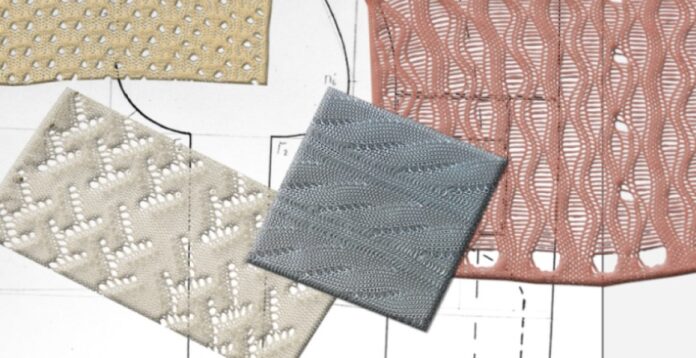
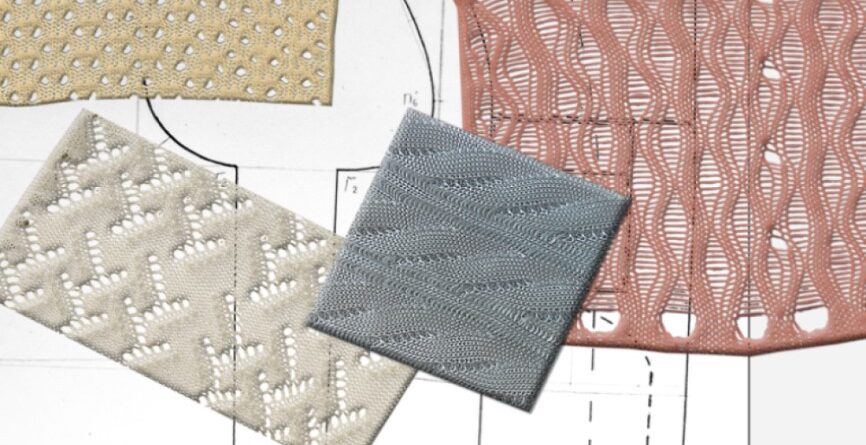
A multi-national team at MIT have dispelled the long-standing consensus that the most commonly available plastic, polyethylene, can’t be used for clothing.

CC. MIT.

Their new thread spun with normal machinery circumnavigates the problem that polyethylene traps moisture, opening up an industry-changing material for use in earth-friendly textiles.

The fashion and textile industry is one of the king polluters. As well as contributing millions of tons of landfill waste, manufacturing threads made with nylon or polyester consumes massive amounts of water and generates 5–10% of global greenhouse gas emissions annually—and worst of all, none of the fabrics are recyclable.

Polyethylene itself, the plastic used in food wraps and shopping bags, is anti-wicking, and would normally lock water and sweat onto your body, not drawing it away to be evaporated like most athletic wear.

However the new method developed at MIT has created an “efficient water wicking and fast-drying performance which, combined with their excellent stain resistance, offer promise in reducing energy and water consumption as well as the environmental footprint of textiles in their use phase.”

RELATED: H&M In-Store Recycling Machine Turns Old Clothes into New Threads—A World First

Furthermore, polyethylene yarns can be colored by environmentally-friendly methods, thus eliminating the large amounts of toxic wastewater otherwise created during conventional processes.

“Once someone throws a plastic bag in the ocean, that’s a problem. But those bags could easily be recycled, and if you can make polyethylene into a sneaker or a hoodie, it would make economic sense to pick up these bags and recycle them,” wrote Svetlana Boriskina, a research scientist in MIT’s Department of Mechanical Engineering and lead-author of the corresponding paper

It was actually during the manufacturing process, taking polyethylene powder and subjecting it to existing industry-standard equipment, that Boriskina and team discovered that when the plastic is stretched into fibers, similar to the way spaghetti is made, the plastic became slightly oxidized.

CHECK OUT: These Sunglasses Are Made From the First Ever Batch of Plastic Waste Recovered by the Ocean Cleanup Project

This oxidization gave the resulting yarn a thirst for water, drawing it away from sweaty armpits like it had never done before.

“Everyone we talked to said polyethylene might keep you cool, but it wouldn’t absorb water and sweat because it rejects water, and because of this, it wouldn’t work as a textile,” Boriskina said.

Once they found that it could in fact wick moisture away, they continued to experiment until they found fibers of the right diameter that allowed the space in between them within the strand of yarn to wick the most amount of water.

READ ALSO: The Fashion Industry Has a Waste Problem: This Non-Profit With 2,000 Volunteers Is Helping Solve It

The base powder can be dyed with natural materials, and once the finished product was subjected to a life-cycle assessment, they found that, remarkably, polyethylene clothing would consume less energy than polyester, but also natural cotton.

Part of that is because nothing sticks to polyethylene, meaning that you could wash it for 10 minutes in a cold cycle and any stains would be gone. The best part is that owing to the natural dye, the clothing is fully recyclable.

Sometimes the best innovations don’t come from new elements, new machines, or new technology, but a simple double-check on already existing infrastructure and materials.

PASS This Game-Changing Breakthrough to Fashionistas on Social Media… 
“It does not matter how slowly you go as long as you do not stop.” – Confucius

Quote of the Day: “It does not matter how slowly you go as long as you do not stop.” – Confucius

Photo by: Frank Busch

With a new inspirational quote every day, atop the perfect photo—collected and archived on our Quote of the Day page—why not bookmark GNN.org for a daily uplift?


Mother of NHL Hockey Star Donates Kidney to Ice Rink Manager Who Kept Her Kids Out of Trouble

Twitter/St. Louis Blues

To make it in any professional sport takes skill, determination, and practice. Having someone who believes in you and goes out of their way to help can be the difference between living the dream or hanging up your skates.

Throughout the many years that Graham Nesbitt managed the local skating arena in Seaforth, Ontario, he routinely went above and beyond the call of duty—opening the rink early, staying late, and even in the face of snowstorms—to ensure neighborhood kids could get in as many hours on the ice as possible.

No-one is more aware of or as grateful for Nesbitt’s dedication than Bonnie O’Reilly. Her two sons, Ryan and Cal, who skated under Nesbitt’s watchful eye, both went on to play in the NHL.

Ryan captains the Stanley Cup-winning St. Louis Blues. Cal is currently on the Lehigh Valley Phantoms’ roster.

Even though he retired from the Seaforth rink in 2003, when the community learned Nesbitt needed a kidney donation, local folks lined up to be tested to see if they might be a match. One of those people was Bonnie O’Reilly.

MORE: ‘She’s Our Miracle’: This Minnesota Teacher Donated a Kidney to the School’s Custodian

Nesbitt was diagnosed with Berger’s disease nine years ago. A progressive condition that lessens the kidneys’ ability to filter blood, by 2019 the medication keeping his illness under check was no longer working. A kidney transplant became the 65-year-old’s only option for survival.

Once O’Reilly learned she was a match, the only thing left to be done was arrange for the surgery. “She says that ‘What you’ve done for my boys, helping them achieve their goal of playing professional hockey, it’s the least we can do,’” Nesbitt’s son Joe said quoting O’Reilly in a conversation with CBC.

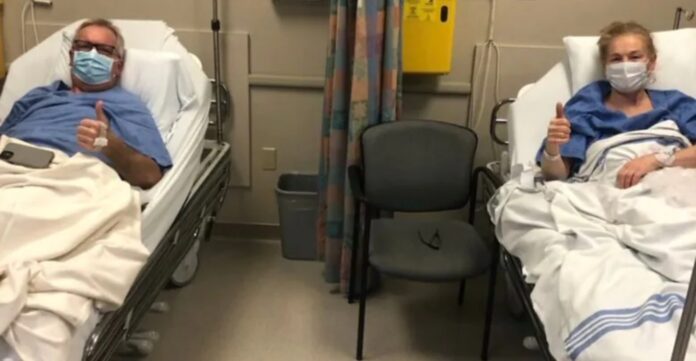
The transplant took place just a couple of weeks ago, on March 3. Both O’Reilly and Nesbitt came through the procedure in good form and were soon on their way to recovery.

Nesbitt’s wife, Pam, deeply touched by O’Reilly’s generosity, posted her thanks on Facebook: “From our family to you and yours Bonnie, thanks for the gift of a lifetime…Your selfless act means more than you’ll ever know.”


“Something my dad’s always taught me is to be kind and helpful and generous to everybody,” Joe Nesbitt told CBC. “It just goes to show that those thoughtful acts and caring for people, it pays off. It truly paid off for my dad and saved his life.”

RELATED: 42-Year-old Zamboni Driver Wins First NHL Game After Being Tapped as Emergency Goalie

So, why is good Karma like an ice rink, you ask? Because what goes around comes around.

PASS ON The Positive Story Of Friendship To Your Friends…