After a female Swinhoe’s softshell turtle was discovered in a lake in Vietnam, a hope that the world’s most endangered turtle species may recover was set alight among conservationists in Asia.
ATP/IMC
Giving a whole new meaning to the words “from the brink of extinction,” there was one such turtle alive in captivity. ‘He’ was thought to be the only one on Earth, and with the discovery of a healthy adult female, a chance for a reptile version of Adam and Eve can commence.
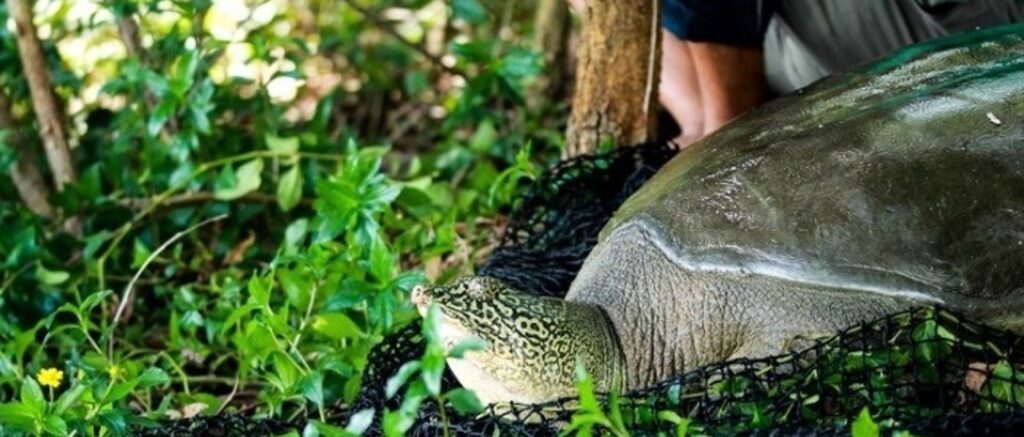
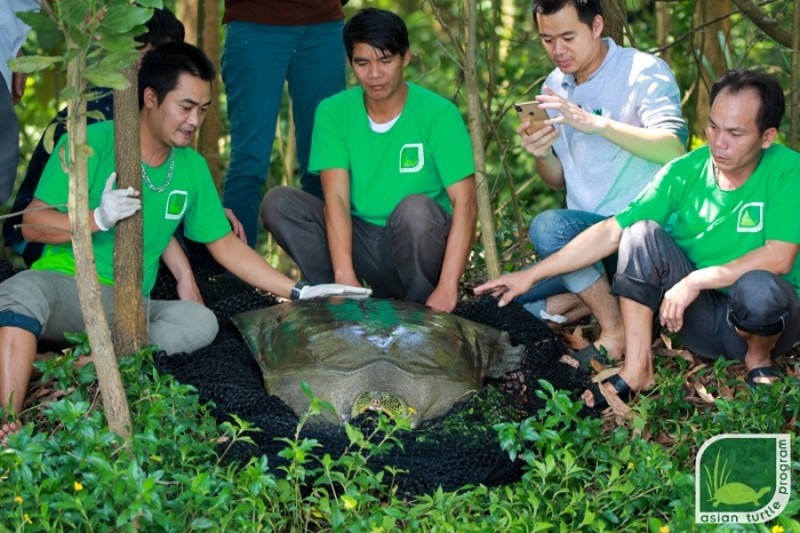
The female weighed a hefty 86 kilos (189 pounds) when she was found in the 1,400-hectare (3,459 acre) Dong Mo Lake in October. After blood tests were taken and a tracking device was fixed to her, they returned her to the lake.
The last remaining male turtle lives in a zoo in Suzhou, China, and after DNA tests confirmed the discovered female was indeed a member of the same species, scientists assured reporters the animals would be given a chance to breed.
Also known as the Hoan Kiem turtle or Yangtze giant softshell, it was driven literally to the brink of brinks by overhunting for its meat and eggs. The individual previously thought to be the last female died in captivity in April 2019 during a breeding program that failed to produce offspring.
A real second chance
ATP/IMC
Conservationists involved in the confirmed DNA test and capture were understandably ecstatic.
Wildlife Conservation Society Vietnam Country Director Hoang Bich Thuy said: “In a year full of bad news and sadness across the globe, the discovery of this female can offer all some hope that this species will be given another chance to survive.”
“In Vietnam, with the leadership of the government, we are determined to take responsibility to give this species another chance.”
Andrew Walde, Chief Operating Officer of the Turtle Survival Alliance, a technical advisor on this project, said: “This is the best news of the year, and quite possibly the last decade, for global turtle conservation.”
“As the most endangered turtle on Earth, a tremendous amount of energy and resources have been dedicated to the preservation of the Swinhoe’s Softshell Turtle.”
Authorities suspect one other turtle, aside from the female, survives in Dong Mo Lake and perhaps another based on recent sightings in the nearby Xuan Khanh Lake.
The same respective organizations are planning to make a search of the two lakes for the supposed turtles in 2021 when the water level is at its lowest.
SHARE the Great News From Vietnam With Friends on Social Media…
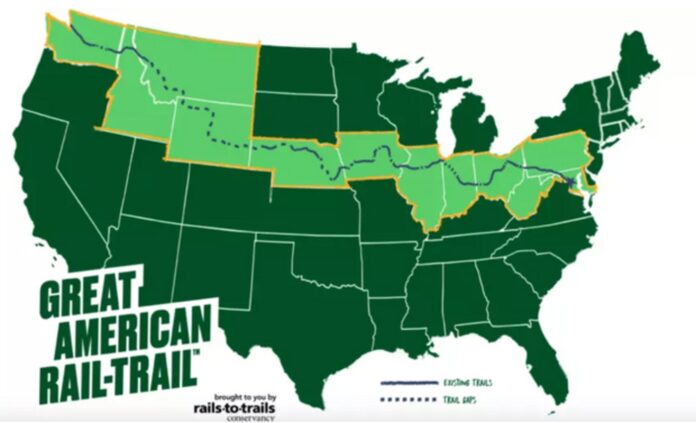
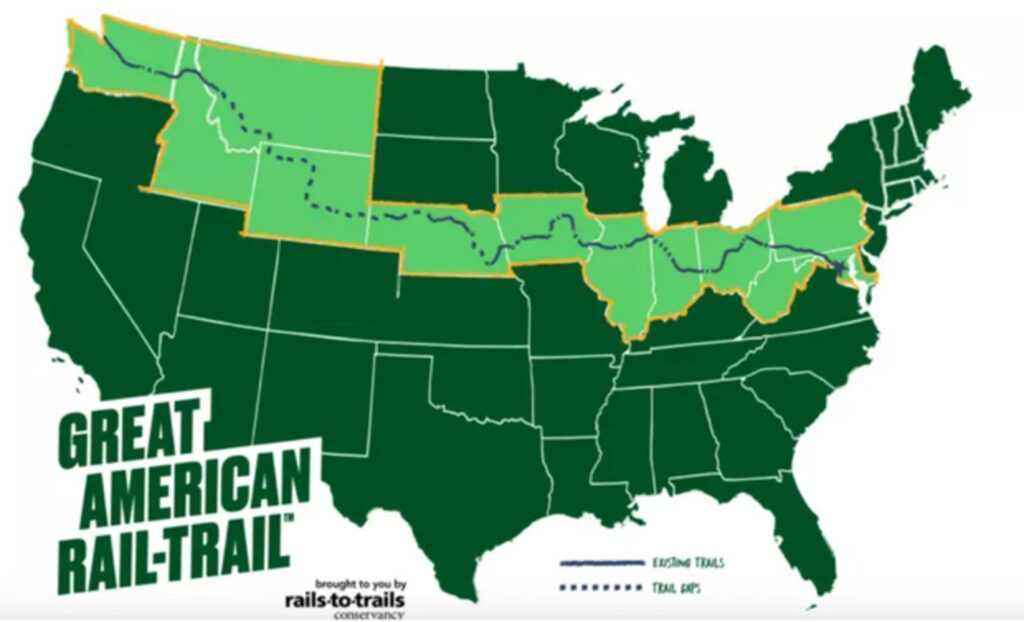
Once the trail project, which is led by Rail-to-Trails Conservancy (RTC), is completed, it will serve a huge number of Americans, as 50 million live within 80km of the trail.
For cycling fans, here’s a look at how rail-trails have benefitted people in the pandemic, and a peek at the increasing popularity of cycling and long-distance trails around the world.
COVID-19 Lockdown Proves Rail Trails Invaluable
Rails-to-Trails
Rail trails, paths built on disused railway tracks, and other recreational routes have proved invaluable respites for many during the COVID-19 pandemic, providing alternative commuting routes and space for people to exercise, often near built-up urban areas.
“This year has proven how vital projects like the Great American Rail-Trail are to the country. Millions of people have found their way outside on trails as a way to cope with the pandemic,” said Ryan Chao, president of RTC.
“As the Great American Rail-Trail connects more towns, cities, states, and regions, this infrastructure serves as the backbone of resilient communities, while uniting us around a bold, ambitious, and impactful vision.”
Cycling Increasingly Popular During Pandemic
While multi-use trails can be used by anyone from joggers to horse riders, cycling has become particularly popular during lockdown both as a form of exercise and a method of transport. Bike sales soared across the world as people sought to avoid public transport.
There are the obvious health benefits of traveling by bike. Not only does it provide an aerobic workout and trigger the body’s feel-good chemicals, endorphins, cycling is also easy on the joints, builds muscle, increases bone density and helps with everyday activities. Cycling is also seen as a way of handling post-pandemic pollution levels.
Paris is just one place planning to become a ’15-minute city’, where everything you need is within a 15-minute radius by foot or by bike.
Milan is implementing a similar program, while Buenos Aires has introduced free bike rental schemes. Europe has spent 1 billion euros on cycling infrastructure since the pandemic began, according to the European Cyclists’ Federation.
Cycling Routes Across the World
At around 5,955km, the Great American Rail-Trail may be particularly ambitious in terms of scale, but it is one of many innovative cycling projects across the world. The 4,450km EuroVelo 6 route runs through 10 countries as it crosses Europe between the Atlantic and the Black Sea.
The 346km Transpennine Trail across the north of England, which opened in 2001, uses disused railway tracks left empty after the decline of the coal industry and passes through city centers, heritage sites and national parks on its way between coastlines.
Last year, the UK launched the 1,300km Great North Trail running from the Peak District in the north of England to John O’Groats at Scotland’s north-eastern tip.
In the Belgian province of Limburg, the Cycling Through Water path enables cyclists to cut through the ponds of Bokrijk. The 200-meter path is at eye-level with the water, allowing riders to glide across the lake.
Meanwhile, the 7.6km Xiamen bicycle skyway is the world’s longest elevated cycle path and runs above the Chinese city’s road network. It has capacity for about 2,000 cyclists during rush hour, with much of it suspended under an elevated bus lane, providing shelter from the weather.
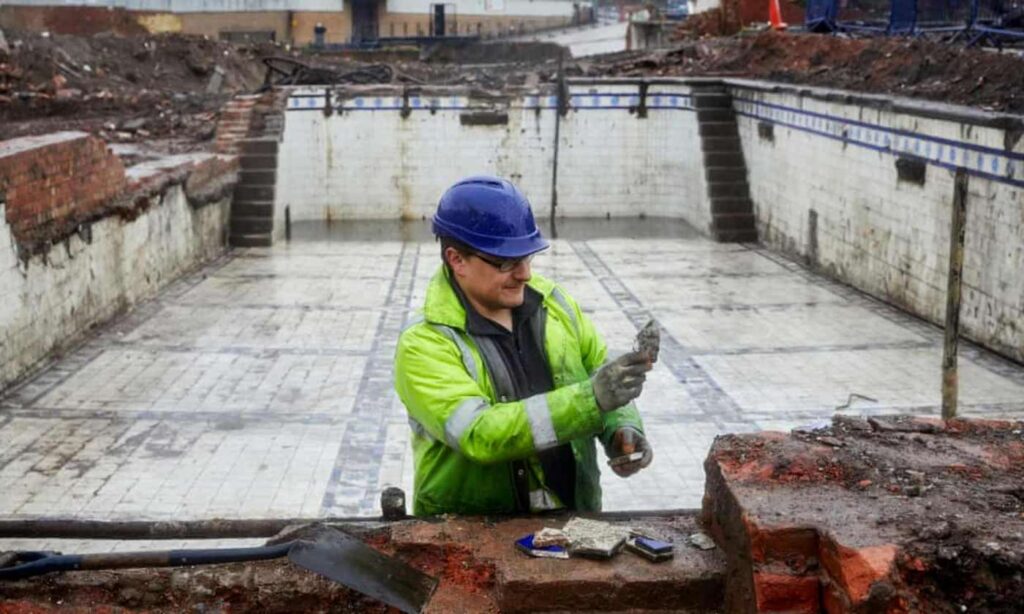
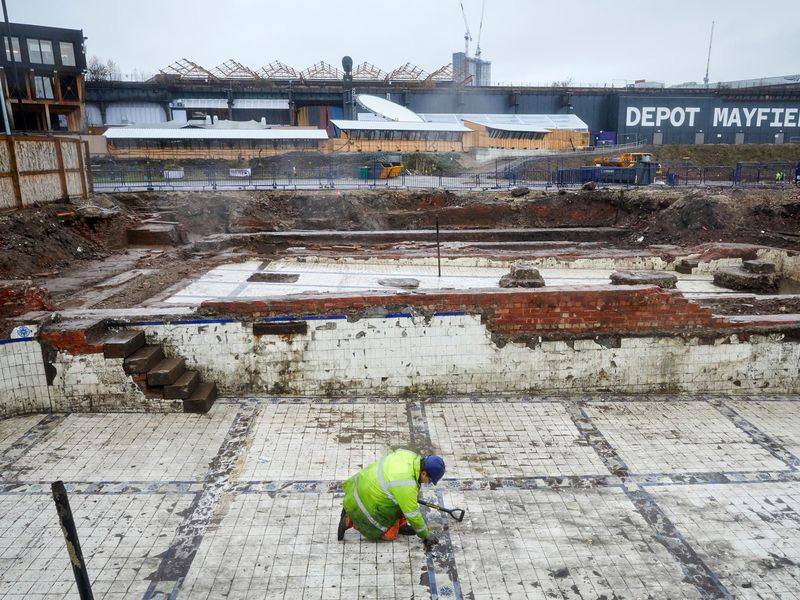
A stunning Victorian-era bathhouse over 150-years old was uncovered when builders upended a Manchester parking lot during the construction of a new public park.
Unlike a Roman-era construct that would only be known as “bathhouse,” city archaeologists identified the find as Mayfield Baths, a place where city textile workers bathed and washed clothes during the 19th century.
“We knew what we would be excavating but we didn’t expect the tiles to be in such good condition,” Graham Mottershead, project manager at Salford Archaeology, told the BBC. “They are stunning.”
Mark Waugh/Mayfield Partnership
So far the excavators have discovered two 62-foot long tiled pools, boiler, flues, and pumps. The apparatus heated the water then sent it circling throughout the pools or to the laundry. They used 3D laser scanning and drone photography to identify the site and make digital drawings.
Trade during the 19th century had converted Manchester into the beating manufacturing heart of England, and was known as the “Cottonopolis.” Sanitary conditions were poor, and the Mayfield Baths were the third such installation in the city to improve the lives of the factory workers.
Mark Waugh/Mayfield Partnership
“Before public baths the textile workers lived in crammed unsanitary conditions and would wash their clothes in the used bathwater,” Ian Miller, another Salford Archaeology expert, told the BBC.
“Public baths were a game-changer for the health of the working classes, keeping clean, and having clean clothes were essential for public health.”
Mark Waugh/Mayfield Partnership
The tiles will be used as part of the £1.4 billion Mayfield Partnership plan to redevelop that part of the city, including a 6.5-acre park, the first new one built in the city for over 100 years.
According to the Smithsonian, one of the new commercial buildings will be named after a 19th-century swimming instructor and public health advocate, George Poulton, who actually gave lessons at the Mayfield Baths.
SHARE The Intriguing News of the Victorian Find With Your Pals on Social Media…
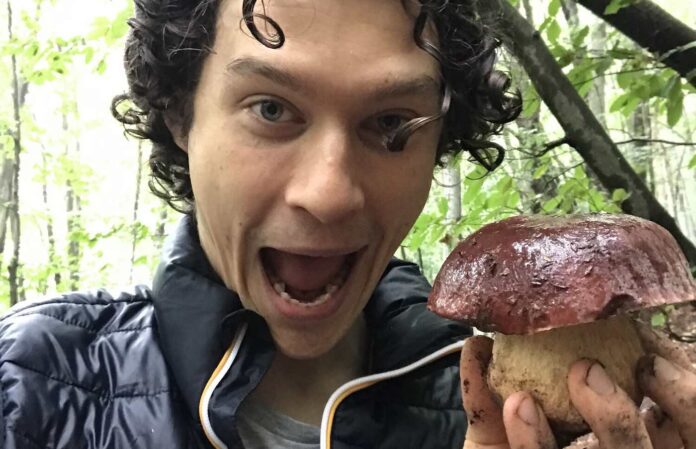
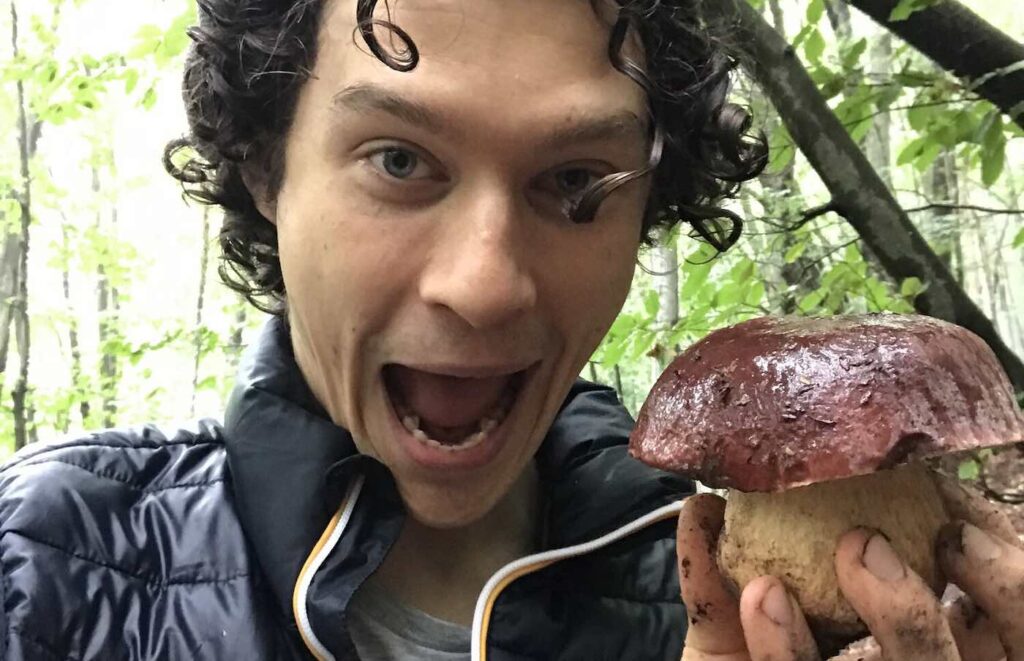
Mushrooms have been used as food and medicine for thousands of years, and it’s becoming more common for researchers to announce new therapeutic interventions based on different species.
Gathering porcini in Italy, copyright Andy Corbley
Even though it’s common for people to tell you that 80% of mushrooms are poisonous, the ones that aren’t offer nutrients which are often hard to find in more commonly consumed foods.
For brain health, there are few things better, and many mushrooms are now powdered and sold as “nootropic” supplements, with claims that they enhance memory and mental performance.
Others have been found to inhibit cancer growth and proliferation, and others are studied for respiratory infections.
Putting aside the traditional use of mushrooms in our society—namely for pizza toppings and hallucinogenic trips, new names for new purposes are finding their way into health food stores and magazines, and here are just a few.
1. For longevity: reishi
MyCallOhGee, CC license
“For over 2000 years reishi mushrooms have been recognized by Chinese medical professionals as a valuable remedy,” reads a study from the American-Eurasian Journal of Botany. Its Chinese name means “spiritual potency,” while it’s also known as the “mushroom of immortality,” and the “medicine of kings.”
Studies have shown reishi mushrooms strengthen and improve the “competence” of the immune system through their content of triterpenes. They can protect the liver, significantly inhibit all four types of allergic reactions, and activate immune cells, particularly ones which kill tumor cells, and invasive bacteria.
While it doesn’t demonstrate anti-senescence, lengthen telomeres, or boost NAD+ levels— hallmarks of the modern understanding of longevity—any one of the things it can ameliorate could just as easily end a life, so in a sense, the “mushroom of immortality” earns its moniker.
2. For respiratory health: agarikon
Paul Stamets with agarikon, Dusty Yao Stamets, CC license
“This rare, old-growth mushroom has a multi-thousand-year history of use in Europe,” world-renowned mycologist Paul Stamets told Rochelle Baker at Canada’s National Observer.
Stamets is referring to a little-known mushroom called agarikon, which he has worked to protect in North America. He notes that ancient Greek physician Dioscorides actually described agarikon in his works, calling it the elixir of long life—particularly when used to treat tuberculosis.
Now Stamets believes that agarikon and the old-growth forests in which it thrives should be protected and cultivated for use as a public health remedy for coronaviruses, as well as other respiratory illnesses, due to its role as a potent immune system aid.
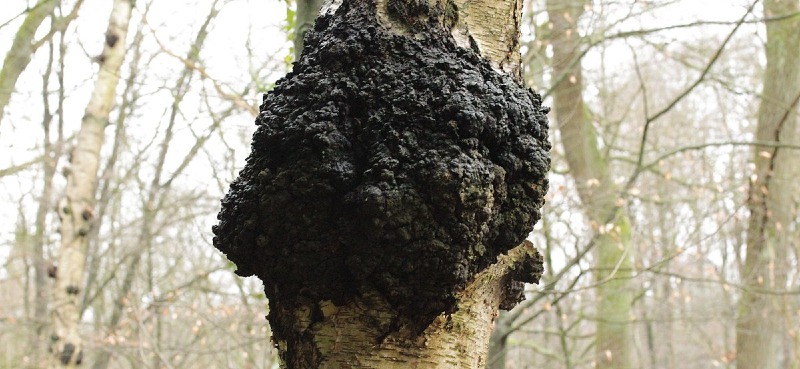
3. For the liver: chaga
Björn S, CC license
As fun to say as it is good for you, chaga has actually been extensively studied for use as a therapeutic intervention. Lacking only accreditation as a nootropic, mood regulator, or for other brain-related effects, there is one very important role which chaga can perform—as an inhibitor of DNA damage.
A South Korean study found that 40% less DNA damage was observed in human lymphocytes when treated with compounds brought about by the consumption of chaga. Lymphocytes are a type of white blood cell, and one of the main immune cells.
Another study found that chaga inhibited tumor cell growth in human hepatoma cells (liver cancer), among the references for which were other anti-tumor, anti-bacterial, and hepato-protective studies.
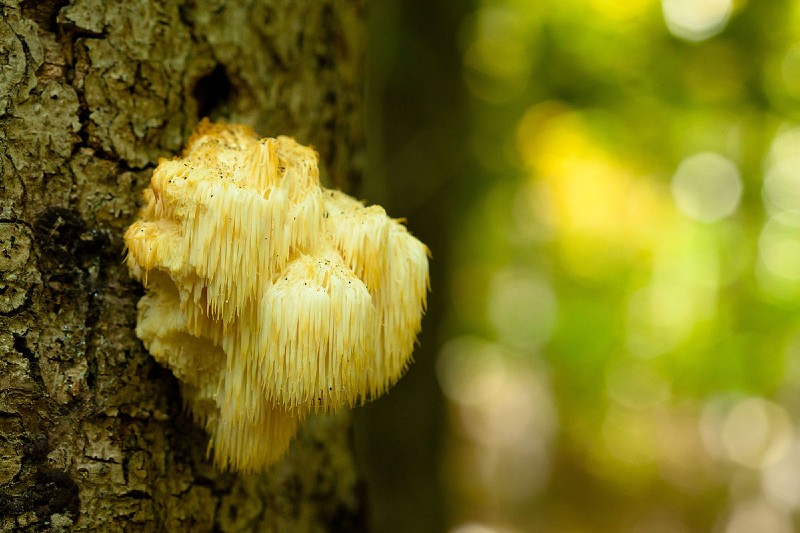
4. For… everything really: lion’s mane
Melissa McMasters, CC license
In a study from the Journal of Agriculture and Food Chemistry that is close to receiving 100 citations, the authors note that they are sequestering a large and scattered body of literature to present the nutritional compounds and effects of the lion’s mane mushroom.
The reported benefits, according to the researchers, include, “antibiotic, anticarcinogenic, antidiabetic, antifatigue, antihypertensive, antihyperlipodemic, antisenescence, cardioprotective, hepatoprotective, nephroprotective, and neuroprotective properties and improvement of anxiety, cognitive function, and depression.”
For the authors, they note that it is particularly the anti-inflammatory, antioxidative, and immuno-stimulating properties, shown in both human and animal cells, that gives this mushroom such a protective role in our biology.
5. For energy and the brain: shilajit
CC license
While many people consider this blackish tar-like substance found in the Himalayas to be a fungus, it’s actually a kind of soil called humus. It’s composed significantly of organic compounds, like triterpenes, phenolic lipids, and small tannoids: three things often present in large quantities in mushrooms.
Still, the ancient North Indians and denizens of the mountains there have used it for thousands of years, and its name, Divya Rasayan, means “celestial super vitalizer.”
Studies have been done on shilajit which concluded nootropic effects, and others which looked at the properties shilajit’s content of fulvic acid, a compound which shuttles nutrients like energy, vitamins, and minerals into the cells in much higher quantities than other carriers like blood cells.
6. For everything else: cordyceps
Jose Ramon Pato, CC license
There’s little debate about the benefits of cordyceps, which one study noted is used to “maintain vivacity and for boosting immunity.” That same study noted the only thing misunderstood about cordyceps is whether its nutrients confer protective effects like a nutritional supplement, or whether they’re strong enough to be administered in medicine.
Another study noted its uses could be described as “adaptogenic, anti-oxidant, anti-aging, neuroprotective, nootropic, immunomodulatory, anti-cancer, hepatoprotective,” and even, the study notes, an aphrodisiac.
Yet another study described it as “one of the most valuable medicinal mushrooms and nutraceuticals in China.” The researchers cited other studies that showed both powerful anti-oxidant capabilities, and, perhaps most valuably, a tempering of the release of TNF-alpha and IL-1b-beta.
These molecules are known as inflammatory cytokines, which, being necessary for wound healing, are one of the major drivers in models of unhealthy aging.
Far from slimy, insect-ridden markers of death and decay, each fungus has huge potential as something bordering between nutritional supplements and outright medicine, and the incorporation of them in your diet can be a great idea.
SHARE the Fascinating News From the Fungi Kingdom With the Mushroom Fans in Your Life…
Seven in 10 Americans (73%) were more conscious of needing self-care in 2020—and 69% plan to do more self-care in 2021 than they did in the previous year, according to a new survey.
The poll of 2,000 Americans examined respondents’ self-care habits and the possibility of whether they see themselves investing in self-care more in the future.
Results found two-thirds of people (67%) agreed that the personal self-care routines they developed during the pandemic have become a permanent part of their daily life.
When asked which activities they consider self-care, 47% said at-home spa rituals were their go-to—as revealed by the survey, which was commissioned by wellness software company Vagaro and conducted by OnePoll.
Other popular activities included going to an actual spa (41%), getting a manicure/pedicure (36%), and getting a haircut (34%).
Visiting a spa was especially popular with respondents ages 18–23, with 55% considering it self-care. Meanwhile, respondents aged 56+ disagreed, with 47% saying outdoor exercise is their preferred form of self-care.
According to the poll, three-quarters of Americans surveyed believe self-care can relieve stress and will try nearly anything to get their stress relief.
Respondents have tried coloring books, cleaning, and impromptu dance parties—as well as yelling and, in one respondent’s case, “I would tear my way through two pints of ice cream while doing a deep-conditioning hair mask, a gel sheet mask on my face, and an acid foot peel while chilling with my furbaby watching horror movies. So relaxing!”
Another respondent said they relieve stress by, “Swimming across my ponds with alligators.”
Some of the more commonly cited stress relievers for people included at-home spa rituals (40%), getting a manicure/pedicure (30%), exercising outdoors (28%), and working out in a gym (24%).
“There’s an inevitable correlation between stress and self-care,” said Fred Helou, CEO of Vagaro. “Many people get so caught up in day-to-day responsibilities that they don’t prioritize time to take care of themselves. However, placing importance on activities that encourage relaxation can make you better equipped physically, mentally, and emotionally to face life’s daily stressors.”
In 2020, the average person only had 65 minutes per week dedicated to self-care.
In good news, 45% of respondents see themselves having more time per week for self-care in 2021.
People are willing to go pretty far in order to have more ‘me’ time. A third of Americans would be willing to move (35%), sell a personal belonging (33%), and even give up their favorite food (30%) for more of it.
The survey also revealed that nearly three in five (59%) will only practice self-care if they feel stressed. And more than seven in 10 (72%) like to use self-care as a reward after a long, tough week.
For 64% of respondents, self-care provides a much-needed boost to their self-confidence. More than two-thirds feel more productive (67%) and happier (71%) after taking time for themselves.
The research also suggests some things are best experienced in-person. Half of Americans are waiting for the pandemic to end before visiting the salon for a haircut or hair color treatment.
Nearly as many (46%) are more than ready to visit the spa for a wellness treatment.
“While self-care isn’t a new concept, the lessons learned over the past year emphasize the importance of prioritizing it,” added Helou. “Businesses who provide self-care activities should be conscious of safety measures as many of their customers are currently seeking wellness and beauty treatments in-person to feel happier and more productive.
“Once restrictions are lifted, salons, spas, and gyms should be prepared to see an influx of clients, as research shows self-care isn’t just a pandemic fad.”
WHAT DO AMERICANS DO FOR SELF-CARE?
At-home spa rituals 47%
Visiting the spa for treatments 41%
Getting a mani/pedi at a nail salon 36%
Getting a haircut at a salon/barber 34%
Home hair treatments 34%
Exercising outdoors 33%
Working out in a gym 31%
Getting hair colored at a salon 30%
Taking a fitness class of any kind 29%
Meditating 28%
Buying new clothes or grooming products 26%
Socializing outside the home 24%
Outdoor exercise classes 22%
Cleaning and decorating my home 22%
Talking to a therapist 22%
HELP Your Friends Bliss Out To This Intriguing Survey By Sharing It To Social Media…
Quote of the Day: “The blessed work of helping the world forward happily does not wait to be done by perfect men.” – George Eliot
The English novelist and poet whose real name was Mary Ann Evans chose ‘George Eliot’ as her pen name.
Photo by: Thomas Kinto
With a new inspirational quote every day, atop the perfect photo—collected and archived on our Quote of the Day page—why not bookmark GNN.org for a daily uplift?
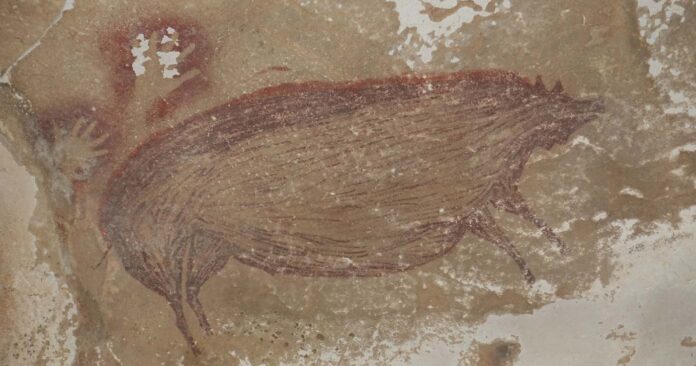
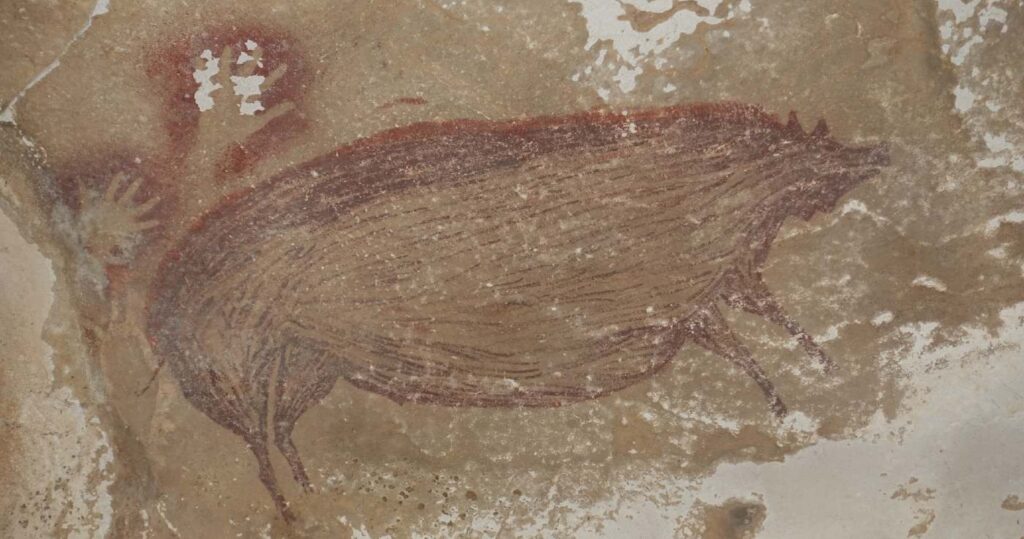
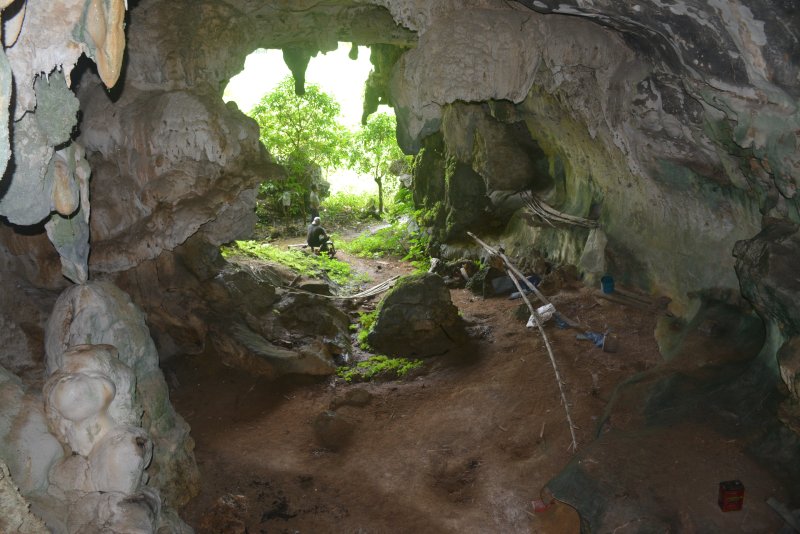
Scientists from Griffith University have discovered the world’s oldest known cave painting on a limestone wall on South Sulawesi island in Indonesia.
Maxime Auberttime
Dated to a remarkable 45,500 years ago, the painting is of a Sulawesi warty pig, a species hunted and depicted often in Sulawesi cave art from the Last Glacial Period.
The discovery definitively knocks out Europe and establishes that the Indo-Pacific is the center of the first-known developments in artistic expression and perhaps even story-telling.
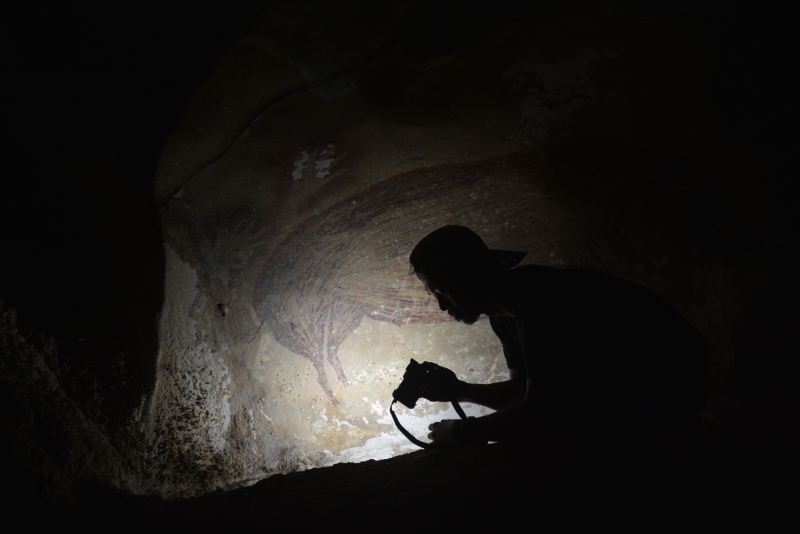
“The cave is in a valley that’s enclosed by steep limestone cliffs and is only accessible by a narrow cave passage in the dry season, as the valley floor is completely flooded in the wet,” said Prof. Adam Brumm, co-leader of the expedition that consisted of researchers from both Indonesia’s highest center for archaeology (ARKENA), and Griffith’s Research Center for Human Evolution.
“The isolated Bugis community living in this hidden valley claim it had never before been visited by Westerners.”
Measuring 53 inches by 21 inches (136cm by 54cm), the pig is accompanied by two human handprints just above its hindquarters, and a pair of pigs off to the right which are only partially visible.
“The pig appears to be observing a fight or social interaction between two other warty pigs,” said Brumm.
Turning back the clock
AA Oktaviana
Team co-leader, Professor Maxime Aubert from the Griffith Centre for Social and Cultural Research, sampled the art for uranium-series dating. Aubert is an expert in figuring out the age of objects, but noted in a media release that cave art is difficult to date correctly.
“Rock art is very challenging to date,” Professor Aubert said. “However, rock art produced in limestone caves can sometimes be dated using uranium-series analysis of calcium carbonate deposits (‘cave popcorn’) that form naturally on the cave wall surface used as a ‘canvas’ for the art.”
“…A small cave popcorn had formed on the rear foot of one of the pig figures after it had been painted, so when dated, it provided us with a minimum age for the painting.”
The subsequent analysis of the popcorn gave the figure of 45,500 ago, suggesting that it could have been painted at an earlier date.
Certainly finding their forte, the same research team of Brumm and Aubert had dated other warty pig paintings nearby, including one last year which was recognized as one of the 10 Most Important Discoveries of 2020 by Science Magazine.
That discovery dated to at least 44,000 years ago, and contained images of human-beast hybrids, or ‘therianthropes’ hunting Sulawesi warty pigs together, images which the team believed at the time represented a number of ‘firsts’.
“It represents our species first evidence of storytelling,” Professor Brumm said, according to Griffith press. “The figurative depiction of hunters as therianthropes may also be the oldest evidence for our ability to imagine the existence of supernatural beings, a cornerstone of religious experience.”
“We have found and documented many rock art images in Sulawesi that still await scientific dating. We expect the early rock art of this island to yield even more significant discoveries,” said study co-author and ARKENAS rock art expert Adhi Agus Oktaviana.
Somewhere beyond the sea
AA Oktaviana
With the island of Sulawesi holding the oldest discovered surviving rock art on Earth, science can begin to color in more accurate hypotheses about the migration of humans across the vast swath of islands we call Oceania, but 45,000 years ago is described as ‘Wallacea’.
“Our species must have crossed through Wallacea by watercraft in order to reach Australia by at least 65,000 years ago,” said Professor Aubert in the news release. “However, the Wallacean islands are poorly explored and presently the earliest excavated archaeological evidence from this region is much younger in age.”
One such piece of evidence would be the Gunung Padang megalithic site on Java, in which controversial carbon dating suggests construction on a complex similar in nature to Stonehenge which began during 20,000 BCE, nearly 14,000 years before the English site
Taken together, the rock art sites on Sulawesi represent not only the earliest-known cave artworks, but also a rather sophisticated use of human imaginations; something that would certainly be required to organize hunter-gatherer groups into pursuing large construction projects.
“This discovery underlines the remarkable antiquity of Indonesia’s rock art and its great significance for understanding the deep-time history of art and its role in humanity’s early story,” Professor Brumm said.
SHARE the News of This Astonishing Find With Art-Minded Pals…
A band of more than 50 countries, chaired by France, the UK, and Costa Rica, have committed to an ambitious push to conserve and protect 30% of the world’s land and oceans by 2030.
The agreement was made by the fledgling High Ambition Coalition for People and Nature (HAC) at the One Planet Summit for Biodiversity in Paris at the start of this week.
This coalition will now push the ’30×30′ objective at the upcoming meeting of the UN Council on Biodiversity set to meet Kunming, China in May 2021.
The last time that conservation goals like this were made was the 20 Aichi Biodiversity Targets, set down in Japan in 2010, which were largely a failure when the target year of 2020 came around.
This time around, the HAC is hopeful that the diverse coalition of participants, stronger commitments, and prior experience attempting conservation on such a massive scale will increase the chance of what would effectively be a doubling of all protected areas on land, and a quadrupling of that at sea.
While 30% seems like just another arbitrary government figure, The HAC claims that scientific estimates suggest that 30% would be a “necessary interim,” one which would halt species and habitat loss long enough to ensure shorter-term catastrophes are avoided.
Along with almost all of Europe, the HAC includes diverse countries; some leaders in regional wealth, others in biodiversity, such as Japan, Ethiopia, Colombia, Nigeria, Peru, Mongolia, Pakistan, and Kenya.
Investing in our shared future
At the One Planet Summit, billions of dollars in commitments, particularly from the UK, highlighted the early support for the 30×30 initiative.
Prince Charles unveiled the Terra Carta, a roadmap for private sector financing that places sustainable use of nature at the heart of investment decisions, while the government announced that £3 billion ($2.2 billion) that would normally go to other climate-related projects would instead be diverted to the conservation of nature.
France announced, also at One Planet, that $14.3 billion was going to the ambitious Great Green Wall in Africa, a plan to restore 100 million hectares of degraded land in 11 countries along the Sahel in North-Central Africa in a bid to create jobs, increase food security, and combat desertification.
No agreement has been made yet, however HAC plans to push hard at the next Conference on Biodiversity to replace the old Aichi targets with the 30×30 concept.
“We know there is no pathway to tackling climate change that does not involve a massive increase in our efforts to protect and restore nature,” UK environment minister Zac Goldsmith said of the effort. “So as co-host of the next Climate Cop,the UK is absolutely committed to leading the global fight against biodiversity loss and we are proud to act as co-chair of the High Ambition Coalition.”
SHARE This Hopeful Green News With Your Friends On Social Media…
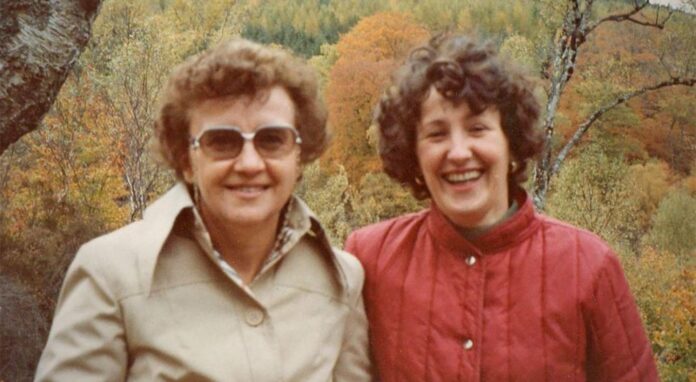
Jill Stetton (left,), Cathie Alexander (right), supplied Jill Stretton
“Everybody allows that the talent of writing agreeable letters is peculiarly female,” Jane Austen wrote in Northanger Abbey. For proof, one only has to look to penpals Jill Stretton and Cathie Alexander, who’ve maintained a faithful correspondence for seven decades while living half a world apart.
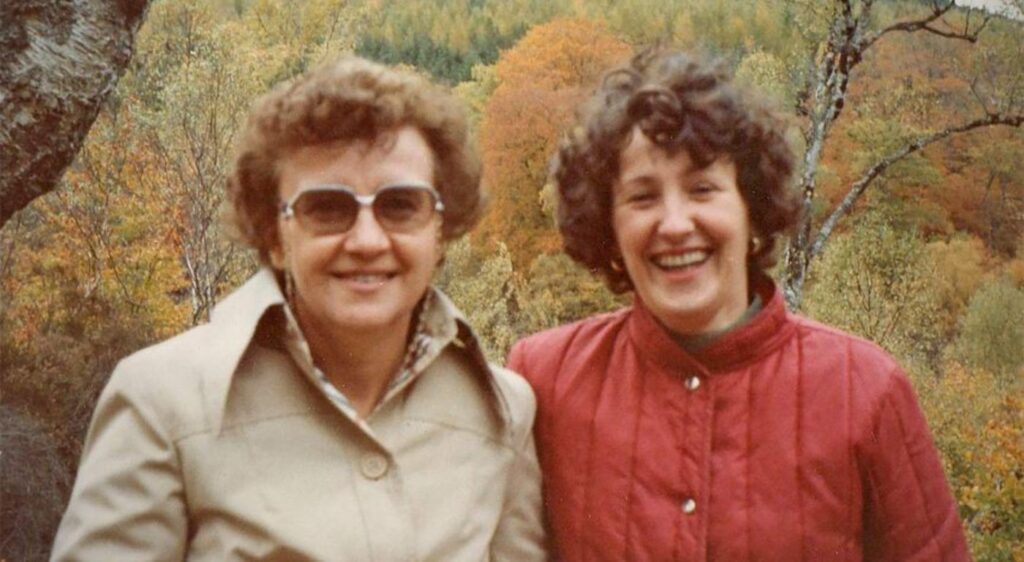
Jill Stretton (left,), Cathie Alexander (right), Jill Stretton
The long-lived letter-writing relationship began in 1950 when 12-year-old Stretton (née Frankling), who hails from Australia, was given Alexander’s (then McIntosh) address by a family friend who’d recently returned from a visit to Scotland.
Back in the day, it could take up to six weeks for a long-distance airmail letter to reach its destination, but the pair felt an instant rapport after their first communication that’s only grown stronger with time.
Though the two women didn’t meet in person until 1982, they feel as if they truly grew up with one another, sharing life’s milestones, through their letters.
“She is just like one of the family,” Stretton told ABC North Queensland. “And we are still as together as we ever were 70 years ago. It is quite an achievement.”
Stretton and Alexander reunited two more times; once in 1988, and again in 2000, and have never stopped writing one another. Along with hopes, dreams, plans, photos, and family updates, through the years, their missives have sometimes contained small mementos that have gone on to become cherished family keepsakes.
Jill Stretton
While they still write letters and send holiday packages, with technology omnipresent, Stretton and Alexander have bowed, at least somewhat, to the times (although video calls are a washout).
For longer epistles, they’ve resorted to the internet, but they affirm that nothing takes the place of a handwritten note. “We do tend at the moment to send postcards of where we have been and what we are doing rather than write big letters because we email now,” Stretton admitted, adding cheekily, “Aren’t we clever?”
“The distance is nothing when one has a motive,” Jane Austen also wrote. For dedicated lifelong penpals Stretton and Alexander, that bit of wisdom has proved true as well.
SHARE the Awesome Story of This Long-Distance Friendship With Your Pals…
Though not often a role model for social justice, freedom, or democracy, Saudi Arabia is delivering to the world a worthwhile example of future living: as it’s announced plans to build a revolutionary zero-carbon, zero-traffic city for over a million people, spanning 105 miles and featuring futuristic technology.
The Line, NEOM
The Saudi Crown Prince Mohammed bin Salman said in an announcement that the city, called The Line for its long, thin shape and route along the coastline, will preserve 95% of the natural environment in and around which it’s built, and will be an economic engine for the Kingdom.
“We need to transform the concept of a conventional city into that of a futuristic one,” Prince Mohammed said at an event to launch the city, according to Arab News.
“By 2050, one billion people will have to relocate due to rising CO2 emissions and sea levels. 90 percent of people breathe polluted air.”
Construction is set to start in the first quarter of this year. Eventually, it’s planned that a 105-mile network of AI-operated automated transport will carry a future population through four distinct districts (coastal, coastal desert, mountains, and upper valley) on the northwestern corner of the Kingdom, on the coast of the Red Sea.
The cost of this technological wonderland where there will be no cars, no streets, and no pollution, and where sun and wind will generate almost all of the electricity, is between $100 billion and $200 billion, much of which will come from domestic funds, and the rest from foreign investment, both from businesses wanting a stake in the city of the future, and companies looking to showcase technological innovation.
Indeed, $1.5 billion is set to pour in from cloud information technology alone. Data is the central font around which NEOM and The Line will be planned, as Saudi economist Mazen Al-Sudairi described to Arab News, most major cities in the world are organized around the flow of water and placement of crops, while The Line will be planned around access to data.
All the Saudi royals came out in support of the project, with the Education Minister Hamad bin Mohammed Al-Asheikh describing it as “characterized by the principles of global humanity, economic diversity and artificial intelligence, and the enhancement of research and innovation opportunities for the future industry.”
Walkability will define life on The Line, with planners allegedly working to ensure that education, transportation, and medical facilities, shopping and leisure locations, as well as green areas are all between 5 and 15 minutes by foot from any point in The Line’s communities.
“It is a new era of civilization, a new model for a city which is clean, proper and with zero carbon,” said Al-Sudairi.
(WATCH the video about The Line below.)
SHARE the Design News From Saudi Arabia on Social Media…
Quote of the Day: “Resolve to keep happy, and your joy and you shall form an invincible host against difficulties.” – Helen Keller
Photo by: Aziz Acharki
With a new inspirational quote every day, atop the perfect photo—collected and archived on our Quote of the Day page—why not bookmark GNN.org for a daily uplift?
Tuesday was the 3,000th day, or “Sol,” during which NASA’s Curiosity Rover has been trundling about on the surface of the Red Planet.
The images the rover has beamed back have colored in the dreams of thousands of Star Wars, Star Trek, and John Carter fans, and our understanding of what the closest, potentially habitable planet looks like has grown with each photo.
Making landfall on Aug 6, 2012, Curiosity proceeded to begin its six-year ascent up the side of Mount Sharp, a three-mile high mountain.
Still climbing after all this time, it stopped on Nov 18, 2020 to use the mast camera and take a series of 122 images over the mission’s 2,946th sol. Stitched together, they form a wide-angle shot of Gale Crater, a 96-mile-wide bowl which Mount Sharp sits within.
NASA
A press release from NASA describes the geology of the Mount Sharp panorama: “the curved rock terraces that define the area can form when there are harder and softer layers of rock on a slope. As the softer layers erode, the harder layers form small cliffs, leaving behind the benchlike formations”.
“Our science team is excited to figure out how they formed and what they mean for the ancient environment within Gale,” said Curiosity’s builder and managing scientist, Ashwin Vasavada of NASA’s Jet Propulsion Laboratory in Southern California.
It’s just one of many discoveries the Curiosity Rover has made, and will continue to make as it rambles about, millions of miles away from home.
NASA’s Curiosity Mars rover spotted this dust devil with one of its Navigation Cameras around 11:35 a.m. local Mars time on August 9, 2020.
To celebrate its three-thousandth day on Earth, here is a photographic journey of the rover’s six-year climb up the side of Mount Sharp, all the while encountering giant sand dunes, fascinating geology, captivating rock formations, dust storms, and more.
2015: A view from the “Kimberley” formation on Mars, taken on the 580th Martian day, or sol, of the mission.
2015: This composite image looks toward the higher regions of Mount Sharp.
2016: The dark band in the lower portion of this Martian scene is part of the “Bagnold Dunes” dune field lining the northwestern edge of Mount Sharp, inside Gale Crater.
2016: Butte ‘M9a’ in ‘Murray Buttes’.
2016: This animated image blinks two versions of a selfie of the Curiosity Mars rover at a drilled sample site called “Okoruso.”
2017: This dark mound, called “Ireson Hill,” rises about 16 feet (5 meters) above redder layered outcrop material of the Murray formation on lower Mount Sharp.
2018: This mosaic taken by the rover looks uphill at Mount Sharp, which Curiosity has been climbing. Spanning the center of the image is an area with clay-bearing rocks that scientists are eager to explore.
2018: Telephoto vista from Vera Rubin Ridge in Gale Crater.
2019: 360-degree panorama of a location called “Teal Ridge.”
2019: The rover imaged these drifting clouds on the 2,405th Martian day, or sol, of the mission, using its black-and-white Navigation Cameras
2020: Stitched together from 28 images, this view shows part of a geologic feature called “Greenheugh Pediment.”
SHARE These Far-Out Photos From NASA With Your Planet-Loving Pals on Social Media…
Rendering of planned redevelopment of the Champs-Élysées, PCA-Stream
Mayor of Paris Anne Hidalgo has agreed to a nearly $300 million restoration project for the tired-looking Champs-Élysées, the famous boulevard at the heart of the City of Light.
Rendering of planned redevelopment of the Champs-Élysées, PCA-Stream
The green light comes more than a year after architects, community leaders, and businesses unveiled plans to turn the 1.2-mile stretch of road into an “extraordinary garden.”
To achieve this garden, the plan is to reduce space for parking by half, convert roads into pedestrian spaces, plant tunnels of trees alongside the old elms planted in days long gone, which struggle to survive in the polluted air, and generally create more green spaces.
“The legendary avenue has lost its splendor during the last 30 years,” said a statement from the Champs-Élysées committee in 2019. “The Champs-Élysées has more and more visitors and big-name businesses battle to be on it, but to French people it’s looking worn out.”
The Champs-Élysées is a place where Parisians have long celebrated: when the Nazis were thrown out, when Les Bleu won the 2018 FIFA World Cup, and for the annual Bastille Day Parade.
Before the COVID-19 pandemic, 100,000 pedestrians, more than half of whom were tourists, enjoyed a bit of promenading here, all the while, more cars were passing along the boulevard day than on the Paris ring road.
Architect Philippe Chiambaretta, whose firm is handling the makeover, described the issues to The Guardian as characteristic of all problems facing modern Paris: “pollution, the place of the car, tourism, and consumerism.” He went on to explain that the Champs-Élysées needed to be redeveloped into something “ecological, desirable, and inclusive.”
Parisian Makeover
Rendering of planned redevelopment of the Champs-Élysées, PCA-Stream
Historians at the PCA-Stream architecture firm of Chiambaretta harken back to a time when the Champs-Élysées was, though hard to believe, a swamp and outdoor cooking area. Then, during the mid-1700s, the Champs-Élysées became the archetypical European promenade.
“The Champs-Élysées has accommodated people from all walks of life as well as all kinds of activities, both plebeian and highbrow,” explains the article. “Its history is punctuated with the installation of café-concerts, puppet shows, balls—which witnessed the birth of the French cancan—, ball and stick game fields, and so on.”
Today, as well as typifying problems facing the average Parisian, it typifies the problems of mass tourism, namely that the sense of locality vanishes, and the place begins to be “loved to death.”
While the makeover will not be complete before the 2024 Summer Olympics in Paris, an attempt to beautify and rethink another famous spot, the Place de la Concorde at the southeast end of the Champs-Élysées, is slated to be completed before then.
Another part of the city will also get a bit of love—Eiffel’s famous tower, which Hidalgo promises to turn into an “extraordinary park at the heart of Paris.” The Champs-Élysées won’t cast away its polluting traffic until closer to 2030.
(WATCH the video of how the future Champs-Élysées could look below.)
SHARE This Great Story With the Flâneurs in Your Life…
This is the moment a bubble froze into a perfect sphere during a recent sunrise, creating a natural snow globe.
SWNS
The soapy orb turned into a pristine snow globe at the same time as a fisherman strode out over frozen waters.
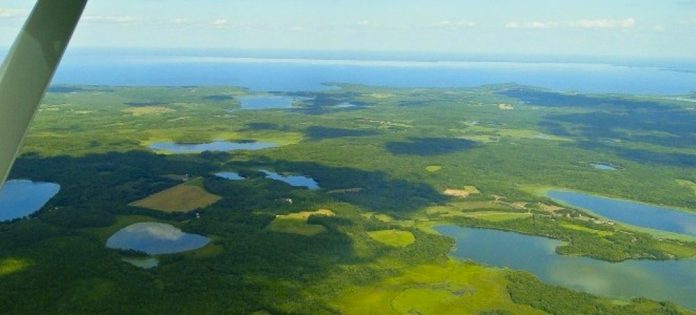
Carol Bauer tiptoed about two feet out onto Big Stone Lake, Minnesota where the ice was about four inches thick, to get the shot.
The air temperature was around (8.6°F) -13°C and the wind low, so the conditions were perfect for bubbles to freeze over.
Carol blew air through a straw into a glass filled with water, liquid soap, and corn syrup to create the bubble, and perfectly captured the formation of ice crystals on its surface, turning it into a homemade snow globe.
A fisherman walks behind the bubble, stepping out further onto the thin ice with a trailer filled with fishing gear.
SWNS
Carol said the moment had a special meaning to her because her Dad recently passed away. “He had cabin on this lake for 25 years and fished in it many times.
“My mind was on him that morning and then this fisherman comes along. He happened to be a fishing friend of my Dad’s whom I had not met before. He reminded me so much of my father. It kind of made my day.”
(WATCH the video of the ice bubble freezing in real-time below.)
SHARE This Perfect Moment With Pals Who’d Love to Try Making an Ice Bubble…
A U.S. Capitol Police officer is being hailed as a hero for cleverly steering a mob away from the Senate chambers during last week’s riots.
Igor Bobik/HuffPost
Footage shows Officer Eugene Goodman all alone and just a few steps ahead of rioters. They’re waving Confederate flags and shouting at him as they chase him up a flight of stairs inside the Capitol building.
Goodman can be seen covertly looking at the entrance to the Senate, just a few feet away, then he lures the intimidating rioters in the opposite direction, risking his life.
At one crucial moment, he notices the leader glancing toward the Chamber, and Goodman distracts him by shoving his shoulder, then backing away in the opposite direction—and the crowd follows him.
This moment in @igorbobic stunning footage. In front of the officer, coming up the stairs, is a mass of rioters. The USCP officer glances to his left. Between those two chairs is the entrance to the senate floor. He lured them to his right, away from their targets. pic.twitter.com/knjQQ4GZ0d
In the dramatic video from HuffPost’s Igor Bobic, which you can watch here on Twitter, Goodman faces the crowd from just inches away, yelling for them to stay back.
Just one minute later, authorities managed to seal off the chamber, protecting all those inside, while the lone officer leads them up more stairs to a landing where he is finally supported by more police officers.
Goodman, a veteran of the U.S Army who served in Iraq, is being praised for his bravery and decisive action during the harrowing situation.
“I don’t think there was any type of training that would prepare you for that situation,” New York Law School criminal law professor Kirk Burkhalter told the BBC.
Since Wednesday, Members of Congress have been calling for Goodman to be recognized with the Congressional Medal of Honor for his work.
U.S Representative Bill Pascrell, Jr. tweeted on Sunday: “… this brave USCP officer kept murderous rioters away from the Senate chamber and saved the lives of those inside. God bless him for his courage.”
Senator Bob Casey shared that sentiment, writing, “Last Wednesday, I was inside the Senate chamber when Officer Eugene Goodman led an angry mob away from it at great personal risk. His quick thinking and decisive action that day likely saved lives, and we owe him a debt of gratitude.”
After Reuben Schoots contracted a series of wasting tropical illnesses while on an eight-month backpacking trip through Latin America, he found himself with nothing but time on his hands.
The 27-year-old Canberra man dropped 35 pounds from his formerly lean, athletic frame and was so weak he could barely make it out of bed. In pretty much constant pain, Schoots became addicted to opiates. He lost his barista job and eventually, stopped pursuing his course of study in nutrition at university.
Schoots conceded that life as he’d known it was over. Even though he knew he’d have to chart a different course, the depression he was mired in had left him rudderless—until the day something small piqued his attention and led to an epiphany that would change his life.
A friend who’d come to visit was wearing a mechanical glass-backed watch; its movement visible. Schoots was fascinated by the synchronicity of all the tiny parts working together that made it run.
Although watchmaking had never been a pursuit, he realized not only was it something he could attempt during his recovery, it was something that truly appealed to him.
“I really wanted to be doing something with my hands, making,” Schoots told ABC Canberra, “but I didn’t realize that’s what I wanted to do until I actually became sick and everything that I was doing or had was stripped away.”
Besides being “time-consuming,” the 200-something-year art of watchmaking (horology) is tremendously precise. Schoots dove headlong into the study, apprenticing himself to the techniques of posthumous master watchmaker George Daniels, a man famed for his stunning, handmade creations.
Schoots says he’s aware of only two other watchmakers besides himself who have completed a timepiece made to Daniels’ specifications. It’s a process of trial and error; of making and remaking; a process that in many ways, mirrors Schoots’ remaking of his entire life.
He’s also come to understand how his own experience might serve as a positive example to those struggling with pandemic-related loneliness and adversity.
“I think that a lot of people are feeling very negative and don’t like this isolation, or this time to yourself. Change hurts,” he said. “But they undervalue—or underestimate the value of—downtime and I think people are scared to be with themselves. Evolution comes out of downtime.”
2,500 hours into his project, Schoots is just two pieces shy of completing his first 100-percent handmade watch. The work isn’t physically taxing, but it requires focus and concentration.
While Schoots often has to rest, he appreciates the steady course this new version of his life is taking because, with patience and perseverance, he’s got every reason to believe time will be on his side.
Featured images: @reubenschoots/Instagram
SHARE This Fascinating Story from Down Under With Your Friends…
Quote of the Day: “You are never too old to set another goal or to dream a new dream.” – C.S. Lewis, The Chronicles of Narnia.
Photo by: Hermes Rivera
With a new inspirational quote every day, atop the perfect photo—collected and archived on our Quote of the Day page—why not bookmark GNN.org for a daily uplift?
Staff at a Miami juice bar just got the shock of their lives when a customer left a $2,021 tip for the new year.
The generous customer ordered $71.84 of goods. The gratuity she left on Friday? Well, that equated to a 2,814% tip.
When staff received the regular’s bill, they thought the tip must really mean to say ‘$20.21’.
Miami Squeeze owner Kelly Amar told CNN that her employees went up to the customer to confirm. “I’m so grateful for you guys,” the regular explained, “and I want to give back … I want to start the new year out right and give this to you guys.”
All 25 of the cafe’s staff members will split the tip equally between them.
Amar has been extra grateful for the tip because, when the pandemic hit, the cafe, which has been a North Miami Beach fixture for three decades, had to let many of its employees go. It was a difficult time.
If a cancer diagnosis is a patient’s worst nightmare, not being able to afford life-saving treatment runs it a close second. So when one oncologist recently forgave all his patients’ outstanding debts, you might say he took bedside manner to a whole new level.
Dr. Omar Atiq
Dr. Omar Atiq founded the Arkansas Cancer Clinic in 1991. Over the years, countless patients received everything from diagnostics to radiation and chemotherapy at the Pine Bluff facility.
In February of 2020, the clinic closed due to staffing shortages. At the time, there was close to $650,000 outstanding patient debt on the books.
Dr. Atik attributed the large sum to the fact that no patient was ever denied treatment, regardless of whether or not they could pay. “Not for lack of health insurance or funds nor for any other reason,” he told the Arkansas Democrat-Gazette. “I’ve always considered it a high honor and privilege to be someone’s physician—more important than anything else.”
Originally from Pakistan, after completing his fellowship at New York City’s Memorial Sloan Kettering Cancer Center, Dr. Atiq accepted a job offer in Arkansas. He says that fateful relocation proved to be a “life-changing” decision.
In 2013, Dr. Atik was named president of the Arkansas Medical Society. Five years later, he became chairman-elect of the board of governors of the American College of Physicians. He credits much of his success to being in the right place at the right time. “I believe the opportunities that have come my way are, in part, because of where I am,” he explained.
Dr. Omar Atiq with his family, Omar Atiq
After the clinic closed last year, Dr. Atik attempted to settle the debts. He soon realized that many of the folks he’d treated didn’t have the means to pay—especially with so much added financial hardship brought on by the coronavirus pandemic—so with the blessing of his wife, Mehreen, he simply elected to stop asking.
“…My wife and I, as a family, we thought about it and looked at forgiving all the debt… We saw that we could do it and then just went ahead and did it,” Dr. Atik told Good Morning America.
Christmas week, Dr. Atik sent out holiday cards to nearly 200 of his former patients that read:
“The Arkansas Cancer Clinic was proud to have you as a patient. Although various health insurances pay most of the bills for the majority of patients, even the deductibles and co-pays can be burdensome. The clinic has decided to forego all balances owed to the clinic by its patients.”
Even though he’s no longer treating his patients, Dr. Atik found one final way to practice some kindness and compassion on their behalf. “I just hope that it gave them a little sigh of relief and made it easier for them so they could face other challenges they may be facing in their lives.”
Two men were out on a winter’s fishing day when they happened on a frantic baby deer that was trapped on a frozen lake. From there, a daring ice rescue began.
Bransen Jackson and his friend saw the fawn trying and failing to stand on the slippery surface of Utah’s Panguitch Lake.
Jackson said to his pal, “Dude, that’s a deer!’ We gotta go save it of course.”
The pair told 2KUTV News that they began carefully making their way over the thin ice. At one point, Jackson’s friend’s boot went through a crack. That was a shock to the nerves, but they decided they couldn’t just let the young mule deer sit there.
When they finally reached the fawn, Jackson told 2KUTV, “I picked it up and it was super calm, super docile, like it kind of understood OK these guys are going to try and help me.”
Then the ice began to come apart under the weight of the trio. They hurried for the shore, the deer in Jackson’s arms. While the little fawn had trouble standing and walking on the rocky ground initially, what happened next is beautiful.