Like almost no other event within living memory, the COVID-19 pandemic has painted our world with a very dark brush. While there finally appears to be light at the end of the medical tunnel coming from the scientific quarter, during our most troubling hours, what many people turned to for solace was art.
Whether in the form of visual imagery or music, dance or poetry, the vivid power of art to take us out of the moment and uplift us from despair is a reminder that hope endures.
Unfortunately, as essential as art may be to the soul, with money spread thin between food, rent, and other must-haves during the lockdown, for many former patrons, being able to buy art is no longer part of the equation.
Earning a living as a fine artist is rarely easy in the best of times. As pandemic restrictions tightened their hold, closing galleries and shutting down regular shows, for many, it became close to impossible.
The realization that so many creative people were struggling was the catalyst that spurred NYC-based painter Guy Stanley Philoche—whose own Abstract canvasses can command in excess of $100,000 each—to launch a one-man crusade in support of his fellow artists.
“The art world is my community and I needed to help my community,” Philoche told CNN. “People say New York is dead, but it’s far from that. There’s an artist somewhere writing the next greatest album. There’s a kid right now in his studio painting the next Mona Lisa. There’s probably a dancer right now choreographing the next epic ballet. People forgot about the artists in these industries.”
In March, Philoche posted an Instagram shout-out to artists around the world asking them send images of their work. Since then, he’s spent in the neighborhood of $65,000 and purchased over 150 unique works of art from both friends and total strangers. His only criteria is that the art speaks to him.
Philoche and his family came to America when he was 3 years old. Like many immigrants, he says he learned to speak English by watching TV.
He was also inspired at a young age to make drawings of his favorite Disney characters. From those early efforts, his fascination for the art that would one day become his career was born.
It took Piloche decades to achieve success, however, now that he’s arrived, the 43-year-old feels honor-bound to pay his good fortune forward. “Art saved my life,” he said. “I owe it a debt I could never repay, but the only way to really repay it is by buying other art from someone who hasn’t gotten a big break yet. And that’s what I’m going to keep doing.”
Vincent Van Gogh once observed, “There is nothing more truly artistic than to love people.”
While Philoche favors the Abstract style for his paintings, the tangible expressions of support he delivers to his fellow artists shine from a perspective that’s stunningly real—and may just well be his true masterpiece.
Feature image: Philoche Studios
SHARE the Generosity and Send This Story to Friends…
Quote of the Day: “If you want to improve, be content to be thought foolish and stupid.” – Epictetus (Greek Stoic philosopher, born a slave in 55 AD)
Photo by: Robert McGowan
With a new inspirational quote every day, atop the perfect photo—collected and archived on our Quote of the Day page—why not bookmark GNN.org for a daily uplift?
A letter-writing initiative that sees bundles of uplifting, personal notes being delivered to individuals in need of kind words is back with its ’12 Days of Love Letter Writing’ campaign, and you can join in on the action.
There are four more days to go in More Love Letters’ December drive, and the organization says: “We need your cursive to make this year the most impactful yet!
Sign up, and each morning you’ll find a new letter request. You’ll then have the day to write your letter to someone who might be feeling lonely or in need of some extra encouragement in the form of a handwritten note, and you can write as many letters as you’d like.
Everyone taking part sends their letter to More Love Letters’ listed address, and all those notes then get bundled and passed on to the person on the receiving end of the action.
The people who receive all those kind words, all those handwritten notes and letters and cards? They’ve been nominated by a friend or a family member.
We told the story of MLL’s beginnings earlier this year, with founder Andrea Brechner saying: “I published a simple question on my blog: ‘Do you need someone to write you a love letter today?’ and my inbox filled up with heartbreaking stories.” She explained to Good News Network, “That one question changed my life forever as I spent the next year writing hundreds of love letters to strangers in all parts of the world.”
Soon after, Brechner created MLL. Now there are 42,000 Facebook members, and more than a quarter of a million letters have been passed on to surprise recipients since the organization’s inception in 2011.
Those letters make a difference. Here’s a recent note from a recipient on MLL’s Instagram:
A Canadian teenager just took first place in a global science competition for her brilliant explanation of quantum tunneling.
Breakthrough Junior Challenge/YouTube
Maryam Tsegaye lives in Fort McMurray—a city that hit headlines for devastating reasons in 2016, when 88,000 people were forced from their homes due to wildfire.
Now, thanks to her ability to explain tricky quantum physics theory with ease, this 17-year-old has taken top prize at the sixth annual international Breakthrough Junior Challenge.
The challenge is a science video competition where young people showcase their knowledge of scientific principles in various fields.
In a three-minute explainer, Maryam likened the behavior of electrons to how her brother cheats while playing games online:
“So I was watching my brother play this video game and he used a cheat code that let his character do a walk-through-walls hack,” she says in the video. “He pushed himself against a barrier in the game, hit some buttons and boom, his character appeared on the other side,” she says in her video.
“Imagine if you could walk through walls in real life—and it turns out you can, at a quantum level.”
Alberta politician Rachel Notley spoke for many when she tweeted her congratulations to the teen.
I don't have the first clue what quantum tunnelling is but I'm glad Fort McMurray's Maryam Tsegaye is on it!
Maryam is the first Canadian to win the $500,000 international Breakthrough Junior Challenge. Congrats! #ableg#ymmhttps://t.co/ALTt7bR293
A new ‘green’ Mediterranean diet, containing even more plant matter and very little red meat or poultry, may be even better for cardiovascular and metabolic health than the traditional version suggests new research published in the journal Heart.
The Mediterranean diet, rich in plant-based foods, is linked to a lower risk of heart disease, stroke, and diabetes and currently forms the backbone of dietary guidelines to stave off coronary heart disease.
It’s thought that its impact is related to higher dietary intake of polyphenols, ‘healthy’ fats and fibre, and lower animal protein intake.
Researchers in Israel, Germany, and the USA wanted to find out whether a greener version of this diet, higher in green plant food sources and even lower in red meat intake, might be even better for health.
The first group received guidance on boosting physical activity and basic guidelines for achieving a healthy diet.
The second received the same physical activity guidance plus advice on following a calorie-restricted (1500–1800 calories per day for men and 1200–1400 calories per day for women) traditional Mediterranean diet.
This was low in simple carbohydrates, rich in vegetables, with poultry and fish replacing red meat. It included 28 grams per day of walnuts.
The third group received physical activity guidance plus advice on following a similar calorie-restricted green version of the Mediterranean diet.
This included 28 grams per day of walnuts, avoidance of red/processed meat, and higher quantities of plant matter. It also included 3–4 cups a day of green tea and 100 grams frozen cubes of Wolffia globosa (cultivated Mankai strain)—a high protein form of the aquatic plant duckweed, taken as a green plant-based protein shake as a partial substitute for animal protein.
After six months, the effect of each of the diets on weight loss and on cardiovascular and metabolic risk factors was assessed.
Those on both types of Mediterranean diet lost more weight: those on the green Mediterranean (green Med) diet lost 6.2 kg; those on the Mediterranean diet lost 5.4 kg; and those on the healthy diet lost 1.5 kg.
Waist circumference—an indicator of a potentially harmful midriff bulge—shrank by an average of 8.6 cm among those on the green Med diet compared with 6.8 cm for those on the Mediterranean diet and 4.3 cm for those on the healthy diet.
The green Med diet group achieved larger falls in ‘bad’ low-density cholesterol of 6.1 mg/dl, a reduction of nearly 4%. The equivalent figures were 2.3 mg/dl (nearly 1%) for those in the Mediterranean diet group, and 0.2 mg/dl for those in the healthy diet group.
Similarly, other cardiovascular and metabolic risk factors improved more among those on the green Med diet, including falls in diastolic blood pressure, insulin resistance, and an important marker of inflammation, C-reactive protein, which has a key role in artery hardening. The ratio of ‘good’ to ‘bad’ cholesterol also increased.
These changes resulted in a substantial nearly two-fold fall in the 10-year Framingham Risk Score—a calculation used to predict the likelihood of serious heart disease over the next decade—among those on the green Med diet.
The researchers caution that their sample included just 35 women, nor were they able to identify the specific factors in the green Med diet responsible for the observed effects.
But they write in their peer-reviewed research: “Education and encouragement to follow a green Med dietary pattern in conjunction with physical activity has the potential to be a major contributor to public health as it may improve balancing of cardiovascular risk factors, eventually preventing cardiovascular morbidity and mortality.”
And they conclude: “Our findings suggest that additional restriction of meat intake with a parallel increase in plant-based, protein-rich foods, may further benefit the cardiometabolic state and reduce cardiovascular risk, beyond the known beneficial effects of the traditional Mediterranean diet.”
Source: BMJ
Be Sure And Share This Intriguing Piece Of News With Your Friends On Social Media…
Tesco, the world’s third-largest grocery store chain, has announced that as millions of Yule-tide products appear across its shelves, they do so lacking 20 million individual pieces of what would have been single-use plastic.
The always-proud-to-help-the-environment grocer, who embraced the five pence tax on bags, and places carbon footprint labeling on its products, switched to recycled cardboard for packaging of Christmas lights, crackers, pudding, cards, and more.
This is partly down to new regulations entering force in 2022 that taxes plastic packaging which doesn’t include at least 30% recycled material.
“It is an absolute priority of ours to remove and reduce the amount of plastic in our stores to the minimum and ensure everything we use is recycled and kept out of the environment–Christmas time is no exception and we want to do our bit to help customers have more sustainable celebrations,” said Sarah Bradbury, Tesco’s Quality Director said in a statement.
With a bit of alliteration, it’s easy to see how they arrived at this milestone of 20 million pieces, as the quality department’s “4R” motto is “Remove it where we can. Reduce where we can’t. Reuse more. Recycle what’s left.”
Simple decisions, such as removing the plastic layer around a box of Christmassy puddings, spared 1.78 million pieces of plastic, while removing the plastic packaging components of their own-brand crackers alone left their operations 14 million plastic pieces lighter.
In Tesco’s 2020 holiday report, the British grocer noted that they went into the holiday season with a different attitude, and that surveys they conducted helped guide their decisions.
“Over two thirds of Brits expect world events to impact their celebrations, turning the nation towards the festive fundamentals of family, friends and tradition,” says the opener of the report which found that 50% of the 2,011 people questioned said they had started reusing Christmas decorations.
It also found that a third of participants said they will only buy loose fruit and veg to reduce plastic packaging, and that a quarter will reuse wrapping paper.
SHARE the Good Yule-tide News With Friends on Social Media…
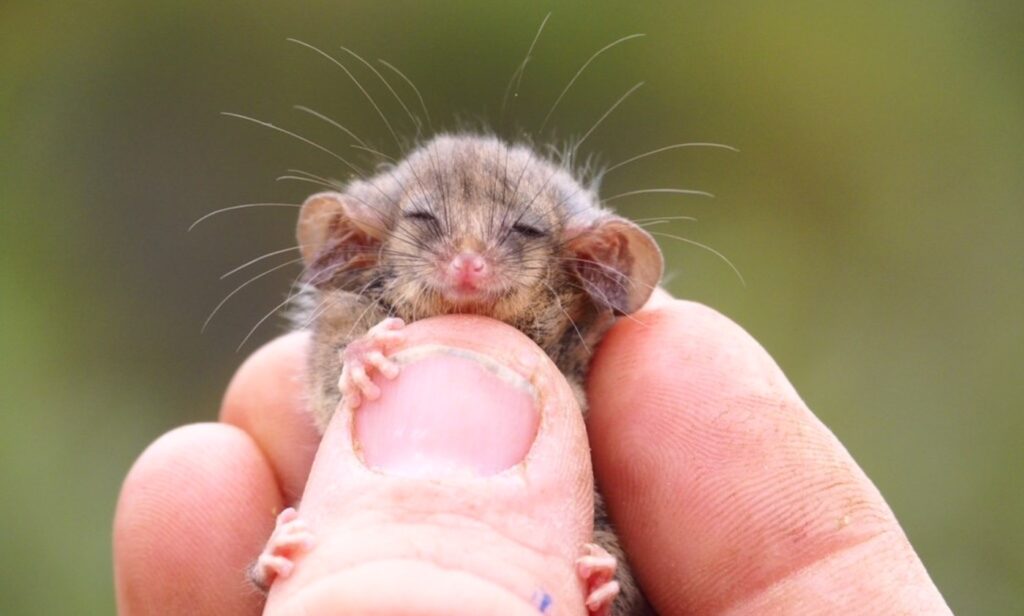
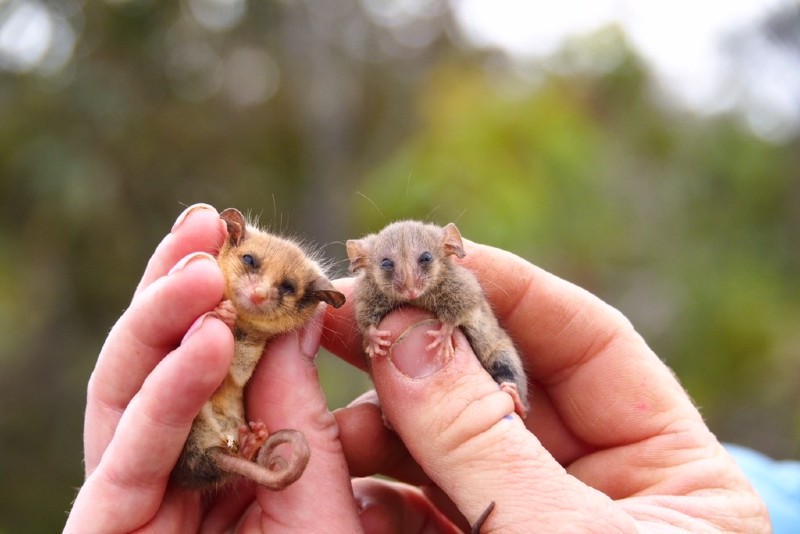
Australian wildlife ecologists were overjoyed to find endemic pygmy possums surviving on Kangaroo Island after it was torched by wildfires.
Facebook/Kangaroo Island Land for Wildlife
In what was the equivalent of finding a very little needle in a haystack hundreds of thousands of acres wide, the survival of the possum on the South Australian island is a sign that wildlife escaped the almost 200,000 hectares burned by this year’s bushfires.
Weighing only seven grams, and having been recorded only 113 times officially by science, it was by no means obvious that ecologists and volunteers working for the Kangaroo Island Land for Wildlife NGO would find the cercartetus lepidus—the pygmy possum—after fire destroyed so much of its habitat.
The world’s smallest possum, C. lepidus is found only on Kangaroo Island, Tasmania, and in very small numbers on the South Australian coast.
Speaking with ABC News Australia, ecologist Pat Hodgens, working with the NGO said: “…the summer bushfires burnt through much of [the] habitat that species had, but we were certainly hopeful that we would find them.”
“It’s very important now because it is kind of like the last refuge for a lot of these species that really rely on very old long, unburned vegetation,” he said.
Facebook/Kangaroo Island Land for Wildlife
In mid-November about 16 people from the NGO surveyed 20 sites, finding 200 different individual animals of over 20 different species, all of which are endemic and some of which are endangered.
These included southern brown bandicoots, western and little pygmy possums, brush-tailed possum, and the tammar wallaby, as well as amphibians like the eastern banjo frog, common froglet, painted frog, spotted grass frog, and Bibron’s toadlet.
Australia’s marsupials are found nowhere else in the world, and they suffer from many invasive species through predation and competition for food. Add in destructive wildfires and their survival odds seem non-existent; but as we know from Jeff Goldblum’s role in Jurassic Park, life finds a way.
SHARE This Exciting News From Down Under With Pals…
Quote of the Day: “The only thing we never get enough of is love; and the only thing we never give enough of is love.” – Henry Miller
Photo by: Kira auf der Heide
With a new inspirational quote every day, atop the perfect photo—collected and archived on our Quote of the Day page—why not bookmark GNN.org for a daily uplift?
The World Health Organization reported that malaria deaths fell last year to the lowest level ever recorded.
Zach Vessels
The mortality rate has dropped by almost 60% in the last two decades, and 1.5 billion malaria cases have been averted globally in the period between 2000 and 2019. Together, the various organizations have achieved 7.6 million fewer deaths from the mosquito-born disease.
The 2020 edition of the World Malaria Report takes a look back at key events and milestones that helped shape the global response to the disease over the last 2 decades—a period of unprecedented success in malaria control.
This year’s 2020 report also features a special section on malaria and the COVID-19 pandemic, as well as a detailed analysis on progress towards the 2020 milestones of WHO’s global malaria strategy.
It also tracks the monetary investments by 91 nations. An estimated $3 billion was spent last year on malaria control and elimination, compared with $ 2.7 billion in 2018 and $ 3.2 billion in 2017.
The highest contributions in 2019 came from the government of the United States, which provided $1.1 billion, followed by the United Kingdom donating $ 0.2 billion.
An estimated two-thirds of deaths are among children under the age of five.
Malaria is preventable and treatable, and with generous support by these and other nations and nonprofits, the mortality rate has dropped from 24.7 per 100,000 people in 2000 to just over ten deaths per 100,000 in 2019.
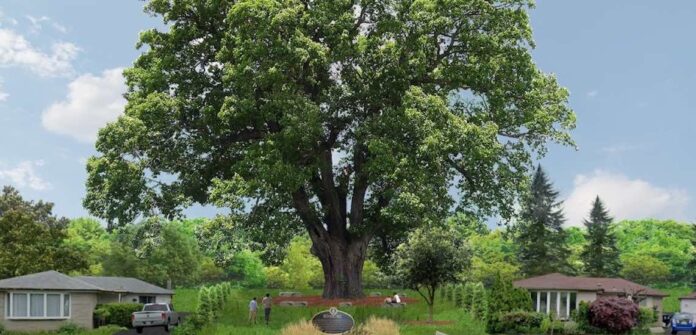
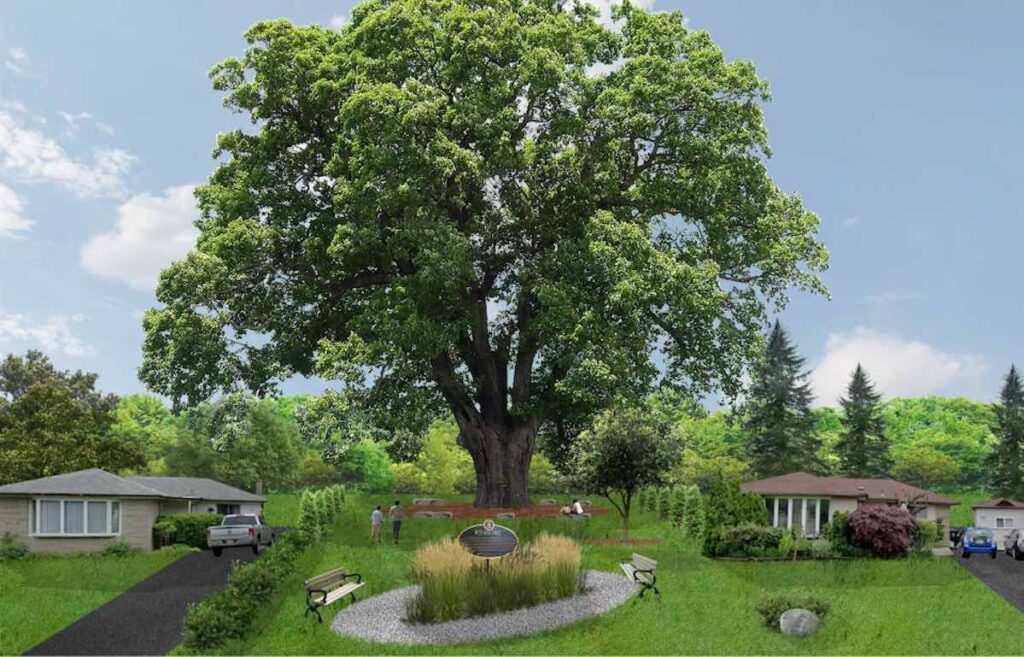
One of the oldest trees in Canada, a towering red oak believed to be more than 250 years old, was facing the axe when a new homeowner bought the property. But now, thanks to a last-minute vote by the city, the tree will be saved for future generations.
Concept illustration of park – Toronto City Council
On November 26, the Toronto City Council voted to preserve this mighty oak by authorizing the purchase of the property for the creation of a mini-park.
Due to its size, age, beauty, and cultural significance, the magnificent tree is already recognized as a heritage tree under Forests Ontario’s Heritage Tree Program.
Fully matured, the red oak’s branches span 78-feet (24 meters) with a trunk circumference of over 17 feet (5m).
With generous monetary support from 1,300 donors helping to raise money, the city will make up any shortfall to secure the property’s purchase and establish the space as a parkette, to preserve and showcase this beautiful oak.
A decade ago, Heritage Toronto unveiled a commemorative plaque, which captured this great oak’s place in the city’s natural heritage, which reads in part:
“The large red oak (Quercus rubra) situated in the backyard of 76 Coral Gable Drive is more than 250 years old, making it one of the oldest in the city. Before Europeans colonized this area, the Humber River branch of the Toronto Carrying Place trail system Opens in new window passed nearby. The tree was part of its delicate savannah ecosystem. This network of trails and portages was used by Indigenous peoples to travel between Lake Simcoe and Lake Ontario and to trade throughout what is now Southern Ontario and beyond. The tree survived European settlement despite logging along the Humber River, clearance of the land for agriculture, and the development of this suburban neighbourhood in the early 1960s. The Coral Gable Drive red oak is a remarkable specimen of its species.”
The ecological, social and economic benefits inherent to preserving and fostering canopy cover are many, including reducing fine particulate matter air pollution, cooling the air by shading surfaces and releasing water vapor, providing habitat for wildlife, reducing storm-water runoff, sequestering carbon from the atmosphere and providing a link to the natural history of the area. In 2020, it was calculated that this oak stores 2.5 tons of carbon dioxide per year.
Donors from across the city, province, and beyond, have helped ensure the property is secured and will help create a new home for Toronto’s tree. People can donate money to support the creation of the parkette, and help create a befitting setting for the magnificent tree.
You may feel like things are challenging at this moment in your life. But let’s get this straight right now. It’s not because you’re failing, or broken.
The Doorway
You’re standing at the doorway. On one side of the door, you can decide that life has not turned out the way you desire. It’s unfair. It’s too hard. Maybe the same thing keeps happening to you—or not happening.
You might feel anxious or discouraged. You don’t have real money. Stable true love. The recognition or freedom you deserve. It almost works out sometimes—but then it rains. The job is taken away.
Part of you knows, it doesn’t have to be this way.
This is a life that is “happening to you.” This perspective denies your own power. I am not demeaning your feelings of frustration. It’s just that I have something more useful in mind.
You can walk through this doorway.
You may have to crawl. You may need to breathe deeper than you have ever breathed. You may do it while kicking stones and cans in resentment, but doing it nonetheless, giving yourself a shot. You may have to grow. You may have to choose to do things in a way that you have never done them before. You may have to become a superhero in your own lifetime.
I want you to step into the life you didn’t plan. I want you to loosen up on your control over everything you think needs to happen.
Everything that hasn’t exactly worked out in your life brought you to this wooden doorstep. It is the doorstep of willingness. It is a precipice. It is an adventure. It is a cliff. It is a choice. It is time to unlock your powers or your destiny. Congrats, you’ve arrived.
Uncertainty is your new best friend. It will help you discover your certainty. It will help you reach for freedom. Because when you let go of your plan, you open to a powerful path, the path of being led. It’s the beginning of your True Life, the one of following your inspired instincts instead of your fear.
This takes courage. Or desperation. Or curiosity. Or ambivalence. I don’t care how you get here. Let’s just do this. Let’s begin in this second. Let’s give life a new chance. It’s the only life you have. I’d say bet your life on it.
You are growing beyond where you have been. Your life isn’t diminishing. Your old life is diminishing. Your True Life is expanding. It’s roaring for your love and commitment.You may think you’re stuck. I’d say you’re standing at a threshold.
Things change when you decide to thrive
Where is uncertainty creating discomfort for you? Making you feel small? Or making you play small in your life? That’s where you’re getting fooled. You’re letting the circumstances of your life define who you are.
Oh, but butterfly-grasshopper-lover of transformation, you are here to define (or redefine) your circumstances. You are the storyteller in your life. And you are here to live a Great Story with a happy middle, as well as a happy ending.
Because as you show up for your true desires, life shows up for you. You feel alive when you show up. You feel flattened and hollow when you don’t. You may have your “reasons.” But it doesn’t matter. Anything that keeps you from showing up, is poison.
Why do some people keep going? Why do some people come up with creative angles that immediately get attention? Why do some people meet the right connection? Or bounce back from setbacks? Find the right doctor? Get funding? Meet that incredible partner? Get the breaks? Enjoy where they are, no matter the circumstance?
They have mastered the art of showing up with love for their lives. Acting with love. Choosing with love. Glowing. Having that something extra. They are not forcing their lives. They are discovering them. Working with their own spirit, instead of against it.
I’m sensitive this way, because I have almost given up or settled, lost my own fight to anxieties and frustration too many times. And it’s unbearable to me to think of the life I would have missed—and I so don’t want you to miss the life that is calling to you.
I know what it’s like to have everything change and to have to make up your life out of thin air and fight back tumultuous fears to do it. It took a different voice within me to create a different life.
I just couldn’t find my way in the world. I had to find myself first. I found myself by learning how to listen to a loving voice inside myself. It’s been a quantum shift in how I think and approach everything in life. When I began, I thought I was just going through a massive career transition. But that career transition turned out to be an identity transformation. It’s been a spiritual pilgrimage of shedding old, limiting, and “rational” beliefs. I couldn’t have a different life until I realized I was so much more than who I thought I was. We all are.
I’ve now been a career, life, and success coach for almost 30 years. I’ve also worked with thousands in workshops and retreats. Having sat with individuals at the frontiers of their most pressing moments in relationships, work, health, true desire, grief, and everything else, I know firsthand the pivotal difference it makes when we change how we see our possibilities.
You have a process
If you’re in transition–the things you decide right now will affect your entire life. And because you’re going through change, you feel more vulnerable. And when you’re feeling weak, it’s possible to make weaker choices than you really want to make. I want to help you choose from strength, love and the astounding guidance of your inspired mind. Because when your plans fail, that’s when your real life begins. This is a precious opportunity to create the life that is calling your name right now.
Fears and resistance will talk you out of showing up for yourself in every way you can. But it is showing up for yourself that will end your pain.
My yoga teacher Jen once said, “You think you are hitting obstacles on your path. But the obstacles are your path.” Now of course she’s a yoga instructor and specializes in stretching people into physical torture for a living, while she shares philosophy, so there’s that. But I’ve shared this same wisdom with my clients: whatever is in your way, is your way. Because your life is your life. It’s not an accident. It’s a miracle.
If you and I were working one-on-one together, I would assure you, you have a path. It’s already within you. It’s better than you imagine. In fact, it’s so much better, you can’t imagine it. It’s time to follow your innate intelligence,encour instead of doubt it.
You’re not just going to shift your circumstances. You’re about to shift your identity. You may be thinking, that’s great but can I pay the mortgage? Can I help my son stop drinking? Can I find a publicist for my work? Can I find another job? And I will tell you, yes you can. This and more.
Albert Einstein said “No problem can be solved from the same level of consciousness that created it.” It’s time to realize you don’t have a problem. You have a process. You are in transformation. And that means you’re moving forward into the next, best part of your life.
Every circumstance you are in is a chosen conversation designed for your good. There is a scent to follow. The wind is pushing you in the right direction or whispering what is necessary. The rain is a wild unfettered priest dousing your existence in holy water. Everything is in your favor. The moments of realizing this are worth a lifetime. Really, it’s one thing to be alive. It is a whole other thing to be awake.
This is what it means to thrive through uncertainty. This what it means to show up for your life. Walk through this door.
WATCH Tama and Geri Answer Questions on a LIVE Facebook Show…
WHY Not Share the Advice With Friends on Social Media?
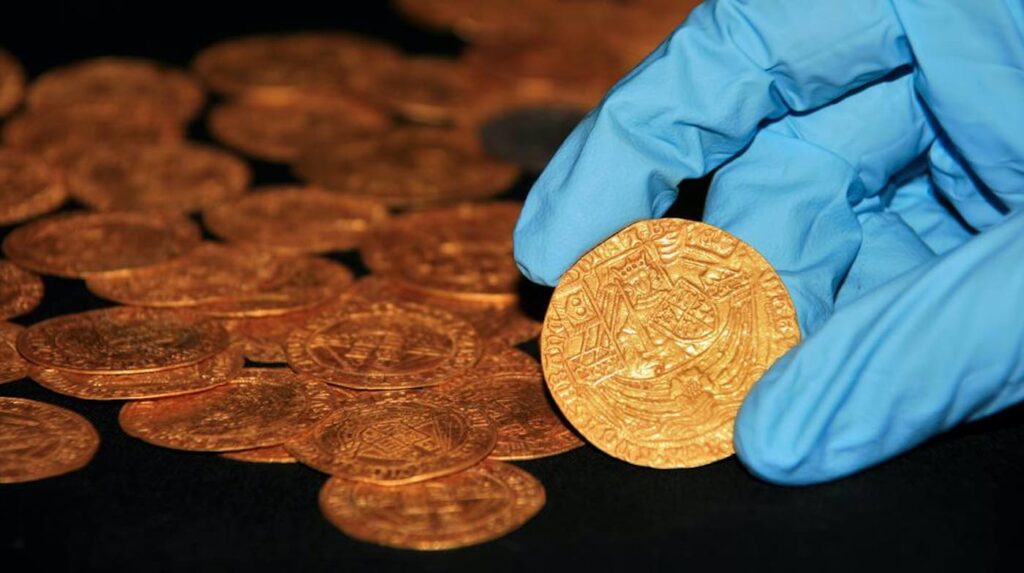
A “miraculous” haul of gold coins dating from the late 15th century was discovered by a family digging in their garden.
The highlight of the hoard was a collection of four coins bearing the initials of the wives of Henry VIII—Catherine of Aragon, Anne Boleyn and Jane Seymour, according to the British Museum.
The 63 gold coins were found in the New Forest area of Hampshire by a family who wanted to remain anonymous.
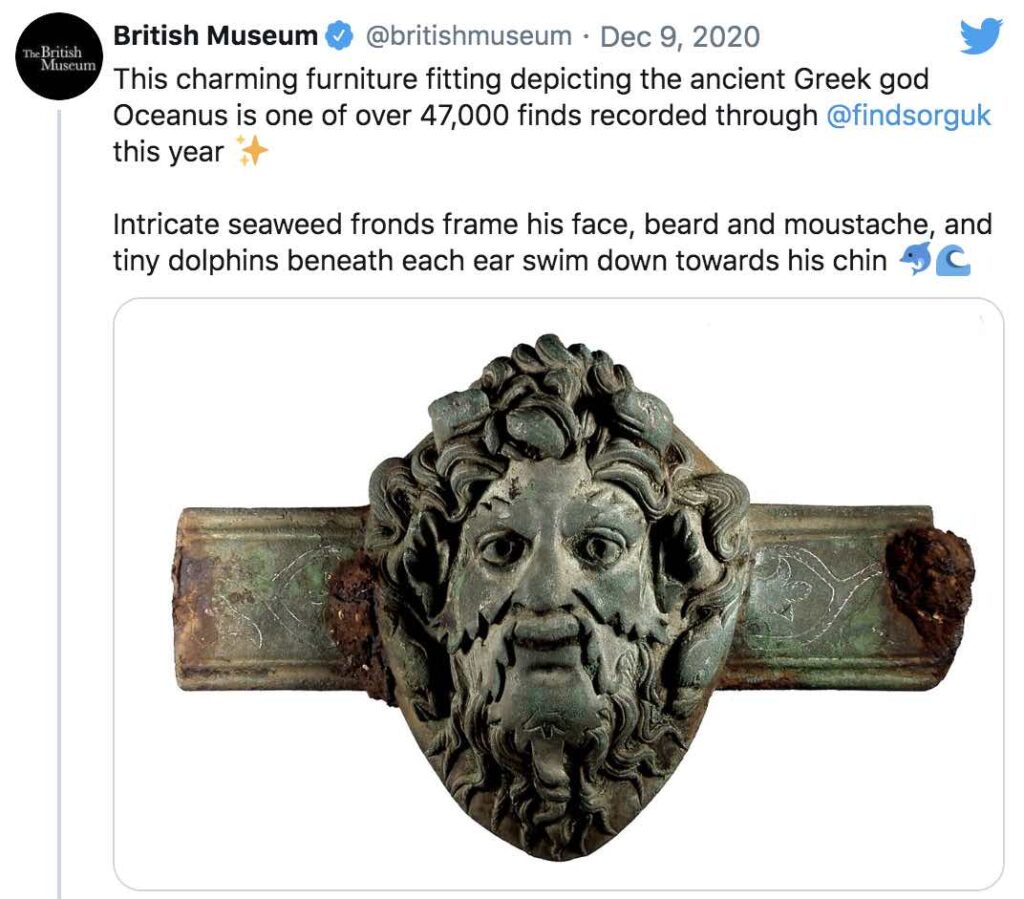
The pandemic stay-at-home orders have led to a boost in finds from home gardens, including some very special and intriguing discoveries, like a Roman furniture fitting dating from nearly 2,000 years ago.
These treasures are among more than 47,000 finds that were registered this year with the British Museum’s Portable Antiquities Scheme (PAS)—with 6,251 discoveries reported during the first lockdown in the UK.
John Naylor, from the Ashmolean Museum, told PA News the hoard was likely to have been hidden either by a wealthy merchant or clergy fearful of Henry VIII during the Dissolution of the Monasteries, in which he took control of many of the religious community’s assets.”
“Some monasteries and some churches did try to hide their wealth hoping that they would be able to keep it in the long term.”
Trustees of the British Museum
To all who are inspired now to dig, happy hunting!
SHARE The Inspiration and Luck With Friends on Social Media…
Quote of the Day: “That rule about having to act one’s age? I just don’t buy it. Emotionally, I’m about 13.” – Dick Van Dyke (turns 95 today)
Photo by: Chirag Thapa
With a new inspirational quote every day, atop the perfect photo—collected and archived on our Quote of the Day page—why not bookmark GNN.org for a daily uplift?
New Yorkers are the most savings-conscious compared to any other state, according to a new poll of 5,000 Americans from all 50 states.
Interestingly, the results also showed that 58% of those polled said COVID-19 has completely changed how they approach savings, with 53% saying they’ve started saving for different things since the pandemic started.
Of those surveyed, the top thing they were saving for was found to be an emergency of some kind (32%) followed closely by retirement (31%), with a new car coming in at a distant third (20%).
But the respondents are also making a much greater effort to put money away. Nearly six in ten (59%) say they are officially cutting back on their spending towards this effort.
The survey, conducted by OnePoll on behalf of Slickdeals, aimed to uncover data around how people in different states are reacting to their finances in the wake of the pandemic.
Of those cutting back, taking advantage of deals and discounts instead of buying at retail price (45%) was a popular method, as well as getting less take-out (44%) and making coffee at home rather than getting their caffeine fix from a pricey cafe.
“Cutting back on your spending does not always require drastically altering your lifestyle,” said Ryan Tronier, senior personal finance editor at Slickdeals. “Once saving money becomes a priority, you can start to make minor changes that start to add up over time.”
The saving-conscious New Yorkers are putting away, on average, 14.5% of their income towards savings goals or investment accounts.
Georgia came in second place with 12.9%, and Texas placed third with 12.7%—with residents from nearly every other state tucking less than 10% away for future goals.
The average respondent was found to have $17,135 locked away in a savings or investment account, with people from South Dakota leading the way with an overall average of $24,497 in savings.
The states with the least amount of savings were found to be West Virginia ($6,936) and Tennessee ($9,628).
TOP STATES FOR MOST MONEY SOCKED AWAY…
South Dakota $24,497
New Hampshire $24,187
Wyoming $22,626
Montana $22,522
Pennsylvania $20,252
Rhode Island $20,227
Hawaii $19,613
Massachusetts $19,565
North Dakota $19,185
Wisconsin $18,725
Nebraska $18,517
Georgia $17,562
Alaska $17,491
Delaware $17,451
Virginia $17,245
Nevada $16,752
Iowa $16,738
New York $16,609
Minnesota $15,884
New Jersey $15,151
Utah $15,066
New Mexico $15,039
Michigan $14,928
Texas $14,832
Alabama $14,813
Maine $14,657
Washington $14,431
Indiana $14,396
Kansas $13,900
Maryland $13,815
Vermont $13,573
Illinois $13,416
Kentucky $13,238
North Carolina $13,237
Connecticut $12,823
Colorado $12,490
South Carolina $12,240
Oregon $12,094
Florida $11,955
California $11,815
Arizona $11,804
Ohio $11,436
Oklahoma $11,414
Louisiana $10,939
Arkansas $10,805
Missouri $10,478
Idaho $10,208
Tennessee $9,628
Mississippi $9,306
West Virginia $6,936
What began as a single act of kindness ignited a chain of good cheer stretching 900 cars long.
KARE TV mashup
A Dairy Queen restaurant in Brainerd, Minnesota was the scene of the pay-it-forward chain that lasted nearly three days.
The store manager Tina Jensen was excited on December 3 when a man said he’d like to pay for the car behind him, so she gave the heart-warming news to the people in that car, and then asked if they wanted to do the same.
“If you like I can pay it forward and you can pay for the order behind you and we can keep this going,” Jensen recalled in an interview with KARE-TV. “She’s like ‘really, why would he do that?’.”
She agreed to make that Thursday a ‘lucky day’ for the car behind her—and after that, the next car kept paying for whoever came next.
Jensen says, “One lady, she was so excited, she threw us a 20 dollar bill almost in tears. ‘Are you serious. This is really going on?’ I said, yep, you are about 125 cars into it. She said, ‘For real, can you believe this?'”
The longest chain this drive-through ever experienced was 15 to 20 cars, but in 2020 with the holiday spirit in the air, everyone wanted to keep it going.
Tina posted about it on Facebook, and people started driving to the restaurant just so they could participate—all day Friday, and most of Saturday, they kept coming, and paying the tab for the person next in line.
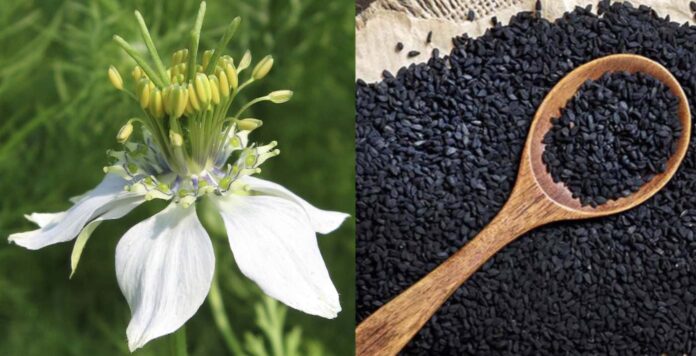
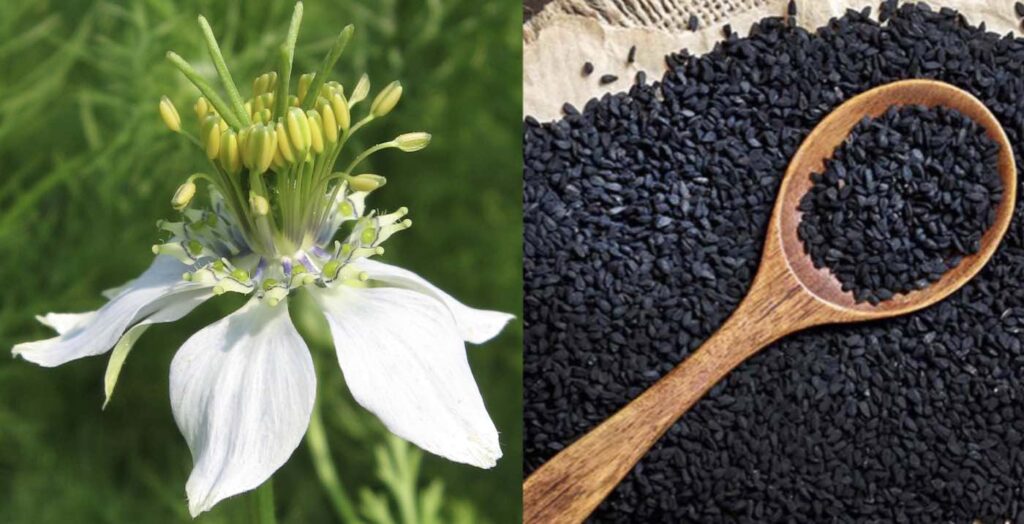
Nigella sativa plant by AndreHolz, and its black cumin seeds by Mountainhills – CC license
Using a variety of cumin, scientists in India have patented their innovative herbal gel for affordable, effective treatment of mild to moderate psoriasis.
The inflammatory skin disorder that causes itchiness and irritation from red and scaly rashes already affects millions of people around the world and the numbers may be up during the pandemic.
Treatments are available in the market today, but existing treatment options, including steroid and UV radiation therapy, tend to be expensive, with possible side effects.
There is still no cure for psoriasis, but scientists at Shoolini University developed a plant-based gel, which contains a natural anti-inflammatory chemical compound that could be considerably cheaper.
The invention by scientists at the Himachal Pradesh-based university contains thymoquinone, a pharmacologically active chemical found in the seeds of the plant Nigella sativa—commonly known as black cumin and widely used in Asian cooking and herbal medicine.
Nigella sativa
Dr. Poonam Negi, Charul Rathore, and Ishita Sharma harnessed thymoquinone’s known therapeutic effects into a gel that can provide instant relief from the itchy rashes and thereby improve a patient’s quality of life.
Nigella sativa plant by AndreHolz, and its black cumin seeds by Mountainhills – CC license
Sativa oil is traditionally used for treating skin conditions, including psoriatic rashes. But, Dr. Negi says, “This oil contains low thymoquinone levels, which forces patients to apply large amounts of it. Our developed gel, however, maintains therapeutically effective concentrations of thymoquinone at the psoriatic lesions.”
The product was shown to be more effective than the oil, and it has been tested pre-clinically for its efficacy and safety, with clinical trials yet to be completed.
Increased importance during the pandemic
It is worth noting that many conventional treatment options for psoriasis, such as steroids, work by suppressing the immune system. This is a matter of serious concern, given the current spread of COVID-19, which requires a strong, balanced immune system to combat the infection. Shoolini’s gel would relieve psoriatic rashes without compromising the immune system.
The water-based patented gel is also attractive now because of its affordability.
Global sales of psoriasis treatments are growing at approximately 7% per year and are expected to reach US$ 13.1 billion by 2025.
Dr. Negi predicts their therapy would cost under $7 per month in cases of mild psoriasis and under $15 for cases of moderate-to-severe psoriasis.
They are in stage 2 of the development of the product and they told GNN they are looking for an industry partner, and hope to get this to the market in the next 2 years. We will be sure to post an update when they do.
Hoping You Are Itching to Share This With Friends on Social Media…
Because of the ESA, Arctic oil drilling was not allowed – Photo by Hans-Jurgen Mager
Now that the U.S. Court of Appeals has ruled on an offshore oil drilling project in the Arctic, polar bear protectors finally have a reason to celebrate.
Young polar bear in Alaska by Hans-Jurgen Mager
Bastions of unusually-rich biodiversity in the waters of the Beaufort Sea will remain undisturbed with the project’s defeat, as it would have required building not only the oil derrick itself, but a gravel mine in the bay to make the rig’s pylons, as well as many supporting installations.
After the Trump administration gave approval for the project in 2018 to Hillcorp Alaska, its Liberty oil project in Foggy Island Bay was immediately slapped with lawsuits decrying the permits. The decision came on December 7 from the U.S. Court of Appeals for the 9th Circuit.
“I’m pleased that the court today rejected the administration’s inaccurate and misleading analysis of this project’s impact to the climate,” said Earth Justice attorney Jeremy Lieb in a statement from the Center for Biological Diversity following the decision.
“In the face of a worsening climate crisis, the federal government should not be in the business of approving irresponsible offshore oil development in the Arctic.”
“Today’s news is a victory for Alaska’s imperiled polar bears that are threatened by oil and gas development throughout virtually all of their terrestrial denning critical habitat—in the Arctic National Wildlife Refuge, National Petroleum Reserve-Alaska, and in the nearshore marine environment, as well,” said Nicole Whittington-Evans, Alaska program director at Defenders of Wildlife, another of the environmental groups which filed lawsuits.
Foggy Island Bay is home to a wealth of threatened and endangered marine mammals, including polar bears, six species of whales, three species of seals, sea lions, sea otters, and Pacific walruses. Seabirds, numerous species of fish, and larger mammals all frequent the shallow waters around the Bay.
The presence of some of these animals, including polar bears which are listed as ‘vulnerable’, means that the construction would engage the Endangered Species Act protections. Furthermore, there were also omissions on how much carbon the project would add to the atmosphere through oil extraction.
The prosecution argued that the Liberty project, containing about 120 million barrels, would extract oil to be sold on the global market, decreasing prices, and allowing more nations to afford more oil, and that this would contribute many more millions of metric tons of CO2 than if the oil were not extracted, and we purchased it from other countries.
The defense argued that by ensuring the highest quality environmental standards at the Liberty project, it would benefit the environment since oil wouldn’t be produced in countries with much less-stringent regulations.
The court ruled that the omission of foreign oil emissions estimates, poor-quality modeling including unproven assumptions, and a failure from the U.S. Fish and Wildlife Service to adequately measure the risks to the endangered polar bears was enough to shoot down the Liberty project.
The decision comes on the heels of the Trump administration’s Army Corps of Engineers deciding in November to scrap the infamous Pebble Mine project in Alaska. Now, the whales, seals, birds, and the vulnerable polar bears, will have the area all to themselves.
CELEBRATE With the Activists By Sharing This on Social Media…
Quote of the Day: “Don’t hide your scars. They make you who you are.” – Frank Sinatra (born 105 years ago today)
Photo by: Shane
With a new inspirational quote every day, atop the perfect photo—collected and archived on our Quote of the Day page—why not bookmark GNN.org for a daily uplift?
Some of the below was reprinted with permission from World at Large, a news outlet focusing on space, health, conservation, environmental and foreign policy, and travel.
Researchers at Harvard Medical School have successfully restored vision loss and reversed glaucoma-induced damage in mice.
In the mice, the retinal ganglion cells, a principal cell that enables vision, were restored to a youthful state in cases of glaucoma, as well as when the optic nerve, another key component of eyesight, had been damaged. Both were achieved through expressing certain transcription factors—proteins that turn genes on and off.
“The study sheds light on the mechanisms of ageing, and identifies new potential therapeutic targets for age-related neuronal diseases such as glaucoma,” reads a statement from researchers at Harvard Medical School.
The new study, published in Nature, was conducted by Dr. David Sinclair, of the world’s foremost experts on ageing-related research in mice.
Along with genetic research, Sinclair has also looked at how supplement-ready compounds like resveratrol and Metformin affect aging, and his book, Lifespan: Why We Age and Why We Don’t Have To, is a New York Times bestseller.
Repairing a scratched CD
The science behind Sinclair’s new paper involves the curious process of methylation. Governed by epigenetics—that is, changes in the genetic expression of the cell over time—the researchers found that methylation in mammalian tissues prevents the cells from replicating proteins properly while simultaneously encoding a kind of genetic history.
One can imagine this as scratches on the bottom of a CD. If the scratches could be removed, the record of proper function is still there, and could still be read by the laser in a CD player.
In his book, Sinclair details the modern theory of aging, which is that changes in epigenetics and damage to cells and tissues prevent the body from properly reading protein-encoding genes, resulting in either faulty, less-functional, i.e. older genes being transcribed, or the proteins not being replaced at all.
Here the authors found that when the mouse neurons were recovering from damage related to glaucoma, the methyl groups which built up over time left, like the scratches being removed from a disk.
This resulted in a process called demethylation. Demethylation was associated with younger genetic expression, in other words, the mouse’s genes remembered how to be young again, only after demethylation had occurred.
“These data indicate that mammalian tissues retain a record of youthful epigenetic information—encoded in part by DNA methylation—that can be accessed to improve tissue function and promote regeneration in vivo,” write the authors in their summary.
It remains to be seen whether records of youthful genetic expression are contained within other mammalian tissues, the liver for a random example, through methylation, and whether or not they can be accessed through demethylation.
If it’s true that simply altering some transcription factors is enough to clear the dust off the rule book for how to build young proteins, Sinclair stands to make a major breakthrough.
SHARE the News of This Exciting Research With Friends…
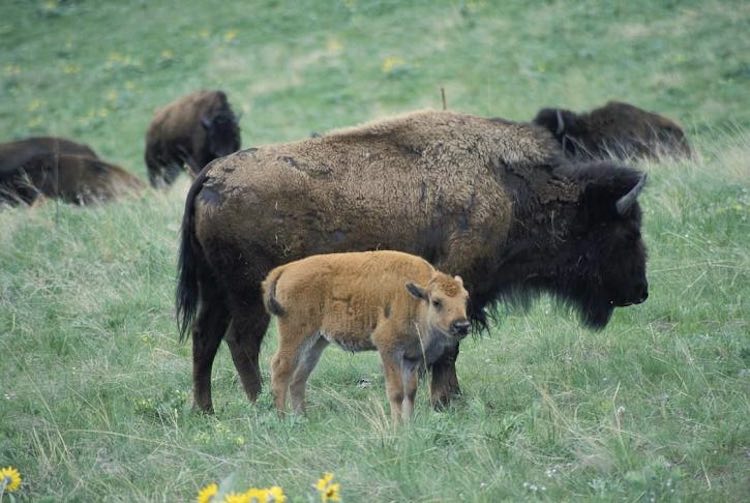
Far from the rolling plains of the Dakotas, Wyoming, and Montana, wild bison in Europe are also recovering in large numbers.
The European wood bison population has grown so much as to no longer be considered “Vulnerable” according to the global authority on conservation, the IUCN, in their latest Red List update.
Present in Poland, the Netherlands, Russia, Belarus, the Baltics, Ukraine, Bulgaria, and Romania, the bison totals 6,200 individuals across 47 free-ranging herds.
The result of large-scale conservation strategies, it’s an example of what can be accomplished with large herbivores when one gives them time, space, and safety.
A century ago, only 50 European bison remained on Earth, and they were mostly confined to breeding sanctuaries.
In Russia, one of the prime habitats for European bison, the national WWF-chapter has been introducing genetically distinct wood bison in the Caucuses Mountains for 11 years, and their herds total 143 in three different groups, though there could easily be thousands of them in the North Caucuses—a goal WWF-Russia is eager to achieve.
“The conservation successes in today’s Red List update provide living proof that the world can set, and meet, ambitious biodiversity targets,” said Dr. Jane Smart, Global Director of IUCN’s Biodiversity Conservation Group in a statement.
Eight of the 47 bison herds are genetically viable for long-term survival, so scientists need to rotate animals in and out of herds in order to ensure healthy genetic lineages. Establishing greater numbers of separate herds will also help prevent irreparable loss due to things like disease or natural disasters.
This led to the creation of a project called “Wilder Blean” where Blean Woods in Kent, England, will receive Dutch and Polish bison to create the first wild herd on the island for 6,000 years.
English conservationists and wildlife managers are interested in the effects bison have on the landscape. As large grazing herbivores, the constant foraging, digging, scuffing, and breaking they do on the forest floor has been hypothesized as having tremendous revitalizing effects on the ecosystem.
Bison kill weak or dead trees by eating their bark or rubbing against them to remove their thick winter fur. This turns the tree into food and habitat for insects, which in turn provide food for birds. The resulting pocket of sunlight allows new plants to grow, replenishing the woodland.
In this way they act like forestry experts, and the Kent Wildlife Trust hopes that this “keystone” species will prop up declining populations of plants, birds, insects, and mammals by way of their unique habits.
HERD This Fascinating Story Over To Your Animal-Loving Friends On Social Media…