Quote of the Day: “The greater our knowledge increases the more our ignorance unfolds.” – John F. Kennedy
Photo by: Mitesh Chaudhari
With a new inspirational quote every day, atop the perfect photo—collected and archived on our Quote of the Day page—why not bookmark GNN.org for a daily uplift?
30 years years ago today, Greenpeace activists bolstered by international pressure forced Shell Oil of the UK into a dramatic reversal of its decision to dispose of a massive oil rig by submerging it beneath the sea. READ what happened then… (1995)
Site of Sainte-Nitasse near regional highway – Credit: Christophe Fouquin for INRAP
Site of Sainte-Nitasse near regional highway – Credit: Christophe Fouquin for INRAP
If you had to picture the villa of an important Roman official, it would probably be reasonable to expect to see mosaics and frescoes, private baths; perhaps underfloor heating.
Sainte-Nitasse, a Gallo-Roman site in central France has all of these and more, indicating a previously unknown level of grandeur for the area.
Sprawling across 43,000 square feet of real estate along the River Yonne near the city of Auxerre, the villa’s remains were discovered during roadwork as is so often the case.
It was said 2,000 years ago that all roads lead to Rome, well, Eli Wizevich at Smithsonian Magazine points out that while this is still the case today, the ‘Rome’ the roads lead to tend to be ruins.
Following Julius Caesar’s conquest of France—then known as Gaul—the necessity of local administration led to members of the patrician class owning massive agricultural estates which doubled as imperial command nodes.
A wealthy Gallo-Roman presence was previously known from a much smaller site nearby on the outskirts of Autissiodorum, as Auxerre was previously called, but since 1966, it was supposed that nothing more was to be found here.
Then, roadwork on the D606 uncovered stately building material like cut stone and marble, and it became clear that the smaller building was merely a single wing of this truly impressive “grand villa” according to a statement from the French National Institute for Preventative Archaeology (INRAP).
The villa would have been divided between the pars urbana, Latin for residential quarters, and the pars rustica, or agricultural areas. The grandest of provincial Roman villas are almost always characterized by the presence of private baths; often large and directly or very closely linked to the pars urbana.
In general, there is sophisticated architecture, using materials like marble, mosaics, frescoes, etc., but also special facilities such as ponds, fountains, and gardens that can sometimes develop in several courtyards.
As mentioned above, Sainte-Nitasse contains all this, including a 4,800-square-foot garden is enclosed by a fountain to the south and a water basin, or an ornamental pond, to the north. The Romans’ famous underfloor heating system, called a hypocaust, was also present.
The waters of the Yonne fed an artificial thermarium or thermal baths where the villa’s owner and family would have bathed, while a vast cultivation space would have been worked by many slaves.
One of the most important parts of the discovery was the site’s level of preservation.
“For a rural site, it’s quite exceptional,” lead archeologist Alexandre Burgevin tells L’Yonne Républicaine. “You can walk on floors from the time period, circulate between rooms like the Gallo-Romans did.”
Several areas still require extensive excavation to understand, in part because the dig has so far yielded few artifacts of any note. The excavators have until September to continue before the roadwork will resume nearby.
SHARE This Latest Discovery From Classical Rome With Your Friends…
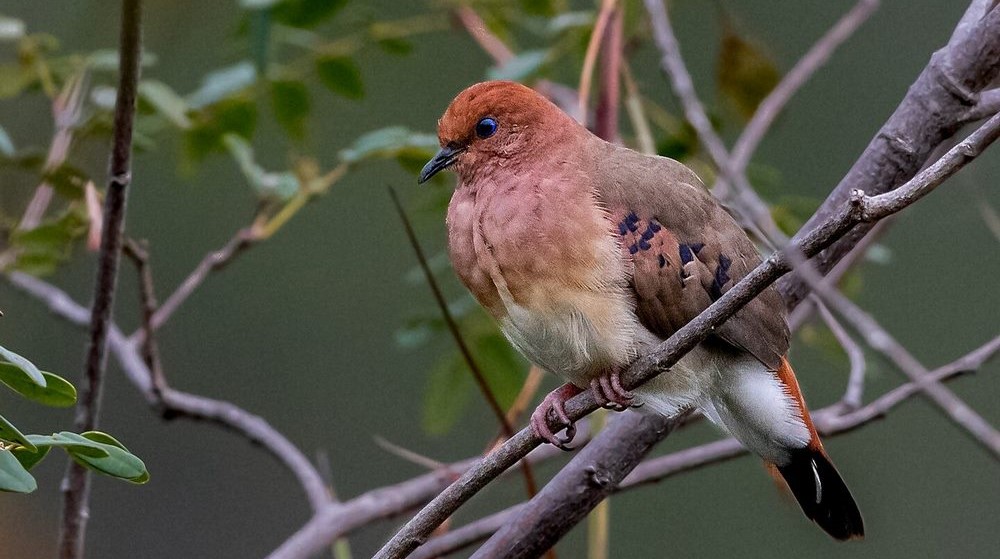
Columbina cyanopis, or the blue-eyed dove, in the Rolinha do Planalto Natural Reserve - credit, Hector Bottai CC BY-SA 4.0.
Columbina cyanopis, or the blue-eyed dove, in the Rolinha do Planalto Natural Reserve – credit, Hector Bottai CC BY-SA 4.0.
A UK zoo is celebrating after helping to hatch three of the world’s rarest birds in what could be a breakthrough moment in saving the critically-endangered species from extinction.
The trio of blue-eyed ground dove chicks were successfully hand-reared in Brazil, boosting the survival odds of one of the most endangered birds on the planet, only 11 of which are thought to remain in the wild.
An international team, including British experts from the Chester Zoo, managed to rear the birds in the Brazilian state of Minas Gerais, the only place they are found.
The team, also featuring Brazilian and American conservationists, say their arrival could provide a vital lifeline for the ultra-rare species by boosting their insurance population.
The blue-eyed ground dove was a species shrouded in mystery, with no confirmed records for more than 70 years, until its rediscovery in 2015.
“It’s a real privilege for Chester Zoo to be involved in the work to help conserve the blue-eyed ground dove,” said Andrew Owen, Chester Zoo’s head of birds.
“This unique species is on the brink of extinction and without the dedication and passion of all the conservationists involved, including Chester Zoo’s bird staff, this bird may be lost forever.”
“This year saw the successful hand-rearing of three blue-eyed ground doves – building on the successes of 2023 and 2024 and doubling the conservation-breeding insurance population.”
The effort to build on those successes started earlier this year, when a team of Brazilian and international bird conservationists were tasked with selecting and incubating a small number of wild-laid eggs. The resulting hatchlings would help to create an insurance population in human care.
Andrew traveled to Brazil to provide technical support while Victoria Kaldis, lead keeper for birds at Chester Zoo, also flew over to assist with the hand-rearing of the chicks. The effort was led by Minas Gerais’ Parque das Aves and SAVE Brasil, with additional support coming from the Toledo and Bronx zoos in the United States.
“Seeing these chicks is exciting. Each hatching represents a real chance to reverse the fate of this species,” said Paloma Bosso, technical director of Parque das Aves. “It is a joy and also a great responsibility.”
“With the arrival of these three new individuals, Parque das Aves is now home to six blue-eyed ground doves. All are being carefully monitored and are part of a coordinated reproductive management plan.”
The blue-eyed ground dove is Critically-Endangered according to the the International Union for Conservation of Nature’s Red List.
It once had a wide distribution in the Cerrado biome (the Brazilian savanna), but due to habitat loss driven by farming and timber plantations, it has radically declined.
Currently, the only known population is found in Botumirim in the state of Minas Gerais and a 2025 census confirmed the species remains exceedingly rare.
“The blue-eyed ground dove depends on the efforts of many people and institutions, so that its song can be heard in the Cerrado for many years to come,” said Ben Phalan, head of conservation at Parque das Aves.
TWEET About How Wonderful It Is That These Chicks Hatched Successfully…
One of America’s largest bonsai tree collections recently celebrated its centennial with the largest exhibition on these miniature trees ever held.
The collection includes some wonders of the artform: a Rocky Mountain juniper bonsai 500 years of age, a Sargent juniper from Japan thought to be over 800 years old, and a trio of bonsai which launched the collection 100 years ago—grown still in their original vases.
Running through October 19th, the Brooklyn Botanic Garden C.V. Starr Bonsai Museum in Brooklyn, New York City, will offer tours for visitors to learn about the collection, live bonsai gardening demonstrations, an outdoor display of bonsai trees next to their fully grown cousins, screenings of a restored 22-minute film from 1971 featuring the collection’s first “bonsai curator,” candlelit weekend Sake dinners, and a new specialty bonsai gardening supplies and merchandise store.
There’s potentially no better place to be in the entire Western Hemisphere for a bonsai lover than Brooklyn this summer.
“Brooklyn Botanic Garden has been the proud caretaker of this remarkable bonsai collection for 100 years, fostering a practice that is equal parts horticulture, art, design, and patience,” says Adrian Benepe, president of Brooklyn Botanic Garden. “We are excited to see even more of these miniature trees—true works of art—displayed this year, including outdoors amid full-sized trees for a stunning comparison”.
The collection houses over 400 specimens, many of which are rotated in and out of the museum on a seasonal schedule. Some will flush with autumn colors, while others will flower or fruit—the only two parts of a tree that can’t be miniaturized through cultivation.
“I change the display often and bring in flowering and fragrant trees as much as possible so that the visitor’s experience is always fresh and exciting,” says museum gardener David Castro. “We have so many bonsai and this is such a rare collection, it’s easy to display something different”.
Frank Okamura, the Garden’s first bonsai curator. PC Brooklyn Botanic Gardens, courtesy
Growing steady
Brooklyn Botanic Garden’s bonsai collection started in 1925 with a generous gift of trees and shrubs imported from Japan in 1911 and donated by Ernest F. Coe, a Connecticut landscape designer and nurseryman. Of the original donation, three bonsai remain in the collection today: a Japanese maple (Acer palmatum), a Daimyo oak (Quercus dentata), and a Japanese red pine (Pinus densiflora).
The collection expanded and diversified under the care of BBG’s first exclusive bonsai curator, Frank Masao Okamura, whose tenure at the Garden ran from 1947 to 1981. During these 34 years, Okamura cultivated bonsai from atypical trees and plants, including many tropical and semitropical varieties.
In the mid-20th century, BBG became a hub for the growing American fascination with bonsai, launching the first of its renowned bonsai handbooks and began offering some of the first bonsai classes in the US in 1950. At the center of this was Okamura, whose tenure as curator corresponded with an enormous enlargement of the bonsai collection, which today numbers over 400 which are displayed on a seasonal rotation.
In the BBG’s Conservatory Gallery, visitors can see The Mountain, the Tree, and the Man by graphic novelist Misako Rocks!. In this playful exhibit, a bonsai from the collection shares memories of its life in manga-style panels. Along the way, visitors will learn about Okamura, and the care, creativity, and love behind the art of bonsai.
Some of the trees in the collection are well over a century old, with many still cultivated in their original containers as they came from Japan.
“Older trees are cared for differently than younger trees; they need to be pruned, reshaped, and repotted at particular times in the year,” said Castro. “With respect to their age, you go a little easier on older trees, maintaining their shape rather than making big changes”.
Taken from the Chinese art of Penjing perhaps over 1,000 years ago, bonsai reached worldwide popularity as an artform by the Japanese. Arriving on Western shores along with similar practices like Zen, it took root through Japanese immigrants like the parents of Dennis Makashima. A former president of the Golden State bonsai Federation whose collection helped establish and later fund the maintenance of the Golden State Bonsai Collection, Makashima was (he’s now retired) for the West coast what Okamura was for the East coast: a high priest of pruning; an aesthetic apostle whose gospel was bonsai.
There are close to 200 bonsai clubs, societies, and associations across the United States, making it one of the most popular niche gardening activities in the country. WaL
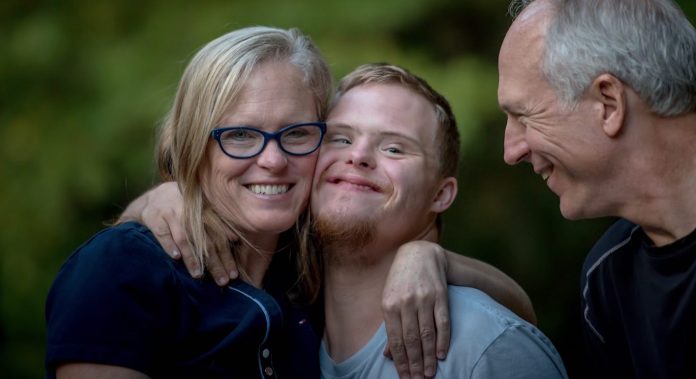
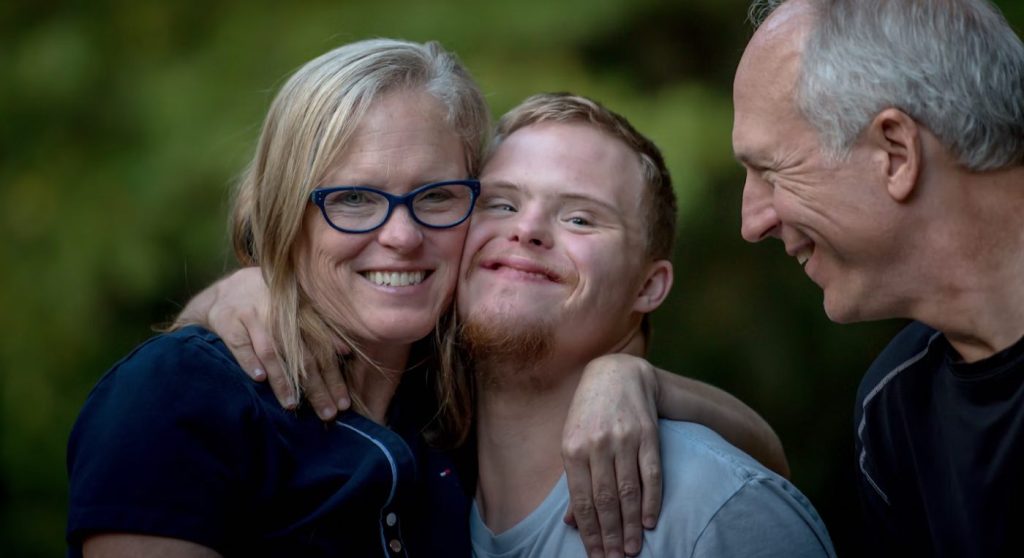
In a laboratory model of Down Syndrome, the CIRSPR gene editing technique successfully removed the duplicate chromosome that causes the condition while also augmenting cell function and fitness, and reduced biological aging.
While the authors are far from even planning a clinical trial, they note it’s the first time the duplicate chromosome, called trisomy 21, has been targeted and removed.
Children born with Down Syndrome can achieve remarkable things, but the genetic duplication which causes it also results in a significantly earlier average age of death (50 to 60) and an increased risk of Alzheimer’s and cardiac issues.
The additional trisomy 21 results in consistent metabolic overactivity, driving the production of reactive oxygen species—a natural metabolic waste product and inflammatory marker that drives the ravages of age.
Using a technique called allele-specific editing, Japanese scientists from multiple universities collaborated on a study that cued the CRIPSR-Cas9 enzyme to seek out the extra trisomy 21 chromosome and snip through it while leaving the rest of the cell and DNA structure intact.
The study was conducted in lab-grown cells and mature skin fibroblast cells taken from a person with Down Syndrome.
In the study, normal cell function was observed in those which had their extra trisomy 21 removed. They reverted to typical patterns of protein manufacturing, showed better survival rates, and more fitness-promoting expression of genes. Genes tied to nervous system development became more active, while those linked to metabolism were dialed down.
About 1 in 700 babies born in the US will develop this duplicate chromosome and thus Down Syndrome. The life expectancy and working capacity of these children as they go through adolescence and adulthood has dramatically increased over the years thanks to inspirational and heartwarming work from countless individuals and organizations.
To put that work in perspective, back in 1900 the life expectancy of people with Down Syndrome was 9 years. In 1984, it was 28 years.
That has now increased two-fold in the last 40 years, a feat accomplished by advancements in cardiac surgery and general health practice for Downs in and out of the hospital. However, according to the Adult Down Syndrome Center, that progress has significantly leveled off, driven by a strong risk of Alzheimer’s and dementias in Down Syndrome patients as they reach late-middle age.
Another statistic worth noting is that over a period in which the population of the US doubled, the population living with Downs quadrupled, despite trisomy 21’s role in Downs being identified more than 50 years ago—indicating that drivers of trisomy 21 duplication may be proliferating throughout society.
Undoubtedly and understandably, however, parents of Downs children will feel upset by the notion that a “cure” is being developed to treat a condition which they themselves do not see as a disease.
The team from Japan stress that the findings do not indicate a direct path toward a therapy, and that the method should be tested in more studies. Some cells, for example, don’t divide. Would CRISPR have to be applied to every single one to reverse the development of Down Syndrome in a fetus? It’s one of several unknowns that the field will have to address as it moves towards a potentially controversial, yet doubtlessly exciting medical advancement.
SHARE This First-Of-Its-Kind Study On Social Media…
Quote of the Day: “Principles have no real force except when one is well-fed.” – Mark Twain
Photo by: Andres Ayrton on Pexels
With a new inspirational quote every day, atop the perfect photo—collected and archived on our Quote of the Day page—why not bookmark GNN.org for a daily uplift?
Dawn Delamater amongst her students at work on a GNN assignment - credit, Shannon Moysey, courtesy
Today, Dawn Delamater, a sixth grade teacher from Rondout Valley Central School District in New York, will accept her last GNN-inspired English writing assignments from an enthusiastic class. Delamater has for the last 2 years been using GNN as a teaching tool for her English classes, utilizing the power of positivity to teach journalism, research and proper sourcing, and finding your way as a writer. GNN staff writer Andrew Corbley did a Q&A with the classroom, which is shown in the first class of every inaugural semester. This will be the final week of school for Delamater, who will retire this year after a 35-year-career as an educator. READ what her kids think about the GNN class… (2025)
A young beaver entering Portugal from Spain - courtesy Rewilding Portugal
A young beaver entering Portugal from Spain – courtesy Rewilding Portugal
For the first time in 500 years, the European beaver has been seen in Portugal, a moment that one nonprofit has called “one of the most significant steps in the aquatic rewilding of Portuguese rivers.”
As GNN has reported in the case of the UK, there is no animal other than humans capable of engineering its natural environment at the same scale as the beaver, and it’s clearly this trait which has Portuguese ecologists jumping for joy.
Extinct in the small Iberian country since the 15th century, this large rodent has recently been reintroduced and restored in various parts of Portugal’s large neighbor. Gradually, signs began to appear that the beaver (Castor fibre) was progressively inching closer to Portugal, until recent camera trap footage confirmed the animal’s presence in the country.
“We’ve been on the lookout for this breakthrough for a few years now, and now we’re thrilled to confirm its return. The beaver is a natural ally in restoring the health of our rivers and wetlands and has a fundamental role to play in our river ecosystems,” says Pedro Prata, Team Leader at Rewilding Portugal.
Through its constant activity building dams, beavers transform landscapes into watery paradises for small fish, amphibians, invertebrates, insects, and birds. Their damming of rivers diverts water flow in various different directions, cuts channels for floodwater, and creates ponds and wetlands.
“We’re talking about a species that provides ecological services that no modern equipment can replicate with the same efficiency and scale, without costs and bureaucracy that can never be overcome. The beaver improves water quality, creates refuges for other species and helps us fight phenomena such as drought and fires,” emphasizes Prata.
Portugal suffers from both drought and wildfires, which the beaver’s impact can help prevent through the increased water retention in dryland soil, while the wetter lands beaver dams create act as natural fire breaks.
Rewilding Portugal, in an article celebrating the animal’s return, detailed how they have long since anticipated this arrival, and informed the relevant ecological authorities to prepare for the disruptive effects which beavers bring hand in hand with the positive ones.
France, Germany, Sweden, and Switzerland have all had to cope with the occasional dam-bursting flood, or an agriculturalist complaining about their riverside plantations being damaged, or someone getting their trees gnawed down. They cope with it in different ways, which Rewilding Portugal say is a worthwhile accommodation for the benefits the beavers bring.
Previously, GNN reported that Rewilding Portugal has reintroduced European wood bison into the Greater Côa Valley ecosystem. As the beaver does in water, the bison does on land: engineering the landscape into a biodiverse and resilient patchwork of micro-ecologies.
Dam Up Your Friends’ Social Media With This Great Story From Portugal…
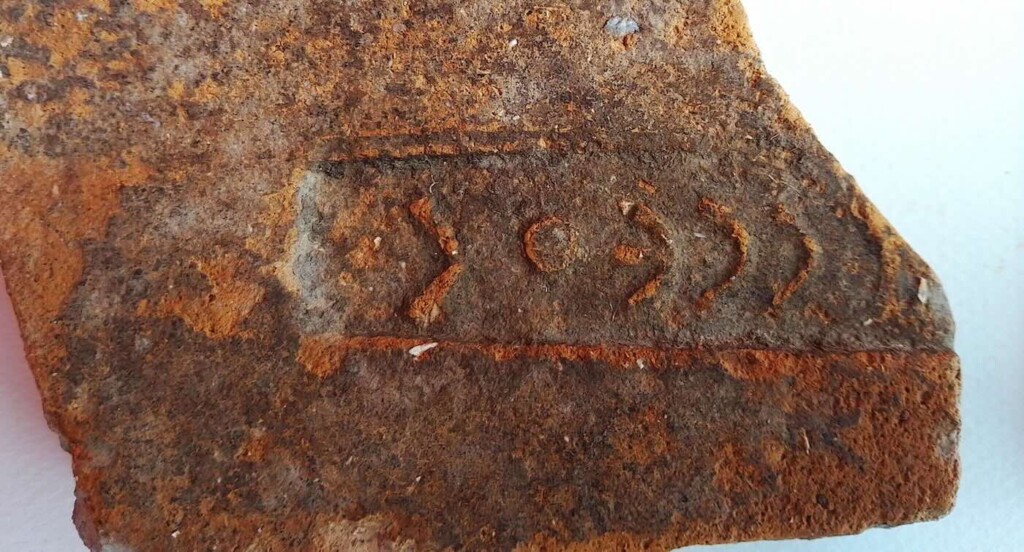
Tile Stamped with Odysseus From 13th century BC found on Ithaca – Credit: Χρ. Μαραμπέα (Christina Marampea) / Greek Ministry of Culture
Tile Stamped with Odysseus from 13th century BC found on Ithaca – Credit: Χρ. Μαραμπέα (Christina Marampea) / Greek Ministry of Culture
As is so often the case in Greek history, real events merge with myth—and there’s no more perfect example than the island of Ithaca, renowned as the homeland of ‘Odysseus’ the hero king in Homer’s epic poem, TheOdyssey.
Now, at an archeological dig there, tiles bearing the name of Odysseus have been found, confirming the location of a long-theorized site where followers carried out hero worship for the semi-mythical king.
The only character to feature prominently in both of Homer’s epics, The Iliad and The Odyssey, Odysseus fought in the Trojan War as the king of Ithaca before embarking on a perilous journey home that took 10 years, during which he encounters terrifying monsters, temptation, and challenges.
In the northern part of the real-life island, at an ancient fortified settlement known colloquially as the School of Homer, or Agios Athanasios, an excavation overseen by the University of Ioannina and led by Professor Yiannos G. Lolos and Dr. Christina Marabea have turned up new findings that have rooted Odysseus firmly in the landscape.
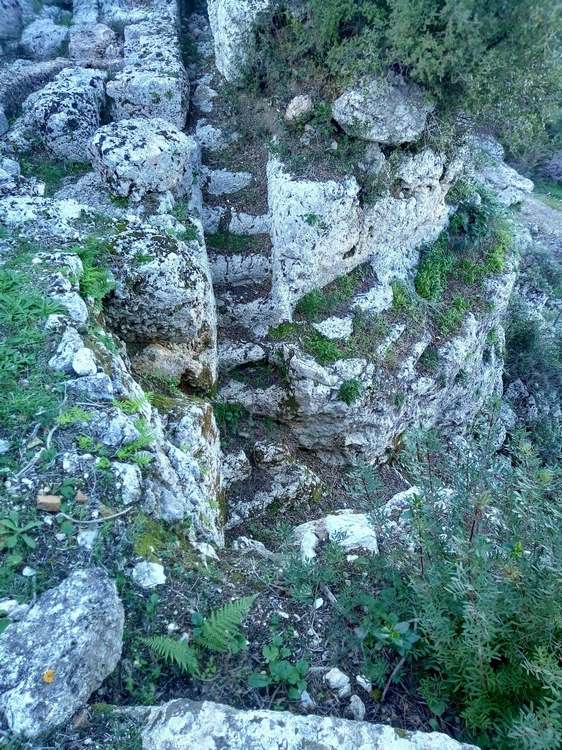
Situated on the eastern slopes of a town called Exogi, a large outcrop of rocks surrounded by natural springs is linked by two rock-carved staircases. A Hellenistic age tower (3rd – 2nd century BCE) crowns the upper outcrop, while a large rectangular building dominates the area at the bottom of the staircases.
Credit: Χρ. Μαραμπέα (Christina Marampea) / Greek Ministry of Culture
Previous excavations had identified human activity from various ages, such as the late-Neolithic and Hellenistic, but Lolos and Marabea’s new discoveries place the School of Homer also squarely in the Mycenaean period (from 1600 to 1100 BCE)—the time in which the Odyssey and Iliad are set.
Pottery fragments from 30 different vases dating to between the 14th and 13th centuries BCE were found in and around a large underground cistern (a covered water storage basin), hewn in the sides of the earth and supported by large distinctive boulders.
Scholars suggest that this settlement was likely used to oversee nearby port access and secure water rights for distribution to the various sailors coming and going, as well as agricultural lands nearby.
Credit: Χρ. Μαραμπέα (Christina Marampea) / Greek Ministry of Culture
Over 100 artifacts of pottery, coins, jewelry, and other items meanwhile date to the more recent Hellenistic age among which were tiles found to be stamped with some very interesting inscriptions. The first was “ΔΗ” — a common abbreviation for demosia, or “public” while others refer to Apollo. So it appears that during Alexander of Macedon’s time, the School of Homer had switched business from water provision to public worship.
Then, more tiles were found bearing the inscriptions “ΟΔΥCCEOC and ΟΔΥC[CEI],” or Odysseus in two different verb tenses, with the latter possibly being a dedicational form.
The team and affiliated scholars now believe the Agios Athanasios is the site of the Odysseion—the center of a cult of hero worship for the Homeric king of Ithaca. References to this religious complex have been found, for example, in Magnesia in Asia Minor, dating to 207 BCE and which include mention of the Odysseia, a series of Olympic-style games held in his honor.
The Hellenistic age was filled with hero worship, and the conqueror Alexander himself idolized a Homeric icon, Achilles.
Furthermore, Roman-era discoveries at the Agios Athanasios included a miniature bronze bust depicting Odysseus with a huge beard in the Greco-Roman style, solidifying the idea that it was a center of Odysseus worship.
SHARE This Wild Collision Between Myth And Fact With Your Friends…
Air India 787-8 (VT-ANB) involved in the crash - credit, RyanZ225 PC (aka ZhangerAviation) CC 4.0. BY-SA
Air India 787-8 (VT-ANB) involved in the crash – credit, RyanZ225 PC (aka ZhangerAviation) CC 4.0. BY-SA
Rarely is there good news to be found amid the wreckage of a crashed plane, but from the Air India flight which recently went down in Ahmedabad, a ray of positivity emerges.
The crash claimed 241 souls on board, but it could have been dozens, perhaps hundreds more on the ground, based on the last minute heroics of pilot Sumeet Sabharwal.
Eyewitness reports speaking to the Sun in the UK saw that Sabharwal diverted the doomed Boeing 787 from crashing into an apartment building among the last seconds before impact.
“Thanks to the pilot Captain Sabharwal, we survived. He’s a hero. It is because of him we are alive,” said Jahanvi Rajput, 28, whose home narrowly escaped destruction. “The green space next to us was visible to him and that’s where he went.”
“If the plane had crashed into this residential area, there would have been hundreds more victims,” according to locals living around the crash site.
Suffering from a “catastrophic engine failure” shortly after takeoff, 55-year-old Captain Sabharwal, who colleagues described as a “good, quiet person,” took the jet into the top two floors of a disused four-story military building adjacent to a medical college hostel building.
That impact, and the subsequent immolation of 90 tons of jet fuel added to the casualty list from the passengers on the aircraft, among whom only a single man survived.
Control tower footage shows that the experienced Sabharwal had less than 10 seconds to see the apartment and the empty building next to it, as the plane lost engine power shortly after taking off from the runway.
The nose was still pointing up when the plane impacted on a glide path. 18 families lived in the apartment building—all of whom survived because of the decision Sabharwal made.
In the aftermath, the Tata Group, which owns Air India, followed Montreal Convention protocol and extended a death benefit of $120,000 to each of the families who lost a loved one on the plane and on the ground, before announcing they would fund the reconstruction of the medical hostel. Air India retired the flight number 171.
An investigation into the malfunction is expected to report its findings in three months’ time.
SHARE This Man’s Name, And The Women, Children, And Elders He Saved…
At 82 years old, Faith O’Reilly is lifting her best life.
The Coloradoan is currently the oldest enlisted female participant in powerlifting at the 2025 National Senior Games, which will feature O’Reilly’s forte for the first time in its history.
GNN has regularly reported on the life stories of silver lifters and the perseverance they demonstrate with an activity most assume to be limited to one’s youth.
That was when O’Reilly took up powerlifting—in law school at the University of Iowa.
“I was watching it and thought, ‘Well, I can do that,'” she said of that first experience, reflecting a can-do attitude she maintained all her life.
That confidence blossomed into a capability that saw her win multiple Iowa state championships as she lifted the double burden of weights and school—graduating and going on to teach undergraduate level legal studies and paralegal work in the criminal justice field.
After retiring and moving to a tiny Colorado town called Saguache from her native Iowa, she took up powerlifting again in 2007 and would recommend it to anyone.
“It’s overall good for you physically, and as you age you can have problems with bone density and losing muscle tone,” she said according to an article for the National Senior Games Association, where she took a gold medal in the 2023 women’s triathlon relay for the 75 and older bracket in Pittsburgh, which she did with her younger sister and close friend as a team.
“It’s really fun to see and interact with other people who are enjoying being more fit than the rest of our age group,” she says. “You know, the oldest person who competed in Pittsburgh was 103, so that gives me a goal.”
SHARE Faith’s Faith In Her Abilities As She Prepares To Lift Gold This Summer…
Quote of the Day: “I perhaps owe having become a painter to flowers.” – Claude Monet
Image:Woman in the Garden by Claude Monet, 1867 (cropped)
With a new inspirational quote every day, atop the perfect photo—collected and archived on our Quote of the Day page—why not bookmark GNN.org for a daily uplift?
77 years ago today, Columbia Records introduced the long-playing record album in a public demonstration at the Waldorf-Astoria Hotel in New York City, characterized by a speed of 33+1⁄3 rpm a 12- or 10-inch, diameter, and a vinyl composite disk, it instantly became the most popular and beloved analog storage medium in history. READ just how big its impact was… (1948)
While you’re probably not pouring your morning cup for the long-term health benefits, coffee consumption has been linked to lower risk of mortality.
But, in a new observational study, researchers from Tufts University found that the association between coffee consumption and mortality risk changes with the amount of sweeteners and saturated fat added to the beverage.
Published online in The Journal of Nutrition, the study found that consumption of 1-2 cups of caffeinated coffee per day was linked to a lower risk of death from all causes, and death from cardiovascular disease.
Compared to drinking no java, black coffee—as well as coffee with low levels of added sugar and saturated fat—were associated with a 14% lower risk of all-cause mortality. But, the same link was not observed for coffee with high amounts of added sugar and saturated fat.
“With nearly half of American adults reporting drinking at least one cup per day, it’s important for us to know what it might mean for health,” said Professor Fang Fang Zhang, senior author of the study.
“The health benefits of coffee might be attributable to its bioactive compounds, but our results suggest that the addition of sugar and saturated fat may reduce the benefits.”
The study analyzed data from a nationally representative sample of 46,000 adults aged 20 years and older who took part in the National Health and Nutrition Examination Survey from 1999 to 2018. Coffee consumption was categorized by type (caffeinated or decaffeinated), sugar, and saturated fat content.
Mortality outcomes was defined as all-cause, cancer, and cardiovascular disease.
Low amounts of sweetener (including granulated sugar, honey, or syrup) was defined as 2.5 grams per 8-ounce cup or approximately half a teaspoon.
Low saturated fat (from milk, cream, or half-and-half) was defined as 1 gram per 8-ounce cup or the equivalent of 5 tablespoons of 2% milk, 1 tablespoon of light cream, or 1 tablespoon of half-and-half.
Consumption of at least one cup per day was associated with a 16% lower risk of all-cause mortality—while 2-3 cups per day saw the link rise slightly to 17%.
Consumption beyond three cups per day was not associated with added benefit. And, any benefit for a lower risk of cardiovascular death was weakened when the person drank more than three cups per day.
No associations were seen between coffee and cancer mortality.
“Few studies have examined how coffee additives could impact the link between coffee consumption and mortality risk, and our study is among the first to quantify how much sweetener and saturated fat are being added,” said first author Bingjie Zhou, a recent Ph.D. graduate from the nutrition epidemiology and data science program.
The lack of significant links between decaffeinated coffee and all-cause mortality could be simply due to low consumption among this population studied.
SEND THIS TO YOUR COFFEE-LOVING FRIENDS By Sharing on Social Media…
A police officer dubbed the ‘Memory Cop’ has hit another milestone after his mind-blowing face-recognition skills helped him catch his 3,000th suspect.
A Police Community Support Officer (PCSO), eagle-eyed Andy Pope was praised for his incredible ability as a ‘super recognizer’ with a reputation for spotting crime suspects.
The 47-year-old remembers faces of wanted men and women which has led to him picking out his 3,000th suspect for West Midlands Police in England while on patrol earlier this year.
Pope can spot suspects in crowded places and on super-grainy CCTV footage—and was even able to identify some while they were wearing face masks during the pandemic.
He identified a robber from a picture he’d seen a year earlier, and another by the mole on their face.
“I’m just glad I can assist in catching crime suspects and keeping communities safe,” said Officer Pope. “It’s really hard to explain how I manage to remember and spot faces, as it just comes natural.”
The award-winning cop will often look through police briefings, CCTV, and video stills to keep himself updated on people who are wanted, and he averages one recognition every other shift.
“It is hard to explain exactly how I remember so many faces. They just seem to stick in my mind,” Pope previously told SWNS news agency. “Then, when I see the person in the flesh, it triggers that recognition.”
He travels around the region on public transport, using his skills to assist other departments and increasing his chances of encountering suspects whose images he’s seen on the police computer.
“I feel a great sense of pride and satisfaction if I manage to remember a suspect from an image who is then arrested. Hopefully, there will be many more to come in future.”
Thanks to his razor-sharp skills, he became one of the first 20 people in the world to form the Super Recognizers Association. But, ironically, despite having a memory for faces, the officer admits he’s “useless” at remembering dates.
After winning the French Open—one of the four coveted majors in tennis—Carlos Alcaraz immediately shed the reserved nature prevalent in the sport and shared his exuberance with the ball boys and girls who had been working the event.
The 22-year-old from Spain strolled over to the cheering ball boys and girls and formed a celebratory huddle that soon included the large silver cup.
The joyful video has since gone viral on social media.
“Coolest thing I’ve seen from a professional sports player in a long time,” one commenter on Instagram wrote.
“Dude just played one of the most grueling matches ever and is jumping up and down with those kids hanging on him,” said another on Reddit. “What a legend.”
The thrilling comeback victory over Jannik Sinner after losing the first two sets was Alcaraz’s second straight French Open title. He overcame the initial deficit to win the next three sets, including the last two in a tiebreaker—4-6, 6-7 (4), 6-4, 7-6 (3), 7-6 (10-2). Lasting five hours and 29 minutes, it was the longest final match in the modern French Open era.
“You have to keep fighting. It’s a Grand Slam final, it’s no time to be tired, no time to give up,” Alcaraz told the Associated Press. “The real champions are made in those situations.”
Alcaraz will battle again for his sixth Grand Slam title at Wimbledon at the end of June, but will likely have few photos as memorable as these— featuring not only himself, but the normally voiceless kids who serve as ball boys and girls.
SHARE ALCARAZ’S JOY with All the Tennis Fans You Know On Social Media…
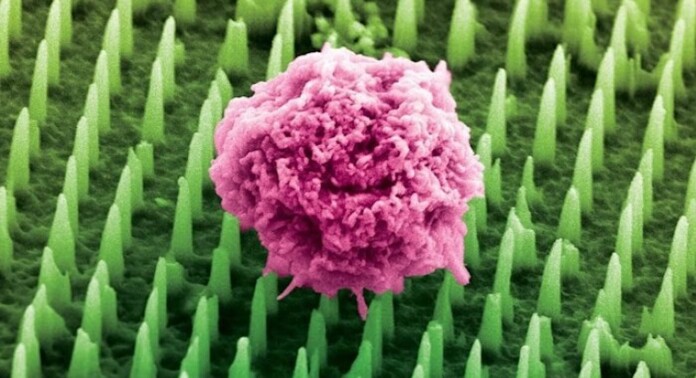
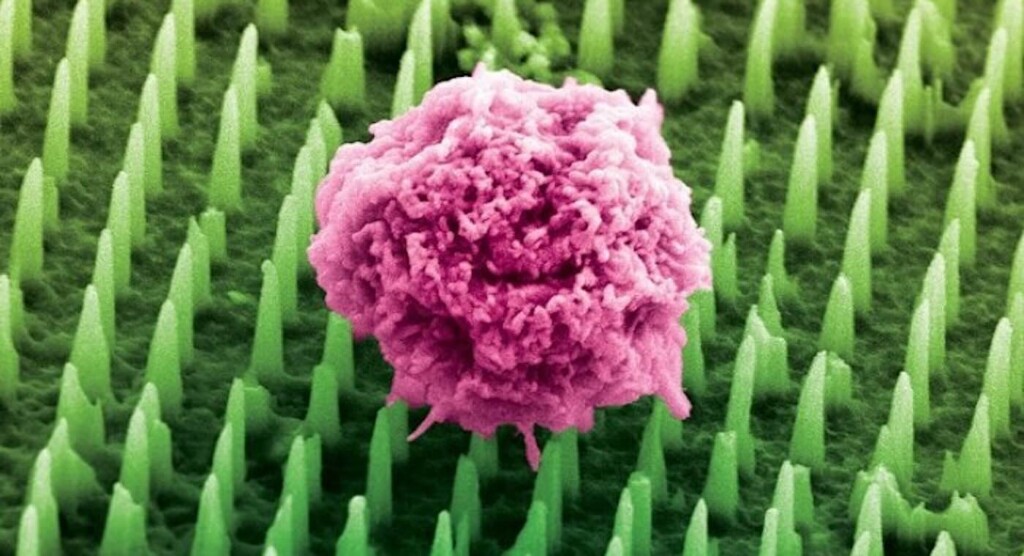
Needles 1,000 times thinner than a human hair could replace painful cancer biopsies and render obsolete the traditional methods of diagnosing diseases, according to new research.
The patches containing tens of millions of ‘nanoneedles’ offer a “painless and less invasive” alternative for millions of patients worldwide who undergo the common biopsy in order to confirm or monitor diseases including cancer and Alzheimer’s.
But traditional biopsies can cause complications, and the pain can deter patients from seeking early diagnosis or follow-up tests. They also remove small pieces of tissue, which limits how often and how comprehensively doctors can analyze diseased organs.
Now, scientists at King’s College London have developed a nanoneedle patch that painlessly collects molecular information from tissues—without removing or damaging them.
They say it could allow healthcare teams to monitor disease in real time and perform multiple, repeatable tests from the same area—something impossible with current biopsies.
Because the nanoneedles are so thin and don’t remove tissue, the research team found that they cause no damage or pain for patients compared to standard biopsies.
“We have been working on nanoneedles for 12 years, but this is our most exciting development yet,” said research leader Dr. Ciro Chiappini in a King’s College statement.
“It opens a world of possibilities for people with brain cancer, Alzheimer’s, and for advancing personalized medicine. It will allow scientists – and eventually clinicians – to study disease in real time like never before.”
In preclinical studies, the team applied the patch to brain cancer tissue taken from human biopsies and mouse models.
The nanoneedles extracted molecular ‘fingerprints’—including lipids, proteins, and mRNAs—from cells, without removing or harming the tissue.
The tissue imprint is then analyzed using mass spectrometry and artificial intelligence, giving doctors detailed insights into whether a tumor is present, and how it is responding to treatment.
“This approach provides multidimensional molecular information from different types of cells within the same tissue,” explained Dr. Chiappini. “Traditional biopsies simply cannot do that. And because the process does not destroy the tissue, we can sample the same tissue multiple times, which was previously impossible.”
He says the patch, described in the journal Nature Nanotechnology, could be used during brain surgery to help surgeons make faster, more precise decisions: by applying the patch to a suspicious area, results could be obtained within 20 minutes and speed up decisions about removing cancerous tissue.
Made using the same manufacturing techniques as computer chips, the nanoneedles can be integrated into common medical devices such as bandages, endoscopes and contact lenses.
Quote of the Day: “Opportunities multiply as they are seized.” – Sun Tzu, The Art of War
Photo by: Daniela Elena on Pixabay
With a new inspirational quote every day, atop the perfect photo—collected and archived on our Quote of the Day page—why not bookmark GNN.org for a daily uplift?
The Scripps Spelling Bee stage from the 2025 edition - credit, Protobowladdict CC BY 4.0
Can you spell centennial? 100 years ago toady, the first National Spelling Bee took place in Washington DC created by the newspaper The Louisville Courier-Journal. Nine finalists (six girls and three boys) competed in Washington, where they met President Calvin Coolidge before the competition. It was won by 11-year-old Frank Neuhauser who successfully spelled ‘gladiolus’ a flower he had cultivated as a boy. He won $500 in gold pieces for placing first, and Louisville held a parade in his honor. READ more about this event, and how it grew… (1925)