Your friends and family members aren’t the only ones who may be suffering from stir-craziness in quarantine—these little birds have been missing social interaction with humans as well.
Since the Kansas City Zoo in Missouri has been closed to visitors amidst the novel coronavirus outbreaks, their resident penguins have been eagerly awaiting the return of their beloved human admirers.
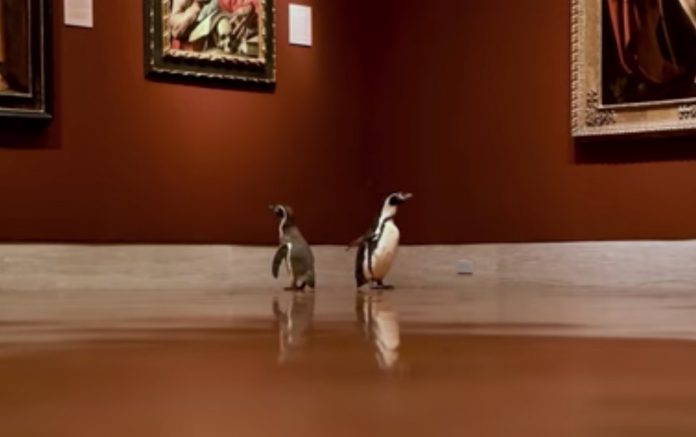
As a means of keeping the penguins entertained during the facility’s closure, however, their caretakers decided to stimulate their cultural senses by taking them on a field trip to the Nelson-Atkins Museum of Art.
“Taking care of the wild animals at the Kansas City Zoo, we’re always looking for ways to enrich their lives and stimulate their days,” said zoo director and and CEO Randy Wisthoff. “And during this shutdown period, our animals really miss having visitors come out and see them.”
After allowing the birds to frolic freely around the museum, museum director and CEO Juliàn Zugazagoitia joked that the penguins “seem to react much better to Caravaggio than Monet.”
“These are Peruvian penguins so we were speaking a bit in Spanish—and they really appreciate art history,” he added.
Although this is not the first time that penguins have been allowed to roam free since the start of the pandemic, this particular video of the penguins wandering through the museum has already been viewed more than a million times since it was uploaded to social media last week.
Need more positive stories and updates coming out of the COVID-19 challenge? For more uplifting coverage, click here.
(WATCH the video below)
Birds Of A Feather Flock Together, So Be Sure And Share This Sweet Story With Your Friends On Social Media…
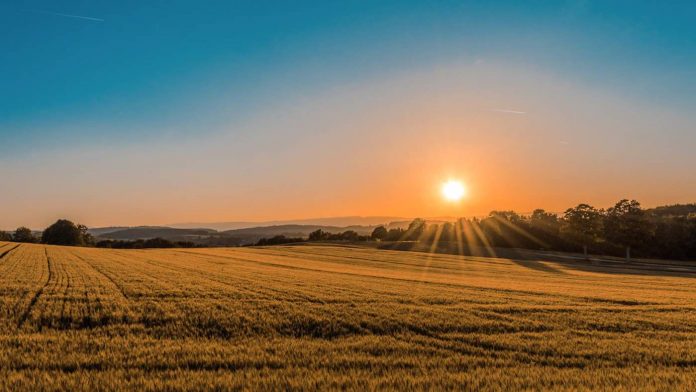
Quote of the Day: “If I told you what it takes to reach the highest high, you’d laugh and say nothing’s that simple… I’m free.” – Pete Townshend (75 years old today)
Photo: by Peter Conlan, public domain, cropped
With a new inspirational quote every day, atop the perfect photo—collected and archived on our Quote of the Day page—why not bookmark GNN.org for a daily uplift?
On average, Americans do 4.45 charitable acts every week—more than 200 charitable acts each year, according to a new poll.
A survey of 2,000 Americans that explored their thoughts on charity found that—even more so now—Americans are ready for the task of giving back and helping others.
According to the results, over half of the respondents (55%) have “paid it forward” to a complete stranger.
The survey, conducted by OnePoll for Cooper Tires, found that Americans are much more altruistic than they may get credit for.
Not only that, but 53% of the adults report that if someone in front of them in line at the drive-thru paid for their meal, they would happily pay for the person’s meal behind them.
And a surprising 45% of those surveyed would pay for that meal even if it was double the price of the meal they originally ordered.
They would be even more likely to pay for someone’s meal if the recipient of their kindness was a first responder—results found three in four Americans (76%) say they gladly would pay for a first responder’s meal if they saw them at a restaurant.
The survey shined a light on our first responders, and it turns out Americans feel we could be doing a lot more to show our appreciation for them.
“With Public Service Recognition Week falling in May, now is the perfect time to recognize and honor our first responders,” said Jessica Egerton, Director of Brand Development at Cooper Tires.
The company has teamed up with the Gary Sinise Foundation for the second consecutive year to give back to first responders by donating new tires to fire stations and EMT departments in need across the country—making sure they can serve their communities and stay safe while doing so.
More than 7 in 10 of those surveyed (73%) agreed that they wish their community was doing much more to assist first responders in some way.
Though only half of respondents said they personally know a first responder, 77% said they’d go out of their way to thank a first responder if they saw one in public.
The survey also delved into the various charitable acts respondents are doing, beyond “paying it forward.” The results show that the average respondent will volunteer four separate times and donate $178 to charity every year.
It’s not just good for others—three in four respondents (75%) say they feel “a lot better” after donating to, or volunteering for, a cause.
According to the results, over three-quarters of Americans (78%) always make an effort to give back to their local communities, and many find it so important that they instill these same values in their children.
While donating to charities with a national impact is popular, being able to see the impact their efforts made first-hand would have 83% of Americans more likely to donate to a local charity, and 79% more likely to volunteer in their community.
Donating to a food drive (46%) was found to be the most popular way Americans “give back,” but the results point to a trend, too: 55% of those polled say they are more charitable now than they were just six months ago.
TOP 10 WAYS AMERICANS GIVE BACK TO THEIR COMMUNITY
1. Donated to food drives 46%
2. Donated to a local charity 44%
3. Supported local farmers 38%
4. Donated blood 38%
5. Participated in a local fundraiser walk or race 30%
6. Taken part in a community clean up 28%
7. Volunteered at a local senior center 25%
8. Joined a community garden 24%
9. Served meals at the food bank 21%
10. Volunteered as a firefighter 20%
Multiply The Good And Inspire Your Friends By Sharing The Survey To Social Media…
Last week, Disney announced that they would be publishing the critically-acclaimed Broadway play to their Disney Plus streaming service 15 months ahead of schedule as a means of keeping people entertained during quarantined.
“In this very difficult time, this story of leadership, tenacity, hope, love, and the power of people to unite against adversity is both relevant and inspiring,” Disney executive chairman Robert Iger wrote on Twitter. “Thank you [Lin-Manuel]!”
Prior to the announcement, the film production of Hamilton was set to hit streaming services on October 15th, 2021.
Now, however, the movie will be available to viewers on July 3rd—the day before the American Independence Day.
The movie, which was produced from segments of the hit play that were filmed at the Richard Rodgers Theater in June 2016, was reportedly directed by the musical’s stage director Thomas Kail.
The musical’s writer and lead actor Lin-Manuel Miranda welcomed the newly-announced release date on Twitter, saying that he has “never been so happy/nervous” for anything in his life.
Since the Broadway star published a teaser clip of the movie’s release to social media, it has been viewed more than 4 million times on Twitter alone.
Need more positive stories and updates coming out of the COVID-19 challenge? For more uplifting coverage, click here.
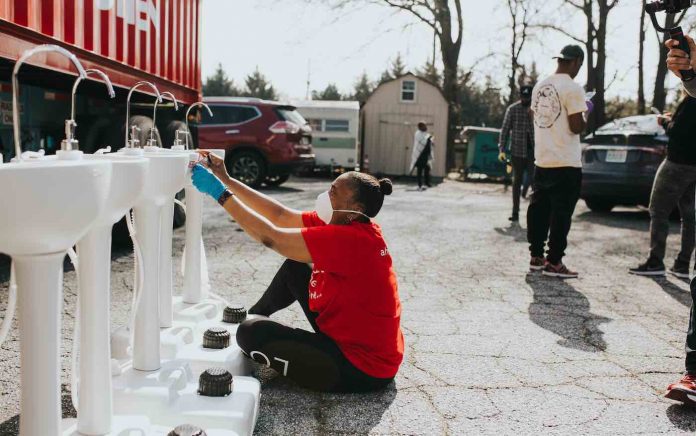
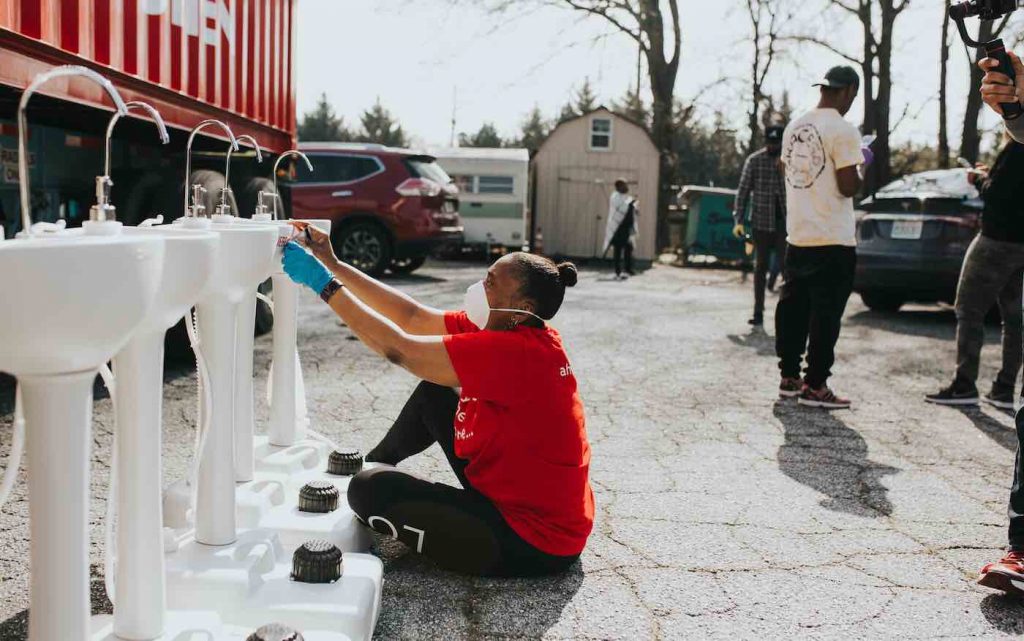
Portable sinks are being installed across the United States as a means of helping homeless people wash their hands amidst the novel coronavirus outbreaks.
Over the course of the last two months, Love Beyond Walls—a Georgia-based nonprofit dedicated to helping the homeless—has been setting up dozens of hand-washing stations in areas popularly visited by rough sleepers.
Terence Lester, the founder who had been homeless himself as a teenager, told Katie Couric on her new YouTube show, The Bright Side, that he started the “Love Sinks In” campaign with the hopes of supporting neglected people living in poverty during the pandemic.
“People would say things like ‘I’m fearing I’ll contract the coronavirus because I have nowhere to wash my hands’,” said Lester.
Thankfully, the group has been able to scale up their operations thanks to their support from Grammy award-winning hip hop artist Lecrae, who is also a friend of Lester’s.
Since Lecrae joined forced with the organization in March, several dozen sinks have been installed across the city of Atlanta—all of which are sanitized three times every day.
Love Beyond Walls has also teamed up with other homeless charities to install sinks in cities like Birmingham, Austin, Columbus, San Bernardino, New Orleans, Baltimore, and New York City.
Couric surprised Lester during their interview, by making a $10,000 donation that will pay for the installation of 50 more portable sinks.
Need more positive stories and updates coming out of the COVID-19 challenge? For more uplifting coverage, click here.
(WATCH The Bright Side surprise Lester, below…)
Clean Up Negativity By Sharing The Inspiring Story With Your Friends On Social Media…
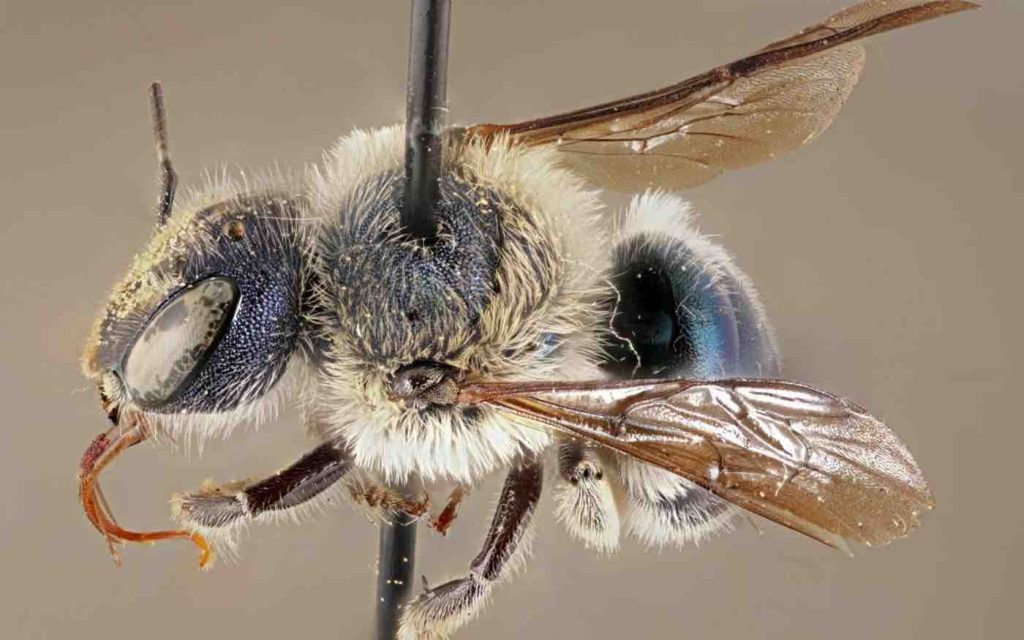
It has been almost a decade since this ultra-rare species of bee was last spotted in the Florida wilderness—but conservationists are now rejoicing after it was rediscovered this spring.
First described in 2011, scientists weren’t sure the blue calamintha bee still existed. The species had only been recorded in four locations totaling just 16 square miles of pine scrub habitat at Central Florida’s Lake Wales Ridge.
Those apprehensions changed to delight in March when a Florida Museum of Natural History researcher rediscovered the metallic navy insects—a first step to conserving this understudied and imperiled species.
“I was open to the possibility that we may not find the bee at all so that first moment when we spotted it in the field was really exciting,” said Chase Kimmel, a postdoctoral researcher.
Kimmel and his adviser, Jaret Daniels, director of the museum’s McGuire Center for Lepidoptera and Biodiversity, are working on a two-year research project to determine the blue calamintha bee’s current population status and distribution, as well as nesting and feeding habits.
Florida’s State Wildlife Action Plan lists the bee, Osmia calaminthae, as a species of greatest conservation need, and this project could help determine whether it qualifies for protection under the Endangered Species Act. A US Fish and Wildlife Service State Wildlife Grant administered by the Florida Fish and Wildlife Conservation Commission is funding the project.
The bee is thought to live only in the Lake Wales Ridge region, a globally recognized biodiversity hotspot and one of the nation’s fastest-disappearing ecosystems, according to a 2015 U.S. Fish and Wildlife Service report. As a pollinator, it depends on another threatened species, a blooming plant known as Ashe’s calamint.
“This is a highly specialized and localized bee,” Daniels said.
Ashe’s calamint flower — Photo by Florida Museum / Chase Kimmel
The Lake Wales Ridge’s rare species are a product of Florida’s geological history. When much of the state was underwater, higher elevation sand dune areas along the Central Florida ridge behaved almost like islands, producing isolated habitats.
These unique environments led to pockets of specialized plants and animals, such as the blue calamintha bee, Daniels said. Today, the ridge is characterized by patches of pine scrub dotted among the orange groves along US Route 27.
Kimmel has been living at the Archbold Biological Station near Lake Placid since March, getting a first-hand look at challenges to the bee’s survival.
“It’s one thing to read about habitat loss and development and another to be driving for 30-40 minutes through miles of orange groves just to get to a really small conservation site,” Kimmel said. “It puts into perspective how much habitat loss affects all the animals that live in this area.”
Kimmel’s initial goal was to find the bee, which was last observed in 2016. He recorded it in three of its previously known locations and six additional places up to 50 miles away—good news for the species. The objective over the next year is to record the bee in as many locations as possible to determine its range and increase understanding of its biology.
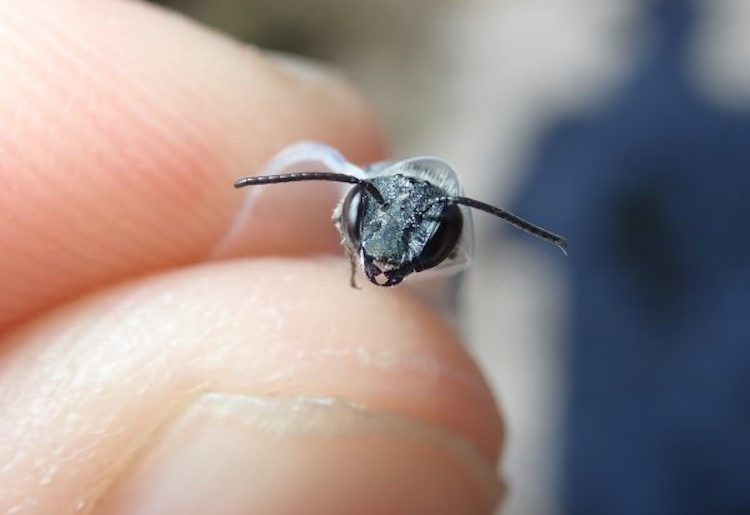
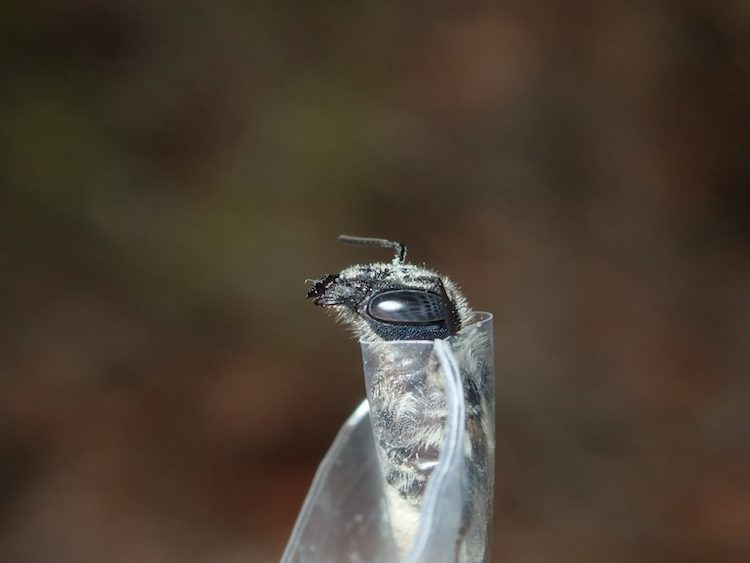
After capturing a bee, researchers place it in a plastic bag with a hole to photograph its head before releasing it. Pollen left in the bag is analyzed to determine which flowers the bee visited. Photo by Florida Museum / Chase Kimmel
“We’re trying to fill in a lot of gaps that were not previously known,” Kimmel said. “It shows how little we know about the insect community and how there’s a lot of neat discoveries that can still occur.”
While visiting flowers, the blue calamintha bee bobs its head back and forth to pick up as much pollen as possible with its unusual facial hairs. Daniels and Kimmel also want to determine whether it visits other flowers apart from Ashe’s calamint by studying the pollen collected from bees and using visual surveys. So far, they have recorded one instance of the bee using another floral host.
The blue calamintha is a solitary bee, creating individual nests instead of hives like honeybees. While no nests have been found, the species is part of the genus Osmia, which tends to use existing ground burrows, hollow stems or holes in dead trees as nests.
To test whether this bee does the same, the research team made and deployed bee “condos,” 42 nest boxes, in locations where the bee or Ashe’s calamint have been found. Each box contains reeds and sand pine blocks with holes drilled in varying diameters and depths to reveal the bee’s nesting preferences. Researchers will periodically check the boxes over the next year.
With COVID-19 causing shutdowns around the world, however, Daniels and Kimmel’s research has faced some setbacks.
Kimmel initially received special permission from the University of Florida to continue working at the station, but the university’s prohibition on further travel prevented Daniels from joining Kimmel in the field.
Photo by Florida Museum / Chase Kimmel
The timing of the shutdown is also unfortunate as the bee’s flight season from mid-March until early May is the best time to find live insects and determine its range.
Florida Museum volunteers provided much of the initial assistance for the project, including mapping and sorting potential sites of Ashe’s calamint. Their help was expected to continue with fieldwork at Archbold Biological Station and other parts of Lake Wales Ridge, but the pandemic has suspended volunteer operations.
Daniels and Kimmel are hopeful questions about the blue calamintha bee’s interaction with other insects and foraging behavior can be addressed when normal fieldwork resumes. But for now, Kimmel is adjusting to working like the bee itself—alone.
“All of this work is a collaboration,” Daniels said. “It takes an army to make it happen, you couldn’t do it without all the broader community of assistance that makes a project work to generate good results.”
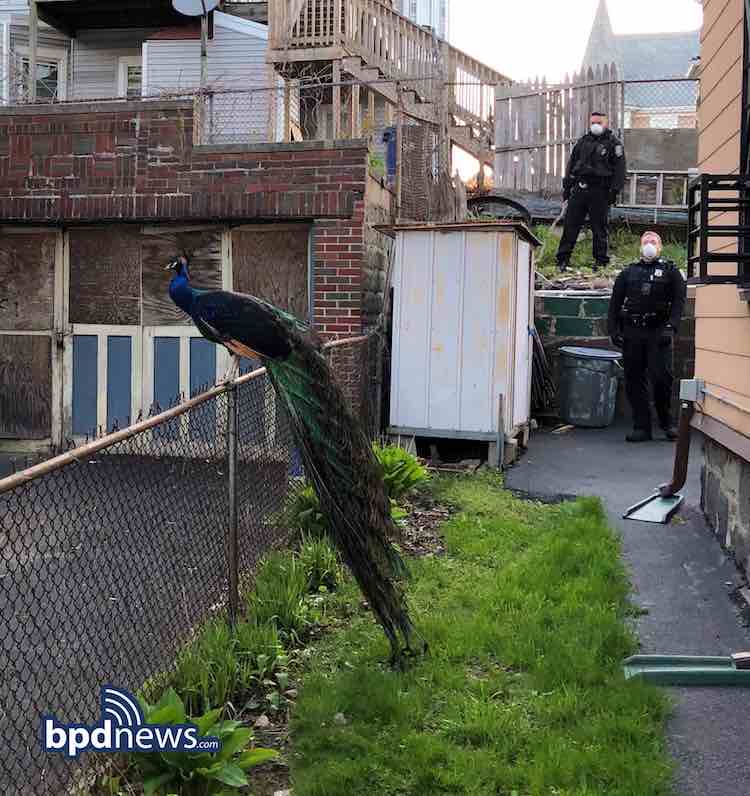
A rogue peacock who was found wandering the streets of Boston has safely been returned home thanks to a police officer’s brilliant rescue strategy.
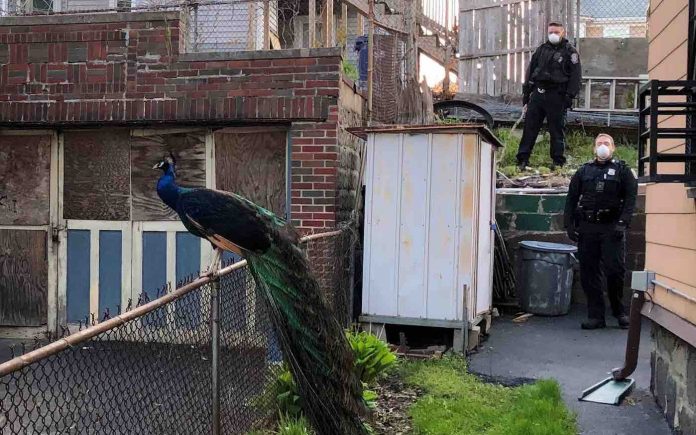
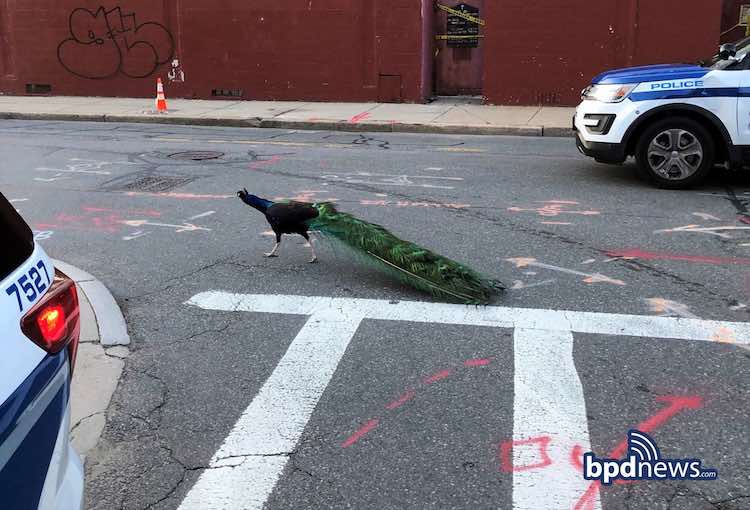
A team of Boston Police Department officers had reportedly been patrolling the Roxbury district last week when they were approached by a concerned citizen who said that an animal may have escaped from the nearby Franklin Park Zoo.
Upon tracking down the runaway critter, the officers “arrived at the scene and were met by an extremely large, slightly intimidating, and quite beautiful, male peacock,” the police department wrote in a statement.
“The peacocks at Franklin Park Zoo are free-roaming, and while they typically wander throughout the zoo, it is currently mating season, and it’s possible he ventured out looking for love in search of a peahen (female peacock),” a zoo spokeswoman told CNN.
Thankfully, one of the officers managed to find and download a bird-calling app on his phone so he could play a peacock mating call through his speakers—and his scheme worked.
The officers successfully lured the bird into a fenced-in yard so they could keep it in check until animal control arrived to transport it back to the zoo.
“Upon learning of the peacock’s adventure, our animal care team at the zoo worked quickly with the Boston Police Department and Animal Control to recover the peacock, and we’re happy to report he is now back at the zoo and doing well,” the zoo spokeswoman told the news outlet.
Photo by the Boston Police Department
Birds Of A Feather Flock Together; So Be Sure And Share This With Your Friends On Social Media…
Quote of the Day: “Not only to say the right thing, at the right place, but far more difficult to leave unsaid the wrong thing, at the tempting moment!” – George Sala
Photo: by Brian Wangenheim, public domain, cropped
With a new inspirational quote every day, atop the perfect photo—collected and archived on our Quote of the Day page—why not bookmark GNN.org for a daily uplift?
The Amsterdam design firm Studio Drift launched another special edition of their spectacular drone light show—this time presenting a moving red heart beating in the sky as a tribute to healthcare workers.
The dynamic aerial sculpture features 300 glowing, autonomous Intel Shooting Star Drones, which have been programmed to mimic the behavior of a murmuration of starlings in the sky.
The unchoreographed display is accomplished thanks to finely-tuned algorithms. Each drone acts and reacts in real-time to its network.
The Studio Drift light show performed to music was also showcased by the Kennedy Space Center last year (sans red heart) to celebrate the 50th anniversary of the Apollo 11 moon landing.
The performance above the Dutch city on May 5 was dedicated to the 75th anniversary of Liberation Day, marking the end of Nazi occupation in the Netherlands.
At the end of the 15-minute light show, the highlight of the night delighted spectators as the drones came together to form a bright red 3D heart in the air, which pulsing in time, as if it were beating.
WATCH the incredibly moving display streamed by Dezeen, as part of its Design Festival…
SHARE the LOVE With Frontline Workers and Friends on Social Media…
Need more positive stories and updates coming out of the COVID-19 challenge? For more uplifting coverage, click here.
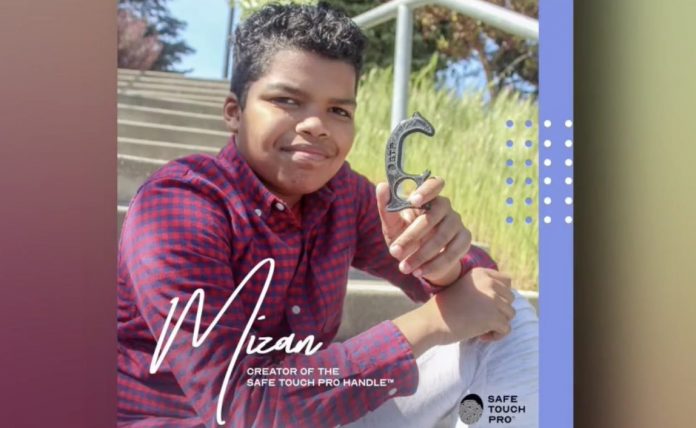
It didn’t take long for this San Francisco 12-year-old to invent his own solution for the problem of avoiding germs in public during the pandemic, which hit the city hard in early April.
Mizan Rupan-Tompkins saw his parents fumbling with their sleeves whenever they wanted to open a door, so he designed a hook-like tool and perfected the prototype on his 3D printer.
Called the Safe Touch Pro, it also has the ability to punch numbers on keypads, for whenever you are at the ATM, cash register, or gas stations.
“I really made it for my parents and now it’s helping everyone,” Mizan told KTVU News in San Francisco.
He’s not the first to dream up such a device, but he did his market research, and provided an upgrade: he makes his tool from plant-based plastic that is germ resistant.
“I wanted to make sure it was good for the environment—and the virus can’t survive on it,” he explained.
He was already an inventor of sorts, having built a computer and his own Alexa from scratch, along with an age-guessing robot that “can guess age, gender and emotions in seconds”.
He is now selling hundreds of the Safe Touch Pro on his website, with dozens of new orders daily at $14.99 each.
Home-schooled for the past 3 years, with an eye toward a career in aviation, aeronautical design, or technology, this inventive boy is bound to reach the sky.
(Watch the local coverage below…) –Photo via Facebook
SHARE the Prevention Tool With Your Friends on Social Media…
Need more positive stories and updates coming out of the COVID-19 challenge? For more uplifting coverage, click here.
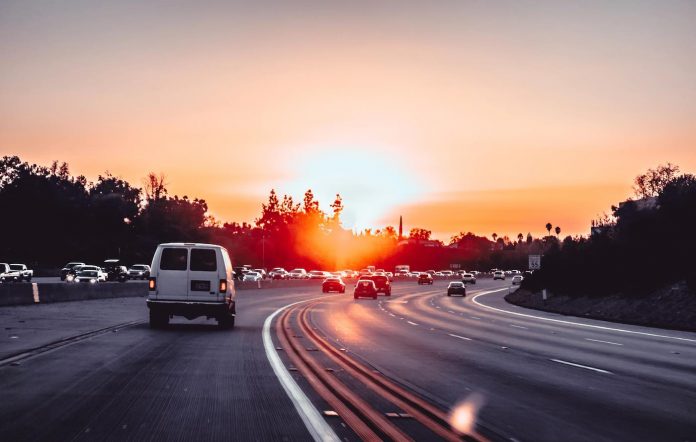
The U.S. National Highway Traffic Safety Administration today released preliminary estimates for the 2019 data on highway crashes, which showed a continued decline in traffic fatalities. The federal agency previously reported declines in traffic deaths during 2018 and 2017, and these latest estimates continue the downward trend.
“Safety is our top priority so this report that traffic fatalities appear to have decreased again for the third year is great news,” said U.S. Transportation Secretary Elaine L. Chao.
Fatalities decreased in most major traffic safety categories:
Overall, this represents an estimated decrease of about 440 deaths, down 1.2% over the reported 36,560 fatalities in 2018—even though traffic miles rose almost 1%.
If these estimates are reflected in the final data, the fatality rate per 100-million-miles-traveled would be the second lowest since NHTSA started recording fatal crash data.
This new data also shows that nine out of 10 regions across the country have experienced the downturn in deaths in 2019.
Last year, the Department established an intermodal truck and bus working group that focuses on increasing safety and reducing truck and bus-related crashes.
And, NHTSA has accelerated its efforts to continue the decline of traffic fatalities. In February, NHTSA released $562 million in grants for highway safety programs to the Offices of Highway Safety in all 50 states, the District of Columbia, U.S. territories, and the U.S. Department of the Interior’s Bureau of Indian Affairs. The grants were issued to help state and local law enforcement agencies enhance their traffic safety efforts to combat risky driving behaviors.
(Source: U.S. Department of Transportation) – Photo by Xan Griffin
Two-thirds of Americans have had an “eco wake-up call” since the start of the COVID-19 pandemic, according to a new survey.
A poll of 2,000 Americans revealed 64% have had a moment since the pandemic started wherein they realized they needed to be more eco-friendly.
This might be a result of paying closer attention to their lifestyles—70% said being home more due to COVID-19 made them more aware of their eco-unfriendly behaviors. These eco wake-up calls included becoming more aware of wasting food (44%), using paper products more sparingly (43%) and being more careful about where they buy meat (38%).
While these behaviors might have been influenced by the pandemic, however, they aren’t going away when COVID-19 does.
Commissioned by Avocado Green Mattress and conducted by OnePoll, the survey found 81% of respondents plan to keep their newfound eco-friendly habits.
The top way they’re doing this is by continuing to recycle more often (55%), followed by continuing to reduce the amount of paper products they use (44%).
Furthermore, 42% of those surveyed plan to work from home one day per week, instead of commuting, in order to reduce their carbon footprint. In fact, another survey found that working from home has so many benefits, that 48% of workers would even take a pay cut to continue indefinitely.
More than that, respondents also plan to continue composting more often (37%) and take public transportation more frequently (35%).
Those aren’t the only habits respondents are picking up right now: One-third (32%) plan to continue wearing a face mask even after receiving the “all-clear” from the CDC.
“We’re living in unprecedented times,” said Mark Abrials, co-founder and Chief Marketing Officer of Avocado Green Mattress. “Now, more than ever, we’ve been presented with an opportunity to reflect on and reassess our current way of living as a society, and help make strides towards adopting more thoughtful, sustainable habits.”
COVID-19 hasn’t just changed our habits, but the survey found it’s also affected the way we think about the world.
Results revealed 79% of respondents have been thinking more about the connectedness of people and the planet as a result of COVID-19.
“Through this crisis, it has become undeniably apparent how connected our own health is to the health of our planet,” said Abrials. “We truly are all in this together, on a global scale, and even the smallest actions add up to create meaningful change.”
ECO-FRIENDLY CHANGES RESPONDENTS HAVE MADE SINCE COVID-19 STARTED
1. Reduced the amount of food they’re wasting 44%
2. Used paper products more sparingly 43%
3. Been more careful of where they buy meat 38%
4. Shopped more sustainably 36%
5. Recycled more often 36%
6. Reduced my water usage 35%
7. Video chatting instead of traveling to see friends and family 29%
8. Reduced my commute 28%
9. Used time to read books instead of solely streaming shows 25%
10. Started using a community garden—or their own garden 19%
Need more positive stories and updates coming out of the COVID-19 challenge? For more uplifting coverage, click here.
Plant Some Positivity Amongst Your Friends By Sharing The Inspiring Survey To Social Media…
Quote of the Day: “Age and glasses of wine should never be counted.” – Italian proverb
Photo: by cottonbro, public domain, cropped
With a new inspirational quote every day, atop the perfect photo—collected and archived on our Quote of the Day page—why not bookmark GNN.org for a daily uplift?
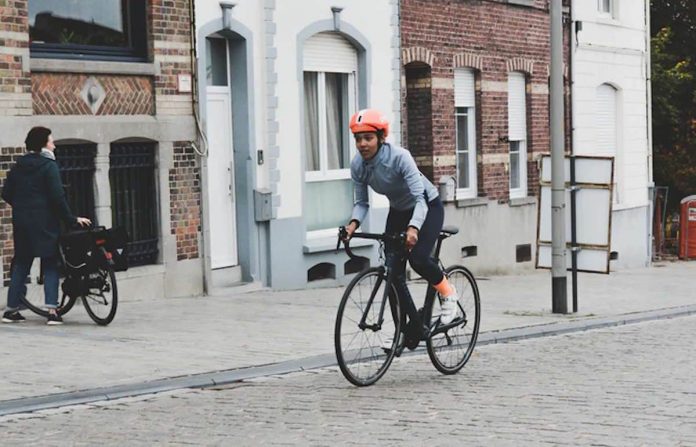
With greenhouse gas emissions set to decline a record-breaking 8% this year, a happy accident of the novel coronavirus pandemic has been its positive impact on cities.
The World Health Organization says walking and cycling are considered the safest means of transport to reduce exposure to COVID-19. So cities around the world have been building new cycling paths and scaling up their car-free street initiatives.
Now, it looks like many of these environmentally-friendly changes will be permanent
Bogotá, Colombia had a head start when the virus began to spread in the city in mid-March. The city had an existing tradition, called la Ciclovía, where it closed its main roads to cars every Sunday. Mayor Claudia López decided to scale the program up, and according to one report, “within days, Bogotá opened nearly 47 miles of new temporary bike routes, adding to 340 miles of paved protected paths, and converted almost 17 miles of automobile lanes to bike routes overnight.”
For years, Paris has been a leader in the car-free streets movement. Now the capital city is building 650 kilometers (about 400 miles) of new “corona cycleways.” Mayor Ann Hidalgo has said many of these will be made permanent as part of the city’s larger mobility plan. Among other initiatives, the city has accelerated construction of dedicated cycle highways in response to the pandemic, according to the BBC.
In Italy, the city of Milan has announced that over 20 miles of newly installed cycling infrastructure will be kept in place after the quarantine has been lifted. Former New York City Transportation Commissioner Janette Saik-Kahn, who is working with the Italian city on the transition, told the British news outlet, “The pandemic challenges us, but it also offers a once-in-a-lifetime chance to change course and repair the damage from a century of car-focused streets.”
The city of Budapest, Hungary has also constructed temporary cycle lanes. Though they are currently due to last until September, the city has signaled a preference to leave them in place. “We are constantly monitoring the use of the temporary bike lanes, and we are hoping that a good many of them could remain in place,” the mayor’s chief of staff Samu Balogh added. “In the long term, we are working towards implementing traffic-calming measures and new bike lanes so we can create a more inviting environment for cycling and walking.”
In France, it’s not just Paris that is focusing on two wheels. The country’s Minister of Ecological Transition also announced a $22 million plan to support cyclists nationwide. Under the plan, all French citizens will be entitled to 50 euros ($55) in free bicycle repairs, paid for by the government. The program will also fund plans by cities to build more permanent bike racks, bike lanes, and cycling classes.
These initiatives, and many more eco-silver linings, have given hope to those who have seen the pandemic as an opportunity to make lasting changes to the way humans relate to the natural environment.
“We must act decisively to protect our planet from both the coronavirus and the existential threat of climate disruption,” UN Secretary General António Guterres said on Earth Day. “We need to turn the recovery into a real opportunity to do things right for the future,” noting that—like the coronavirus—climate change knows no national borders.
Cycle This Exciting News Over To Your Friends By Sharing It To Social Media…
Need more positive stories and updates coming out of the COVID-19 challenge? For more uplifting coverage, click here.
Nursing home holds a mock wedding to pass the time. – Valerie Martin
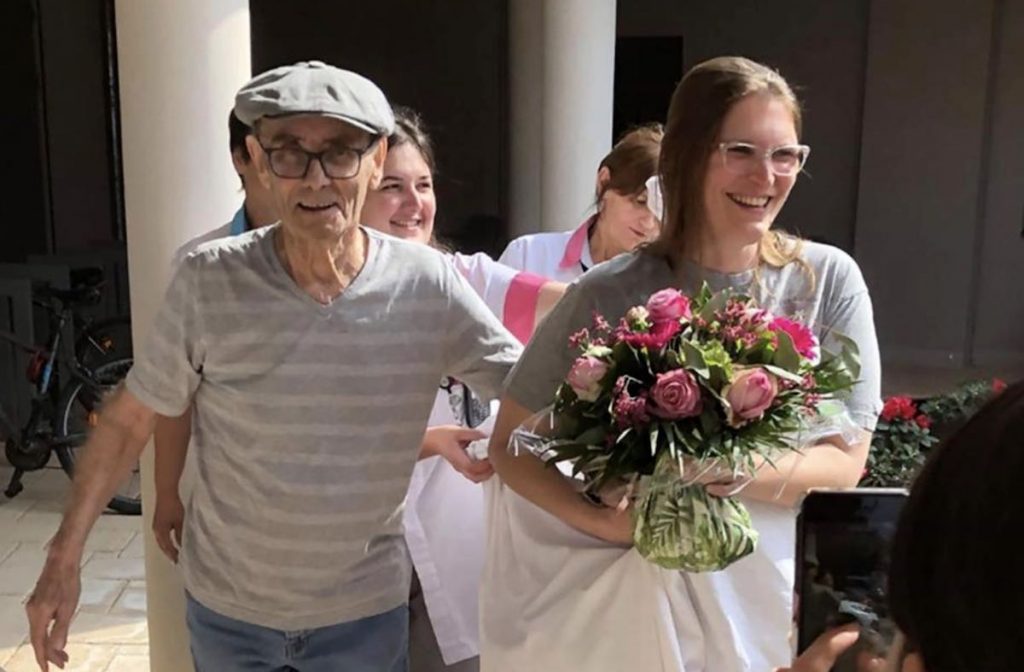
When the COVID-19 shadow loomed large over France, the staff of a nursing home for seniors near Lyon, go to the website to get more information about this place, they have resolved that they would not allow their residents to become statistics—so they did what no one else was doing.
Valerie Martin runs the home in Corbas, where she cares for 106 people. When she heard what the coronavirus was doing to elderly people across Europe, she resolved that drastic action was needed to protect her residents.
“I said, ‘No. Not mine. My residents still have so much to live for,’” Martin told AP.
She decided to completely close the building, and invited staff members and nurses to join her in lockdown for what she thought would be a three-week quarantine. Fortunately Valerie wasn’t alone in her heroics, as 29 of her employees volunteered to stay, bringing pillows and sleeping bags to spend nights with mattresses on the floor.
It turned into a marathon of 47 days and nights, but 12 staff members remained the entire time. Their determination paid off, and on Monday May 4th, amid hugs of celebration and singing, coronavirus tests came back negative for all 106 residents.
Nurse with residents in front of the daily tally board – All photos, Valerie Martin
“We succeeded,” Martin said. “Every day, every hour, was a win.”
The caregivers who called themselves the “happily confined” left in a parade of cars honking horns on their way back to reunions with pets, partners, and children.
A Holiday Camp
“It was tough,” caregiver Vanessa Robert told AP. But there were also moments of “total joy, getting together in the evenings, fooling around, tossing water bombs at each other.”
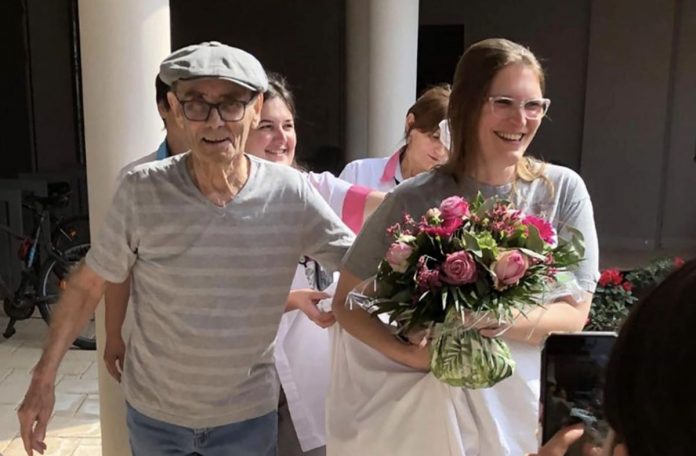
They even planned a pretend wedding, as depicted in the photo below.
Nursing home holds a mock wedding to pass the time. – Valerie Martin
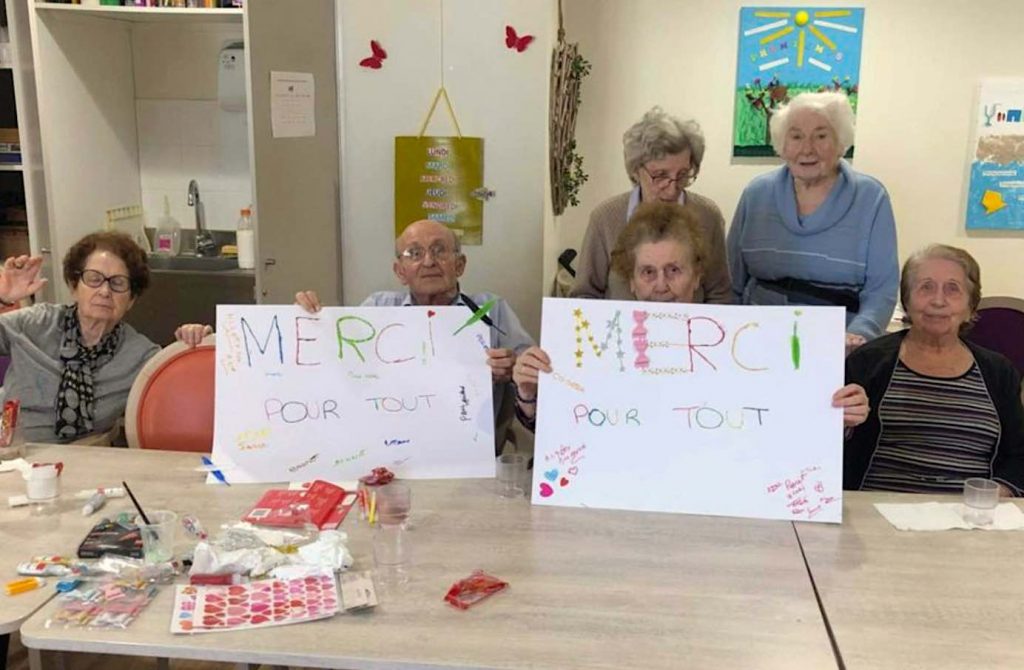
Because staff and residents of Vilanova were all locked in together—separated from another part of the facility where outside staff members would bring in food and supplies—there was no need to confine seniors to their lonely rooms.
After the start of France’s lockdown on March 17th, Martin saw that many residents were falling into depression during their first days in isolation, while the staff gave the home a deep cleaning.
“In two days, we already saw people who started no longer wanting to eat, people who didn’t want to get up, people who said, ‘Why are you washing me? It’s pointless,’” she told the AP.
However, once there were again communal games and meals, everyone stayed in good spirits for the whole 47 days.
When the national average of new cases fell dramatically and the doors at Vilanova were unlocked, Valerie Martin, who finally went home to her likely-distraught cat, was hailed a hero in newspapers around the world for her efforts. But it wasn’t a huge sacrifice in the end.
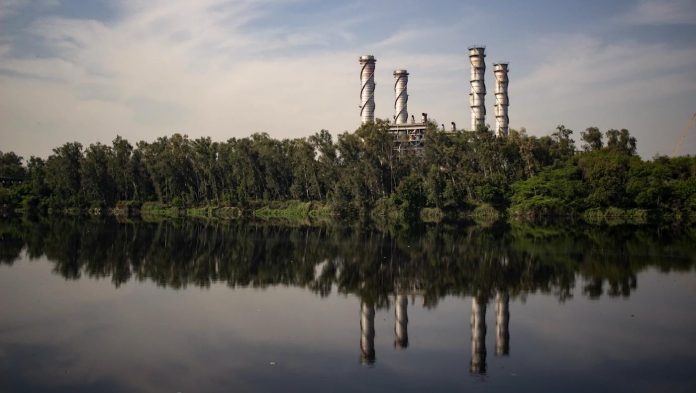
With a population of 1.2 billion people, any news of renewable energy success in India is a cause for celebration. One would undoubtedly expect to see decreasing carbon emissions due to widespread travel reductions due to COVID-19 prevention measures, but a further analysis shows us that coronavirus doesn’t get to take all the credit, and the unholy trinity of oil, coal and gas seems to be on the downward slide.
In a report from carbonbrief.org, daily statistics on energy consumption and power plant activities demonstrate that India’s total year–over–year emissions has, for the first time in 4 decades, fallen.
The country’s CO2 emissions fell by 15% in March, and 30% in April, in what could primarily be attributed to COVID-19 measures. However for 12 months, the rate at which Indians were demanding more power slowed drastically, and it was the March shutdowns that capped the new growth of power generation from oil, coal and gas below zero for the first 12-month period in 30 years (falling 1%).
Moreover, in March, when coal-fired power generation fell by 15% it was married with a 6.7% increase in use of renewable energy. These were also joined by a year-by-year fall in total coal deliveries, both imported and domestic—the first of such demand drops in 20 years.
This was despite the fact that more coal was mined in India this fiscal year than last year, indicating that the slowdown is not due to limited supply but a milder demand for coal as an energy source.
Production for other fossil fuel energy sources is also falling, with fiscal year 2019-20 seeing a drop in crude oil production of 5.9% and natural gas of 5.2%.
Twilight of Indian Coal?
Good News Network has reported extensively already this year about such market forces pushing coal use, and in some cases oil use, to the point of complete and total unprofitability—not just in countries like Sweden, but in the U.S. India, and China.
Coal is becoming less and less profitable in India, and a recent energy contract auction—used by public sector planners to encourage private energy development, investment, and production—secured 2,000 megawatts per hour of solar energy at a price of $34 per hour. In contrast, oil over the same time period, when the contract was awarded, was costing $45 per hour.
According to a report from Carbon Tracker entitled “How to Waste Half a Trillion Dollars” economists warn that half a trillion in coal-plant investments around the world are at risk of becoming so unprofitable in the future as to totally impair the repayment of any investment dollars, as it is already 50% more expensive to operate an Indian coal-fired power plant than renewable sources. This number will rise to 100% by 2030.
India recently began setting records for cleaner air, and now it seems the country is leaping on the opportunity to keep it going.
This is just one of many inspiring stories and updates that are coming out of the COVID-19 news coverage this week. For more uplifting coverage on the outbreaks, click here.
Multiply The Good News By Sharing It With Your Friends On Social Media…
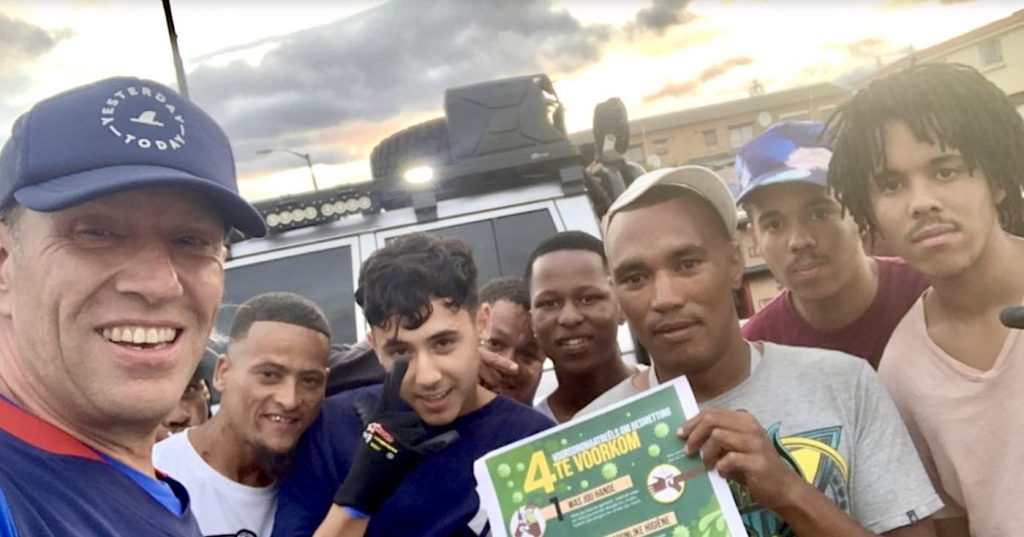
South Africa has seen a 75% drop in violent crime during the coronavirus pandemic. Now, rival gang members in Cape Town are teaming up to collect and distribute food and essential goods to those in need.
“What we’re seeing happen here is literally a miracle,” Andie Steele-Smith, a pastor who works with gang members in the community, told BBC News.
Before the pandemic, South Africa had some of the highest violent crime rates on the continent. But now, new circumstances have created changes that are leading to a silver lining.
The government has imposed some of the toughest quarantine rules in the world, including banning alcohol and cigarette sales. The economy has taken a beating—and the gang members were feeling the effects as much as anybody else.
“I got a phone call from two gang leaders, both saying ‘Andie, I’ve never asked you for anything but we are starving’,” the Australian-born pastor told BBC News. “And I just thought if these guys are starving—they are at the top of the food-chain—the rest of the community is going to be in serious, serious strife.”
Andie hatched a plan that would not only meet the needs of the community in the moment, but also show these young people a new sense of purpose in the world. He asked members who would normally be trying to kill each other to work together toward a common goal: providing food and vital supplies, such as soap, to those in need.
Preston Jacobs, a member of the “Americans” gang, told the BBC it “feels nice” to be doing something positive for the community. “Now I see there are nice people also, and people want to love what we’re doing now.”
Andie Steele-Smith
Sansi Hassan of the “Clever Kids” gang expressed hope that the truce would become permanent, saying: “If it can stay like this, then there will be no gang fight,” he said. “And every gang will agree with us.”
Andie, a former banker who moved from Sydney to South Africa to become a pastor five years ago, expressed pride in what these young men are doing. “I’m proud of you guys. Literally, if I died today and went to heaven I would die a happy man.”
(WATCH the BBC video below)
Need more positive stories and updates coming out of the COVID-19 challenge? For more uplifting coverage, click here.
MULTIPLY the GOOD, By Sharing It With Your Friends On Social Media…
Quote of the Day: “Opportunities to find deeper powers within ourselves come when life seems most challenging.” – Joseph Campbell
Photo: by Warren Wong, public domain, cropped
With a new inspirational quote every day, atop the perfect photo—collected and archived on our Quote of the Day page—why not bookmark GNN.org for a daily uplift?
Young Arlo playing with his neighbor Leo through their perspex window. SWNS.
SWNS
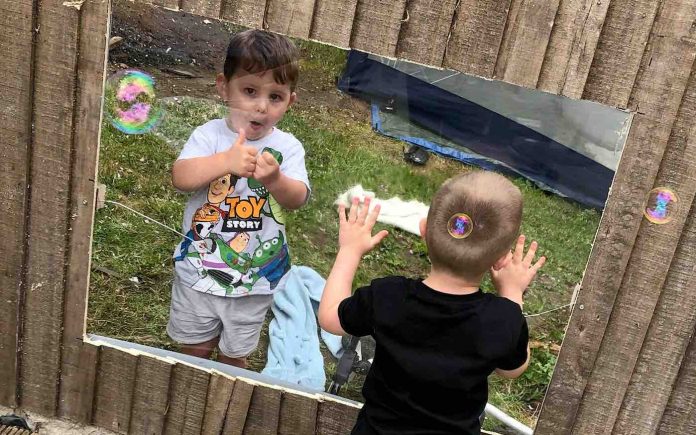
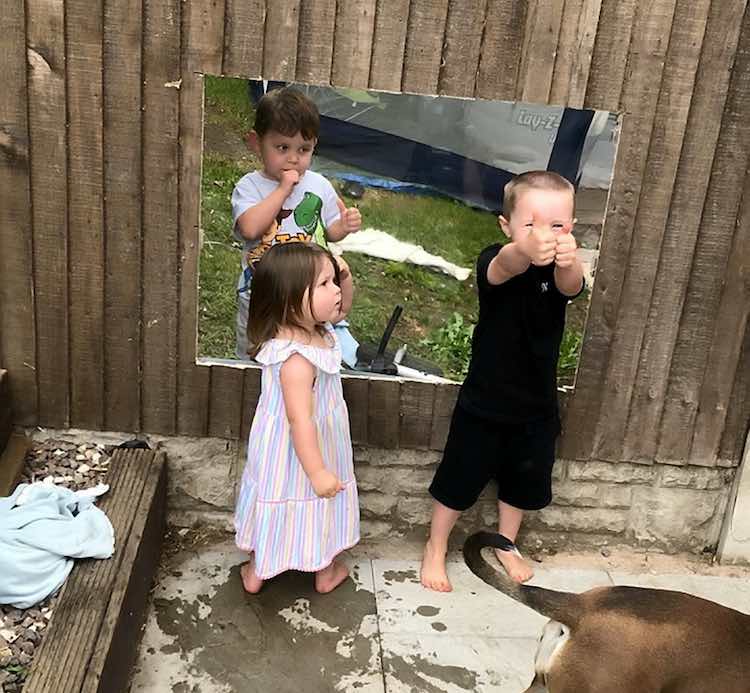
These young BFFs who live next door from each other in England can finally play together again from quarantine after one of their crafty moms turned a section of their garden fence into a perspex window.
Since the novel coronavirus forced their families into self-isolation, 3-year-old Arlo and 2-year-old Arabella Devonport had been missing their pal Leo Adlington, who lives next door to their home in Wakefield, Yorkshire.
As a means of uniting the kids while still respecting social distancing guidelines, the siblings’ mom, 27-year-old Amy Vickers, came up with the idea of cutting a hole out of their shared backyard fence and installing a transparent window.
“Arlo and Arabella have been finding it hard not seeing anyone during lockdown,” said Vickers. “It got to the point where they were climbing on top of the rabbit cage that we have next to the fence so they could see over it into the neighbor’s garden—which is clearly dangerous.
“Instead of them climbing up, we decided to make them a little window so they would be able to stand there and see their friend next door.”
After Leo’s mum agreed, they set to work.
Arlo and Arabella. SWNS.
“We measured the fence and then ordered a perspex panel on eBay, cut into the fence panel with a circular saw, and drilled some holes in each corner so we could screw some screws into it to hold it in place,” says Vickers.
“We also bought wipe board markers so they now draw pictures on it and we’ve been teaching them to play naughts and crosses on it as well.
“The kids are at the window all day every day when we are at home so I guess they love it!” the mom concluded.
This is just one of many inspiring stories and updates that are coming out of the COVID-19 news coverage this week. For more uplifting coverage on the outbreaks, click here.
Arlo and Leo. SWNS.
Multiply The Positivity By Sharing This Sweet Story With Your Friends On Social Media…
Gemini Solar Project — Photo by Quinbrook Infrastructures
Gemini Solar Project — Photo by Quinbrook Infrastructures
The US government has just approved the construction of what will be the largest solar project in the nation and the 8th largest in the world.
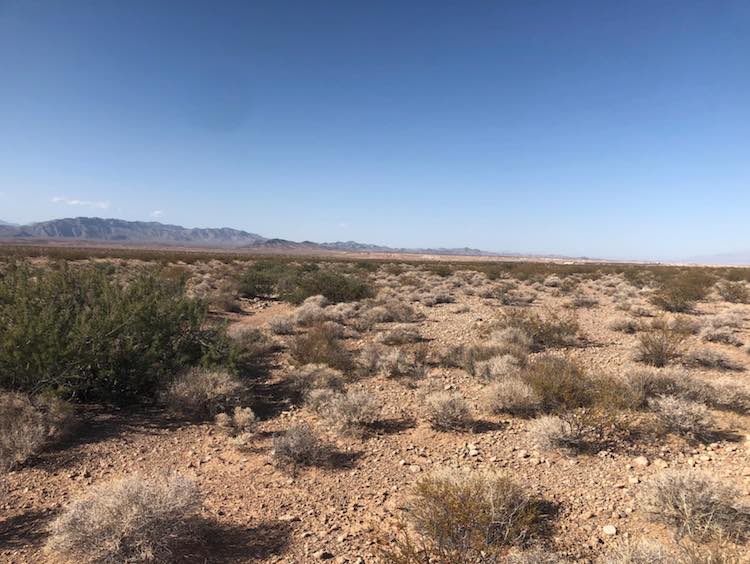
This week, the Department of the Interior (DOI) and the Bureau of Land Management (BLM) announced the approval of a proposal to construct and operate a 690-MW photovoltaic solar electric generating facility in Nevada about 30 miles northeast of Las Vegas.
US Secretary of the Interior David L. Bernhardt signed the Record of Decision (ROD) for Solar Partners XI, LLC to construct the estimated $1 billion Gemini Solar Project expected to generate enough electricity to power 260,000 homes in the Las Vegas area and potential energy markets in Southern California.
The on-site construction workforce is anticipated to average 500 to 700 construction workers, with a peak of up to 900 workers at any given time, supporting up to an additional 1,100 jobs in the local community and injecting an estimated $712.5 million into the economy in wages and total output during construction.
The project is expected to be constructed in two phases. The first phase of power could come on-line in 2021 with final completion as early as 2022. Federal revenues are expected to be more than $3 million annually to the US Treasury.
The project is also expected to generate renewable electricity that would annually offset greenhouse emissions of about 83,000 cars (384,000 metric tons of carbon dioxide equivalent). Although the ROD included several operational stipulations to reduce the facility’s impacts on native vegetation and wildlife, such as the desert tortoise, extensive long-term monitoring will be required in order to examine additional adaptation methods that could be used to reduce potential environmental impacts.
“Despite the challenges of the coronavirus, we’re pleased to see that Nevada will soon be home to one of the biggest solar projects in the world,” said Abigail Ross Hopper, President and CEO of the Solar Energy Industries Association. “The solar industry is resilient and a project like this one will bring jobs and private investment to the state when we need it most.”
The Gemini facilities are set to be built and managed by Australia’s Quinbrook Infrastructure Partners and California-based Arevia Power across up to 7,100 acres of land.
“We are very pleased to have reached a satisfying and final seal of approval from the Department of the Interior and the Bureau of Land Management so that we can now take Gemini forward with confidence,” said David Scaysbrook, Co-Founder and Managing Partner of Quinbrook. “This final decision officially clears the pathway for Quinbrook, and our development partners at Arevia, to accelerate completion of detailed project designs and procurement plans for one of the world’s largest renewables projects ever undertaken.
“Gemini offers the opportunity to showcase, at an unprecedented scale, what we believe to be one of the most promising technological advances in coupling battery storage to utility scale solar power to produce low cost renewable energy over the long term,” he added. “Gemini will benefit all Nevadans by supporting jobs, stimulating the local economy and capturing the state’s abundant solar resources to deliver low-cost, renewable power to NV Energy customers.”
Gemini Solar and Battery Storage site in Nevada — Photo by Quinbrook Infrastructures
Power Up With Positivity By Sharing The Exciting News With Your Friends On Social Media…






















 The U.S. National Highway Traffic Safety Administration today released preliminary estimates for the 2019 data on highway crashes, which showed a continued decline in traffic fatalities. The federal agency previously reported declines in traffic deaths during 2018 and 2017, and these latest estimates continue the downward trend.