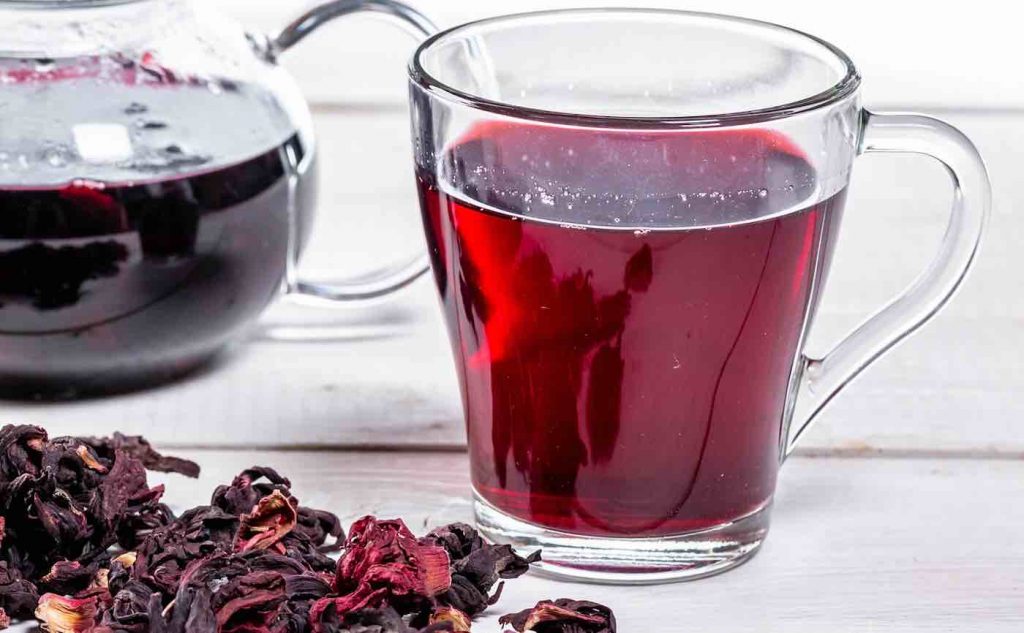
Quote of the Day: “In Mexico your wishes have a dream power. When you want to see someone, he turns up.” – William S. Burroughs (Wishing you a Mexcellent Cinco de Mayo!)
Photo: by Bernardo Ramonfaur, public domain, cropped
With a new inspirational quote every day, atop the perfect photo—collected and archived on our Quote of the Day page—why not bookmark GNN.org for a daily uplift?
It has been five years since the beloved Parks and Recreation television show aired what viewers believed to be its last episode—but this week, the show’s original cast came together for a half-hour reunion episode to raise money for COVID-19 relief.
The episode, which welcomed back Amy Poehler, Rashida Jones, Aziz Ansari, Nick Offerman, Aubrey Plaza, Chris Pratt, Adam Scott, Jim O’Heir, Rob Lowe, and even Paul Rudd, explored how the characters have been coping with the current pandemic since the show ended in 2015.
The first $500,000 worth of donations generated by “A Parks and Recreation Special” was matched by the show’s producers, network, and cast members—all of whom respected social distancing guidelines by contributing to the episode from their own homes.
The episode is currently being streamed for free on Youtube, Hulu, and the NBC website.
This is just one of many positive stories and updates that are coming out of the COVID-19 news coverage this week. For more uplifting coverage on the outbreaks, click here.
(WATCH the full episode below)
Be Sure And Multiply The Good By Sharing The News With Your Friends On Social Media…
The Phoenix is a free, sober gym community that uses health and fitness to help people overcome addiction.
Due to the current shelter-in-place orders, however, its members are unable to continue their normal workout sessions together amidst the trying times of the novel coronavirus pandemic.
Even without social distancing rules, the isolation that recovering addicts experience when they choose to pursue a new, sober lifestyle is profound—so in order to surround its members with support during these difficult times, The Phoenix is taking their classes online, continuing to meet in groups virtually.
Not only have the online meetings served as a source of comfort for The Phoenix’s members, they have also started welcoming sober social media users from around the world as well.
This is just one of many positive stories and updates that are coming out of the COVID-19 news coverage this week. For more uplifting coverage on the outbreaks, click here.
For the last 23 years, Japanese artist Makoto Azuma has been making art out of his favorite medium: flowers.
Azuma says he first became captivated by the power of flowers after he started working part-time at a florist’s in order to make some extra money playing in a rock and roll band. After spending some time at the shop, however, he discovered his true passion in blossoms.
Since devoting himself to his floral obsession, he has facilitated dozens of flower-related art projects.
This particular Great Big Story interview from 2017 follows Azuma as he prepares to launch bouquets of flowers into outer space.
By partnering with a team of filmmakers and balloon technicians, Azuma successfully filmed a number of floral arrangements floating more than 18.6 miles (30,000 meters) above ground—and the results are spectacular.
“This project is about launching flowers to space,” Azuma told Great Big Story. “To arrange flowers where they would not exist … By arranging flowers in a space where they cannot exist, I am weaving in a new aspect of beauty, extracting it and guiding it. This is my purpose.”
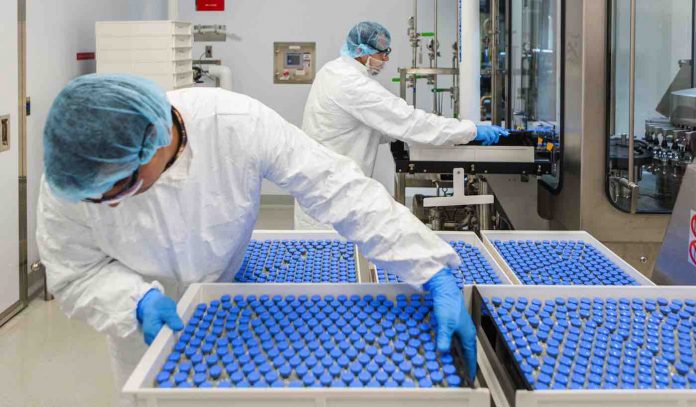
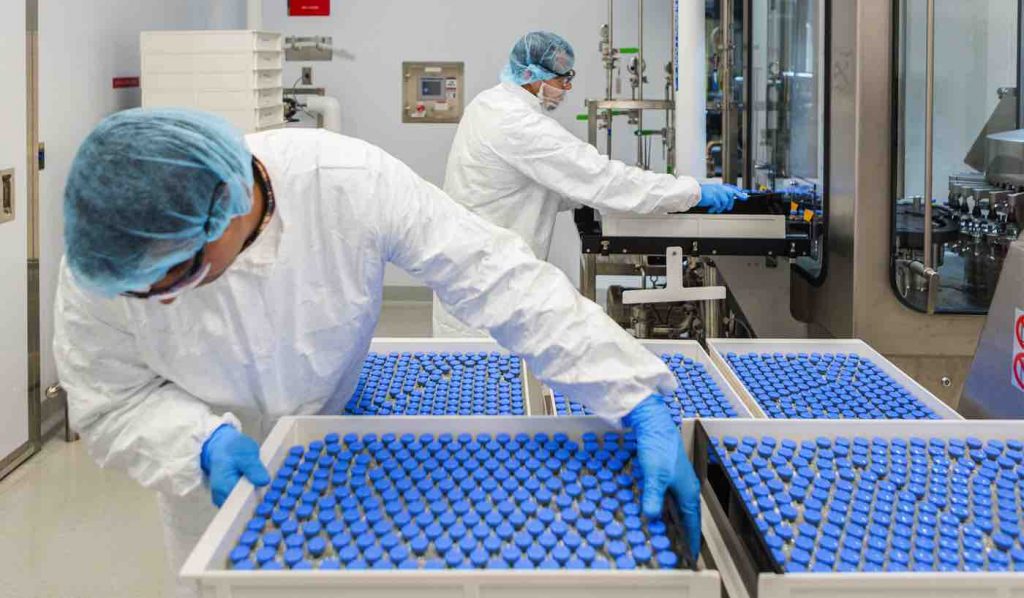
This week, the US Food and Drug Administration (FDA) approved the emergency use of the antiviral remdesivir as the country’s first drug treatment for COVID-19.
The emergency use approval (EUA) was issued after a government-sponsored study of 1,063 patients found that hospitalized COVID-19 patients treated with the drug recovered an average of 4 days faster than those who were not treated with the drug—a 31% improvement in recovery time.
The treatment, which was developed by Gilead Sciences Inc., may be approved for expanded use provided that additional research can be conducted on the efficacy and safety of the drug.
The EUA allows for remdesivir to be distributed in the U.S. and administered intravenously by health care providers, as appropriate, to treat suspected or laboratory-confirmed COVID-19 in adults and children hospitalized with severe disease. Severe disease is defined as patients with low blood oxygen levels or needing oxygen therapy or more intensive breathing support such as a mechanical ventilator.
“From day one, the FDA has been committed to expediting the development and availability of potential COVID-19 treatments. Today’s action is an important step in our efforts to collaborate with innovators and researchers to provide sick patients timely access to new therapies where appropriate, while at the same time supporting research to further evaluate whether they are safe and effective,” said FDA Commissioner Stephen M. Hahn.
“There’s tremendous interest among all parties to identify and arm ourselves with medicines to combat COVID-19, and through our Coronavirus Treatment Acceleration Program, the FDA is working around-the-clock and using every tool at our disposal to speed these efforts,” he added.
Based on evaluation of the emergency use authorization criteria and the scientific evidence available, it was determined that it is reasonable to believe that remdesivir may be effective in treating COVID-19, and that, given there are no adequate, approved, or available alternative treatments, the known and potential benefits to treat this serious or life-threatening virus currently outweigh the known and potential risks of the drug’s use.
“The results from the global, placebo-controlled trial run by the National Institute of Allergy and Infectious Diseases (NIAID) are positive. They show that patients with COVID-19 who received remdesivir recovered faster than similar patients who received placebo,” said Gilead Chairman and CEO Daniel O’Day in a statement.
“There is still more work to do and remdesivir has not been approved, but all of us at Gilead are humbled by what these promising results might mean for patients. After years of research and hard work on remdesivir, there is relief and gratitude among our teams today that their efforts have been so worthwhile.
“Since January, our teams have been working day and night to determine whether remdesivir might work in patients with COVID-19. These efforts include collaboration with study investigators and governments on the various clinical trials. Today’s news, that remdesivir might play a role in easing the burden of the pandemic, is the outcome we all hoped would be possible.”
This is just one of many positive stories and updates that are coming out of the COVID-19 news coverage this week. For more uplifting coverage on the outbreaks, click here.
Photo by Gilead Sciences Inc.
Multiply The Good News By Sharing This With Your Friends On Social Media…
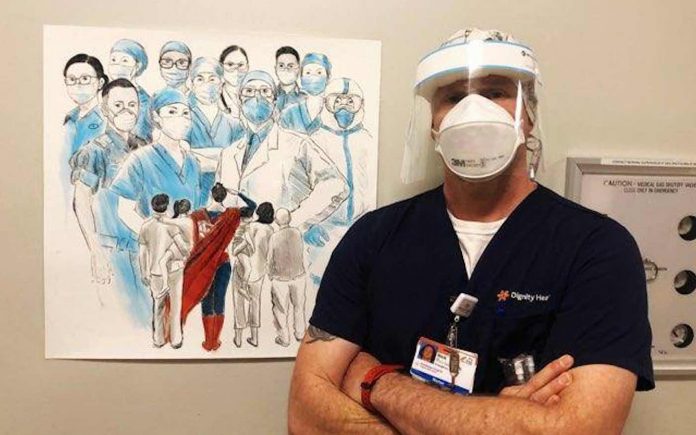
The staffers at this California hospital are rejoicing after receiving a $1 million gift from an anonymous donor who asked for the money to be divided amongst the employees.
The donation was made this week to the Dignity Health Dominican Hospital in Santa Cruz, California. Although the donor opted to remain anonymous, they did include a note with their financial gift saying: “Thank you for standing up (and staying up!) to care for our community. This human kindness is what makes you heroic.”
As per the donor’s wishes, the donation will be distributed amongst each and every one of the hospital staffers who have worked at the facility for at least one year—from the security guards and lab technicians to the janitors and mailroom workers.
Full-time employees will be receiving $800 bonus checks while part-time employees will be receiving $600 bonuses.
Staffers are rejoicing over the gift after spending weeks of tirelessly combatting the novel coronavirus outbreaks.
“There are so many people who keep the hospital running,” nursing supervisor Amy Loudon told The Associated Press. “Nurses and doctors are getting the praise, but we couldn’t do it without the staff who clean the floors, deliver supplies, fix machines, everything. It’s a team, and I’m glad the whole team is getting a thank you.”
This is just one of many positive stories and updates that are coming out of the COVID-19 news coverage this week. For more uplifting coverage on the outbreaks, click here.
Multiply The Good News By Sharing It With Your Friends On Social Media…
Quote of the Day: “Keep your face always toward the sunshine – and shadows will fall behind you.” — Walt Whitman
Photo: by Ingmar H, public domain, cropped
With a new inspirational quote every day, atop the perfect photo—collected and archived on our Quote of the Day page—why not bookmark GNN.org for a daily uplift?
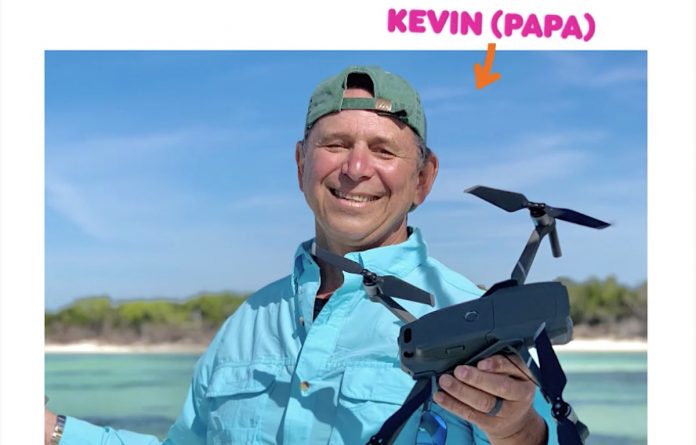
Kevin Procopio missed playing his grandchildren, since the COVID-19 quarantine required that they all stay in isolation—but he came up with a fun way to connect.
One-third of a mile down the road, in Saugus, Massachusetts, the family was experiencing “extreme cabin fever” until they got a telephone call with directions for everyone to go out on their deck.
The three boys, all under 5 years old, were super excited. The oldest child, Oren, ran out and anxiously waited.
In came a drone carrying a box of ‘Munchkins’ Dunkin’ Donut holes, delivered right into Oren’s arms.
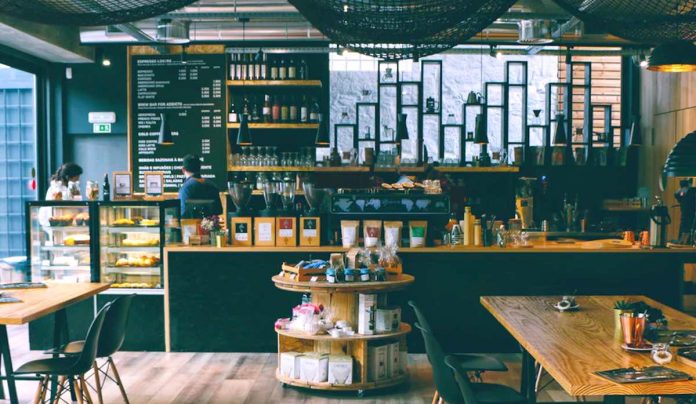
Caffe sospeso—an Italian term which means ‘suspended coffee’—is what someone says in a Naples café when they’re feeling generous and want to pay it forward to someone less fortunate.
The tradition has come back into fashion in the last decade, but suspended coffee is an old Napolitano custom that actually arose after World War II, according to Luciano de Crescenzo’s book Caffe Sospeso, perhaps as a result of people wanting a release for their charitable urges.
Now, in their COVID-conscious culture, a more generous version of the tradition is sweeping Italy with ‘suspended shopping’ (la spesa sospesa).
COVID-19 has done more damage in Italy than almost anywhere else, and because of the extreme difficulties, people are going into shops and paying the grocery tabs for strangers who might be out of work.
An estimated one in every two Italians has been out of work—or in ‘lavoro sospeso’, suspended work—since early March, and people are beginning to wonder how they will be able to afford to feed their families.
Shop owner Michela Buccilli in Rome’s Piazza San Giovanni della Malva, says she has been matching the donations of anyone who has something to spare. One customer told NPR news, after she asked to donate a kilogram (2.2 pounds) of oranges to a local aid group, the store owner went ahead and sent a whole crate.
The Power of the Internet
COVID-19 has shuttered two million Italian businesses, and citizens often compare such challenges to the ones posed by World War II.
In 1940s and 50s, a happy-go-lucky person in Naples might make a humanitarian gesture, after picking up a coffee from a street vendor, as if he were “buying a coffee for the world.” Italy was in economic straights after World War II, and it was common for people not to have enough money for a coffee.
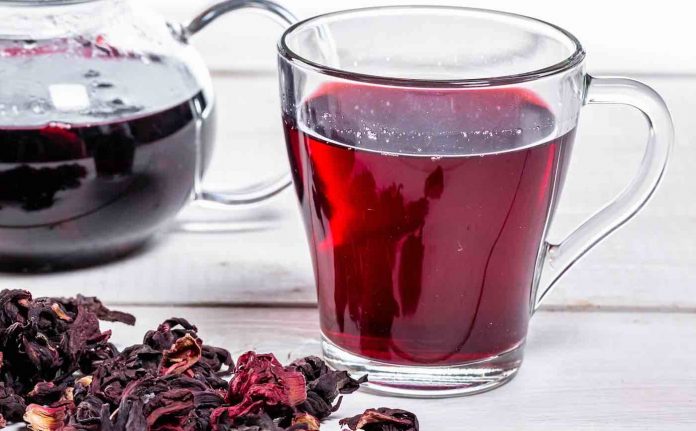
Now with the internet on their side, modern-day Italians have more opportunities to support local businesses. One Italian foodie website, Puntarella Rossa, recently launched il calice sospeso “the suspended wine glass,” where readers can buy vouchers worth 1 glass, or 1 bottle of wine from a local bar—redeemable after the lockdown orders are lifted.
“We did it as a way to help these businesses economically,” Livia Belardelli, the site’s wine blogger told NPR. But it also nourishes the communities that support the shops.
Since April 1st, Belardelli says more than 150 readers and patrons have paid for wine-in-waiting at over 30 wine bars.
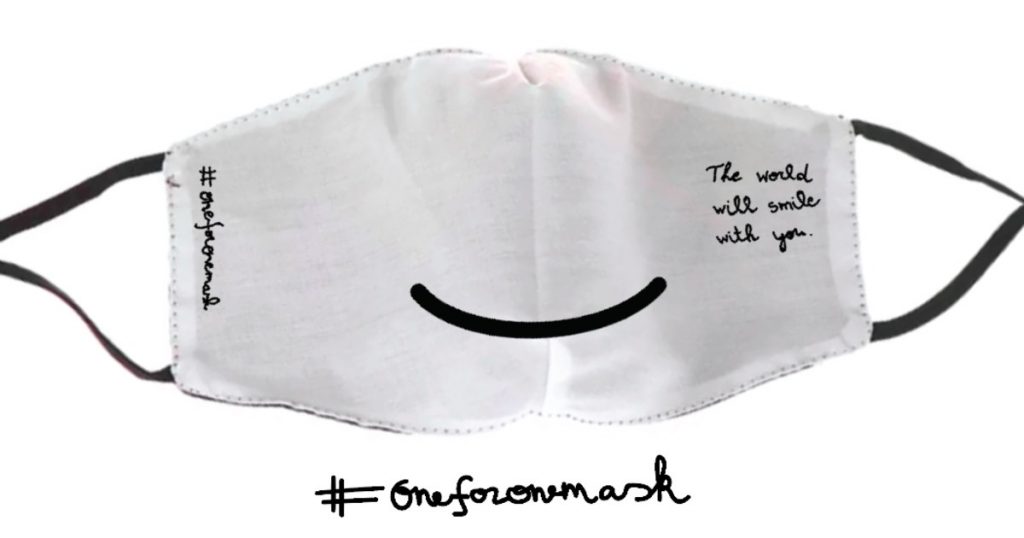
But wine, coffee, and groceries aren’t the only things being “suspended.” From sustainable clothing brand Re-Bello comes a crowd-funding campaign called One-for-One Mask.
An Italian news network described it as ‘La Mascherina Sospesa’—you guessed it, the suspended mask. A person can buy one washable, antibacterial mask, and the profits go to providing a second mask for a refugee in Cyprus through a European aid organization Refugee Support Europe.
On the inside of every mask lies a simple line bending into a smile alongside an embroidered message “The world will smile with you”. So far, 7700 of the 27,000 Euro needed for the project has been accumulated. You can contribute to it on Indiegogo by buying masks for yourself and a refugee, (1 mask for you, and 1 for a refugee) or 2 for 2, or 5 for 5.
This is just one of many positive stories and updates that are coming out of the COVID-19 news coverage this week. For more uplifting coverage on the outbreaks, click here.
(LISTEN to the NPR segment below)
Multiply The Good News By Sharing It With Your Friends On Social Media…
A plant extract combination of fruits, leaves, and roots may help to relieve hangover symptoms, reveals an intriguing new study published online this week.
Furthermore, the common wisdom about what causes hangovers may be wrong. The study’s findings indicate that dehydration and the associated loss of electrolytes—electrically charged minerals in the body that help balance water content and acid levels—may not be largely responsible for all the common hangover symptoms.
Various natural remedies have been recommended over the years to ease hangover symptoms, but there was no strong scientific evidence that would advocate for their use.
In a bid to address that, German researchers at the Institute of Molecular Physiology at Johannes Gutenberg-University assessed the potential of specific plant extracts, vitamins and minerals, and antioxidant compounds to ease a range of physical and psychological symptoms associated with drinking alcohol. Their peer-reviewed, double-blind, randomized controlled trial has been published in BMJ Nutrition Prevention & Health.
The plant extracts included Barbados cherry (Acerola), prickly pear, ginkgo biloba, willow and ginger root. The vitamins and minerals included magnesium, potassium, sodium bicarbonate, zinc, riboflavin, thiamin and folic acid.
Some 214 healthy 18-65 year olds were randomly split into three groups and given a 7.5 g flavored, water soluble supplement 45 minutes before, and immediately after they stopped drinking any of beer, white wine, or white wine spritzer.
The first group (69) were given a supplement containing the plant extracts, vitamins and minerals, and additional antioxidant compounds—steviol glycosides and inulin. The second group (76) were given a supplement minus the plant extracts, while the third group (69) were given glucose alone (placebo).
The number and type of drinks consumed was recorded as was how many times they emptied their bladder between 1,700 and 2,100 hours.
Blood and urine samples and blood pressure measurements were taken before and after the start of this four-hour period, after which the participants were sent home to sober up.
Twelve hours later the same samples and blood pressure measurements were taken, and participants filled in a questionnaire about the type and intensity of perceived hangover symptoms, which were ranked on a zero to 10 scale.
The average amount of alcohol consumed was virtually the same in all three groups: 0.62 ml/minute.
Analysis of all the data showed that symptom intensity varied widely among the participants—but compared with the placebo, those taking the full supplement of plant extracts, minerals/vitamins, and antioxidants reported less severe symptoms.
Average headache intensity was 34% less, nausea 42% less, while feelings of indifference fell by an average of 27% and restlessness by 41%. No significant differences or reductions were reported for any of the other symptoms.
The Plants Made the Difference
Polyphenol and flavonoid compounds in each of the five plant extracts have been associated with curbing the physiological impact of alcohol in previously published experimental studies, explain the researchers. But it’s not clear how.
“The underlying mechanisms remain to be unravelled and surely need further investigation,” according to the authors Professor Bernhard Lieb and Patrick Schmitt in Mainz, Germany.
No significant difference in any symptom was reported by those taking the supplement minus the plant extracts, suggesting that plant extracts were largely responsible for the observed changes, say the researchers.
And the absence of any observed impact for vitamins and minerals on their own suggests that alcohol might not affect electrolyte and mineral balance, as is commonly thought, they add.
Their analysis also showed levels of water content in the body weren’t significantly associated with the amount of alcohol drunk. “Our results suggest that alcohol-induced increased fluid excretion does not necessarily lead to a significant dehydration process,” they write.
“It seems to be clear that hangover symptoms are predominantly caused by alcohol and its metabolites,” rather than dehydration or electrolytes, they concluded.
The Lithuanian capital of Vilnius is supporting its vibrant café and restaurant culture through the coronavirus pandemic by designating all public spaces as open air cafés, allowing restaurants to stay open and serve customers while observing physical distancing guidelines.
With just over 1,000 cases and 44 deaths from COVID-19, the Baltic nation is staging a tiered exit from its lockdown by allowing restaurants with outdoor seating, hair salons, and most small retail stores to reopen.
Social distancing is still in full effect, but that’s no problem for the intrepid restauranteurs, baristas, and bar owners in Vilnius’ old town of Senamiestis, because they can place their tables as far apart as they care to do, utilizing the narrow streets and small plazas.
“Plazas, squares, streets… Nearby cafes will be allowed to set up outdoor tables free of charge this season and thus conduct their activities during quarantine,” said Remigijus Šimašius, the mayor of this charming town, which is also a UNESCO World Heritage Site.
According to The Guardian, over 160 restaurant, café, and bar owners have signed up for the program that has opened 18 spacious public areas for outdoor seating, promising to add more spaces to the list as the summer progresses and the exit from the lockdown continues.
“It came just in time,” Evalda Šiškauskienė of the Lithuanian Association of Hotels and Restaurants told TheGuardian, who added that it would help “accommodate more visitors and bring life back to the city streets, but without violating security requirements.”
Another ray of good news sunshine in Vilnius came when public health workers were recently rewarded with food and drink vouchers for city restaurants (€400,000 in total) as a gesture of gratitude for their hard work and public service in the face of COVID-19.
This is just one of many positive stories and updates that are coming out of the COVID-19 news coverage this week. For more uplifting coverage on the outbreaks, click here.
Multiply The Good News By Sharing It With Your Friends On Social Media…
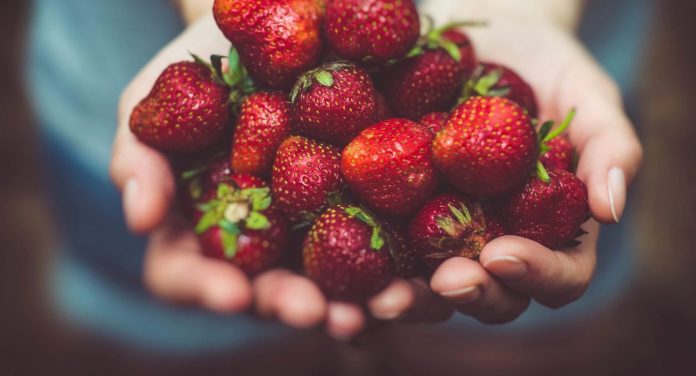
Quote of the Day: “There is no sincerer love than the love of food.” – George Bernard Shaw
Photo: by Artur Rutkowski, public domain, cropped
With a new inspirational quote every day, atop the perfect photo—collected and archived on our Quote of the Day page—why not bookmark GNN.org for a daily uplift?
Reprinted with permission from World At Large, a news website of nature, science, health, politics, and travel.
As scientists become more and more fascinated by the surprising health benefits of fasting, yet another intriguing new study emphasizes the importance of when we are eating, rather than what we are eating.
The study, published in Nature Proteomics, demonstrates how spending time in a fasted state has benefits that can outperform daily dietary allowances in terms of fighting cancer, and regulating lipid and glucose metabolism.
The research involves an examination of circadian biology, which is the study of our circadian clocks—the biological equipment attuned to the day/night cycles of the planet and how we respond to them.
The study posits that a disruption of the rhythmic nature of circadian clocks, particularly the hepatic (the liver) clock, can lead to cancer and metabolic syndrome (a term for a variety of unsavory health outcomes arising from poor eating, sleeping, and exercise habits that can include, but are not limited to diabetes and obesity).
The researchers found that mouse studies demonstrated an increased rate of cancer and metabolic diseases in rodents when their circadian rhythms were disrupted. A fast of 14 hours, starting at sunset and ending at sunrise, has been repeatedly demonstrated to “reset” the clocks, allowing them to operate off the dysregulated rhythm of the “master clock”.
Even though rodents are nocturnal creatures and they do most of their activity at night, the authors imagined the effect of a similar 14-hour sundown to pre-sunrise fast would have the same benefit in humans even though we are a diurnal species (resting at night).
“… We hypothesized that intermittent fasting for several consecutive days without calorie restriction in humans would induce an anti-carcinogenic proteome (something like a cell’s protein profile) and the key regulatory proteins of glucose and lipid metabolism,” reads the study.
Again, because the basis of the study are the data on mice fasting during their active period, the scientists thought it was only logical to make the human-trial participants fast during their active hours as well, since we are not creatures of the night.
14 healthy individuals including both men and women with an average age of 32, spent 30 days fasting from sunrise to sunset, beginning their day with a pre-dawn breakfast, and a twilight dinner.
In the scientist’s own words, their findings are significant, as their 30-day program resulted in “anticancer serum proteomic signature and upregulated key regulatory proteins of glucose and lipid metabolism, insulin signaling, circadian clock, DNA repair, cytoskeleton remodeling, immune system, and cognitive function, and resulted in a serum proteome protective against cancer, obesity, diabetes, metabolic syndrome, inflammation, Alzheimer’s disease, and several neuropsychiatric disorders.”
File photo by Jean Fortunet, CC
Significant findings
Time-restricted eating is not a new scientific dietary strategy. Dr. Sachin Panda, an expert in circadian biology, has been studying it for years, and has contributed mightily to the overall body of evidence showing its effectiveness.
Normally however, Panda’s work, including some citizen-science crowd-sourced data, involves fasting in the evening, with some hours before sundown and some after sunrise also marked by fasting.
Contrary to this approach, the researchers have taken a Ramadan-like strategy, and the findings are significant. Not only did they find the proteomic signature they expected, they also achieved it in their participants without significant weight loss or any alterations of their diets.
Furthermore, they found significant increases in several proteins that are typically down-regulated in the presence of different cancers. For instance, levels of LATS1, a large tumor-suppressor kinase which has been demonstrated to suppress proliferation and invasion of several kinds of tumors, were increased 9-fold by the end of week 4.
LATS1 is just a single example, and many different genes and proteins were either increased, or decreased, resulting in a positive effect for stopping, eliminating, or suppressing cancers of several kinds.
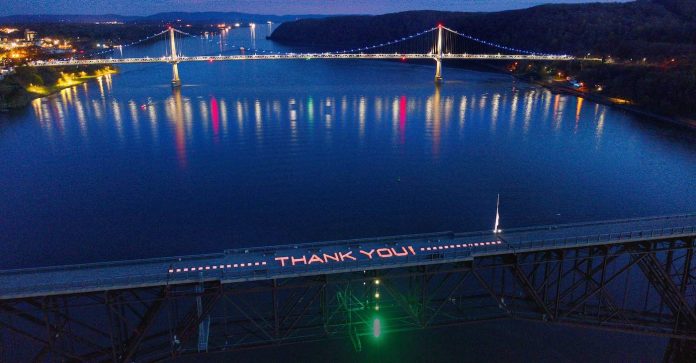
To honor those on the front lines of the COVID-19 pandemic, the world’s longest elevated pedestrian bridge was lit up by more than 1,300 luminaries carefully placed by volunteers to spell out ‘THANK YOU!’
The display of light spanned more than 200 feet, transforming this New York landmark in Hudson Valley into an illuminated message of gratitude.
“We hope that through this grand display across the Walkway frontline workers know just how much we appreciate their tremendous efforts,” said Elizabeth Waldstein, Executive Director, Friends of the Walkway.
The Walkway Over the Hudson has been deemed an essential park to keep open by Gov. Cuomo, and several nonprofit organizations mobilized volunteers to work on the inspiring project, placing 1,300 illuminated bags that were marked with ‘Honor. Remember. Celebrate.’
“It was really fun and rewarding to be involved,” one participant told GNN.
“I’ve never been so tired, doing over 18,000 steps that day, and bending over bags—but I’m so happy with the results!”
In the coming days, prints of this photograph will be presented to places where essential workers are serving in the community—like emergency rooms, grocery stores, police stations, and fire departments.
Saturday, May 2, is I Love My Park Day, and the public will be able to “help extend the gratitude far and wide by purchasing prints and note cards of the bridge at walkway.org.”
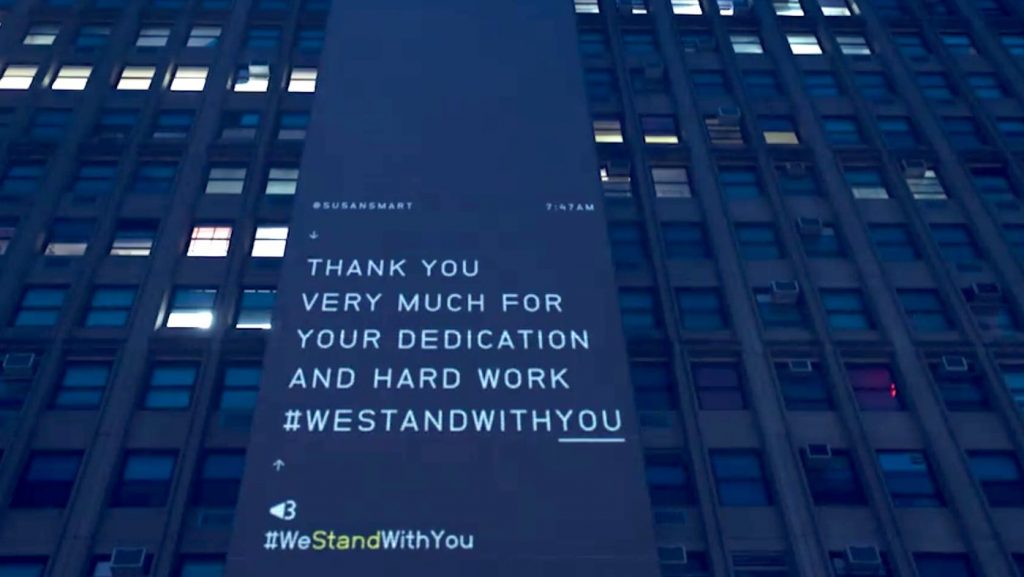
Elsewhere in New York City, huge messages of gratitude are transforming local hospitals this week to honor frontline workers. It was the second act in a series of gratitude gestures from Dr. Scholl’s—after the specialized shoe company donated $2 million worth of gel cushioned insoles to help more than 150,000 healthcare workers reduce muscle fatigue.
“When the bridge first opened in the 1890s, it was known as The Great Connector, and I think it lived up to that nickname here,” said Linda Cooper of the New York State Office of Parks, Recreation, and Historic Preservation.
SHARE the Light of Gratitude With Friends on Social Media…
The U.S. Centers for Disease Control and Prevention recommends that everyone wear masks in public during the COVID-19 pandemic. Because N95 and surgical masks are scarce and should be reserved for health care workers, many people are making their own coverings.
Now, researchers report in ACS Nano that a combination of cotton with natural silk or chiffon can effectively filter out aerosol particles—if the fit is good.
The new coronavirus is thought to spread through respiratory droplets when an infected person coughs, sneezes, speaks or breathes. These droplets form in a wide range of sizes, but the tiniest ones, called aerosols, can slip through the openings between certain cloth fibers, leading some people to question whether cloth masks can actually help prevent disease.
Supratik Guha at the University of Chicago and his colleagues wanted to study the ability of common fabrics, alone or in combination, to filter out aerosols similar in size to respiratory droplets.
The researchers used an aerosol mixing chamber to produce particles ranging from 10 nm to 6 μm in diameter. A fan blew the aerosol across various cloth samples at an airflow rate corresponding to a person’s respiration at rest, and the team measured the number and size of particles in air before and after passing through the fabric.
One combination of two fabrics was able to filter out the most aerosol particles (80–99%, depending on particle size), with performance close to that of an N95 mask—a layer of a tightly woven cotton sheet combined with two layers of polyester-spandex chiffon—a sheer fabric often used in evening gowns.
Substituting the chiffon for natural silk or flannel, or simply using a cotton quilt with cotton-polyester batting, produced similar results. The researchers point out that tightly woven fabrics, such as cotton, can act as a mechanical barrier to particles, whereas fabrics that hold a static charge, like certain types of chiffon and natural silk, serve as an electrostatic barrier.
File photo by Tadeáš Bednarz, CC
However, a 1% gap reduced the filtering efficiency of all masks by half or more, emphasizing the importance of a properly fitted mask.
ACS’ mission is to advance the broader chemistry enterprise and its practitioners for the benefit of Earth and its people. The Society is a global leader in providing access to chemistry-related information and research through its multiple research solutions, peer-reviewed journals, scientific conferences, eBooks and weekly news periodical Chemical and Engineering News. ACS journals are among the most cited, most trusted and most read within the scientific literature.
Be Sure And Share The Intriguing New Research With Your Friends On Social Media…
Taxi driver Kepa Amantegi and student Giada Collalto— Photo by Chiara Collalto
A young Italian student trapped in Spain during the novel coronavirus outbreaks was recently driven 1,500 kilometers (900 miles) home for free by a young Spanish cab driver.
22-year-old Giada Collalto had been living in the Spanish city of Bilbao as part of a European language studies course when—unfortunately for her and thousands of others—the COVID-19 outbreaks left her quarantined without hope of getting home. After a series of remarkable misfortunes, it was a stroke of luck in the opposite direction that got her safely back to her family in Venice.
After word of the outbreak in Italy reached Ms. Collalto in Bilbao, she decided to wait and see what would happen. But in mid-March the semester was prematurely ended, and lectures began to be broadcast online.
Studying abroad doesn’t make much sense if you are stuck in your apartment staring at a computer screen, and with the possibility of COVID-19 being the next historic influenza, Collalto became determined to return home.
She managed to purchase a plane ticket from Madrid to Paris to Rome, then to Venice on April 8. However, the Italian government had already implemented the harshest quarantine measures, including a 200-meter restriction of travel around one’s house even in rural areas, and a flight attendant informed her she was not permitted to travel home.
Aside from being stranded in a foreign country, she was now stranded in a foreign city: Madrid.
“I was desperate and angry, my parents were worried but couldn’t do anything to help me. I called the embassy and they told to me to send an email. All hotels in Madrid were closed, with no public transport to go back to Bilbao,” she told CNN.
“His parents and his two sisters welcomed me as a member of the family, I will never forget their kindness,” Collalto recalled.
The next morning she and her new friend Kepa pondered if it were possible to simply drive the 1,500 km back to Venice.
“We called the local authorities and, as incredible as it may seem, we got all the necessary authorizations. I was allowed since I was traveling back home and he, as a taxi driver, was allowed because of his work,” she explained, adding that he asked nothing in return for the 3,000 kilometer round trip.
“I insisted on paying him but he said, ‘I don’t want to get advantage of you, I see you are in a difficult situation, don’t worry about the cost’,” Kepa said.
Taxi driver Kepa Amantegi and student Giada Collalto— Photo by Chiara Collalto
Kepa stayed overnight at Collalto’s parent’s house in Montebello, returning home the following day with a towering tote bag of treats from the region—grappa, wine, and chocolate.
“It’s something I will never forget, I was a complete stranger to this young man,” she said, also telling CNN, “I think this pandemic can bring out the best in people.”
This is just one of many positive stories and updates that are coming out of the COVID-19 news coverage this week. For more uplifting coverage on the outbreaks, click here.
Multiply The Good News By Sharing It With Your Friends On Social Media…
Quote of the Day: “Courage is not having the strength to go on; it is going on when you don’t have the strength.” – Theodore Roosevelt
Photo: by Mārtiņš Zemlickis, public domain, cropped
With a new inspirational quote every day, atop the perfect photo—collected and archived on our Quote of the Day page—why not bookmark GNN.org for a daily uplift?
With millions of people struggling to cope with the strange lifestyles changes presented by the COVID-19 outbreaks, we can still look to one of America’s most beloved role models to learn how to react to the pandemic with kindness and grace.
Fred Rogers is the trailblazer responsible for transforming children’s television and hosting the Mr. Rogers’ Neighborhood show. Before he ever appeared on the big screen, however, he spent many of his childhood summers quarantined inside his Pittsburgh home.
Since Rogers suffered from hay fever and breathing problems as a boy, he would often be forced to keep to his bedroom because the city air was so polluted.
As fate would have it, Rogers ended up turning to his imagination to keep himself entertained during these periods of quarantine—and those periods of self-isolation are what spurred Rogers to dream up some of his most iconic characters to later appear on his TV show.
(WATCH the video below) – Feature photo by the McFeely-Rogers Foundation
Be Sure And Share This Inspiring Story With Your Friends On Social Media…
The COVID-19 pandemic represents the biggest shock to the global economy in more than seven decades, but new research says that the outbreaks are likely to result in a record-breaking 8% annual decline in carbon emissions—the largest decrease in history.
A new report released this week by the International Energy Agency (IEA) provides an almost real-time view of the COVID-19 pandemic’s extraordinary impact across all major fuels. Based on an analysis of more than 100 days of real data so far this year, the IEA’s Global Energy Review includes estimates for how energy consumption and carbon dioxide (CO2) emissions trends are likely to evolve over the rest of 2020.
“Only renewables are holding up during the previously unheard-of slump in electricity use,” said Dr. Fatih Birol, the IEA Executive Director. “It is still too early to determine the longer-term impacts, but the energy industry that emerges from this crisis will be significantly different from the one that came before.”
The Global Energy Review’s projections of energy demand and energy-related emissions for 2020 are based on assumptions that the lockdowns implemented around the world in response to the pandemic are progressively eased in most countries in the coming months, accompanied by a gradual economic recovery.
The report projects that energy demand will fall 6% in 2020—seven times the decline after the 2008 global financial crisis. In absolute terms, the decline is unprecedented—the equivalent of losing the entire energy demand of India, the world’s third largest energy consumer.
Advanced economies are expected to see the biggest declines, with demand set to fall by 9% in the United States and by 11% in the European Union. The impact of the crisis on energy demand is heavily dependent on the duration and stringency of measures to curb the spread of the virus. For instance, the IEA found that each month of worldwide lockdown at the levels seen in early April reduces annual global energy demand by about 1.5%.
Changes to electricity use during lockdowns have resulted in significant declines in overall electricity demand, with consumption levels and patterns on weekdays looking like those of a pre-crisis Sunday. Full lockdowns have pushed down electricity demand by 20% or more, with lesser impacts from partial lockdowns. Electricity demand is set to decline by 5% in 2020, the largest drop since the Great Depression in the 1930s.
At the same time, lockdown measures are driving a major shift towards low-carbon sources of electricity including wind, solar PV, hydropower and nuclear. After overtaking coal for the first time ever in 2019, low-carbon sources are set to extend their lead this year to reach 40% of global electricity generation—6 percentage points ahead of coal.
Electricity generation from wind and solar PV continues to increase in 2020, lifted by new projects that were completed in 2019 and early 2020. An additional report from energy research group BloombergNEF says that wind and solar power are now the cheapest sources of new energy development for two-thirds of the world’s population.
This trend is affecting demand for electricity from coal and natural gas, which are finding themselves increasingly squeezed between low overall power demand and increasing output from renewables. As a result, the combined share of gas and coal in the global power mix is set to drop by 3 percentage points in 2020 to a level not seen since 2001.
Coal is particularly hard hit, with global demand projected to fall by 8% in 2020, the largest decline since the Second World War. Following its 2018 peak, coal-fired power generation is set to fall by more than 10% this year.
After 10 years of uninterrupted growth, natural gas demand is on track to decline 5% in 2020. This would be the largest recorded year-on-year drop in consumption since natural gas demand developed at scale during the second half of the 20th century.
Renewables are set to be the only energy source that will grow in 2020, with their share of global electricity generation projected to jump thanks to their priority access to grids and low operating costs. Despite supply chain disruptions that have paused or delayed deployment in several key regions this year, solar PV and wind are on track to help lift renewable electricity generation by 5% in 2020, aided by higher output from hydropower.
“This crisis has underlined the deep reliance of modern societies on reliable electricity supplies for supporting healthcare systems, businesses and the basic amenities of daily life,” said Dr. Birol. “But nobody should take any of this for granted—greater investments and smarter policies are needed to keep electricity supplies secure.”
As a result of these trends—mainly the declines in coal and oil use—global energy-related CO2 emissions are set to fall by almost 8% in 2020, reaching their lowest level since 2010. This would be the largest decrease in emissions ever recorded—nearly six times larger than the previous record drop of 400 million tonnes in 2009 that resulted from the global financial crisis.
“Resulting from … economic trauma around the world, the historic decline in global emissions is absolutely nothing to cheer,” said Dr Birol. “But governments can learn from [the 2008 crisis] by putting clean energy technologies—renewables, efficiency, batteries, hydrogen and carbon capture—at the heart of their plans for economic recovery. Investing in those areas can create jobs, make economies more competitive and steer the world towards a more resilient and cleaner energy future.”
This is just one of many positive stories and updates that are coming out of the COVID-19 news coverage this week. For more uplifting coverage on the outbreaks, click here.
File photo by rabiem22, CC
Power Up With Positivity By Sharing The Silver Lining With Your Friends On Social Media…
— The London Palladium (@LondonPalladium) April 30, 2020
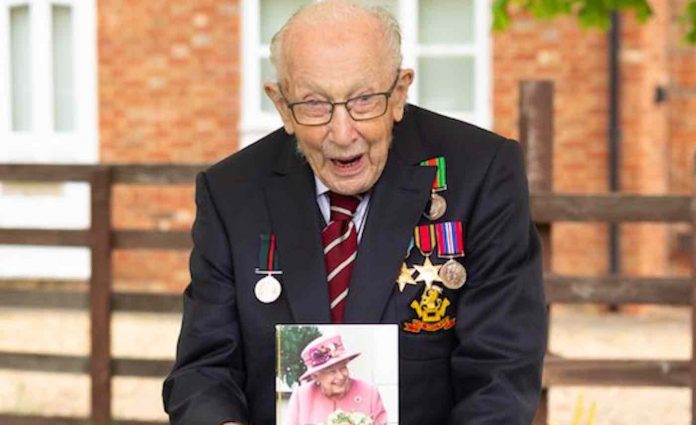
Yesterday was the 100th birthday of Captain Thomas Moore—the WWII veteran who captured hearts around the world after successfully raising millions of dollars for healthcare workers fighting the novel coronavirus.
So in celebration of the centenarian’s special day, businesses, celebrities, government officials, hospitals, children, and social media users around the world came together to make his birthday particularly special.
Moore originally started walking around the his back garden on April 6th with the intention of raising just £1,000 solely by doing 100 laps before his 100th birthday on April 30th.
Over the course of just one month, however, Captain Moore’s fundraiser has topped a whopping £32 million ($40 million) for NHS Charities Together—a new Guinness World Record for money raised on behalf of the healthcare system.
In recognition of his spectacular achievement, the war veteran was officially promoted from the rank of captain to honorary colonel in a letter presented by Lt. Col Thomas Miller and approved by Her Majesty the Queen.
Enjoying a day of rest and the opportunity to reflect on a wonderful day celebrating my 100th birthday. So many well wishes and memorable moments the family will always cherish. Thank you all once again!#TomorrowWillBeAGoodDayhttps://t.co/drElKcks2w
— Captain Tom Moore (@captaintommoore) May 1, 2020
Moore was flooded with more than 125,000 birthday cards, all of which have been individually open and displayed in the halls of his grandson’s school.
Among the birthday cards were a few specially hand-written well wishes from Her Majesty Queen Elizabeth, Prince William and Duchess Kate, and England football captain Harry Kane.
“I am so pleased to know that you are celebrating your one hundredth birthday,” wrote the Queen. “I was also most interested to hear of your recent fundraising efforts for NHS Charities Together at this difficult time. I send my congratulations and best wishes to you on such a special occasion.”
Our Great Hall has been transformed into a sea of 100th birthday cards for Captain Tom. His grandson Benjie, a Fifth Former here at school, has been showing his grandfather photos of the cards as they have been arriving. The Captain has been 'blown away' by the sheer number. pic.twitter.com/CqXqVyN6dt
Prime Minister Boris Johnson recorded a special video message of appreciation for Moore, which was broadcasted during an interview with the veteran on BBC.
“I know I speak for the whole nation when I say we wish you a very happy 100th birthday,” said Johnson. “Your heroic efforts have lifted the spirits of the entire nation, you’ve created a channel to enable millions to say a heartfelt thank you to the remarkable men and women in our NHS who have all been doing the most outstanding job.”
Moore’s newfound fame has resulted in hundreds of thousands of new social media followers; a musical single which has gone to number one on the UK’s most popular iTunes chart; and a number of shoutouts from international celebrities praising him for his work, including a video message from the Duke and Duchess of Cambridge.
More than 1 million people from around the world also signed a petition to have Captain Moore knighted—but despite all the appreciation and praise, Moore remained humble during his birthday celebration with the press and requested that they end the event with a round of applause for healthcare workers.
“Reaching 100 is quite something. Reaching 100 with such interest in me and huge generosity from the public is very overwhelming,” said Moore, according to BBC. “People keep saying what I have done is remarkable, however it’s actually what you have done for me which is remarkable.
“Please always remember, tomorrow will be a good day,” he concluded.
This is just one of many positive stories and updates that are coming out of the COVID-19 news coverage this week. For more uplifting coverage on the outbreaks, click here.
(WATCH the full news coverage of Moore’s birthday below)
Be Sure And Share This Sweet Story With Your Friends On Social Media…