All News - Page 67 of 1689 - Good News Network
Home Blog Page 67

Evidence of Ancient 30-foot ‘Sea Monster’ Uncovered by Geologists: A Mosasaur in Mississippi

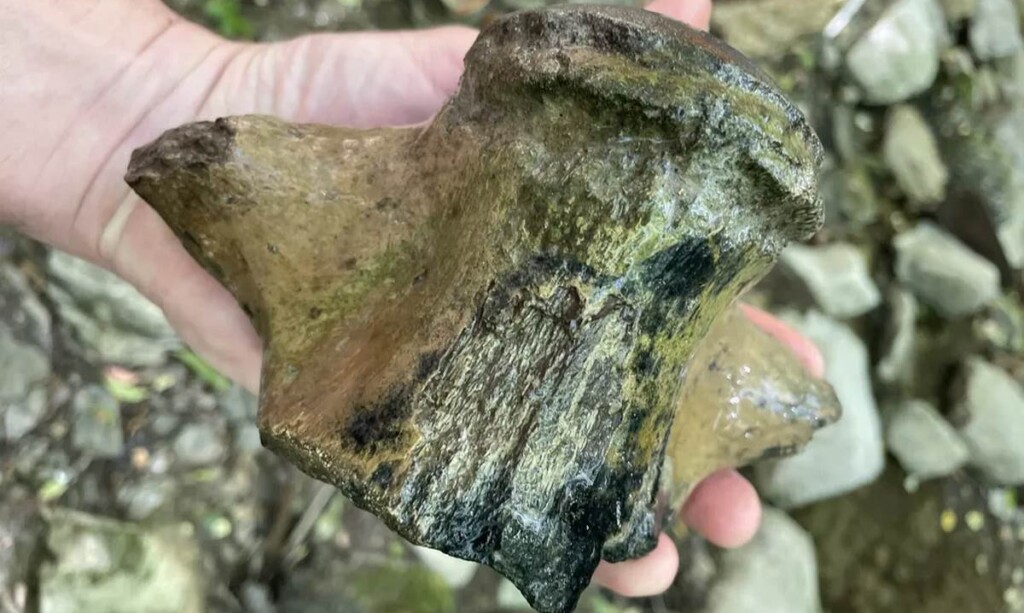
The mosasaur vertebrae measured 7 inches across - credit James Starnes
The mosasaur vertebrae measured 7 inches across – credit James Starnes

Geologists recently unearthed the vertebrae of a giant prehistoric marine lizard during fieldwork.

Measuring a full 7 inches across, an extrapolation of that size would place the animal among the largest ever to swim in the prehistoric precursor to the Gulf of Mexico.

“I … was completely awe-struck by its size,” said James Starnes, a geologist at the Mississippi Department of Environmental Quality. “The feeling you get when you find a fossil, even as a professional, never gets old. But when you find something you have never seen before, the elation can be overwhelming.”

Starnes was speaking to Live Science about his recent trip to an area near Starkville where he was planning a survey of the geologic layers under the ground.

They had already found traces of ancient life in beds of seashells from when Mississippi was underwater millions of years ago. In a layer of mud, they noticed something clearly not rock. They brought the fossil to the Mississippi Museum of Natural Science, and paleontologists identified it as belonging to Mosasaurus hoffmannii, perhaps the largest of its kind to ever exist.

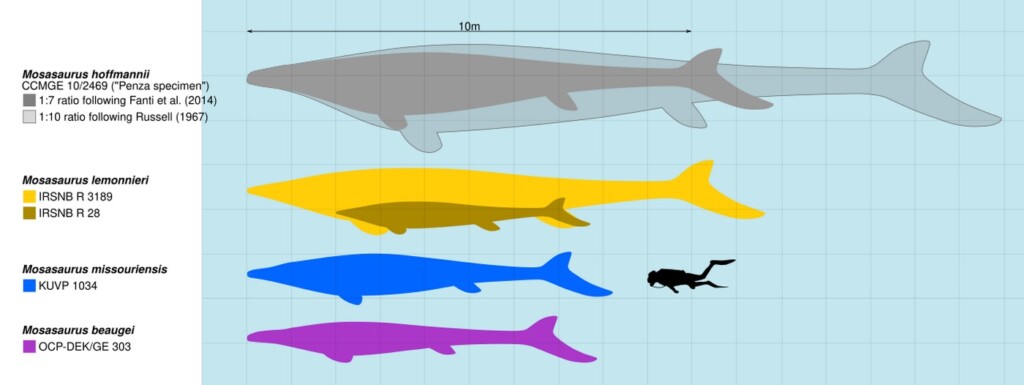
There is considerable morphological variability across the currently recognized species in the Mosasaurus families.

The ‘MosaScale’ – credit Slate Weasel, CC 0.0.

As it happens, the first Mosasaur was discovered over 250 years ago in the Netherlands, and was named after Johann Leonard Hoffmann, a biologist and physician who found a second specimen in the same quarry.

That first specimen would prove to be of the species generally thought of to be the largest ever. It was capable of growing beyond 30 feet in length and weighed around 10 tons—a mature elephant plus a sedan car, for comparison.

PREHISTROIC SEAS: 11-Year-old Uncovers Giant Ichthyosaur Fossil – The Largest Marine Reptile Ever Found

It was larger than most dinosaurs on land, Starnes remarked, and a “true, true sea monster.”

The vertebrae dated to the end of the Late Cretaceous Period, around 66 million years ago, when the animal it belonged to would have swum in a shallow sea rich with marine life of all shapes and sizes, from these large mosasaurs and other marine reptiles to fish, sharks, and sea turtles.

YOU MAY ALSO LIKE: Seven-Foot Mammoth Tusk Unearthed in Mississippi Creek Belonged to Largest Species in North America

“While the dinosaurs ruled the land, these Mesozoic era oceans were likely the most dangerous of any time in the entire history of our planet,” according to a Mississippi Department of Environmental Quality post announcing the fossil find.

SHARE This Tremendous Discovery With Your Friends On Social Media… 

This Soft Robot Needs Only Physics and Air to Spontaneously Sync and Scoot at Top Speeds

- credit AMOLF Institute, The Netherlands
– credit AMOLF Institute, The Netherlands

A Dutch robot with neither hardware nor software can nevertheless reach incredible speeds with its soft legs powered only by air and simple physics.

Able to walk, hop, and swim without the aid of electronics or AI, its top speed will see it cross a distance equal to 30x the length of its body in a single second, about 100% faster than a Ferrari when speaking relatively.

Engineers at the AMOLF research institute in Amsterdam explained that the robot works on the same principle as the wobbly, inflatable tube dancers that flail around outside automotive dealerships. They say the same physics that makes them wiggle could hold the key to the next generation of autonomous robots.

“Soft robotics” has seen major advances of late in creating controllable units with minimal or zero electronic or mechanical components. These have included flabby “gel bots” that move inchworm-like through changes in temperature.

Powered by a continuous stream of air alone, each of the AWOLF robot’s soft, tubular legs begins to oscillate—not unlike those tube dancers.

But when many legs are coupled together, something unexpected happens: their motions quickly synchronize, creating “surprising coordination and autonomy” simply because of its body and how it interacts with the world, according to a study published in the journal Science.

“There’s no code, no instructions,” said study first author Alberto Comoretto. “The legs simply fall into sync spontaneously, and the robot takes off. Suddenly, order emerges from chaos.”

After the legs synchronize, the robot hits 30 body lengths per second when air is delivered at high speeds.

Comoretto, a PhD student in soft robotic matter, says that, relatively speaking, a Ferrari reaches only 20 lengths per second. This is the same logic as saying a flea can jump farther than a frog, or a spider is stronger than Arnold Schwarzenegger.

The better comparison is to other air-powered robots, which typically require centralized control, and travel “orders of magnitude” slower.

Perhaps the robot’s best party trick is revealed when it runs into an obstacle: it simply scrambles for a moment before reorganizing its legs, not unlike a millipede does when it is knocked out of rhythm.

“When it moves from land to water, the gait spontaneously shifts from an in-phase hopping pattern to a swimming freestyle,” said Comoretto. “These transitions happen without any central processor or control logic.”

A MUSHROOM RATHER THAN A BRAIN: Watch This Mushroom Propel a Robot Across the Ground—We’re Not Joking

Study co-author Dr. Mannus Schomaker compared it to the movement of sea stars, or other animals with limited or no cognitive experience.

“In biology, we often see similar decentralized intelligence,” said Dr. Schomaker. “Sea stars, for example, coordinate hundreds of tube feet using local feedback and body dynamics, not a centralized brain.”

Principal investigator Professor Bas Overvelde said that he doesn’t even feel it’s appropriate to call it a robot, explaining that “essentially, it’s a machine.”

OTHER SOFT ROBOTS: Tiny Scaled Robot Inspired by a Pangolin Can Roll About and Could Deliver Lifesaving Medications

“But when properly designed, it can outperform many robotic systems and behave like an artificial creature,” he added.

The researchers say possible future applications range from smart pills to space tech—for example reconnaissance of other worlds where little is known about the surface.

So much of early research and imagination into robotics and robots was informed by human biology. In reality, there are dozens of forms of locomotion found in nature, and soft robotics as a field is demonstrating how useful many of these can be in designing intelligent or controllable machines to tackle the challenges of today and tomorrow.

WATCH it go in the video below…

SHARE This Amazing Robot’s Ability To Move About With Your Friends…

“Any small, calm thing that one soul can do to help another soul will help immensely.” – Clarissa Pinkola Estes

Eye for Ebony

Quote of the Day: “Any small, calm thing that one soul can do to help another soul will help immensely.” – Clarissa Pinkola Estes

Photo by: Eye for Ebony

With a new inspirational quote every day, atop the perfect photo—collected and archived on our Quote of the Day page—why not bookmark GNN.org for a daily uplift?

Eye for Ebony


New Species of Bacteria Can Act as Electric Wiring and Aid in Pollution Cleanup – and Much More

The cable bacteria viewed at 3-micron magnification - credit, OSU press, released
The cable bacteria viewed at 3-micron magnification – credit, OSU press, released

There’s something make-believe, almost Pokémon-like in a new species of bacteria found living on a mud flat in Oregon—a species which is basically like electric wiring, and which could inspire a revolution in bioelectronic interfaces.

A type of “cable” bacteria, the new lifeform contains nickel in its body, and forms long strands of individual bacterial tissues connected by a membrane it produces. These features allow it to transfer electrons along the length of its body.

Cheng Li, a postdoctoral researcher at Oregon State University at the time of the research, and Clare Reimers, distinguished professor emerita in the OSU College of Earth, Ocean, and Atmospheric Sciences, identified the new species in intertidal sediment samples from the Yaquina Bay estuary.

Named Ca. Electrothrix yaqonensis after the bay and the Native Americans who have lived there traditionally, the species was described in a new study which OSU Press reported on.

Cable bacteria’s electrical conductivity, unusual among bacteria at large, is a known adaptation, and is believed to have evolved in order to optimize metabolic processes in the sediment environments in which the bacteria live.

The new species features metabolic pathways and genes that are a mix of the Ca. Electrothrix genus and the other known cable bacteria genus, Ca. Electronema. Cable bacteria can live under diverse climatic conditions and are found in various environments, including both freshwater and saltwater sediments.

“This new species seems to be a bridge, an early branch within the Ca. Electrothrix clade, which suggests it could provide new insights into how these bacteria evolved and how they might function in different environments,” said Li.

“It stands out from all other described cable bacteria species in terms of its metabolic potential.”

Li points out the creature’s distinctive structural features, including the largest surface ridges seen among cable bacteria, under which lie highly conductive fibers made of unique, nickel-based molecules.

WONDERS UNDER A MICROSCOPE: $25.00 ‘Bacteria Batteries’ Allow Farmers to Power Their Sensing Equipment with Soil

Nickel is considered a toxic heavy metal in humans, akin to aluminum, cadmium, or lead.

Nevertheless, these fibers enable the bacteria to perform long-distance electron transport, connecting electron acceptors like oxygen or nitrate at the sediment surface with donors like sulfide in deeper sediment layers, the OSU statement said.

ALSO CHECK OUT: Oysters Carry Protein That Kills Bacteria Behind Pneumonia, Strep Throat, and Scarlet Fever: Study

“These bacteria can transfer electrons to clean up pollutants, so they could be used to remove harmful substances from sediments,” Li said. “Also, their design of a highly conductive nickel protein can possibly inspire new bioelectronics.”

Ca. Electrothrix yaqonensis draws its name from the Yaqona people, whose ancestral lands encompassed Yaquina Bay. Yaqona referred to the bay and river that made up much of their homeland, as well as to the people themselves.

SHARE The Story Of This Wild And Wriggling Live Wire Out In The Mudflats Of Oregon…

Study Reveals Vast Aztec Trade Networks Behind Mexico’s Pre-Colombian Obsidian Hoards

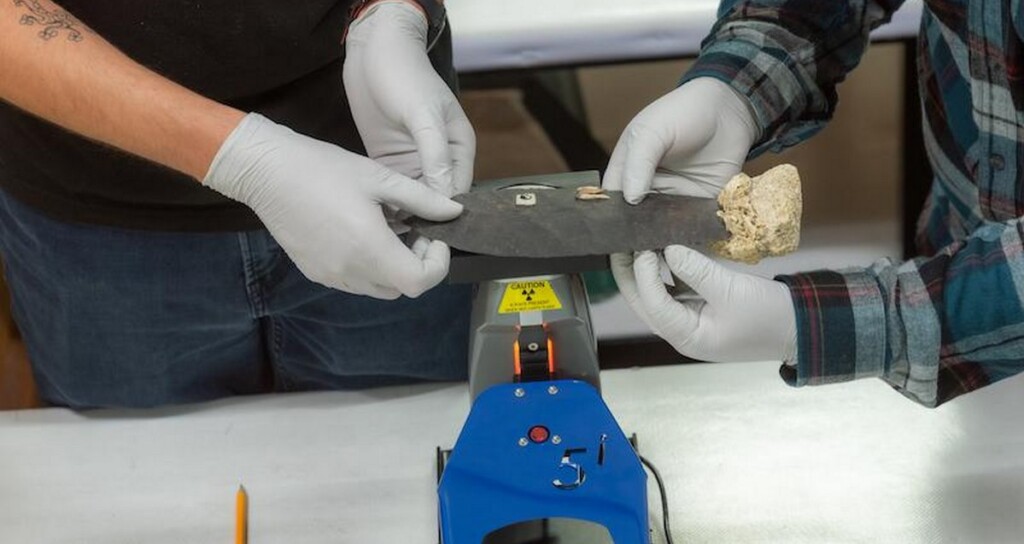
Analyzing one of the green obsidian objects found at Templo Mayor - credit Leonardo López Luján, via Tulane University
Analyzing one of the green obsidian objects found at Templo Mayor – credit Leonardo López Luján, via Tulane University

There’s an old saying that if goods are crossing borders, generally soldiers don’t, a saying that new research has shown to be true even in the case of the warlike Aztecs in central Mexico.

A new study sheds light on the economic networks, rituals and political influence the Mexica Empire (the word the Aztecs used for themselves) relied on to maintain their economy and grip on power.

The research, conducted by Tulane University and the Proyecto Templo Mayor in Mexico, reveals how obsidian—a volcanic glass used for tools and ceremonial objects and one of the most important raw materials in pre-Columbian times—moved across ancient Mesoamerica and shaped life in its capital, Tenochtitlan.

Published this week in Proceedings of the National Academy of Sciences, the study analyzed 788 obsidian artifacts excavated from the Templo Mayor of Tenochtitlan, the main temple and core of the Mexica Empire located in what is now Mexico City.

Archaeologists found that while the Mexica primarily used green obsidian from the Sierra de Pachuca source, they also acquired obsidian from at least seven other locations, including regions beyond their political borders, such as Ucareo, in the Purépecha territory in West Mexico. The findings suggest a sophisticated economy that relied not only on conquest but on active long-distance trade, even with rival polities.

“Although the Mexicas preferred green obsidian, the high diversity of obsidian types, mainly in the form of non-ritual artifacts, suggests that obsidian tools from multiple sources reached the capital of the Empire through market instead of direct acquisition in the outcrop,” said lead author Diego Matadamas-Gomora, a PhD candidate in Tulane’s Department of Anthropology.

“By studying where this material came from, we can explore the movement of goods across Mesoamerica.”

The analysis showed that nearly 90% of the obsidian artifacts in the sample were made with Sierra de Pachuca obsidian—prized for its green hue and symbolic connection to the mythical city of Tollan. Almost all the ceremonial artifacts found inside buried offerings at the Templo Mayor were made with this type of obsidian, including miniature weapons, jewelry and inlays for sculptures.

A smaller but significant portion of the obsidian came from places like Otumba, Tulancingo, Ucareo and El Paraíso, some of which lay outside the control of the Mexica Empire. These materials were more commonly used for tool production and found in the construction waste piles, indicating that these obsidian types were available to the general population through local markets at low prices rather than being tightly controlled by the state.

The study also tracked how obsidian use shifted over time, from the city’s earliest phases around 1375 CE through its fall in 1520 CE.

ANTIQUE MEXICO: LiDAR Reveals Abandoned Fort Was Actually a Lost Zapotec City with Temples and Ball Courts

During the empire’s early phases, more variety in obsidian sources appeared in both ritual and everyday objects. After the Mexica consolidated power around 1430 CE, obsidian for ritual purposes became almost exclusively sourced from Sierra de Pachuca, suggesting growing religious standardization and centralized control.

“This kind of compositional analysis allows us to trace how imperial expansion, political alliances and trade networks evolved over time,” Matadamas-Gomora said.

MORE MESOAMERICAN HISTORY: Mythical City of Underground Labyrinths Found Beneath Altar of 15th Century Church in Mexico

The research was made possible through a partnership between Tulane and Mexico’s Proyecto Templo Mayor of the National Institute of Anthropology and History (INAH), with artifacts analyzed using portable X-ray fluorescence (pXRF), a non-destructive method that identifies the geochemical fingerprint of each artifact.

“This work not only highlights the Mexica Empire’s reach and complexity but also demonstrates how the archaeological sciences can be leveraged to study ancient objects and what they can tell us about past cultural practices,” said study co-author Jason Nesbitt, an associate professor in Tulane’s Anthropology Department.

YOUR FRIENDS Who Are Fascinated By The Aztecs Will Want To Read This…

Good News in History, May 18

30 years ago today, Braveheart debuted at the Seattle Film Festival. Featuring Mel Gibson as 13th-century Scottish war hero Sir William Wallace, the film introduced one of Scotland’s seminal figures back into the Western zeitgeist to critical acclaim, picking up 10 Academy Award nominations, and winning five including Best Picture, Director, Score, Cinematography, and Makeup. WATCH the gripping speech Wallace gives before the battle of Stirling, but hide your kids’ ears from the fruity Scottish language… (1995)

Ethiopians Brew Success as Coffee and Cash Pile Up Thanks to Transformational Sustainable Forestry Program

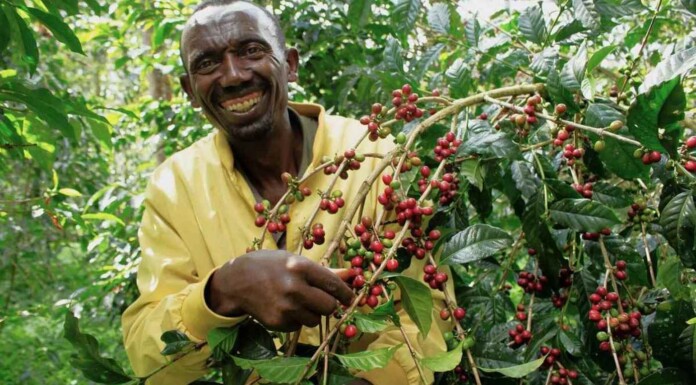
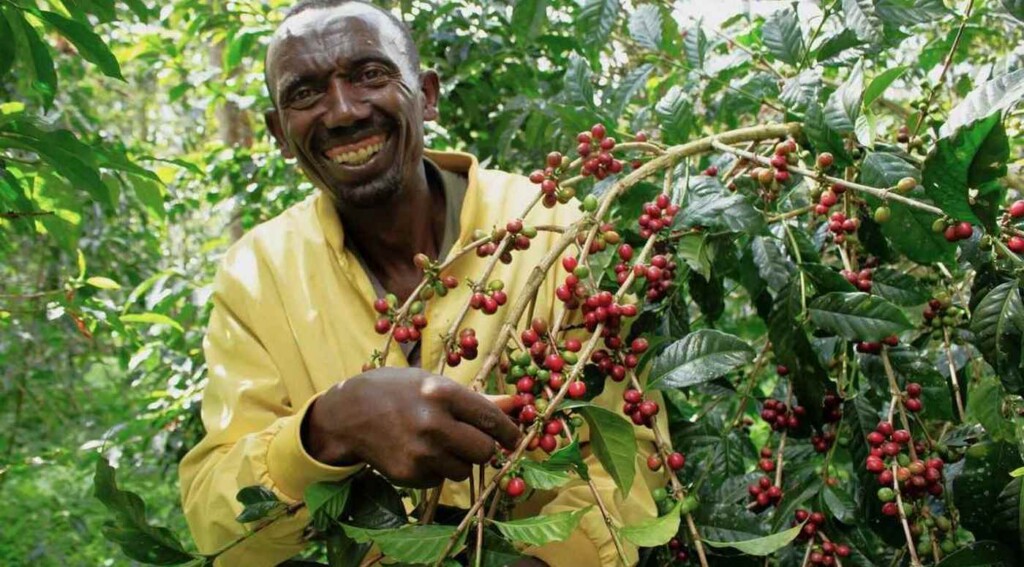
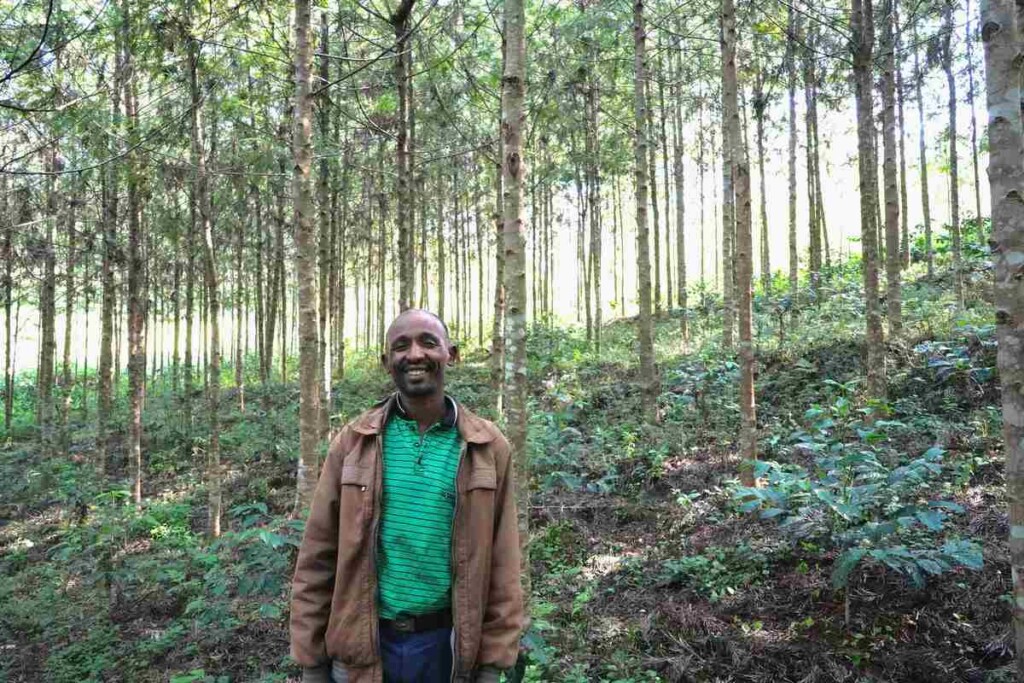
Girma Legesse smiles with his coffee - credit Farm Africa Coffee for Conservation, supplied
Girma Legesse smiles with his coffee – credit Farm Africa Coffee for Conservation, supplied

The existence and consumption of coffee has many advantages in human society, but perhaps the lesser reported advantage is what it can offer the environment.

There is arguably no other monocrop so capable of thriving in an intact, natural ecosystem, and in Ethiopia, where coffee is a major export, the adoption of climate-compatible and conservation strategies among coffee growers recently proved a major success, with over 5,000 acres of land reforested, 45% increases in household income, and a 70% increase in exported coffee.

– credit Farm Africa Coffee for Conservation, supplied

Coffee is a major lifeblood of Ethiopia’s economy (we’re talking about a quarter of the whole), accounting for around half of the livelihood of 15 million people, 95% of whom are small landholding growers.

In the ecologically critical Ilu Ababor Zone of nation’s western region of Oromia, where Coffea arabica is native, Farm Africa led a project on sustainable agriculture among coffee growers inside 19 local forest management cooperatives totaling around 4,000 people between 2021 and 2024.

The results were better than a hot cup of coffee on a cold early morning, as the residents took to the skills, incentives, and even stakeholder meetings with great interest and dedication according to a report on the project entitled Coffee for Conservation.

Of the project aims regarding forest management and conservation, the objective was to instruct the landholders and growers in ways to get everything they needed from their forest homes without felling too many native trees.

For example, locals were shown how to cultivate fast-growing trees optimal for firewood in small plots, as well as methods on how to maximize the growth cycle of these fuel trees. Six tree nurseries were opened and staffed by around 60 people taught to sell seedlings for reforestation of native woodland in the area.

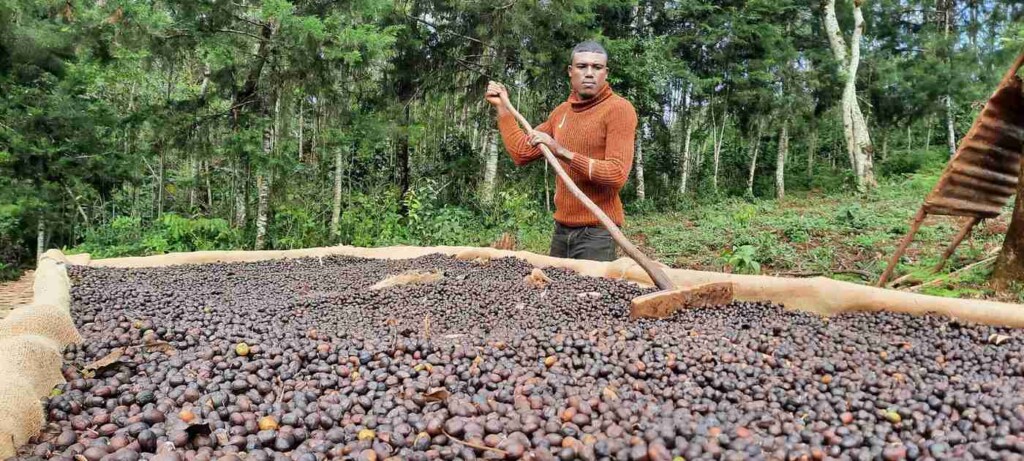
By the end of the project, over 300,000 seedlings had been planted over 5,000 acres of forest, and they enjoyed a five-year survival rate of 85%. Climate-smart practices such as cultivating bamboo for making the mats on which the coffee beans are dried, removed the need to truck in bamboo from other regions, while 66% of homes were able to be convinced to switch to energy-efficient wood stoves to reduce fuel consumption.

Most of the landholders growing coffee or managing the forest had plots for vegetable and fruit production to feed their families and those of their communities through trade. Percentages of these Ethiopians who adopted climate-smart farming techniques increased from 49% to 76%, while 10% more began growing fruit and vegetables. Income generated from the increased production amounted to around 280% more than what was made before the project, adjusted for inflation.

MORE STORIES LIKE THIS FROM AFRICA: African Forest Farming Initiative Making A Difference to Thousands with Tree-Planting and Microlending

Coffee production, marketing, and returns, have all improved. 73% more coffee from the Ilu Ababor region is now export-quality than in 2021, and 44% meets the standards for specialty grade, which is up by 20% from 2021.

Connections with national financing intuitions have allowed some of the co-ops to buy proper equipment for drying and storage, as well as support by city marketing agencies who could work directly on behalf of the Ilu Ababor growers to carve out a space in the national and international markets.

– credit Farm Africa Coffee for Conservation, supplied

“Prior to the project, our limited knowledge meant we had to sell our coffee to local traders at lower prices,” said Abde Musa, a member of the Abdi Bori forest management cooperative. “Now we’ve taken control and are the ones negotiating and determining the coffee prices.”

ETHIOPIAN NEWS: Ethiopia May Have Just Shattered World Record By Planting 350 Million Tree Saplings in One Day

Co-op leaders received training in business management, quality control, and certification processes, which majorly improved their incomes. One of the 19 co-ops in particular grossed $58,500 on their coffee sales.

Project wide, incomes and access to financial services almost doubled, with the latter now reaching almost 100% of the community.

Lastly, deforestation plummeted in the area to just 0.08 acres a year.

ALSO CHECK OUT: Farmers Use Bees to Deter Elephants from Romping Over Crops–a Win-Win for All

There’s so much good news to read in the report on the project’s success beyond the headline data, like the Abdi Bori co-op’s incredible rise which saw coffee revenue increase by a multiple of 20 from 2018 to 2023, or Solomon Mekonnen’s story of turning his land into a forest farm that produces export-grade coffee, firewood, and organic honey, or the tremendous involvement of women at all levels of the education and participation.

It’s a document that captures the very real phenomenon that African problems are best solved with African solutions.

SHARE This Laudable Work Out In The Green Hills Of Africa… 

Perfect Weather Brought Britain’s Longest Wisteria Vine into Picturesque Bloom (LOOK)

Judith Wilson with her 240-feet-long wisteria wall at her farm in Essex - credit, SWNS
Judith Wilson with her 240 feet long wisteria wall at Wickham Place Farm in Witham, Essex – credit, SWNS.

A perfect conjunction of timing and weather has seen Britain’s longest wisteria vine explode into a colorful cascade of periwinkle blue, violet, and mauve.

The breathtaking bush at Wickham Place Farm in Witham, Essex, reaches 240 feet along a giant garden wall and stands at 15 feet high.

Judith Wilson’s 240-feet-long wisteria wall at Wickham Place Farm in Witham, Essex – credit, SWNS.

Proud owner and amateur gardener Judith Wilson, 68, said she spends 60 hours pruning the flowery vine a year and it ‘still takes my breath away.’

Mrs. Wilson started tending to the Chinese wisteria sinensis in 1993 which replaced ivy found growing on the wall when they moved to the farm which she converted into a fabulous garden.

“The wisteria looks better than ever, more so this superb year with few frosts,” she told the Southwest News Service. “Everybody without exception is saying what a fabulous year for wisterias because of the sunshine. It has brought them on a treat.”

“I look at it and think ‘Wow’. It still takes my breath away.”

Wilson has spent years training the vine to grow along the full length of her garden wall, but late frosts often killed the flowers off. Thanks to Wilson’s dedicated care it stands at 15 feet high, and is believed to be Britain’s longest wisteria.

Wilson said that they are comparatively easy to maintain, with major trimmings occurring in January and February and a little trim in July. She actually owns five large wisterias, which proved such a decoration that she used to open her gardens to the public every Friday to raise money for the local hospice.

GARDENS OF PASSION: 

However, they closed in 2015 which Wilson joked ‘gave her more time to focus on the garden’.

“Vine sounds too gentle—they are trees,” she laughed. “The bases are more than 24 inches across. “They are all probably at their best. The sun over the coming weekend will fade them and cause the flowers to drop.”

SHARE These Incredible Photos with Your Friends Who Love Their Gardens… 

Entrepreneur Transforms Olive Waste into Eco-Friendly Fuel That Cuts CO2 Emission by One-Third

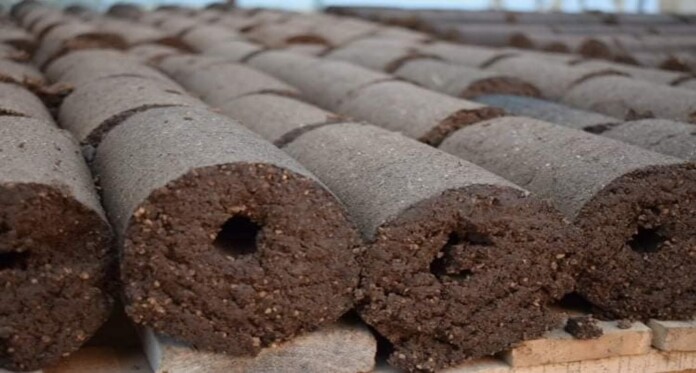
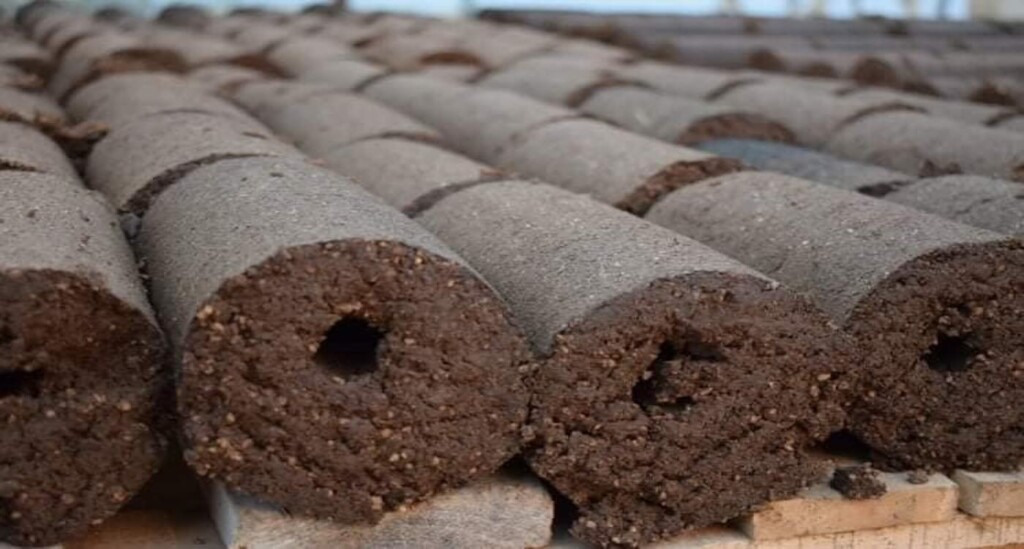
Bioheat charcoal bricks made from olive waste – Courtesy of Bioheat Facebook page

A Tunisian entrepreneur has found a way to turn the thousands of tons of fruit waste left over from making olive oil into fuel, reducing deforestation and cutting carbon emissions.

Negotiating a fraught business environment, he found a way to start a flourishing enterprise called Bioheat, which sells briquets of olive waste both at home and abroad.

Sandwiched between the vast nations of Libya and Algeria, the comparative sliver that is Tunisia punches way above its weight in agricultural production.

Olive cultivation goes back to Roman times, and the country’s rural households have traditionally used the olive waste as fuel or as animal feed. Tunisia is the third-largest olive oil producer in the world and the second-largest exporter of dates, and has relied heavily on the agro-economy for development.

With that mass of oil, though, comes mountains and mountains of byproduct. Eventually, the production of olive waste far outgrew the speed at which people used it for feeding their stoves, and 600,000 tons of olive “pomace” were piling up every year.

“I always wondered how this material could burn for so long without going out,” said Yassine Khelifi, an engineer who lives and works in the north of the country. “That’s when I asked myself: ‘Why not turn it into energy?'”

According to France 24, Khelifi visited Europe in 2018 on a mission to see if a machine existed that could turn the olive pomace into fuel of some kind. Locating such equipment and bringing it back to Tunisia, it took another 3 years of tinkering to finally produce briquets with just 8% moisture.

FORTUNE FAVORS THE BOLD: Indian Startup Uses Rice Crop Waste to Make Biodegradable Foam Packaging–Instead of Burning it

By comparison, seasoned firewood has to be left in the sun for a year or more, while olives can take half the time. At his factory where he employs 10 people, truckloads of olive waste are laid out to dry in the sun before being fed into the machine by workers. Long, hollow rolls are produced and cut into sections, packaged, and sold.

Making pizzas taste better, too

One Tunis pizza shop owner switched to using the briquets to reduce the smoke from his wood-fired oven, which irritated the locals. He said the waste “carries the soul of Tunisian olives and gives the pizza a special flavor,” while other patrons of Khelifi’s said it reduced their home heating costs by one-third.

SIMILIAR INITIATIVES IN SIMLIAR PLACES: Man Revives Iconic Indian Lake by Converting Lake Weed Infestation into Organic Fertilizer Business

About 60% of the briquets are exported, and Khelifi hopes to be producing 600 tons of them by the end of the year, at which point he’d be consuming a whole 1% of the country’s olive waste by himself.

Anyone who’s taken a train around the north or eastern coastline of the country, or stopped on the island of Djerba for a holiday and seen the scope of Tunisian olive production, will have some idea of how big that accomplishment is.

CELEBRATE This Man’s Brilliant Business Achievement In The Developing World…

Your Weekly Horoscope – ‘Free Will Astrology’ by Rob Brezsny

Our partner Rob Brezsny, who has a new book out, Astrology Is Real: Revelations from My Life as an Oracle, provides his weekly wisdom to enlighten our thinking and motivate our mood. Rob’s Free Will Astrology, is a syndicated weekly column appearing in over a hundred publications. He is also the author of Pronoia Is the Antidote for Paranoia: How All of Creation Is Conspiring To Shower You with Blessings. (A free preview of the book is available here.)

Here is your weekly horoscope…

FREE WILL ASTROLOGY – Week of May 17, 2025
Copyright by Rob Brezsny, FreeWillAstrology.com

TAURUS (April 20-May 20):
The most successful people aren’t those who merely follow their passion, but those who follow their curiosity. Honoring the guidance of our passions motivates us, but it can also narrow our focus. Heeding the call of our curiosity emboldens our adaptability, exploration, and maximum openness to new possibilities. In that spirit, Taurus, I invite you to celebrate your yearning to know and discover. Instead of aching for total clarity about your life’s mission, investigate the subtle threads of what piques your curiosity. Experiment with being an intrigued adventurer.

GEMINI (May 21-June 20):
Gemini author Huston Smith was a religious scholar who wrote 13 books. But he was dedicated to experiencing religions from the inside rather than simply studying them academically. Smith danced with Whirling Dervishes, practiced Zen meditation with a master, and ingested peyote with Native Americans, embodying his view that real understanding requires participation, not just observation. In the spirit of his disciplined devotion, I invite you to seek out opportunities to learn through experience as much as theory. Leave your safety zone, if necessary, to engage with unfamiliar experiences that expand your soul. Be inspired by how Smith immersed himself in wisdom that couldn’t come from books alone.

CANCER (June 21-July 22):
More than 2,000 years ago, people living in what’s now the Peruvian desert began etching huge designs of animals and plants in the earth. The makers moved a lot of dirt! Here’s the mystery: Some of the gigantic images of birds, spiders, and other creatures are still visible today, but can only be deciphered from high above. And there were, of course, no airplanes in ancient times to aid in depicting the figures. Let’s use this as a metaphor for one of your upcoming tasks, Cancerian. I invite you to initiate or intensify work on a labor of love that will motivate you to survey your life from the vantage point of a bird or plane or mountaintop.

LEO (July 23-Aug. 22):
You now have extra power to detect previously veiled patterns and hidden agendas. That’s why I urge you to be alert for zesty revelations that may seem to arrive out of nowhere. They could even arise from situations you have assumed were thoroughly explored and understood. These are blessings, in my opinion. You should expect and welcome the full emergence of truths that have been ripening below the surface of your awareness. Even if they are initially surprising or daunting, you will ultimately be glad they have finally appeared.

VIRGO (Aug. 23-Sept. 22):
Renowned Virgo author Nassim Nicholas Taleb has called for the discontinuation of the Nobel Prize in Economics. He says it rewards economists who express bad ideas that cause great damage. He also delivers ringing critiques of other economists widely regarded as top luminaries. Taleb has a lot of credibility. His book The Black Swan was named one of the most influential books since World War II. I propose we make him your inspirational role model for now, Virgo. May he incite you to question authority to the max. May he rouse you to bypass so-called experts, alleged mavens, and supposed wizards. Be your own masterful authority.

LIBRA (Sept. 23-Oct. 22):
I predict that your usual mental agility will be even more robust than usual in the coming weeks. Although this could possibly lead you to overthink everything, I don’t believe that’s what will happen. Instead, I suspect your extra cognitive flexibility will be highly practical and useful. It will enable you to approach problems from multiple angles simultaneously—and come up with hybrid solutions that are quite ingenious. A possibility that initially seems improbable may become feasible when you reconfigure its elements. PS: Your natural curiosity will serve you best when directed toward making connections between seemingly unrelated people and fields.

SCORPIO (Oct. 23-Nov. 21):
You’re ready to go to the next evolutionary stage of a close alliance. Although you may not feel entirely prepared for the challenge, I believe you will be guided by your deeper wisdom to do what’s necessary. One way I can help is to provide exhilarating words that boost your daring spirit. With that in mind, I offer you a passage from poet William Blake. Say them to your special friend if that feels right, or find other words appropriate to your style. Blake wrote, “You are the fierce angel that carves my soul into brightness, the eternal fire that burns away my dross. You are the golden thread spun by the hand of heaven, weaving me into the fabric of infinite delight. Your love is a furnace of stars, a vision that consumes my mortal sight, leaving me radiant and undone. In your embrace, I find the gates of paradise thrown wide.”

SAGITTARIUS (Nov. 22-Dec. 21):
In ancient Egypt, mirrors were composed of polished copper. To remain properly reflective, they required continual maintenance. Let’s take that as a metaphor for one of your key tasks in the coming weeks. It’s high time to do creative upkeep on your relationships with influences that provide you with feedback on how you’re doing. Are your intended effects pretty close to your actual effects? Does your self-image match the way you are perceived by others? Are you getting the right kind of input to help you stay on course?

CAPRICORN (Dec. 22-Jan. 19):
Chances to initiate creative transformations will come from unexpected sources in the coming days. I guarantee it. But will you be sufficiently receptive to take maximum advantage? The purpose of this horoscope is to nudge you to shed your expectations so you will be tenderly, curiously open to surprising help and inspiration. What sweet interruptions and graceful detours will flow your way if you are willing to depart from your usual script? I predict that your leadership qualities will generate the greatest good for all concerned if you are willing to relinquish full control and be flexibly eager to entertain intuitive breakthroughs.

AQUARIUS (Jan. 20-Feb. 18):
For many Indigenous people of California, acorns were part of every meal. Nuts from oak trees were used to create bread, soups, dumplings, pancakes, gravy, and porridge. But making them edible required strenuous work. In their natural state, they taste bitter and require multiple soakings to leach out the astringent ingredient. Is there a metaphorical equivalent for you, Aquarius? An element that can be important, but needs a lot of work, refinement, and preparation? If so, now is a good time to develop new approaches to making it fully available.

PISCES (Feb. 19-March 20):
When Pisces-born Jane Hirshfield was a young poet, she mostly stopped writing poetry for eight years. During that time, she was a full-time student of Zen Buddhism and lived for three years at a monastery. When she resumed her craft, it was infused with what she had learned. Her meditative practice had honed her observational skills, her appreciation of the rich details of daily life, and her understanding that silence could be a form of communication. In the spirit of the wealth she gathered from stillness, calm, and discipline, I invite you to enjoy your own spiritual sabbatical, dear Pisces. The coming weeks will be an excellent time to relax into the most intriguing mysteries.

ARIES (March 21-April 19):
What may appear to be slow or static is actually moving. The developing changes are imperceptible from day to day, but incrementally substantial. So please maintain your faith in the diligent, determined approach. Give yourself pep talks that renew your deeply felt motivation. Ignore the judgments and criticism of people who have no inkling of how hard you have been working. In the long run, you will prove that gradual progress can be the most enduring.

WANT MORE? Listen to Rob’s EXPANDED AUDIO HOROSCOPES, 4-5 minute meditations on the current state of your destiny — or subscribe to his unique daily text message service at: RealAstrology.com

(Zodiac images by Numerologysign.com, CC license)

SHARE The Wisdom With Friends Who Are Stars in Your Life on Social Media…

“Reading is to the mind what exercise is to the body.” – Joseph Addison

By Max Harlynking

Quote of the Day: “Reading is to the mind what exercise is to the body.” – Joseph Addison

Photo by: Max Harlynking

With a new inspirational quote every day, atop the perfect photo—collected and archived on our Quote of the Day page—why not bookmark GNN.org for a daily uplift?

Good News in History, May 17

The Wonderful Wizard of Oz' original cover - public domain

125 years ago today, L. Frank Baum’s first children’s novel The Wonderful Wizard of Oz was published in the US. The first edition was printed and bound by Baum himself for presentation to his sister, Mary Louise Baum Brewster. The first 10,000 copies sold out fast, and by 1938 over a million were sold. Telling the story of a simple farm girl from Kansas being swept up by a twister and landing in a mysterious fantastical world, it was the first novel in a series that would extend up to 14 entries. READ more… (1900)

UK Dairy Company Reaches 4 Million Meals Donated – Tackling Hunger AND Food Waste with FareShare

A family-run dairy business has reached a significant milestone this week: Müller UK & Ireland donated the equivalent of four million meals through its partnership with FareShare, an ongoing effort to support low-income people across the UK by transforming surplus food into vital meals.

FareShare is the UK’s largest food redistribution charity, handing out good-to-eat surplus food and donations from the food industry to a network of over 8,500 charities and community groups.

From hospices to food pantries to homelessness shelters, Müller’s consistent donations of quality dairy products, like milk and yogurts, are helping ensure that no good food goes to waste.

Müller’s relationship with FareShare forms a key part of the company’s Sustainability Action Plan, calculating that their donations reduce environmental impact but also support wellbeing.

“Our purpose goes beyond simply making dairy products: we’re here to play our part in supporting the people and communities who need it most,” said Victoria Bryant of Müller UK & Ireland. “Working with FareShare has enabled us to make a direct impact by providing nutritious dairy products to those who might otherwise go without it.”

WOW! LOOK:  South Korea Created A Program that Reuses 90% of the Country’s Food Scraps–to Grow Crops Instead of Landfills

“Müller’s ongoing support has helped us deliver millions of meals to people facing hardship (and) their contributions continue to make a real difference in lives across the country,” said Kris Gibbon-Walsh, CEO of FareShare.

The most popular dairy brand in Great Britain, Müller exports to 60 countries and employs over 32,000 workers throughout Europe, creating products with milk from over 1,000 farmers in Britain.

FareShare.org collects food donations every day and sorts them at regional warehouses across the UK.

To give you an idea of their reach, three years ago FareShare redistributed the equivalent of 128 million meals—that’s 4 meals every second.  Diverting 55,000 tons of food from landfills resulted in 95,000 tons of CO2 emissions being stopped.

ALSO CHECK OUT:
14 Luxury Hotels Are Donating Outdated Furniture to Low-Income Families in Need
Heinz Spent 185,000 Hours Redesigning Their Ketchup Bottle Cap to Be 100% Recyclable
580 Repair Shops Form a Flourishing Subculture Fixing Toasters, Electronics, Coffee Makers and Lamps

They hope the Müller milestone will spark more actions by the food industry to fight hunger and reduce waste.

GET BRITS INVOLVED By Sharing These Good Works On Social Media…

12-Year-old Taught Himself to Bake Fantastic Cakes–by Watching YouTube Videos (LOOK)

Braxton Harst decorates cakes at BraxtonBakes –SWNS

Meet the teen baker now selling his masterpieces after he taught himself to make cakes by watching YouTube videos.

Braxton Harst discovered his passion for baking at age 12, and without any formal training, he’s honed his skills by finding recipes online and recreating them.

He now makes custom cakes to order for birthdays and graduations in his community in Toledo, Ohio—selling them for anywhere from $30 to $100 each.

His goal is to raise enough money to attend a baking camp this summer in New York City.

“He’s doing such an excellent job,” said his mother Lisa Harst. “I’m so proud of him.”

Braxton asked his mom to get him a cake mix a year ago—and hasn’t stopped baking since.

“He just started seeing things online he wanted to make and kept asking—and I was, like, ‘Sure, go for it!'”

“One Saturday morning I woke up to the sound of the mixer and he was in the kitchen saying ‘I saw a recipe on YouTube Shorts and just wanted to try it!’”

Hours later he cut open the rainbow cake and was stunned by its beauty, posting the success on YouTube video:


“He says the kitchen is his happy place,” Lisa told SWNS news agency.

Braxton’s cakes have become so popular that Betty Crocker—a brand known for its wide range of cake and baking mixes—reached out and sent him supplies.

He’s now a local celebrity in his community and is scheduled to decorate a cake LIVE on-air in the coming weeks.

He’s interested in attending culinary school and dreams of owning his own bakery and baking brand someday.

“We cook a lot in our house, so there’s pride in making good food,” said his mom. “But I don’t think I’d ever baked a real cake before Braxton.

“We didn’t even own a stand mixer when he started. Now, I’ve had to rearrange our kitchen just to fit all his baking supplies and pans!”

In the video below, you can see the 13-year-old decorating a cake for a local mom celebrating her daughter’s college graduation. She gave him an inspirational photo and said her daughter’s favorite colors were pink and gold and asked him ‘make it girly’.

See all his new impressive cakes on Instagram, here. instagram.com/braxton_bakes – and watch him make his Pokemon cake below…

SHARE THE INSPIRATION With Baking Families on Social Media…
Well-Designed Gardens Help People Relax Immediately by Provoking a Wandering Gaze

Drummond House and Gardens in Scotland with formal gardens dating from 1630 designed in geometric patterns –SWNS

Well-designed gardens help people relax straight away, as they cause viewers to look at them differently, suggests new research.

Our gaze shifts quicker and more often in such green spaces, say scientists, who believe their findings could ultimately help people affected by neurodegenerative diseases.

The international research team thinks they may have found “the key” to understanding the relaxing effects gardens can have on viewers, explaining that such gardens are specifically designed to let the viewer’s gaze wander.

To investigate what it is about those gardens that makes people feel more relaxed when viewing them, they went to the Murin-an garden in Kyoto, Japan, where they assessed the impact on the observer compared to a less maintained garden.

“Well-designed Japanese gardens have evocative and abstract sceneries designed in great detail,” said study author Professor Seiko Goto in a media release.

“These sceneries encourage the viewer to observe longer to understand the composition and meaning of the scenery, while the gaze wanders more and faster.”

Study senior author Professor Karl Herrup, a neurobiologist at the University of Pittsburgh in the US, said they found a correlation of rapid gaze shifts and a reduction in heart rate and improved mood, which may also serve as an aid for meditation.

GREAT IDEA: Village Curbs Speeding by Planting Thousands of Flowers Because Drivers Slow Down as They Pass By

“The reduction in stress experienced by viewers of a well-crafted Japanese garden is largely due to the design features that lead the viewer to engage in frequent, rapid horizontal shifts in gaze.”

Murin-an Garden By Oilstreet (GNU Free License) – Wikimedia

During a day of maintenance in 2023, the research team was able to get undisturbed access to the Murin-an garden pictured above. Similarly, the second garden, located at Kyoto University, was unpopulated during the time they conducted the experiment there.

A total of 16 students observed both gardens for seven minutes.The researchers recorded eye movements, heart rates before and during the observation, and mood before and after viewing the gardens.

Unlike the university garden, in the Murin-an garden viewers’ fixation points were spread more widely, covering the entirety of the field of view.

Prof. Goto, a researcher at Nagasaki University in Japan who specializes in landscape architecture, said: “To induce such close attention of the viewer, not only quality of design but also quality of the maintenance is important. Viewers’ gaze keeps moving to seek more fascination on the well pruned trees and speckless ground.”

LOOK: Britain’s Best Gardening Couple Outdo Themselves With Spring Spectacular Oasis

All the participants indicated that they felt more relaxed and wanted to revisit the Murin-an garden, which they favored much more than the university garden.

The researchers said their findings, published in the journal Frontiers in Neuroscience, could have some similarities to other therapies that utilize eye movement to reduce stress.

The positioning of design elements is “crucial”. While both gardens incorporated water features, stones, trees, and a bridge, in the Murin-an garden, the viewer’s gaze is guided through horizontally arranged elements. But in the university garden, the objects of greatest interest are in the centre of the visual field.

PLANNING A GARDEN? Download a Free Native-Plant Garden Plan for Your Specific US Region

“The Murin-an garden was designed as a viewing garden that should be appreciated from a specific vantage point relative to the design elements,” said Prof. Herrup. “It is this attention to detail that coaxes the eyes into the patterns that relieve stress.”

Prof. Goto believes their work might help people affected by neurodegenerative diseases, saying it could be used as a form of therapy outside of hospitals, senior homes or women’s shelters.

ANOTHER IDEA: Ditch That Hard-to-Grow Lawn And Start Cultivating Moss, Instead

“I think it would be good if Japanese gardens are built not just as a luxury but as a means of mental care in our aging society,” she concluded.

SPREAD THE CALM By Sharing the Tips With Gardeners on Social Media…

Eating Avocados During Pregnancy is Linked to Lower Food Allergy Risk in Babies

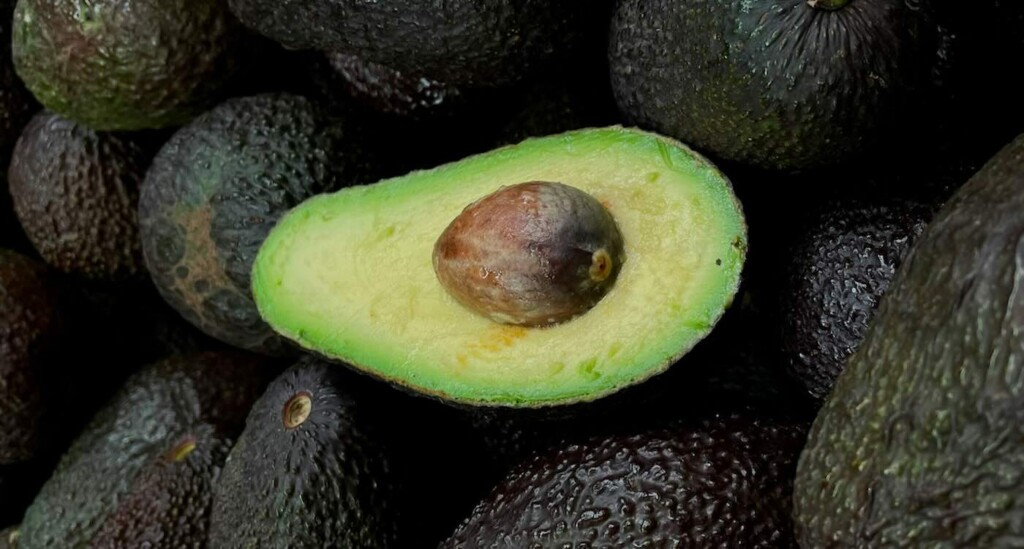
Photo by Eddie Pipocas

Eating avocado during pregnancy is linked to a significantly lower food allergy risk for the babies, according to new research.

The study involving 2,272 mother-baby pairs in Finland found that tots had 44% lower odds of developing food allergies at 12 months old if their mother consumed fresh avocado while pregnant.

Decades of research have explored the relationship between maternal diet and allergies in infants, but the new study, published in the journal Pediatric Research, is the first to link avocados in the maternal diet to a lower risk of potentially deadly food allergies, which affect around one in 13 children.

“There is no cure for food allergy, but promising prevention and therapeutic strategies are in development as well as emerging research such as this,” said study author Dr. Sari Hantunen, of the University of Eastern Finland.

The research team assessed avocado intake from food questionnaire data collected from 2013 to 2022 during the mothers’ first and third trimesters.

Participants who reported eating any avocado in either trimester were defined as avocado consumers.

Infant allergic outcomes—including rhinitis, paroxysmal wheezing, and eczema—were then evaluated in children when they reached 12-months-old.

After adjusting for factors including gestational age at delivery, education, diet quality, smoking, alcohol consumption and breastfeeding, food allergy was found to be “significantly higher” in infants of non-avocado consumers (4.2%) compared to avocado consumers (2.4%).

THIS IS EXCITING: Special Toothpaste Could End Severe Peanut Reactions for People With Allergies

No associations were found for other allergic conditions when all other factors were considered.

The analysis also showed that moms who ate avocado during pregnancy tended to be older at delivery, be less likely to undergo a caesarean delivery, be a non-smoker, breastfeed for a longer duration, have higher diet quality scores, and have lower BMI levels in the first trimester.

Dr. Hantunen said findings from the study cannot establish causation or be applied to all audiences, but they “underscore” the value of avocados—even though more research is needed to understand the exact mechanism.

“Based on these findings, it’s encouraging to know that eating avocados may provide even more value to maternal and children’s health,” she said, “beyond the benefits that have already been established through scientific research.”

ALSO CHECK OUT: Healthy Gut Bacteria Can Reduce Risk of Asthma and Food Allergies in Children, Experts Discover

Avocados are known to be a nutrient-dense food, high in beneficial monounsaturated fatty acids. New research indicates that daily intake could lower bad cholesterol and is a sure way to improve gut health. Eating them twice weekly is linked with lowering heart disease by 16-22%.

In one case, a 5-year-old girl was having as many as 60 seizures per day, but now, after incorporating avocados into her diet, she now only suffers through about 4 seizures per year—after eating roughly 2 of the big-pitted fruits every day.

SPREAD THE VITAL NEWS By Sharing Pregnant Moms on Social Media…

“An effort made for the happiness of others lifts us above ourselves.” – Lydia M. Child

Getty Images for Unsplash+

Quote of the Day: “An effort made for the happiness of others lifts us above ourselves.” – Lydia M. Child

Photo by: Getty Images for Unsplash+

With a new inspirational quote every day, atop the perfect photo—collected and archived on our Quote of the Day page—why not bookmark GNN.org for a daily uplift?

Getty Images for Unsplash+

Good News in History, May 16

Maria Agnesi's bust in Milano - credit Giovanni Dall'Orto (Copy)

307 years ago today, Maria Agnesei was born in Milan. She is the first woman in the Western World ever to be appointed as a professor of mathematics at a university. She is credited with writing the first book discussing both differential and integral calculus. Her name is remembered most often today through her mathematical curve called the Witch of Agnesi, defined from two diametrically opposite points of a circle. READ more about the “Seven Tongued Orator”… (1718)

Woman Rescues Shark Entangled in Fishing Line With Her Bare Hands as Friend Shoots Incredible Video

Charity Clark rescues shark – Courtesy of video by Cassie Bailey (via SWNS)

Without hesitation, a woman rescued a shark tangled up in fishing rope, using her bare hands.

Charity Clark was paddle-boarding with her friends near Big Pine Key off the coast of Florida, on March 26, when they noticed a crab trap buoy behaving unusually before spotting the white outline of a shark.

The shark was upside down and motionless in the water with its body tightly wrapped—from tail to mouth—in the thick line, so Charity jumped into action.

She gently lifted the shark and began untangling yards of rope from its body. (Watch the video below…)

“It was just instinct,” said the 43-year-old photographer from Big Pine Key. “I didn’t even think twice.

“I saw this animal in distress and just knew I had to help.”

Charity believes the shark was in a tonic state, a natural, trance-like condition that makes the animal temporarily immobile—a state that allowed her to work on the rope unhindered.

She said she wasn’t scared, but let out a loud scream when the shark suddenly came to life, starting to wrestle with the rope.

Courtesy of video from Cassie Bailey via SWNS

LOOK AT THESE:
Watch This Massive Ocean Sunfish Swim With Paddle Boarders Off the California Coast
Diver Fulfills Dream to Photograph Cutest Sea Creature Ever–Discovered 30 Years Ago
Fishermen Sacrifice Daily Catch to Rescue Huge Whale Shark Found in Their Net (WATCH)
See the Moment a Shark Appears to Pose for a Selfie With a Diver, and Crack the Same Huge Smile

“I was so relieved when it started moving,” she said.

“We were all smiles watching it swim away. It was such a relief.”

Watch the video…

SHARE THE HEROICS With Paddle-Boarding Friends On Social Media…

Coral Reef Production is Boosted by 20 Times With Special Ink From Pink Algae That Attracts Colonies

Coral Montipora dilatata by NicoT (Creative Commons-SA 4.0)

Endangered coral reefs could be saved by a special ‘ink’, according to new research.

The bio-ink coating, called SNAP-X, was engineered by University of California scientists to help promote coral larvae settlement and restore threatened underwater ecosystems.

The new study, published in the journal Trends in Biotechnology, shows that the coating derived from algae could boost coral settlement by more than 20 times—and the research team hopes it could contribute to rebuilding coral reefs around the world.

“When people think about a coral reef, they often think about how beautiful it is,” says study author Dr. Daniel Wangpraseurt, of the University of California, San Diego. “What we sometimes forget is that coral reefs are one of the best structures in protecting our coasts.

“We are hoping to develop technologies to restore not just the ecosystem but the natural structures that will buffer shorelines against waves, storms, and floods.”

Scientists have previously tried to restore coral reefs, which have declined around the world since the mid-20th Century, mainly through planting nursery-grown corals. But Dr. Wangpraseurt says those lab-grown corals are “genetically identical” and therefore susceptible to the same threats—a warming event or a disease outbreak—that can wipe out the whole population.

“Ideally, we want to recruit corals naturally, which can introduce genetic diversity to the population and enhance their resilience,” he explained in a media release.

Enter pink algae to save the day

Biologists recently discovered that certain rocky pink algae, called crustose coralline algae (CCA), plays an important role in attracting coral larvae and encouraging them to settle on the reef. It emits metabolites into the surrounding sea, prompting coral larvae to follow those chemical signals.

LOOK: New Technology Lights Up Coral Beds to Speed Reef Restoration By Attracting Food

Inspired by that discovery, Dr. Wangpraseurt and his team developed a transparent ink material infused with metabolites derived from CCA. Dubbed SNAP-X, the ink slowly releases the natural chemical cues into seawater over the course of a month.

By applying SNAP-X to rocks or other surfaces, scientists can create an “inviting” microhabitat that helps coral larvae settle and grow the population.

The UCSD team tested SNAP-X outdoors using natural seawater and continuous water flow to simulate the ocean environment—all with great success.

They found that larvae produced by a major reef-building coral in Hawaii, Montipora capitata, were 20 times more likely to settle on substrates sprayed with SNAP-X, and the settlements became even denser when the team increased the concentration of the metabolites within the SNAP-X.

WOWFull Recovery for Coral Reef Within 4 Years – The Speed of Restoration They Saw was ‘Incredible’

SWNS

Given that some species of coral reproduce by releasing their eggs and sperm at the exact same time every year, the researchers recommend syncing SNAP-X deployment with the coral’s spawning cycle to support natural coral recruitment.

Depending on the species of coral, they say the ingredients of SNAP-X can be tweaked to include different metabolites and chemical signals.

The team is now working on methods to scale up the production of SNAP-X—and because the ink contains no living materials, they hope it will soon be approved for application in the real world.

DID YOU KNOW? Pristine Coral Reefs Discovered Are Thousands of Years Old And Teeming With Life

“It’s really exciting,” said Wangpraseurt. “I think a lot of the technologies for restoring and protecting our environment are already there, we just need to look outside the box into other fields of study.”

SHARE THE INCREDIBLE SOLUTION With Ocean Lovers on Social Media…