














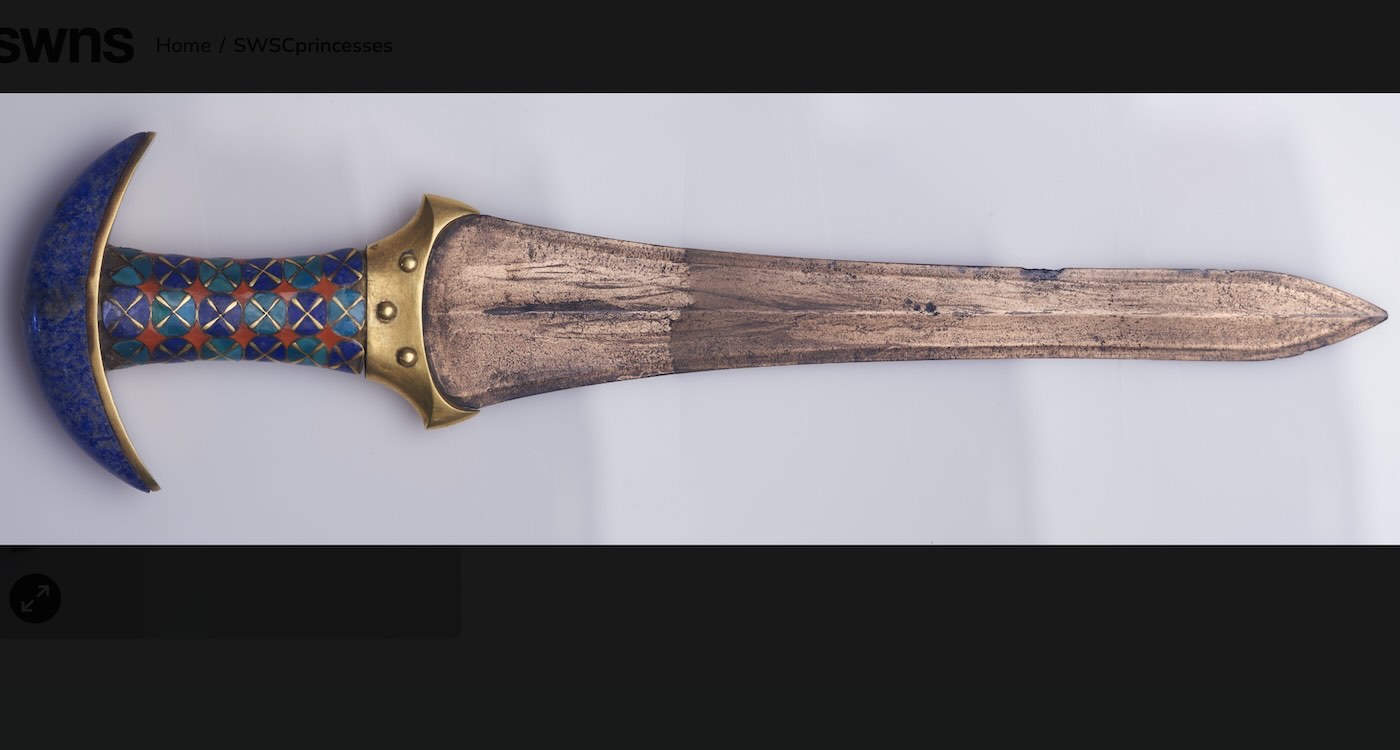
For decades, experts have disputed whether weapons found in ancient burial chambers of Egyptian princesses were actually their tools or placed there in a purely symbolic way.
Now, a reassessment of five royal women who lived 4,000 years ago showed they were skilled at archery.
Strong muscle attachments and healed fractures were observed in multiple scans of the mummies, showing that the pharaoh’s daughters could use the weapons they were buried with.
“Members of the royal family, especially the women, were active participants in skilled, physically demanding activities such as archery and hunting,” said Professor Zeinab Hashesh, lead author of the study published in the journal Frontiers in Environmental Archaeology.
“This conclusion is supported by the way their bones developed to sustain heavy muscle use, which corresponds directly to the weapons discovered in their tombs.”
The research team studied six royal mummies found in the 1890s at Dahshur, a funerary complex of pyramids and tombs about 40 kilometers south of Cairo.
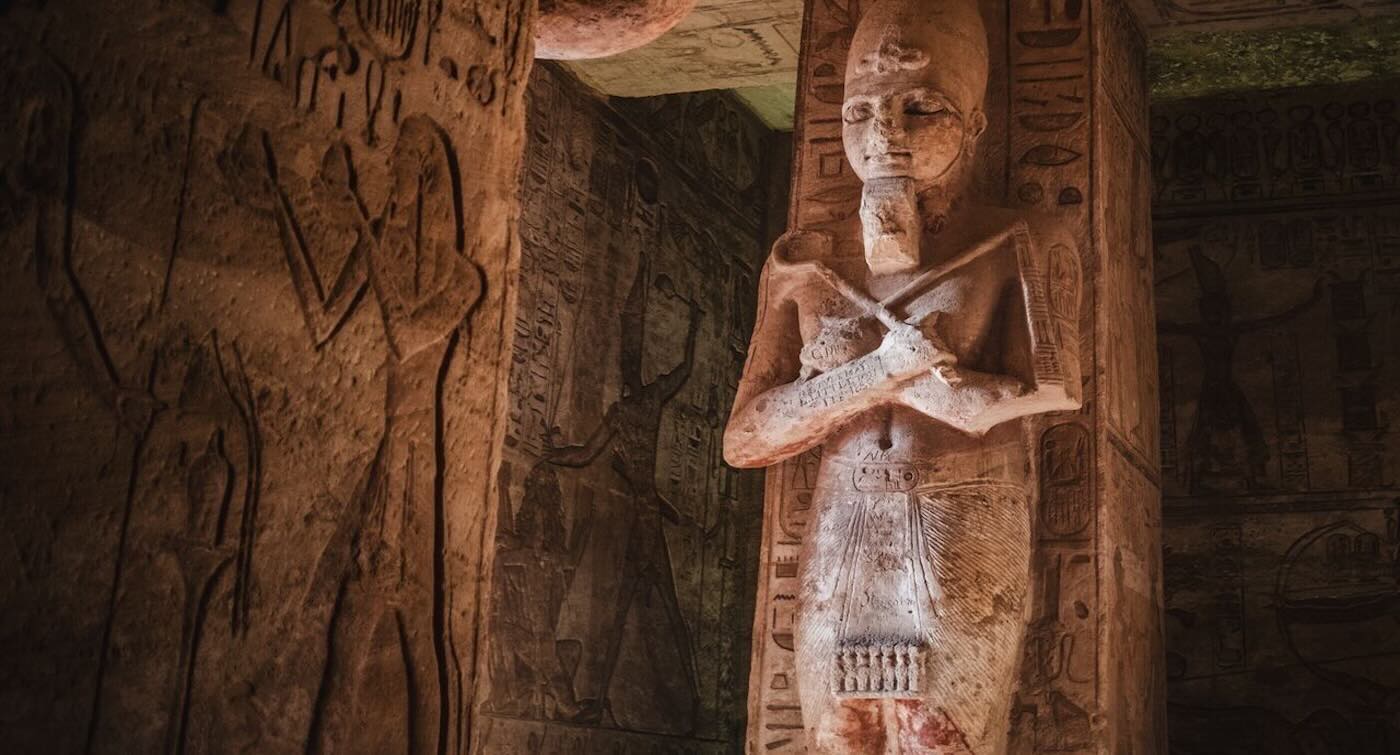
Four of the six were sisters, daughters of the pharaoh Amenemhat II, buried in matching underground chambers: Princess Ita next to Princess Khenmet, and Princess Itaweret alongside an anonymous woman provisionally identified as Princess Sathathormeryt.
They were buried with items including bows and arrows which are traditionally associated with men—and Princess Ita’s coffin contained a beautiful dagger.
“Similar regalia was buried with the other two royals evaluated—Princess Noub-Hotep and King Hor.”
The bones were overall in good condition, which allowed archeologists to estimate individuals’ age at death, height, and sex, as well as to uncover evidence of illnesses or injuries.
“Princess Ita was a young woman (28-34) with strong upper-body muscle attachments, suggesting she habitually used weapons like maces or daggers,” said Prof. Hashesh.
“Princess Itaweret was a young woman aged between 20 and 34 who survived broken ribs and foot fractures; her skeleton shows she was a skilled archer.”
She says the “robust” muscle attachments on the sisters’ bones indicate that they were “highly physically active” in ways that align with the use of the weapons in their burials.
“These were not just symbolic gifts but tools they actively used.”
WHAT’S NEW IN EGYPT?
• Papyrus Fragment of Homer’s Iliad Found in 1600–yo Mummy is First Ever Literature Discovered in a Burial
• Colossal Statues of Ancient Pharoah Stand Again in Luxor After 30 Years of Work
“What is remarkable is that the injuries healed well, which suggests they had access to advanced medical care for their time.”
The research team said they haven’t yet been able to conduct all the analyses they intended to, including stable isotope analysis which could shed more light on possible nutritional deficiencies.
Beyond the science, they hope to preserve the remains, create 3D prints for teaching and virtual exhibitions, and display them alongside their jewelry, weapons, and funerary objects.
“All of this would be done with respect, ensuring the remains are presented ethically, just as they were originally buried,” she insisted.
“Their objects and jewelry are truly fascinating—breathtaking in their craftsmanship.
SHARE THE RESEARCH With Gal Pals on Social Media…