

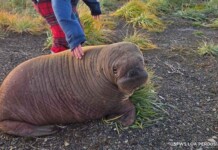



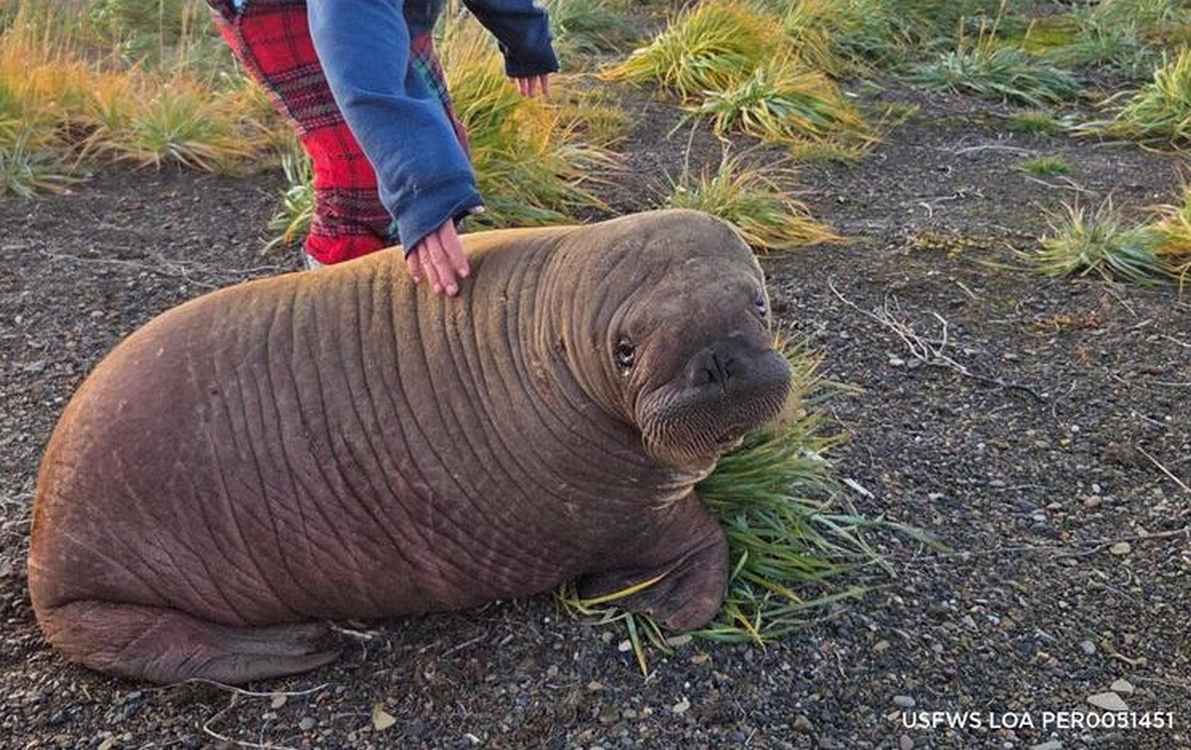
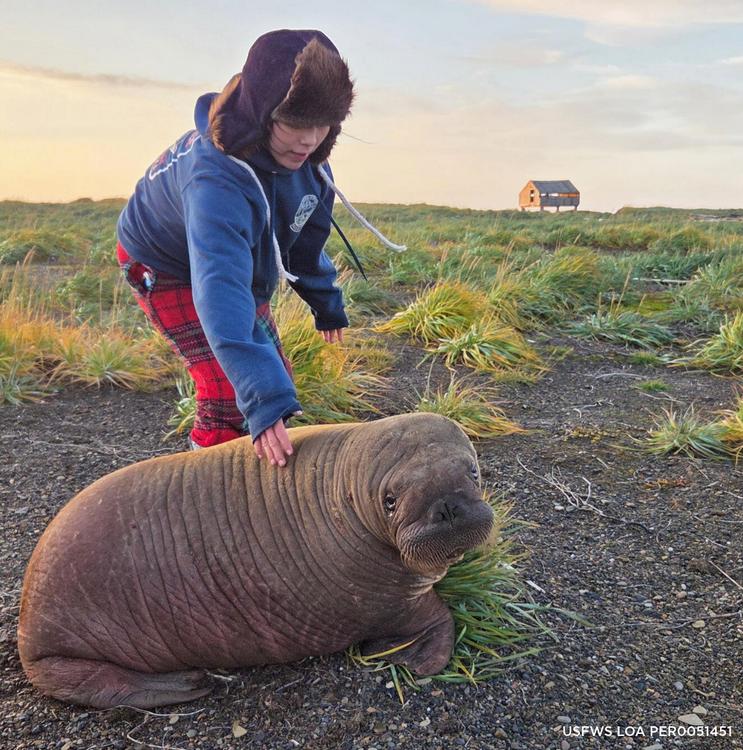
Found alone and oppressed by scavengers on a remote northern Alaska beach, an orphaned Pacific walrus calf now has a new home at SeaWorld Orlando.
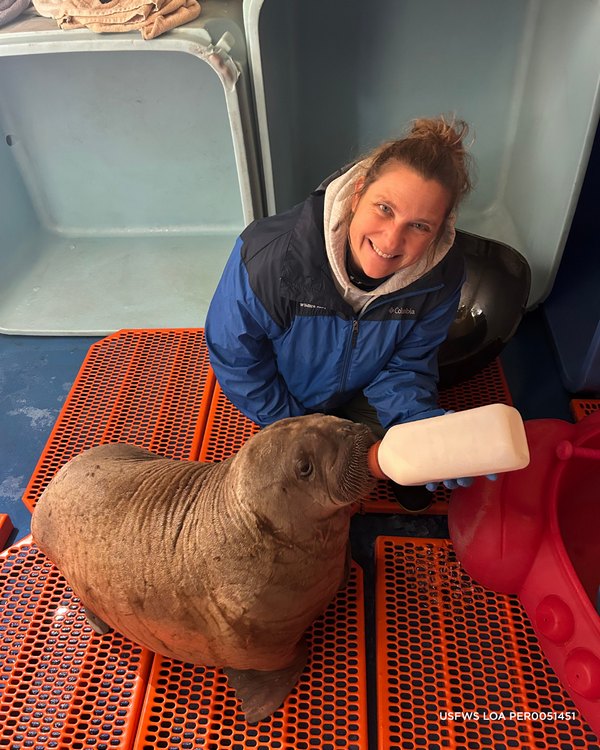
Weighing approximately 220 pounds, the 5-month-old male calf, named Annautaq, is receiving around-the-clock attention from SeaWorld’s dedicated animal care and veterinary team—one of only four US institutions currently capable of housing walruses.
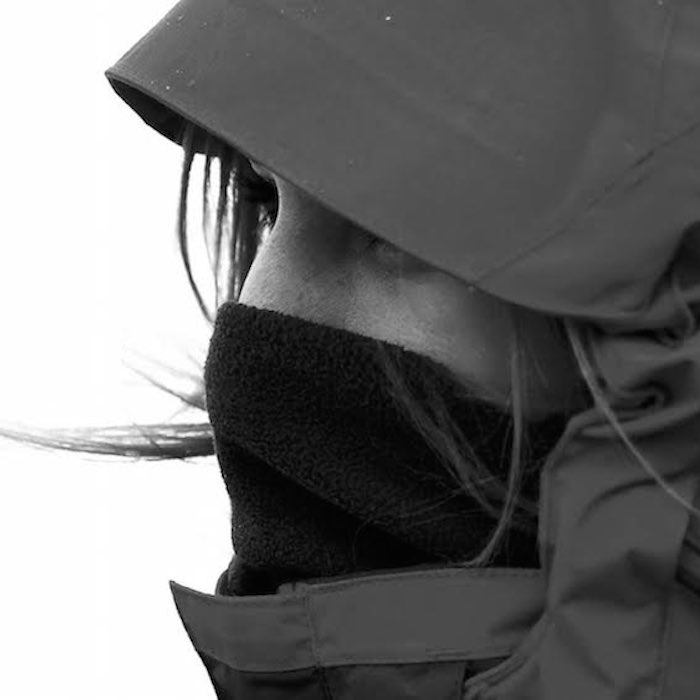
Annautaq’s rescue is quite remarkable. Violet Anniskett, a wildlife research intern and local community member, and US Geological Survey scientist Tony Fischbach discovered the calf on a remote beach in Northern Alaska after a walrus herd departed during heavy surf.
They found the orphaned calf hiding between the older remains of two adult walruses, already being targeted by scavenging birds and unlikely to survive without intervention.
The distance between the beach and human civilization meant that those who could cared for him over several days before he could be flown to the Alaska SeaLife Center in Seward.
The community supported Annautaq’s rehabilitation, knowing he would remain in human care and could help people better understand Pacific walruses. Anniskett named him Annautaq (pronounced “ah-now-tuq”), meaning “axe” in Iñupiaq, in honor of her father’s Iñupiaq name.
SeaWorld sent animal care and veterinary staff experienced with walruses to Alaska to help provide care for Annautaq, and to help the calf prepare for his 4,000-mile journey to Florida, where he would become one of 43,000 orphaned, injured, rejected, or otherwise needy animals since its establishment.
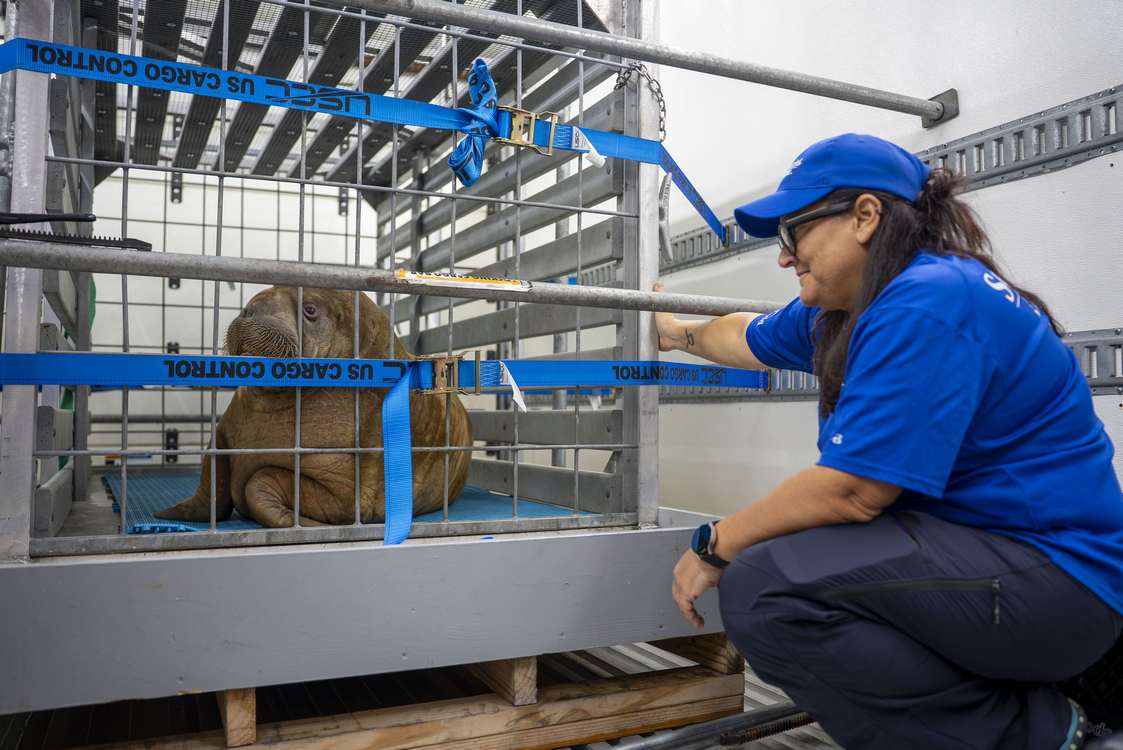
In part, it was because the US Fish and Wildlife Service determined he could not be released back into the wild. Pacific walruses rely solely on their mothers’ milk for nutrition throughout their first year of life and depend on their mother for protection and the development of essential survival and social behaviors.
With his mother out of the picture, his placement at SeaWorld Orlando was guided by long-term care and social needs, including the opportunity to grow up alongside other walruses, 3 others being housed at the center.
“Annautaq’s story shows why having specialized marine mammal rehabilitation capacity in Alaska is so important,” said Jane Belovarac, wildlife response curator at the Alaska SeaLife Center. “Getting Annautaq to this point took an incredible network of people, and we’re proud the ASLC could provide the specialized care that helped carry him from rescue in Alaska to his next chapter.”
RESCUING MARINE LIFE:
- SeaWorld Completes Largest Captive Whale Transportation Operation in Nation’s History
- ZooTampa Released 26 Rehabilitated Manatees Back into Florida Waters in 2025–the Most on Record
- Vets Borrow a Horse’s CT Scanner to Fit Giant, 302-Pound Sea Turtle and Get a Nice Surprise
At SeaWorld Orlando, Annautaq is receiving up to 6 bottle feedings a day, veterinary care and 24-hour support during a planned 30-day quarantine to help protect the health of the resident animals.
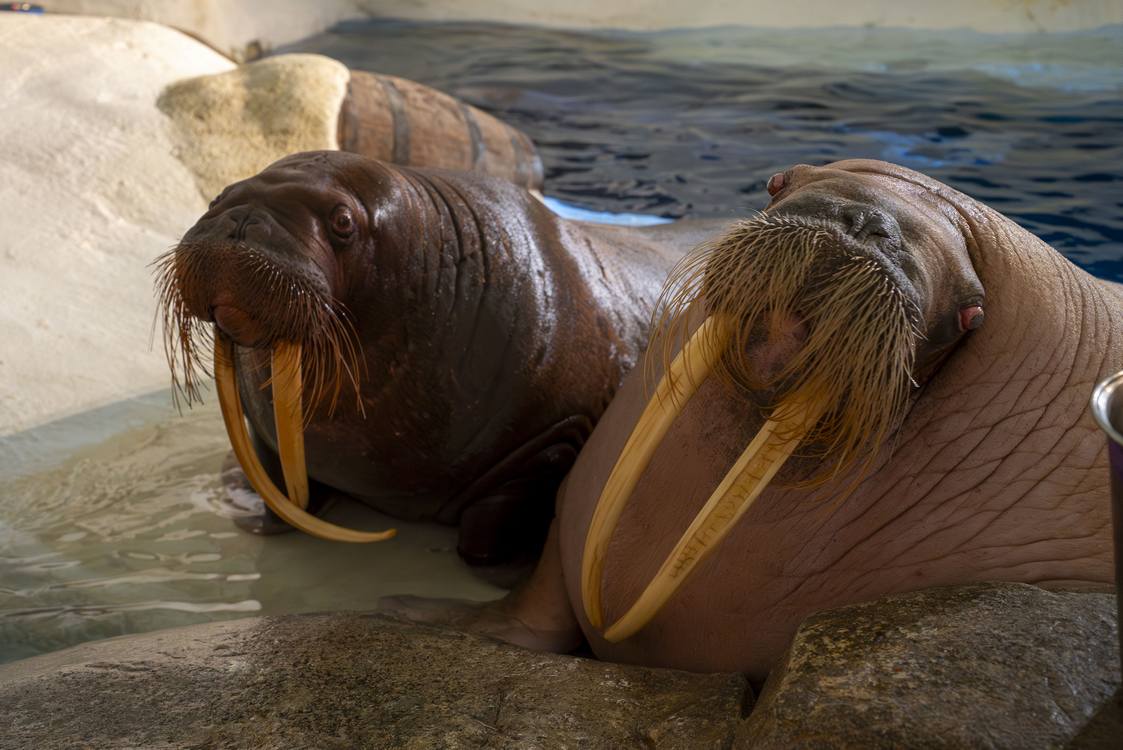
“As he settles in, we’ll make introductions to Garfield, Kaboodle and Uki at his pace,” said Jim Kinsler, curator at SeaWorld Orlando. “Kaboodle’s experience caring for rescued calves and the opportunity to connect with 2-year-old Uki, herself a rescued walrus, make this herd a promising setting for him to learn, build relationships and grow.”
As he acclimates, Annautaq will join Uki in playing an essential role as an ambassador for their species, educating the public on the challenges Pacific walruses face in the wild. His story, like those of many other animals rescued by SeaWorld Orlando, emphasizes the park’s ongoing mission to inspire action toward the protection and preservation of marine life.
SHARE This Little One’s Long, Harrowing, Yet Lifesaving Journey On Social Media…