












Edited From original article in CU Boulder Today by Lisa Marshall
At the peak of the pandemic in 2021, teenagers from Sackets Harbor, New York, got certified as ambulance drivers and took over running the local emergency medical service when the usual, much older, volunteers had to step away due to COVID-19 concerns.
In Los Angeles, youth with the nonprofit Teen Line fielded texts and calls around-the-clock from peers struggling with mental health issues amid isolating school lockdowns.
Elsewhere, kids as young as 5 years old assembled care packages for community members in need, while teens fired up their schools’ 3D printers to churn out face shields for protecting essential workers.
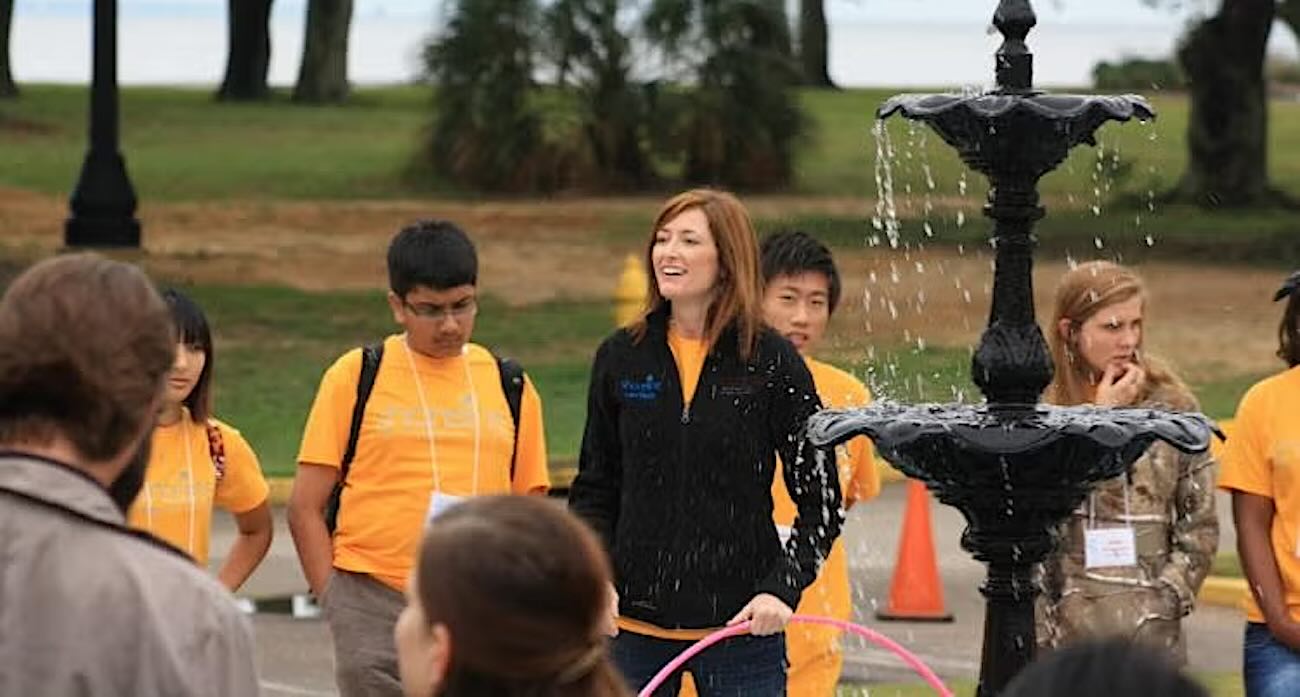
“It is true that the pandemic was a very difficult time for many young people,” said sociologist Lori Peek, director of the Natural Hazards Center at the University of Colorado in Boulder. But there is also a quieter, equally important story that needs to be told, reports UC Boulder Today.
“For some young people, it was also an awakening—a realization that they had the capacity to do something in the face of a crisis.”
For a new paper, published in the Journal of Hazard Literacy, Peek and her colleagues analyzed more than 115 pandemic-era news articles to offer a fresh take on what some have referred to as the COVID generation.
Having grown up in the shadow of a global pandemic, with increased threats of natural disasters and mass shootings, today’s kids and young adults have often been framed as victims. But through her latest research, Peek—who has spent her career studying how disasters impact children and youth—illustrates the oft-overlooked strengths they bring to bear in times of crisis.
For instance, they can relate to young people in ways that adults can’t. They are fluent in digital technologies. And they often have more available energy and free time than busy adults can muster, she said.
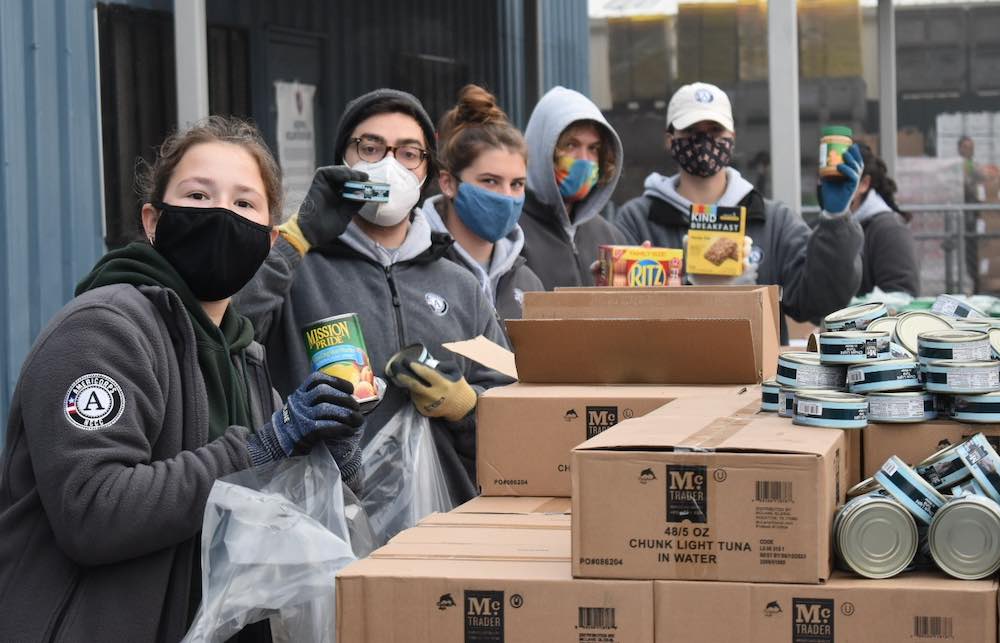
They also can identify who needs help, and come up with creative solutions to address a problem, a quality the authors described as ‘more disaster literate’.
“With the rise in the number of disasters globally, we are growing a more disaster-literate generation,” said Peek. “The question now is, how do we harness what these young people have to offer?”
For the study, Peek worked with Zoe Lefkowitz and Melissa Villarreal, both research assistants at the Natural Hazards Center and doctoral candidates in the sociology department, to develop a database of pandemic-related news articles from 2020 to 2023.
Most of the thousands of articles they found focused on kids’ vulnerabilities and what adults were doing to help them. They then conducted a qualitative analysis of 115 stories that included children’s voices, which they analyzed and coded.
They found eight distinct ways kids behaved altruistically—ranging from making or collecting and distributing supplies, money and food, to creating art, offering emotional support for peers, or participating in vaccine research.
Peek noted that the children featured in the stories tended to, almost instinctively, recognize that some groups were hit harder than others—like the elderly, people with disabilities, lower-income families, and the homeless.
“Disasters are not equal opportunity events, and kids realize this,” said Peek.
Lefkowitz also pointed to other “micro” acts of altruism. Around the country, children painted rocks with messages like, The best is yet to come, and This will pass, and placed them along sidewalks around their neighborhood.
Another produced a “mini prom” for his babysitter to help her celebrate the milestone she missed during school lockdowns.
One 17-year-old, Shashank Salgam, described the experience this way. “Me and my peers were hit hard by the isolation of quarantine, but we’re rebounding with a resolve to connect beyond boundaries.”
It’s unclear how these experiences are shaping children’s lives today, but research on adults offers clues.
ADVERSITY FORMING TEENS:
• Student InventS a Self-Disinfecting Door Handle for Hospitals: ‘Design that fits reality’
• Teens Recycle Old Pickleballs and Tennis Balls to Avert Millions From Landfills
• 19-Year-old Wins $100,000 for Inventing a Cheaper, Faster Way to Make Antiviral Drugs Out of Corn Husks
What are the lasting impacts?
One study looked at adults who volunteered to help after the 9/11 attacks in New York City. Years later, they reported that the experience had helped them heal from their own trauma and made them feel more connected to their community and empowered to create change.
“I would like to think that these children in our study understand the impact they made and that it changed their opinion of themselves,” said Lefkowitz. “I also hope they will remember the empathy they felt and, as they grow older, that will encourage them to address other inequalities that they see.”
She advises policymakers to create and support youth advisory boards to give young people a voice on pressing community issues and crises.
For parents who may be uncertain how to talk to their children about an ongoing disaster, she offered this advice: Ask them what they would like to do to help.
SEND THIS TO SOMEONE Who Needs to Hear This – Share on Social Media…