













A British bee scientist recently explained that setting up ‘hydration stations’ for bees doesn’t work, as the commonly-proffered mixture of sugar in water doesn’t revive tired bees at all.
Bees need our help, says Dr. Richard Comont, the science manager at Bee Conservation Trust, during a time when both sides of the pond are suffering from drought, but there are much more effective ways to keep them alive.
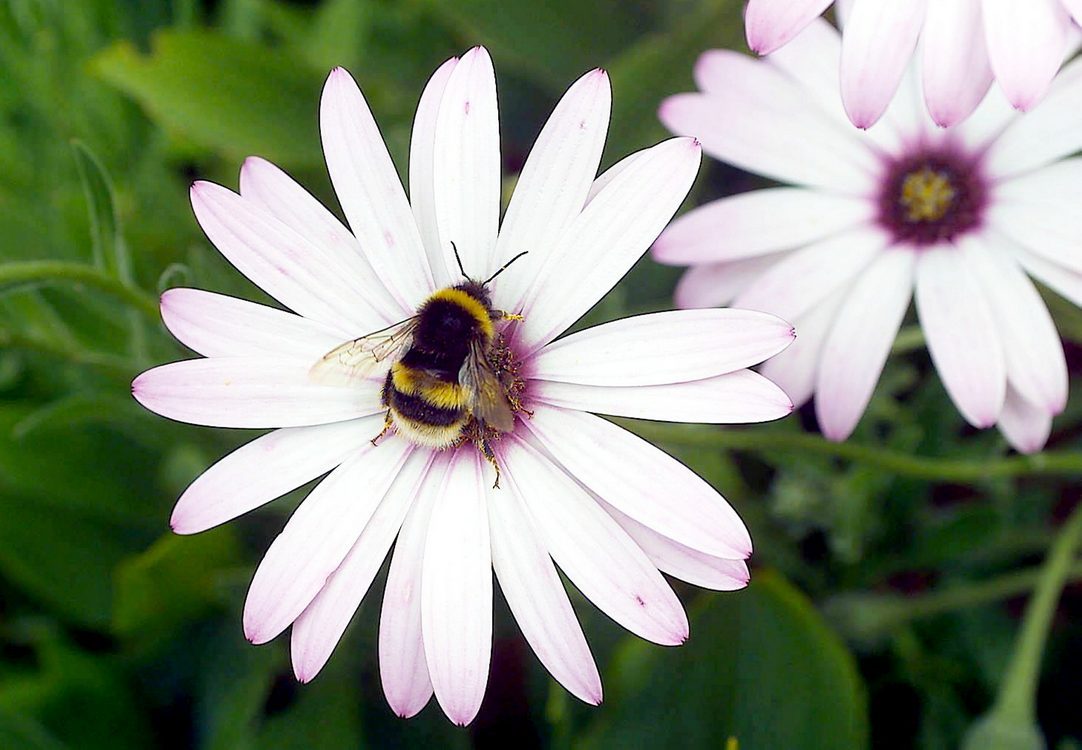
“Bumblebees get basically all the fluid they need from nectar direct from flowers, as do most other flower-visiting insects,” said Dr. Comont.
Instead of sugar water, a shady patch of well-watered flowers is much more effective at keeping wild bees hydrated and healthy.
While the science manager said honeybees are an exception to the rule, as they do collect water to cool the hive and rehydrate nectar, “they’re one, semi-domesticated species among 280 or so wild bee species,” in the UK.
“Although the sugar component of nectar is important, real nectar also contains lots of other substances—sterols and amino acids in particular—which are essential for nutrition,” said Dr. Comont, suggesting that just mixing sugar and water doesn’t make up for a bee’s needs.
“The best kind of hydration station for bumblebees would be a shady patch of flowers, either kept watered or by a pond,” he said. “That way they have enough water to keep producing nectar.”
He notes that plants dehydrated from a drought don’t produce nectar as they don’t have enough water to do so. Also, shaded plants mean “bumblebees can keep visiting them for longer,” the expert said.
GOOD BEEHAVIOR: Oregon Records 5 Years of Zero Pesticide-Related Deaths in Bees
“Bumblebees start struggling to fly when the air temperature gets [above 86 degrees Fahrenheit], and sooner in bright sunshine.”
Droughts are extremely tough on bees. Not only does the heat prevent them from flying and feeding as long, but it drains liquid that plants need to top up nectar supplies.
ON THE TOPIC OF DROUGHT: A Rich Rainfall is Set to End Mexico’s 6-Year Drought
“Really, the single biggest thing people can do is provide food for the bees—i.e. plants which do actually produce nectar and pollen,” Dr. Comont said.
“Deep-rooted plants are good as well; they keep access to water for longer, and watered plants last longer too, obviously.”
SHARE This Public Service Announcement In The Name Of Our Bees…
This makes me wonder if we aren’t causing similar problems for hummingbirds. What are they not getting from our feeders that they do get from flowers, and can we correct that omission? I think I’ll go plant more flowers.