














In April, millions of readers came to GNN for the scoop on Maryland’s first-in-the-nation ban on “surveillance pricing” in retail grocery stores.
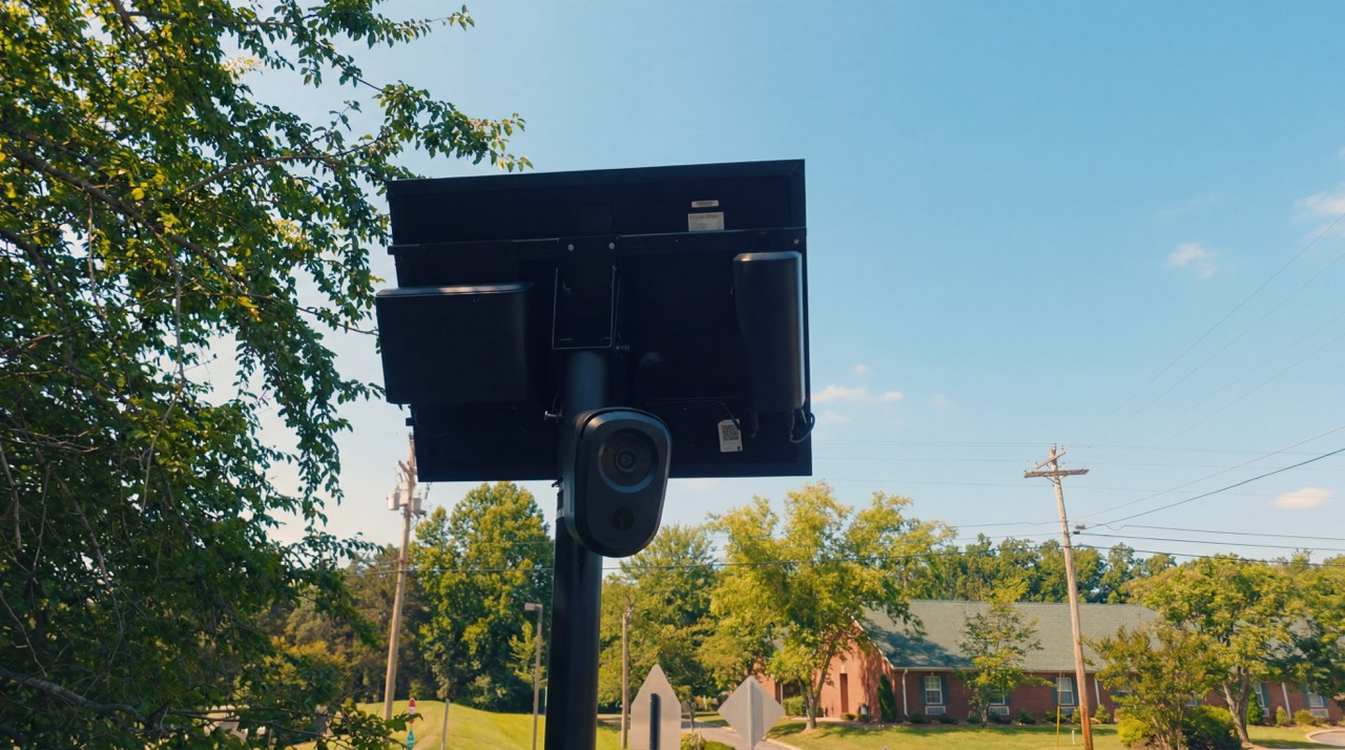
Now, municipal governments around the country are ending their association with Flock Safety, a company that has cloaked the streets of the nation in surveillance cameras that automatically read license plates using AI.
Ars Technica, reporting on the proliferation of Flock cameras and their alleged misuse, released a recent report citing data that shows how in August alone, 93 US jurisdictions ended their contracts with Flock.
The data came via Secure Justice, an Oakland-based advocacy group, and shows that since 2021, 214 jurisdictions have installed, and then removed, Flock cameras. As public outcry grew against what a Berkeley law professor described as “yet another Silicon Valley product… threatening to change people’s lives [that no one asked for]” the rate of these removals has increased dramatically.
Ars Techinca received a statement from Flock Safety which said that contract cancellations were outnumbered by new county and municipal partnerships by 10 to 1, and that further improvements to its privacy standards were underway.
The United States is one of the only nations on Earth with any constitutional and/or legal protections against surveillance, so Americans don’t always look for safeguards. But Flock cameras seemingly have triggered the nation. From the citizenry to the Senate, people are calling for their removal over privacy, abuse, and mass-data-collection concerns.
Senator Josh Hawley (R-MO) announced that he was “investigating Flock Safety’s collection, retention, and dissemination of the data generated by its artificial intelligence surveillance cameras.”
Hawley wrote a statement announcing the investigation, saying that in a few short years, Flock has assembled an unprecedented national surveillance network, boasting more than 120,000 cameras across 49 states and more than 20 billion vehicle scans every month.
“Instead of serving discrete local investigations, as contemplated by our constitutional processes and safeguards, these camera networks harness artificial intelligence to pool what they capture into a national database that customers can search,” wrote Senator Hawley.
Florida Governor Ron DeSantis called their growth across his state “out of control.”
“I’m all about law enforcement having tools to hold criminals accountable… [but] when I see, like, a police officer using this to track an ex-girlfriend, I’m like, you know what the hell’s going on?” DeSantis said in a speech.
WFLA news reported on two abuse instances under investigation in the Sunshine State. The first, as DeSantis referred to, was when a Haines City police officer was arrested by his colleagues after it was found he had used Flock to track his estranged wife’s movements. Another instance, from Sarasota, involved an officer checking the surveillance of the same plate number over 300 times without investigative reason.
A collection of such abuse cases compiled on Flock Safety’s Wikipedia page shows that stalking by police partners dominates documented misuse of the technology.
Additionally, Business Insider reported that dozens of misreads by Flock cameras have led to mistaken interactions between citizens and law enforcement that have turned violent. In Toledo, Ohio, driver Brandon Upchurch was mauled by a police dog after a Flock camera misread the “7” on his license plate as a “2.”
LIBERTY AND LAW: Governor Issues Largest Ever Pardon of US Cannabis Convictions with 175K Marylanders Getting Clemency
In Roseville, California, Flock incorrectly read the plate in 71% of 1,427 stolen-vehicle and felony alerts that were issued during 2023 and 2024, a separate Business Insider investigation found.
“Maybe in the past it didn’t feel like every red light cam really meant a pair of eyes was watching you, but with AI, that’s increasingly becoming the reality,” Jake Laperruque, deputy director of the Center of Democracy and Technology’s Security and Surveillance Project, said in an emailed correspondence with Ars Technica.
“Flock lets its cameras be searched for keywords and people, cities are incorporating real-time facial recognition into camera networks, Border Patrol is using AI to scan [license plate] data for driving patterns, and pulling people over whenever the AI deems their driving ‘suspicious.’”
MORE STORIES LIKE THIS: Coalition Pushed for Cycling Lanes and Better Buses and Got Them, Transforming Manila in the Process
Flock routinely states that its cameras have helped law enforcement prevent hundreds of potential crimes, return thousands of stolen cars, and catch hundreds of wanted criminals. In response to the growing privacy concerns, Flock CEO Garrett Langley recently announced that the data retention period for any photo has been shortened from 30 days to just 7.
Ultimately, Flock cameras are right at the heart of the age-old debate on surveillance. Proponents suggest that being able to rely on mass-data collection of private behavior would allow for robust public safety strategies, while opponents argue that doing so violates the citizenry’s right to privacy, and the relinquishment of that right in the name of safety is a bargain not worth the price.
SHARE What Can Be Accomplishment By An Informed And Irate Citizenry…
How about requiring a warrant for anyone who needs access to the information? This protects citizens from misuse; police can access the data if they can prove to a judge that it is necessary.
no