












An innovative solution that would guard against natural disasters facing the Gulf Coast region has won a $20 million infusion to make its vision a reality.
The National Academies of Sciences, Engineering, and Medicine’s Gulf Futures Challenge has awarded $20 million to the Louisiana Public Health Institute for its ‘Gulf Hub initiative’.
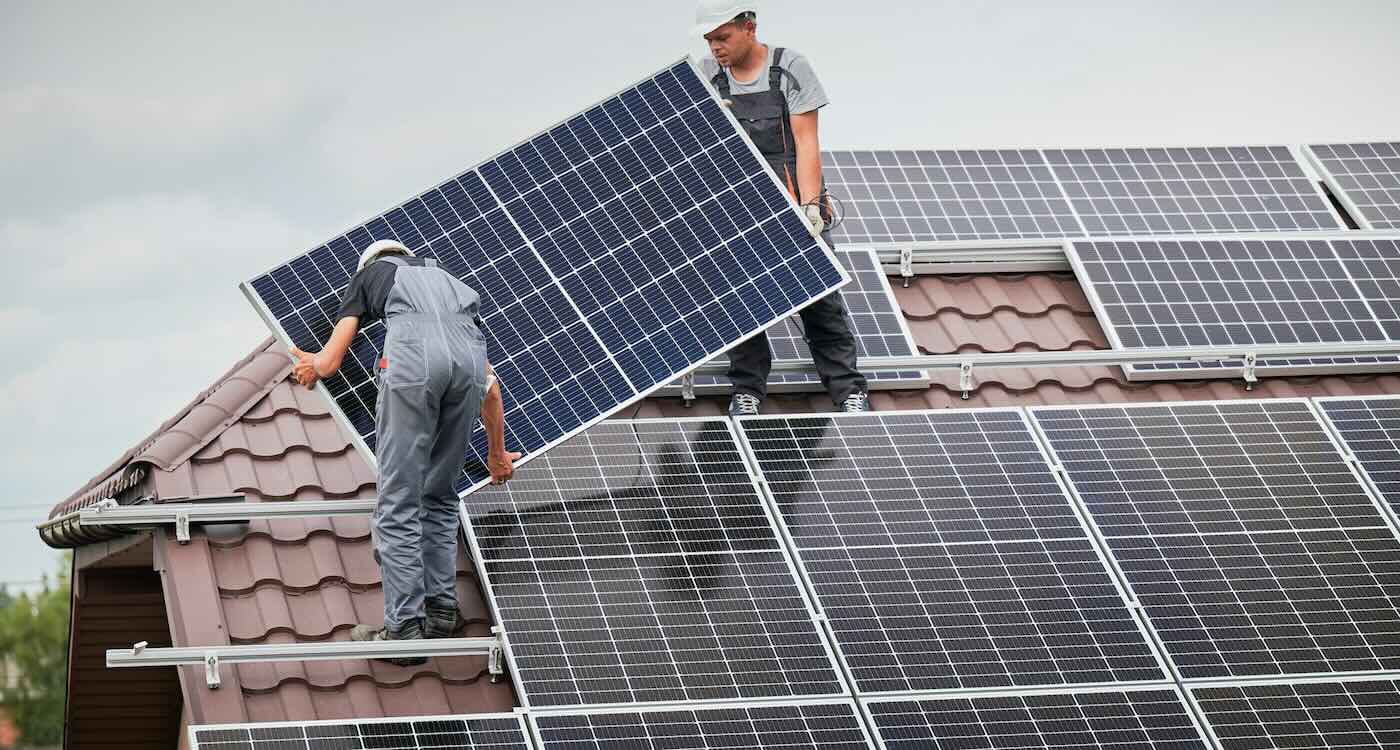
The initiative brings together a powerful, multi-state partnership between Louisiana, Mississippi, Alabama, and Florida to transform community health centers into energy-independent, climate-adaptive health care facilities that remain operational before, during, and after disruptions and disasters.
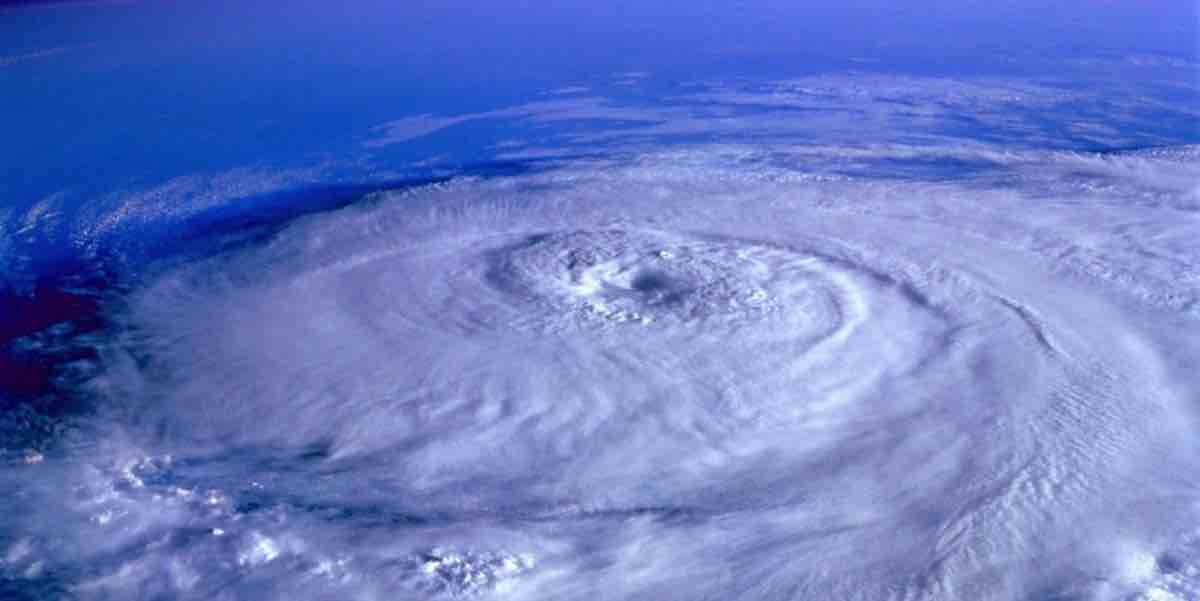
These hubs will deliver uninterrupted care to more than a half million residents across the four Gulf states, which are increasingly under siege from hurricanes.
“We asked the people of the Gulf for their visions for a brighter future, and they responded with a flood of exciting proposals,” said Lauren Alexander Augustine, executive director of the Gulf Research Program.
“The Louisiana Public Health Institute’s project is exemplary in combining fresh ideas with innovative partnerships.”
Some of the partners on board include: Primary Care Associations, the Louisiana State University School of Public Health, the University of Miami Miller School of Medicine, Southern University’s School of Social Work, Crescent Care, the Mississippi Public Health Institute, Collective Energy, and 504HealthNet.
“Community health centers are deeply trusted local health care anchors that communities across the Gulf Coast rely on, especially in times of disruption and disaster,” said Shelina Davis, CEO of the Louisiana Public Health Institute.
“Through Gulf Hub, we have the opportunity to equip these centers to remain open, connected, and responsive when care is needed most, while generating and sharing data that strengthens coordination, continuity, and long-term resilience across the region.”
HURRICANE RESILIENCE: Thousands of Circular Homes Are Surviving Hurricanes Across the US Thanks to North Carolina Company (LOOK)
Through an open competition launched in June 2024, the Gulf Futures Challenge aimed to leverage the inherent talent and knowledge of the people of the Gulf region by supporting ideas and solutions from those who understand it best.
The challenge received 164 proposals from innovators in the four Gulf Coast states mentioned above, plus Texas — and more than 100 reviewers directly evaluated science‑driven ideas that addressed real problems facing their communities.
“The caliber of the proposals we received demonstrates how rigorous science can be translated into practical solutions and real-world resilience,” said Kristen J. Molyneaux, president and co-founder of Lever for Change, which managed the Challenge and is helping all 10 finalists raise their visibility, and increase their potential to secure funding.
HURRICANE SUPER HOME: This Hurricane-Proof Florida Development Easily Endured Helene, Ian, and Idalia–Proving Climate Designs Work
“Donors interested in supporting these projects with additional funding can contact Lever for Change to continue advancing this work.”
The Gulf Hub health initiative—along with another project dealing with offshore oil rigs—both received $20 million each. Additionally, all 10 finalist teams received an initial project development grant of $300,000 and received technical assistance to strengthen their proposals.
The remaining eight finalists will each receive up to $875,000 in additional project development support. To learn more about the Gulf Futures Challenge and the awarded projects, visit Lever for Change.
SPREAD THE NEWS So Gulf State Health Workers Can Get Involved…