All News - Page 11 of 1686 - Good News Network
Home Blog Page 11

Your Weekly Horoscope – ‘Free Will Astrology’ by Rob Brezsny

Our partner Rob Brezsny, who has a new book out, Astrology Is Real: Revelations from My Life as an Oracle, provides his weekly wisdom to enlighten our thinking and motivate our mood. Rob’s Free Will Astrology, is a syndicated weekly column appearing in over a hundred publications. He is also the author of Pronoia Is the Antidote for Paranoia: How All of Creation Is Conspiring To Shower You with Blessings. (A free preview of the book is available here.)

Here is your weekly horoscope…
FREE WILL ASTROLOGY – Week of November 8, 2025
Copyright by Rob Brezsny, FreeWillAstrology.com
SCORPIO (Oct. 23-Nov. 21):
Martin Luther King Jr. said that harnessing our pain and transforming it into wise love can change the world for the better. More than any other sign, Scorpio, you understand this mystery: how descent can lead to renewal, how darkness can awaken brilliance. It’s one of your birthrights to embody King’s militant tenderness: to take what has wounded you, alchemize it, and make it into a force that heals others as well as yourself. You have the natural power to demonstrate that vulnerability and ferocity can coexist, that forgiveness can live alongside uncompromising truth. When you transmute your shadows into offerings of power, you confirm King’s conviction that “the arc of the moral universe is long, but it bends toward justice.”

SAGITTARIUS (Nov. 22-Dec. 21):
Apophenia is the tendency to perceive meaningful patterns in seemingly random data. On the downside, it may cause a belief in delusional conspiracy theories. But it can also be a generator of life’s poetry, leading us to see faces in clouds, hear fateful messages in static, and find key revelations in a horoscope. Psychologist Carl G. Jung articulated another positive variation of the phenomenon. His concept of synchronicity refers to the occurrence of meaningful coincidences between internal psychological states and external events that feel deeply significant and even astounding to the person experiencing them. Synchronicities suggest there’s a mysterious underlying order in the universe, linking mind and matter in nonrational ways. In the coming weeks, Sagittarius, I suspect you will experience a slew of synchronicities and the good kind of apophenia.

CAPRICORN (Dec. 22-Jan. 19):
Philosopher Alfred Korzybski coined the phrase “the map is not the territory.” In other words, your concepts about reality are not reality itself. Your idea of love is not love. Your theory about who you are is not who you are. It’s true that many maps are useful fictions. But when you forget they’re fiction, you’re lost even when you think you know where you are. Here’s the good news, Capricorn: In the weeks ahead, you are poised to see and understand the world exactly as it is—maybe more than ever before. Lean into this awesome opportunity.

AQUARIUS (Jan. 20-Feb. 18):
Babies are born with about 300 bones, but adults have 206. Many of our first bones fuse with others. From one perspective, then, we begin our lives abundant with possibility and rich with redundancy. Then we solidify, becoming structurally sound but less flexible. Aging is a process of strategic sacrifice, necessary but not without loss. Please meditate on these facts as a metaphor for the decisions you face. The question isn’t whether to ripen and mature—that’s a given—but which growth will serve you and which will diminish you.

PISCES (Feb. 19-March 20):
Beneath every thriving forest lies a lacework of mycelium. Through it, tree roots trade nourishment, warn each other of drought or illness, and make sure that young shoots benefit from elders’ reserves. Scientists call it the “wood-wide web.” Indigenous traditions have long understood the principle: Life flourishes when a vast communication network operates below the surface to foster care and collaboration. Take your cues from these themes, Pisces. Tend creatively to the web of connections that joins you to friends, collaborators, and kindred spirits. Proceed with the faith that generosity multiplies pathways and invites good fortune to circulate freely. Offer what you can, knowing that the cycle of giving will find its way back to you.

ARIES (March 21-April 19):
In 1995, wolves were reintroduced to the American wildlife area known as Yellowstone Park after a 70-year absence. They hunted elk, which changed elk behavior, which changed vegetation patterns, which stabilized riverbanks, which altered the course of the Lamar River and its tributaries. The wolves changed the rivers! This phenomenon is called a trophic cascade: one species reorganizing an entire ecosystem through a web of indirect effects. For the foreseeable future, Aries, you will be a trophic cascade, too. Your choices will create many ripples beyond your personal sphere. I hope you wield your influence with maximum integrity.

TAURUS (April 20-May 20):
I authorize you to explore the mysteries of sacred laziness. It’s your right and duty to engage in intense relaxing, unwinding, and detoxifying. Proceed on the theory that rest is not the absence of productivity but a different kind of production—the cultivation of dreams, the composting of experience, and the slow fermentation of insight. What if your worth isn’t always measured by your output? What if being less active for a while is essential to your beautiful success in the future?

GEMINI (May 21-June 20):
You are not yet who you will become. Your current struggle has not yet generated its full wisdom. Your confusion hasn’t fully clarified into purpose. The mess hasn’t composted into soil. The ending that looms hasn’t revealed the beginning it portends. In sum, Gemini, you are far from done. The story isn’t over. The verdict isn’t in. You haven’t met everyone who will love you and help you. You haven’t become delightfully impossible in all the ways you will eventually become delightfully impossible.

CANCER (June 21-July 22):
By the time he became an elder, Cancerian artist David Hockney had enjoyed a long and brilliant career as a painter, primarily applying paint to canvases. Then, at age 72, he made a radical departure, generating artworks using iPhones and iPads. He loved how these digital media allowed him to instantly capture fleeting moments of beauty. His success with this alternate form of expression has been as great as his previous work. I encourage you to be as daring and innovative as Hockney. Your imaginative energy and creative powers are peaking. Take full advantage!

LEO (July 23-Aug. 22):
In his “Letter from Birmingham Jail,” Black activist Martin Luther King Jr. wrote, “We are caught in an inescapable network of mutuality, tied in a single garment of destiny. Whatever affects one directly, affects all indirectly.” He was proclaiming a universal truth: Real courage is never just about personal glory. It’s about using your fire to help and illuminate others. You Leos are made to do this: to be bold not just for your own sake, but as a source of strength for your community. Your charisma and creativity can be precious resources for all those whose lives you touch. In the coming weeks, how will you wield them for mutual uplift?

VIRGO (Aug. 23-Sept. 22):
Who would have predicted that the first woman to climb Mount Everest would have three planets in Virgo? Japanese mountaineer Junko Tabei did it in 1975. To what did she attribute her success? She described herself not as fearless, but as “a person who never gives up.” I will note another key character trait: rebellious willfulness. In her time, women were discouraged from the sport. They were regarded as too fragile and impractical for rugged ascents. She defied all that. Let’s make her your inspirational role model, Virgo. Be persistent, resolute, indefatigable, and, if necessary, renegade.

LIBRA (Sept. 23-Oct. 22):
Among the Mbuti people of the Congo, there’s no word for “thank you.” Gratitude is so foundational to their culture that it requires no special acknowledgment. It’s not singled out in moments of politeness; it’s a sweet ambent presence in the daily flux. I invite you to live like that for now, Libra. Practice feeling reverence and respect for every little thing that makes your life such an amazing gift. Feel your appreciation humming through ordinary moments like background music. I guarantee you that this experiment will boost the flow of gratitude-worthy experiences in your direction.

WANT MORE? Listen to Rob’s EXPANDED AUDIO HOROSCOPES, 4-5 minute meditations on the current state of your destiny — or subscribe to his unique daily text message service at: RealAstrology.com

(Zodiac images by Numerologysign.com, CC license)

SHARE The Wisdom With Friends Who Are Stars in Your Life on Social Media…

“There is nothing permanent except change.” – Heraclitus

Credit: Natalia Blauth for Unsplash+ (cropped)

Quote of the Day: “There is nothing permanent except change.” – Heraclitus (around 500 BC)

Photo by: Natalia Blauth for Unsplash+ (cropped)

With a new inspirational quote every day, atop the perfect photo—collected and archived on our Quote of the Day page—why not bookmark GNN.org for a daily uplift?

Credit: Natalia Blauth for Unsplash+ (cropped)

Good News in History, November 8

Palace of Westminster, UK Parliament - credit, Terr Ott, CC 2.0.

60 years ago today, the ironically-named Murder Act of 1965 is given Royal Assent, formally abolishing the death penalty in the United Kingdom for almost all crimes. Introduced by MP for Liverpool Sydney Silverman, it replaced hanging with mandatory sentences of life-imprisonment in all but 4 cases. The outstanding exceptions related to military-intelligence crimes, such as piracy with the intent to cause grievous injury, high treason, and espionage. READ more… (1965)

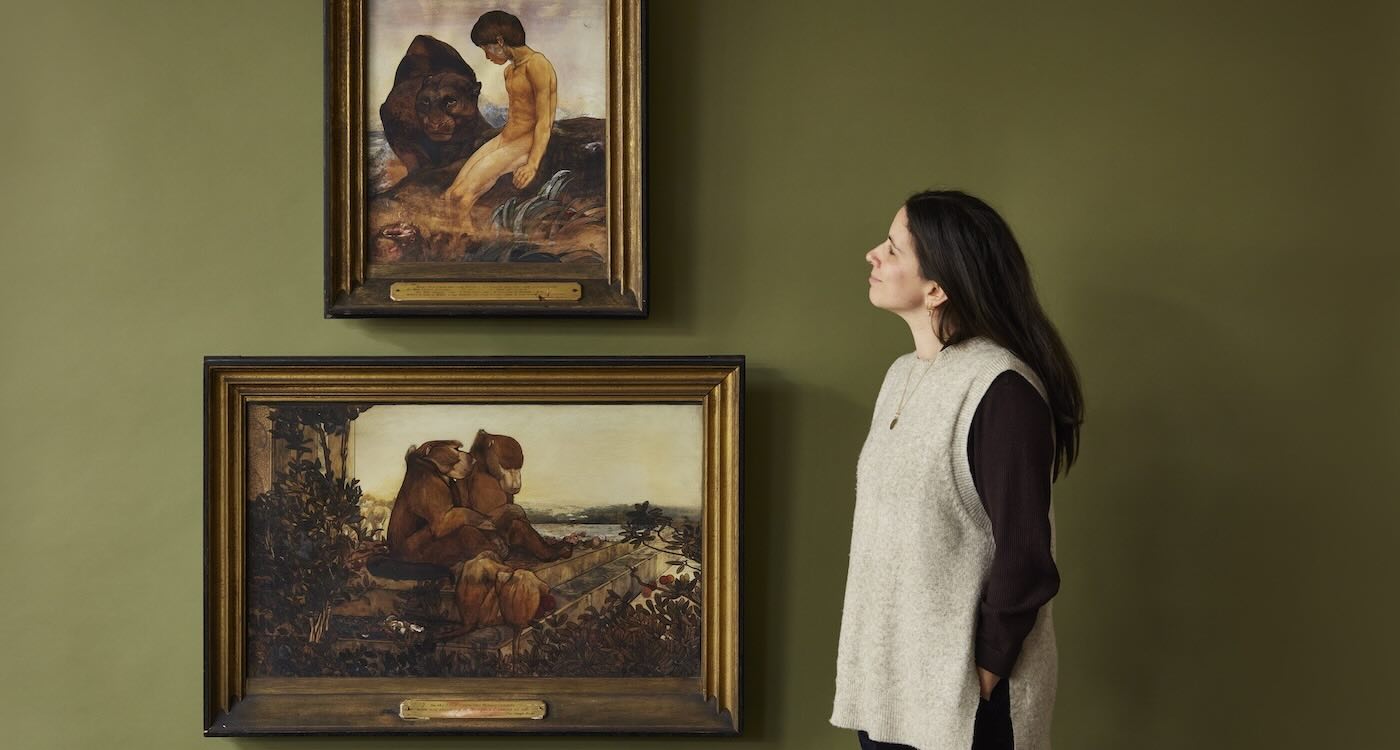
Why Would Visiting an Art Gallery Reduce Your Risk of Heart Problems and Disease?

by Zalfa Imani on Unsplash

A new study shows that visiting an art gallery and appreciating the works therein can reduce your risk of heart disease and even boost your immune system.

But how could that work?

There are some general wellness maxims that could connect the large span between these two seemingly unrelated subjects though, and it may mean the same reduction in risk could come from all sorts of enjoyable leisure activities.

Where there’s inflammation without injury, there’s aging and illness. Key inflammatory proteins called cytokines, such as interleukin-6 (IL-6) and tumor necrosis factor-alpha (TNF-a) are basically correlated with every disease known to man. While they play a key role in stimulating wound healing, they can also become active in preparation for wounds.

The stress hormone cortisol prepares the body for risk. A hormonal state of stress triggers increases of IL-6, TNF-a, and other cytokines in certain circumstances. Ipso facto, reducing stress reduces inflammation, inflammation reduces physiological degradation.

Researchers from King’s College London measured the physiological responses of participants viewing the collections of the Courtauld Gallery in the UK capital. Cardio data was provided by a continuous heart-rate monitor, which also captured skin temperatures. Saliva samples were taken before and after the 20 minute viewing exercise.

Compared to viewing the same paintings as replica images in a non-gallery setting, the stress hormone cortisol fell by an average of 22%, and 16% more than those viewing the pictures of the paintings.

ALSO CHECK OUT: Gardening Could Help Reduce Cancer Risk, Boost Mental Health and Bring Communities Together

IL-6 fell 30% and TNF-a by 28%.

“Stress hormones and inflammatory markers like cortisol, IL-6 and TNF-alpha are linked to a wide range of health problems, from heart disease and diabetes to anxiety and depression,” Dr. Tony Woods, a researcher at King’s College London, told the Guardian.

“The fact that viewing original art lowered these markers suggests that cultural experiences may play a real role in protecting both mind and body.”

MORE RESEARCH LIKE THIS: How LEGO Is Being Used to Reduce Stress, Combat Childhood Trauma, and Manage PTSD

It’s not wild or difficult to explain what went on here in simple terms: going to the Courtauld Gallery was an enjoyable de-stress for the participants.

The study is the first of its kind, its authors say, and though it marks an excellent reason to plan a visit to your local art gallery, its implications carry a far broader message: remember to stop and enjoy things from time to time, it could save your life.

SHARE These Important Findings And Their Important Lesson… 

Phase 3 Trial Shows Peanut Patch Treatment Helps Toddlers Build Tolerance to Deadly Allergy

Maryam Sicard for Unsplash+

Toddlers safely built a tolerance to small amounts of peanut proteins thanks to a simple skin patch, which helped prevent the progression of a potentially deadly allergy.

More than 70% of these toddlers could tolerate 3 or 4 peanut kernels after a 3-year course of treatment, say American scientists working to commercialize the skin patch.

The findings, from an FDA-registered, long-term, phase 3 clinical trial offer encouraging news for parents of the one child in 50 born every year with the susceptibility to peanut allergies.

The study found that a peanut patch treatment—called epicutaneous immunotherapy, or EPIT—continued to help toddlers safely build tolerance to peanuts over three years. It used the DBV Technologies Viaskin Peanut Patch, which delivers small amounts of peanut protein through the skin.

The goal is to train the immune system to tolerate peanut exposure and reduce the risk of severe allergic reactions from accidental ingestion.

The new analysis looked at toddlers who originally received a placebo in an earlier one-year study and then used the peanut patch for up to 3 years.

After 3 years of treatment, more than 70% of the children could tolerate the equivalent of at least 3 to 4 peanut kernels—a “significant” improvement from their first year of treatment.

Nearly half could tolerate even higher amounts, according to the research team.

“Importantly, the treatment continued to show a strong safety record,” said study lead author Dr. Matthew Greenhawt. “No cases of treatment-related anaphylaxis, a severe allergic reaction, were reported in the third year.

“Skin irritation at the patch site, the most common side effect, became less frequent over time.”

The research team also found that children’s reactions during food challenges became milder, with fewer severe symptoms after 3 years than after 1 year.

DEFEATING ALLERGIES: Renowned Salk Institute Studies Native Plants for Drug Discoveries in Weight Loss, Allergies, Asthma, and Headaches

“These results show that ongoing treatment with the peanut patch continues to improve tolerance and remains safe over time,” said Dr. Greenhawt, who holds the directorship of the Food Challenge and Research Unit at Children’s Hospital Colorado.

“For parents of toddlers with peanut allergies, this kind of approach may one day offer peace of mind by reducing the risk of having an allergic reaction, including severe reactions, from accidental exposure.”

MORE BREAKTHROUGH CHILDCARE: A Daycare Rewilded its Yard and the Children Became Healthier: Now the Whole Nation Is Doing it

The findings add to growing evidence that early intervention in young children helps change the course of peanut allergy development. Researchers stressed that parents should not attempt any form of peanut desensitization at home, and should discuss emerging treatment options with a qualified allergist.

The findings were presented at the annual scientific meeting of the American College of Allergy, Asthma and Immunology (ACAAI) in Orlando, Florida.

SHARE This Story With Mothers You Know Whose Children Have Peanut Allergies…

Scientists Create a Google Maps of the Roman Empire–Plan Your Trip Along Their Famous Roads

A roadway near Timgad - Credit Itiner-e, Artas Media, MINERVA.
A roadway near Timgad – Credit Itiner-e, Artas Media, MINERVA.

It was said that all roads lead to Rome, but from where do all the roads to Rome lead?

Using a mountain of data, a team of two dozen scientists have created a digital road atlas of the Roman imperial world, complete with many features you’d recognize from Google Maps.

credit- Itiner-e screengrab

Called Itiner-e, it displays the roads that would have been found throughout the Roman Empire around the year 150 CE. It’s the most expansive research project on the topic to date, and increases the estimated length of the empire’s road system by over 60,000 miles.

At its height in the second century CE, the Roman Empire included over 55 million people and stretched as far north as modern day Britain to as far south as Morocco, eastward to the Syrian deserts, and, turning towards Europe, included all of Turkey, northeastern Bulgaria, and the Danube. It was carved up and maintained by a network of stone/gravel/sand highways stretching 117,162 miles.

But the total extent of the Roman interstate system had remained incompletely mapped and existing digitizations were low resolution. Seeking to improve on them, a vast international and interdisciplinary team of scientists from across Europe created Itiner-e using archaeological and historical records, topographic maps, and satellite imagery.

The dataset increases the known road converge to 180,000 miles across over 1 million square miles, mainly from new mapping across the Iberian Peninsula, Greece, and North Africa.

Their work also adapted previously-proposed road routes to fit geographical realities. This includes allowing roads crossing mountains to follow winding paths, as they likely would have, rather than direct lines.

It was estimated that around a third of the road system was highways, while two thirds would today be called B roads or secondary roads. The authors report that the precise locations of only 2.7% of the roads are known with certainty, while 89.8% are less precisely known, and 7.4% are hypothesized.

(left) Fragment of a Roman milestone erected along the road Via Nova in Jordan – Adam Pažout (right) a Roman road, created by Artas Media, MINERVA.

Using Itiner-e, a trip from the Spanish-Roman city of Salmantica (Salamanca) to near Comum, the city closest to the Italian home of GNN’s Managing Editor Andy Corbley, would have taken some 447 hours on Roman roads. Such a traveler could, however, be expected to make 2.4 miles per hour on foot because of the fine condition of the roads.

According to Itiner-e, one would take a Roman highway northeast to Pompelo (Pamplona) and continue on up over the Pyrenees, before turning off onto a secondary road towards Elusa in southern France. From there, the traveler would rejoin the highway running due east past Tolosa (Toulouse) and along the Cote d’Azur past Nemauses, (Nimes).

Secondary roads would take the traveler over and down the French Alps to Cuneo and then to Augusta Taurinorum (Turin) where there was a straight shot to Novaria (Novara). A secondary road would take the traveler north to the crossing of the River Ticino, where he would then leave the road to Comum via an undocumented Roman track that would see the weary wanderer home at last to Vergiate.

MORE ROMAN STORIES: Spy Satellite Photos Reveal Hundreds of Long-Lost Roman Forts, Challenging Decades-Old Theory

The road system was extremely sophisticated, allowing parts of it to last to our present time because of the many layers used to construct them. The goal was to build them so as to require as little maintenance as possible.

Typically a flat trench called a fossa would be dug down to the bedrock or firmest ground that was available. Fill, such as rubble or gravel, was then poured in until it filled the cracks in the bedrock and created a level surface. It would then be filled with native soil and then sand, if it were available.

DIGITAL ATLAS PROJECTS: Watch How Continents Moved Over 100 Million Years in Video – Mapped by Scientists as Never Before

Once the filling reached 1 yard of the surface, a layer of gravel would be tamped down, and a concrete-lime filling would follow, into which the Romans would stack stones as if the road were a wall, seeking the best and most natural fit between each stone to allow as little water and seed infiltration past the concrete. The road would be built in a slight arch to allow for quick drainage, just like modern motorways.

Sometimes, like in the Roman colonial city in Algeria, called Timgad, the roads had two lanes, also just like ours do today, (they drove on the right). A kind of mile marker and road sign would also be found, especially on the secondary roads.

WATCH a video production on the scope of the road system… 


SHARE This Project Bringing History Alive With Your Friends… 

Driverless Electric Bus Eases Driver Shortages and Congestion In Madrid During Maiden Service

- Courtesy of EMT ©, released to Euronews
– Courtesy of EMT ©, released to Euronews

After five years of testing, an autonomous electric bus has been deployed to a park in Madrid for one final, real-world experiment in driverless vehicles for public transit.

If it succeeds, the cute little caterpillar-shaped bus may become a mainstay in the Spanish capital, ferrying passengers around Casa de Campo park and beyond.

Developed through a partnership with the Madrid transit authority (EMT) and Automotive Technology Center of Galicia (CTAG), in northern Spain, the driverless bus has been in action between the 15th of September and 24th of October.

It drove in a circuit around Casa de Campo, picking up passengers at 6 stops, and operating for five of the city’s peak hours.

The vehicle is 100% electric, and though many of its body components were manufactured abroad, the brain, eyes, ears, and other software were made at CTAG.

“This bus is one of the best I have ever tested,” César Omar Chacón Fernández, head of the EMT’s Rolling Stock Planning Division, told Euronews. “It behaves very well dynamically. Let’s say that the technology is very well integrated, it doesn’t behave erratically or robotically like other buses.”

The aim of EMT and CTAG is not replacing drivers, but providing a suitable and safe alternative for predictable, shorter routes that can help cities address a current shortage of professional bus drivers.

Though fully autonomous, and capable of detecting pedestrians, cyclists, skateboarders, scooters, animals, crosswalks, stop signs, traffic lights, and roundabouts, and making decisions over when to brake, accelerate, turn, and open/close the doors, a safety officer is always on board just in case.

MORE SPANISH IDEAS: 

“The vehicle detects any object, from a bicycle to an animal, and reacts accordingly to avoid collisions,” Chacón said. “It is a fully autonomous line, but we never leave anything to chance.”

A cute little thing, it joins a growing number of miniature, electric, European automotive options that fit better into crowds of cyclists, narrow streets, and cramped parking spaces.

SHARE This Big Step Towards Driverless Transportation… 

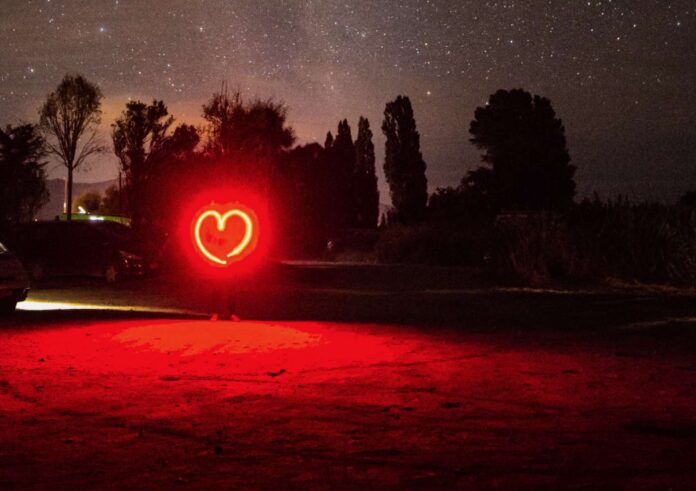
“Sometimes love is stronger than a man’s convictions.” – Isaac Bashevis Singer

By Travis Grossen

Quote of the Day: “Sometimes love is stronger than a man’s convictions.” – Isaac Bashevis Singer

Photo by: Travis Grossen

With a new inspirational quote every day, atop the perfect photo—collected and archived on our Quote of the Day page—why not bookmark GNN.org for a daily uplift?

By Travis Grossen

Good News in History, November 7

Jerry Sloan in 2010 - credit, Stephanie Young Merzel - CC 2.0

16 years ago today, Utah Jazz coach Jerry Sloan became the first in professional basketball history to win 1,000 games with a single team. Described as “one of the greatest and most respected coaches in NBA history,” he spent nearly his entire 23-year coaching career at Utah, managing the team through good times and bad, leading some spectacular talent such as Carlos Boozer and Karl Malone, and making the Western Conference playoffs 16 times in a row. READ excerpts from his milestone victory… (2009)

A Daycare Rewilded its Yard and the Children Became Healthier: Now the Whole Nation Is Doing it

By Janko Ferlič
By Janko Ferlič

Finland is doubling down on evidence from four years ago that definitively shows how children can avoid diseases and allergies throughout their lives if they’re permitted to get down and dirty in daycare.

Dozens of comparative studies have previously found that children who live in rural areas and are in contact with nature have a lower probability of catching an illness resulting from disorders in the immune system—and a lower risk of developing coeliac disease, allergies, atopy, and even diabetes.

A 2021 study conducted at a Finnish daycare and published in Science Advances showed that repeated contact with nature-like elements five times a week diversified the body’s microbes which offered protection against diseases transmitted through the immune system in daycare children.

“This is the first in which these changes offering protection against diseases have been found when adding diversified aspects of nature to an urban environment”, said Aki Sinkkonen, a research scientist who led the study for the Natural Resources Institute Finland (LUKE) at the time.

Each human individual is actually an environment in themselves: a host of trillions of microorganisms, including bacteria, viruses, and fungi. These collectively outnumber our own cells 4-1, and are emerging as one of the most influential forces—if not truly the single most—in human health and function.

LUKE took its findings to heart in a big way, and is now launching a nationwide survey—of 43 daycares compared to the previous sample of merely 75 children at daycares—on how increased microbial exposure from yard landscaping changes the microbial composition of children’s skin, gut, and oral microbiomes.

A mixture of hair, saliva, and stool samples will be taken in addition to questionnaires about infectious diseases among the children by parents, in order to robustly measure the impact of a wilder daycare on children’s immune health.

The Guardian recently reported on some of the fruits of this initiative which saw €1 million in grants given out to the 43 daycare centers for the purpose of adding more garden space, planter boxes, compost heaps, and other such natural features to their properties.

Sinkkonen was there too—inspecting a “chocolate cake” baked with love out of mud and sand by a five-year-old at Humpula daycare center in Lahti, north of Helsinki. The daycare boasts a vegetable patch, which uses the daycare’s composter to provide dirt-covered, healthy veggies for the center’s kitchen. It was the location of the original study from 2021, and is now the flagship daycare in the new, larger trial.

FINLAND NEWS: Potential New Source for Drugs to Fight Antibiotic-Resistant Bacteria Found Deep in Arctic Ocean

Sinkkonen’s original study with LUKE at Humpula identified lower levels of Clostridium bacteria—linked with inflammatory bowel disease—in the 75 kids’ gut microbiomes. Their blood samples showed higher levels of circulating immune agents called T cells, while their skin carried lower densities of infectious disease-causing Streptococcus bacteria.

If that profile can be replicated nation wide, a huge financial and health burden could be lifted from the national community.

PARENTING STRATEGIES: Parents Should Sing More to Their Babies For the Positive Impact on Infant’s Mood–And Their Own

It’s no surprise then that Humpula has gone a little bit crazy with the idea. The daycare substituted its grass garden for a giant pizza slice of forest floor 107 square feet in area and 12 inches deep. It came pre-loaded with wild lingon and blueberry seeds which grew into plants which produced berries, as well as bugs, mosses and lichen, and, most importantly, God-only-knows-how-many trillions of microbes.

“This area has not been forested for 200 years so this is a substitute,” Sinkkonen told the Guardian.

SHARE This Not-So-Wild Wild Idea With Your Friends With Daycare-Aged Babies…

Bizarre Deep-Sea Creature – a ‘Death Ball’ Sponge – Discovered in One of the Most Remote Corners of the Planet

New Carnivorous death ball sponge found 3601 meters deep east of Montagu Island – Credit: The Nippon Foundation-Nekton Ocean Census/Schmidt Ocean Institute ©2025

30 previously unknown deep-sea species, including the carnivorous “death-ball” sponge, have been confirmed from one of the most remote parts of the planet.

The animals were collected during a pair of 2025 research cruises to the waters around Antarctica which yielded stunning discoveries in their own right.

But the honor of the discovery and the naming of the death-ball sponge belongs to the Nippon Foundation of Japan, conducting what they called the Nekton Ocean Census.

At the conclusion of the trip in August, the researchers got to work at the Southern Ocean Species Discovery Workshop, where an international team of taxonomists fast-tracked species verification by triaging, imaging, and comparing specimens on site at the University of the Magallanes, in Punta Arenas, Chile.

A standout discovery was this new predatory sponge (Chondrocladia sp. nov.) Its spherical form is covered in tiny hooks that trap prey, a clear contrast to the gentle, passive, filter-feeding undertaken by most sponges.

‘Zombie worms’ (Osedax) were also observed. Although not thought to be new to science, much remains to be learned about these worms—which have no mouth or gut and rely on symbiotic bacteria to break down fats inside the bones of whales and other large vertebrates.

The Southern Ocean expeditions also revealed new armored and iridescent scale worms (Eulagisca sp. nov.), previously unknown species of sea stars (Brisingidae, Benthopectinidae and Paxillosidae); new crustaceans, including isopods and amphipods, with material under review that may represent a new amphipod family; and rare gastropods and bivalves adapted to volcanic and hydrothermal-influenced habitats.

Additional possible new species, among them black corals and a potential sea-pen genus, are undergoing expert assessment.

A new species of iridescent scale worm, – credit, Jialing Cai The Nippon Foundation Nekton-Ocean Census / Schmidt Ocean Institute © 2025

The fact that all of this has been released just three months after the conclusion of the voyage is down to this new ocean-to-lab model trialed at the Species Discovery Workshop. It was described by the Nippon Foundation as a newer, faster, and more collaborative approach to species discovery for the global community, addressing the major roadblock in traditional taxonomy of limited funding and capacity that leaves samples sitting in jars for years.

“Advanced tools—from precise seafloor mapping to high-definition ROV imagery—allow us to explore and gather data from places never seen before by humans,” said Dr. Jyotika Virmani, Executive Director of the Schmidt Ocean Institute, which organized both the research cruises, wrote in a statement.

THE WONDERS OF THE DEEP: First-Known Sighting of a ‘Massive’ Antarctic Squid is Caught on Camera During Nat Geo Expedition

“The goal we share with Ocean Census to accelerate discoveries has resulted in the first confirmed sighting of a juvenile colossal squid and new species, and exemplifies what becomes possible when technology, ship time, and a global science network work as one.”

“The Southern Ocean remains profoundly under-sampled. To date, we have only assessed under 30% of the samples collected from this expedition, so confirming 30 new species already shows how much biodiversity is still undocumented,” said Dr. Michelle Taylor, Head of Science at The Nippon Foundation-Nekton Ocean Census.

“By coupling expeditions with species discovery workshops, we compress what often takes more than a decade into a faster pathway while maintaining scientific rigor by having world experts involved.”

DEEP SEA STORIES: Rare ‘Doomsday’ Fish Surfaces in California–Just the 20th Discovered in the State Since 1901

The researchers from the Ocean Census traveled aboard the RV Falkor, operated by the Schmidt Institute, to a pair of locations. The first was a series of hydrothermal volcanic vents near the South Sandwich Islands, and the second was a section of the Bellingshausen Sea made available after an iceberg the size of Chicago broke off and revealed a totally isolated marine community.

The South Sandwich cruise included the first ever sighting of a colossal squid, though it was only a juvenile.

SHARE The Death-Ball Sponge’s Debut Into The Scientific Record…

Archaeologists Uncover 5,500-year-old ‘Ritual Landscape’ in Jordan

A dolmen found at Murayghat in Jordan - credit, Susanne Kerner, University of Copenhagen
A dolmen found at Murayghat in Jordan – credit, Susanne Kerner, University of Copenhagen

During the dawning years of civilization, a landscape in what is today Jordan was undergoing a transformation from an agricultural, residential one to a ritualistic one with an intense focus on the afterlife and communal events.

This is described in a paper that debuts the discovery of a series of ancient ritual structures, including standing stones, burial tombs called dolmens, and megalithic buildings that point to a reorganization of society towards the intangible and away from the tangible.

Located largely on a plateau, around 120 miles away from the capital of Aqaba, the site of Murayghat has been under excavation by archaeologists from the University of Copenhagen for the last 11 years.

It emerged after the decline of a truly Stone Age culture designated the Chalcolithic, which exited between 4,500 and 3,500 BCE, a period known for its domestic settlements, rich symbolic traditions, copper artifacts, and small cultic shrines.

In this era of pastoral quietude, that rich symbolism was nevertheless confined to the household level, as the small size of the shrines and the ritual objects like ivory-carved figurines suggest.

But around that later date, signs of a world in crisis abound in the archaeological record. Environmental data suggest the climate may have turned drier for a few hundred years. The symbolic Chalcolithic language, expressed in metal objects, but also in pottery and stone, comes to an end. The production of copper ritual and status objects also comes to an end, indicating a potential breakdown in trade relations with whoever was exporting the metal.

The frequency with which burial grounds were disturbed and looted greatly increased during this period. It all speaks of a crisis, both in tangible aspects of society such as crop yield, as well as the intangible aspects—respect for the dead.

Overview of the central knoll at area 1 – credit, The Ritual Landscapes of Murayghat Project, Susanne Kerner

“People had to find mechanisms to deal with a situation in which the traditional values and patterns of behavior no longer worked,” the Copenhagen researchers wrote in their paper, published in the scientific journal Levant. “Thus, new ways to organize life (and death) had to be found, and found within a society with weak hierarchical structures, still dealing with a major disruption to everyday patterns of life.”

Their proposal, based on hundreds of finds and examinations of the megalithic architecture, is that de novo organization is exactly what happened.

Many of the structures built of large stones included neither hearth nor roof, making them unsuitable for habitation on the desert heights where winds blow frigid after dark. More than 95 dolmen remains have been documented by the archaeologists, and the central hilltop of the site contains stone-built enclosures and carved bedrock features that also suggest ceremonial use.

READ MORE ARCHAEOLOGY NEWS: Pair of Ancient Megalithic Tombs Identified That Date Back to ‘Polish Pyramid’ Builders

The pottery record sees personalized bowls replaced by large, communal bowls or storage vessels, and the other apparatus of feasting or craft replace the personalized copper trinkets and figurines of the earlier period.

Hadjar al-Mansub, the largest of the single standing stones – credit, The Ritual Landscapes of Murayghat Project, Susanne Kerner

Murayghat is perched atop a natural vantage point—a wadi—and if none of the buildings indicate an intention to stay, the archaeologists wonder if maybe it was a meeting place, where disparate groups gathered for feasting and other social activities. Seemingly large variations in building style, particularly among the dolmens, support the idea that different communities were bringing their designs with them.

THE ANCIENT NEAR EAST: Like Indiana Jones, Archaeologists Find a Tomb with a Grail Underneath the Treasury at Petra

“Murayghat gives us, we believe, fascinating new insights into how early societies coped with disruption by building monuments, redefining social roles, and creating new forms of community,” said project leader and archaeologist Susanne Kerner to the Univ. of Copenhagen press.

Many of these monuments were identified and surveyed for the first time in a modern context, and they include stunning examples of ancient stone work, such as the Hadjar al-Mansub, the largest standing stone at the site.

SHARE This Fascinating Ancient History With Your Friends Who Love This Kind of Thing… 

Polar Bear Gleefully Eating a 1,400-Pound Pumpkin Donated for His Dinner iS a Sight to Behold

Polar bear eating pumpkin – Photo courtesy of Cochrane Polar Bear Habitat

It’s not every day that Henry the polar bear sees something that weighs more than he does.

At 1,200-pounds, the polar bear is the world’s largest land predator, but here was something substantially heavier, and it was just sitting there in his enclosure.

Henry the polar bear eating pumpkin – Photo courtesy of Cochrane Polar Bear Habitat

Defensive at first, Henry eventually dug into the sweet crunchy flesh of a giant, 1,400 lbs. pumpkin that was donated to the nonprofit that looks after him. The photos will steal a chuckle out of anyone.

Reported first by CTV News, the Cochrane Polar Bear Habitat received the pumpkin as a total coincidence, and the organization’s manager Amy Baxendell-Young told the outlet how it happened.

“One of my staff was driving up from down south and ended up directly behind this pumpkin as it was on the highway,” she said.

Her staff member gave her a call, and said that the truck carrying the massive gourd had a logo on the side: Aidie Creek Gardens. Baxendell-Young decided to call them up.

“And pretty quickly they got back to me and said, if we don’t take it, it’s just going in the compost. Henry actually came out and didn’t know what it was—and got actually quite defensive … because I think he was just quite shocked at this new thing in his enclosure.”

Evolved to eat mostly baby seals which are all fat, a polar bear can zoom through a pumpkin without putting on any weight at all. Unlike for humans, for whom a pumpkin or squash is a complex carb with polyphenols and fiber, for a bear it’s all empty calories.

Henry having eaten his fill – Photo courtesy of Cochrane Polar Bear Habitat

The Cochrane Habitat in Ontario is the world’s only nonprofit organization that provides sanctuary to polar bears in need of human care and who can’t live in the wild anymore. They often receive presents for their bears around Polar Bear Awareness Week.

MORE PHOTOGENIC BEARS:

Photos released by the habitat show Henry in something of a food coma after smashing around a third of the pumpkin in one sitting.

SHARE This Polar Bear’s Lucky Day With Your Friends On Social Media… 
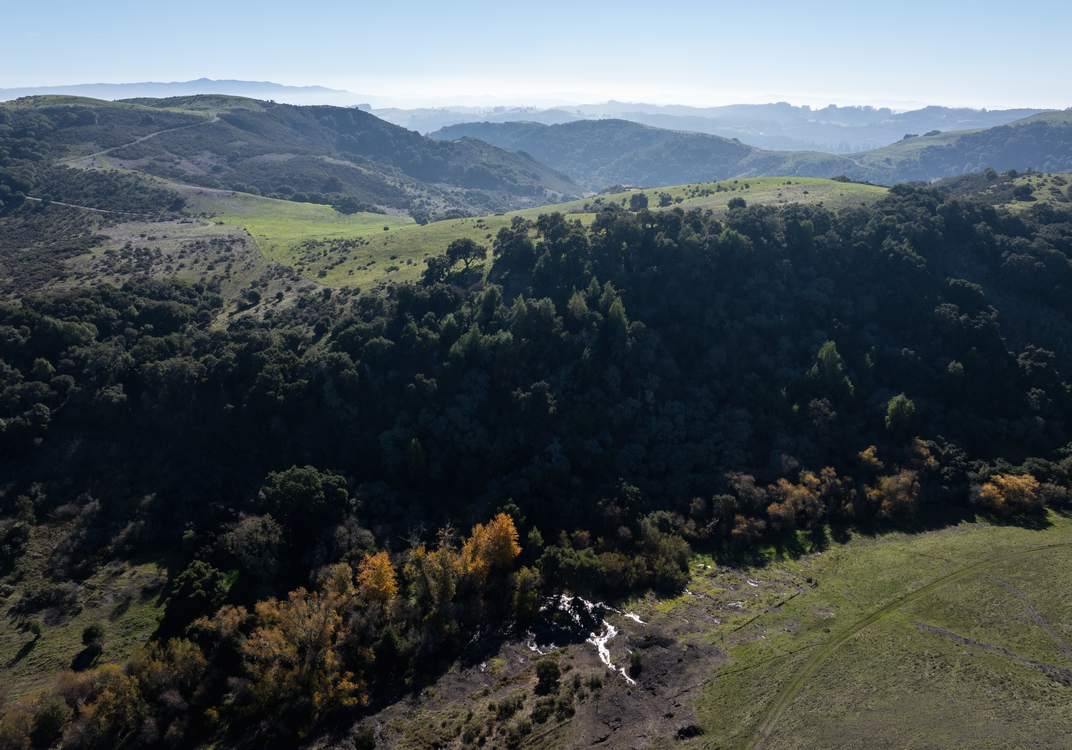
“Winter is an etching, spring a watercolor, summer an oil painting, and autumn a mosaic of them all.” – Stanley Horowitz

Quote of the Day: “Winter is an etching, spring a watercolor, summer an oil painting, and autumn a mosaic of them all.” – Stanley Horowitz

Photo by: Photo By Daniel Mirlea for Unsplash+ (cropped)

With a new inspirational quote every day, atop the perfect photo—collected and archived on our Quote of the Day page—why not bookmark GNN.org for a daily uplift?

Photo by Daniel Mirlea for Unsplash+

Good News in History, November 6

The Forest Charter

808 years ago today, the Charter of the Forest was signed in England by King Henry III. This law document is sometimes described as the sister of the Magna Carta, and granted rights of free men to use the forests of England once reserved for King William I and his descendants. Many today learn from Robin Hood productions that the “kingswood” was a place where people couldn’t hunt or gather. The Charter of the Forest changed that and remained in force for centuries. HEAR what legal scholars have to say… (1217)

Poland Secures Return of Gorgeous Artwork from Danish Auction Stolen During World War II

Recovered painting ‘Lato’ (Summer) by Danish artist Bertha Wegmann – Photo by Magdalena Lorek for National Museum in Wrocław (MNWr) /Muzeum Narodowe we Wrocławiu (cropped)

A gorgeous 20th century painting has been donated to Polish cultural authorities following its reappearance after 70 years.

Recorded as being housed in a girl’s school in the city that would become Wroclaw after World War II, it never resurfaced following the end of the conflict until last year when it appeared at auction in Denmark.

Entitled Summer, it depicts a rustic yet beautiful woman breastfeeding one infant while cradling another amidst a golden sea of corn or wheat.

A lynchpin to the story is that a region that was once part of Germany, called Lower Silesia, was given over to Poland after the war. The agreement included all state-owned cultural and historical works, but many were either looted or destroyed during the conflagration of Europe.

Summer was painted by Danish artist Bertha Wegmann in 1906, likely during a visit to Lower Silesia. It was purchased by the Silesian Artists’ Association, which donated it to the Silesian Museum of Fine Arts in the city of Breslau (now known as Wroclaw, and part of Poland), which in turn loaned it to the prestigious Viktoria School for Girls.

Reported as missing in 1947, it became one of over 100,000 items currently missing from Poland.

Though it was well-documented by name and description, no photograph of it was registered by the school and so when works by Wegmann that may have been similar, or indeed the very work in question, appeared at UK and Israeli auctions in the past, Poland’s culture ministry was unable to make a full claim for its repatriation.

MORE STOLEN ART RETURNING HOME: 

Then last year, an international art database center Art Loss Register notified Poland that a Wegmann work was up for auction in Denmark entitled Young Woman Breastfeeding Her Twin Infants in a Cornfield. The back of the frame bore a label in the Polish language, and the ministry submitted its documentation to the auctioneers with a request that it be returned.

The painting had been inherited by a young Danish couple with no idea of its origin or value, and so they decided quite generously to give it to the Polish authorities who have prepared it for display at the Wroclaw National Museum.

Polish culture minister Marta Cienkowska expressed “special thanks to the family of the painting’s previous owners, thanks to whose kindness and understanding it was returned to us today”.

Since 2008, a total of 805 works lost during wartimes have been recovered by the ministry.

SHARE This Historical Injustice Put Right By Modern Morals…

Residents Need Patience and ‘a Rake’ to Enjoy the 200 Million Migrating Crabs on Christmas Island

A boy walks through the crabs - credit, Parks Australia, via AP
A boy walks through the crabs – credit, Parks Australia, via AP

Every November, the 1,200 denizens of Australia’s Christmas Island break out the rake and leaf blower and head out to their yards, driveways, and sidewalks.

It’s not dead oak and beech leaves on their minds, however, but another red-tinted carpet—100 million crimson-colored crabs.

Outnumbering their human neighbors 100,000 to 1, the Gecarcoidea natalis or Christmas Island red crab produces of the our planet’s most spectacular migrations: a 100 million-man march of epic proportions.

For the locals, it takes a bit of patience and a bit of perspective to get through the late October-November breeding period, when the crabs emerge from their forest burrows and travel to the island’s beaches.

“Some people might think they’re a nuisance, but most of us think they’re a bit of a privilege to experience. They’re indiscriminate. So whatever they need to get over to get to the shore, they will go over it,” said Christmas Island National Park acting manager Alexia Jankowski, who told AP that despite being just 52 square miles, the island is estimated to contain 200 million of these crabs.

With the summer rains in the Southern Hemisphere acting as the starting pistol last weekend, the islanders buckled up for disruptions in their day-to-day lives that have to be seen to be believed.

The scope of the migration – credit, Parks Australia, via AP

“Some people, if they need to drive their car out of the driveway in the morning, they’ve got to rake themselves out or they’re not going to be able to leave the house without injuring crabs,” Jankowski said.

During crustacean rush hour taking place in the early morning and early evening when the heat of the Indian Ocean sun is more manageable, road closures, home and garden invasions, and other such disruptions become common place.

The tough exoskeleton of the crabs can actually puncture car tires, so automotive prudence and neighborly compassion pay off for the humans who share the island. Park rangers help funnel the crabs to choke points or B-roads that can be blocked from traffic, while 5-meter high “crab bridges” allow the migrants to scale over the larger thoroughfares and descend safely to the other side.

Some residents will put on specially-designed “crab plows” which present as rubber half-moons in front of every wheel that gently push the migrants out of the way.

OTHER STUNNING GATHERINGS: Record Number of 736,000 Sandhill Cranes Flock to Nebraska in Spring Migration–with No Bird Flu

Once on the shores, male crabs dig burrows where females will lay their eggs. Hatching on November 14-15, the larvae ride the surf and tides before returning to the island as miniature crabs called ‘megalopae’ in late December, just in time for Christmas.

A Christmas Island crab in its ‘megalopa’ stage – credit, Christopher Andrew Bray and Son, CC 4.0. BY-SA

By then, Christmas Islanders again seek to harmonize with their neighbors—using leaf blowers to push the returning baby crabs, each the size of a sunflower seed and too delicate for the rakes, safely across the roads, beaches, and trails.

MORE STORIES LIKE THIS: Watch Sheep Fill the Streets of Madrid On Annual Migration of Shepherds

With a little compassion and appreciation for the wonder of nature they get to witness year-in, year-out, the residents of Christmas Island have forged a lasting friendship with the inedible crabs.

This isn’t the only community that has to deal with hatchlings passing through their homes and gardens.

Some years ago, a Connecticut dry cleaners realized their store was smack dab in the middle of a turtle migration route, and now every year from May through September, job responsibilities shift from cleaning and pressing clothes to cleaning and pressing clothes and picking up turtles.

WATCH some footage below… 

SHARE This Wild Way To Enjoy Fall With Your Friends On Social Media…
After More Than Three Centuries, a Geometry Problem That Originated with a Royal Bet Is Solved

Prince Rupert (left) and Jakob Steininger (right) credit, released as a courtesy of Mr. Steininger

A pair of European mathematicians have proven a 300-year-old inference on shapes wrong, and won a bet on behalf of a long-dead Englishmen who got into a famous argument with his prince.

The story begins with an experiment: take two gaming dice, put one on top of the other, now think if you could position one in such a way that the other could pass through it without touching the sides.

If your suggestion is that no such thing could be possible, than you took the losing side of a bet made 300 years ago between Prince Rupert of the Rhine—a nephew of Charles I of England, and the mathematician John Wallis.

Rupert, who had studied glassmaking and metallurgy, proved to Wallis that if you tilted a cube on its side and bored a hole towards its inner diagonal, you could slide the second cube through even if they were the same size, though historians aren’t sure if he actually drilled a hole through a gambling die.

Wallis later produced this theorem with a proper equation, which would come to be known as the Rupert tunnel, or the Rupert property. In 1968, scientists reproduced this concept with much more complex shapes than a cube: such as a tetrahedron and octahedron, or for Dungeons & Dragons players, the 10 and 8-sided dice.

In 2017, a team of mathematicians proved that even more complex shapes, the dodecahedron (a D12) and the icosahedron, the shape that makes up both the soccer ball and the D20, have the Rupert property—which to reiterate means that there exists a way of tilting one of two equally-sized shapes in such a way that would allow a second to pass through a hole created through the first.

Quanta Magazine’s Erica Klarreich reports that some shapes have incredibly tight fits, with one kind of tetrahedron for example passing through a space 0.000002% the size of the shape. Tight or not, every shape tested has been able to pass through.

But now, in a discovery that will have Rupert’s bones rattling in their coffin, modern mathematicians have produced a shape without the Rupert property.

Jakob Steininger, a mathematician at Austria’s federal statistics organization, and Sergey Yurkevich a researcher at A&R Tech, an Austrian transportation systems company, recently unveiled the “Noperthedron,” a made-up word that blends “Rupert” with “Nope.”

This 180-sided object cannot fit through another like it, no matter where you bore the hole or how you tilt it.

Tom Murphy, a software engineer at Google who has explored the question extensively, told Klarreich that he has created hundreds of millions of shapes through computer programs which have found Rupert tunnels through almost all of them. “Nopert” candidates are extremely rare, she writes, and the question of whether they’re true Noperts or whether the computer program can’t run tests on every possible position that exists to place a shape, is actually—even in this age of quantum computers and AI—difficult to tell.

ALSO CHECK OUT: Mathematicians Discover Elusive ‘Einstein’ Shape: ‘The Miracle that Disrupts Order’

Enter Steininger and Yurkevich, two childhood friends entering their third decades of life who saw a video of a cube passing through a cube in 2021 and were instantly interested in the problem.

The scope of their innovations will not be regaled here, but remains on Quanta Magazine for those who want to read more. The easiest way to find out whether shapes possess the Rupert property is to hold them both under a light. Tilt one shape until its shadow casts over the broadest possible space, and then try to fit the other shadow inside.

MATHEMATICIANS PROVING THINGS: Teens Say They Have New Proof for 2,000-Year-Old Mathematical Theorem, a Method Scholars Thought Impossible

This was the basis for the calculations in the computer simulations of Steininger and Yurkevich’s eventual breakthrough. They developed a pair of theorems—one global, and one local—which would isolate each point of the shadow and help the program compartmentalize possible violations to the Rupert property. Eventually, the pair designed a shape that looks a little like a flower vase, which according to both the global and local theorem, could not fit through itself.

Consisting of 150 triangles and two, regular 15-sided polygons, the shape is a true Nopert—the first of its kind ever to be discovered and confirmed. It took 18 million examination blocks for the program to rule out every possible position that the shapes might take.

BEAUTIFUL CHALLENGES SOLVED: Father-Daughter Duo Won the Race to Decode an Extraterrestrial Message–Sent from Mars to Test Humanity

Having overruled the age-old judgement, the pair, who solved it in their spare time, say they will keep on the lookout for other problems.

“We’re just humble mathematicians—we love working on such problems,” Steininger said. “We’ll keep doing that.”

WATCH 26 Rupert shapes in action below… 
SHARE These Geniuses And Their Resolution To A 300 Year Old Quandary… 

November’s Full Beaver Supermoon Peaks Today—and it Will Be the Year’s Biggest

A side-by-side comparison of two different moons - credit, Marco Langbroek, the Netherlands, using a Canon EOS 450D + Carl Zeiss Jena Sonnar MC 180mm lens / Marcoaliaslama, CC BY-SA 3.0 via Wikimedia Commons
A side-by-side comparison of two different moons – credit, Marco Langbroek, the Netherlands, using a Canon EOS 450D + Carl Zeiss Jena Sonnar MC 180mm lens / Marcoaliaslama, CC BY-SA 3.0 via Wikimedia Commons

Stargazers and Luna-lovers are being spoiled this autumn. Having already enjoyed a late Harvest Moon spectacle in October, they can now follow that up with a second supermoon that will be the largest of 2025.

A supermoon is a colloquial term for when the Moon reaches perigee, the closest point to Earth during it’s orbital rotation. This makes the Moon noticeably larger.

Annoyingly, the Moon will reach peak brightness after Sunrise—at 8:19 am Eastern Time (13:19 GMT), but tonight (and yesterday night if you happened to see it) it will also be very bright and a few hairs short of full.

Incredibly, this is the second of three consecutive supermoons this year.

Supermoons tend not to be so super-sized, unless you’re experiencing the optical illusion of viewing the Moon when it’s close to the horizon. Instead, the word ‘super’ more accurately describes its brightness. Compared to a full moon of average size, a supermoon is 16% brighter, but compared to a “micromoon,” when the Moon is full and at apogee—the farthest point of orbit from the Earth—a supermoon is 30% brighter.

According to the Old Farmer’s Almanac, the term Beaver Moon comes from fur trappers who used it to mark the time that beavers begin to take shelter in their lodges, having laid up sufficient food stores for the long winter ahead.

The Dakota and Lakota call it the Deer Rutting Moon, while the Tlingit refer to it as the Digging Moon, as animals begin digging for food beneath frosted ground.

SHARE This Great Reason To Go For A Nighttime Walk Tonight With Your Friends…

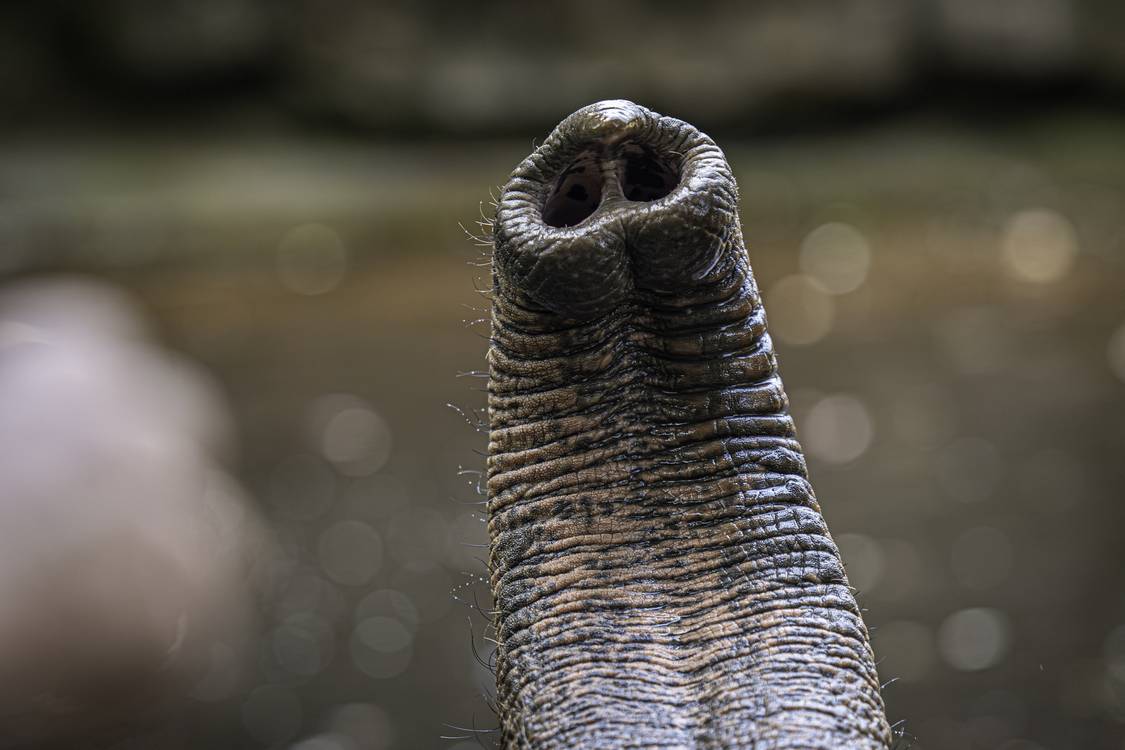
“Love will find a way through paths where wolves fear to prey.” – Lord Byron 

Quote of the Day: “Love will find a way through paths where wolves fear to prey.” – Lord Byron

Photo by: Bernd 📷 Dittrich (cropped)

With a new inspirational quote every day, atop the perfect photo—collected and archived on our Quote of the Day page—why not bookmark GNN.org for a daily uplift?

Credit: Bernd 📷 Dittrich