














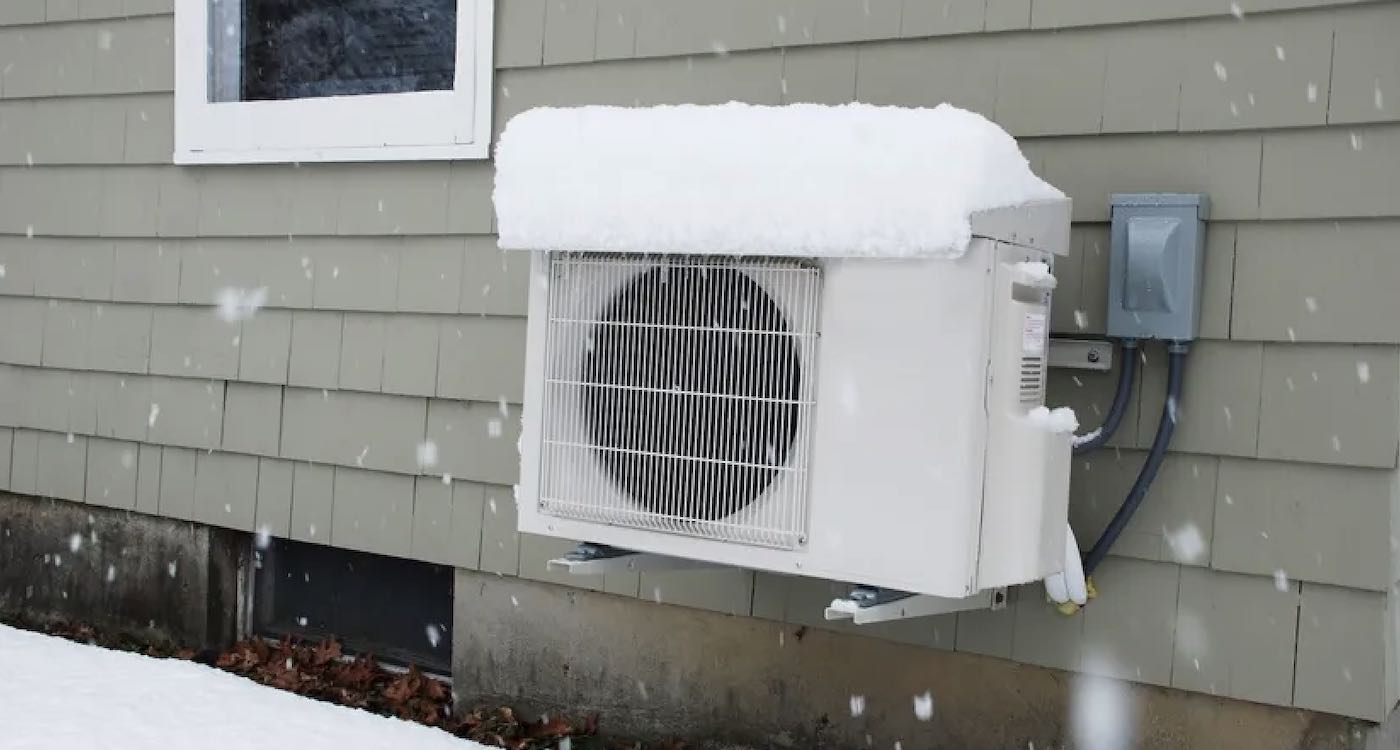
The rapid adoption of heat pumps in the United States is becoming little short of a revolution, such that these clever HVAC devices in a few years will effectively replace previous systems.
Indeed of all new homes built last year, 46% were completed with heat pumps, just 1% below other more recognizable systems like water boilers, gas furnaces, and air conditioners.
Heat pumps use the process of changing a liquid to a gas and back again to cool and heat air that’s pumped into the house or building they service. They generate substantially fewer greenhouse gas emissions than a gas furnace or burning heating oil, and because they rely on electricity, can take advantage of renewable energy.
Previous generations relied on the kinds of refrigerants that were 2,000-times more capable of creating a greenhouse effect than CO2, but modern EPA regulations are seeing that previous fluid exchanged for ones with lower global warming potential, or even propane.
In the first quarter of this year, there were 32% more heat pump sales in the US than older home heating systems, according to a new report from the nonprofit Building Decarbonization Coalition.
That report also showed that sales of heat pumps have doubled in the last 15 years, and the heat pumps, which can both heat and cool homes, narrowly failed to overtake sales of A/C units.
“All the trends are pointing towards increased heat pump adoption, not only versus gas, but also versus just traditional one-way air conditioning,” said Kevin Carbonnier, associate director of analytics at the coalition, told Grist.
HOMEBUILDING IN AMERICA:
- California Developer Builds First Neighborhood Where All the Homes Are Resistant to Wildfires
- Boston to Open Series of Affordable Housing Developments Atop City’s Public Libraries
- Old Reformatory Prison Turned into Sunny New Apartment Complex Called ‘Liberty’ After $64M Injection
“It’s not just that heat pumps are better, more comfortable, more efficient than furnaces. But also, you get the two-in-one appliance.”
A combination of climate goals, higher energy prices, and high home prices mean that both consumers and builders look to cut costs whenever possible. One method now almost universally used is electric stove tops, which when paired with an electric heat pump, means that the home builder doesn’t even need to worry about gas lines.
That can help keep energy costs (as electric burners are more efficient than gas ones) and final home prices down.
PUMP This Great Decarbonizing News Out Into Social Media…