













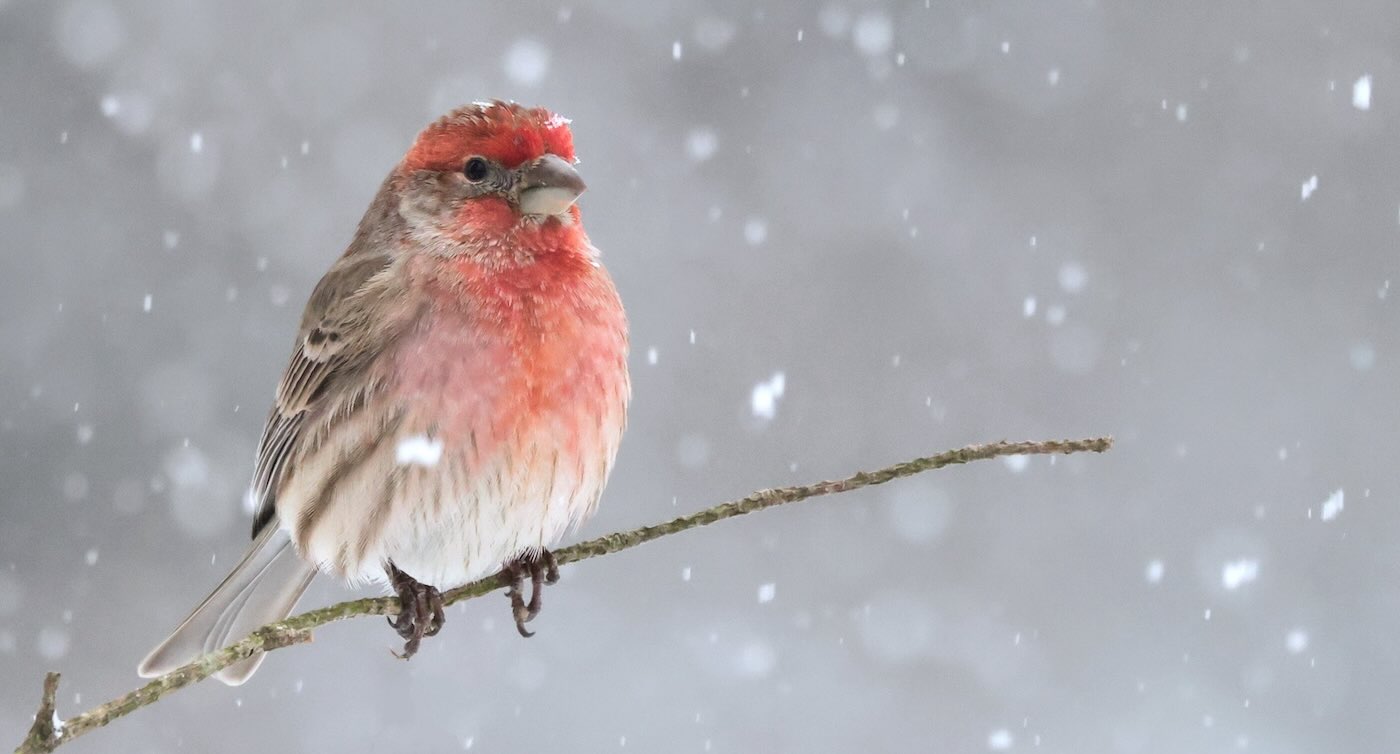
Do you love bluebirds, finches, and chickadees? Why not count birds in your community with your kids and friends during the Great Backyard Bird Count in 2026.
Our mental health is nurtured by nature—and it will take under an hour to give back to what birds give us.
The annual Great Backyard Bird Count (GBBC) runs through Valentine’s Day, from February 13 through February 16, 2026.
Spending time immersed in nature by watching birds can reduce stress, so join in the fun this February and spend at least 15 minutes watching birds and sharing what you see with the world at birdcount.org.
If you’re interested, you can tune in to a special webinar about how to participate. Register here for one of the free YouTube events happening on Thursday, February 5th (at 3 p.m. Eastern) or Wednesday, February 11th (at 7 p.m. Eastern).
“What I like most about birdwatching is that each species has its own behavior,” said GBBC participant Guadalupe Angel Vallejo Tapia. “It’s fascinating to be able to identify its patterns and learn about its behavior.”
“Birdwatching allows me to appreciate the biodiversity of our region,” said one participant. “It invites us to reflect on the importance of protecting our natural spaces.”
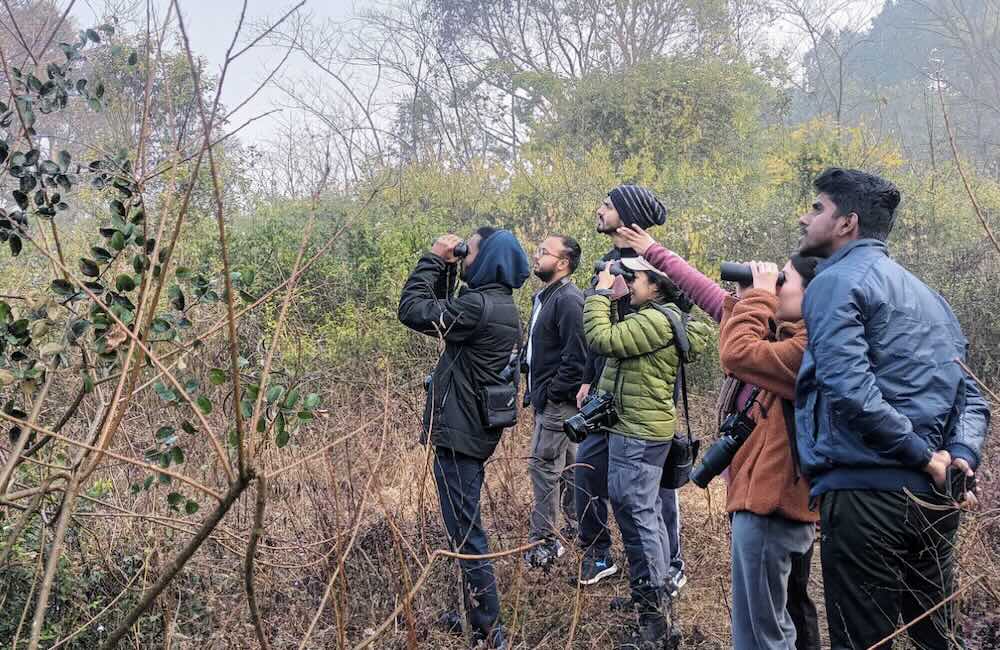
The purpose of the Bird Count, now in its 29th year, is to tally as many of the world’s bird species as possible over four days in February.
More than 800,000 people participated during last year’s count—in nearly every country. Birders found 8,078 species of the world’s known species, 158 more than in 2024.
LOVE THIS BIRD: Bird Snuggles into Photographer’s Chest And Stayed With Her for Warmth on a Snowy Day
Combined with other bird counts, the results of this one help create a clearer picture of how birds are faring—whether individual species are declining, increasing, or holding steady in the face of habitat loss, climate change, and other threats.
“The bird observations we submit can be used to inform conservation efforts that secure a brighter future for birds and people alike,” said Ben Haywood, Audubon’s director of community science.
“The more the merrier as we celebrate the joy of birds all over the world and join the global effort to protect them and the places they need.”
To take part in the 2026 GBBC, each participant or group counts birds for at least 15 minutes using the Merlin Bird ID app or eBird app to enter the birds they can identify at each site.
GOOD NEWS FOR BIRDS:
• Record-Breaking Night of Bird Migration Caught on Radar During a ‘Perfect Storm’ for Feathered Flight
• Snowy Owls Are Kept Safe from Jets at Boston Airport, Thanks to Dedicated Researcher
• Amazing Kid Wows the Internet with His Incredibly Accurate Bird Calls (Watch)
Sites can be your backyard, but it can also be a nearby park, wilderness area, apartment balcony, neighborhood street, or anywhere.
Anyone can participate in the Great Backyard Bird Count. First-timers should make it a point to read the instructions here, where they will also find helpful birding tips and birding app downloads. The GBBC website also features a map of local events to help you find your flock—or start your own—at birdcount.org/community-map.
FIND YOUR FLOCK To Go Count Birds By Sharing This On Social Media…