

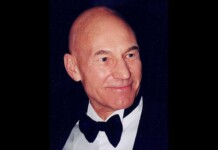





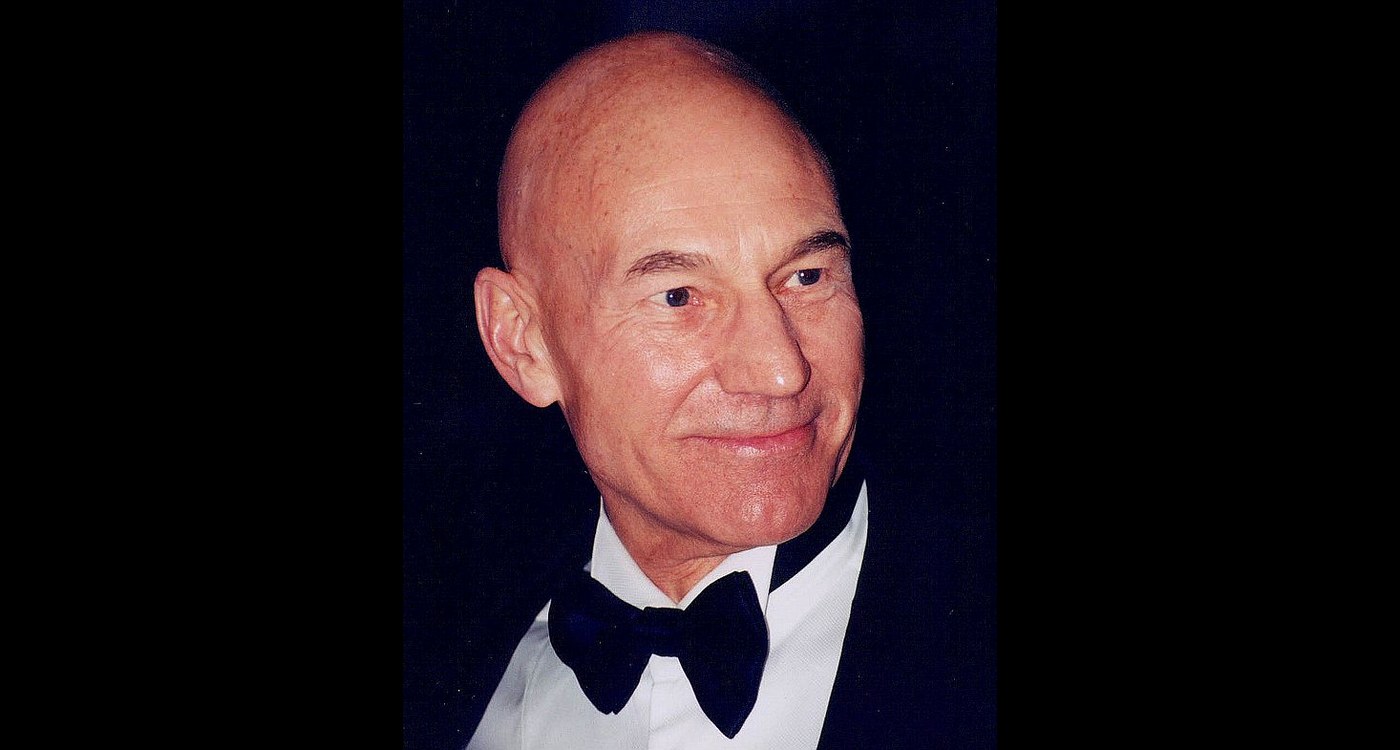
Legendary actor Sir Patrick Stewart passed away yesterday at the age of 86 following a brief struggle with Alzheimer’s disease and Lewy Body Dementia.
A titan of the silver screen, theater, and television, Stewart passed away at home surrounded by “live music, prayer, and laughter” in the care of his devoted wife Sunny.
Born in the West Riding of Yorkshire, Stewart’s acting career spanned 6 decades, during which he collected 2 Laurence Olivier Awards for his renditions of supporting roles in both Antony and Cleopatra and Hamlet.
Perhaps his most enduring performance, however, was off the stage—that of Starfleet Captain Jean-Luc Picard in Star Trek: The Next Generation, a role he reprised in a series of 4 films from 1994 to 2002. Stewart was by no means a household name when he auditioned for the role of Captain Picard, and he questioned himself as to why audience members would connect with a “bald, middle-aged, English Shakespearean actor.”
Regardless, producer Robert Justman recounted of Stewart during those early meetings: “Wonderful annunciation [sic] that he had. It made everything seem better and more exciting, more intense and entrancing.”
He gained further pop-culture stardom from his portrayal of Professor X from the X-Men franchise, opposite his lifelong friend, countryman, and fellow thespian Ian McKellen, who played Magneto.
McKellen released a heartfelt tribute to his dear friend, in which he called him “a man to rely on, to admire and in my case, love.”
One of his earliest “strong” memories of knowing Stewart was hearing from him in London about his potential role in Star Trek.
“’But Patrick think of your stage career in the UK. Do you really want to risk getting lost in Hollywood for years and years?’ Well, he took the risk and thank goodness for us all that he did…”
Further, McKellen shared his insights into the man behind the Hollywood icon: someone whose roots in the countryside in the north of England stretch profoundly deep.
“America was his adopted home, where he met his adored Sunny who has cared for him through sickness and health, through thick and thin. But he never forsook his origins: and the proudest achievement of the most respected and beloved actor of his generation on either side of the Atlantic, was his appointment as Chancellor of Huddersfield University in Yorkshire.”
A statement from Stewart’s family read that “in lieu of flowers, memorial contributions may be made to Johns Hopkins Alzheimer’s Disease Research Center Fund, [and] Alzheimer’s Foundation of America Caregiver Resources” in light of his struggle with the two neurodegenerative diseases
IMPROVED ALZEIMER’S CARE:
- Drug May Repair DNA at Earliest Stages of Alzheimer’s – And it’s Already Passed Safety Trials
- Woman Crippled by Alzheimer’s Resumes Lively Conversations After Psilocybin Mushrooms Unlocked Her Memory
- Seniors Who Listen to Music May Slash Their Dementia Risk by Over a Third
The Alzheimer’s Research Center at Johns Hopkins focuses on early-stage understanding, lifestyle interventions, and testing that may delay or treat symptoms, as well as improving later-stage care outcomes, but its staff are also involved with advancing avant-garde research.
In May 2025, the Food and Drug Administration approved the first blood test for detecting residues from beta-amyloid—a protein that forms plaques which can gum up neurons in the brain. Since the early 2000s, it has been suspected as the primary cause of Alzheimer’s.
These tests are less invasive, as well as more cost-effective and convenient than current methods of PET imaging and cerebrospinal fluid measures. Researchers from Johns Hopkins provided and analyzed key data that helped make the breakthrough test possible.
Additionally, the center has multiple studies of its own underway. For example, Paul Rosenberg, MD, is testing whether Alzheimer’s-related treatments, such as anti-amyloid medication, can delay progression to mild cognitive impairment in those who have normal cognitive function yet significant early risk markers for Alzheimer’s.
Another is investigating whether currently available drugs can treat Frontotemporal Dementia.
SHARE This In Memorium Of A Fantastic Actor And Beloved Human Being…