













An “astonishing” find has led to a “valuable starting point” to developing a treatment for a disfiguring childhood disease.
If the reader knows the word “noma” for the famous Danish restaurant, well buckle up because it is also a flesh-eating bacterial disease that affects the mouth and face of children in the Sahel region of Africa.
Classified as a neglected tropical disease, noma is currently a mysterious ailment that can be treated with broad-spectrum antibiotics if caught early. However, the symptoms of the disease associated with infection is currently the only method of diagnosis.
It has a case mortality rate of 90% if left untreated, and even when it is, disfiguring scars often remain across the person’s mouth and face.
Recently, a team at the Liverpool School of Tropical Diseases set out to study the bacterial communities in the mouths of 19 noma patients living in Nigeria. Since antibiotics seem to treat the disease, their assumption was that it has a bacterial origin.
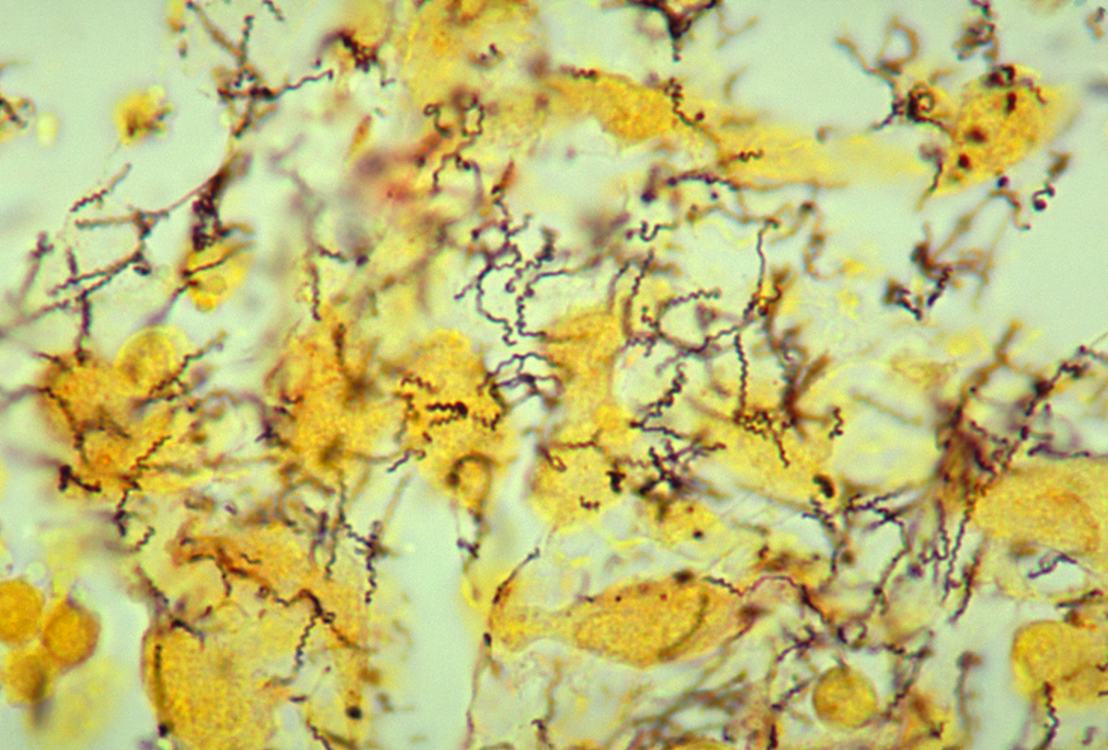
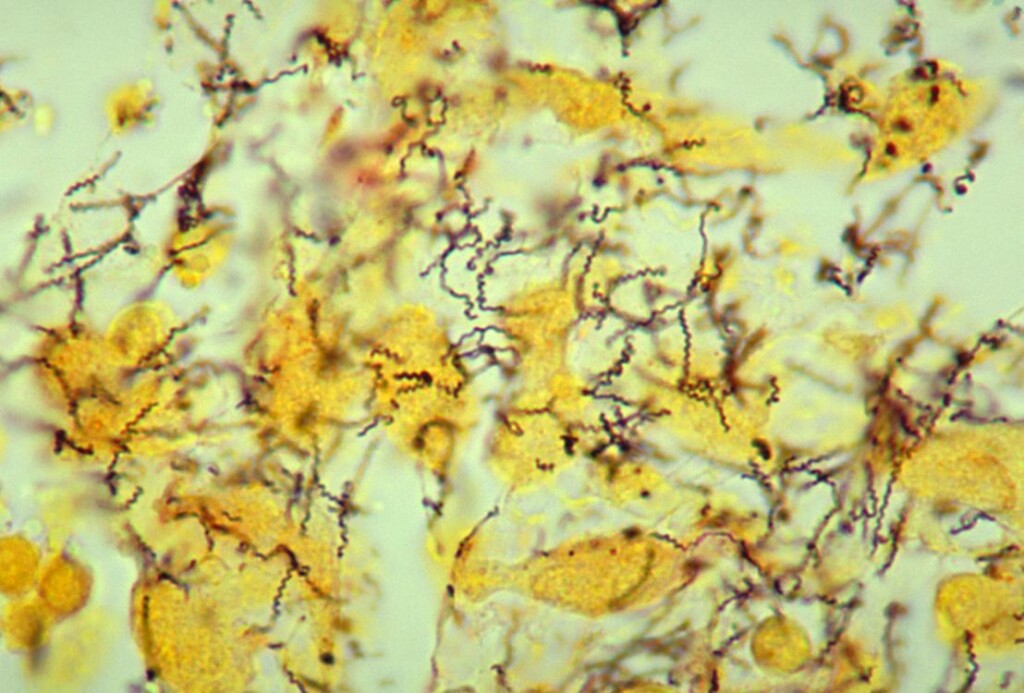
When analyzed with modern genetic profiling, the team at Liverpool found that bacterial species associated with healthy mouths were significantly decreased, while others were increased, but populations of a previously unknown member of the genus Treponema were found to be significantly above normal levels, a trait which stuck out like a badly trimmed hedge.
Angus O’Ferrall is the PhD student who prepared the data for Professor Adam Roberts, a senior author on the study, who described himself as being “astonished” at “a great reveal.”
The study team then reanalyzed previous samples of noma patients, and found the Treponema bacteria was present in those as well. They eventually began to call the seeming culprit Treponema A.
Roberts spoke with the Guardian on just why it was a great find, and the potential for future treatments this discovery opens up.
NEGLECTED TROPICAL DISEASES: Highly Fatal Virus May Finally Be Treatable with First Vaccine–Clinical Trials Starting
“We don’t know if it [Treponema] can colonize a noma wound because of the architecture and the environment, or if it causes the noma wound.”
“But if we know that actually Treponema A, for example, is always or 99% associated with the development of noma at the gingivitis stage then we could detect and treat prophylactically with antibiotics to stop it progressing,” he said.
A HEALTHIER AFRICA: WHO Declares Kenya Free of This Deadly Tropical Parasite After Decades of Suffering
Additionally if it could be determined that noma was was caused specifically by this bacteria, or as a result of its colonization, than broad spectrum antibiotics, the kind which can most often lead to resistance from overuse, could stay on the shelves in favor of a medicine directed at Treponema A.
Professor Philippe Guérin, director of the Infectious Diseases Data Observatory, University of Oxford, agreed the study was “a valuable starting point.”
SHARE This Great Jumping Off Point Towards A Future Without This Horrifying Illness…