












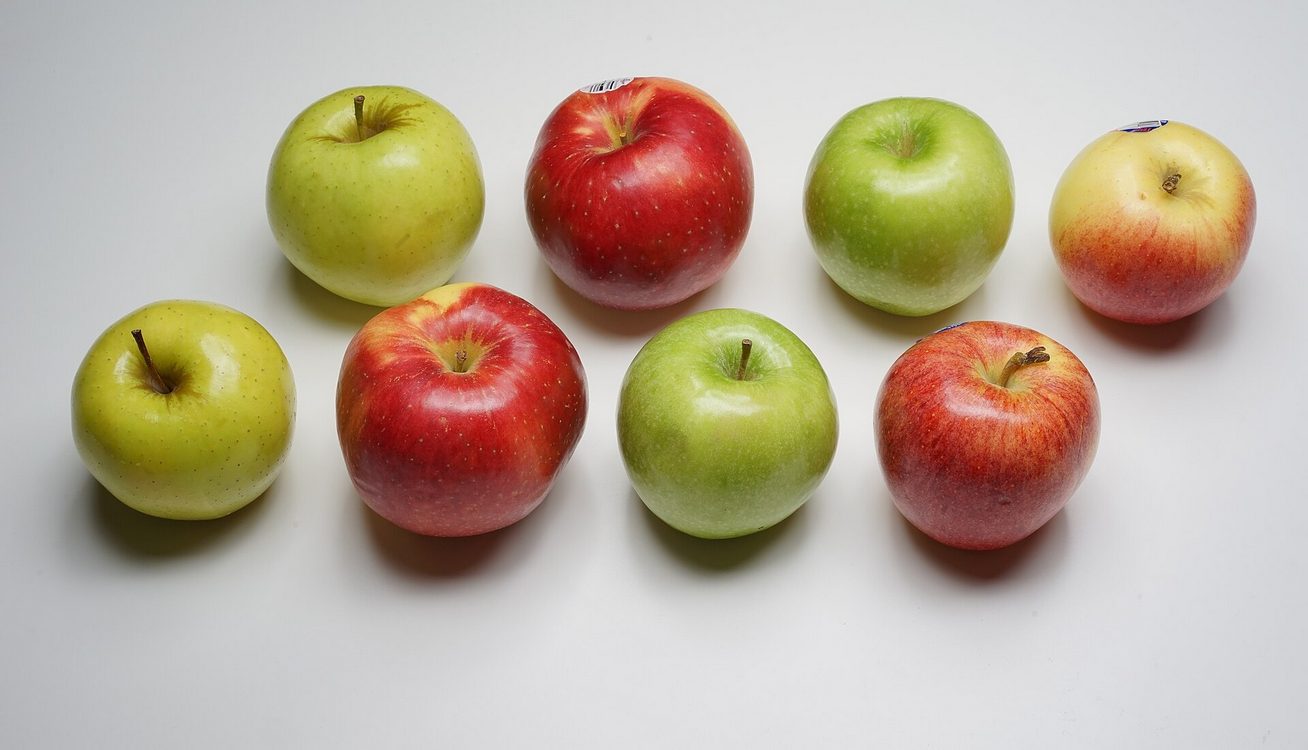
See these apples here? They rank among the most consumed worldwide—and one of Europe’s largest supermarkets would like to see that changed.
The Spar Group is embarking on a project to bring heritage and heirloom cultivars to market at scale through commercialization testing of numerous alpine apples.
They feature rather interesting names, reflecting the hard work and humor of the time they were developed—in some cases over 200 years ago.
Austrian produce trader Frutura is on board the project with Spar, and the first varieties they’re testing are called the Ilzer Rose, which originates in the year 1840 from the southern state of Styria, and the Falchs Gulderling, identified in the 1870s in South Tirol.
“Many consumers today are once again taking a greater interest in where food comes from, the varieties involved and how it tastes,” Markus Kaser, Spar Austria’s deputy chair, told the Guardian.
The point isn’t just to revive a bit of Austrian farmland history, but to rigorously test these old varieties to see if they “can thrive in commercial fruit growing under today’s conditions”.
“If we succeed, we would like to offer these special varieties throughout the region,” Kaser said.
There are some 7,500 varieties of apples that are grown today, though according to the Lost Apple Project, there were around 17,000 created in just North America during 18th and 19th centuries.
NEWS FROM THE ORCHARD:
- Resilient French Farmers Use Warming Climate to Grow the Country’s Own Tropical Fruit
- Discovery of New Avocado Types Could Lead to More Superfood Choices and Resilience
- Man Cultivates a Giant Mango Tree with Each Branch Growing a Different Variety of Fruit–and There Are 300
Yet there are reasons why of those 7,500 you’re likely to find between 3 and 5 at any given supermarket. Cultivars born of industrialized agriculture are specific beasts that are bred for flavor, large yields, vibrant colors, and resistance to pests, diseases, and farming chemicals.
It’s unlikely a grower could expect any of the heirloom varieties to perform so well at scale, yet Frutura and Spar’s experimental orchard in Styria now has 2,150 trees growing. The first fruits were picked this month, and are on the way for trial runs at Vienna markets.
Co-managing director of Frutura Katrin Hohensinner-Häupl told the Guardian what these two Austrian apples: the Ilzer Rose and the Gulderling, tasted like, and said that they “recall childhood.”
Quite the endorsement.
Give Your Friends A Bite Of This Story On Social Media…