Quote of the Day: “Let the hurt send you looking for those who will accept you.” – Bryant McGill
Photo by: Tyler Lagalo
With a new inspirational quote every day, atop the perfect photo—collected and archived on our Quote of the Day page—why not bookmark GNN.org for a daily uplift?
Arouca Bridge - credit CC 2.0. Luis Ascenso from Lisbon
5 years ago today, the world’s longest pedestrian footbridge opened for public use in recreation. The Arouca 516 spans the Paiva River in northern Portugal, and has a length of 1,693 feet. The bridge was designed by the Portuguese research institution Itecons and cost about €2.3 million to build. It takes about 10 minutes to cross if you’re taking in the views, and four, reports CNN, if you say your prayers and make a run of it. READ more about the bridge… (2021)
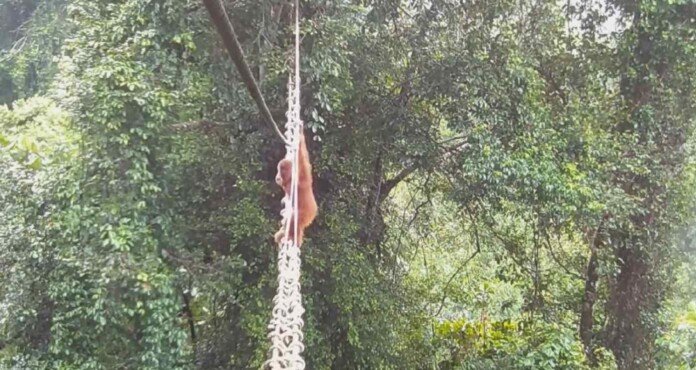
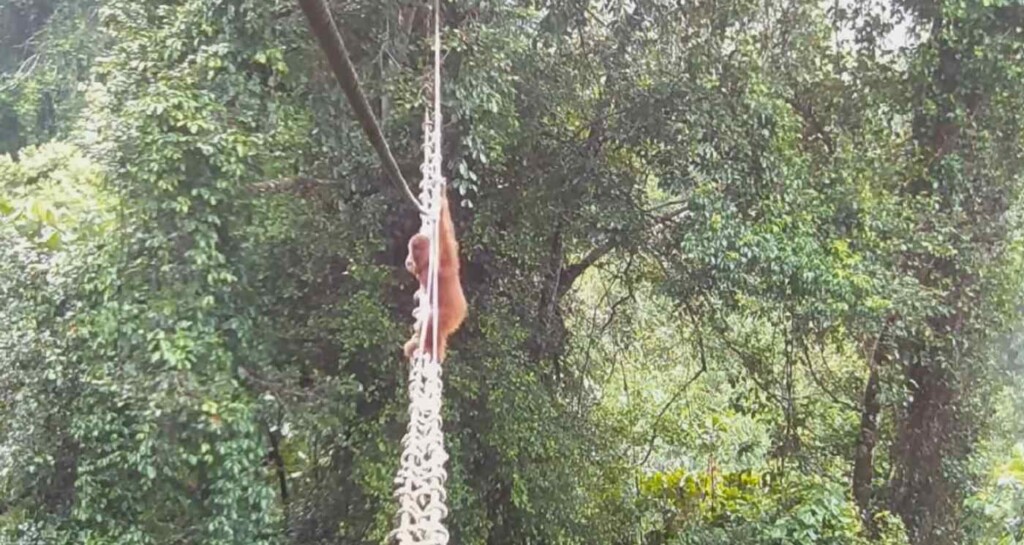
A wild Sumatran orangutan has been seen crossing a road through the jungle with the help of a canopy rope bridge for the first time.
This landmark moment, recorded on a camera trap in the Pakpak Bharat district of North Sumatra, is a world-first for the species, and because of the incredible social skills and intelligence of these animals, is predicted to become normal behavior in the future.
While other primates, including gibbons, langurs, and macaques, have previously been observed using the canopy bridges to cross the public road, this event confirms that Critically-Endangered Sumatran orangutans can and will use canopy bridges to overcome forest fragmentation.
“Waiting for this moment to happen for over 2 years has been excruciating, but now that it has, we’re just overjoyed,” said Hellen Buckland, CEO of SOS.
Pakpak Bharat is located in a landscape known as West Toba, where a population of 350 wild orangutans try to continue their ancestral lifestyle in the face of an advancing human population.
Buckland told the BBC that orangutans are especially susceptible to genetic problems from overly concentrated genetics, and it was feared the road which now bisects West Toba would isolate two halves of this population, leading to these very problems. The other issue is obviously collisions with vehicles.
A solution simply had to be found, and the rope bridge seemed like the only hope. With the help of local partner Tangguh Hutan Khatulistiwa, and the government, several rope bridges were fastened to sturdy trees in areas the apes frequent.
As Buckland said, they had to wait ever so long to see an orangutan use them. In the meanwhile they saw a whole host of arboreal species take advantage of them, including plantain squirrels, giant black squirrels, Sumatran langurs, and the agile gibbon.
Eventually though, their camera trap frame showed an unmistakable fuzzy orange color.
“This is absolutely fantastic news for Sumatran orangutans and we would really like to see these bridges go up across all orangutan landscapes, across Indonesia where roads are cutting through forests,” said Buckland. “It can really help the people and wildlife to live in coexistence.”
WATCH the moment below (paired with some truly beautiful music)…
SHARE This Monkey Business With Your Friends Who Love Our Ape Cousins…
Kenya's Sabastian Sawe in 2025, - credit, Leonhard Lenz CC0
Kenya’s Sabastian Sawe in 2025, – credit, Leonhard Lenz CC0
The under-2-hour marathon mark has been broken officially for the first time—twice—by a pair of African runners at this year’s London Marathon.
Thousands cheered as Kenyan champion runner Sabastian Sawe passed the finishing line at 1:59:30, a long-awaited and practically fabled achievement that has captured the hearts of sport for decades.
Indeed, Sawe said as much when he spoke to the media afterwards. “What comes today is not for me alone, but for all of us today in London.”
He didn’t only run a marathon in under 2 hours, but also shattered the previous world record 26.2-mile run by 65 seconds.
Ethiopia’s Yomif Kejelcha, who was running his first London Marathon finished in 1:59:41, also breaking that 2-hour mark, while Jacob Kiplimo of Uganda came in third, finishing in 2:00:28, which while not clocking in at under 2 hours, was still faster than the previous world record marathon time held by Kenya’s Kelvin Kiptum.
So the podium included three world-record beaters, and two sub-2-hour marathons: a truly special moment for track and field.
It was a sunny, mild day on the mostly-flat London streets when Sawe, Kejelcha, and Kiplimo laced up their ultra-light, custom made running shoes—the perfect conditions. Sawe ran the second half of the marathon faster than the first at 59 minutes and 1 second.
“I think they help a lot,” Sawe said of the fans who showered him with applause, “because if it was not for them you don’t feel like you are so loved … with them calling, you feel so happy and strong.”
Runners have had their sights on the 2 hour mark for more than 20 years, and in 2019, Kenyan long distance runner Eliud Kipoche achieved it as part of an unofficial, specially-tailored running experiment called the “1:59 Challenge” that was done on perfect conditions with a cast of 41 rotating pacemakers.
Kipoche finished this non-official race in 1:59:40, but Sawe and Kejelcha have allowed the sport to say definitively: with no special treatment other than the sophistication of their shoes, a man can run 26.2 miles—a distance supposedly brought down to us from Ancient Greece—in under 2 hours.
What will the next sought-after achievement? Well, at the moment, the women’s race is about 15 minutes behind the men’s, so surely the next 20 years will features an interest in a sub-2-hour marathon time for a female.
A three-and-a-half minute mile might be another one to watch, with humanity currently 13 seconds and 13 milliseconds off that mark.
SHARE These Men On The Pinnacle Of Human Athletics With Your Friends…
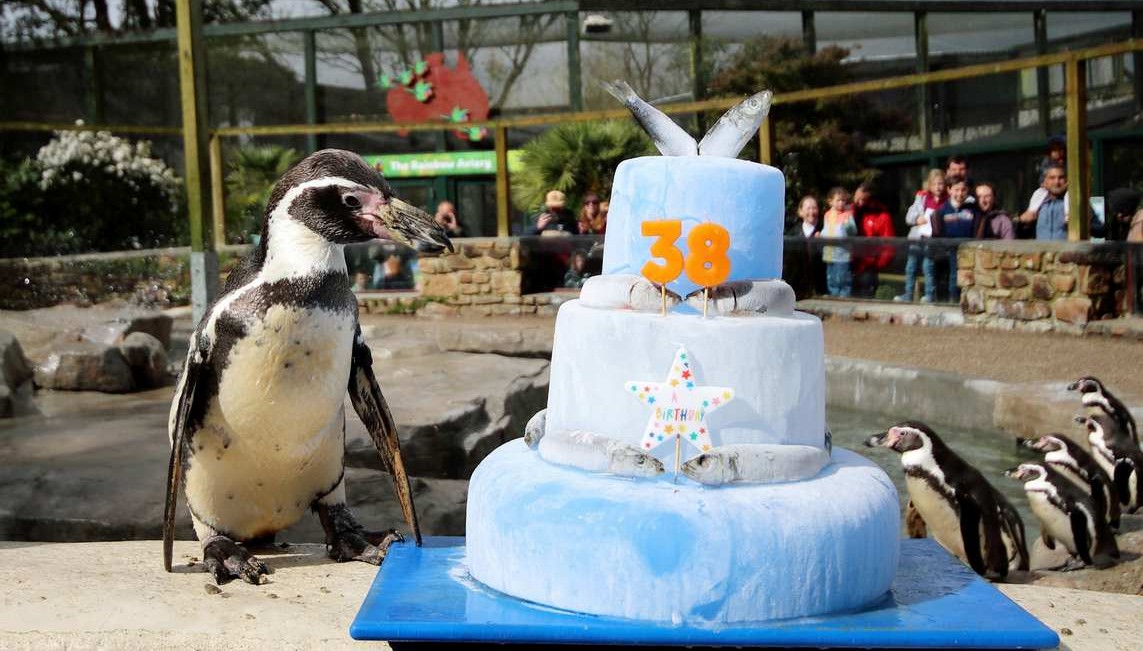
Spneb the penguin celebrates her birthday - credit, Paradise Park / SWNS
Spneb the penguin celebrates her birthday – credit, Paradise Park / SWNS
A penguin believed to be the oldest in the world has celebrated her 38th Birthday with an impressive ice cake topped with fishy treats.
Spneb, who was named after the medication which saved her life, is said to be the oldest Humboldt penguin on the planet, according to global zoo records.
But Paradise Park Wildlife Sanctuary in Cornwall, the UK, said despite her advanced years, she has not lost her sparkle and is still as inquisitive as ever.
The sanctuary marked Spneb’s milestone on April 16th with a party and a special ice cake loaded with her favorite treats like Cornish sardines and sprats.
Her keepers presented the cake to the birthday girl in front of her fans, both those with flippers and those without.
Spneb’s keeper Becky Waite, said the penguin still enjoys a healthy appetite and a “nosey peek” out of her nest box, despite being the eldest in the colony.
“She happily supervises the youngsters like a feathery neighborhood watch,” Waite said. “Her companion, Prince, is 21 years old and should have been born a peacock, as he loves to show off.”
Spneb’s unusual name blends the names of the medications that helped her through a tough battle with fungal infection aspergillus back in 2007.
After four months of treatment and a lot of determination, she made a strong recovery.
Though Humboldt penguins are native to the western coast of South America, they stay cool thanks to a bare patch on their faces that blushes red to release heat.
CELEBRATE Spneb’s Birthday On Social Media By Sharing This Story With Your Friends…
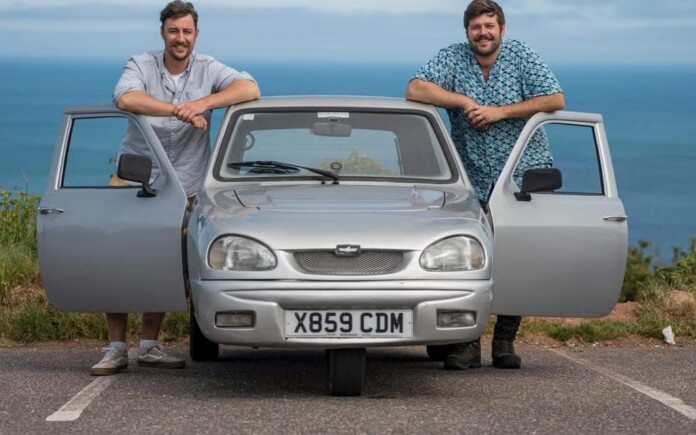
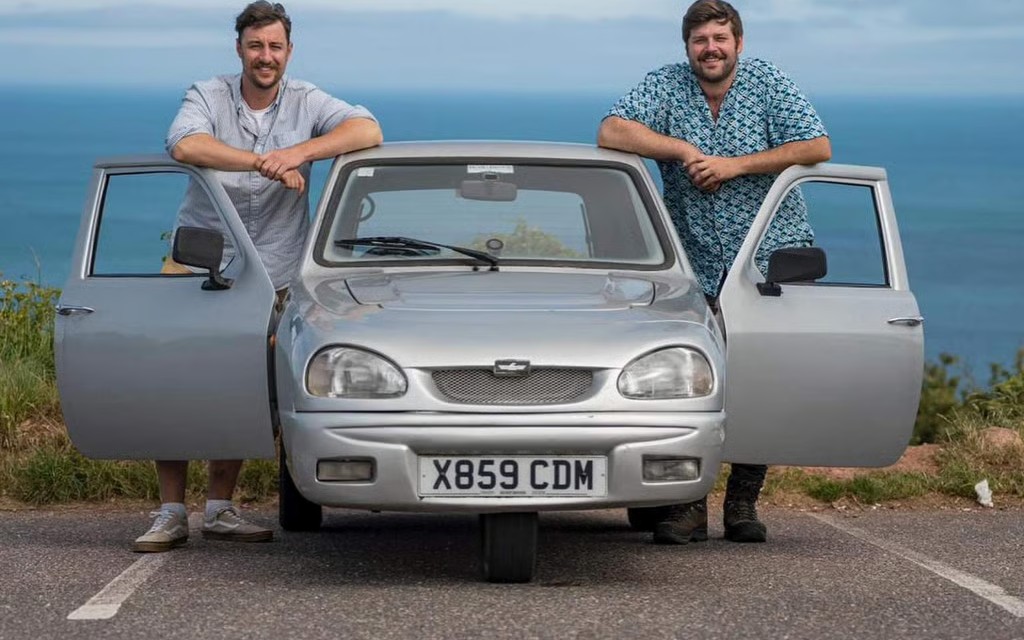
Sheila the Reliant Robbin, Ollie Jenks (left) and Seth Scott - credit, IG via hold.mygear
Sheila the Reliant Robbin, Ollie Jenks (left) and Seth Scott – credit, IG via hold.mygear
Two men recently completed an unimaginable voyage across the continent of Africa driving a Reliant Robin.
Their journey took over 90 days, during which they suffered countless breakdowns, swerved civil unrest and military operations, and witnessed all the beauty of the Colorful Continent.
For the uninitiated, the Reliant Robin was a quirky English car built with only a single front wheel. Designed to be inexpensive and for mainly driving to the store, the Reliant is famous for being the very last thing anyone would want to be reliant on.
Hold My Gear, the Instagram handle for the London-to-Cape Town adventure of “14,000 miles, 3 wheels, 0 common sense” was run by the utterly daft and tenacious duo of Ollie Jenks from the UK and Seth Scott from Canada, the latter proposing the idea to the former.
They would have to travel all those thousands of miles through jungle, deserts, and mountains, through unstable regions covered with the worst roads in the world, all while doing it in a car that can’t be turned sharply without flipping over.
Jenks and Scott bought Sheila, a silver Reliant Robin that was one of the very last to ever be built. It’s owner said it made him nervous driving more than 20 miles in one trip.
“No power steering, no air con, and it doesn’t do well up hills or down them. It is the most unsuitable car for probably any journey,” Jenks told the South China Morning Post.
Nevertheless, they set out across 22 countries from London to Cape Town. In Ghana, their transmission and gear box broke, and had to wait 5 days while Reliant Robin enthusiasts back in the UK found one and shipped it to them, an act of kindness that had to be repeated when their engine exploded later.
As for tires, springs and shocks, gauges—comforts and aesthetics of every description, the number of breakdowns were uncountable—as were the challenges they faced. They were driving through Benin when a military coup took place. In Cameroon they had to be given a military escort along with local buses, all of which eventually abandoned them after they kept breaking down.
Each day came with its own Instagram video, which make for brilliant, if vulgar, watching.
In day 53, they demonstrated how to handle bribe requests from rural Nigerian police officers by handing them some gas station confectionaries, while in day 89 of their attempt, they performed one of their hilarious jerry rigs—by diverting the windshield wiper fluid pump to spray water directly onto the radiator to cool it down in Namibia when their radiator went.
Their last stop was a showroom for high-end cars in South Africa, where Sheila was the star of the show in her battered body work. She’s now set to rest in peace at the London Transport Museum, where she will have a place of honor befitting the two world records she, along with her whacky drivers, achieved.
With a new inspirational quote every day, atop the perfect photo—collected and archived on our Quote of the Day page—why not bookmark GNN.org for a daily uplift?
100 years ago today, Harper Lee, the author ofTo Kill a Mockingbird, was born. During the two and a half years spent writing the novel in New York, the Alabama-born author became so frustrated that she tossed the manuscript out the window, into the snow—but her agent made her retrieve it! Published in 1960, the book was immediately successful, winning the Pulitzer Prize. READ More… (1926)
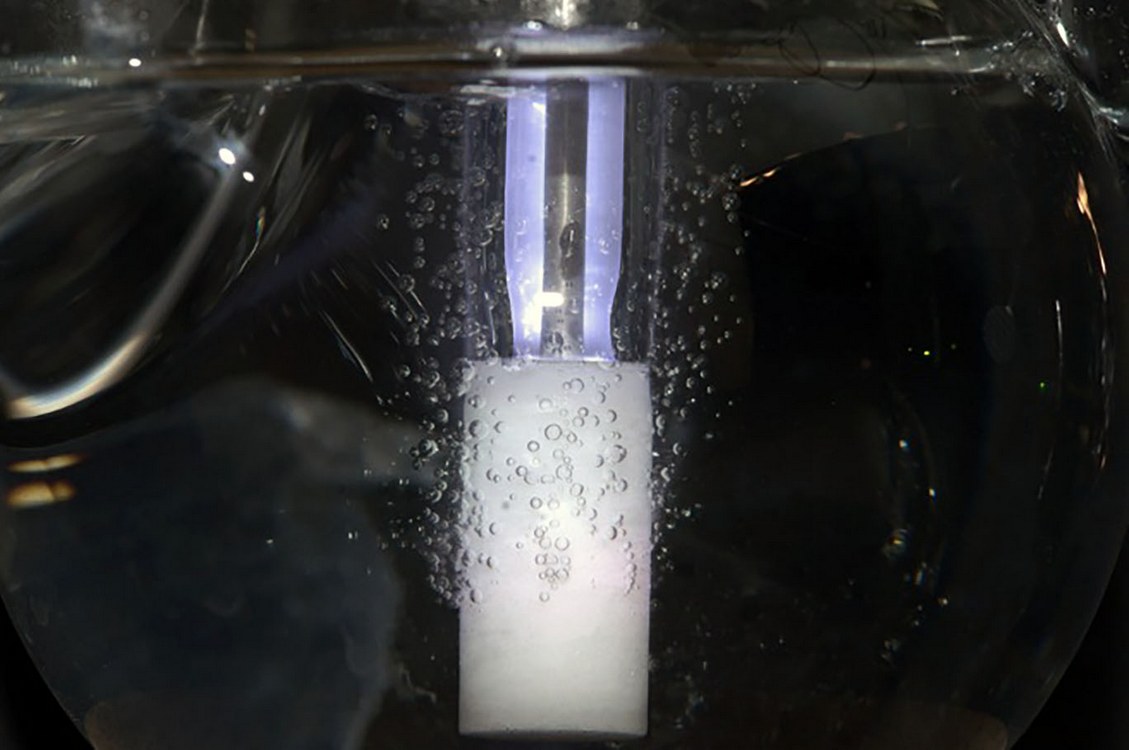
By harnessing tiny bursts of plasma—or “mini lightning bolts”—in glass tubes submerged in water, chemists have discovered a new way to turn natural gas into liquid fuel.
Utilizing literal “lighting in a bottle” the team from Northwestern University successfully converted methane directly into methanol in a single step.
Methanol is a versatile, high-demand industrial chemical used to make many products people use every day. It also is commonly used as an industrial solvent and is gaining attention as a cleaner-burning fuel for ships and industrial boilers.
Using just electricity, water, and a copper-oxide catalyst, the new process could offer a cleaner, electrified path to producing one of the world’s most widely used chemical building blocks.
The method bypasses the extreme heat and high pressures required for current industrial processes, which blast apart methane and rebuild it as methanol in a multi-step process. While the current method is reliable, it’s energy intensive and emits millions of tons of carbon dioxide per year globally.
“The extreme temperatures are needed to break the unreactive chemical bonds between carbon and hydrogen in methane,” said Northwestern’s Dayne Swearer, the study’s corresponding author, in a release regarding the paper’s publication in the Journal of the American Chemical Society.
“Then, you must use high pressure to squeeze all those molecules together onto the catalyst in order to make the methanol molecule. It works, but it’s not the most straightforward path to making methanol from methane.”
While researchers have long sought a more energy-efficient, single-step solution, they have struggled to overcome two challenges. Methane is unusually stable and difficult to break apart, requiring extreme reaction conditions. Then, once methanol is formed, it continues to react, rapidly degrading into carbon dioxide. So, the challenge lies in not just starting the reaction but stopping it at exactly the right moment.
To overcome these issues, Swearer and his team turned to plasma, a highly energized state of matter filled with fast-moving, “hot” electrons. Most people might be familiar with plasma as the type of matter that makes up the Sun or lightning bolts. Those are examples of hot plasmas. Swearer’s group works primarily with cold plasmas, in which the gas molecules’ temperature is closer to room temperature, but the electrons are selectively heated to temperatures that can exceed tens of thousands of degrees.
“We’re using pulses of high-voltage electricity,” said Swearer. “If the electrical potential is high enough, lightning bolts form inside of our reactor the way they do during a summer thunderstorm. We’re taking advantage of that chemistry to break methane’s bonds without heating the entire system to extreme temperatures.”
For the new single-step process, James Ho, a PhD candidate in Swearer’s lab, built a plasma “bubble reactor,” which is essentially a porous glass tube coated with a copper oxide catalyst.
Then, the team flowed methane gas through the tube while applying electrical pulses. The electricity transformed the methane gas into plasma, splitting methane and water into highly reactive fragments. Those fragments then recombined to form methanol, which immediately dissolves into the surrounding water. That rapid “quenching” stopped the chemical reaction at the right moment, preventing the methane from decomposing into carbon dioxide.
To further enhance the process, the team diluted methane with argon, which is typically an inert noble gas. But, after ionizing argon in the plasma, the chemists discovered it became an active and reactive participant in the chemical process, increasing electron density within the plasma and reducing unwanted byproducts.
Under the optimized conditions with argon present, the system demonstrated 96.8% methanol selectivity in the liquid mixture. In other words, of all the liquid products formed in the process, it was mostly methanol. And, of all the products formed — both gas and liquid—about 57% ended up as methanol.
“We also ended up with ethylene, which is a precursor to plastic production, and hydrogen gas, which is an important commodity chemical and a zero-carbon fuel in its own right,” Swearer said. “So, we took methane, which is a very abundant gas, and turned it into methanol along with ethylene, hydrogen and a bit of propane. These are all intrinsically more valuable products.”
If scaled, the plasma-driven system could enable smaller, distributed facilities that use electricity to convert methane into liquid fuels.
“We could treat stranded resources, like leaky well heads that naturally emit methane into the environment,” Swearer said. “Right now, the way to deal with leaked methane is to light it on fire to turn it into carbon dioxide, which warms the climate less than methane but is still clearly a problem. Instead, we could take a smaller scale reactor to the place that’s leaking methane and turn it into a transportable liquid fuel.”
SHARE This Impressive Discovery With Your Friends…
Barbara Collins and Chewy - credit, Amy Savino, family photo
Barbara Collins and Chewy – credit, Amy Savino, family photo
An American senior recently went viral on social media while doing a bit of gardening—with the help of a 150 pound dog.
Barbara Collins has some flowers in her hand, and she points to the giant brown Newfoundland where she wants to put them.
Then Chewy the Newfy starts to dig.
Collins kneels down and puts the marigolds in the hole, covers it up, and pats down the soil.
It was all so simple, yet 11 million people watched it on TikTok, where thousands left appreciative comments of the well-trained dog and the charming relationship it has with the old woman.
“I’m so in love with your precious grandma and Chewy. Their loving relationship is priceless. I can be feeling down and watching them changes everything for me,” someone commented on an Instagram video.
Great-grandmother Barbara Collins and Chewy as a puppy – credit, Amy Savino, family photo
Collins doesn’t move like she used to. At 96, the digging would be a bit too much. But thankfully she has a lovely relationship with Chewy, her granddaughter’s dog. Granddaughter Amy Savino lives next door with her husband and three children, and their dog Chewy has practically become Collins’ dog.
“They’re just best friends,” said Savino, 39. “He’s always had such a sweet, sweet bond with her.”
Collins admitted to the Washington Post that she feels “very lucky” to have a friend like Chewy, who is named after Chewbacca the Wookie from Star Wars.
“He likes to do whatever I want him to do,” Collins said. “He is always looking at me and smiling. I wanted him to dig, and he just did exactly what I told him to do.”
Beyond all the cuteness, it’s a darn good idea that probably thousands of grandmothers across the country could consider availing themselves of.
Prince has dropped a new track on the anniversary of his death 10 years ago last Tuesday.
The Prince official YouTube channel has said that it will be releasing 10 tunes by the superstar this year as part of a never-before-released album project.
GNN has reported at times on the advent of dead artists whose new music continues to be enjoyed, but these are usually composers like Bach or Mozart.
“With This Tear” was recorded at Prince’s Minnesota mansion Paisley Park in 1991. He offered it to Celine Dion, who recorded her own version a year later.
CBS News Minnesota reported that the track has been newly mixed and mastered and features Prince producing, arranging, composing, and performing all instrumentation as he was wont to do.
Fans have been honoring the departed pop legend in Minneapolis this month, with a large mural going up at First Avenue in the city. Outside Paisley Park mansion, tributes and remembrances have lined up along a memorial fence.
The anniversary will more or less culminate on June 3rd to the 7th when Paisley Park will feature a succession of concerts headlined by performances from The Revolution, Prince’s studio and live band, and artists Prince signed for his New Power Generation record label.
SHARE This New Prince Track With Fans You Know On Social Media…
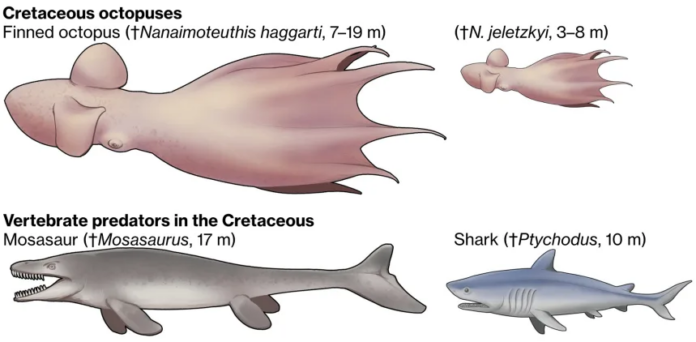
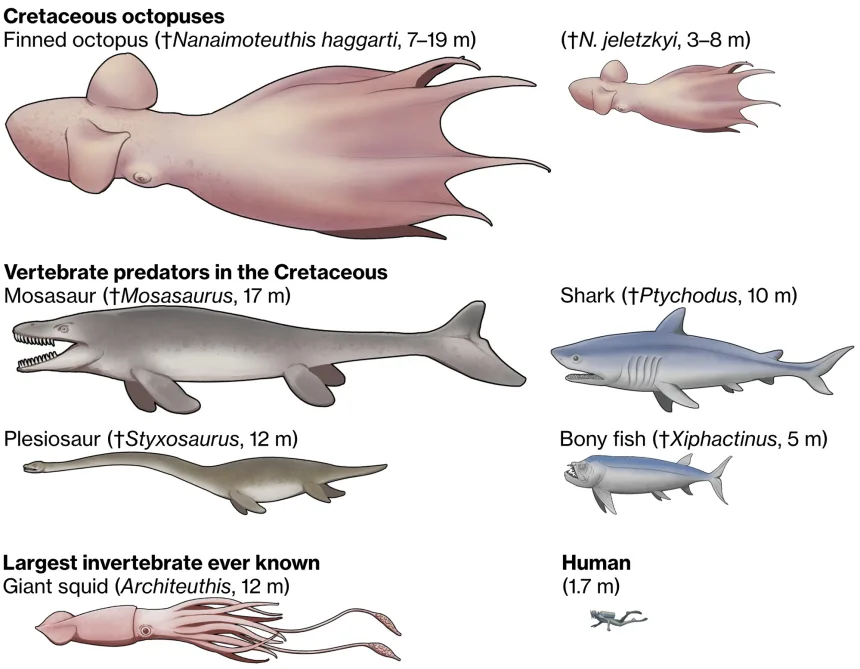
Size comparison of N. haggarti to its contemporaneous competitors – credit, Hokkaido University
The kraken: a giant squid or octopus of myth, seems to have swam in the Cretaceous oceans, a Japanese study shows.
Recovering a selection of truly revolutionary fossils from sediments in Japan and Vancouver Island, the researchers present a prehistoric octopus that could grow as long as 60 feet, and use its powerful jaws to grind bones.
Fossil evidence of cephalopods like octopuses is extremely difficult to gather because their soft bodies deteriorate quickly, having just 1 single bone that can remain to be fossilized.
Using a technique they termed “digital fossil mining,” researchers at the University of Hokkaido applied high-resolution grinding tomography to look within sedimentary rock samples from the Cretaceous period before subjecting the images to an artificial intelligence model that could exquisitely map the fossils they contained.
Those fossils were the beak and lower jaw of a creature called Nanaimoteuthis, the largest species of which Nanaimoteuthis haggarti, grew to sizes between 23 and 62 feet in length. These truly colossal invertebrates used their beaks to grind up shells and bones as evidenced by the substantial amount of wear on the largest fossil the team found, which correlated with a 62-foot body length and would have placed it beyond any of the formidable marine reptiles like mosasaurs and plesiosaurs that shared the ocean with it.
“Within this ecosystem, Nanaimoteuthis likely used its large body and long arms to capture prey, and its powerful jaws to process hard food,” study coauthor Yasuhiro Iba, an associate professor of Earth and planetary sciences at Japan’s Hokkaido University, told CNN. “Like modern octopuses, it may have relied on intelligence to find, capture and consume its prey.”
The giant squid of our oceans today, stretching 30 feet in length and bearing 3 inch jaws, is the largest invertebrate living or extinct that’s known to science. N. Haggarti wielded jaws around 150% larger, and could be 23 feet longer. Its discovery also places it as the oldest Cirrata, or finned octopus. The fins itself would be as wide as an average man is tall.
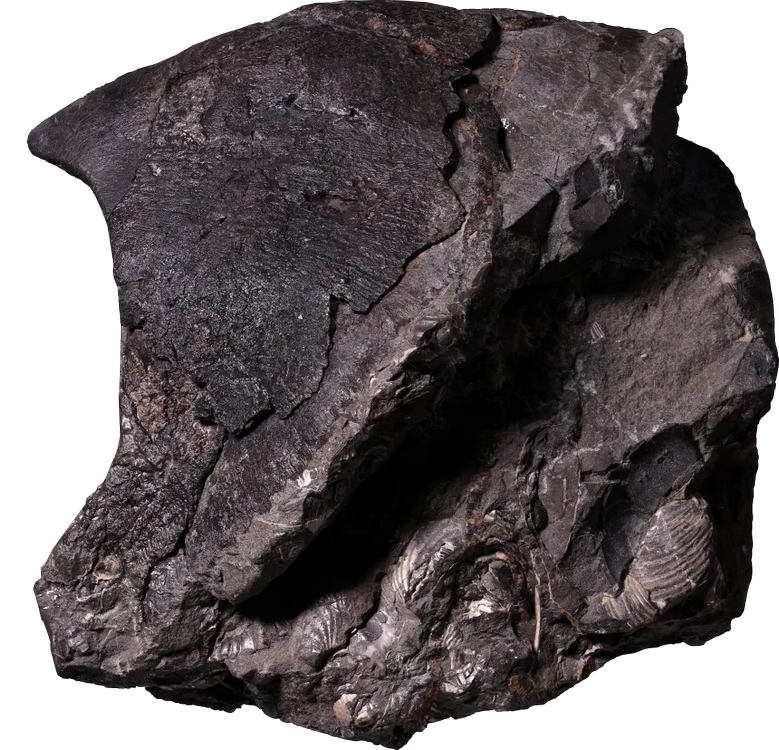
The Nanaimoteuthis haggarti fossil that was used to calculate the 60 foot body length – credit Hokkaido University
In their study, the authors hypothesize that the animal, like modern octopuses, was intelligent, as evidenced by asymmetric wear on its beak, though some scientists who weren’t involved with the study said to CNN that this claim requires more evidence.
For their part, the authors state that the asymmetric wear reflects brain lateralization, or the division of the brain into hemispheres with unique specializations that manifest in the dominant application of one side of the body for various tasks. In the case of this Kraken of the Cretaceous, it’s grinding down the bones or shells of its prey, which it preferred to do on one side of its jaw.
Whatever the case, the largest jaw, which would have been attached to a 60-foot-long animal, had lost 10% of its total chitinous mass from wear, suggesting an extremely active hunting behavior.
It was clearly a top predator: how couldn’t it be? The question next will be what was its relationship with the mosasaur: the top marine vertebrate predator. Was it an uneasy stalemate, or could one prey on the other?
While the kraken certainly had the body size to compete with the mosasaur, viewing it as prey is a different question. Would it have benefited or even been able to have consumed such large animals, which could grow themselves to beyond 30 feet in length?
SHARE This Staggering Discovery That Puts The Octopus At The Top Of A Food Chain…
Quote of the Day: “If passion drives you, let reason hold the reins.” – Benjamin Franklin
Photo by: Andria Elia Photography – in Cyprus
With a new inspirational quote every day, atop the perfect photo—collected and archived on our Quote of the Day page—why not bookmark GNN.org for a daily uplift?
70 years ago today, Rocky Marciano retired as an undefeated boxing champ at age 32, becoming the only person to hold the heavyweight title without a tie or defeat during his entire career. Born to Italian immigrants in Brockton, Massachusetts, he worked out as a youth on homemade weightlifting equipment at home and dropped out of school in the tenth grade. His knockout percentage of 87.75 is one of the highest in heavyweight history. READ more about the famous boxing figure… (1956)
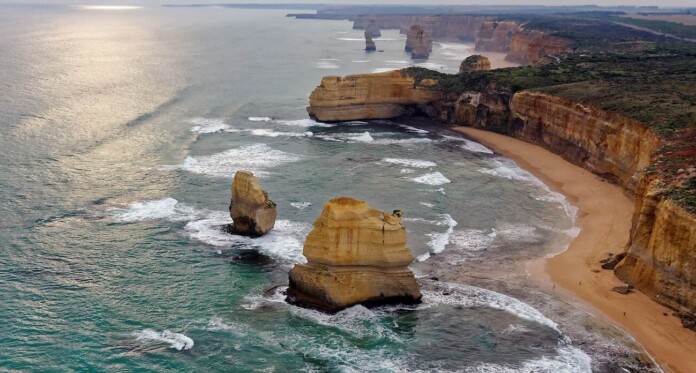
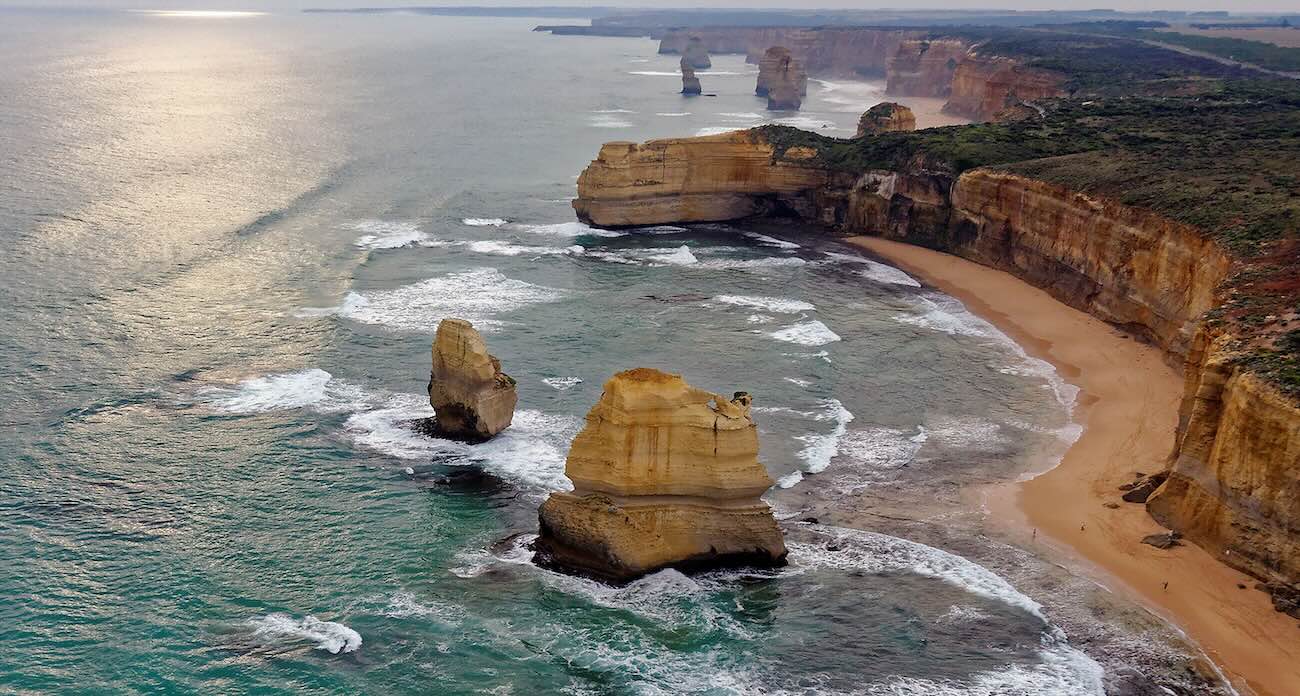
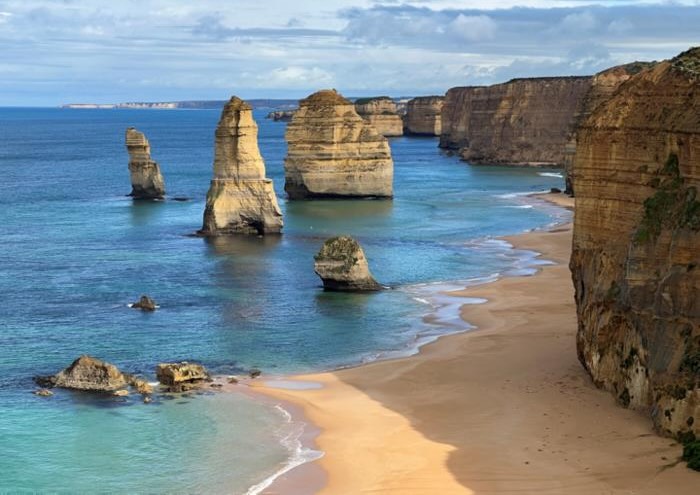
The Twelve Apostles in Victoria, Australia – Credit Michael J Fromholtz (CC BY-SA 4.0)
The Twelve Apostles in Victoria, Australia – Credit Michael J Fromholtz (CC BY-SA 4.0)
Research from the University of Melbourne for the first time has confirmed the ancient impetus that formed the iconic Twelve Apostles, 25 miles of rock formations along Australia’s southern coast.
The evidence is in: tectonic plate movements over millions of years lifted the giant limestone landmass out of the sea.
“Until now, the evolution of the Twelve Apostles had not been well known,” said the lead researcher, Associate Professor Stephen Gallagher from the School of Geography, Earth and Atmospheric Sciences.
The “landmark” study, published this week in the Australian Journal of Earth Sciences, revealed that while the Twelve Apostles were pushed out of the sea over millions of years by shifting tectonic plates.
The tectonic event, followed by 20,000 years of erosion from wind and waves, helped shape the Twelve Apostles into one of the world’s best-preserved and accessible records of ancient climates and sea levels.
“Much like an environmental time capsule, each layer of these giant structures preserved information about the Earth’s climate, tectonic activity, plants and animals over millions of years, including a key time about 13.8 million years ago when the climate was much warmer than what it is today,” Associate Professor Gallagher explained in a media release.
He continued, “We are using this ‘window back in time’ to understand where temperatures and sea levels may be heading on our current path of climate change.”
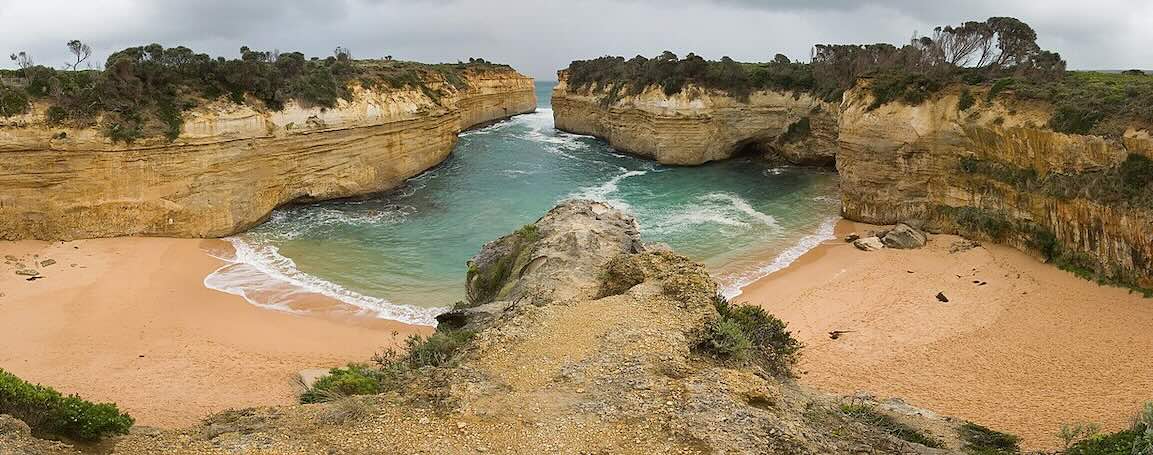
Loch Ard Gorge in Port Campbell National Park in Australia – Credit: Diliff (CC BY-SA 3.0)
Like tree rings, the layers have provided scientists with a clearer idea of the Apostle’s age than ever before. The researchers say they are actually younger than previously understood.
“Early preliminary research indicated the ancient limestone layers ranged between seven to fifteen million years old, but we discovered microscopic fossils that more accurately dated the layers as 8.6 to 14 million years old,” said Gallagher.
“We also uncovered that the tectonic movements didn’t push up the Apostles perfectly straight. Instead, they forced layers to tilt and break along the way.
“If you look closely at the cliffs around the Twelve Apostles today, you can see the limestone layers are not flat but are, in fact, tilted by a few degrees. Small fault lines can also be seen, which are records of ancient earthquakes.”
Credit Mark Cuthell – RELEASED with study
Although the limestone sea stacks 120 miles southwest of Melbourne were named ‘the Twelve Apostles’, there may have only been nine. Only seven remain today, after the collapse of one that was 50-meters-tall (160 ft) in 2005, and another in 2009, leaving only stumps in the protected area within Port Campbell National Park.
The new research along this 40 kilometers (25mi) of continuous sea cliffs, employed photographic and digital imagery, with field mapping, and stratigraphic and microfossil analyses, to reveal that their geology spans 15 million years of Earth history.
Flooding since the Last Glacial Period 23,000–20,000 years ago created the sea stacks, cliffs, and estuaries, as extreme weather conditions from the Southern Ocean gradually eroded the soft limestone, weakening cracks in the cliffs, causing them to form caves in the cliffs, which then become arches that eventually collapsed, forming free-standing stacks.
CREATE SOME TRAVEL PLANS By Sharing The Awe-Inspiring Site on Social Media…
An innovative solution that would guard against natural disasters facing the Gulf Coast region has won a $20 million infusion to make its vision a reality.
The National Academies of Sciences, Engineering, and Medicine’s Gulf Futures Challenge has awarded $20 million to the Louisiana Public Health Institute for its ‘Gulf Hub initiative’.
The initiative brings together a powerful, multi-state partnership between Louisiana, Mississippi, Alabama, and Florida to transform community health centers into energy-independent, climate-adaptive health care facilities that remain operational before, during, and after disruptions and disasters.
These hubs will deliver uninterrupted care to more than a half million residents across the four Gulf states, which are increasingly under siege from hurricanes.
“We asked the people of the Gulf for their visions for a brighter future, and they responded with a flood of exciting proposals,” said Lauren Alexander Augustine, executive director of the Gulf Research Program.
“The Louisiana Public Health Institute’s project is exemplary in combining fresh ideas with innovative partnerships.”
Some of the partners on board include: Primary Care Associations, the Louisiana State University School of Public Health, the University of Miami Miller School of Medicine, Southern University’s School of Social Work, Crescent Care, the Mississippi Public Health Institute, Collective Energy, and 504HealthNet.
“Community health centers are deeply trusted local health care anchors that communities across the Gulf Coast rely on, especially in times of disruption and disaster,” said Shelina Davis, CEO of the Louisiana Public Health Institute.
“Through Gulf Hub, we have the opportunity to equip these centers to remain open, connected, and responsive when care is needed most, while generating and sharing data that strengthens coordination, continuity, and long-term resilience across the region.”
Through an open competition launched in June 2024, the Gulf Futures Challenge aimed to leverage the inherent talent and knowledge of the people of the Gulf region by supporting ideas and solutions from those who understand it best.
The challenge received 164 proposals from innovators in the four Gulf Coast states mentioned above, plus Texas — and more than 100 reviewers directly evaluated science‑driven ideas that addressed real problems facing their communities.
“The caliber of the proposals we received demonstrates how rigorous science can be translated into practical solutions and real-world resilience,” said Kristen J. Molyneaux, president and co-founder of Lever for Change, which managed the Challenge and is helping all 10 finalists raise their visibility, and increase their potential to secure funding.
“Donors interested in supporting these projects with additional funding can contact Lever for Change to continue advancing this work.”
The Gulf Hub health initiative—along with another project dealing with offshore oil rigs—both received $20 million each. Additionally, all 10 finalist teams received an initial project development grant of $300,000 and received technical assistance to strengthen their proposals.
The remaining eight finalists will each receive up to $875,000 in additional project development support. To learn more about the Gulf Futures Challenge and the awarded projects, visit Lever for Change.
SPREAD THE NEWS So Gulf State Health Workers Can Get Involved…
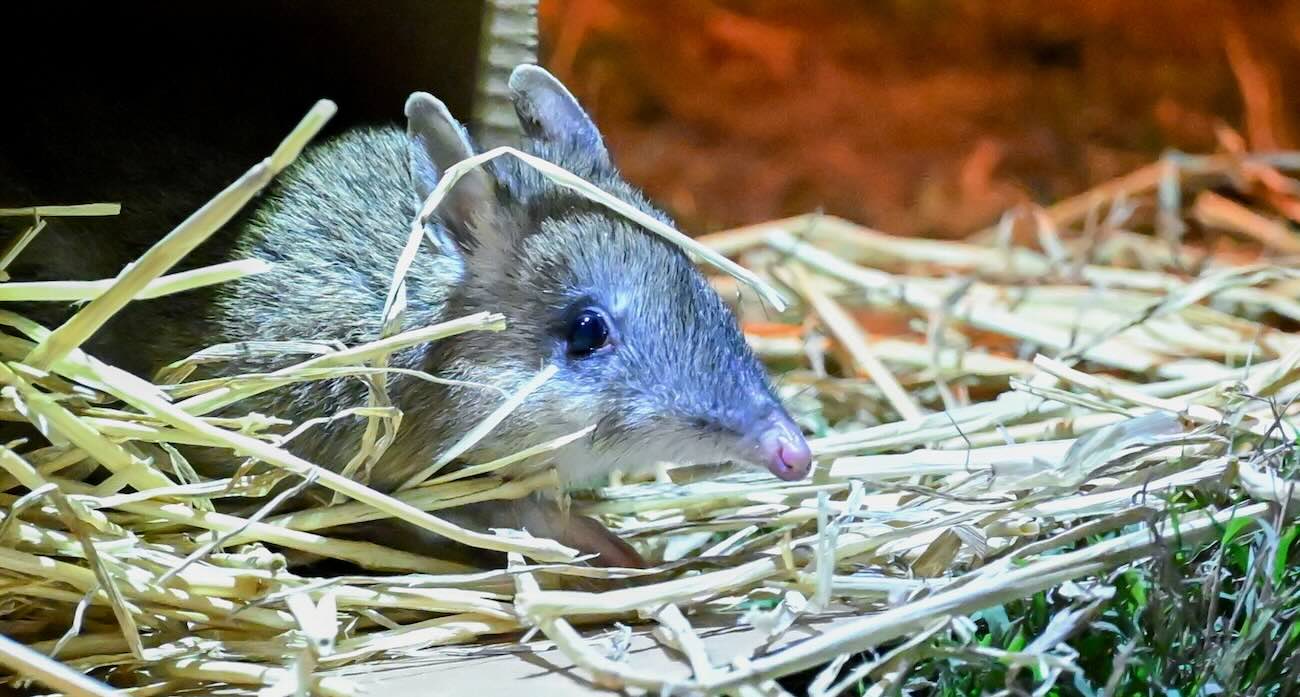
Eastern barred bandicoot back in the wild – SWNS
Released only for use with SWNS story SWCRbandicoot
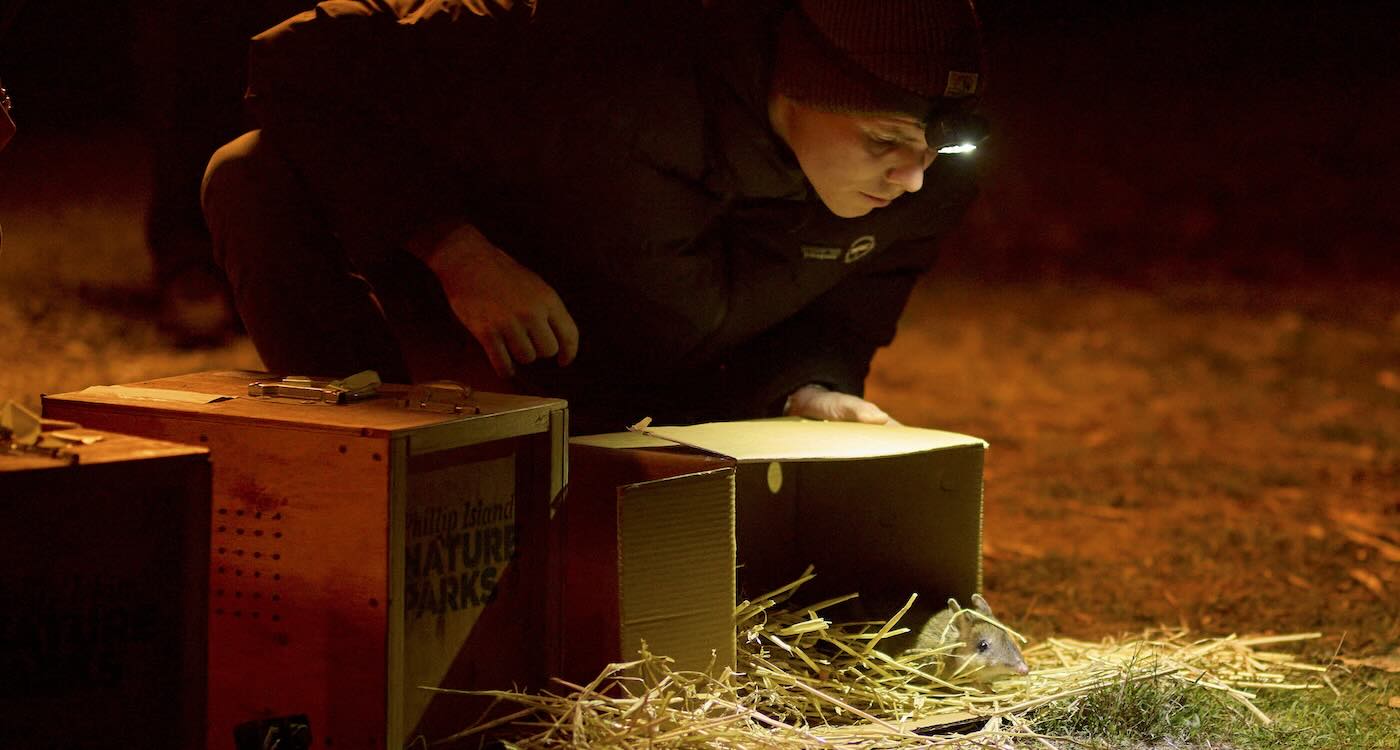
Eastern barred bandicoot back in the wild – James D Morgan /SWNS
In Australia, the eastern barred bandicoot was declared extinct in the wild in 1991, after the population dwindled to just 60 living at a landfill site in Victoria.
But now, the marsupial has been “bred for survival” and will be released into a half dozen reintroduction sites across the country after previous attempts to reintroduce it failed because of inbreeding.
In the world-first gene-mixing approach, mainland Australian bandicoots have been bred with those from Tasmania—two genetically distinct populations isolated from each other for more than 10,000 years.
The small, native marsupials became extinct after the ecosystem was devastated by invasive species like rabbits, along with feral cats and foxes that became predators across the huge island.
Animal survival isn’t the only benefit—the land will improve too. Burrowing by the chipmunk-sized bandicoots improves soil health and strengthens landscapes against flood and drought.
The latest plan to reintroduction aims to build a population of at least 500 animals across a minimum of five different locations. (Watch the excellent video at the bottom…)
Eastern barred bandicoot released at night – SWNS / Right Now Climate Fund / James D Morgan
It ensures animals are geographically dispersed and less likely to be wiped out by natural disaster.
That goal of climate resilience resonates with Amazon.com’s Right Now Climate Fund, which donated $2.5 million to help restore endangered species in Australia
“Thirty years ago, these bandicoots were gone from mainland Australia,” said Michael Miller, an Amazon VP for the fund, which was established in 2019 with $100 million to help communities in Europe become more climate resilient, using nature-based solutions to enhance biodiversity, along with their key partner The Nature Conservancy.
“What makes their recovery incredible is the science behind it—a genetic rescue program which is science-backed, scalable, and transformative for conservation.”
Eastern barred bandicoot – James D Morgan /SWNS
“The same methodology could help save endangered animals all over the world.”
The three-year project will help save the eastern barred bandicoot and other species including the eastern quoll and southern brush-tailed rock-wallaby.
Dr. Andrew Weeks, director of Cesar Australia and science advisor to Odonata perfectly summed it up.
“We’ve built a fit, feisty bandicoot population with far greater genetic health and a much better chance of survival than their inbred predecessors.”
SHARE THE ENVIRONMENTAL SUCCESS With Nature Lovers On Social Media…
Quote of the Day: “In every man’s heart there is a secret nerve that answers to the vibrations of beauty.” – Christopher Morley
Photo by: Katarina Branovacki
With a new inspirational quote every day, atop the perfect photo—collected and archived on our Quote of the Day page—why not bookmark GNN.org for a daily uplift?
106 years ago today, the Smithsonian Museums in the nation’s capital held the first of its Great Debate series, with the topic being whether spiral galaxies and nebulae were relatively small and part of the Milky Way. Arguing in the affirmative was Harlow Shapely, head of the Harvard College Observatory. Arguing in the negative was astronomer Heber Curtis. A year later the two sides of the debate were presented and expanded on in independent technical papers under the title “The Scale of the Universe.” READ more about the Great Debate… (1920)
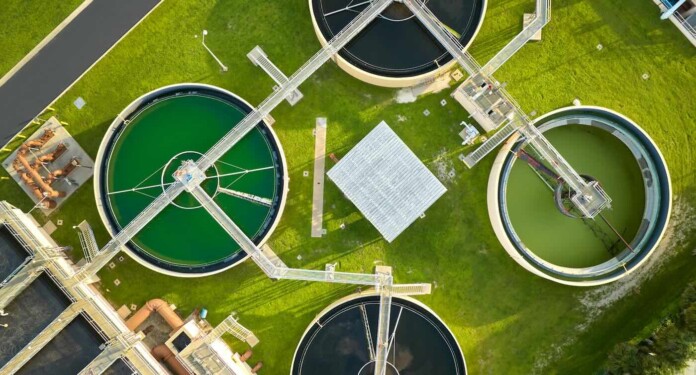
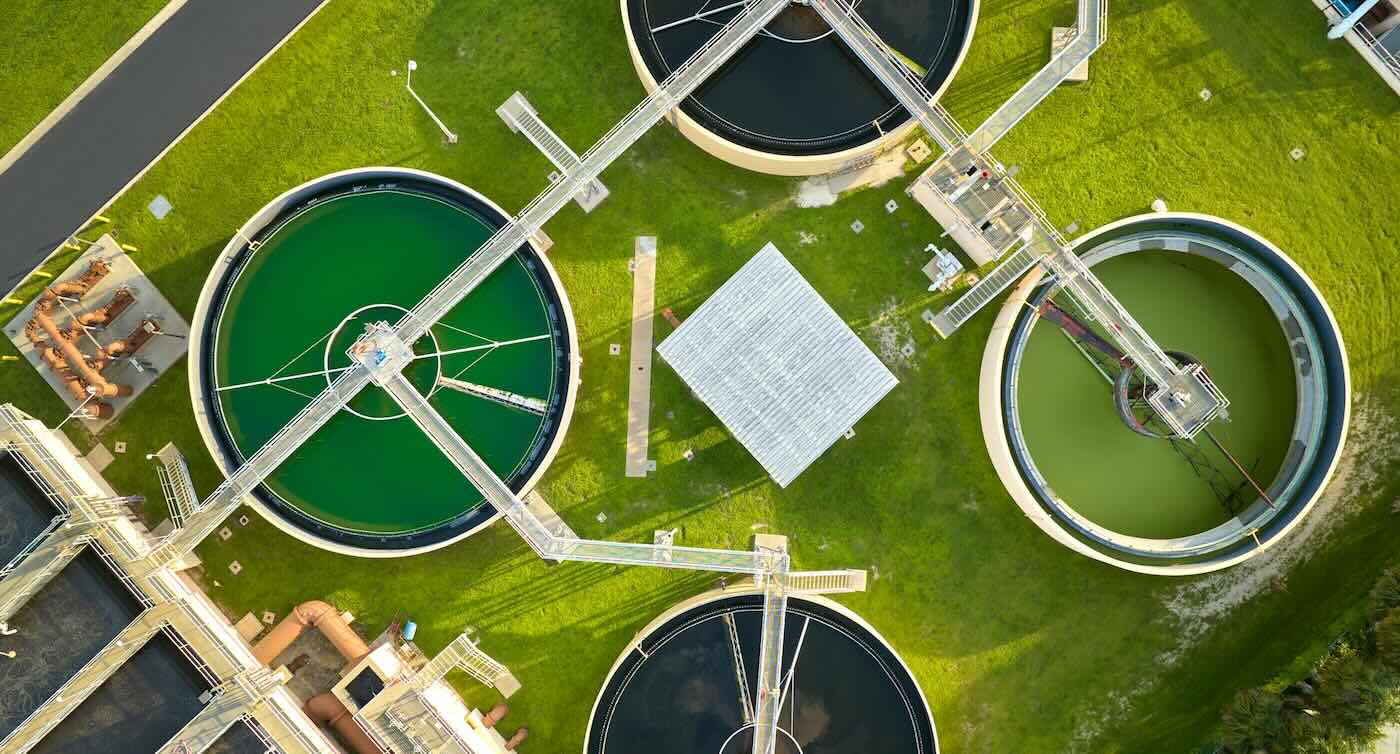
Sewage wastewater treatment plant – File photo by Getty Images for Unsplash+
Sewage wastewater treatment plant – File photo by Getty Images for Unsplash+
A pilot study employing a new method for treating sewage sludge efficiently created renewable natural gas while slashing in half the cost of the treatment.
The Washington State University team described the process this week in Chemical Engineering Journal, touting it as a way to help communities sustainably clean up their waste while providing renewable natural gas for their energy needs.
When the researchers pretreated sludge collected from a nearby wastewater facility, they produced 200% more renewable natural gas compared to current practices—and cut the cost of disposal by nearly 50%.
“This technology basically converts up to 80% of the sewage sludge into something valuable,” said Professor Birgitte Ahring of WSU’s School of Chemical Engineering and Bioengineering, and one of the authors of the paper.
The renewable gas can be used in the same way as fossil-fuel based natural gas—for electricity generation, home heating, or transportation—all without the heavy climate imprint left by fossil fuels.
Addressing the giant energy drain from current methods of processing waste
Wastewater treatment facilities use large amounts of electricity to clean up municipal wastewater, making up between 3% and 4% of the total electricity demand in the U.S.
They are often the largest user of electricity in a small community. Their treatment processes also contribute to global warming, adding about 21 million metric tons of greenhouse gases to the atmosphere annually.
About half of the approximately 15,000 wastewater treatment plants in the U.S. use anaerobic digestion to reduce sewage waste and make biogas, but the process, in which microbes break down the waste, is inefficient and struggles to break down all the complex molecules in the sludge.
Additionally, the biogas composed of carbon dioxide and methane has limited use—while the leftover sludge, called biosolids, most often ends up in landfills.
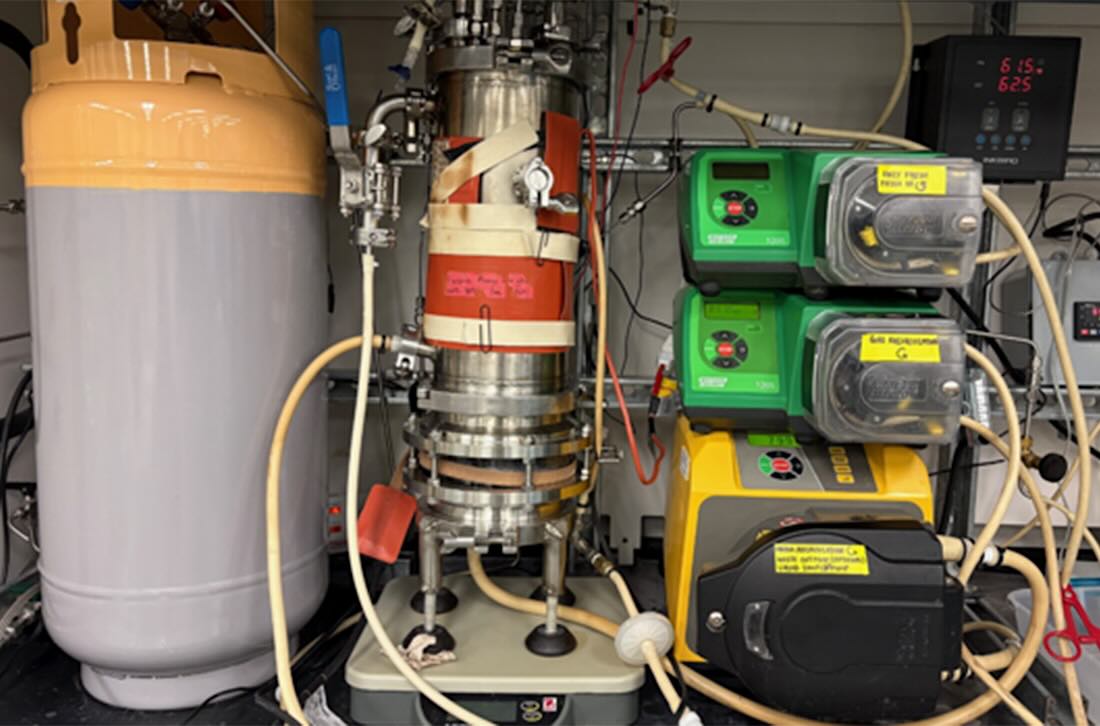
Biogas reactor converts waste into renewable natural gas – Courtesy of WSU
For their study (funded by the U.S. Department of Energy Bioenergy Technologies Office), the WSU team added a pretreatment step, treating the sludge at high temperature and pressure with oxygen added before the anaerobic digestion process. The small amount of oxygen under high-pressure conditions acts as a catalyst to break down the long polymer chains in the material.
The researchers showed that their pretreatment resulted in reduced cost to treat the sewage from $494 to $253 per ton of dry solids.
The team then used a novel bacterial strain that they discovered and isolated to upgrade the biogas, converting carbon dioxide with hydrogen into methane or renewable natural gas. The researchers analyzed and verified the renewable gas, showing that it was 99% pure methane.
“This (bacterial strain) bug doesn’t need anything—it is a workhorse,” said Ahring in a news release. “It doesn’t need organic additives or a lot of nursing. It does well with water and a vitamin pill.”
With help from WSU’s Office of Innovation and Entrepreneurship the researchers have patented the bacterial strain, and are now working with an industrial partner to develop a larger scale project.
“This approach not only enhances carbon conversion efficiency and methane yield but also enables direct production of pipeline-quality renewable natural gas with minimal CO2 content — addressing two major limitations of existing sludge-to-energy systems into a single, scalable methodology,” said Ahring.
“By successfully bridging advanced pretreatment with biological biogas upgrading, this work provides a new, integrated paradigm for sustainable sludge treatment maximizing energy recovery while contributing to the circular bio-economy.”
SHARE THE BREAKTHROUGH With Eco-Green Students via Social Media…