

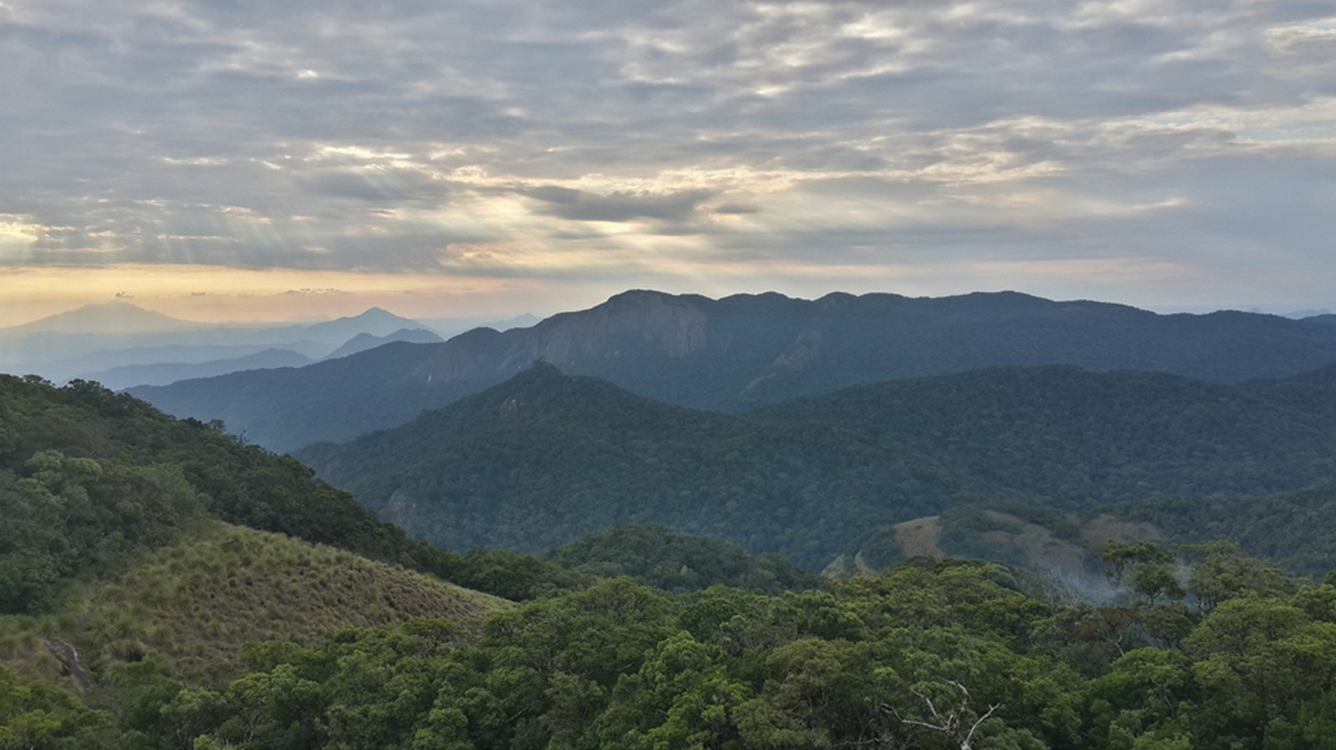











110 years ago today, the National Park Service was created in the US. Guardians of 64 extraordinary places which documentarian Ken Burns called “America’s best idea” the NPS is among the most identifiable and appreciated of all government services. Famous for their wide-brimmed hats, patches, and friendly demeanor, about 20,000 citizens work in the service, which manages 433 units covering over 85 million acres across all 50 states, plus several US territories and Washington DC. READ more about the NPS’ history… (1916)
Moms Love This Initiation Ritual Freshmen Must Go Through at This Oklahoma High School
School initiation rituals can be embarrassing, crude, and even disturbing, but for a 14-year-old, nothing could be worse than what is demanded of them, day 1, at Bishop Kelly High School in Tulsa.
If initiation is about fitting in, what could be worse than being caught giving one’s mom, dad, or grandparent a goodbye kiss before the opening bell?
And yet that’s exactly what the seniors demand of the arriving freshmen.
“That’s why it’s perfect,” one senior told CBS News’ Steve Hartman, when asked what else could be more embarrassing. And they take it seriously, with all the senior class swamping the parking lot, screaming and mobbing the arriving vehicles, demanding the newcomers do what “we all had to do,” another said.
It’s a very modern take on the old timey notion of honoring “thy father and mother”—an idea so good it made Moses’ top ten list.
For years, Bishop High seniors played pranks on the freshmen like any other school , until 2001, when the class decided the initiation ritual should be kinder, if still embarrassing.
It’s an emotional moment for parents, and by sealing it with a goodbye kiss, Bishop High ensures they drive away feeling good, and the freshmen join their peers with cheeks as red as county apples.
WATCH the story below from “On the Road”…
SHARE This Unusual, Though Still Embarrassing School Ritual Wit Your Friends…
Chinese Man Takes Paralyzed Wife on Epic Road Trip: ‘Die On the Road, Not in Hospital’


Like any pair of baby boomers in America, Liu Peijin and his wife dreamed as newly-weds of a grand tour around their native China.
Marrying out of high school, they had a normal enough life—with Mr. Liu embarking on a long career in the military, and his wife raising children at home.
But as retirement age beckoned and the chance for their dream road trip seemed to materialize, complications with diabetes left Liu’s wife partially paralyzed, and the prospects of a road trip around one of the world’s largest countries in tatters.
Or so it seemed. After agreeing they “would rather die on the road than in a hospital bed,” the couple set out in their car across coastal Jiangsu and Zhejiang provinces in 2014.
Their daughter initially objected due to the medical needs of her mother, but the time away from hospital gradually rejuvenated the woman. Now years later, Mr. Liu has said their time continuously exploring the Middle Kingdom has made his wife “100 times” more spirited.
Over a decade later and she has avoided muscle and joint atrophy despite being wheelchair bound from paralysis on her left side. She’s maintained good coordination, and can communicate largely as before, though solid food is becoming a slightly greater challenge.
It wasn’t long after they first set out that Liu managed to replace the car with a camper van, which he equipped with a kitchen, two beds, and a dining table. He keeps it stocked with medical supplies as he essentially has become the woman’s full-time nurse and caregiver, ensuring she does rehabilitation exercises, takes her medicine, and enjoys regular foot soaks for diabetes.
MORE STORIES LIKE THIS: Grandson Accompanies His 93-year-old Grandma to Visit All 63 National Parks: ‘Greatest privilege of my life’
At publishing time according to an article on their travels in South China Morning Post, the couple have, like the metaphorical boomers in their Winnebago visiting almost all 50 states, made it to 31 out of 33 Chinese provinces.
Throughout all of them, people have been inspired by Liu’s dedication, and the couple’s bravery to shirk elderly convention. In 2017, in Hubei Province, local staff volunteered to hoist the woman up—wheelchair and all—and carry her across a scenic area to the only sightseeing vehicle.
DEFYING AGE: 108-year-old Delaware Woman Renews Her Driver’s License to 2033, Works Out Thrice a Week
Liu told local news outlets that he cherishes this kind of help, and tries to maintain contact with people when he’s able.
The couple are currently planning a visit to some lesser-known locations across the country for their next adventure.
SHARE This Enduring Love And A Decision To Age Boldly With Your Friends…
Inventor Envisioned a Waterless Toilet for Astronauts, Realized it Could Solve a Global Sanitation Crisis Instead


An inventor and serial entrepreneur has created a non-flushing, waterless toilet that’s already making sanitation safer and accessible for some 20,000 households,
Deployed in Uganda, Panama, and the United States, the ‘iThrone’ was created when Diana Yousef was working at NASA on spaceborne sanitation.
While brainstorming bathrooms on board space stations, Yousef realized that the requisites for a toilet that works in space were the same for those who live beyond the reach of plumbing and sewage down on Earth—the fate of some 1 billion people worldwide.
Like astronauts, they cannot simply flush away their waste with water down pipes into a sewage system, and so Yousef created a toilet that doesn’t require any.
iThrone rapidly evaporates 95% of the water content of urine and excrement, making human waste disposal in rural areas of low-income countries possible and much safer.
The technology is simple, the design straightforward and replicable, and as stand alone units they can be dropped or trucked into any environment to improve sanitary conditions.
MORE SUCH INVENTIONS: A Jamaican Student Invented a Self-Disinfecting Door Handle for Hospitals: ‘Design that fits reality’
Yousef, who holds degrees at Cornell, Columbia, and Harvard, received this year’s Global Citizen Waislitz Awards award for advancing innovative solutions to some of the world’s biggest challenges. It comes with $100,000 to help Diana and her team expand their work and bring the technology to more communities that need it.
Winning this Award, Yousef wrote, will help her startup change:WATER, to scale iThrone distribution to millions more by next year, amplifying its mission to make safe, sustainable sanitation possible for everyone, everywhere.
SHARE This Story Of A Great Invention, The Brilliant Brain Behind It, And The Award It Won…
Zebra Sharks the First Ever to Be Rewilded After 82 Pups Released by Dedicated ‘Shark Nannies’
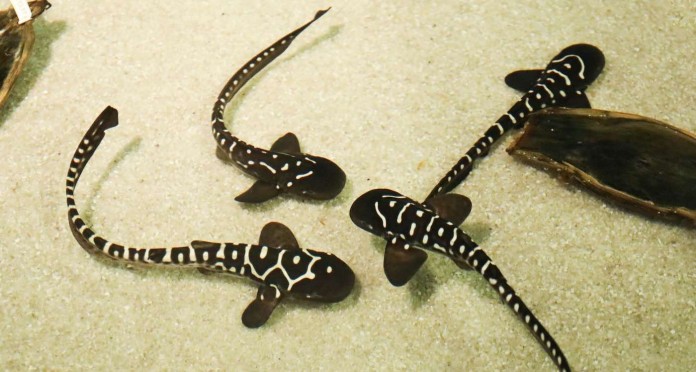
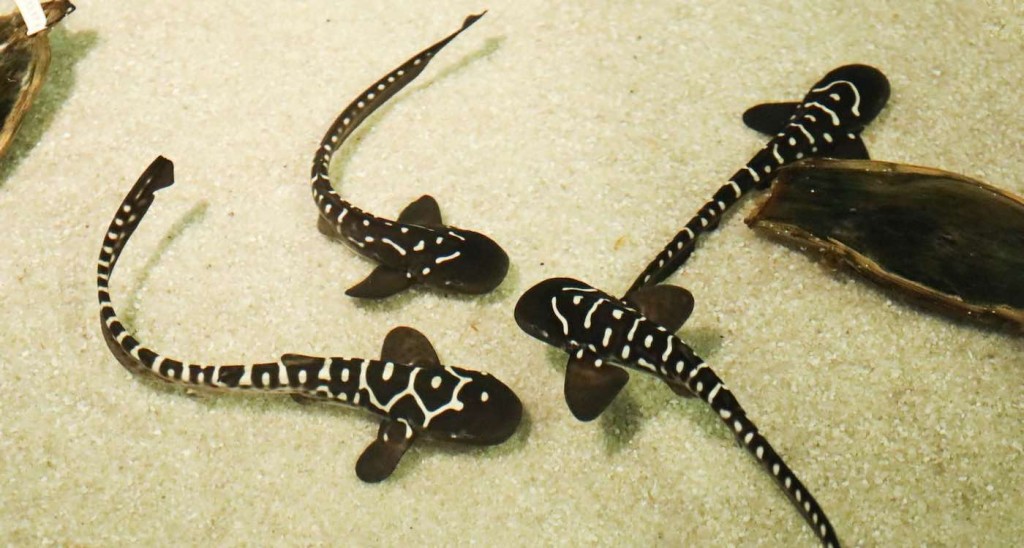
Out in the wild waters of Indonesia, zebra sharks are extremely rare. Overhunted, these striped bottom dwellers were at risk of going extinct.
After 3 years of foundational work, an international consortium of 60 aquariums in 15 countries that banded together to create a huge captive-breeding-and-release program is seeing the fruits of their labor—nothing less than the first rewilded sharks in the world.
Such an effort has never been undertaken before, and rewilding is typically reserved for mammals and other terrestrial species, but the zebra shark, also known as the Indo-Pacific leopard shark, is ideally suited since it lays eggs.
Since GNN first reported on ReShark’s efforts on the Indonesian island of Raja Ampat, 82 shark pups reared in captivity have been transported to the island and released into a 46,000 square-kilometer (17,760 square-mile) shark and manta ray sanctuary.
Satellite tagged, ReShark has been able to gather critical proof-of-concept data about what a captive-bred shark, released into an enclosed nursery, and then into the open water, would do with that freedom. They’re foraging well, and staying within the boundaries of the marine sanctuary, meaning that with any luck they’ll be protected from the illegal fishermen that saw the zebra shark listed as “Endangered” by the IUCN.
“Back in 2019, in Raja Ampat, we estimated that there were about 20 individual adult sharks remaining,” Mark Erdmann, executive director of ReShark, told CNN in an interview.
“Most conservation activities for sharks usually revolve around either setting up marine protected areas or doing fisheries management. In our case, our niche is we’re doing active recovery.”
INDONESIAN NEWS: Marsupials Previously Thought Extinct for 6,000 Years Discovered: ‘A once-in-a-lifetime discovery’
The program got its start when Erdmann visited the SEA Aquarium in Singapore, and staff told him that the zebra sharks in their captivity were overwhelming the tank with viable eggs. Pups would hatch and there would be just too many to handle.
Now dozens of aquariums are shipping viable eggs in special containers to ReShark’s two nurseries in Raja Ampat and Phuket, Thailand. There, the eggs hatch, and the baby zebra sharks are reared in protected nurseries by “shark nannies,” which despite the name are actually rigorously trained aquatic animal husbandry specialists.
At 1 meter in length, just over 3 feet, the animals are released into the sanctuary, where they will need between 5 and 12 years to reach sexual maturity. It’s then the true test of this never-before-deployed method of marine conservation will take place: will these sharks reproduce in the wild. ReShark will see the results by 2028 at the earliest.
PROTECTING MARINE PROTECTED AREAS: Locals Succeed in Tripling Protected Seascapes Along 300 Miles of Turkiye’s Breathtaking Coastline
One of the major contributors to the zebra shark’s decline was Thai and Indonesian locals overharvesting them for their fins. ReShark’s other chief operation is getting these islanders and fishermen involved in the project so they can understand the vulnerability of the shark and its importance in the ecosystem.
43% of sharks lay eggs, so if the effort is successful, it could be an important milestone in shark conservation that may be replicable in other climes with other sharks.
Give Your Friends A BITE Of This Shark Story By Sharing It On Social Media…
“Force your heart and nerve and sinew to hold on when there is nothing in you Except the Will which says to them: ‘Hold on!’” – Rudyard Kipling

Quote of the Day: “Force your heart and nerve and sinew to hold on when there is nothing in you Except the Will which says to them: ‘Hold on!’” – Rudyard Kipling (paraphrased from the poem, If)
Photo by: Massimo Sartirana
With a new inspirational quote every day, atop the perfect photo—collected and archived on our Quotes page—why not bookmark GNN.org for a daily uplift?

Good News in History, August 24

10 years ago today, the European Southern Observatory confirmed the existence of Proxima Centauri b, the closest exoplanet to Earth orbiting within the habitable zone of the red dwarf star Proxima Centauri. It’s just over the hedge at 4.2 light years from Earth, and its discovery has led to numerous research activities attempting to establish whether it would harbor conditions for life. READ more about this 10th rock from the Sun… (2016)
Ethiopian Farmers Save Thousands by Switching to Solar Irrigation–While Cutting Emissions


Farmers in Ethiopia are slashing their growing costs, increasing food production, and protecting the environment thanks to solar-powered irrigation systems introduced through the Nature-based Solutions for Sustainable and Inclusive Development program led by the international nonprofit Farm Africa.
In a country famous for its “13 months of sunshine”, Ethiopia has enormous potential to harness solar energy.
While the country has abundant water resources and millions of acres of irrigable land, most small farmers still rely on rainfall to grow their crops—leaving them vulnerable to drought and erratic weather patterns.
Even for those with irrigation systems, extreme shortages and rising fuel prices sparked by the Iran war are disrupting production and cutting into farmers’ profits.
Reliable climate-friendly irrigation arrived, thanks to funding from Farm Africa and the Sida Swedish Development Agency, introduced solar-powered water pumps in Central Ethiopia and around the capital city Addis Ababa.
The technology replaces diesel and petrol-powered pumps that are expensive to run, difficult to fuel and contribute to greenhouse gas emissions.
Solar-powered irrigation systems provide a cost-effective and environmentally friendly alternative, helping to improve agricultural productivity, food security, and household incomes.
The impact is already clear
In Akaki Kality, a vegetable-growing cooperative made up of 25 members previously relied on diesel-powered pumps to irrigate their land, using 2,300 liters of fuel during a single three-month growing cycle.
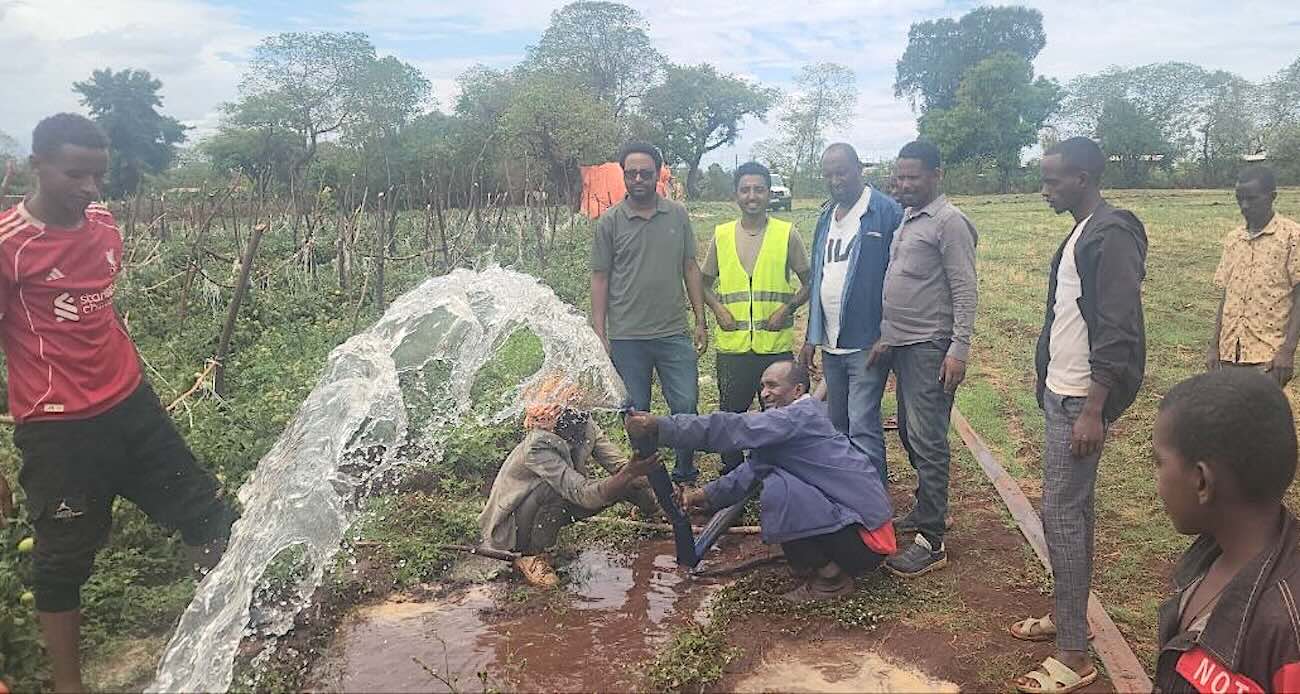
Switching to solar-powered irrigation is expected to save the cooperative almost $6,000 in fuel costs alone.
For other farmers in the rural Oromia Region, regularly obtaining fuel was not only costly but time-consuming, often requiring lengthy journeys and administrative approvals before fuel could be purchased.
By switching to solar irrigation, the entrepreneurs have eliminated their use of diesel—and their worry over fluctuations in fuel prices and shortages.
In addition to providing financial savings of thousands, reliable solar-powered irrigation enables the farmers to continue producing crops during extended drought patterns.
“Farmers have had to wait in queues for hours to purchase fuel, costing precious time that should be spent farming. The impact on productivity has been severe.”
By eliminating the need for fossil fuels to power irrigation, solar pumps reduce greenhouse gas emissions and support more environmentally sustainable farming systems.
And it has transformed rural livelihoods for many. (Learn more from the website.)
“Solar irrigation is a clean energy source that can deliver a powerful double dividend: lower costs for farmers and a healthier planet for future generations,” says Farm Africa Program Manager Ayele Feleke.
SPREAD THE IDEA Among Master Gardeners on Social Media…
Dog Lost on 3rd Tallest Peak in England Finally Found After Three Weeks Stuck on Steep Ravine


A dog missing for nearly three weeks on a mountain in rural England’s Lake District has been rescued—and it was a real team effort.
Tiny Teddy vanished on August 2nd while hiking with her owner on Helvellyn, the third-highest peak in the country.
Posters were plastered around the area, but for nearly three weeks no one saw the missing pooch.
Then, on August 21st, volunteers were out searching for him when they heard barking coming from Dry Gill, a steep ravine on the slopes of the mountain.
They located him, but he was stuck and unreachable, so the local Keswick Mountain Rescue Team was called in to help.
Three hours later Teddy was saved—and if you thought the pet was petite before the adventure, the ‘After’ photo (above) shows he lost considerable weight, but thankfully displayed no obvious injuries.
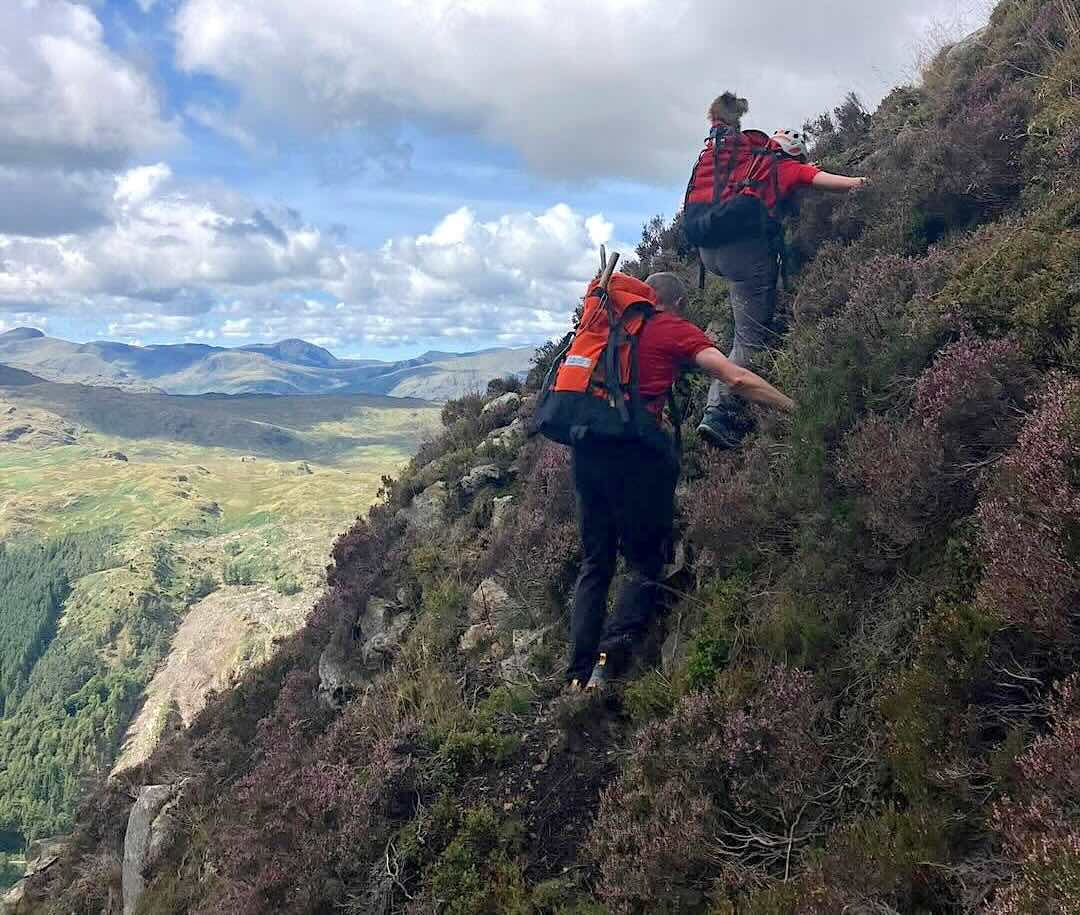
The Keswick Rescue Team needed three and a half hours and seven team members.
He was secured in a rucksack and given a small amount of food for the journey back down to the car park, where he was reunited with his owner and taken to the veterinarian.
“The news of this missing dog had deeply affected so many people across our local community,” wrote the team on Facebook.
“We are absolutely delighted to share this update: A remarkable outcome after nearly three weeks on Helvellyn.

IT’S A MIRACLE: Teen Practicing His Rodeo Lasso Rescues Drowning Man on Yellowstone River
“And a huge well done to everyone who kept searching and never gave up on Teddy.”
SHOUT OUT SOME THANKS For the Team–Share it On Social Media…
California Joins 30 States to Require Financial Literacy Courses For Teens in Every High School
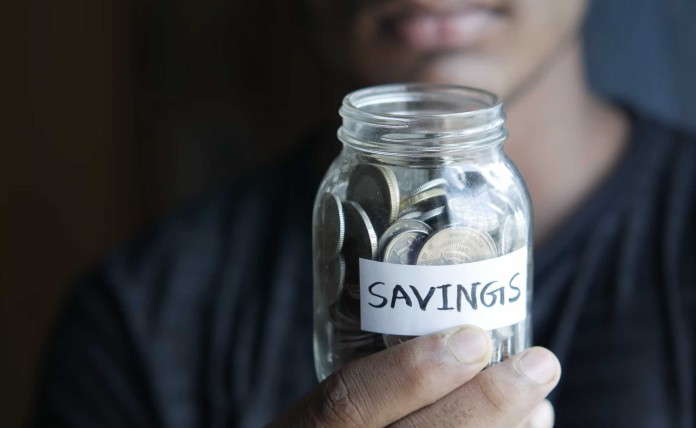

California will be helping teens mold their futures as early as possible, by requiring every high schooler to pass a financial literacy course.
Legislation now being implemented after its passage in 2024 made California the 26th state to require a stand-alone personal finance course for all public high school students (including charter schools).
The one-semester course mandated to start by the Fall 2027, will cover 13 money management topics, including banking, debt, and building wealth.
More examples include:
- Banking – savings and checking accounts; minimizing fees
- Credit scores – the relation of debt and interest to credit
- Loans
- Income taxes – how they work, reading tax forms and pay stubs
- Investing and building wealth – tax-beneficial pensions and 401(k) plans, IRAs, stocks, bonds, mutual and index funds
- Handling insurance
- Common scams and frauds and preventing identity theft
- Creating budgets and tracking expenses
- Identifying means to finance college, workforce education, including low-cost community college options, and other career technical educational pathways or apprenticeships
“Saving for the future, making investments, and spending wisely are lifelong skills that young adults need to learn before they start their careers—not after,” said Governor Gavin Newsom this week.
Some California school districts haven’t waited for the state. They’ve already rolled out financial literacy courses—and they’ve been very popular with students.
BANKING ANGEL: Bank Decides it Should have Prevented Dementia Depositor from Getting Scammed–So Restores Entire Life Savings
Since 2023, Fresno Unified, the state’s third-largest school district, has been pioneering personal finance education, and the classes have been some of the district’s most sought-after electives.
A local teacher helping with the state’s rollout reports “high student engagement”, saying lessons on retirement plans, savings, budgets, and building credit scores have been some of the most meaningful.
A national financial literacy nonprofit, Next Gen Personal Finance, has been a lead proponent of the CA initiative, and offers courses online for all ages.
The group, with its Mission 2030 Fund that supports thousands of educators nationwide, currently counts 30 US states that have agreed to guarantee a personal finance course for teens in school—with 11 fully implemented already, and 19, including California, in the process of completing.
START A CONVERSATION in Your State By Sharing This on Social Media…
Good-Humored Scientists Create ‘OnlyMarms’ Page to Boost Marmot Conservation and Donations

Desperate times call for desperate measures.
With traditional funding sources facing cuts, The Rocky Mountain Biological Laboratory, which has spent the last 65 years studying yellow-bellied marmots, had to get creative.
That soon led the Colorado researchers to the internet, where marmot videos have amassed millions of likes, with one especially hilarious Tik Tok video eclipsing three million by itself. In that video, a marmot gets a bath as its handler draws washboard abs on its belly using what seems to be shaving cream.
@crazydealcrew #marmot #fyp ♬ nhạc nền - Marmot TikTok
It was time to harness the popularity and the allure of the cute animals and turn it into a benefit for the largest members of the squirrel family.
“Marmots have money troubles, and I figured why not launch an OnlyFans site?” UCLA professor Daniel Blumstein, co-director of The Marmot Project at the Colorado Laboratory, told TODAY, making a playful reference to the TV series Margo’s Got Money Troubles.
“One of my students is like, ‘Great idea!’ Someone else screamed out, ‘OnlyMarms!’… I’m like, ‘Oh yeah!’”
OnlyMarms went live on OnlyFans.com soon afterward, with the animal burrowing its way onto the paid subscription platform known more for risqué business than rodents. G-rated OnlyMarms is totally free, and accepts tips from users about other creative ways to fund research related to the rodent.
One of the first videos featured a female marmot who rebuffed the advances of a seemingly-interested male as he approached her burrow. As of now, the most famous content creators on OnlyMarms are the animals lovably named Jamba Juice and Egg. (See some clips in the video below…)
Every one of their videos seems to deliver a little happiness and wholesome humor, on the back of a furry, four-legged rodent creature—and the end result is a fundraising gem.
The OnlyMarms account already has about 1,700 fans and has earned approximately $6,000 in tips.
(You can sign up for a free Fans Only account to follow their antics.)
Fat Marmot Week: Another creative solution
The lab is in the midst of their first-ever Fat Marmot Week—a competition allowing the public to vote on marmots that are getting fatter by gaining the most hibernation weight. Round 1 voting ends August 24th, following a similar model used by the National Park Service for Fat Bear Week. (See the news video below…)
The animal’s supporters have also created a meme coin cryptocurrency called OnlyMarms, which has reportedly earned thousands of dollars in fees for the lab.
A local brewery has also gotten into the spirit by collaborating with the lab on a special edition fundraising beer called Marmot Tears.
The financial realities of modern conservation certainly require some creativity. But hopefully, the beers and meme coins and the OnlyMarms site will help keep the Rocky Mountain Biological Lab providing marmot content far into the future.
MORE FURRY STREAMERS: Animals are Streaming into 400 Children’s Hospitals From San Diego Zoo’s Dedicated 24-hour Channel
“Understanding the world around us is something where there might not be a direct profit,” Blumstein told UCLA’s Daily Bruin. “But we need to understand the world around us. We need to understand the role of species in their communities.”
SPREAD THE NEWS About ‘OnlyMarms’ – By Sharing This on Social Media…
“It is far better to be alone, than to be in bad company.” – George Washington

Quote of the Day: “It is far better to be alone, than to be in bad company.” – George Washington
Photo by: Getty Images for Unsplash+ –
With a new inspirational quote every day, atop the perfect photo—collected and archived on our Quotes page—why not bookmark GNN.org for a daily uplift?

Good News in History, August 23
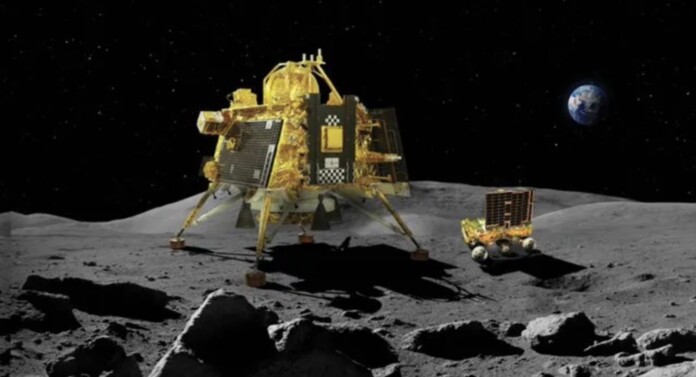
3 years ago today, the chief of the Indian Space Research Organization (ISRO) exclaimed “India is on the Moon!” after the successful landing of Chandrayaan-3, the Indian Lunar lander. In doing so India became the fourth nation to operate on the Moon after the US, Russia, and China, while also beating Japan to our nearest satellite after their attempted mission failed after hitting a crater rim. India is the first-ever nation to visit the South Polar Region. READ more about this event from GNN’s coverage… (2023)
‘Double Spiral’ Secret of Narwhal’s Twisted Tusk Revealed By High Tech X-Rays
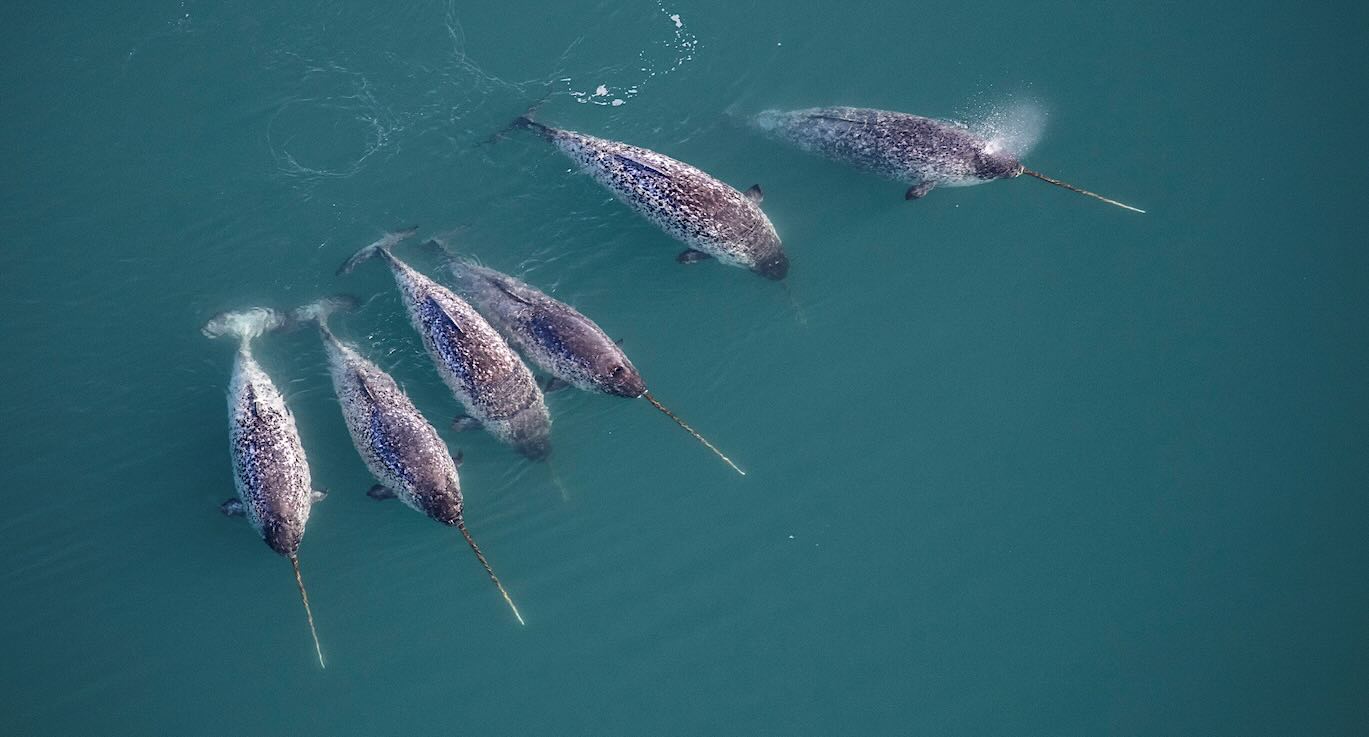
Hidden secrets of the narwhal’s twisted tusk have been revealed using the latest X-ray technology.
Tusks of the species of whale native to the Arctic have long been the subject of myths—even being sold as ‘unicorn horns’ and believed to possess magical powers during the Middle Ages.
Now, an international research team has solved the mystery of how the tusk acquires its twisted structure.
But they are still not certain what the narwhal uses it for.
Using state of the art 3D X-ray techniques to determine how the tusk is constructed, their findings, published in the journal Nature, show that the tusk contains not just one spiral—but two.
On the outside, the structure twists to the left, while the interior structure twists in the opposite direction, forming a kind of “biological counterbalance” where two opposing forces meet at the interface between interior and exterior parts.
The team explained that the narwhal’s tusk is, in fact, the left canine tooth, which grows through the jaw and lip and can reach more than two meters (6.5ft) in length.
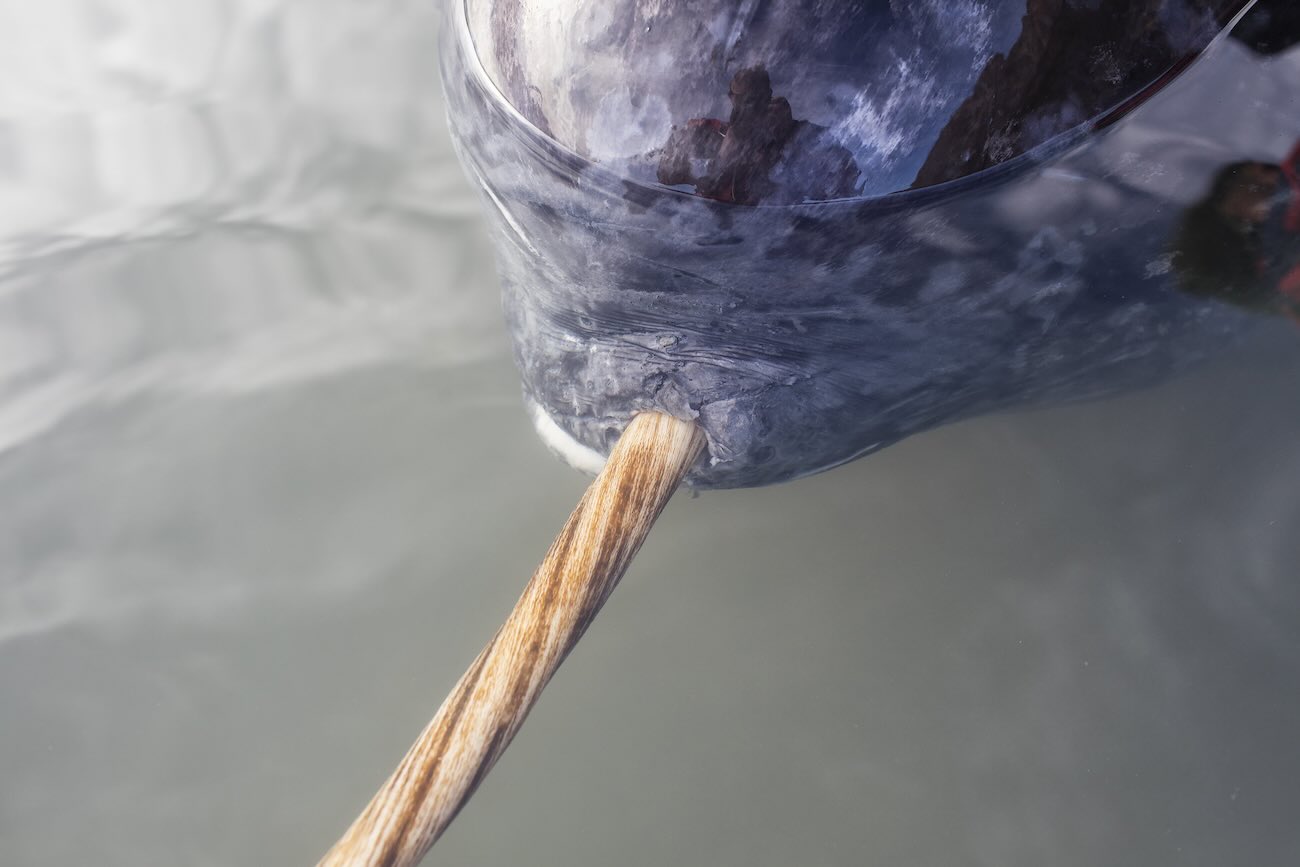
Unlike human teeth, it has no enamel but consists of dentin on the inside and cementum on the outside.
Most experts today believe that the narwhal’s tusk—the only one in nature that is straight—primarily functions as a sexual signal, since it is typically males that possess one.
But the role of the tusk has been debated, in part because a very small proportion of females also develop tusks, and some males do not.
Some scientists have suggested that the tusk may be able to detect temperature, salinity, and chemical changes in the water. However, marine biologists in Greenland have found no evidence for that in the narwhal’s behavior.
Study lead author Dr. Adrian Rodriguez-Palomo, of Denmark’s Aarhus University, said nobody has ever conducted such an advanced experiment of this type. Due to the size and complex structure of the narwhal tusk, the team had to deploy the largest tech tools available.
They combined the capabilities of three enormous synchrotrons (particle accelerator X-ray sources)—MAX IV in Sweden, Swiss Light Source in Switzerland and European Synchrotron Radiation Facility (ESRF) in France—to obtain enough resolution and power to map the entire interior of the tooth in three dimensions.
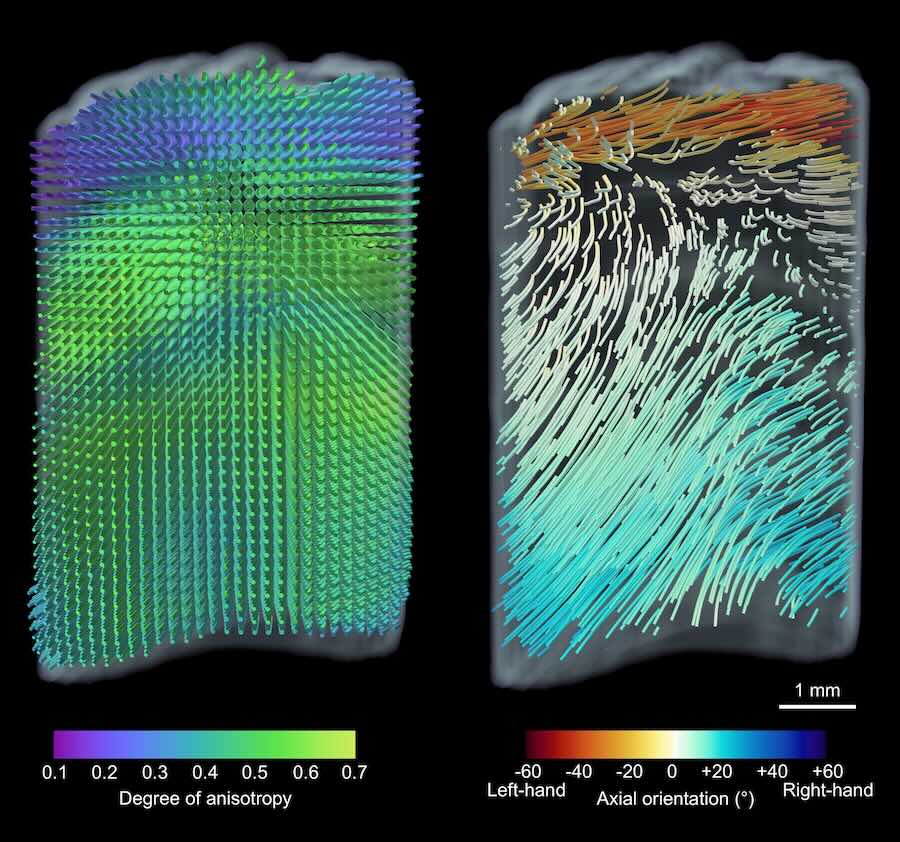
To see how mineralized collagen fibrils—the microscopic building blocks that give the tooth its strength—are oriented inside the tooth, researchers used a special 3D X-ray technique called tensor tomography, which sends powerful X-rays through the tooth and analyzing how they scatter from the nanoscale mineralized collagen fibrils.
The analysis revealed that while the building blocks are primarily oriented along the tooth’s longitudinal axis, they systematically deviate at small angles, creating a twisted structure.
In the outer cementum, the fibrils form a left-handed spiral, while in the inner dentin they form a right-handed spiral.
The two opposing structures meet at the transition between dentin and cementum—a complex biological boundary that now appears to be even more intricate than previously believed.
The double-spiral structure gives the tusk fierce mechanical properties; it’s an architecture found in nature that allows a biological entity to withstand a large amount of force.
Dr. Rodriguez-Palomo said the study shows that the double-spiral structure is preserved across the tooth’s annual growth layers—like tree rings, but with a constant twist.
“This suggests that the left-handed growth pattern is genetically programmed and remains stable throughout the animal’s life, which can extend to approximately 80 years.
“The discovery not only solves a centuries-old natural science mystery about one of the ocean’s most iconic animals.
“It also provides new insight into how nature constructs advanced materials with extreme mechanical properties—knowledge that could inspire new composite materials for fields such as construction and medicine.”
Since these whales can live for up to 80 years, their teeth can form a kind of historical record of changing environmental conditions during their lifetime.
And, because the North Atlantic is currently undergoing rapid changes, the team is now investigating whether they can trace these changes in the hard tissue of the narwhal tusk.
SHARE The Amazing Nature Facts With Students On Social Media…
Gas Station Goes Viral For Offering a Discount For Dance Moves – And Then Posts a Video


A New York gas station encouraged patrons to “pump it up” last month, and they weren’t talking about fuel.
Instead, the Halfmoon Sunoco 25 minutes outside of Albany was helping customers move past the pain of skyrocketing gas prices by offering a chance to ‘dance for a discount’.
The rules were simple: Customers could dance for 15 seconds or more and receive a discount of 20% off their entire bill.
“I just danced to the beat of my own drum while singing, ‘I’m dancing for a discount. I’m dancing for a discount,’” Denise Lapointe, a local bus driver, told the New York Post. “Just being my goofy self.”
The dancing discount promotion was the brainchild of the gas station’s social media manager, 23-year-old Paulina Sirtori, a recent Syracuse University graduate.
“The No. 1 complaint we hear from people everywhere is that gas prices are just too high,” Sirtori said. “So we wanted to really do something to alleviate that a little bit.”
The promotion seemed very popular among patrons—and a TikTok video of the shimmies, shakes, swaying shoulders, and gyrating hips amassed over a million views on social media.
“What a great thing to make people smile a bit in this crazy world,” a commenter named Sylvie wrote.
As promised, the dance moves also delivered discounts. Customers Bill and Dan were the first ones to shake their butts and save some bucks. One woman saved $15 showing off her groove.
They all left with their wallets, gas tanks, and hearts a little more full.
“Bill started twerking and kind of dropping it down, and got as low as he could,” Sirtori said with a laugh. “Then we had Dan, who popped his hip out and whipped his head around, calling it his ‘Michael Jackson move.”
GREAT EMPLOYER: Wendy’s Worker Going To YALE After Boss Funds Scholarship for Immigrant Who Survived Violence
The station says other cost-cutting discounts were being planned for the months ahead.
“We want to bring some enjoyment to people during these hard times… whenever someone walks through the door.
FUEL MORE DANCE DISCOUNTS By Sharing This on Social Media…
Zoo Plucks 21 Snails From Extinction and Returns Hundreds to Pristine Atlantic Island (WATCH)
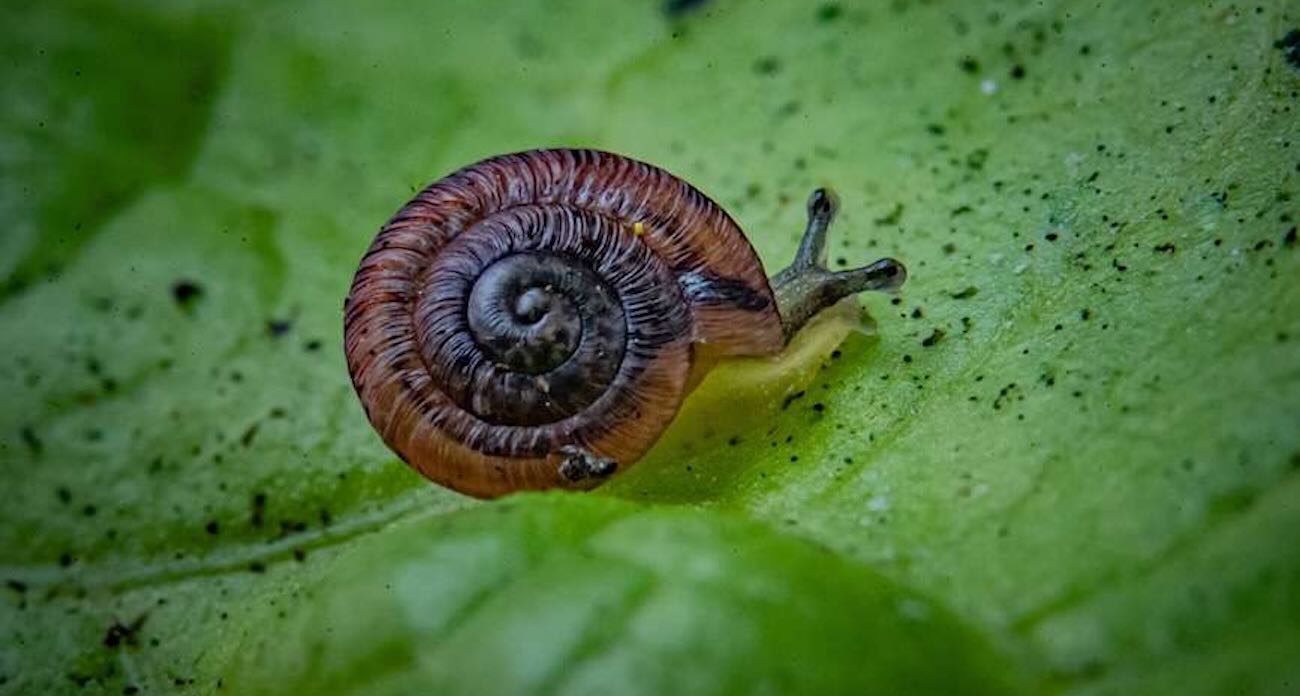
A breeding program at England’s Chester Zoo has restored hundreds of tiny mollusks to their native land after they had grown so rare, they could collectively fit inside a petri dish.
The zoo, which participates in many global conservation programs, was given a handful of snails from the last known wild population in an effort to save the species (commonly known as the Desertas Island land snail) from extinction.
Their habitat was decimated in the Madeiran archipelago, where feral goats, mice, and rabbits once grazed the island bare. And, with no natural sources of drinking water on the islands, the mice quickly turned to the snails.
Biologists from ZooParc de Beauval in France, asked the zoo to step in when they found 21 Geomitra coronula, believed to the last of their kind, clinging to life beneath a single rock.
“By the time the Madeira government contacted us for help, one of the species, Geomitra coronula, was so close to extinction that its entire global population could fit inside a single petri dish,” said Tamas Papp, from the Invertebrates Team at Chester Zoo.
“We knew we had one shot to save them. If we missed this chance, that was it—they were gone.”
In a “rapid rescue mission”, more than 300 of the snails’ descendants were subsequently bred at Chester Zoo and returned to the wild.
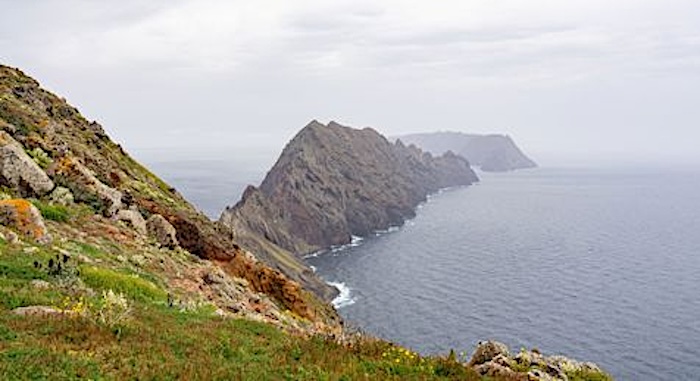
Madeiran Government conservationists prepared for the snail release by removing the invasive species and restoring the island to pristine condition. These measures were also designed to protect at-risk sea birds.
RELATED RESCUE: These Tiny Snails Are Breeding in the Wild for the First Time in 40 Years in French Polynesia
Tamas, who personally carried the 300 Geomitra coronula to Bugio, said it may have been the trickiest reintroduction the group ever done.
They had a short window due to rough weather, and there’s nowhere to dock on the island. The team had to travel at night, using red spectrum torches to find snail-friendly cracks in the rock, as the islands’ rare sea birds are sensitive to artificial light.
“Our aim now is to build a network of institutions to support the conservation breeding program. That means establishing breeding centers in Madeira, working closely with local communities and securing further support of the authorities.
“We’ve already put a call out across the European network of conservation zoos to get involved and the response has been fantastic. Now we’re looking at transferring animals to begin building a healthy, secure population for the future.”
The released snails measure no bigger than a pea in size (8mm), but they are important to the health of ecosystems as they eat vegetation and enrich the soil. Conservationists believe their recovery will support the broader restoration of fragile island habitats.
HELP THIS GOOD NEWS CRAWL AROUND THE WORLD – By Sharing It!
Your Weekly Horoscope – ‘Free Will Astrology’ by Rob Brezsny
Our partner Rob Brezsny, whose latest book is Astrology Is Real: Revelations from My Life as an Oracle, provides his weekly wisdom to enlighten our thinking and motivate our mood. Rob’s Free Will Astrology, is a syndicated weekly column appearing in over a hundred publications. He is also the author of Pronoia Is the Antidote for Paranoia: How All of Creation Is Conspiring To Shower You with Blessings. (A free preview of the book is available here.)
Here is your weekly horoscope…
FREE WILL ASTROLOGY – Week of August 22, 2026
Copyright by Rob Brezsny, FreeWillAstrology.com

VIRGO (Aug. 23-Sept. 22):
I am nursing a hopeful dream that you will give yourself a fun surprise or two in the coming days—maybe even more than two. Not necessarily the most expensive delights, but those that would inspire your nervous system to relax and your spirit to celebrate. Possible options: a few hours of free time with no obligations, a hike where you adore and praise the sky, a conversation you’ve been craving, a daring yes, or a long-overdue no. Or how about finally starting a fun project you keep postponing, or setting down a burden you’ve been carrying for too long? You might ask yourself: “If someone who loved me dearly were in charge of my rhythm, what would they arrange for me?”
LIBRA (Sept. 23-Oct. 22):
The first maps of Antarctica contained blank spaces labeled simply “unexplored.” Cartographers didn’t pretend to know what wasn’t yet revealed. This was a gift to future trailblazers, who didn’t have to overcome the confusion of false certainties. You could benefit from adopting a similar practice. Instead of explaining every mystery with confident opinions, designate a few regions of your inner world as magnificently unexplored. Your willingness to say “I don’t know yet” will be a fertile form of wisdom. The unanswered questions will be better allies than premature conclusions.
SCORPIO (Oct. 23-Nov. 21):
In architecture, the keystone is the central, wedge-shaped stone positioned at the top of an arch. It’s often the last piece placed, and it’s what holds everything together. If it’s removed, the entire structure collapses. But the keystone itself is held in place by the pressure of the other stones. I love the fact that it’s both the most crucial piece and yet totally dependent on everything else. This is an excellent metaphor for you right now. You’re like a keystone: holding everything together and also being held by everything. Please accept my personal thanks for accomplishing the amazing feat of being both powerful and vulnerable! The structure needs you, and you need the structure. PS: Don’t overestimate your independence or underestimate your importance.
SAGITTARIUS (Nov. 22-Dec. 21):
Don’t reorganize your junk drawers anytime soon, Sagittarius. Please? Refrain from scrubbing the oven, organizing your kitchen cupboards, and untangling old extension cords. I’m begging you to believe me when I urge to allocate your energy toward the most interesting and important matters. The cosmic indicators are unambiguous. You will be happiest and most successful if you: 1. dare to access secret wisdom you’ve been hiding from yourself; 2. immerse yourself in almost too much beauty and truth; 3. let your imagination run wild as you visualize future scenarios that thrill you even if they’re also a bit unnerving.
CAPRICORN (Dec. 22-Jan. 19):
The Grand Canyon in Arizona is 277 miles long, as wide as 18 miles, and a mile deep in some places. Through persistent erosion for millions of years, the Colorado River carved it. This massive creative project happened entirely through subtraction, not addition. I suggest you regard it as one of your role models in the coming months, Capricorn. Your goal is to wear away resistance and eliminate what’s unnecessary. The magnificence you produce will be very gradual and incremental.
AQUARIUS (Jan. 20-Feb. 18):
In engineering, redundancy refers to the practice of building multiple layers of support into a system so that if one part falters, others keep functioning. Airplanes and spacecraft rely on this principle for safety. I urge you to adopt a similar strategy in the coming weeks. By creating backup plans or additional reinforcement, you can move forward with more daring and flair, which I highly recommend. Artful preparation will strengthen your ability to experiment and improvise.
PISCES (Feb. 19-March 20):
The ocean has different layers. Each has its own temperature, pressure, and ecosystem. Many sea creatures are adapted to one specific stratum and don’t wander far from their chosen realm. But there are transition zones where the layers meet, and they’re often rich in biodiversity. I propose that we use these areas as metaphors for your power spots, Pisces. You tend to thrive in thresholds and boundaries, where edges meet and overlap. That will be especially true in the coming weeks. To court good fortune and sweet delight, you should hang out at the borders where diverse influences mingle.
ARIES (March 21-April 19):
Consider this your official alert that you’re close to getting too much of a good thing. To safeguard the lovely momentum you’ve built lately, be vigilant that genuine abundance doesn’t bloat into plain old overload. Say no to becoming indentured to your own brilliant ideas. Don’t let your victories drag you into depletion. Steer clear of grand gestures of generosity that are driven mostly by the urge to dazzle onlookers. You really can keep every delicious reward you’ve earned, dear Aries, as long as you begin installing some graceful new boundaries right now.
TAURUS (April 20-May 20):
In 1925, Taurus astronomer Cecilia Payne-Gaposchkin (1900–1979) discovered that stars are primarily composed of hydrogen and helium. Famous astrophysicists of that era rejected her conclusions because she contradicted the prevailing theories. Nevertheless, she persisted in her claims and was eventually proved correct by other experts. Sound familiar, Taurus? If it doesn’t yet, I expect it will soon. Naysayers may insist you’re wrong when you know and I know you’re right. My advice: Be faithful to the truths you’ve directly observed even if they don’t match consensus reality. Your understandings are valid even if they’re inconvenient.
GEMINI (May 21-June 20):
You’re ready and able to commune intimately with the hidden source of power that fuels your life. Hallelujah! But first, acknowledge a humbling truth: You’re not entirely sure what that source is. You’ve made assumptions, of course. You’ve told yourself stories about where your vitality comes from: your work, your relationships, your creative projects, your spiritual practices. And while these channels do transmit energy, they’re tributaries of the ultimate spring. In the coming weeks, you’ll have exciting opportunities to trace these streams back to their headwaters. Start this way: Be alert for mini-breakthroughs when you feel unexpectedly energized or mysteriously restored.
CANCER (June 21-July 22):
The GPS system requires Einstein’s theory of relativity to work correctly. Satellites in orbit experience time slightly differently than we do on Earth’s surface. Without accounting for that time dilation, your phone would be off by 6.8 miles every day. Moral of the story: The practical requires the theoretical and the mundane needs the cosmic. I bring this to your attention as a useful metaphor, Cancerian. I suspect you’ve been trying to solve ground-level problems with ground-level thinking. But your current challenges require you to factor in some relativity: to recognize that different parts of your life are operating in different timeframes, under different rules. What works in one context doesn’t necessarily work in another. In the coming weeks, refrain from trying to apply universal solutions. Calibrate for context.
LEO (July 23-Aug. 22):
In traditional textile making, the selvage is the strong edge that holds the fabric together and keeps it from unraveling. It’s braided more tightly than the rest so it can do its guarding work. I think that’s a helpful metaphor for your life in the coming weeks, Leo. Your main weave is pretty gorgeous, but the edges aren’t sufficiently taut. What should you do, practically speaking? For starters, create firm boundaries around your work time, your rest, and your availability to others’ demands.
WANT MORE? Listen to Rob’s EXPANDED AUDIO HOROSCOPES, 4-5 minute meditations on the current state of your destiny — or subscribe to his unique daily text message service at: RealAstrology.com
(Zodiac images by Numerologysign.com, CC license)
SHARE The Wisdom With Friends Who Are Stars in Your Life on Social Media…
“Live so that when your children think of fairness and integrity they think of you.” – H. Jackson Brown, Jr.

Quote of the Day: “Live so that when your children think of fairness and integrity they think of you.” – H. Jackson Brown, Jr.
Photo by: Getty Images for Unsplash+ –
With a new inspirational quote every day, atop the perfect photo—collected and archived on our Quotes page—why not bookmark GNN.org for a daily uplift?

Good News in History, August 22

76 years ago today, Althea Gibson became the first black competitor in international tennis, after US officials, bowing to pressure, invited the 23-year-old to play in the National Championships (now the US Open). Born in South Carolina to sharecropper parents who moved to Harlem when Althea was 6, their neighbors took up a collection to pay for her tennis lessons. SEE her accomplishments in a short video… (1950)
French Firm Switches On Africa’s Largest Renewable Energy/Storage Plant to Power 200K Houses


French energy supermajor TotalEnergies recently inaugurated the largest hybrid renewable energy project in Africa that will generate 400 gigawatt-hours of electricity in South Africa.
Located in the Northern Cape province the Hydra Project combines a 216-MW solar photovoltaic plant with a 500 MWh battery energy storage system.
Developed and built with partners Hydra Storage Holding and Reatile Renewables, the facility will supply 75 MW of renewable electricity to the national grid continuously between 5:00 a.m. and 9:30 p.m., under a 20-year power purchase agreement.
“We are delighted, together with our partners Reatile Renewables and Hydra Storage Holding, to bring the Hydra project into operation,” stated Magali Pailhé, Managing Director of TotalEnergies Southern Africa.
“It enables us to supply dispatchable renewable power to the South African grid, thereby strengthening the country’s energy security while decarbonizing its electricity generation. This project reinforces our renewable production capacity in South Africa, the continent’s largest power market in terms of electricity consumption.”
Joint venture partner Hydra Storage Holding is a South African renewable energy developer and independent power producer that has delivered more than 1 GW of large and medium-scale renewable energy projects across South Africa.
NEW RENEWABLES: USA’s Largest Renewable Project Comes Online–With More Power Than the Hoover Dam
The Hydra Project means Total, one of the world’s largest distributed oil, energy, and utility companies, now manages just under 36 GW of gross renewable power generation capacity.
Hydra will be the largest combined renewables/storage project on the continent, at least until Egypt completes its truly colossal joint venture along the Red Sea coast signed in March.
ALSO CHECK OUT: Wind Farms in Africa Aim To Power New Era of Clean Reliable Energy While Saving a Billion Tons of CO2
To be developed in a partnership between the Egyptian firm Orascom Construction, French utility Engie, and Japanese conglomerate Toyota Tsusho, the complex is planned to include 6,000 megawatts of solar, wind, and battery capacity.
The largest renewable energy generation project is also found in Egypt, called the Benben Solar Park, which switched on 1.8 gigawatts of solar power in 2019.
SHARE This Sunny News For South African Energy On Social Media…