Quote of the Day: “Autumn wins you best by this, its mute appeal to sympathy for its decay.” – Robert Browning
Photo by: Timothy Eberly
With a new inspirational quote every day, atop the perfect photo—collected and archived on our Quotes page—why not bookmark GNN.org for a daily uplift?
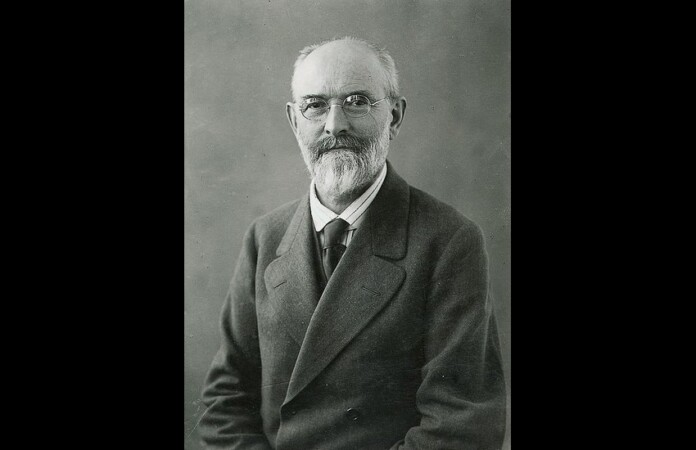
165 years ago today, Robert Bosch, founder of the corporation Robert Bosch GmbH, was born in Ulm. One of the most important German industrialists of the 19th and 20th centuries, Bosch and the engineers at his company pioneered the high-voltage magneto ignition system that created the first commercially-viable spark plug for internal combustion engines. Bosch launched other automotive innovations like diesel fuel injection, and by 1927 was present on every continent. One of the most responsible companies in Germany, Bosch introduced the 8-hour workday and other early employment benefits, while donating all the proceeds from the lucrative munitions contracts he received from weapons manufacturing in WWI to charity. The company today is worth $91 billion, and is the world’s largest automotive parts manufacturer. READ more about the man behind this famous brand… (1861)
An observational study in the UK has just produced substantially positive results for a new, non-invasive, genetic urine test for bladder cancer.
Demonstrating extremely high accuracy for negatively diagnosing bladder cancer, it also correctly identified bladder cancer-associated genes in 71 of 77 patients who went on to develop a malignancy.
The study authors acknowledged several limitations, while nevertheless pointing out that cystoscopy, the current standard test method, is expensive and time-consuming compared to the remarkable ease with which a patient can provide a simple urine sample.
Bladder cancer is one of the 10 most common malignancies, with some 550,000 cases diagnosed worldwide every year. It’s the 6th most common cancer in the United States, and the CDC estimates that some 84,000 people will develop it this year.
A key symptom in diagnosing bladder cancer is hematuria, the medical term for having blood in one’s urine. Although hematuria is present in more than 90% of the patients diagnosed with cancer, only 8–19% of hematuria referrals ever result in a positive test.
This enormous shortfall between symptom and testing comes in part because of the complexity in the current gold standard testing method. Flexible cystoscopy, urinary tract imaging, and analysis of resected tissue, when combined is considered the highest quality testing procedure, but it goes without saying that these are expensive, invasive, and require in-person attendance and availability for not only the patient, but the medical facility and the urologist.
GALEAS Bladder, developed by Nonacus Clinical Services, subjects a simple urine sample to a sophisticated multimarker genetic assay of proteins and other traces of 23 genes associated with bladder cancer.
As well as being quick and inexpensive, a huge advantage with GALEAS is that it can be run with urine samples collected for other reasons, potentially revealing early signs of bladder cancer in individuals that weren’t considered at risk before.
“The most important message for the patient is that they don’t have to do anything to be part of this,” states Andy Goffe, a Lead Urology Nurse Consultant at Dorset County Hospital Foundation Trust in the UK who leads the GALEAS Bladder service evaluation.
“We also explain that we’re looking for ways to replace a cystoscopy, so perhaps it is not a surprise that, to date, 100% of patients have agreed to get involved.”
In the recent study published in European Urology Oncology, 964 patients who were referred for urgent hematuria screening as part of a suspected cancer pathway between 2024 and 2025 had their urine samples examined and recorded.
All participants underwent standard diagnostic procedures, as well as the GALEAS test.
Out of 77 cases of bladder cancer identified through cystoscopy, GALEAS detected 71, including all 17 muscle-invasive cancers, and 35 of the 36 later-stage cancers. The negative predictive value, that is, it’s accuracy when not finding anything, was greater than 99%.
It produced 61 false-positives, and of the 6 false-negatives, 4 cases came when the cancer tumor was at a very early stage. As a triage device, the authors opined, the test demonstrated considerable reliability, efficacy, and accuracy.
“Ultimately, this could lead to a considerable reduction in the number of urgent cystoscopies undertaken in this setting, thereby reducing waiting times.”
SHARE This Exceptional Trial Results And What They Could Mean For The Future Of Cancer…
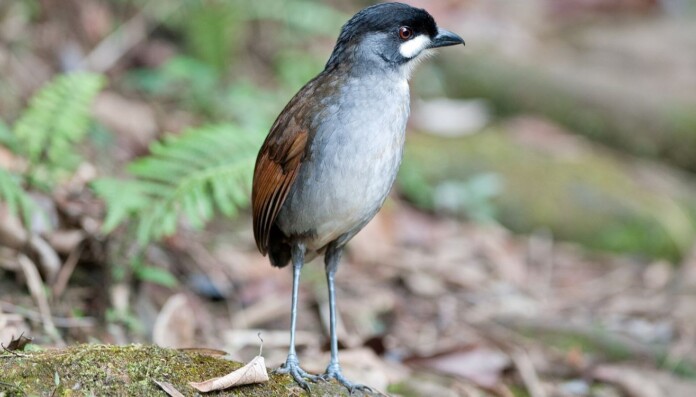
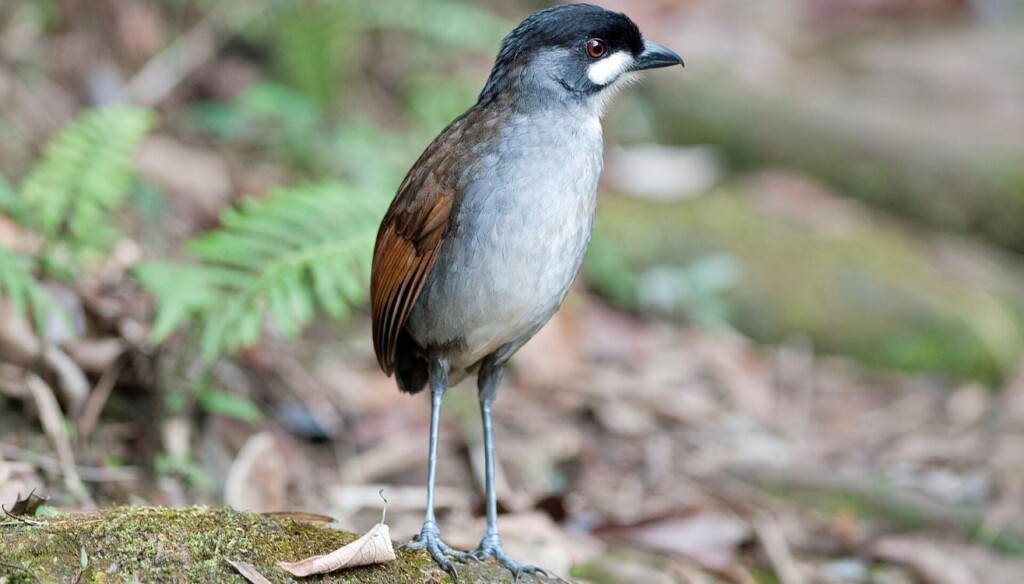
Grallaria ridgelyi, at the Jocotoco Foundation's Tapichalaca Reserve - credit, Patty McGann CC 2.0. BY
Grallaria ridgelyi, at the Jocotoco Foundation’s Tapichalaca Reserve – credit, Patty McGann CC 2.0. BY
In the late 1990s, a group of scientists were birdwatching in a remote forest in Ecuador when they heard a call like no other. Following the mysterious avian siren, they saw a fairly large bird colored grey, black, and brown standing up on stilted legs like a wading bird.
None of them had ever seen its like, and its discovery was a watershed moment for conservation in the country.
Locals called it a jocotoco, and it would not only turn out to be a completely new species to science, but a catalyst around which to summon conservation funding that would help finance a network of private land purchases within some of the most pristine and biodiverse landscapes in Ecuador.
Managed today in partnership with local communities, the Jocotoco Foundation has decisively shown what one pretty bird can do.
“Every year we discover new species, we rediscover species thought to have already been lost to extinction, and we bring species back from the brink,” the Foundation rightly boasts.
“We protect and restore wildlife habitat from Amazon rainforests to high Andean paramos, into the wet Chocó and the dry Tumbes, and across the ocean to the Galápagos.”
The Jocotoco Antpitta, the largest member of a group of avids called antbirds, was given the name Grallaria ridgelyi in honor of Robert Ridgely, the ornithologist who organized that fateful 1997 trip which resulted in its discovery.
It was first found among the eastern mountainsides of the Andes near the border with Peru, and Ridgely urgently sought funding to buy the land on which they saw it.
Their successful fundraising allowed them to establish the Tapichalaca Reserve, the first in what would become a network of 19 private landscapes protecting 123,000 acres, and managed together with another 200,000 acres of community-owned land—all for the purpose of conservation, reforestation, and ecotourism.
Across the reserves, 1,350 bird species have been recorded; a staggering 12.5% of all species in the world. They contain other emblematic Andean animals, including the condor and the Andean bear, and endangered species like the El Oro parakeet and the Galapagos petrel.
“By creating a network of protected habitat ‘arks’, Jocotoco has given these remarkable species a genuine chance not only to endure, but to recover and expand beyond their remaining strongholds,” Ian J. Davidson, Americas regional director for BirdLife International, told the Guardian regarding Jocotoco Foundation’s work.
“Their work stands as a global conservation success story, an inspiring example of what determination, science and long-term stewardship can achieve for nature.”
SHARE This Great Story About Personal Passion Turned Into National Gain…
It’s been a banner year for the annual campaign run by NBC and its parent company Universal to encourage shelter pet adoption nationwide, with 135,000 dogs, cats, and more taken home from shelters.
Running from July to September, the associated fundraiser raked in $480,000 for the over 1,000 animal shelters participating in the adopt-a-thon.
In the 12 years of organizing the “Clear The Shelter” campaign, the network has helped 1.5 million pets find new homes, and over $6 million channeled to shelters—a remarkable success.
“Clear The Shelters demonstrates what’s possible when our communities come together to help pets in need,” said Meredith McGinn, NBC Local’s Exec. VP of original production, in a news release.
“We’re proud of the meaningful impact this campaign continues to have for shelters and pets across the country, and grateful to Hill’s Pet Nutrition and all our partners who help make Clear The Shelters possible,” she added.
Over 100 NBC and Telemundo stations participated in the campaign and fundraiser, which involved covering or highlighting adoption events organized at some of the 1,200 animal shelters that participated.
From across 47 states, plus DC, Guam, and Puerto Rico, the pets were put on display in a variety of ways that helped highlight to the American community what kind of beautiful souls are there to be found inside those cages, as well as outside them.
WATCH the story below from NBC…
SHARE This Incredible Accomplishment: 135,000 Pets Find New Homes…
Wisconsin Dept. of Corrections - provided to Corrections1
Wisconsin Dept. of Corrections – provided to Corrections1
Wisconsin prison inmates have been offered a unique way to give back to their community by raising monarch butterflies from the inside.
Set up at Redgranite Correctional Institute (RGCI), the idea first came to the program organizer while looking for something that inmates who were physically unable to participate in sports could do.
Now in its 2nd year, some 20 prisoners currently work in a lepidopterum purpose-built in Redgranite for raising and releasing monarchs, which are in decline across Wisconsin.
The Refuge for Growth, Change and Inspiration Monarch Program was launched in 2025 by Carrie Jahnke. It runs from June through September, during which the prison receives monarch caterpillars from a nearby breeding center, Monarch Watch, and the participants are divided into groups to look after them.
Responsibilities include changing or adding leaves, collecting data on eggs, and tagging the butterflies, all of which will help inform conservation activities as the butterflies prepare to migrate thousands of miles south to Mexico. Jahnke also provides other educational materials about monarchs, pollinator plants, and horticulture.
This delicate, rather dainty work, has nevertheless been popular among the inmates, and this year the program oversaw 100 caterpillars, up from 60 last year.
“I enjoy being part of this program and being able to give back to the community,” one inmate, Nathan Lecker, remembering raising monarch caterpillars as a child, told Corrections1. “We can make a big impact from the inside.”
Correctional Dept. landscapers have added a variety of monarch-friendly flower beds around the prison grounds to provide additional support to the insects when they leave the enclosure, after emerging from their chrysalises.
It takes just 2 to 3 days of building up their strength before they’re ready for their long flight south.
“Monarch butterfly populations have been declining for years, and it’s wonderful that RGCI is getting involved with efforts to conserve them,” said Shelly Torkelson, communications director for the Natural Resources Foundation of Wisconsin, which helped build the lepidopterum inside the facility.
SHARE This Surprising Pastime For Wisconsin’s Prison Population…
Quote of the Day: “The American Constitution is, so far as I can see, the most wonderful work ever struck off at a given time by the brain and purpose of man.” – William Ewart Gladstone (Happy Constitution Day every September 17th!)
Photo by: Larry Alger
With a new inspirational quote every day, atop the perfect photo—collected and archived on our Quotes page—why not bookmark GNN.org for a daily uplift?
25 years ago today, 35 American TV networks and cable channels simultaneously aired ‘A Tribute to Heroes’, a live commercial-free benefit concert and telethon organized to raise money for victims and their families– especially firefighters– following the 9/11 terrorist attacks on the Pentagon and World Trade Center. TAKE a look at the line up… (2001)
Artificial intelligence has brought about a revolution in medical screening practices, with the technology able to make detections across hundreds of scans in seconds which can be forwarded to trained pairs of human eyes.
Now from the UK comes another example in the form of heart disease diagnostics. Trained on millions of patients, a new AI tool has been designed to detect minute abnormalities in traditional electrocardiogram (ECG) readings.
Though the ECG, which measures the natural electrical activity in the heart, has been a key part of diagnosing heart attack risk and heart arrhythmia for decades, it isn’t able to detect heart disease.
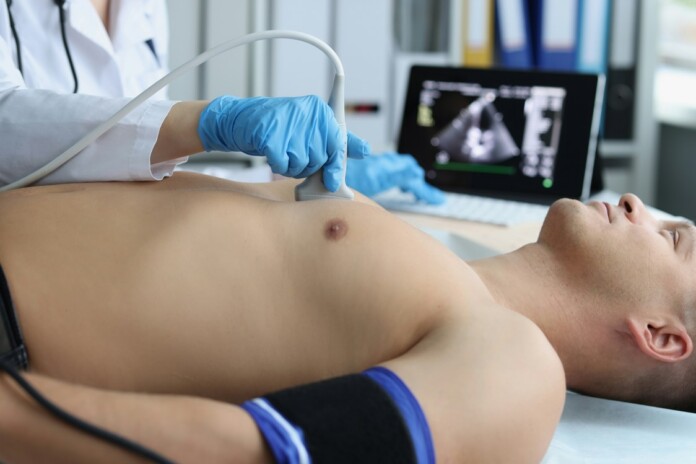
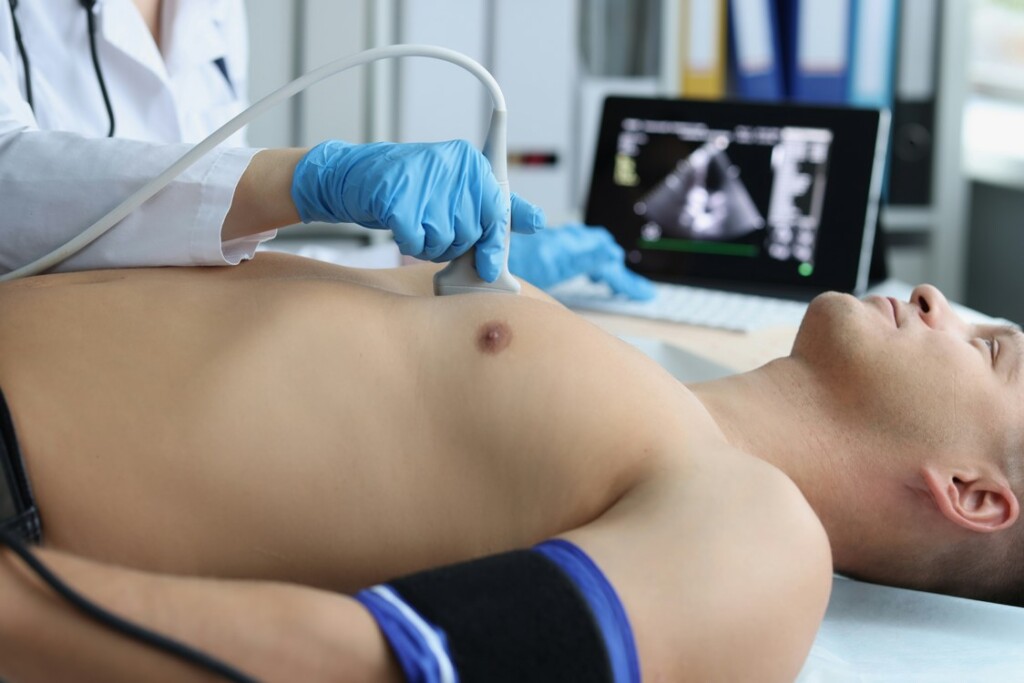
For heart disease risk, an echocardiogram, or ultrasound reading of the heart is ordered, but appointments are often months later. Now, however, an AI tool has been designed specifically to detect early signs of 2 of the most common forms of heart disease from ECG readings.
Details of the breakthrough, which could boost early diagnosis of heart disease, were presented at the European Society of Cardiology’s annual congress in Munich, the Guardian reports.
“When it comes to the heart, earlier diagnosis and treatment saves and improves lives,” said Dr. Sonya Babu-Narayan, a consultant cardiologist and clinical director of the British Heart Foundation (BHF), which funded the trial.
“Technology like the AI ECG in this research, which has the potential to identify high-risk patients early, will not detect everyone with a heart condition. But it could be a solution to help fast-track the patients who are most likely to have a heart abnormality.”
Heart valve diseases and heart failure are the 2 conditions the AI is capable of detecting in the blink of an eye. Unless one is an experienced cardiologist, the first outwardly visible symptom of heart failure is cardiac arrest or sudden cardiac death.
In a clinical trial for the AI’s potential inclusion in cardiology departments and beyond, 67,000 patients in the US had ECGs they’d received analyzed. The model detected 81% of heart failure cases, and 90% of heart valve disease cases.
The ECG is one of the most common tests conducted in cardiology, with approximately a billion ordered every year worldwide. Though a potential case flagged by the AI wouldn’t be proof the patient is about to sustain a heart attack, it’s imagined they’d use the AI-analyzed ECG to receive priority access to echocardiogram appointments.
“Patients can often wait several months for a heart ultrasound scan after being referred for one by their doctor,” said Professor Fu Siong Ng, a professor of cardiology at Imperial College London who was involved in the study.
“This makes it exciting that our technology could identify patients most at risk of heart failure and heart valve disease, so they could be prioritized for scans faster and more urgently.”
People may have undergone ECG tests for other reasons, Professor Ng said, and a major benefit of having the AI tool there will be that it can just as easily include potential heart disease checks into any list of diagnostic markers for other conditions, revealing potential heart disease when none was thought to exist.
PUMP This Great News Out Into The Veins Of The Internet…
Bistro des Philosophes, Aix-en-Provence - credit Mali Desha, Unsplash
Bistro des Philosophes, Aix-en-Provence – credit Mali Desha, Unsplash
With the help of the mayor and local council, a small town in Burgundy has saved its local cafe-bistro, what’s been described as the “heart” of the rural French economy and society.
Au Bon Accueil, located in the commune of Saint-Martin-sur-Ouanne, had closed recently for 8 months, giving a nasty shock to locals who realized they had lost their last streetside business after the boulangerie closed some years ago.
Both Hervé Chapuis, Saint-Martin’s village chief, and the county mayor, stepped in to ensure that this most treasured local institution—disappearing all over France—would remain well-anchored inside their town.
“It’s so important to have a cafe-bistro in a village like this. We couldn’t let it stay closed,” Nadia Letellier, the new manager, told the Guardian’s Kim Whillsher on the occasion of her visit to the village. “And we’re doing well, as you can see. People seem really happy it’s open again.”
Fixed menu 3-course meals are common lunch and dinner functions for the locals, who often sit in the same seat and order the same thing every day while catching up with one another, and to get out of the house.
It’s a critical function in the depopulated French countryside, but one which Willsher reports is disappearing rapidly.
A cafe-bistro might close for any number of reasons, like declining alcohol consumption, 2% year-over-year price inflation established as a target by the French and European central banks, declining rural populations, or senior owners retiring with no one to take over after them. These have brought about a dramatic reduction in the number of cafe-bistros across France; Willsher reports it as a reduction from 500,000 to just 40,000 over the last 125 years.
Fortunately, in Charny-Orée-de-Puisaye, the administrative district in which Saint-Martin can be found, the mayor ran a bistro for 7 years before being elected this year. He channeled €25,000 of public money to pay for renovations to ensure the bistro—which used to be called the Station Cafe—could stay open.
“I noticed the same people would come in every morning at the same time, take the same table, the same coffee or a glass of white wine,” he told Willsher. “The cafe-bistro was their point of reference. If it disappears, there is nothing for them.”
Au Bon Accueil was not the first local eatery to be saved by the mayor, whose local authority owns another bistro, a restaurant, and 3 boulangeries.
It’s often said ‘you don’t know what you’ve got until it’s gone.’ Fortunately for Saint-Martin, there are enough bistro-less villages in France to show how important these places are for the fabric of rural society to those that are lucky enough to still have them.
SHARE This Local Leadership In Saving A Key Part Of Village Life…
A Mozambique pilot learns to pilot a drone from an experienced South Korean operator - credit, African Development Bank, released
A Mozambique pilot learns to pilot a drone from an experienced South Korean operator – credit, African Development Bank, released
In January, a community in northern Mozambique experienced one of its worst floods in decades, yet the raging waters failed to claim a single life.
This miracle was made possible thanks to a small squadron of drones and their pilots tasked with informing search and rescue efforts in real time.
The story, shared by the African Development Bank, centers around Marracuene, a district just north of the capital, where the Incomáti River burst its banks after weeks of rainfall.
As it would happen, in April 2025, the Bank’s South Korea–Africa Economic Cooperation (KOAFEC) Trust Fund had launched a program to train 30 public sector experts from the meteorology, road mapping, water management, and disaster response agencies in the use of drones in emergency response.
Called the Drone-Based Disaster Management Project, January’s floods came halfway through the piloting course, where students were not only learning how to fly the drones, but also to operate sophisticated equipment like LiDAR instruments and data platforms that could transmit information about disaster areas in real time.
Marracuene and the Incomáti River became the equivalent of a final-year exam.
“Before this project, I had absolutely no experience with drones,” says Kátia Manjate, one of the new pilots.
Under Korean instructors, she learned to run the entire pipeline, “from data collection all the way to the final product… the processing and understanding what results we can draw from it all.”
– credit, African Development Bank
That early expertise was vital as the Incomáti totally forgot where its banks were, and submerged hundreds of square miles beneath murky water. 8 months before their training was set to finish, the government ordered the project’s team to the district, where they got to work successfully “locating stranded families, mapping washed-out roads, and streaming live imagery to rescue teams who had no other way to see what the water had done.”
LiDAR imagery showed how deep each brown pool was, and could successfully guide rescue vehicles through door-high flood waters.
Their work ensured that not only were there no recorded fatalities among the population, but none among the rescuers as well.
In August, the 30 pilots graduated from the program, 10 of whom with licenses to train further drone operators. Local councilwoman Márcia Moiane noted that the significance extends well beyond this flood when she spoke with a press team from the African Dev. Bank.
“This project marks a major leap forward — not only in technology but also in how we respond to emergencies. It means we can act faster and smarter, saving more lives.”
SHARE This Transformative Technology Saving Lives In Southeast Africa…
Hoping to allow millions of pet owners to access critical veterinary care beyond their budgets, a philanthropic organization has announced a groundbreaking $250 million commitment over the next 5 years
The initiative represents one of the largest, private philanthropic investments ever made in American history to expand access to nonprofit community veterinary care, and it was made by the Dave & Cheryl Duffield Foundation.
Success in building and delivering innovation at 6 enterprise software companies, including PeopleSoft, Workday, and today, Ridgeline, has allowed billionaire software engineer, Cornell alum, and philanthropist Dave Duffield to give away heaps of the proceeds to charitable causes close to his heart, and to that of his wife, Cheryl.
These have included gifts totaling half-a-billion dollars to Cornell University’s school of engineering, and more than $300 million to companion animal support and welfare organizations.
As founders of Maddie’s Fund, the Duffields built the largest private foundation supporting companion animal organizations, with a particular focus on shelters.
Their latest check writing takes that total past $500 million with the “Big Bet for Pets,” an initiative that builds on this legacy by addressing the veterinary care gap in America, which the Foundation estimates impacts 50 million dogs and cats nationwide. This gap is largely the result of financial barriers to care, leaving millions of pets without routine, preventive, and lifesaving veterinary services.
“Pets are members of our families, and they need veterinary care to live long, healthy lives,” said Dave Duffield in a statement. “For too many families, that care is not easy to find or afford. Big Bet for Pets is our way of investing in a stronger, more accessible safety net for these special animals.”
The Duffield Big Bet for Pets will support community-based organizations working to expand access to veterinary care for family pets, invest in research and other strategies to advance progress in closing the gap in the access to veterinary care, and amplify the vital work of organizations providing veterinary services to pets in need. The initiative will roll out multiple investments and grant opportunities over the next 5 years, and the first 2 launch today.
Duffield Boost Grants is a collective $2.5 million grant opportunity that will provide 250 grants of $10,000 each to nonprofit community veterinary care providers nationwide. Expanding Access Grants will establish a $10 million pool for significant, multi-year grants for established nonprofit community veterinary clinics that are ready to expand their capacity to reach more pets in need.
“The lack of access to affordable veterinary care is one of the most urgent and actionable challenges facing pets and the people who love them,” said Amy Mills, vice president of access to care at the Dave & Cheryl Duffield Foundation. “Through Big Bet for Pets, we are investing in a future where every pet has access to the veterinary care they need and every family can care for the animals they love.”
SHARE This incredible Generosity Towards Lower-Income Pet Parents…
Quote of the Day: “Education is the key to unlock the golden door of freedom.” – George Washington Carver
Photo by: Clay Banks
With a new inspirational quote every day, atop the perfect photo—collected and archived on our Quotes page—why not bookmark GNN.org for a daily uplift?
Sandra Day O'Connor being sworn in - public domain
45 years ago today, Sandra Day O’Connor was sworn in as the first female Supreme Court Justice. She was approved in the Senate 99-0, with one Montana Senator being absent from who vote, who later sent her a copy of A River Runs Through It, by way of an apology. In her first year on the Court, she received over 60,000 letters from the public, more than any other justice in history. READ more about this famous justice… (1981)
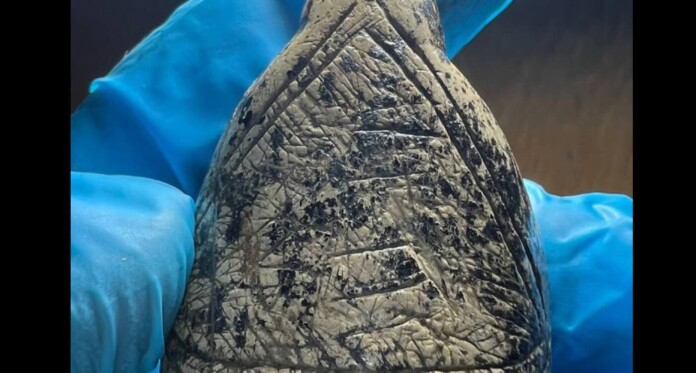
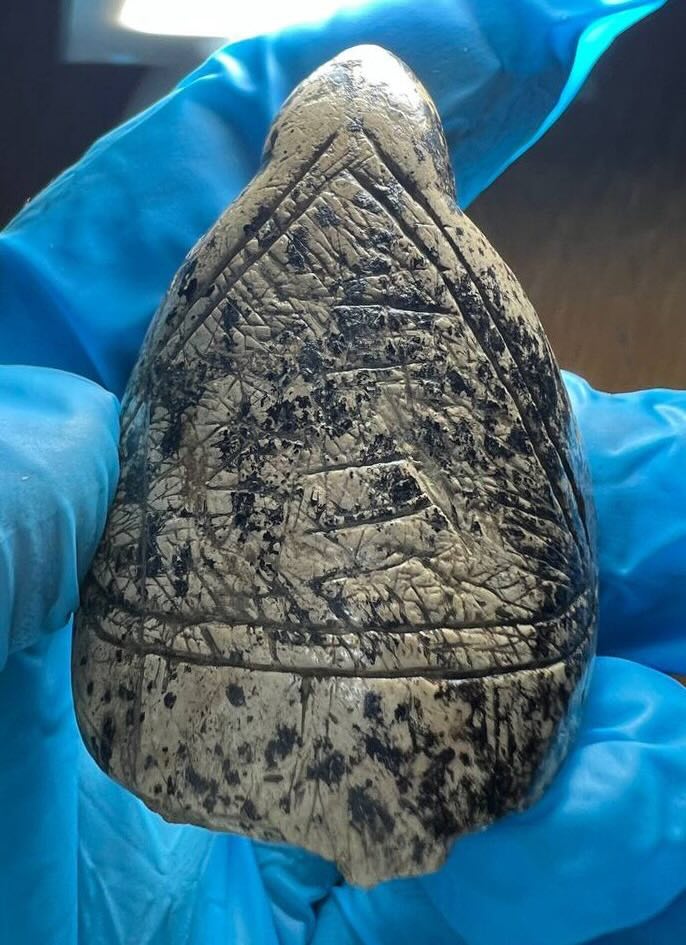
Ice Age craftspeople mimicked lines of mammoth ivory
– SWNS
[Stephen Beech | SWNS news]
Cavemen used mammoth tusk patterns to create unique art, reveals new research.
Ice Age craftspeople mimicked the lines of mammoth ivory / SWNS
Intricate designs engraved on the surface of 18,000-year-old female figurines carved from mammoth ivory were inspired by “distinctive” growth patterns visible in the tusks, say scientists.
An analysis of 18 “Venus” figurines found at Mizyn in Ukraine shows that Ice Age craftspeople carefully observed and mimicked the natural lines of the ivory, using them to structure their artistic engravings.
The discovery was made possible using high-resolution microscopic analysis and 3D digital modeling.
The artifacts were recorded as part of urgent heritage preservation efforts led by Ukrainian NGO Archaic.
Researchers from the UK, Germany, Norway and Ukraine found that the carvers explicitly incorporated Schreger and Owen lines – the natural growth rings found in mammoth tusks – into the surface patterns of the figures.
The team say their findings, published in the journal Heritage Science, challenge traditional views on how Stone Age art evolved across Europe.
“This discovery offers an extraordinary window into how Paleolithic peoples perceived and engaged with their material world,” said Dr. Aimée Little, from the University of York’s department of archaeology.
“Identifying visual evidence of how mammoths were integrated into artistic traditions, both through the use of their ivory and the deliberate inscription of its natural patterns, represents a genuine breakthrough in our understanding of prehistoric art and material culture.”
She said access to the physical artifacts at the National Museum of History of Ukraine in Kyiv was limited due to the ongoing Russian-Ukrainian war, making digital scanning essential to ensure their preservation and study into the future.
The analysis highlights a significant gap of 1,000 to 3,000 years in the creation of human figurines across Europe, coinciding with the Last Glacial Maximum – the coldest peak of the last Ice Age.
“When figurine-making re-emerged around 18,000 years ago, it began earlier in Eastern Europe than in the West,” explained her university colleague Dr. Andrew Needham.
“While later Western European styles also featured abstracted female forms, none reproduced the internal tusk patterns seen at Mizyn.
“This indicates that Ice Age artists in Eastern Europe forged their own independent artistic path rather than simply following trends from Western Europe.”
The research team said there are several theories regarding the spiritual or ritualistic purpose of Stone Age “Venus” figurines.
But their findings reveal the crucial elements of its artistry.
“We are optimistic that our future digital research will shed more light on the emergence and development of artistic expression in Europe, showing an even more complex, and intriguing picture than we have now,” said Dr. Simon Radchenko, from the University of Stavanger, Norway.
Dr. Dmytro Kiosak, from the Leibniz Centre for Archaeology in Germany, believes their findings challenge the long-held assumption that ancient art simply evolved in a straight line from basic to complex forms.
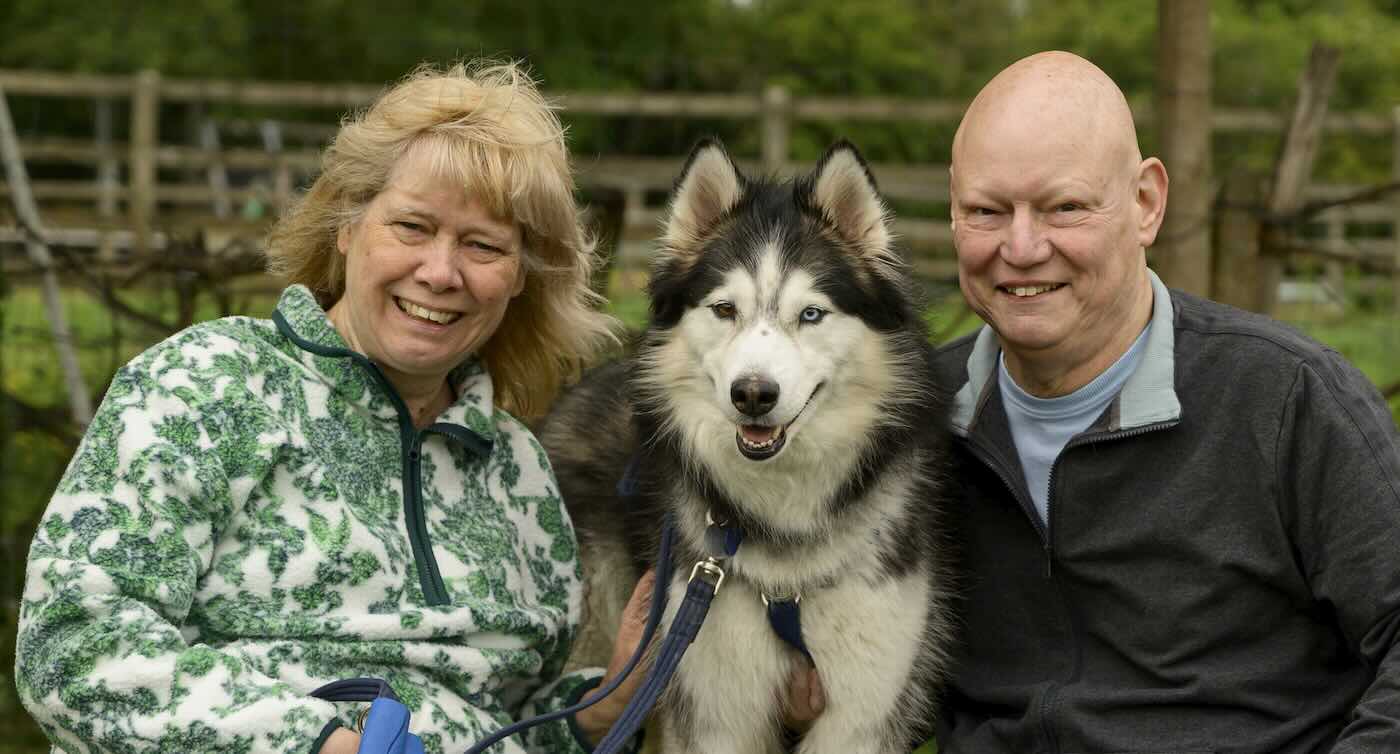
Nicole and Gary Wordsworth – Credit: Battersea Dogs Home / SWNS
Nicole and Gary Wordsworth – Credit: Battersea Dogs Home / SWNS
Meet the British couple who spent the last 15 years fostering 59 dogs—with no plans of stopping.
While working from home and designing electronics, Nicole and Gary Wordsworth have been taking in pups from the Battersea Dogs Home in Buckinghamshire.
Now retired, the two in their 60s opted for part-time pups in a fostering situation, and now live with a variety of dogs—from a Siberian husky to a Staffie.
The duration of each dog’s stay ranges from a couple of nights to 18 months, but they ensure no one feels pressure if a second stay is needed.
“In late 2011, we saw an advertisement for sponsoring dogs.
“Because we had been looking after friends’ dogs—and loving it, we went in for a chat and had our first little Staffie called Marcel as our first dog.
“A lot of people ask us if we find it difficult… We find it so easy.
“We love to help get them out of the kennels when they are too stressed and need a quiet spot to perch.
Battersea Dogs Home / SWNS
“It’s always a joy to hear how they are doing after they leave us. We don’t mind that their stay with us is temporary, as we know each dog will have the best new home and that we are a part of all their stories.”
Having fostered 59 dogs, they’ve come to realize the truth that there really is a dog suited for everyone.
“It is impossible to pick a favorite,” said Gary. “But some stick in your mind more than others.
“They all have characters though—and it’s great to see all their nerves dissipating, and their actual personality coming out to shine.”
Their early encounters with the foster animals provide helpful intel for the adoption staff at Battersea—what toys they prefer, when they like to eat their dinner, how far they like to walk, and sleep times.
“You help them find the best home for them by giving them the space and quiet to show you.”
Among their favorite dogs was a huge American bulldog, who learned new tricks like offering its paw, lying down, and sitting.
“He got his fairy tale ending too, because his original owner had found him on the ad and taken him back home!”
Their recent guest, a sweet husky named Stormy who loves a snuggle on the sofa, stayed with them for four months.
“She had a smiley face and lovable quirks, including her ‘happy food dance’, when she would excitedly move from toe to toe as her food was being prepared.”
“The people at Battersea Dogs Home don’t expect you to know everything about dogs—and in fact they give you a lot of time, training, and pay for everything.”
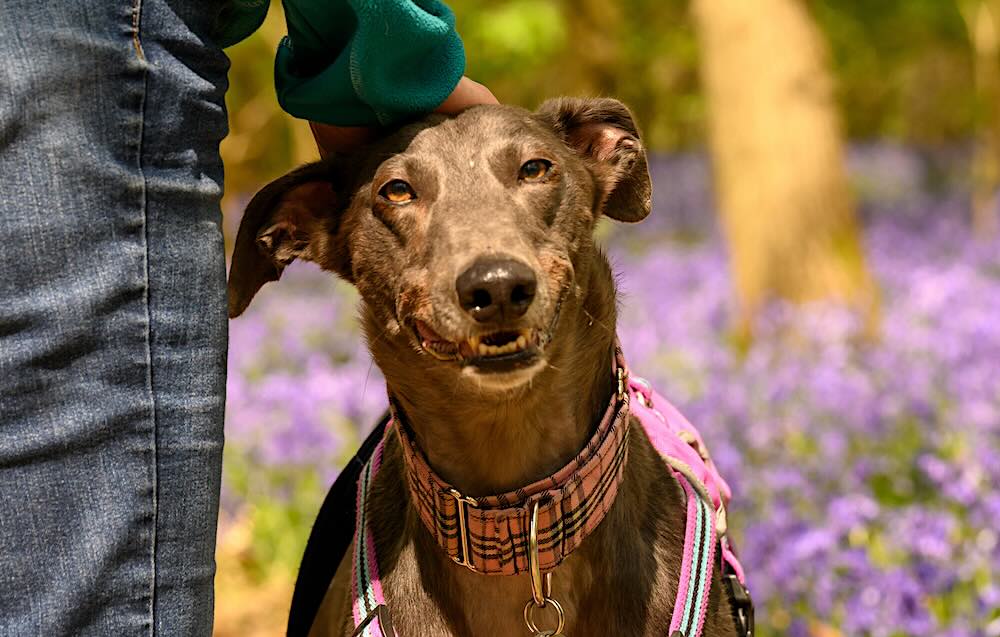
Henry – SWNS
“And they often give you the easy dogs to start with. If you don’t think you can take on a certain type of dog you can always say that one is too much of a challenge, as well.” Cats are also available to foster.
“It is so rewarding to see them relax and find their little personality poking out. You are doing a good thing and you get to have a furry friend by your side. It’s a win-win.”
IF YOU KNOW ANY RETIREES, Share The Volunteer Idea on Social Media…
Mesabi Trail - Courtesy of the St Louis and Lake Counties Regional Railroad Authority
Mesabi Trail – Courtesy of the St Louis and Lake Counties Regional Railroad Authority
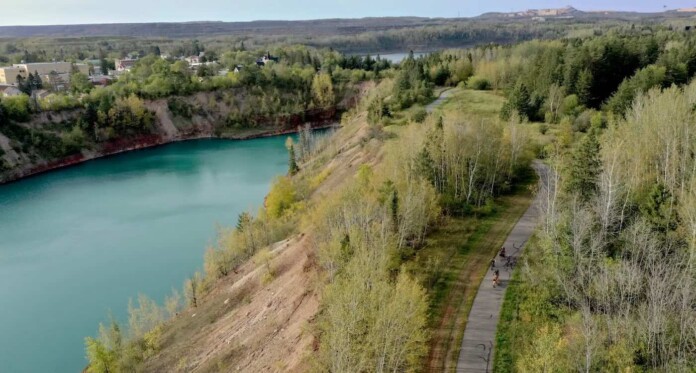
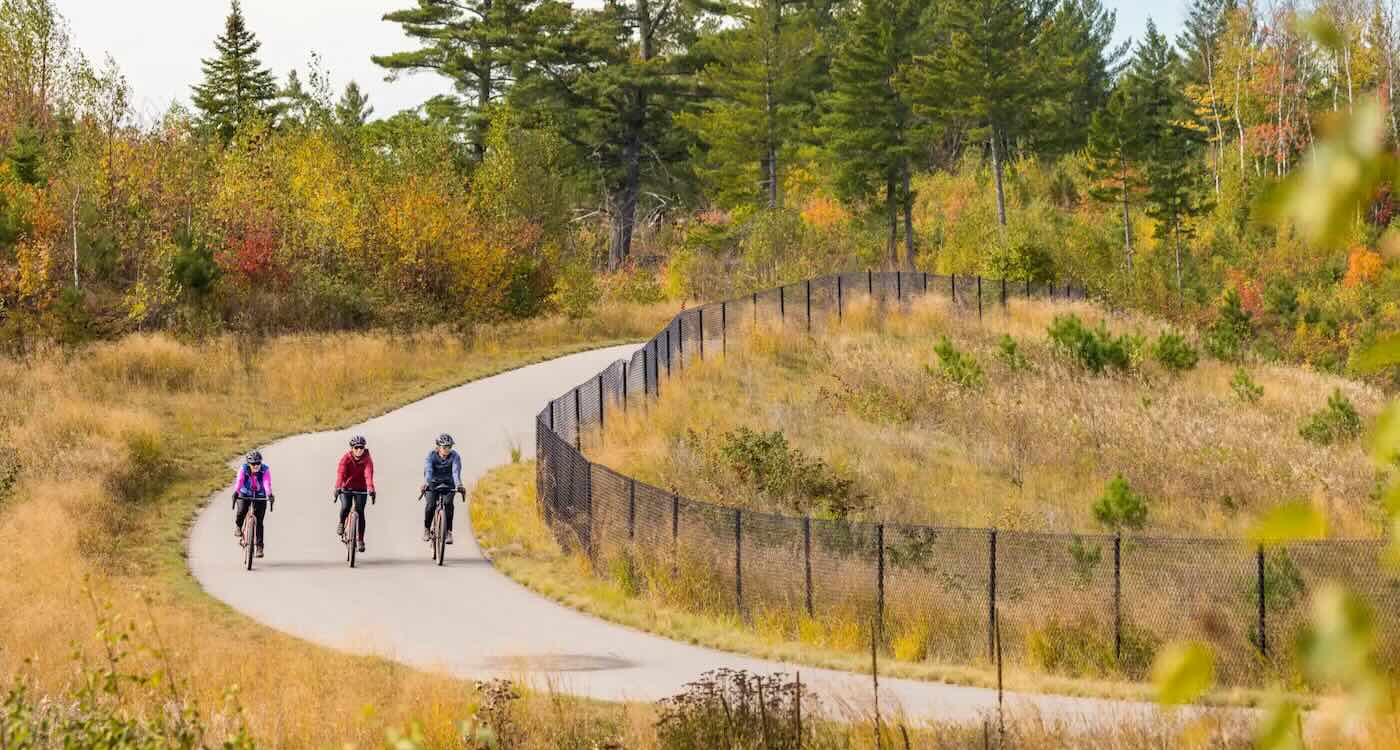
After more than 30 years of planning, construction, and fundraising, a paved bike trail ambling through 165 miles of Minnesota beauty has officially been completed—and now becomes one of the longest paved cycling trails in America.
From the Mississippi river to the wilderness of the Boundary Waters, the Mesabi Trail winds through some of the most scenic parts of the state along the Iron Range with its historic iron ore mines that fueled the US during World War II, and supplied the American steel industry—especially the Mesabi Range, which the trail was named for.
Both hilly and flat, the “well-mapped and well-maintained trail” connects 28 communities, from Grand Rapids to Ely. (Watch a video below…)
Many of the shady woods and hills were created decades ago, as heaps of earth from the mines formed man-made mountains with forests regrowing and lining the edges of the trail.
Along the way, you can explore historic buildings, mining artifacts, early industry, and ethnic and cultural history.
A unique state agency, the Department of Iron Range Resources & Rehabilitation (IRRR), helped fund the trail; it uses profit from the mines to enrich the community. But the project rallied partners from across the board.
Courtesy of the St Louis and Lake Counties Regional Railroad AuthorityScreenshot
“No single organization, funding source, or individual could have built what we see here today,” said IRRRB commissioner Ida Rukavina who joined a dozen officials at a ribbon cutting ceremony last Tuesday.
“This trail is the product of three decades of partnership and persistence.”
The official website can be used to plan a trip to the trail. Also, learn how you can become a volunteer caretaker.
Although great for summer activities, including inline skating and hiking, winter activities include cross-country skiing and snowshoeing—and some portions of the trail offers snowmobile access.
Many campgrounds and local parks are easily accessible from the trail, highways, and nearby communities, with food, lodging, shopping, golfing, swimming, canoeing and fishing all in close proximity to segments of the trail—with communities and services available near all entry points.
Tens of thousands of people have already been using the trail each year, with 5 stars being awarded regularly.
(Watch the striking video below…)
SEND THIS ROLLING 165 MILES–By Sharing on Social Media…
Quote of the Day: “It is difficult to get a man to understand something, when his income depends upon his not understanding it.” – Upton Sinclair
Photo by: Nohe Pereira
With a new inspirational quote every day, atop the perfect photo—collected and archived on our Quotes page—why not bookmark GNN.org for a daily uplift?
46 years ago today, Blizzard of Ozz, the debut solo album of the great and lately deceased metal singer Ozzy Osbourne, was released to moderate reviews and success. However it grew to become a staple of the genre, and was ranked as the ninth-greatest heavy metal album of all time by Rolling Stone. It includes the iconic singles “Mr. Crowley” and “Crazy Train,” both of which were sung by the great man in 2025 during his farewell tour, a week before his death at the age of 76 from Parkinson’s disease. READ more about the album… (1980)
Credit: Starr Whitehouse Landscape Architects and Planners
Credit: Starr Whitehouse Landscape Architects and Planners
Until the 1920s Park Avenue in Manhattan actually park running through it.
Now, New York City has unveiled a new plan for transforming Park Avenue back into its original natural character, adding trees, benches, and a protected bike lane.
Mayor Mamdani and the NYC Department of Transportation are updating 11 blocks of the wide street, based on feedback from New Yorkers who want more green spaces and safety for cyclists.
The updated boulevard design makes it a “more people-centered corridor” by expanding the avenue’s median, add pedestrian space, seating, and landscaping. Two car lanes are being converted, with one existing southbound vehicle lane being converted into a two-way protected bike lane.
“New Yorkers asked us to make more room for people to walk, bike and enjoy their city, and we listened,” said Mayor Mamdani.
“This final design converts underused median space into vibrant public space while incorporating a dedicated, world-class bike connection that lays the foundation for future bike network upgrades in East Midtown,” explained NYC DOT Commissioner Mike Flynn.
The updated design covers 11 blocks from 46th Street to 57th Street. It would remove one travel lane in each direction and convert a southbound travel lane into a two-way protected bike lane. The expanded medians will accommodate seating, plantings, and public art, with crosswalks connecting along the corridor.
Illustration By: Starr Whitehouse Landscape Architects and Planners -released
The project area sits directly above the Grand Central Terminal train shed, which is undergoing a major capital rehabilitation by Metro-North Railroad. As the MTA replaces and waterproofs the structure below, the City is using the opportunity to transform the avenue above, aligning major infrastructure investment with a broader vision for public space shaped by community input.
“As more people turn to biking and walking as cleaner, more effective modes of transportation, we must continue updating our infrastructure to keep our riders and pedestrians safe,” said NY Congressman Jerrold Nadler.
“I’m grateful to Mayor Mamdani and Commissioner Flynn for advancing this ambitious reimagining of one of Manhattan’s most iconic thoroughfares, and I look forward to seeing work get underway.”
“The reconstruction of the Grand Central Train Shed is part of the MTA’s commitment to modernize the infrastructure that keeps New Yorkers moving,” said MTA Construction and Development President Jamie Torres-Springer.
“This century-old structure made it possible for Midtown to grow into one of the world’s most important business districts—and now, as we rebuild it, we’re thrilled to partner with the city to deliver a greener, more vibrant public space.”
DO YOU LOVE NEW YORK? Share The Reimagined Avenue on Social Media…