

















114 years ago today, Beatrix de Rijk became the first female licensed Dutch aircraft pilot. This pioneering aviator was born in Surabaya, modern-day Indonesia in the Dutch East Indies, to a Javan mother and a Dutch father. In the Netherlands, she was the first Dutch woman to drive a German automobile, but she found the car was too slow for her, so she bought an NSU motorbike instead, forfeited her inheritance, and left for Paris. READ how she got her wings… (1911)
Man is Shocked to Find His Dog Giving a Baby Koala a Piggyback Ride

The human world is full of headlines about people who can’t get along—and sometimes peace and harmony seem impossible.
Thankfully, a cute animal story from Australia can remind us there’s another way.
A few weeks ago, Steve Lamplough found two creatures from opposite corners of the animal kingdom bonding in his backyard.
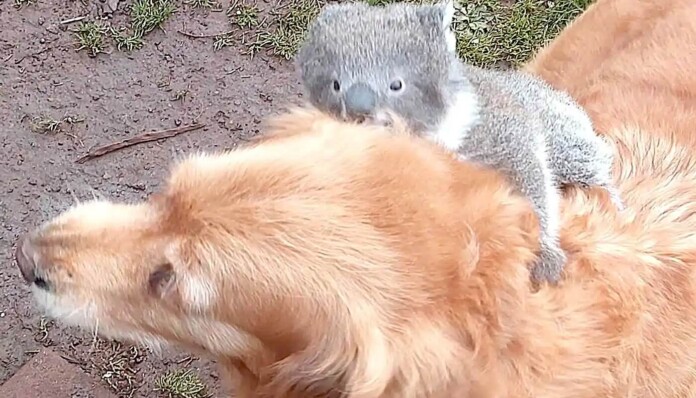
While at home in Victoria, Steve heard his dogs barking and a commotion outside. When he went to investigate, he found an epic surprise on the back of his Golden Retriever, Denni.
A baby koala was hanging on for a cross-creature piggyback.
“It was quite amazing to see,” he said, in a story by People. “Especially when [Denni] was running and the baby koala was bobbing up and down like a jockey.”
Steve also posted pictures on Facebook, where commenters speculated that the baby koala likely fell from a tree and Denni simply tapped into her maternal instincts to help the joey through the ordeal.
He posted three pictures of the unexpected animal encounter. In one of them, Denni the Retriever seems to be smiling fully, perhaps even proud, as the joey hangs on like someone might cling to the back of a motorcycle driver.
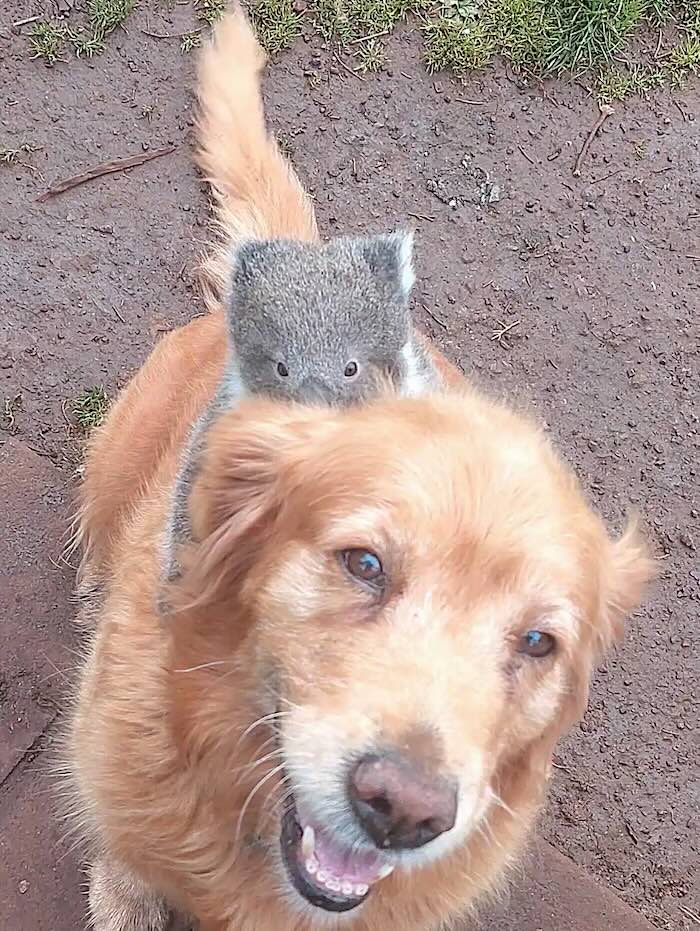
Unfortunately, the animal adventure couldn’t last forever. The joey needed to be returned to its mother, so he carefully removed it from his dog and placed it in a nearby tree where its mom could find it later.
Other Unexpected Duos: Unlikely Animals Snuggling Together at the Zoo Have Melted the Internet with Cuteness
The plan worked perfectly. The koala momma eventually returned for her offspring, without any issues.
In fact, the only lasting effect seems to be found on the internet, where Steve’s Facebook post was warming hearts and spreading joy across social media.
“Well this is officially the cutest thing I’ve seen on the internet,” a commenter named Pat Rogers wrote.
“You just broke the internet!!” Jane Ellem wrote with four heart-filled emojis as punctuation.
BEST HALLOWEEN DOG: Dog Groomer Turns His Poodle into a Skeleton for Halloween–Using a Nontoxic Dye for Pets (Video)
“Just wonderful,” Kerry Cleary wrote, with applause emojis. “This is a magical story.”
Share This on Social Media with Friends Who Need a Pick-Me-Up…
Always Fatal Huntington’s Disease is Successfully Treated for First Time With Gene Therapy
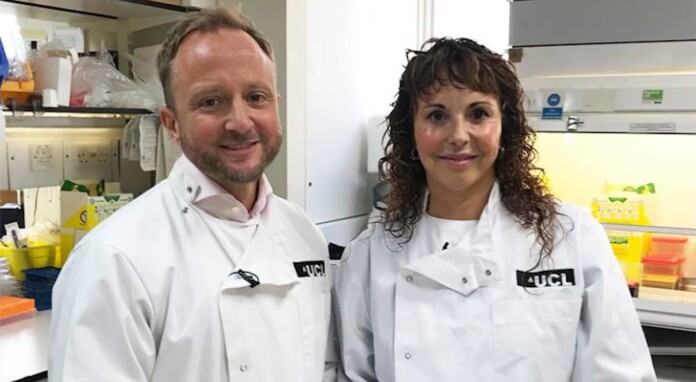
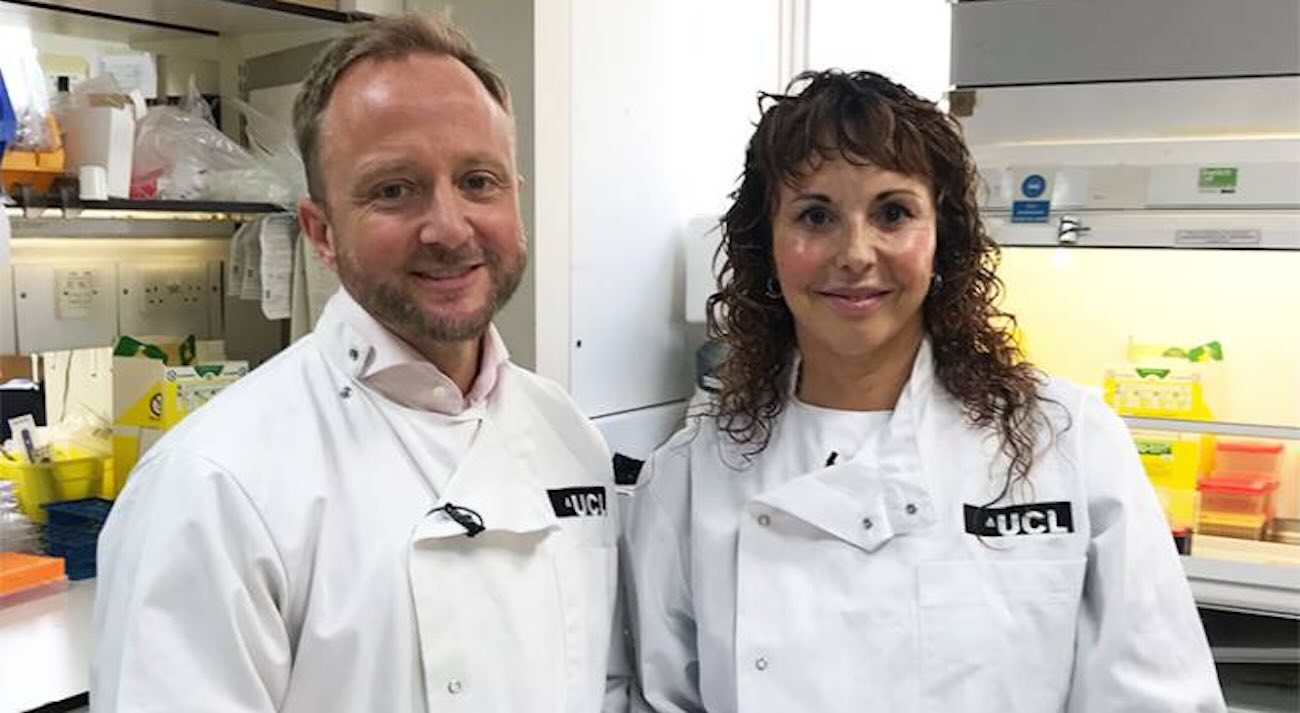
There is no cure for Huntington’s disease, a devastating brain disorder that causes severe motor loss, dementia, and eventual death.
But, a clinical trial delivered positive results this week, finding that patients receiving a new treatment for 36 months experienced 75% less progression of the disease overall (compared to patients who did not receive the treatment).
This is the first time a drug trial achieved a significant slowing of Huntington’s progression, according to uniQurea, a gene therapy company based in the Netherlands and US.
The new gene therapy, AMT-130, was performed on 29 patients including 12 who were given a high dose. Those given a high dosage of AMT-130 experienced 75% less disease progression, as measured by a standard rating scale that incorporates motor, cognitive, and functional measures.
There was also a statistically significant benefit as measured by other scales of disease progression, including motor and cognitive function.
MORE GENE BREAKTHROUGHS: Type 1 Diabetic Produces His Own Insulin After Gene-Edited Cell Transplant
The researchers also measured participants’ levels of neurofilament light protein (NfL), a protein that is released into the spinal fluid when neurons are injured—a useful marker for neuronal damage. The scientists found that NfL levels in the spinal fluid were lower in people treated with the drug than they had been at the start of the trial, even though NfL levels would be expected to increase by 20-30% over three years. They say this suggests the course of the disease has been slowed.
The trial, conducted by scientists at University College London (UCL) with funding from uniQure, also found that “AMT-130 is generally well-tolerated by study participants and has a manageable safety profile”.
“l am thrilled,” said Professor Sarah Tabrizi of UCL’s Huntington’s Disease Research Centre and lead scientific advisor on the trial. “For patients, AMT-130 has the potential to preserve daily function, keep them in work longer, and meaningfully slow disease progression.”
It is expected that a single dose of AMT-130 would last for a person’s whole life.
THE MIRACLE OF SIGHT: 100 Times Improvement in Sight Seen After Gene Therapy Trial for Disease That Deteriorates Vision in Childhood
UniQure plans to submit an application to the US Food and Drug Administration early next year requesting accelerated approval to market the drug, with applications in the UK and Europe to follow.
“This result changes everything,” said Professor Ed Wild, principal investigator of the UCL Huntington’s Disease Centre trial site at UCL.
“My patients in the trial are stable over time in a way I’m not used to seeing in Huntington’s disease – and one of them is my only medically-retired Huntington’s disease patient who has been able to go back to work.”
“Behind each datapoint is an incredible patient who volunteered to undergo major neurosurgery to be treated,” added Prof. Wild.
About the treatment
Huntington’s disease is caused by a single genetic mutation, a discovery made in 1993. People with an affected parent have a 50% chance of inheriting the mutation, meaning they will develop disease symptoms—but until now, there were no effective treatments to prevent or slow the progression of the disease.
About 12,000 people in the U.S. are currently living with Huntington’s disease, and about 8,000 in the UK.
The new gene therapy permanently introduces new functional DNA into a person’s cells. It consists of particles of a harmless, empty virus, plus a set of instructions encoded in custom-made DNA. The virus is injected directly into a part of the brain called the striatum which is particularly vulnerable in Huntington’s disease. This is done using a highly complex neurosurgical technique called stereotactic surgery, in which tiny tubes called catheters are guided to the right part of the brain. Once in the brain, the virus particles enter the neurons and release the DNA cargo.
The AMT-130 DNA becomes a permanent addition to the neuron. It contains a set of instructions for making a molecule of RNA which has been designed to bind to the RNA which is produced when a cell is making the huntingtin protein. When AMT-130 RNA binds to the cell’s own huntingtin RNA, it summons an enzyme to destroy it. As a result, the huntingtin message is deleted and less of the protein is made – permanently.
GENIUS GENETICS: Infant With Incurable Disease is First to Successfully Receive Personalized Gene Therapy Treatment
The neurosurgeries for the UK arm of the trial were conducted at the University Hospital Wales at Cardiff University, and funded by Health and Care Research Wales. The trial results will be presented formally in the US at the HD Clinical Research Congress next month in Nashville, Tennessee.
(Watch a video about the therapy from Reuters below…)
SHARE THE BREAKTHROUGH With Patients On Social Media…
Tiny Prehistoric Fish Fossil Rewrites Evolution With Clues for Mysterious Origins of Catfish and Carp
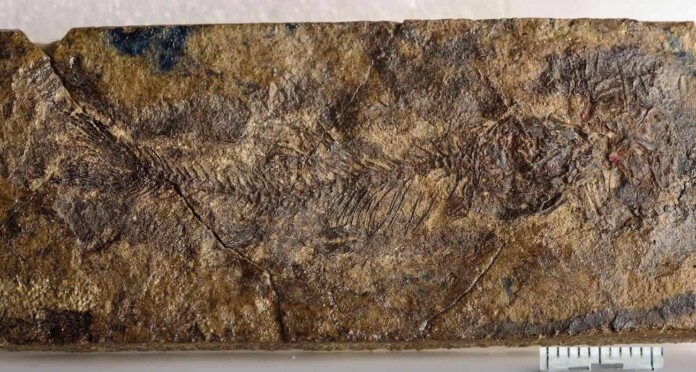
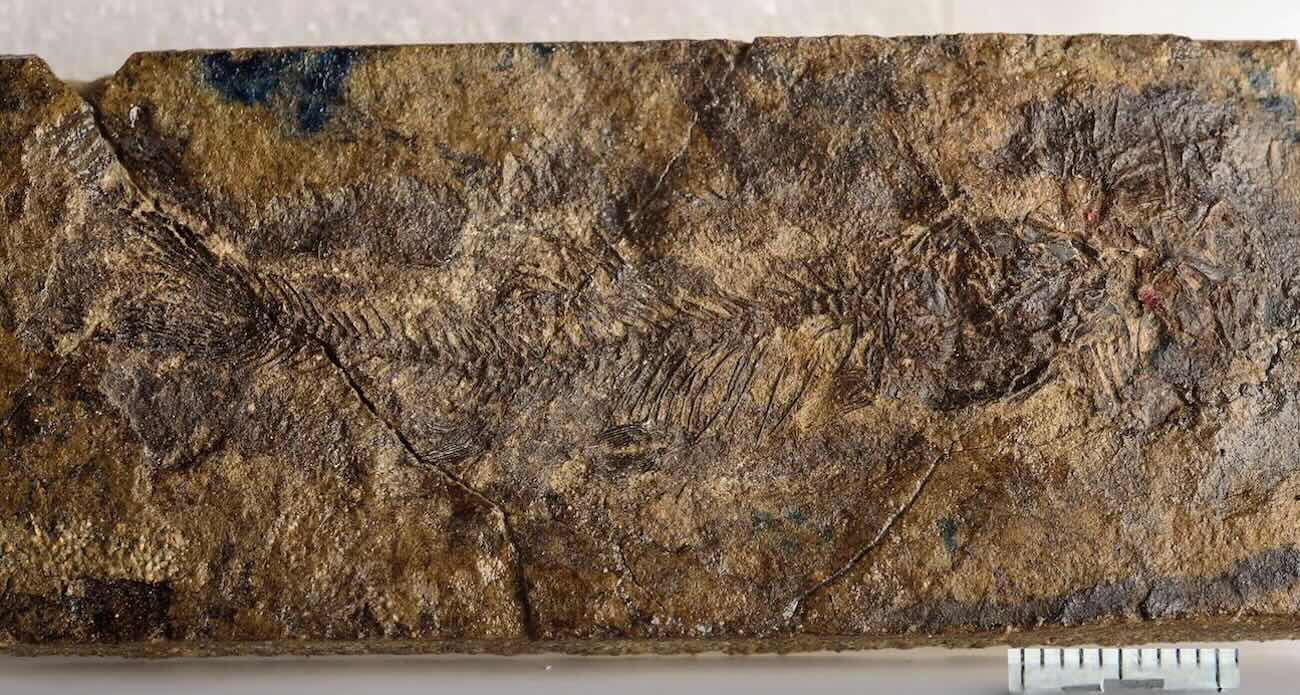
The fossil of a tiny fish found in southwestern Alberta, Canada, provides new insight into the origin and evolution of otophysans, the supergroup of fish that includes catfish, carp and tetras—which account for two-thirds of all freshwater species today.
The specimen, located well inland from any seashore, was studied by researchers at Western University and the Royal Tyrrell Museum of Paleontology and was found to be a new kind of fish entirely.
The skeleton measures around 1.6 inches long (4 cm) and lived during the Late Cretaceous period, along with the iconic T. Rex—about 100 million to 66 million years ago.
Named Acronichthys maccognoi, the discovery was detailed in a study published this week in the journal, Science.
“The reason Acronichthys is so exciting is that it fills a gap in our record of the otophysans supergroup,” explained study author Professor Neil Banerjee. “It is the oldest North America member of the group and provides incredible data to help document the origin and early evolution of so many freshwater fish living today.”
ANOTHER MYSTERY FOSSIL: New Triassic Reptile Has Enormous Crest Unknown to Science That Upends Feather Evolution Theories
Otophysans are distinctive in the way their first four vertebrae are modified to transmit vibrations to the ear from the swim bladder (a gas-filled internal organ that allows fish to maintain their position in the water without expending significant energy)—basically functioning as a human ear.
One fish, two fish, red fish, blue fish
While the discovery of Acronichthys introduces a new species to paleontological records, it also provides critical data to trace the origins of otophysans, as the supergroup is understood to have started as a marine (saltwater) species before transitioning to a freshwater species. The discovery suggests the transition from marine to freshwater species happened at least twice during otophysans’ evolution.
The study estimated a new divergence time for otophysans from marine to freshwater species at around 154 million years ago (the Late Jurassic period) – after Pangea, the supercontinent, began to break apart 200 million years ago.
The researchers are now left trying to understand how the tiny Acronichthys moved from continent to continent if they couldn’t swim across saltwater oceans—because their freshwater ancestors now live on every continent except Antarctica.
GOOD NEWS FOR FISH:
• After 50 Years, Trout Population Is Restored to Historic Numbers in One of Largest Lakes in US
• Fish Rescued From Garden Pond After it Grew to be 6-feet Long–From Just Six Inches
“There’s still so much we don’t know, and a fossil site right here in Canada is giving us the key to understanding the origins of groups that now dominate rivers and lakes around the world,” said Don Brinkman, curator emeritus at the Royal Tyrell Museum in a media release.
Earth sciences Professor Lisa Van Loon at Western University, used synchrotron beam-lines to capture a more sophisticated, detailed look of the skeleton, with computed tomography (micro-CT) scans—high-resolution X-ray images that create 3D virtual models of objects while they rotate.
“Many of the fossil specimens collected by the Royal Tyrrell Museum are incredibly fragile, and some are impossible to extract from the rock itself, so micro-CT scans provide not only the best method for acquiring detailed images of what’s inside, they’re also the safest way to avoid destroying the fossil all together,” said Van Loon.
COOL FOSSIL NEWS:
• Two Halves of the Same Fossil Stored at Different Museums Reunited to Form New Species
• New Yorker’s Yardwork Reveals Complete Mastodon Jaw Bones and Teeth (LOOK)
“Dinosaurs are pretty exciting, so a lot of time and effort has been focused on them… but we’ve only scratched the surface when it comes to understanding the diversity of prehistoric freshwater fish,” concludes Brinkman.
SET THE HOOK OF CURIOSITY In Your Fish Loving Friends–Share on Social Media!
Camera Traps Reveal Beavers Have Finally Returned to the Bronx River After ‘a Very Long Time’
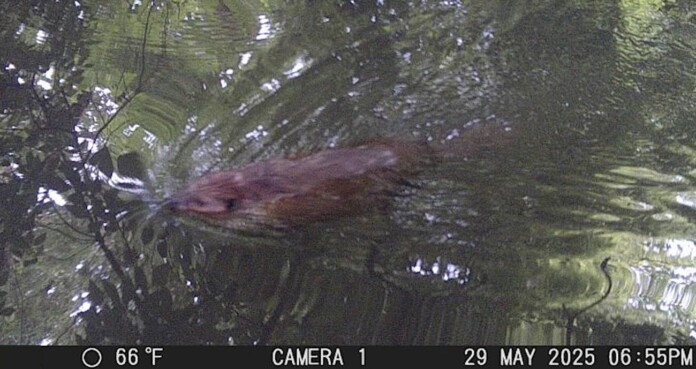
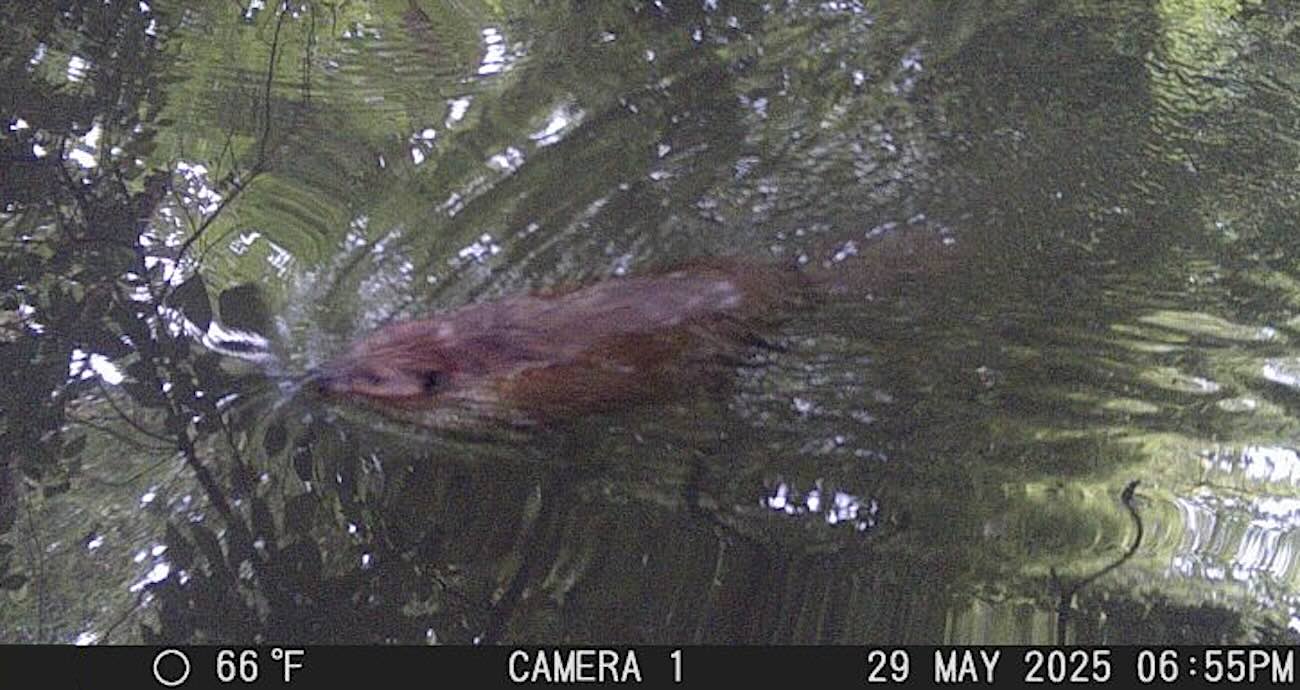
Beavers had not been seen in New York City for 200 years, after their coveted fur pelts became valuable and habitat was impacted by human activity.
But, finally, in 2007 one was spotted in the Bronx River. Then, a second beaver arrived—nicknamed Justin Beaver, who joined José, the original—and they lived together for a number of years on the river.
The last anyone saw them was 2018; they are believed to have passed away, leaving a keystone species missing from the ecosystem.
But four months ago, biology student and beaver activist RJ Hawkins was checking camera trap footage and reported new findings:
“Something surprising was spotted in the Bronx River that hasn’t been seen for a very long time: a beaver!”
In June of 2024, two camera traps were placed upstream and two others downstream of the Mitsubishi Walk section of the Bronx Zoo to try to see if any beavers had returned to the river.
While no beavers were spotted during the data collection near the Twin Dams, which continued through October, the data did present insight into how impactful dams can be in urban ecosystems.
Normally, beaver dams increase biodiversity in an ecosystem by creating pond/wetland habitats that weren’t there previously. This creates a diversity of habitat types that provides a space for many animal and plant species to thrive.
MORE GOOD NEWS FOR BEAVERS:
• First Beaver in 400 Years Born in English Countryside as Reintroduced Pair Gives Birth–and Spurs Return of Nature
• Beavers Saved From Euthanasia Transform and Replenish Rivers in the Utah Desert
During the 2024 monitoring period, many more species of animals were observed upstream of the dam than were observed downstream of the dam. This suggests that although there are many issues with urban dams (such as migratory fish and eel species not being able to travel upstream) they may be able to support biodiversity by creating the pond/wetland ecosystems downstream. (And, in places so heavily urbanized such as New York City this is an important discovery as it shows that these habitats need to be maintained as biodiversity hotspots.)
In April of this year, new camera traps were set up at the same places again in the hopes that any beavers might have found a new home.
“At the end of May, incredibly enough, a beaver was seen on the footage—this time swimming past the camera trap,” RJ wrote for the Bronx River Alliance.

“This was such an amazing discovery because not only does it show how much biodiversity this section of the river can support, but it also signals the return of a species that had been absent, suggesting significant ecological recovery in an urban environment.”
RJ hoped the sighting was just the beginning—and it was.
New evidence around the Bronx River this summer revealed activity of beavers taking down trees, with the iconic tooth marks left behind when branches and saplings were carried off.
In September RJ’s camera trap caught more images of eager beavers on the riverbank.
WATCH! Teen Rescues Baby Beaver from River Rapids: ‘It was such a Canadian Experience’
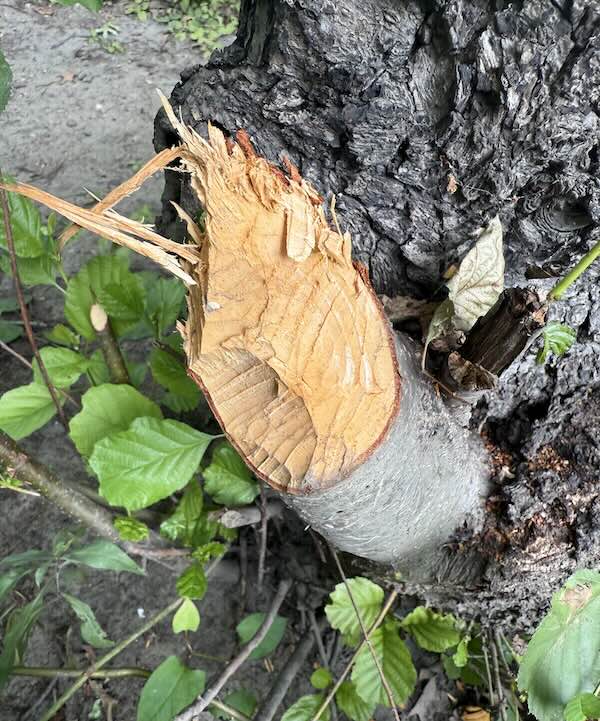
In the last half century beaver populations have rebounded significantly across the US, with a decline in the fur trade and conservation efforts—and now they are even returning to our biggest cities.
NEW YORKERS NEED SOME GOOD NEWS – So Share This on Social Media…
Tonight’s Full Moon Is First Supermoon Since Nov–and Latest Harvest Moon in Nearly 40 years


Luna-lovers and stargazers will have a feast on the East coast tonight, as the first supermoon in 11 months will occur just before midnight.
A supermoon is a colloquial term for when the Moon reaches perigee, the closest point to Earth during it’s orbital rotation. This makes the Moon noticeably larger, and appears larger still when close to the horizon, which it will be at 11:48 p.m. EDT tonight, (4.48 a.m. BST Oct 7th, for the Brits).
As well as being a supermoon, it will also be classed as a Harvest Moon. This is given to the last full moon before the autumn equinox, the light from which was traditionally used to harvest crops by pre-modern farmers.
They would reap and pick long into the night with the Moon’s bright light helping them see. Alternatively, if the full Moon appears after the autumn equinox, it’s known as the Hunter’s Moon, as that same light would allow hunters to shoot by.
But wait, didn’t the equinox happen already? Yes indeed, however according to various sources, every few years, since the lunar months and solar year don’t correspond perfectly, a Harvest Moon will appear in October, as is the case this year.
In a bit of trivia, this will be the latest in the year that a Harvest Moon has appeared since 1987. In a further piece of trivia, the supermoon appears larger to us close to the horizon than when it’s high in the sky. This is known as the “Moon Illusion”
“Photographs prove that the Moon is the same width near the horizon as when it’s high in the sky, but that’s not what we perceive with our eyes,” NASA noted in a blog post.
“Thus it’s an illusion rooted in the way our brains process visual information. Even though we’ve been observing it for thousands of years, there’s still not a satisfying scientific explanation for exactly why we see it.”
SHARE This Great Opportunity To Get Outside And Moongaze…
“Nature knows no pause in progress and development, and attaches her curse on all inaction.” – Johann von Goethe

Quote of the Day: “Nature knows no pause in progress and development, and attaches her curse on all inaction.” – Johann von Goethe
Photo by: Tim Mossholder
With a new inspirational quote every day, atop the perfect photo—collected and archived on our Quote of the Day page—why not bookmark GNN.org for a daily uplift?

Good News in History, October 5

Happy 67th Birthday to popular science communicator Neil deGrasse Tyson. Born in the Big Apple without a star in the sky to look up at, Tyson nevertheless became a face for astronomy and astrophysics as Director of the Hayden Planetarium and host of the television special Cosmos: a Spacetime Odyssey. From 1995 to 2005, Tyson wrote monthly essays in the “Universe” column for Natural History magazine, some of which were later published in his books Death by Black Hole (2007) and Astrophysics for People in a Hurry (2017)—the latter a New York Times #1 Best Seller. READ more about Tyson… (1958)
Stray Dog Saved From ‘Death Row’ Turns into Brilliant Detective, Sniffing out Lost Animals
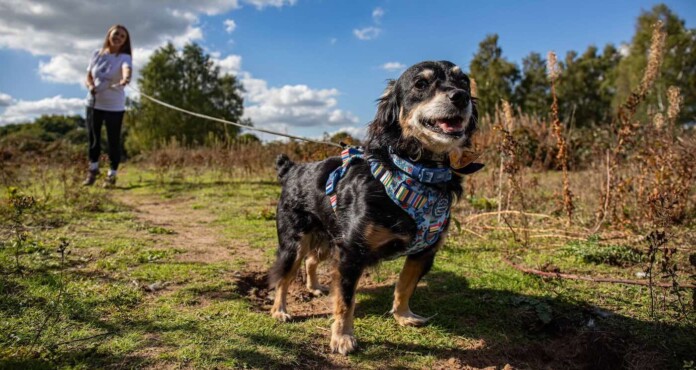
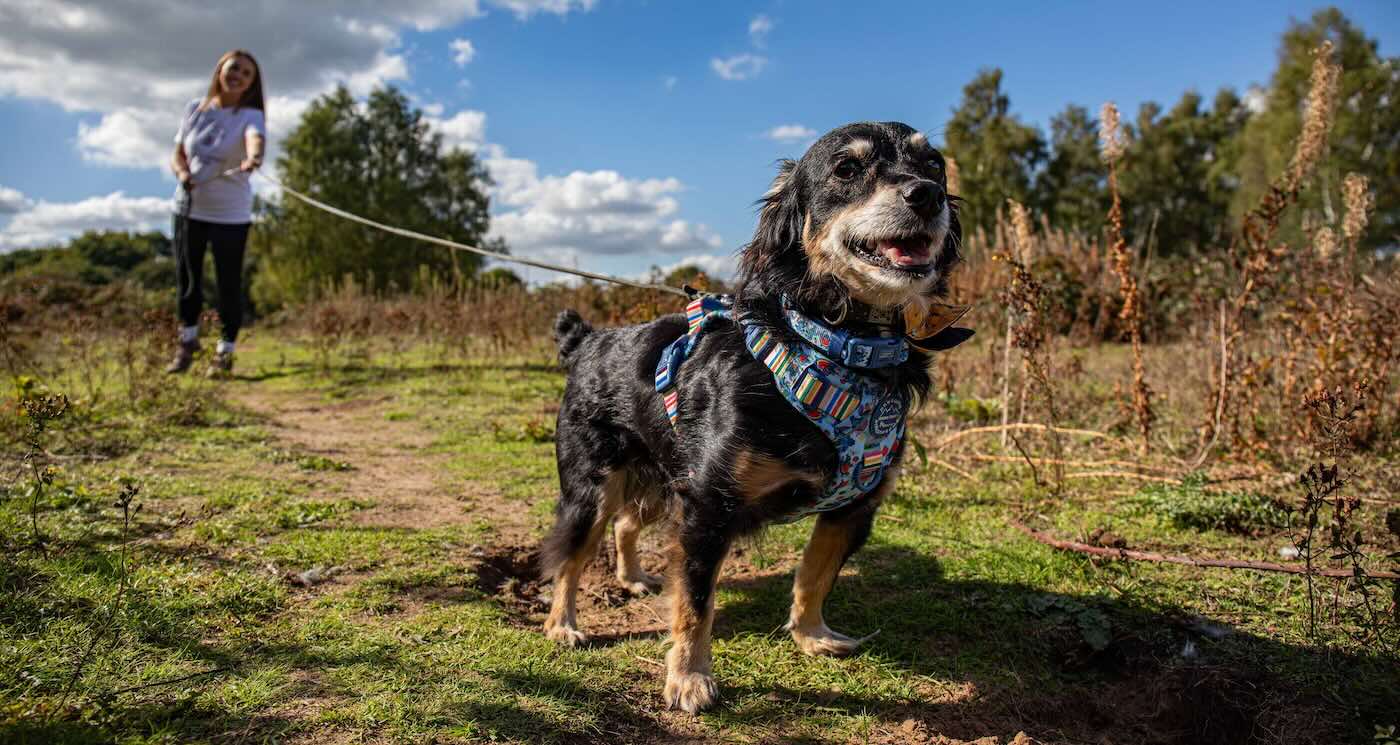
A stray dog that was saved from being euthanized has become an expert pet detective, displaying an uncanny knack for sniffing out lost animals.
Rico was just days away from being put down when kind-hearted Rachel Rodgers, who runs a dog training school, paid almost $200 to rescue him from the Portuguese dog pound.
“I saw this picture online of this really cute black and tan dog in Portugal and they said he had two days left to live,” the Englishwoman told SWNS news agency. “I paid the fee to get him out of the pound, but they hadn’t found him a home (so) I ended up paying and bringing him over.”
She took him home and was amazed to discover the incredible sniffing and tracking skills of this small domestic Kokoni.
“He was really good at that. It was like hide and seek where they sniff you out.”
Within months, Rico’s nose was being used to track down lost pets and animals which had escaped from their enclosures, including a runaway capybara.
Rico would be given a blanket or chew toy to smell, which he would then use to locate the area where the animals had been most recently.
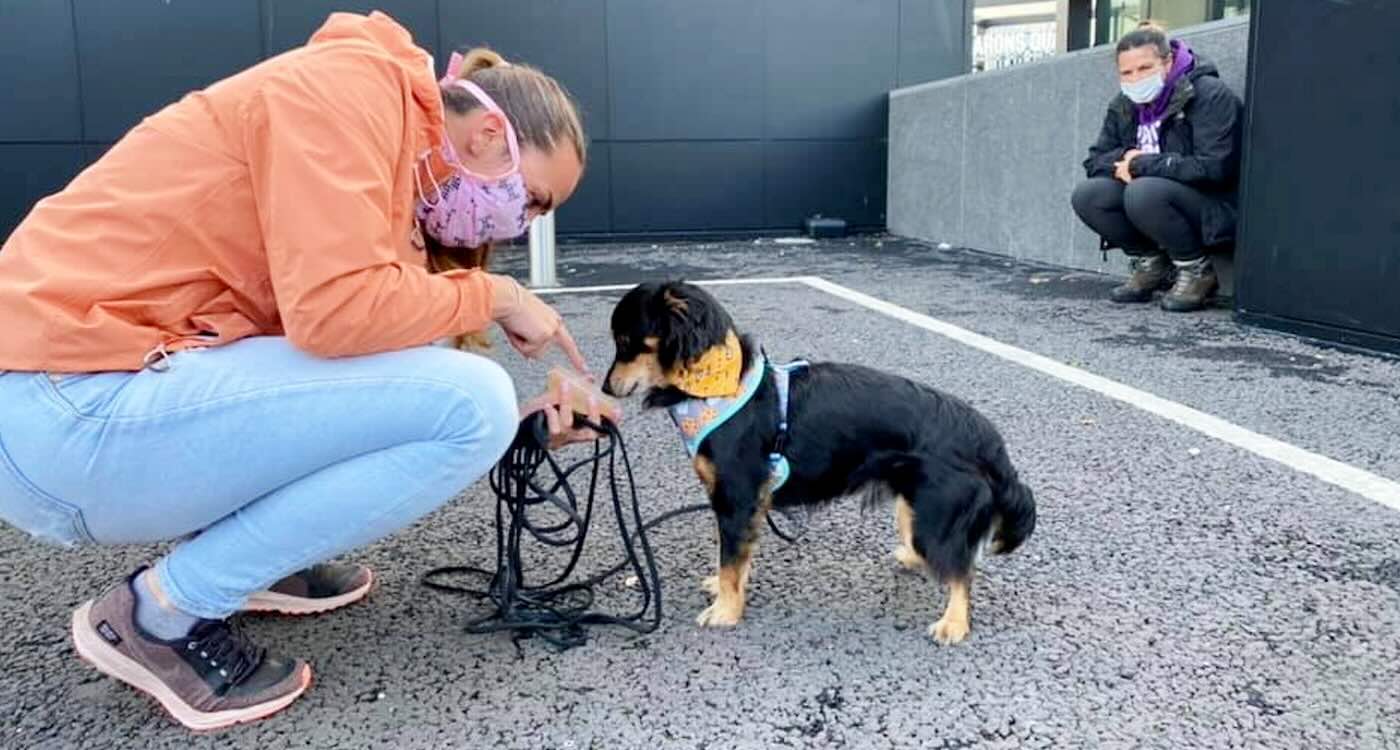
In some cases, the 10-year-old pup was even given an animal’s poop to learn its smell in order to pick up a trail.
Rico is now a pro at locating lost animals—and over the years, he’s taken part in more than 20 pet rescues. 36-year-old Rachel from Whitchurch, Shropshire, in England, is preparing to mark ten years since she gave Rico a second chance of life in December 2015.
Rico’s first rescue happened while Rachel was doing a course about water voles in Wales.
DOGGIE GENIUSES: Dogs in UK Are First to Be Trained to Sniff Out Bowel Cancer–After Nailing Parkinson’s and COVID
“There was a family in the car park crying because they’d lost their dog and he was missing.
“My friend suggested Rico try and help them, so we let him sniff the boot of the car to get the lost dog’s scent.
“We searched for about three hours and he kept going to the same location with a 7ft high fence—and the dog came out hours later from the exact spot Rico had identified.”
Rachel, the co-founder and instructor at The Canine School of Trailings, said there was “no feeling like it”, after Rico tracked down a missing dog. “I’ve never been so proud.”

Now the twosome is even training other dog trainers across the world so that they can teach pet owners.
One of the strangest rescues Rico took part in was when a capybara called Cinnamon escaped from a zoo last year.
MORE HERO DOGS:
• Tiny Bomb-Sniffing Jack Russell is a National Hero, Sporting a Presidential Medal
• 18 Month-old Bloodhound Wins 2024 Hero Dog Awards for Saving Lives And Solving Crimes
“We got a tortoise request the other week, but the capybara was the weirdest.
“I was in London when Cinnamon went missing and she had been missing a few days before we went out. Obviously makes it harder without a fresh trail of scent to follow.”
They didn’t have any scent article, which Rico could use to track the animal, so the zoo brought in capybara fecal droppings from Cinnamon’s family.
“I was worried he would go to the zoo to their enclosure but he followed a trail quite a while.”
He lead the search team through a field with a horse and kept going to a ditch and found more scat there, which one of the keepers believed was from a capybara.
POOCH GETS SECOND CHANCE: Dog That Flunked Out of Police Academy Becomes a Hero in Earthquake Response
“He was searching for three hours in that same area and the zookeepers put a trap down and she was caught a day or so later.”
Rachel says she hopes her 7-month-old border terrier Pebbles will carry on Rico’s “amazing work” and keep searching for lost pets after he retires in the next year or so.
HELP DOG OWNERS FIND THEIR CALLING – Share This on Social Media…
Gumbo Cook Worried About Regular Customer’s No-Shows Goes to His Home and Saves His Life


Something had to be wrong.
For over a decade, his routine was as reliable as the sunrise: every day around 11 a.m, the door to the Shrimp Basket in Pensacola, Florida would swing open and one loyal customer would walk in.
Donnell Stallworth, a cook at the Shrimp Basket, said the regular visitor is like “everyone’s grandpa”. They liked him so much that, a few months ago, the staff threw him a party to celebrate his 78th birthday.
Every day the old man orders a cup of gumbo before heading home again.
But earlier this month, the man stopped showing up. As the days mounted, concern spread among Donnell and the the staff.
Where was he?
Donnell was determined to find out, because, by this point, the old guy was something more than a customer—he was a friend.
“I just left work, went to his house, and I knocked on the door like two times,” he told WEAR-TV News in the video below. “The third time I knocked on it… I kind of stayed up for a minute, and I knocked again, and I heard him like, ‘Help’ and ‘Who is it?’”
When he heard it was Donell, the man—who wasn’t named for medical privacy reasons—invited him in. He was sprawled on the floor where he had been lying for days after falling.
WATCH THIS HERO: Immigrant Truck Driver Becomes Hero Using Tractor-Trailer to Save Man from Burning 2nd Floor
His body was badly bruised with multiple ribs broken, according to the news report. Who knows how long he would have been lying there had no one else noticed he was missing?
That daily cup of gumbo and a cook who cared likely saved his life.
“He was in tears, like, ‘I don’t even know how long I’ve been here’,” Donell recalled.
Paramedics arrived soon afterward and the senior is now on the mend, working his way back to health with a steady diet of rehab and a cup of gumbo delivered every few days by the kind chef.
HEARTWARMING KINDNESS FOR DYING DOG: Texas Roadhouse Cooks Dog’s Last Meal–Owner Is Blown Away by the Restaurant’s Care
But the staff is hoping that soon, the Shrimp Basket’s door will swing open at 11 a.m., and smiles on both sides of the counter will stretch a little bit wider—with the gumbo tasting sweeter than ever before.
“Not all heroes wear capes,” says the TV report below…
RESTORE PEOPLE’S FAITH IN HUMANITY By Sharing The Compassion on Social Media…
Record-Breaking Night of Bird Migration Caught on Radar During a ‘Perfect Storm’ for Feathered Flight
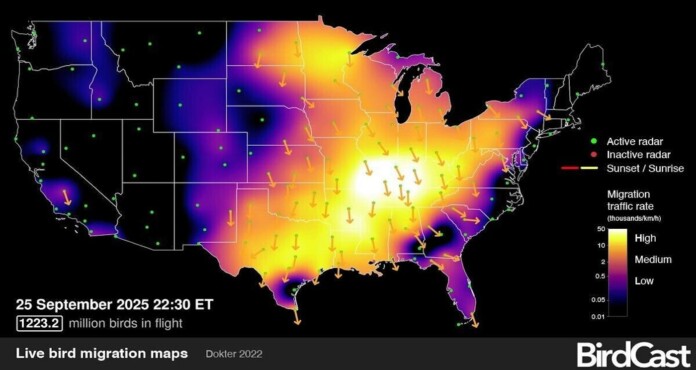
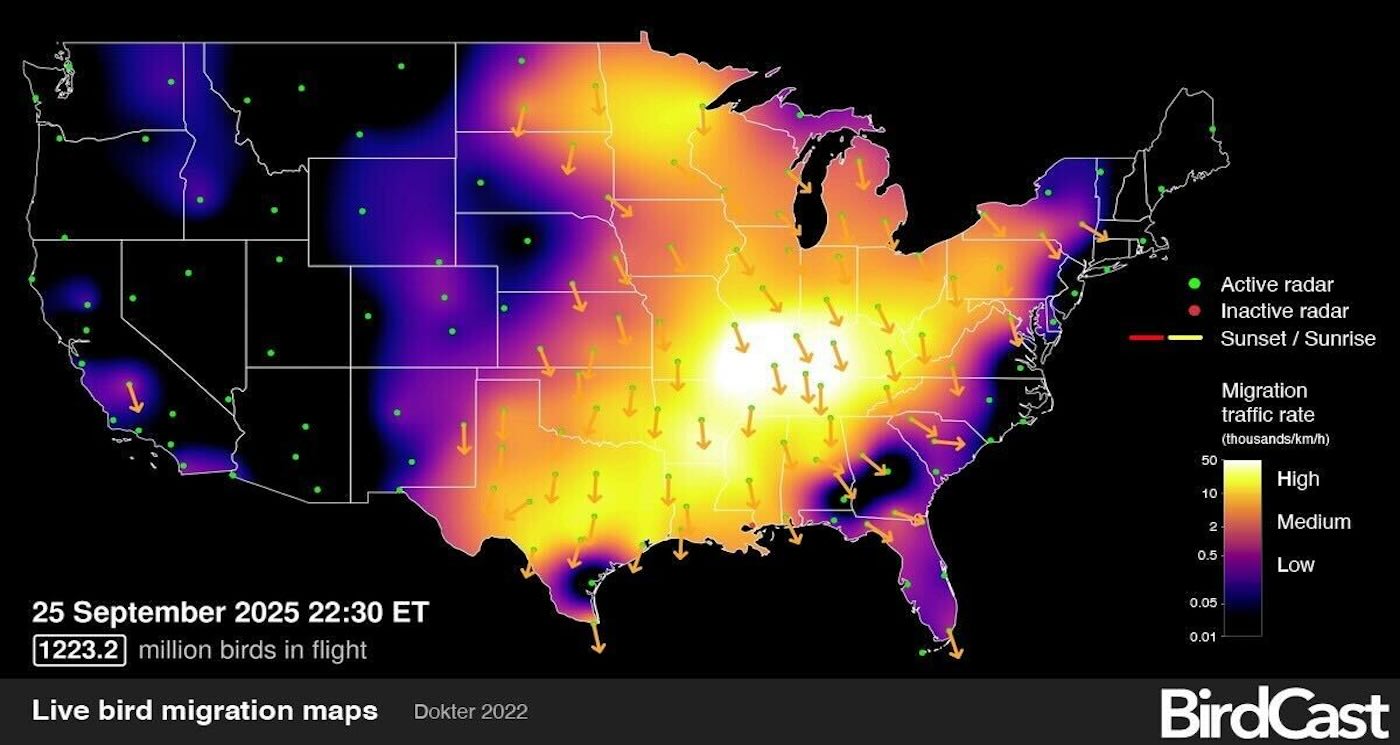
More than 1.2 billion birds streamed south in one night during their Fall migration in late September—the largest single-night total ever recorded by the American live radar project.
Called BirdCast, a collaboration led by the Cornell Lab of Ornithology, the platform uses the same weather radar technology behind daily forecasts to track migrating birds.
On its live migration map, BirdCast tracked more than 1.2 billion birds streaming toward their wintering grounds after sunset on September 25—the largest single-night total recorded since the project began mapping live migrations in 2018.
“These numbers are almost inconceivable,” said Andrew Farnsworth, a visiting scientist at the Cornell Lab of Ornithology and longtime BirdCast researcher. “They’re enormous… even for people that study migration regularly. The scale of how many organisms that this represents, is just mind blowing.”
The surge surpasses the previous milestone of one billion birds, first observed during the migration in October 2023. Both included well over one hundred species flying toward warmer weather, including songbirds and shorebirds.
Farnsworth said this seemingly rare night captured about 10% of the continent’s birds in flight at the same time. On an average fall night during peak migration, about 400 million birds are detected in flight at the same time above the United States, but on this night, the number was three times that.
“It’s really unbelievable,” he said.
While astonishing to both birders and scientists, Farnsworth said this event was not random. It resulted from a combination of ideal migrating conditions coinciding with the peak of fall migration.
The weather that night was perfect for travel, he explained in a media release. It featured calm winds—including tail winds that helped push the birds along their migratory paths across much of the center of the country and the Mississippi River valley.
AIRPORT BIRD LOVE: Snowy Owls Are Kept Safe from Jets at Boston Airport, Thanks to Dedicated Researcher
Farnsworth said this record-breaking migration—documented by radar technology that was never intended to track birds—is a chance to not only to marvel at the immense magnitude of bird migration but also a chance to remind the public that the data is freely available and accessible in real time.
The technology at BirdCast.org allows anyone to view forecast maps that predict the number of birds migrating while live migration maps show migration happening in real time. Both tools let people know when birds are moving nearby, so they can take necessary precautions to protect them.
MORE GOOD NEWS FOR BIRDS:
• Giant Mystical Eagle Thought to Be ‘Extinct in Mexico’ Reappears, Marking Landmark Moment for Conservationists
• Record Number of 736,000 Sandhill Cranes Flock to Nebraska in Spring Migration–With No Bird Flu
• Marshall Islands Experience Explosion of Wildlife One Year After Invasive Rats Were Removed
“BirdCast gives the ability for more people to engage in and participate in this incredible spectacle,” Farnsworth said, whose Cornell Lab partners with three US universities in the project: Purdue, Illinois Urbana-Champaign, and Massachusetts Amherst.
It’s also a timely reminder that you can help make birds’ journeys safer. Every year, more than one billion birds die in collisions with windows in the United States.
SWEETEST SOLUTION: After Building Causes 1,000 Bird Deaths, $1.2M Window Makeover Shows Chicago How to Beak Kind
Bright lights can disorient birds migrating at night, drawing them into areas where collisions with glass are common. To assist our feathered friends, turn off nonessential lights at night. You can also add bird friendly film or other markings on the outside of windows. Learn more at stopbirdcollisions.org.
FLY THIS GREAT NEWS to Bird Lovers Around the Country…
Your Weekly Horoscope – ‘Free Will Astrology’ by Rob Brezsny

Our partner Rob Brezsny, who has a new book out, Astrology Is Real: Revelations from My Life as an Oracle, provides his weekly wisdom to enlighten our thinking and motivate our mood. Rob’s Free Will Astrology, is a syndicated weekly column appearing in over a hundred publications. He is also the author of Pronoia Is the Antidote for Paranoia: How All of Creation Is Conspiring To Shower You with Blessings. (A free preview of the book is available here.)
Here is your weekly horoscope…

FREE WILL ASTROLOGY – Week of October 4, 2025
Copyright by Rob Brezsny, FreeWillAstrology.com

LIBRA (Sept. 23-Oct. 22):
In ancient Egyptian myth, the goddess Maat ruled truth, divine law, harmony, and moral order. After death, each person’s heart was weighed against Maat’s feather of truth on a scale in the Hall of Judgment. If the heart, which embodied the essence of a person’s actions in life, was equal in weight to the feather, the deceased was assessed as virtuous and cleared to continue to the glorious afterlife. If it was heavier . . . well, I’ll spare you the details. Maat’s scales were not symbols of punishment, but of fairness and justice. That’s also your special power right now, Libra. You have subtle insight into every choice. You understand that your wisdom is best used to bless, not censure. My hope is that you will foster gentle clarity and offer forgiveness to all, including yourself. Lay down the old guilt! Let grace be the law!

SCORPIO (Oct. 23-Nov. 21):
The I Ching is an ancient divinatory book compiled in China over 2,500 years ago, Amazingly, it’s still quite useful. In accordance with astrological omens, I call your attention to one of its oracles: “Work on What Has Been Spoiled.” It tenderly counsels us to be brave as we repair what’s broken. But it’s crucial that we make the correction with patient grace, not blame and anger. The good news, Scorpio, is that you now have an uncanny ability to discern what’s out of tune, what’s crooked, what has been wrongfully abandoned. I hope you will offer your genius for re-weaving. A frayed friendship? A neglected dream? A forgotten promise? You can play the role of restorer: not to make things as they were, but to render them better than they’ve ever been.

SAGITTARIUS (Nov. 22-Dec. 21):
In ancient Egypt, the lion-headed goddess Sekhmet wielded both intense heat and nourishing warmth. She had the power to destroy and heal. When outbreaks of chaos threatened, she incinerated them. Once order and balance returned, she served as a physician. I dare you to summon your inner Sekhmet, Sagittarius. Give your bold attention to an obstacle that needs to be crushed or an injustice that needs to be erased. If necessary, invoke sacred rage on behalf of sacred order. But remember that the goal is not merely combustion. It’s transmutation. Once the fire has cleared the way, unleash your gorgeous cure.

CAPRICORN (Dec. 22-Jan. 19):
In Nepal, there’s a tradition among Sherpa mountaineers. Before ascending Mt. Everest, they perform a ceremony led by a Buddhist monk or Lama. It’s a way to honor the sacredness of the mountain, ask for grace during their climb, and return from the journey in good health. As you eye the peak ahead of you, Capricorn, consider making similar preparation. Ritualize your intention. Direct it with clarity and care. Bless your journey before you surge forward.

AQUARIUS (Jan. 20-Feb. 18):
When people call something “glamorous,” they usually mean it has an elegant, captivating style. Its beauty is sophisticated and luxurious. But the original meaning of “glamour” was different. It referred to a deceptive magical enchantment designed to disguise the truth, whipped up by a conjurer or supernatural being. That’s the sense I want to invoke now, Aquarius. You have been seeing through the glamour lately—of the media, of consensus reality, of false stories. Now it’s time to go even further: to actively tear down illusions and dismantle pretense, preferably with tact. When you see through the spell, don’t just call it out—transmute it into clarity.

PISCES (Feb. 19-March 20):
Pisces-born Nina Simone (1933–2003) started playing piano when she was three years old. At age 12, her debut concert was a classical recital. She developed a yearning to become the first Black female classical concert pianist. But her dream collapsed when the prestigious Curtis Institute of Music refused to let her study there. Then came the plot twist. She redirected her disappointment ingeniously, launching a brilliant career as a singer, composer, and pianist that won her global fame. The rebuff from the Curtis Institute was ultimately a stroke of good luck! It became a catalyst for her greatness. In accordance with astrological omens, I invite you to designate a frustration that you will use to fuel future success.

ARIES (March 21-April 19):
In Zen Buddhism, satoris are sudden flashes of illumination that are fun and clarifying. I’m happy to tell you that you’re in a phase when these sweet breakthroughs are extra likely to visit you. They may barge in while you’re washing dishes, in the grocery store check-out line, or during your fantasies before sleep. Be on high alert for intimations from the Great Mystery. PS: Some satoris could be gems you already half-knew.

TAURUS (April 20-May 20):
You are eligible to be named “The Most Brilliant and Effective Complainer” for October. If you want to secure this prestigious award, spend time organizing plans for changing what’s amiss or awry. Decide which irritating off-kilter situations are most worthy of your thoughtful attention. Figure out how to express your critiques in ways that will engage the constructive help of others. And then implement a detailed strategy to compassionately achieve the intriguing transformations.

GEMINI (May 21-June 20):
On certain medieval maps, an island paradise known as Hy-Brasil had a fuzzy presence west of Ireland. Did it truly exist? If so, it was said to be a blessed land that could restore lost youth and offer extravagant happiness. The place was thought to be rarely visible, and only under certain magical or auspicious conditions. I suspect you Geminis are within range of an experience like this. It won’t appear in a specific location but as a state of mind that settles over you. Don’t chase it. Allow it to find you.

CANCER (June 21-July 22):
A stalactite is a stony formation that hangs like an icicle from the ceiling of a cave. It forms over long periods as mineral-rich water drips down and incrementally deposits hard calcium carbonate through precipitation. This marvel is an example of earth’s creativity at its most leisurely. A four-inch-long stalactite might take a thousand years to make. With that as your seed thought, Cancerian, I invite you to attune yourself to the slowest, deepest, most ancient parts of your soul. Important developments are unfolding there. A wound that’s ripening into wisdom? A mysterious yearning that’s finally speaking in your native tongue? Be patient and vigilant with it. Don’t demand clarity all at once. Your transformation is tectonic, not flashy. Your assignment is to listen and be receptive.

LEO (July 23-Aug. 22):
When bilingual speakers engage in the behavior known as “code-switching,” they may begin a sentence in one language and finish it in another. Or they may move back and forth between two different languages as they deliver a discourse. Why do they do it? To enrich their meaning, to dazzle their audience, to play and experiment. In a larger sense, we could say that code-switching happens anytime we swivel between different styles of presenting ourselves: from formal to casual, serious to humorous, cheerful to skeptical. I bring this up, Leo, because you are in the heart of the code-switching season. Have fun!

VIRGO (Aug. 23-Sept. 22):
In the Arctic, polar bears move through the world not by sight alone, but through scent trails that stretch miles across the ice. Their sense of direction is olfactory, intuitive, and primal. If I’m reading the omens correctly, Virgo, your navigation system will also be more animal than logical in the coming weeks. I advise you to trust subtle cues—like goosebumps, a sweet or sour taste in your mouth, or an uncanny pull toward or away from things. Your rational mind might not be fully helpful, but your body will know the way. Sniff the trail. Access your instincts.
WANT MORE? Listen to Rob’s EXPANDED AUDIO HOROSCOPES, 4-5 minute meditations on the current state of your destiny — or subscribe to his unique daily text message service at: RealAstrology.com
(Zodiac images by Numerologysign.com, CC license)
SHARE The Wisdom With Friends Who Are Stars in Your Life on Social Media…
“The science of today is the technology of tomorrow.” – Edward Teller

Quote of the Day: “The science of today is the technology of tomorrow.” – Edward Teller
Photo by: National Human Genome Research Institute (CC license)
With a new inspirational quote every day, atop the perfect photo—collected and archived on our Quote of the Day page—why not bookmark GNN.org for a daily uplift?

Good News in History, October 4

21 years ago today, SpaceShipOne, funded by Microsoft’s Paul Allen, became the first private manned spacecraft to fly into sub-orbital space. That same year, its innovative design won the $10 million Ansari X Prize. Piloted and returned to Earth by Mike Melvill, he became the first-ever licensed US commercial astronaut. WATCH a Smithsonian video about the ship’s innovative hinged wing design that made it perfect for reentry… (2004)
Americans Take Home the Nation’s First Gold Medal in the ‘Cheesemonger Olympics’

In France, where cheese has a museum, and there’s a hospital ward for foreigners who get sick eating French cheese, is it really a surprise that they have a cheesemonger olympics?
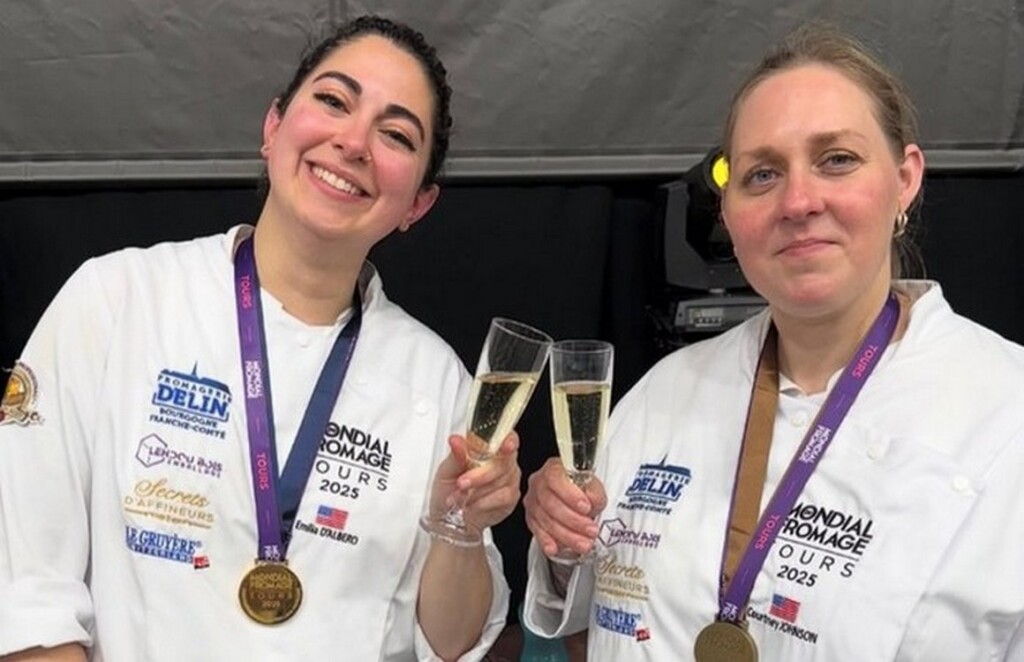
A cheesemonger is the person who sources and sells cheese to the community—a respectable profession says Emilia D’Albero, the first US woman, and the first American to boot, to win gold in said olympics.
From Philadelphia, the city where she learned the profession at the Philly Cheese School, D’Albero has been cheesemongering for years under the TikTok handle @punkrockparmigiano, but it was her first time medaling at the olympics, held in Tours, France.
“My teammate, Courtney Johnson, and I are the first all-female team USA,” D’Albero told CBS News. “They had never sent two girls before.”
Beating out cheese stronghold nations like Switzerland, Spain, Italy, and of course, France, D’Albero had to compete in four events: a blind tasting, the “perfect cut,” a cheese sculpture, and a 100-centimeter square plateau centered around a theme.
She hopes that the heavy gold medal will bring the attention which her profession so richly deserves.
CHEESE STORIES:
- After Getting $4.99 Cheese-making Kit for Christmas He Now Runs His Own Creamery And Wins Awards (LOOK)
- Trendy Type of Norwegian Cheese May Stave Off Bone Thinning, Shows New Study
- Famous Wensleydale Cheese Creamery to Turn Whey Waste into Biogas for Heating Homes
“In other parts of the world, like Europe, being a cheesemonger is seen as a really respected career,” D’Albero said. “In America it’s not as respected as it should be. It’s definitely skilled labor. We have to have an encyclopedic knowledge of the cheeses in the case.”
While most Americans know only about as many cheeses as what go on pizza and sandwiches, there are some amazing American cheesemakers, which have also won awards for their cheeses.
A great start would be Point Reyes Farmstead in California, who’s Bay Blue is the perfect first-timer blue cheese you could hope to find—and you don’t even have to pay the import duty.
WATCH the story below from CBS News…
SHARE This Great Cheese News With Your Friends…
Camden, NJ Hasn’t Seen a Homicide All Summer–New Police Department Celebrates


For what was one of the most dangerous cities in America, a summer without a homicide is a major achievement.
Major—doubtless; but unexpected? Perhaps not. Camden, New Jersey hasn’t experienced a summer without a homicide in 5 decades, but thanks to a new approach to policing and a new police department in general, sunny summers such as these could become routine forecast.
“We dissolved the police department of Camden City, formed and brought up a new county department that oversees this city,” said Camden County Commissioner Director Lou Cappelli Jr.
The dramatic restructuring was followed by a dispersal of officers into each community, where they would forge relationships with the citizens, and be closer to where crime occurred.
Overseen by the Real Time Tactical Operation Intelligence Center, a new surveillance command center operating over one thousand street cameras, the new outfit rapidly saw success.
The start of this year has been one of the best there’s been in terms of crime statistics for the once troubled city.
“It was bad,” Cappelli told ABC 6 Action News. “Homicides are down 75%. I’m just so happy for the residents of this city. They deserve this kind of safety.”
MORE POLICING STORIES:
- The Baltimore Homicide Rate Has Fallen to Near 50-Year Low
- Once Like a War Zone, El Salvador’s Homicide Rate Is Now Freakishly Low–and Public Celebrates
- Last Year Boston Murder Rate Was Lowest Ever–This Year it was Cut Nearly in Half Again
That community-focused policing has residents teaching their children that police aren’t their enemies, and working with charities and nonprofits that help put on events with them, the officers are eager to play that role—of trusted neighbor and guardian rather than enemy.
Cappelli said that the results are so good that the department has been getting inquiries from not only other American counties and cities, but also other countries as well, to ask and learn about their policing, which has been so successful it’s led the mayor and other officials to focus on growing the community again.
WATCH the story from ABC…
SHARE This “Huge Milestone” For Camden With Your Friends From The Area…
Thousands–Including Many Visitors–Volunteer in Taiwan to Help Flood Victims Following Typhoon


Taiwan society has mobilized in response to flooding after a typhoon made landfill on the East Asian island, including visitors and foreign residents.
With those arriving with rainboots and shovels dubbed “Shovel Supermen” and those arriving to cook meals for those whose homes were destroyed dubbed “Cooking Supermen,” it’s a touching and inspiring example of an all-hands-on-deck response to disaster.
Typhoon Ragasa made landfall last Tuesday, causing heavy rains in Hualien County and causing local water sources to overflow. Flooding and mudslides have displaced hundreds of residents, particularly in Guangfu Township.
In response, thousands of volunteers have streamed south, shovels and rainboots in hand, to help. The Buddhist charity Tzu Chi managed to co-opt 3,000 volunteers by the following Saturday.
Others brought food and portable kitchen supplies to cook food for volunteers and victims alike.
Heading southward in extra trains mobilized by Taiwan Railway Corp., the volunteers included two Ukrainian women who had lived in Taiwan for 9 years, and a Japanese resident Saito Tadataka.
INSPIRING VOLUNTEER EFFORTS: Legions of Amish Come to Help Rebuild NC Town: ‘It’s Fun Making a Difference’
One of the Ukrainians had actually planned on visiting Hualien County, and when seeing it underwater, felt compelled to help. Mr. Saito too felt he had to act when he saw the number of other volunteers using their 3-day weekend time to help their countrymen.
NEWS FROM TAIWAN: Gorgeous Suspension Bridge Set for Completion in 2025 Will Make History Immediately – (LOOK)
The county government turned over the coordination of the relief efforts to Tzu Chi, while enlisting the national government to identify hotel and lodging businesses who would be able and willing to house those displaced to ensure emergency shelters aren’t overwhelmed.
Displaced residents are being given a government stipend to pay for essential supplies while relief efforts are ongoing.
SHARE This Inspiring Societal Response To A Disaster With Your Friends…
Marshall Islands Experience Explosion of Wildlife One Year After Invasive Rats Were Removed
Reprinted with Permission from World at Large
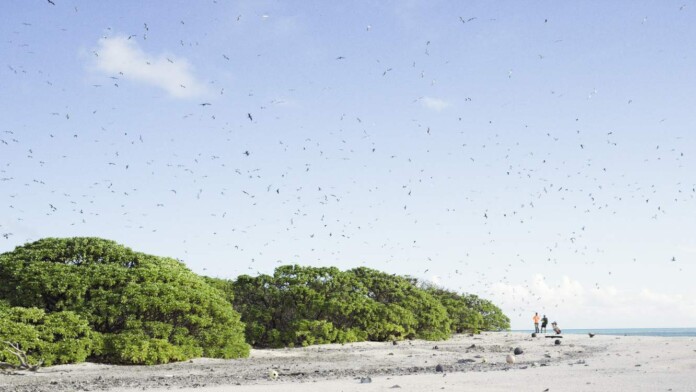
Two small islets crucial to the resiliency of the local environment in the Marshall Islands Republic are witnessing a major ecological revival.
Island Conservation, a global nonprofit organization with a mission to restore islands for nature and people, has successfully eradicated invasive black rats, allowing the native forests and seabird population on Bikar Atoll and Jemo Islet to recover.
The rats have had a devastating effect on their delicately balanced ecosystems on certain islands in the Marshalls. Bikar Atoll, one of the smallest atolls in the country, is located 360 miles (580 kilometers) north of the capital, Majuro. The reef surrounds a lagoon roughly 14 square miles.
The Jemo Islet is a 16-hectare inhabited coral island that’s known to be one of the major feeding grounds for green sea turtles and a seabird sanctuary. With the arrival of invasive species such as black rats on both these landmasses, the native environment has been heavily disrupted as native plants, seabirds, and other animals fall prey to the rats’ scavenging.
In addition to turtles, Jemo had been used for generations as a place to gather and hunt, but had become something like an ecological graveyard since the rats arrived. Having already eradicated black rats on dozens of islands before, Island Conservation trained local teams with the best practices to remove the rats via poison without harming the native wildlife.
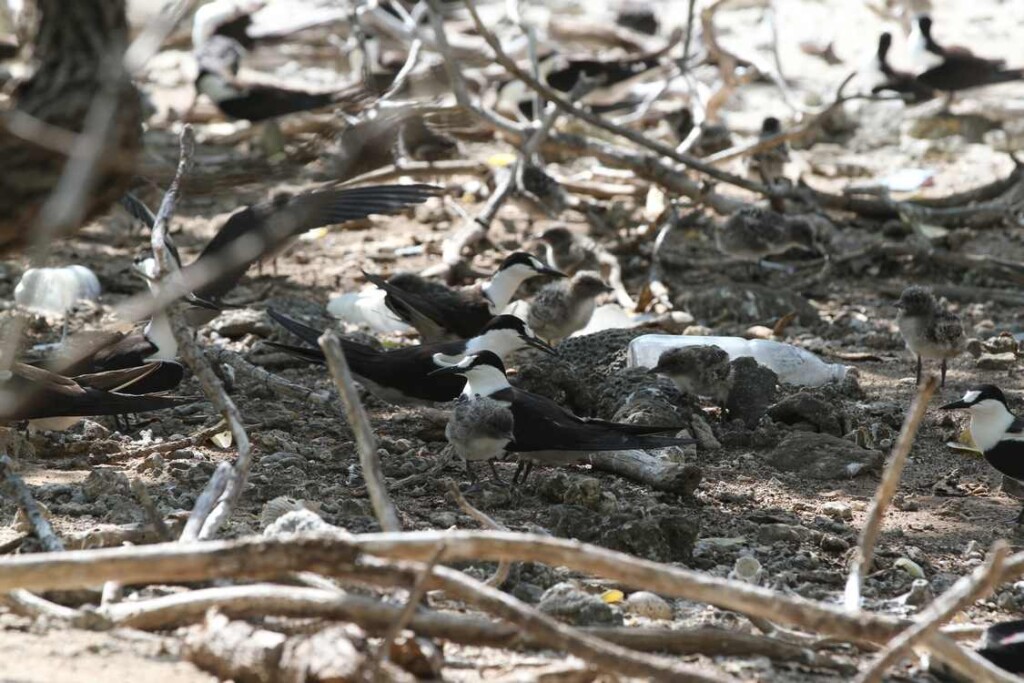
After one year, a trip back to these islands, accompanied by Island Conservation, the Marshall Islands Marine Resources Authority, Ministry of Natural Resources and Commerce, and community members from Utrik Atoll, found that the efforts to eradicate the rats had succeeded and that wildlife was bouncing back. The recovery of the native seabird population has positively impacted the link between land and sea. The nutrients from the seabirds’ droppings play a critical role as natural fertilizer for the plant population which anchors the local food web.
“After only one year, the transformation is dramatic. A colony of 2,000 Sooty Terns, where there was previously none, was feeding hundreds of chicks,” said Island Conservation Project Manager Paul Jacques. “We also counted thousands of native Pisonia grandis tree seedlings across just 60 monitored plots on the forest floor—in 2024, we found zero. Native forests are crucial for seabird nesting and are critical to carbon absorption and the island’s ecological health”.
Part of a trend
The restoration of the atolls and islands will have a lasting impact on the communities for the people who, in the past, have used Jemo as a natural hub for resources.
The rat invasion has depleted the useful resources of Jemo for the Likiep people for many years, but with the help of major participating organizations, it not only benefits the natural ecosystems of the Marshall Islands but also the communities that depend on these resources.
“Our Marshallese friends continue to add restored, pest-free islands to their list of achievements,” said David Moverley, Invasive Species Adviser for the Secretariat of the Pacific Regional Environment Program (SPREP), who partnered with Island Conservation on the project.
“Participating in the first rat removal workshop in Tonga ten years ago allowed them early on to achieve successful eradications on small islands by themselves. Now with modern technology and expert technical support from our partner Island Conservation, they are really pushing the boundaries and people are starting to realize the treasures that abound within the Marshall Islands and the opportunities that they present”.
Previously, WaL had the opportunity to report on Island Conservation projects, one being Loosiep, located in Yap State within the Federated States of Micronesia.
The project focused on the removal of invasive rats—the almost ubiquitous problem on Pacific islands—that threatened the biodiversity of its area. In partnership with the Island Conservation, local groups removed the rats allowed the “turtle islands” to thrive once again.
WaL also reported on the 2022 Island Conservation removal of invasive rats across the Pacific Islands using technological advancements of drones and poisoned bait.
These ambitious efforts by Island Conservation have already benefited 65 Islands worldwide, and their continuous work in restoring ecosystems creates lasting benefits for both nature and communities across the globe. WaL
SHARE This Game Set And Match Conservation Win With Your Friends…
“What do we know of the heart nearest to our own? … What do we know of our own heart?” – Amelia Barr

Quote of the Day: “What do we know of the heart nearest to our own? … What do we know of our own heart?” – Amelia Barr
Photo by: Salomé Guruli
With a new inspirational quote every day, atop the perfect photo—collected and archived on our Quote of the Day page—why not bookmark GNN.org for a daily uplift?

Good News in History, October 3

4,482 years ago today, or so it’s said, the sky above the Korean Peninsula opened and Hwanung, the mythical progenitor of Korean People descended from heaven. Today, it’s marked as National Foundation Day in both the South and the North of the Peninsula and referred to as Gaecheonjeol. READ more about this important day in the Korean calendar… (2,457 BCE)