









All News - Page 468 of 1735 - Good News Network
Home Blog Page 468

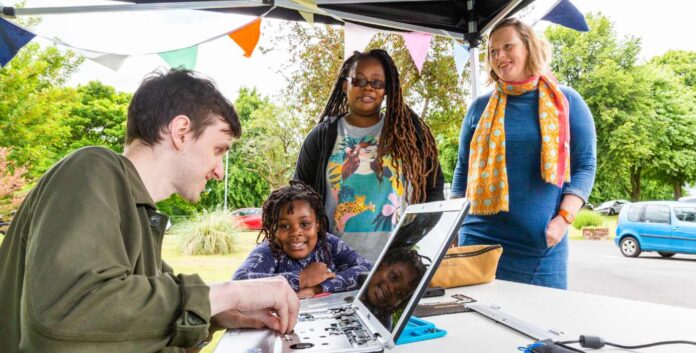
‘Recycle Your Electricals’ Campaign Diverts 1,000 Computers to Those in Need, So Far

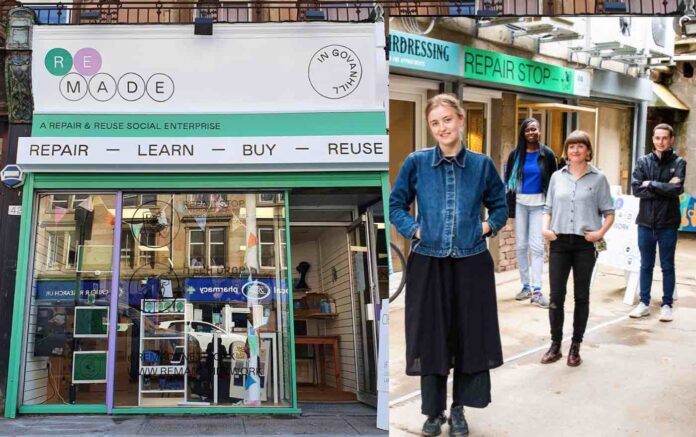
Remade
Remade

In a drive to soak up some of the 527 million small electrical items owned by UK homes, many of which would be thrown in the trash, a new campaign to repair, recycle, or ethically scrap electricals is underway in Glasgow.

The Recycle your Electricals campaign is utilizing local resources like mend and repair stores, conscious consumers, and state campaigns to get devices into the hands of those that need them, and valuable materials out of the machines that don’t.

Run by the non-profit Material Focus, and relying on support from the Glasgow city council and the Remade Network, The Recycle your Electricals campaign is already seeing a huge response.

With a focus on repairing, donating, recycling, and reselling, it’s essentially a massive reshuffle of the distribution of electrical goods.

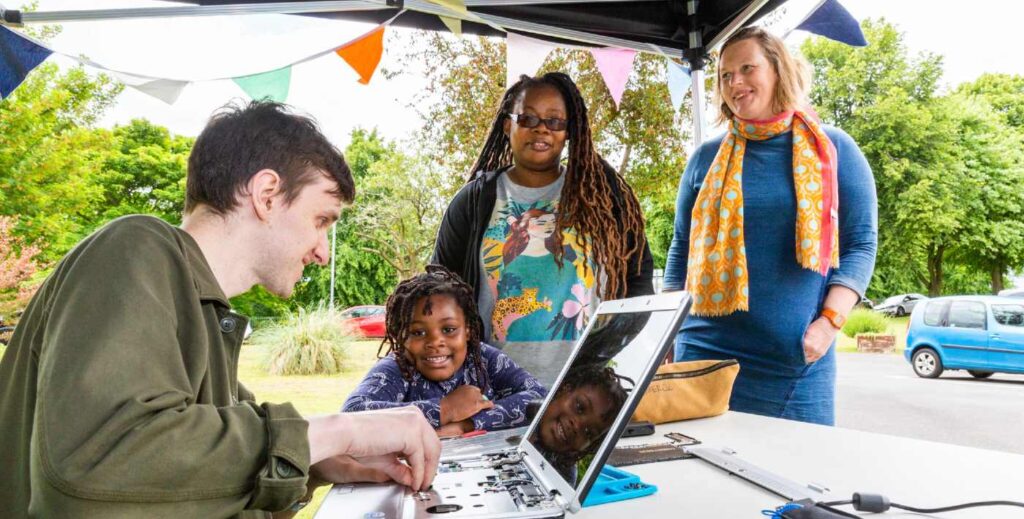
“For too long, consumers have been blamed for not reusing and repairing enough when the facilities don’t exist for people to make better choices,” said Sophie Unwin, Director of Remade Network, who are contributing their Tech Drop service which allows people to bring anything with a battery or plug that will fit into a carrier bag to one of their locations, giving residents the option of “ethical binning,” with Remade sort out the details.

This has allowed them to donate 1,000 desktop PCs, sourced from government offices, to households that have no access to the internet through 50 local charity groups. The social enterprise has so far diverted 250 tons of CO2.

No wee problem

Material Focus estimates that the cost of the materials contained within unwanted electricals amounts to around £17 billion ($24 billion). A lot of these have to be dug out of the earth at extreme costs to companies—and to the climate in the form of CO2.

MORE: The Repair Shop That is Fixing Our Throwaway Culture

“This project is vital to ensuring that we make good use of our old electricals,” said Scott Butler, Executive Director of Material Focus. “Whether they are re-used or recycled—these items contain valuable materials that will otherwise be lost forever. Our research has shown that in the UK we are hoarding over 527 million small electrical items, an average of 20 per household.”

Along with funding from Glasgow City Council, Remade Network and Material Focus receive money through a UK scheme called WEEE (Waste Electronic and Electrical Equipment) which sets parameters to which manufacturers can design products in order to ensure they can be recycled.

Any non-compliance is punished with a tax that goes to a fund which groups like Remade and Material Focus draw from.

Material Focus’ recycling locator has over 2,500 points where people can take their old e-waste, a service which 127,000 people have already used.

RELATED: Company Embodies ‘Right to Repair’ By Redesigning Auto Parts That Constantly Fail—And Selling Them Cheaper

E-waste is a growing problem worldwide, but that’s perhaps because there’s been no large-scale solution for it.

Receiving old electronics, harvesting them for components, and selling them to manufacturers for cheap is a great way to keep rare minerals in the ground, and prices down at the shops.

DON’T Let Good News Go to Waste—Share This Story on Social Media…

Wasps Have Inspired an Innovative New Tool for Surgery

Dutch scientists have designed a new device to be used in keyhole surgery—and it’s inspired by the way parasitoid wasps lay their eggs.

At the moment, the tools used in such surgery can end up clogging because they use suction.

This new tool doesn’t have that problem because it uses friction.

According to the BBC, the Delft University of Technology team has been busy creating a working prototype.

The plan is for the tool to be ready and available for use in the next few years.

MORE: Paramedics in the UK Have a New Teammate – a Robot That Does the CPR for Them

(WATCH the BBC video below to learn more about this inspiring story.)

BUZZ This Good News Over to Pals on Social Media…
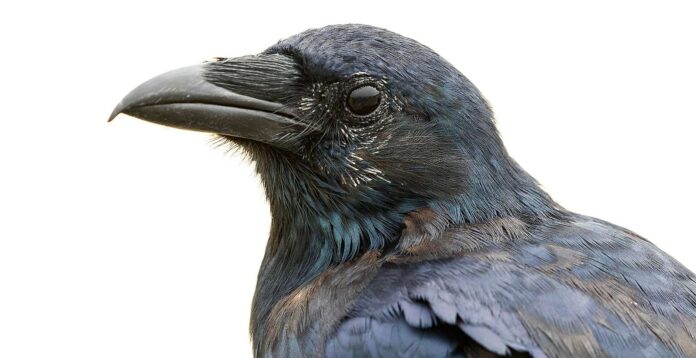
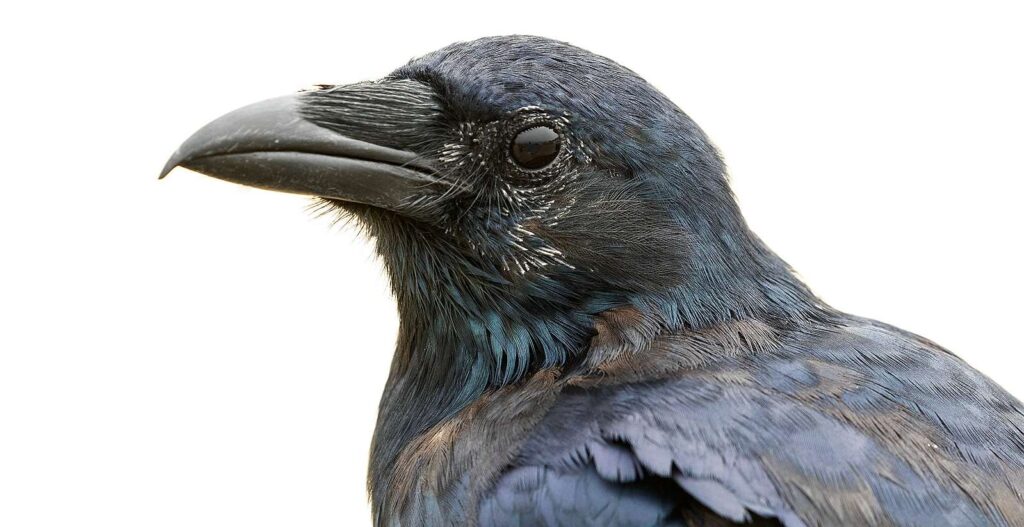
Scientists Studying Crows Get Big Surprise –They’re So Smart They Understand the Concept of Zero

Chuck Homler, DBA Focus on Wildlife/CC license 4.0

Building on substantial evidence of crow consciousness, a German university has proven some crows can learn to recognize ‘zero’ as a counting unit.

While that sounds ridiculous, zero is not nothing, rather it’s one of the most complex mathematical concepts devised—that something can and should represent nothing, not only as the base value, but as a placeholder.

The work comes from the University of Tübingen in Germany, where professor Andreas Nieder works with carrion crows to perform intelligence tests.

“The conception of “nothing” as number “zero” is celebrated as one of the greatest achievements in mathematics,” wrote Nieder in his paper. “We show that crows can grasp the empty set as a null numerical quantity that is mentally represented next to number one.”

Exactly how this breakthrough was made is straightforward and did not involve birds watching Sesame Street.

The crows were shown two sets of dots on a screen and were taught to indicate if the two screens had the same values. There could be between zero and four dots. Exactly as with 1, 2, 3, and 4—when the screens showed no dots, neurons in the crow’s brain demonstrated it was understanding this was a numeric value, but that it was a numeric value that contained nothing.

MORE: Here’s How Thousands of Birds Are Being Saved From Flying into Toronto Buildings

Sometimes the crows made mistakes, often by thinking zero was in fact one, but it was rare they thought zero represented more than two.

Counting Crows

It took human civilization at least until the 20th century BCE to firmly establish the empty or base value. At some point between the Akkadians and Old Babylonians, there was a symbol to represent a number was missing from a column, for example the 0 in 1,025 doesn’t mean the number is 26, it just means there are no hundreds in this number.

CHECK OUT: New Research Shows Why Crows Are So Intelligent and Even Self-Aware—Just Like Us

As early as 1,770 the Egyptians were making hieroglyphs with the base value “nfr” from which began counting and distances. The ponderous Greeks never managed to capture the concept into their counting, language, or philosophy, meaning that as well as occasionally being smarter than a first grader, these “Counting Crows” were smarter in some ways than the Classical Greeks.

Nieder contributed greatly to the current theory of animal consciousness, which is that it’s possible this highest level of thought isn’t necessarily bound to the presence of the cerebral cortex, a cranial region found only in primates, apes, and hominids.

In an older experiment he trained two crows to peck at panels following a flash of blue light or red light, but Nieder made the task more difficult by changing the rules constantly, which required the crows to zoom out and look at the task as a whole, rather than simply assigning physical motions to a reward.

He would change which light was assigned to which panel, and he would sometimes change the rules before the flash, and sometimes after the flash, constantly interrupting the birds’ base instructions.

RELATED: New Bird Song That ‘Went Viral’ Across This Species of Sparrow Was Tracked by Scientists For the First Time

“These results suggest that the neural foundations that allow sensory consciousness arose either before the emergence of mammals or independently in at least the avian lineage and do not necessarily require a cerebral cortex,” wrote Nieder and the other authors in their corresponding paper published in Science.

HELP Your Friends Count on Reading Fascinating Research—Share This Story With Them…

“Though there may be times when your hands are empty, your heart is always full, and you can give things out of that…” – Frances Hodgson Burnett

Credit: Lina Trochez

Quote of the Day: “Though there may be times when your hands are empty, your heart is always full, and you can give things out of that…” – Frances Hodgson Burnett

Photo: by Lina Trochez

With a new inspirational quote every day, atop the perfect photo—collected and archived on our Quote of the Day page—why not bookmark GNN.org for a daily uplift?


Doritos Gives 13-Year-old Girl $20,000 Reward for Discovering Rare ‘Puffy’ Chip, Which the Entrepreneur Listed on eBay

A true visionary is someone who recognizes opportunities where others do not. If you’re keen enough to spot it, the next new trend might pop up almost anywhere—even in a bag of chips. (You just have to be careful not to eat your fortune before you find your fame.)

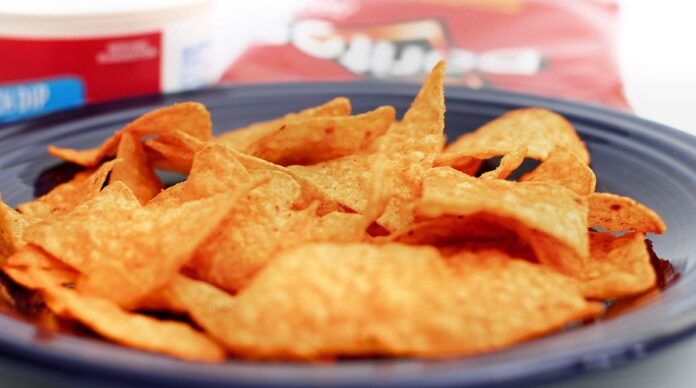
13-year-old Rylee Stuart was plowing through a packet of Doritos when she happened on a chip that looked like a puffed-up triangular pillow. The Queensland teen was about to pop it into her mouth, but noting its unique shape, thought better of scarfing down the inflated morsel.

Instead, Rylee posted her unusual find to TikTok, asking her followers for feedback on how to best eat it. Their advice? Put the puffy chip on eBay to see what price it might fetch. With a starting bid of $0.99, that’s just what the enterprising Aussie teen did.

Fast forward, and thanks to a dose of social media magic, Rylee’s funky TikTok entry has chalked up 6 million views and counting.

@m0mmymilkerza

Reply to @awhitsroblos WTH IDL WHAT TO DO #fyp #tiktok #doritos #duet #gobid

♬ original sound - 🐮

Meanwhile, prior to the listing being taken down, the eBay auction for the “one of a kind” culinary oddity topped out in the neighborhood of $100,000. But not before its Internet notoriety caught the attention of Doritos Chief Marketing Officer Vandita Pandey.

MORE: Fisherman Thrilled to Find Rare Melo Pearl in His Seafood Lunch – Worth up to $350,000

In recognition of her “boldness and entrepreneurial spirit,” Rylee’s crunchy bite of zeitgeist earned her a cool $20,000 award from the corporation’s head honchos.

“It’s been a whirlwind couple of days for Rylee and her family and we’ve loved following her story,” Pandey told 9News. “We’ve been so impressed with Rylee’s boldness and entrepreneurial spirit, so we wanted to make sure the Stuart family were rewarded for their creativity and love for Doritos.”

Now that the funky snack zeppelin has gone viral, Rylee’s dad has been teasing his daughter that he’s contesting ownership of the golden ticket.

CHECK OUT: Strangers Track Down Writer Who Launched Message in a Bottle Nearly a Century Ago

“Dad is saying that since he bought the packet, it’s his chip,” a gleeful Rylee told 9News. “But I ate the packet and found it, so I believe it is mine.”

RELATED: Yemeni Fishermen Hit Jackpot With $1.5 Million Find in Belly of Floating Sperm Whale Carcass

Since it’s commonly held that possession is nine-tenths of the law, we won’t be disputing her claim. One thing’s sure, however: Rylee’s eagle-eyed chip-scouting ability combined with the talent to make it meme-worthy gives a whole new meaning to the phrase “cashing in your chips.”

Featured image: Larry D. Moore, CC license 4.0

SHARE The Fun Find From This Savvy Teen With Pals on Social Media…
Hydrogen is Powering the Olympic Village – Heat, Electric, and Lights That Are a Model of Japanese Innovation

Japan National Stadium/Arne-Müseler-_-www.arne-mueseler.com
Japan National Stadium/Arne-Müseler

The Tokyo Olympic Games in 1964 left a mark on the world in the form of the Shinkansen high-speed train, a feat which this year’s repeat hosts look to match with a vision of the future of civic planning.

While enduring some criticism for going through with the games during COVID-19, Tokyo has presented the world with the first hydrogen-powered Olympics, complete with an entire fleet of hydrogen fuel-cell vehicles, a hydrogen-powered pair of stadiums, a hotel, and Olympic village.

Hydrogen power, not to be confused with hydro-electric power, is foreseen by some as the obvious renewable energy of the future. As the most abundant element in the universe, hydrogen fuel-cells produce no emissions of any kind except for water, which can be used to irrigate agriculture or gardens.

Like most renewables technologies, hydrogen power has had its fair share of growing pains, but with help from Tokyo’s Research Center for a Hydrogen Energy-Based Society (ReHES), established by the city government in the lead-up to the games, these problems can be surmounted.

“With their immense reach and visibility, the Olympic Games are a great opportunity to demonstrate technologies which can help tackle today’s challenges, such as climate change,” says Marie Sallois, Director for Sustainability at the International Olympic Committee.

MORE: Company Says its Multi-Day Storage Batteries For Renewable Energy Are the Holy Grail We’ve Been Waiting For

“Tokyo 2020’s showcasing of hydrogen is just one example of how these Games will contribute to this goal.”

Starting in 2017, Japan became the first nation-state to adopt a national hydrogen strategy, and increased their hydrogen power R&D to around $300 million to fund 2018 and 2019. As part of this push they built one of the largest hydrogen fuel plants in the world in the town of Namie in Fukushima.

CHECK OUT: ‘Future Belongs to Renewable Energy’ Says India’s Largest Oil Baron and Greenland, Which Ended Search for Oil

There, 10,000 kilowatts of clean energy produce 900 metric tons of hydrogen per year: Helping power a fleet of 500 hydrogen cars, 100 hydrogen buses, and even hydrogen forklifts. 35 refueling stations have been built around the city.

At the intersection between the Tokyo Bay and heritage zones, the International Olympic Village is the first full-scale hydrogen infrastructure in Tokyo.

RELATED: Researchers Use Wastewater to Generate Electricity – While Cleaning It Up

There, hydrogen fuel cells power lights, heating, and hot water to the dormitories and cafeterias which temporarily house 11,000 athletes.

Once the games are concluded, the village will be converted into hydrogen-powered flats, a school, shopping center, and more.

SHOW Your Friends the Potential Future of Civic Planning—Share This Story…

New Yale Study Suggests Mammals Might Dream About the World Before They Are Even Born

As a newborn mammal opens its eyes for the first time, it can already make visual sense of the world around it. But how does this happen before they have experienced sight?

A new Yale study suggests that, in a sense, mammals dream about the world they are about to experience before they are even born.

Writing in the latest issue of Science, a team led by Michael Crair, the William Ziegler III Professor of Neuroscience and professor of ophthalmology and visual science at Yale, describes waves of activity that emanate from the neonatal retina in mice before their eyes ever open.

This activity disappears soon after birth and is replaced by a more mature network of neural transmissions of visual stimuli to the brain, where information is further encoded and stored.

At eye opening, mammals are capable of pretty sophisticated behavior,” said Crair, senior author of the study, who is also vice provost for research at Yale.” But how do the circuits form that allow us to perceive motion and navigate the world? It turns out we are born capable of many of these behaviors, at least in rudimentary form.”

MORE: The Weirdness Of Dreams May Be Why We Have Them, Says New Theory of Dreaming

In the study, Crair’s team, led by Yale graduate students Xinxin Ge and Kathy Zhang, explored the origins of these waves of activity. Imaging the brains of mice soon after birth but before their eyes opened, the Yale team found that these retinal waves flow in a pattern that mimics the activity that would occur if the animal were moving forward through the environment

This early dream-like activity makes evolutionary sense because it allows a mouse to anticipate what it will experience after opening its eyes, and be prepared to respond immediately to environmental threats,” Crair noted.

Going further, the Yale team also investigated the cells and circuits responsible for propagating the retinal waves that mimic forward motion in neonatal mice.

They found that blocking the function of starburst amacrine cells, which are cells in the retina that release neurotransmitters, prevents the waves from flowing in the direction that mimics forward motion. This in turn impairs the development of the mouse’s ability to respond to visual motion after birth.

RELATED: Moving Your Sleep Time An Hour Earlier Could Cut Depression Risk by 23%, Study Says

Intriguingly, within the adult retina of the mouse these same cells play a crucial role in a more sophisticated motion detection circuit that allows them to respond to environmental cues.

Mice, of course, differ from humans in their ability to quickly navigate their environment soon after birth. However, human babies are also able to immediately detect objects and identify motion, such as a finger moving across their field of vision, suggesting that their visual system was also primed before birth.

CHECK OUT: How To Adjust Your Sleep This Week So You’re Ready For Daylight Savings Jolt

These brain circuits are self-organized at birth and some of the early teaching is already done,” Crair said. “It’s like dreaming about what you are going to see before you even open your eyes.”

(WATCH the Yale video for this story below.)

Source: Yale University

SEND This Dreamy Research Over to Pals on Social Media…

Google Maps Now Shows How Busy the Subway Cars Are – So People Can Avoid Pandemic Crowds

With the state of the pandemic varying across the globe, the new normal looks different depending on where you go.

But no matter your situation, Google Maps has some helpful new tools to help you navigate and explore as safely as possible.

It’s no surprise that transit ridership took a drastic plunge during the early days of the pandemic. While people are returning to public transit—with transit directions on Maps increasing 50% compared to last year in the U.S.—safety remains top of mind.

That’s why Google Maps is expanding transit crowdedness predictions to over 10,000 transit agencies in 100 countries, so you’ll know if your line is likely to have lots of open seats, hit full capacity, or be anywhere in between.

With this information you can decide whether you want to hop on board or wait for another train. Because pandemic or not, no-one likes standing in a jam-packed subway car.

These predictions are made possible through our AI technology, contributions from people using Google Maps, and historical location trends that predict future crowdedness levels for transit lines all over the world.

‘All these predictions were designed with privacy in mind. Google said in a statement: “We apply world-class anonymization technology and differential privacy techniques to Location History data to make sure your data remains secure and private.”

In New York and Sydney, we’re piloting the ability to see live crowdedness information right down to the transit car level.

This feature is powered by data from agencies like Long Island Rail Road and Transport for New South Wales, with more cities coming soon.

RELATED: Paramedics in the UK Have a New Teammate – a Robot That Does the CPR for Them

So how is transit crowdedness trending across the U.S.? New York City, Atlanta, San Francisco, Boston, and Washington D.C. lead the pack as some of the cities with the most crowded lines.

Nationally, you’re most likely to get a seat at 9 a.m, whereas cars may be standing room only between 7-8 a.m.

In the evening, leaving earlier than rush hour will up your chances of grabbing a seat, with lines being far less crowded at 3 p.m. than they are between 4-5 p.m.

Be intentional with your time

After living through a global pandemic, people have told us that they want to be more intentional about how they spend their time. The new Timeline Insights tab, which is visible only to you, can help you do just that.

MORE: Paralyzed Man’s Brain Waves Get Turned Into Sentences on Computer, Scientists ‘Thrilled’ Beyond Words

If you’re an Android user and you’ve chosen to turn on Location History, you’ll see a new tab in your Timeline (just tap on your profile photo, then Your Timeline to find it) that provides monthly trends about how you’re navigating the world.

You’ll see which modes of transportation you’ve used and the distance and time you’ve driven, flown, biked or walked. You can also see how much time you’re spending at different places—like shops, airports and restaurants—and instantly drill down to see all the places you visited.

Reminisce about past trips and plan future ones when you feel safe

If you’re feeling nostalgic but not quite ready to travel yet, head on over to the Trips in Timeline tab which is now live for everyone on Android.

Use Trips in Timeline to relive parts of past vacations, like which hotels you stayed at during that epic trip to Tokyo or the restaurants you visited on your weekend getaway.

Planning ahead? Export these places to a list and share them with friends who need travel recommendations.

If you want to edit your information, you can easily manage your data—in bulk, in-line, or with auto-delete controls—right from your private Timeline.

CHECK OUT: Underwater Robot Deploys and Lifts Victims to the Surface When They’re Drowning in Pool or Lake

Navigating this ever-changing ‘normal’ will take some getting used to, but Google Maps is here to help you get your bearings. Check out a few more helpful tips to help you plan and get around—whether you’re using Google Maps on Android or iOS.

SHARE These Helpful Innovations With Friends on Social Media…

One of the Biggest Myths About EVs is Busted in New Study

Andrew Roberts

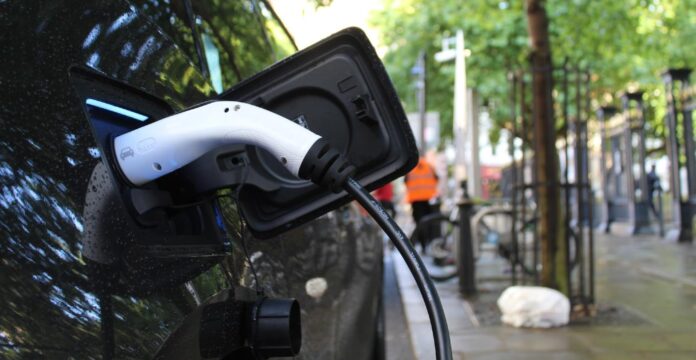
One of the biggest debates in modern automotive industry, that there are comparative or more greenhouse gasses produced through EVs and hybrid vehicles, looks to finally be settled after the release of a comprehensive review.

Using a life cycle assessment (LCA), the measurement of every ounce of carbon created from the cradle to the grave of the vehicle showed that electric vehicles still had substantially less emissions than internal combustion engine vehicles (ICVs).

From the moment the concept of the Toyota Prius had its curtain drawn back for the first time, automotive minds have been skeptical that hybrids and electrics (EVs) would be any more green after considering the extreme carbon costs of creating the battery and the fact that the electricity to charge it came from burning the same fossil fuels they were meant to replace.

However in the new LCA from the International Council for Clean Transportation everything, from the mining costs of lithium to make the batteries, to transporting them across the world via container ship, to the end-of-life burden, and even the current and perceived mix of energy generation in a given society, was taken into account across the four dominant car markets: Europe, the U.S., India , and China. Even in the latter two—the biggest burners of coal (often brown coal) and oil for electricity on Earth—it still uses less emissions to drive an EV than an ICV.

MORE: Long-lasting Solid-state Lithium Battery From Harvard May Solve a 40-year Problem

“Emissions over the lifetime of average medium-size EVs registered today are already lower than comparable gasoline cars by 66%–69% in Europe, 60%–68% in the United States, 37%–45% in China, and 19%–34% in India,” the summary of the report states.

“Additionally, as the electricity mix continues to decarbonize, the life-cycle emissions gap between EVs and gasoline vehicles increases substantially when considering medium-size cars projected to be registered in 2030.”

Early skeptics of EVs and hybrids did have a reason to suspect just how eco-friendly they were at the turn of the century, for example even with modern battery technology, it’s still a little more carbon-intensive to manufacture an EV or hybrid.

However like all technologies, market innovations make things better, cheaper, and faster. Battery recycling technology for example would not only drive the cost of the EV down, but also the carbon footprint.

RELATED: Daimler Trucks is Now Accepting Orders for All-Electric Freight Trucks, Having Tested Them on America’s Highways

A hiccup in the report is that it uses estimates from the International Energy Agency to make projections about the potential energy mix 18 years into the future, which is how long the report assumes a car’s drivable lifespan is.

That’s extremely ballpark, as bureaucrats across the world tend to say a lot more than they do in regards to advancing renewable energy policy, and if a major political power shift occurred in any of these countries, the IEA report wouldn’t be accounting for such policy changes.

CHECK OUT: With EV Battery Prices Dropping 87% in a Decade, Tesla is Now Making a Car That Will Cost $25,000

Nevertheless you’d still only have to drive an EV bought today for one year before officially using less carbon than if you bought an ICV.

POWER UP the Good News—Share This Story With Pals on Social Media…

“A creative life cannot be sustained by approval any more than it can be destroyed by criticism.” – Will Self

Quote of the Day: “A creative life cannot be sustained by approval any more than it can be destroyed by criticism.” – Will Self

Photo: by Aleksandra Sapozhnikova

With a new inspirational quote every day, atop the perfect photo—collected and archived on our Quote of the Day page—why not bookmark GNN.org for a daily uplift?

More Than Half of Americans Have a New Definition for Financial Well-Being After the Pandemic, Poll Finds

SWNS

If you’ve taken a step back to review your finances during the pandemic, you’re certainly not alone.

A new survey revealed 58% of Americans have “completely” changed how they think about money due to the pandemic and nearly as many (56%) believe their concept of financial well-being has been altered since the pandemic.

The poll of 2,000 Americans explored the impact financial wellness has on their mental and physical health.

In fact, the pandemic caused 48% to increase the amount of money they believe they need in their rainy day or emergency fund.

Conducted by OnePoll on behalf of Capital One, the survey found respondents added one month of emergency expenses to their savings (an average of five months pre-pandemic to six months now).

3 in 10 respondents said their top financial struggle is establishing good spending habits, so it’s no wonder the top habit they want to change is spending on items they don’t really need (44%).

Impulse spending is another habit two in five respondents are trying to shake, and 41% even said they made impulse purchases during the pandemic they regretted.

29% of these respondents blamed pandemic-related stress for their impulse spends—which cost an average of $162 per spend.

MORE: This is the Surprising Outcome When a California City Gave Struggling Folks Free Money for a Year

And while men were less likely to make impulse purchases than women, they were often more expensive with more than 1 in 4 (27%) spending over $250 on their impulse purchase.

“After living through the last year and a half, one of the most important things we’ve learned is that there isn’t a ‘one-size-fits-all’ approach to well-being,” said Lia Dean, President, Retail Bank & Premium Card Products, Capital One. “People have always been stressed about money, perhaps never more so than right now, which is why we want to create a world where our customers can save more and live fully without losing sleep over their finances.”

Nearly 3 in 10 (29%) respondents believe their credit score is the strongest indicator of their financial well-being, followed by the ability to pursue their financial goals without concern (19%).

1 in 5 respondents used the pandemic to start a new savings goal as they strive toward a healthier financial future.

RELATED: Americans Living in These States Are the Best at Saving Money – And They’re Saving For Different Things in 2020

As they look ahead over the next year, some of Americans’ top goals included starting an emergency fund (39%), paying off their credit card (34%) and starting to save for retirement (24%).

With all of these financial firsts and new goals in mind, 33% of those surveyed are confident they could actually become a “finfluencer” to advise their family and friends on financial decision-making.

TOP PANDEMIC FINANCIAL FIRSTS
Made a new savings goal – 20%
Prioritize my mental health with therapy, meditation or another ritual – 19%
Started a side hustle – 18%
Started exercising regularly – 17%
Investing in stock – 12%
Started an emergency fund – 12%
Applied for a credit card – 11%
Investing in cryptocurrency – 11%
Started a 401k – 5%
Applied for a mortgage – 4%
Began consulting with a financial coach – 3%

TOP GOALS FOR NEXT 12 MONTHS
Start an emergency fund – 39%
Pay off my credit card – 34%
Save up for a big vacation – 29%
Start saving for retirement – 24%
Pay off student loans – 15%
Pay off my mortgage – 9%

PASS On the Financial Hope—Share This Story With Friends…

New Mexico Wilderness Area Grows by 50% After Largest-Ever Land Donation

Sabinosa Wilderness - BLM

Reprinted with permission from World at Large, a news website of nature, politics, science, health, and travel.

BLM

Sabinoso Wilderness Area in New Mexico, an inaccessible and tiny refuge just five years ago, has grown by almost 10,000 acres, or 50% of its total size, after receiving the largest gift in the Bureau of Land Management’s (BLM) history.

The Cañon Ciruela property was donated by the Trust for Public Land which works to create public spaces from private donations all over America, and was a follow-up from another much smaller donation made in 2017 in an effort to grow Sabinoso out from the confines of private landholdings which surrounded it.

Described as “a series of high, narrow mesas surrounded by cliff-lined canyons,” the BLM, who manages wilderness areas in the U.S, called the property “rugged country primarily [of] piñon pine and juniper woodlands with occasional clusters of ponderosa pine. A perennial warm-season grass savanna is found on the mesa tops. Streams periodically flow in the canyon bottoms supporting riparian vegetation including willow and cottonwood.”

The area is home to black bears, mountain lion, elk, mule deer, and turkey, among smaller animals.

Pueblo Tribal member and Secretary of the Interior Debra Haaland visited a remote patch of the wilderness in New Mexico’s San Miguel County to talk of the gift, recognizing the land’s history as a hunting ground of several native tribes, including the Jicarilla Apache and northern Pueblos.

MORE: 20 Wolf Cubs Born in Zoos Successfully Integrated into Wild Packs to Be Raised As Their Own and Diversify the Gene Pool

“We’re here today because we recognize the importance of preserving this special place,” the Secretary said, according to the San Francisco Chronicle. “We know that nature is essential to the health, well-being and prosperity of every family and every community.”

The Cañon Ciruela property provides a second public access point for the wilderness area, which was opened for hiking, primitive camping, hunting, and more under the DOI of Ryan Zinke in 2017.

Additionally, the donation permanently protects a critical tributary watershed that feeds into the existing wilderness which ensures there will be nothing but natural forces that interrupt the life-giving waters flowing into the area.

CHECK OUT: First Native American-Owned Film Studio Shoots Tom Hanks Movie

The Trust for Public Lands is the kind of entity President Biden is relying on to conserve 30% of America’s geographic area in its natural state as part of his commitment to preventing climate change, and as part of the America the Beautiful Act, which rather than sweeping government penmanship, hopes to rely mainly on private landowners and donations to reach the “30×30 goal.”

GROW the Good News—Share This Story in Friends’ Feeds…

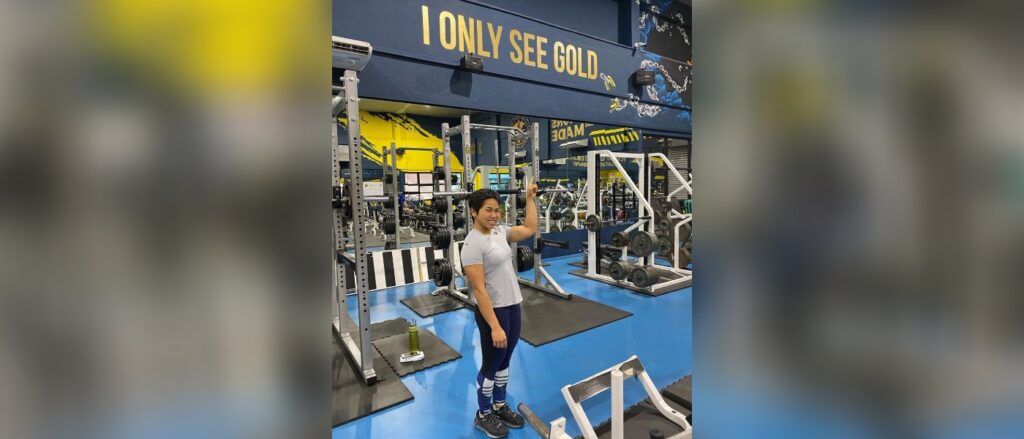
Stranded During COVID, Athlete Trained With Water Jugs—Now She’s Won Olympic Gold, a First for Philippines

Instagram/@hidilyndiaz

Have a minute? Try sitting still and watching the second hand of a clock as it sweeps its way around the dial. Feels like a long time, doesn’t it? Now, picture waiting for something to arrive, not for an hour, not for a day, but for 100 years. An eternity, right?

Now imagine what it must feel like for that century-long wait to finally be over. Awesome and then some, of course, and it’s the very reason Hidilyn Diaz, a 30-year-old weightlifter from the Philippines was over the moon when, with her final dramatic lift of the competition, she won the first-ever gold medal for her homeland after a 100-year Olympic drought.

The Philippines has been sending teams to the Summer Olympics since 1924. Over the course of ensuing competitions, Filipino athletes have historically scored 10 medals, but the gold remained elusive. (Diaz herself won a silver in the 2016 Rio de Janeiro games.)

Training throughout the pandemic has been rough, but for Diaz, the challenges she faced were tougher than most.

Stranded by COVID-19 travel restrictions, Diaz was unable to see her family for more than a year. To top that off, she lacked proper training equipment and was forced to improvise—but she persevered.

Coming as she did from an economically challenged childhood, the lessons Diaz learned early in life about self-sufficiency and resilience certainly stood her in good stead during the ordeal she endured leading up to the games.

A Reddit discussion chronicles the many obstacles Diaz had to overcome just to get to Tokyo, and how she repeatedly rose to the occasion.

“The most amazing thing about her story is that she got stuck in Malaysia during the COVID lockdown. She was only there for an Olympic qualifying event when the government banned traveling and she ended up being stuck there for more than a year. I read she had to build her own workout equipment using water jugs,” one Reddit commenter reported.

“And despite all that, [she] and her team were running online seminars at the same time in exchange for donations. They used the funds they raised to help get basic necessities like groceries to people back home in the Philippines who were having trouble during the lockdown,” another enthused.

To win the gold, Diaz needed to take down the 2019 world champion, China’s Liao Qiuyun, who’d earned an impressive overall score of 223 for her three lifts. But Diaz proceeded to set a new world record with a clean and jerk of 127 kg (about 280 lbs), taking her cumulative total to 224 and cinching the top honors in the event.

MORE: From Working At McDonald’s To Competing At The Olympics, This US Track Youngster is Living American Dream

Realizing what she’d just accomplished, an ecstatic Diaz was overcome with emotion. Tears flowed freely as she took the podium and saluted the Filipino flag while the country’s national anthem played.

“We are so proud to see our motherland’s flag raised at the Olympic podium and we are deeply thankful to Hidilyn Diaz for bringing the first gold medal to the Philippines,” Brendan Flores, president of the National Federation of Filipino American Associations told The Washington Post.

RELATED: An Armless Archer Aims to Win Gold at Summer Paralympic Games Joining Team USA – VIDEO

As proud as her country is of her, for Diaz, the feeling is more than mutual. She sees her win as a “golden opportunity” to inspire other up-and-coming Filipinos to set their sights high, to work hard, and to never give up.

“I am thankful that God is using me to inspire all the young generation and all the Filipino people to keep fighting during this pandemic,” she said in a statement reported by WaPo. “To all the young generation in the Philippines, please dream high… That’s how I started. I dreamed high and finally, I was able to do it.”

SHARE This Fantastic Win for the Philippines With Pals on Social Media…
Company Says its Multi-Day Storage Batteries For Renewable Energy Are the Holy Grail We’ve Been Waiting For

Form Energy
Form Energy

Unveiled after years of work, an energy startup in Massachusetts is claiming that in a few years they can produce, at scale, “the battery you need to fully retire coal and natural gas plants.”

Hoping to solve the key challenge with renewable energy—that of storage—Form Energy’s new battery technology, which they’re calling the “Holy Grail,” ditches lithium for one of the most abundant minerals on Earth: iron.

Many battery startups are looking to create a battery system that can reliably store the energy generated when the sun is shining and the wind is blowing for those periods of stillness and darkness when no energy can be created.

A deep-dive into Form Energy’s inner-workings by the Wall Street Journal revealed this gem of a quote, that there is a “Cambrian Explosion” going on in the sector of batteries and energy storage.

GNN has reported on this story every step of the way—analyzing new tech from hydrogen cells, to aluminum lava, to giant towers that lift and drop enormous metal weights.

How it works

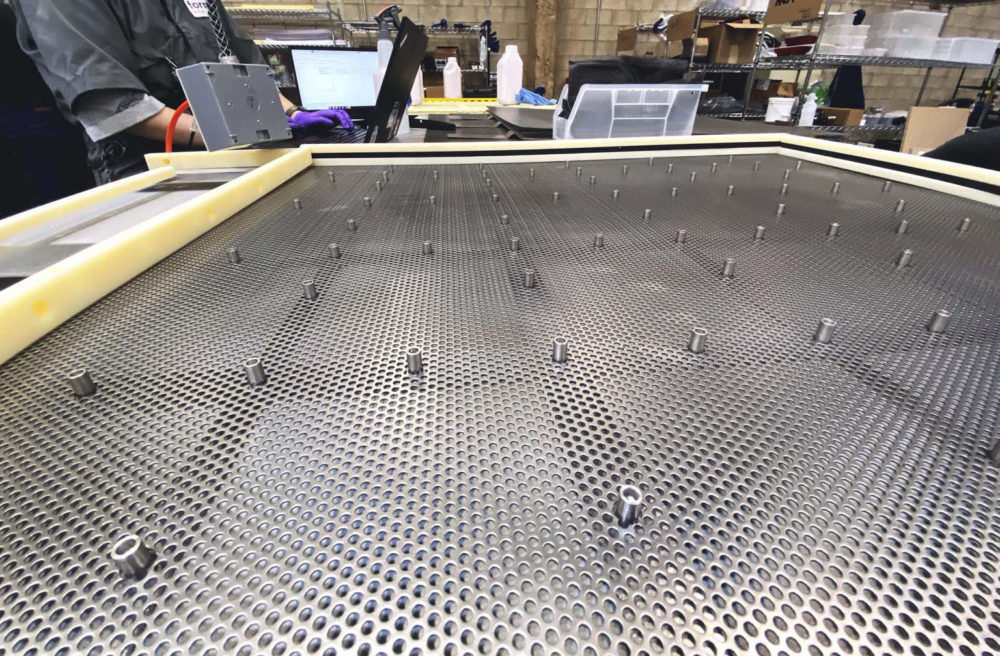
Iron anode section of prototype battery, Form Energy

Form Energy’s battery uses the chemical reaction that creates rust, i.e. iron and oxygen, to store energy in a kind of technology known as stage transition, which harvests the energy given off by matter when it’s stressed or changes form, for example from a gas to a liquid, or when a giant weight is lowered, held, and dropped again.

Understanding these technologies without being an expert in thermodynamics or chemistry simply involves accepting the fact that since matter is energy, energy can be stored and released in ordinary elements as they change form.

“Our first commercial product using our iron-air technology is optimized to store electricity for 100 hours at system costs competitive with legacy power plants,” write Form on their website. “This product is our first step to tackling the biggest barrier to deep decarbonization: making renewable energy available when and where it’s needed, even during multiple days of extreme weather, grid outages, or periods of low renewable generation.”

“We’ve completed the science,” says Form Energy’s President and COO Ted Wiley, “what’s left to do is scale up from lab-scale prototypes to grid-scale power plants.”

Wiley from their location in Sommerville, Massachusetts added that “the modules will be one-tenth the cost of any technology available today for grid energy storage.”

RELATED: Biodegradable Algae Solar Panels Clean The Air While Growing Green Energy

Inside the battery cells, thousands of tiny pieces of iron are exposed to oxygen and rust, but when the oxygen is removed, the iron-oxide goes back to iron. By controlling this process, the battery is charged and discharged.

According to WBUR News Boston, Form are planning to have their first 1 MW pilot project installed at the Great River Energy power plant in Minnesota by 2023.

CHECK OUT: Aptera Solar-Powered Car With ‘1,000-Mile’ Range Gets 7,000 Preorders for Delivery in 2021

Behind this relatively unknown firm are major investors like the Italian oil giant Eni, Amazon’s Jeff Bezos, Microsoft founder Bill Gates’ subsidiary Breakthrough Energy, and iron giant ArcelorMittal, who just committed $200 million in a series D funding round, hoping to acquire non-exclusive supply rights of iron for the company’s batteries.

There are many other wonderful ideas of how to bring renewable energy storage to world markets, but not all of them will survive or attract the funding necessary to see their dreams realized.

However the free market, by selecting one firm’s goods and services over another’s, naturally moves the talented labor on to other sectors where it can be better utilized, meaning that as soon as a small pool of battery firms attract most of the investment money, hundreds of innovative energy nerds will be unleashed on other substantial problems in the society. A win-win.

POWER UP Your Friends’ News Feeds With the Good News—Share This Story…

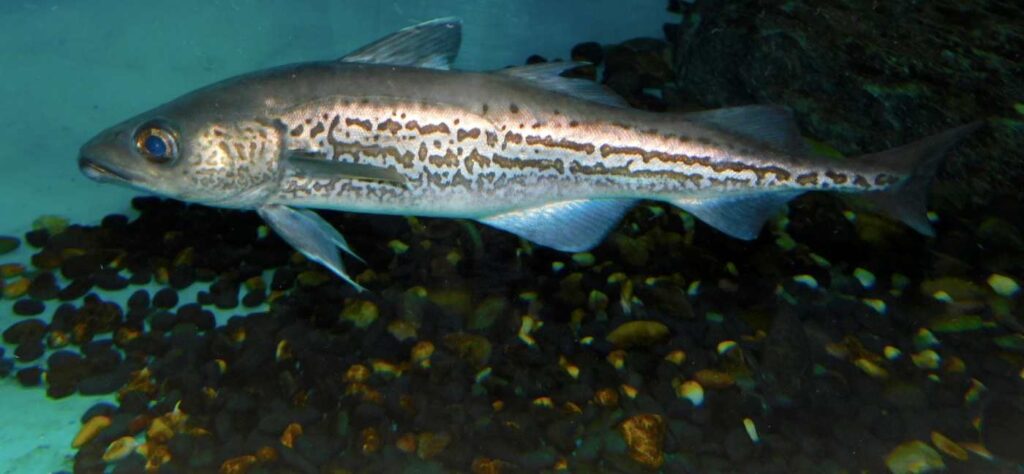
This Beloved Alaskan Fish has the Lowest Carbon Footprint of Any Major Protein in the World

George Beringer, CC license

Off the pristine waters of Alaska, there is a harvest of an almost magical fish that everyone loves, but that maybe doesn’t get the recognition it deserves.

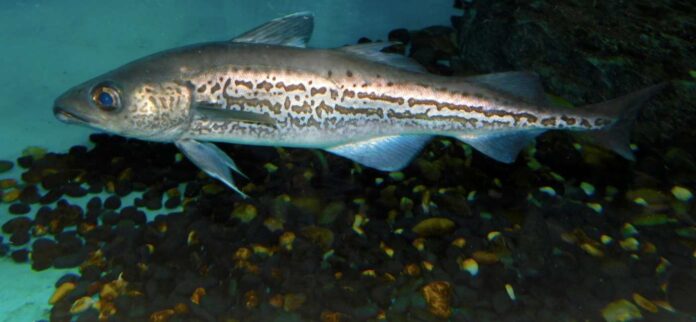
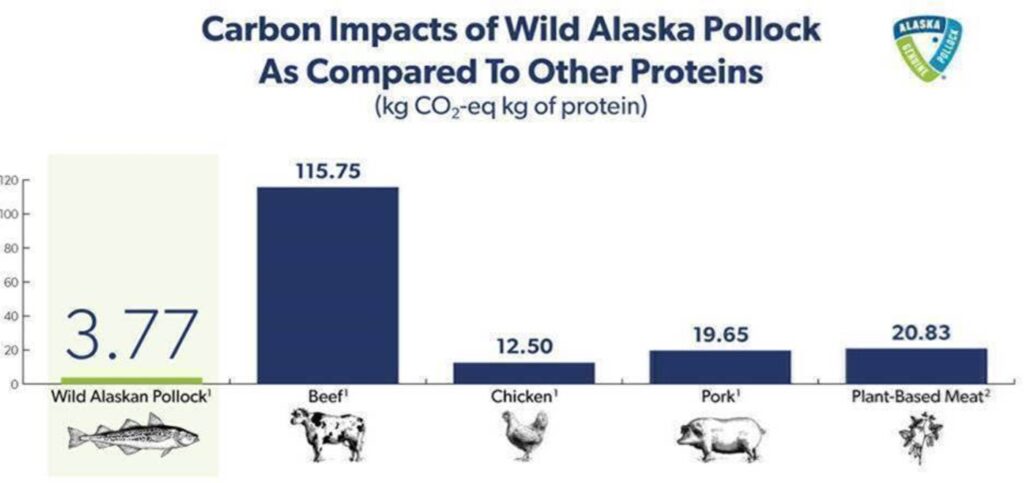
For those who believe their dietary choices should account for the impact on climate, the choice is clear, and it isn’t fake meat, but rather Wild Alaskan pollock which has the lowest carbon footprint of any major protein source in the world.

The finding, based on a life-cycle assessment (LCA) by the leading sustainability consultancy firm Quantis, is staggering, because when we say major, we mean major. 

Wild Alaskan pollock is the world’s largest sustainable wild-caught fishery, and the Association of Genuine Alaskan Pollock Producers (GAPP) produce more wild caught fish for consumption than any other single fishery in the world at 3.3 billion pounds per year.

It is the most consumed whitefish in Europe, and the third most consumed fish in the U.S.

Staggeringly, pollock from Alaska provides for the entire world’s supply of McDonald’s filet-of-fish sandwiches, as well as the bulk supply of beloved European processed fish products like fish fingers in England, schlemmer-filets in Germany, and kibling in the Netherlands.

Furthermore, pollock is the number-one source for surimi, or imitation crab, in Asia and most of the world’s sushi and hotpot restaurants, having cornered the market for products like kamabuko—fish balls for traditional Chinese hotpot—and the California roll.

Astonishingly all this supply and demand, all 3.3 billion pounds of it, can be achieved annually with 15% of the total stock of fish.

“It schools in volumes that are really unmatched in the world, in any other ocean,” says GAPP CEO Craig Morris. “It schools in what we call very clean biomass. There’s very little bycatch—far less than 1% of what we catch is not what we’re fishing for.”

“It’s a fishery that learned from the challenges some of the other fisheries around the world faced. When we started fishing for Alaska pollock 40 years ago, we had to be more efficient than other fisheries because [it] doesn’t school off major population centers.”

A dedicated breed

GAPP

For GAPP, their control over this magnificent fish comes with pride, and the sense of responsibility normally reserved for National Park Rangers.

MORE: U.S. Suspends Oil and Gas Leases in One of Nation’s Largest Wilderness Areas

“We look at this as a fishery that we want to hand down to the generations to come,” said Bob Desutel who sits on the board of directors for GAPP. “We’re quite proud of what we’ve done here, and validated it here with this life-cycle assessment.”

The Quantis LCA, which took account of every measurable speck of energy used to produce a frozen piece of pollock, found that all the aforementioned staples can be provided to the world for around 3.7 kg of CO2 or equivalents per kg of pollock, which is substantially-less than any terrestrial protein source, less even than eggs, and one-fifth of the CO2 produced from making the Impossible Burger or other fake meats.

Propulsion is the primary driver of carbon in the fishery, Bob admitted to GNN, but the wild-caught element means that no carbon is produced to create food as would be the case in traditional aquaculture.

Furthermore, their substantial reliance on Alaskans for the post-catch segment of the supply chain means that very little carbon is generated through transportation or shipping jobs over seas.

Indeed a report demonstrated that over 26,000 Alaskans are employed in the seafood industry, with an average of one-third of all work, both catching and processing, done on pollock.

CHECK OUT: Watch Humpback Whales Herd Salmon With Their Fins in Never-Before-Filmed Feeding Behavior

“In Alaska, all that really leaves are boneless fillets, boneless surimi and we turn basically everything else into fishmeal and oil,” said Morris. “And those two are processed in Alaska, so basically there’s zero waste. Every pound that leaves Alaska is in a useable form.”

For generations to come

“My family comes from Massachusetts and they lived off of what everyone thought was the inexhaustible Atlantic cod resource, and they did not have the coordinated approach that we enjoy in Alaska,” said Morris. “The oceans are something that need a science-based approach to ensure that populations remain at stable levels for generations to come.”

And GAPP helps achieve this goal year in year out with the help of the Alaska Fisheries Council, the Dep. of Commerce, and the National Oceanic and Atmospheric Administration, to ensure the health of the fish stocks continue, and that only adult fish are the ones being targeted.

In order to further reduce emissions, GAPP and the agencies above use solar-powered sailing drones equipped with sonar that crisscross the waters for as long as it takes until every inch of habitat is surveyed, and the number of fish schooling at about 500-1000 grams weight are counted, thereby setting the catch for the coming year.

READ: The US Halts Old-Growth Timber Sales in World’s Largest Remaining Temperate Rainforest

“For those concerned about the impacts their dietary choices have on climate change, there is a protein that’s right there in front of you, that’s really unmatched in its carbon store,” says Morris.

“We wanted to make sure since we’re the largest sustainable wild-caught fishery in the world that our partners looking to make sustainability commitments, it doesn’t matter if that’s an Aldi, a Costco, or a Walmart, we wanted them to know that by marketing our product they’re doing a lot for the environment.”

SWIM This Fascinating Story Over to Friends on Social Media…
“Being happy doesn’t mean that everything is perfect. It means that you’ve decided to look beyond the imperfections.” – Gerard Way

Quote of the Day: “Being happy doesn’t mean that everything is perfect. It means that you’ve decided to look beyond the imperfections.” – Gerard Way (singer-songwriter, co-founder of My Chemical Romance, and comic book creator)

Photo: by note thanun

With a new inspirational quote every day, atop the perfect photo—collected and archived on our Quote of the Day page—why not bookmark GNN.org for a daily uplift?

Maine is First U.S. State to Ban PFAS “Forever Chemicals” in All Products—and Huge Companies Are Getting On Board

With retailers and restaurants recently uniting to purge their inventory of dangerous “forever chemicals,” consumers can feel a bit better about supporting some of their favorite companies.

Made up of 23 brands totaling almost 84,000 physical stores and $570 billion in annual sales—the new alliance is uniting against a class of chemical contaminants variously called PFAS, PFOA, PFOS, or polyfluoroalkyl substances.

The diversity of the retailers, from Chipotle to Home Depot, from REI to TJ Maxx, reflects the true nature of the threat. PFAS come from a wide-variety of products, but have no known degradative pathway in nature, giving them the moniker “forever chemicals.”

They are found in the coatings inside popcorn bags, on water-proof raincoats, and on linings for non-stick Teflon pans. They are also injected via spray as industrial fire-fighting foam and stain protectors for furniture and outdoor equipment, and are found baked into industrial carpet fibers.

Now, they are being found in the water supply for as many as 16.5 million Americans.

Recent legislative and corporate governance strategies have seen major reductions in the use of PFAS in some places. For example on July 15, Maine became the first U.S. state to ban PFAS outright, except where it is currently unavoidable, like in critical hospital and medical supplies.

“I am proud to see Maine taking action that will change the conversation on how PFAS are regulated, not only addressing the entire class, but creating the requirement to avoid these persistent and toxic chemicals wherever possible,” stated Patrick MacRoy, deputy director of Defend Our Health.

But the benefit to be gained from a company like McDonald’s abstaining from the use of any PFAS in their packaging is that their products end up all over the country and the world, and so can protect people from their harmful effects without relying on the support of a localized government agency.

The same goes for Target, Amazon, 7-Eleven, Food Lion, Wendy’s, Panera Bread, Lowes, and others.

MORE: Mussels Can Help Filter Microplastics Out of Our Oceans Without Any Harm to the Molluscs

Know what you are buying

Safer Chemicals Healthier Families is an organization that provides excellent oversight on the state of contaminants and harmful chemicals and the products that usually contain them, the scientific work that identified them, and government ordnances banning them. They say that even though it’s likely every human in the U.S. has PFAS in their body, there are steps everyone can take to minimize their risk.

RELATED: Nigerian Homes Built From Thousands of Plastic Bottles –12x Stronger Than Brick And Earthquake Strong

One method is to stay away from takeout food containers, popcorn bags, or packaged food. They also provide a list of name-brand packaging that is certified as PFAS-free.

MadeSafe, another resource for identifying common toxic chemicals in everyday household cleaning and hygiene products, will tell you which ones tend to contain PFAS.

Avoid Teflon or other non-stick coatings on pans, don’t use them if you’ve left them on too high a heat for too long, and if the non-stick coating isn’t so non-stick anymore, get rid of the pan.

CHECK OUT: Maine Becomes First US State to Make Corporations Pay for Recycling if They Don’t Use Sustainable Packaging

New U.S. legislation

An important detail has emerged in the battle to prevent chemicals in packing products and drinking water on July 21st. The House voted to pass a PFAS “Action Act.”

H.R. 2467, if passed through the Senate, would give the EPA one year to designate PFOS and PFOA as harmful chemicals, but five years to determine whether to designate PFAS as a harmful substance and harmful air pollutant.

READ: New Shipping Material Made From Popcorn Can Replace Styrofoam ‘Peanuts’

In the same vein, a national drinking water standard for these chemicals, meaning how much contamination is legally allowed, is to be established over a period of two years.

The bill suggests products should have a ‘containing PFAS’ label, but that such a label should be voluntary.

It may be a slow-moving governmental action for now, but we can be proud of the 23 American brands, as well as states like Maine, which aren’t waiting around to get rid of a ‘forever’ toxic chemical.

HOPE is Forever—Share This Plastics Story With Pals on Social Media…

Blind For 15 Years She Now Has 20/20 Vision And Sees Her Grandchildren For the First Time

SWNS
SWNS

A woman left blind for 15 years has finally regained her sight after a life-changing operation.

Doctors believed 59-year-old Connie had glaucoma when she rapidly began to lose her eyesight over a decade ago. But then an ophthalmologist diagnosed cataracts in 2018—one of the most common and treatable adult vision issues.

Connie, who lives in Colorado, began noticing halos and prisms on lights while driving in 2003 and went to a doctor who told her she had glaucoma. Three weeks later she lost even more sight and peripheral vision.

Doctors believed her vision was inoperable. She went blind. Determined not to let her condition stop her, Connie continued doing things she had loved before—such as ice skating, kayaking, camping, and attending sporting events and concerts.

“I was so happy to be in the nosebleeds screaming my lungs out and not seeing anything,” she said.

“I just lived life as much as I possibly could the way I did before I lost my sight.”

Still, she found some things difficult to adjust to.

“I wasn’t really sure to how to use a cane and I would keep walking into bushes,” she said. “I had to have somebody with me when I cooked to make sure the food looked okay. I couldn’t vacuum and had to sweep in a pattern.”

Then, three years ago, she got the surgery that changed everything about her life.

On November 12th, her right eye was operated on.

“When they took my patch off the next day the first thing I saw was the nurse’s eyebrow, eyelashes, and pupil and I started crying,” Connie said. “She had me read an eye chart and the first line I read was 20/20.

“I had the second eye done and right after Thanksgiving, I was seeing 20/20 out of both eyes.”

MORE: Honda is Designing an Ingenious In-Shoe Navigation System For The Visually Impaired

Connie’s guide dog Talulah Mae now acts as a regular, much loved dog. He also has a job as a unit clerk with UCHealth.

SWNS

She has been able to see her eldest grandchild for the first time since she was an infant, and her other eight grandkids for the first time ever.

“The eldest doesn’t look anything like she looked when she was three weeks old,” Connie joked.

RELATED: Breakthrough App Guides Blind Runner on Solo 5k Run Through Central Park

Then there’s the unfolding beauties of nature to see and behold once again.

“I got to watch all the flowers bud and the trees grow leaves,” she said, delighted.

“People think it’s tedious to watch grass grow, but when you haven’t seen a blade of grass in years, you watch the grass grow.”

Of seeing her husband once again? Connie says: “He’s still the most handsome man ever and I’m still completely in love with him.”

Now, she’s excited to retake the vacations the couple had been on when she was blind.

CHECK OUT: Meet the 18-Year-old Blind Piano Player Who is So Talented, Scientists Are Studying His Brain

“He took me to the Oregon coast, Yellowstone, and all through the Rockies. Now I just want to go experience it again,” she said.

“Well, I want to go see it.”

(WATCH the SWNS video for this story below.)

GIVE YOUR FRIENDS a Vision of the Good News—Share This Story…

This Year’s Perseid Meteor Shower Will Be Super-Bright With Up To 50 Shooting Stars An Hour

During the next few weeks, look up and you can expect to see more than your average number of bright and shimmery shooting stars lighting up the night sky.

The Perseids “are considered the best meteor shower of the year,” according to NASA.

This year’s show began on July 17 and will last until August 26. The peak will be on the night of August 11, running into the early hours of August 12. That’s when the rate of shooting stars will be at its highest, with about 50 meteors per hour.

The extra good news? The moon will be only 13% illuminated on August 11, so if you have clear skies you’ll have an excellent view of all those shooting stars.

MORE: NASA Helicopter Sends Stunning Photos of Martian Landscape from 33 Feet Up – LOOK

You can be anywhere in the Northern Hemisphere to enjoy this show of speed and light. Fine summer weather should make for comfortable viewing too. To best see the starry sight, try to face northeast towards the Perseus constellation.

But just what are you seeing up there? According to Farmer’s Almanac, “Meteors occur when Earth rushes through a stream of dust and debris left behind by a passing comet (the Swift-Tuttle comet, in the case of the Perseids). When the bits strike Earth’s upper atmosphere, friction with the air causes each particle to heat and burn up. We see the result as a meteor.”

RELATED: Here Are Some City-Adjacent Locations For Viewing Celestial Wonders

P.S. If you’re not able to get out to a place with dark skies to watch the event, check out the Virtual Telescope Project. They’ll be streaming the peak night live, so everyone can enjoy the show.

SHARE The Far-Out News With Starry-Eyed Pals on Social Media…

This Repair Shop is on a Mission to Fix Our Throwaway Culture

Remade Network, Facebook
Remade

The urge for most of us is to throw something away—even if it means we have to buy a new one for more money—as it’s often easier than finding a store that will fix it, taking it there, then going out later and picking it back up, all with the chance that it might break again in the future.

But the residents of one Glasgow neighorhood are taking on that important responsibility.

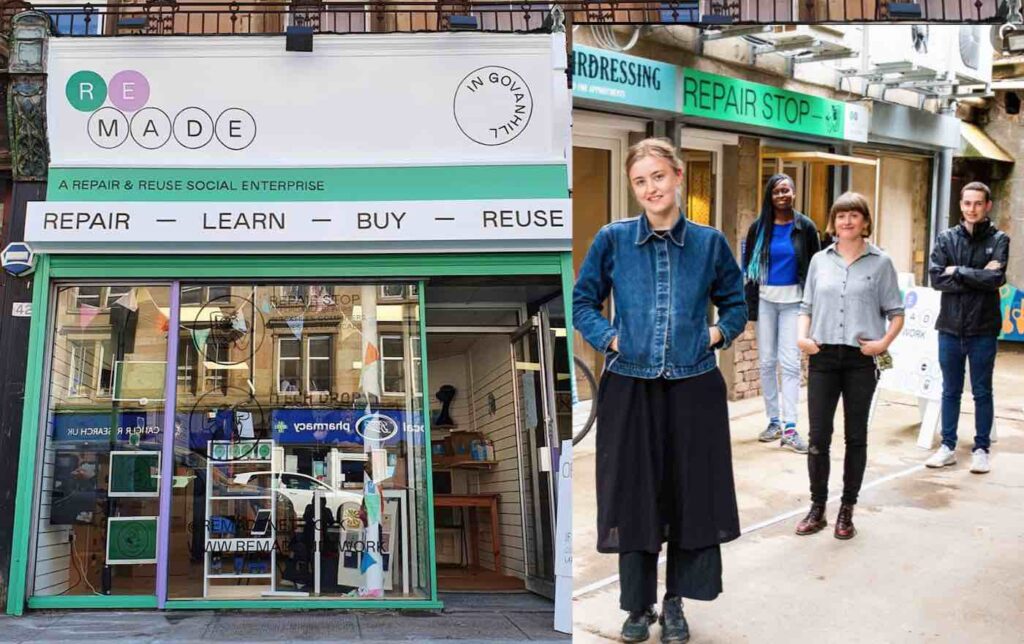
After a mend and repair shop opened in the Govanhill neighborhood, hundreds of residents began bringing in broken electronics and clothes to be repaired, resisting the urge to rid themselves of the problem by going on Amazon and getting a new one.

The shop is called Remade, and it’s looking to change the way Britain consumes.

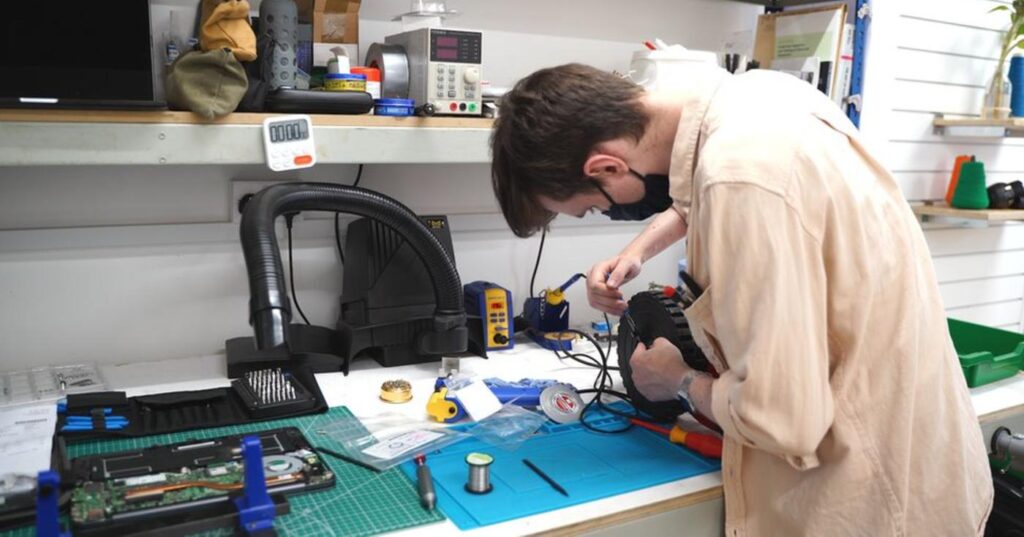
A team of technicians, general repairmen, and tailors work, not out of charity, but as part of what the BBC described as a thriving business fixing every imaginable gadget, home appliance, lawn machine, garment, jewelry, and even Christmas ornament.

Along with mending broken items, Remade also works to find items new homes as a second-hand outlet, as well as connecting unneeded laptops or other internet-connected gadgets with homes that lack them.

So far they’ve supplied 1,000 computers to people after receiving donations from Glasgow city council.

Remade Network, Facebook

The BBC spoke with one repeat customer who said she had a watershed moment when an extension cable she owned stopped working.

“My immediate response was, well that sucks—I guess I will go to an online retailer like Amazon and buy another one,” she said. “Then I thought—hang on, there’s absolutely no need to do that—I know this place is open just down the road.”

MORE: Company Embodies ‘Right to Repair’ By Redesigning Auto Parts That Constantly Fail—And Selling Them Cheaper

It’s not easy these days to see that thought through to the end.

But it’s the right thing to do for the planet in a sense, as old electronics are contributing enormously to non-degradable landfill waste.

Furthermore, it’s not only the burden of transporting, storing, and tossing e-waste in a landfill, but the emissions that come from producing its replacement.

Computers, phones, and tablets for example need microchips that rely on lithium to produce, which is a rare earth mineral that is costly—both in terms of dollars and CO2 emissions—to mine.

RELATED: Student Invents Toilet That Converts Poop into Energy – And Pays in Digital Currency if You Help to Fill it!

Fortunately it’s not only GNN who knows this, and the Remade staff has grown to eleven employees to keep up with the demand of Scots taking on the mission of having their old stuff fixed up.

FIX YOUR Friends’ News Feeds—Share This Story With Them…